
Keeping your pet feeding area neat can make daily care feel easier and calmer. Small setup choices can help you avoid common feeding mistakes and keep your pet more comfortable.
1. Pick a Quiet Spot
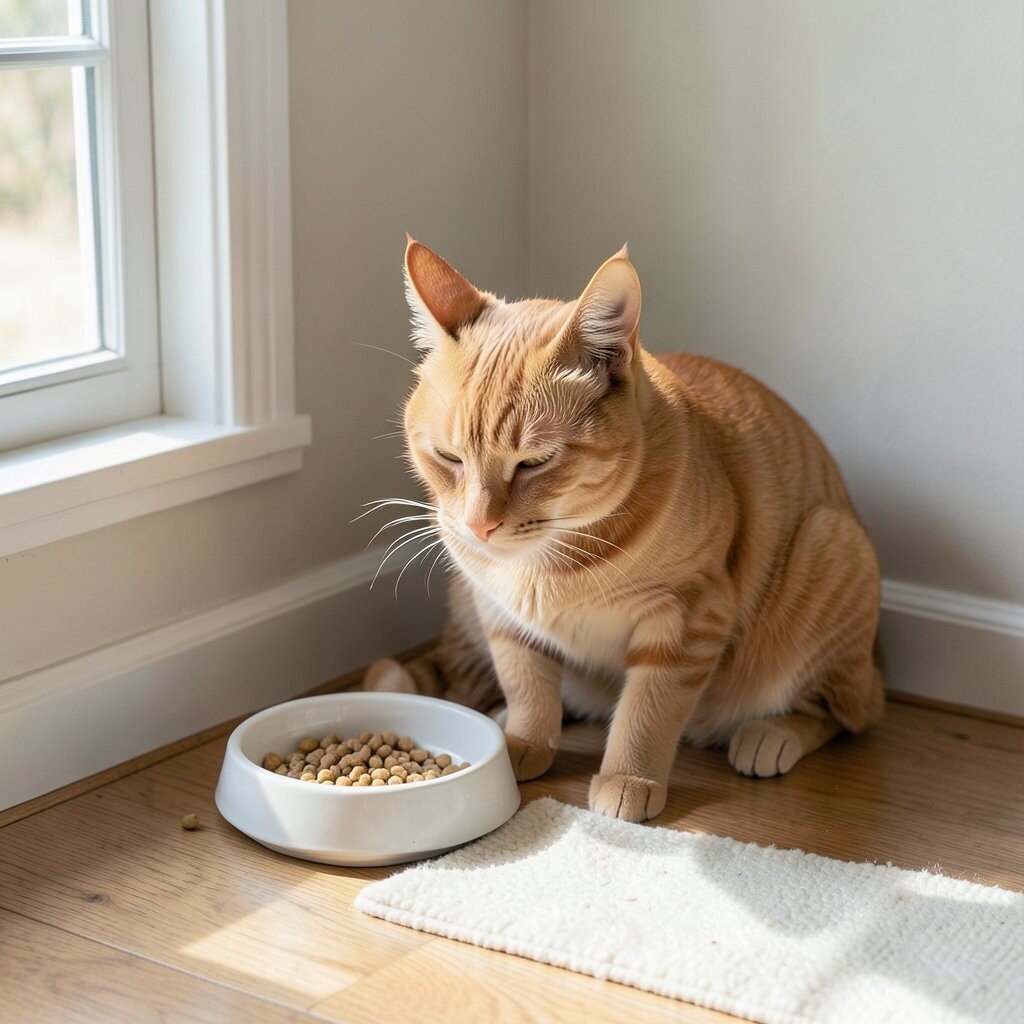
A calm feeding spot can help your pet eat with less stress. Try a place away from loud doors, busy walk paths, and rough play.
This simple choice can also help food stay in the bowl instead of getting bumped around. A quiet corner can look tidy too, which many people like in a shared home.
2. Use the Right Bowl Size
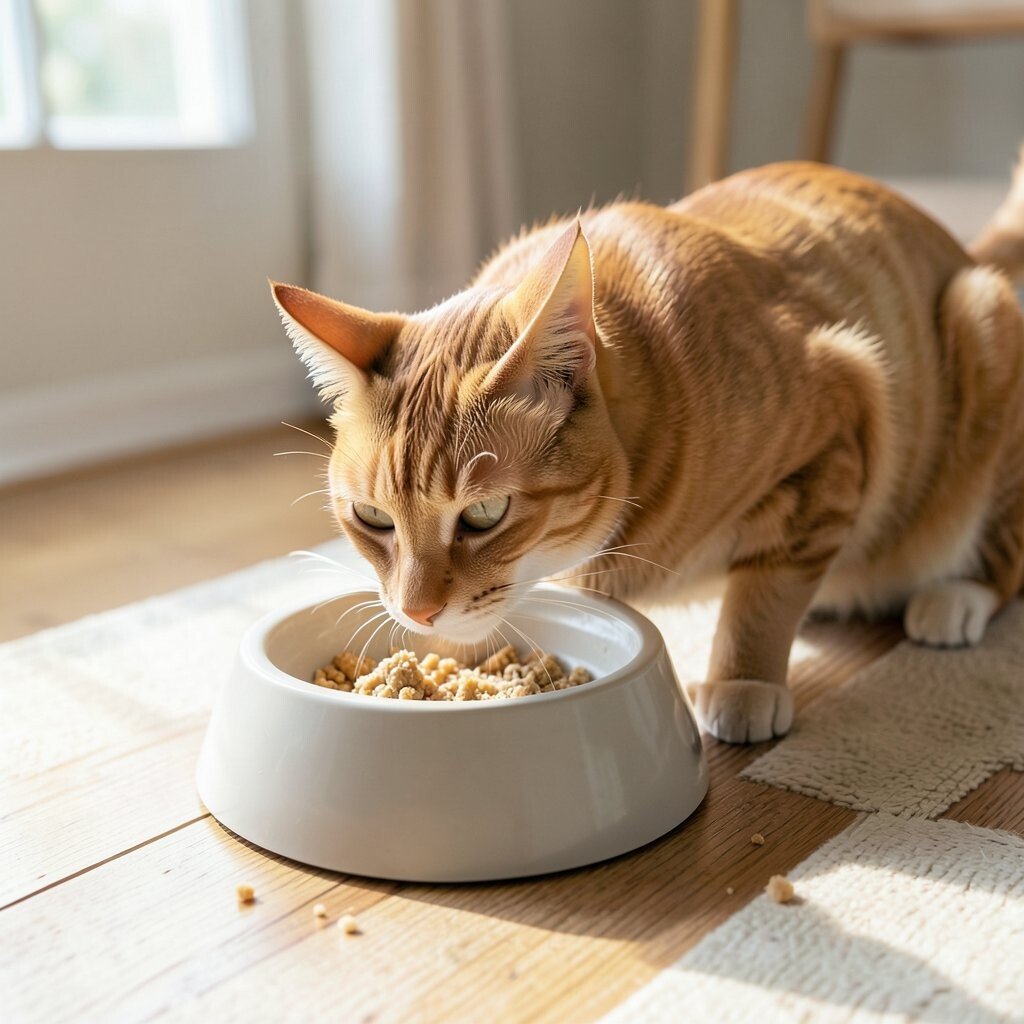
The bowl should match your pet’s size and eating style. A bowl that is too small can spill food, while one that is too deep can be hard to use.
Many pet owners now pick wide, low bowls for cats and steady, heavy bowls for dogs. These can cost a little more than basic bowls, but they often last longer and help reduce mess.
3. Keep Food and Water Apart
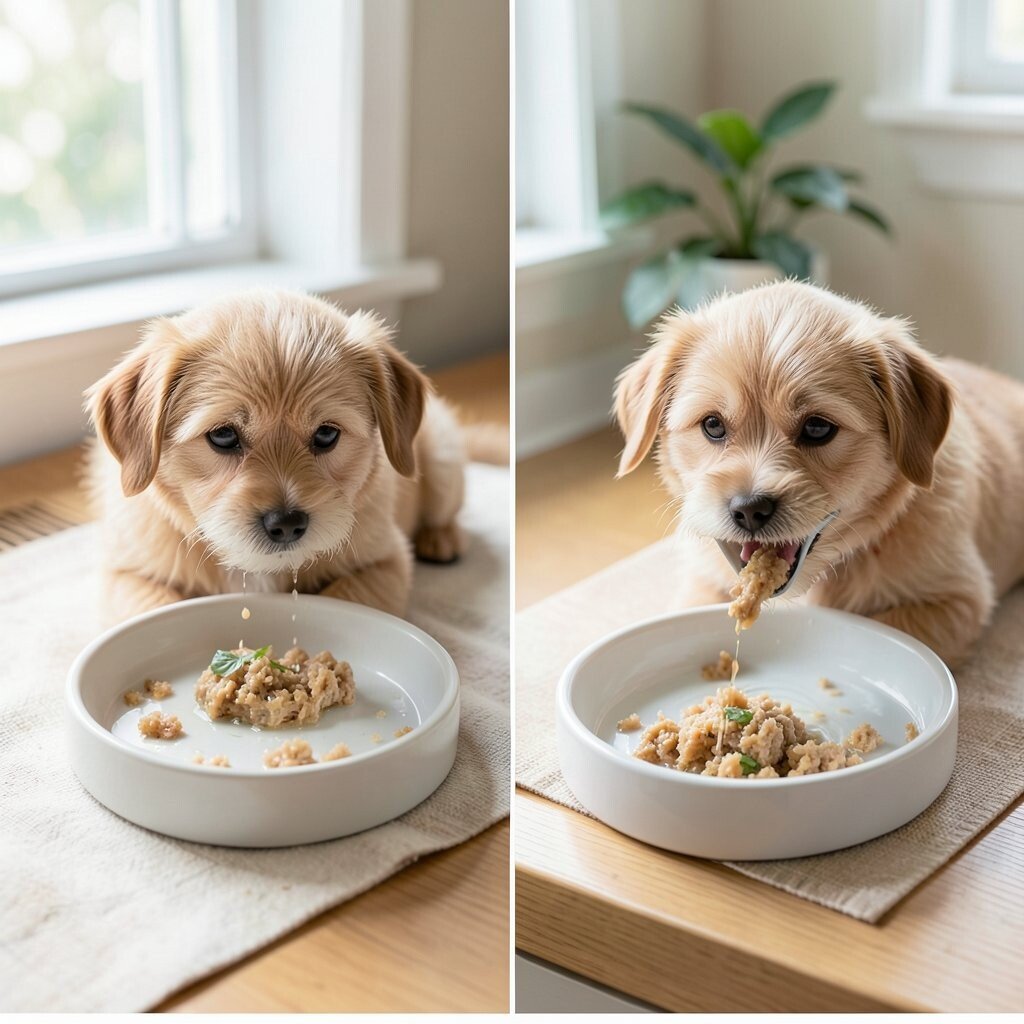
Food and water bowls should not sit too close together in a crowded way. When they are spaced out a bit, your pet can eat and drink more easily.
This setup also helps keep water cleaner, since crumbs and wet food do not fall in as often. A simple split layout can look neat and works well in small homes too.
4. Choose Easy-to-Clean Mats
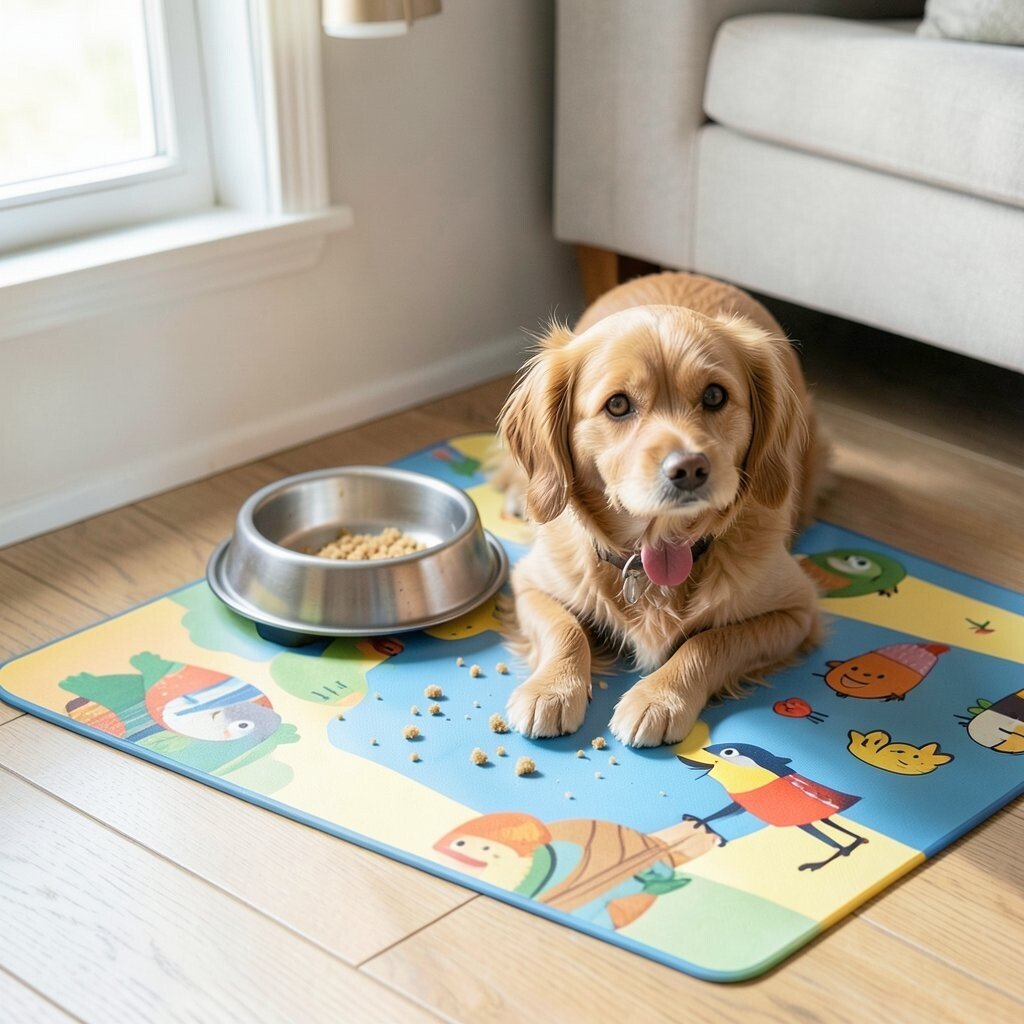
A mat under the bowls can catch spills and crumbs before they spread. Rubber or silicone mats are popular because they wipe clean fast and do not slide much.
This can save time and keep the floor from getting sticky or stained. Many mats come in plain colors or fun prints, so you can pick one that fits your room.
5. Measure Food the Same Way Each Time
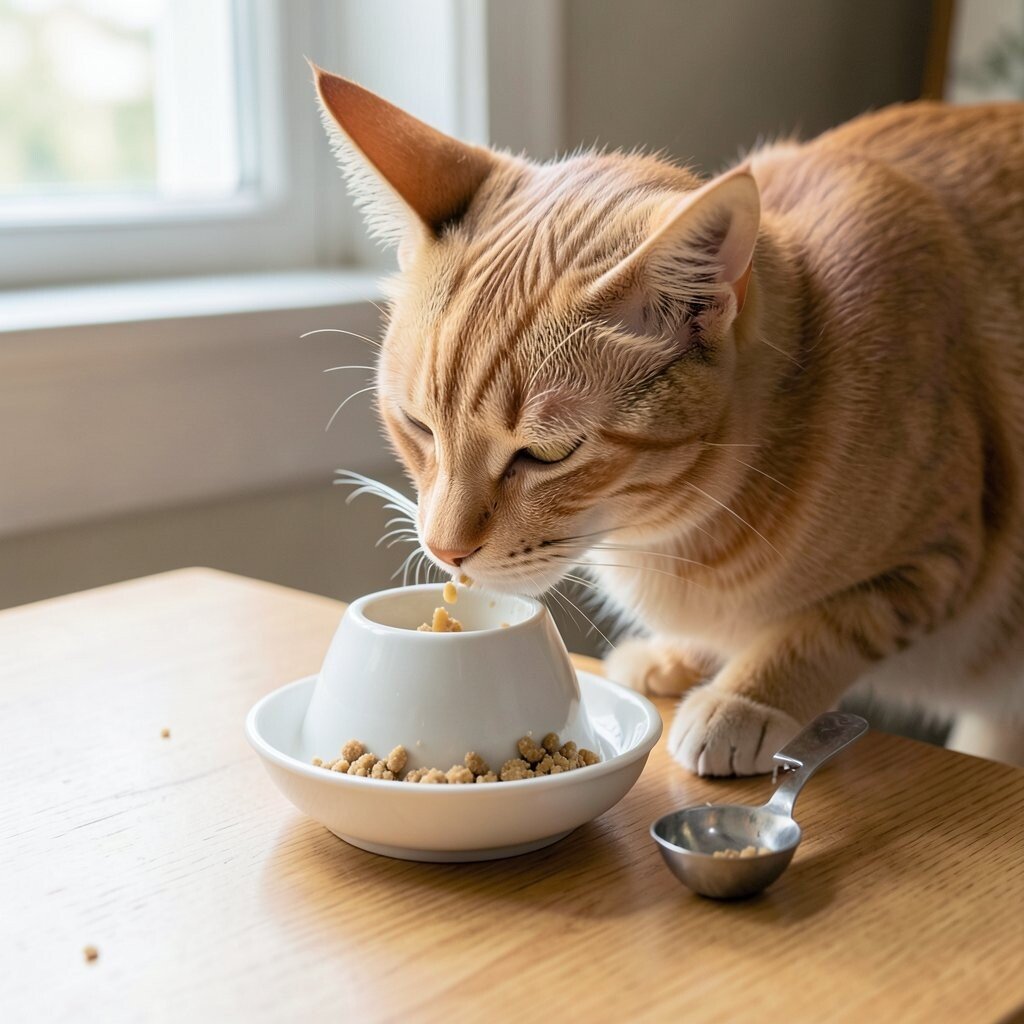
Using the same scoop or cup for each meal can help you avoid overfeeding. It also makes it easier to track how much your pet eats each day.
This habit can support a healthy weight and may lower food waste too. Some people keep a small scoop right by the feeding area so the routine stays simple.
6. Store Food in a Closed Container
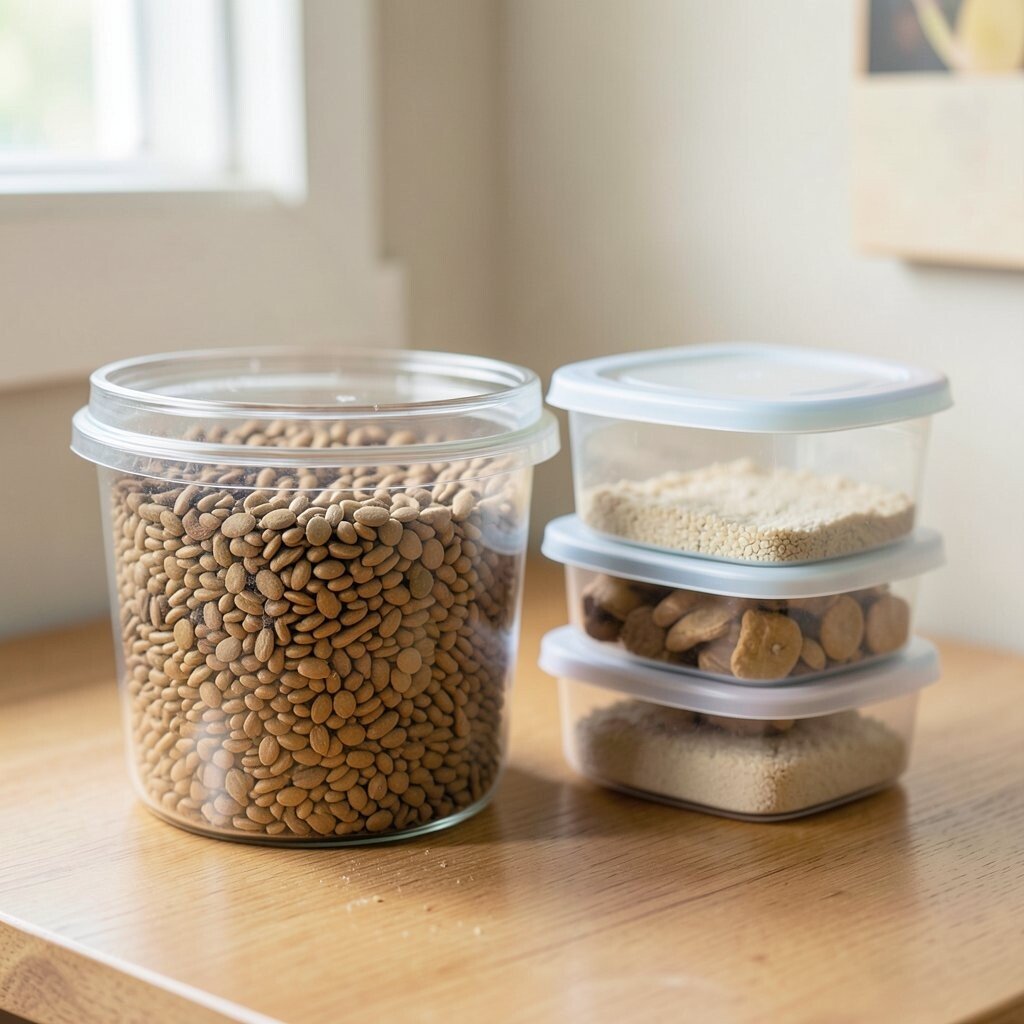
Dry food should stay in a tight container instead of an open bag. This helps keep out bugs, dust, and damp air that can spoil the food.
A clear container can help you see when food is running low, while a sealed bin can keep the area looking clean. Many pet owners like stackable bins because they save space and can cost less in the long run.
7. Clean Bowls Often
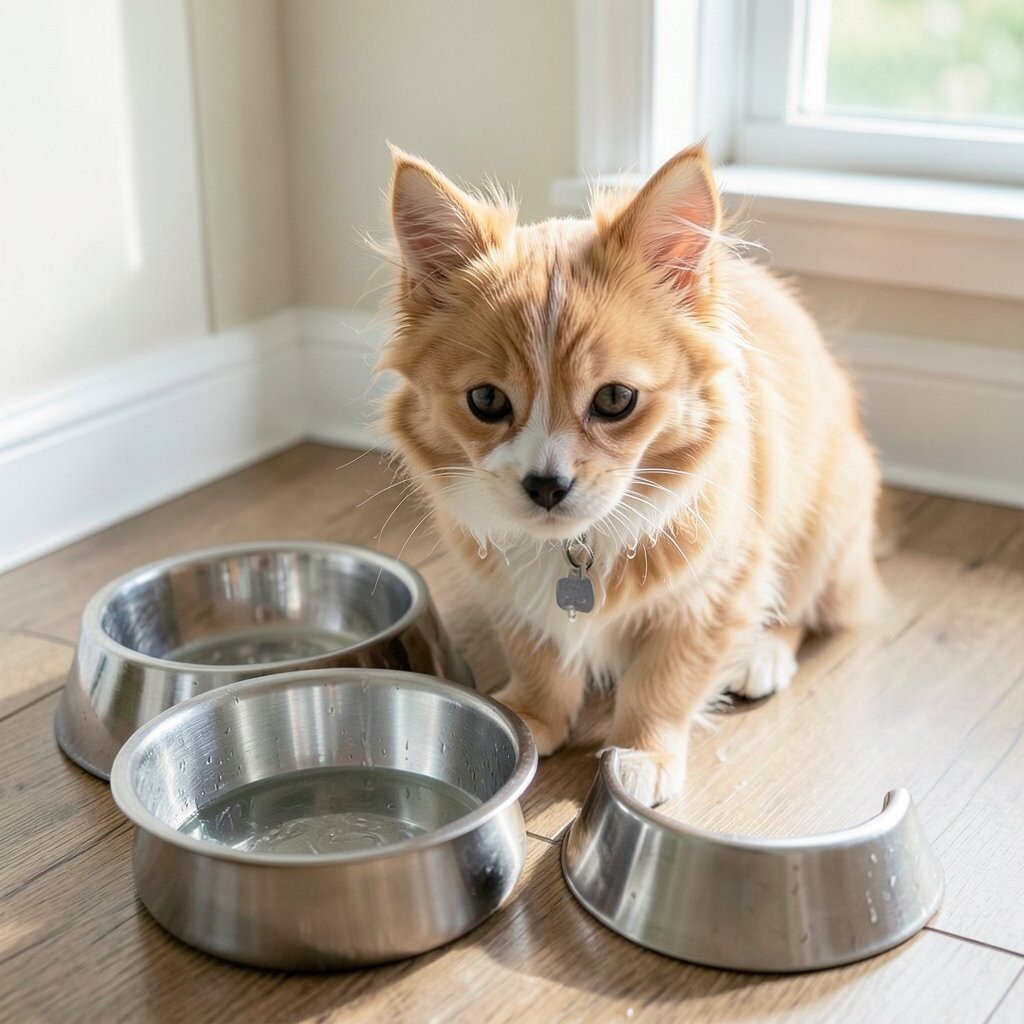
Food bowls can get slimy fast, so regular washing matters. A quick wash with warm water and mild soap can help keep germs down.
Clean bowls also make food smell and taste better to your pet. Stainless steel and ceramic bowls are common choices because they are easy to wash and often look nice on the floor or a shelf.
8. Watch for Slipping Bowls
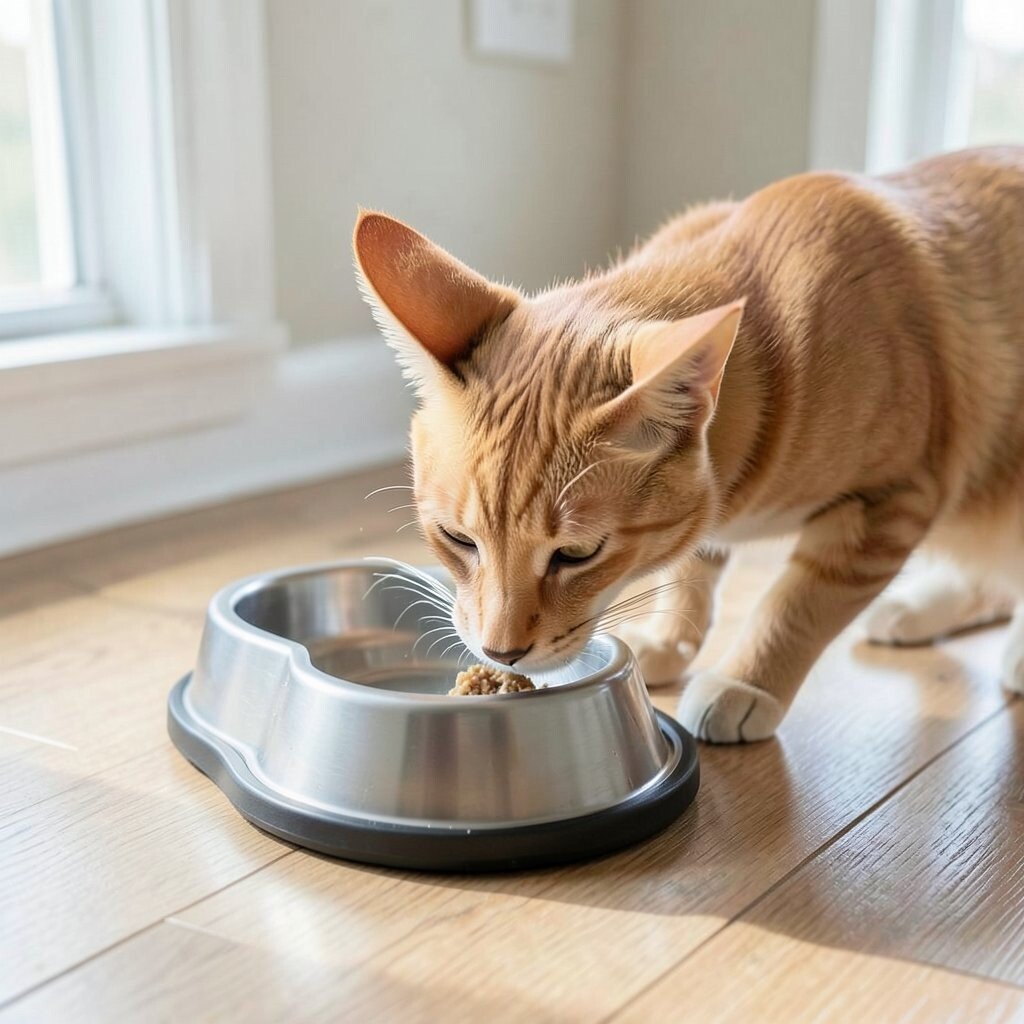
Bowls that slide can make a mess and annoy your pet. A non-slip base or a heavy bowl can help keep everything in place.
This can be very helpful for pets that eat fast or push their bowls around. It is a small fix, but it can make the feeding area feel more set up and less messy.
9. Keep the Area Free of Clutter
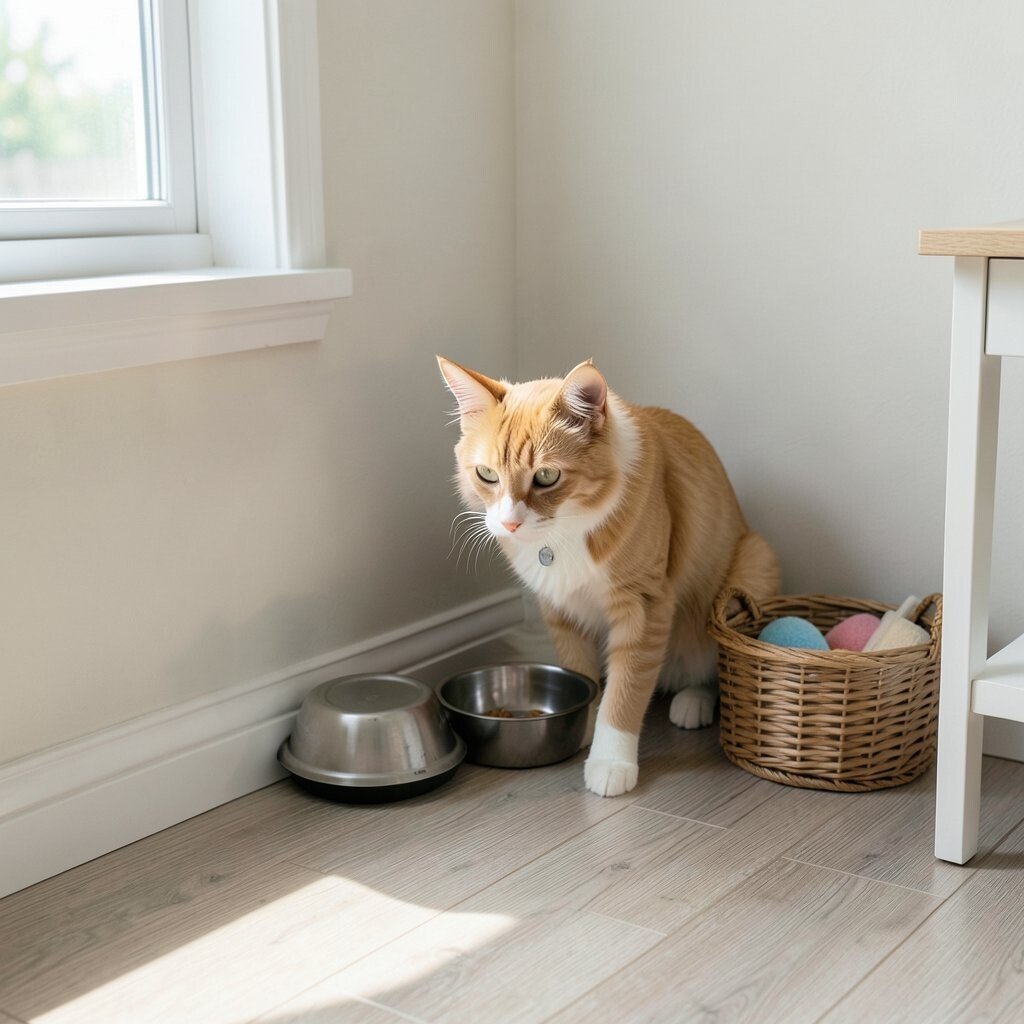
Try not to crowd the feeding area with bags, toys, shoes, or cleaning tools. A clear space helps your pet reach food and water without bumping into things.
This also makes it easier for you to clean and refill bowls. A simple shelf or basket nearby can hold extras and keep the floor open.
10. Use the Same Feeding Spot Each Day
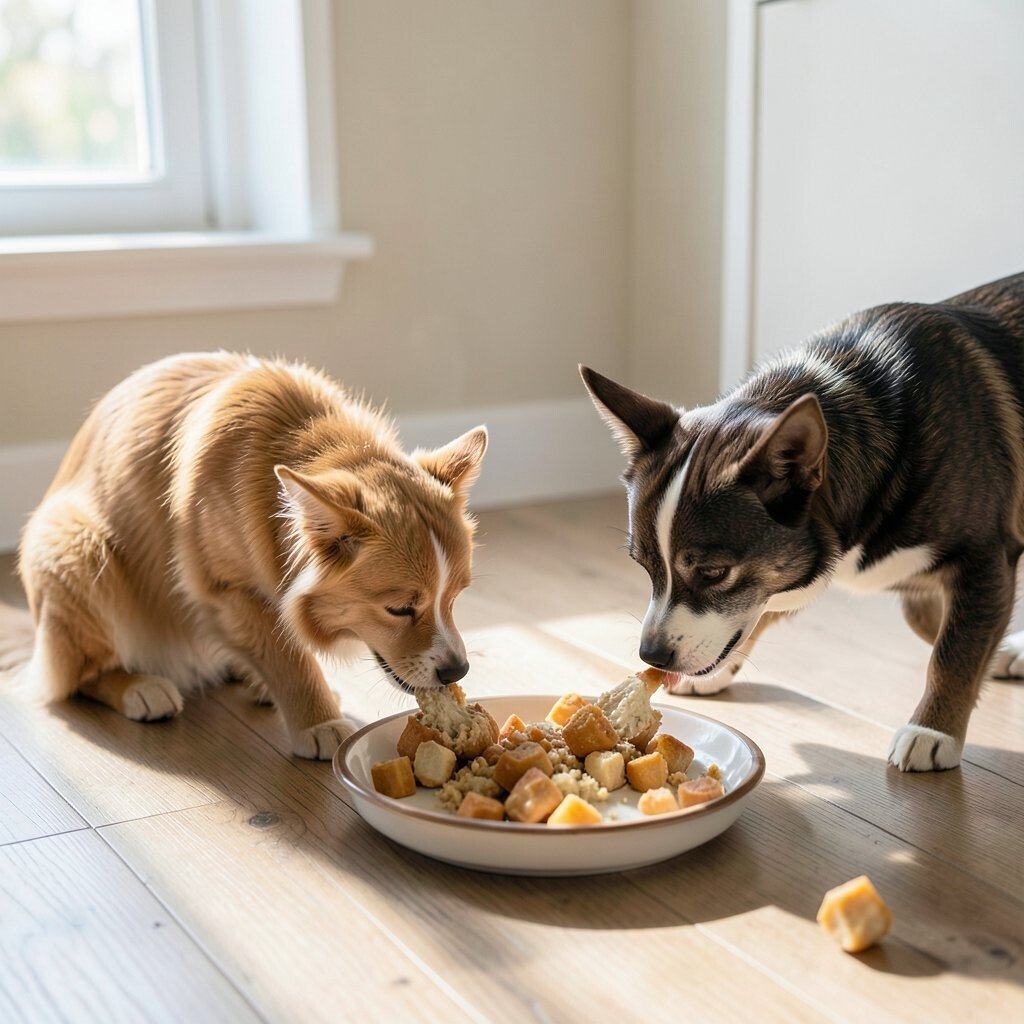
Pets often feel better when meals happen in the same place. A steady spot can make the routine easier for them to learn and follow.
It can also help you spot changes in eating habits faster. If your pet suddenly avoids the area, you may notice a problem sooner and act on it.
11. Add Good Lighting
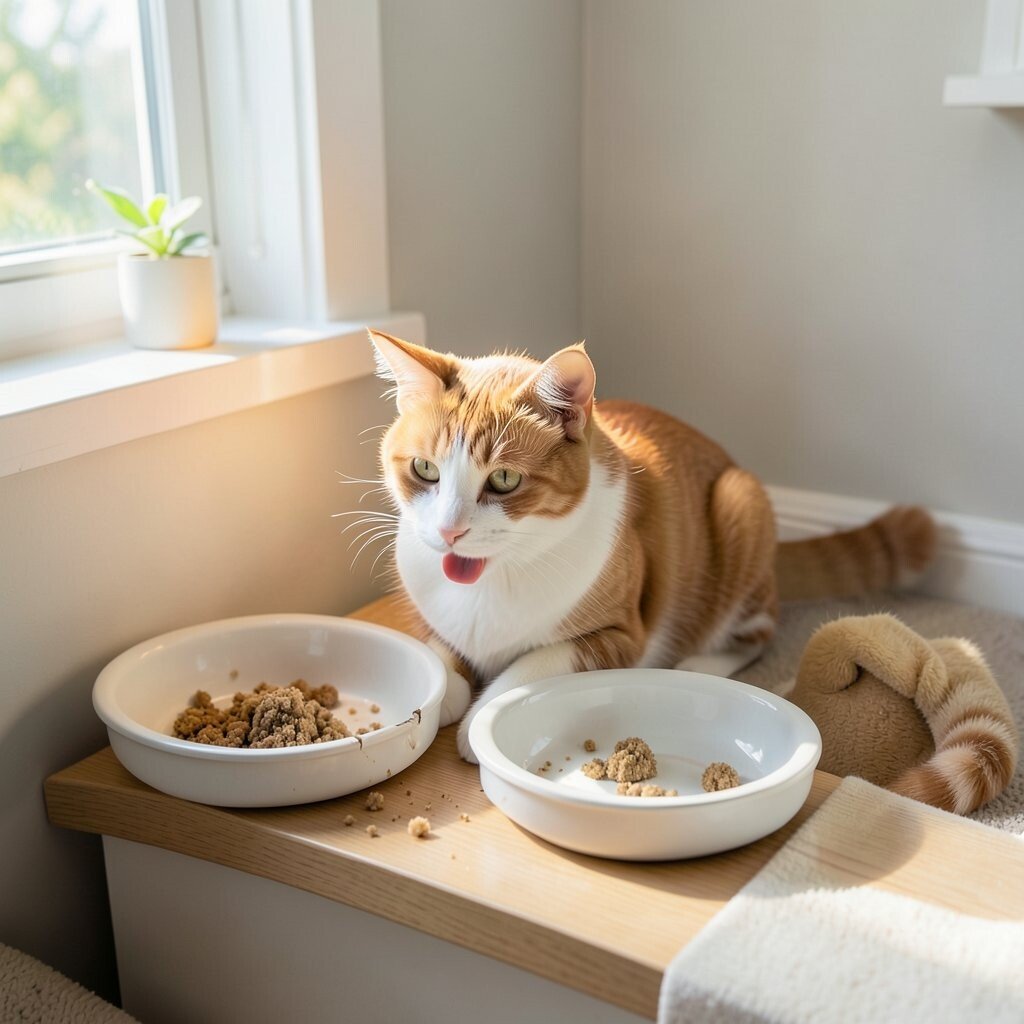
A feeding area with enough light is easier to use and clean. Soft daylight or a small lamp can help you see spills, crumbs, or bowl cracks.
Good lighting also gives the space a more calm and cared-for feel. This is a simple update that does not cost much and can make daily feeding feel smoother.
12. Match the Setup to Your Pet
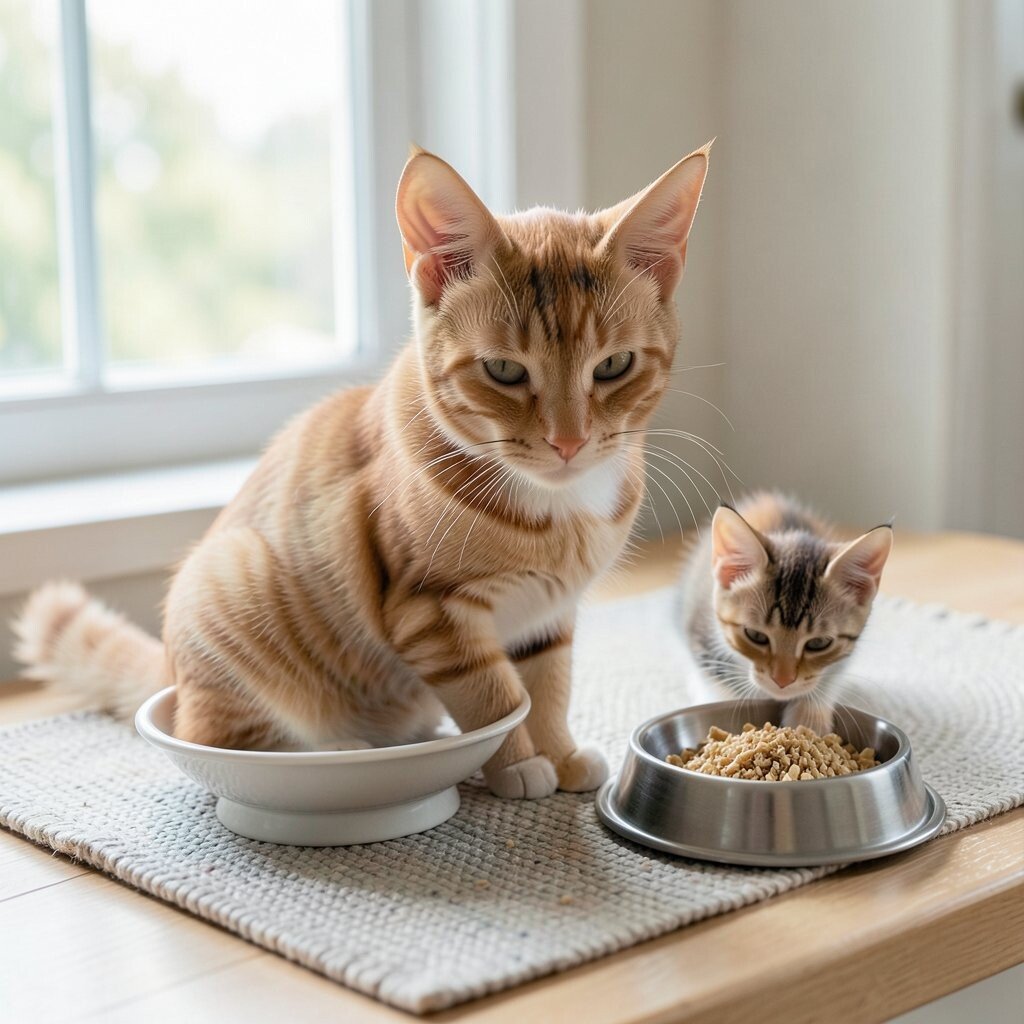
Every pet has different needs, so a one-size setup may not work well. Older pets, small pets, and pets with long ears may need a different bowl shape or height.
You can make the space fit your pet by using a raised stand, a shallow dish, or a wider mat. This kind of personal touch can help your pet eat with less strain and less mess.
13. Check for Signs of Wear
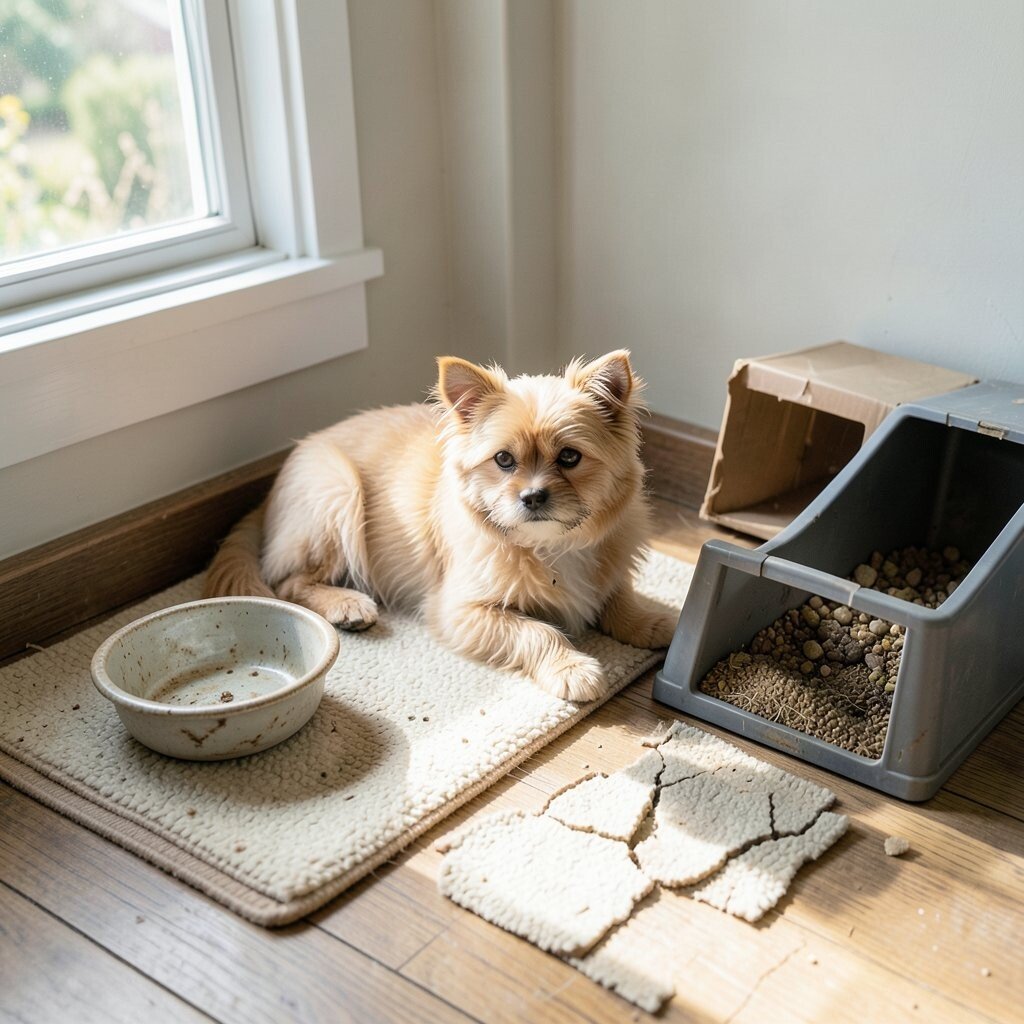
Old bowls, cracked mats, and broken storage bins can make the area less safe. A quick look now and then can help you catch small problems before they get worse.
This is a low-cost habit that can save money later. If you see scratches, chips, or loose parts, it may be time to replace the item.
14. Make Space for Fresh Water
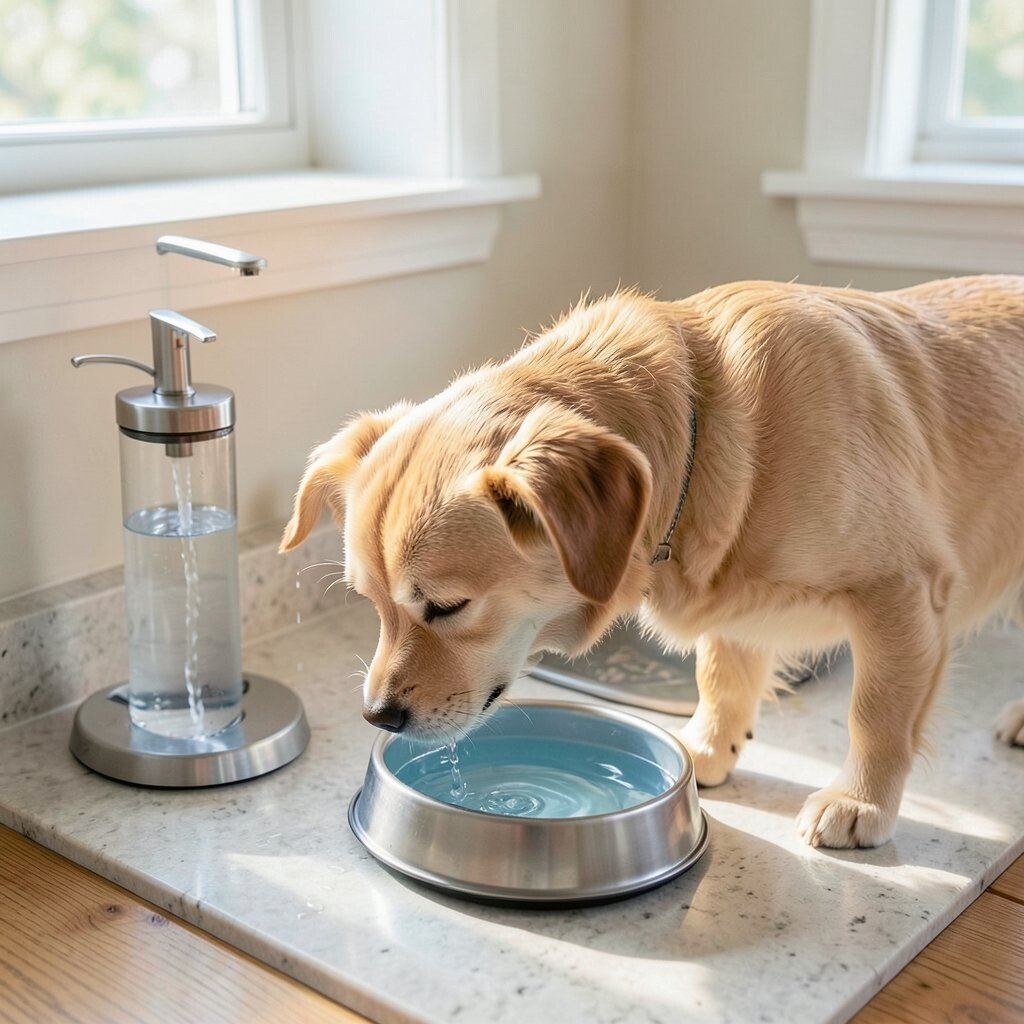
Fresh water should always be easy to reach near the feeding area. Many pets drink more when the bowl is clean, full, and set in a calm place.
Some people now use water fountains because they keep water moving and can look neat on a counter or floor. These cost more than a basic bowl, but they may help pets drink more often.
15. Keep the Style Simple and Useful
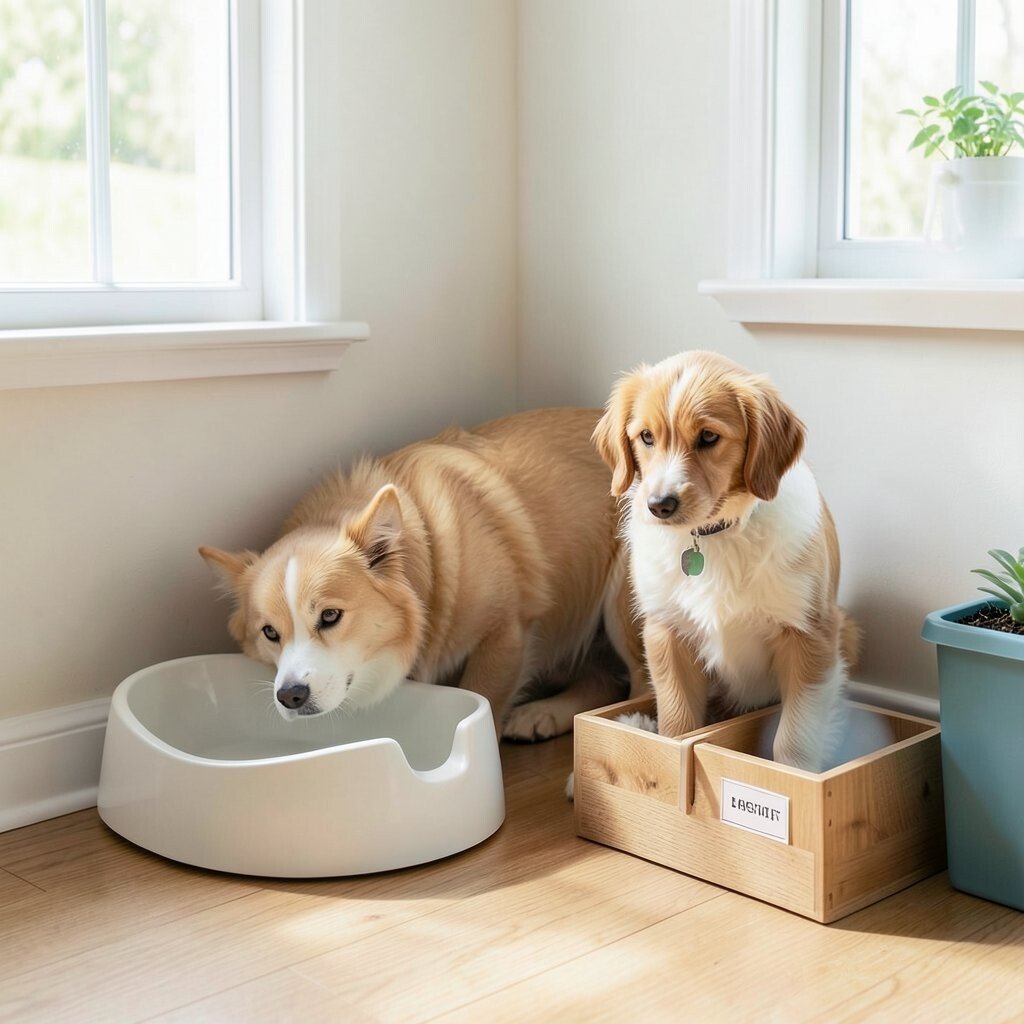
A feeding area does not need a lot of extra items to work well. Simple setups with clean lines, plain bowls, and easy storage are popular because they are easy to use and clean.
You can still add a small personal touch, like a color you like or a label for food bins. The best setup is one that fits your home, helps your pet, and keeps daily care easy.