Activity boards can make learning feel calm, clear, and fun. They also give kids and adults a simple way to sort ideas, plans, and small tasks.
1. Seasonal Nature Board

A seasonal nature board uses leaves, flowers, pinecones, shells, or other found items to show what is happening outside. It can look soft and bright at the same time, with colors that match the time of year.
This kind of board helps kids notice changes in the world around them. It can also support science talks, writing practice, and simple sorting by shape, color, or size.
To make it feel personal, you can add items from your own yard, park, or walk. Keep the cost low by using free natural pieces, paper labels, and string or tape.
2. Alphabet Match Board
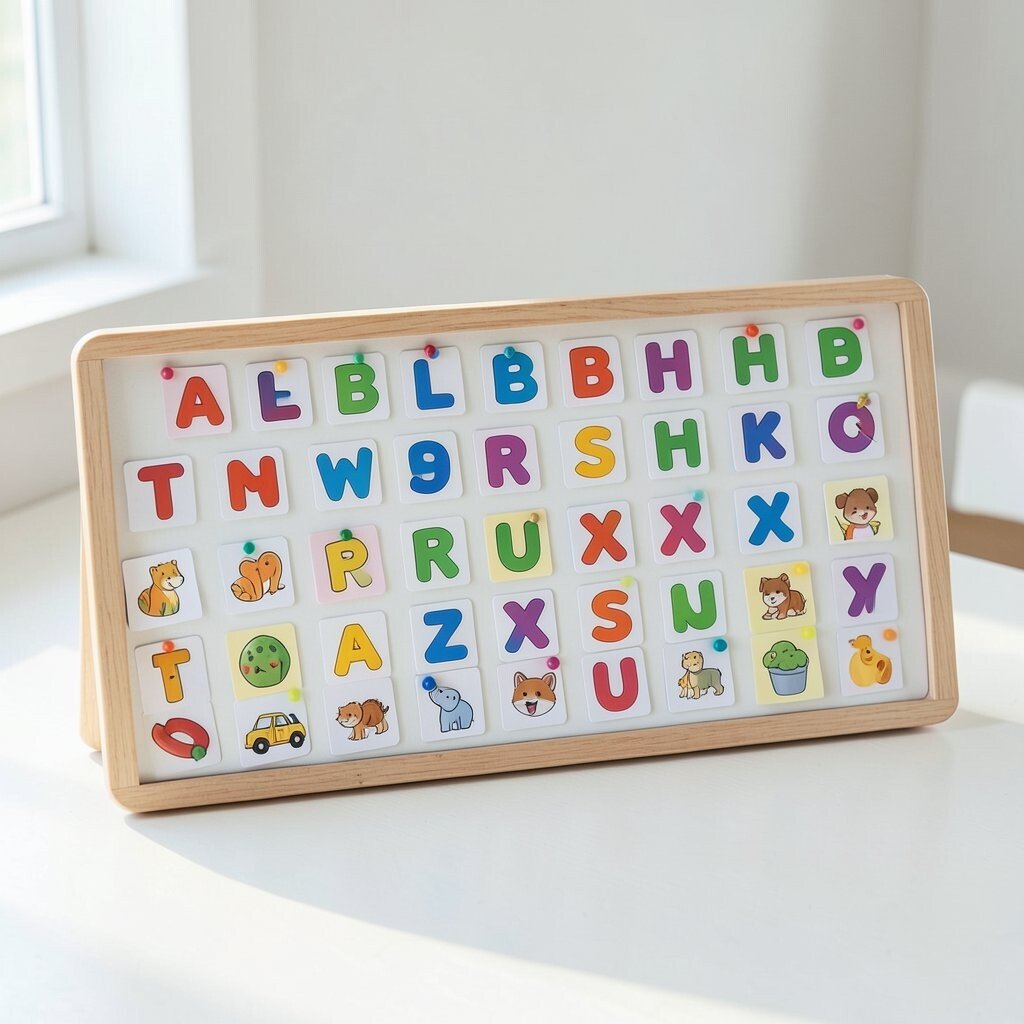
An alphabet match board usually has letters, pictures, and small cards that go together. The look is clean and simple, which makes it easy for young learners to use on their own.
This board helps with letter name practice, sound matching, and early reading skills. It also gives kids a hands-on way to move pieces, which can help them stay focused longer.
You can make it fit many ages by using big letters for little kids or word cards for older ones. A low-cost version can be made with paper, markers, and a few sticky dots or clips.
3. Daily Weather Board

A daily weather board shows the sky, rain, wind, sun, clouds, or snow in a simple visual way. Many boards use bright icons, arrows, and a small chart that changes each day.
This board helps kids build habit skills, look at the world, and use new words in speech and writing. It can also support math when children count sunny days or compare weather patterns.
To make it more useful, add a place for the date, temperature, or a short sentence about the day. Some families and classrooms now use magnetic pieces because they are easy to move and keep tidy.
4. Feelings Check-In Board
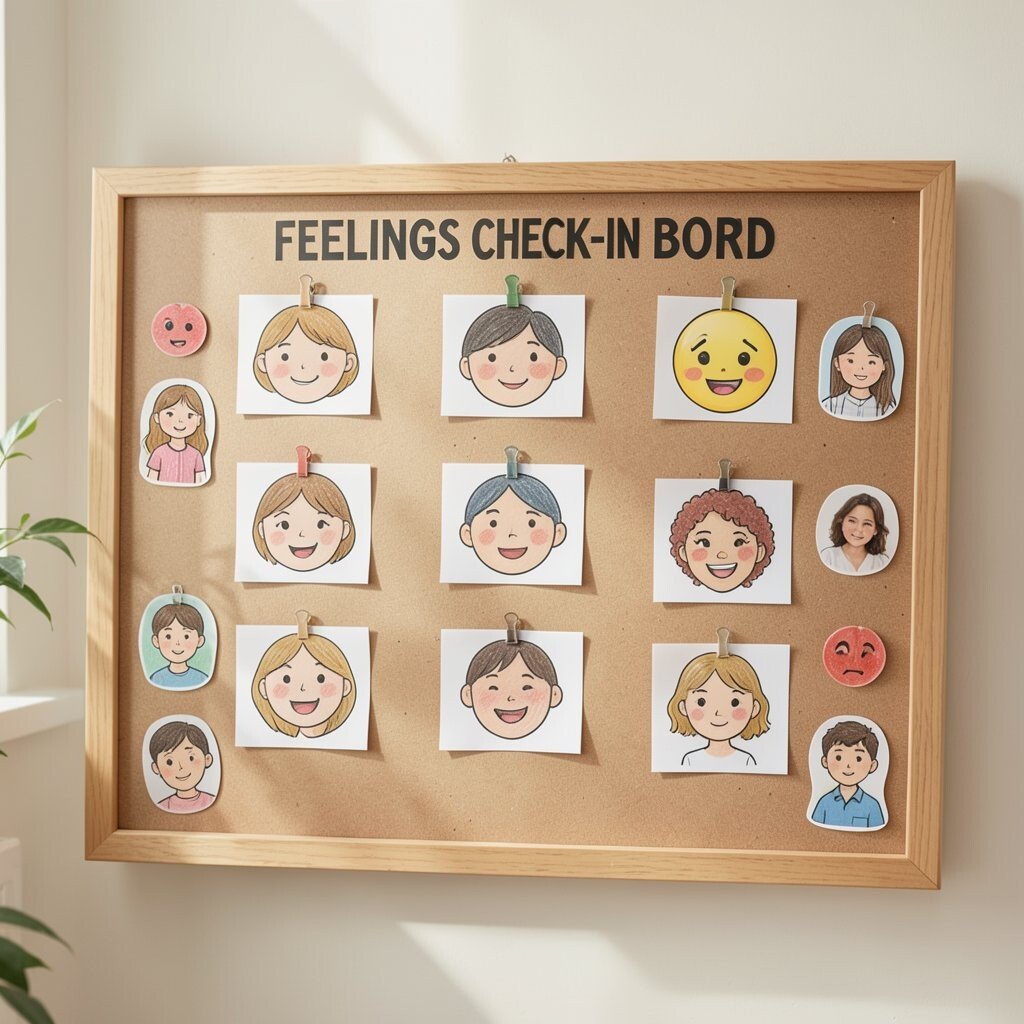
A feelings check-in board uses faces, colors, or simple words to show moods like calm, happy, tired, or worried. The board often looks warm and safe, with a soft style that helps people feel welcome.
This kind of board helps kids name feelings and talk about them in a safe way. It can also help adults spot stress early and start kind talks before a problem grows.
You can make it fit your group by adding photos, emojis, or hand-drawn faces. It costs very little if you use paper, crayons, and a few clips or magnets.
5. Shape and Color Sort Board
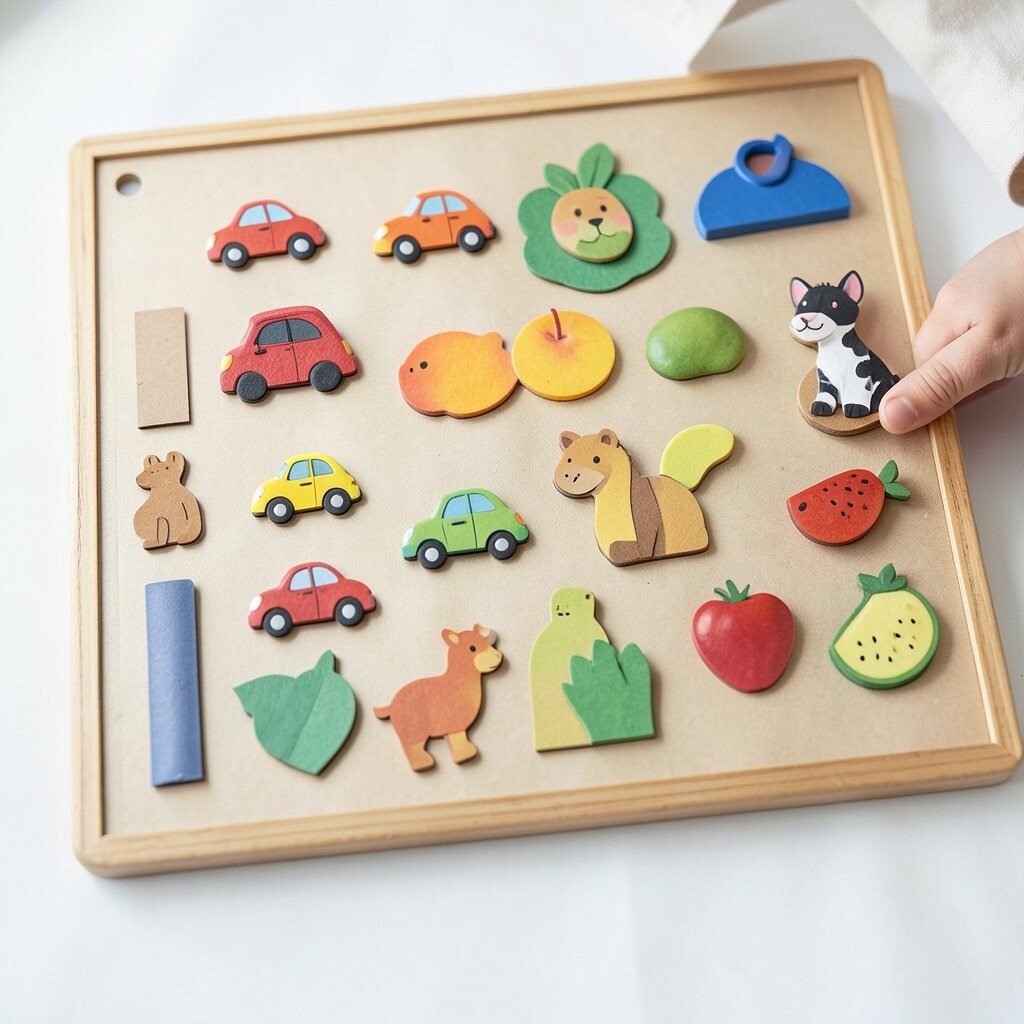
A shape and color sort board gives kids a place to match items by type, shade, or size. It often has bold colors and clear spaces, which makes it easy to see where each piece belongs.
This board helps with early math, visual skills, and careful thinking. It also gives kids a chance to touch, move, and compare pieces, which can make learning feel more real.
You can personalize it with cars, animals, foods, or other items that match a child’s interests. A simple version can be made with cardboard, cut paper, and things you already have at home.
6. Story Retell Board

A story retell board uses pictures, character cards, and scene pieces to help kids tell a story again in order. It may look like a small stage or a path with spots for each event.
This board helps with speaking, memory, reading, and clear thinking. It also gives shy kids a way to share ideas without needing to say everything from memory.
To make it more fun, use favorite books, class stories, or family events. Many teachers now add Velcro strips or pockets so children can move pieces with ease.
7. Number Path Board

A number path board shows numbers in order with spaces, arrows, or stepping stones. It often has a playful look, like a trail, road, or board game path.
This board helps kids count, name numbers, and see how one number leads to the next. It can also support simple addition and subtraction when children move pieces forward or back.
You can make it fit your needs by using big numbers for beginners or adding dots for counting help. The cost stays low when you use paper, paint, or cut-up boxes for the base.
8. Classroom Job Board

A classroom job board shows tasks like line leader, helper, plant waterer, or paper passer. It usually has neat labels and small name cards, so everyone can see who does what.
This board helps kids feel useful and learn shared care. It can also build responsibility, turn-taking, and pride in simple daily work.
To make it personal, add jobs that match your space and your group’s age. A clean, modern look with soft colors is a trend many teachers like because it feels calm and easy to read.
9. Book Choice Board
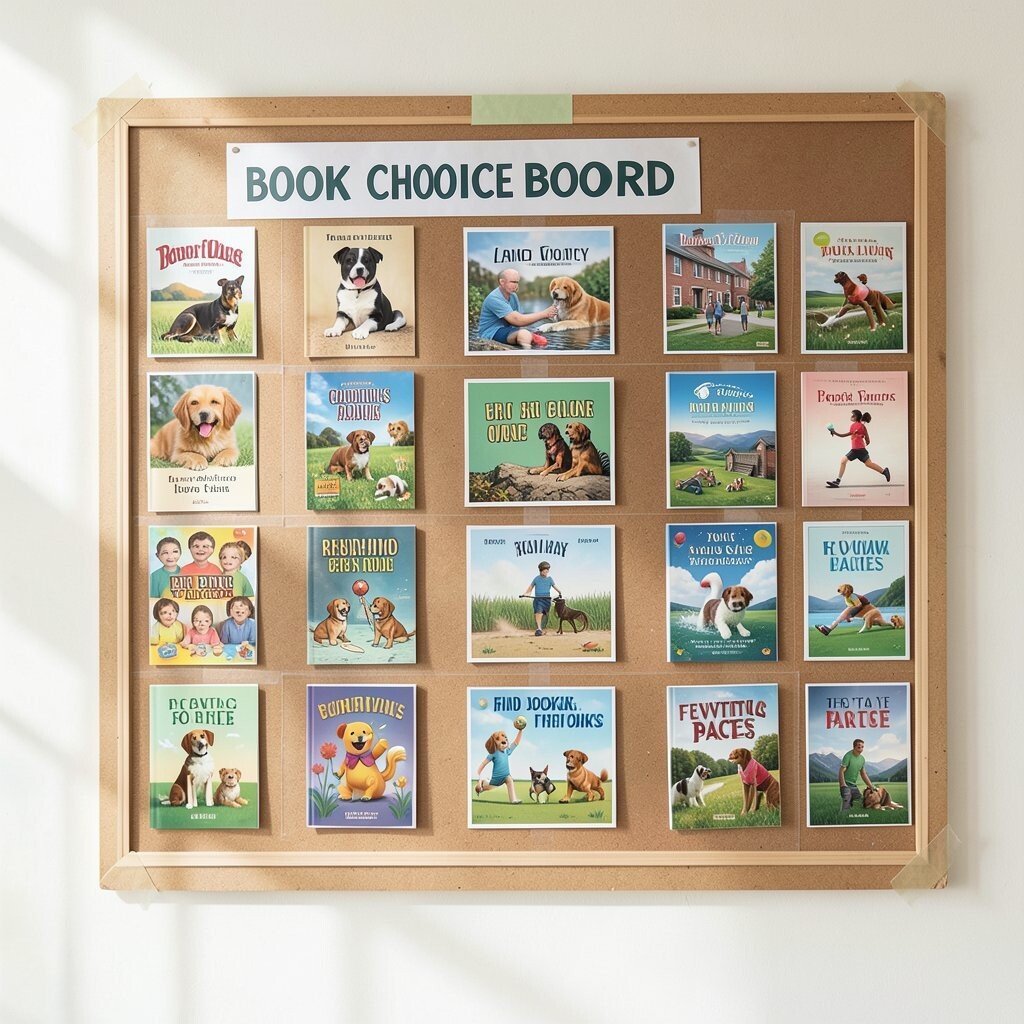
A book choice board gives children a way to pick reading ideas by topic, mood, or level. It may show covers, picture clues, or short words in a neat grid.
This board helps kids make choices on their own and find books that fit their interests. It can also support reading time by giving a clear place to start when a child feels unsure.
You can make it more personal by adding books about pets, sports, family, or favorite places. A low-cost board can be made with printed images, tape, and a simple poster board.
10. Fine Motor Practice Board

A fine motor practice board uses buttons, zippers, laces, snaps, or clips for small hand practice. It often looks busy in a good way, with many textures and parts to touch.
This board helps build hand strength, finger control, and careful movement. It can also support daily life skills, like dressing, tying, and opening small items.
You can make it unique by using real clothes parts, safe tools, or recycled items from home. Many families like boards with mixed textures because they keep kids interested for longer.
11. Goal and Habit Board

A goal and habit board gives a clear place to track daily tasks, kind acts, or small goals. It often uses check boxes, stickers, or simple picture icons that are easy to follow.
This board helps kids and adults stay on track and see progress in a clear way. It can also build good habits by making each small step easy to notice.
You can personalize it for home, school, or a shared room by choosing goals that matter to your group. A simple style with soft colors and reusable pieces fits current trends and keeps the cost low.