House training can feel hard at first, but a clear plan can make it much easier. Small daily habits, steady timing, and simple rewards can help a pet learn what to do.
1. Set a Clear Bathroom Schedule
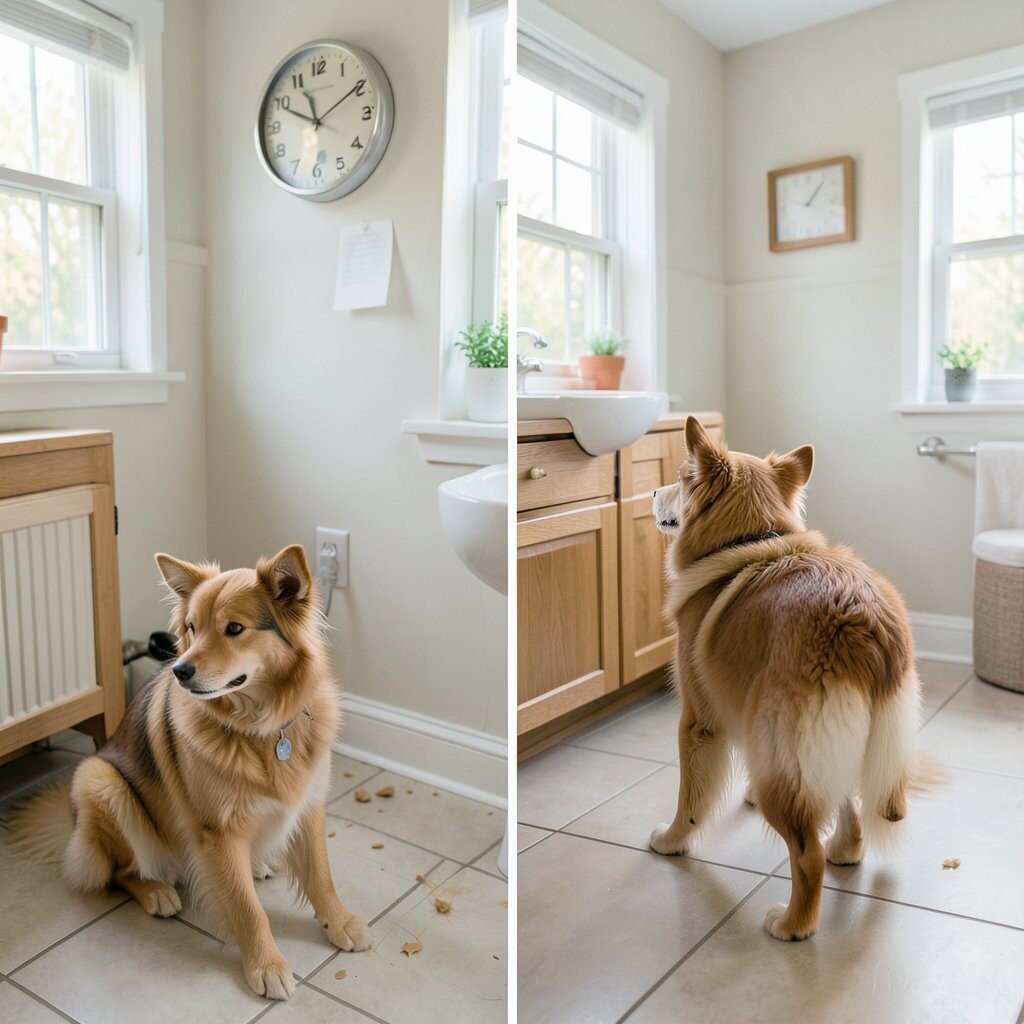
Before a set schedule, the day can feel messy and full of guesswork. After you make a steady plan, your pet starts to know when it is time to go out, and the home often looks calmer.
A good schedule uses the same times for waking up, eating, playing, and bathroom breaks. This helps your pet learn the pattern and can cut down on accidents in the house.
The best part is that this plan does not need fancy tools, so the cost stays low. You can use a phone alarm, a wall clock, or a simple note on the fridge to keep the times in order.
2. Watch for Early Signs
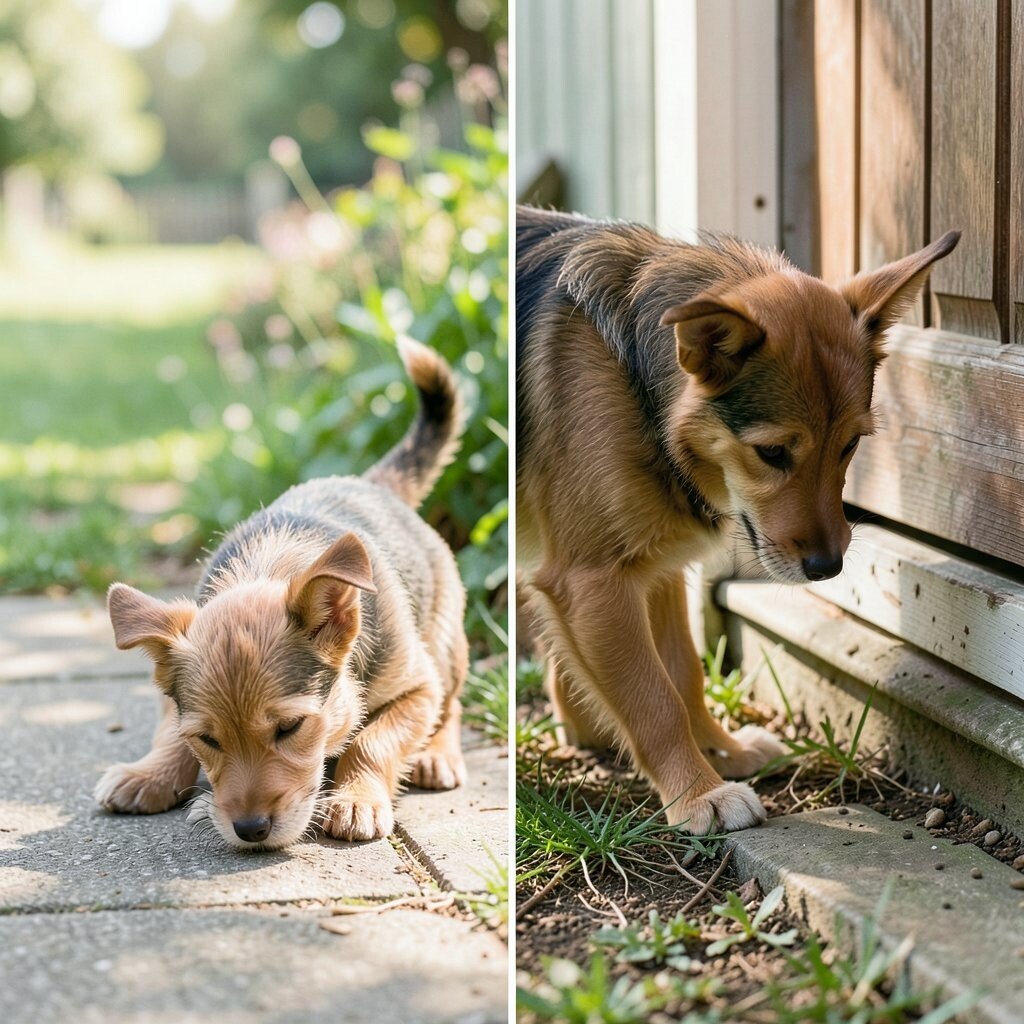
Before you watch for signs, accidents can seem to happen out of nowhere. After you learn the small clues, you can move fast and help your pet go outside in time.
Many pets sniff the floor, circle in one spot, or head to the door when they need a break. These signs are easy to miss at first, but they become clear once you look for them each day.
This step is useful because it fits your pet’s own style, not just a fixed rule. Some pets are quiet, while others get restless, so paying close attention makes the plan more personal.
3. Use a Consistent Spot Outside
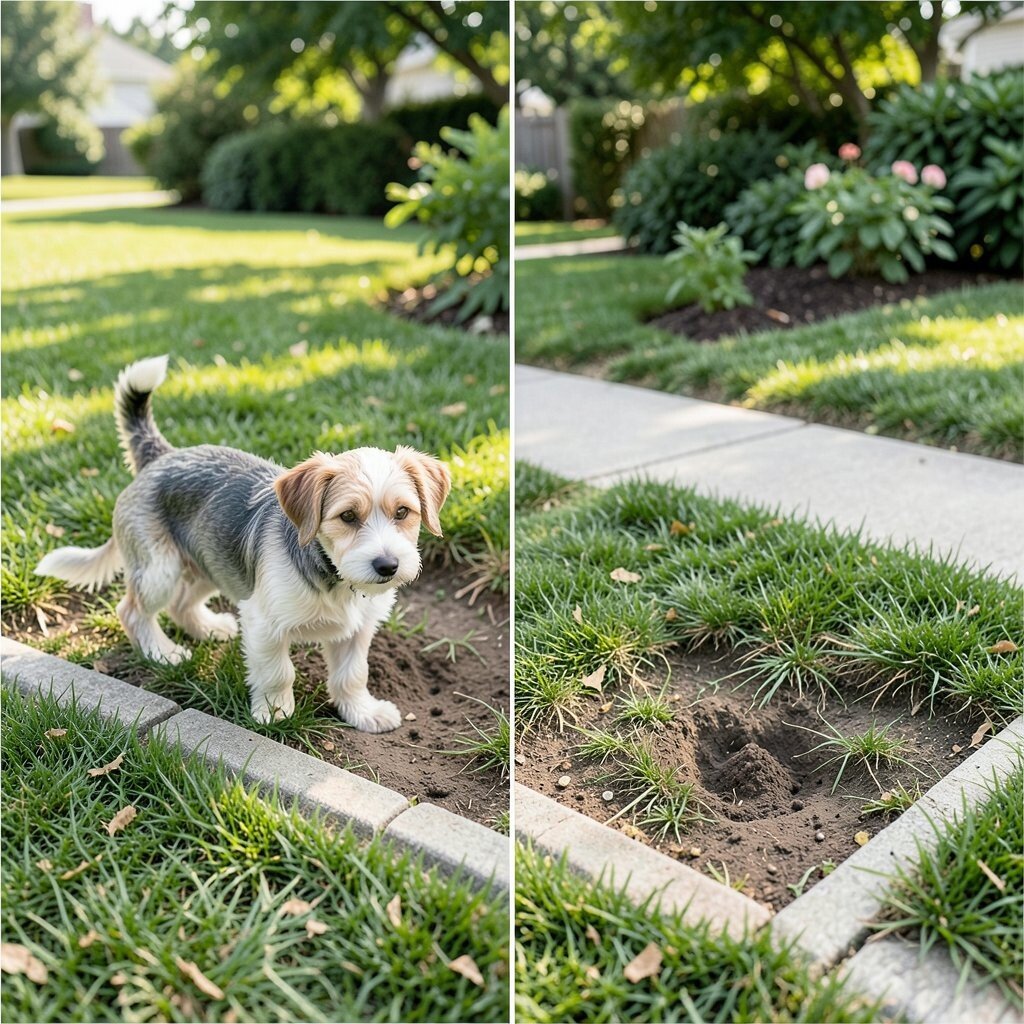
Before you pick one spot, your pet may feel unsure about where to go. After you keep using the same area, the smell and view help your pet understand what that place is for.
A simple corner of the yard or a patch near the sidewalk can work well. The spot does not need to look special, but it should stay easy to reach and free from too much noise.
This habit can save time because your pet learns faster in a place that feels familiar. It also makes cleanup easier and helps you keep the rest of the yard or walk area neat.
4. Reward Good Timing Right Away
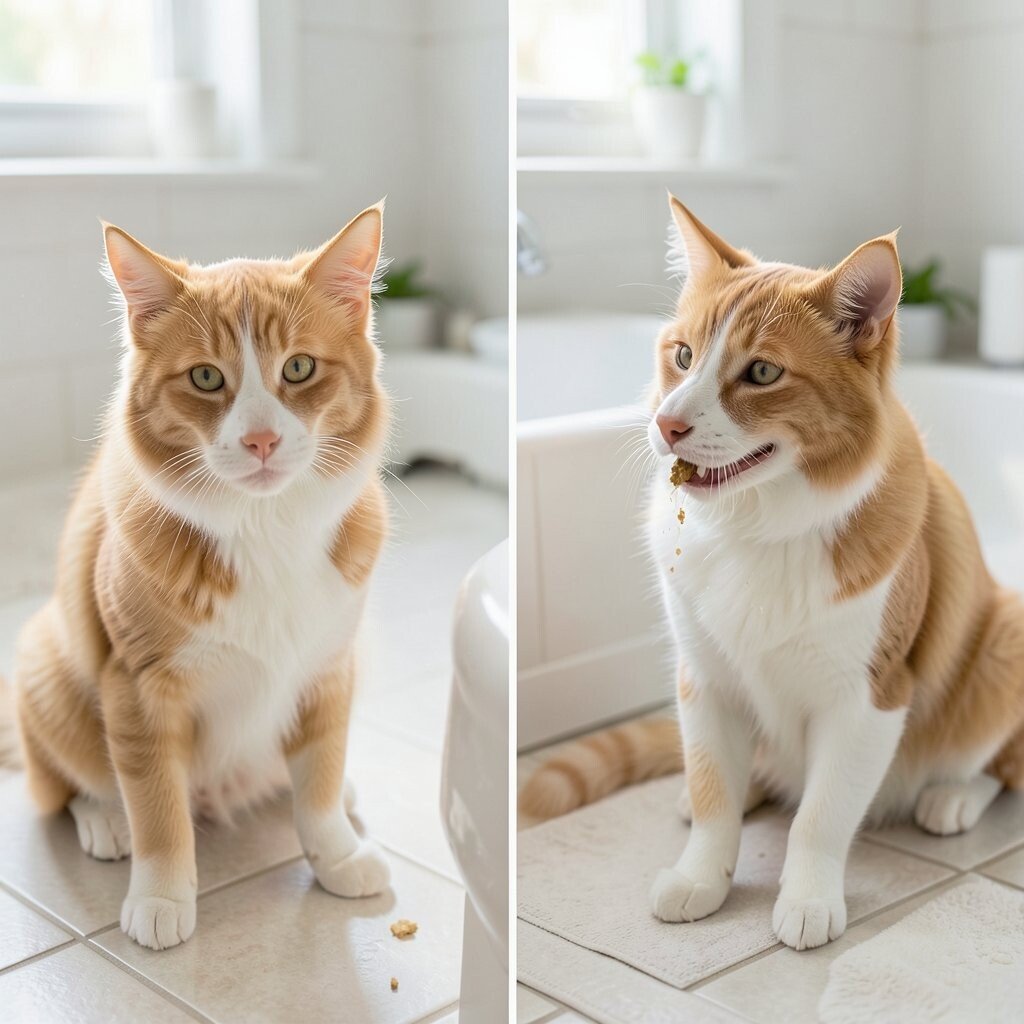
Before rewards, a pet may not know which choice was the right one. After quick praise or a small treat, your pet can link the bathroom trip with a good result.
The reward should come right after the pet finishes, not much later. A kind voice, a pat, or a tiny treat can be enough to show that the action was right.
This method is popular because it is simple and low cost. You can use treats you already have, or you can even use play time as a reward if your pet likes that more.
5. Keep Indoor Areas Clean
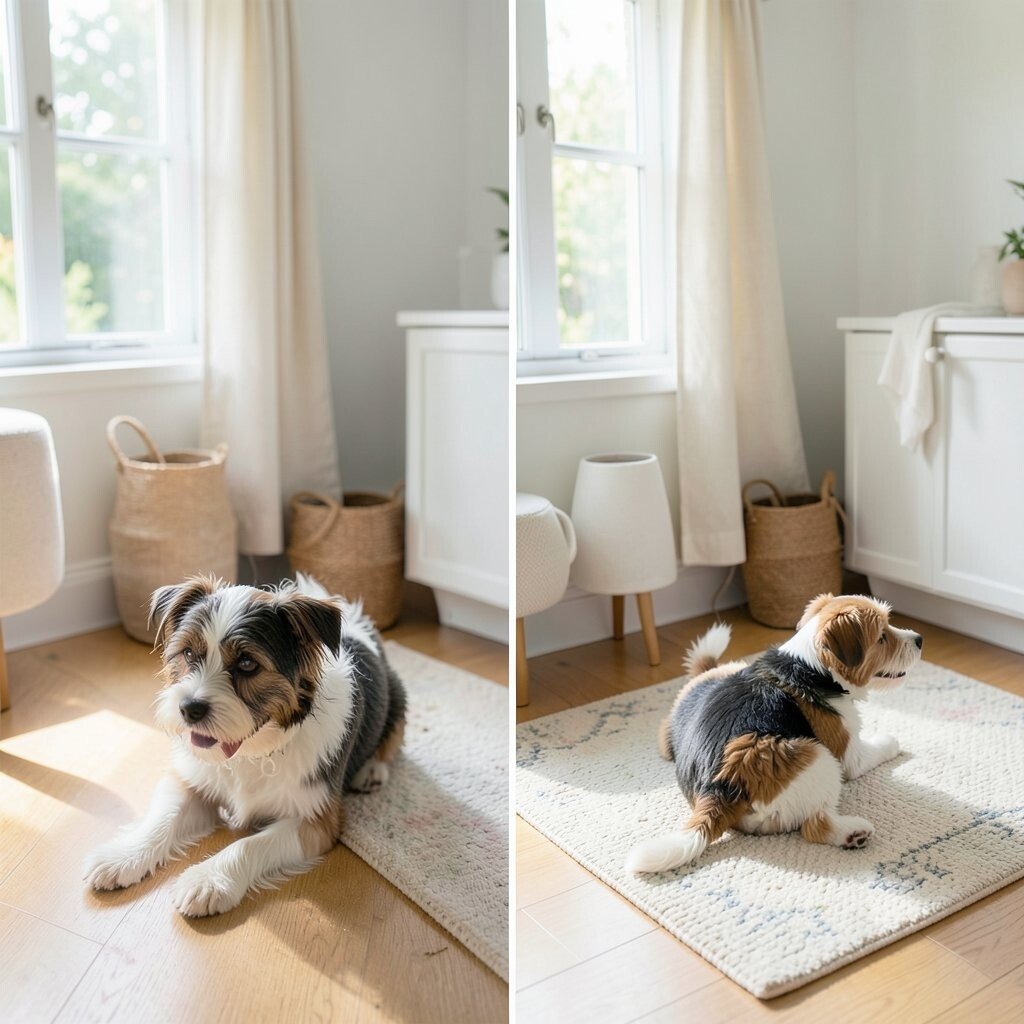
Before a deep clean, old smells can bring a pet back to the same spot. After you clean well, the room feels fresher and your pet has less reason to return there.
Use a cleaner made for pet messes so the smell is fully gone. Plain soap may hide the spot for people, but pets can still smell it and may think it is a bathroom area.
This step matters because it supports the whole plan without much extra work. A clean floor, rug, or mat also makes the home look better and feel more pleasant for everyone.
6. Make Crate Time Calm and Safe
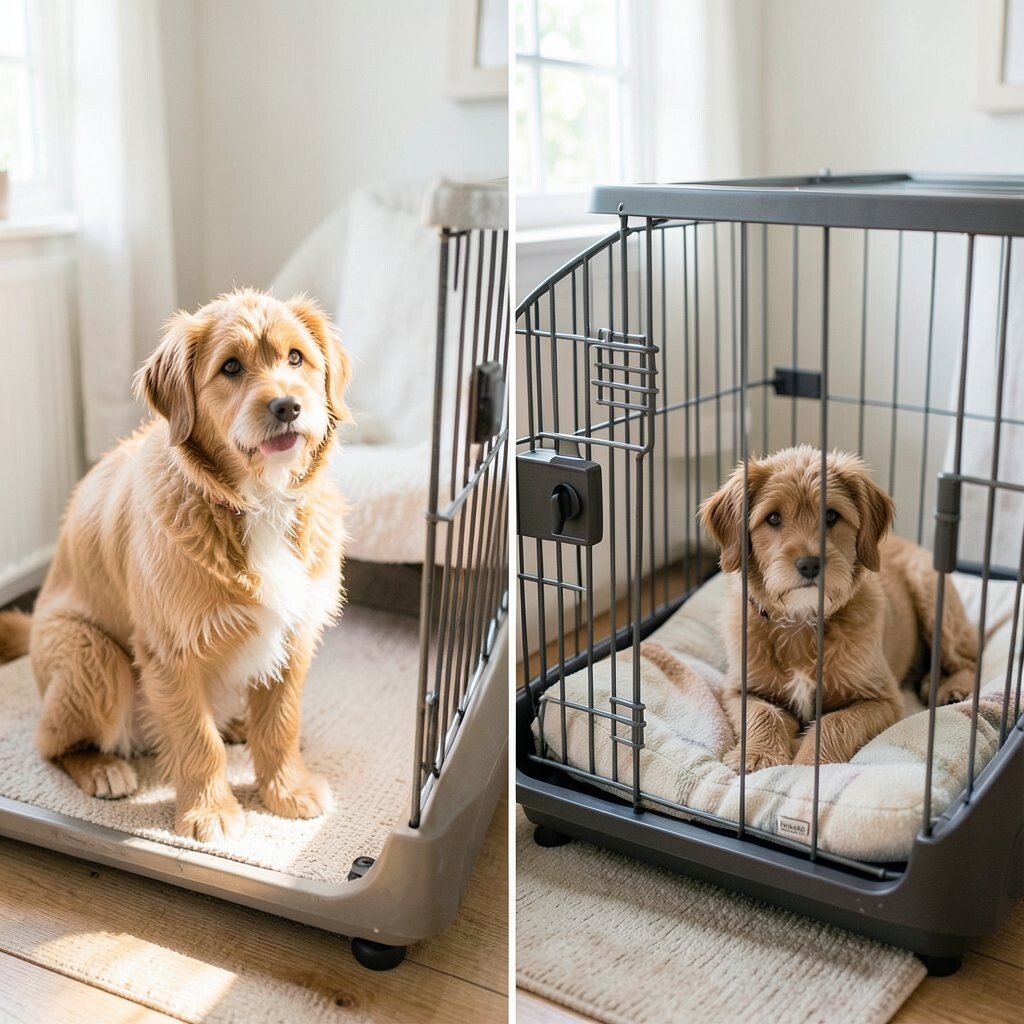
Before crate training, some pets may feel lost when left alone. After they get used to a crate, it can become a calm place for rest, sleep, and short breaks.
The crate should be just big enough for your pet to stand, turn, and lie down. Add a soft bed or blanket if your pet likes it, but keep the space simple and not too crowded.
This can help house training because pets usually avoid going where they sleep. It also gives you a clear way to manage time when you cannot watch your pet closely.
7. Use a Door Bell or Signal
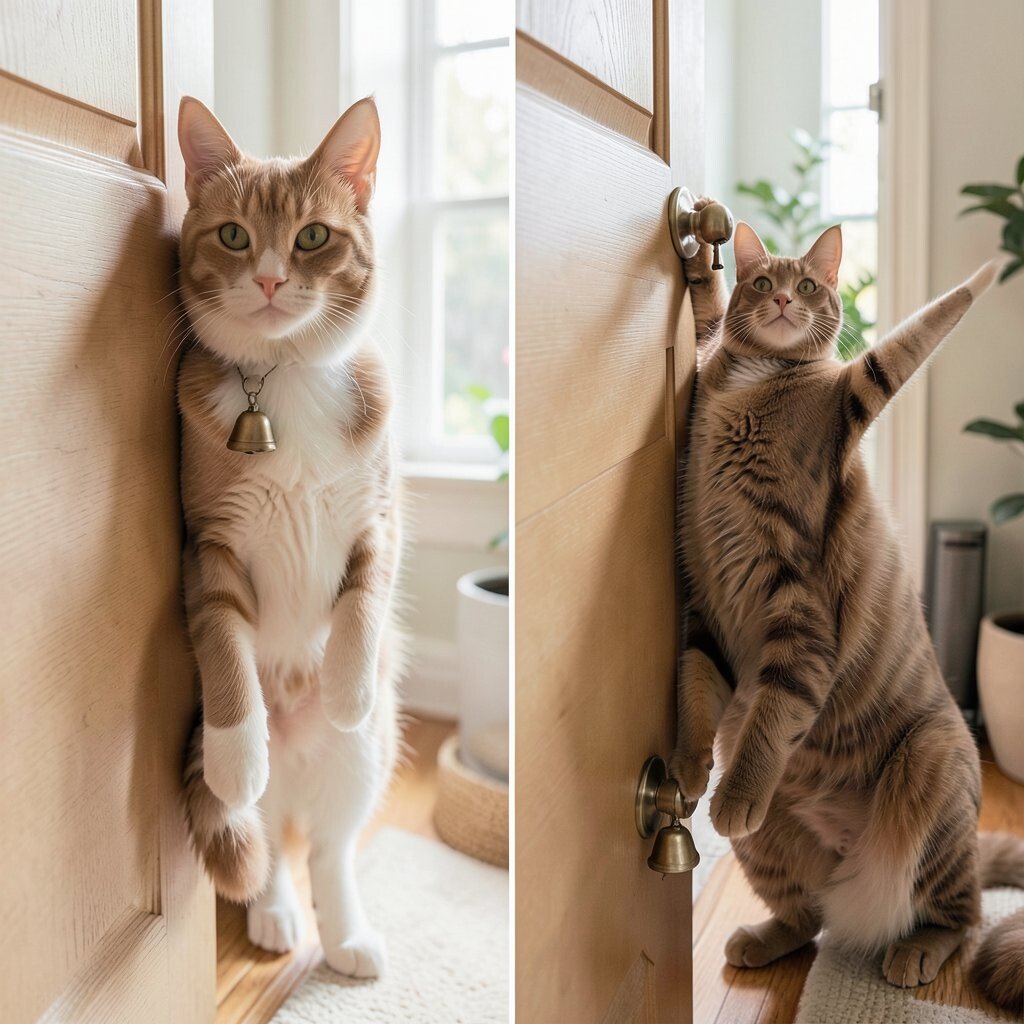
Before a signal, your pet may have no easy way to ask to go out. After a bell or button is taught, the pet has a clear way to tell you what is needed.
Some people hang a small bell by the door, while others use a touch pad or a simple sound cue. The style can match your home and your pet, so the setup feels personal and easy to use.
This idea has become more common because many pet owners like tools that are simple and low cost. It can also help in busy homes where people may not always notice small body signs.
8. Cut Down on Water Late in the Day
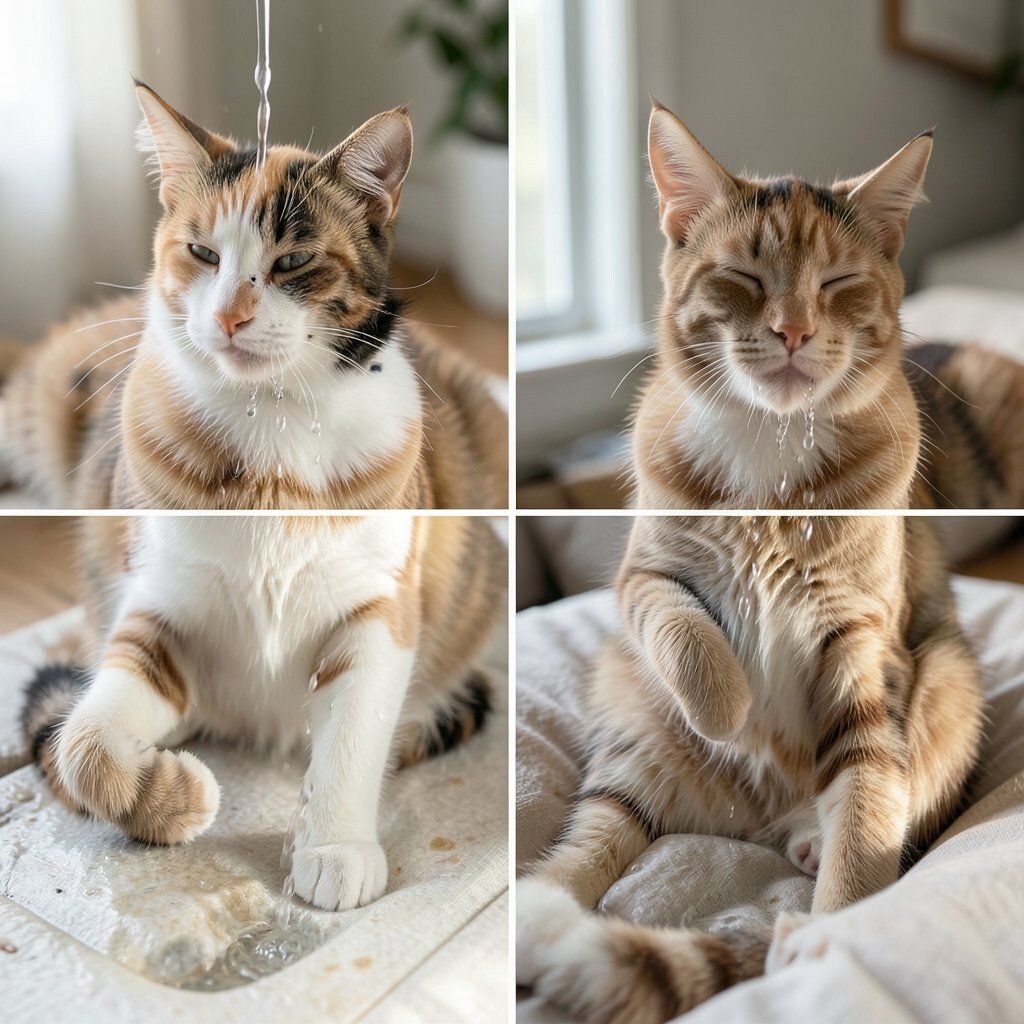
Before you change water timing, late-night accidents may happen more often. After you adjust the last drink time with care, your pet may rest through the night with fewer bathroom needs.
Do not take water away for too long, since pets still need to drink enough. Instead, offer water during the day and then watch how much is given close to bedtime.
This tip is useful because it is easy to try and does not cost anything. It works best when it fits your pet’s age, weather, and health needs, so a vet may help if you are not sure.
9. Keep Lessons Short and Steady
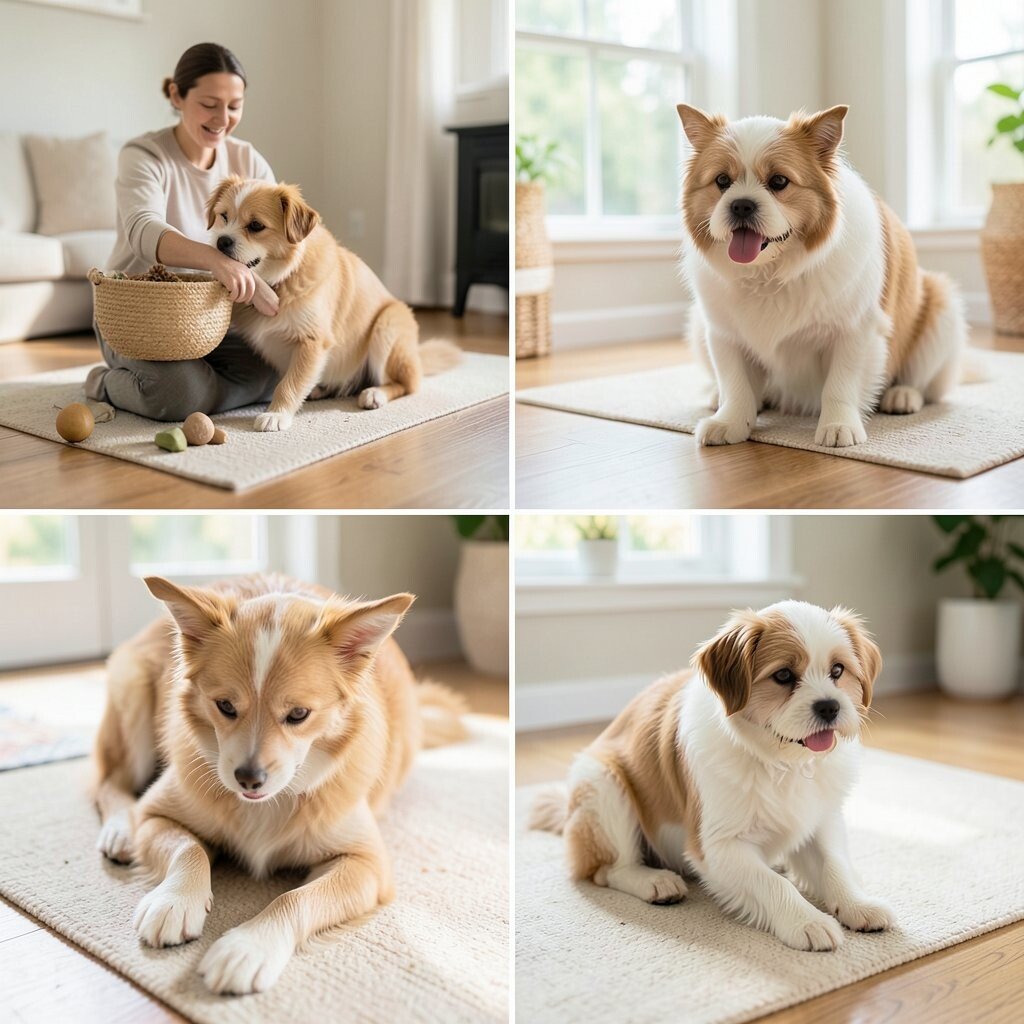
Before short lessons, training can feel tiring for both you and your pet. After you break it into small parts, the pet can learn more without getting too worn out.
Try a few simple steps each day, then stop while things are going well. Short practice times can work better than long ones because pets stay focused and do not get bored as fast.
This style matches a lot of current pet care trends, where people want easy routines that fit real life. It also makes room for personal pacing, since some pets learn fast and others need more time.
10. Use the Right Size Feeding Times
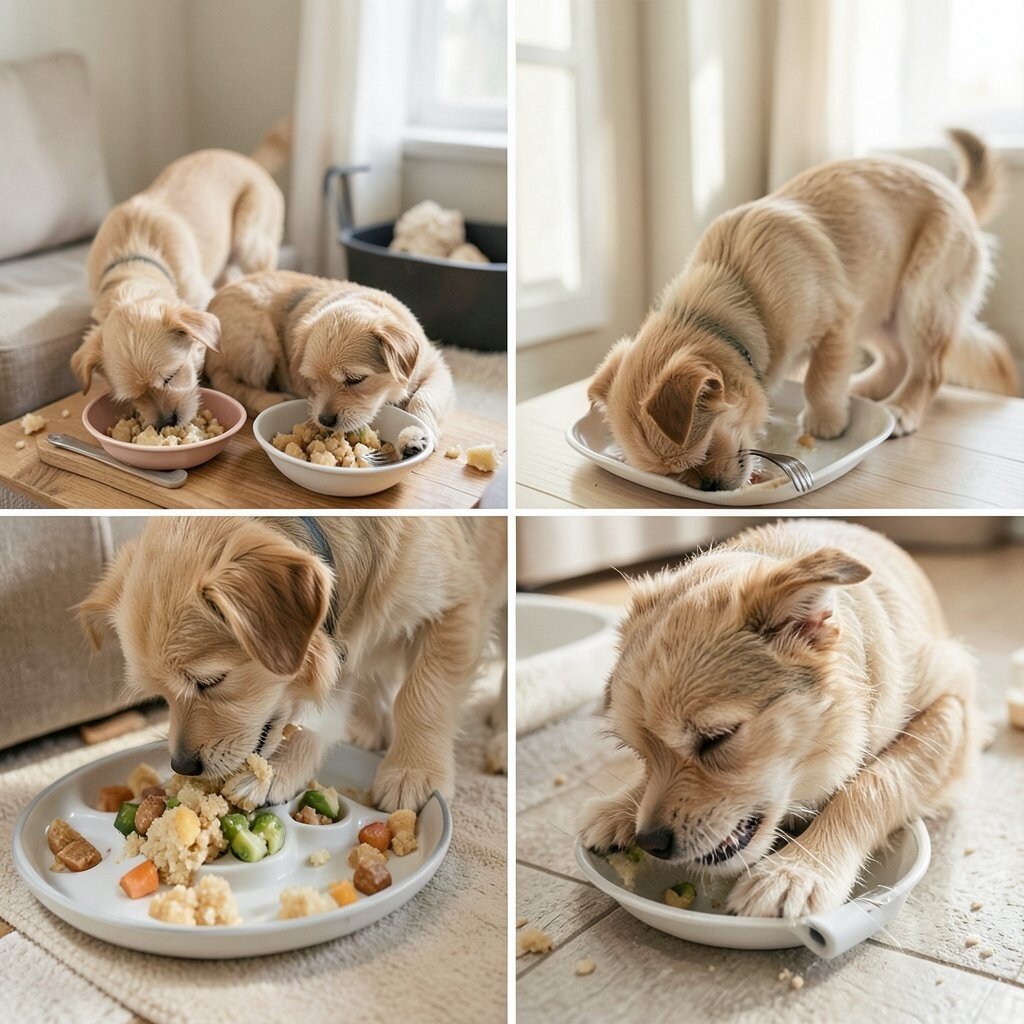
Before you set meal times, bathroom trips can seem random and hard to plan. After meals happen at the same times each day, it gets easier to guess when your pet will need to go out.
Many pets need a bathroom break soon after eating, so feeding on a steady clock helps a lot. This can also make it easier to notice changes in health if your pet starts acting different.
The cost stays low because you do not need special gear, just a good routine. You can also make the plan fit your home by matching meal times to work hours, school, or sleep time.
11. Give Praise in a Calm Voice
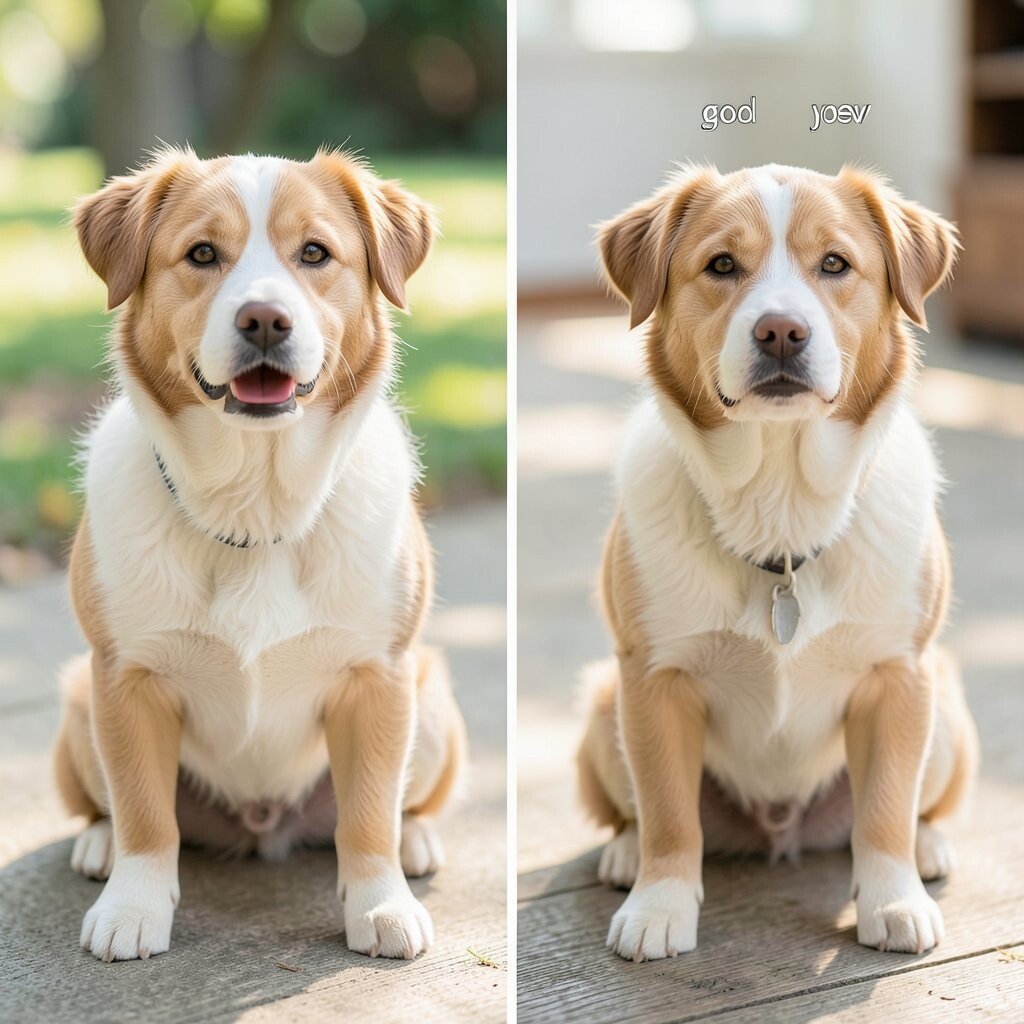
Before calm praise, some pets may get too excited and lose focus. After you use a soft voice and simple words, the pet can stay relaxed and still feel proud.
Try saying the same short phrase each time, like “good job” or “yes.” A steady tone can help more than loud praise, since too much noise may scare a shy pet.
This approach is nice because it costs nothing and feels natural in daily life. It also lets you shape the training to match your pet’s mood, since some pets like quiet praise more than treats.
12. Fix Accidents Without Scolding
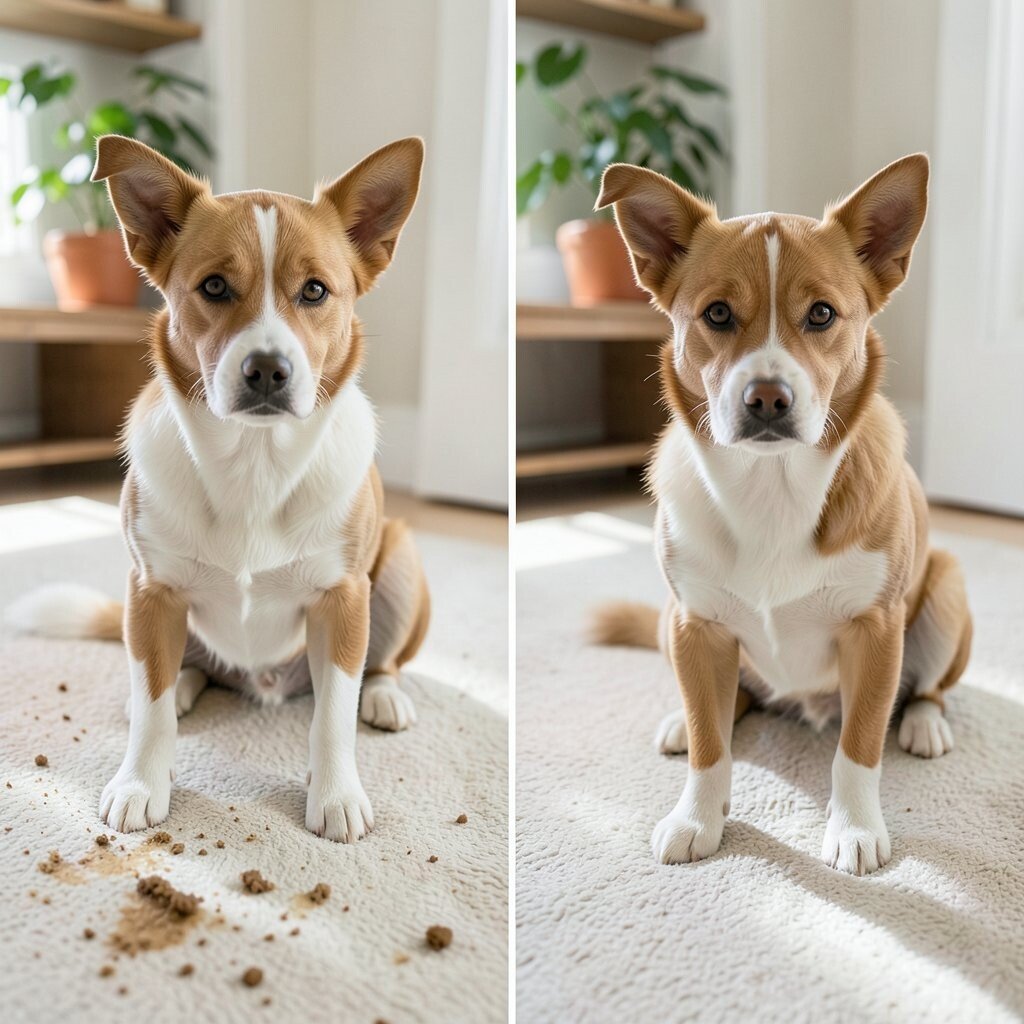
Before you change your response, accidents may lead to fear or confusion. After you stay calm, your pet can learn faster because the home feels safe and the lesson stays clear.
If you find a mess, clean it up and move on without yelling. Pets do not connect old accidents with later scolding, so a calm response works much better than anger.
This is one of the most useful parts of house training because it supports trust. A pet that feels safe is more likely to follow the plan and less likely to hide when it needs help.
13. Track Progress in a Simple Way
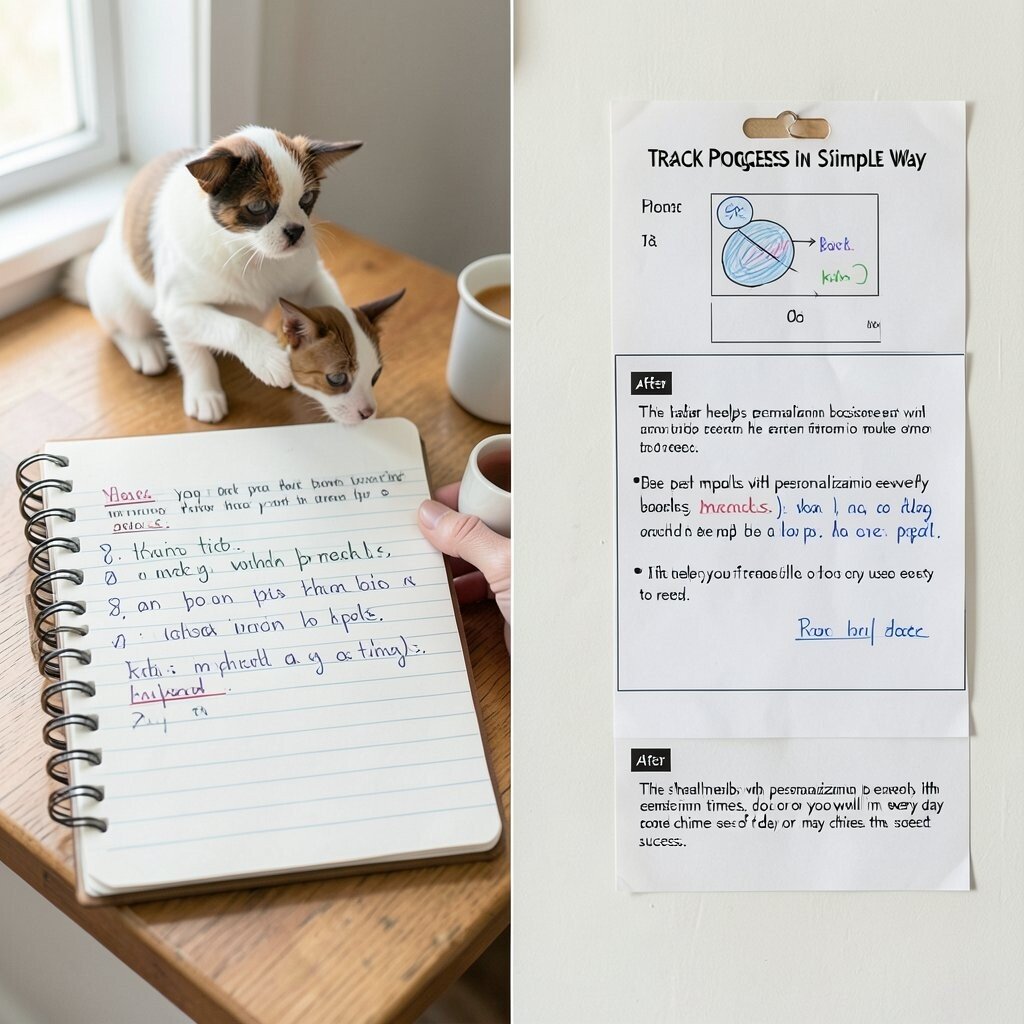
Before tracking, it can be hard to tell what is working. After you write down meals, bathroom breaks, and accidents, the pattern becomes much easier to see.
You can use a notebook, a phone note, or even a paper chart on the wall. The best method is the one you will use every day, so keep it simple and easy to read.
This habit helps with personalization because every pet learns in a different way. It also helps you spot trends, like certain times of day or food changes that may affect success.
14. Adjust for Age and Health Needs
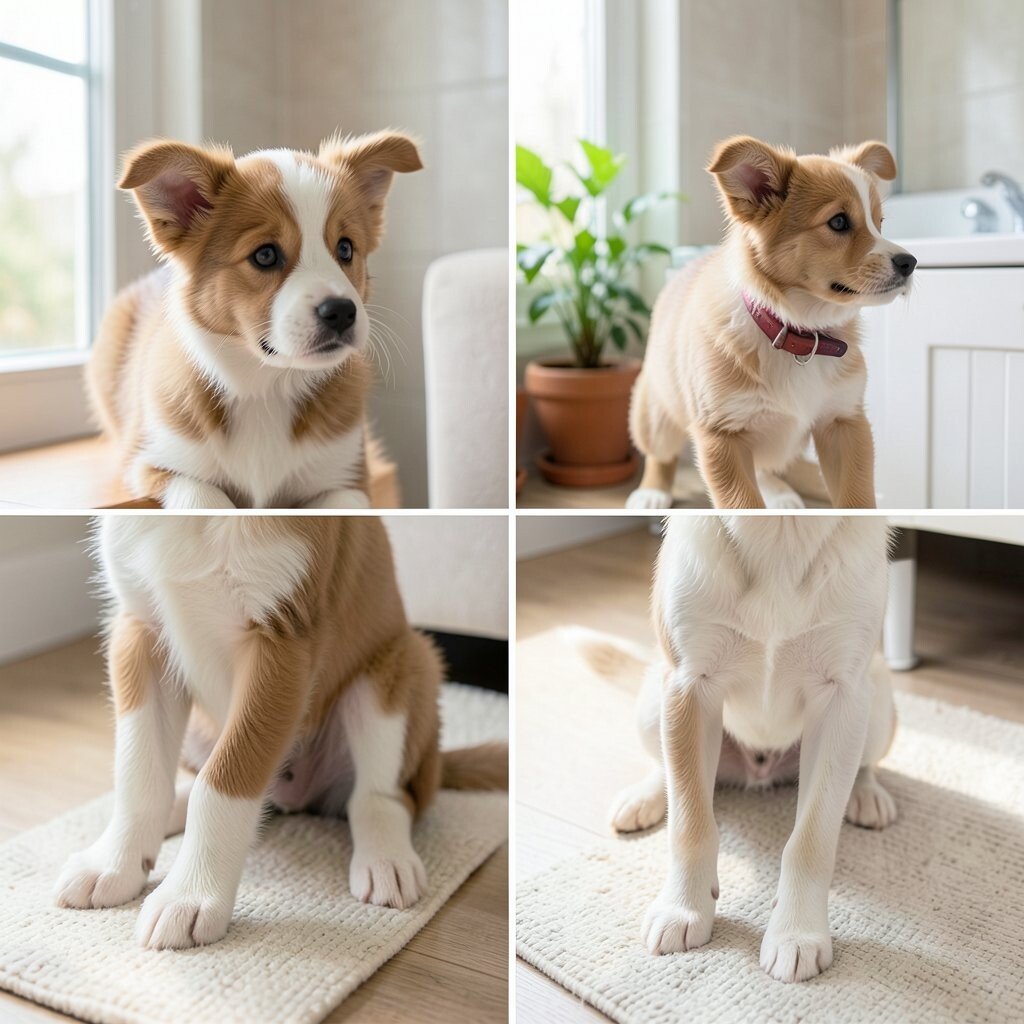
Before you think about age or health, one plan may seem right for every pet. After you adjust the routine, the training can match your pet’s real needs and feel more fair.
Young pets often need more breaks, while older pets may need slower timing or more care. If your pet has a health issue, it may need more bathroom trips or a different plan from the start.
This is where personal care matters most, because no two pets are exactly alike. It may cost a little more if a vet visit is needed, but that can save trouble later and help you make better choices.
15. Keep the Routine Going After Success
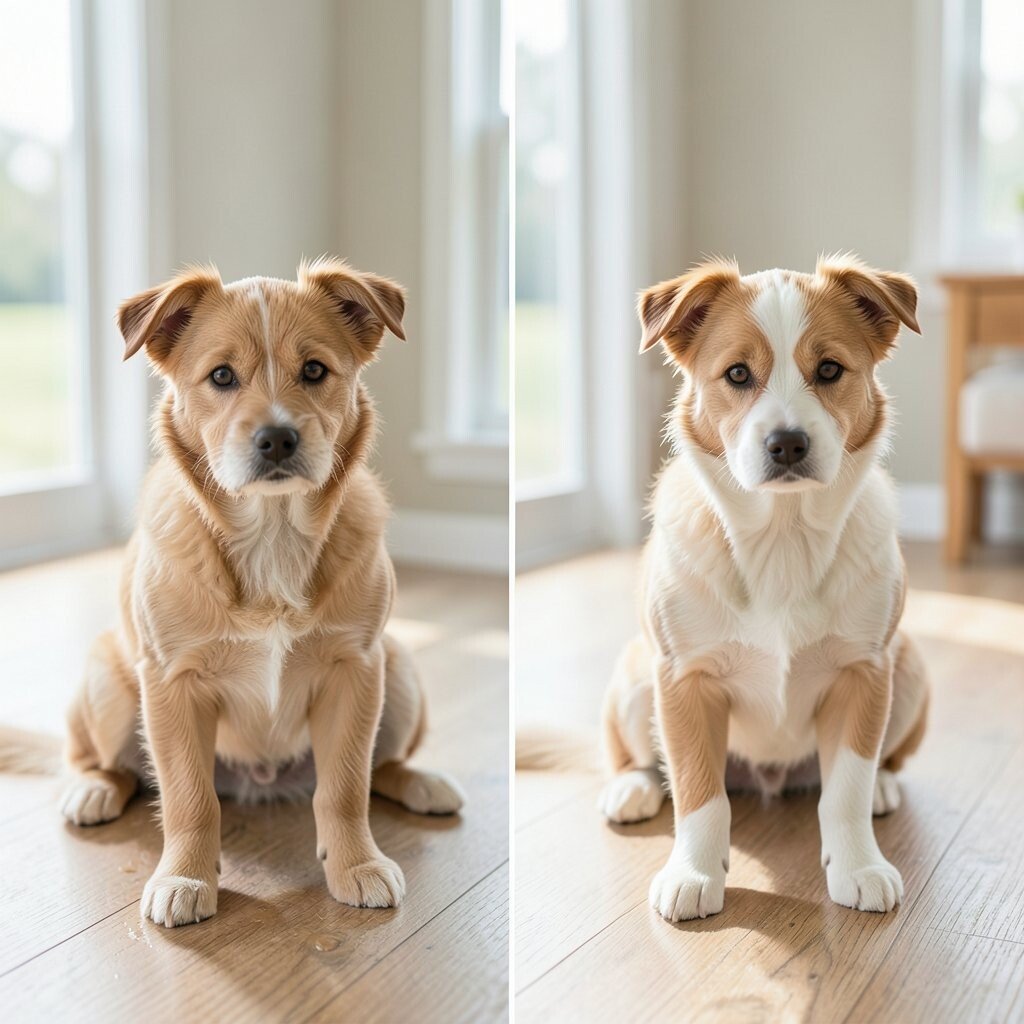
Before you stop too soon, a pet may slip back into old habits. After you keep the same routine for a while, the good habit becomes stronger and more likely to last.
Even when accidents stop, keep the schedule, praise, and cleanup habits in place. A steady routine helps your pet feel sure about what to do, even during busy days or small changes at home.
This final step works well with newer pet care trends that focus on steady daily habits instead of quick fixes. It costs little to keep going, and it gives the best chance for a clean, calm home that fits your pet’s needs.