Brush texture can add life, depth, and mood to your art. These ideas can help you try new marks, shapes, and finishes in a simple way.
1. Dry Brush Streaks
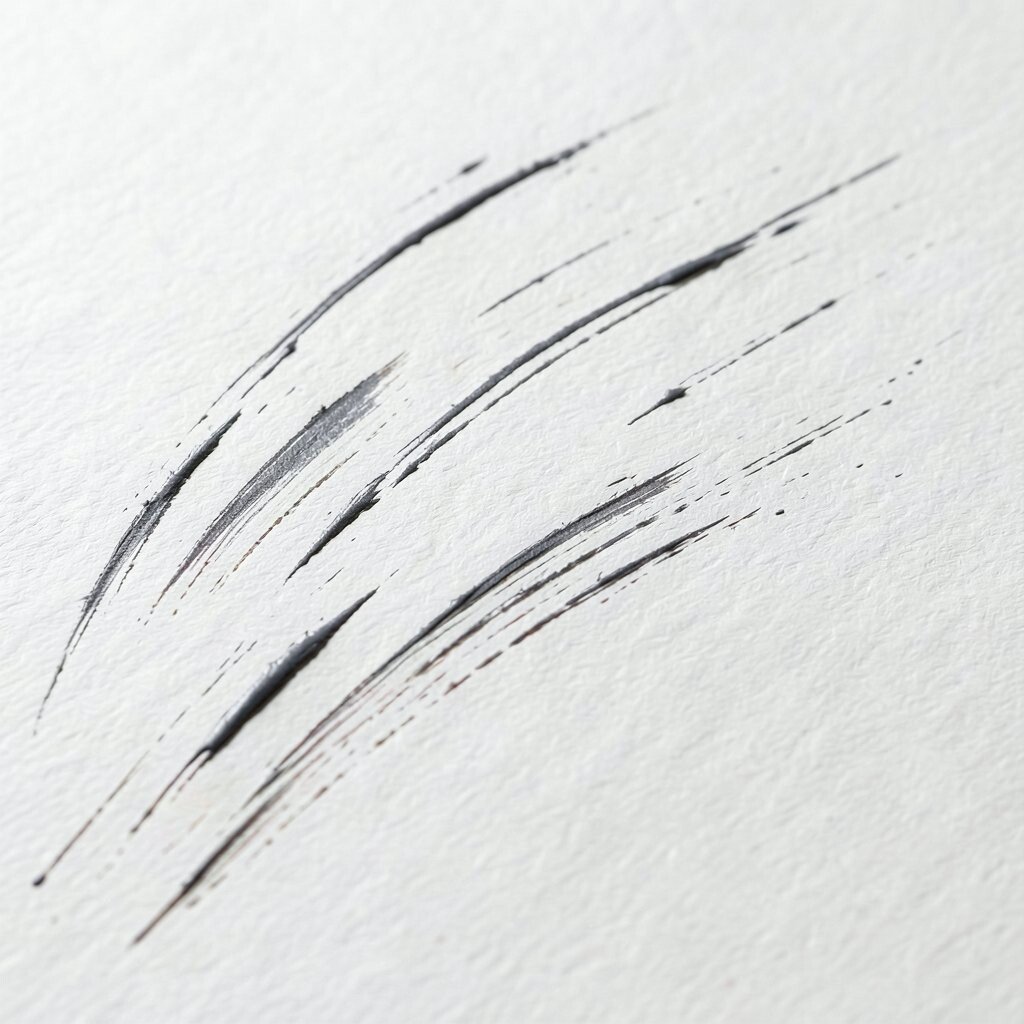
Dry brush streaks make a rough, broken line that feels light and full of motion. The brush leaves small gaps, so the paper or canvas shows through and adds a raw look.
This style is good for hair, grass, wood, and old walls. It works well when you want a loose feel without spending a lot on tools, since a basic brush and a small amount of paint are enough.
Try it with a flat brush or a round brush that has little paint on it. You can press hard for wide marks or use a soft touch for thin lines, and that small change can make each piece feel more personal.
2. Stipple Dot Marks
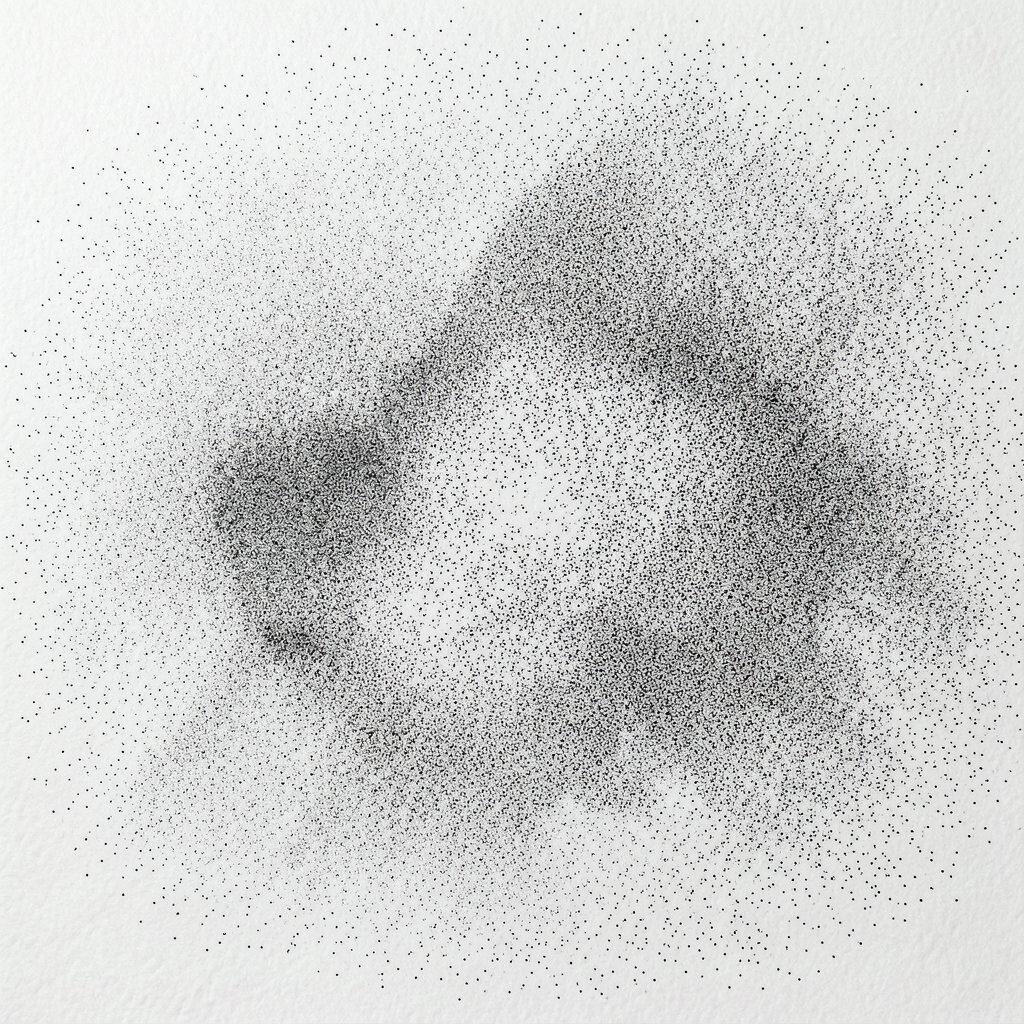
Stipple dot marks use tiny dots to build tone and shape. The look can be soft or sharp, based on how close the dots sit and how much color you use.
This brush texture is helpful for skin, clouds, shadows, and small details. It can also fit current art trends that use clean, simple mark making with a handmade feel.
You can make it with a stiff brush, a sponge, or even the tip of a small brush. It takes time, but it does not need costly supplies, and you can change the dot size to match your own style.
3. Fan Brush Feathers
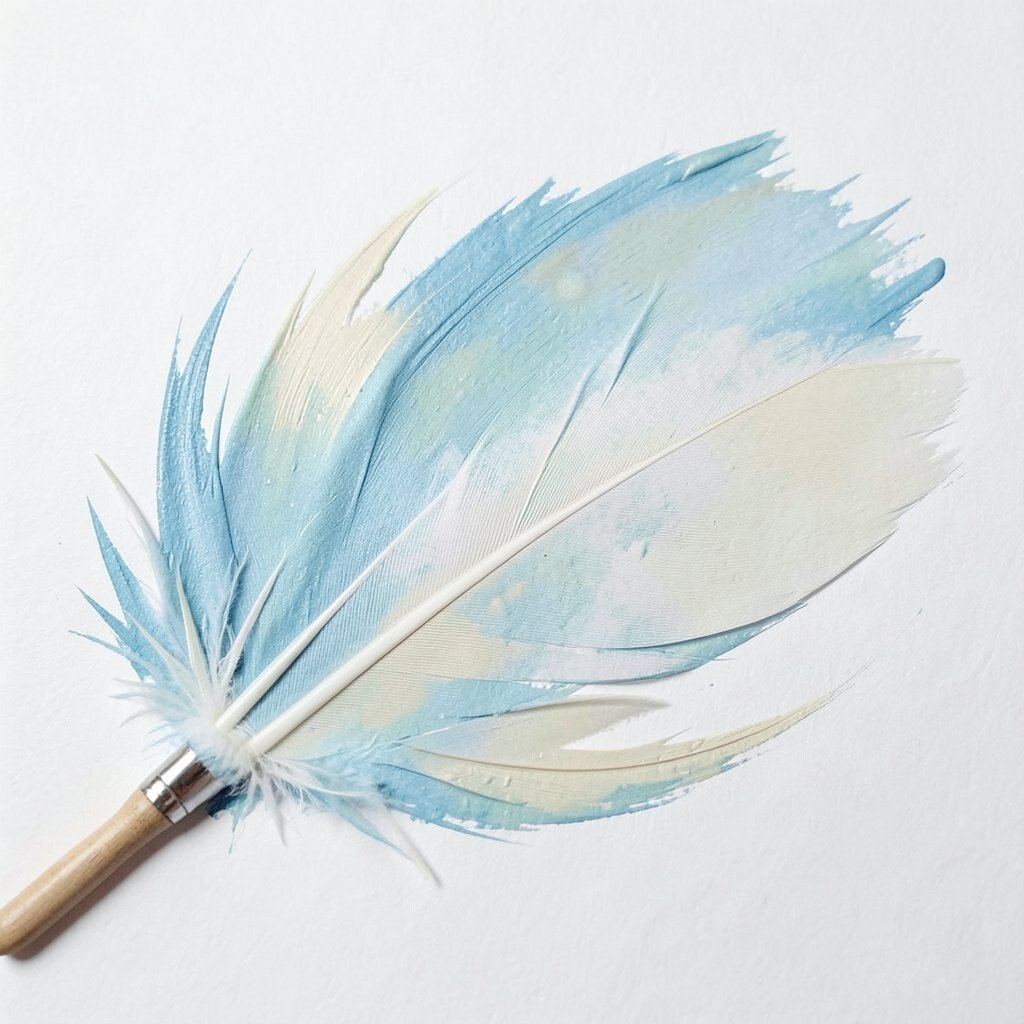
A fan brush can make marks that look like feathers, leaves, or soft strands. The wide shape spreads the paint in a way that feels airy and light.
This texture is useful for trees, fur, waves, and sky effects. It can help you make natural forms in a simple way, which is nice if you want your art to feel calm and easy to read.
Try sweeping the brush in short moves or tapping it for a more broken look. Many artists like this brush because it gives a lot of visual interest without much work, and the brush itself is often low cost.
4. Sponge Dab Texture
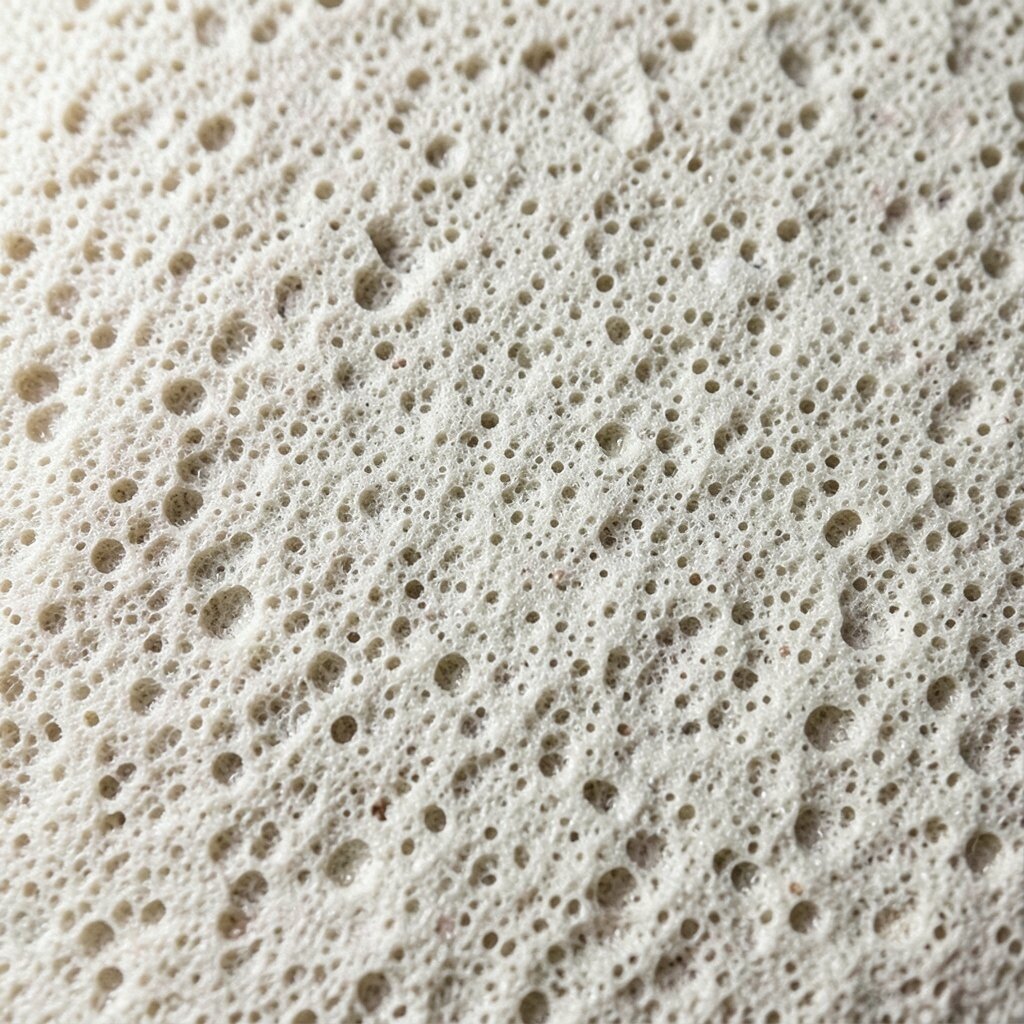
Sponge dab texture gives a soft, uneven look that can feel like stone, foam, or weathered paint. The marks are not too neat, and that makes the surface feel more real.
This is a good choice for backgrounds, old surfaces, and plant shapes. It is also easy to use with cheap tools, since a makeup sponge or packing sponge can do the job well.
You can dab once for a light layer or repeat the motion for a thicker spot. If you want a more custom look, try mixing two colors on the sponge so the texture has more depth.
5. Crosshatch Brush Lines
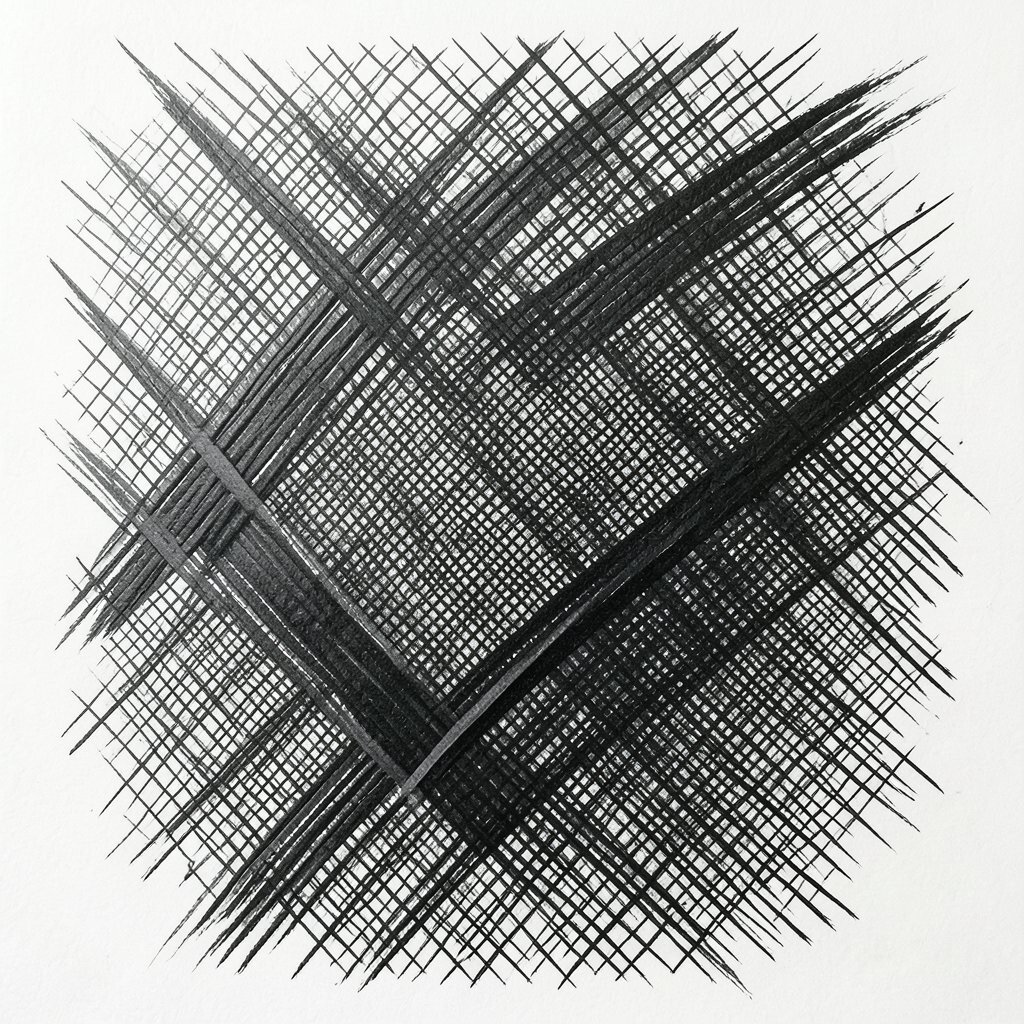
Crosshatch brush lines use layered strokes that cross over each other. The result can look bold, shaded, and full of energy.
This texture works well for drawing cloth, shadows, and rough surfaces. It can help you build form with simple lines instead of heavy paint, which is useful when you want to keep the art light and open.
Use a thin brush and keep your hand relaxed so the lines do not look too stiff. This style is easy to make your own by changing the angle, spacing, and color mix in each layer.
6. Bristle Scratch Marks
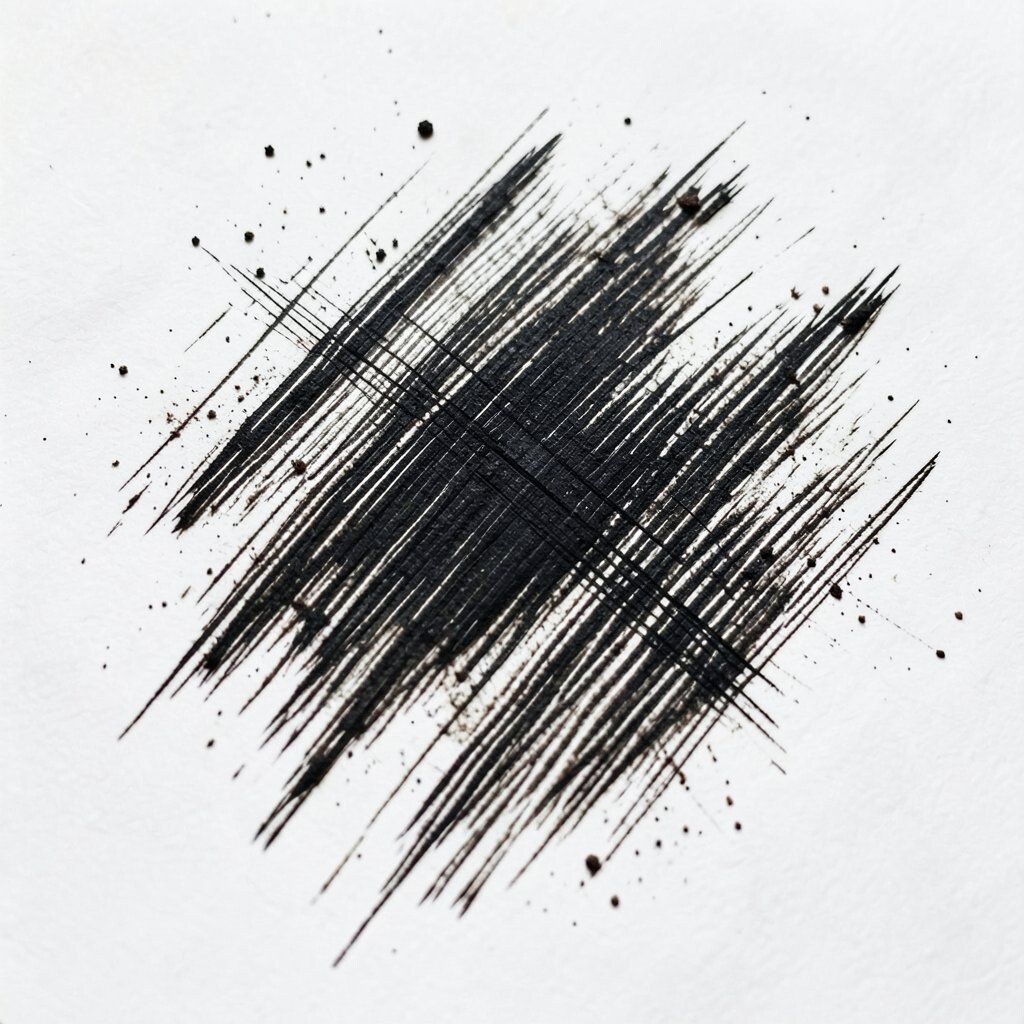
Bristle scratch marks come from a brush with hard hairs that leave sharp, uneven trails. The look can feel wild and a bit rough, which makes it stand out fast.
This texture is nice for bark, rock, dirt, and abstract art. It gives strong contrast and can help your work feel less flat, even when you use only a few colors.
Use less paint than you think you need, and drag the brush in one direction or in short bursts. Bristle brushes are often not expensive, so they are a smart pick if you want a simple tool with a strong effect.
7. Water Brush Washes
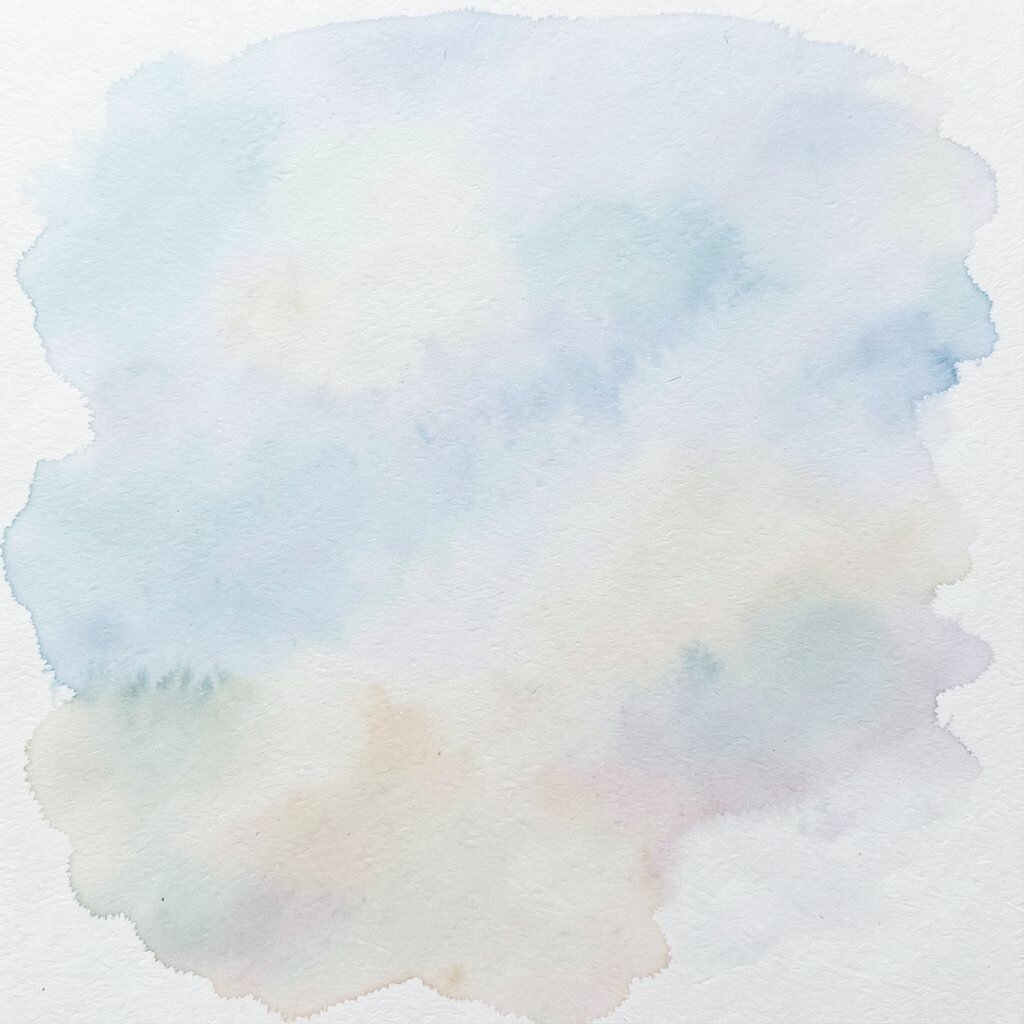
Water brush washes make soft, loose layers that blend into each other. The edges can fade gently, which gives your art a calm and smooth look.
This texture is great for skies, mist, skin tones, and soft color blocks. It fits well with today’s trend of light, airy art that still shows the hand of the artist.
Try adding more water for a pale wash or less water for a richer layer. You can also let one wash dry before adding another, which helps you build a look that feels more like your own.
8. Palette Knife Drag
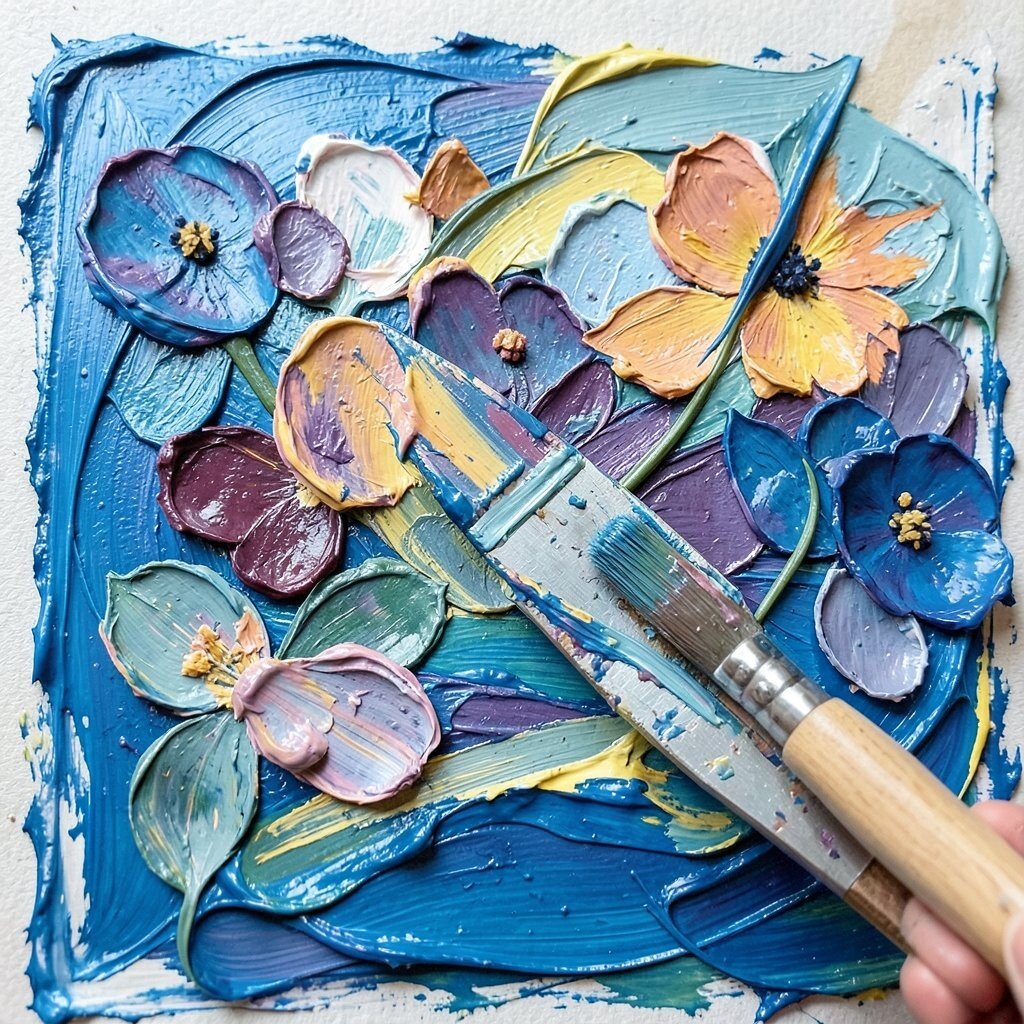
Palette knife drag is not a brush texture in the usual sense, but it works well with brush marks in mixed art. The paint sits in thick, flat streaks that catch light in a bold way.
This texture is useful for bold backgrounds, flowers, waves, and abstract pieces. It can save time because one swipe can cover a lot of space and make the surface feel full right away.
Use it with thick paint and try both slow and quick pulls. The cost can be low if you already have a knife, and the result can make even simple art feel more handmade.
9. Round Brush Swirls
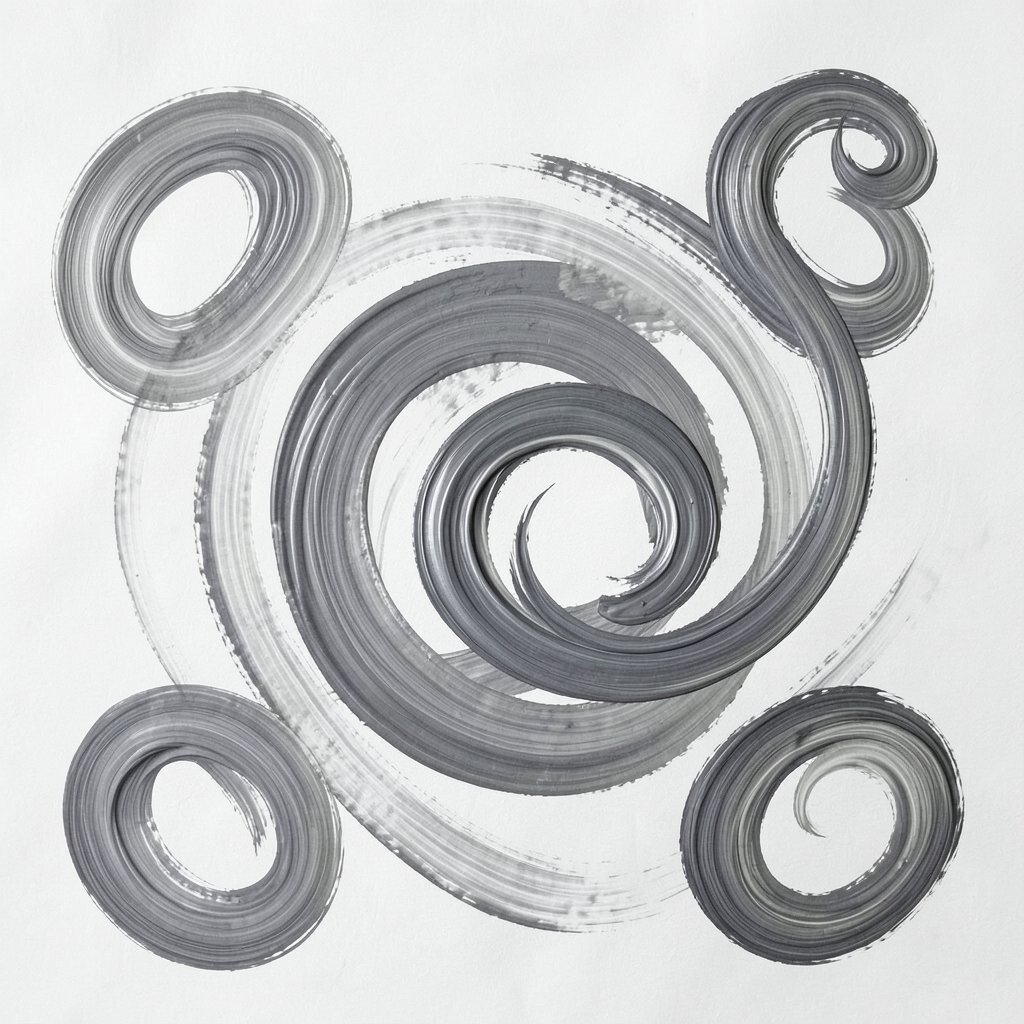
Round brush swirls create curved marks that feel lively and smooth. They can look neat or loose, based on how fast you move your hand.
This style works well for hair, smoke, water, vines, and small decorative shapes. It can help guide the eye through the art, which makes the whole piece feel more connected.
Try small circles, long curls, or soft loops to see what fits your subject. A round brush is easy to find and often low cost, so it is a simple tool for trying new ideas.
10. Flat Brush Blocks
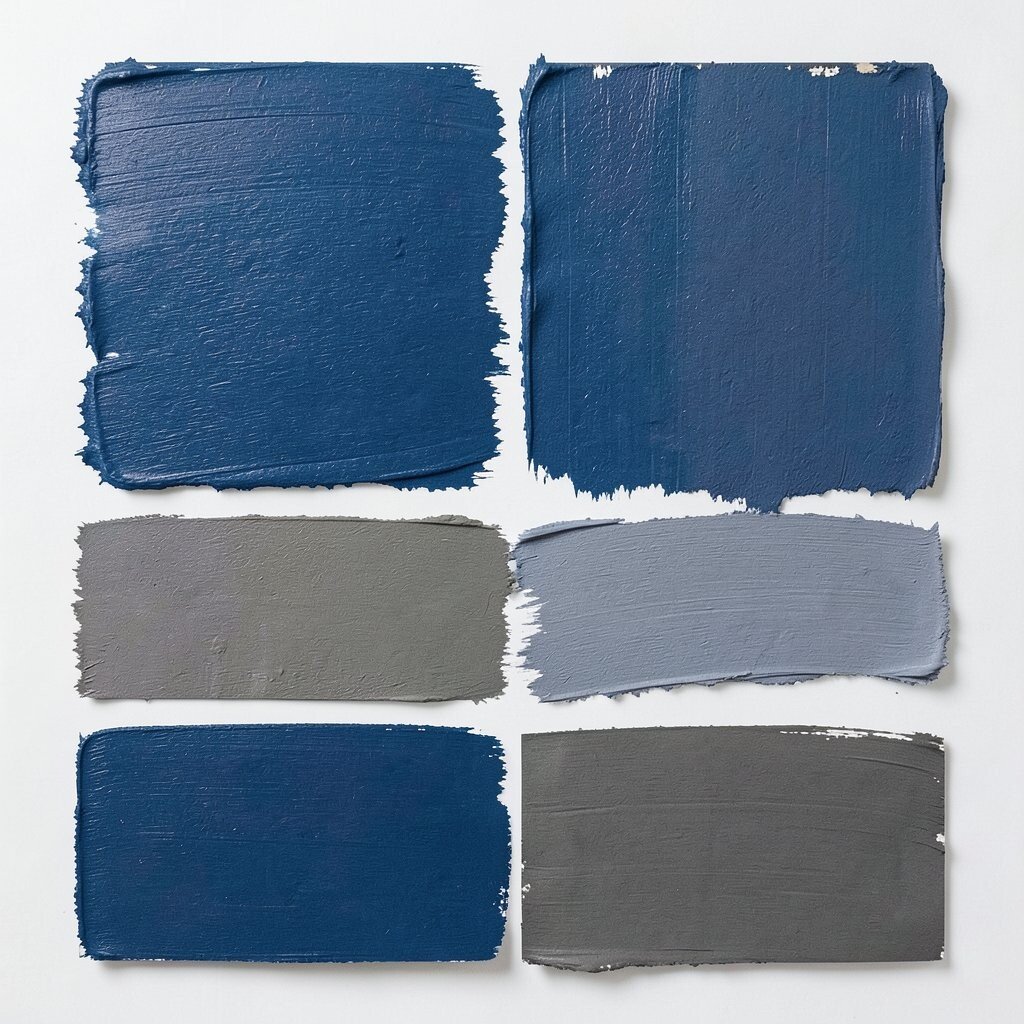
Flat brush blocks make wide, clean marks with clear edges. The look can feel modern, neat, and easy to read from far away.
This brush texture is useful for walls, fabric, skies, and abstract color fields. It can help you work faster because the broad shape covers space in a few strokes.
Change the angle of the brush to make thin lines or wide blocks. Many artists use this style in current design work because it feels simple, bold, and easy to adjust to personal taste.
11. Comb Brush Stripes
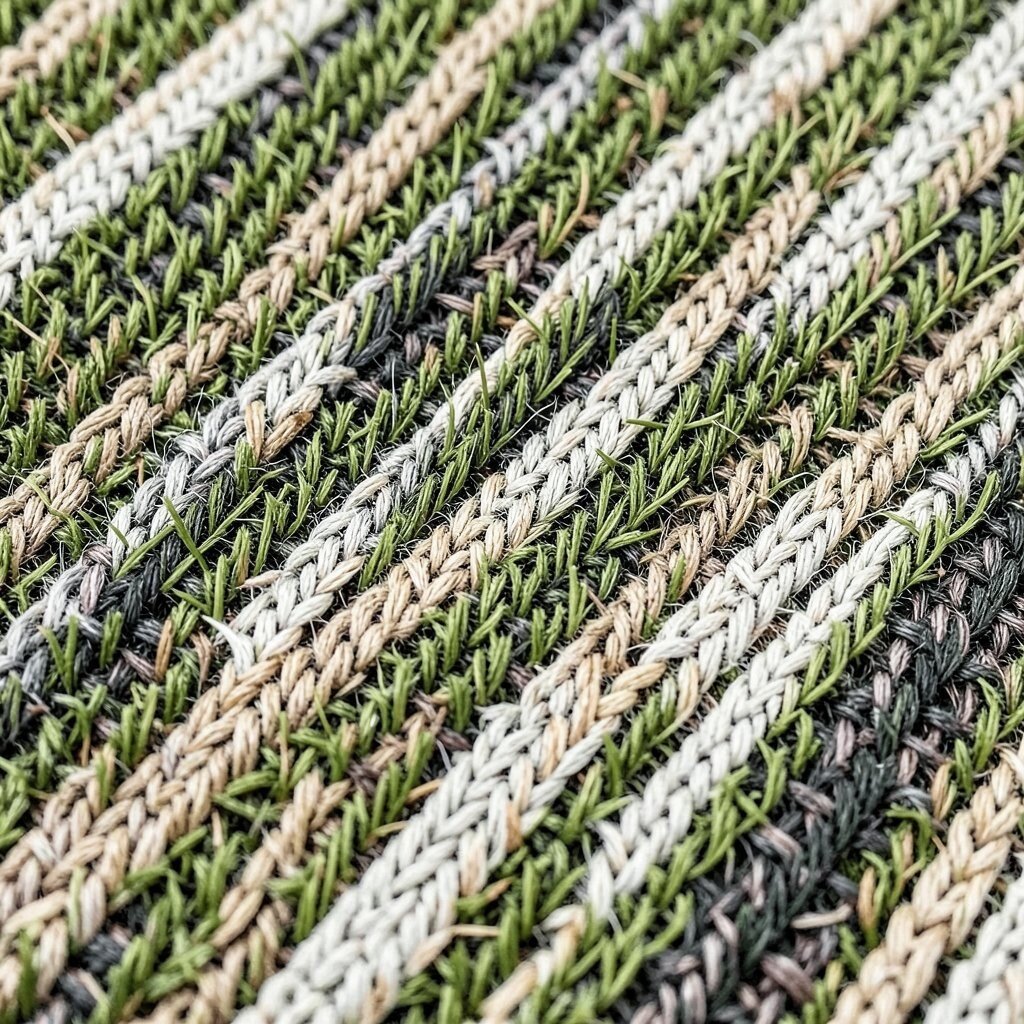
Comb brush stripes use a brush or tool with spaced tips that leave line groups behind. The result can look like grass, hair, fur, or woven cloth.
This texture adds a sense of order while still keeping a handmade feel. It is useful when you want a repeated pattern that does not look too stiff or too plain.
You can make your own striped marks with a stiff brush, a forked tool, or a brush comb. It is a low-cost way to add detail, and you can vary the spacing to fit your art style.
12. Splatter Spray Texture
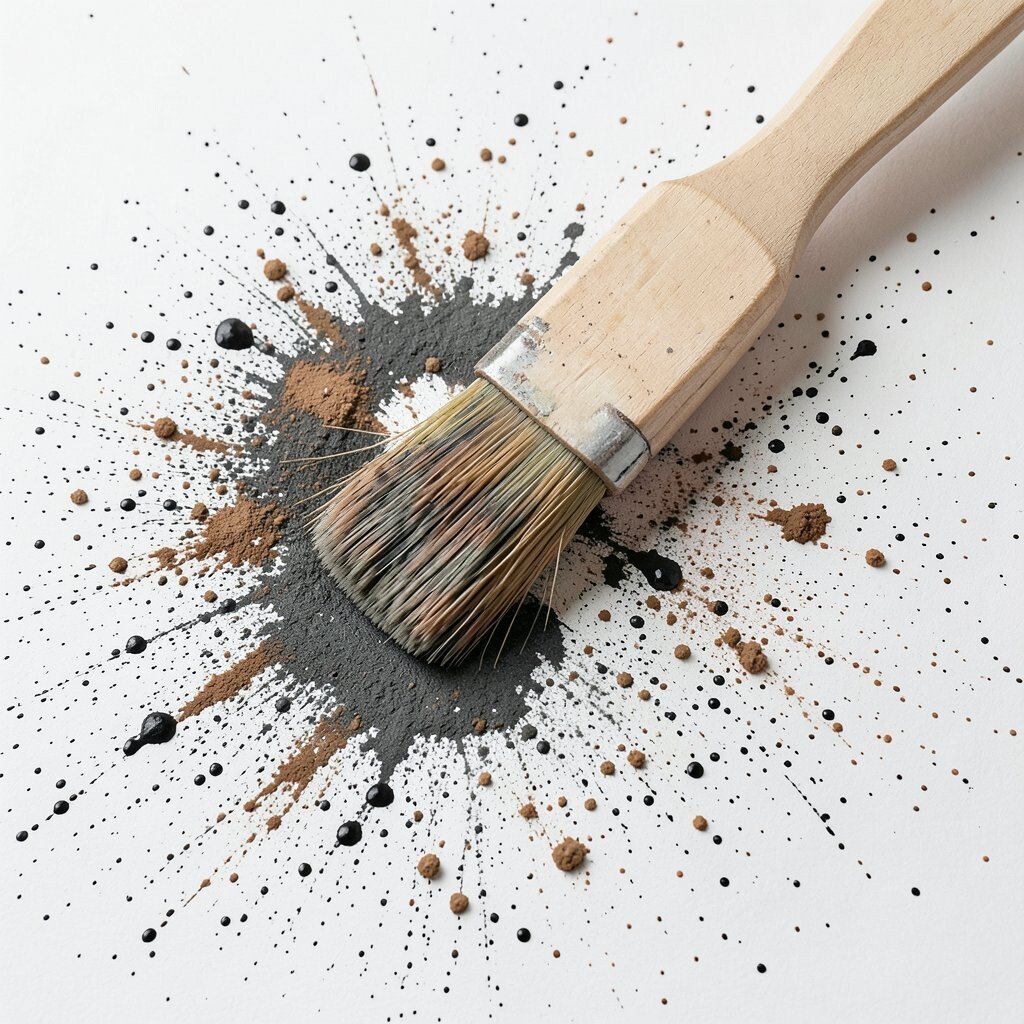
Splatter spray texture adds small paint drops that land in random spots. The look can feel lively, messy, and full of motion.
This is a good choice for stars, dust, rain, dirt, and abstract work. It can also help break up large flat areas so the piece feels less empty.
Use a brush, toothbrush, or stiff bristles to flick paint onto the page. If you want more control, cover some parts before you spray, and that can help you make a look that fits your own plan.
13. Impasto Ridge Layers
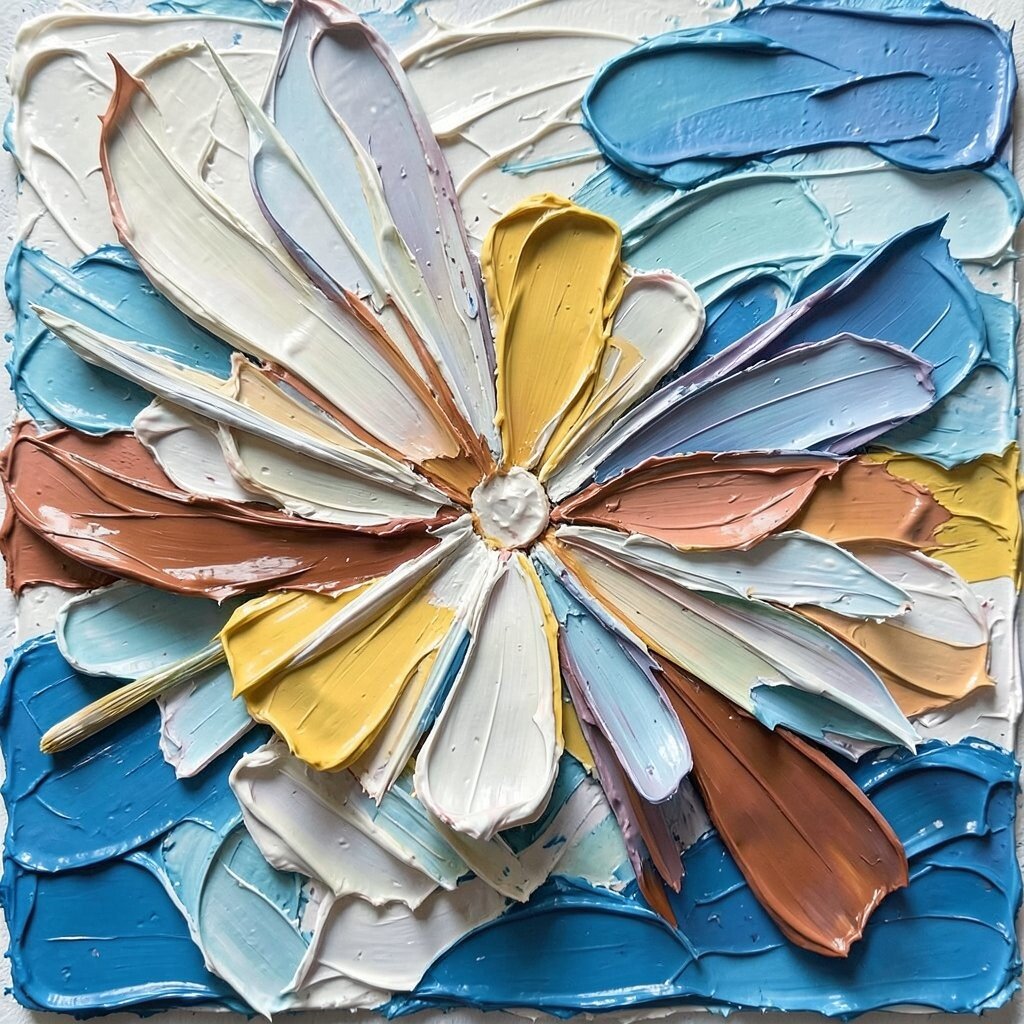
Impasto ridge layers use thick paint that sits up from the surface. The raised texture catches light and shadow, so the art can feel rich and strong.
This style is often used in flowers, waves, and bold abstract work. It can make a simple color choice feel more full, and it can suit current art trends that favor visible brush work.
Use a brush with heavy paint or add paint in slow layers with a knife. The cost can be higher if you use a lot of paint, but the look is unique and can make a piece feel more personal.
14. Wet-on-Wet Blends
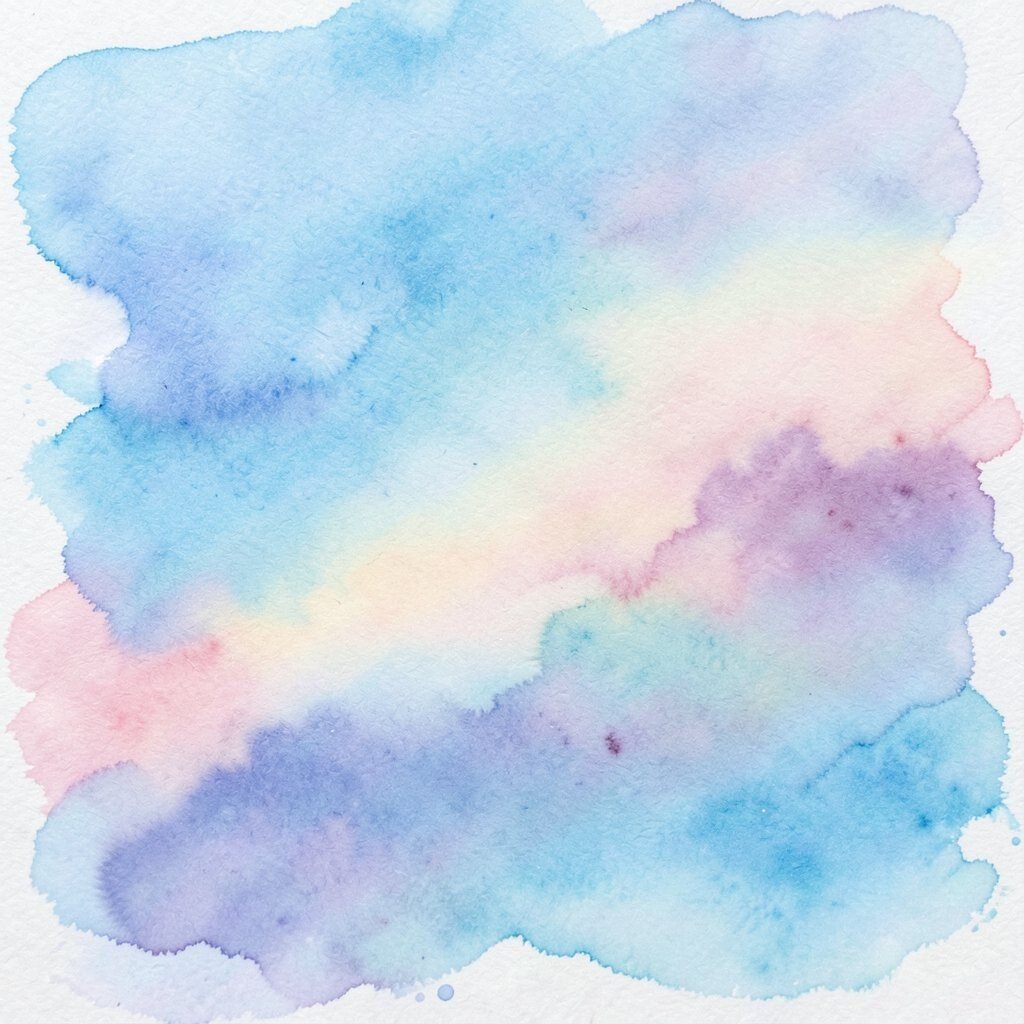
Wet-on-wet blends mix colors while they are still wet, so the edges soften and flow together. The result can look smooth, dreamy, and easy on the eyes.
This texture is helpful for skies, water, soft flowers, and skin. It can save time because you do not need to wait long between layers, and that makes it useful for quick studies.
Try two close colors first if you want a calm look, or use stronger color pairs for more contrast. You can make each blend feel different by changing brush size, paint amount, and how fast you move.
15. Scrubbed Background Grain
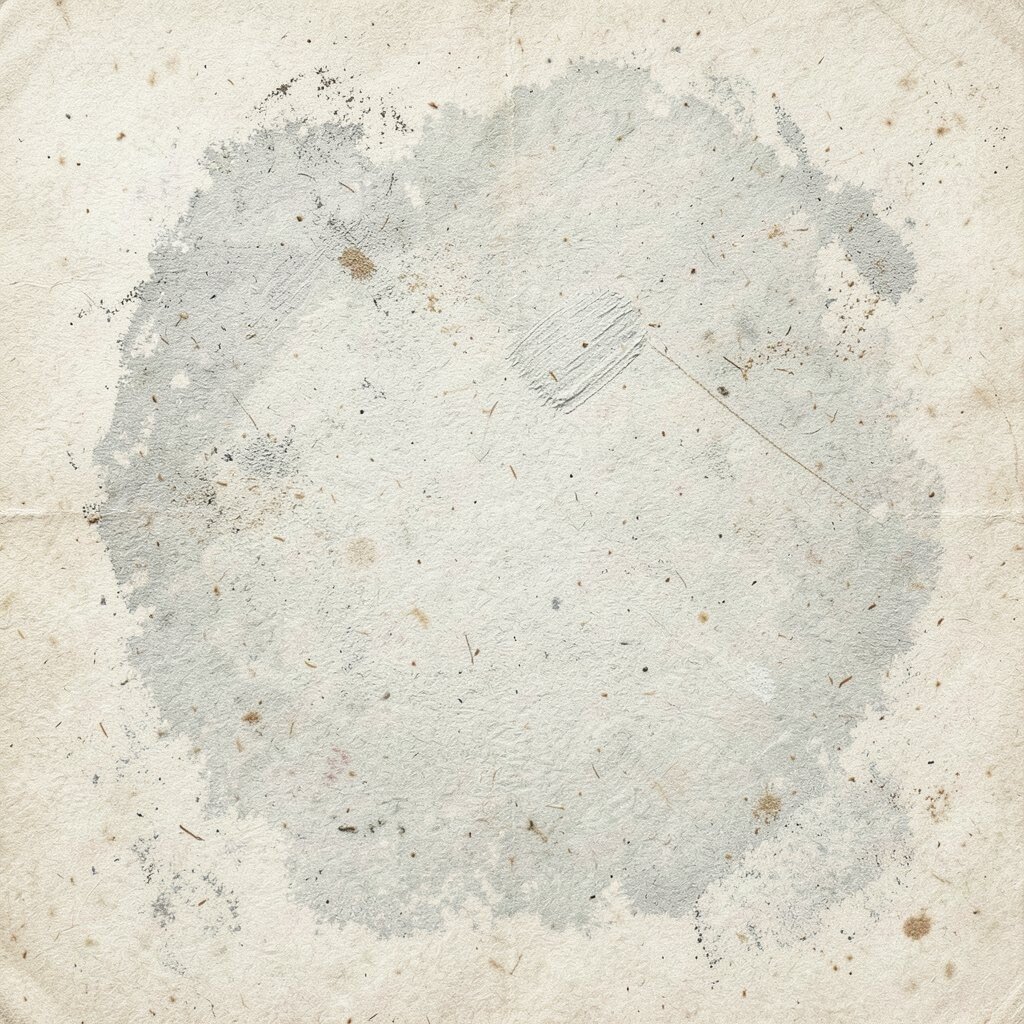
Scrubbed background grain comes from rubbing paint into the surface with a brush in short, rough moves. The finish can feel dusty, worn, and full of small marks.
This texture is good for old paper looks, stone, sky haze, and abstract layers. It helps set a mood without needing a lot of detail, which is useful when the main subject should stay clear.
Use a dry or nearly dry brush and work in small circles or back-and-forth strokes. It is easy to change the look by adding more color in some spots and leaving other spots light.
16. Layered Mixed Brush Texture
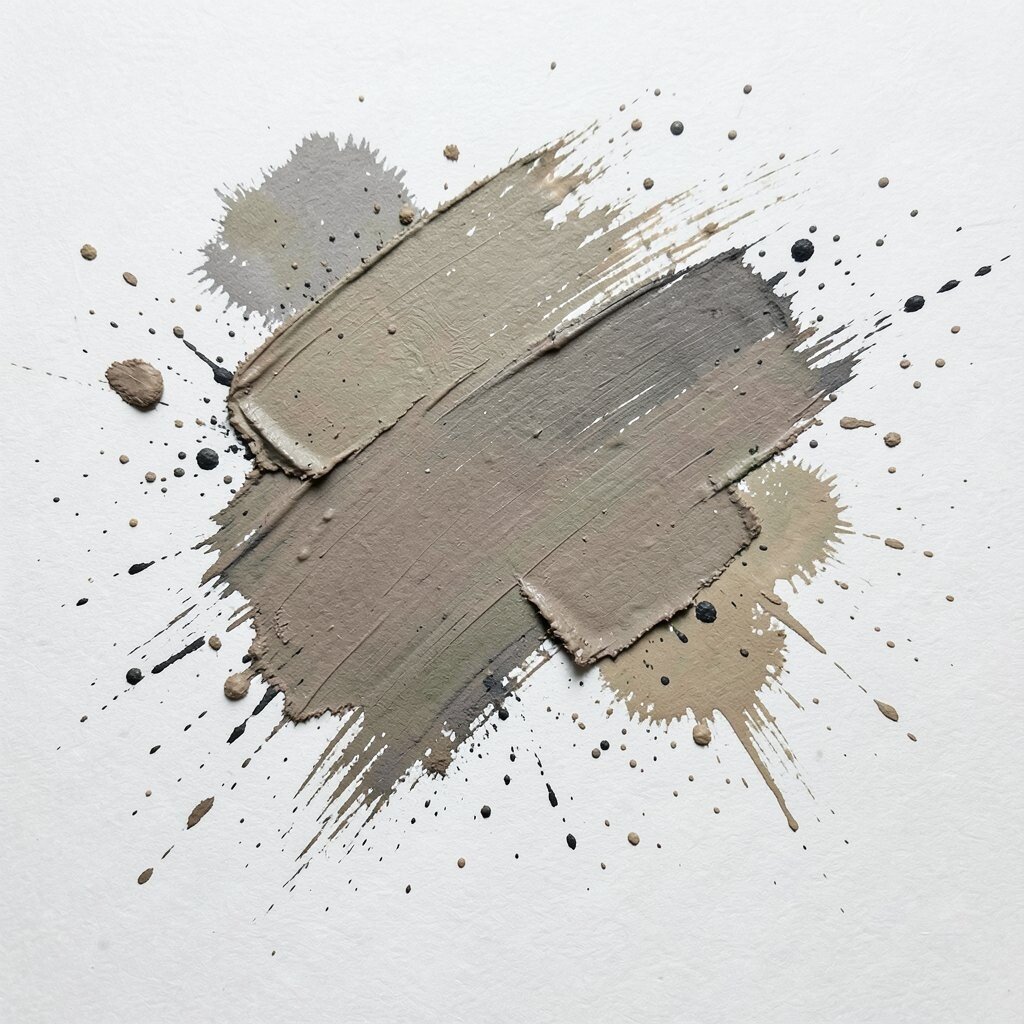
Layered mixed brush texture brings together more than one brush mark in the same piece. You might use dry streaks, soft blends, dots, and splatter all at once for a fuller look.
This style is useful when you want your art to feel rich and personal. It can also help you follow new art trends that mix clean shapes with rough, handmade detail.
Try planning one main texture and then add a second or third mark type around it. This can cost little more than extra time, and it gives you room to make the work fit your own taste and subject.