
Keeping a dog safe at home and outside takes steady care and simple habits. Small changes in daily life can help pets stay calm, healthy, and out of harm’s way.
1. Pick a Safe Spot for Rest
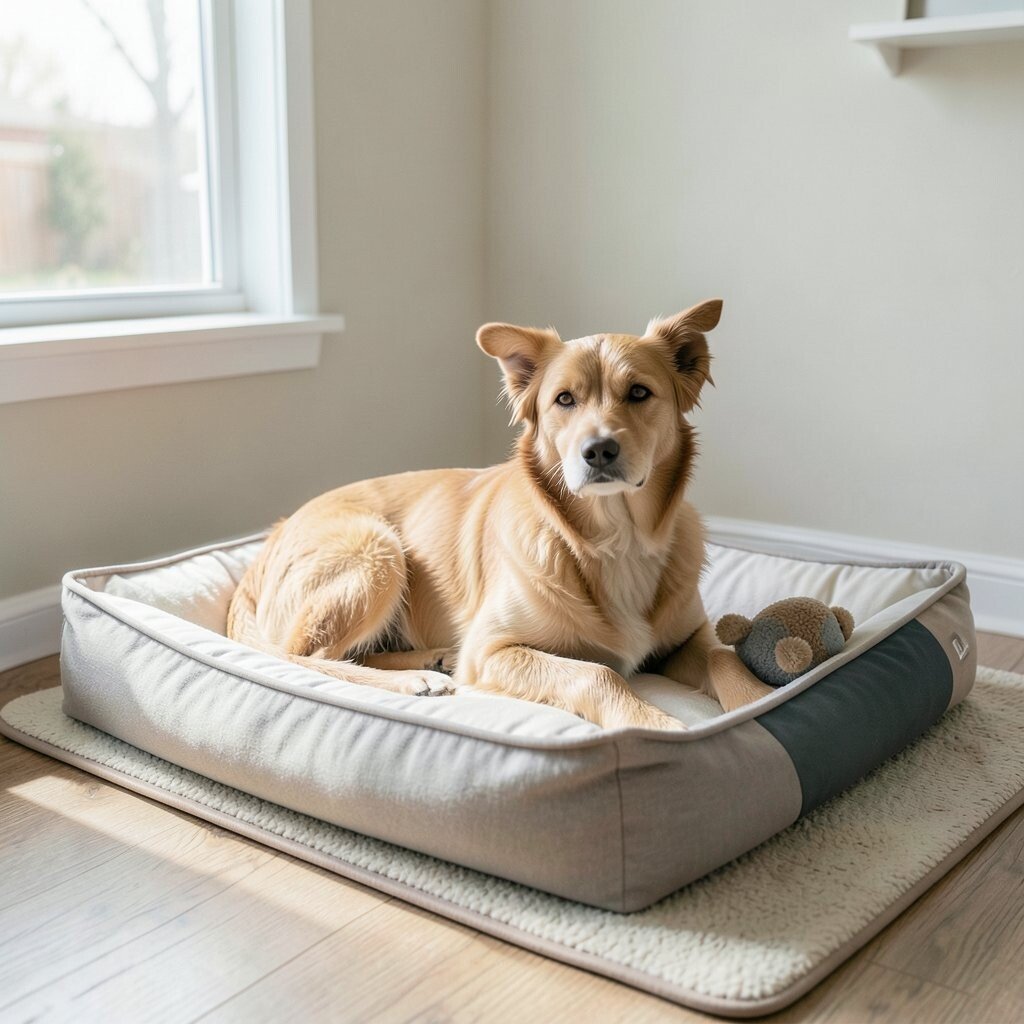
A safe rest spot gives your dog a place to slow down and feel calm. It can be a crate, a bed in a quiet corner, or a soft mat near the family room.
Look for a spot that stays away from sharp edges, loud TVs, and busy foot paths. A plain setup often works best because it feels easy to use and does not cost much.
You can make the space feel more personal with a blanket that smells like home or a toy your dog likes. Many pet owners now use simple beds with washable covers, which is a handy trend for busy homes.
2. Keep Food and Treats in the Right Place
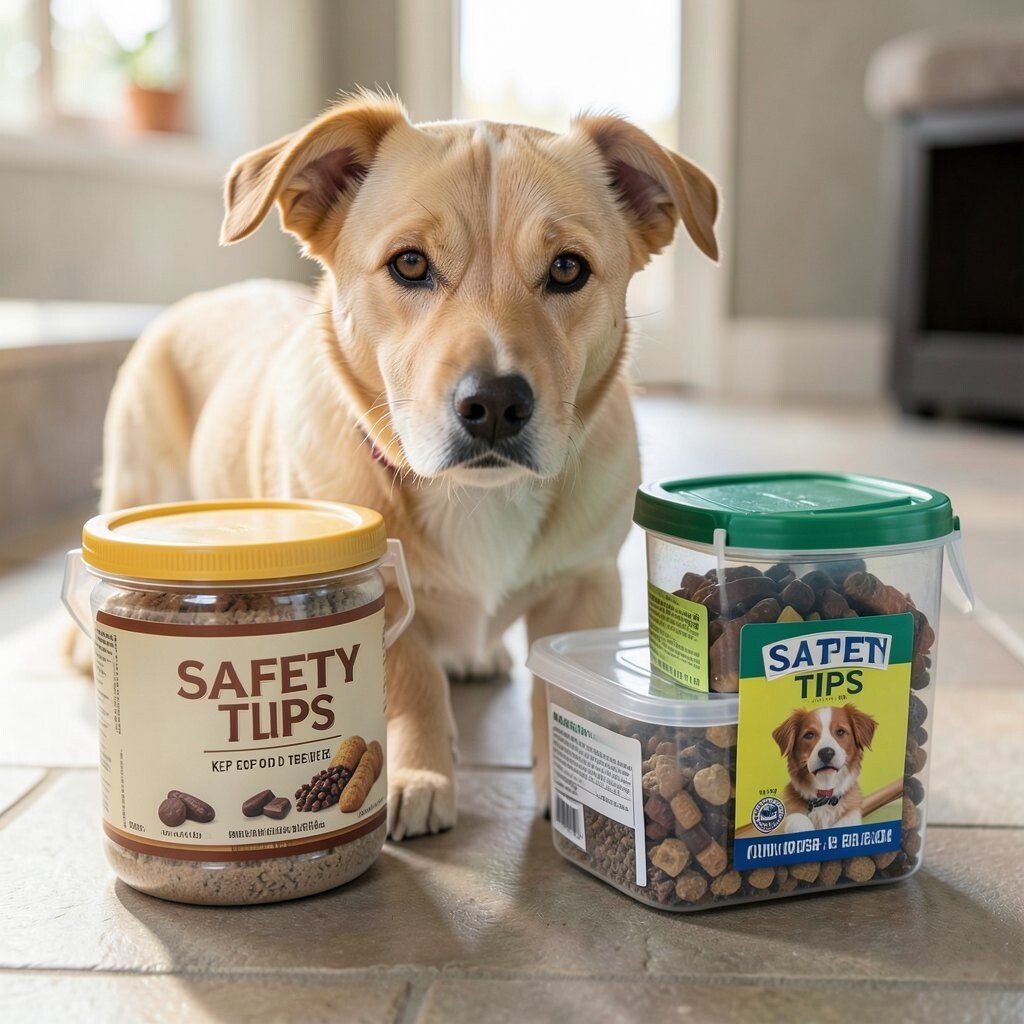
Food safety matters because dogs can get sick from the wrong snacks or old food. Keep dog food in a dry container with a tight lid and store people food where your pet cannot reach it.
Check labels on treats and stay away from foods that are not safe for dogs, like chocolate, grapes, or onion. This habit can help avoid upset stomachs and vet visits, which saves stress and money.
If your dog has special needs, use a feeding plan that fits your pet’s size and age. Some people now use clear storage bins and measured scoops, which makes meals neat and easy to track.
3. Use a Strong Leash and Collar

A good leash and collar help you keep control during walks and quick trips outside. Look for gear that fits well, feels smooth in your hand, and does not rub your dog’s neck.
Many dogs do better with a harness, since it spreads pressure more evenly. This can help with pulling and can make walks safer for both you and your pet.
Pick colors that are easy to spot, like bright blue, red, or neon green. Reflective strips are also a useful trend for early morning and evening walks, and the cost is often fair for the extra safety.
4. Make Your Yard Hard to Escape

A fenced yard can give dogs room to play, but it still needs a careful check. Walk the fence line often and look for holes, loose boards, or gates that do not shut well.
Some dogs are good jumpers, while others like to dig under weak spots. You can add fence covers, buried edging, or simple locks to help keep your pet inside.
Try to match the yard setup to your dog’s habits and size. A small dog may need tiny gap checks, while a bigger dog may need taller fencing, and both can benefit from a clean, open play space.
5. Watch for Hot and Cold Weather Risks
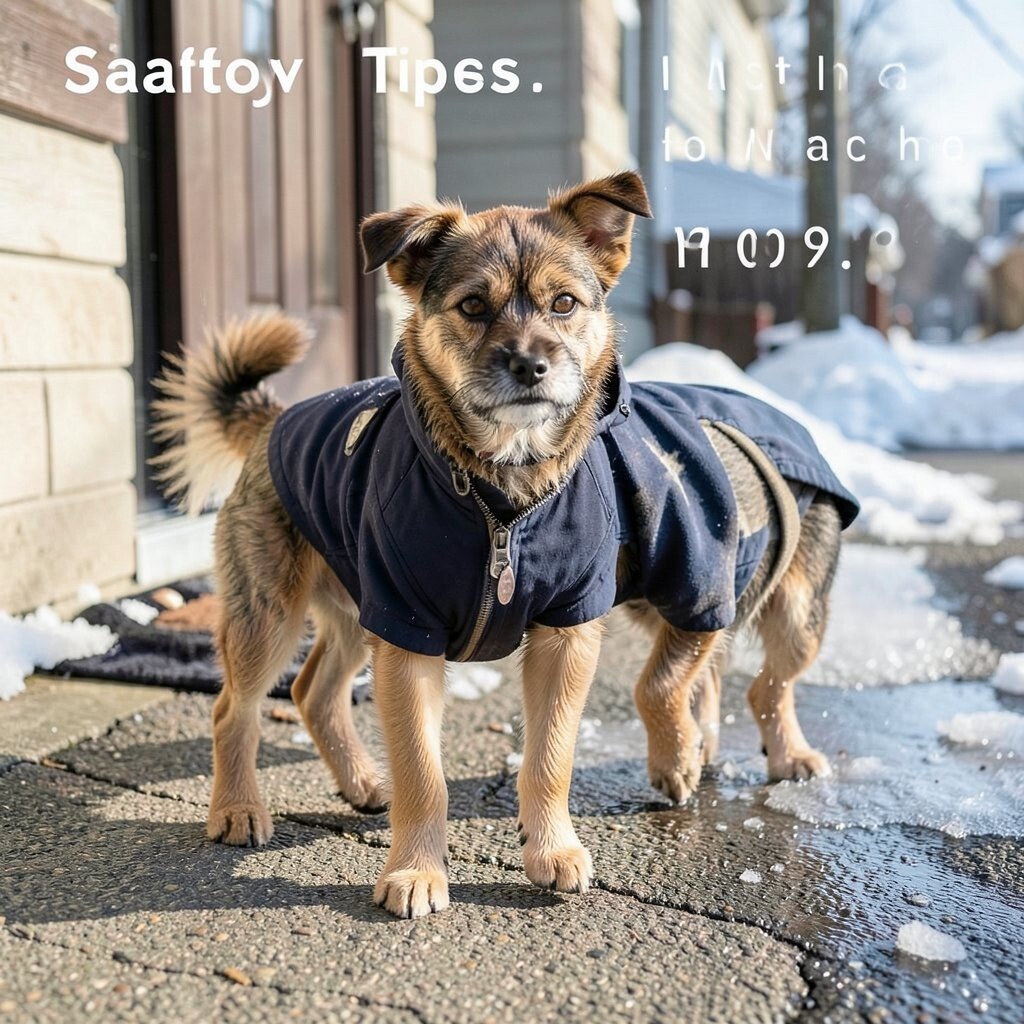
Weather can be hard on dogs, so it helps to plan before going out. Hot pavement, strong sun, ice, and cold wind can all cause pain or harm.
On warm days, give water often and keep walks short when the ground feels hot. On cold days, use a coat for small or thin-coated dogs and keep time outside brief if the air feels sharp.
Many pet owners now keep a weather kit near the door with a towel, booties, and a water bottle. This simple habit is low cost and can make trips outside much safer.
6. Keep Dangerous Items Out of Reach

Dogs are curious, so they may chew or swallow things they should not touch. Clean up pills, string, rubber bands, batteries, and small toys before your pet can find them.
Cabinets with cleaners and garage shelves with tools should stay closed or locked. This can help prevent poison risks and cuts down on surprise vet bills.
Try using clear bins, high shelves, and child locks if your dog likes to nose around. A tidy home is not just neat to look at; it also helps you spot trouble fast.
7. Check Toys for Wear and Tear

Toys are good for play, but they need regular checks to stay safe. Look for loose parts, torn seams, and small pieces that could break off and be swallowed.
Choose toys that fit your dog’s size and chew style. A hard chew toy may suit a strong chewer, while a soft plush toy may be better for gentle play or naps.
Many people like toys with simple shapes and bright colors because they are easy to see on the floor or in the grass. Some toys cost more, but a strong toy can last longer and help you spend less over time.
8. Keep Up With Vet Visits

Regular vet visits help catch small problems before they grow. A vet can check teeth, skin, weight, joints, and shots, which supports daily safety.
It is also a good time to ask about food, exercise, and any changes in your dog’s mood or habits. If your pet seems off, a quick visit can help you act sooner.
Many clinics now send text reminders, which makes it easier to stay on track. You can also keep a simple folder with records, notes, and test results so care feels less messy.
9. Teach Simple Commands Early
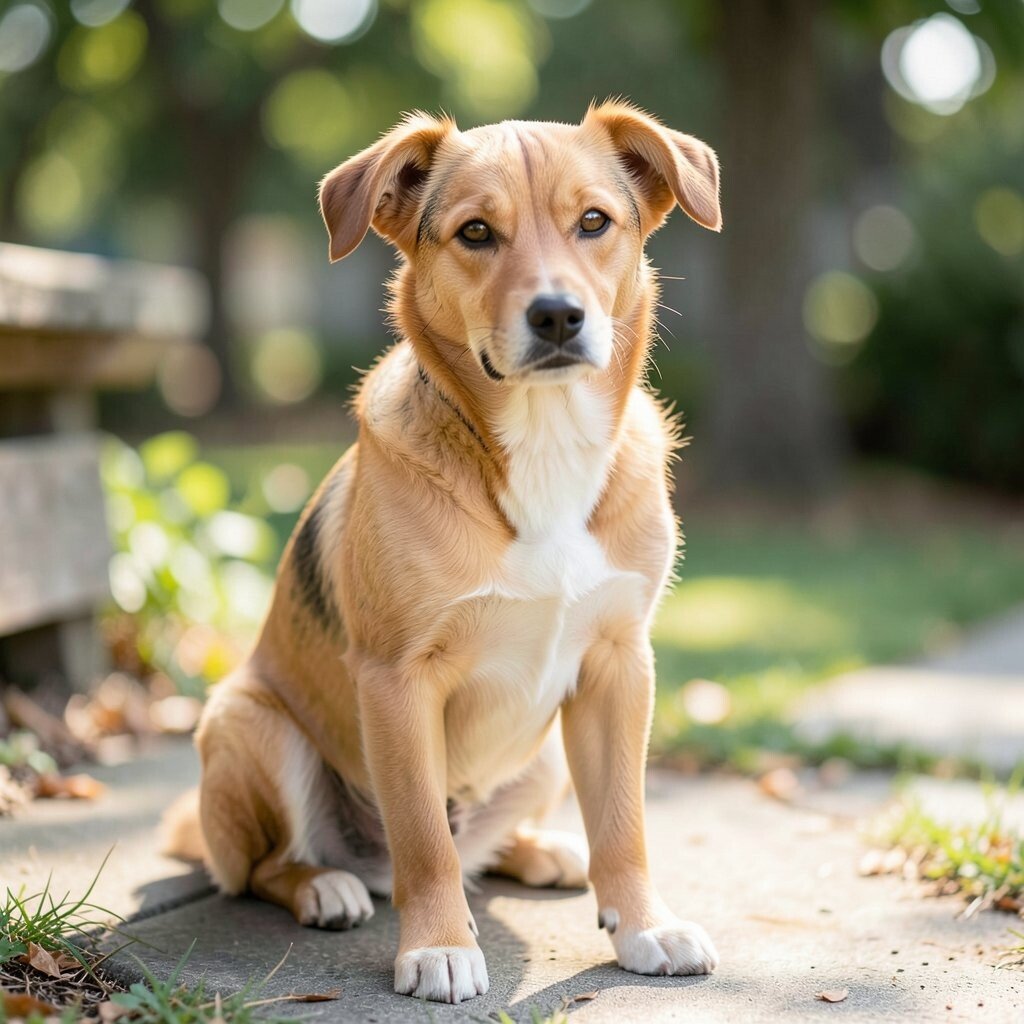
Basic commands like sit, stay, come, and leave it can help keep dogs safe in many places. These words give you a way to guide your pet away from danger fast.
Short practice times work well, and treats or praise can make learning smoother. Keep the tone calm and steady so your dog can focus and feel sure about what to do.
You can tailor training to your dog’s pace and personality. Some dogs like quick games, while others do better with slow steps, and both can learn well with patience.
10. Use ID Tags and Microchips
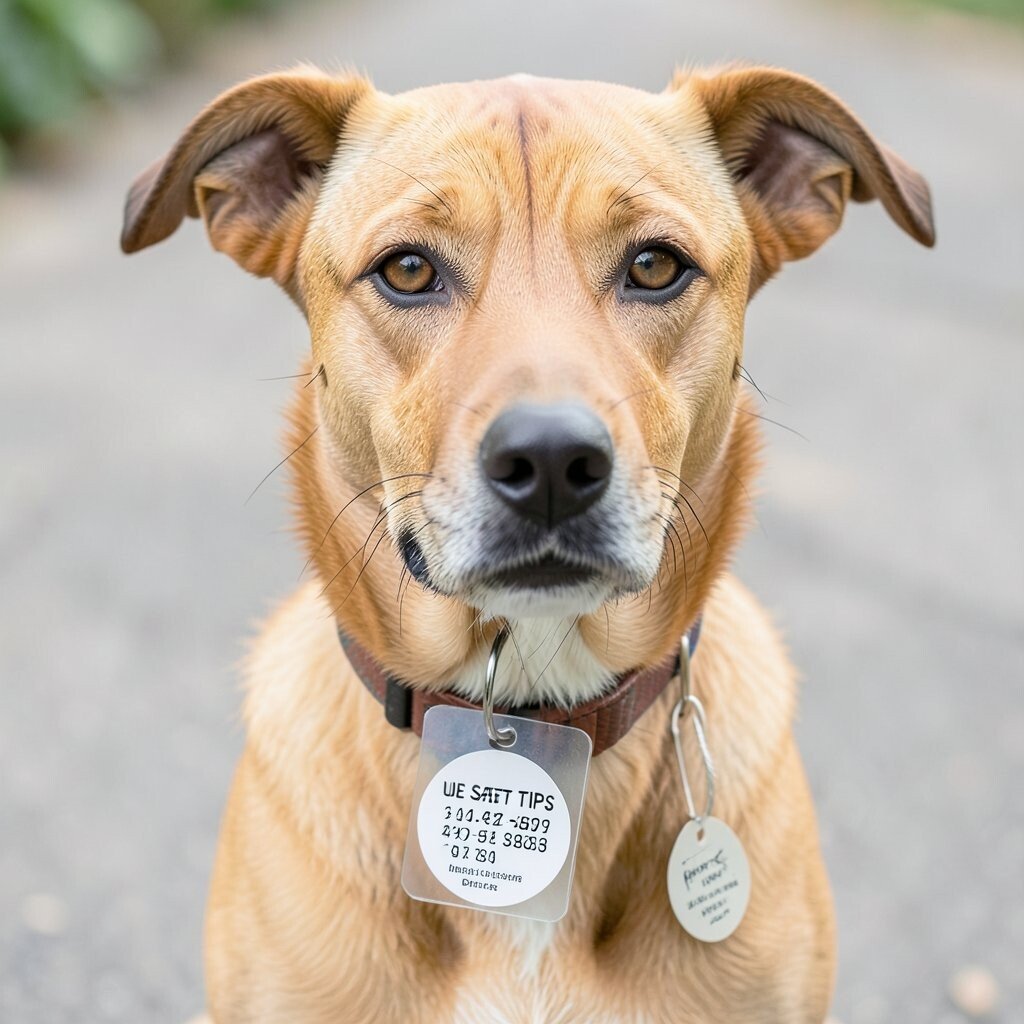
An ID tag is one of the easiest ways to help a lost dog get home. Make sure the tag has your current phone number and stays easy to read.
A microchip adds another layer of safety because it stays with your dog even if the collar comes off. It is a common choice now, and the one-time cost is often worth the peace of mind.
Some owners add a second tag with a backup number or a note about medical needs. That small touch can help a finder act fast and give your pet the right care.
11. Keep Walk Areas Clean and Clear
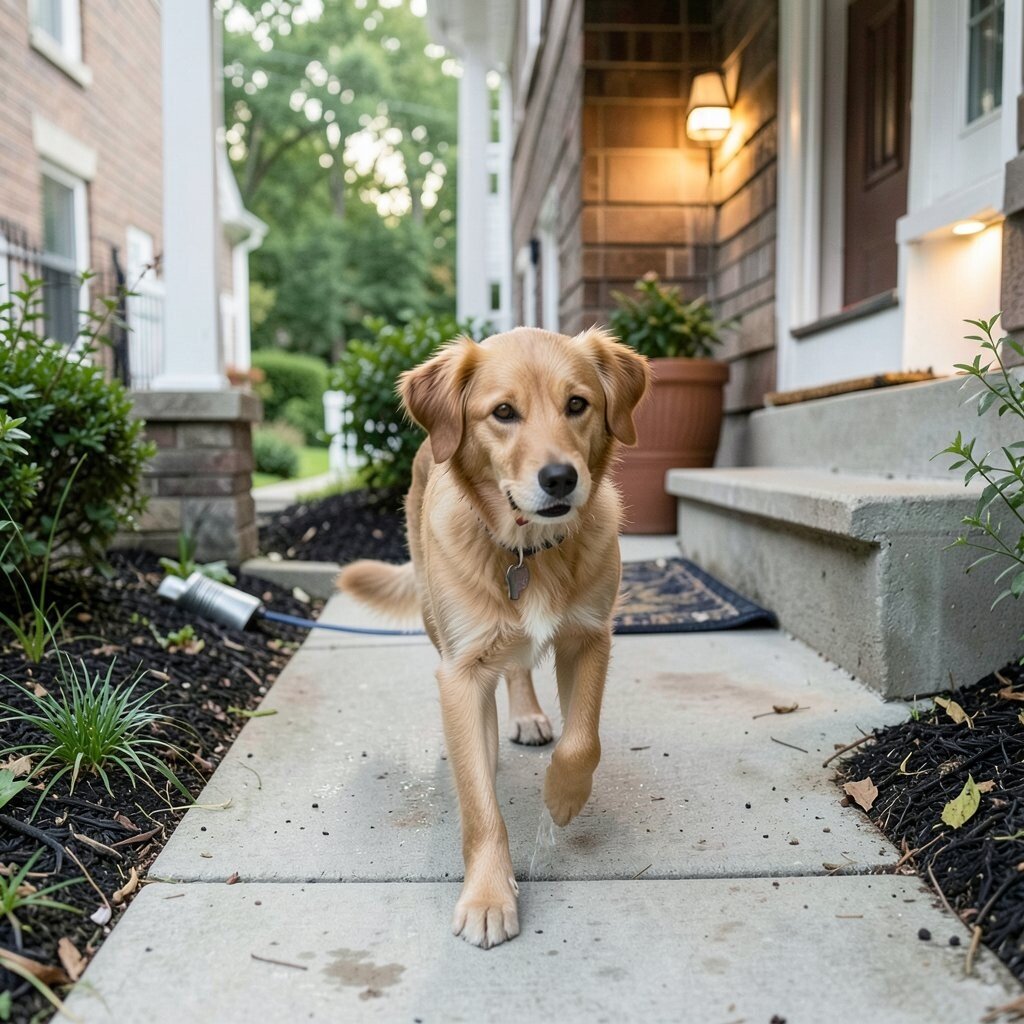
Walks are safer when paths are free of trash, broken glass, and sharp sticks. At home, clear hallways and stairs so your dog does not slip or trip.
Good lighting also helps, especially near steps, porches, and dark corners. A bright porch light or a small motion light is a simple fix that can make a big difference.
Many homes now use easy-to-clean mats near doors to catch mud and wet paws. This trend helps keep floors safer and can save time on cleanup after walks.
12. Give Water in Clean Bowls
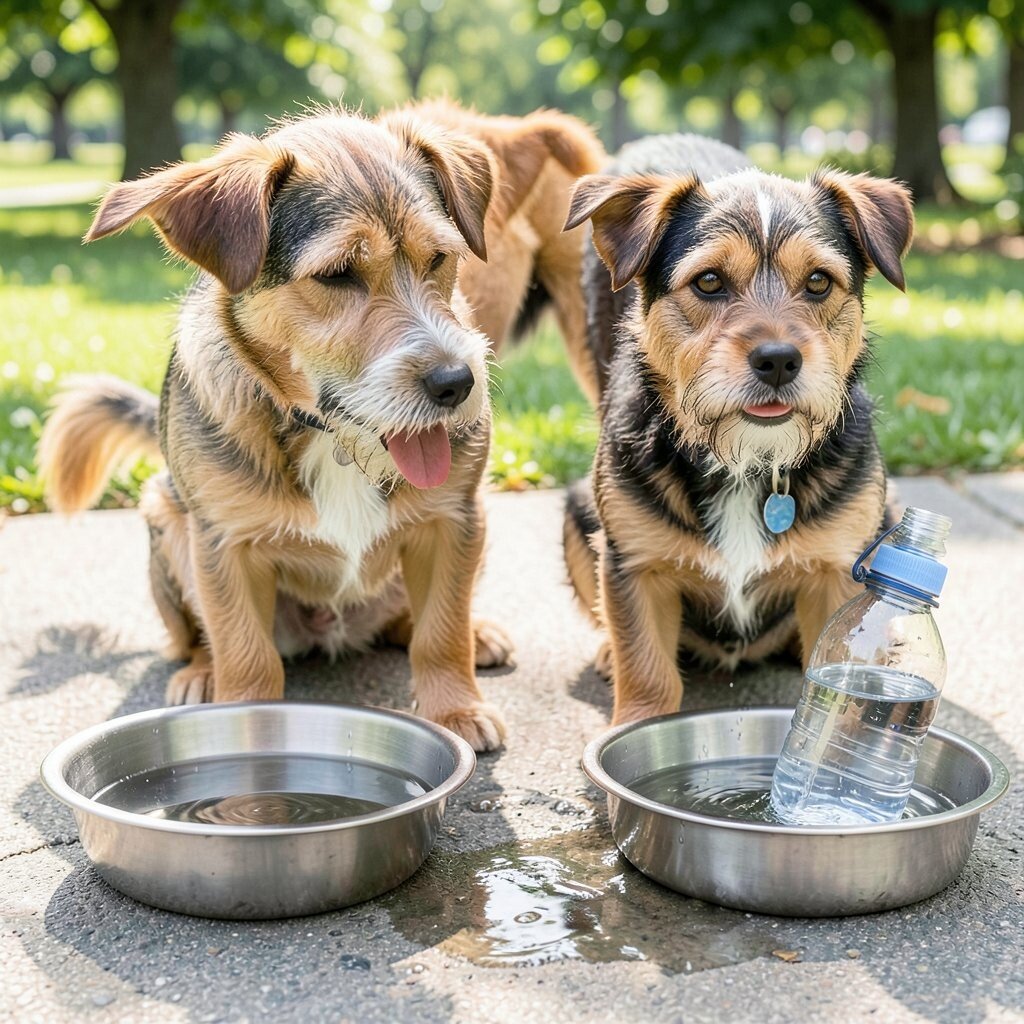
Fresh water helps dogs stay well, especially after play or warm weather. Use a clean bowl and wash it often so dirt and slime do not build up.
Some dogs like heavy ceramic bowls, while others do better with steel bowls that are easy to scrub. You can place water in more than one spot if your home is large or if your dog likes to roam.
Portable water bottles for dogs are now common for trips and park visits. They are handy, not too costly, and can help you avoid using shared public bowls.
13. Notice Small Changes in Behavior
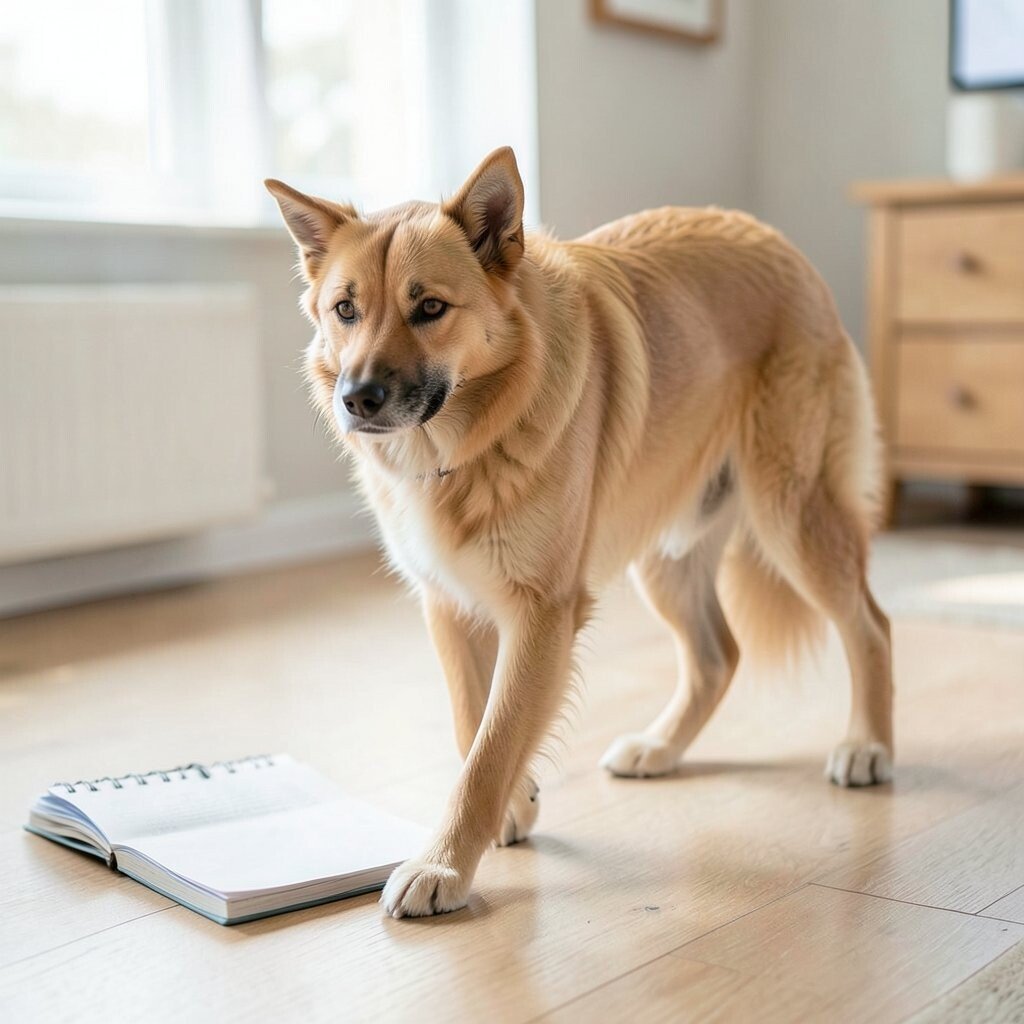
Your dog may show safety problems through small changes in how it acts. Watch for limping, less eating, hiding, barking more than usual, or sudden fear.
These signs can point to pain, stress, or something in the home that needs a fix. When you notice a change early, you can often help before it turns into a bigger issue.
It can help to keep simple notes about your dog’s sleep, meals, and play habits. This personal record makes it easier to spot patterns and gives your vet useful details if you need advice.