
Good court movement can help you reach the ball faster and stay in control. Small changes in how you move can make your game feel smoother and more steady.
1. Split Step Timing
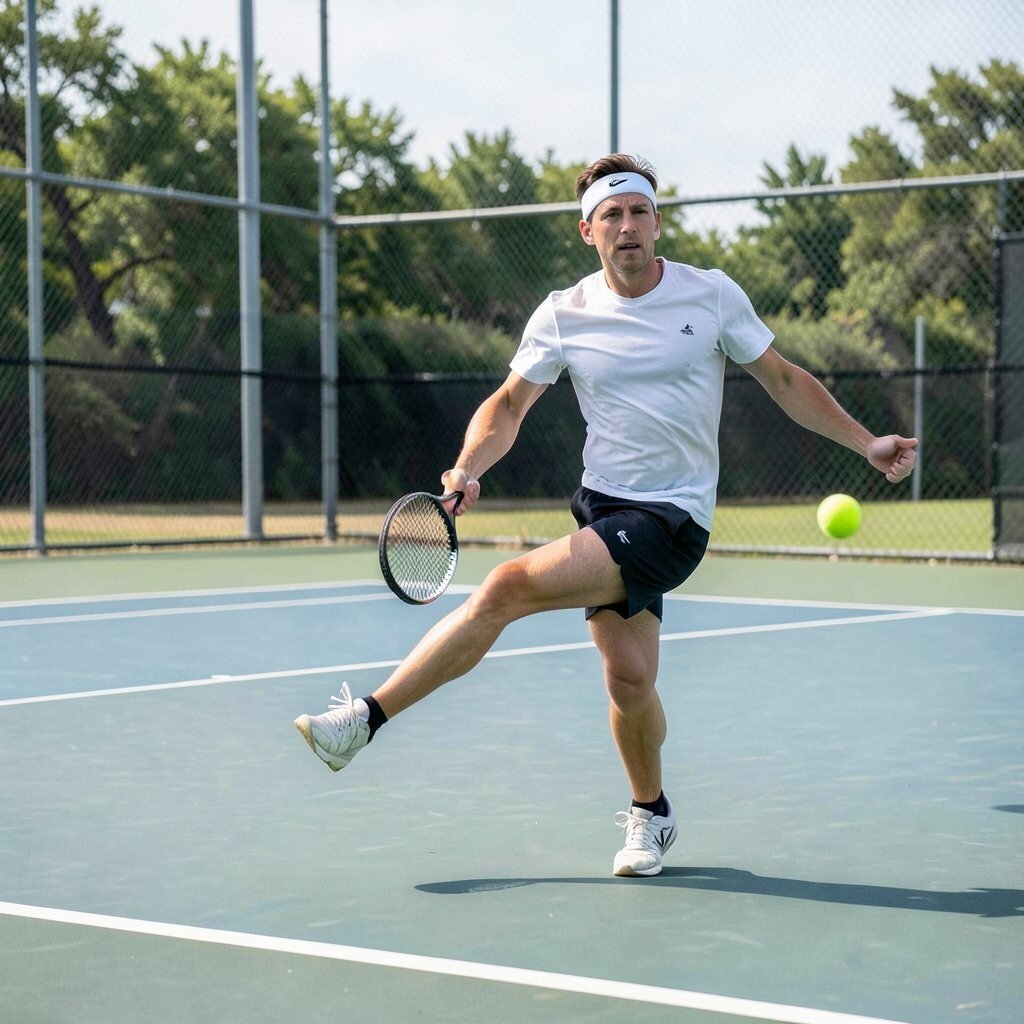
The split step is a small jump that helps you get ready for the next shot. It looks simple, but it can change how fast you react on the court.
Try to land as your rival hits the ball, not after. That timing helps your feet feel light and ready to move in any direction.
This move is cheap to practice because you only need a court, shoes, and a little space. Many players like it because it fits into all parts of the game, from tennis to pickleball and even squash.
2. Side Shuffle Patterns

Side shuffles help you move left and right without crossing your feet too much. This keeps your body balanced when the ball comes wide.
Picture a low, calm stance with your chest up and your knees bent. Your feet should stay quick and close to the ground so you can stop and change direction with less effort.
You can make this drill fit your own style by using short steps for close shots or wider steps for bigger court coverage. It is also a low-cost way to build better foot speed, which is why many coaches still use it in training plans.
3. Cross-Step Recovery

Cross-stepping helps you get back to the center of the court after a shot. It can save time when you have to cover a long distance fast.
This move has a smooth, flowing look when done well. Your back foot crosses behind or in front, and your body turns just enough to move with less drag.
Many players use this in modern training because it works well with fast rallies and quick changes in play. You can practice it with cones, lines, or simple shadow work, so it does not cost much to start.
4. Forward Burst Runs

Forward burst runs help you get to short balls near the net. They train your body to move from a still spot into a fast first step.
The key is to stay low and push off with power from both legs. When you do it right, your move looks sharp and clean, not rushed or out of control.
These runs are useful for players who want better net play and faster reaction on drop shots. You can personalize them by using different start points, and you can add a ball toss or a partner feed to make the drill feel more real.
5. Backpedal And Turn
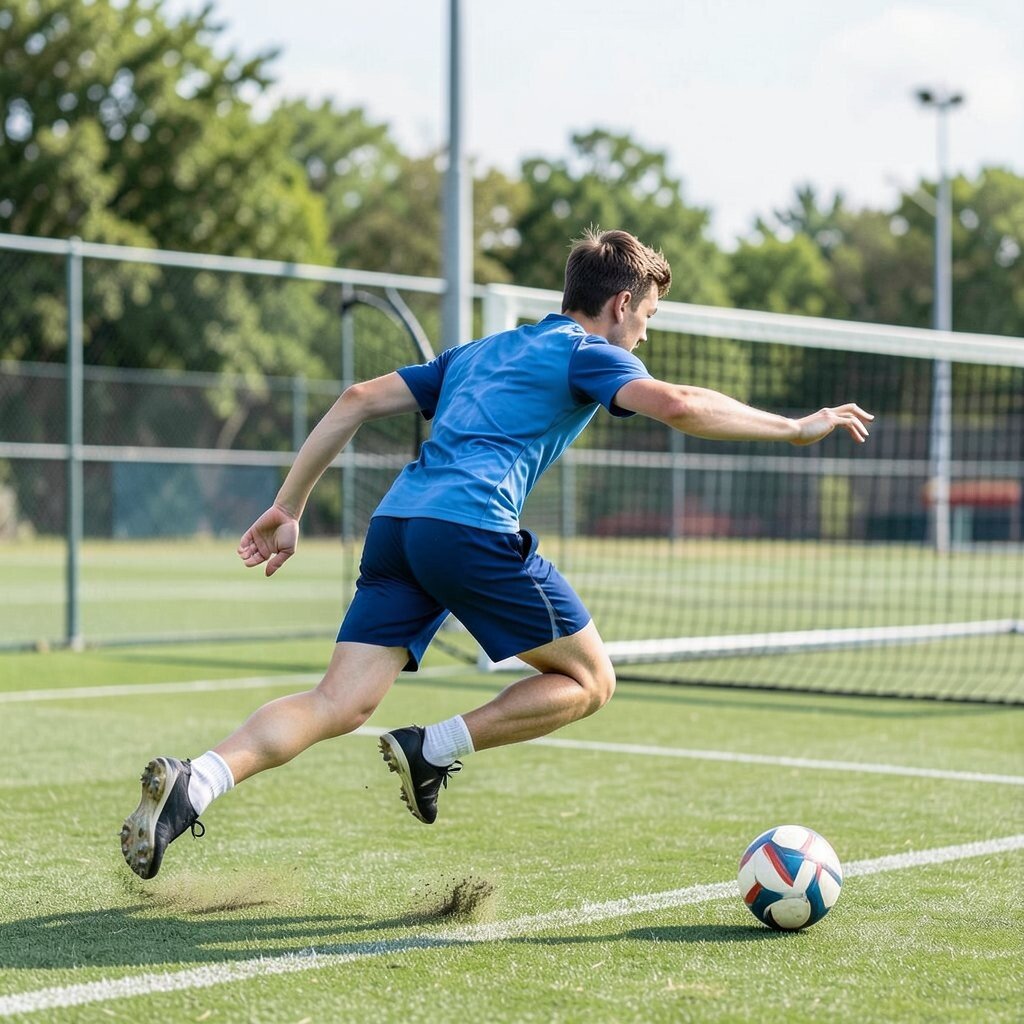
Backpedaling helps you move away from the net while still watching the ball. It is useful when a shot goes over your head or deep behind you.
A good backpedal should stay smooth and safe, with your weight under control. After a few steps, you turn your hips and run forward or sideways to reach the ball.
This move is a smart choice for players who want better balance and less chance of tripping. It costs almost nothing to practice, and it works well in both solo drills and partner drills.
6. Figure Eight Footwork
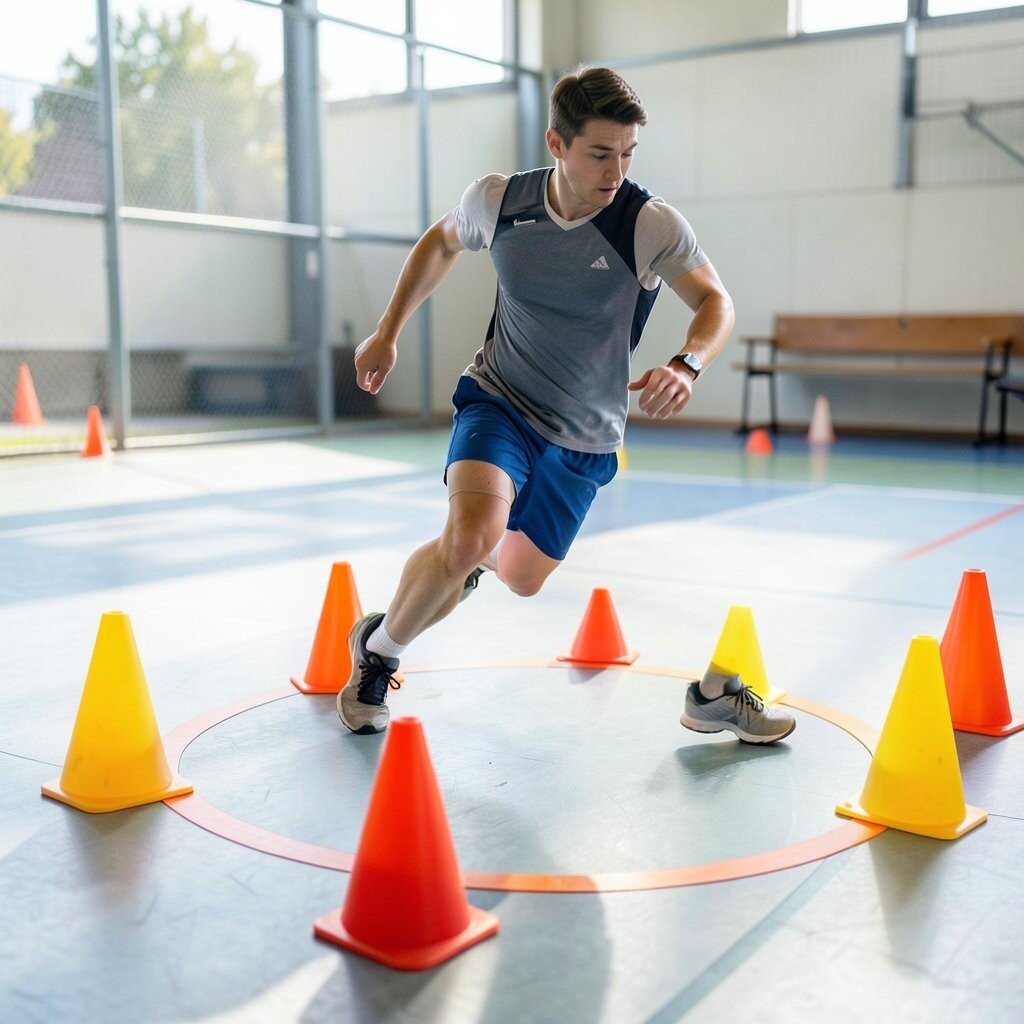
Figure eight footwork uses a curved path that helps your feet stay active around cones or markers. It is a nice way to train quick turns and body control at the same time.
The path looks a bit like a loop on the floor, and that makes the drill feel different from straight-line running. It can help your body learn how to move around space without stopping too long.
Many players like this drill because it feels fresh and can be changed in many ways. You can make the loops smaller for speed or bigger for longer steps, and that makes it easy to fit your level and goals.
7. Shadow Court Angles

Shadow drills help you practice movement without hitting a ball. You can move to the side, forward, and back while imagining real shots coming at you.
This is a great way to work on court angles because you can see how your body lines up with each spot. It also helps you learn where to stop, turn, and push off again.
Shadow work is one of the lowest-cost training tools because you do not need much gear. Many players now use it with video clips or phone cameras so they can check form and make small changes that fit their own game.
8. Cone Reaction Steps

Cone reaction steps teach you to move fast after a cue from a coach, a friend, or even a phone app. The cones can be set in a simple shape or spread out in a wider pattern.
When you react to a call, your body learns to start sooner and guess less. That can help you feel more ready during real matches, where the ball often changes direction fast.
You can keep this drill simple and cheap with a few cones or even water bottles. It is also easy to change the style by using colored cones, random calls, or short bursts of movement that match your own pace.
9. Lateral Lunge Reach
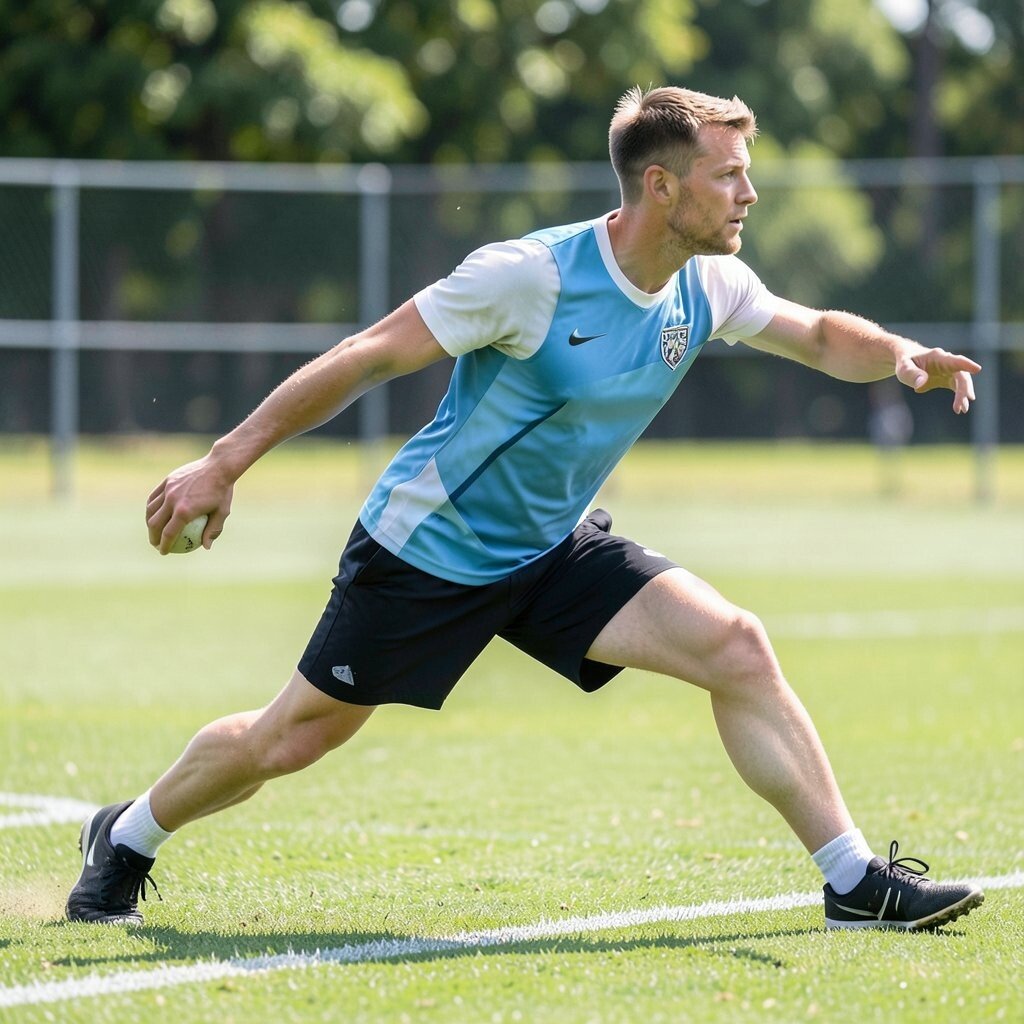
Lateral lunge reach drills help you build strong side movement and better leg control. They also teach you how to lower your body and reach without losing balance.
The shape of the move is easy to picture: step wide, bend one knee, and reach out with the other hand. This can help your hips open up and make side shots feel less hard on your body.
Many players like this drill because it mixes movement with strength in a simple way. You can do it with no gear at all, or you can hold a light ball if you want a little more challenge.
10. Quick Stop And Push

Quick stop and push drills train you to brake fast and then move again right away. This matters when the ball bounces short or changes direction after a touch.
The move should look sharp, with a short stop and a clean push off the ground. Good foot control here can help protect your knees and keep your body from leaning too far.
This style fits well with current training trends because many players want faster starts and safer stops. You can use court lines, tape, or cones to make the drill match your own needs without spending much money.
11. Game-Speed Pattern Rallies
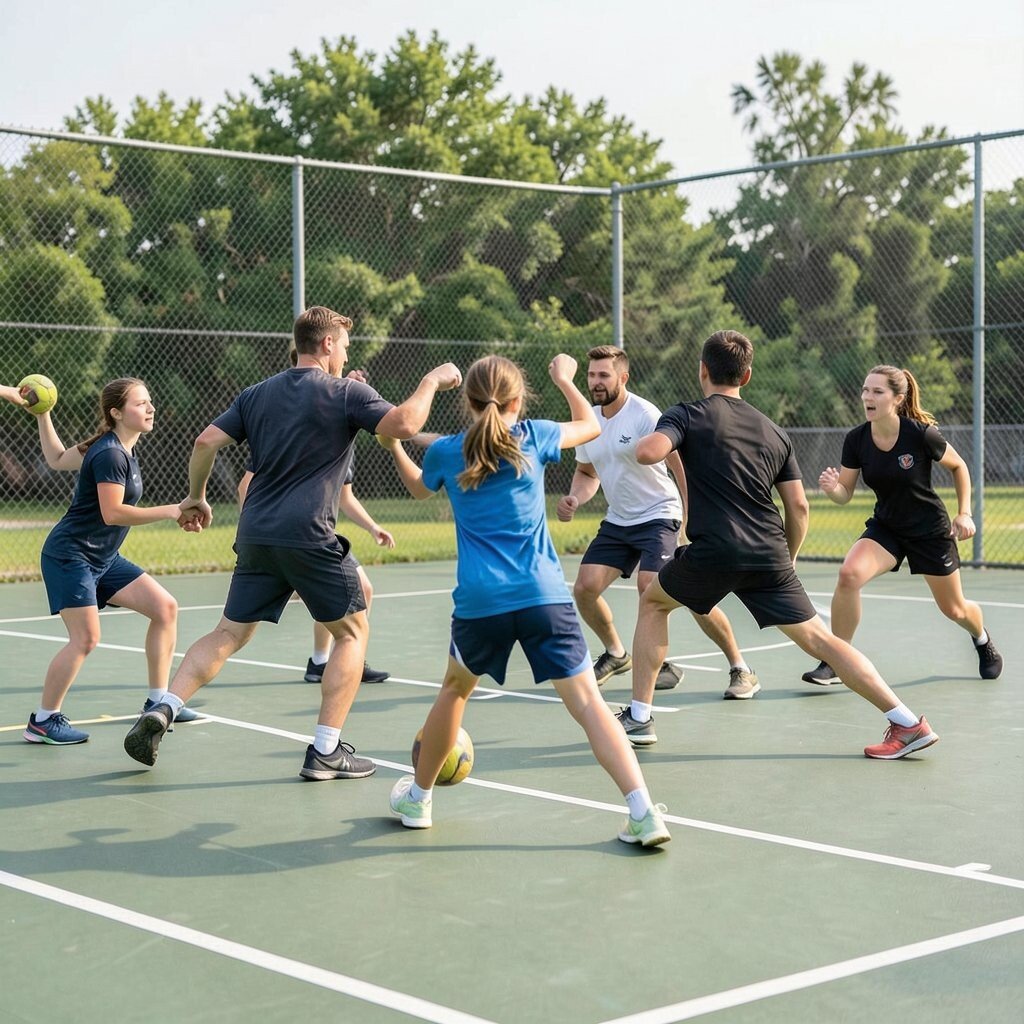
Pattern rallies put many movement skills together in one drill. You move side to side, forward, and back while hitting shots in a set order.
This is one of the best ways to make court movement feel like a real match. The pace, spacing, and shot choices can all be changed so the drill fits your level and your goals.
Pattern rallies are popular because they mix skill, fitness, and decision-making in one place. You can do them with a coach, a partner, or a ball machine, and the cost can stay low if you use simple court markers and basic gear.