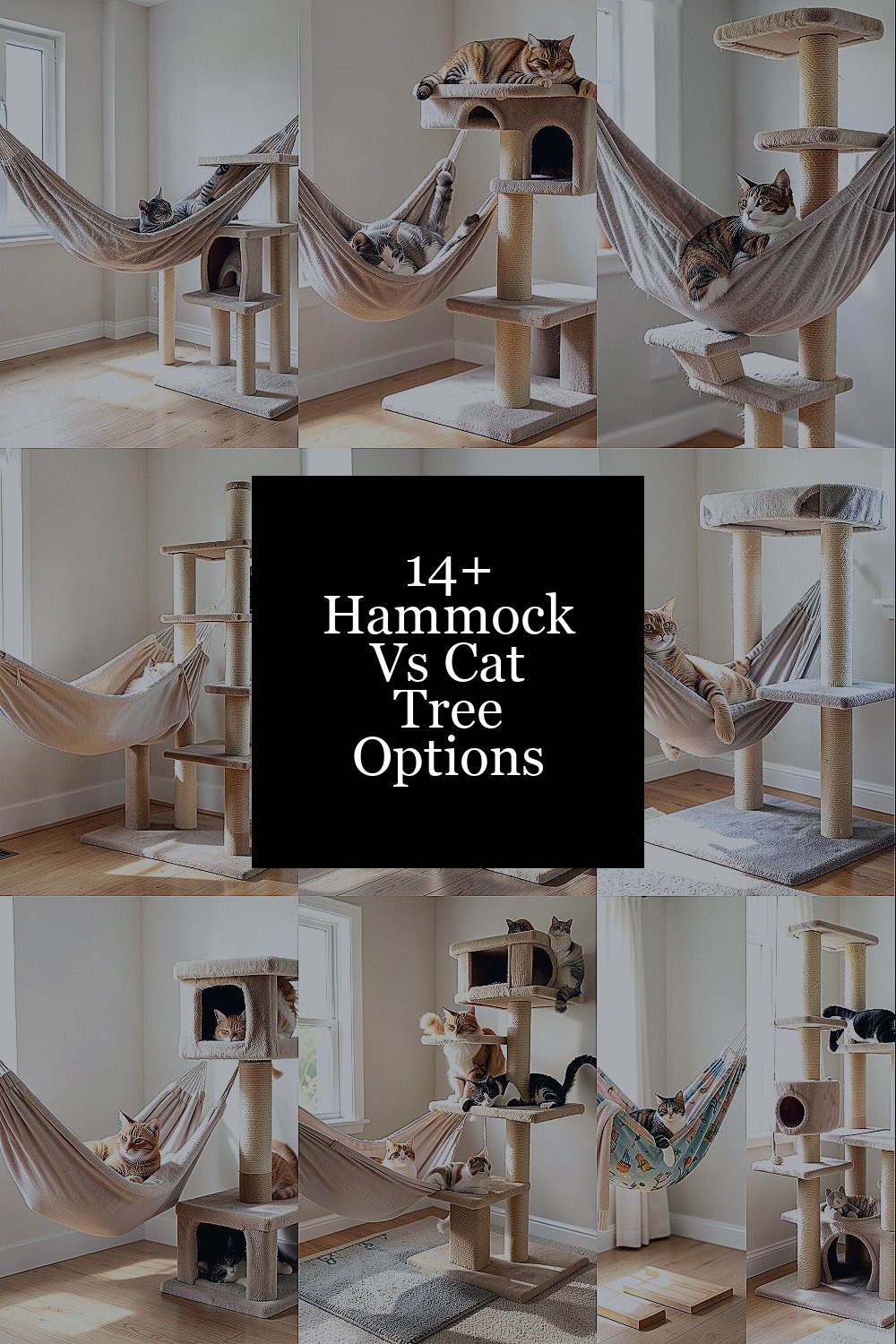
Hammocks and cat trees can both make a pet space feel calm and fun. This list looks at the main ways they differ so you can pick what fits your home and your cat.
1. Space Use

A hammock usually takes less floor space, so it can fit in a small room or a tight corner. It often hangs from a frame, wall mount, or cage side, which keeps the ground open and neat.
A cat tree uses more floor space because it stands up with wide bases and tall posts. That can be a good thing if you want a bigger play zone in one spot.
If your room is small, a hammock may feel easier to place without moving much furniture. If you have more open space, a cat tree can make the room feel like a cat zone.
2. Comfort Style

Many cats like hammocks because they give a soft, curved place to rest. The fabric can feel warm and snug, which helps cats curl up and nap.
Cat trees usually have flat platforms, boxes, or beds that give cats several ways to rest. Some cats like to stretch out on a top perch, while others like a covered cubby.
The best choice often depends on how your cat likes to sleep. A cat that likes to sink into soft spots may enjoy a hammock, while a cat that likes to lie flat may prefer a tree.
3. Climbing Fun

A cat tree is often better for climbing because it has steps, posts, and levels. Cats can jump up and down, which helps them use their legs and stay active.
A hammock is not made for much climbing, but it can still be fun if it hangs in a way that lets the cat hop into it. Some cats like the small bounce and gentle sway.
If your cat needs more active play, a tree gives more ways to move. If your cat wants a calm spot after play, a hammock can work well as a rest place.
4. Look and Style

Hammocks often have a simple look with soft cloth, wood, or metal frames. They can blend into a room in a quiet way and may look less bulky than a tall cat tower.
Cat trees come in many styles, from plain carpeted posts to modern wood designs. Some look neat and clean, while others look more like a pet play set.
If you care about home style, both can fit in different ways. A hammock may suit a low-key space, while a cat tree can act like a bold pet feature in the room.
5. Cost Range

Hammocks are often lower in cost, especially if you buy a simple one with a basic frame or strap set. They can be a smart pick if you want to try a cozy pet spot without spending much.
Cat trees can cost more because they use more material and have more parts. Bigger trees with many levels, scratch posts, and beds can get pricey fast.
If you are on a budget, a hammock may be a good start. If you want one item that gives rest, play, and scratching, a cat tree may be worth the higher cost.
6. Easy Cleaning

Hammocks can be easy to clean if the fabric comes off and can be washed. A simple cloth piece may need less work than a full tower with many corners.
Cat trees can take more time to clean because fur, dust, and dirt can hide in the carpet and along the posts. You may need a brush, vacuum, or lint roller to keep it tidy.
If you like quick cleanup, a hammock may fit your routine better. If you do not mind a bit more care, a cat tree can still stay neat with regular cleaning.
7. Sleep Spots

A hammock gives a soft, raised sleep spot that can feel safe to some cats. Being up off the floor may help them relax and keep an eye on the room.
Cat trees may give several sleep spots at once. A cat can choose a top bed for a high view or a lower cubby for a more hidden nap.
For cats that like choice, a tree can be very useful. For cats that like one snug place, a hammock can feel just right.
8. Multi-Cat Homes

In homes with more than one cat, a cat tree can help because it gives several levels and resting places. Cats can use different spots at the same time without getting in each other’s way.
A hammock usually works best for one cat at a time, unless you buy a larger style made for two. That can be fine if your cats like to take turns or do not mind sharing.
If your cats often want the same spot, a tree may cut down on small fights. If they like separate cozy places around the house, a hammock can be one part of a bigger setup.
9. Personal Touch

Both choices can be made to fit your cat’s habits and your room. A hammock can come in soft colors, printed fabric, or wood frames that match your home.
Cat trees can also be picked in ways that suit your cat. You can choose tall, short, wide, or narrow shapes, plus posts with rope, carpet, or wood.
Adding a blanket, toy, or favorite bed can make either one feel more personal. Small changes like these can help your cat use the space more often.
10. Safety Feel

A hammock should be steady and well attached so your cat feels safe when it steps in. If it swings too much or hangs too low, some cats may avoid it.
Cat trees need a strong base so they do not tip when a cat jumps on them. The higher the tree, the more important it is that it stays firm.
Check weight limits, straps, and joints before you buy. A safe setup helps your cat use the space with less worry.
11. Scratch Needs

Cat trees often win here because many of them have scratching posts built in. Cats can scratch, stretch, and mark the area at the same time.
A hammock does not usually help with scratching unless it is part of a larger frame with posts. On its own, it is more of a rest spot than a scratch spot.
If your cat scratches furniture, a tree may help guide that habit to one place. A hammock can still be useful, but it may need to sit near a scratch post.
12. Small Home Fit

In a small home, a hammock can be a smart pick because it stays out of the way. It can work in a corner, by a window, or near a bed without filling the room.
A cat tree can still fit in a small home, but it needs more planning. You may need to place it where it will not block a path or crowd a chair.
If space is tight, think about what matters most. A hammock saves room, while a slim cat tree can still give height and fun.
13. Window Views

Many cats like to watch birds, people, and cars from a window. A hammock placed near a window can give a soft view spot without taking much room.
A cat tree near a window can give even more height, which some cats love. They can sit on a top perch and look outside for a long time.
If your cat likes to watch the world, both can work well. The best pick may depend on how high your window sits and how much room you have below it.
14. Trendy Choices

Pet gear has changed a lot, and many new designs now look cleaner and more home-friendly. Hammocks with wood frames and soft fabric are popular because they look simple and calm.
Cat trees have also changed, with more modern shapes, lighter colors, and better materials. Some now look more like home furniture than old carpet towers.
If you care about current style, both can fit the trend. A hammock feels light and neat, while a well-made cat tree can look modern and useful at the same time.
15. Best Fit for Your Cat

The best choice depends on your cat’s age, size, and habits. A young cat may like a cat tree more because it gives room to climb and jump.
An older cat may like a hammock if it is easy to step into and soft to lie on. A calm cat may also enjoy a hammock more than a tall, busy tree.
Watch how your cat moves, rests, and plays each day. That can help you pick the one that feels most natural for your home and your pet.