Helping an older dog with weak legs can feel hard at first. Small steps and a steady plan can make house training much easier for both of you.
1. Set Up a Simple Potty Spot
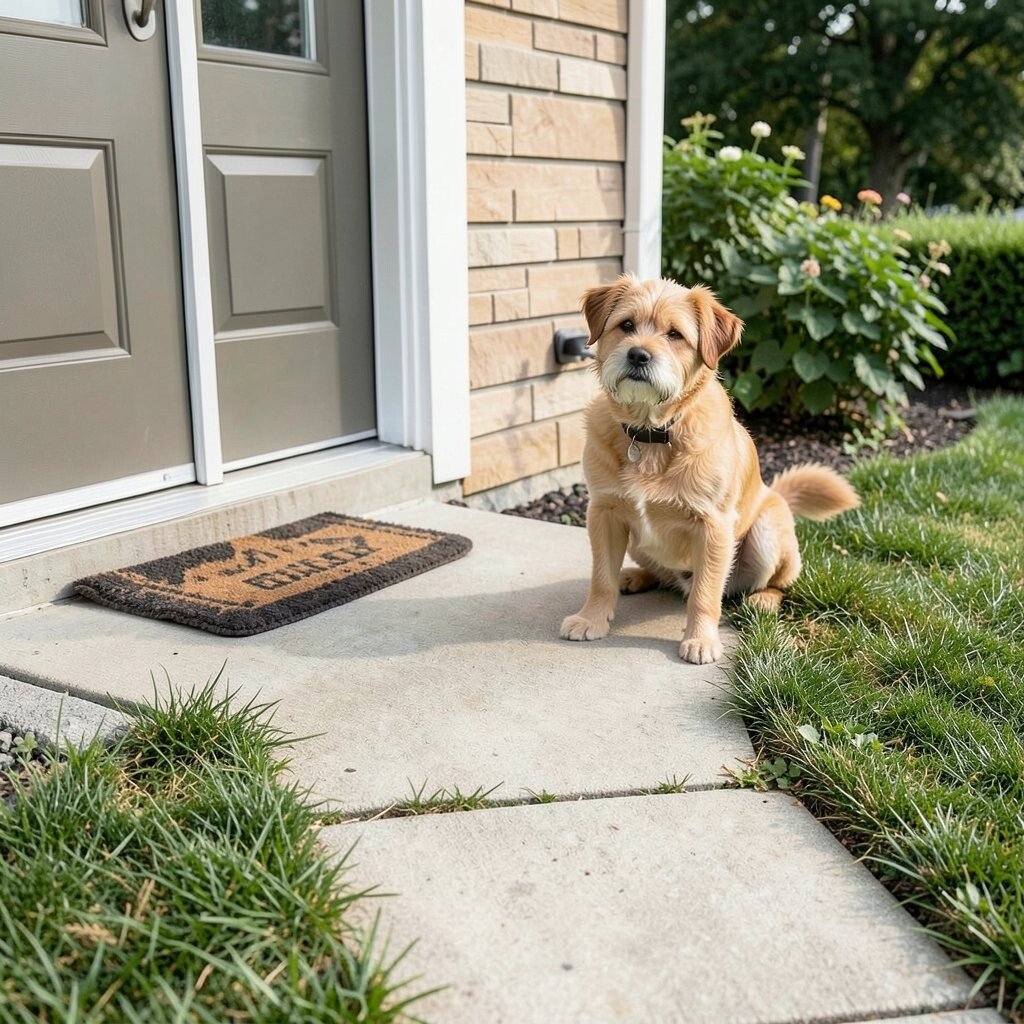
Pick one outdoor spot and keep using it every time. A clear path to the same place helps your dog know what to expect.
This spot should be easy to reach and not too far from the door. If your dog has joint pain, a flat area with short grass or a firm pad can make a big difference.
Many people like to place a small light near the door or use a mat by the exit. These small touches are low cost and help your dog move with less stress.
2. Use a Steady Daily Routine

Older dogs often do best when life feels calm and set. Try to take your dog out at the same times each day so the body gets used to the pattern.
A steady routine can help cut down on indoor accidents. It also makes it easier for you to notice when your dog needs a break.
Some pet owners use phone reminders, wall notes, or simple alarms. These tools cost little or nothing and are a smart trend for busy homes.
3. Watch for Small Body Clues
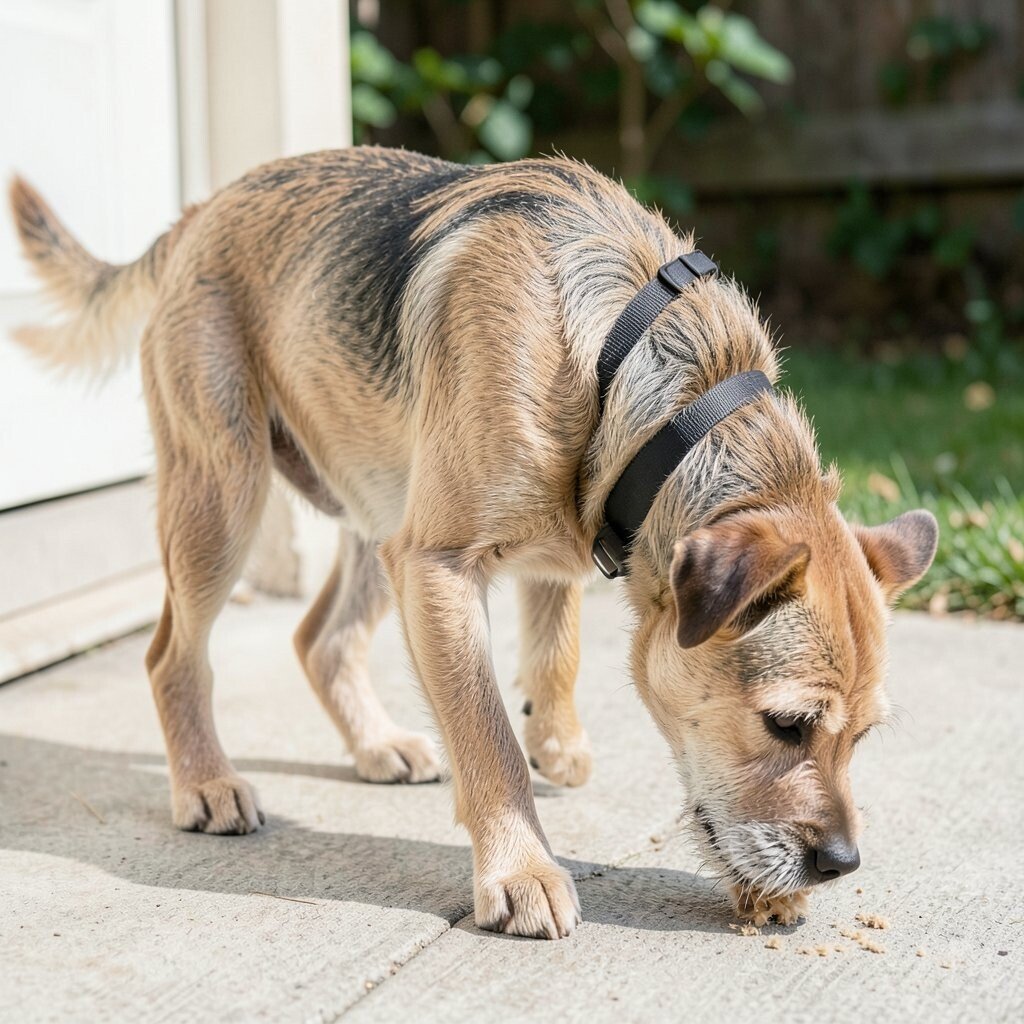
Senior dogs often give quiet signs before they need to go. They may pace, sniff the floor, circle, or head for the door.
When you notice these clues, act fast and guide your dog out. This can help your dog learn that going outside is the right choice.
Each dog has a different style, so pay close attention to your own pet. Some dogs are very clear, while others need a closer eye and more help.
4. Make the Walk to the Door Easy

If your dog has mobility issues, the trip to the door should be short and safe. Keep paths clear of shoes, toys, and loose rugs that can cause slips.
Good lighting helps your dog see where to step, especially at night. A simple night light or hallway lamp can make the route feel less confusing.
Many homes now use no-slip runners or grip mats near doors. These are useful, low-cost items that can help older dogs move with more trust.
5. Use Gentle Praise Right Away
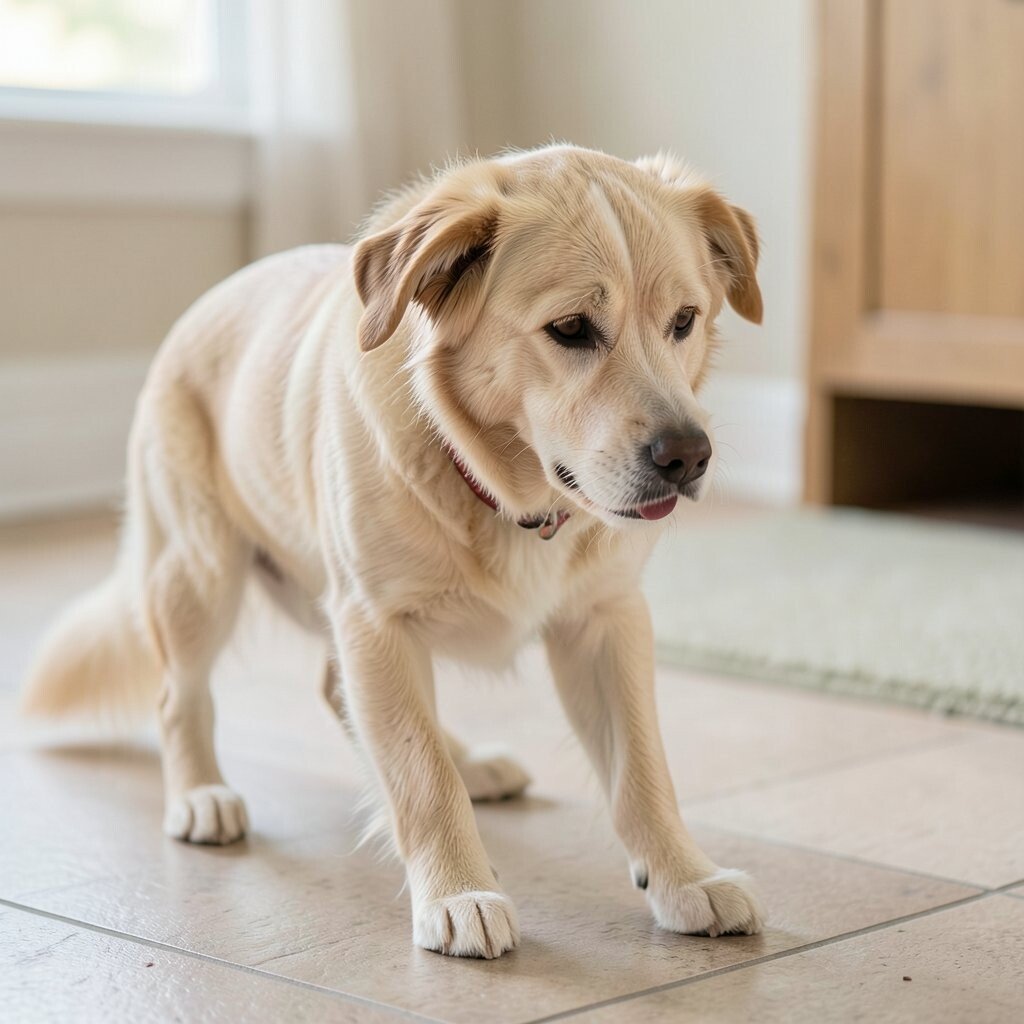
When your dog goes in the right place, give calm praise right away. A soft voice, a small treat, or a quick pat can help your dog make the link.
Keep the reward simple and easy to repeat. Older dogs do not need a big show, and too much noise can make them feel unsure.
Some people use tiny treats that are easy on older teeth and stomachs. This is a good way to keep training kind, simple, and personal.
6. Keep Water Available but Managed

Water is important, even for senior dogs with bladder issues. Still, it can help to watch when and how much your dog drinks, if your vet says that is okay.
Many owners give more water earlier in the day and then keep evenings calm. This can help lower the chance of late-night accidents.
Do not cut water too much on your own. If you think drinking habits are part of the problem, ask your vet for a plan that fits your dog.
7. Use Pads or Indoor Backup Spots

Some older dogs cannot make it outside every time. In that case, a pee pad or indoor potty area can be a helpful backup.
Place the pad in one fixed spot and keep it easy to reach. A clean, plain area works best because it is less confusing for your dog.
This option can be a real help for dogs with pain, weak legs, or very bad weather outside. It may cost a little each month, but it can save time, stress, and cleanup.
8. Clean Accidents the Right Way
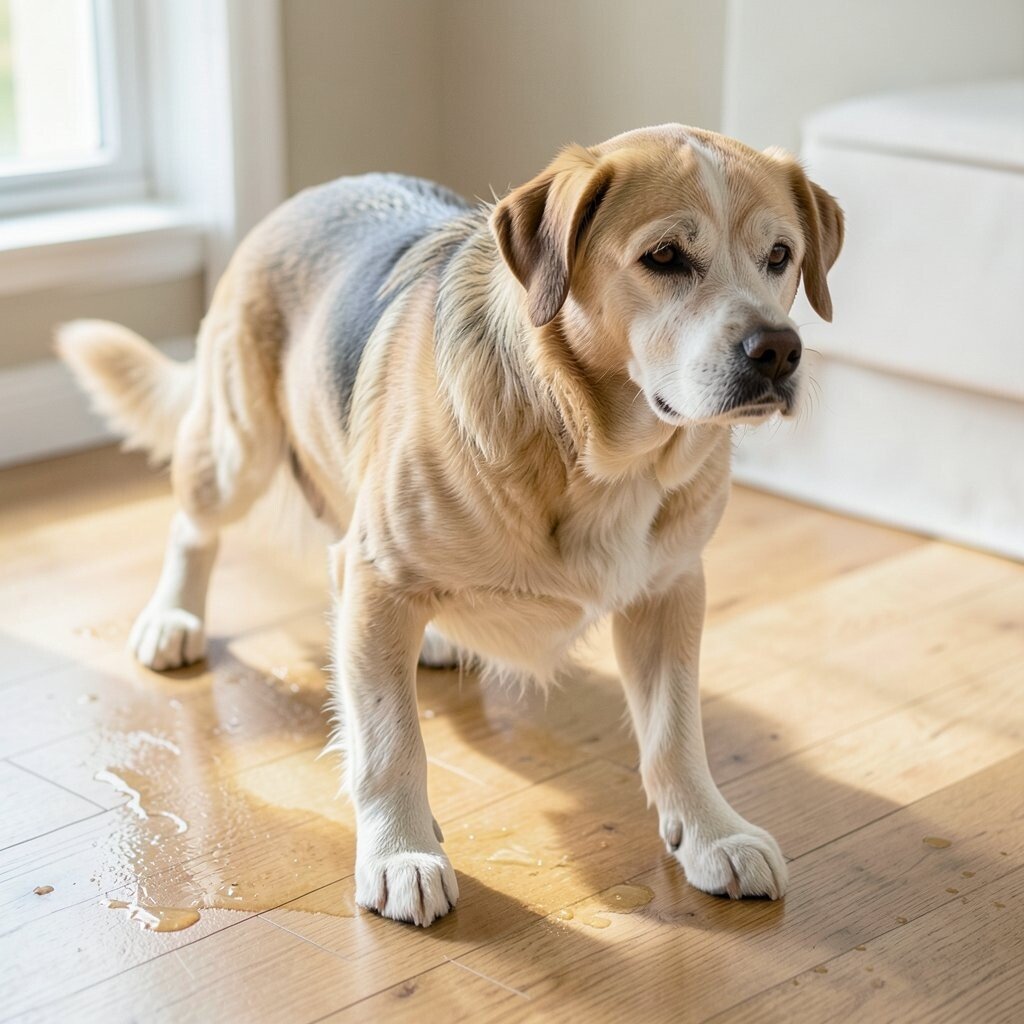
Accidents will happen, so be ready for them. Clean the area well with an enzyme cleaner so the smell does not stay behind.
If the smell remains, your dog may think that spot is okay to use again. A good cleaner helps protect your floors and helps training stay on track.
Try not to scold your dog after the fact. Senior dogs often do not connect the old mess with the later upset, so calm cleanup works better.
9. Make Rest Areas Close to the Exit
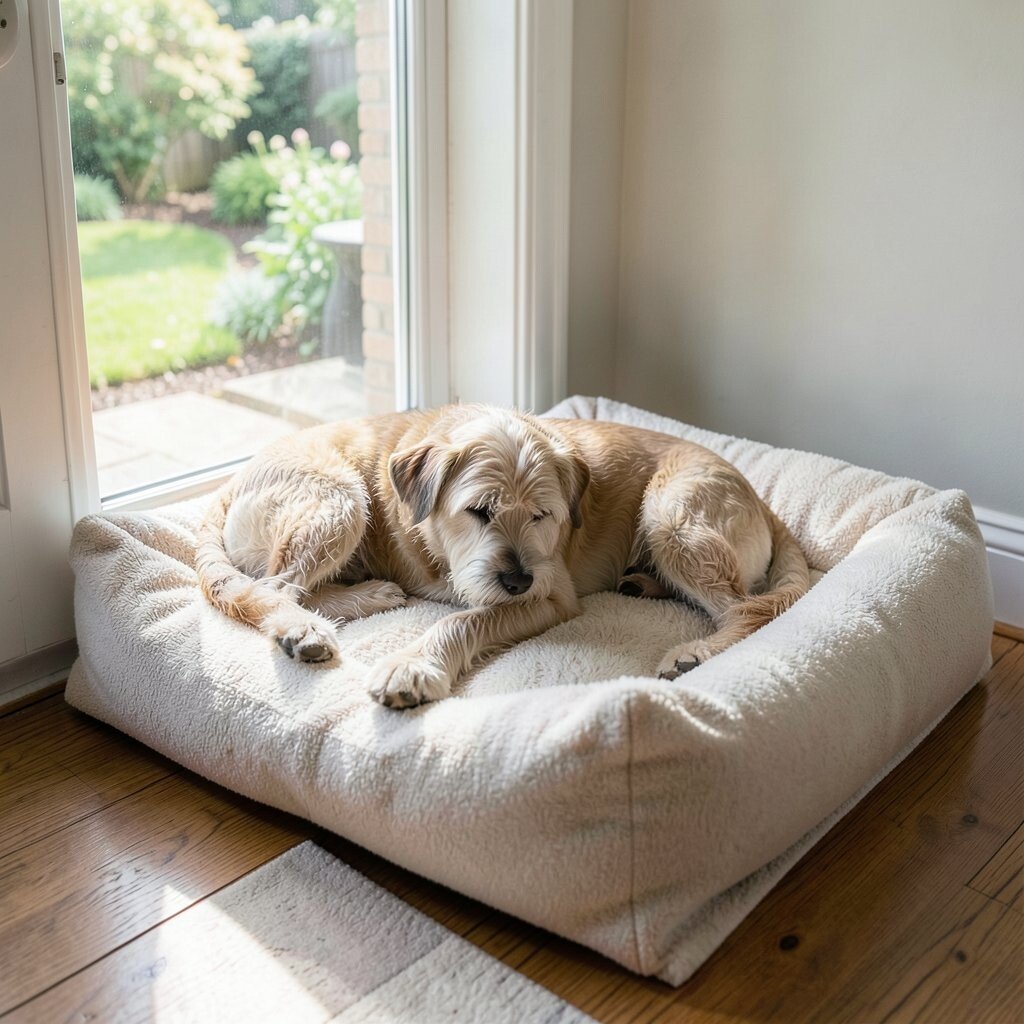
Older dogs often need to rest more often, so place beds near the door if you can. This makes it easier for your dog to get outside in time.
A soft bed with low sides can help a dog get up and down with less strain. You can also use a blanket or cushion to make the area feel warm and safe.
This setup is a small change, but it can help a lot in daily life. It is also easy to adjust if your dog’s needs change over time.
10. Check for Pain or Health Problems

If house training gets worse, pain or illness may be part of the reason. Older dogs can have bladder trouble, weak muscles, or trouble thinking clearly.
A vet visit can help rule out health issues and give you a better plan. This is one of the most useful steps because training alone may not fix the real problem.
Vet care can cost more than home fixes, but it may save money later by finding the right cause early. Many pet owners now ask about senior care plans, joint support, and bladder support at the same visit.
11. Keep Your Plan Flexible

What works one month may not work the next. Senior dogs often need changes as their body and mind change, so be ready to adjust.
You may need to change the potty spot, add more breaks, or use indoor pads more often. A flexible plan helps you meet your dog where they are instead of forcing the same routine forever.
The best house training plan for an older dog is often the one that fits your home, your schedule, and your dog’s body. Simple tools, calm habits, and steady care can help make each day easier.