
A pet feeding area can be neat, calm, and easy to use with a few small changes. These before and after ideas can help you make a space that looks better and works better each day.
1. Add a Simple Mat Under the Bowls
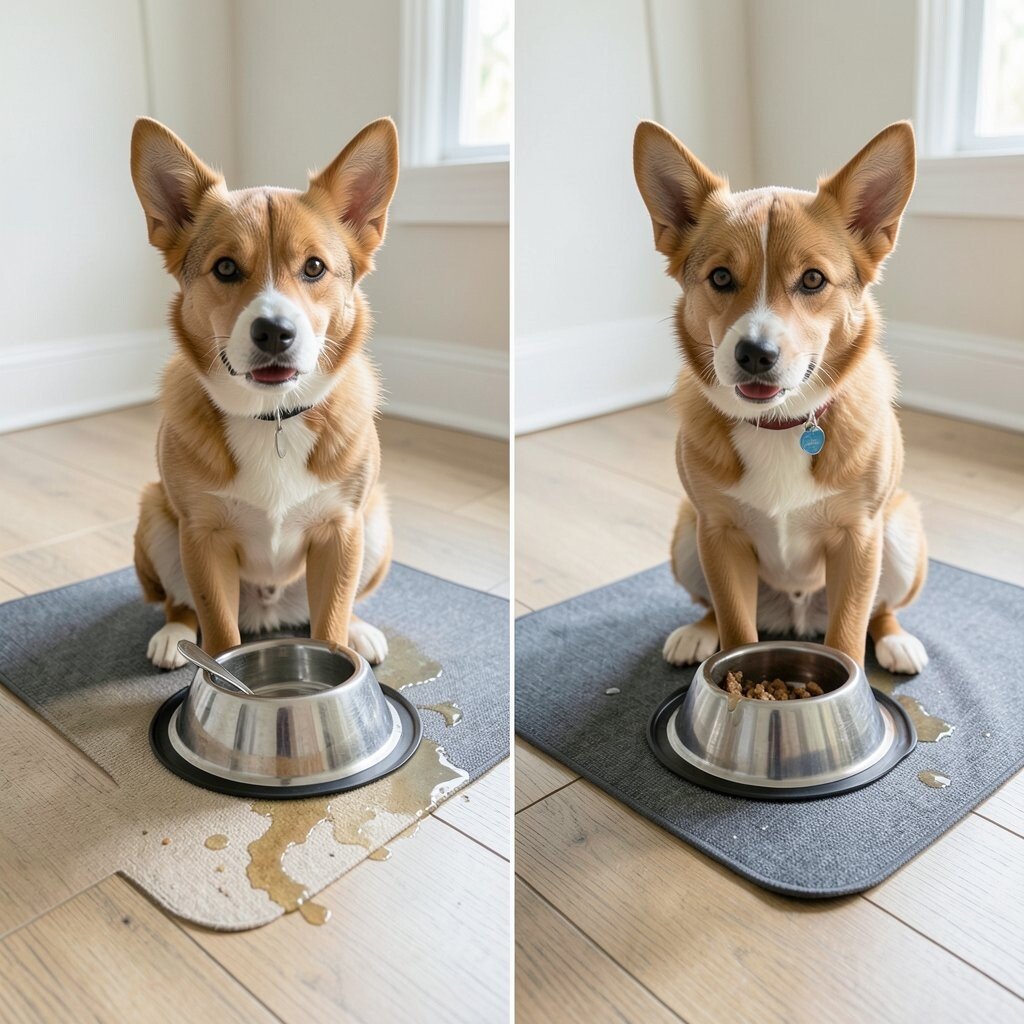
A plain floor can look messy fast when food and water spill. A mat under the bowls makes the area look more put together and helps catch drops before they spread.
This is one of the lowest cost fixes you can try. Many mats come in rubber, silicone, or fabric styles, so you can pick one that fits your home and your pet’s habits.
2. Use a Small Feeding Station Cabinet
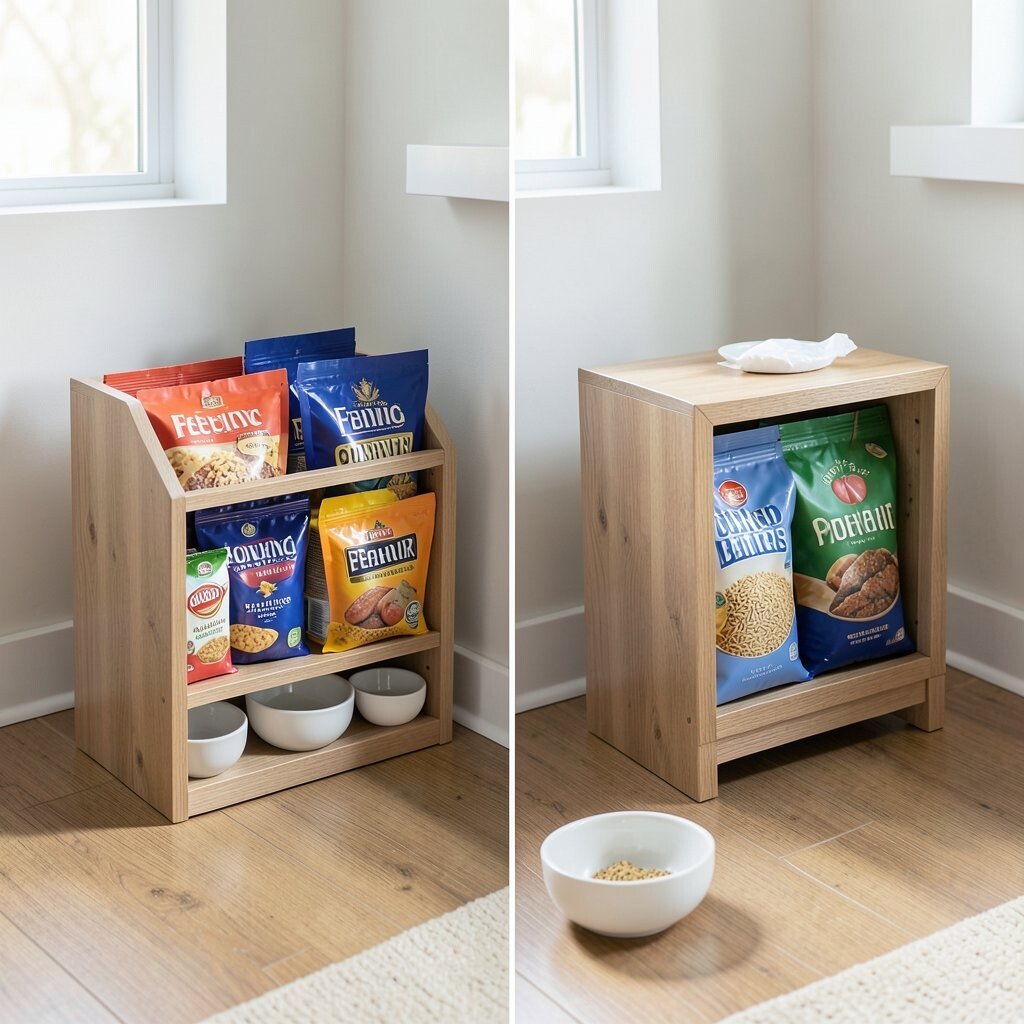
A basic bowl setup on the floor can feel open and cluttered. A small cabinet with a cutout for bowls gives the area a cleaner look and keeps pet items in one spot.
This idea works well if you want storage close by for food bags, treats, and wipes. It can cost more than a mat, but it also gives you a tidy place that feels built in.
3. Place Bowls on a Raised Stand
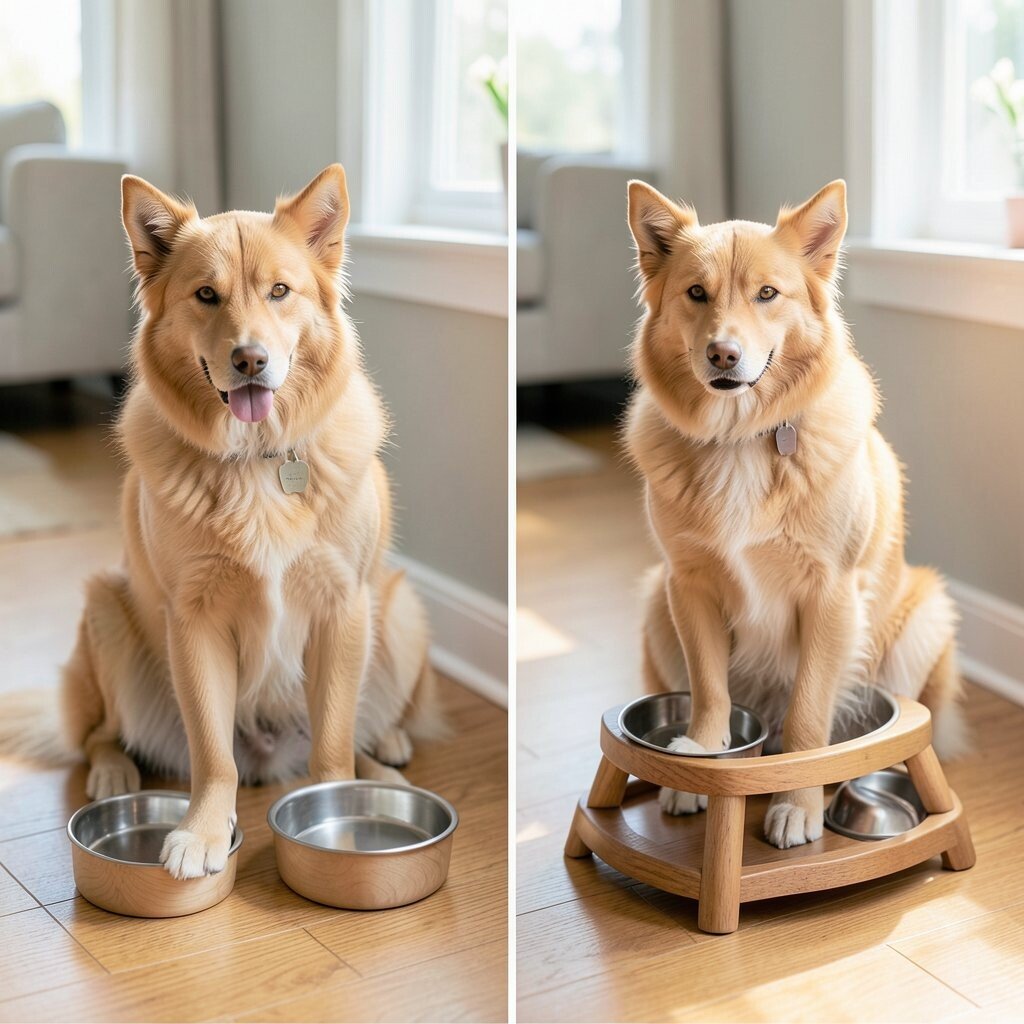
Bowls sitting low on the floor can look plain and may shift around during meals. A raised stand gives the feeding area a more finished look and can help some pets eat in a more steady way.
You can find stands in wood, metal, or plastic, so it is easy to match your room. Many pet owners like this style because it is simple, neat, and easy to clean.
4. Add Wall Hooks for Supplies
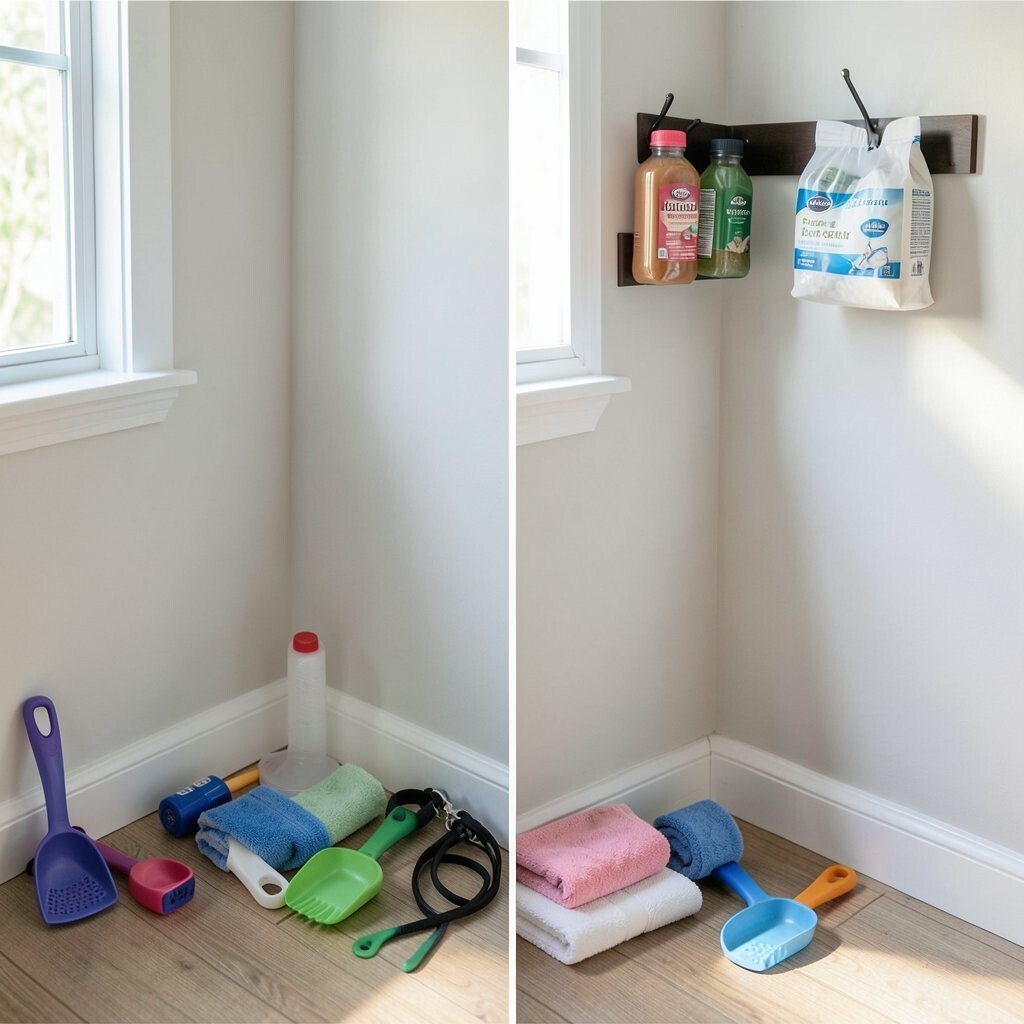
When leashes, scoopers, and towels sit on the floor, the feeding area can feel crowded. Wall hooks help clear that clutter and make the space look more open right away.
This is a low cost change that can make a big visual difference. You can place hooks near the feeding zone for fast access to daily items without piling them on counters or chairs.
5. Use a Tray to Group Everything
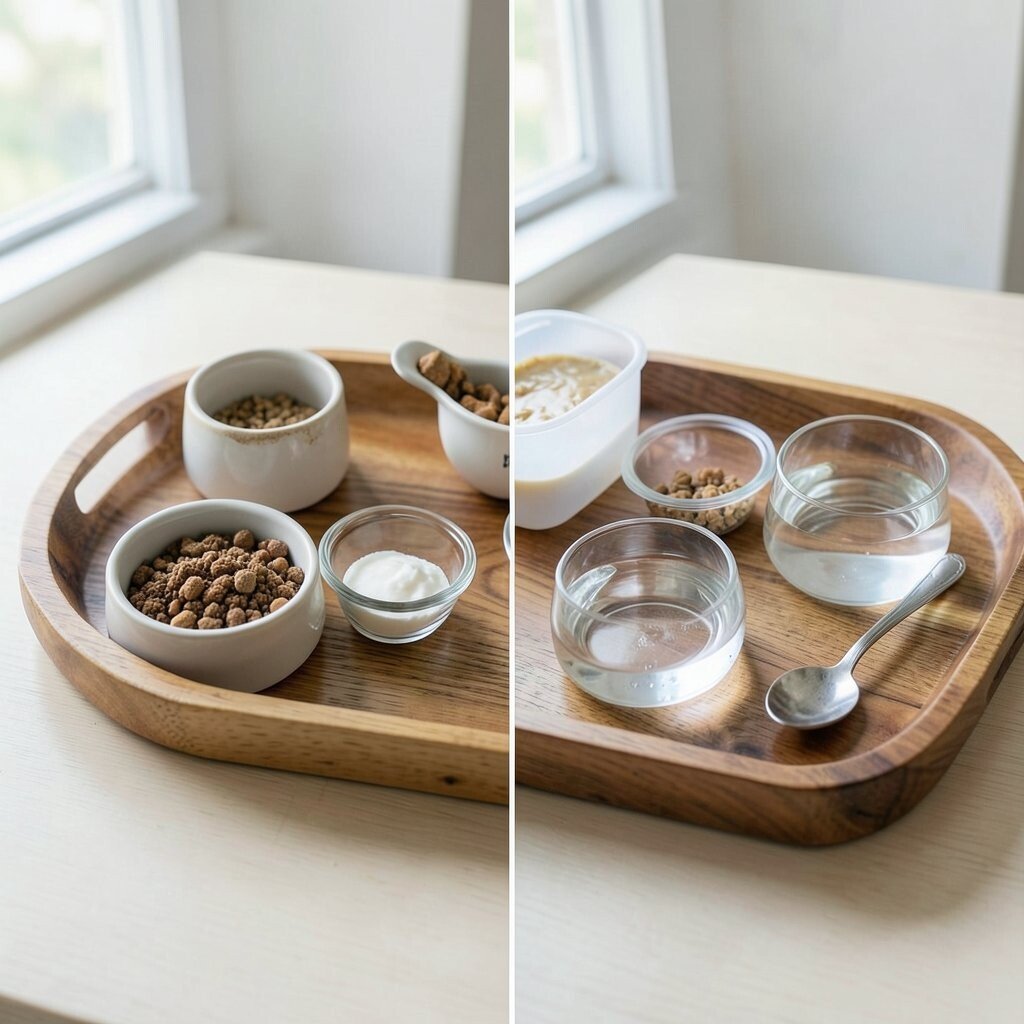
A feed bowl, water bowl, and spoon can look scattered when each item sits on its own. A tray brings them together and makes the area look neat and planned.
This works well for small spaces and can be done on a low budget. Try a wood tray for a warm look or a plastic one for easy wipe downs and less worry about spills.
6. Make a Corner Feeding Nook
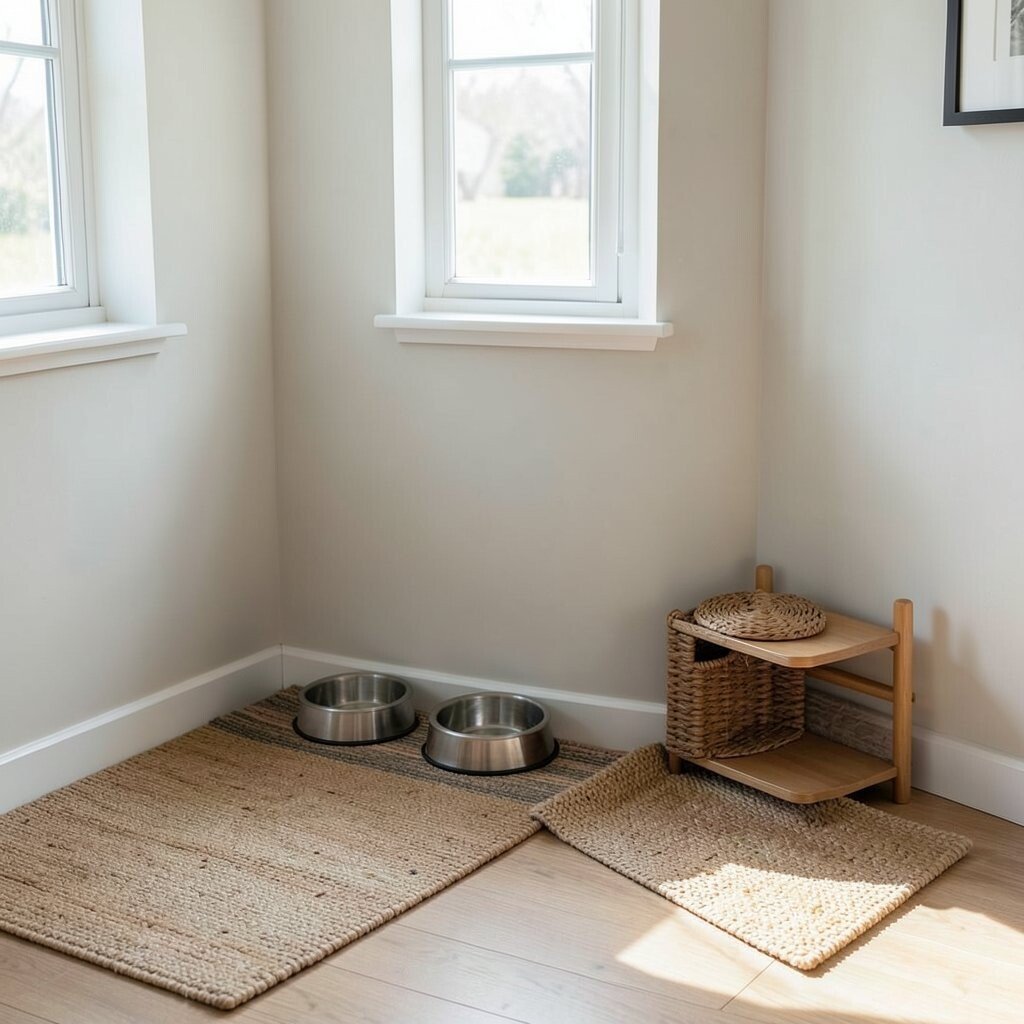
An unused corner can turn into a smart feeding spot. Before, it may look empty or awkward, but after a few changes, it can feel like a small pet zone with its own place in the room.
You can add bowls, a mat, and a small shelf or basket to finish the look. This idea is nice for tight homes because it uses space that might not serve a clear purpose.
7. Add Labels to Food Containers
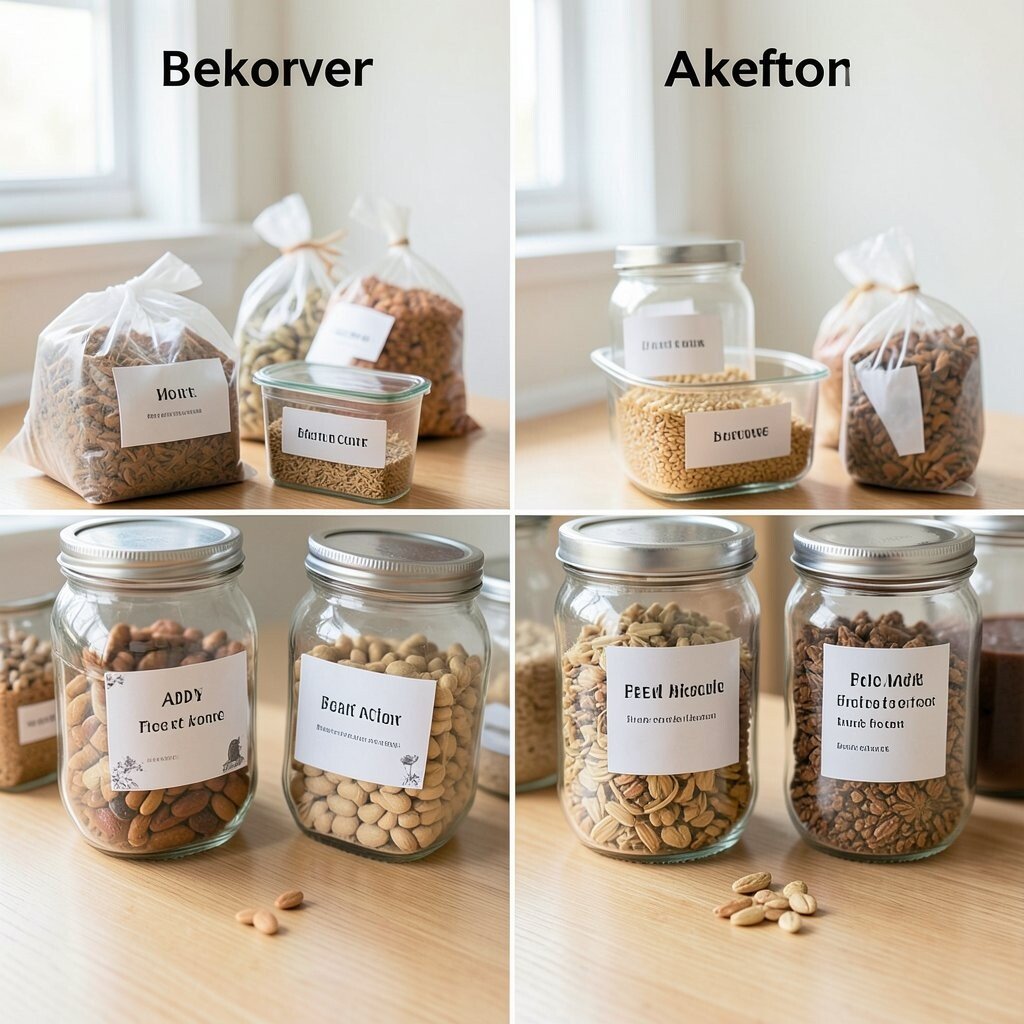
Loose food bags can make a room look messy and hard to sort through. Clear containers with simple labels give the feeding area a cleaner look and help you find the right food fast.
This is a useful trend because it mixes style and function. You can use glass, plastic, or metal jars, and the cost can stay low if you reuse containers you already have.
8. Use a Pull-Out Drawer for Bowls
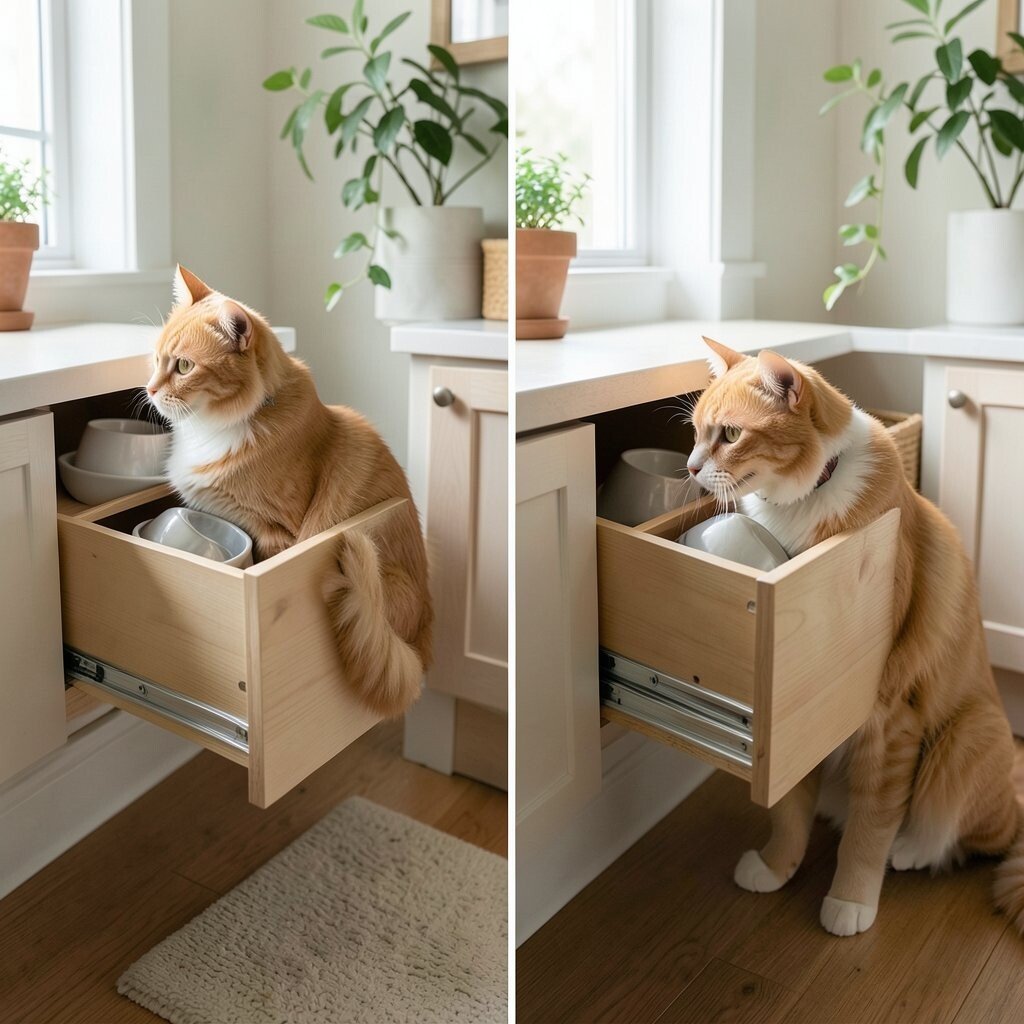
A pull-out drawer can hide bowls when they are not in use. Before, the feeding zone may look busy all day, but after, the bowls slide away and the room feels calmer.
This idea is great for people who want a cleaner look with less visual clutter. It can cost more to build, but it also helps keep pets from nudging bowls across the floor.
9. Add a Splash of Color
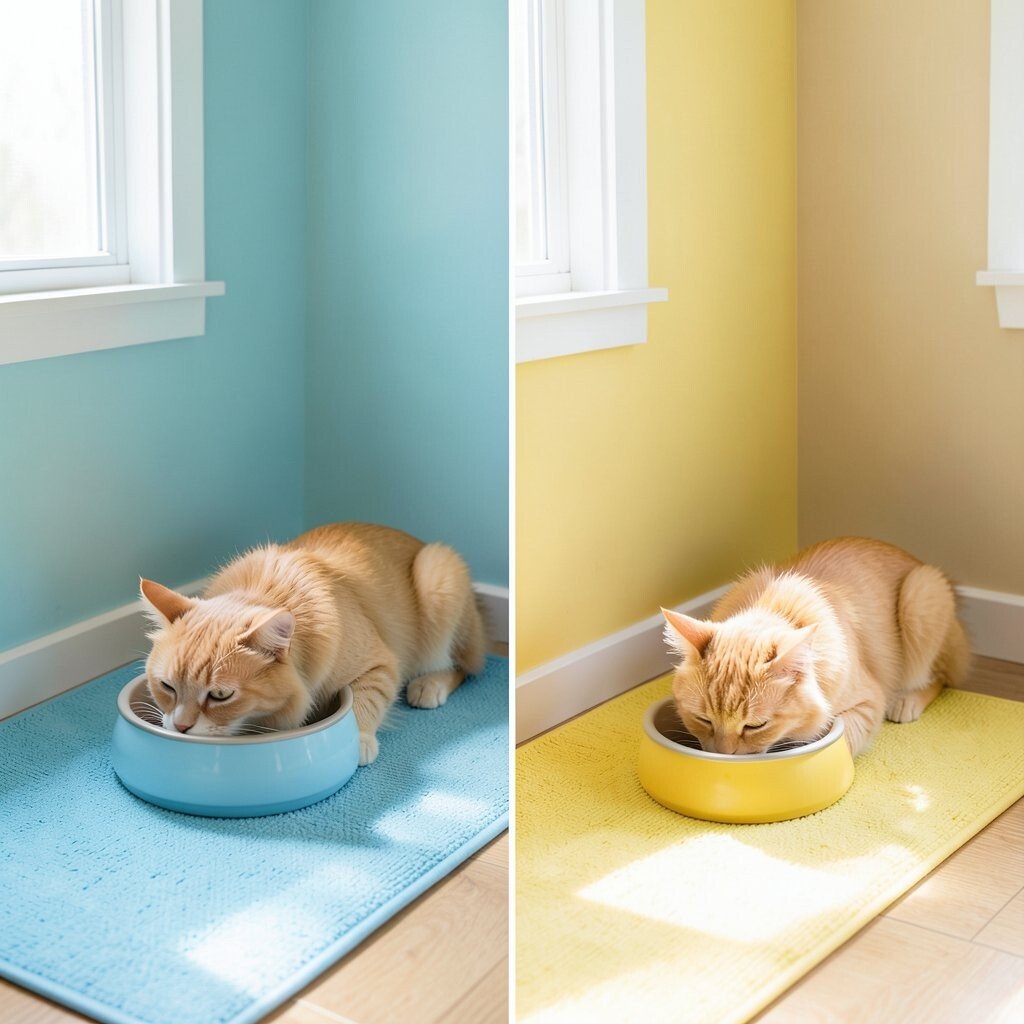
A plain feeding area can feel dull and easy to ignore. A bright mat, bowl, or wall color can make the space feel more lively without making it look too busy.
Color is a simple way to show your pet’s style. You can pick soft tones for a calm look or bold shades if you want the feeding spot to stand out a little more.
10. Use Matching Bowls and Accessories
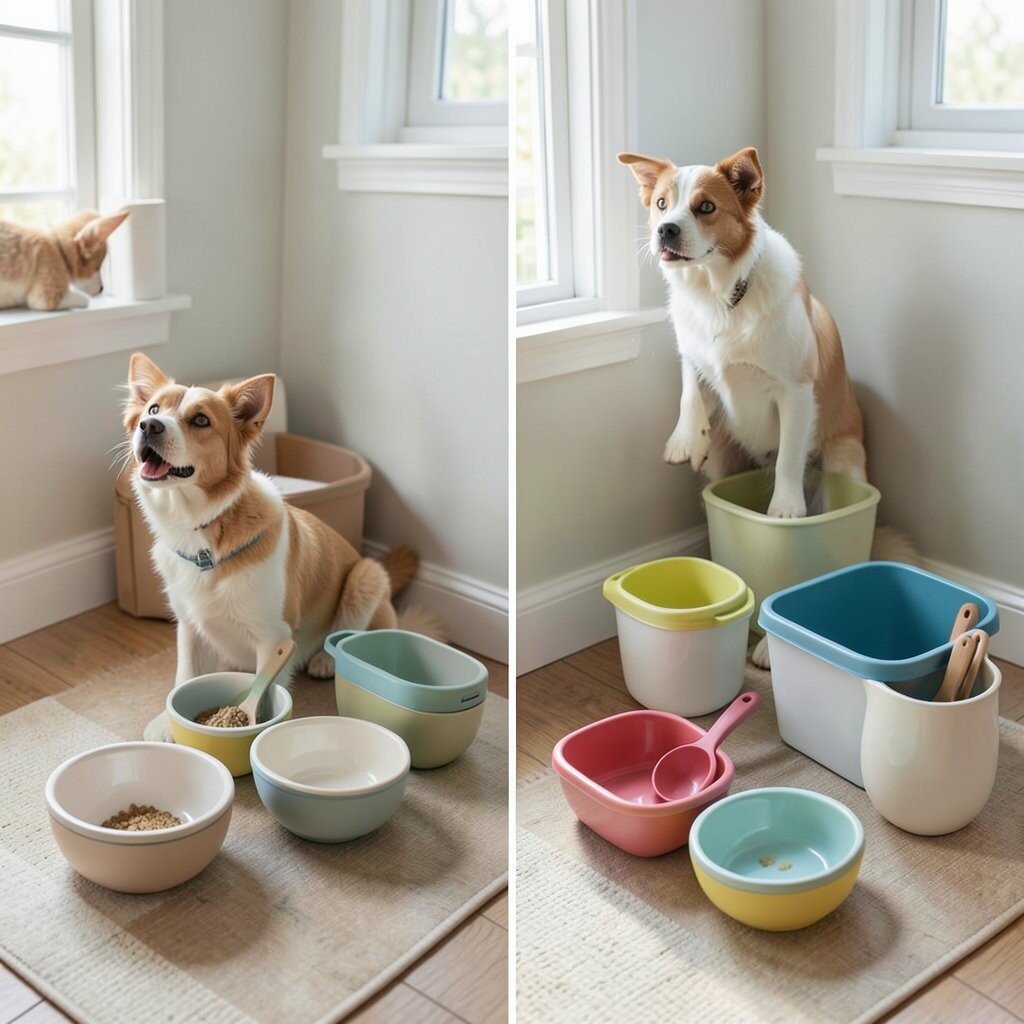
When bowls, scoops, and storage bins do not match, the area can feel random. Matching items help the feeding spot look more neat and well planned.
This is a popular trend in many homes because it gives a clean and calm feel. You do not need to buy high-end pieces, since even low cost sets can look nice when the colors work together.
11. Add a Small Shelf Above the Feeding Spot
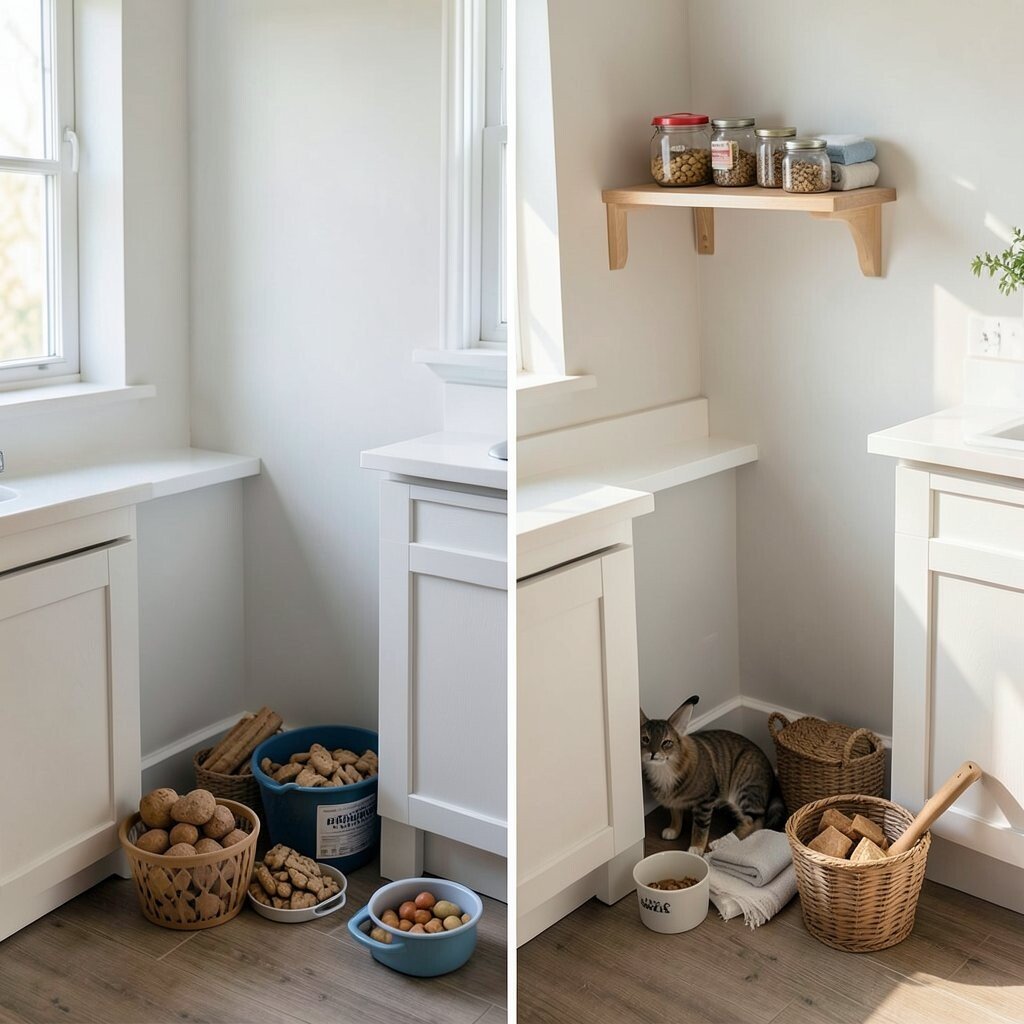
Before, food and tools may sit in piles on the floor or counter. A small shelf above the feeding area gives you a place for treats, jars, and spare towels while keeping the floor clear.
This change can help the room feel taller and more open. It also makes daily feeding easier because the things you use most can stay close by and easy to reach.
12. Try a Built-In Look with Trim
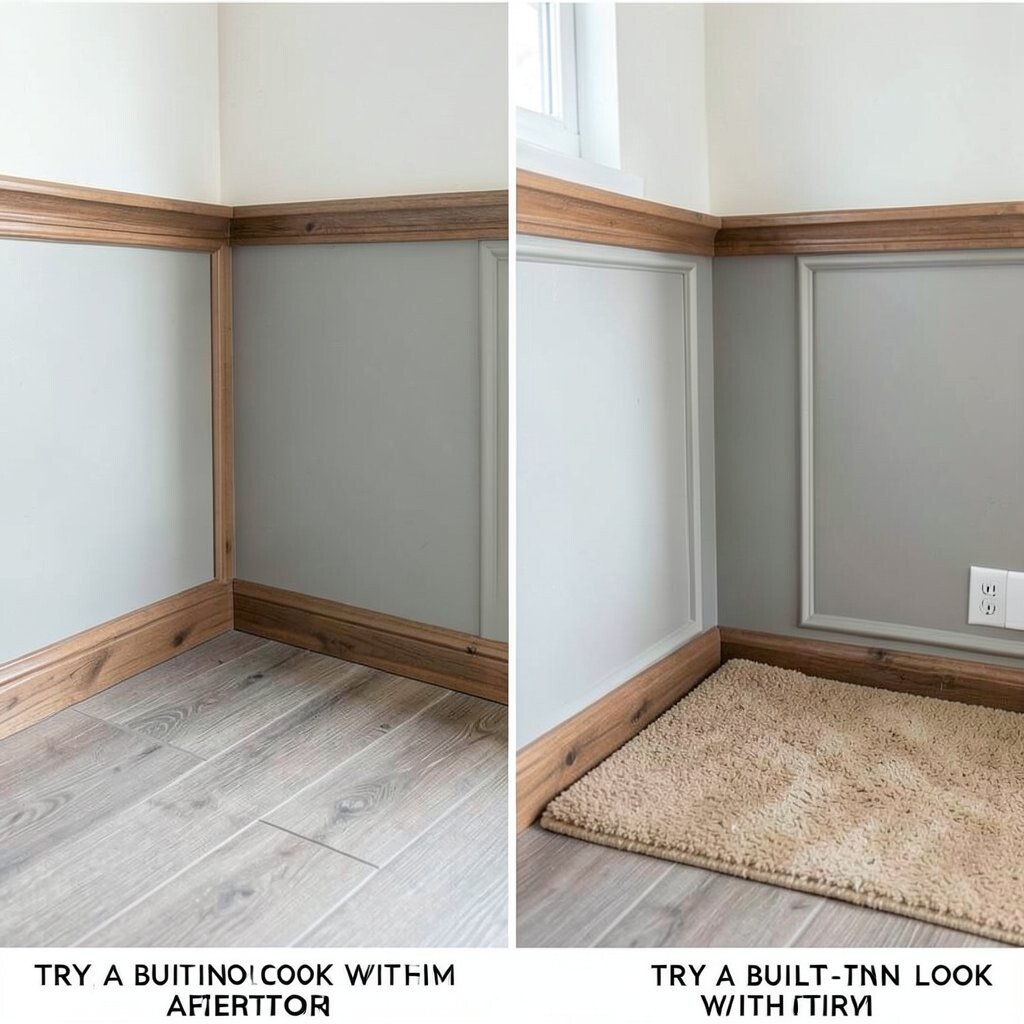
A simple feeding zone can look more finished with a bit of trim around it. Before, the area may seem like an afterthought, but after trim or paneling, it can feel like part of the room.
This idea can cost more than a mat or tray, but it gives a polished look that many people like. You can paint the trim to match the wall or use wood tones for a warmer style.
13. Use Clear Storage for Food and Treats
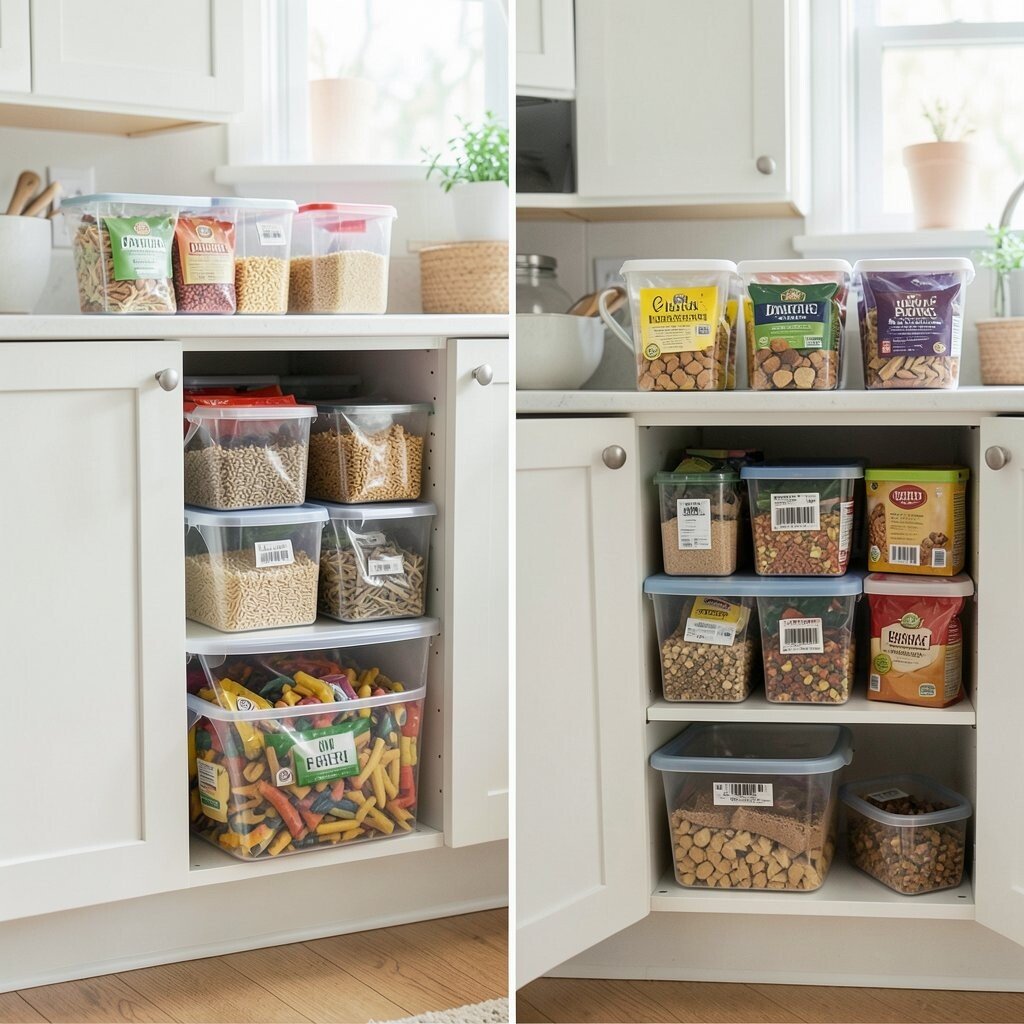
Food bags and treat boxes can make cabinets look crowded. Clear storage containers let you see what is inside and give the feeding area a more clean and tidy look.
This setup is helpful for busy days because you can check supplies at a glance. It also fits well with current home trends that favor simple lines and easy storage.
14. Add a Washable Wall Panel Behind the Bowls
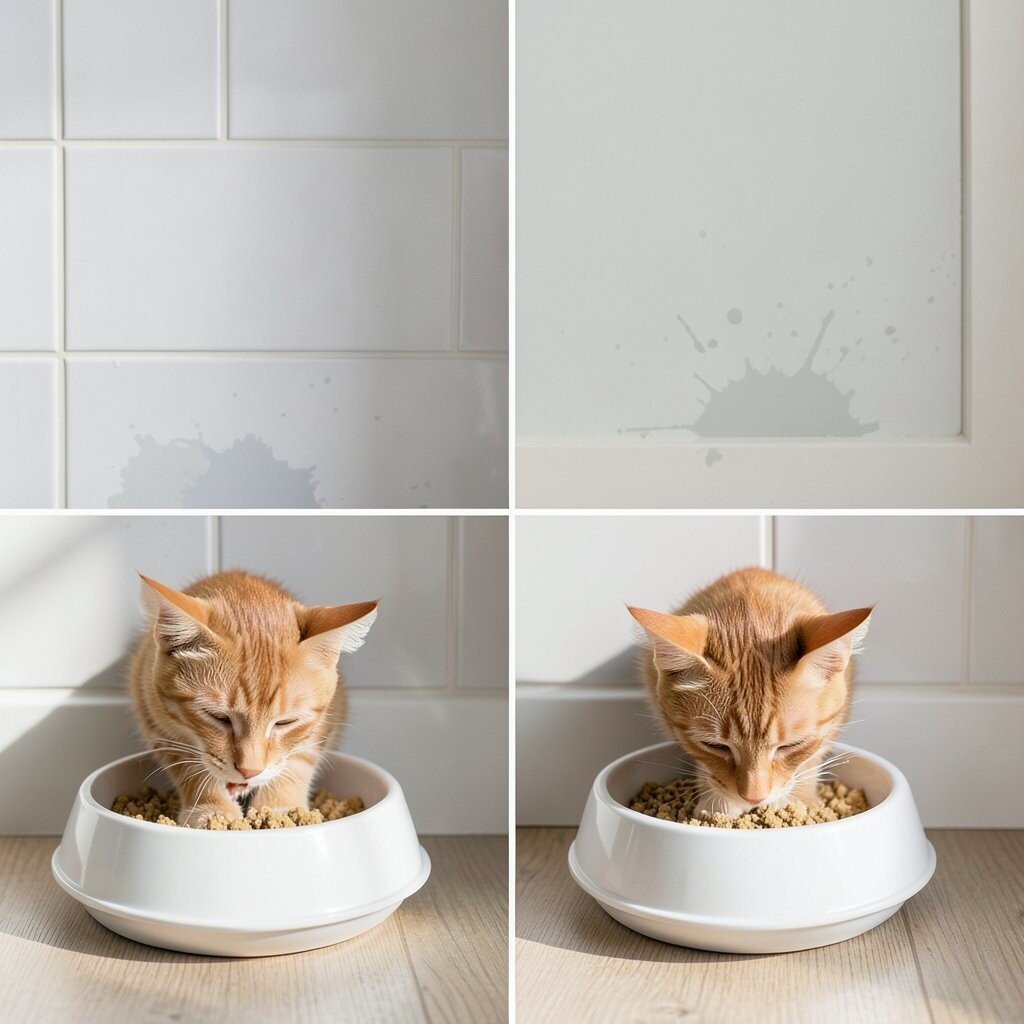
Walls behind pet bowls can get splashes and marks fast. A washable panel gives that spot a cleaner look and helps protect the wall from daily mess.
This is a smart choice if your pet drinks with a lot of energy or pushes food around. You can use tile, peel-and-stick panels, or other easy-clean materials that fit your budget and style.
15. Make a Hidden Feeding Spot in Furniture
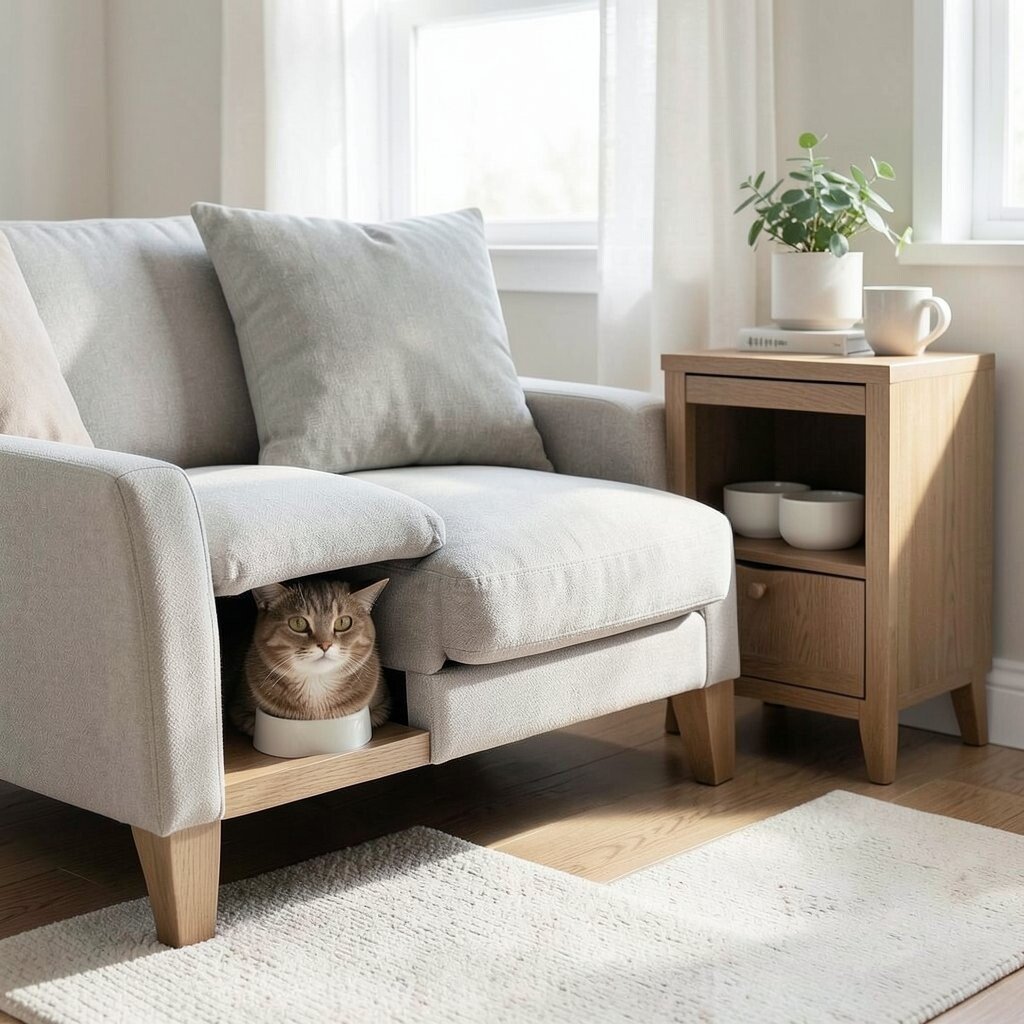
A feeding area can feel messy when it is always out in the open. A hidden spot inside a bench, cabinet, or side table keeps the bowls out of sight and makes the room look more calm.
This idea is a good fit for people who want a clean home look. It can cost more, but it also gives you a custom feel and helps keep pet items from taking over the room.
16. Add Personal Touches That Fit Your Pet
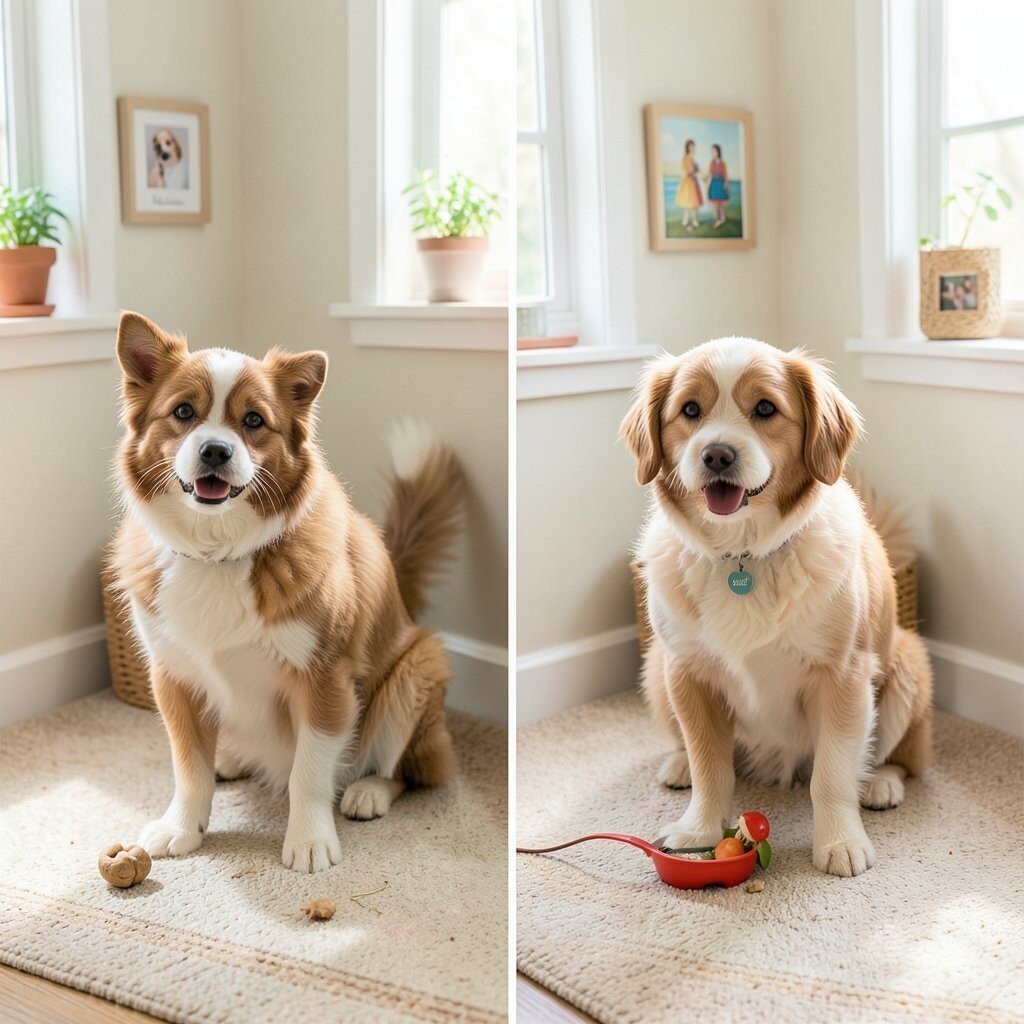
The best feeding area often has small details that feel like your pet’s own space. A name tag, a photo, a favorite color, or a small art print can make the area feel warm without adding clutter.
This is where you can make the space feel special without spending much. Try simple changes that fit your home and your pet’s needs, and the before and after result can feel much more complete.