A steady feeding plan can help pets feel calm and safe each day. Small changes in meal time, food amount, and bowl setup can make a big difference.
1. Set the Same Meal Times Each Day

Pets do well when meals come at about the same time each day. A set plan helps them know what to expect, and that can cut down on begging and stress.
This simple habit also helps you spot changes in appetite more easily. If your pet skips a meal or eats much less than usual, you can notice it fast and act early.
2. Match Meal Times to Your Daily Routine

Pick feeding times that fit your own day so you can keep them without much trouble. If your mornings are busy, a later breakfast or a split meal plan may work better.
This makes the schedule more likely to last, which is the real goal. A plan that fits your life is often better than a perfect plan that you cannot keep.
Many pet owners now use phone alarms or smart home reminders to stay on track. These tools are simple, low-cost, and helpful for families with work, school, or long commutes.
3. Measure Food Instead of Guessing

Using a measuring cup or kitchen scale helps keep portions steady. Guessing can lead to too much food, which may cause weight gain over time.
Portion control is also useful when you want to follow your vet’s advice. It gives you a clear way to feed the same amount each time and keep things fair for your pet.
Some pets need more food, while others need less based on age, size, and activity. A measured plan makes it easier to give a personal meal amount that fits your pet’s needs.
4. Keep Fresh Water Close by

Food plans work best when water is easy to reach all day. A clean bowl of water near the feeding spot helps pets drink after meals and stay comfortable.
Fresh water also helps with digestion and can support overall health. Many pet owners now use wide bowls, spill-proof bowls, or small pet fountains because they are easy to clean and use.
The bowl style can be part of your pet’s unique setup too. Some pets like a quiet corner, while others do better with a raised bowl or a spot away from foot traffic.
5. Use Food That Fits Your Pet’s Age

Puppies, adult pets, and older pets often need different food plans. Young pets may need more meals through the day, while older pets may need smaller or softer meals.
Age-based feeding can help with growth, energy, and comfort. It also makes it easier to choose food with the right mix of protein, fat, and other key parts.
This is a good place to ask your vet for advice, since each pet is different. A simple age-based plan can save money too, because you are less likely to buy food that does not fit your pet well.
6. Watch Your Pet’s Body Shape

A feeding schedule should fit how your pet looks and feels, not just what is on the bag. You should be able to feel the ribs without pressing hard, and your pet should not look too thin or too round.
Body shape can change slowly, so small checks matter. If your pet starts to gain or lose weight, you can adjust food amounts before the change gets too big.
This kind of care is personal and practical at the same time. It helps your pet stay active, and it may lower later vet costs tied to weight problems.
7. Make Mealtime Calm and Quiet
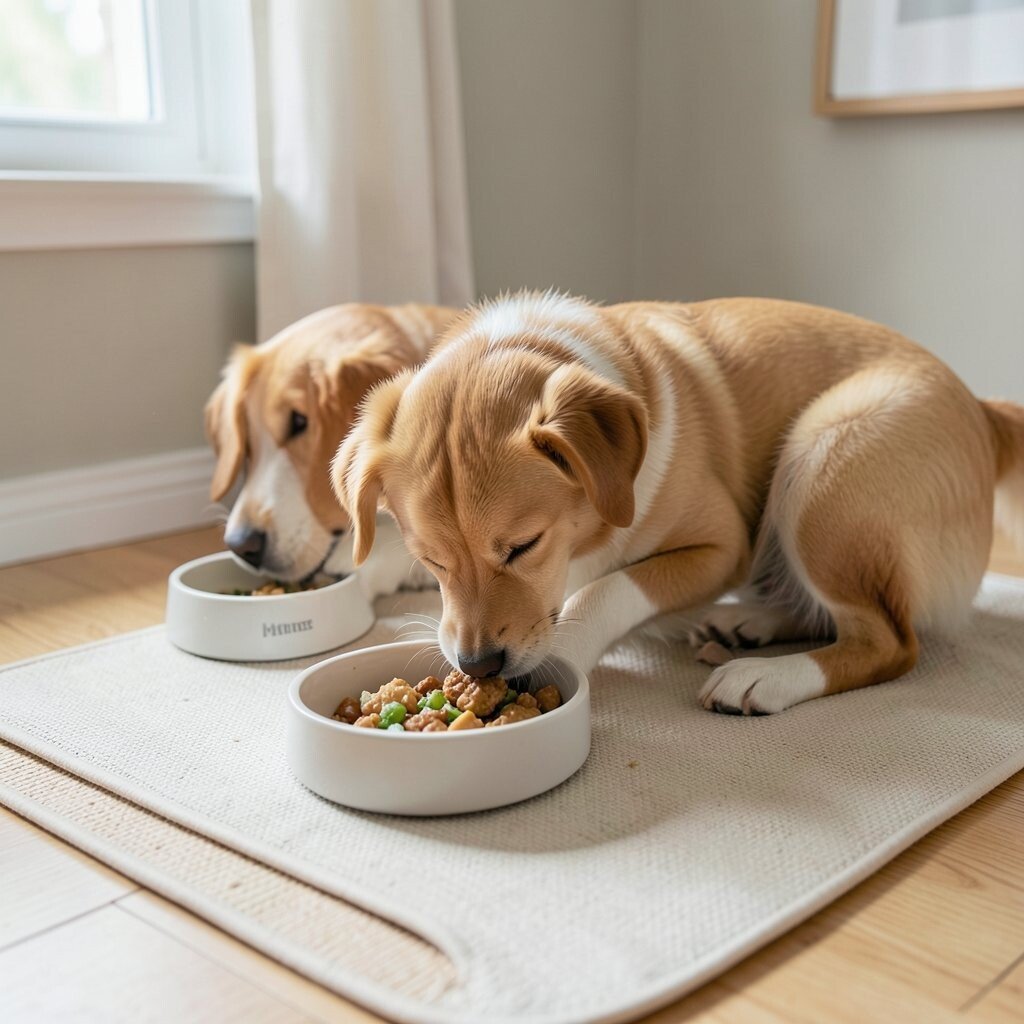
A calm feeding spot can help pets eat better. Try to keep meals away from loud sounds, kids running by, or other pets that may bother them.
Some pets eat fast when they feel rushed, and that can lead to tummy trouble. A quiet space gives them time to chew, breathe, and enjoy the meal at their own pace.
Many homes now use simple feeding mats or set meal corners to make the space look neat. This can be a low-cost way to make the area feel more special without much effort.
8. Use Puzzle Bowls or Slow Feeders When Needed

Slow feeders can help pets that eat too fast. These bowls often have ridges, bumps, or maze shapes that make pets work a little harder for each bite.
This can help with better chewing and may lower the chance of gulping air. It can also turn mealtime into a small game, which may be fun for pets that get bored easily.
There are many styles now, from simple plastic bowls to silicone mats and metal designs. You can pick one based on price, ease of cleaning, and what your pet seems to like best.
9. Keep Treats in the Plan
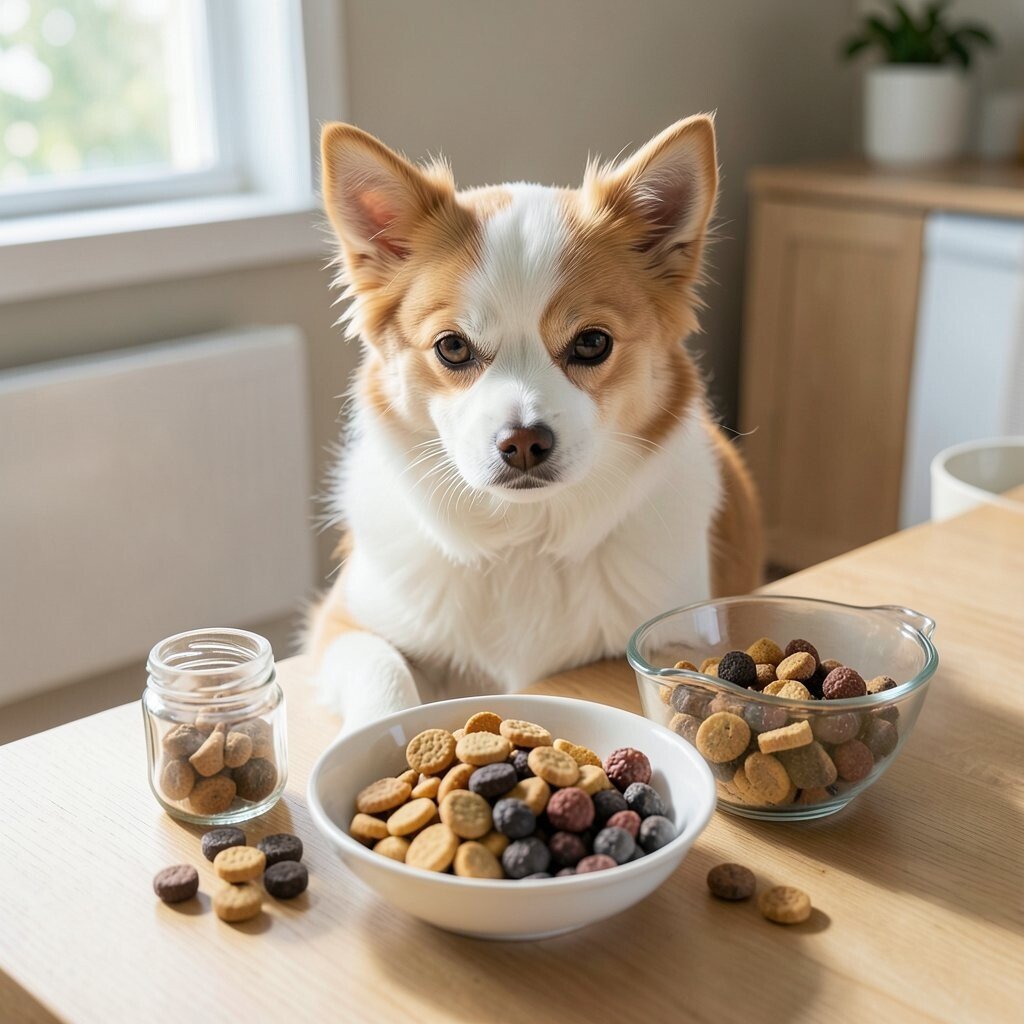
Treats can be part of a good feeding schedule, but they should stay in balance with meals. Too many treats can throw off the food plan and add extra calories without much benefit.
It helps to set a small treat limit for the day. That way, you can reward good behavior without making your pet too full or too picky at meal time.
Some pet owners now use healthy snack bites, freeze-dried bits, or small training treats. These can be a good fit if you want a trend that is easy to use and still keeps costs under control.
10. Adjust for Activity Level
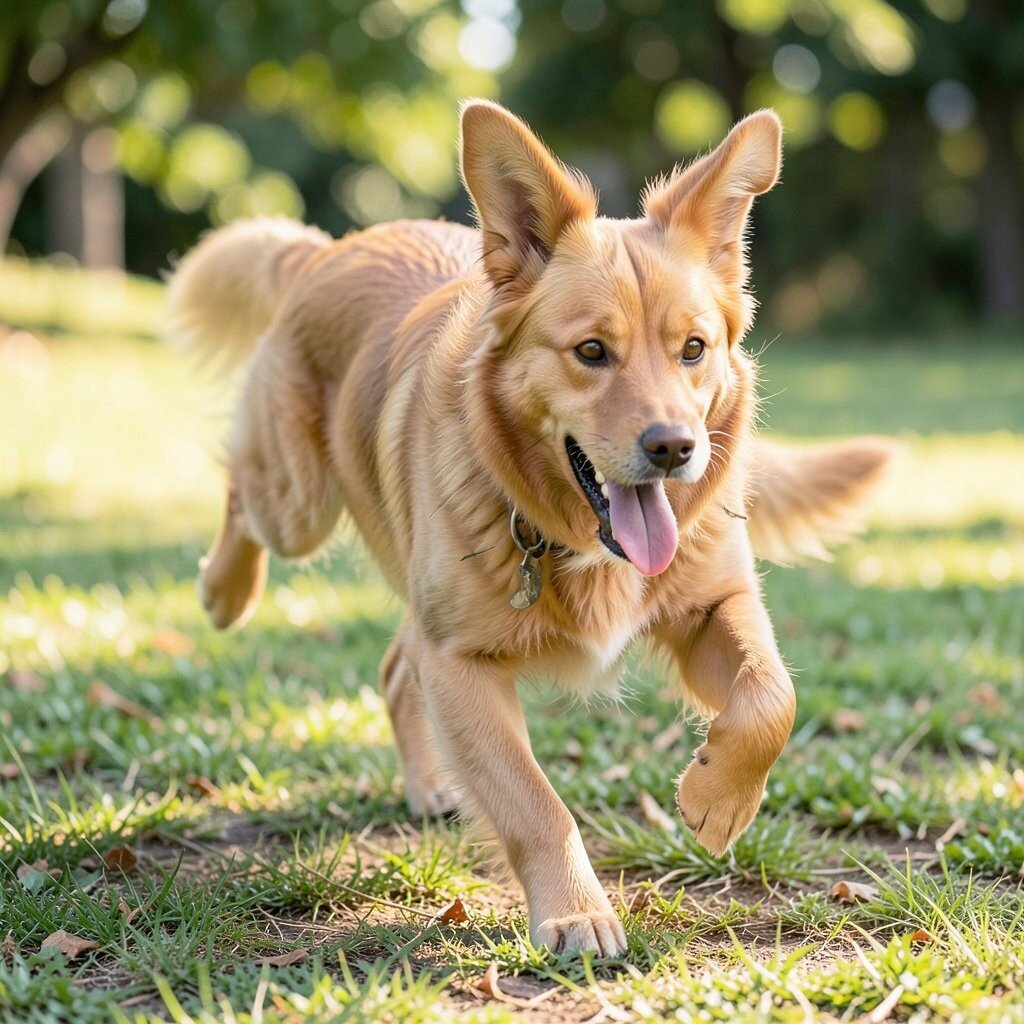
A pet that runs, plays, or walks a lot may need more food than one that rests most of the day. Active pets often burn more energy, so their feeding plan should match their day.
On the other hand, a calm pet may need less food to stay at a healthy weight. This is one reason a feeding plan should be personal and not copied from another home.
Watching your pet’s energy can help you make smart changes. If your pet seems tired, hungry, or always looking for food, it may be time to review the schedule and food amount.
11. Feed Different Pets in Separate Spots

If you have more than one pet, separate feeding spots can help a lot. Some pets eat too fast when they feel pressure, and others may try to steal food from a bowl that is not theirs.
Giving each pet its own place makes mealtime smoother and less stressful. It also helps you keep track of who ate what, which is useful if one pet has a special diet.
This setup can be simple and low-cost, like using two mats or placing bowls in different rooms. It is a small change, but it can make the whole feeding routine feel more organized.
12. Keep the Bowl and Area Clean
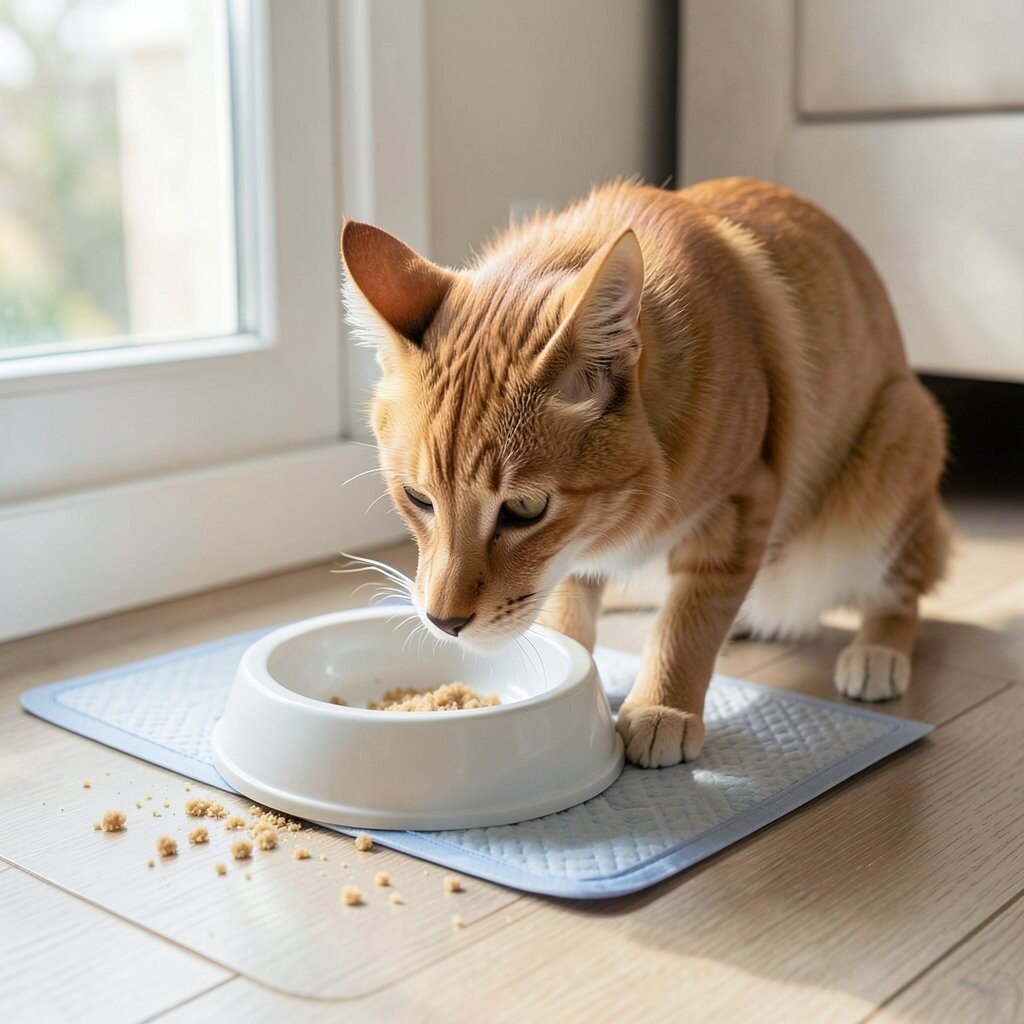
Clean bowls help keep food fresh and reduce bad smells. Wash bowls often so old food bits and grease do not build up.
The feeding area should stay neat too, since crumbs and spills can bring bugs or make the floor sticky. A clean space also looks better and helps your pet enjoy meal time more.
Some people now use easy-wipe mats or dishwasher-safe bowls because they save time. These choices can help with busy days and may also cut down on the cost of replacing worn-out dishes.
13. Check and Update the Schedule Often

Pets change over time, so the feeding plan should change too. A schedule that worked last year may not fit a new age, new weight, or new activity level.
It is smart to check the plan every so often and make small updates as needed. You may need to change meal times, food type, or portion size based on your pet’s health and daily life.
This habit helps you stay ahead of problems and gives your pet care that feels made for them. A flexible plan is often the best kind because it can fit growth, routine changes, and new pet care trends without much stress.