Pet therapy can help people feel more at ease in a calm and simple way. These sessions can also bring a warm mood to homes, schools, and care centers.
1. Gentle Dog Visits
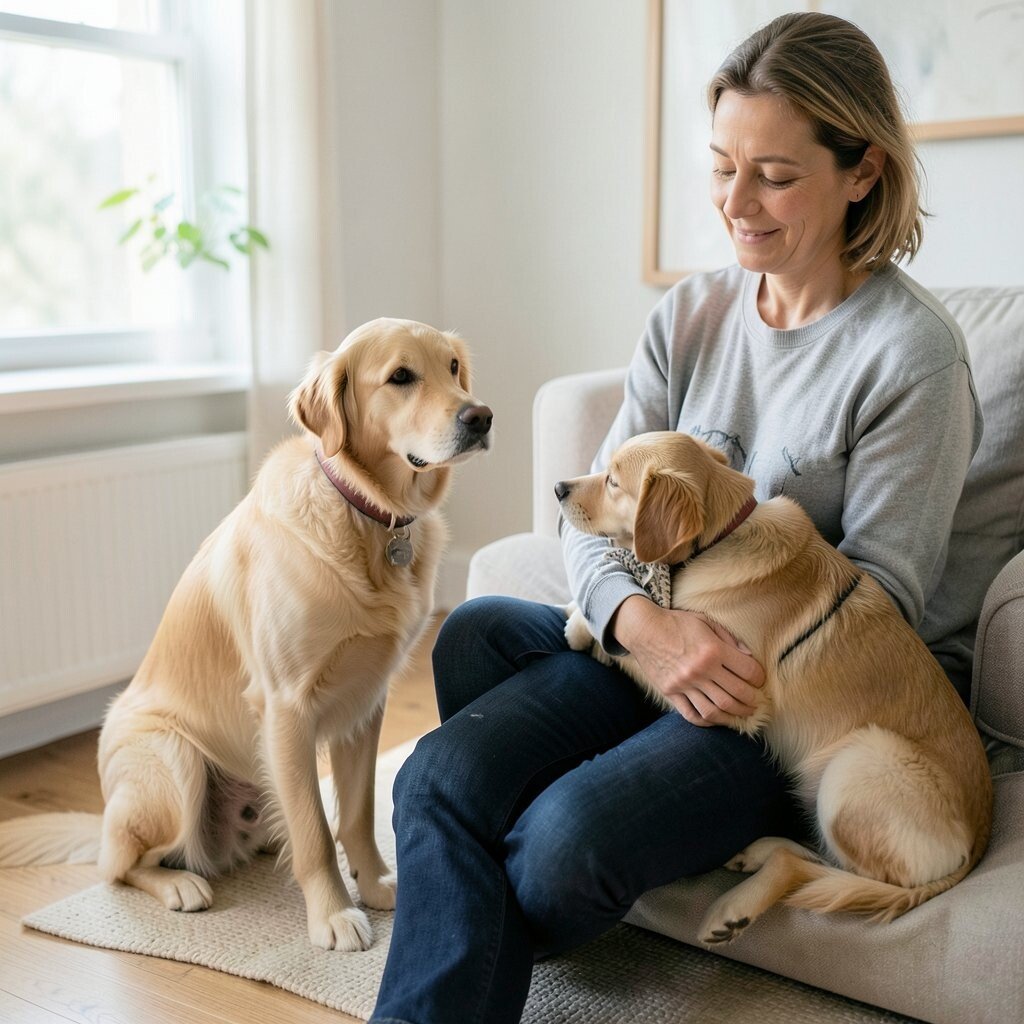
Gentle dog visits are one of the most common pet therapy sessions. A calm dog may sit near a person, rest its head on a lap, or take slow walks in the room.
These visits can help lower stress and make people feel less alone. Many dogs used for this work are soft, clean, and trained to stay calm around new sounds and touch.
You can make the visit fit the person’s needs by choosing a small dog or a larger one with a quiet nature. The cost is often lower than many people think, and some groups offer visits at little or no charge.
2. Cat Comfort Time

Cat comfort time gives people a chance to sit with a calm cat and enjoy slow petting. The soft fur, quiet purring, and small movements can make the room feel peaceful.
This kind of session often works well for people who like a low-key setting. Cats do not always want a lot of touch, so the session can feel easy and respectful for both the person and the animal.
Some people like to brush the cat, while others just watch it curl up nearby. The cost can be modest if the cat is part of a local therapy group, and many places now use short cat visits as a growing trend.
3. Rabbit Lap Visits

Rabbit lap visits are calm and quiet, and they can be a good fit for people who want a soft, small animal. A rabbit may sit in a lap, rest in a blanket, or nibble on a treat while people watch.
These sessions can help people slow down and focus on simple care. The light feel of a rabbit’s fur and its small ears can bring joy without a lot of noise or movement.
It helps to keep the space quiet and to move hands slowly so the rabbit feels safe. Many families like this session because it can be set up at home with a small pen, a towel, and basic supplies at a low cost.
4. Horse Grooming Sessions

Horse grooming sessions are a hands-on way to spend time with a large, calm animal. A person may brush the horse’s coat, clean the hooves with help, or stand near the animal and feel its steady presence.
The size of the horse can make the session feel special and different from a normal pet visit. Many people say the slow work of brushing helps them feel more focused and less rushed.
These sessions need a safe place and trained staff, so they can cost more than other pet therapy options. Still, many farms and therapy centers now offer short grooming visits as a popular trend for both kids and adults.
5. Fish Tank Watching

Fish tank watching is a quiet pet therapy session that uses color, light, and slow movement. People may sit near a tank and watch fish swim through plants, rocks, and bubbles.
This can help the mind settle because the scene is soft and easy to follow. It is a good choice for people who do not want touch but still want the comfort of living animals nearby.
You can make the tank match the room with blue lights, small plants, or a simple background. The cost can range from low to high based on tank size, but many care centers use fish tanks because they are easy to place and now very common.
6. Bird Song Visits

Bird song visits bring color, sound, and light movement into a session. A parrot, canary, or other calm bird may sit on a perch while people listen, watch, or talk softly nearby.
The sound of bird calls can make a room feel lively without being too much. People often enjoy the bright feathers and quick head turns that make each bird feel full of life.
These visits work best when the bird has a safe cage or perch and enough room to rest. The cost depends on the bird and the setup, but bird therapy is getting more attention in care homes and special programs.
7. Guinea Pig Cuddle Time

Guinea pig cuddle time is a warm and easy session for people who want a small pet in their hands. A guinea pig may sit in a towel, rest on a lap, or make soft sounds while being held.
This kind of visit can help children and older adults feel calm and safe. The animals are small, easy to see, and often friendly when handled with care.
It helps to keep the room quiet and to teach gentle holding before the session starts. Many families like guinea pigs because they are often lower cost than larger pets and fit well with short therapy visits at home or in class.
8. Rescue Puppy Play

Rescue puppy play gives people a chance to spend time with young dogs that need care and trust. The puppies may wag, roll over, or follow a toy with bright eyes and quick steps.
These sessions can bring smiles and help people feel more open and relaxed. The playful energy of a puppy can also help lift a heavy mood in a simple, natural way.
You can keep the session calm by using soft toys, short play times, and a quiet room. Rescue groups may offer these visits at a fair cost, and many people like the trend of mixing therapy with animal shelter support.
9. Senior Dog Rest Time

Senior dog rest time is for older dogs that enjoy slow, steady company. These dogs may lie on a blanket, nap near a chair, or enjoy a soft pat on the back.
The calm pace can help people feel settled and safe. Older dogs often have a gentle look and a quiet way of moving that fits well with a low-stress session.
It is a good idea to match the dog to the person’s energy level and comfort with touch. The cost is often low if the dog is part of a local therapy team, and many people now like senior pets because they bring a peaceful feel.
10. Farm Animal Visits
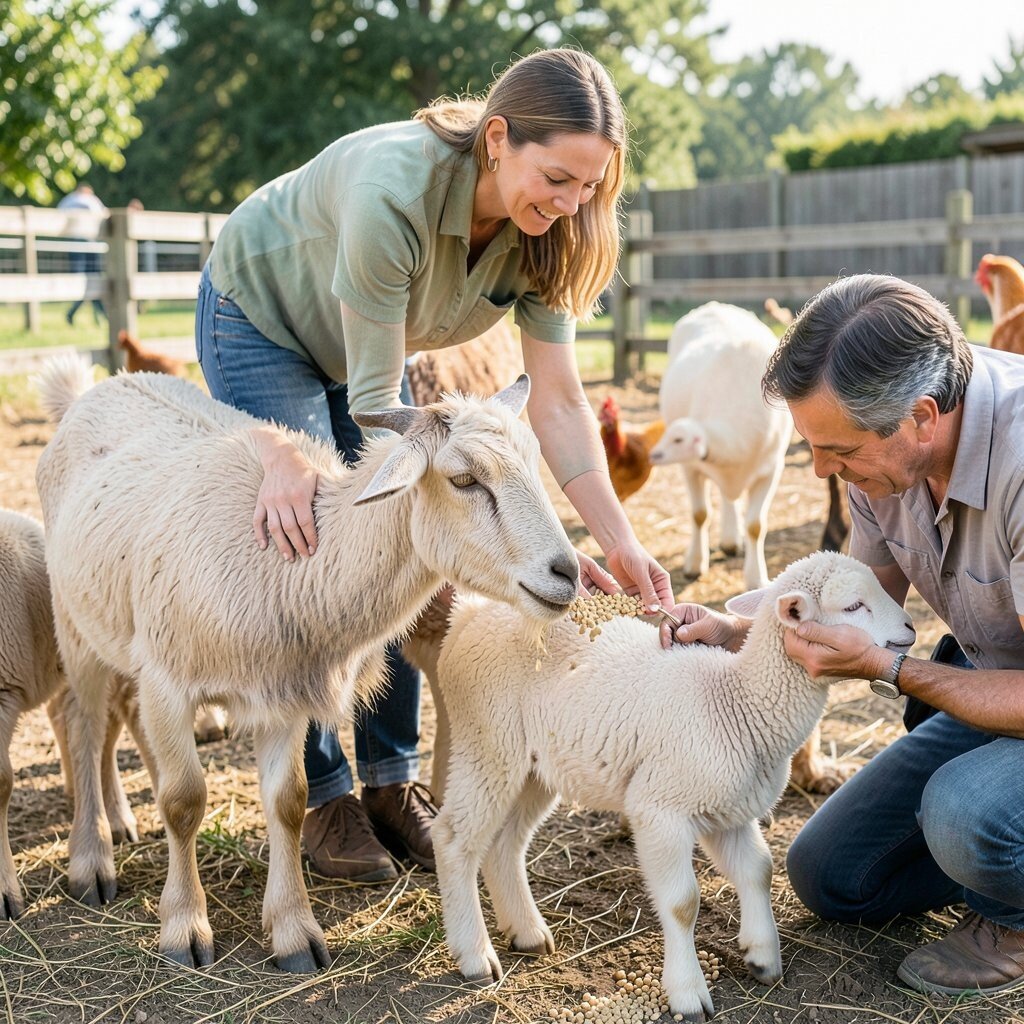
Farm animal visits can include goats, lambs, chickens, and other calm animals from a small farm. People may pet a goat’s rough coat, watch a lamb walk, or feed grain with help from staff.
These sessions feel different from home pet visits because they bring a bit of the outdoors into the day. The sights, smells, and sounds can help people stay present and enjoy a change of pace.
Safety matters a lot, so the animals should be clean, calm, and used to people. Costs can be higher if travel is needed, but mobile farm visits are a growing trend for schools, care centers, and family events.
11. Therapy Lizard Viewing

Therapy lizard viewing is a good choice for people who like unusual animals and quiet time. A bearded dragon or other calm lizard may rest on a warm pad or sit in someone’s hands for a short visit.
The scales, slow blinks, and careful steps can make the session feel very different from a dog or cat visit. Some people feel less pressure when they watch a lizard instead of touching it right away.
You can keep the setup simple with a warm light, a clean tank, and a safe place to sit. The cost depends on the animal and care needs, but reptile therapy is becoming more common in special programs and sensory rooms.
12. Hamster Hand Time
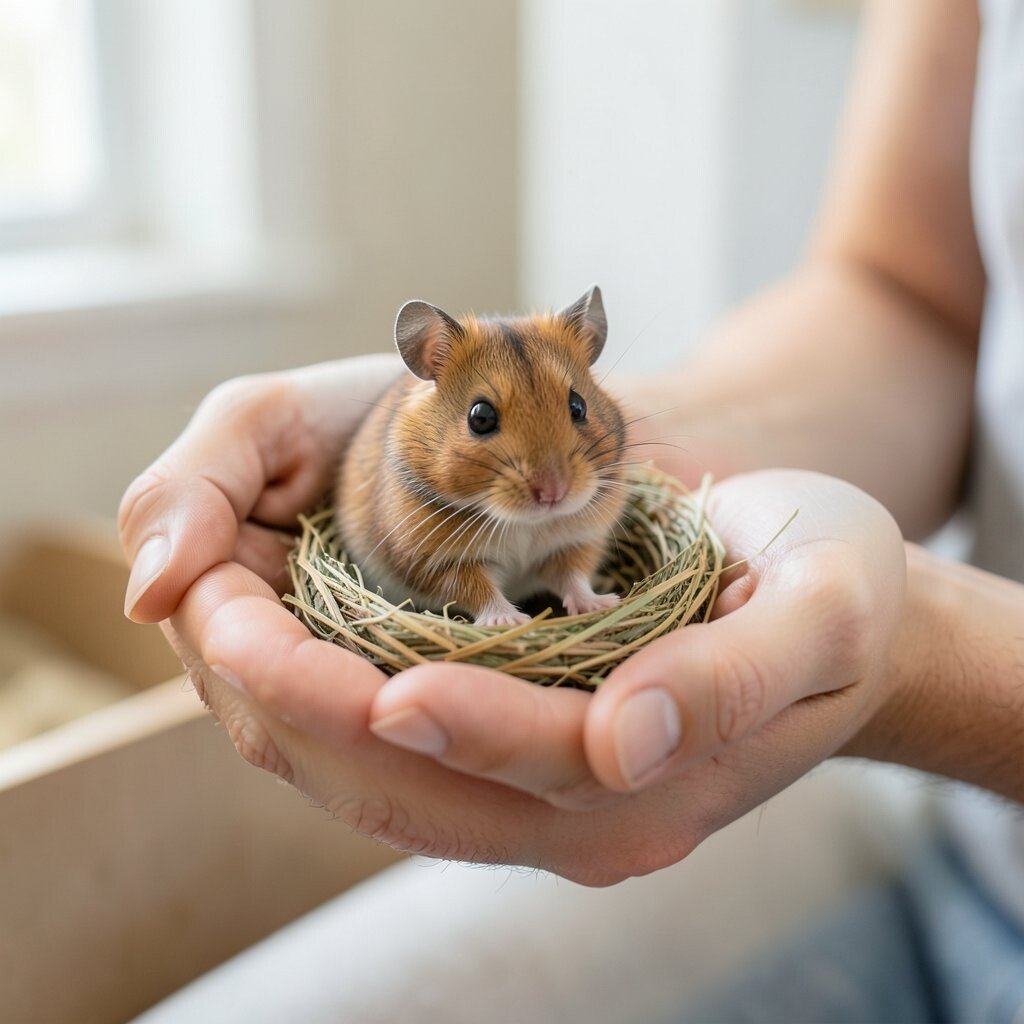
Hamster hand time gives people a close view of a tiny pet with quick paws and bright eyes. A hamster may sit in cupped hands, move through a small maze, or rest in a soft nest.
This session can help people enjoy small details and slow down their thoughts. The little size of the animal can make the visit feel sweet and easy to manage.
It is best to keep the room quiet and to use gentle hands so the hamster stays calm. The cost is often low, and many parents like this trend because it can work well in short home visits or simple school settings.
13. Interactive Training Time

Interactive training time lets people help with simple pet tasks like sit, stay, or come. A dog, rabbit, or even a bird may respond to a treat, a hand signal, or a calm voice.
These sessions can give people a sense of purpose and help them feel more involved. Watching an animal learn a small skill can also build confidence and make the session feel active without being too hard.
You can make the session fit the person by choosing easy tasks and short breaks. The cost can vary based on the trainer, but many groups now offer short training visits because people enjoy sessions that mix care, focus, and fun.
14. Personalized Home Pet Sessions
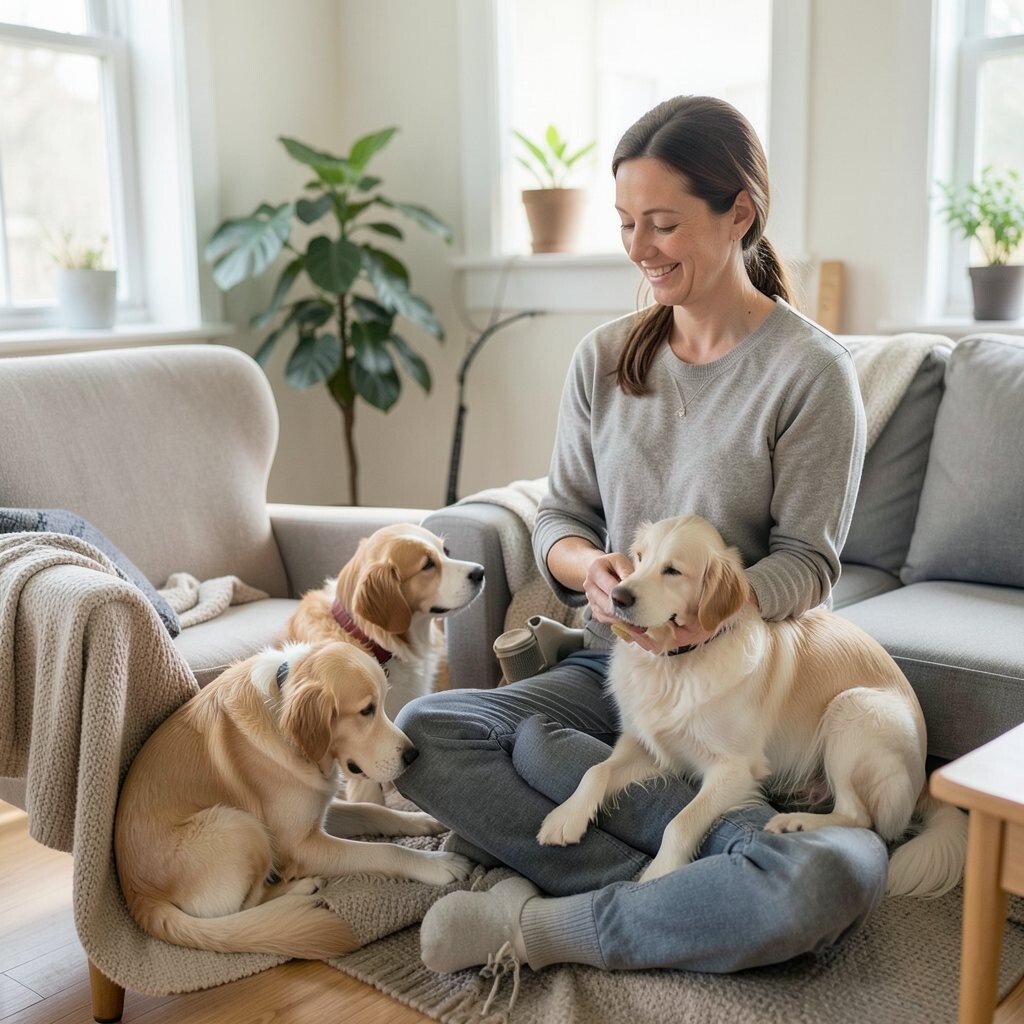
Personalized home pet sessions bring the therapy feel right to a person’s own space. The animal may be a family pet, a therapy dog, or another calm animal that already feels safe in the home.
This can help people who do better in a known place with their own chair, blanket, or music. The session can be shaped around the person’s needs, like quiet time, light play, brushing, or just sitting together.
Home sessions can also help with cost because there is no travel for the person, and the visit can be short and simple. This style is a strong trend because it feels easy to plan, and it lets families use the pet they already know and enjoy.