
Getting a rabbit hutch takes more than picking the first one that looks nice. A good hutch can help your rabbit stay safe, calm, and healthy.
1. The Right Size
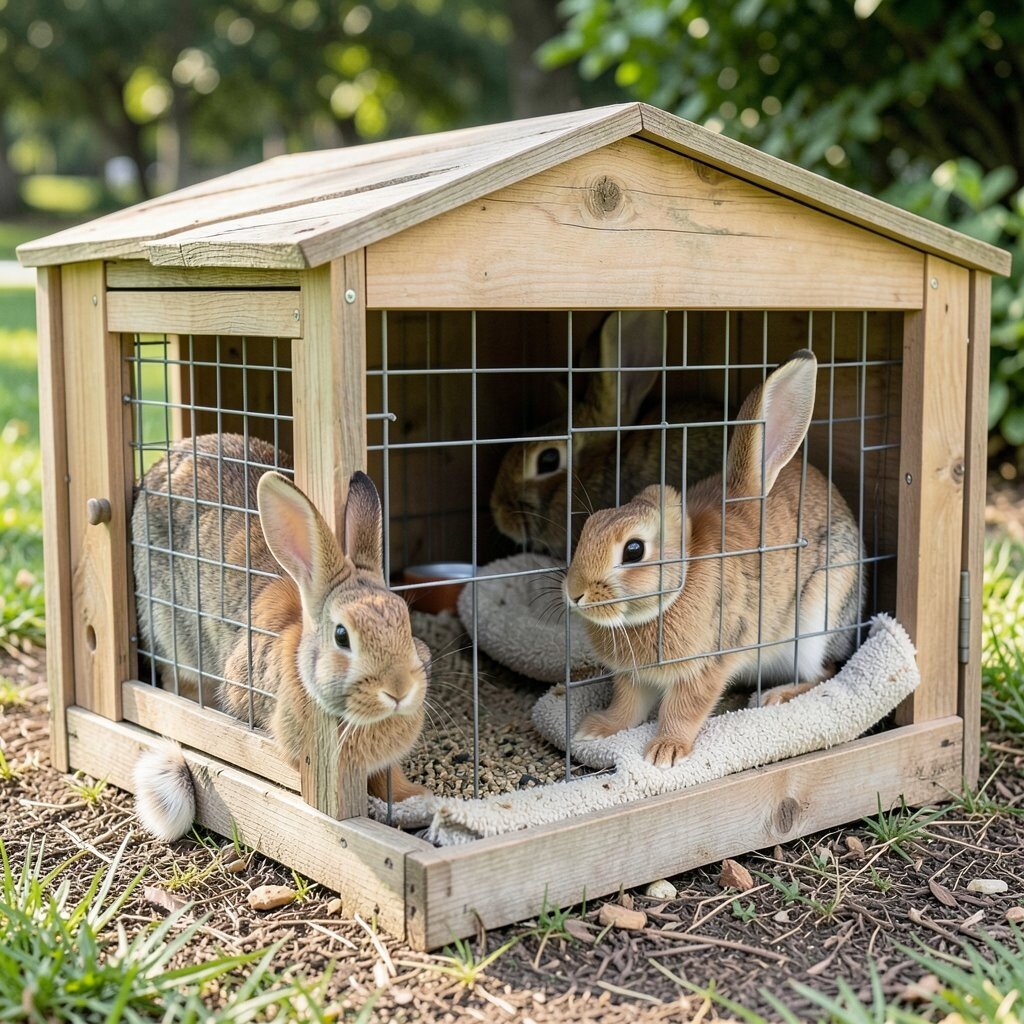
Size is one of the first things to check before you buy a rabbit hutch. A rabbit needs room to hop, stand up, stretch, and turn around without bumping into the sides.
A small hutch may look neat, but it can make daily life hard for your rabbit. Bigger space can help your pet feel less stressed and give you more room to add a bed, a litter box, and food bowls.
Think about your rabbit as it grows, too. A young rabbit may seem small now, but it can need much more room later.
2. Indoor Or Outdoor Use
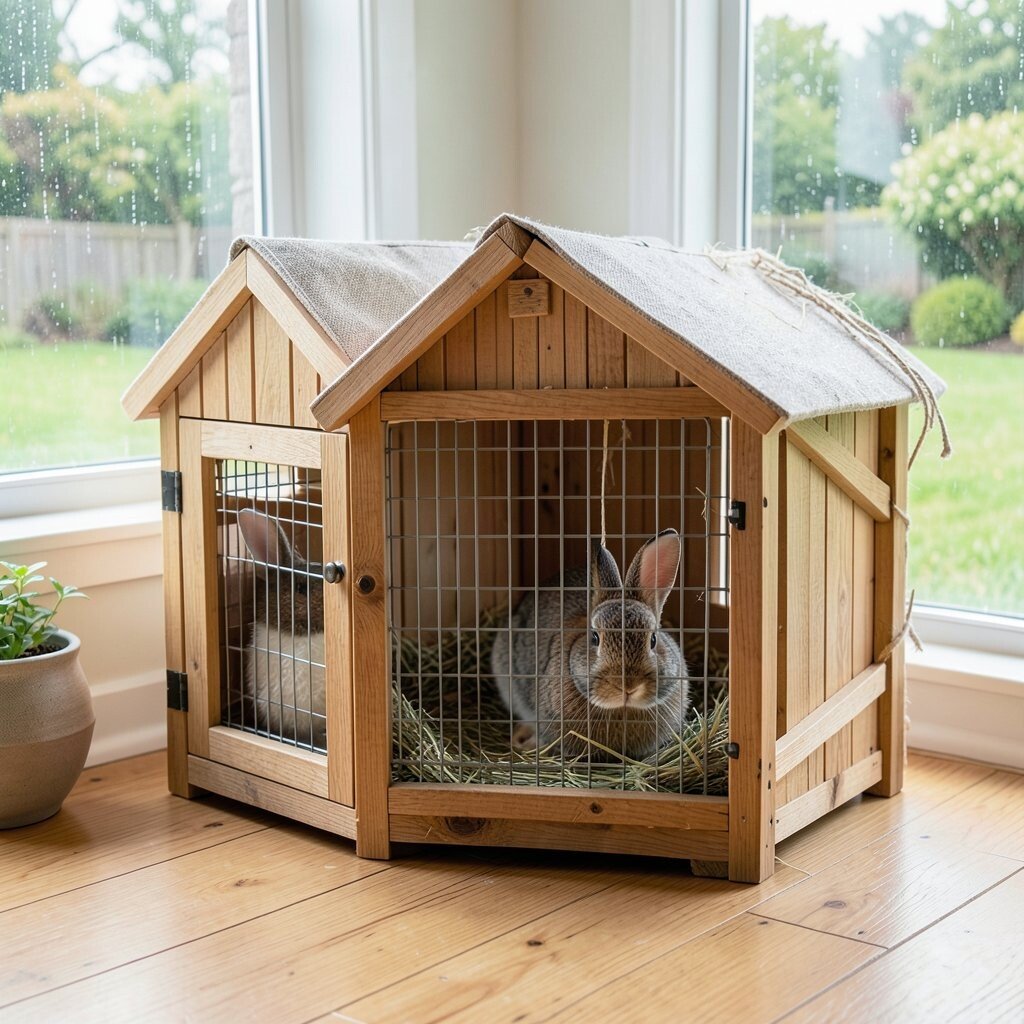
Before you buy, decide where the hutch will live. An indoor hutch can be easier to watch, clean, and keep warm, while an outdoor hutch can give your rabbit fresh air and a view of the yard.
Each choice has its own needs. Outdoor hutches must handle rain, wind, heat, cold, and bugs, so they need stronger build and better cover.
Indoor hutches often fit better with family life and can be made to look neat in a room. Outdoor hutches can feel more natural, but they need extra care to stay safe and dry.
3. Safety From Predators
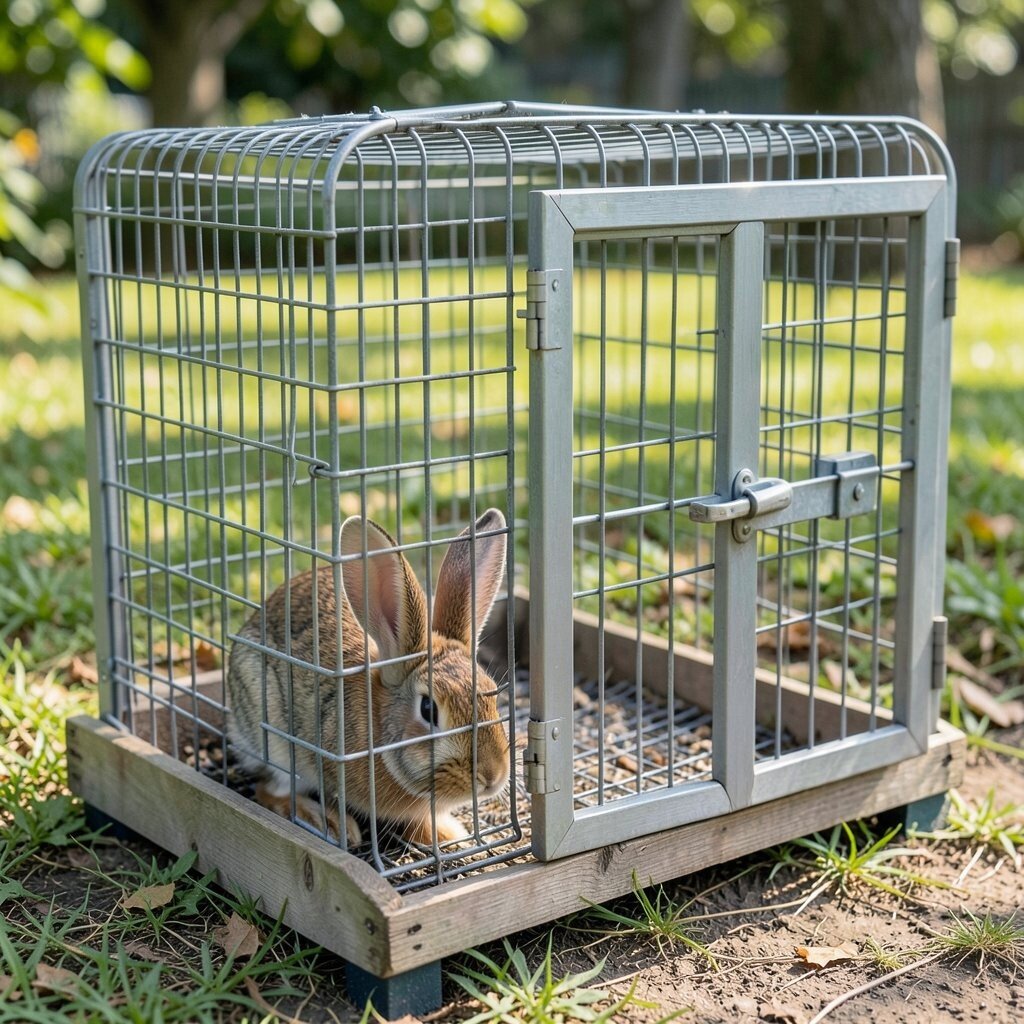
Rabbits are small, so safety matters a lot. A hutch should keep out dogs, cats, foxes, raccoons, rats, and other animals that may try to get in.
Look for strong locks, tight wire, and solid doors that close well. Thin wire or weak latches can be a problem, even if the hutch looks fine at first.
It also helps to check the floor and the sides for gaps. A safe hutch can give you peace of mind and help your rabbit feel more secure.
4. Strong Materials
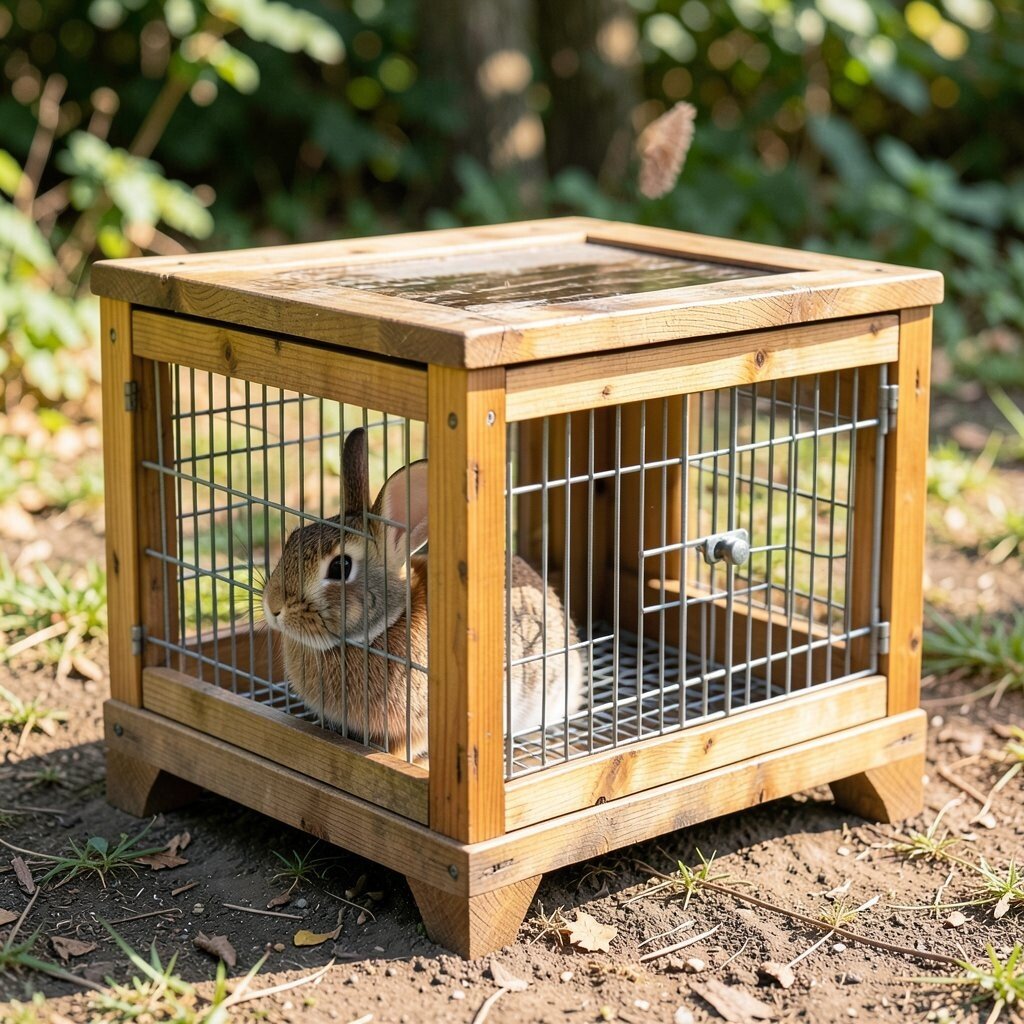
The material of the hutch can change how long it lasts. Wood, metal, and wire all have good points, but each one needs the right care.
Wood can look warm and natural, but it may wear down if it gets wet a lot. Metal can last longer in some cases, but it should not have sharp edges or rust spots.
Try to choose parts that are safe for chewing and easy to clean. A well-made hutch may cost more at first, but it can save money later because you may not need to replace it soon.
5. Weather Protection
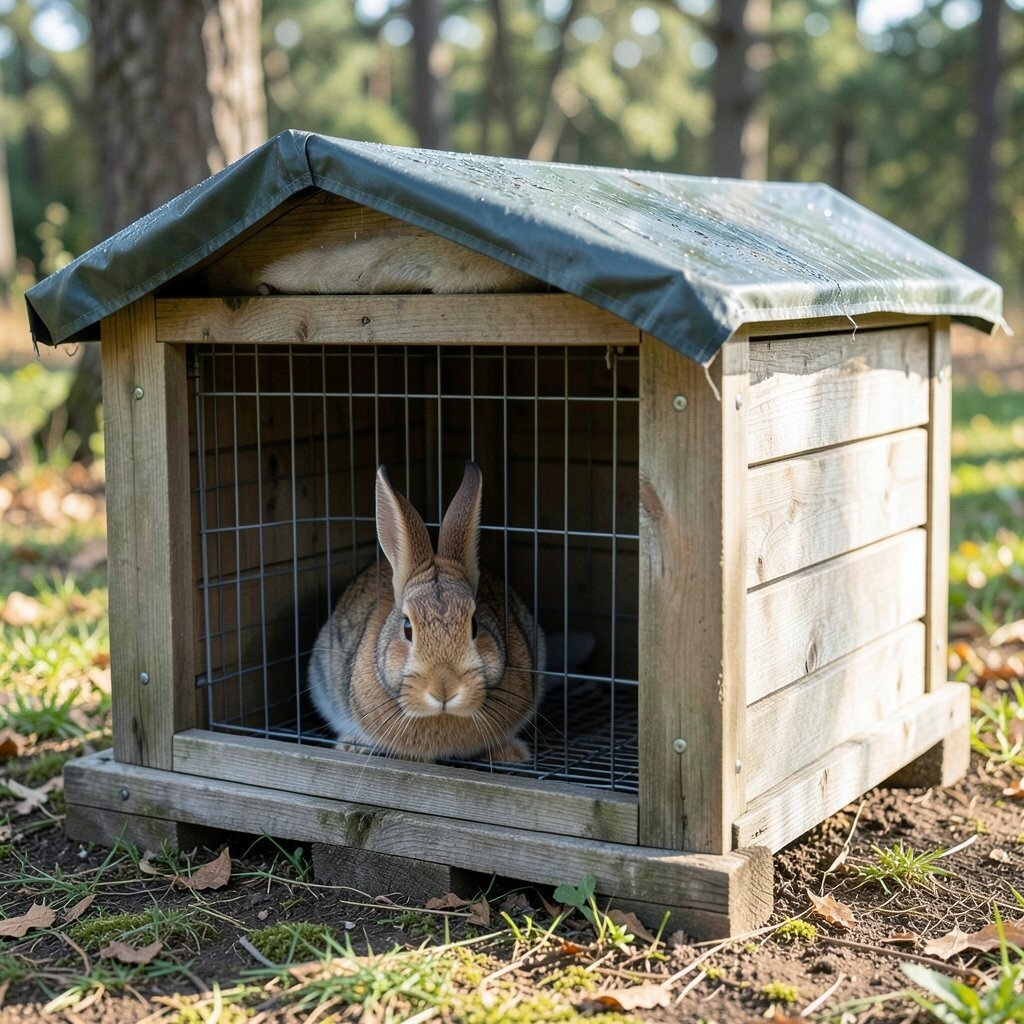
Rabbits do not do well in harsh weather. A good hutch should give shade in hot weather and block wind, rain, and snow when it is cold.
Look for a roof that does not leak and walls that help keep the inside dry. In hot months, extra air flow is important so the hutch does not trap heat.
If you live in a place with strong weather changes, this point matters even more. Simple extras like a cover, a raised base, or a wind block can help a lot.
6. Easy Cleaning

A rabbit hutch should be easy to clean often. Rabbits make messes fast, so a design that lets you reach corners and lift out trays can save time.
Look for smooth surfaces and wide doors. If you can clean it without a hard struggle, you are more likely to keep it fresh.
Easy cleaning also helps with smell and health. A clean hutch can lower the chance of bugs and make daily care feel much easier.
7. Good Air Flow

Fresh air is important in any rabbit home. The hutch should let air move through without making your rabbit sit in a draft.
Wire sides, vents, and open spaces can help air flow, but they should still keep your rabbit safe. Poor air flow can make the hutch feel damp, warm, or stale.
Good air flow is one of those things people may not notice at first. Still, it can make a big difference in comfort, smell, and health.
8. Floor Type And Comfort

The floor of the hutch matters more than many people think. A hard floor can be easy to wash, but it may need soft bedding or a mat so your rabbit can rest well.
Wire floors can hurt a rabbit’s feet if they are not made well. Solid floors are often kinder, but they must be kept dry and clean.
Try to think about comfort and safety together. A soft, dry, and stable floor can help your rabbit feel at home.
9. Space For Food, Water, And Rest
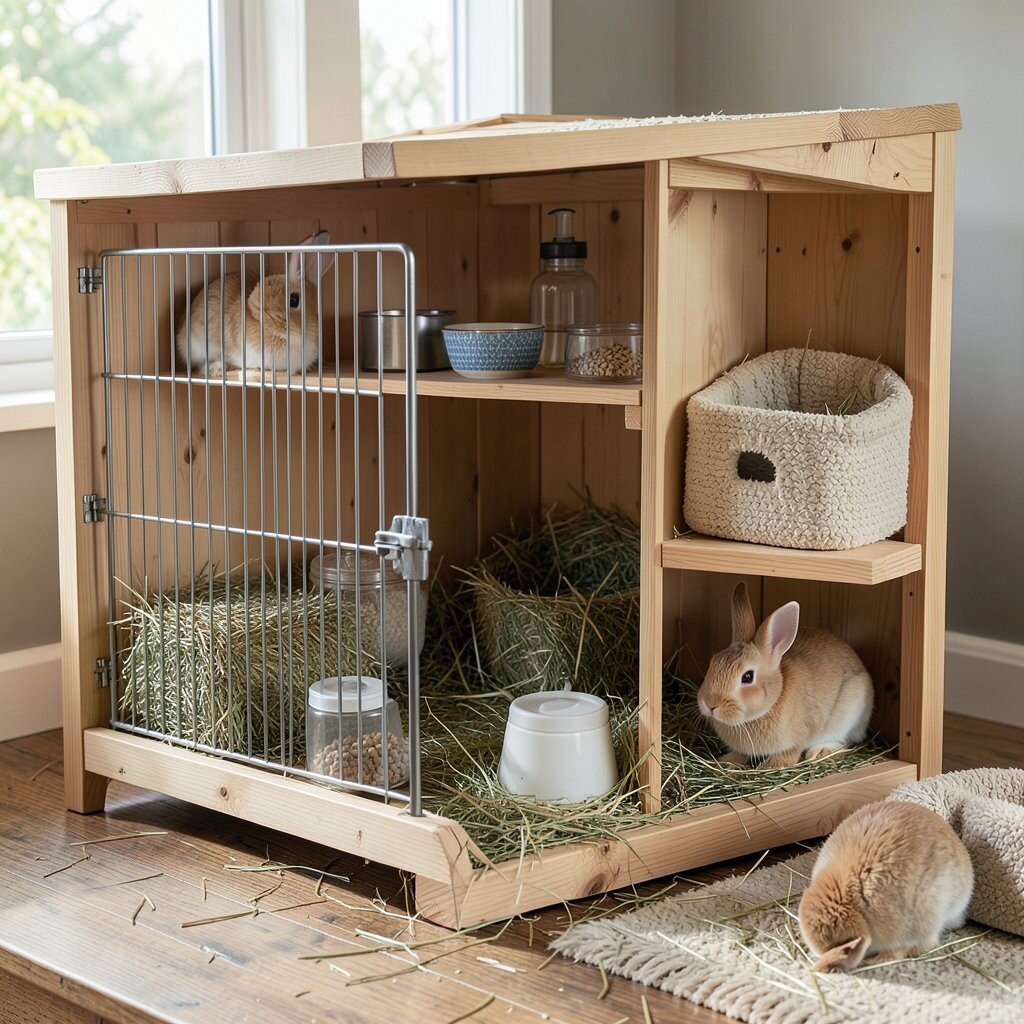
A rabbit hutch should have room for the things your pet needs each day. Food bowls, water bottles or bowls, hay, a litter box, and a resting area all need their own space.
If the hutch is too crowded, your rabbit may have less room to move and relax. A smart layout can make the space feel bigger and more useful.
You can also add small touches that fit your rabbit’s habits. Some rabbits like a hide box, while others enjoy a raised shelf or a cozy corner.
10. Easy Access For You
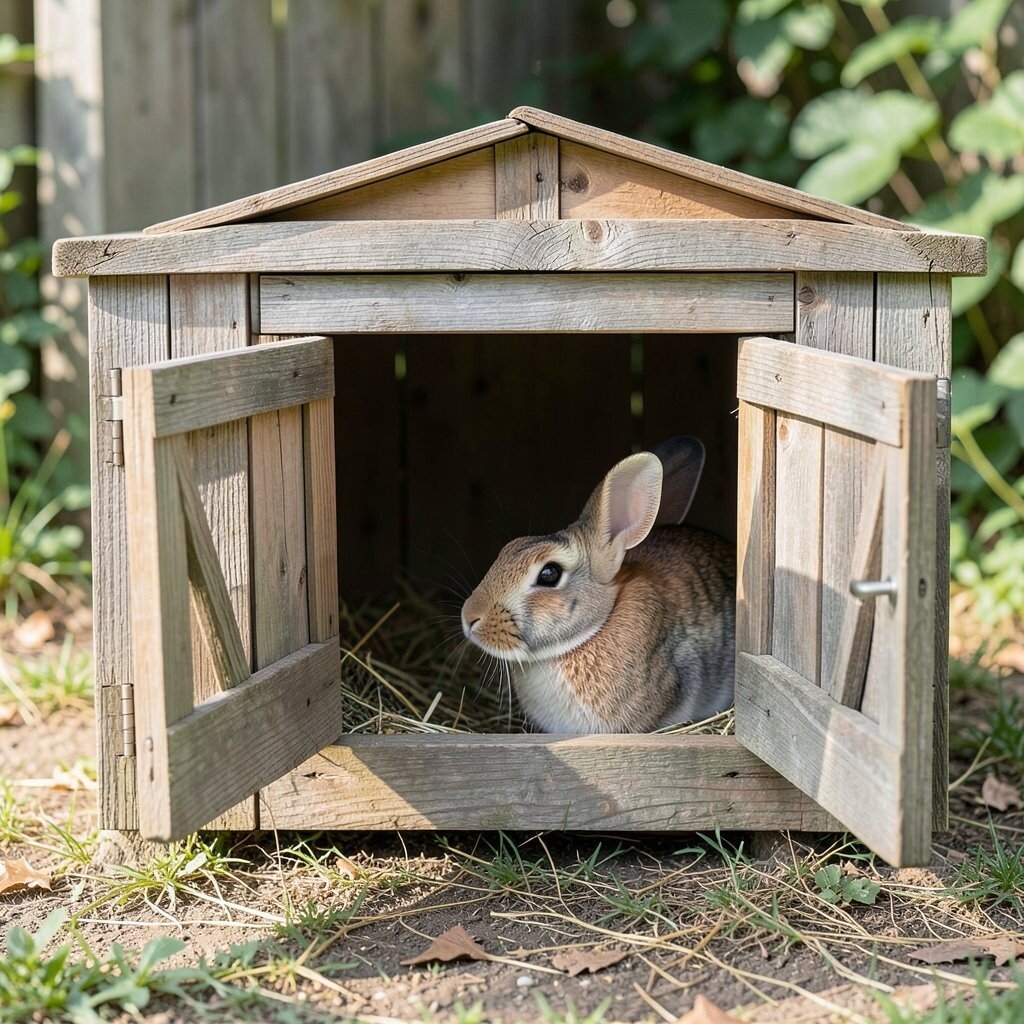
It should be easy for you to reach your rabbit and the hutch’s inside. Doors that open wide can help with feeding, cleaning, and picking up your pet.
If the hutch is hard to open, daily care can turn into a chore. Good access also helps if you need to check for injuries, change bedding, or refill water fast.
Think about your own height and strength, too. A hutch that fits your needs can make rabbit care feel much smoother.
11. Style And Personal Touch

Many people want a hutch that looks nice in the yard or home. You can find simple, modern, country-style, and colorful designs, so it is easy to pick one that fits your space.
Style is not just about looks. A design that fits your home can help the hutch feel like part of the room or garden instead of something that stands out in a bad way.
You can also add your own touch with safe bedding, name signs, or small decor around the hutch. Just make sure any extra item does not block air flow or make cleaning harder.
12. Cost And Long-Term Value

Price matters, but the cheapest hutch is not always the best buy. A low-cost model may need repairs or replacement sooner, which can cost more over time.
Compare the build, size, safety, and care needs before you spend your money. A better hutch may cost more at the start, but it can give your rabbit a safer home and save you trouble later.
It can also help to watch current trends in rabbit care, since many people now look for larger, more open, and easier-to-clean hutches. Use those ideas as a guide, but pick the one that fits your rabbit, your space, and your budget best.