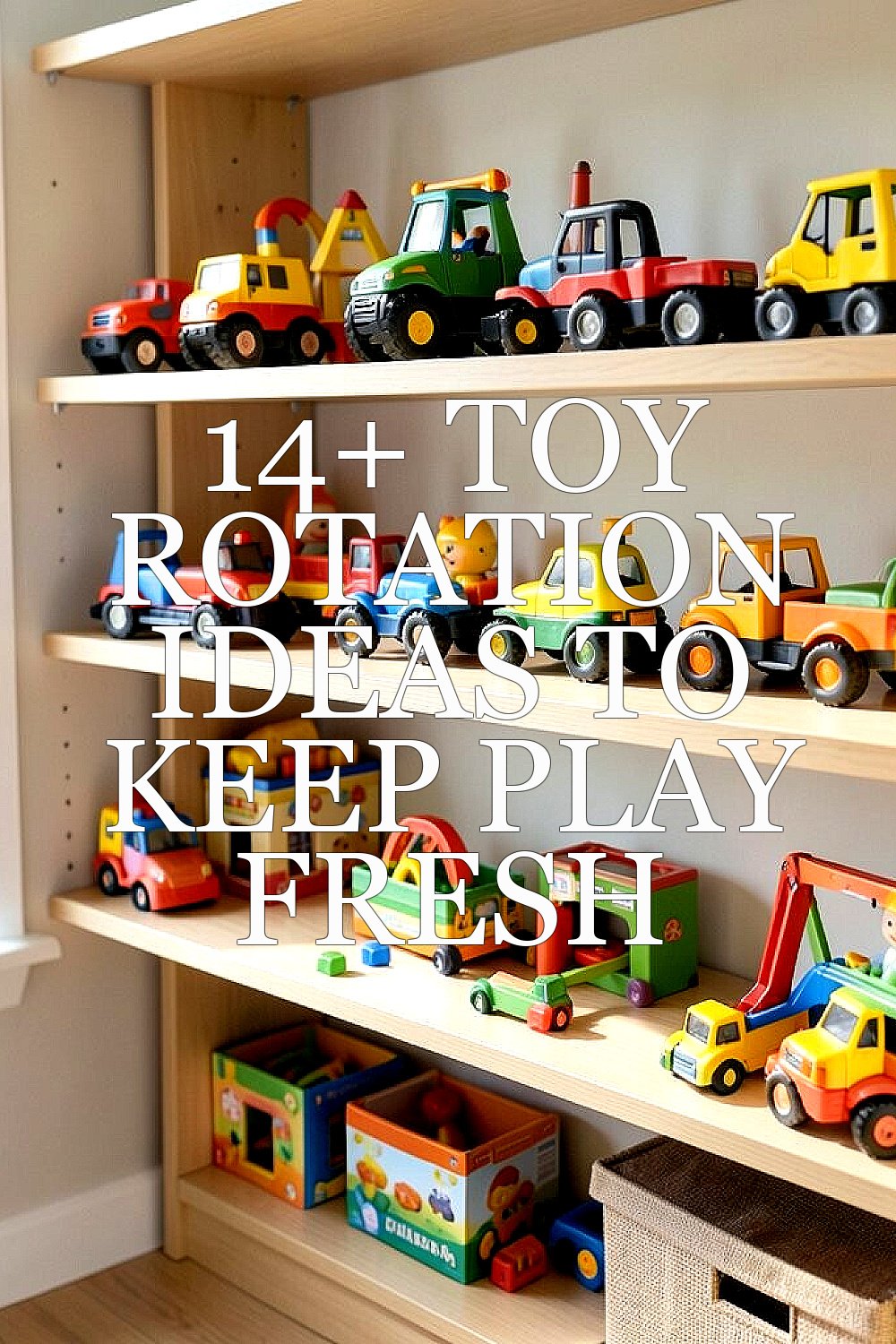
Toy rotation can make old toys feel new again. It can also help kids focus better and keep rooms less crowded.
1. Clear Bin Swap
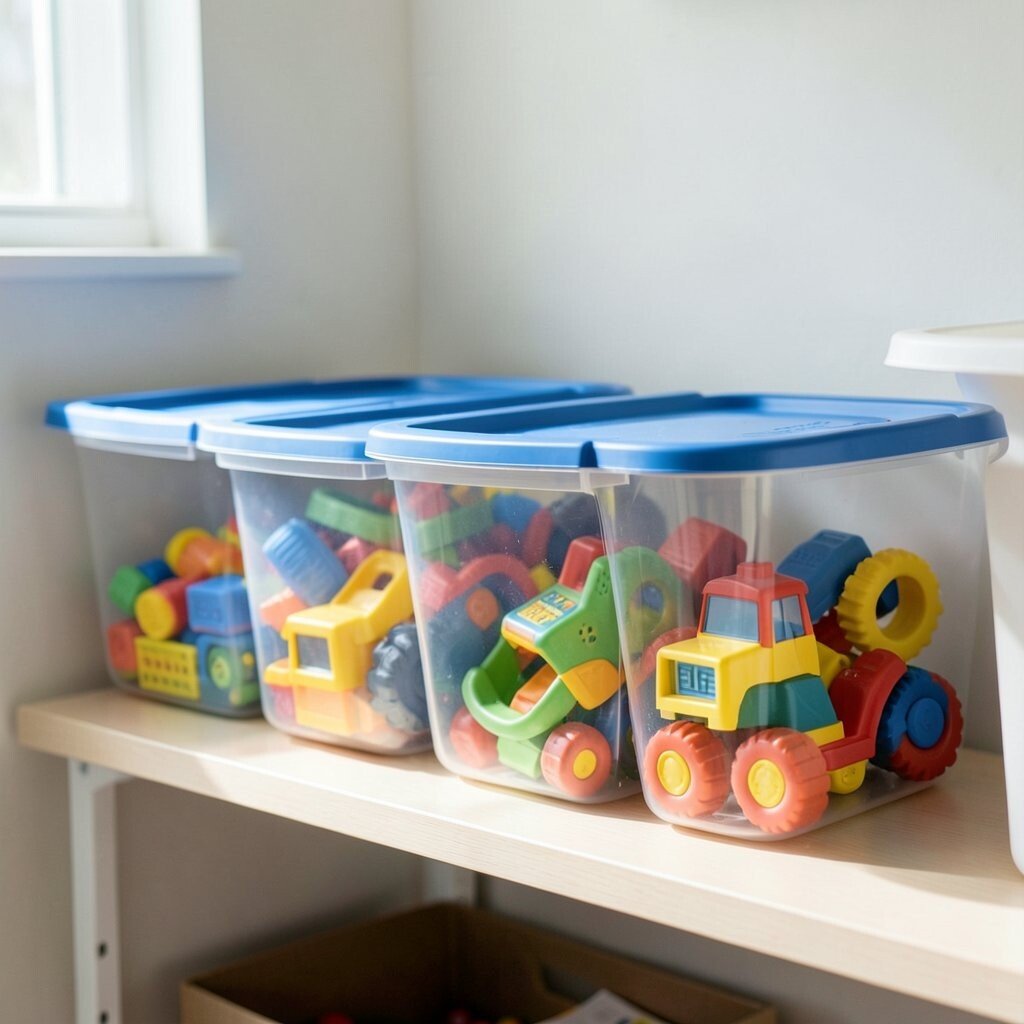
Use clear bins so kids can see what is inside without opening every box. The bins look neat on a shelf and make it easy to change toys in and out.
This idea helps cut clutter and keeps cleanup simple. It also works well for low-cost play because you can use bins you already have at home.
2. Weekly Theme Box
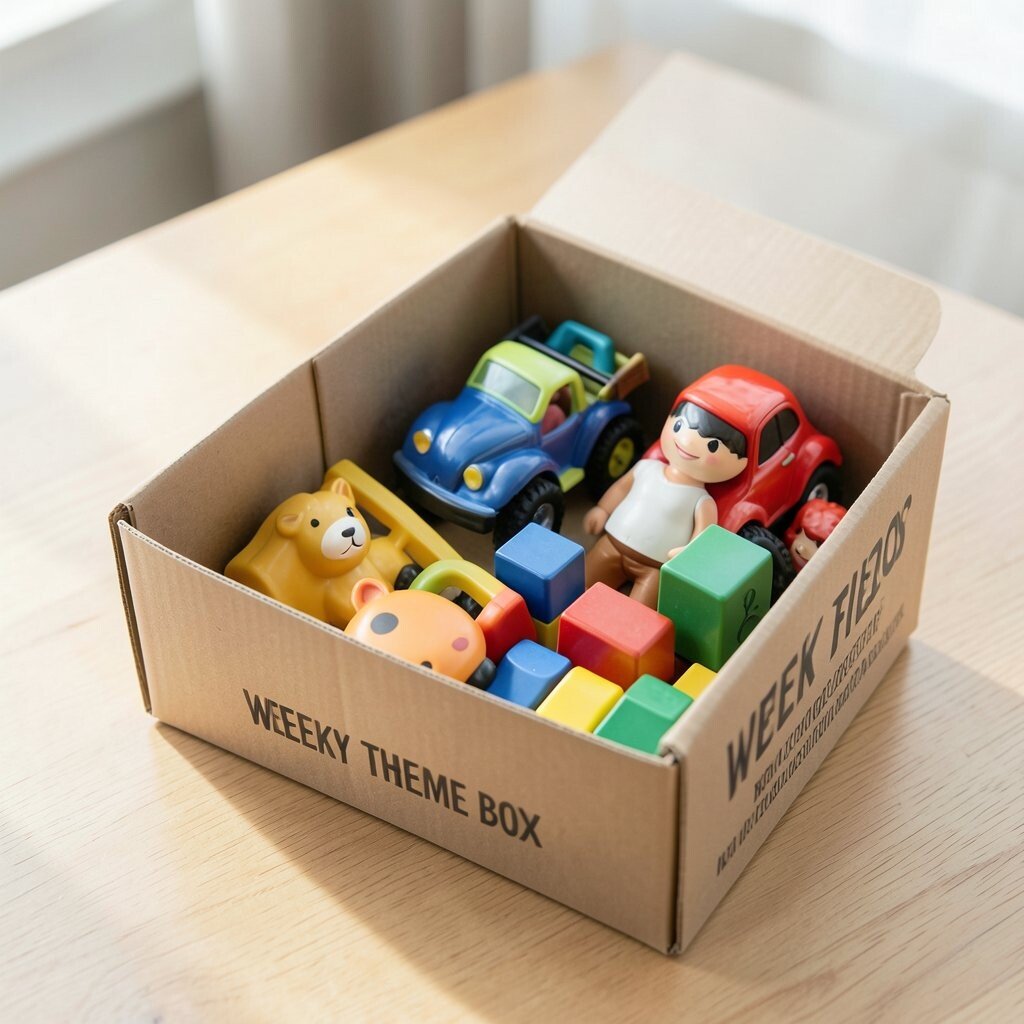
Pick one play theme for the week, such as animals, cars, dolls, or blocks. Put a few matching toys in one box so the play space feels focused and easy to use.
This can help kids stay with one kind of play for longer. You can make it fit your child by choosing themes they like most, and you do not need to buy much to start.
3. Shelf Display Change
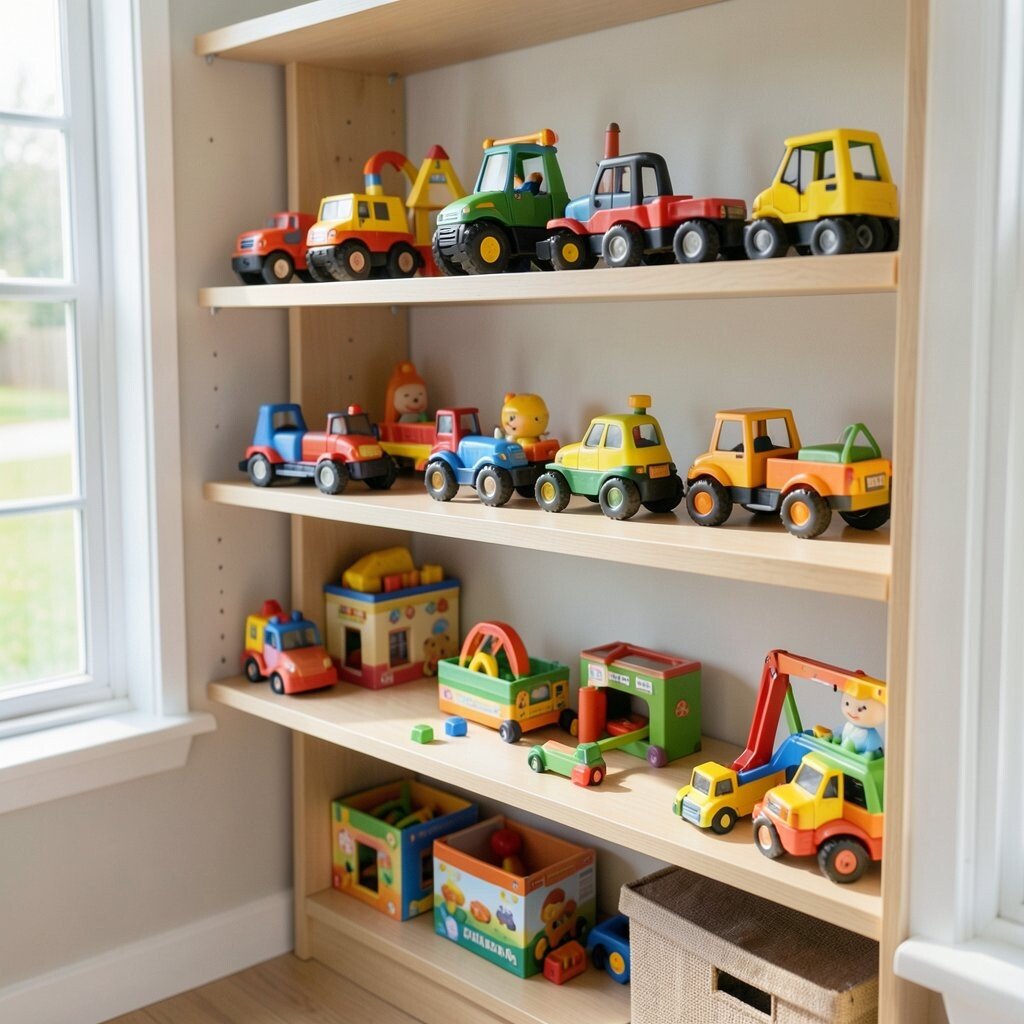
Place a small group of toys on open shelves and keep the rest stored away. The toys on display look fresh and bright, almost like a tiny shop window in the room.
Changing the shelf mix every so often gives kids a new reason to play. It also helps parents spot missing pieces fast and keeps favorite items from getting lost in a big pile.
4. Color Group Rotation
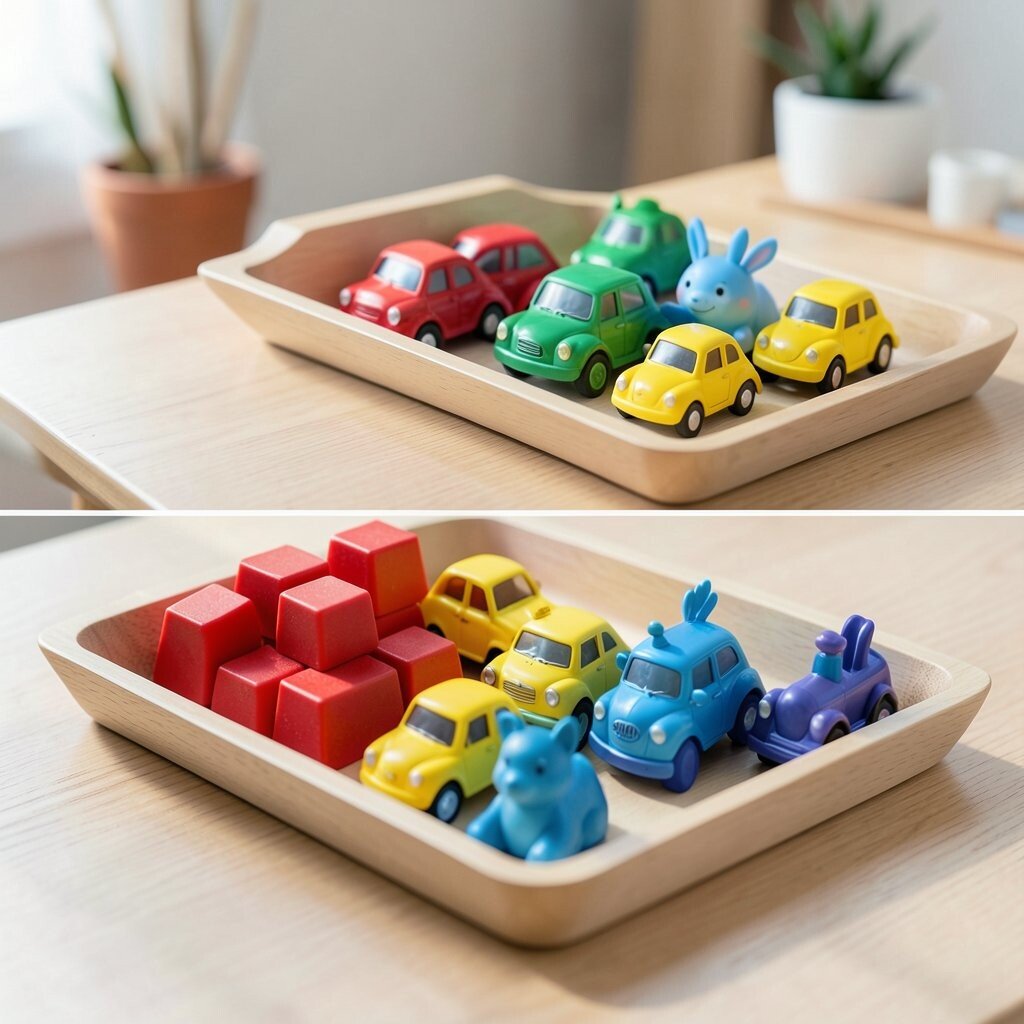
Sort toys by color and bring out one color group at a time. A tray of red blocks, yellow cars, or blue animals can look bold and fun on a table.
This is a simple way to make old toys seem new without buying more. It also helps young kids learn colors while they play, which makes the idea useful and fun at the same time.
5. Age Stage Set
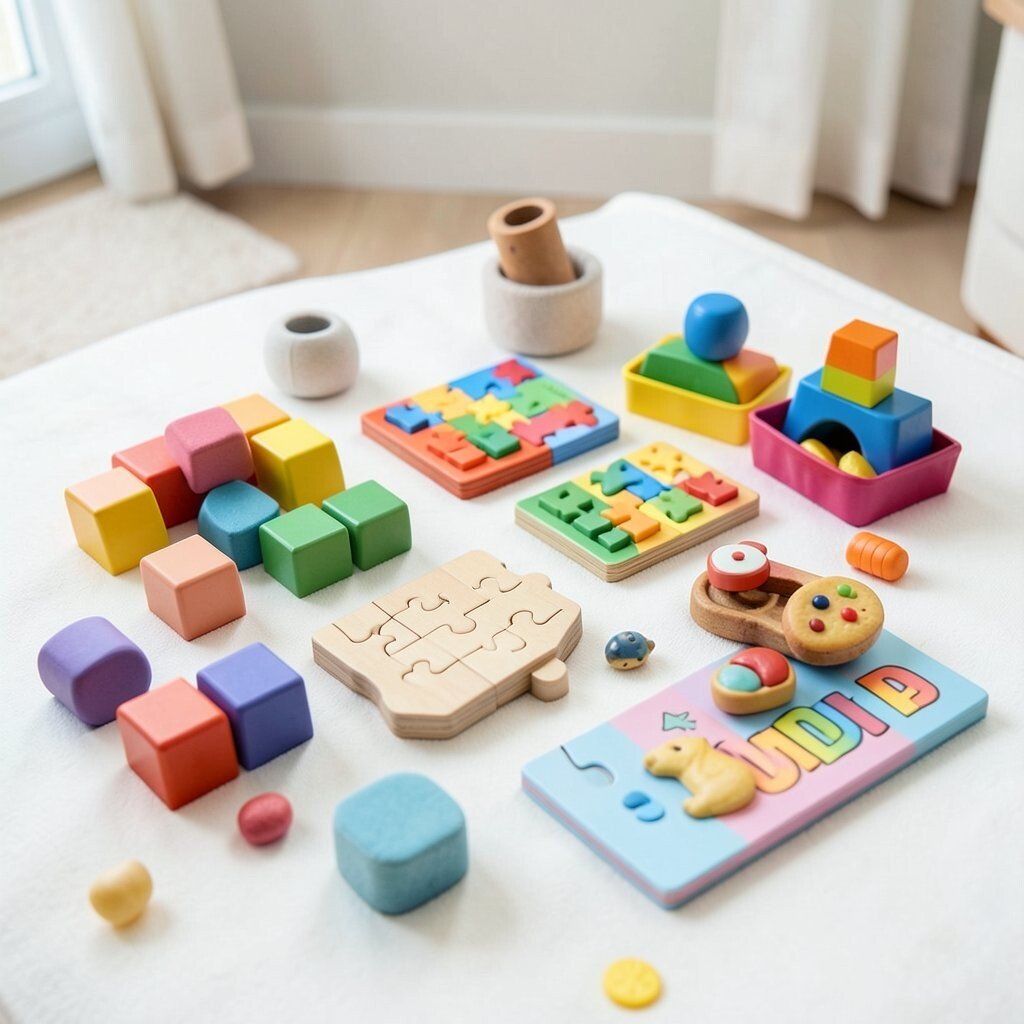
Put out toys that match your child’s current skill level and store the rest for later. A set with soft blocks, large puzzles, or simple pretend food can feel just right for the moment.
This helps kids feel proud because the toys are not too hard or too easy. It also saves money since you can keep toys longer and bring them back when your child is ready.
6. Hidden Toy Basket
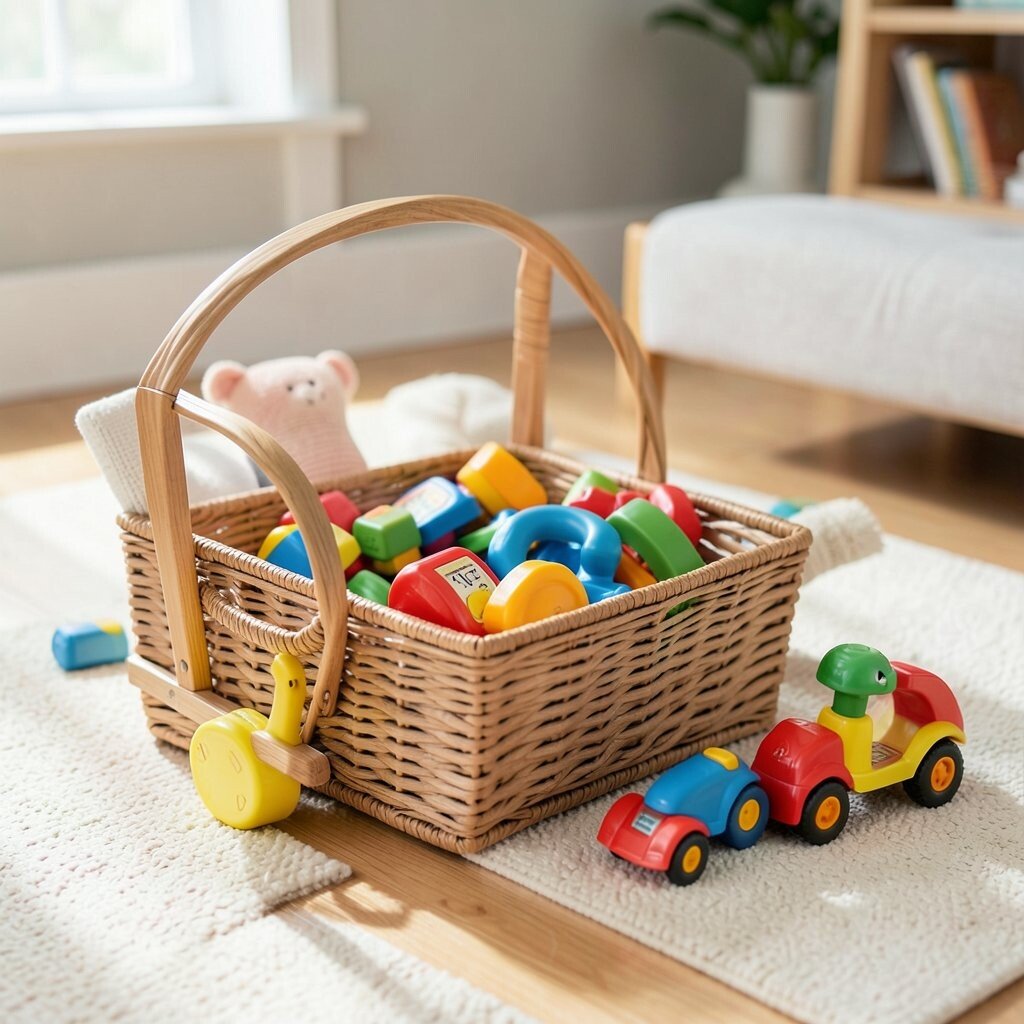
Keep a basket of toys out of sight and switch it with the toys in use. When the hidden basket comes back, the toys feel fresh and new again.
This works well for small homes because it does not need much space. It can also make play calmer, since kids only see a few choices at once and can settle into play more easily.
7. Open Ended Mix
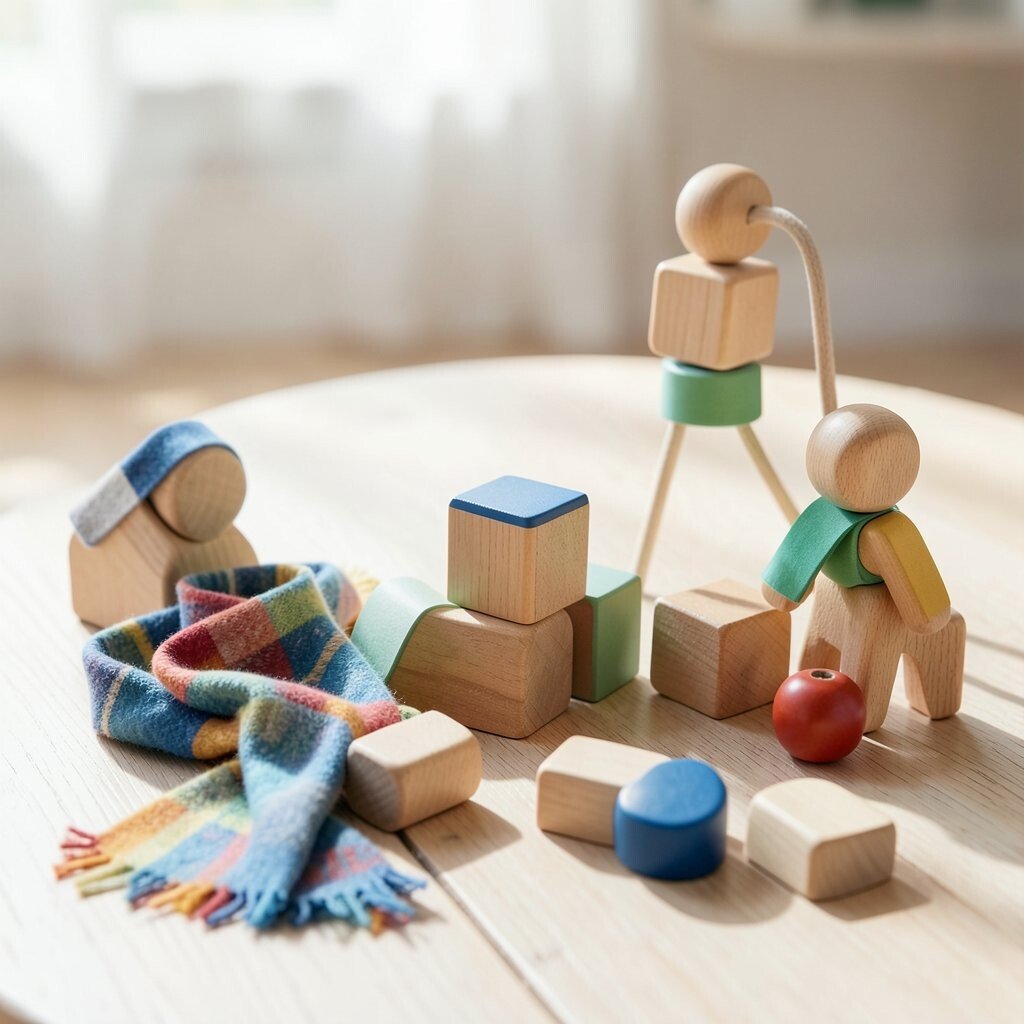
Choose toys that can be used in many ways, like blocks, scarves, figures, and simple shapes. These toys often look plain at first, but kids can make many new games with them.
Open ended toys fit well with current play trends because they leave room for the child’s ideas. They are also a smart buy since one toy can do the work of many different toys.
8. Story Time Pairing
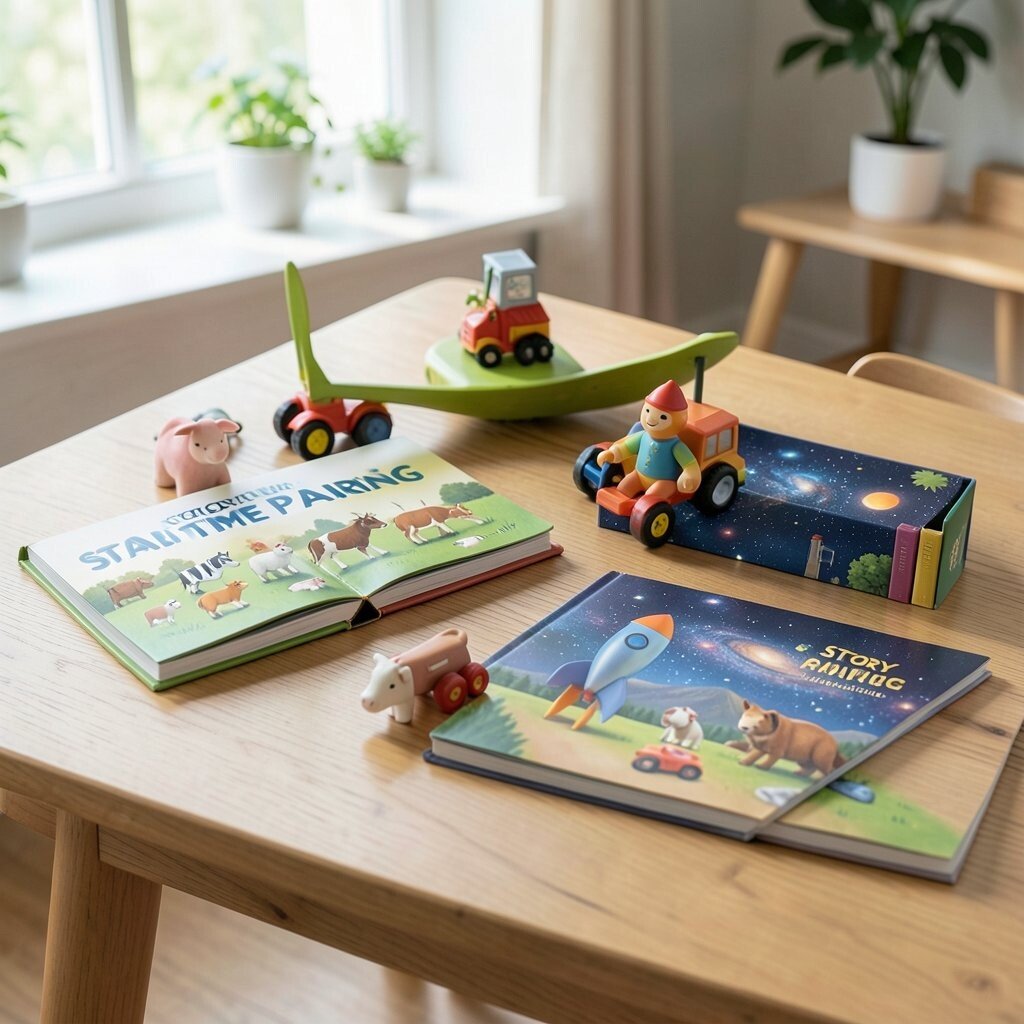
Match a few toys with a book and keep them together in one small set. A farm book with farm animals or a space book with rockets can make the play table feel special.
This can help kids connect reading with play in a natural way. It is also easy to personalize by using books your child already loves, so there is little or no extra cost.
9. Sensory Tray Switch
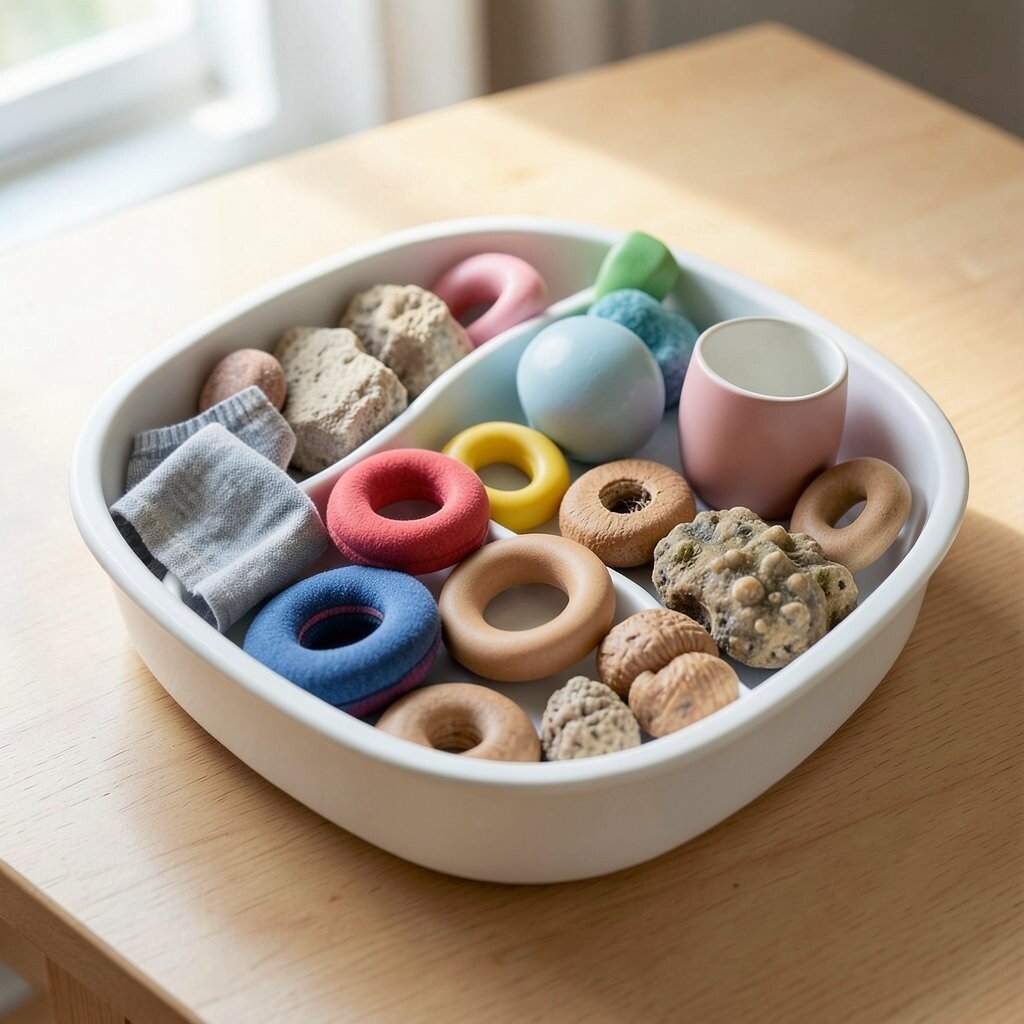
Use a tray or shallow bin for toys with different feels, such as soft, smooth, rough, or bumpy items. The mix can look simple on the table, yet it gives kids a lot to touch and test.
This kind of rotation can help with calm play and fine motor skills. You can change the tray with cheap items from home, like fabric pieces, rings, cups, or safe natural objects.
10. Tiny World Scene
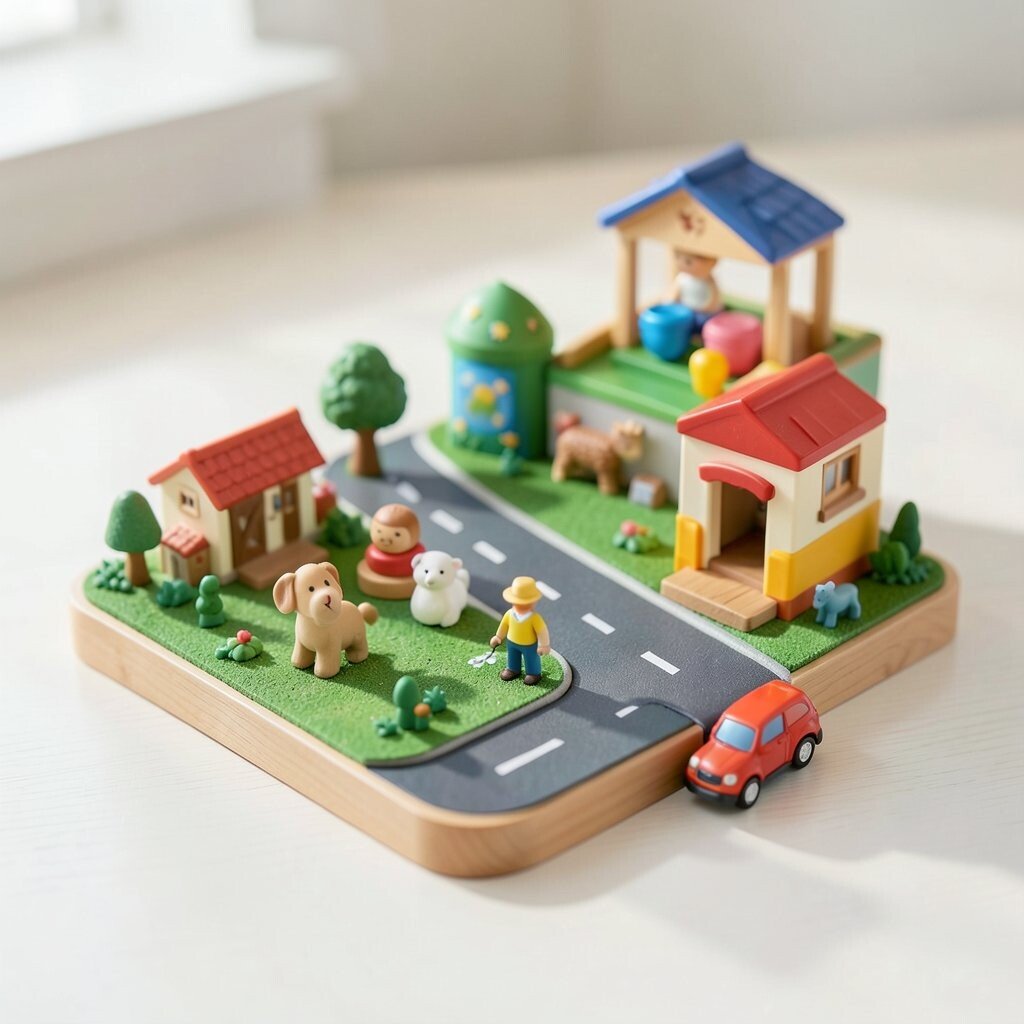
Set up a small scene with a few toys, such as a road, a farm, a zoo, or a doll room. The scene can look neat and detailed without using a lot of space.
Kids often stay with this kind of play because it gives them a clear place to build a story. You can make it personal by adding a toy pet, a family figure, or a favorite small car.
11. Toy Swap With Friends
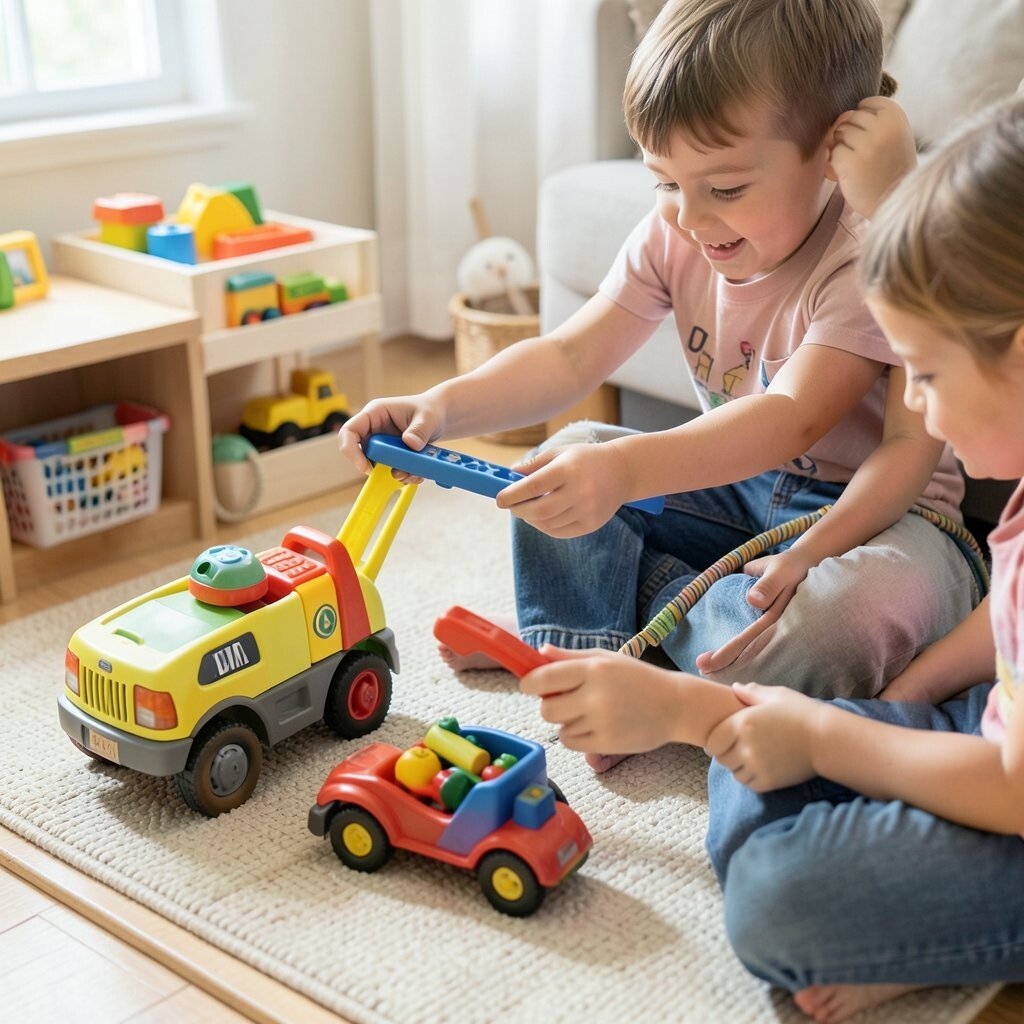
Trade toys with a friend or family member for a short time. The toys feel new because they are not the ones your child sees every day.
This is a low-cost way to freshen play without buying more. It can also help kids learn sharing and care, as long as everyone agrees on what goes out and what comes back.
12. Travel Kit Rotation
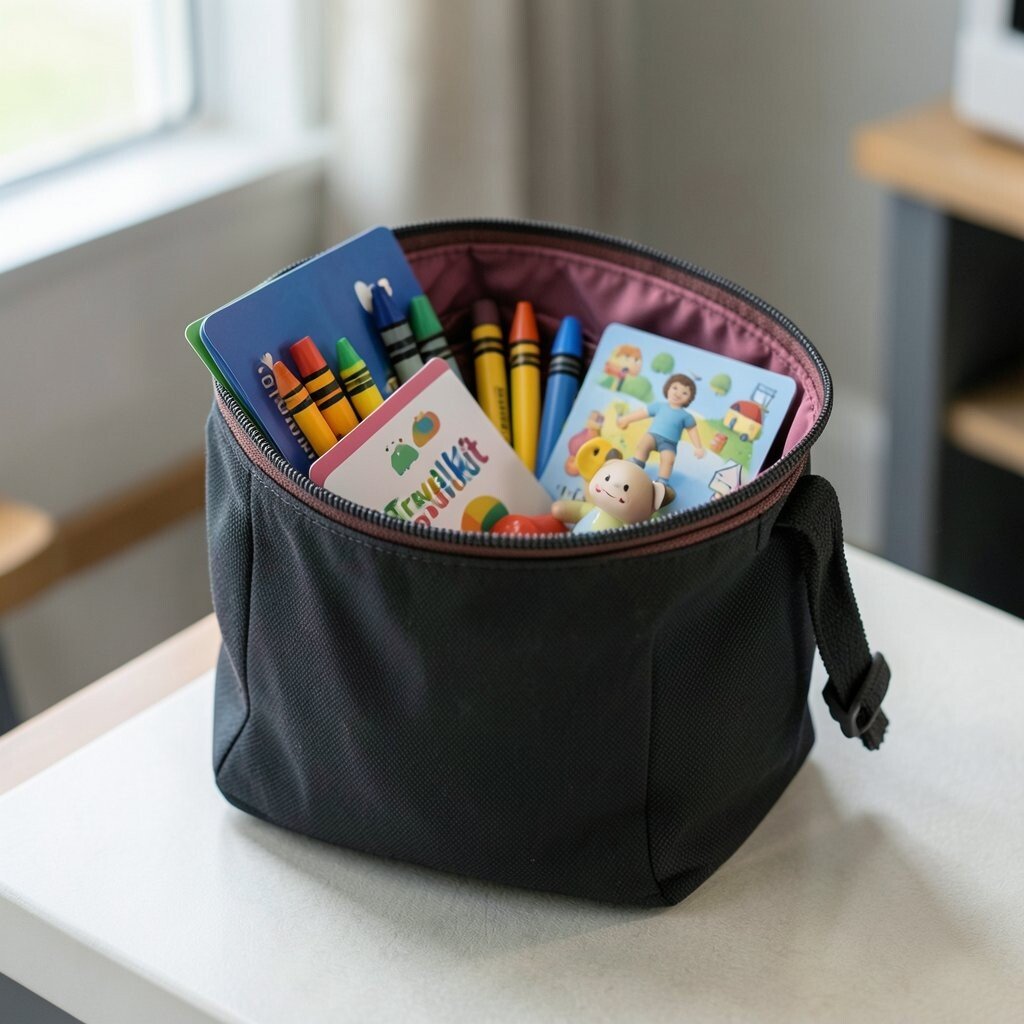
Keep a small set of toys ready in a bag for car rides, visits, or waiting rooms. The bag can hold quiet items like crayons, cards, small figures, or a mini puzzle.
These toys feel special because they are not used all day at home. This idea helps with busy routines and can stop kids from getting bored in places where they need to sit still.
13. Build and Break Set
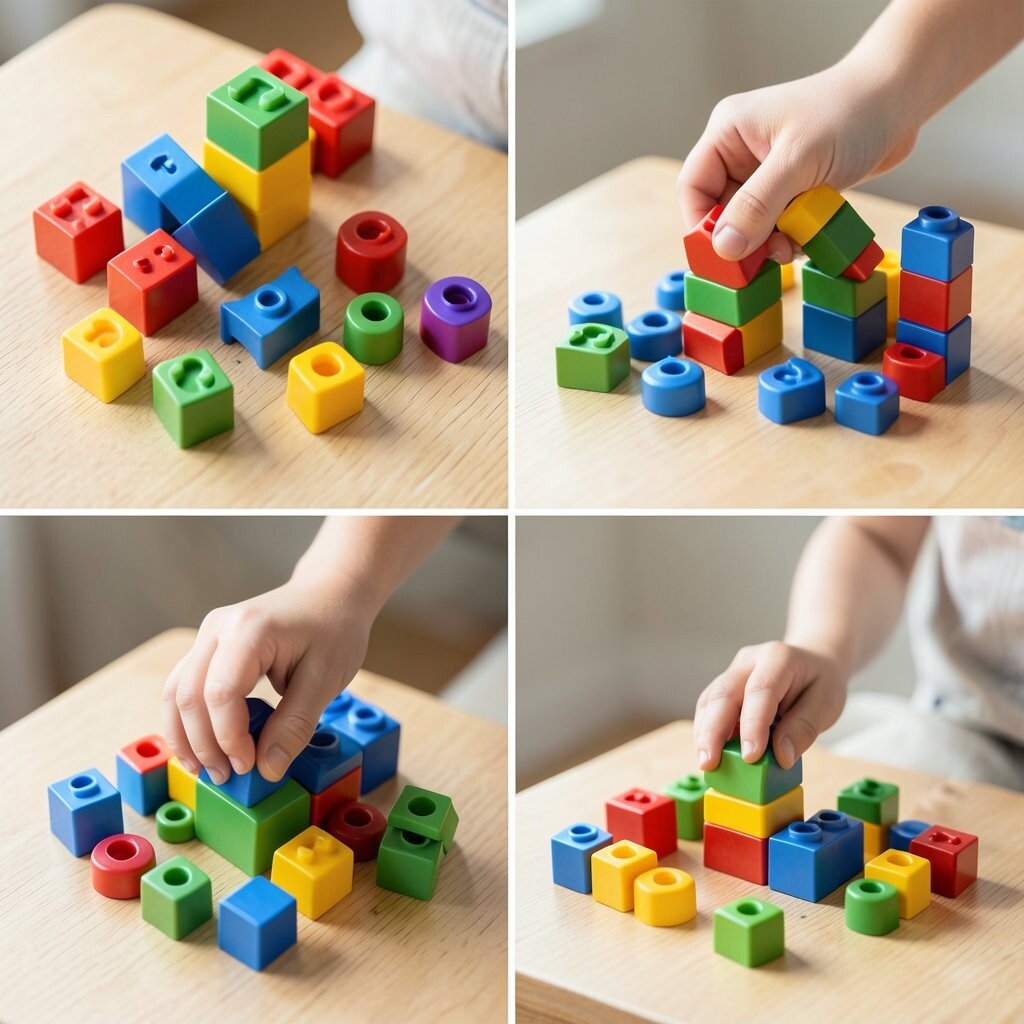
Set out toys that kids can build, take apart, and build again. Blocks, magnetic pieces, and simple snap toys often look plain, but they can keep kids busy for a long time.
This rotation helps with thinking, hand use, and patience. It also fits well with current play trends that focus on open play and hands-on learning instead of loud, screen-like toys.
14. Holiday Box Return
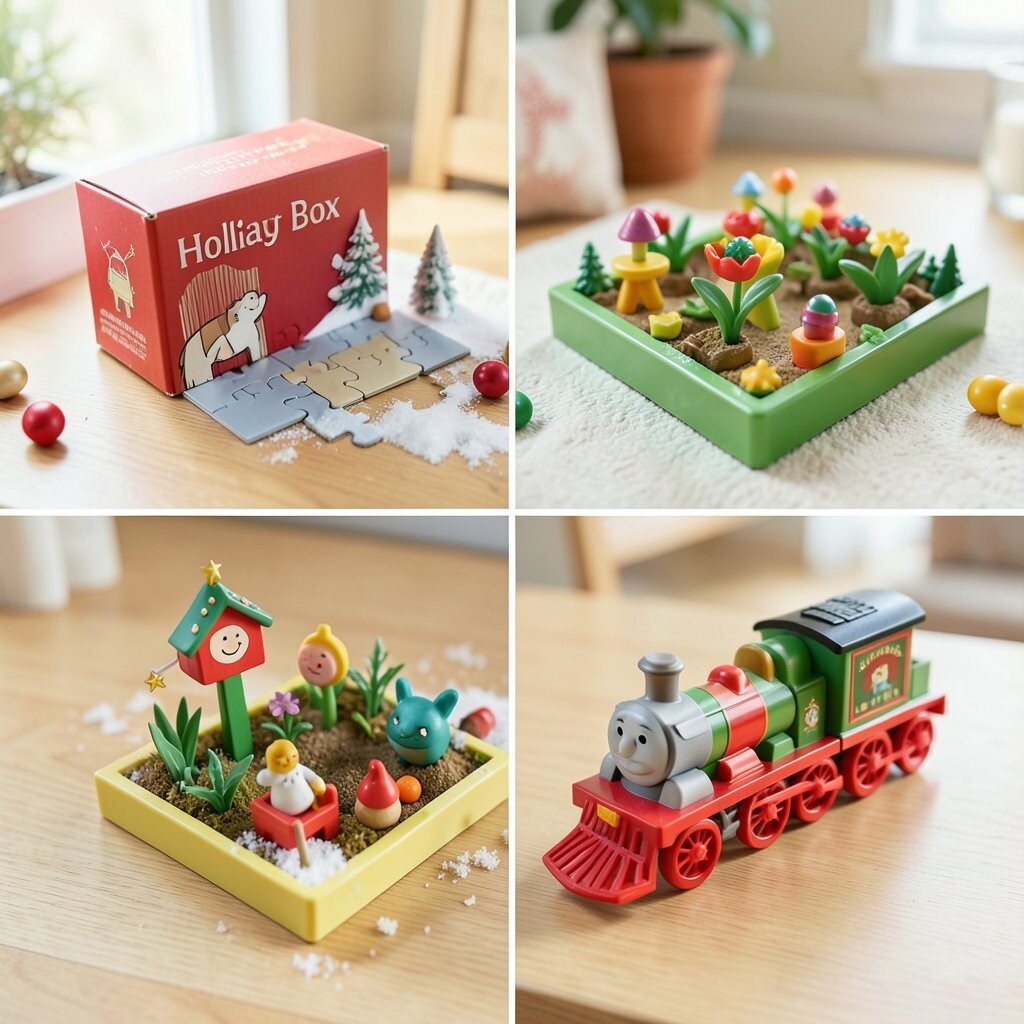
Save a few toys for special times of year and bring them out later. A winter puzzle, a spring garden set, or a holiday train can feel bright and exciting when it comes back.
This idea gives toys a longer life and makes each return feel fresh. It can also help with cost because you do not need new holiday toys every year if you keep good care of the old ones.
15. Child Choice Day
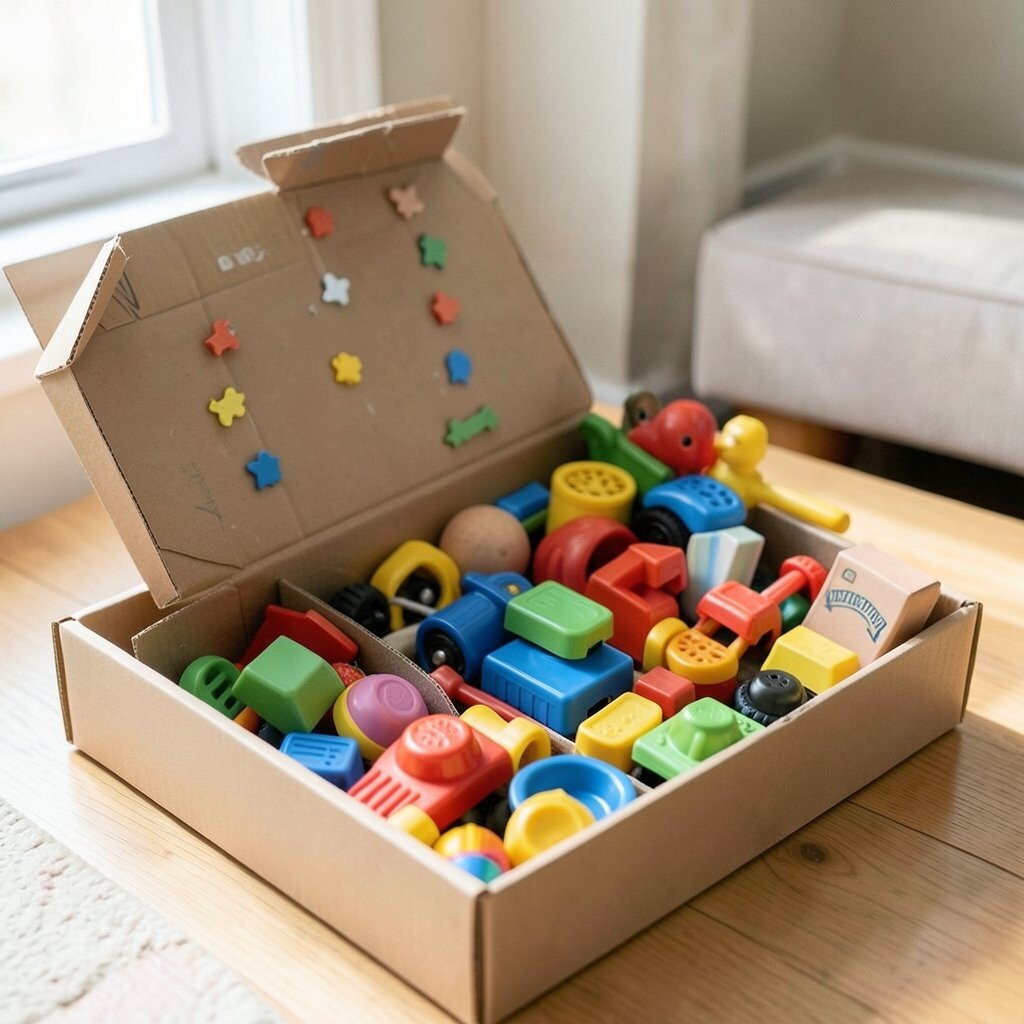
Let your child pick a few toys from the stored set and make their own rotation box. The mix may look random, but it gives them a strong sense of control and pride.
This can help kids stay more interested because they had a hand in the choice. It also gives you a chance to learn what toys they use most, which can help you plan the next swap in a simple way.