There’s a secret trick in home design that can make any space feel larger and more inviting. It’s called negative space, and it involves using the empty areas in a room to highlight the things you love most. When you embrace this concept, your home can become a place of calm and creativity.
1. Floating Shelves

Floating shelves are a fantastic way to use negative space on your walls. They appear to “float” without visible brackets, which makes your items look like they’re suspended in mid-air.
These shelves are great for displaying pretty vases, small plants, or even books. They draw the eye upward, making your room feel taller and airier. Plus, they’re super trendy right now!
Installing floating shelves is easy and budget-friendly. You can pick them up from your local home goods store and personalize them with your favorite decor.
2. Minimalist Art

Minimalist art is all about simplicity. It often features clean lines and lots of open space, which can make your room feel more peaceful.
Choose a piece with a simple design and hang it on a plain wall. This not only enhances the art but also gives your room a chic, sophisticated vibe.
Minimalist art can be affordable, especially if you opt for prints. Try to find something that resonates with your personality for a personal touch.
3. Open Floor Plans

Open floor plans allow different areas of your home to flow into one another, creating a sense of spaciousness. This design removes unnecessary walls, which can make your home feel larger.
Keep furniture minimal to emphasize the open space. Use rugs to define areas like the living room and dining space.
While remodeling can be costly, simply rearranging furniture to open up your space is a budget-friendly alternative.
4. Neutral Color Palettes

Neutral colors like white, beige, and gray can enhance the sense of space in your home. They make rooms feel brighter and more open.
Paint your walls in light shades and choose furniture that complements these colors. Add texture with pillows and throws for a cozy feel.
Using neutral colors is an easy, cost-effective way to refresh your home. You can even paint furniture for a quick update!
5. Monochromatic Themes
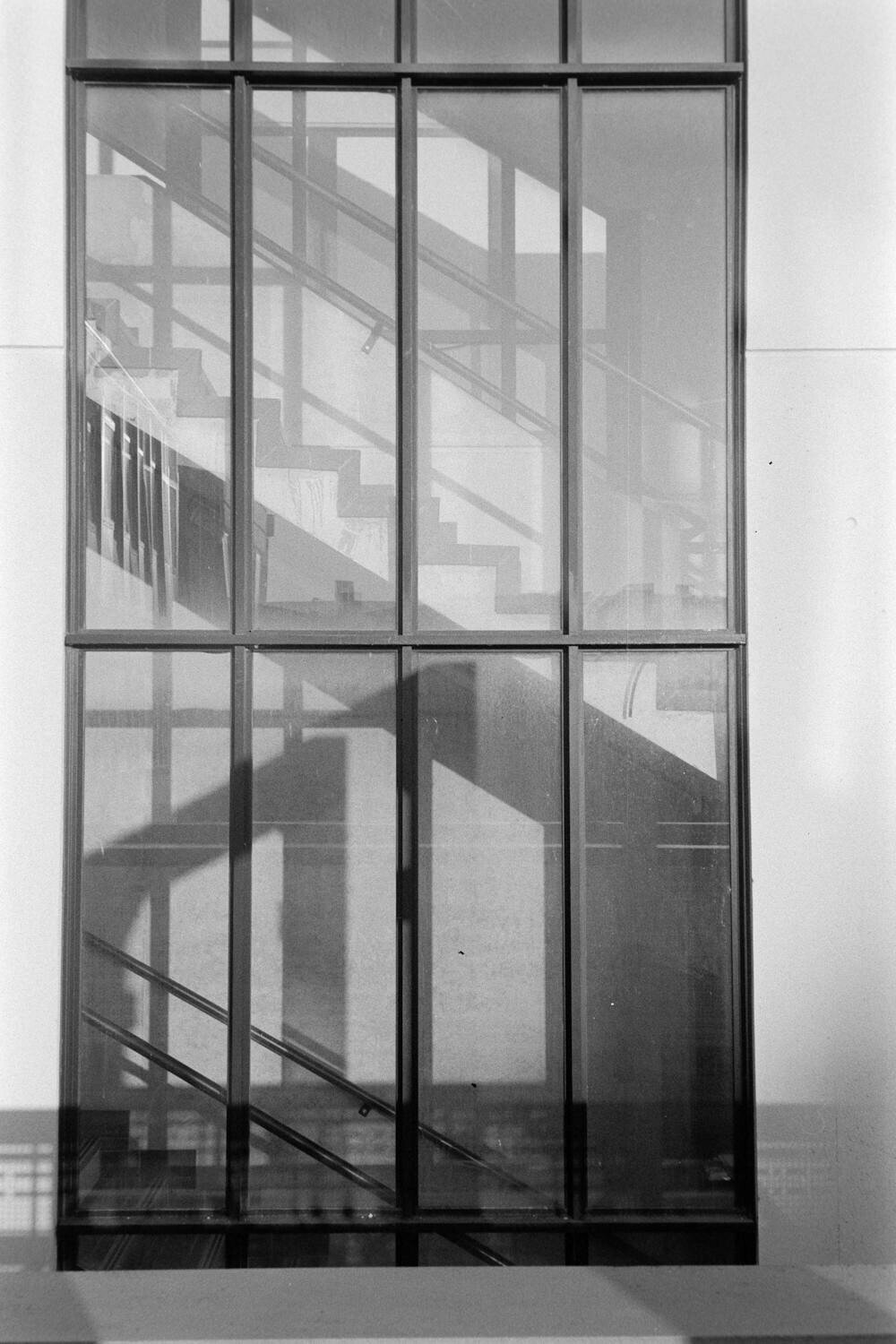
Monochromatic themes involve using different shades of a single color, which can unify a space and make it feel cohesive.
This idea works well in bedrooms and living rooms. Try blue for a calming effect or green for a lively feel.
A monochromatic theme can be achieved without spending much. Use paint samples to test colors before committing.
6. Strategic Lighting

Lighting can dramatically affect how we perceive space. Use it to highlight your favorite areas and create shadows that add depth.
Install dimmable lights to adjust the mood. Floor lamps and pendant lights can be both functional and stylish.
Lighting doesn’t have to be a huge investment. Start with a few key pieces and build from there.
7. Large Mirrors

Mirrors are magical when it comes to creating the illusion of more space. They reflect light and make rooms feel bigger.
Place a large mirror opposite a window to double the natural light. Decorative mirrors can also serve as art pieces.
Mirrors come in all price ranges, so you can find one that fits your budget. They’re an instant way to refresh any room.
8. Built-in Storage

Built-in storage helps keep clutter at bay while utilizing negative space effectively. Shelves integrated into walls use space efficiently and look sleek.
Custom built-ins can be expensive, but DIY options are available. Repurpose furniture or use modular systems for a personal touch.
This approach keeps your home organized and stylish, making it feel more open and inviting.
9. Spacious Entryways
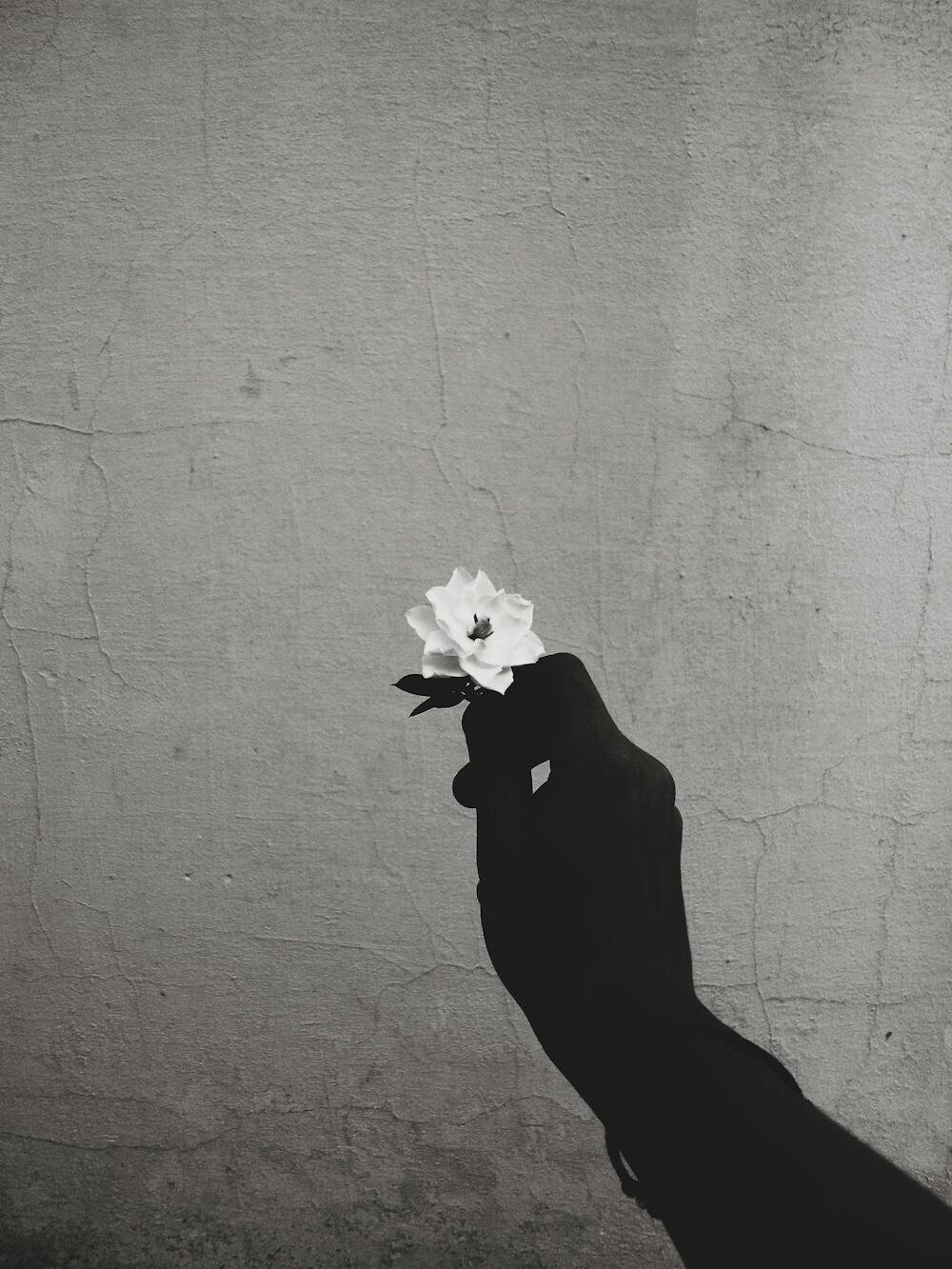
A spacious entryway sets the tone for your entire home. It should be welcoming and free of clutter.
Use hooks for coats and a small bench for shoes. Keeping this area tidy will make your home feel more open from the moment you walk in.
Updating your entryway is a small change with a big impact. It’s easy to do without breaking the bank.
10. Indoor Plants

Indoor plants bring life into your home and can be used to fill negative space creatively. They add color and texture without overwhelming your decor.
Choose a few large plants for corners or smaller plants for shelves. They have a calming effect and improve air quality.
Plants are a cost-effective way to enhance your space. Visit a local nursery to find the perfect greenery for your home.
11. Area Rugs

Area rugs can define spaces in an open floor plan. They add warmth and personality without cluttering the room.
Choose a rug with a pattern that complements your decor. It will add interest and anchor your furniture.
Rugs come in various price ranges, so you can find one that fits your style and budget. They’re an easy update for any room.
12. Simple Window Treatments

Window treatments can make or break a room’s ambiance. Choose simple curtains or blinds to enhance negative space.
Sheer curtains allow light to filter in, making your space feel larger. Opt for neutral colors to keep the look clean and open.
Updating window treatments is a simple, cost-effective way to refresh your space. It’s a small change with a big impact.
13. Minimalist Furniture

Minimalist furniture focuses on function and form. It tends to be sleek, with clean lines that don’t overpower a room.
Choose pieces that serve multiple purposes, like a coffee table with storage. This keeps your space organized and open.
Investing in minimalist furniture can be a bit pricier, but the payoff is a timeless look that maximizes your space.