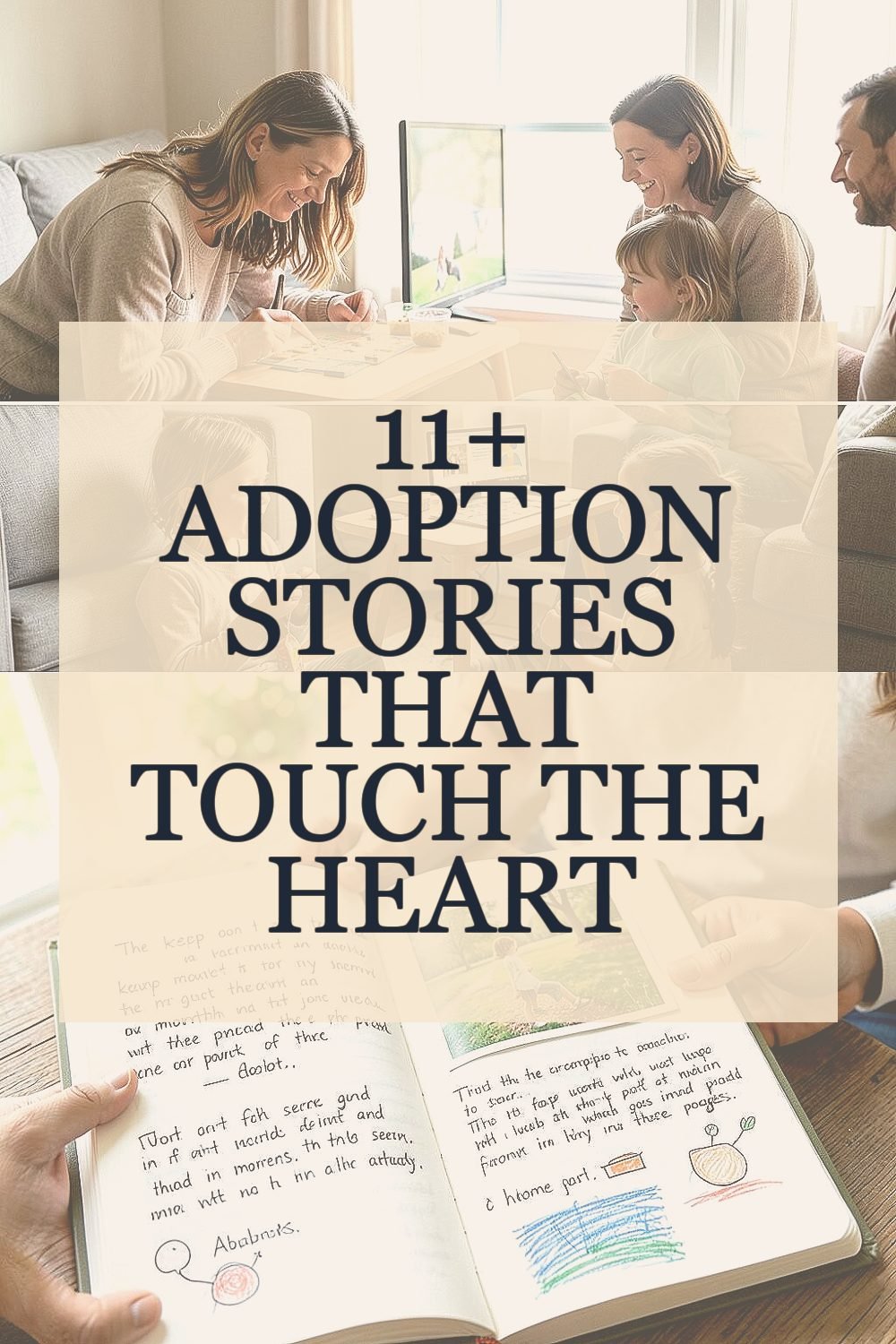
Adoption can change lives in ways that feel steady and real. These stories show what good support can look like for kids and grown-ups.
1. A Quiet Weekend Swap
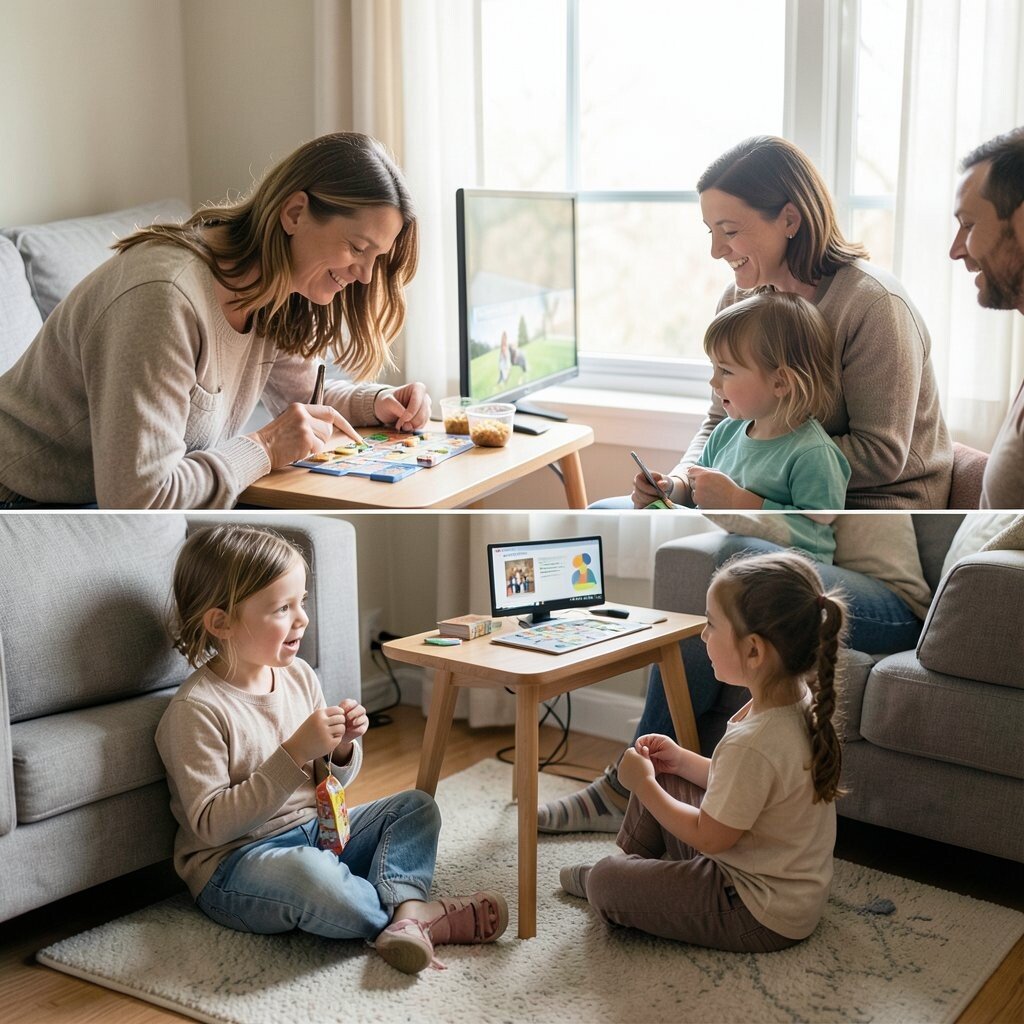
One family started with short visits. They shared snacks, watched a simple show, and played board games on a small table by the window. The child slowly started to talk about school and small worries.
Over time, the home felt less loud and more safe. The adults kept the same bedtime routine and used calm voices even when days went off track. A big benefit was how fast the child learned that their new schedule would stay steady.
What made it special was the focus on small moments. They did not rush big talks. Tip: plan the same simple day each visit so the child can guess what comes next.
2. The Foster Parent Who Kept a Scrapbook
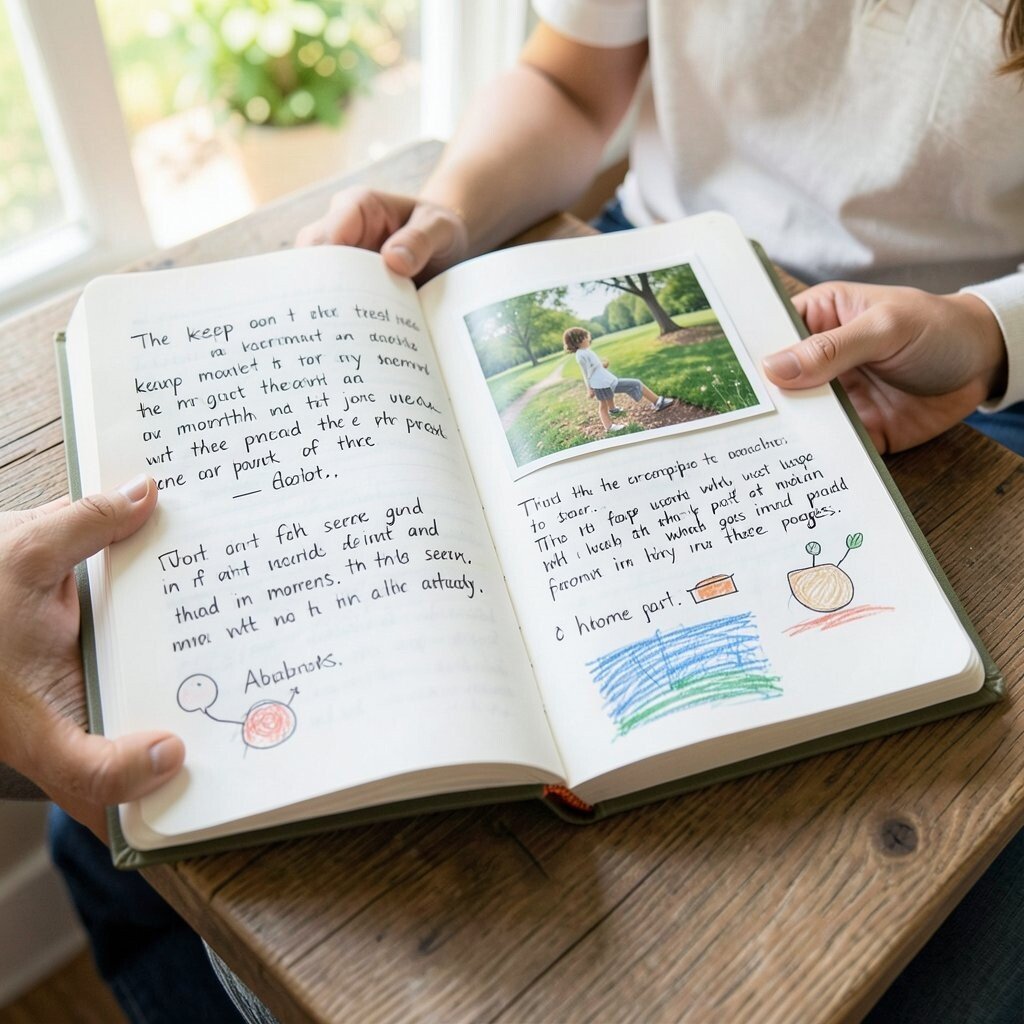
A foster parent saved small things from each day. They kept a note from the teacher, a photo of the park, and a drawing made with thick crayons. The items were kept in a plain book with clear pages.
When the adoption became final, the child got the scrapbook at home. The book showed growth from month to month, not just “before and after.” This helped the child feel seen and helped the parents explain the past in a gentle way.
It was unique because the family used what was already at hand. No fancy tools were needed. Tip: let the child help pick what goes into the pages.
3. Siblings Who Stayed Together
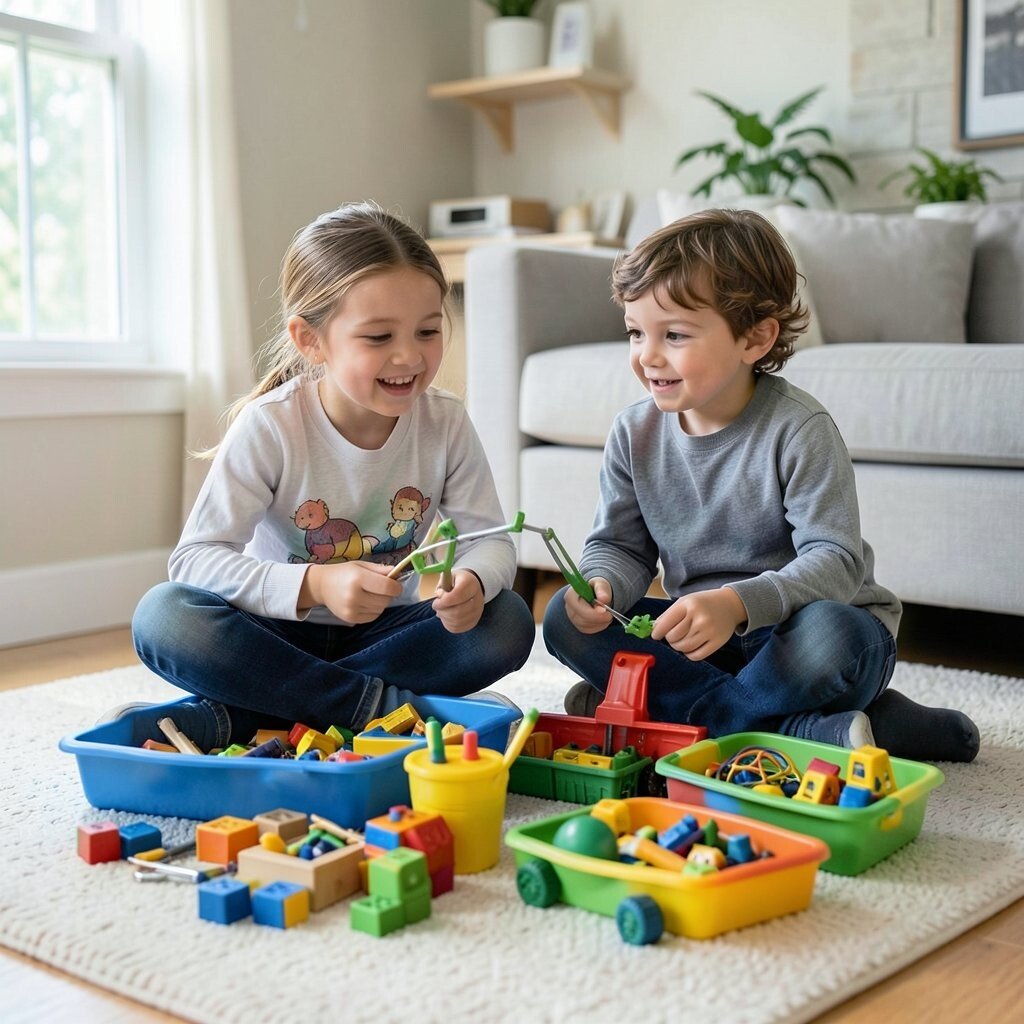
Two kids had a strong bond, and their case plans worked toward keeping them together. The home made room for both personalities, even when they did not match. One liked crafts, and the other liked sports.
The parents set up separate bins for each kid’s things. They also made a shared space for team play and family games. A key benefit was trust, since the kids did not have to face a new life alone.
This story stood out because the family planned for daily needs from the start. They also asked for help when school issues got hard. Tip: keep school notes in one folder so you can respond fast.
4. A Teen Who Wanted More Control
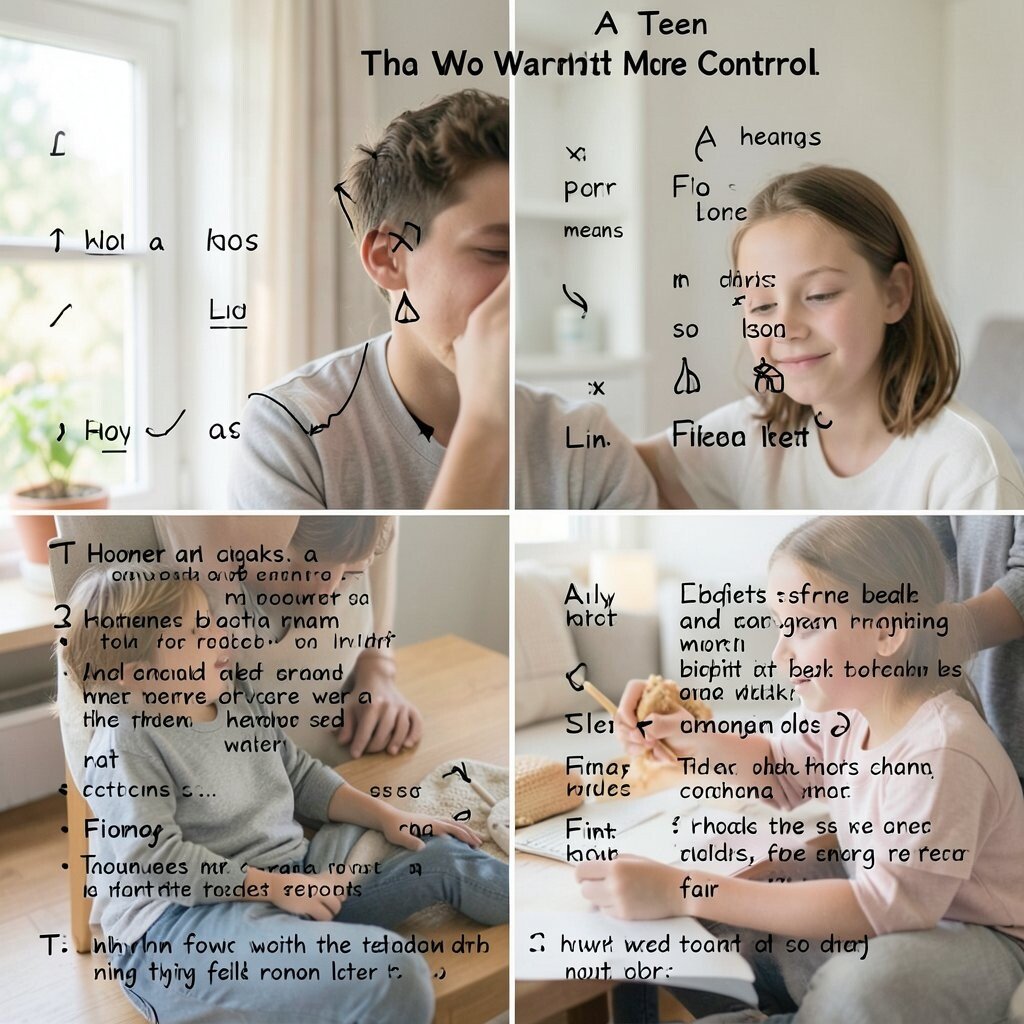
A teen did not want big surprise plans. The teen asked for choices in small parts of daily life like meals, chores, and weekend rides. The parents listened and made a simple list of options.
As the teen gained say in routine, fights became less common. The home felt more calm because rules were clear and fair. The benefit was better behavior without harsh talks, since the teen felt respected.
Uniqueness came from letting the teen lead. The parents asked for feedback and changed what did not work. Tip: write down decisions with the teen so nothing feels random later.
5. The Language and Food Connection
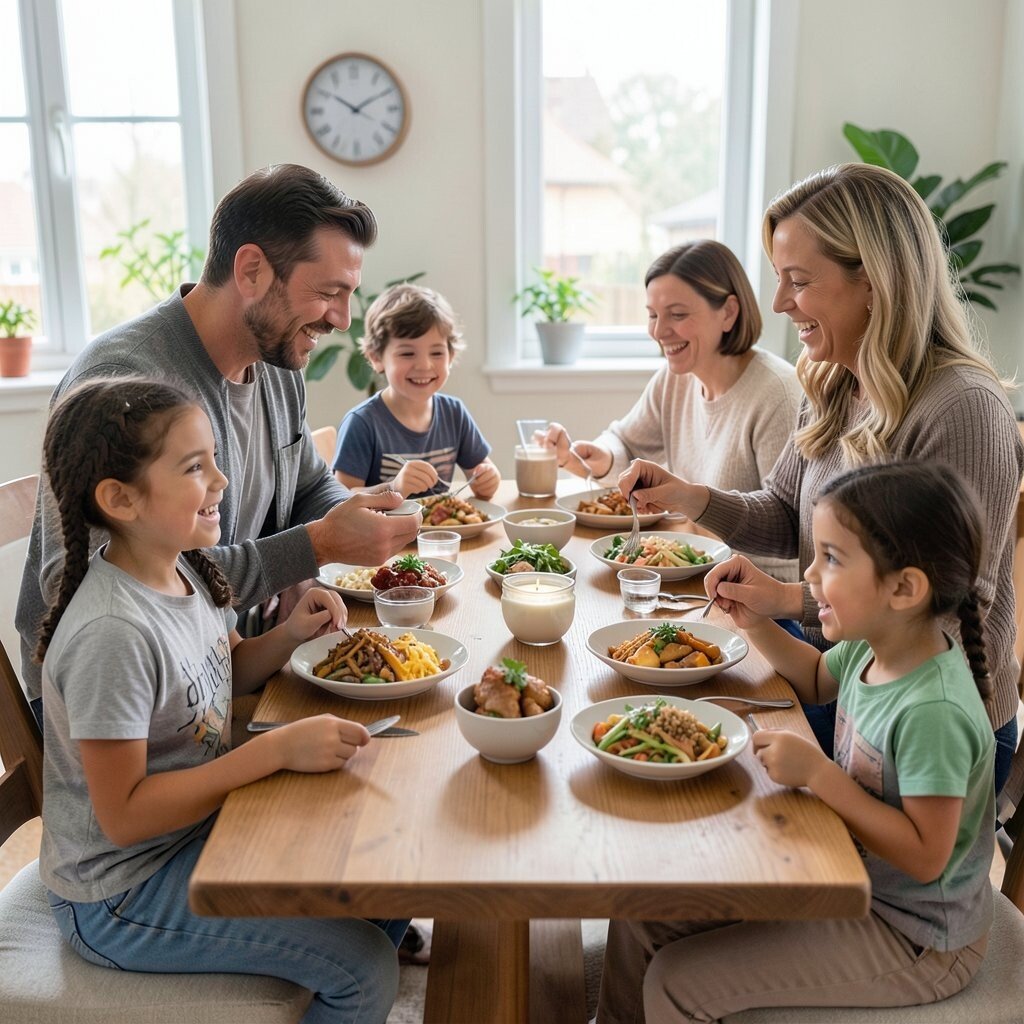
A child joined a family with a different home language. The parents learned common phrases and used them daily, even if the child already knew more. They also matched food tastes with gentle changes.
Family dinners became a shared time, not a test. They kept some dishes the child loved and tried new ones in small steps. The child smiled more and seemed more relaxed at the table.
This adoption felt unique because food made learning feel normal. It also helped build comfort fast. Tip: keep a “favorite meal” list and add one new dish each month.
6. A Parent Who Used a Simple Calm Plan
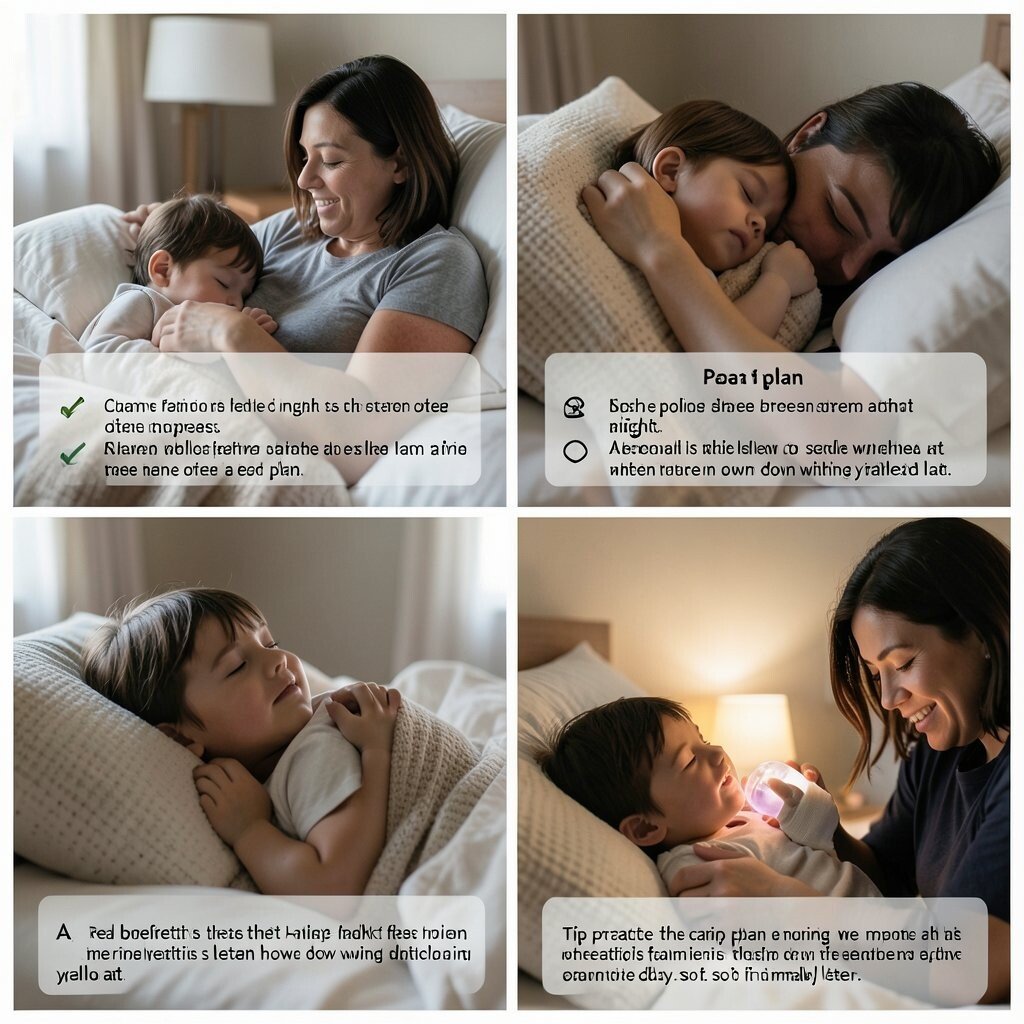
After the adoption started, one child had strong feelings at night. The parents used a calm plan with clear steps and the same order each time. They dimmed lights, used soft talk, and offered a small comfort item.
Over weeks, the child’s sleep improved. The parents noticed fewer late-night fights and less fear when changes happened. A real benefit was that the child learned how to settle down without being yelled at.
What made this story different was the focus on repeat routines. No long talks were needed in the moment. Tip: practice the calm plan during the day so it feels familiar later.
7. A Home With Craft Days and Messy Fun
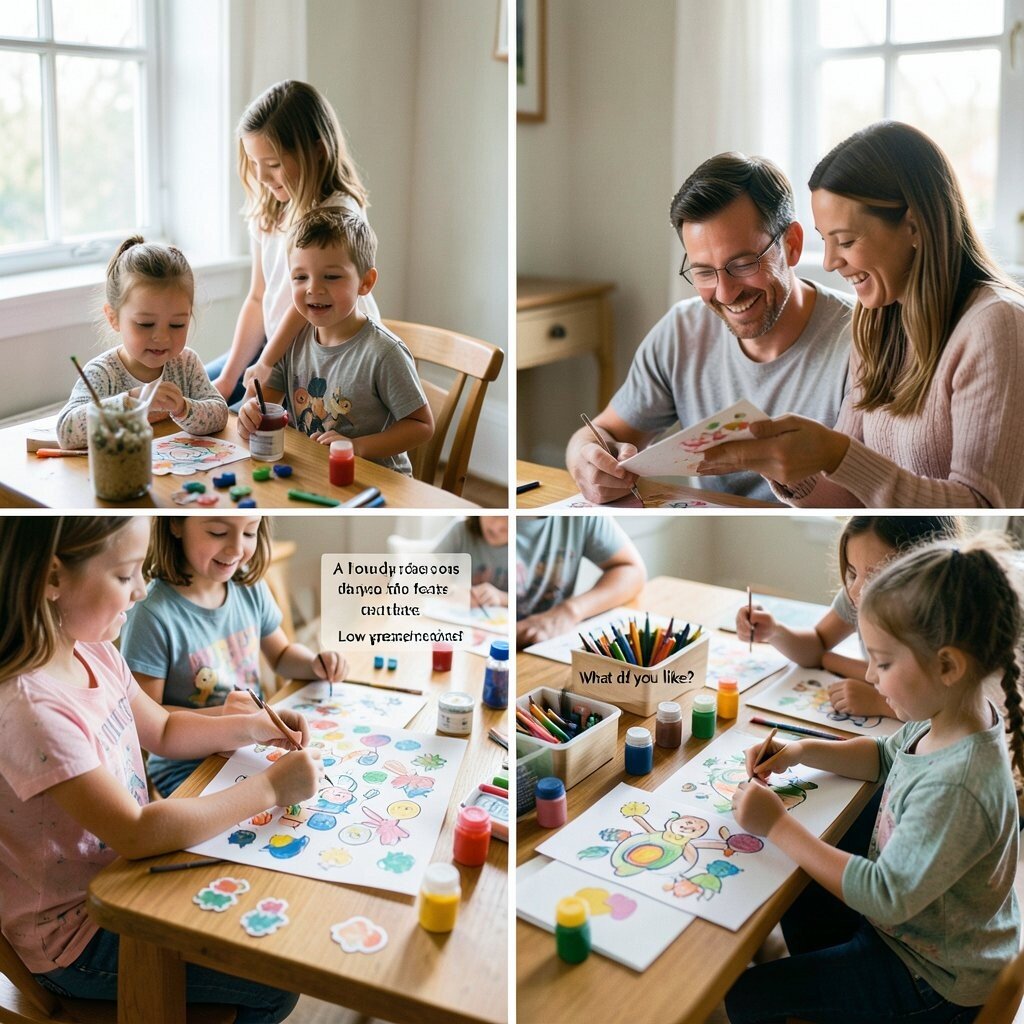
One family saw that the child shut down when days felt too quiet. They added craft days with low-pressure steps like sticker art and safe paints. The table had paper covers so cleanup felt simple.
As the child made more art, they started to share stories too. The parents asked “What did you like?” instead of deep questions. This helped the child talk without pressure and made bonding feel easy.
The uniqueness came from using safe mess to build trust. It was also cost-friendly because many supplies came from basic stores. Tip: set a short time limit so the child does not feel stuck all afternoon.
8. A Small Town That Offered Real Support
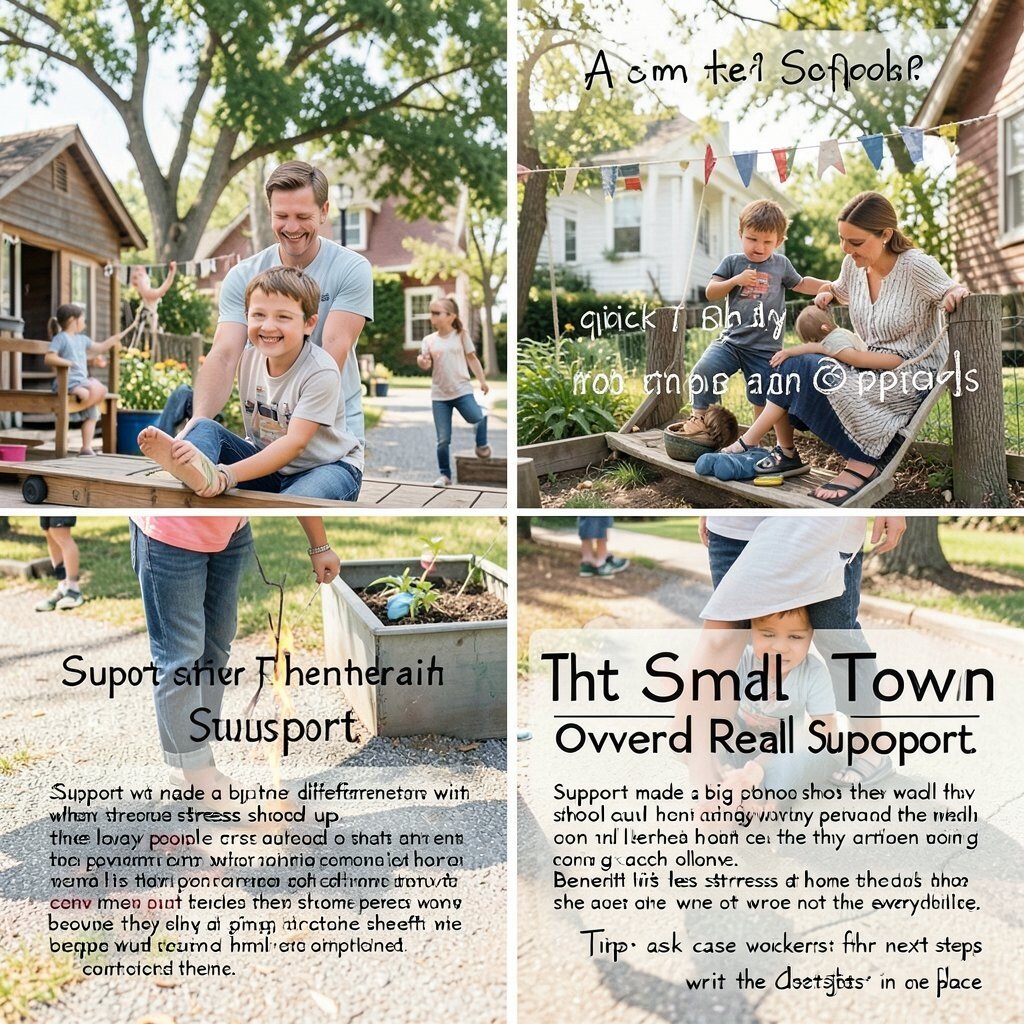
In a small town, one family used local help to ease the start. They found a community group with quiet play spaces and shared rides. The child met other kids and saw familiar faces each week.
Support made a big difference when school stress showed up. The parents had people they could call, and they learned what to do when paperwork got confusing. A benefit was less stress at home because they were not doing everything alone.
This story stood out because the family used what was already near them. They checked flyers, asked for lists, and kept a simple contact sheet. Tip: ask case workers for the next steps and write the dates in one place.
9. The Adoptive Home With Clear Budget Rules
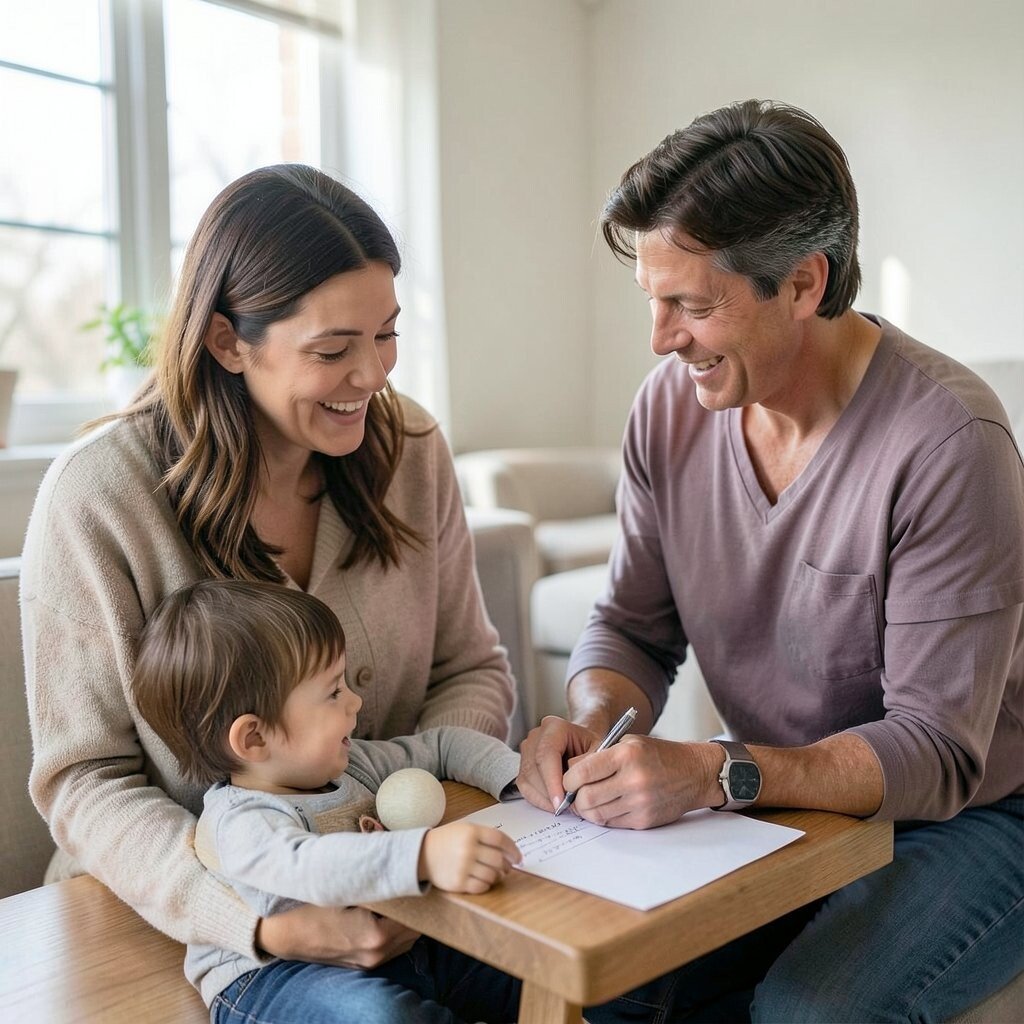
One couple wanted to plan smart from the start. They set a budget for school costs, basic needs, and small fun things. They also tracked spending each week with a simple paper note.
Clear budget rules helped them avoid fast money stress. They used community deals for clothes and chose used items that were in good shape. The child got what they needed, and the parents had fewer arguments.
This adoption story is unique because “cost” was treated as a care plan. It did not take fancy apps or tools. Tip: plan for school supplies early so you can buy during sales.
10. A Family That Used Photos for Daily Structure
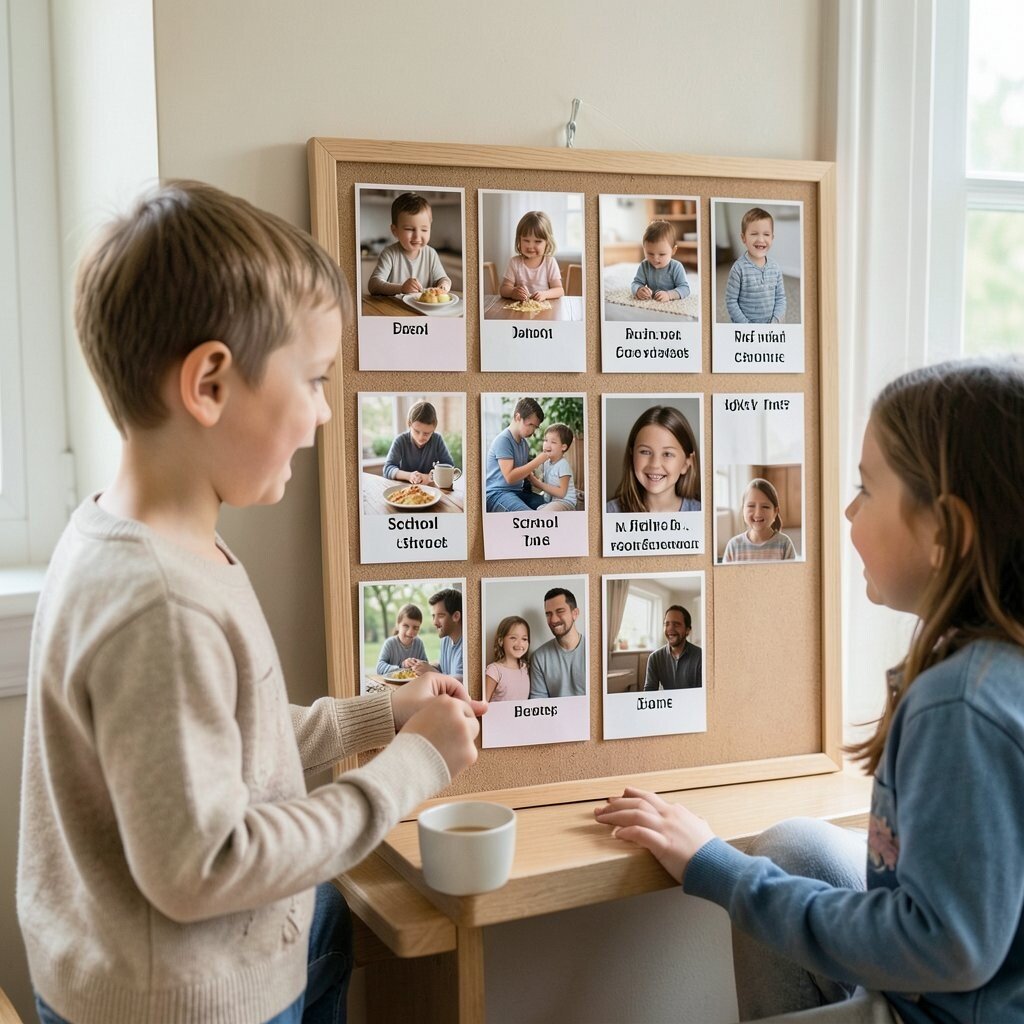
A child did better when they could see what came next. The family made a photo board with daily steps like breakfast, school bag, and quiet time. Each photo was simple and taken in the home.
When the day changed, the child could check the board instead of guessing. The benefit was fewer melt-downs during transitions. It also helped the parents keep the same steps even on busy days.
Uniqueness came from using plain pictures instead of strict rules. The family could update the board as needs changed. Tip: use photos of your own space so the steps feel real.
11. Post-Adoption Care With Therapy and Team Work
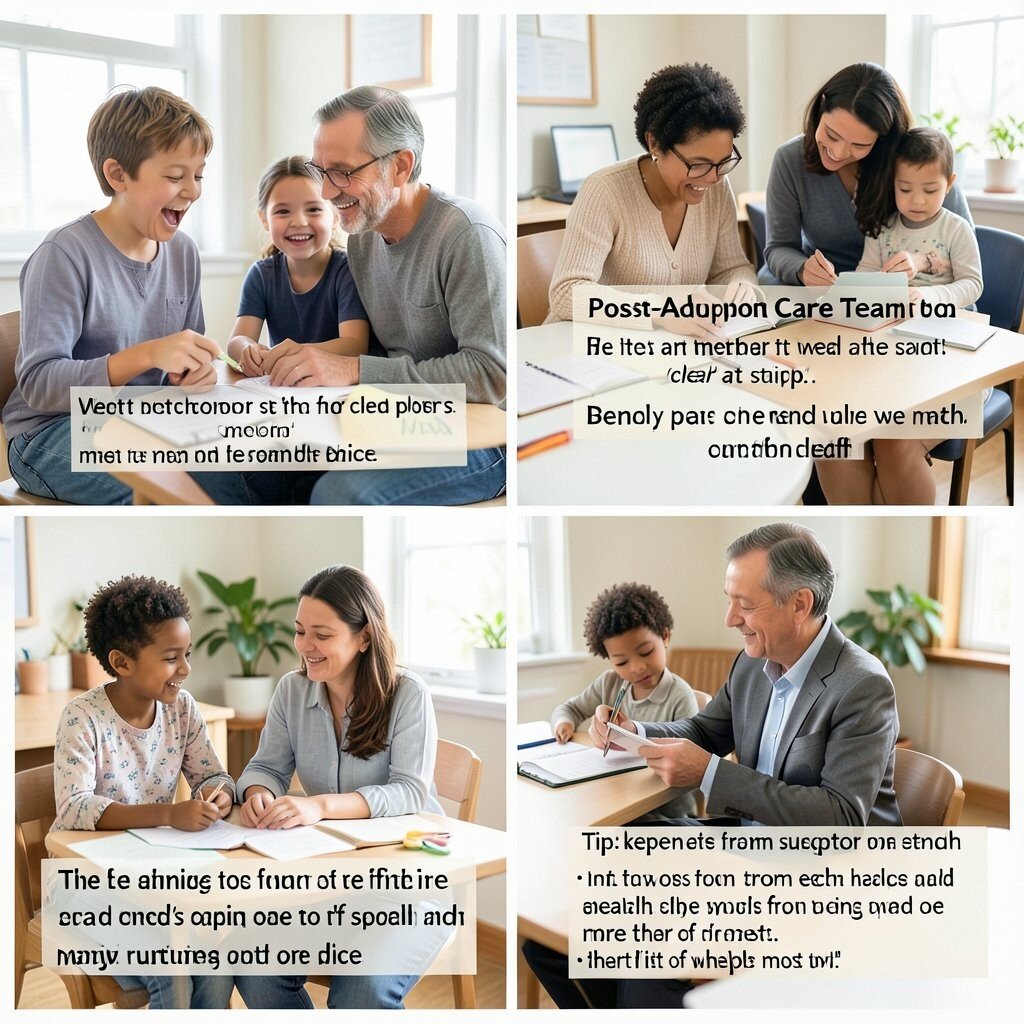
After adoption was final, one family kept getting help. They used a therapist and also met with the school counselor. They shared goals and asked for clear plans for the classroom.
This team effort helped with learning and mood shifts. The child had a safe space to talk and a clear routine at school. A benefit was that the child’s needs were met in more than one place.
The trend here is steady support, not “only at the start.” Many families now plan ongoing care like it is part of health. Tip: keep notes from each meeting and make one short list of what helps most.
12. A Family That Asked the Child What They Wanted
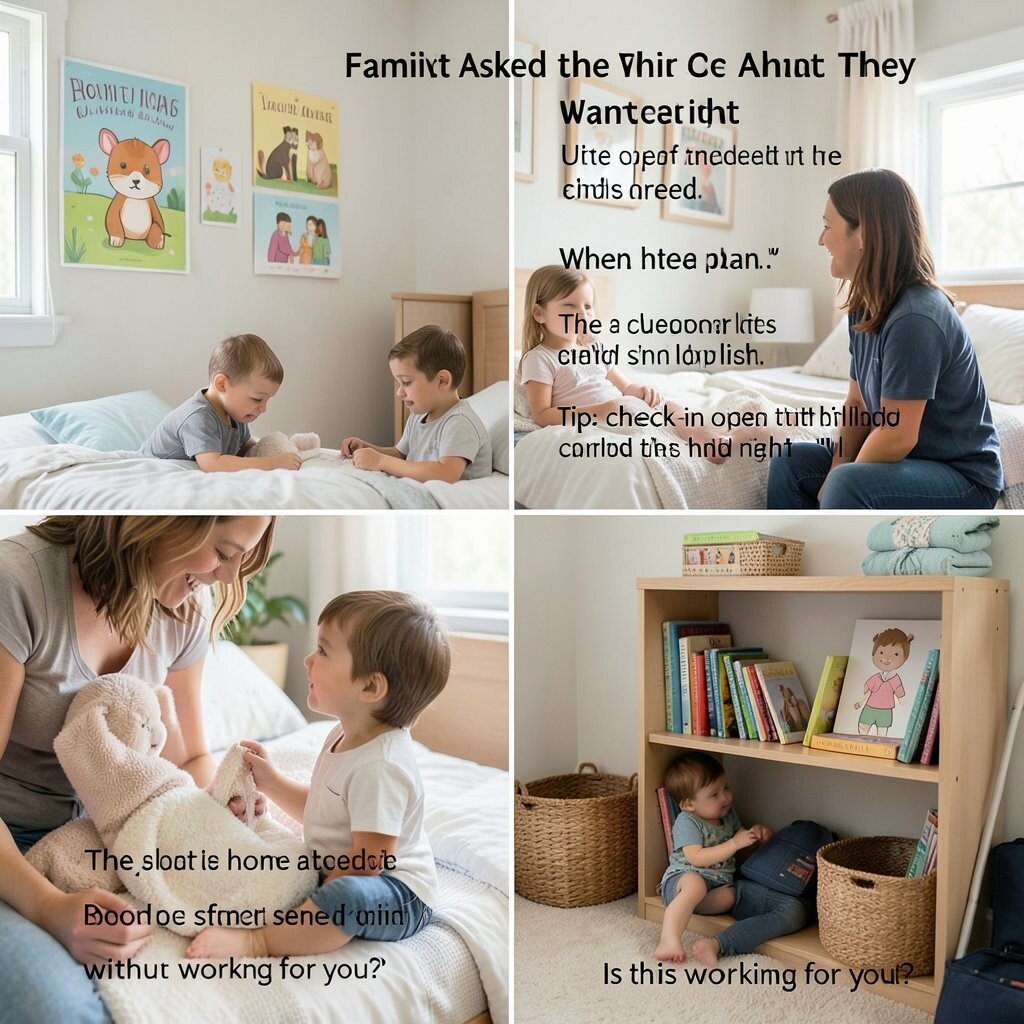
One family made room for the child’s voice. They asked about a room setup, a bedtime plan, and what comfort items felt right. The child chose colors, posters, and a small shelf for favorite books.
When the home matched the child’s choices, behavior improved. The parents kept boundaries but also included the child in the “how.” The benefit was a stronger sense of belonging without surprise changes.
This story was unique because it used personalization as a daily habit. The family also kept a “change list” so updates happened when needed. Tip: check in often with kind questions like “Is this working for you?”