
Good nutrition for adults starts with choices that fit real life. Small daily habits help you feel better and support your body over time.
1. Build your plate with simple food groups
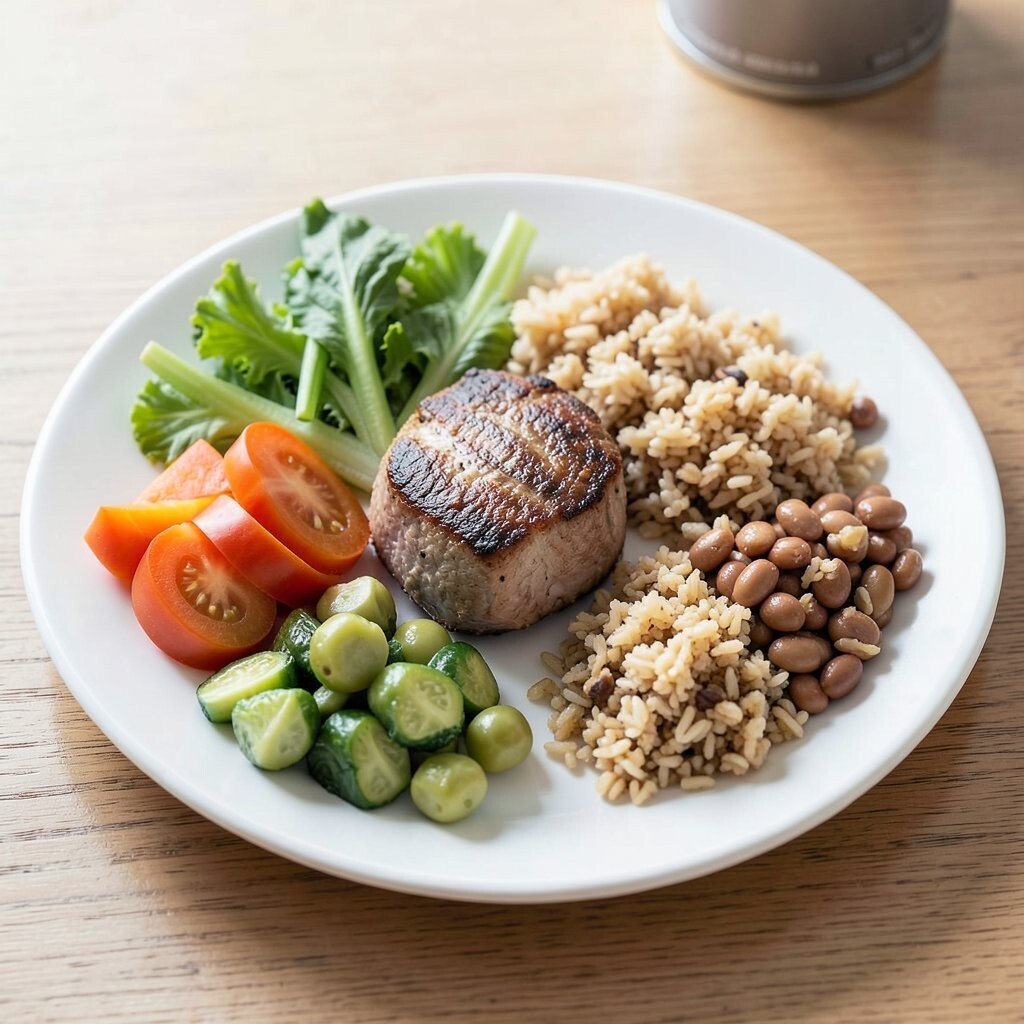
Try to add foods from different groups to each meal. You can picture a plate with vegetables on one side, a protein in the middle, and whole grains or starchy foods on the other. This makes it easier to cover key nutrients without big effort.
When your plate has more variety, it is easier to get fiber, vitamins, and minerals. It can also help you stay full longer, so you snack less. Keep it basic and choose foods you already like.
If you want a quick start, use frozen or canned options when fresh is not easy. A bag of frozen vegetables and a can of beans can make dinner fast. This is a clear way to cut cost and still eat well.
2. Choose protein you can stick with

Protein helps your body build and repair tissues, and it also helps with satiety. Pick proteins you enjoy, like eggs, chicken, fish, tofu, beans, and plain yogurt. You can swap types based on taste and budget.
For a simple check, aim to include protein at breakfast, lunch, and dinner. A quick example is Greek yogurt plus nuts, or beans and rice, or eggs with whole grain toast. These choices can help you avoid long gaps in eating.
Try to vary your protein sources each week. That helps with taste and also gives you different nutrients. It is a good way to make your plan feel less strict.
3. Add more fiber for better digestion
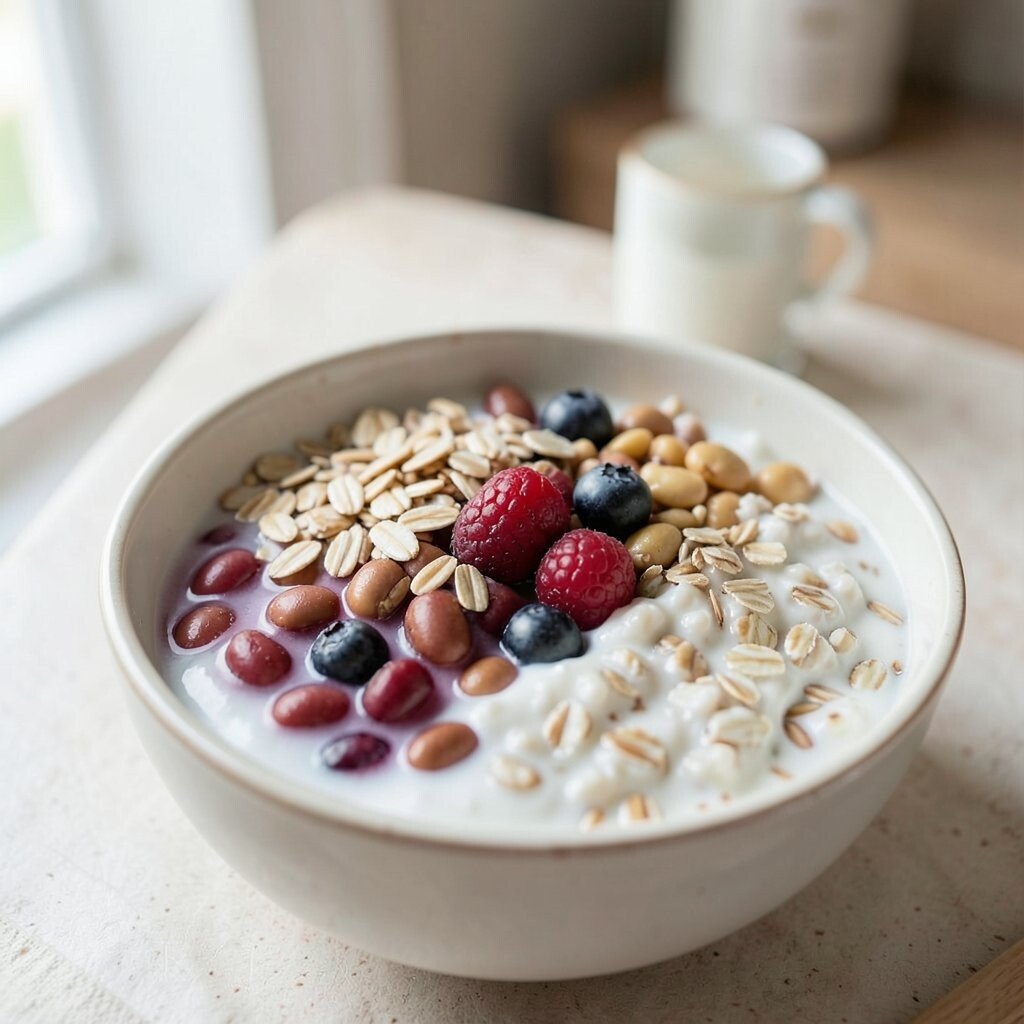
Fiber supports gut health and helps with regular bowel movements. You can add fiber by using beans, lentils, oats, berries, and vegetables. Whole grains are also a strong choice for everyday meals.
Make changes slowly so your stomach can adjust. If you add a lot of fiber at once, you may feel gas or bloating. Start with one or two fiber foods per day and build from there.
Visualize fiber like a tool for your routine, not a special task. For example, berries on yogurt, beans in soup, or oatmeal at breakfast can fit into your day. These choices often cost less than many processed snacks.
4. Watch added sugar in drinks and snacks

Many people get extra sugar from soda, sweet tea, juice, and flavored drinks. Even “healthy” snacks can have added sugar, so check the label when you can. This helps you avoid sugar that does not help your body much.
If you want sweetness, try fruit first. You can also mix fruit with yogurt or add cinnamon to oatmeal. These steps can keep meals tasty without making sugar the main part.
Cost can improve too when you choose simpler items. Water, sparkling water, and unsweetened tea are often cheaper than many bottled drinks. You also avoid the quick sugar spikes that can lead to cravings.
5. Use healthy fats in small amounts
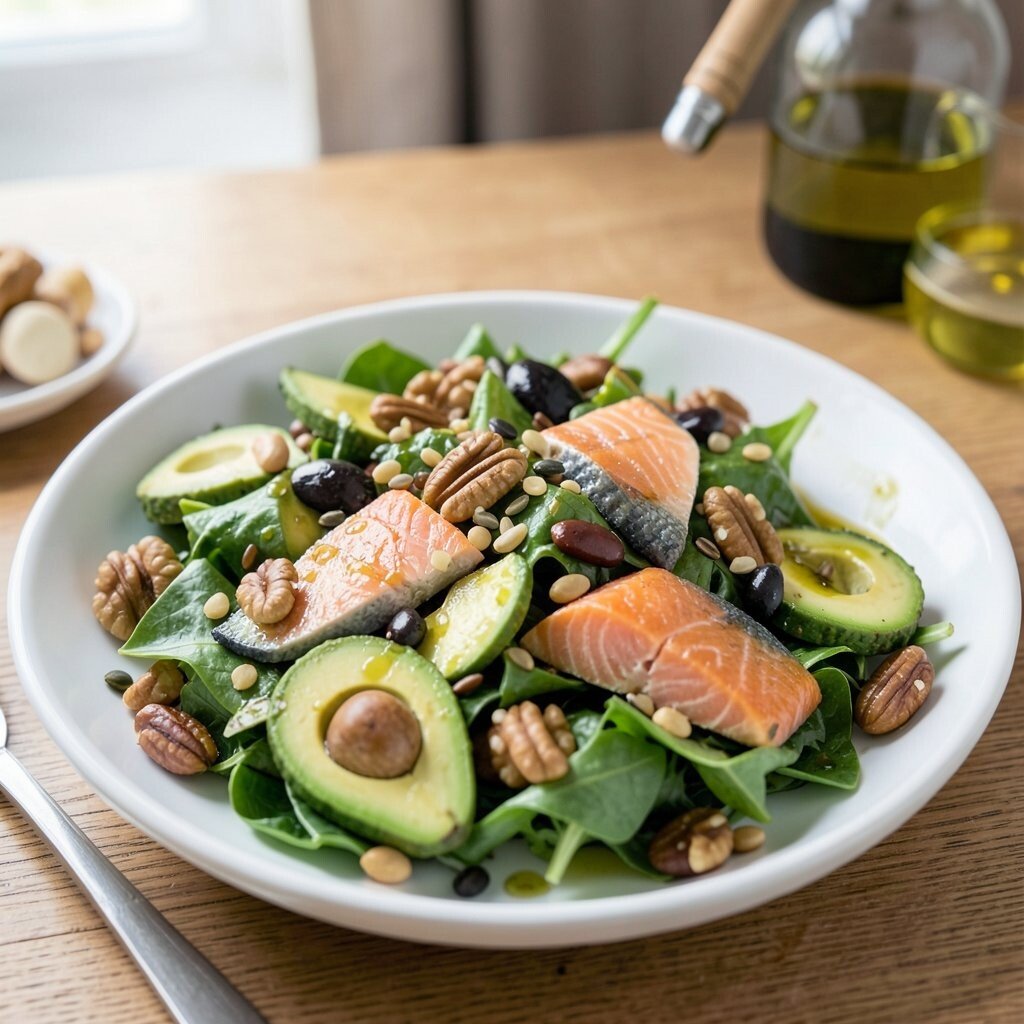
Fat is still important for the body, but type and amount matter. Try using olive oil, avocado, nuts, seeds, and fatty fish like salmon. These foods can help you feel satisfied after meals.
For a clear routine, add fats in measured ways. A small handful of nuts, a spoon of olive oil, or a few slices of avocado can be enough for most meals. This helps with control without feeling like you are missing out.
Visual cues help many people. If your salad has no fat, add a light drizzle of oil. If your dinner feels dry, add a sauce based on yogurt or olive oil instead of heavy cream.
6. Keep sodium in a healthy range
Too much sodium can raise blood pressure for some people. It is often easy to get high sodium from packaged foods like deli meat, instant noodles, and fast food. Reading labels can help you spot what adds up.
Choose lower-sodium versions when they are available. You can also rinse canned beans or vegetables to cut some sodium. Cooking at home more often can also help, even if you do not cook every day.
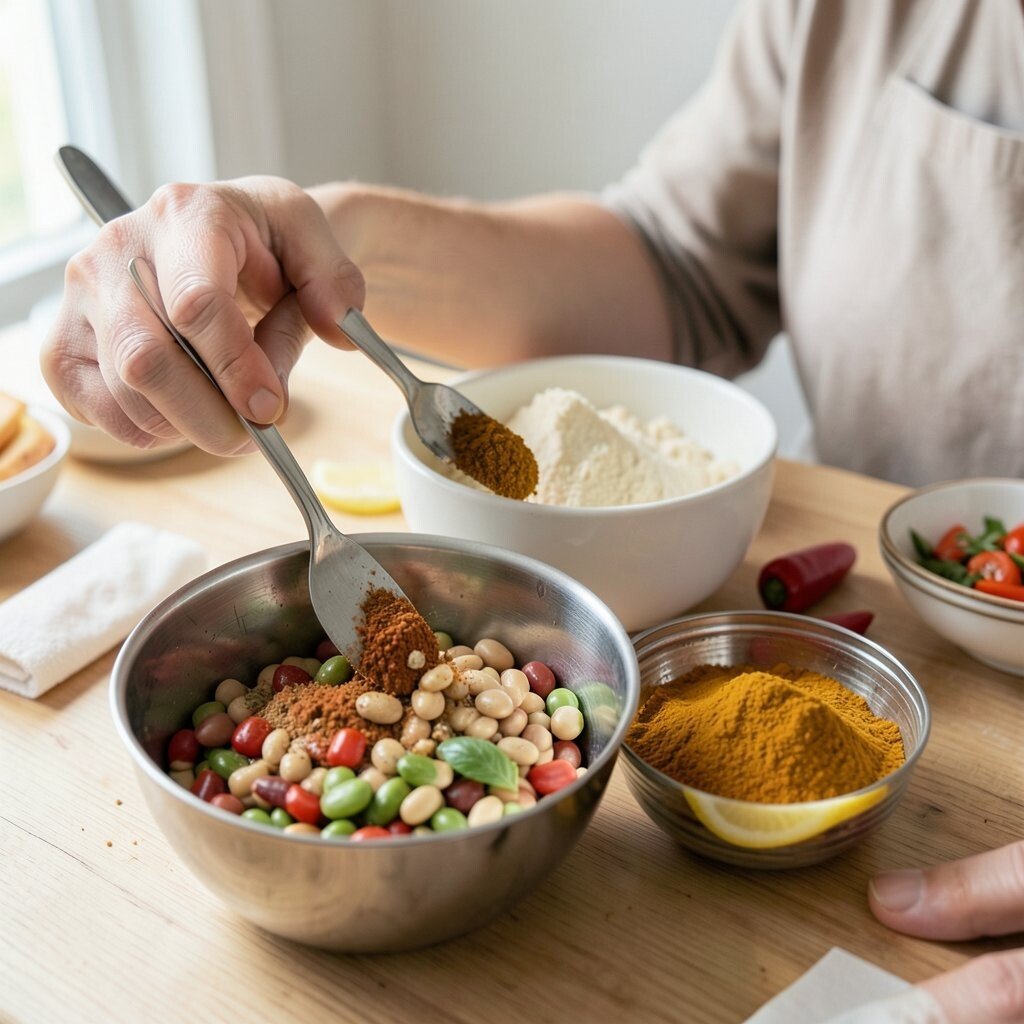
Use herbs and spices to add flavor instead of salt. Garlic powder, pepper, chili powder, and lemon juice can make food taste strong. This is a simple way to keep meals enjoyable while being mindful.
7. Get calcium and vitamin D from everyday foods

Calcium supports bone health, and vitamin D helps your body use calcium. Many people get calcium from milk, yogurt, and cheese. You can also get it from fortified plant drinks and leafy greens like kale.
Vitamin D is harder to get from food alone for many adults. Fatty fish and fortified dairy can help, and some people need a supplement based on their health plan. Ask a health professional if you are not sure.
A practical tip is to pick one calcium food you like and have it often. For example, yogurt at breakfast or fortified milk with cereal can fit into routine. This can also help you watch cost by choosing store brands.
8. Plan meals around iron-rich foods
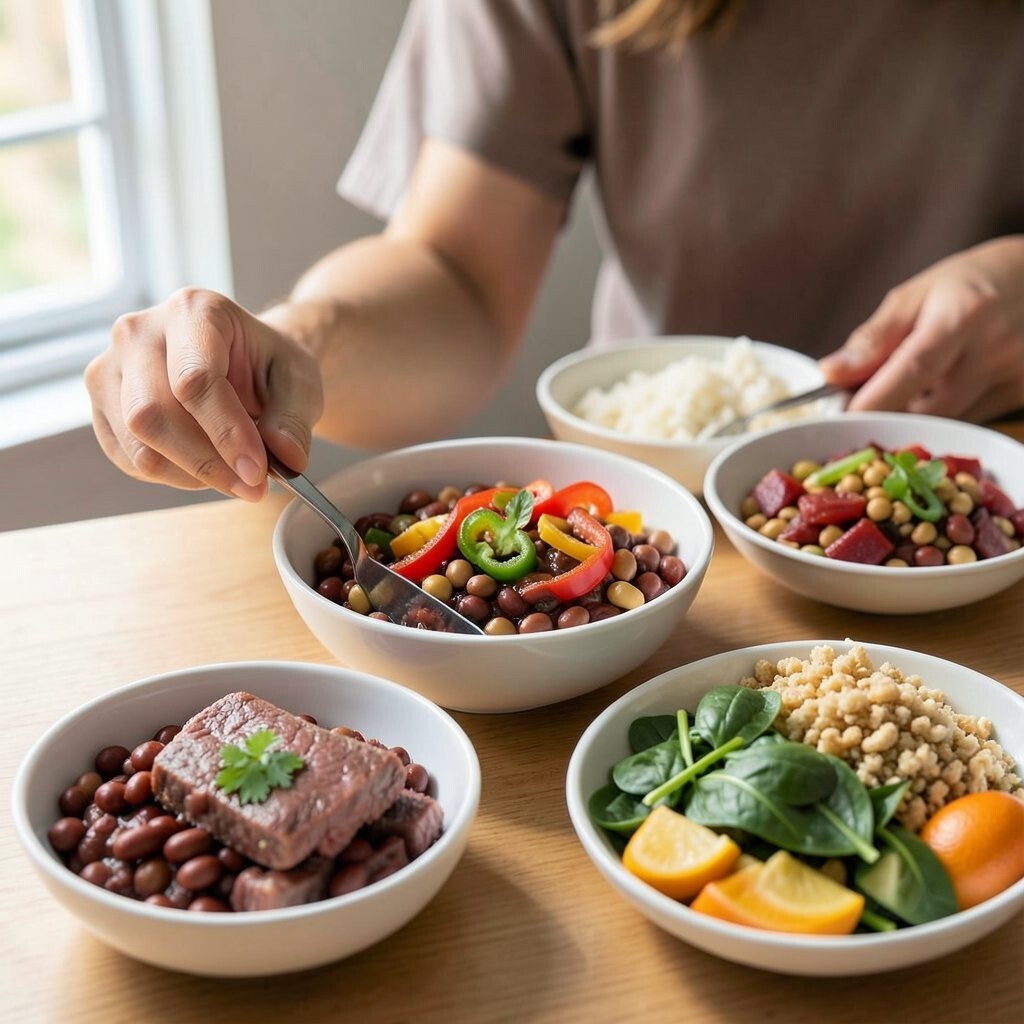
Iron helps carry oxygen in the blood. Some foods that provide iron include lean red meat, beans, lentils, spinach, and iron-fortified cereal. If you do not eat meat, legumes and greens can still support your needs.
Pair iron foods with vitamin C to help absorption. For example, add bell peppers to a bean bowl or have fruit with iron-fortified cereal. This is a small change that can make a big difference over time.
If you have low iron, you may need special steps. In that case, a doctor or dietitian can help you plan safe choices. Do not just guess with supplements.
9. Support your brain with omega-3 fats

Omega-3 fats support heart health and may support brain function. Fatty fish like salmon, sardines, and trout are common sources. Some people also use chia seeds, ground flax, and walnuts for plant-based options.
If fish is not part of your routine, start with an easy swap. Try adding canned sardines or salmon to salads or sandwiches. This can reduce cost and cut prep time.
Make it a habit that fits your week. One or two fish meals per week can be a simple goal for many people. Choose what tastes good so it feels doable.
10. Choose whole grains most days, not only on special days
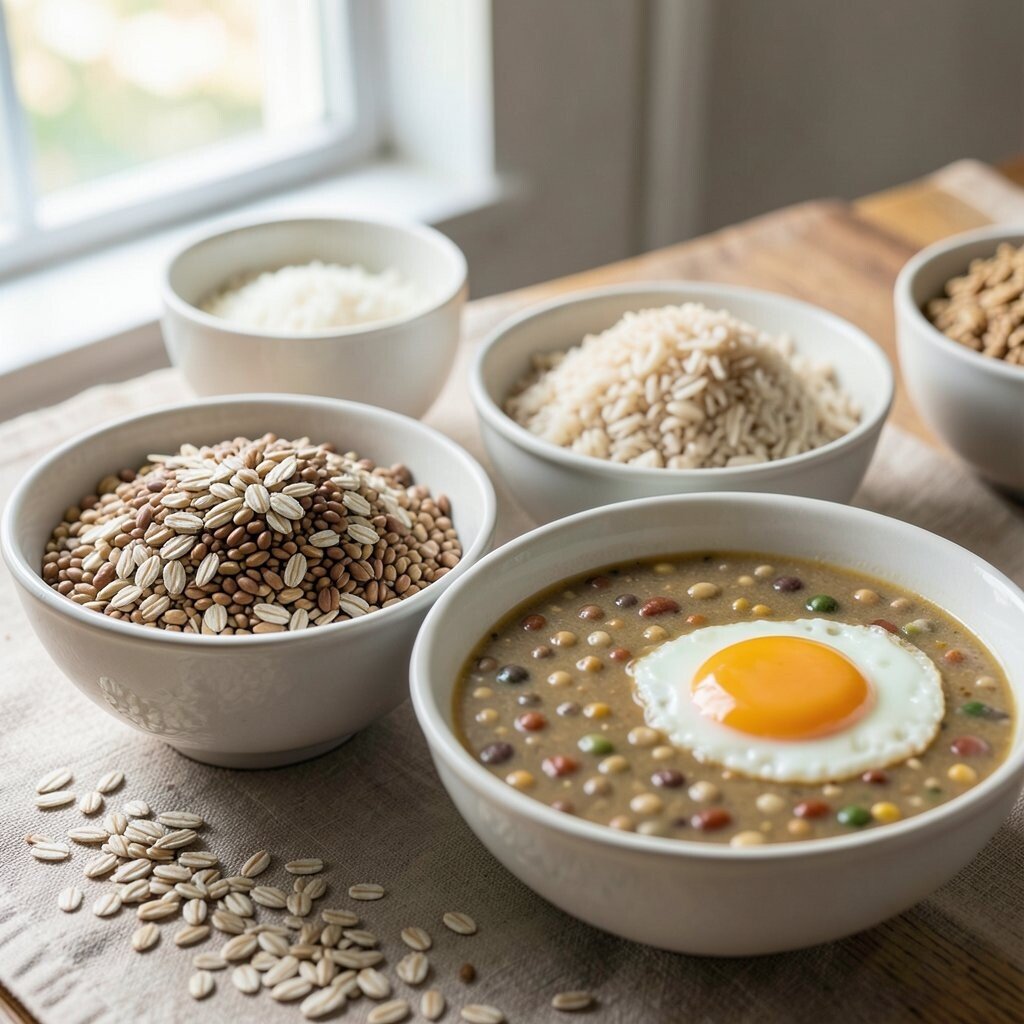
Whole grains provide fiber and key nutrients that refined grains may miss. Examples include oats, brown rice, quinoa, whole wheat bread, and barley. You can use them in bowls, soups, and breakfast meals.
Try a slow swap so it does not feel hard. Replace half of your usual grain with a whole grain first, then move to full when you are ready. This can help your body adjust and can keep meals tasty.
A visual trick is to check color and texture. Whole grains often look darker and feel more hearty. For cost, check bulk bins or store-brand options when you can.
11. Try a “simple add-on” method for vegetables
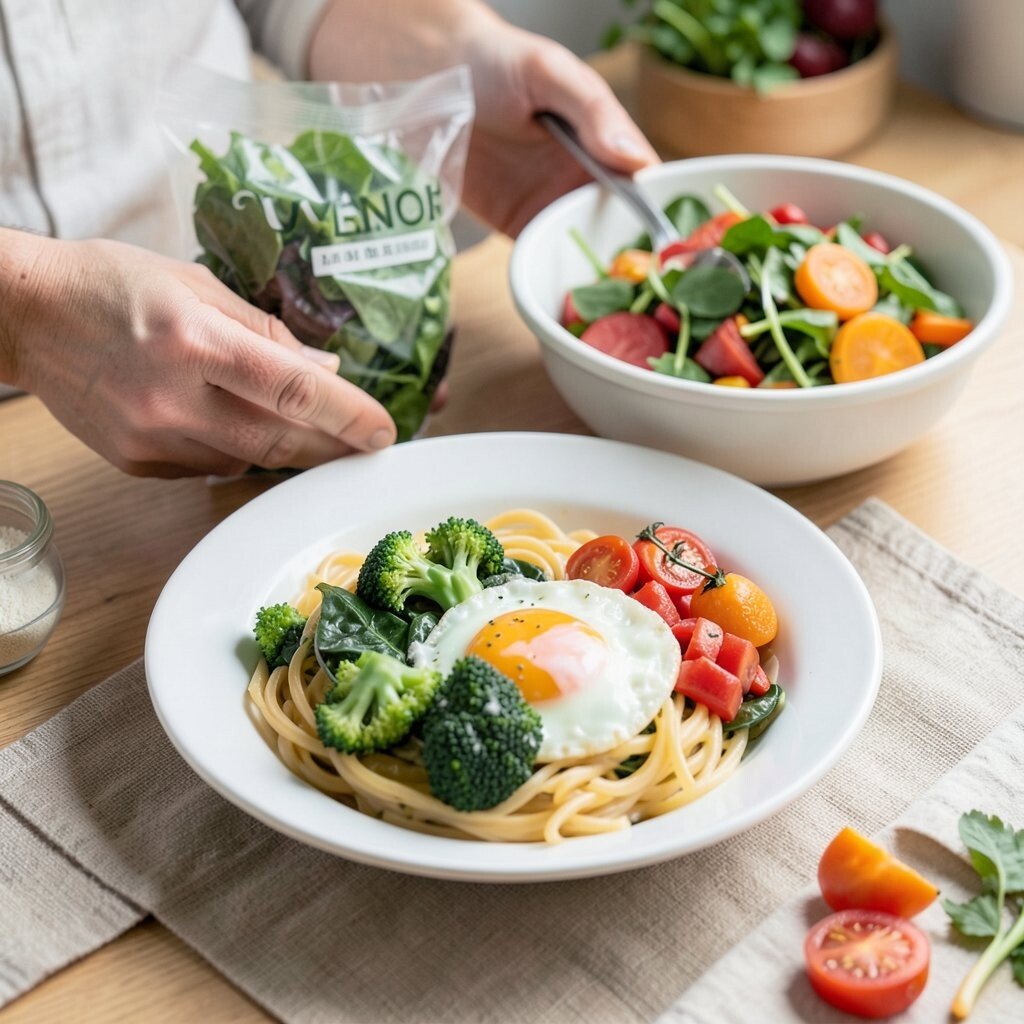
Many people want more vegetables but do not want extra work. A simple add-on method can help. Add vegetables to meals you already eat, like frozen broccoli in pasta, or spinach in eggs.
You can also use quick options like bagged salads, pre-cut veggies, or steam-in-bag products. These choices save time and can still help your nutrition. Try not to aim for perfect every day; aim for steady.
Make meals more colorful to help you see progress. If your plate has green, red, orange, and other colors, it is likely you are covering more nutrients. This is also a trend people talk about in meal prep and online food tips.
12. Personalize your plan based on your health and schedule

Nutrition works best when it fits your body and your daily life. Some adults need more fiber, others need fewer carbs, and some need more protein. Your personal plan depends on your goals, activity level, and any health conditions.
A good way to personalize is to track what you eat and how you feel. You can note energy, hunger, and sleep for a short time. Then you can adjust portion sizes or swap foods that do not feel good.
If you work long hours or travel, choose “grab and go” options. Think about meals you can make ahead, like soup, rice bowls, or overnight oats. This helps you stick with your plan without wasting time or money.
13. Use smart budgeting and check food trends wisely
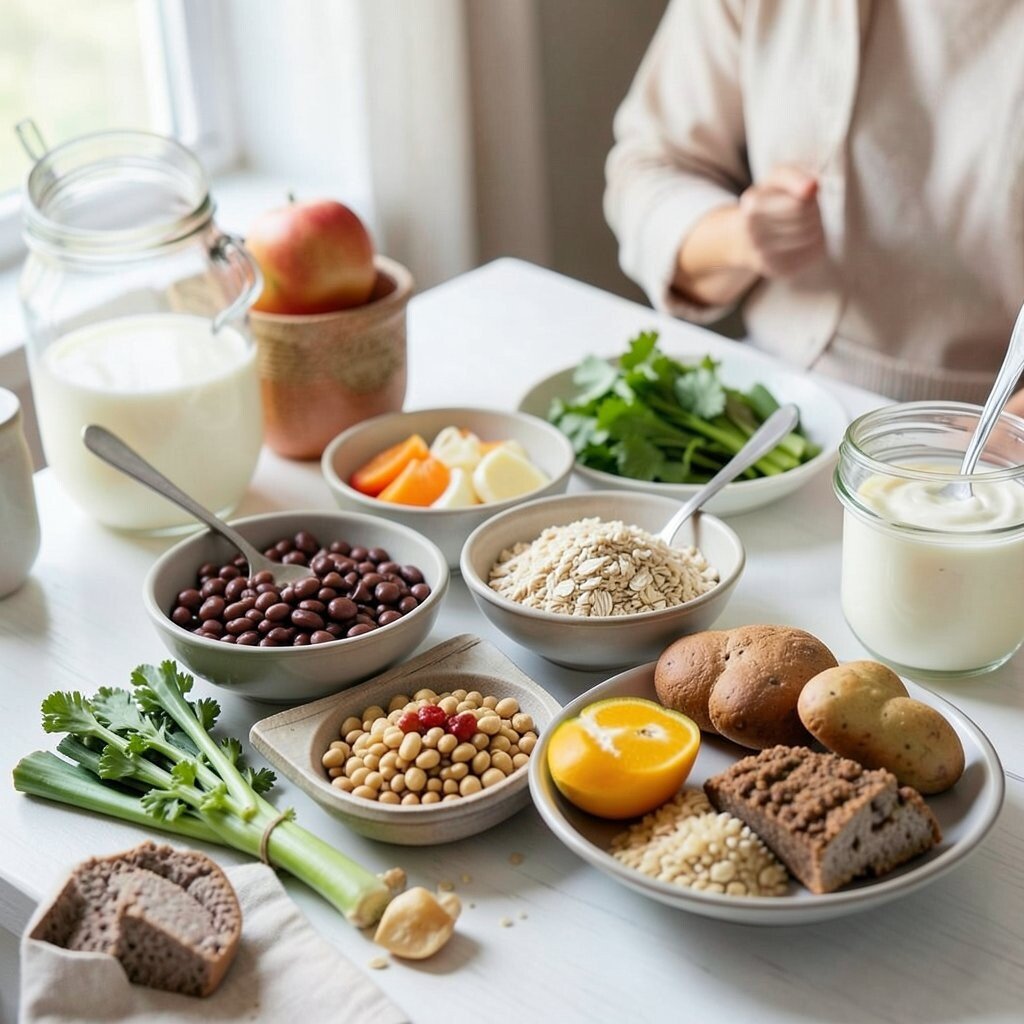
Food trends can be helpful, but you do not need every new item. Focus on basics that give strong nutrition, like beans, eggs, yogurt, oats, vegetables, fruit, and whole grains. Then you can add trend foods in small amounts if you want them.
Cost control is a big part of better nutrition for adults. Plan meals for the week, choose store brands, and look for sales on proteins and frozen vegetables. Buying in bulk can also lower cost for items you use often.
Try a simple rule: spend more on whole foods and less on sugary snacks and fancy drinks. This can make your food plan feel better for your wallet and your body. Keep it practical so you can enjoy your meals day after day.