Animal art can be a fun way to show what you notice in daily life. You can make it with simple tools and still get strong results.
1. Draw a Feather Close-Up
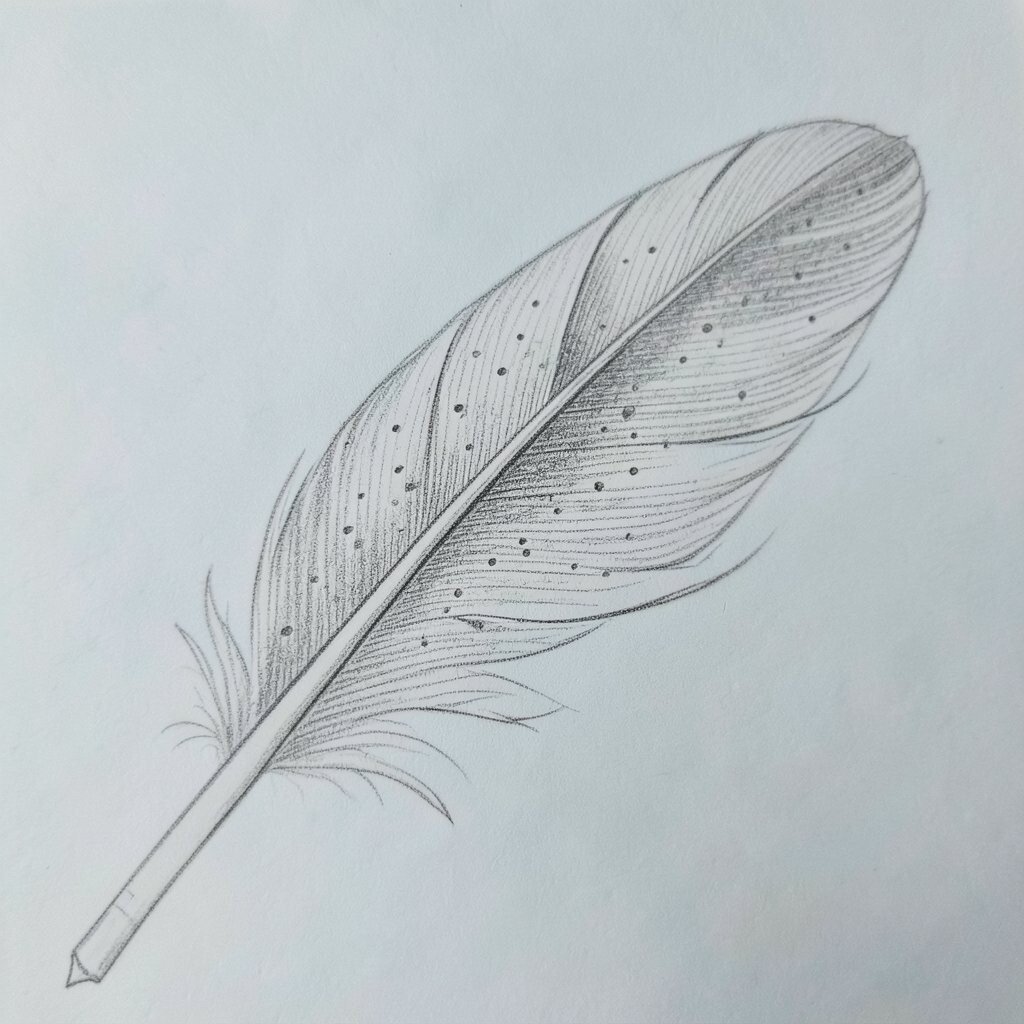
Pick one real feather if you can, or use a photo from a book or a phone. Look at the lines and the small shape near the tip. Then draw just a part of the feather so it fills your page.
Use light pencil first, then add darker lines where the feather looks thicker. You can add small dots for the texture too. This idea helps you practice careful looking, and it can make your art feel more real.
To keep costs low, use a pencil, an eraser, and paper you already have. For personalization, try your favorite color for the background, like pale blue or warm gray. A current trend is making close-up animal details with soft shading and clear line work.
2. Make a Collage with Animal Shapes
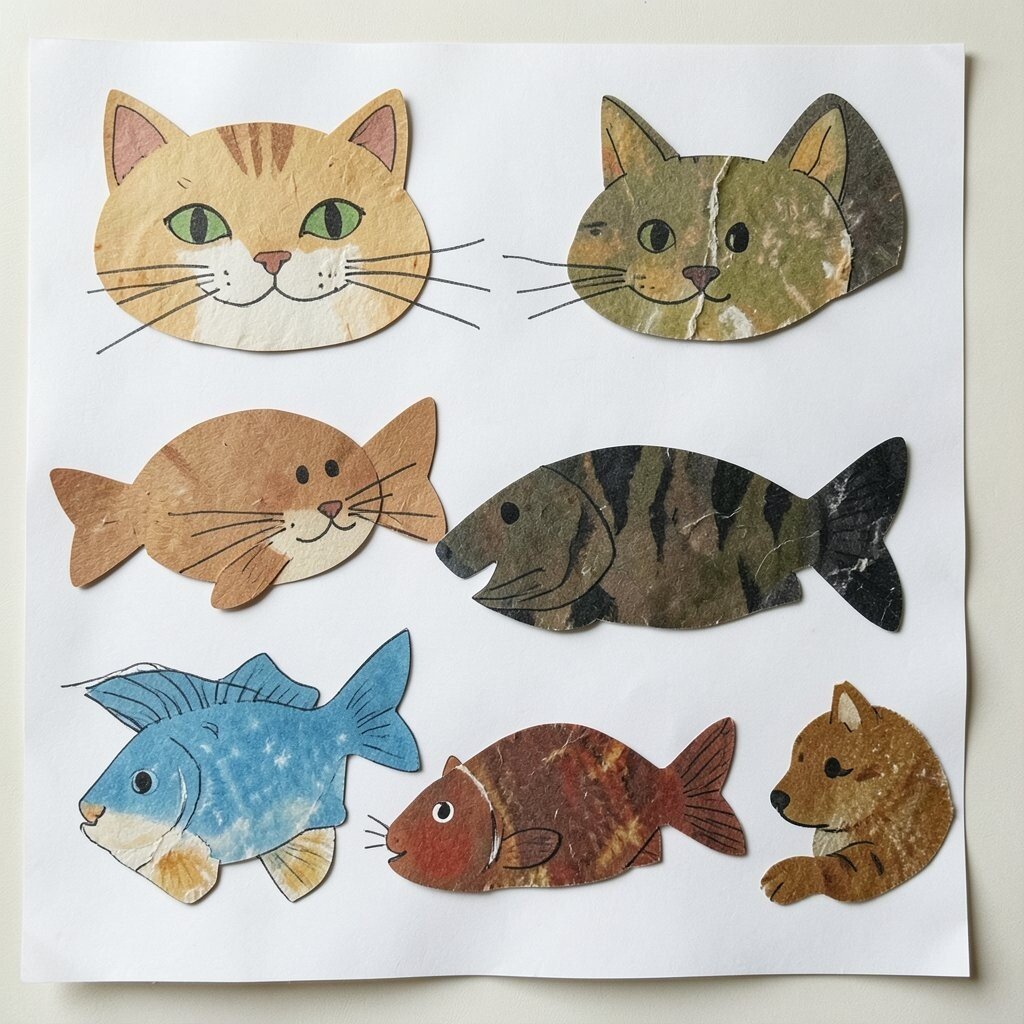
Cut out shapes from old magazines, craft paper, or even wrappers from snacks. Choose shapes that remind you of an animal, like a cat face, a fish tail, or a bird wing. Do not aim for perfect. Aim for fun and clear parts.
Then place the shapes on a sheet and glue them down. Add extra lines with a marker to connect the parts, like whiskers or a fin. Collage is great because it uses what you have, and you can make many versions fast.
Try adding one theme, like “ocean animals” or “farm animals.” This adds uniqueness and makes it feel like a real set. Costs can stay low since you can use scrap paper, and the trend right now is using mixed paper textures for bold looks.
3. Paint a Simple Animal Silhouette
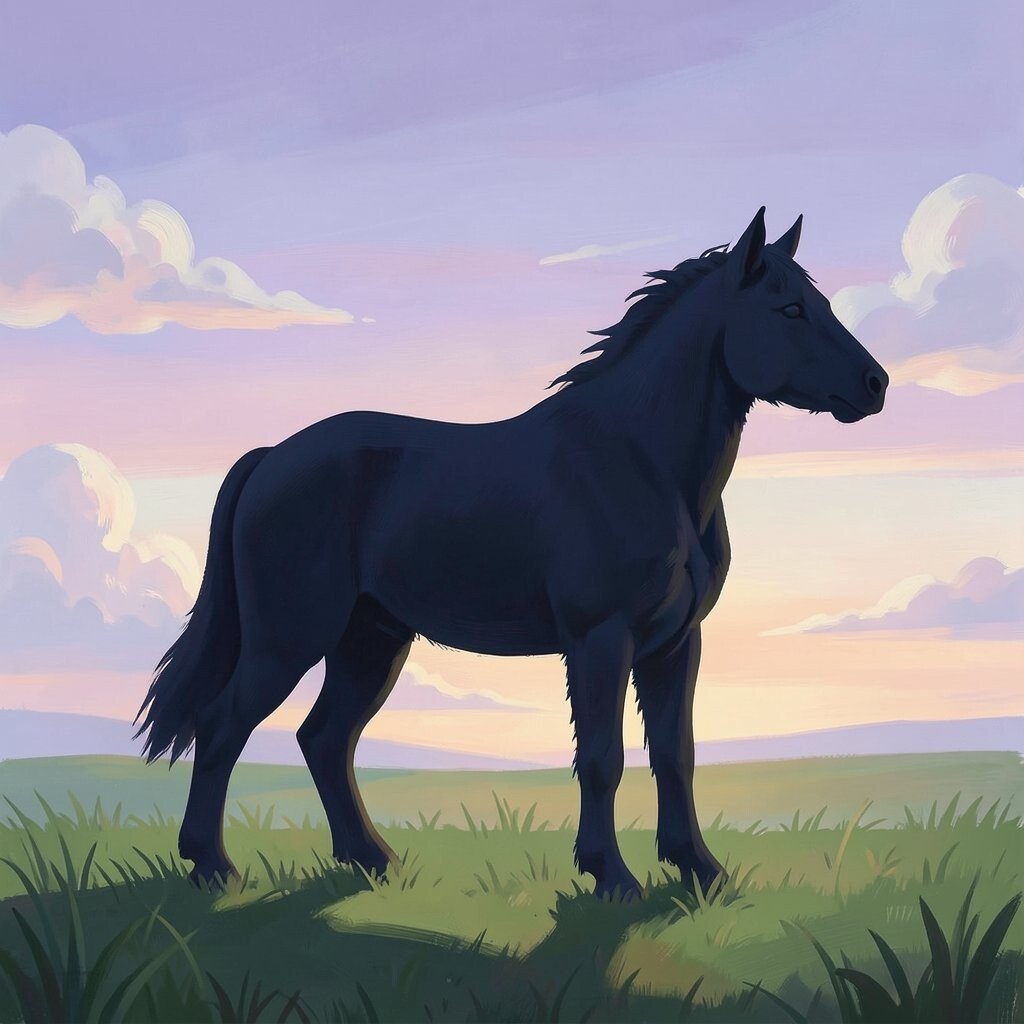
Choose an animal you know well, like a dog, a horse, or an owl. Make a simple outline, then fill it in with one dark color. Keep the shape clean, and let the edges do the work.
Next, paint a light background behind it. You can add soft clouds, a sunset glow, or plain stripes. This makes a strong look even if you are not good at fine details.
For tips, try using a thick brush for the animal shape and a thinner brush for background lines. Personalize it by adding your own colors, like green grass or purple sky. This style stays popular because it looks neat and modern, and it does not take much time.
4. Create Animal Footprint Prints
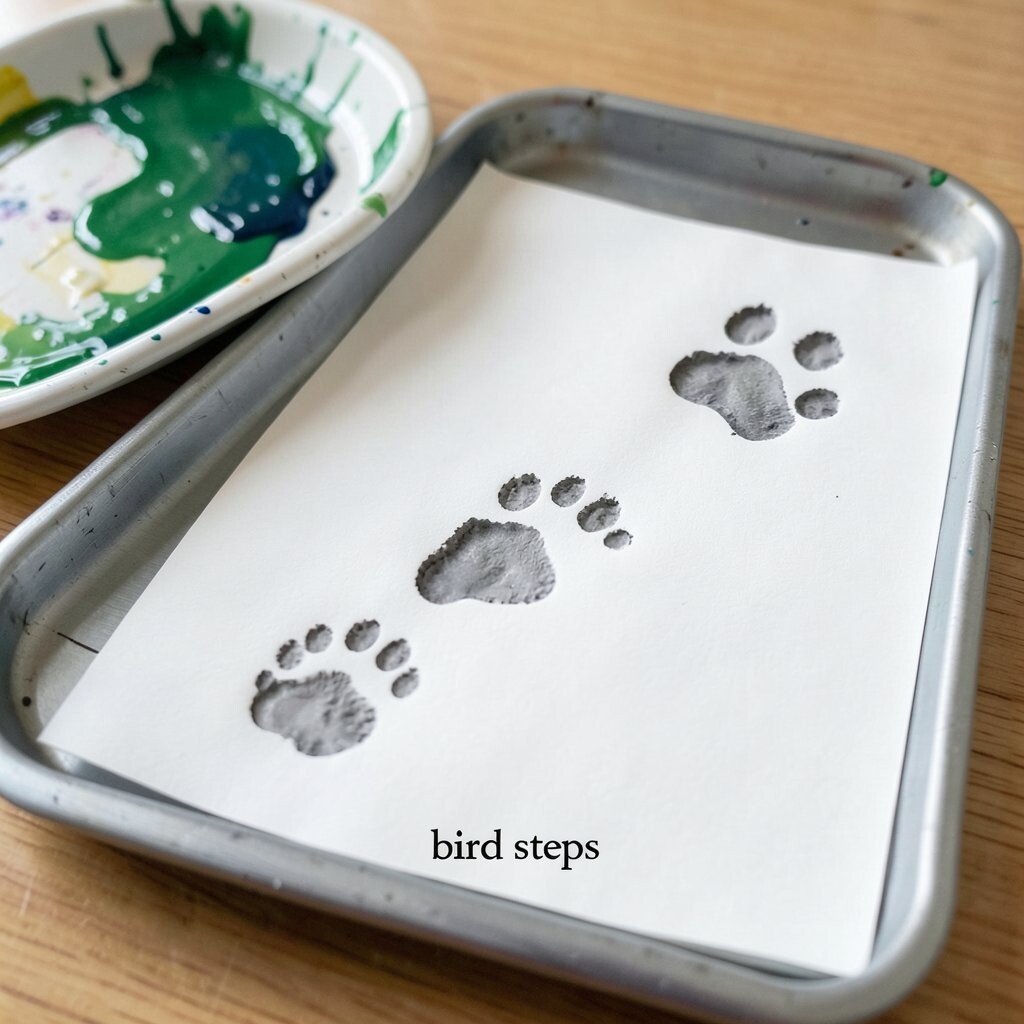
Find a tray and mix paint with a little water so it spreads. Dip the end of a sponge or the edge of a cut potato shape into the paint. Then press onto paper to make small prints in a trail.
You can also use a toy animal’s paw as a stamp if you wash it well. Add a simple caption like “cat trail” or “bird steps” if you want. This activity helps you learn how shapes repeat and how spacing changes the look.
Cost is usually low because paint and paper are common supplies. To make it unique, try different textures, like foam dots for a rough ground feel. Print art is a current trend, and it is easy to share as small cards or a series.
5. Sculpt a Tiny Animal from Clay or Playdough
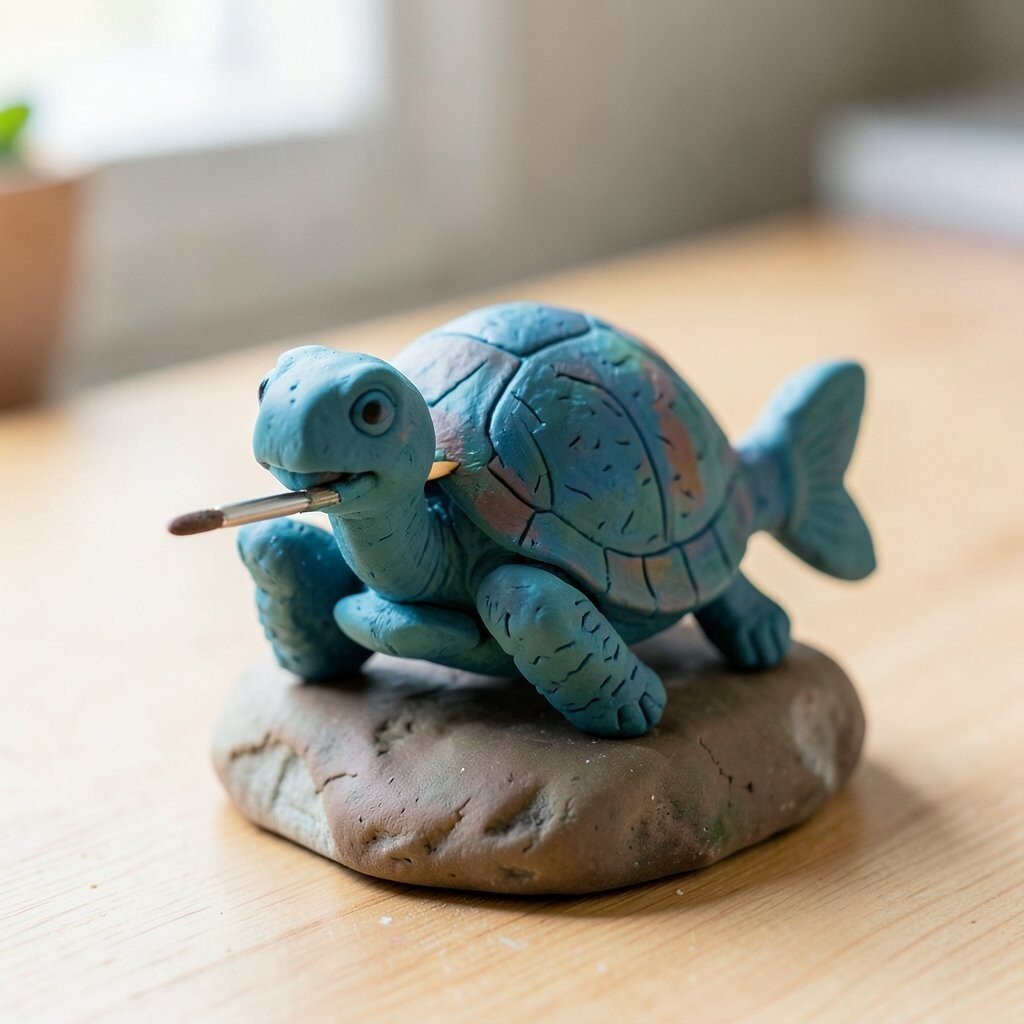
Choose a small animal with a clear shape, like a turtle, a fish, or a hedgehog. Roll clay into simple parts, then press them together. You do not need lots of detail at first.
Use a fork tool, a toothpick, or the end of a brush to add a few lines for scales or fur. Let the animal dry if it is air-dry clay. This kind of art helps you feel the form in your hands, which can make it easier to draw later.
For personalization, add a base, like a little rock or a leaf. You can also paint the clay after it dries, which helps you match your favorite colors. Costs depend on what you have, but playdough and simple clay are often cheap. Small sculpted animals are a popular trend for desk displays and gifts.
6. Make an Animal Story Map with Images
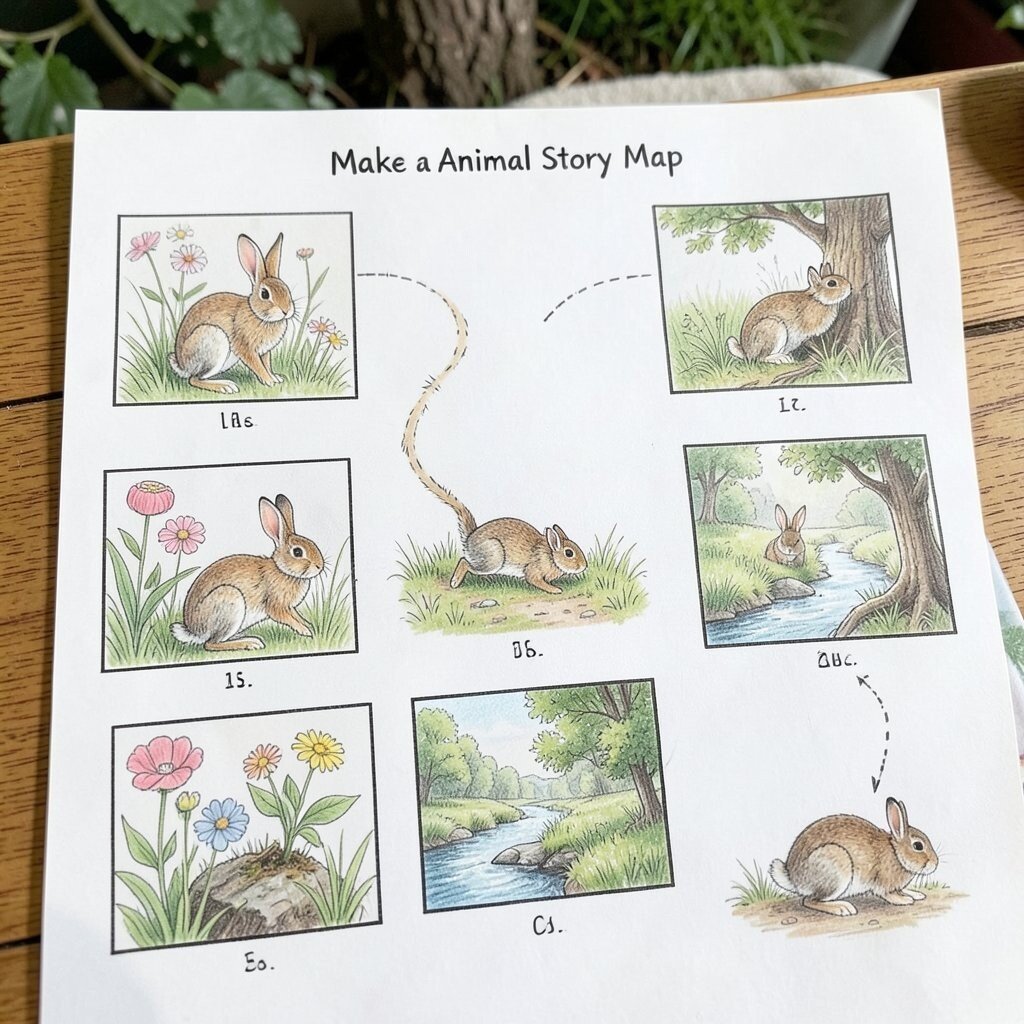
Pick one animal and think about a simple path it takes, like a rabbit moving through grass. Draw a main line for the path on paper. Then add small picture boxes along the line.
In each box, draw what the animal sees, like flowers, a stream, or a tree. You can add one short word under each box. This is not about perfect art, it is about clear scenes and simple ideas.
To keep costs low, use pencil and markers you already own. Personalize it by using your own town places or places you like in books. A current trend is story-based art that mixes drawings with simple notes for a more personal touch.
7. Use Your Hand as a “Fur” Template
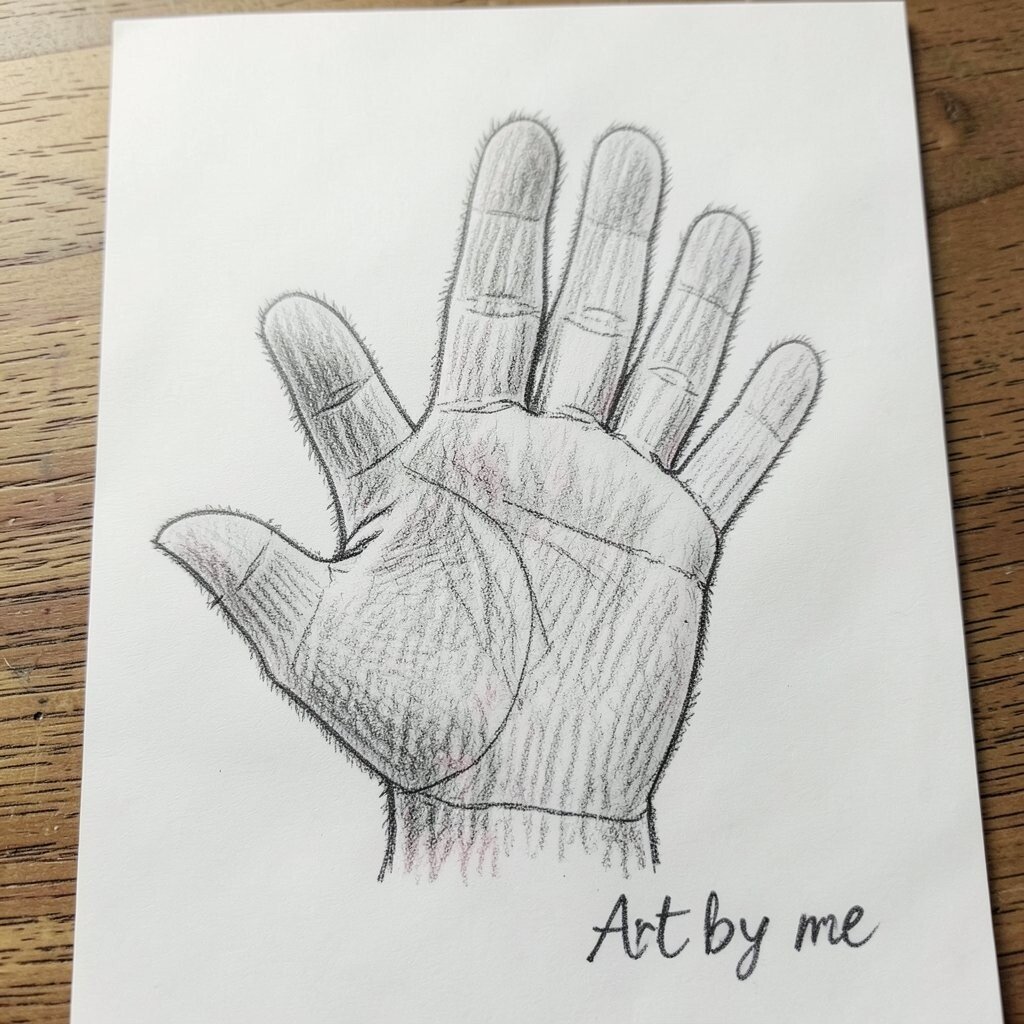
Trace your hand on paper, then shape it into an animal idea, like a bear paw, a wolf hand, or a bird wing. Add lines so the outline looks more like the animal you chose. Keep it simple and use a few key details.
Next, add texture by using short strokes with a pencil or crayon. You can also shade the palm area darker to show depth. This makes the art look soft, even without lots of tiny marks.
For personalization, try different hand sizes, like both hands or just one finger layout. You can also add a name tag, like “Art by me” or a date. This idea is unique because it blends body shapes with animal features, and it fits the trend of using daily life as art material.
8. Draw a “Monster” Animal with Friendly Features
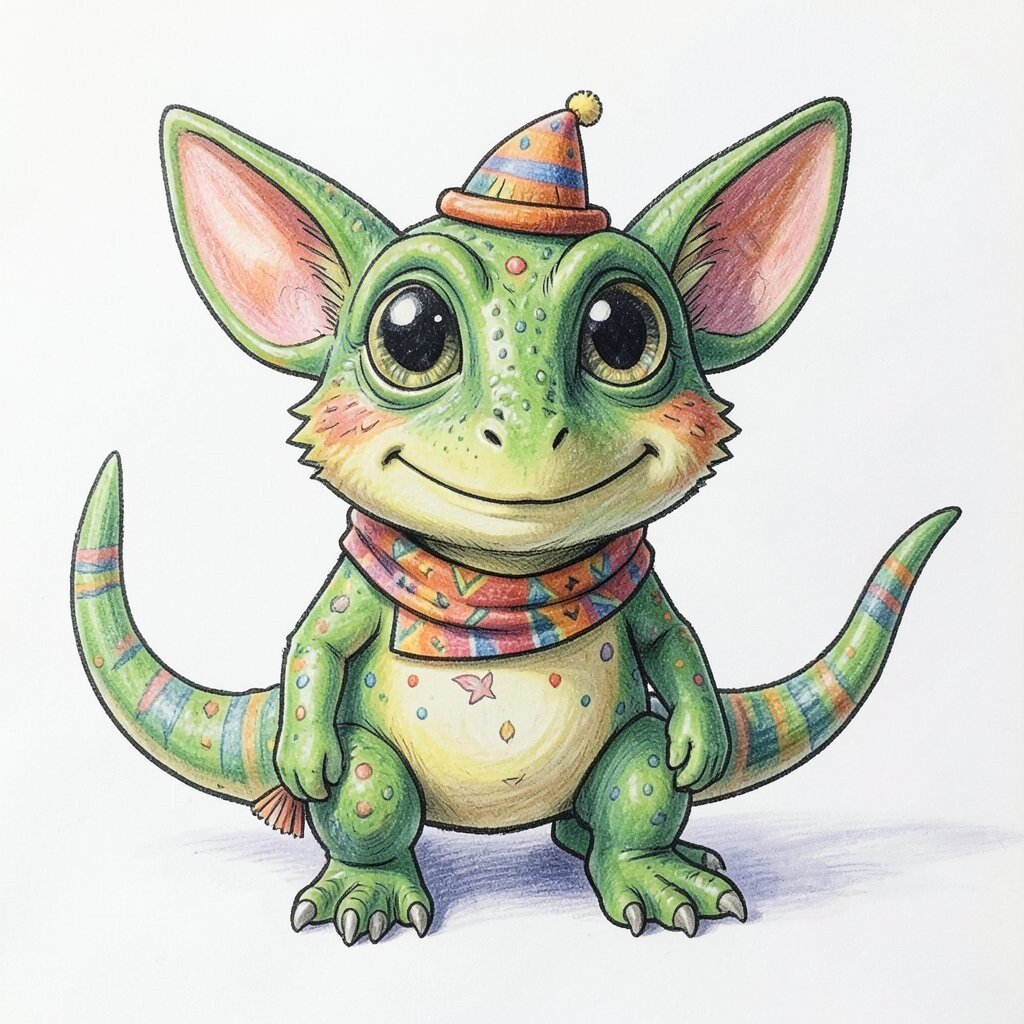
Choose an animal and then add one playful change, like extra big eyes on a lizard or long ears on a fox. Start with a basic shape, then add features that feel friendly. Keep the face calm, not scary.
Use bold outlines, then fill in colors that you enjoy. You can add a small pattern on the skin, like stripes, dots, or zigzags. This helps you practice character design and simple color choices.
To keep it low cost, use markers or colored pencils. Personalize it by adding a small item in the animal’s scene, like a scarf or a tiny hat. This style fits current trends in cute creature art and fun character drawing.
9. Make an Animal Portrait in One Color Theme
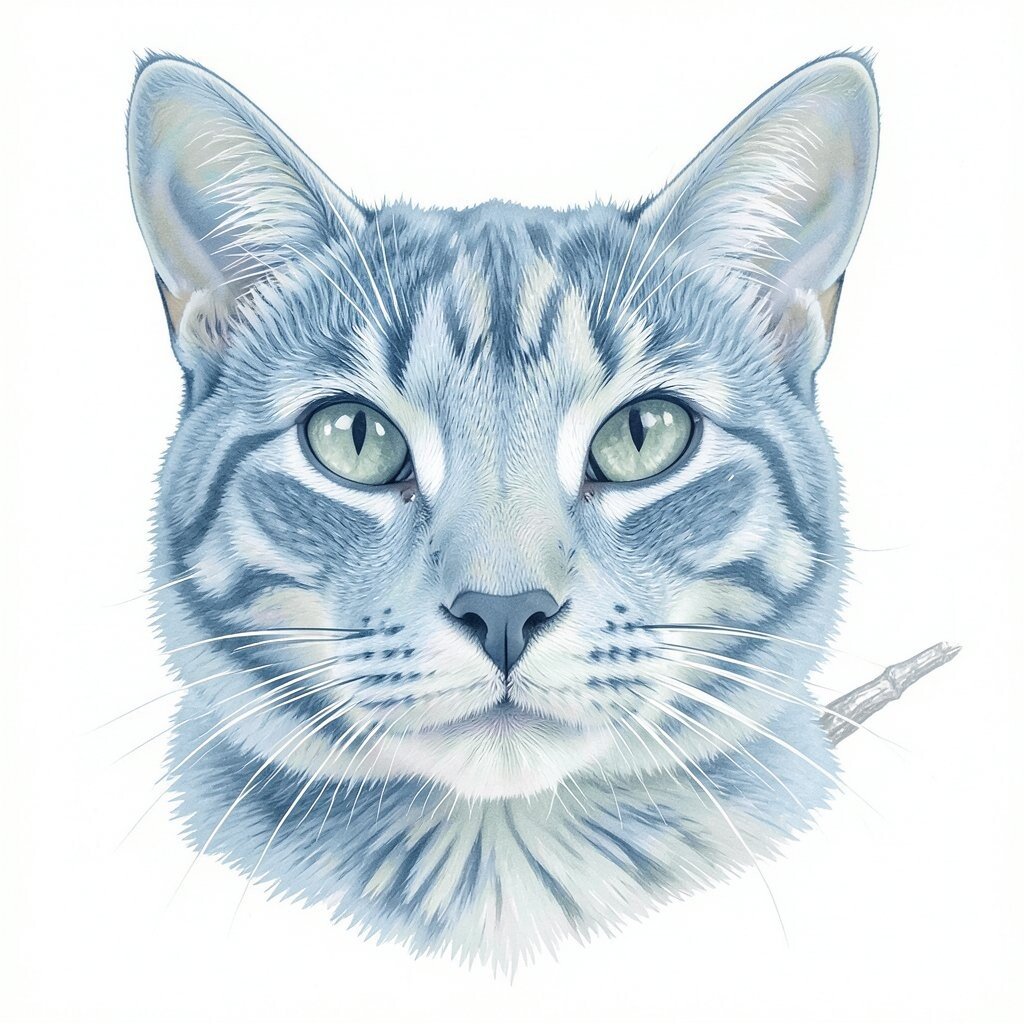
Pick one animal portrait idea, like a cat face or a bird perched on a branch. Choose one color theme, such as blue and white, or green and brown. Then limit your colors to keep the look neat.
Draw the face first, focusing on the eyes and the shape around the nose. Then shade with the same color in light and dark steps. This can help you learn how shading works without needing many supplies.
For tips, start with a simple outline and check the eye positions. Personalize it by choosing the theme that fits your room colors. Cost can stay low because you may only need a few pencils or one set of paint tones. One-color themed portraits are a popular trend because they look clean and modern.
10. Create an Animal Pattern Like a Repeat Print
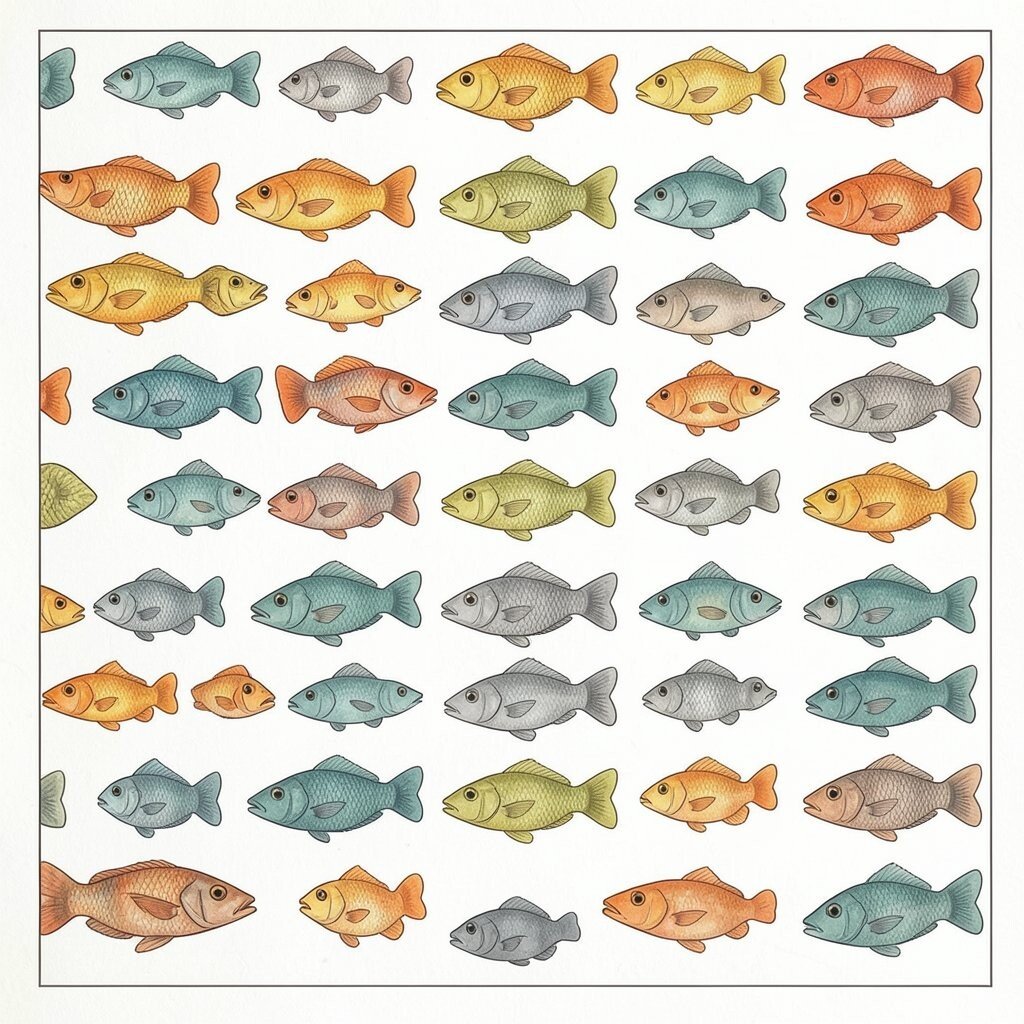
Choose an animal with a simple shape, like a fish, a butterfly, or a small mouse. Draw one repeat unit, like one fish head or one full fish body. Then copy it around the page so it looks like a pattern.
You can keep the same size or make it vary a little for a natural feel. Add a border if you want, or spread it across the full sheet. Pattern art helps you practice spacing, and it can make your work look organized.
To personalize, use colors that match your style, like warm orange and gold or cool teal and gray. Cost stays low with paper, pencil, and a few markers. A current trend is making repeat patterns for stickers, wrapping paper looks, and fabric-style designs.
11. Sketch Animals Using a Limited Time “Challenge”
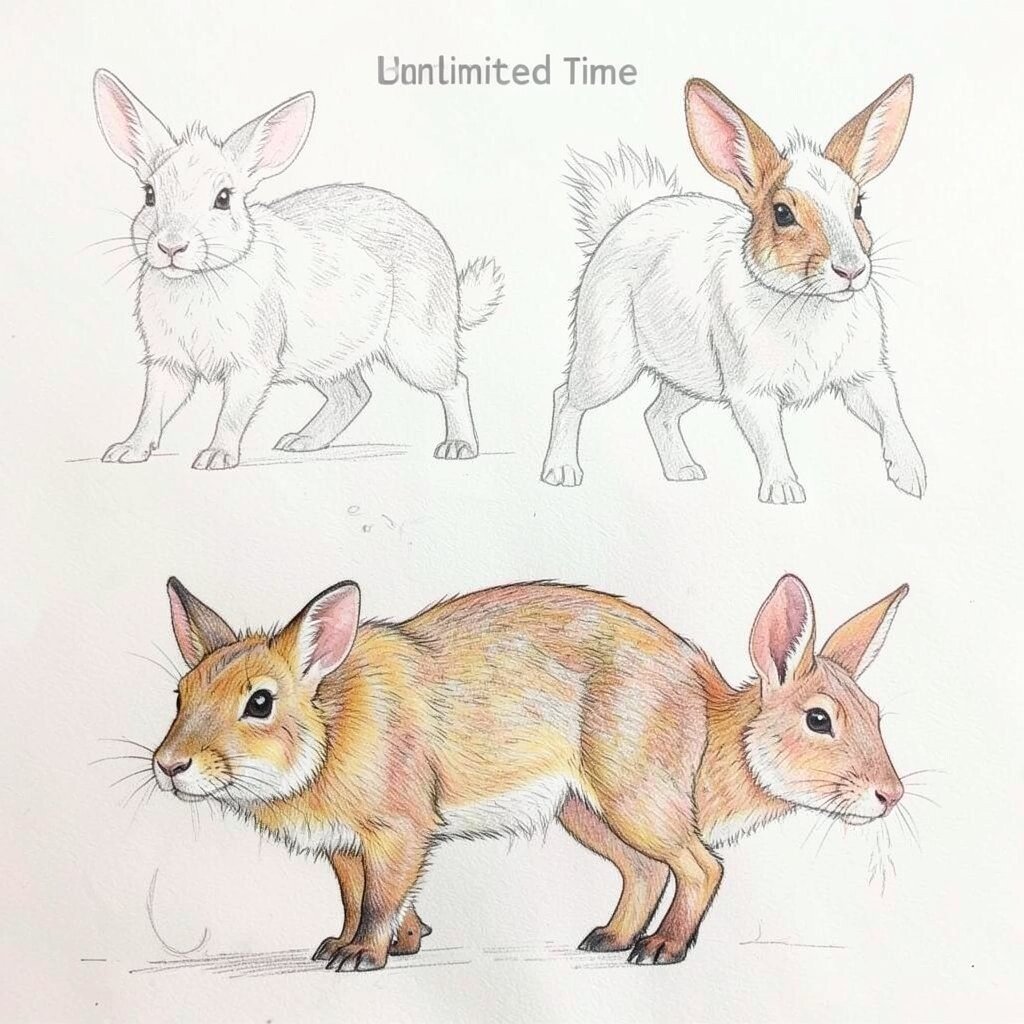
Pick one animal and set a short time, like one page of quick sketches. Do the sketch lightly at first, then add only a few key details, like eye shape and ear shape. If you feel stuck, move on and keep going.
After you finish, choose your best sketch and clean up the lines. You can add color with quick strokes, not full shading. This method helps you reduce stress and build skill through repetition.
For tips, focus on one feature each time, like the tail first, then the face next. Personalize by using your favorite animal each day. Cost is very low because you just need paper and a simple pencil, and the trend of quick practice art is popular online and in classrooms.