
Good sleep often starts with small changes you can do in your room. These ideas are calm, simple, and easy to try on most nights.
1. Dim Warm Lights For Bedtime
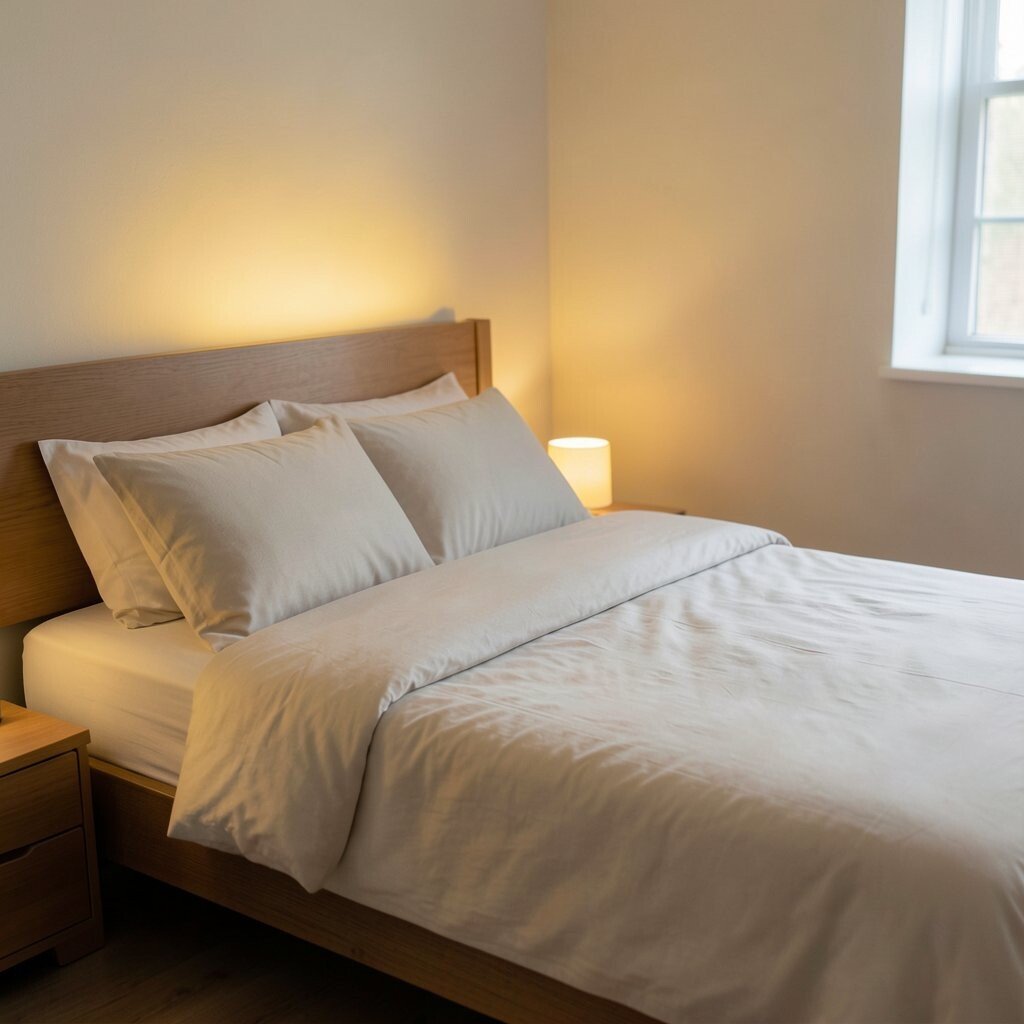
When lights are bright, your brain can feel like it is still daytime. Use warm bulbs or a small lamp instead of the top light. Try turning the light down a bit at least one hour before you sleep.
In your room, you might see a soft yellow glow on the wall and your sheets look calmer in that light. This can help you wind down and feel less alert. If you can, keep the light the same each night so your body learns the pattern.
If you do not want new bulbs, use a plug-in dimmer or a lamp shade. Many people also add a small night light near the bed for trips to the bathroom. This is a low cost change and it matches current trends for gentle lighting.
2. Make Your Bed Look Neat And Simple

A tidy bed can make your mind feel calmer. Fold the blanket edges in a neat way and smooth out the sheet. Keep only a few pillows on the bed so it does not look busy.
You may notice a clean white or light gray look that feels steady to look at. This helps you relax when you get into bed because your eyes see less clutter. Many people like a simple style now, with fewer items and more soft colors.
For personalization, pick two pillow covers you like and keep them for weeks. If you share a bed, agree on one style so both people stay comfortable. This idea costs little if you already have plain sheets and pillow covers.
3. Use One Cozy Scent In The Room

Scent can be a small cue that sleep is next. Choose one gentle smell, like lavender, chamomile, or a mild vanilla. Use a safe method such as a room spray made for bedrooms or a plug-in diffuser on low.
Picture a calm, light smell that is not too strong, like fresh laundry after a wash. When the scent stays the same, it can help your body settle faster. It also gives you a nice feeling when you lie down.
Tips: start with a small amount and keep it away from direct contact with your sheets. If you have allergies, choose fragrance-free options like a clean linen smell. Cost can range from low to mid, but many options are affordable now.
4. Try A Simple Bedtime Sound Setup
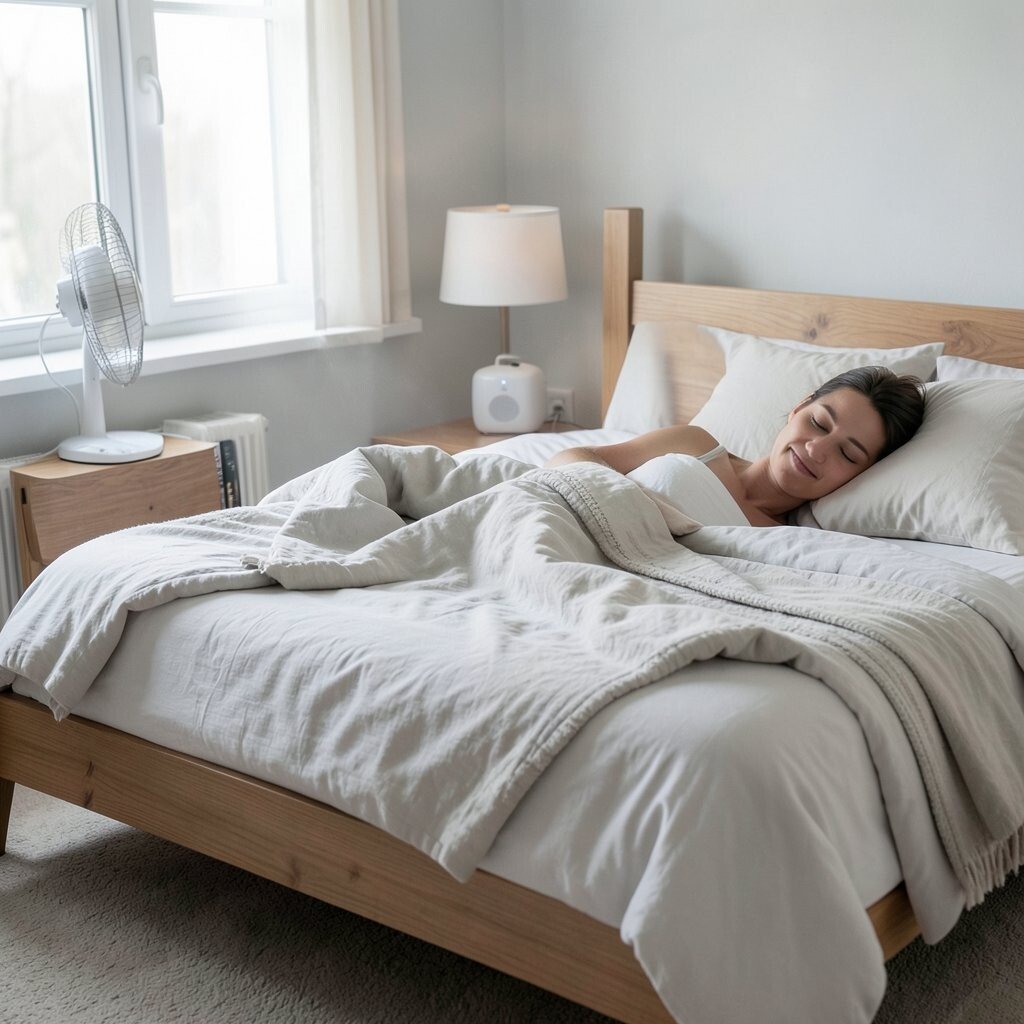
Sound can help block sudden noise that wakes you up. You can try a fan, soft rain sounds, or a calm music track with no lyrics. Keep the volume low so it feels steady, not loud.
When you hear a gentle sound in the background, your room feels more safe and quiet. This can help you fall asleep faster and stay asleep longer. Many people also use white noise devices today because they are easy to set up.
Personalize it by testing a few sounds when you are relaxed but not sleepy. Pick the one that feels most comfortable to you. A fan or a simple app is usually low cost.
5. Use Weighted Comfort Without Overheating

A weighted blanket can feel like a soft hug that helps some people relax. The extra weight can reduce restlessness and make you feel more grounded. If you use one, pick a size that fits your body and does not cover you too much.
In the bed, you may feel the blanket sit on your legs in a smooth, calm way. Many people say it helps them feel less restless at night. It is unique because the comfort is physical, not only mental.
Tips: if you tend to feel warm, look for a breathable cover and use the right bedding layers. You can also try a weighted throw instead of a full blanket if you share the bed. Costs vary, but it is a one-time purchase for many households.
6. Keep A Cool, Dark, And Calm Sleep Space

Your body sleeps better when the room feels cool. Aim for a dark space where you do not see bright light from windows or screens. If you need to, use blackout curtains or a simple eye mask.
Imagine a room where the air feels fresh and the window light is gone. That setup can help your sleep clock stay on track. You also might notice you feel less bothered by early morning light.
For personalization, choose the right bedding thickness for your climate. If you use a space heater, turn it off before you get into bed. This idea fits new comfort trends that focus on temperature and light control.
7. Do A Short Calm Stretch Right Before Bed

Light stretching can help your body feel less tight. Pick simple moves like slow neck rolls, gentle hamstring stretches, and easy shoulder stretches. Do it for a few minutes only, and stop if anything feels sharp.
You might feel your muscles loosen and your breath slow down. This can make it easier to settle into bed. It is unique because it mixes comfort with small movement.
Tips: keep the room warm and use slow pacing. If you share the bed, stretch on the floor or a chair to avoid bumping your partner. This is free and easy to fit into any routine.
8. Set Up A “No Phone” Rule For Sleep Time

Phone screens can keep your brain awake late at night. Try setting a time when you stop using your phone in bed. You can place it on a dresser or in a drawer across the room.
When you lie down, you may feel calmer because your eyes are not stuck on bright text and colors. This also helps you avoid stress from messages or news. Many people now use phone charging stations outside the bedroom as a simple trend.
Personalize it by setting alarms using a clock instead of your phone. If you need the phone for emergencies, keep the screen dim and only use the minimum features. Cost is low since you mostly need a new spot to put your phone.
9. Add A Simple Bedside Routine With Low Pressure

A routine can tell your body that sleep is coming. Pick a small set of steps you can do every night, like washing up, brushing teeth, and putting on pajamas. Keep the steps short and steady.
For example, you might turn off the bright light, then read for a short time, then put the book away. That calm order can help your mind rest. It is unique because it uses habits, not just items.
Tips: write your routine on a small note card and keep it by the bed. If you miss a night, start again the next day without guilt. This costs nothing and fits well with many modern sleep plans.
10. Use A Breath-Help Tool Like Slow Breathing

Breathing can calm your body when your mind feels busy. Try a slow pattern like in through your nose, then out slowly through your mouth. Do it at an easy pace for a few rounds.
You may notice your chest feels more relaxed and your thoughts slow down. This can help you fall asleep without extra effort. It is also personal because you can choose the pace that feels right.
Tips: if you get dizzy, slow down even more or stop. You can also count breaths to keep focus, but keep it simple. There is no cost for this, and it matches a common trend toward mindful sleep.
11. Choose Bedding Colors That Feel Soft And Easy

Colors can shape how a room feels to you. Many people like soft tones like light blue, warm beige, or gentle gray. These colors often feel less tense than bright patterns.
When you see calm colors on your pillow and blanket, your eyes may relax faster. This can make bedtime feel more peaceful. The look is unique because it fits your taste and makes your bed feel like “your spot.”
For cost control, start small with one pillow cover or one bedsheet set. You can also mix textures, like a smooth cover and a soft throw, for comfort. This kind of color choice is popular now in home style trends for bedroom calm.