Fleas can get into a home fast, and they can be hard to spot at first. You can cut the problem early by using simple home steps and steady care.
1. Check Pets Every Day
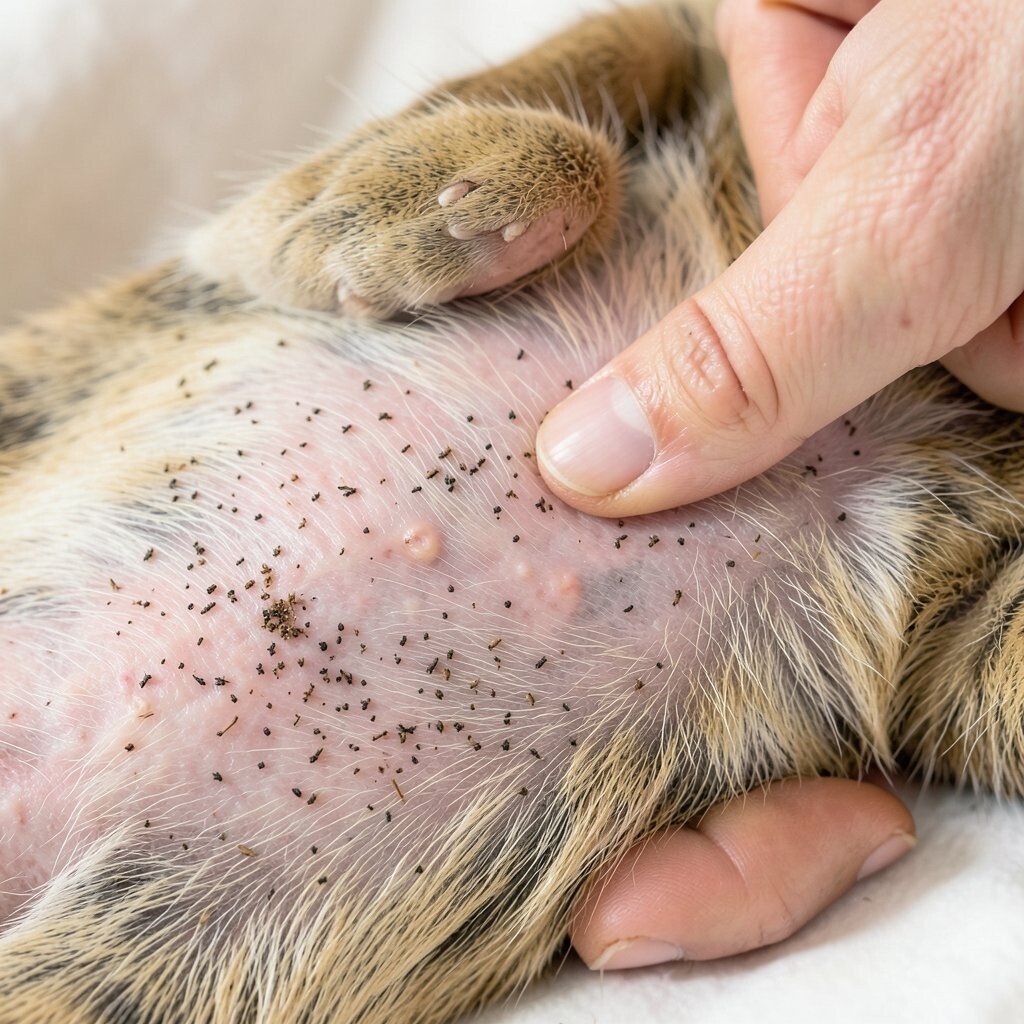
Look at your pet’s skin and fur each day. Use your hands to feel for small bumps or scabs, and watch for heavy scratching. If your pet seems restless or keeps biting at the skin, treat it as a flea sign.
Fleas often hide in places with warmth, like the neck, belly, and base of the tail. You might also see tiny black specks on a pet’s coat. That can be flea dirt, which usually looks like pepper.
2. Use a Flea Comb in the Right Way
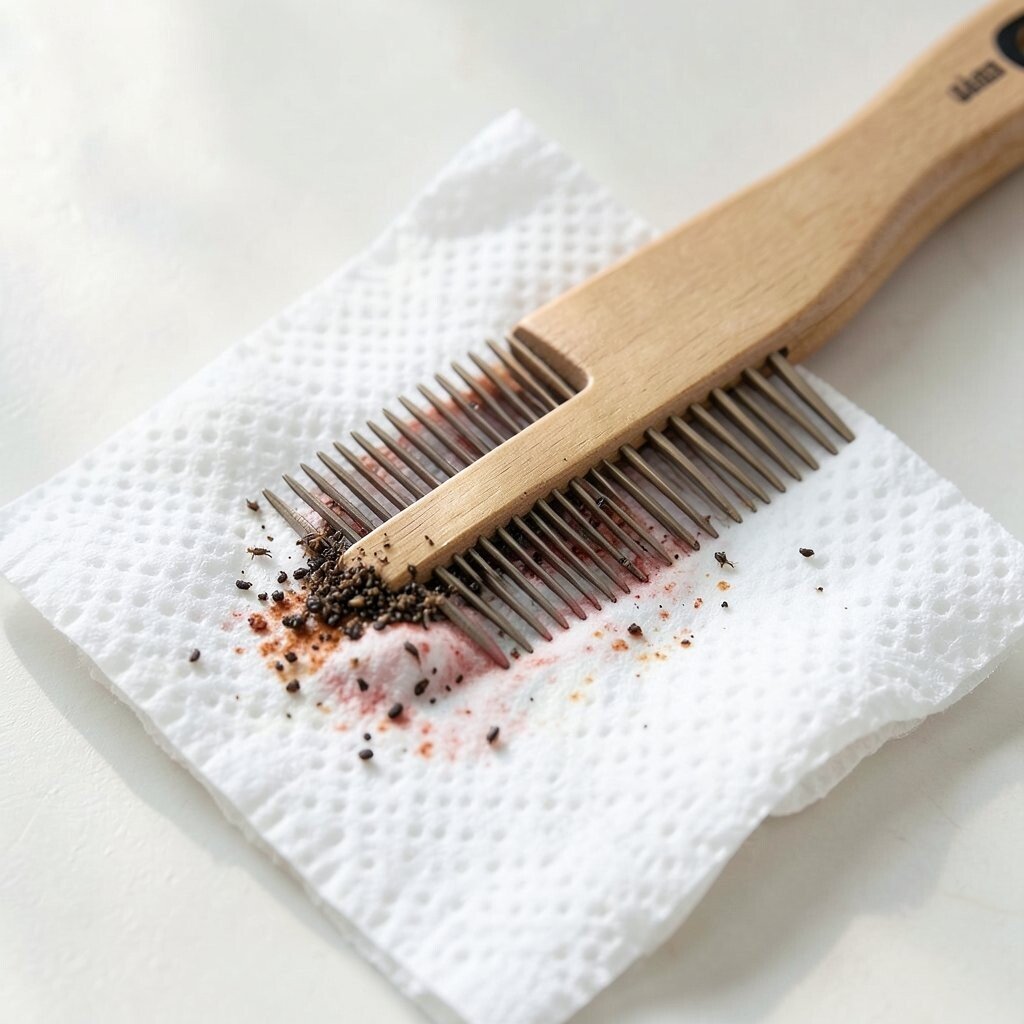
A flea comb is a basic tool you can use at home. Comb slowly and press gently so the teeth reach the skin. After each few strokes, wipe the comb on a white paper towel so you can see what comes off.
If you see dark specks and then a bit of red or rusty color on the towel, that can mean flea waste. This tip helps you confirm the issue early. It also gives you proof so you can pick the right next step.
3. Wash Pet Bedding With Hot Water
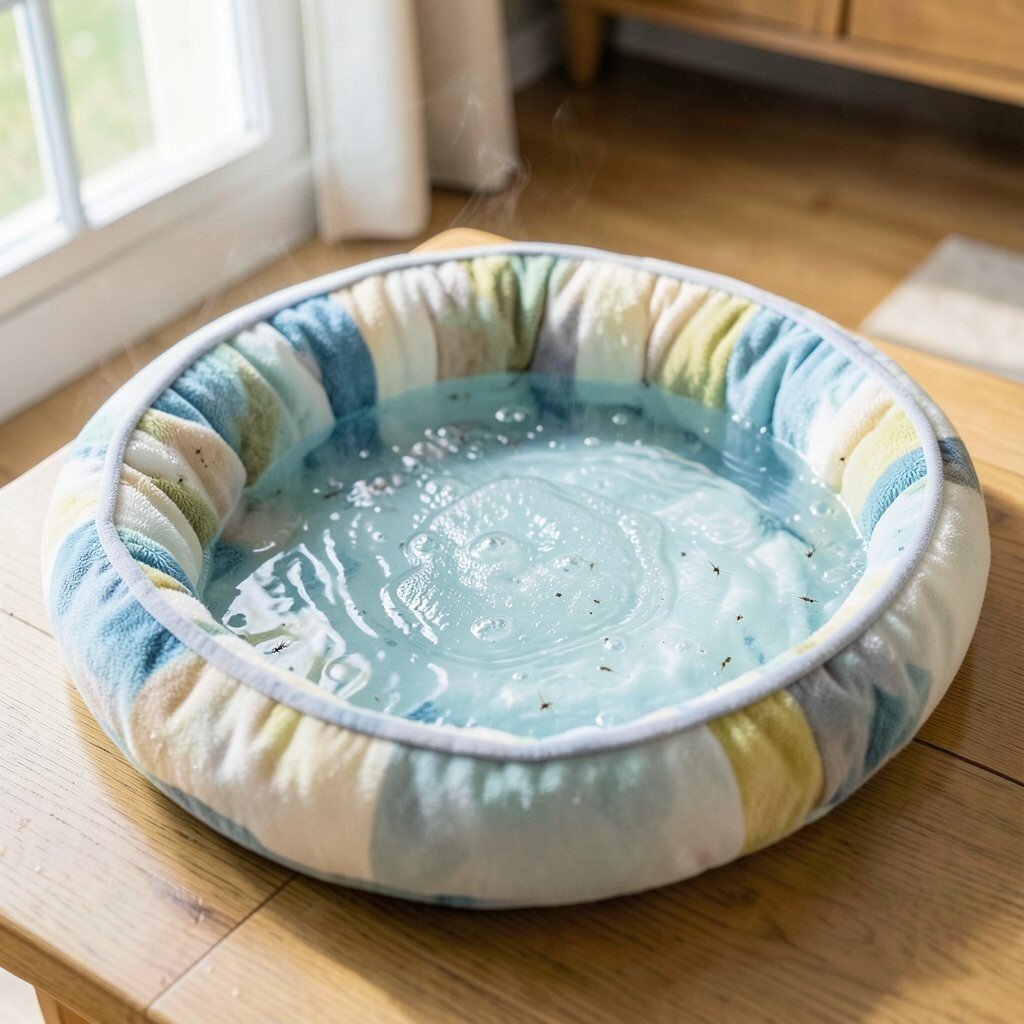
Wash your pet’s bed, blankets, and soft covers in hot water. Also wash any dog or cat blankets you keep around living areas. Use a regular detergent and dry the items on high heat if the fabric allows it.
For best results, do this often during the first weeks. Fleas can lay eggs in fabric, and eggs may keep the cycle going. Clean bedding helps break that cycle in a visible way.
4. Vacuum Floors and Upholstery Often
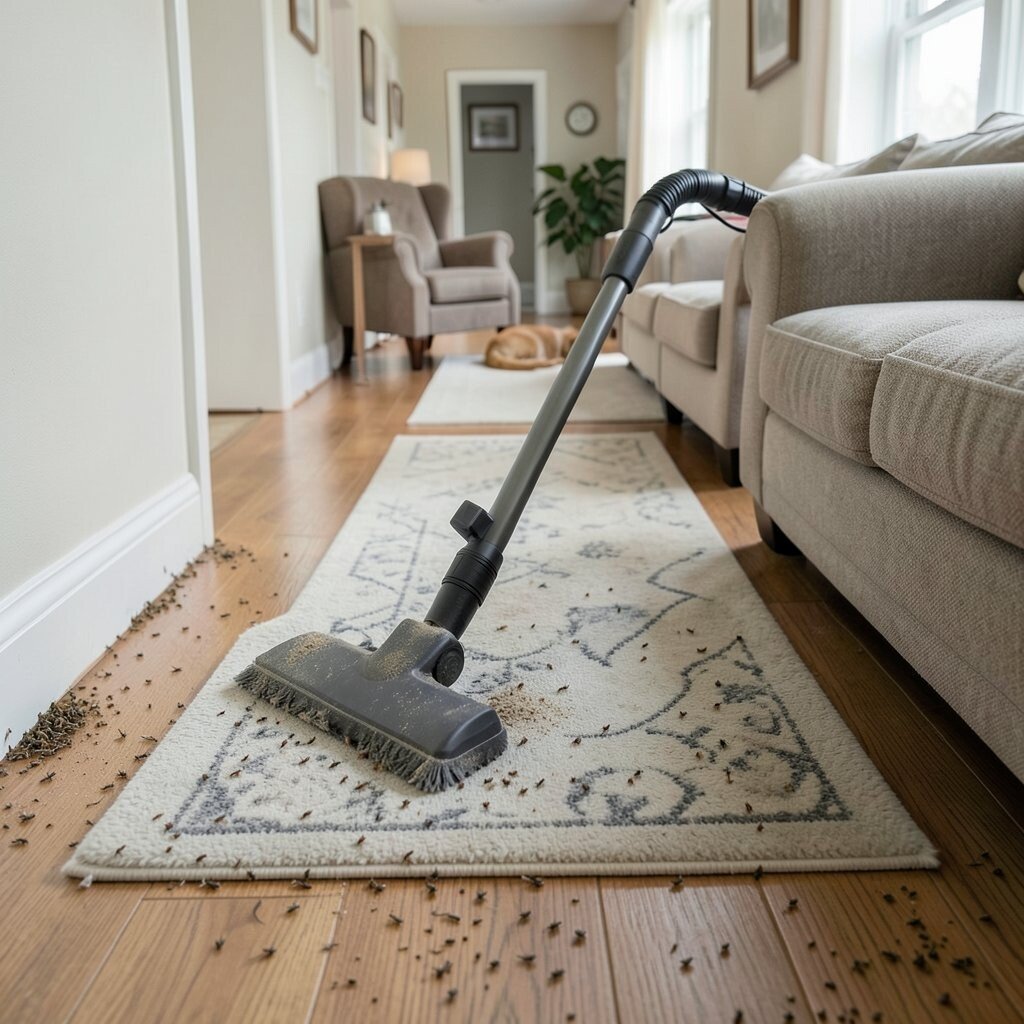
Vacuum carpets, rugs, and the edges of baseboards often. Focus on spots where pets rest, sleep, or play. Also vacuum chairs, sofas, and pet spots in hallways.
When you vacuum, you pull up eggs, larvae, and adult fleas. You may see tiny dust-like pieces and small debris, especially near pet areas. After you vacuum, empty the vacuum bin or change the bag right away.
5. Treat the Home’s Soft Spots, Not Just the Floors

Fleas do not only live on bare floor surfaces. They can live in soft things like couch cushions, throw rugs, and pet blankets. If you only treat floors, you may still have fleas hiding in fabric.
Try to include the spots where your pet curls up. For example, check the couch where your pet naps, and clean that area with vacuum and washing. This kind of focus can save time and reduce repeat problems.
6. Know the Life Cycle So You Can Plan

Fleas go through stages, like eggs, larvae, and adults. Eggs can fall into carpets and then wait for the right conditions. Because of this, you may see new bites even after the first clean-up.
Planning helps you stick with the steps long enough. Keep cleaning and pet care steady for a few weeks, not just a one-time try. This is a practical way to lower the chance of a return.
7. Pick a Pet Flea Product and Use It Correctly
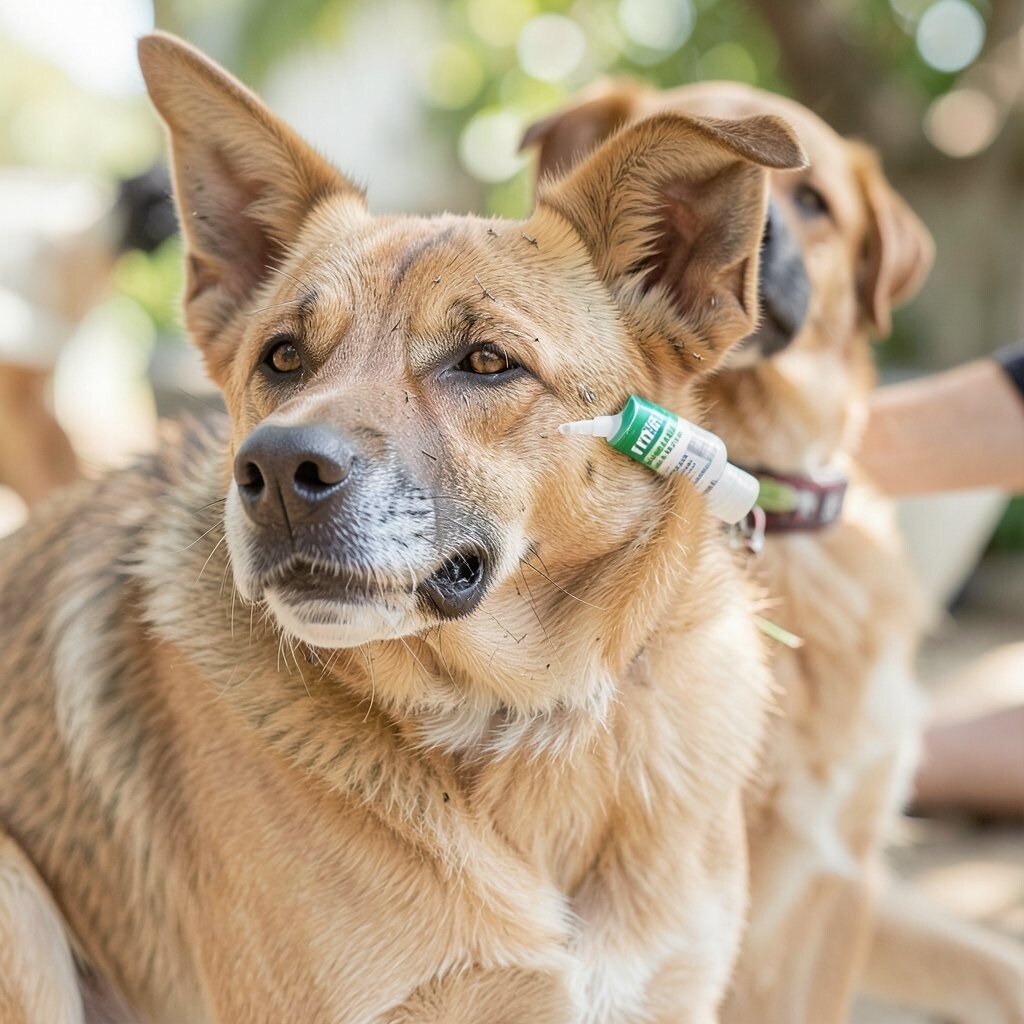
There are many flea products, like spot-on drops, pills, and flea collars. Pick one that fits your pet’s size and age. Also follow the label directions exactly, even if you think you need more.
Use the product on the right spot, like between the shoulder blades for some types. If you have more than one pet, treat each one. This keeps the fleas from moving between animals.
8. Ask a Vet About the Best Option for Your Pet
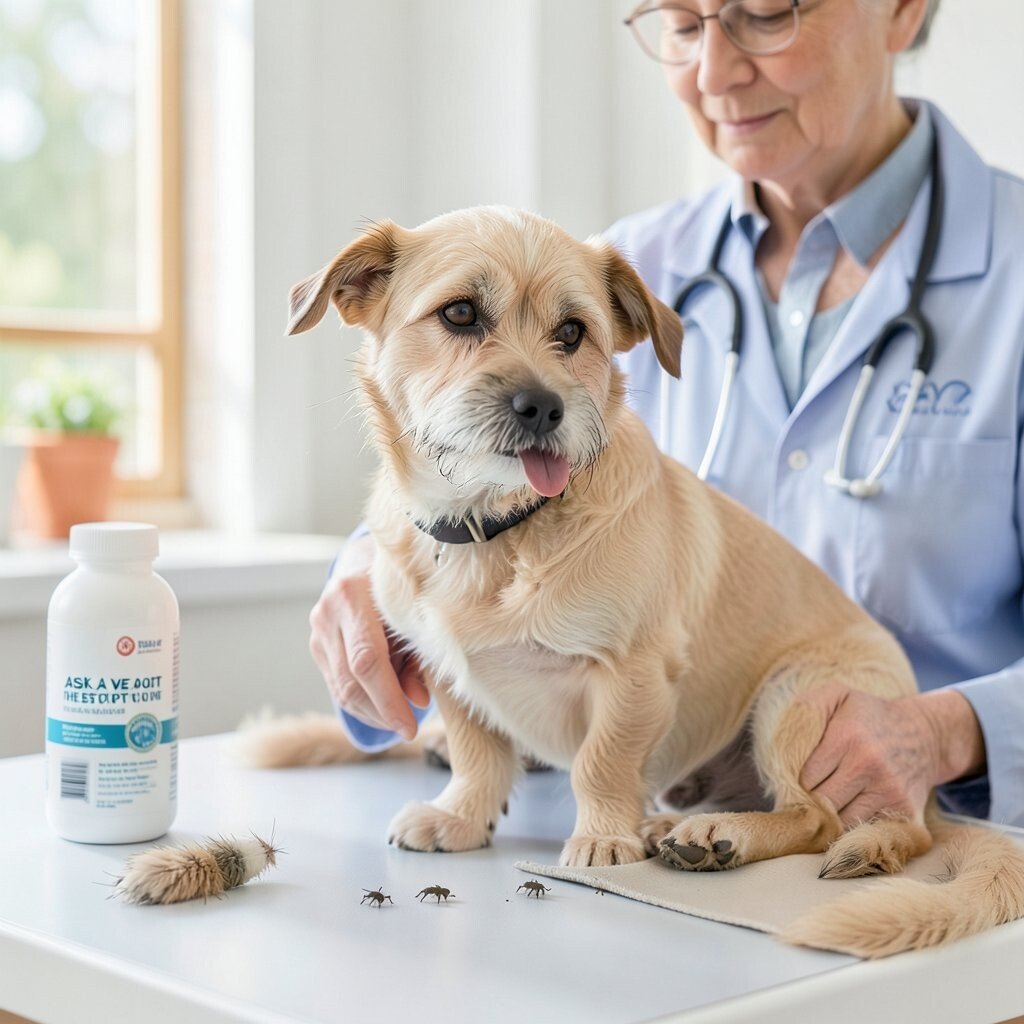
A vet can help you match a product to your pet’s health needs. Some pets have skin issues, and some have age or weight limits. A simple check can keep you from using the wrong kind of treatment.
This can also help with cost control. You may spend less money by buying what works, instead of trying several things at random. Ask about schedules and how to handle any side effects.
9. Control Humidity and Keep Air Flow Good
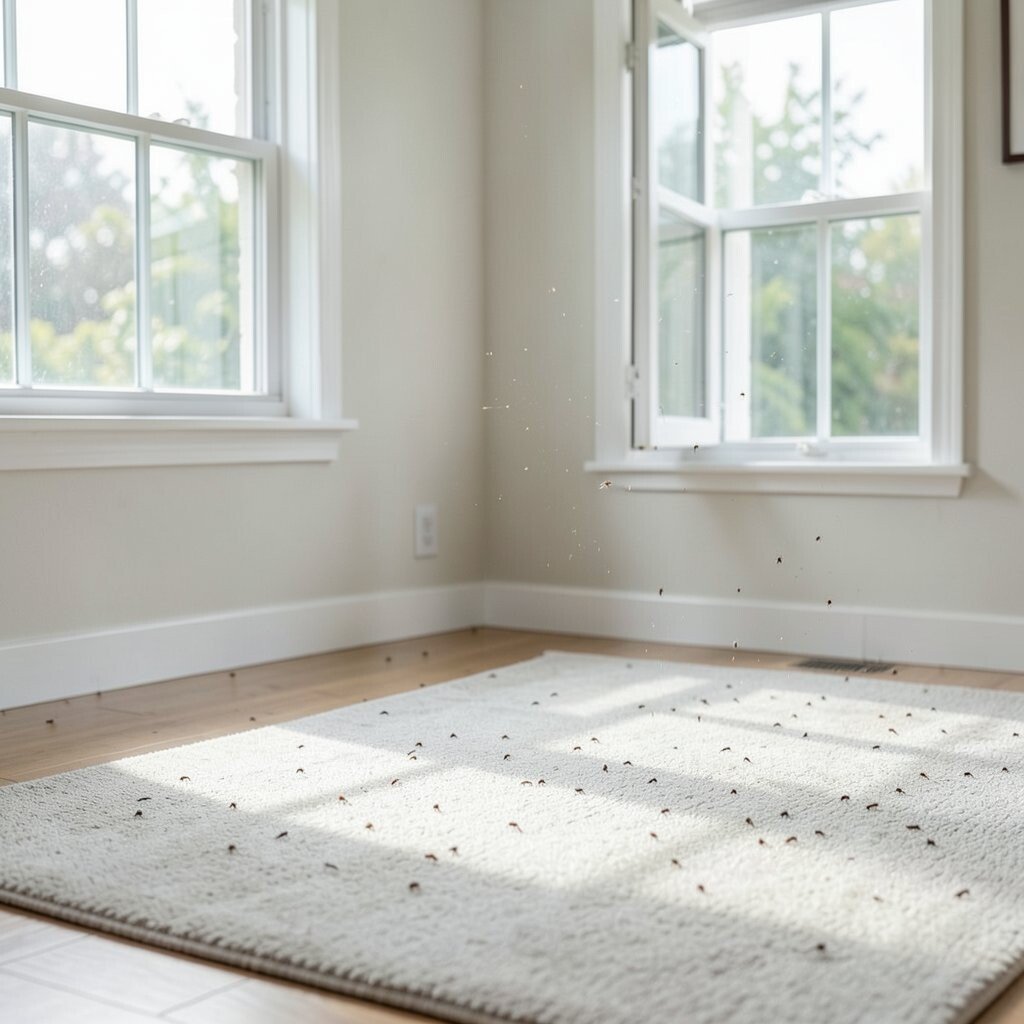
Fleas often do better in places that stay warm and not too dry. You can help by keeping rooms well aired and by using normal home ventilation. Open windows when you can, and use fans in safe ways.
You can also keep floors drier after cleaning. If carpets take a long time to dry, it may help fleas stay comfy. Dry, clean carpets and rugs can support your other steps.
10. Reduce Clutter in Pet Zones
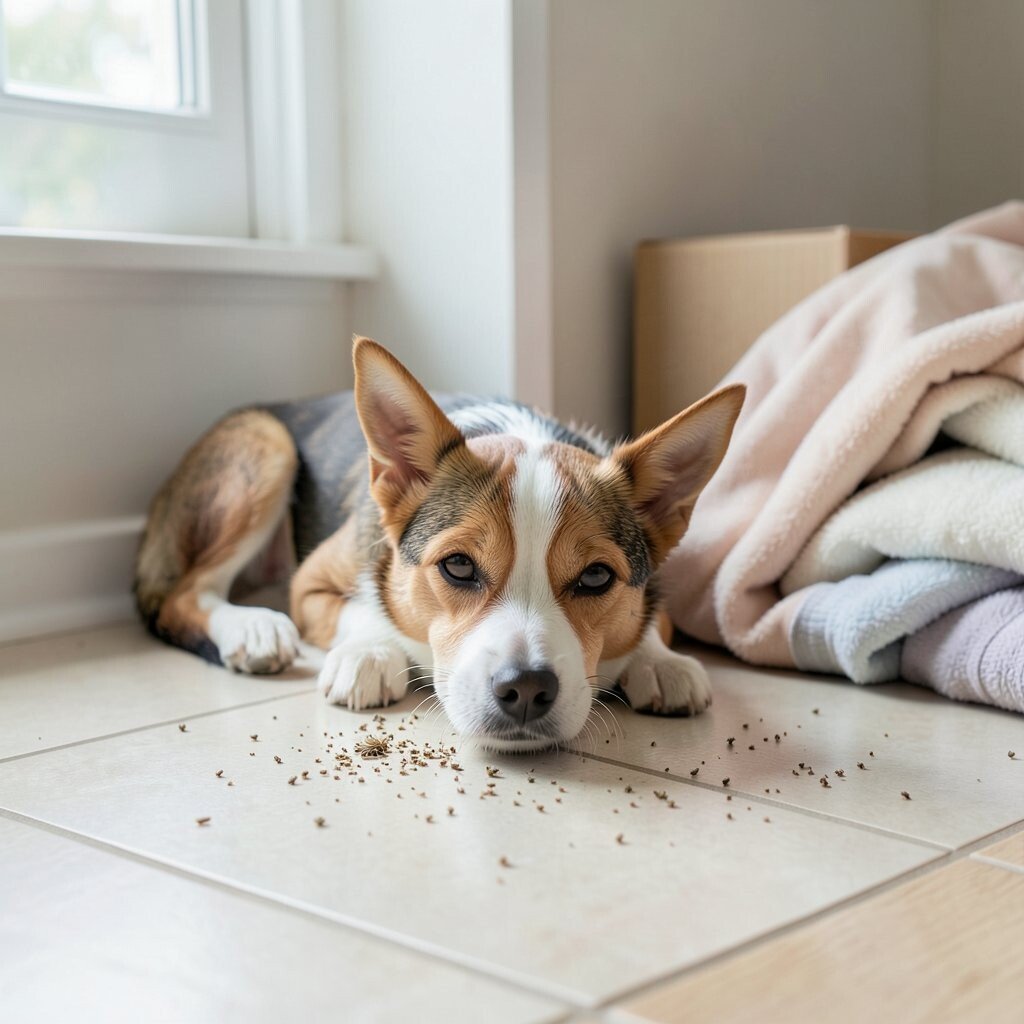
Flea work is easier when there are fewer hiding spots. Move piles of clothes, extra blankets, and stacks of boxes out of pet corners. Clear areas where your pet rests so cleaning reaches deeper.
In a tidy space, you can see where pet activity happens. That makes it simpler to spot new signs, like bites or flea dirt. Less clutter also helps you keep a routine without feeling stuck.
11. Use Natural Home Steps, But Keep Expectations Real
Some people use powders or home mixes to help with fleas. If you choose a natural step, use it carefully and follow the directions on the label. Keep kids and pets away until it is safe.
These steps may help with certain areas, like after vacuuming. But they are not always enough by themselves. Use them as support with regular pet treatment and cleaning.
12. Treat Outdoor Areas Where Pets Rest
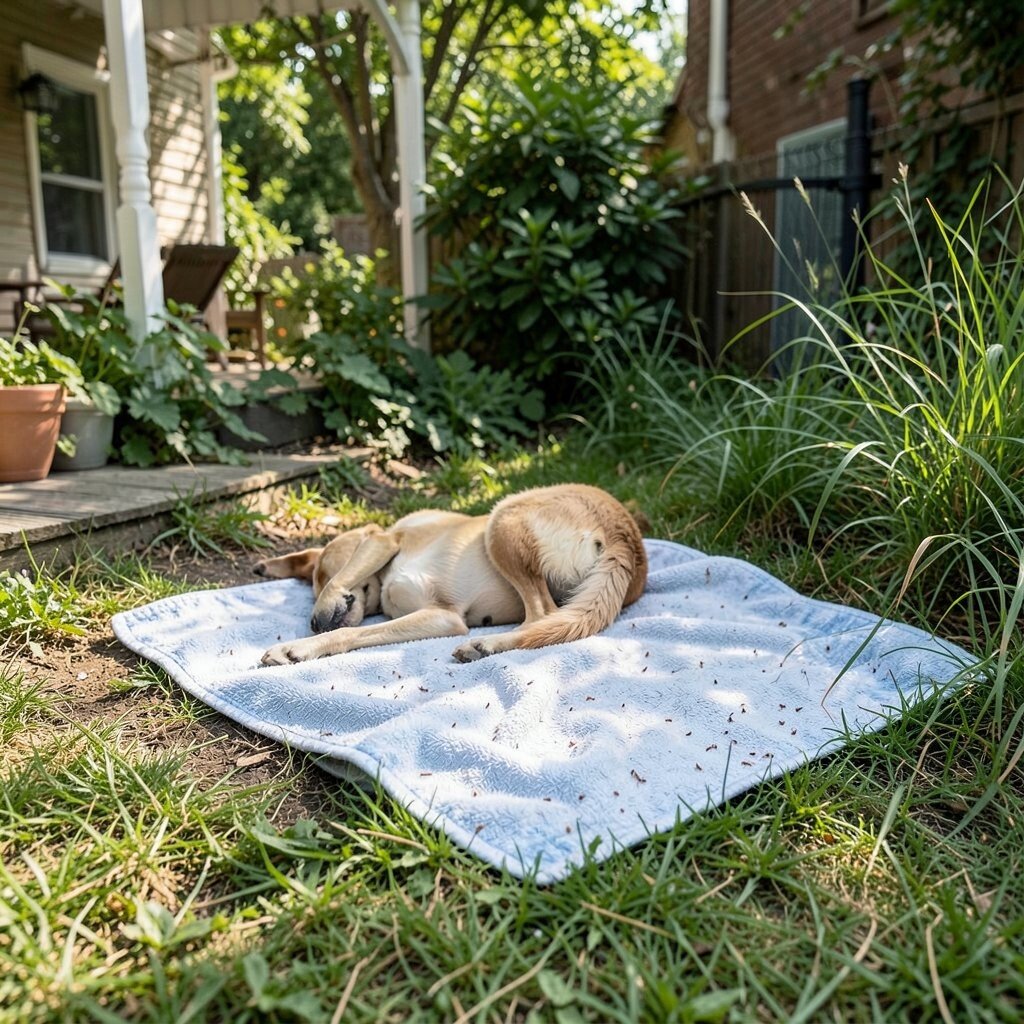
Fleas can come from outside spots where pets spend time. Check the areas near patios, porches, and shaded yard spots. If your pet sits near bushes or tall grass, fleas may hide there.
Keep outdoor sleeping areas clean and dry. If you use a dog house or outdoor mat, wash or shake it often. For yards, focus on the places your pet actually uses.
13. Be Careful With Cross-Contamination From Other Homes
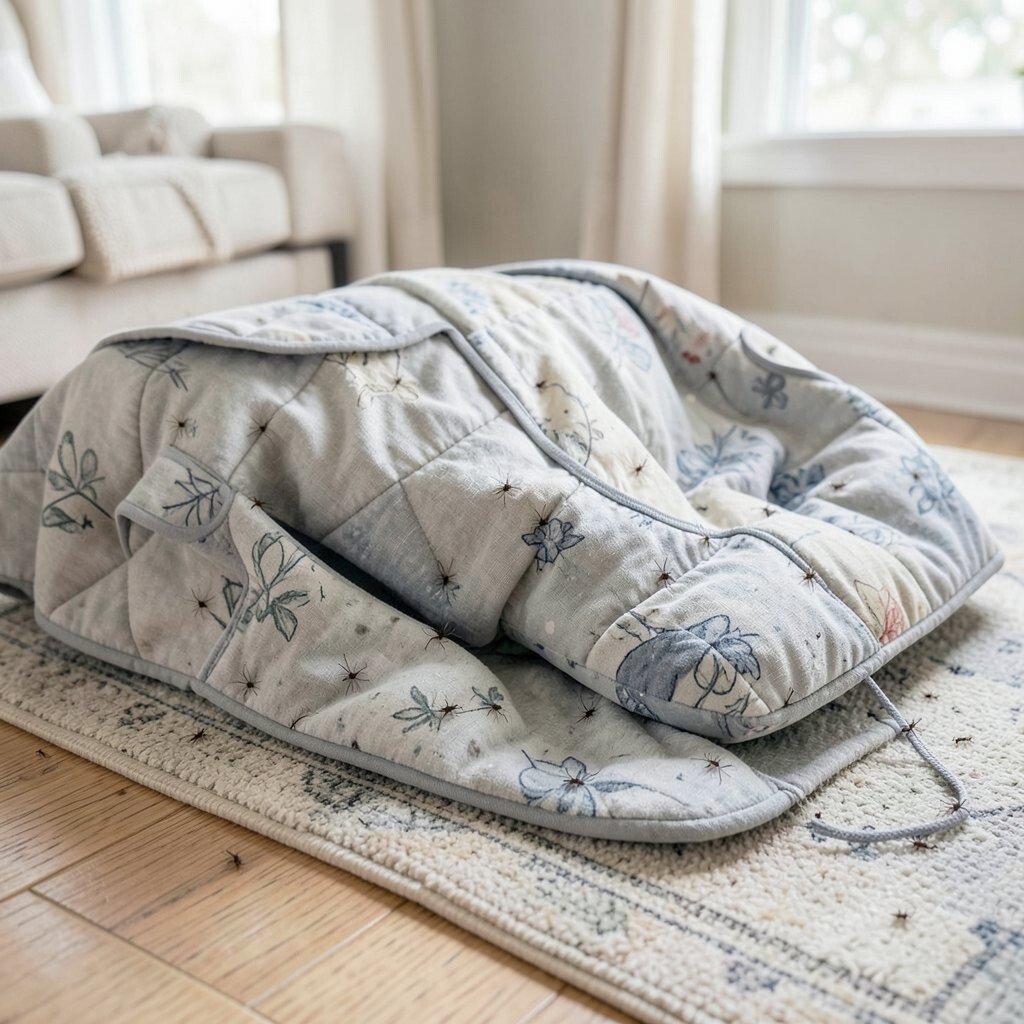
Fleas can travel on clothing, shoes, and pet items. If you visit a home with a flea issue, the fleas can hitch a ride. Bring pet items in and check them, especially bedding and carrier blankets.
Also clean off shoes and vacuum entry rugs if you suspect a mix-in. This tip is like a small shield for your home. It helps you reduce the chance of bringing the problem back in.
14. Track Costs and Build a Routine That Fits Your Budget

It helps to plan for cost before you start. Make a list of what you need, like a flea comb, extra washing cycles, vacuum bags, and a pet product. Then pick steps you can keep doing without stress.
Set a simple plan based on your home and your pet. For example, schedule pet checks each day, wash bedding more often at the start, and vacuum key zones on a set day. This makes progress easier to see, and it fits your life.