A goldfish pond can make a garden feel calm and lived in. You can build one in many ways, and each choice can fit your space, budget, and style.
1. Small Corner Pond With Stone Edges
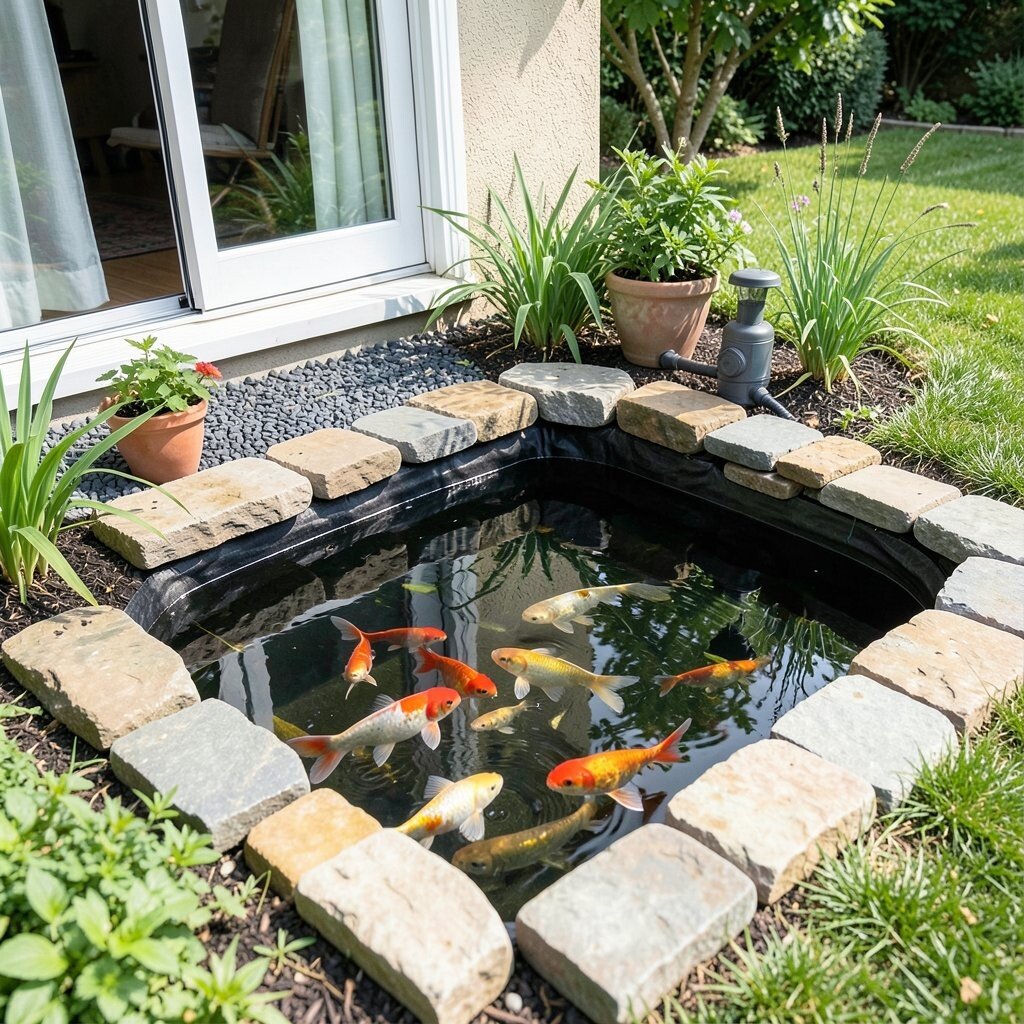
A small corner pond can sit near a patio door or a side path and still look neat. Use flat stones along the edge so it feels tidy, and keep the water line clear and even. Add a few goldfish plants around the rim to frame the view from inside the home.
This style is good for people who want a simple setup without a big project. It helps you keep watch on the fish, and you can spot leaves or dirt fast. It also fits well in tight yards.
For cost control, choose local stones and use a pond liner that matches the shape you want. A common trend right now is using natural rock colors so the pond looks like it belongs in the yard. Try a small pump and a basic filter to keep water moving.
2. Preformed Pond for Easy Setup
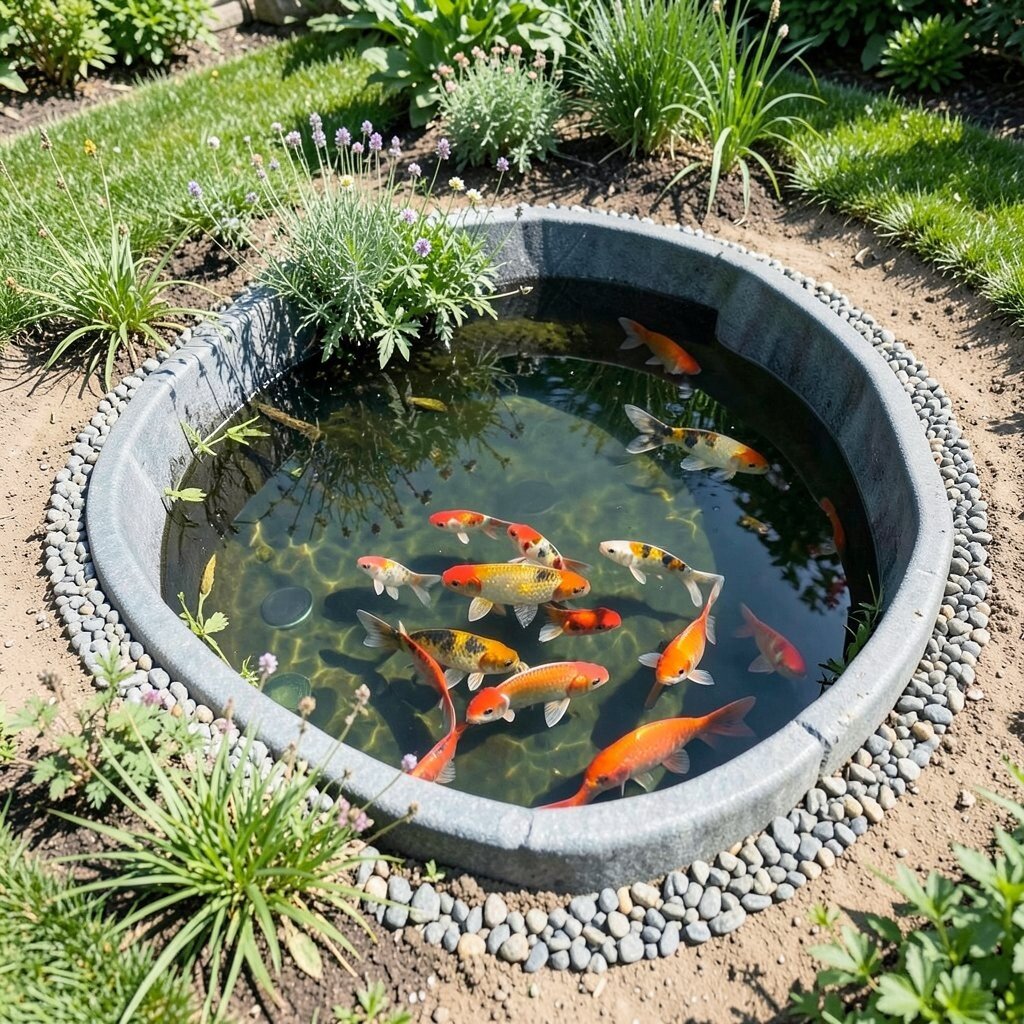
A preformed pond is a molded shell that you place in the ground. You dig a hole, set the unit level, and then fill in around the edges with soil or sand. The shape is already made, so the build is often quicker than other ways.
Goldfish ponds need clean water, and a steady pump helps support that goal. With a preformed pond, you can plan the space for a filter and for plants near the shallow side. Fish stay easier to see, which helps when you feed and check their health.
This idea can fit a range of budgets, since you can choose smaller sizes. Many gardeners like this option because it is less work and less guesswork. Personalize it by adding a narrow gravel band around the rim and a ring of hardy plants.
3. Natural Waterfall Step for Sound and Motion
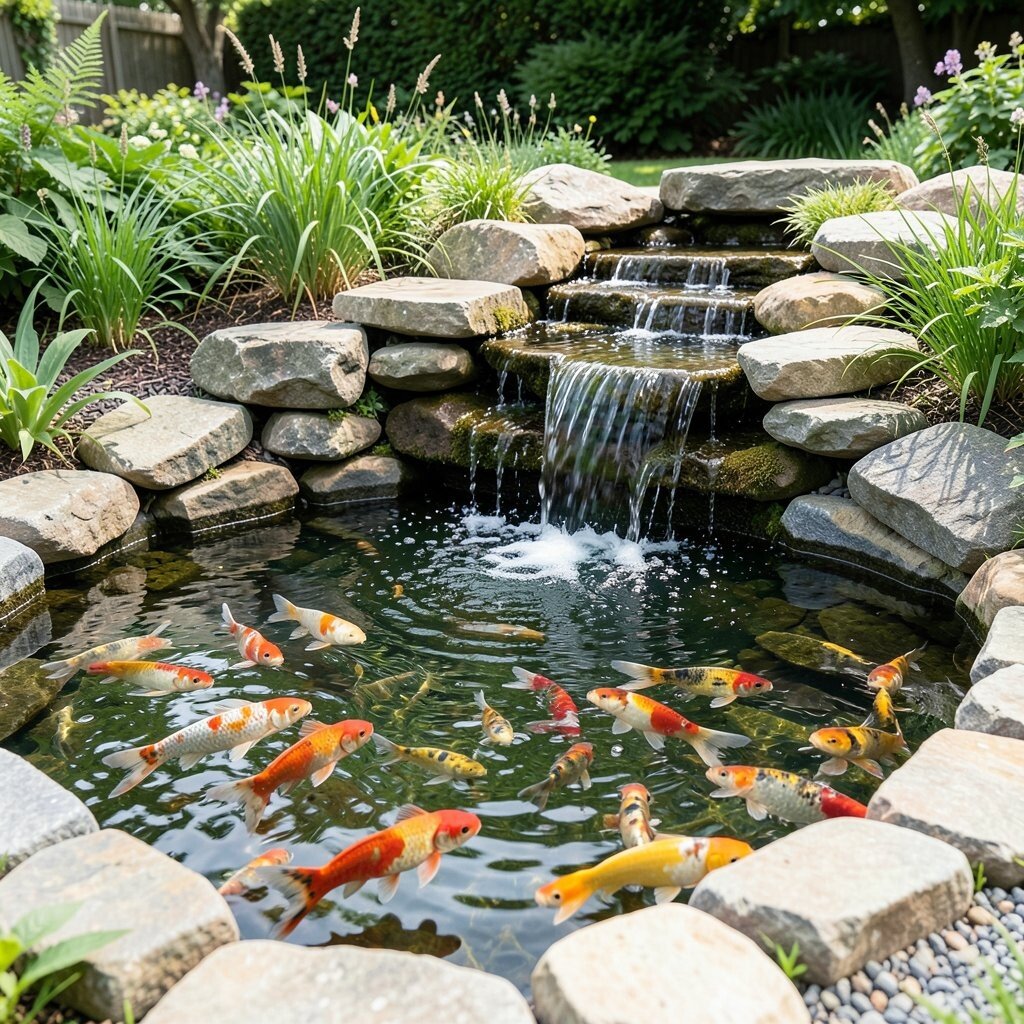
A small waterfall adds movement, and moving water helps the pond stay healthier. You can make a simple step waterfall with stones, then hide the tubing and pump near the back. When water trickles down, it also gives your garden a gentle sound.
The water flow can help with oxygen and can reduce still, stagnant spots. Goldfish are messy eaters, so good flow helps carry waste toward the filter. It can also keep the pond from feeling flat or empty.
For cost, use medium-size stones and start with a low, easy flow. A current trend is building “quiet” waterfalls that look like natural rock, not a big feature. You can personalize the look by matching the stone color to your walkway or driveway.
4. Raised Pond With Built-In Planter Beds
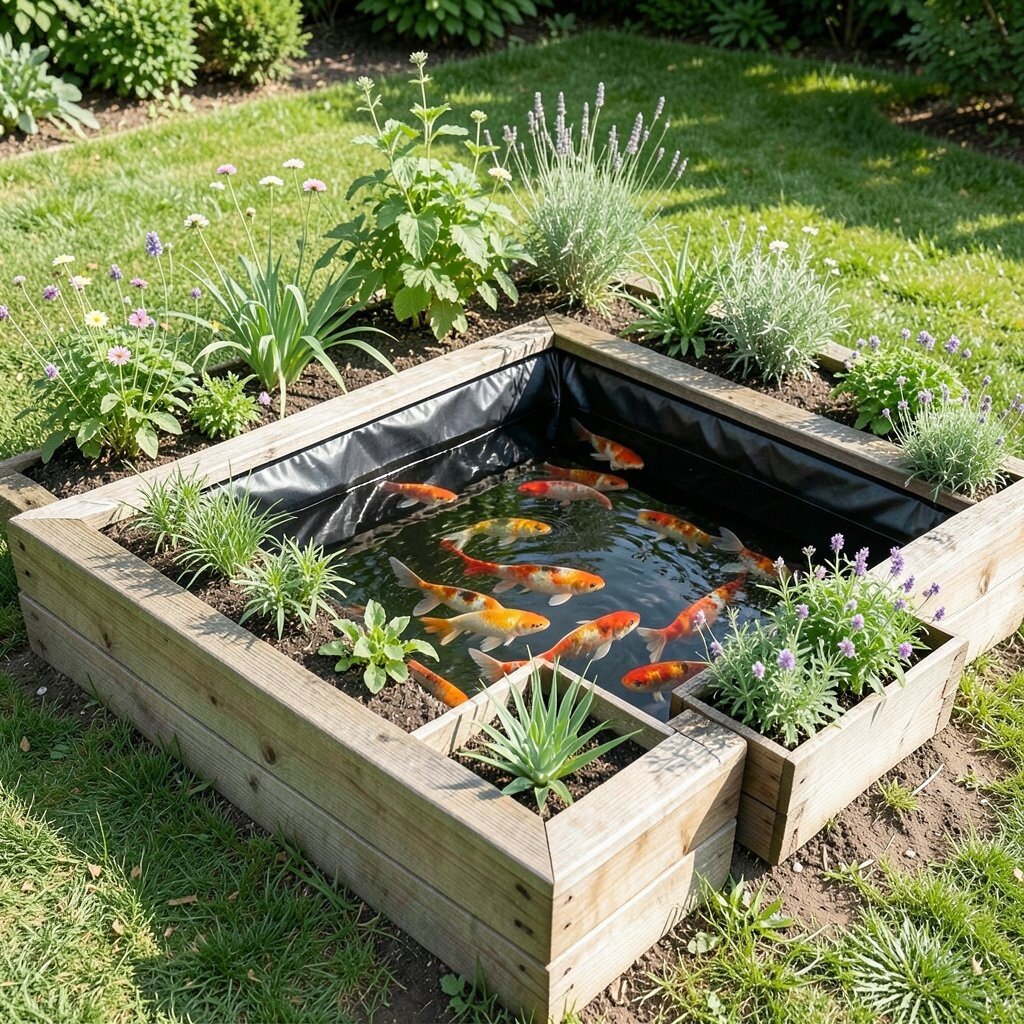
A raised pond can look neat and can work well for yards with poor soil. You build up a frame, place the pond liner inside, and then add planter beds around the top. This setup can look like a pond and garden wall in one.
Raised ponds help you reach the fish more easily for feeding and cleaning. It also helps when you want plants right next to the water without digging too much. Goldfish do not like cold, deep surprises, so you can plan a steady depth and stable edges.
This option may cost a bit more at first, since you need wood, block, or stone for the frame. Still, you can save money by keeping the pond small and using simple plant boxes. Personalize it with herbs near the pond or with low flowers that fit your yard style.
5. Large Planter Pots As “Deck Ponds”
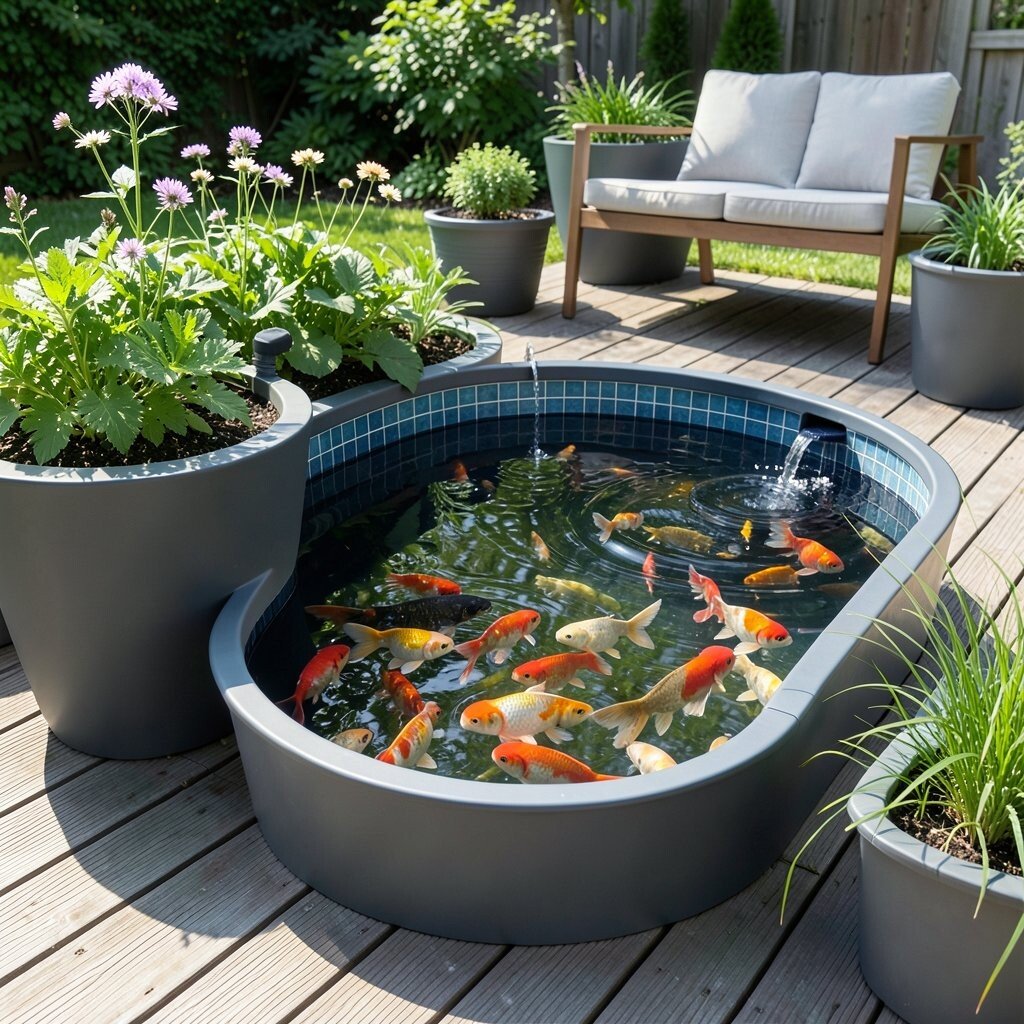
If you have a small yard or no ground space, try a deck or patio pond using large planters. Use a strong tub or pond-ready container, then add a filter and a pump that fit inside the space. You can place it under light shade so the water does not get too hot.
These “deck ponds” help you enjoy goldfish without yard digging. You can keep the pond close to an outdoor seat, so you see the fish every day. This makes daily care easier and helps you notice changes fast.
Cost depends on the container size, but you can often find good choices at garden stores. A trend is using modern planters with clean lines, paired with simple water features. Personalize it with tile accents on the rim or with a plant border in matching colors.
6. Shallow Shelf Design With Plant Zones

A shallow shelf inside the pond can create plant zones and give fish safe areas near the edge. You can shape one side with a gradual slope and then keep the main area deeper enough for the goldfish. Plants can grow in the shelf zone without taking over the whole pond.
Plant zones can help with water clarity and can give cover for fish. Goldfish will eat some plants, so pick tougher plant types and use sturdy planters if needed. This also makes the pond look layered, with depth you can see from the bank.
For a budget-friendly plan, use simple shelves and then add one or two plant clusters. A big trend is mixing plant texture, like smooth leaves with more upright growth. Personalize it by choosing plant colors that match your garden beds.
7. Sandy Bottom Look With Cautious Cleaning
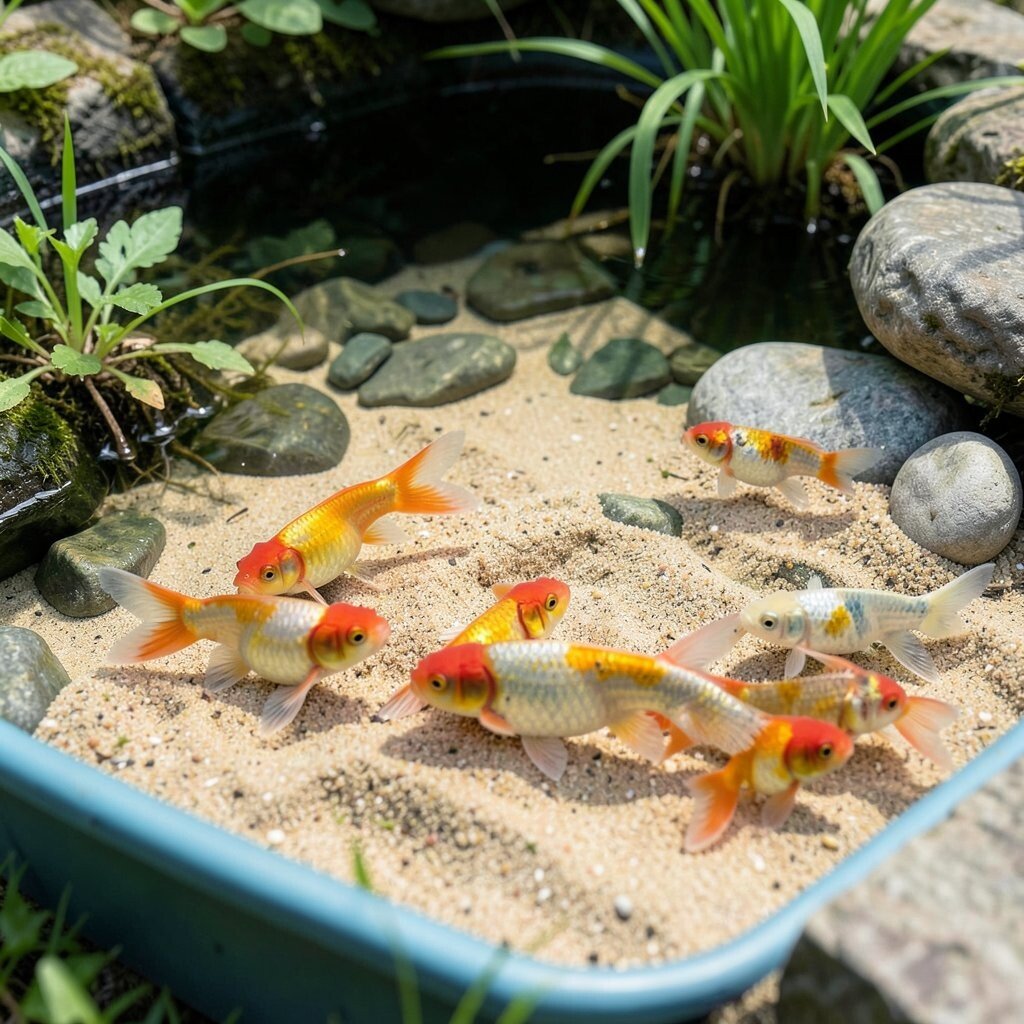
A sandy bottom can give a soft, natural look, and it can help you see fish as they move along the floor. But goldfish can stir up waste, so the key is careful setup. Use a fine filter system and plan on regular water checks.
This design can be pretty and relaxing, but it needs routine care. If the sand gets dirty, water clarity can drop fast. You can make cleaning easier by keeping the sand layer thin and using suction tools during clean-ups.
Cost is usually moderate if you use pond-safe sand and a decent filter. Some people like this look because it feels gentle and clean in photos and in real life. Personalize it by adding a few smooth river rocks near the plants for extra style.
8. Circling Koi Grass Border and Low Ground Cover

Using low ground cover around the pond makes the whole area look connected. One example is koi grass, which can handle wet soil and helps cover bare ground. Add a ring of ground cover along the edge to make the pond feel like part of the garden, not a separate item.
Ground cover can also help reduce splash and keep soil from washing into the water. It gives a clear border, so the pond stays neat even when leaves fall. This can cut down on the amount of debris you need to remove.
This idea can cost less than heavy stone work, since you can plant in sections. A trend right now is using “soft edges” instead of only rocks and hard lines. Personalize it by mixing one main plant with a second plant for small color changes.
9. Outdoor Lighting for Evening Viewing

Small pond lights can make your goldfish pond easy to enjoy after dark. Place low path lights near the edge or add a simple pond light that points upward. Keep the light warm in color and avoid strong glare on the water.
Good lighting helps you watch fish behavior and check the pond on calm evenings. It also helps you spot floating waste or algae at a glance. This can support better care since you can act early when something looks off.
Lighting costs vary, but you can start with a small set and add more later. Many people now prefer energy-saving lights and timers for lower power use. Personalize it by placing lights so they highlight stones and plants instead of only the center.
10. DIY Filter Box and Simple Water Clear Options
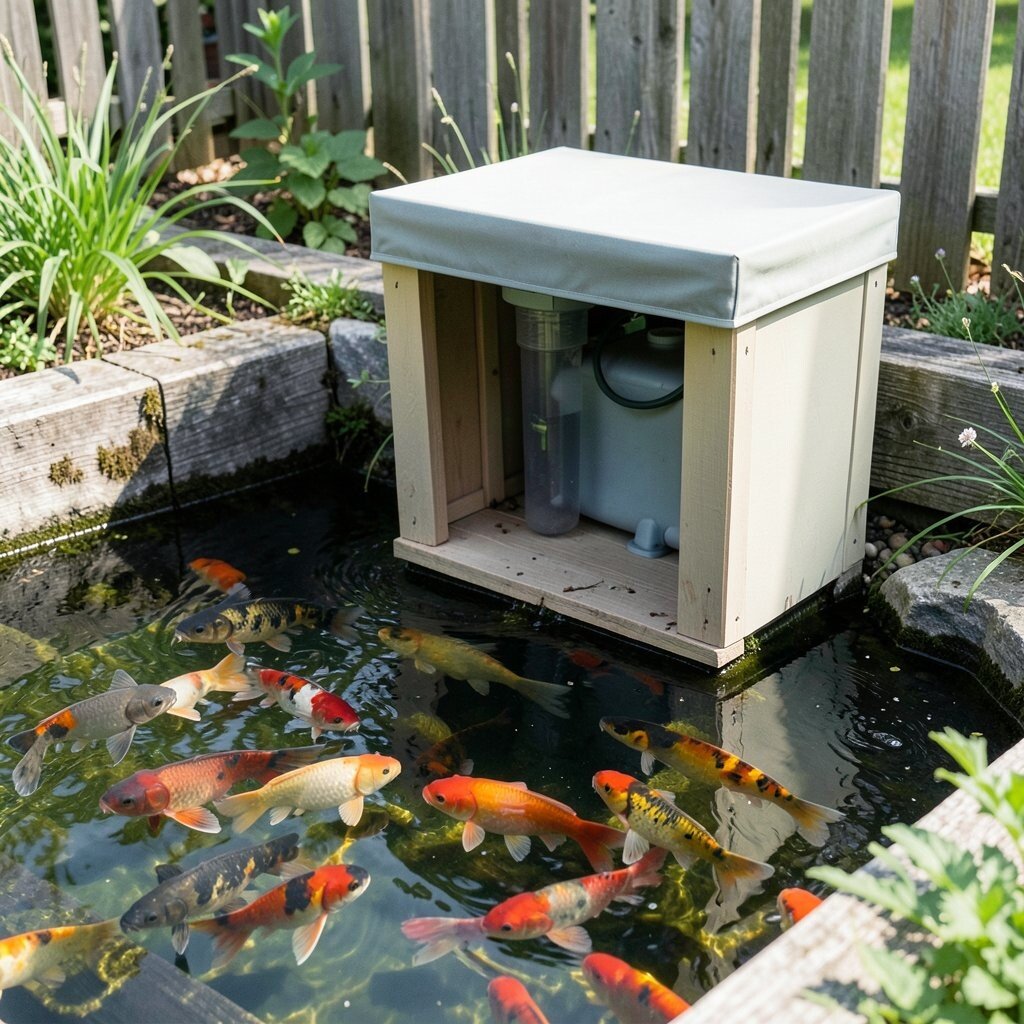
A filter box can be a practical and good-looking build if you plan it early. You can hide the pump and filter in a box near the pond, then use a cover that matches your garden style. Make sure water can flow in and out easily so the filter does not get clogged too fast.
This helps with one of the hardest parts of goldfish care: keeping water clear. Goldfish produce more waste than many other fish, so a reliable filter matters. It also reduces smells and helps keep the pond area more pleasant.
Cost is often lower with DIY parts, but you still need quality parts that work well. A trend is using clean, simple filter covers that look like garden furniture. Personalize the filter box color to match your fence, shed, or patio chairs.
11. Seasonal Style Changes With Planters and Floating Plants
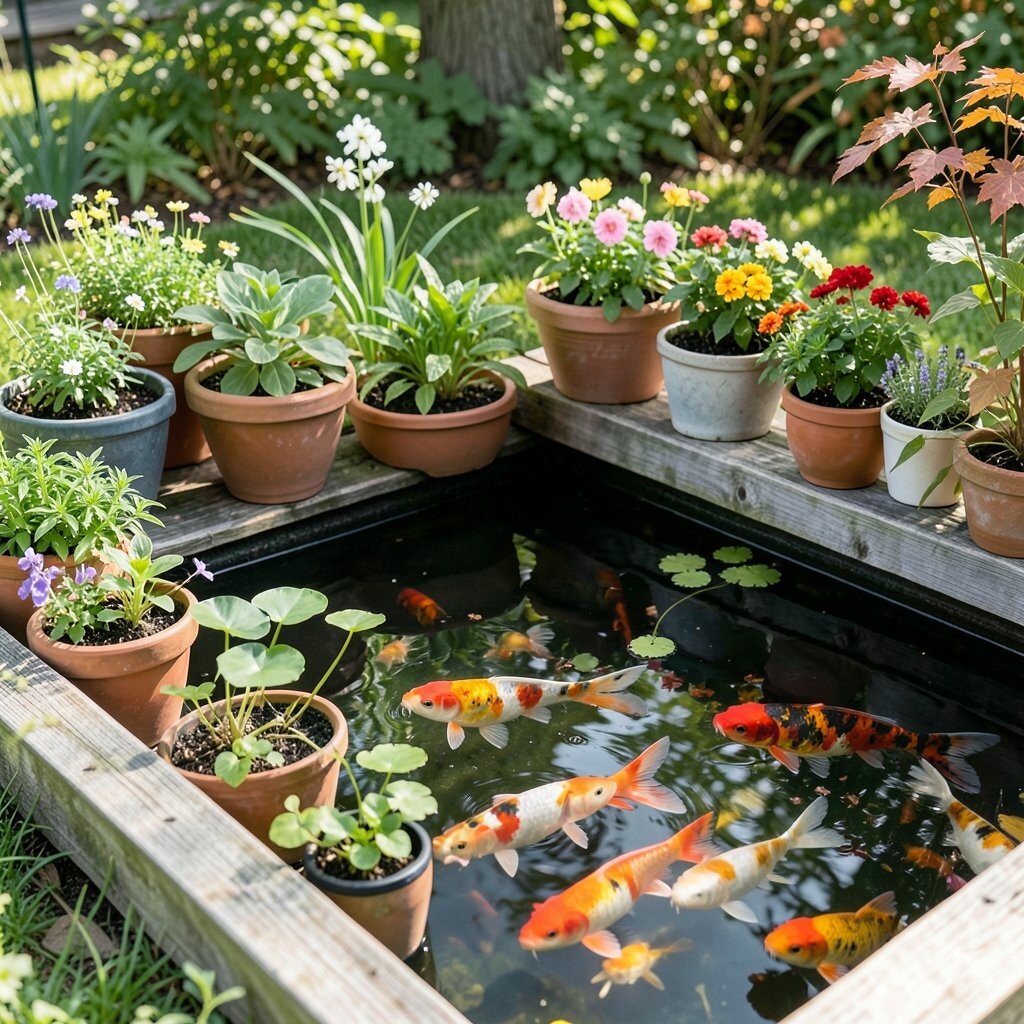
You can keep the pond base the same but change the look by adding and swapping planters through the seasons. Use pots that fit your shelf or edge and choose plants that match the season’s mood. For variety, add floating plants in small amounts so they shade part of the water.
Season changes can help with comfort for goldfish since shade can lower heat in warmer months. It can also make the pond feel fresh, so you notice it more during different parts of the year. This is a fun way to personalize without rebuilding the pond.
Costs stay manageable because you can buy plants little by little. A trend is “living decor,” where planters and plant styles change while the main feature stays steady. Try simple themes like spring greens, summer flower colors, and autumn leaf tones in nearby planters.