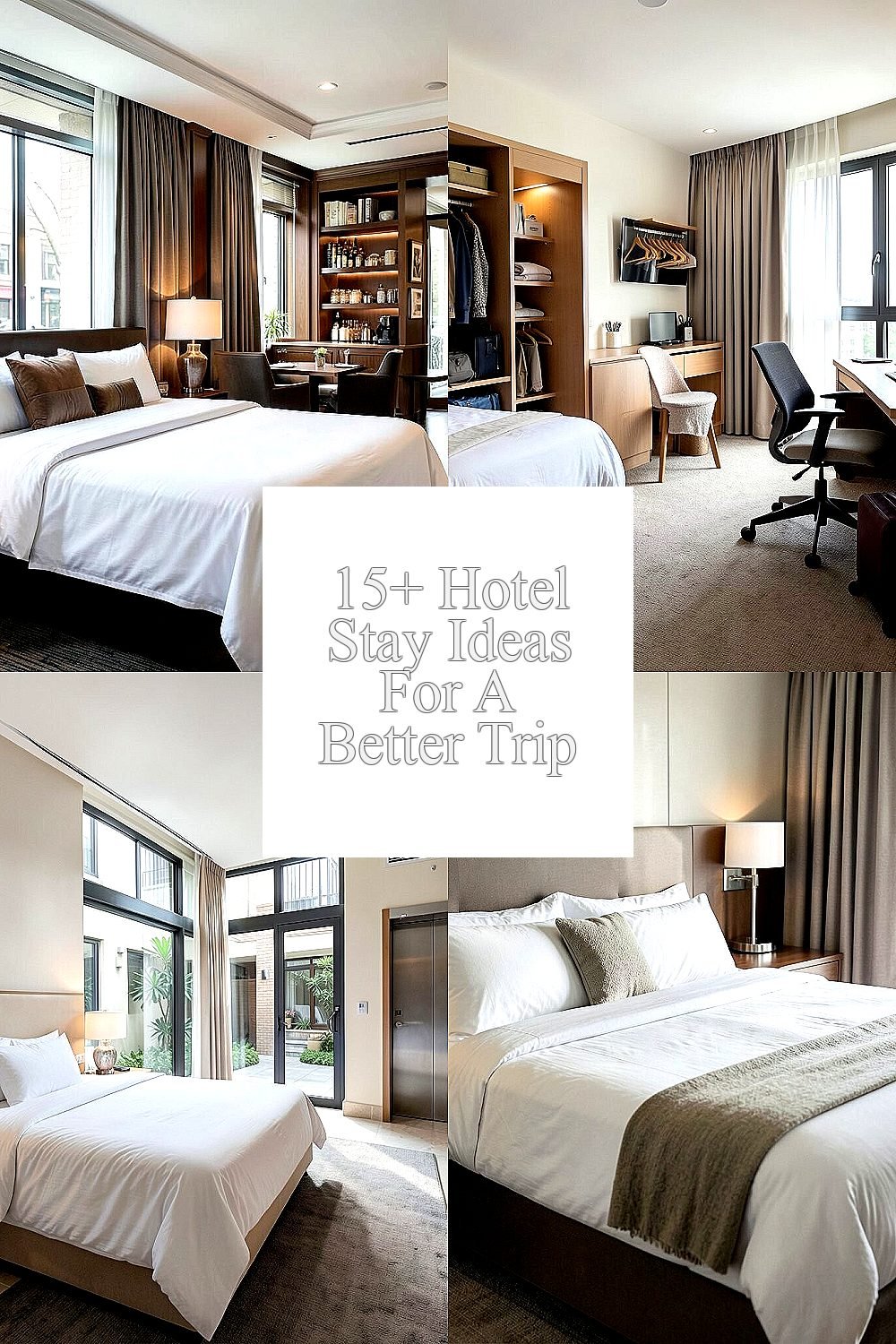
Planning a hotel stay with care helps you feel calm from check-in to check-out. Small choices can make the room work better for you and help you spend less time on problems.
1. Pick a Location That Fits Your Plans
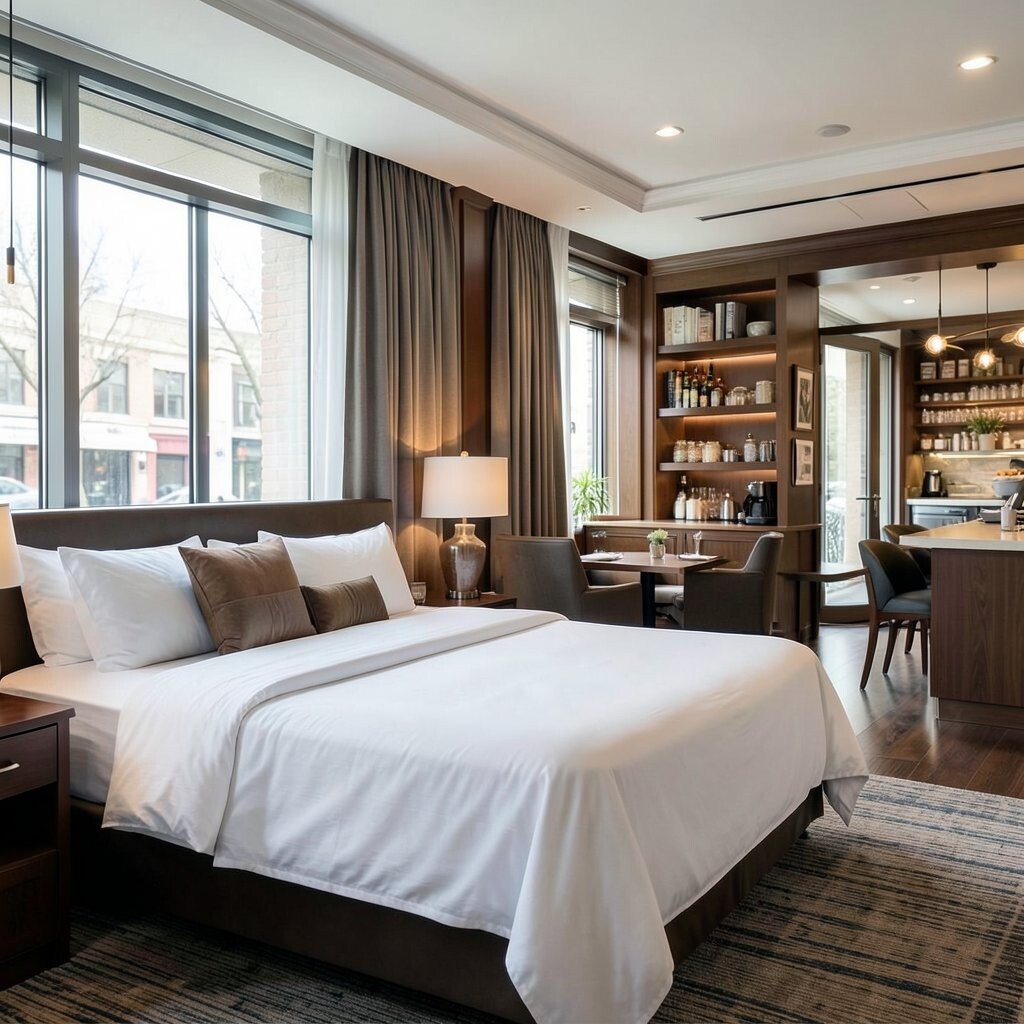
Choose a hotel near the places you want to go. If you will visit a museum, pick a spot that is not too far away. If you plan to eat out a lot, look for areas with many food choices nearby.
Check the map before you book. Think about how you will move around, like walking, bus, or rideshare. A good location can save time and also help you keep a steady daily routine.
2. Choose the Right Room Size for Your Needs
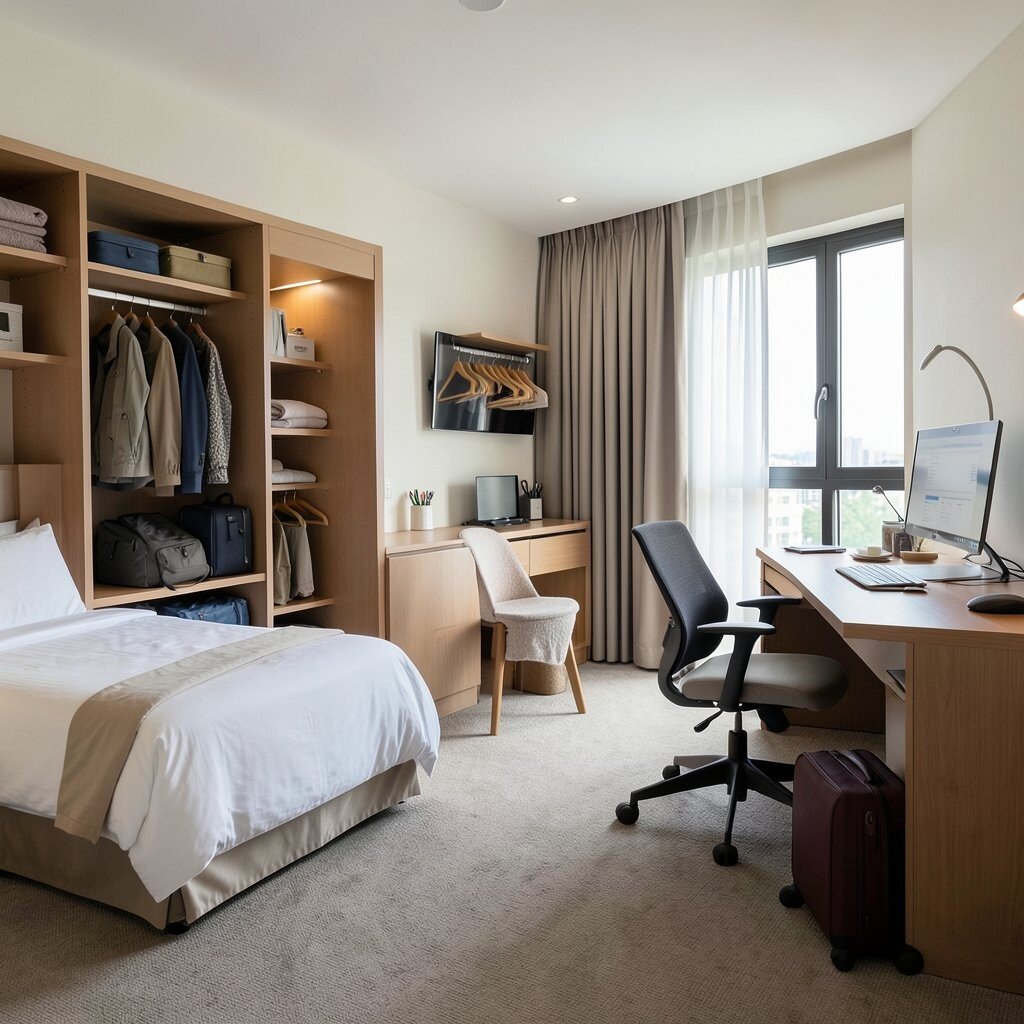
Start by thinking about how you will use the space. If you travel with family, you may need more room to spread out. If you travel for work, a desk and a chair can matter a lot.
Look for details like closet space and where the luggage can sit. Some rooms have a small table, which helps when you eat in or do paperwork. A room that fits your style can feel more comfortable and less cramped.
3. Ask for a Room Away From Noise
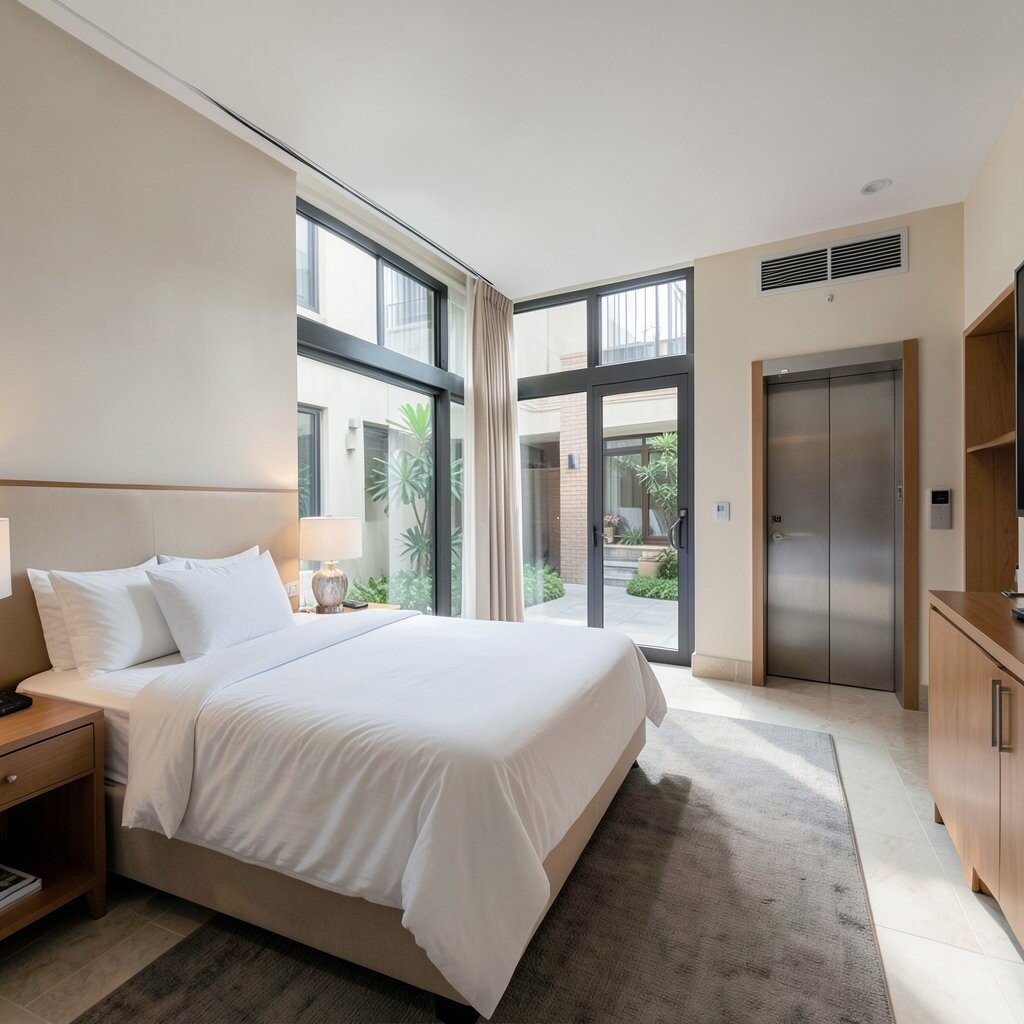
Noise can ruin sleep, even if the hotel looks great in photos. If you can, ask for a room that faces the inside courtyard or a quiet side of the building. Rooms near elevators, ice machines, or busy streets can feel louder.
When you read reviews, look for words like noisy, thin walls, or street sounds. This helps you avoid surprises. A quieter room can also make it easier to rest after a long day outside.
4. Test the Bed and Pillows Early
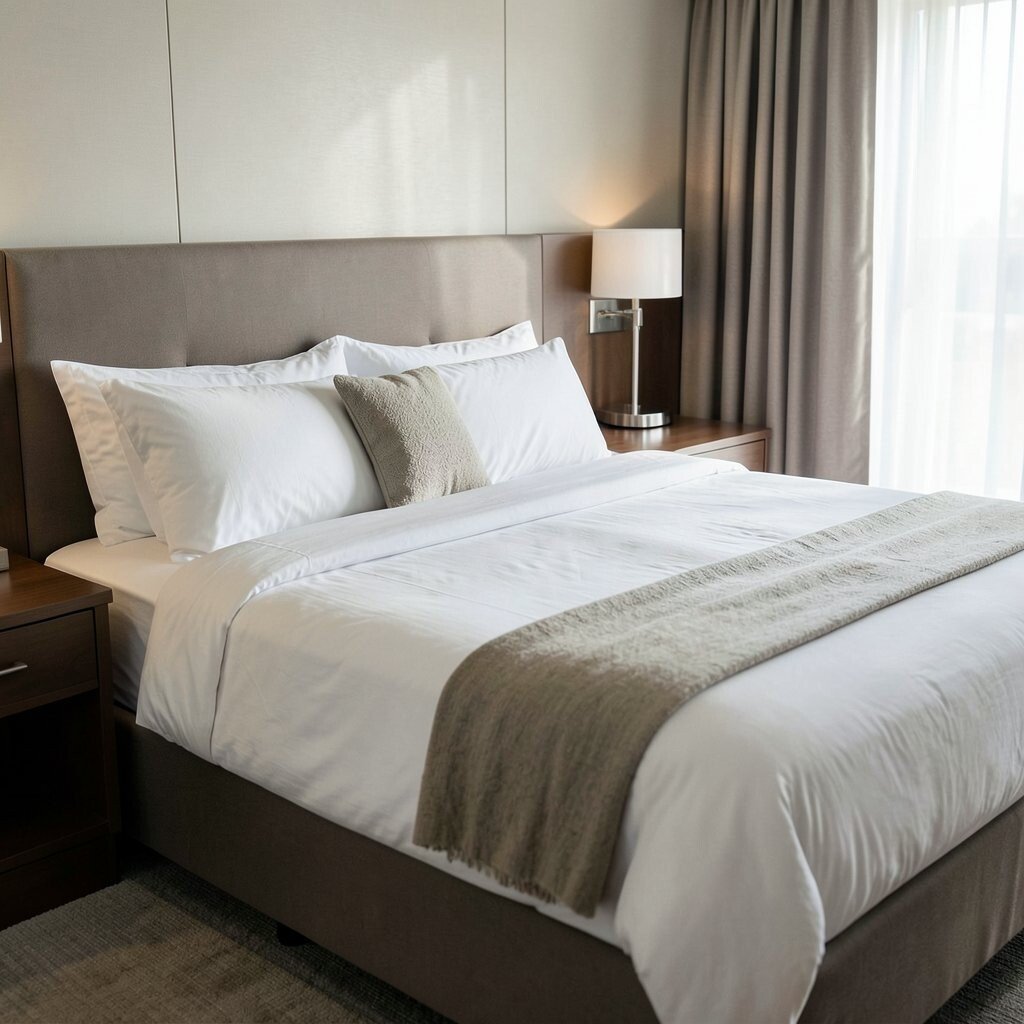
When you check in, take a few minutes to set up your sleep area. Put your pillow where you like it and see if it feels right. If the bed seems too hard or too soft, note it right away.
If the hotel has extra pillows, ask for what you need. Some hotels can bring a pillow option, like firmer or softer. Getting comfort early helps you relax right away instead of only after nights pass.
5. Use Smart Storage Tricks
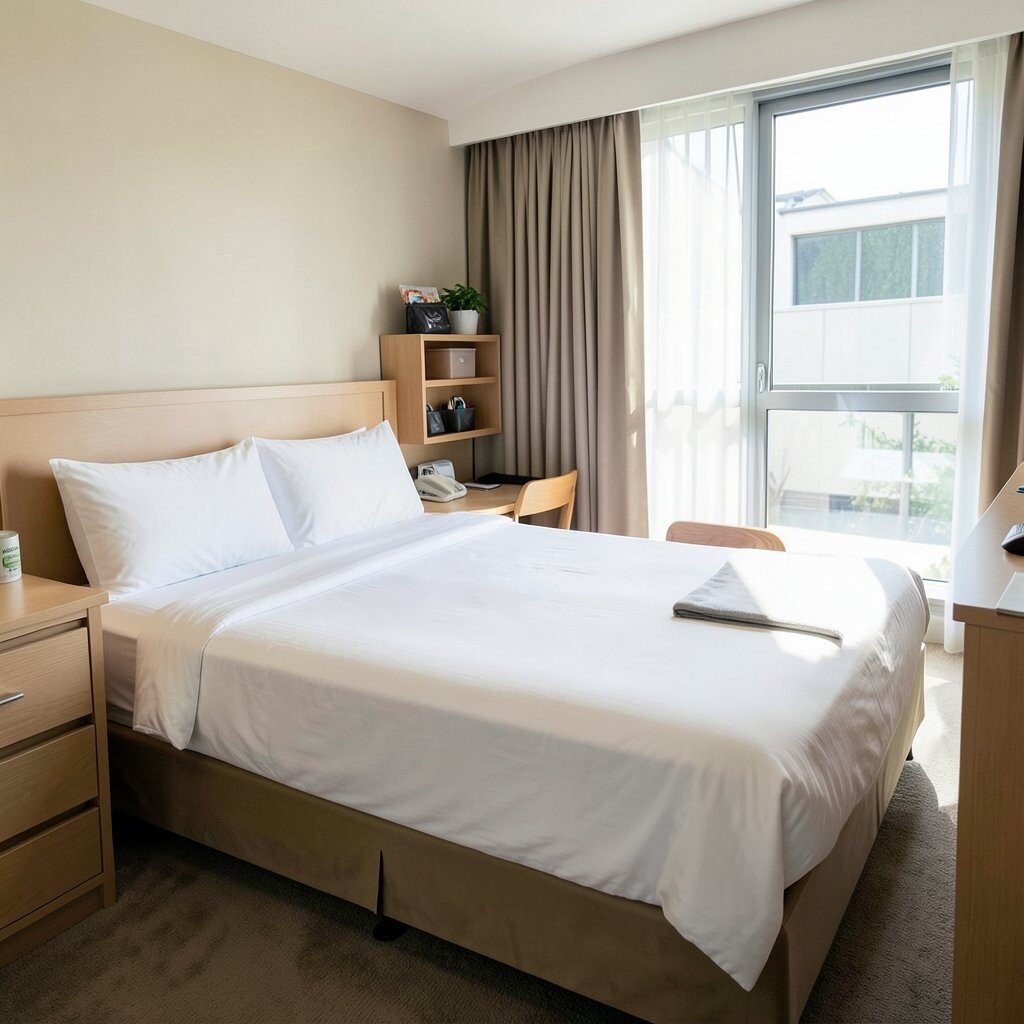
Many rooms have small drawers or limited shelf space. Use small organizers, like a pouch for chargers, to keep things tidy. Keep daily items on top so you do not have to dig each time.
Try using the luggage rack or the space under the bed. If there is a desk, use it as a “home base” for your things. A neat room makes it easier to find items fast and can feel less stressful.
6. Pack a Small “Room Comfort Kit”
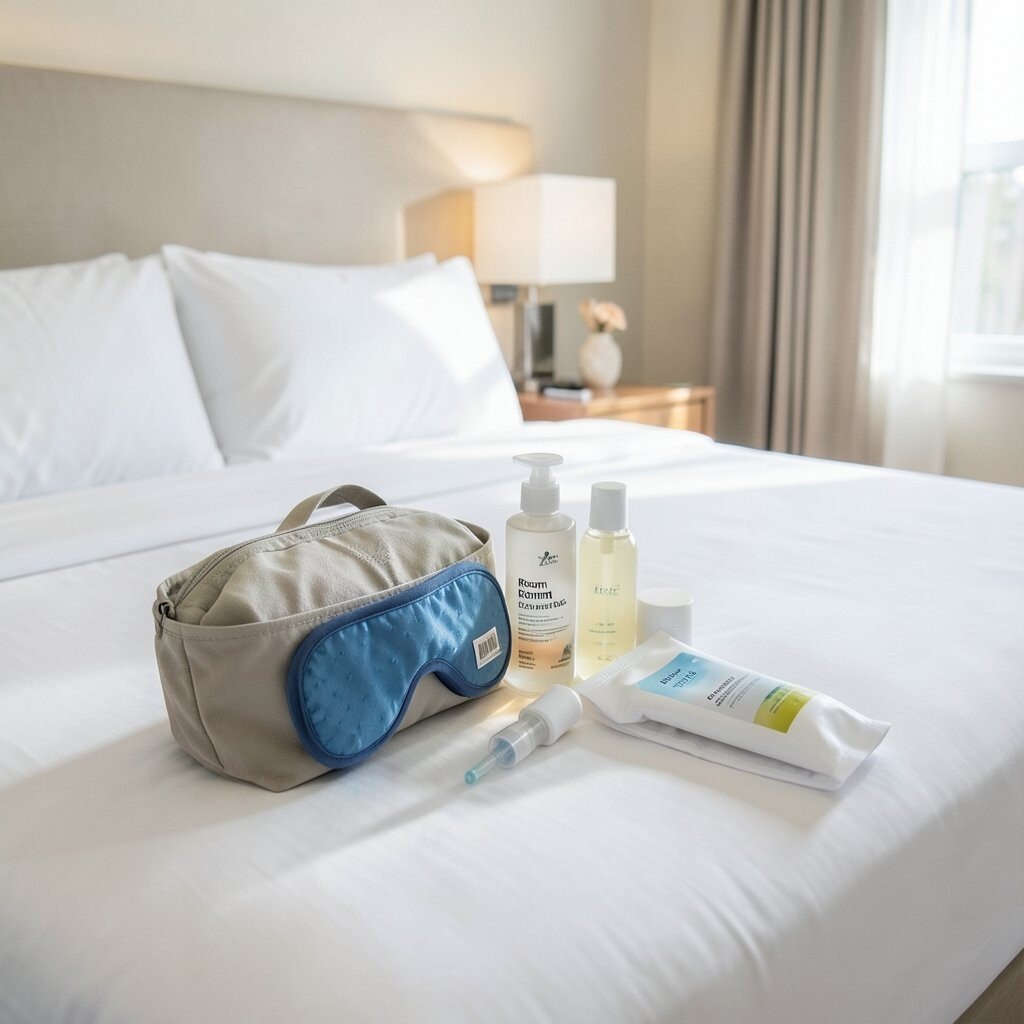
Bring a few items that help you feel at home. A sleep mask can help if the room has bright lights. Earplugs can also help when you hear hallway sounds or outside noise.
For comfort, add things like a travel-size lotion or a small laundry bag. If you use your own toiletries, pack them so you can control scent and skin feel. This is a simple way to personalize your stay without big cost.
7. Plan Your Meals With the Hotel in Mind
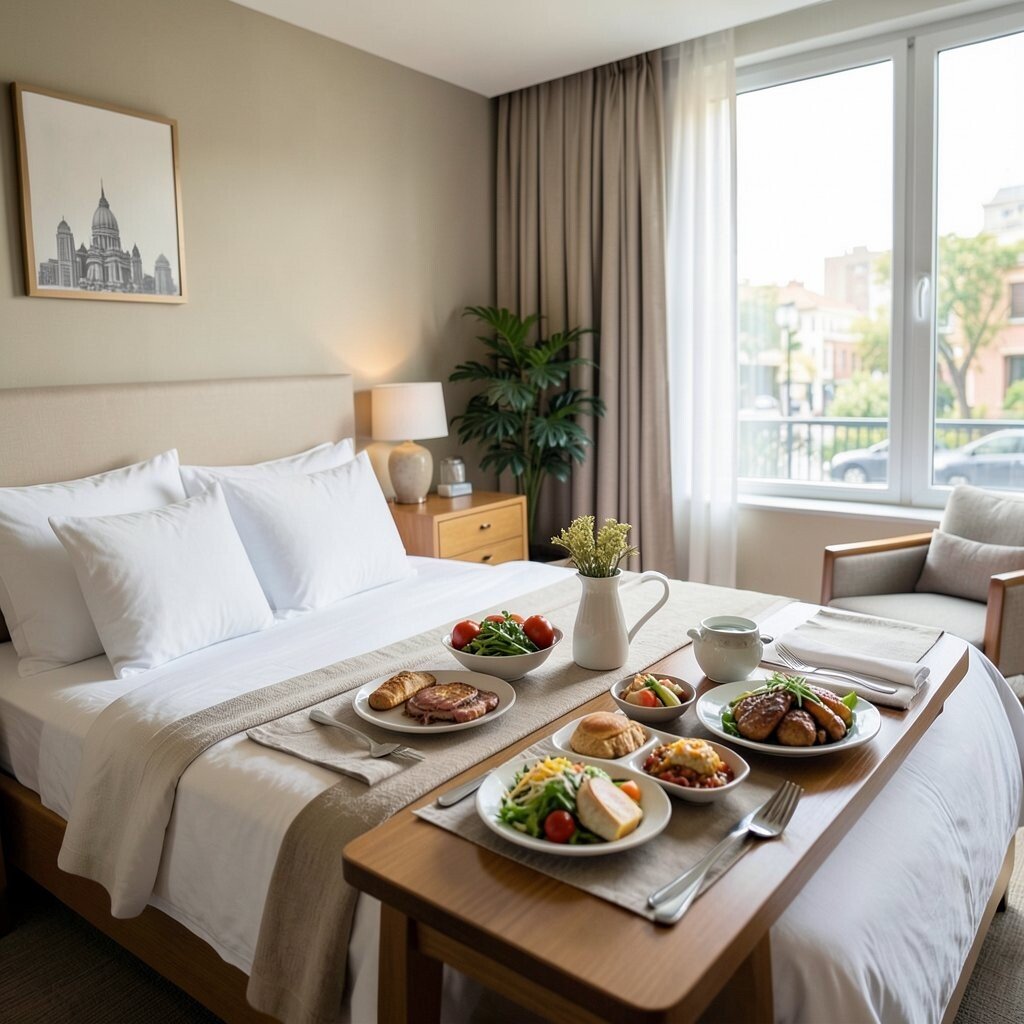
If the hotel has breakfast, check the hours and what is offered. Try to pick a time that matches your schedule, like early for tours or later for slow mornings. If the breakfast is included, it can help you save money on daily food.
For other meals, look at the walk time to nearby places. Choose one plan for lunch and dinner each day. This can help you avoid last-minute searches and keep your energy steady.
8. Use Wi‑Fi and Charging Spots in a Practical Way
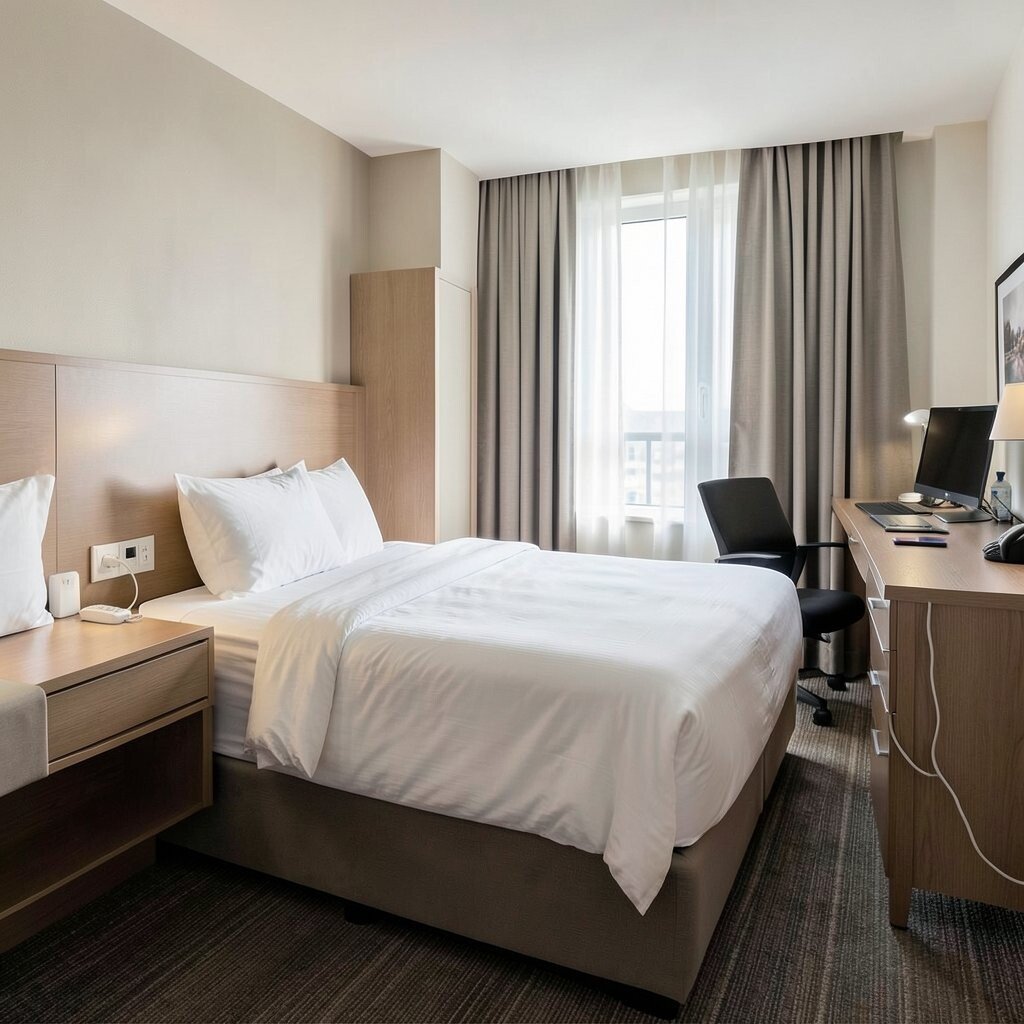
Before you settle in, test the Wi‑Fi speed on your phone or laptop. Then find the best spot to charge devices. Some rooms have outlets near the bed, while others place them by the desk.
Bring a small power strip or extra charger if you need multiple ports. This helps when you travel with more than one device. When charging is easy, you can use maps, messages, and work tools without stress.
9. Make a Simple Daily Budget for Costs
Hotel costs can add up fast, like parking, resort fees, or extra charges. Before you arrive, check what is already included in your rate. Look at what might cost extra so you can plan ahead.
Make a small list of likely costs, like snacks, rides, and laundry. This helps you decide what to spend on and what to skip. A clear budget can keep your trip from feeling more expensive than you expected.
10. Choose Amenities That Match Your Routine
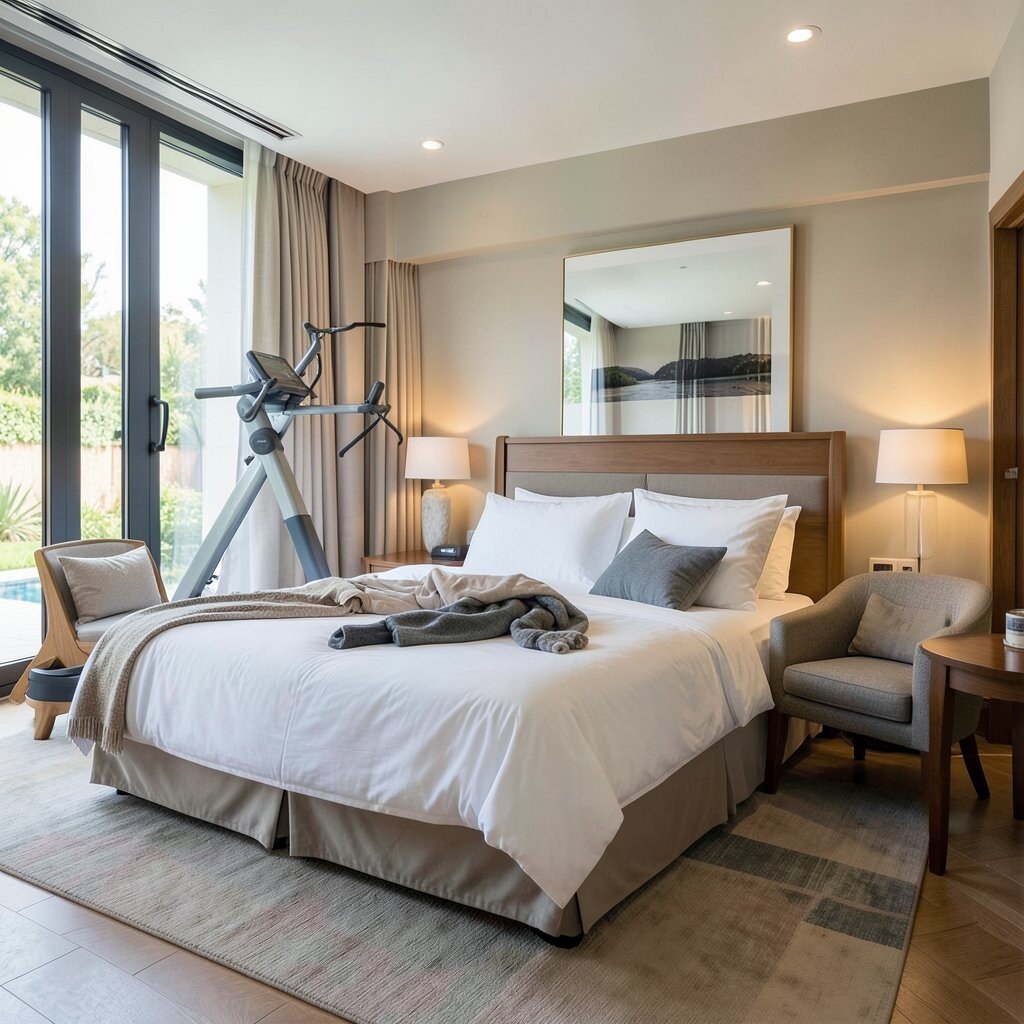
Not all amenities help the same way for every traveler. If you like exercise, choose a hotel with a gym or easy exercise space. If you like to unwind, check for a pool, sauna, or quiet lounge.
If you need work time, look for a good lobby area or a business center. Some hotels also have meeting rooms, which can help if you plan small work tasks. Pick amenities that fit your daily habits so your stay feels useful.
11. Use the Bathroom Setup for Better Daily Comfort
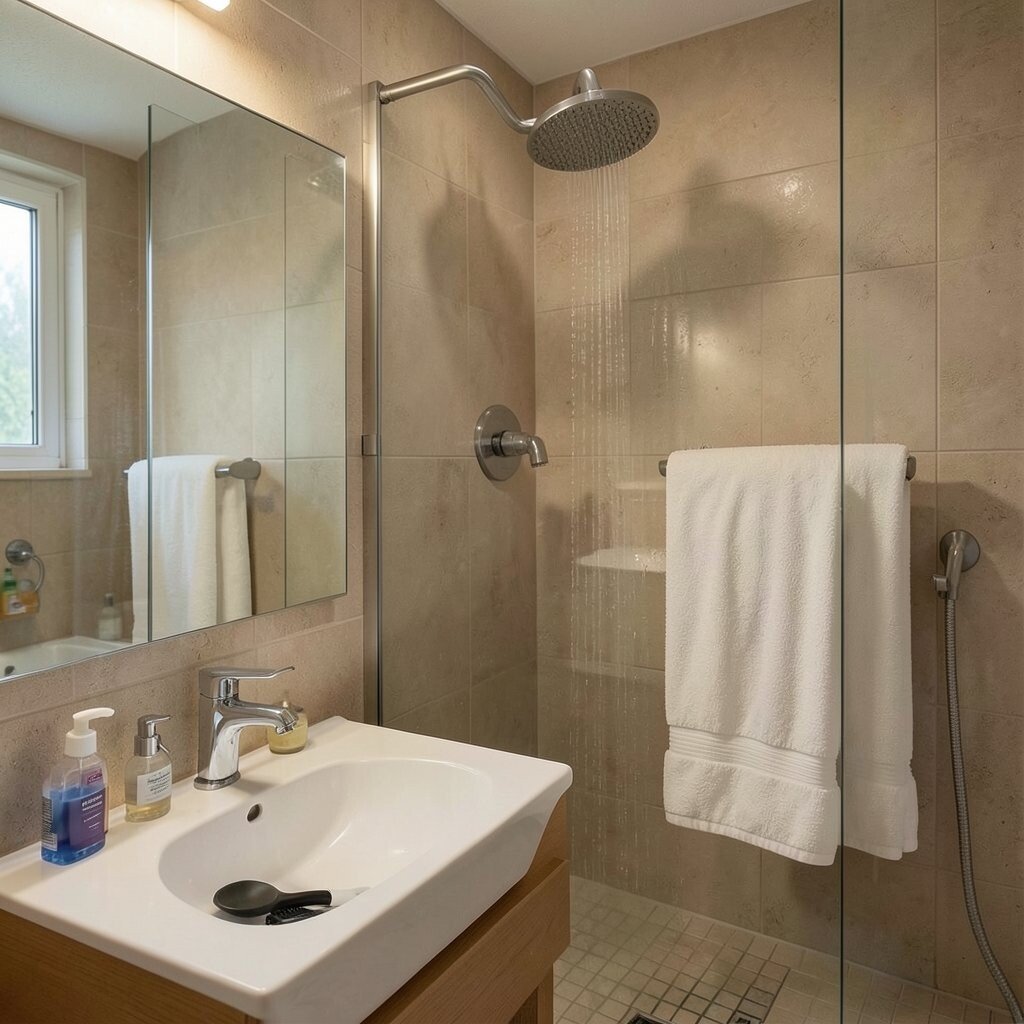
Take a moment to check the shower pressure, water temperature, and towel setup. A good shower can help you feel fresh after a day outside. If the bathroom lighting is weak, use your phone light or adjust the mirror area.
Keep items you use each day in one spot, like toothpaste, lotion, and hair tools. This avoids clutter and saves time. When the bathroom feels easy, mornings and nights go smoother.
12. Try a Local-Style Room Upgrade When It’s Available
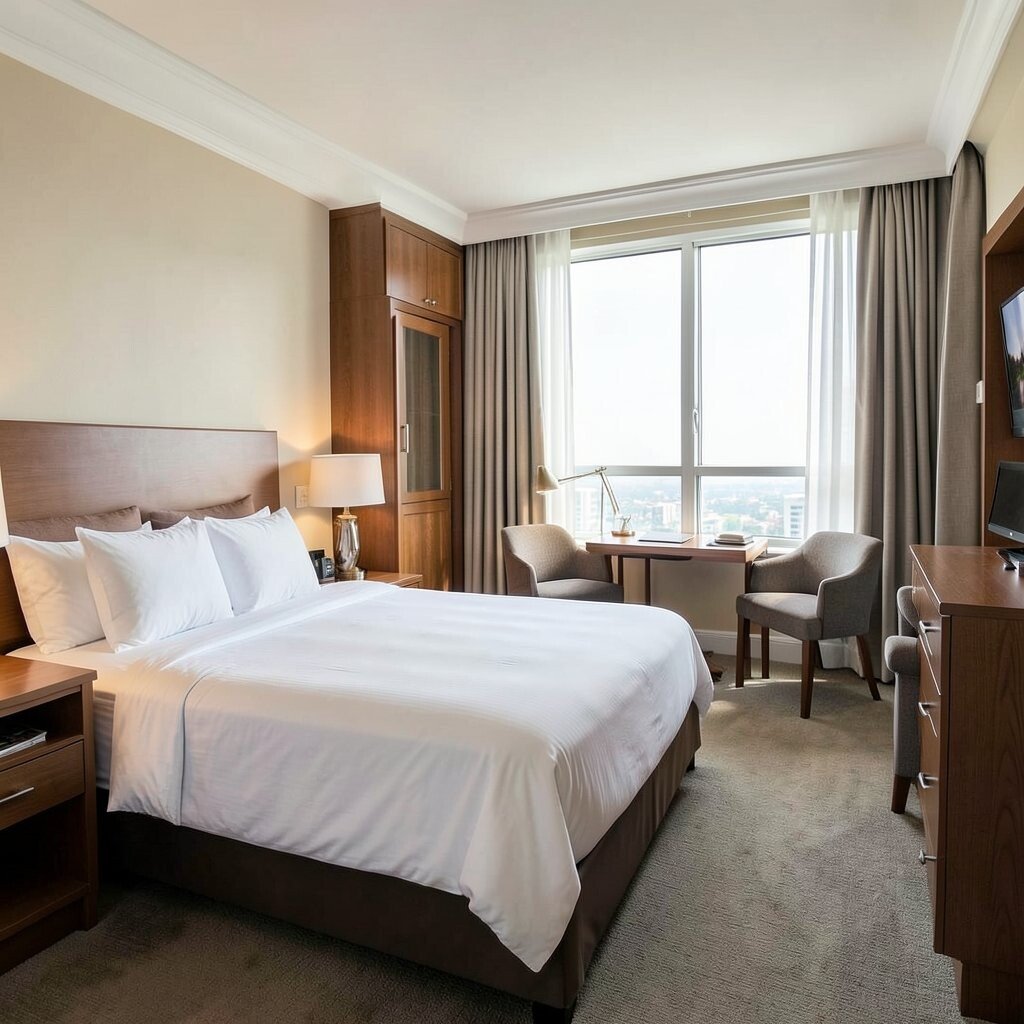
Some hotels offer upgrades like a better view, a suite, or a room with a small living area. If you want one “special” feel, pick an upgrade that matches what you will actually use. A room with a work desk can be more helpful than a fancy decoration.
Check the cost and compare it with what you could spend on tours or meals. If the upgrade is small cost and makes your stay more useful, it may be worth it. Personal comfort should guide the choice more than trends.
13. Look for Trendy but Practical Tech Options
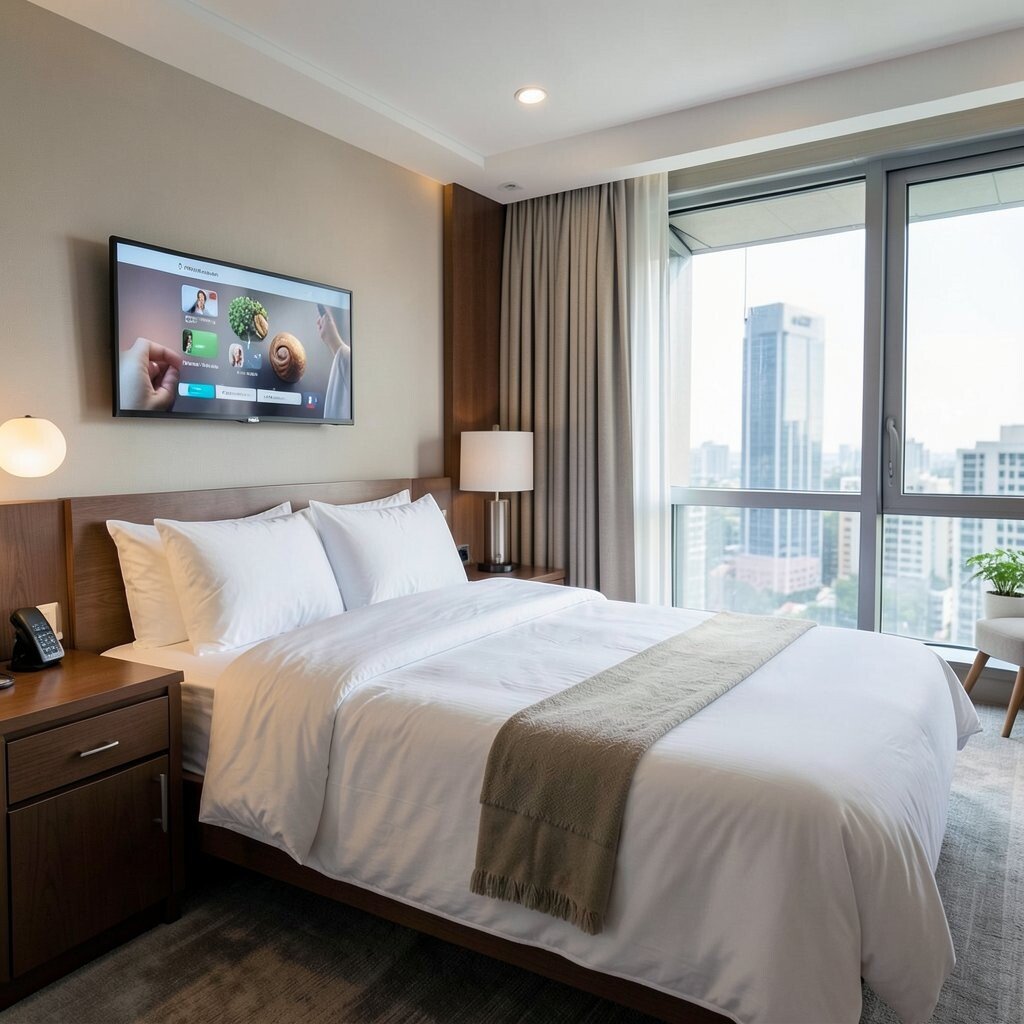
Today many hotels include smart TV options, keyless entry, and room controls. These can help you manage lights and temperature without extra effort. If you like using your own music, check for easy phone connection.
Read the fine details about how the tech works. Some smart systems can be simple, while others need extra steps. When you know what to expect, tech feels helpful instead of annoying.
14. Use a Check-In Plan to Avoid Delays

To avoid waiting, plan your check-in time. If the hotel has online check-in, use it if it is offered. Have your ID and booking details ready so you do not have to search while staff are waiting.
After you get the key or phone access, ask about the Wi‑Fi login and breakfast times. Also ask where to park and how to find elevators. A smooth check-in helps you settle in fast and start your day with less stress.
15. Keep Your Things Safe With Simple Habits
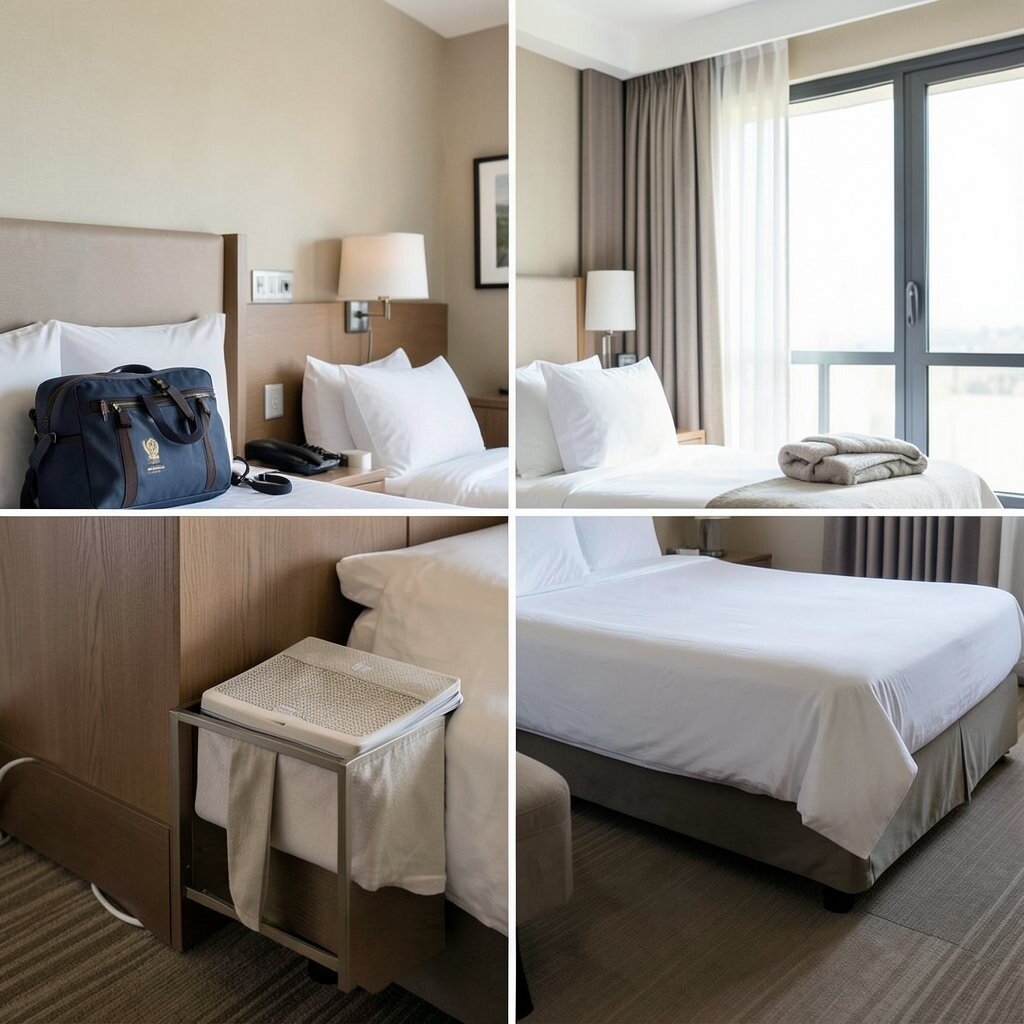
Hotel rooms can feel safe, but basic steps still help. Use the safe if it is available, especially for passports, extra cards, or cash. Do not leave valuable items where they can be seen from the door.
When you leave, do a quick check of your bags and chargers. If you rent a car, keep parking info and key details in one place. Simple habits can reduce worry and help you enjoy the trip more.
16. Choose a Checkout Routine That Saves Time
Before your last day ends, plan how you will pack and move. Keep a small bag for items you will need right after you wake up. This makes it easier to avoid rushing for lost things.
Ask about late checkout if you think you will need it. Also check your bill for room charges and any extra fees. When checkout is clear, you can end your trip calmly and start your next travel step with less hassle.