Good pet care is not only about food and walks. Small changes in your home can help your pet feel safe and happy.
1. Cozy Napping Zones
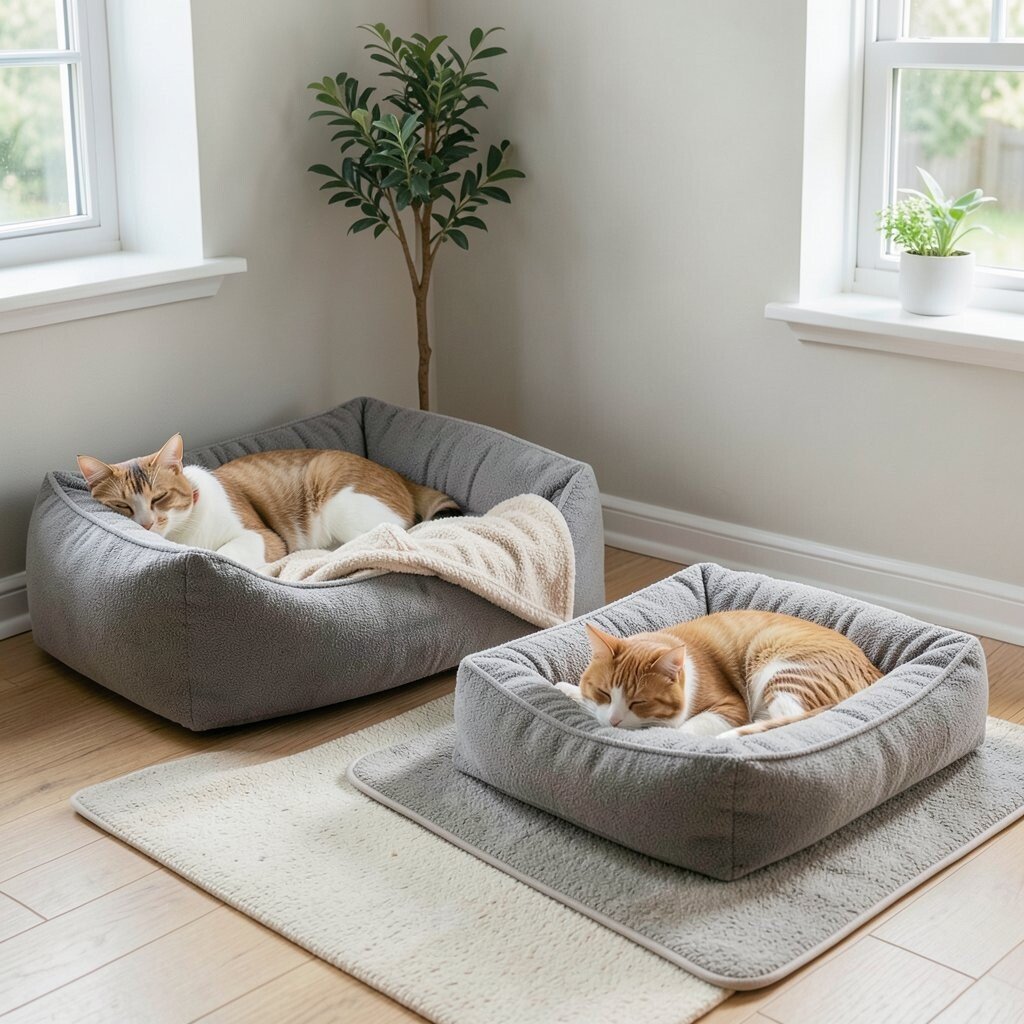
Make a few soft spots around your home so your pet can rest where they feel calm. Use a comfy bed, a washable blanket, and a simple mat. Place one near you but not right in the busy area, and another in a quiet corner.
This helps pets feel settled because they can choose their own spot. Many pets like to see what is going on, but they still need a break. Try using colors and textures your pet seems to like, such as warm gray, soft fleece, or a low pile fabric.
For cost control, start with one good bed and add smaller items later. A trend you may see is using pet-safe cooling mats in warm rooms and cozy heated pads in cold rooms. Keep cords away and check for chew marks.
2. A Simple Play Schedule
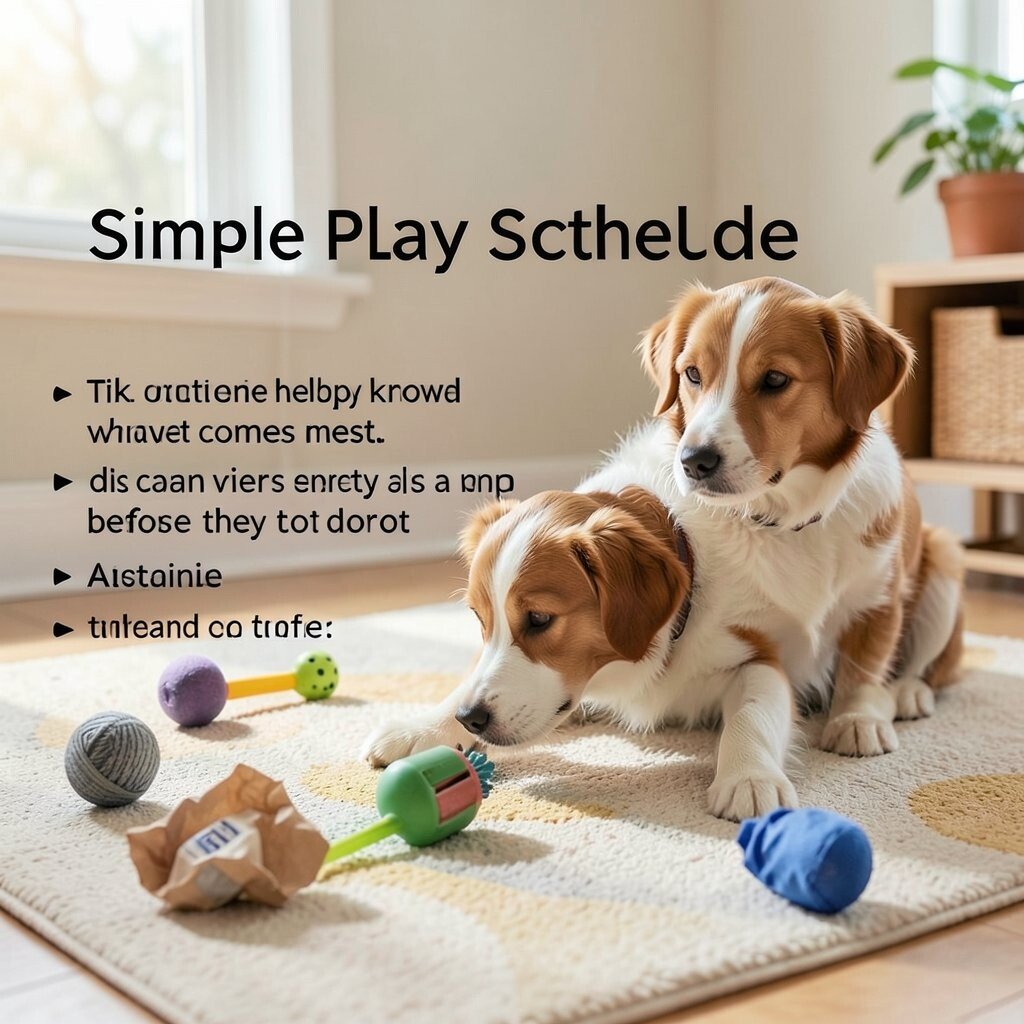
Set up a daily play plan that fits your time. Pick short games like tug, fetch, or gentle chase, and do them at the same times each day. Use a timer on your phone so you do not forget.
A steady routine helps pets know what comes next. That can lower stress and help them sleep better after play. Personalize the plan by watching your pet’s energy level and stopping before they get too tired.
You can keep costs low by using toys you already have and using safe home items like crumpled paper or a sock ball. The latest trend is “short and often” play, not long play that may wear pets out. Always watch your pet while they play.
3. Window Watching Spots

Create a safe place near a window where your pet can watch birds and people go by. Use a window perch for cats or a soft mat for dogs on a rug that will not slip. Keep the area tidy so it stays comfortable and calm.
Many pets enjoy the sights and sounds, and it can help them stay calm at home. This can also help with boredom, especially for pets that need mental activity. Tip: make the spot higher for cats, and add a small cover or shade if the light feels too strong.
Costs can be low if you use an extra cushion first, then upgrade later. Some owners like to add a simple screen cover for safety and comfort. If your pet gets too excited, shorten the time and pair it with a calm toy.
4. Puzzle Toys and Food Games
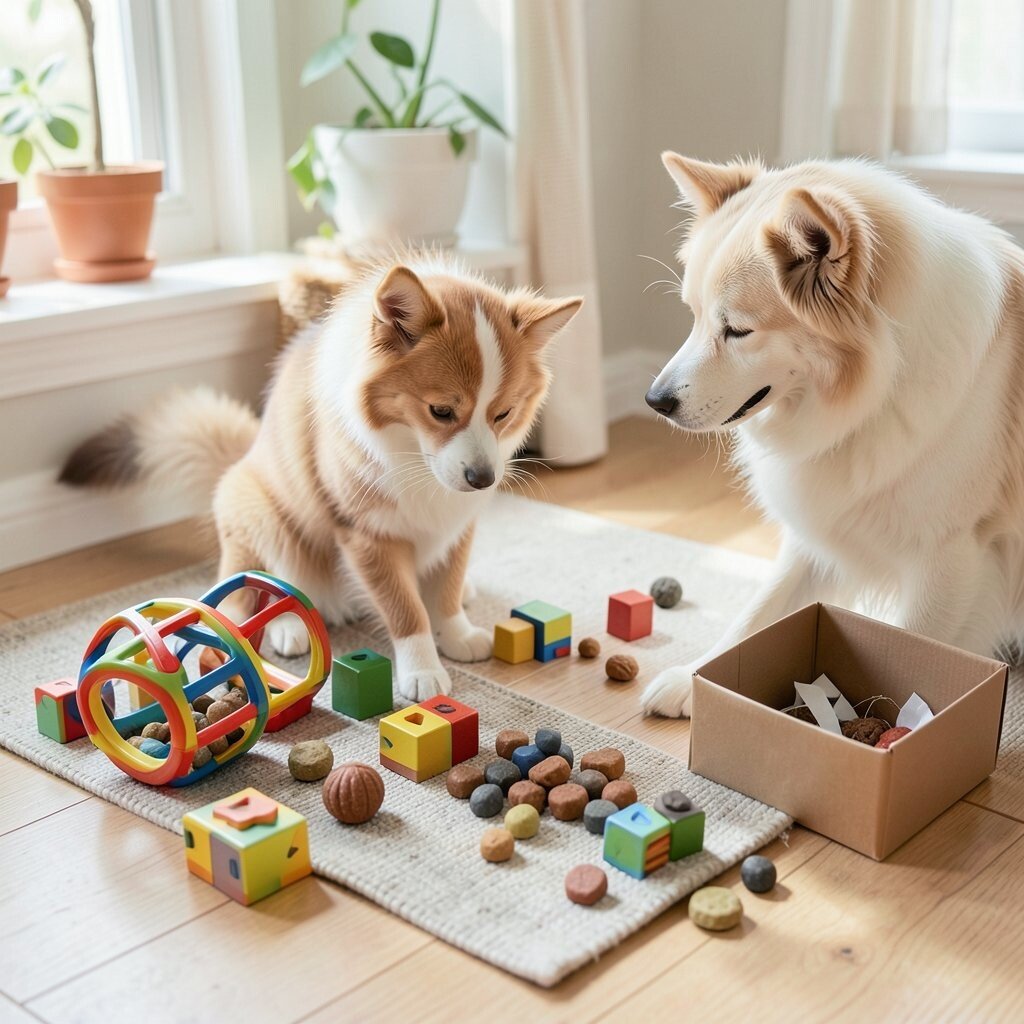
Use puzzle toys or slow food games to make meals more fun. You can try a treat ball, a snuffle mat, or a simple “find it” game with small treats. Keep parts safe and clean, especially if your pet likes to chew.
Food puzzles help pets use their brain, not just their body. This is great for pets that get bored fast or have lots of energy indoors. Personalize the game by using the right size treats and changing the level when your pet learns the pattern.
At first, choose one puzzle and learn how your pet does with it. Prices vary, so look for good reviews and easy cleaning. A trend right now is using homemade sniff games, like hiding treats in a safe box with paper strips.
5. Safe Chew Toys for Calm Teeth
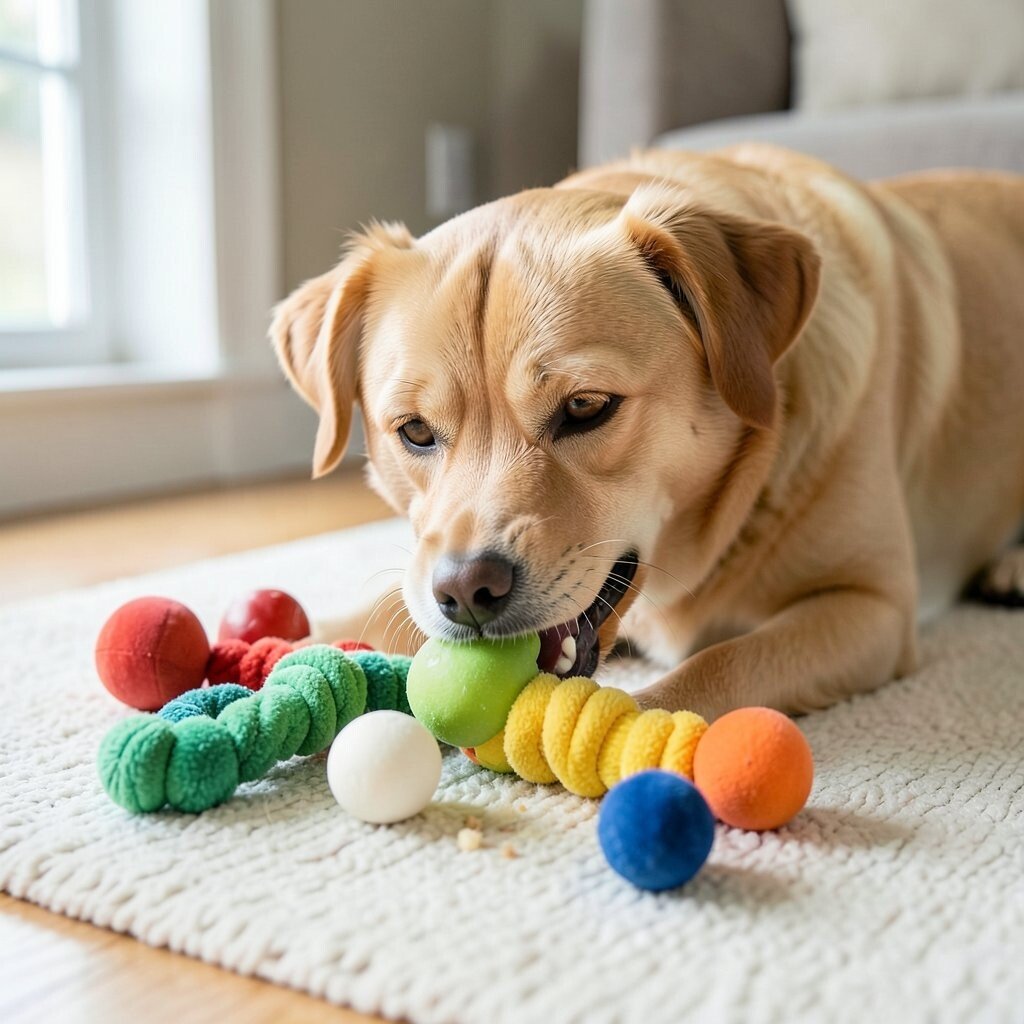
Pick chew toys that match your pet’s chewing style. For strong chewers, choose tough rubber chews or nylon types made for pets. For gentler chewers, try soft ropes or plush toys with no small loose parts.
Chewing can help pets feel calm and can also support dental health. It can stop the habit of chewing furniture or shoe items. Tip: rotate toys so one toy does not become boring, and replace toys when they get too worn.
Costs can be managed by buying one or two strong toys at a time. A trend is using “portion” toy time, where you give a chew for a set time and then put it away. This keeps toys from getting old too fast and helps with training.
6. Training With Short Positive Steps
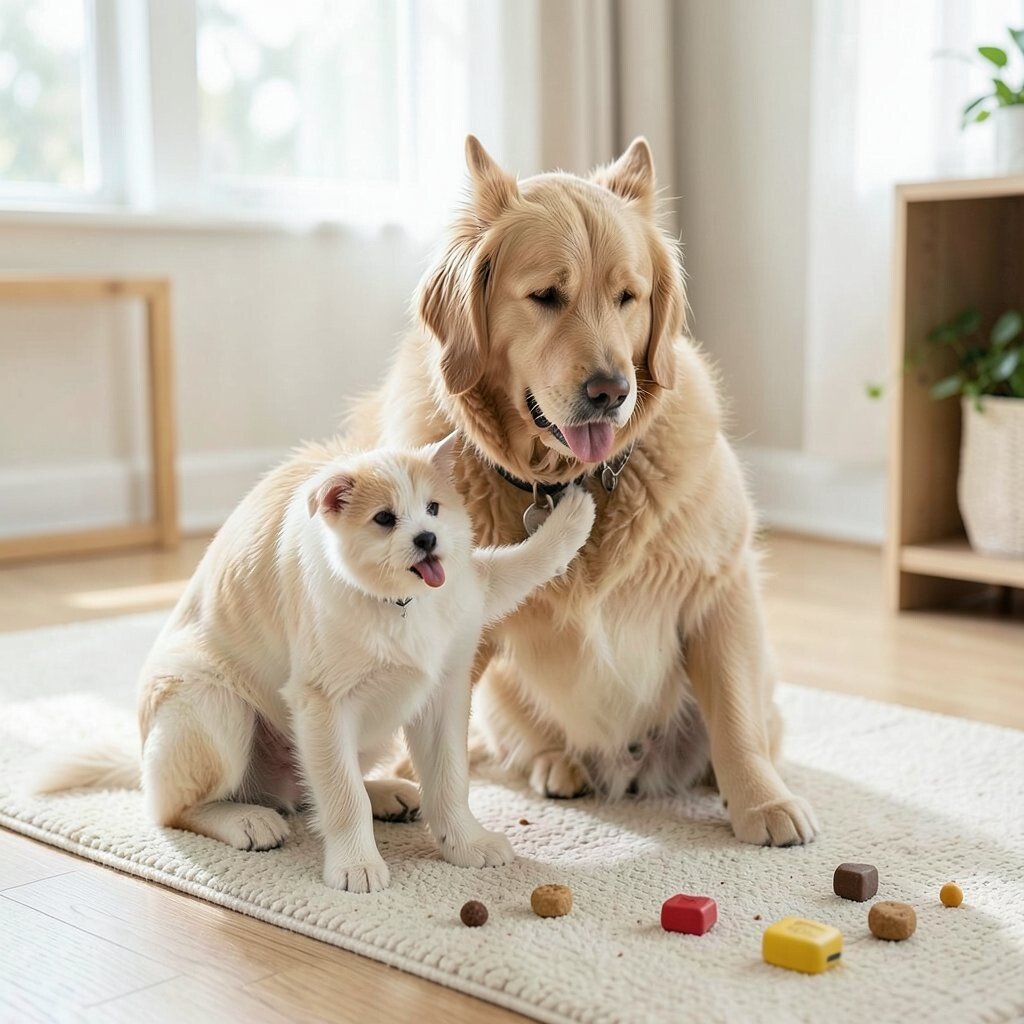
Teach your pet basic skills using small steps and kind rewards. Start with simple tasks like sit, touch, or “come,” and practice for just a few minutes. Use treats your pet likes and keep your voice calm.
This helps pets feel secure because they know what to do. It also builds a better bond between you and your pet. Personalize the training by picking cues your pet responds to and using rewards that fit their age and health.
Training costs mostly time, not money. Use low-cost treats and soft clickers if you like them, or just use a word like “good.” A trend is using quick “micro sessions” a few times a day rather than long training blocks.
7. Comfort Grooming and Gentle Brushing
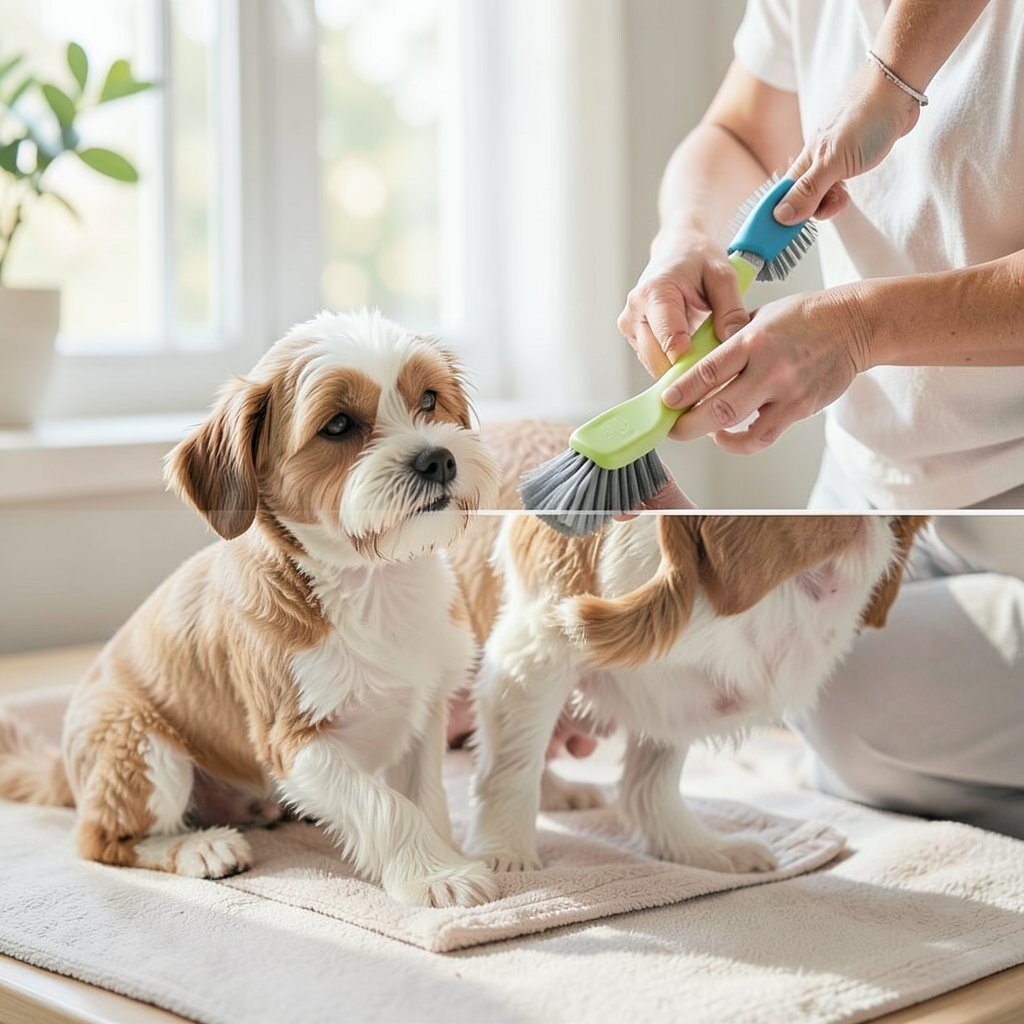
Set up a grooming routine your pet can handle. Brush short hair often for comfort and shedding control, and brush long hair to prevent tangles. Use a pet-safe brush and keep each session short at first.
Grooming helps your pet feel good and can reduce matting and skin issues. It also gives you a chance to check for bumps, redness, or fleas. Tip: start when your pet is calm, and reward them right after each step.
Costs vary based on tools, but a basic brush is usually not too pricey. You can add shampoo or grooming wipes as needed. A trend is “low stress grooming,” where owners practice touch and brush in short rounds so pets feel safe.
8. Litter and Potty Setup That Works
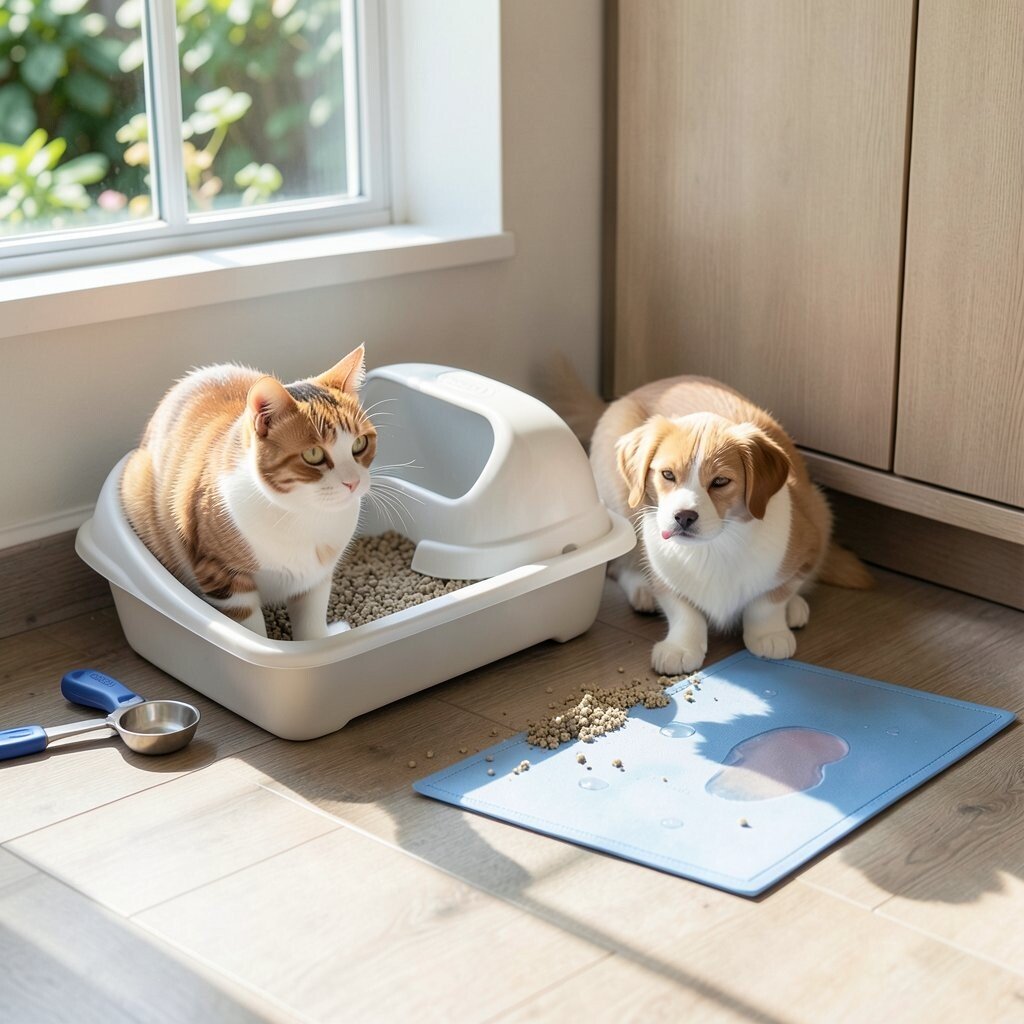
Create a potty setup that is easy and clean. For cats, place a litter box in a quiet spot with easy entry and good airflow. For dogs, set up a clear path for outdoor breaks and use pee pads only when they fit your routine.
A reliable setup reduces accidents and stress. Pets feel safer when they know where to go. Personalize the setup by using the right litter type for your pet’s comfort and by choosing a box size that fits their body.
Cost can stay low with simple cleaning tools like a scoop and odor control bags. A trend is using covered boxes or low-entry boxes for easier access. Always keep the area dry and clean to help your pet keep using it.
9. Pet-Safe Home Layout With Fewer Traps
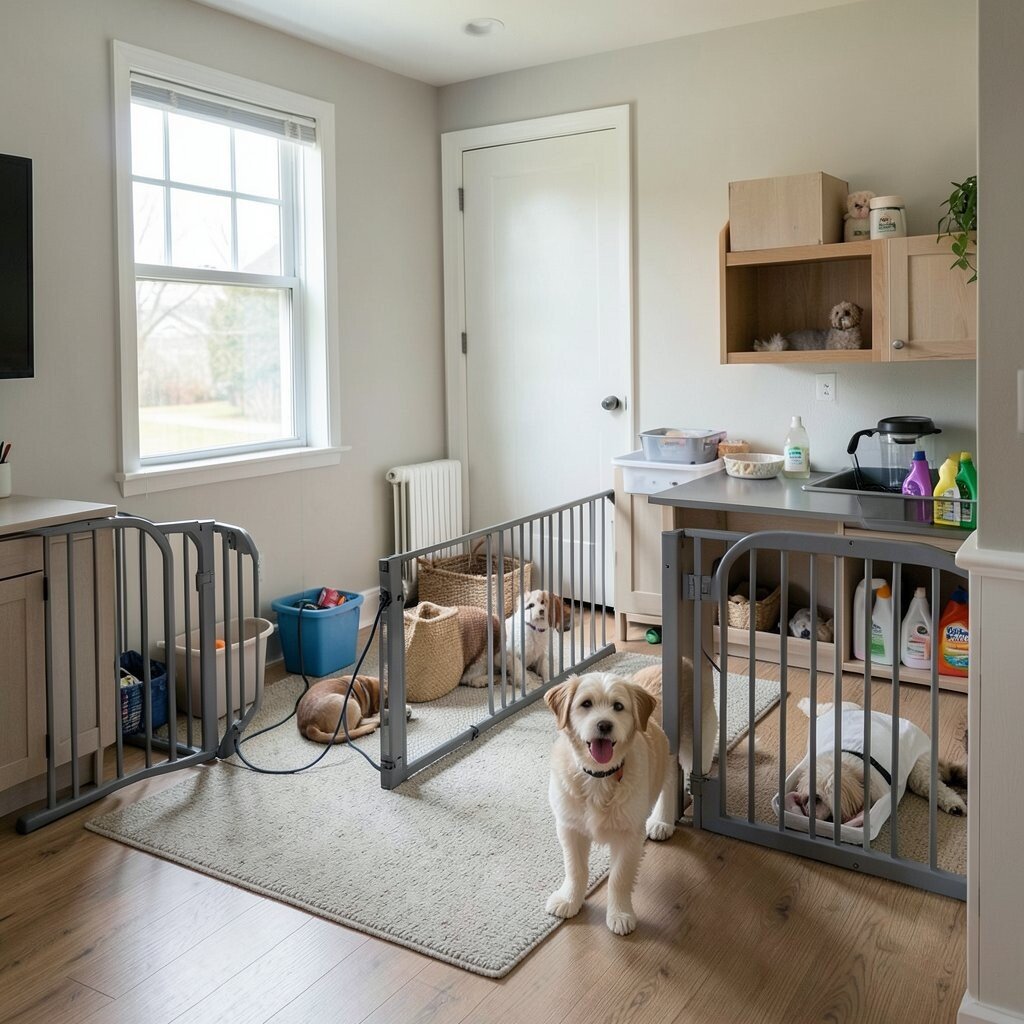
Check your home for items that can hurt your pet. Move small objects out of reach, secure cables, and store harmful cleaners in a closed cabinet. Use baby gates if needed to keep your pet away from stairs or rooms with hazards.
A safe layout helps pets feel secure and reduces worry for you too. It also helps prevent chewing or digging in places that can get your pet stuck. Tip: watch your pet’s usual routes and block or adjust the spots where they get into trouble.
This idea can cost little if you use simple storage bins and cord covers. A trend is making “pet zones” with gates so pets have safe spaces while you move around. It also helps keep small items off the floor.
10. Cool and Warm Spots by Season
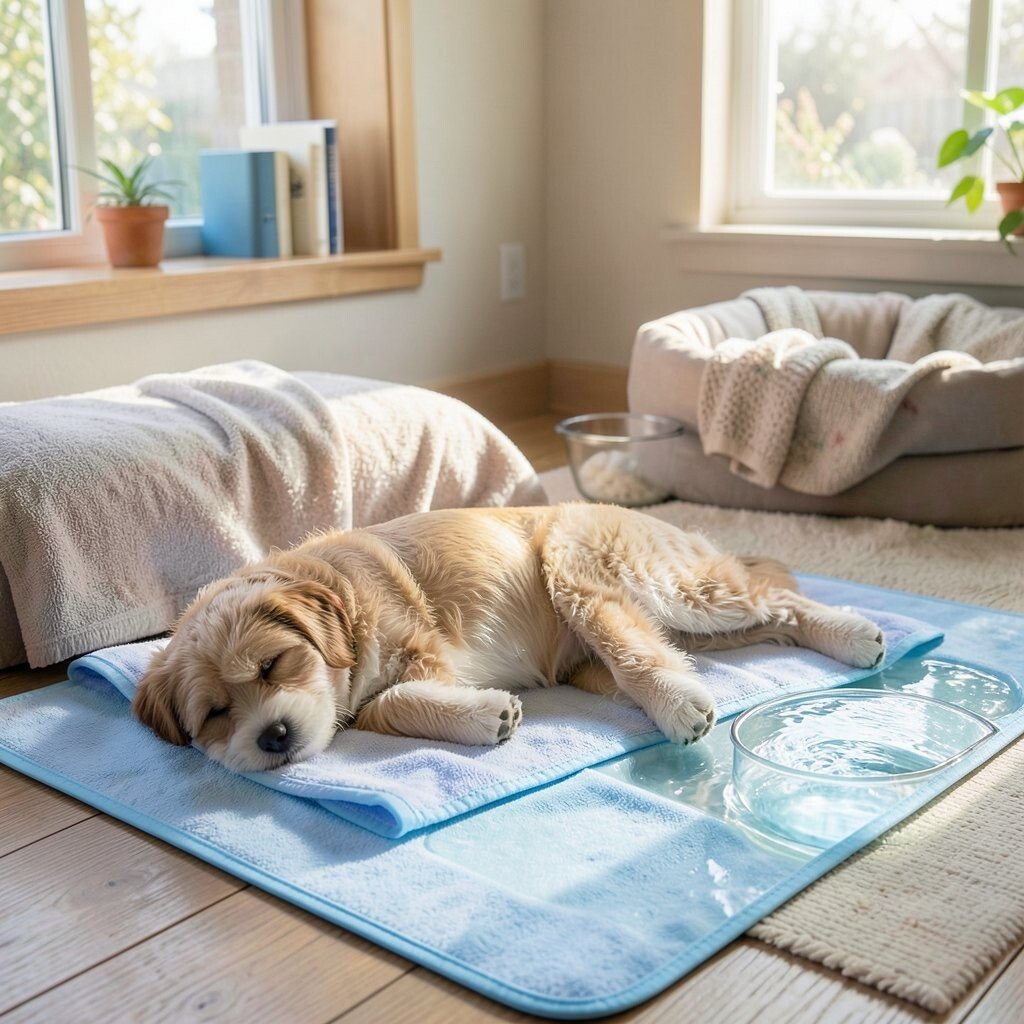
Adjust comfort based on the weather in your area. In hot months, provide shade, fresh water, and a cooling surface like a cooling mat or a damp towel on a safe mat. In cold months, add a cozy bed near a safe heat source or use a warm blanket.
Comfort with temperature helps pets stay calm and can reduce stress from heat or cold. It also helps pets rest better. Personalize by noting your pet’s habits, like where they lie down when it is warm or where they hide when it is chilly.
Costs can be small at first with basic blankets and water bowls. Cooling and heating products can cost more, but they often last. A trend is using heat mats or cooling pads with safety checks and pet-safe covers.
11. Social Time With Real Boundaries
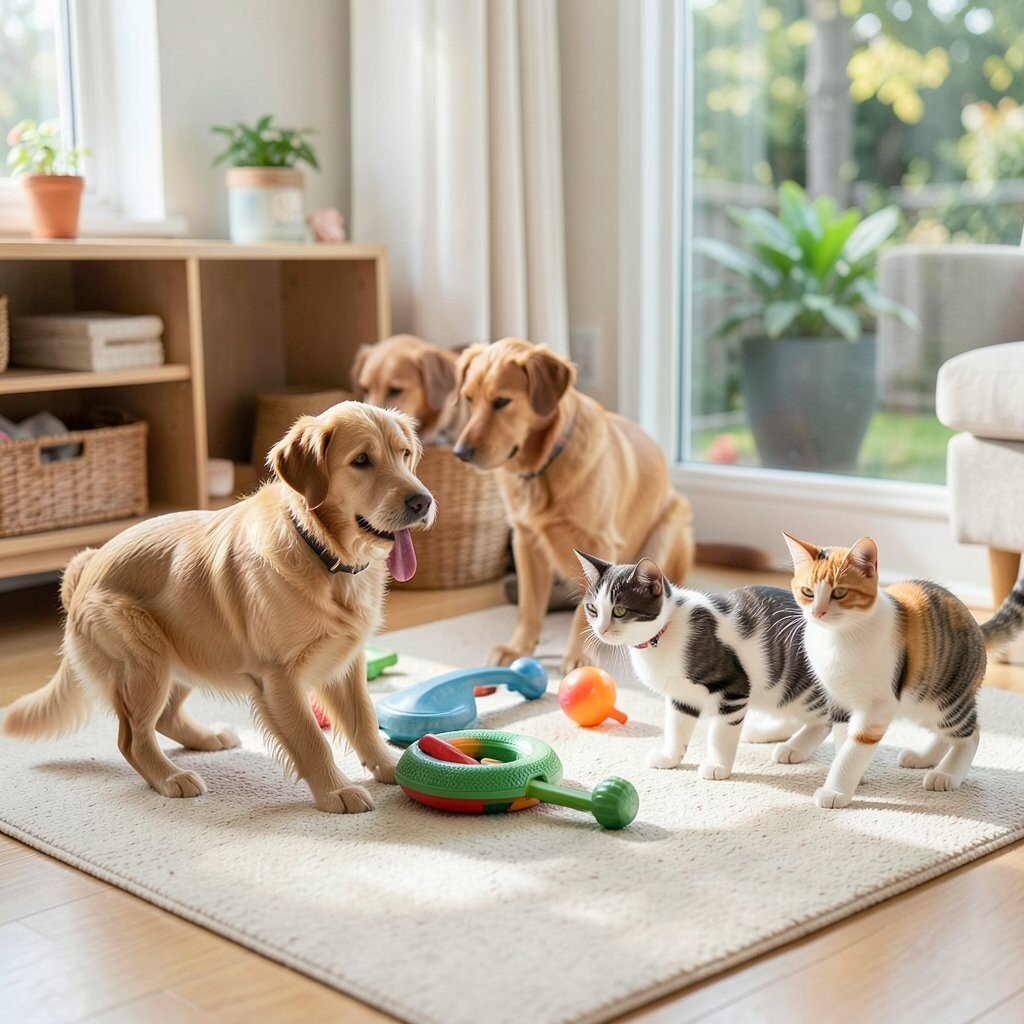
Give your pet social time, but add clear limits that fit their needs. For dogs, do short friendly meetups with dogs that match their energy. For cats, offer calm play and let them approach you at their own pace.
Good social time helps pets feel more relaxed around people and other animals. It can also reduce fear that grows from too much sudden contact. Tip: personalize by reading your pet’s body language, like tail position, ear position, and how they move away.
Costs can be low if you use home play and meetups in safe areas. If you join classes, prices vary, but training and social work can be worth it. A trend is using structured group play with small steps and quick rest breaks.
12. Enrichment for Senior or Shy Pets
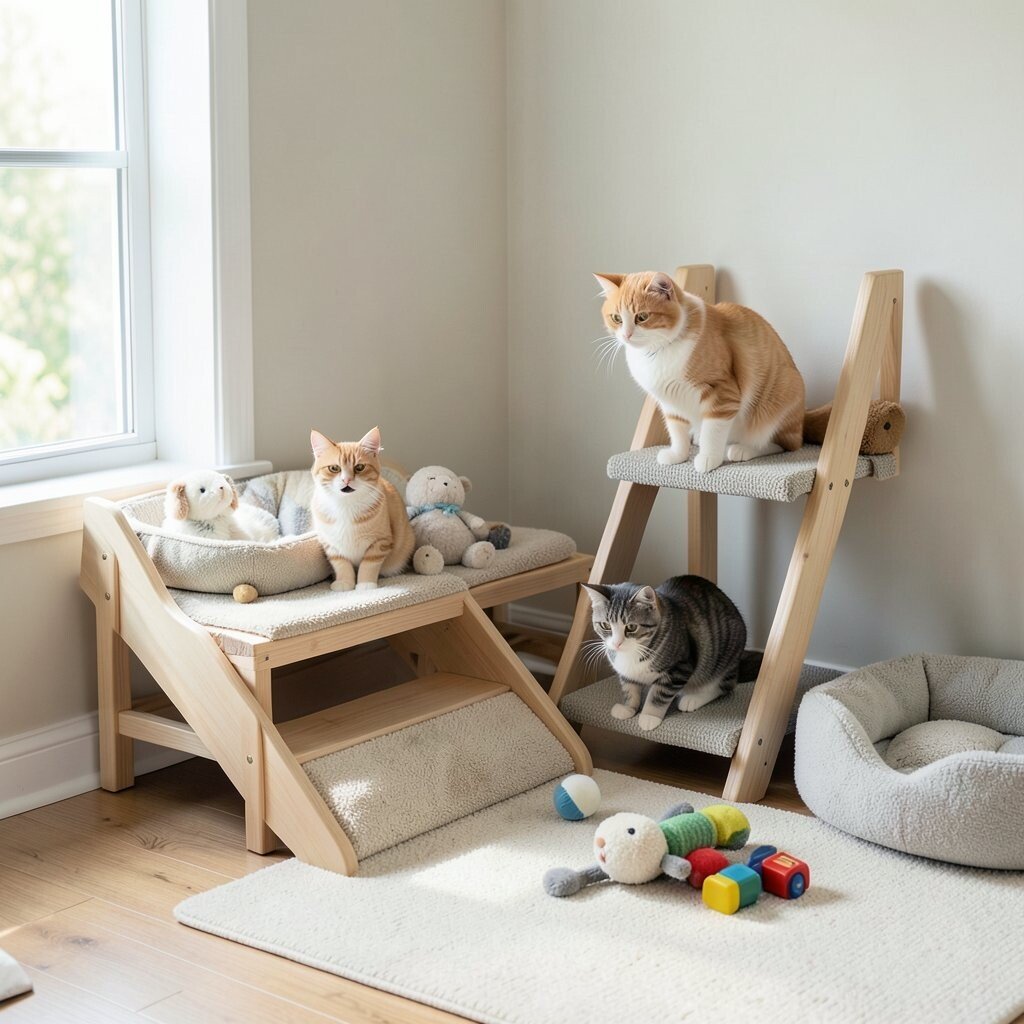
If your pet is older or shy, adjust activities to match their body and feelings. Use gentle games, soft toys, and short steps for play. Place ramps or low steps if stairs are hard for them.
This helps shy pets feel safe and helps senior pets stay comfortable. Even small changes can make a big difference in daily life. Personalize by watching pain signs, like slow movement, changes in appetite, or odd hiding spots, and talk with a vet if needed.
Cost can stay moderate by using simple ramps, cushioned mats, and easy-to-reach beds. A trend is making “comfort ladders” with pillows and non-slip surfaces so pets can move safely. Keep all surfaces clean and check for slipping.
13. A Pet Profile You Update Often
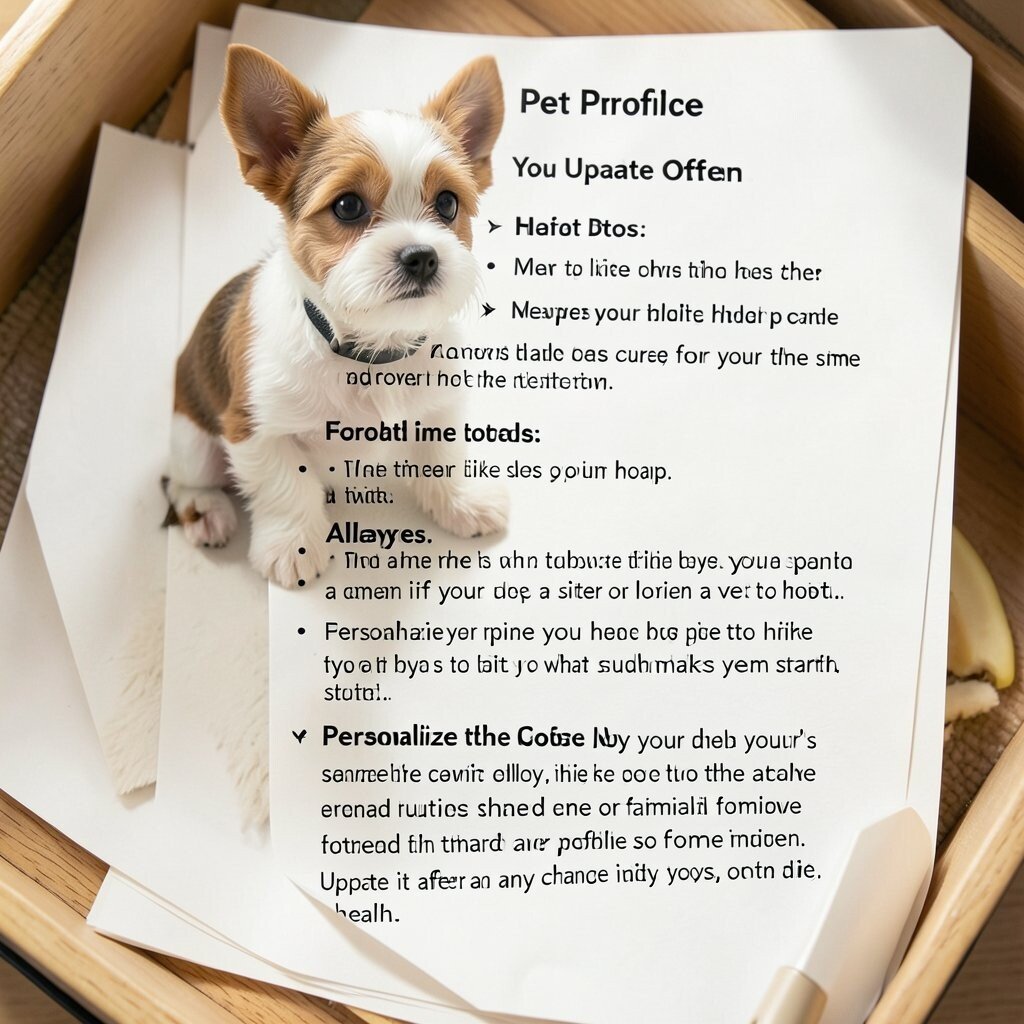
Make a simple pet profile that you can update as your pet grows. Include meal times, favorite toys, health notes, allergies, and your pet’s comfort rules. Keep it in a phone note and also on paper in a drawer.
This helps you plan better and helps other people care for your pet the same way. It can also help if you use a sitter or join a vet visit. Personalize the profile by adding your pet’s small habits, like when they like to nap or what sound makes them startle.
Costs are low since it uses paper, a folder, or a note app. A trend is shared care profiles for families so everyone follows the same routine. Update it after any change in diet, toys, or health.