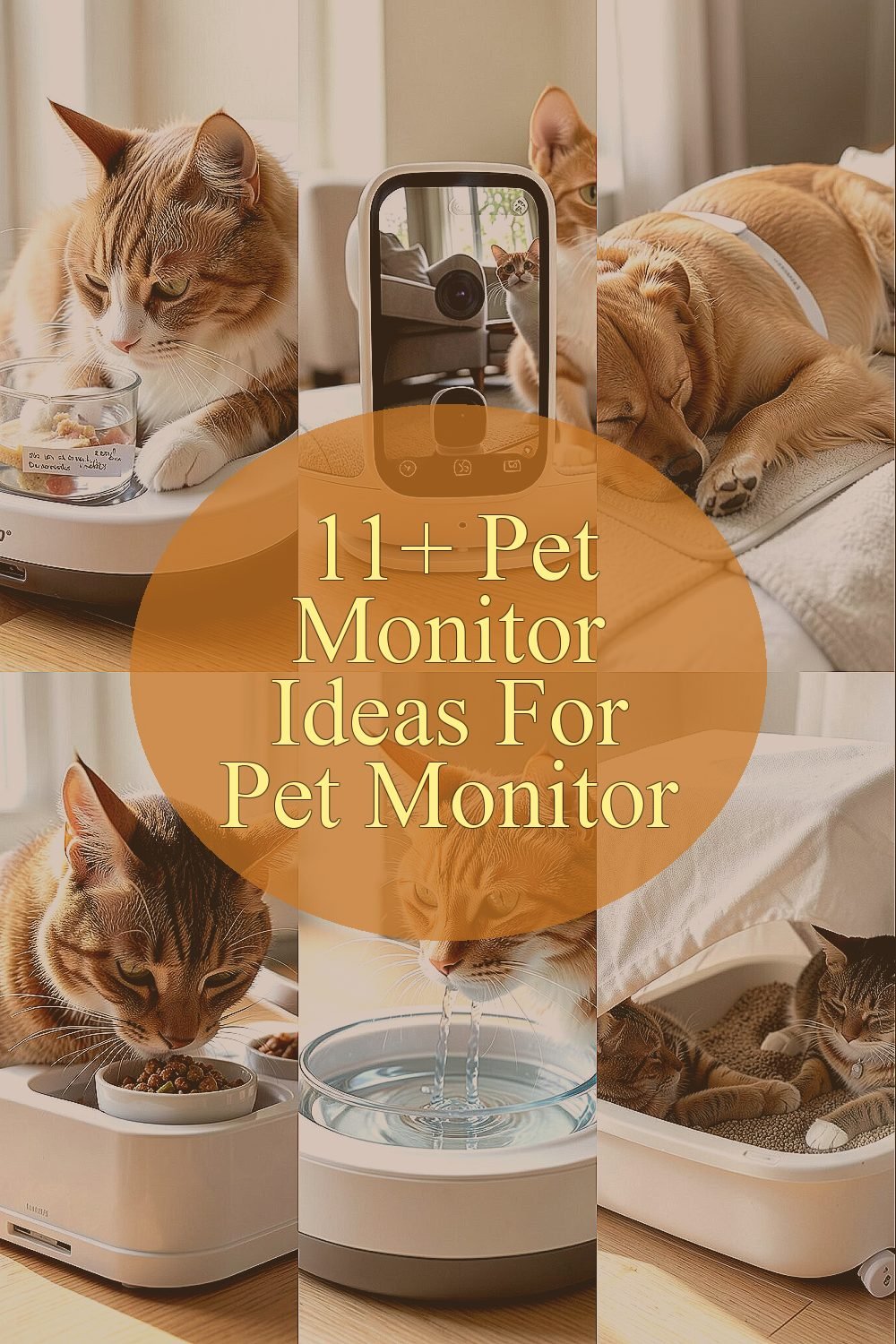
A happy pet home needs more than good food and a clean bed. Pet monitoring helps you catch small changes early and keep your pet calmer day to day.
1. Start With A Simple Daily Check
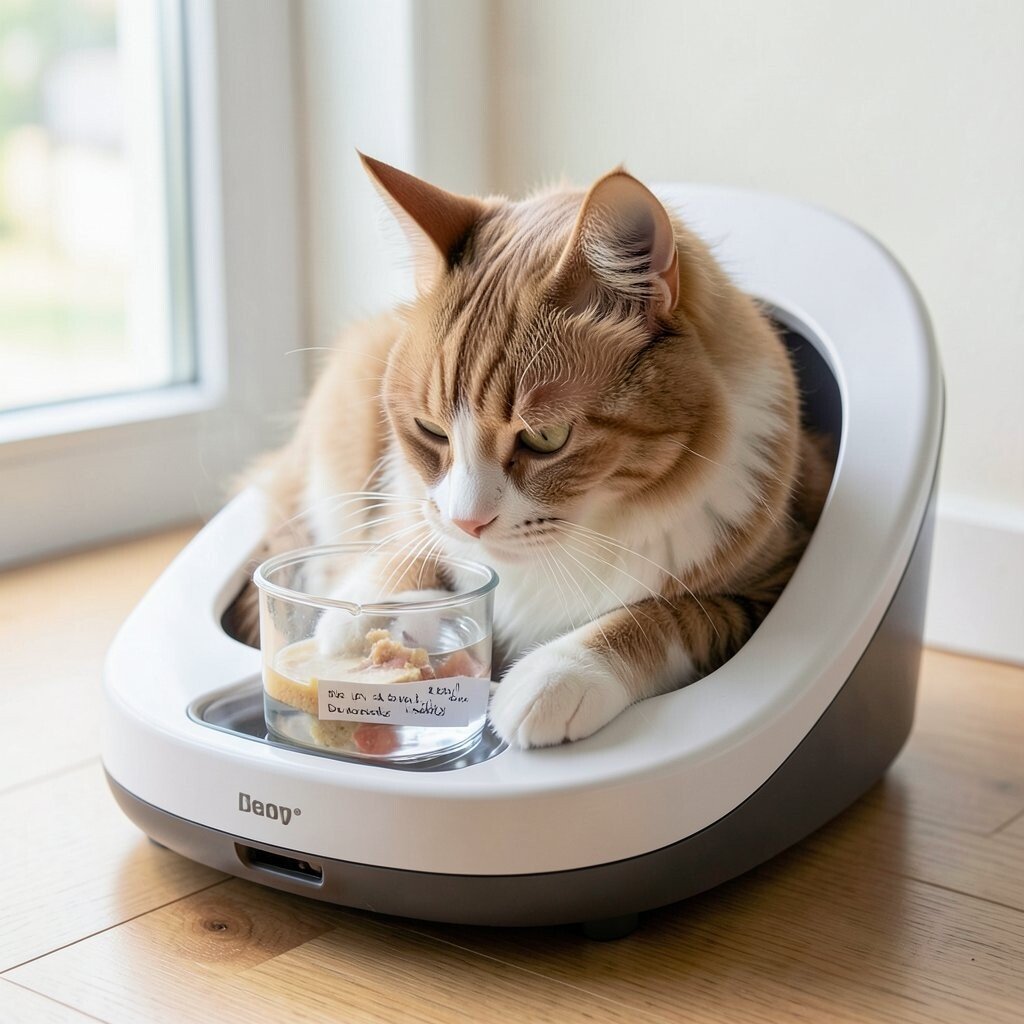
Pick a few easy things to look at each day. Check how your pet eats, drinks, and acts. Also watch for bathroom habits and any new smells.
Use a short note app on your phone or a small paper sheet. Over time, you can spot patterns that match your pet’s normal life. This can help you notice stress sooner. If you see a change, you can call your vet sooner too.
2. Use A Pet Camera For Quick House Look-Ins
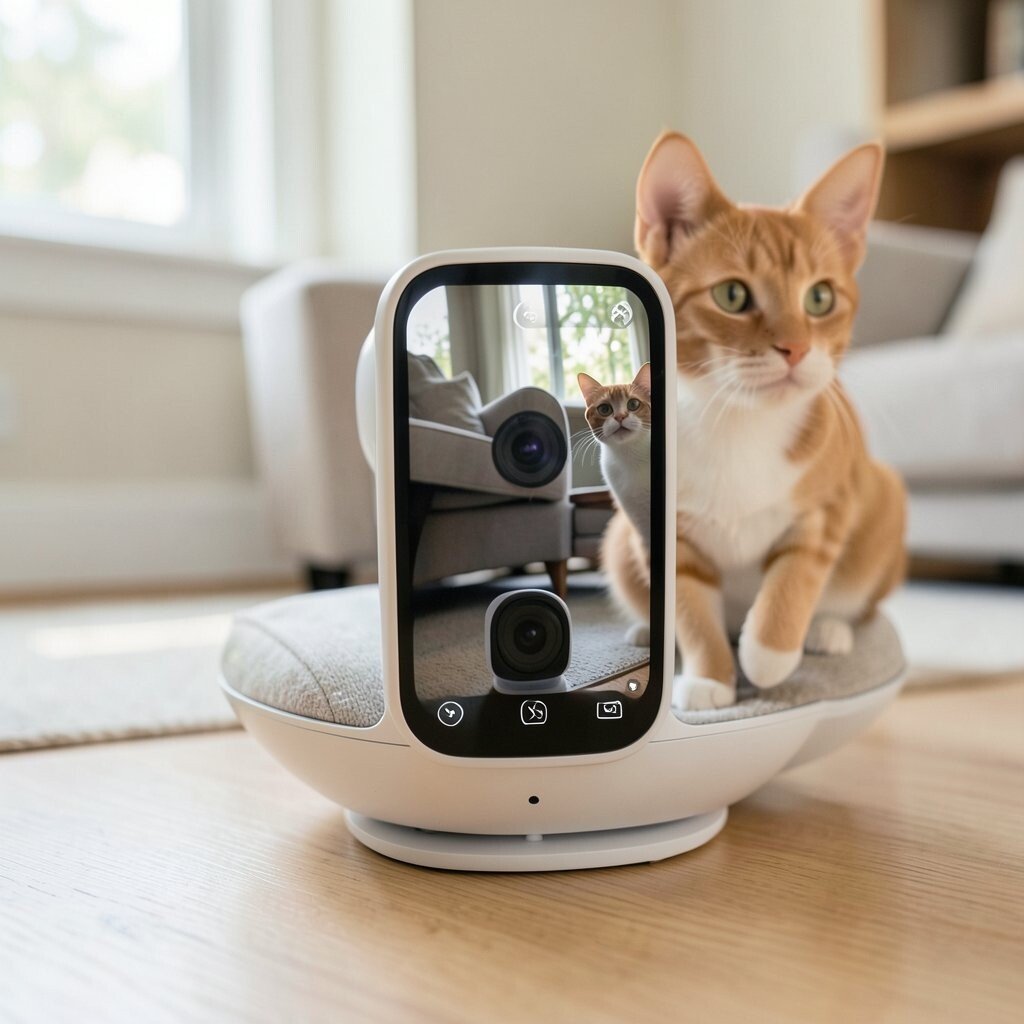
A pet camera can show you what your pet does when you are away. You might see pacing, barking, or hiding behind furniture. A clear view can help you understand how your pet acts in real time.
Pick a model with motion alerts and two-way talk if you can. When you get an alert, you can check fast and then plan what to do next. Many people find it helps with separation stress. Costs vary by brand, so start with one that fits your budget.
Personalize it by setting reminder times for your normal routine. For example, watch right after meals or during a usual nap time. If you notice unusual activity at one time, adjust your schedule and add a short play session.
3. Track Sleep With A Wearable Or Bed Sensor
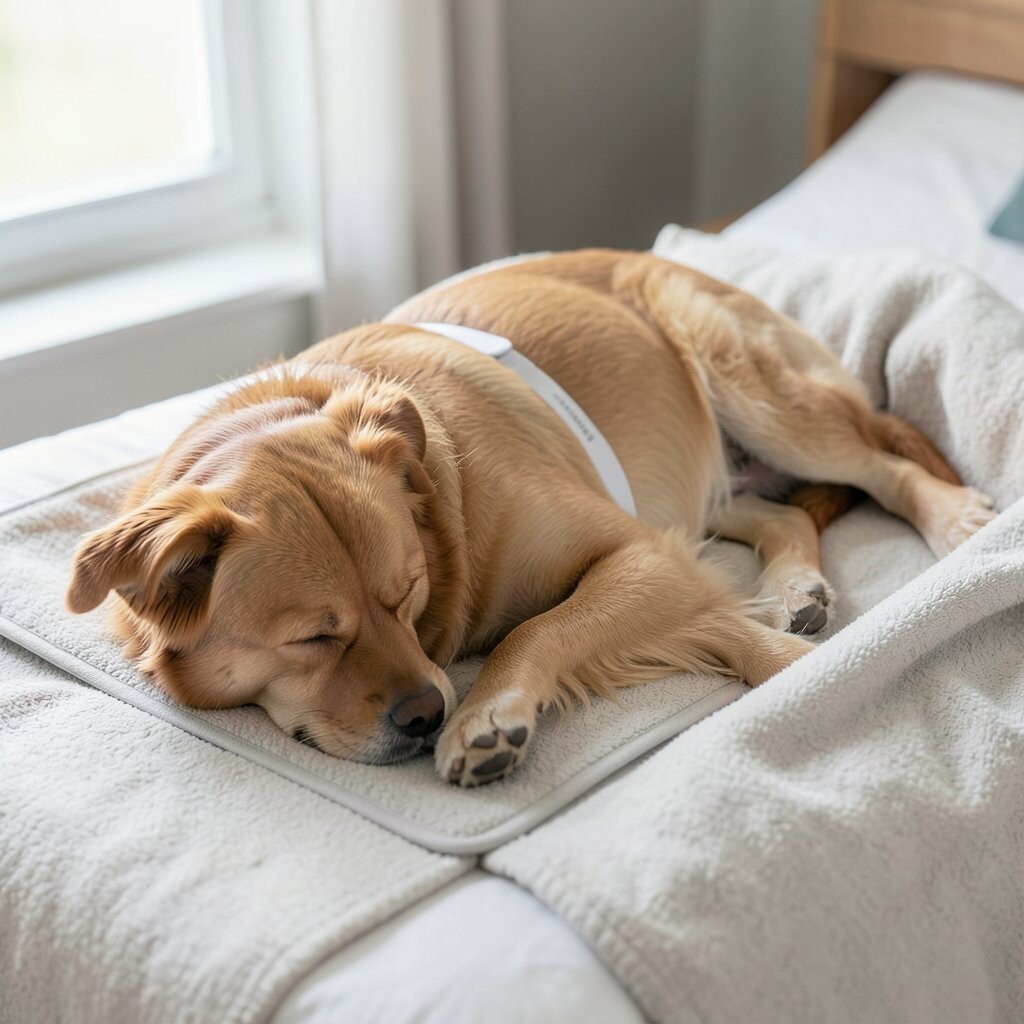
Some pets sleep a lot, and that can be normal. But big changes in sleep can mean pain, stress, or illness. A sleep tracker can give a simple view of rest time.
You may use a light band or a bed sensor that notes movement. The visual setup can look small and neat, like a thin band or a mat under a blanket. This gives you helpful data without you guessing.
Try a low-cost option first, like a bed mat, if you do not want a wearable. Trends now focus on gentle tracking that does not need heavy gear. Use the info to plan vet check-ins if sleep drops for many days.
4. Monitor Eating Speed With A Timed Feeder
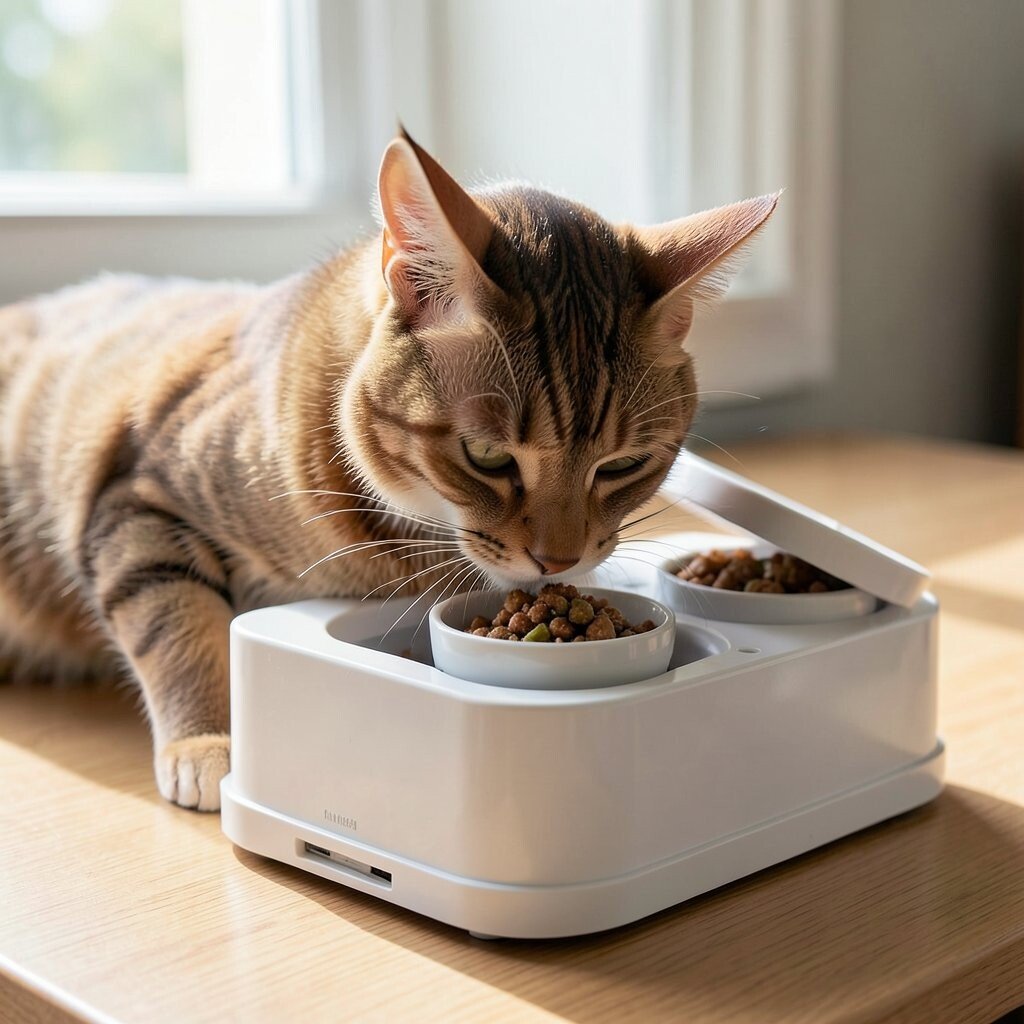
If your pet eats too fast, it can lead to gulping and upset stomach. A timed feeder can help you watch how often your pet eats. It can also help you keep portions steady when life gets busy.
Some feeders open at set times and log when food is used. You may see small bowls and a lid that pops up, like a simple food box. This kind of setup can add structure to your pet’s day.
Personalize it for your pet’s needs by starting slow and adjusting portions. If your pet is a grazer, use smaller meals more often. For cost, a basic timed feeder is usually cheaper than smart models with many parts.
5. Set Up A Water Use Tracker To Prevent Dehydration
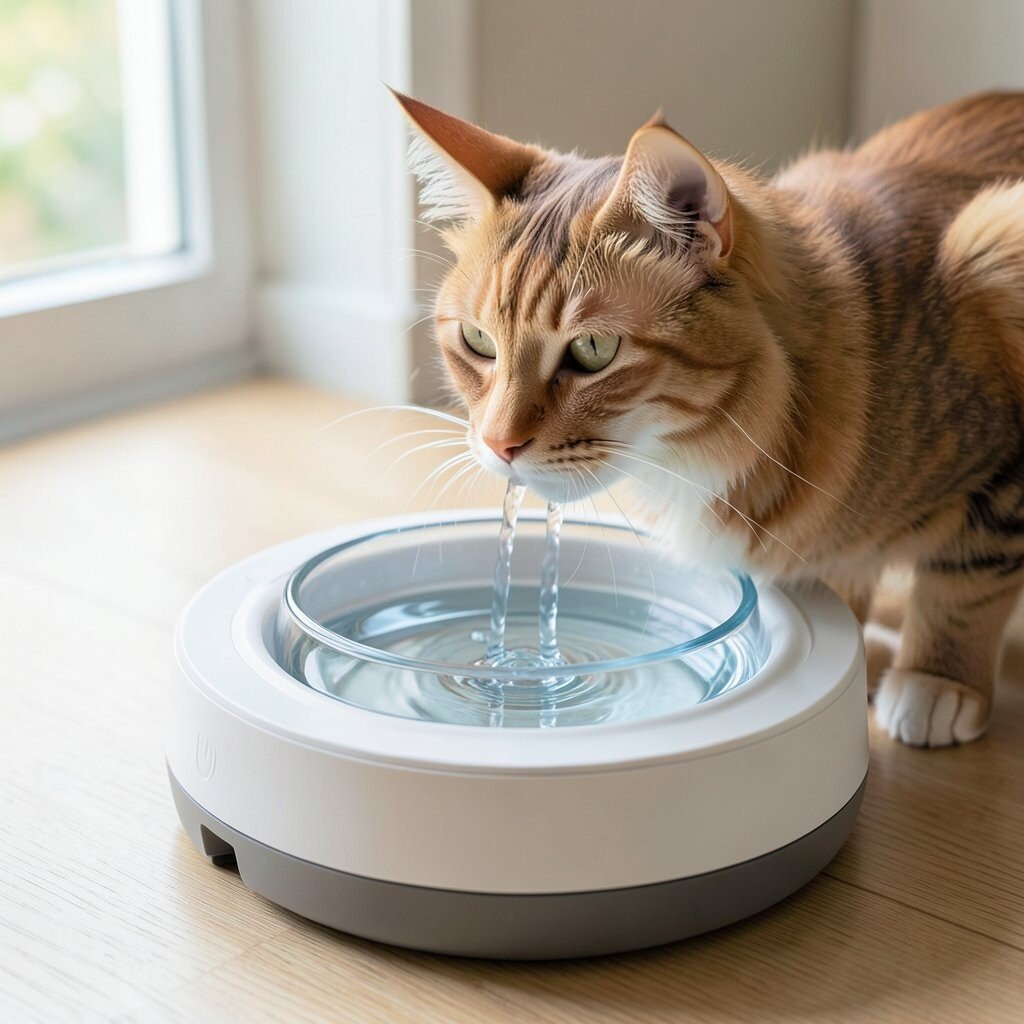
Water matters for every pet, from small dogs to big cats. Some pets drink more when it is hot or when they feel sick. A water bowl that tracks refills can help you see these changes.
Visual ideas include a smart bowl with a clear line for water level or a base that counts refills. This can help you notice if your pet skips drinking. It also helps when you travel or have a busy work week.
Try adding fresh water at the same times each day. Many pets like water that is cool and clean. If your pet drinks much more than usual, that is a good reason to talk with your vet.
6. Use A Litter Box Sensor For Cats
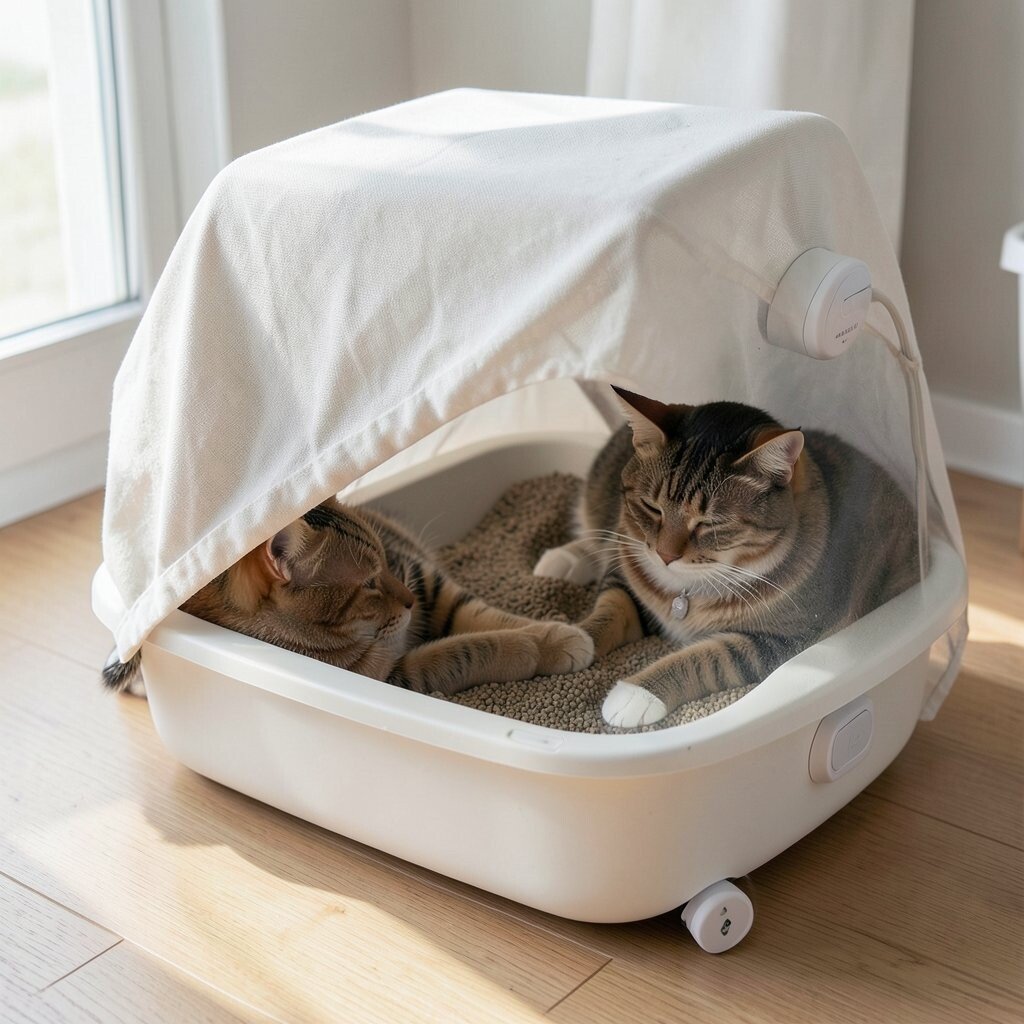
Cats can hide signs of pain or stress. A litter box monitor can help you see changes in use and habits. That can be very useful if you have one or more cats.
Some sensors track when the box is used and how often. You may get simple alerts on your phone, which makes it easier to check without guessing. Visual cues can include a box inside a covered area, with a small device mounted on the side.
Personalize it by choosing the right litter type and keeping the box in a quiet spot. If the sensor shows fewer visits, try checking for clogs or a new smell. Cost depends on features, so pick the basics if you want to keep spending low.
7. Track Activity With A Simple Collar Clip Or Tag
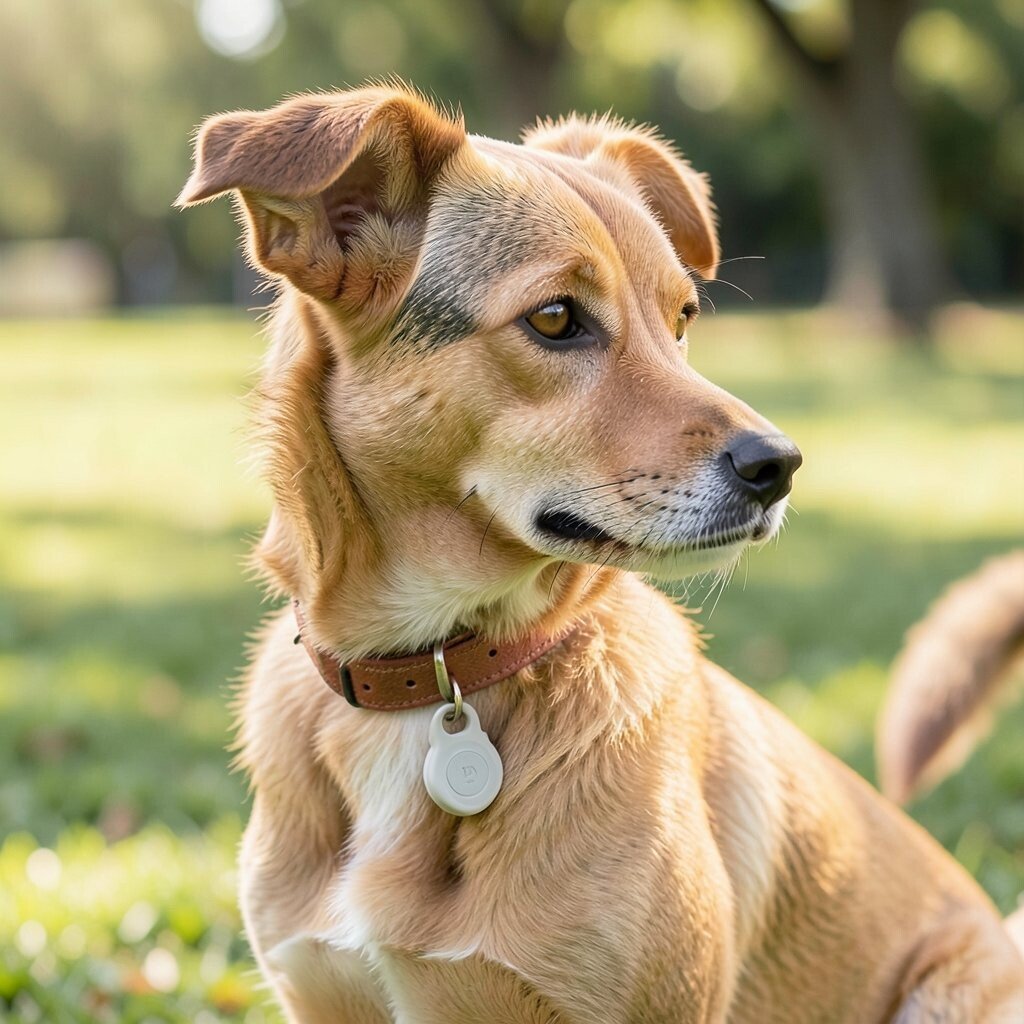
Activity can tell you a lot about your pet’s mood. If your pet usually runs and suddenly stops, something may be off. Tracking can help you spot that early.
A collar tag or clip can count steps or movement through the day. It is a small device that sits on a collar and looks like a normal tag. This kind of setup is often easier than bigger systems.
Try a style that fits your pet’s comfort. Some pets do not like heavy gear, so choose something light and test for a short time. A key tip is to compare your pet’s usual activity level, not just one random day.
8. Add A Calmness Plan With A Sound And Light Routine
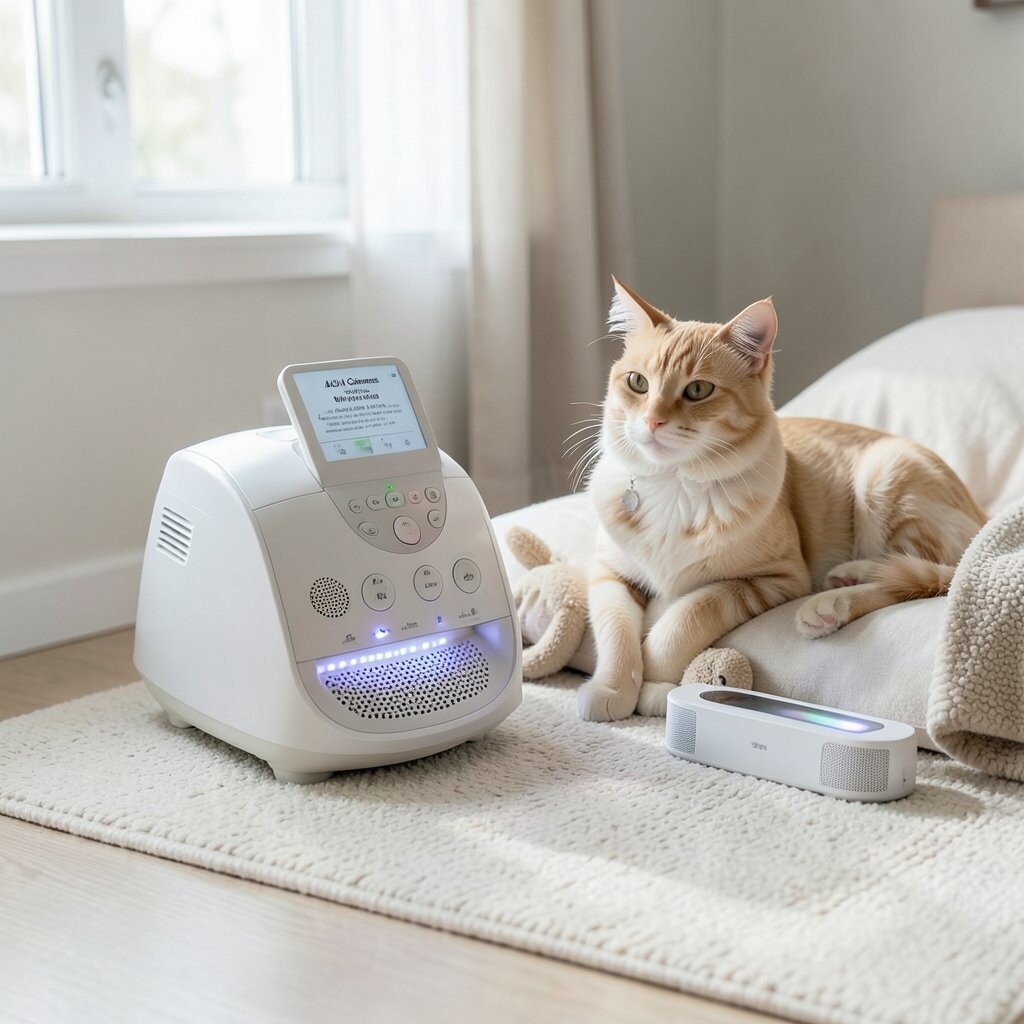
Pets can get stressed by loud sounds, bright lights, or sudden changes. A simple home routine can help your pet feel safe. Monitoring can include watching how your pet reacts when noise starts.
Use a small device that you can set to play soft sounds or adjust lights at set times. You might see a simple speaker unit or a smart light bar near a calm spot. This can help during storms, busy streets, or when guests come over.
Personalize it by using your pet’s favorite area, like a bed near you or a quiet corner. Add a toy or blanket that smells like home. If your pet relaxes more at certain times, keep that same schedule.
9. Keep An Eye On Skin And Coat With Weekly Photos
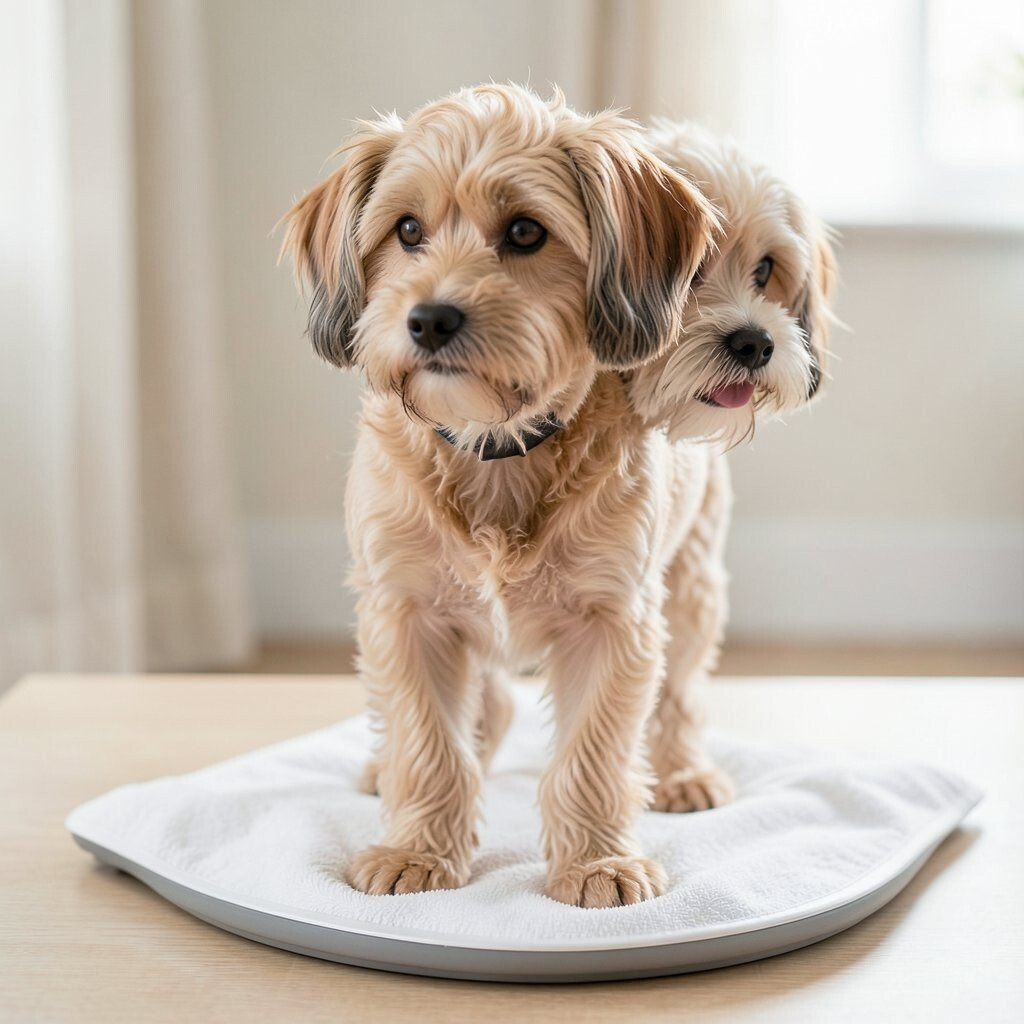
Skin issues can start small and grow fast. A simple photo plan can help you see small changes in coat shine, redness, or bumps. It also helps you show the vet clear proof.
Take photos once a week in the same spot with the same light. You can stand your pet on a towel or mat so the view stays clear. This gives a simple visual record that is easy to share.
For cost, it is mostly just your phone. This is also a trend right now, since many pet owners use photo logs. If you see swelling, itch marks, or bald spots, it is smart to book a vet visit.
10. Monitor Bow Movement And Posture For Pain Clues
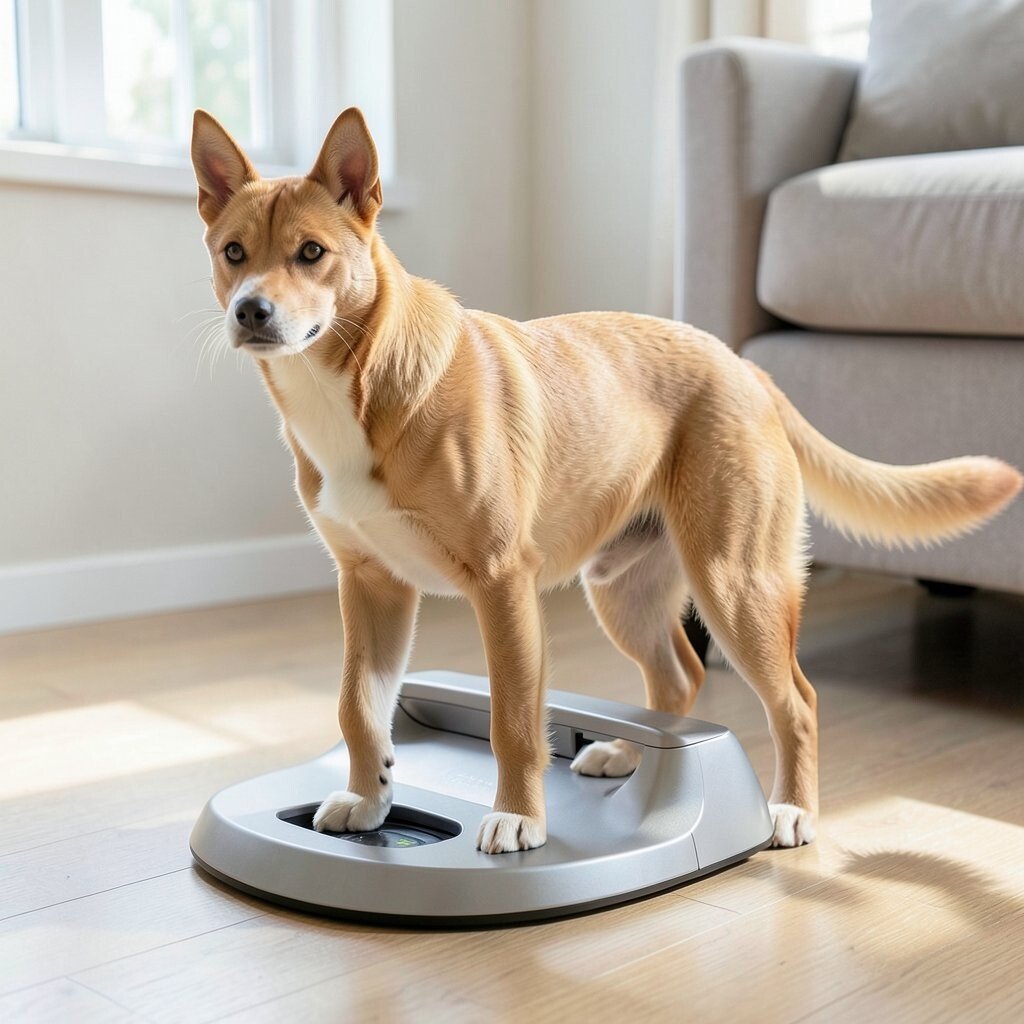
Pets cannot always tell you they hurt. You can still watch for signs like slower walks, stiff sitting, or trouble jumping. Monitoring posture can help you notice joint or muscle pain early.
Try a quick check during play or right after rest. Watch how your pet stands, how they move, and how they step onto furniture. You might use a short video clip each week so you can compare later.
Personalize it by focusing on your pet’s main body moves. For example, if your dog loves a certain stair, watch how they use it. If you see a change, ask your vet about pain checks and safe exercise options.
11. Use Temperature And Humidity Notes For Hot Or Cold Days
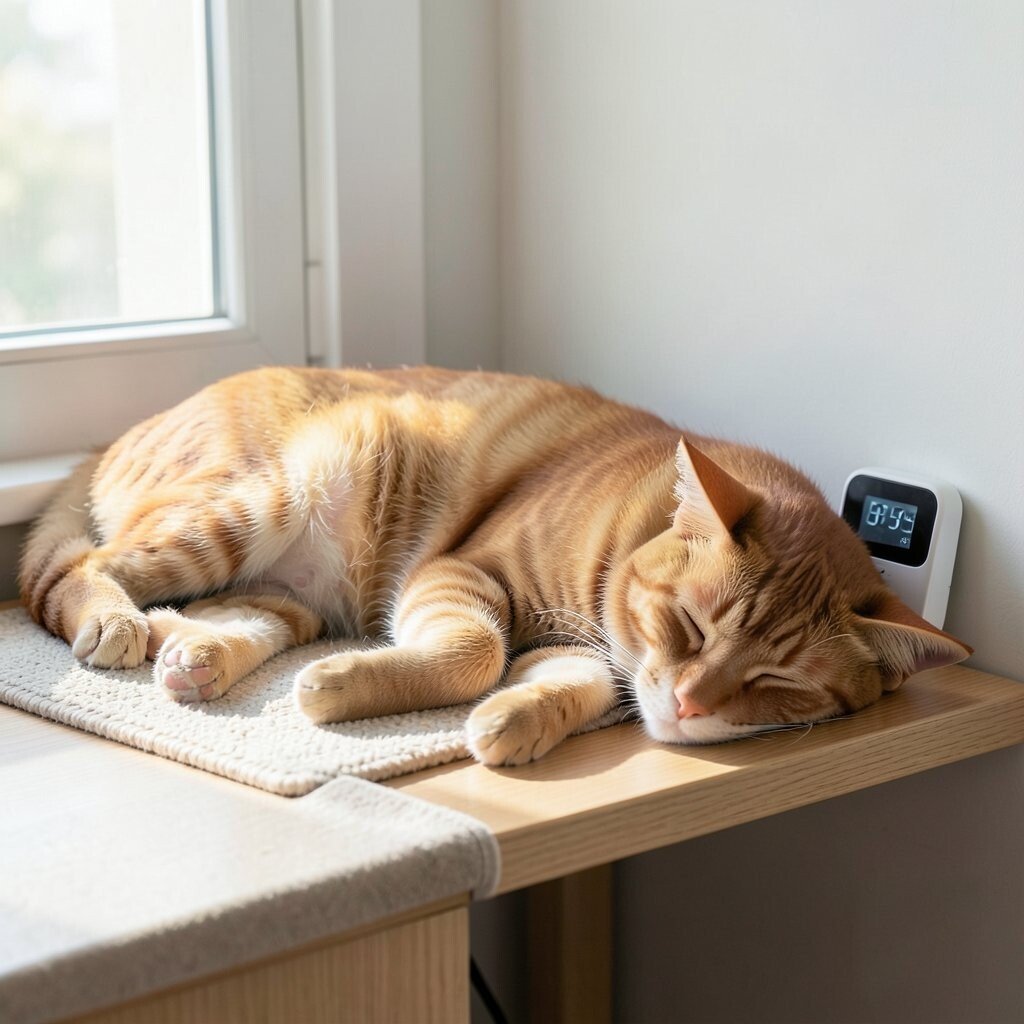
Too much heat or cold can affect how a pet feels. Some pets pant more, hide more, or sleep in odd spots when the air changes. Tracking indoor temperature and humidity can give you clear facts.
Use a small home sensor on a shelf near your pet’s resting area. The visual look is often a small box with a screen that shows numbers. You can place it in a spot that matches where your pet sleeps, not near a window draft.
Try simple steps when readings change. Add a fan on low, use a mat in a cooler spot, or close curtains on bright days. Cost is usually low for basic sensors, and it can help you plan safe routines.
12. Set Up A Health Checklist With Vet-Ready Notes
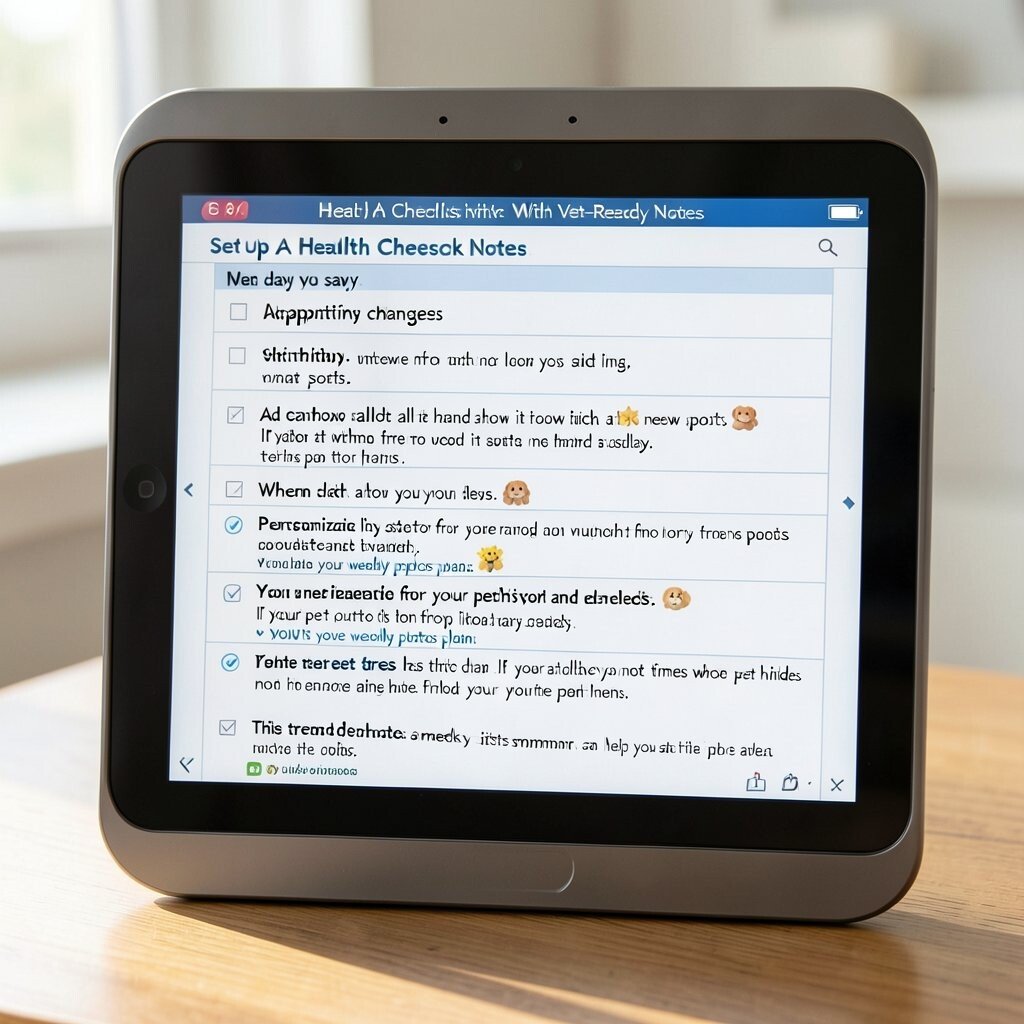
A pet monitor is most useful when you can use the info later. Build a health checklist you can update as days pass. This helps you move from random worry to clear details.
Write down what you saw, like appetite changes, vomiting, skin itch, or new spots. Add short notes about when it started and how long it lasted. You can also add photo links from your weekly photos plan.
Personalize the checklist for your pet’s history and needs. If your pet has allergies, note itch areas. If your pet has stress, note times when your pet hides. This trend of organized notes makes vet visits smoother and can help you save time at the clinic.