Pet shampoo helps your pet feel comfy and smell clean. It also helps you keep their skin and coat in good shape.
1. Pick the Right Shampoo for Your Pet
Start by matching the shampoo to your pet. Use a gentle pet shampoo for dogs and cats, not a human one. Check the label for “for pets” and for your pet’s needs, like dry skin or a sensitive coat.
If your pet has itchy skin, choose a calm, plain formula. If your pet has a strong smell, look for a deodorizing or odor control type made for pets. The right pick can help you avoid rough skin and too much dryness.
2. Know Your Pet’s Coat Type Before You Wash
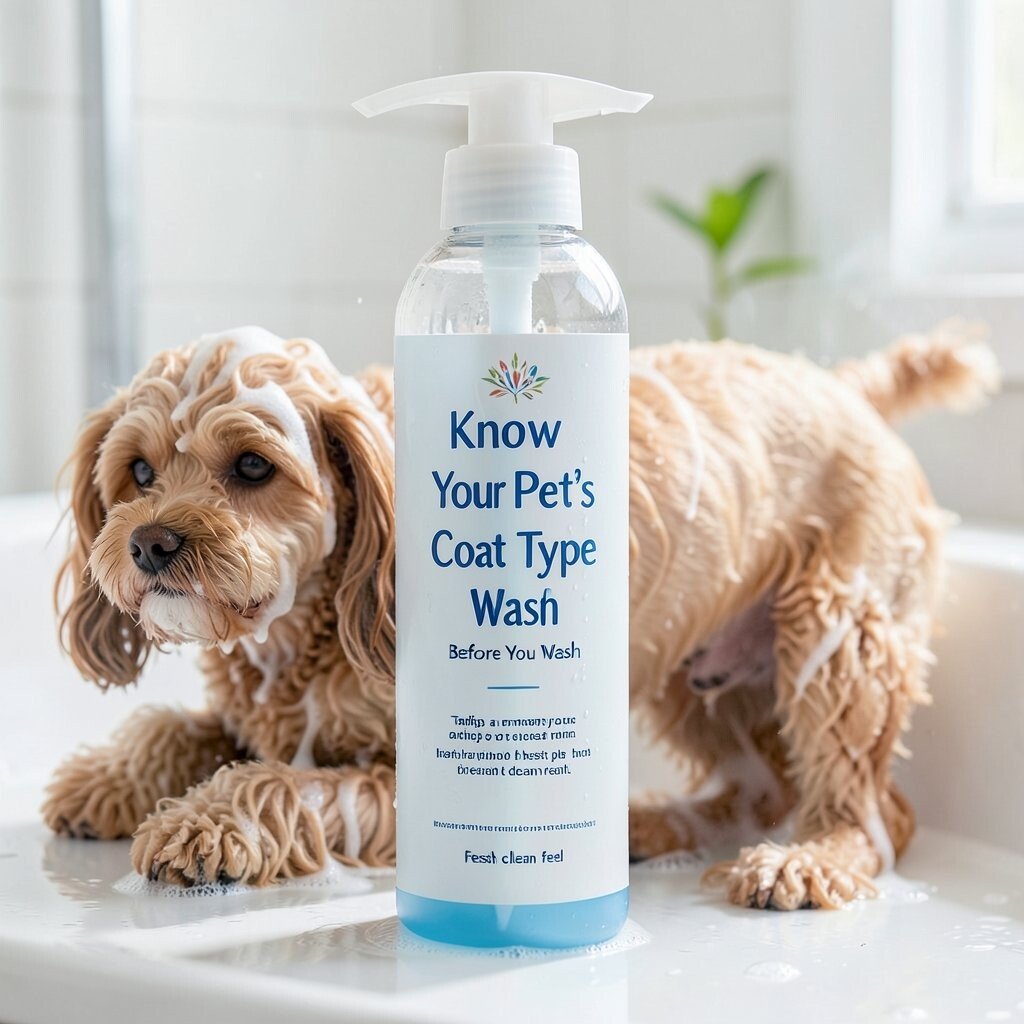
Different coats need different care. A short coat often needs quick cleaning and light rinsing. A long coat needs more time in the bath so shampoo can reach the roots.
If your pet has thick fur, you may need extra water and patience. If your pet has curly fur, you might want to help the shampoo work through tangles. Taking a moment to look at your pet’s coat helps you choose the best plan for a fresh clean feel.
3. Use Warm Water, Not Hot Water
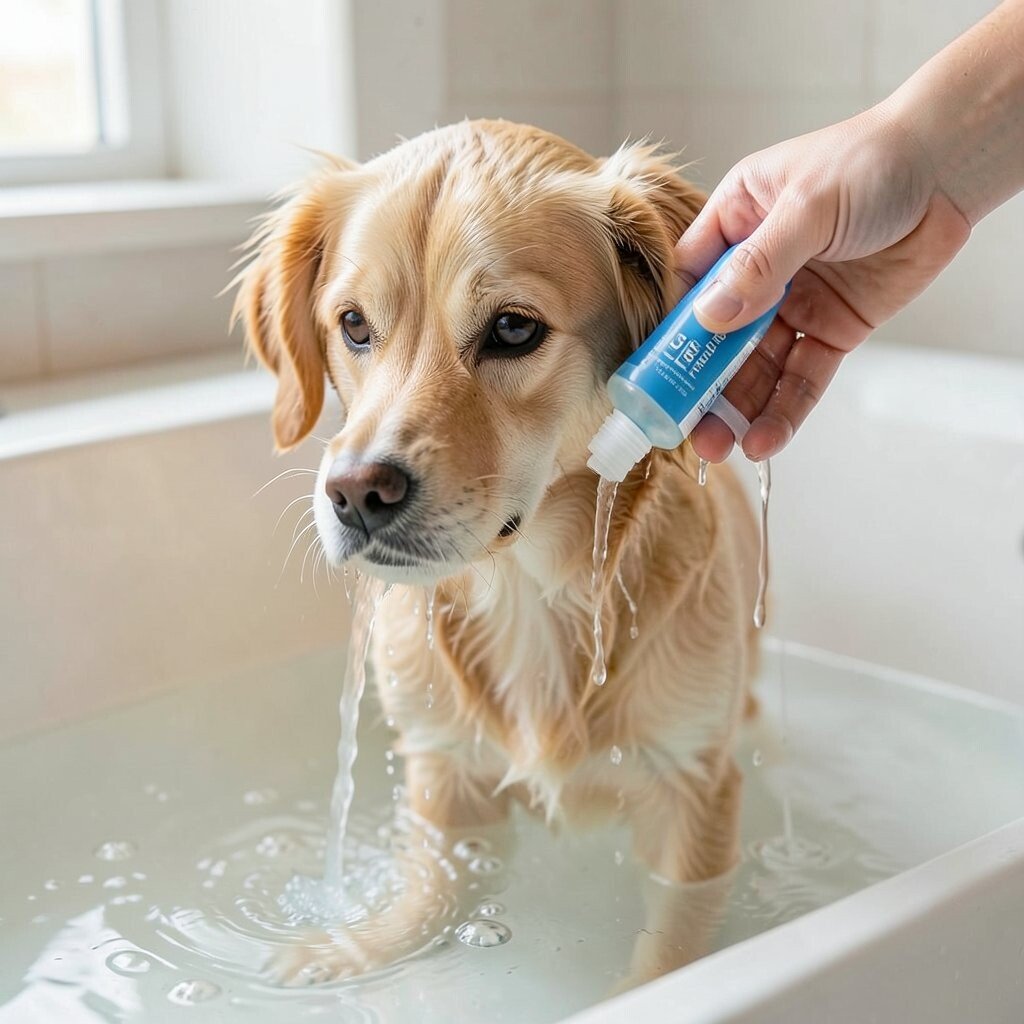
Warm water feels safe and helps your pet relax. Hot water can dry the skin and cause discomfort. Aim for water that feels mild when you test it on your hand.
Make sure the water reaches the body, not just the fur on top. Pour with care so it does not rush into the face or ears. This simple step can help you get a better clean while keeping skin calm.
4. Wet Fully, Then Shampoo Slowly
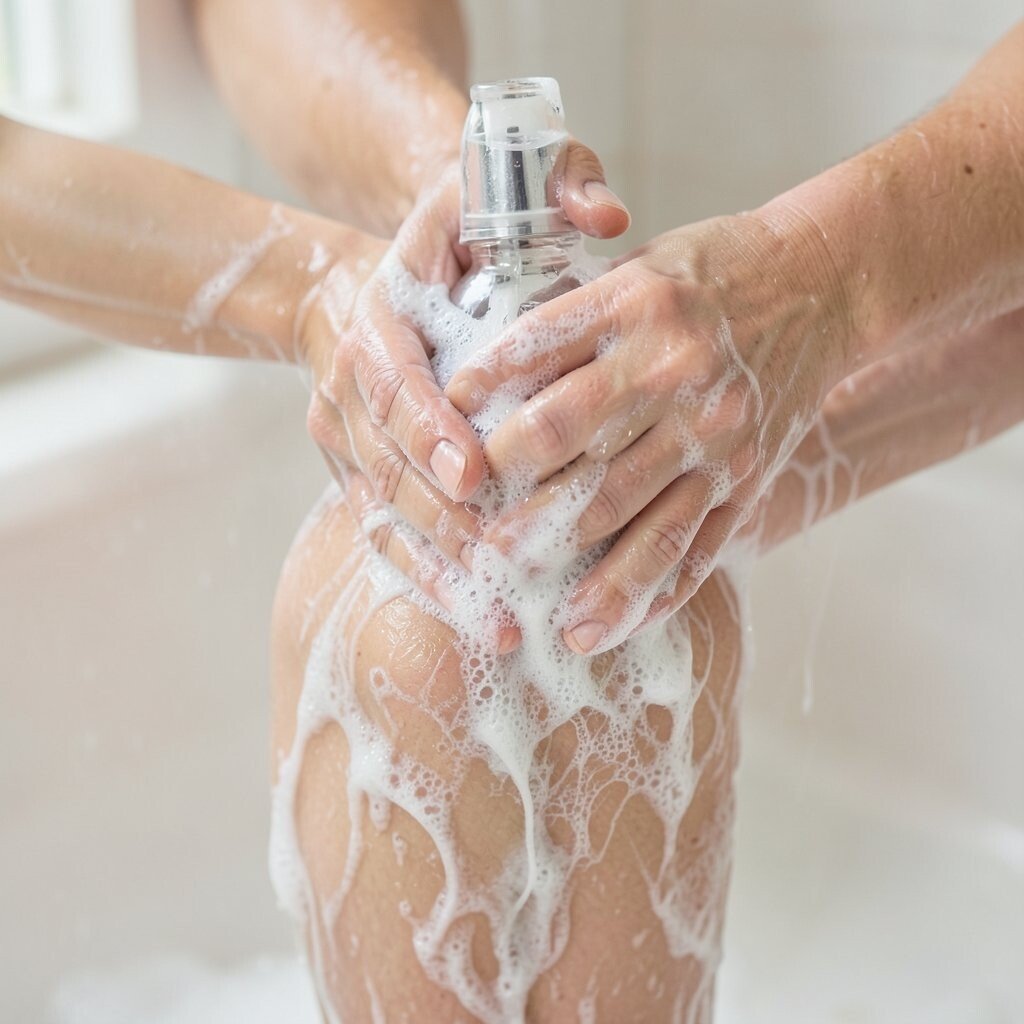
Take time to soak the fur all the way through. Use your hands to rub the water in and check if the skin looks wet too. Then add a small amount of shampoo and work it into a light lather.
Shampoo should not sit in one spot. Move in circles on the body and along the legs. When you go slow, you help the shampoo clean without overdoing it.
5. Focus on Smelly Areas and Sticky Spots
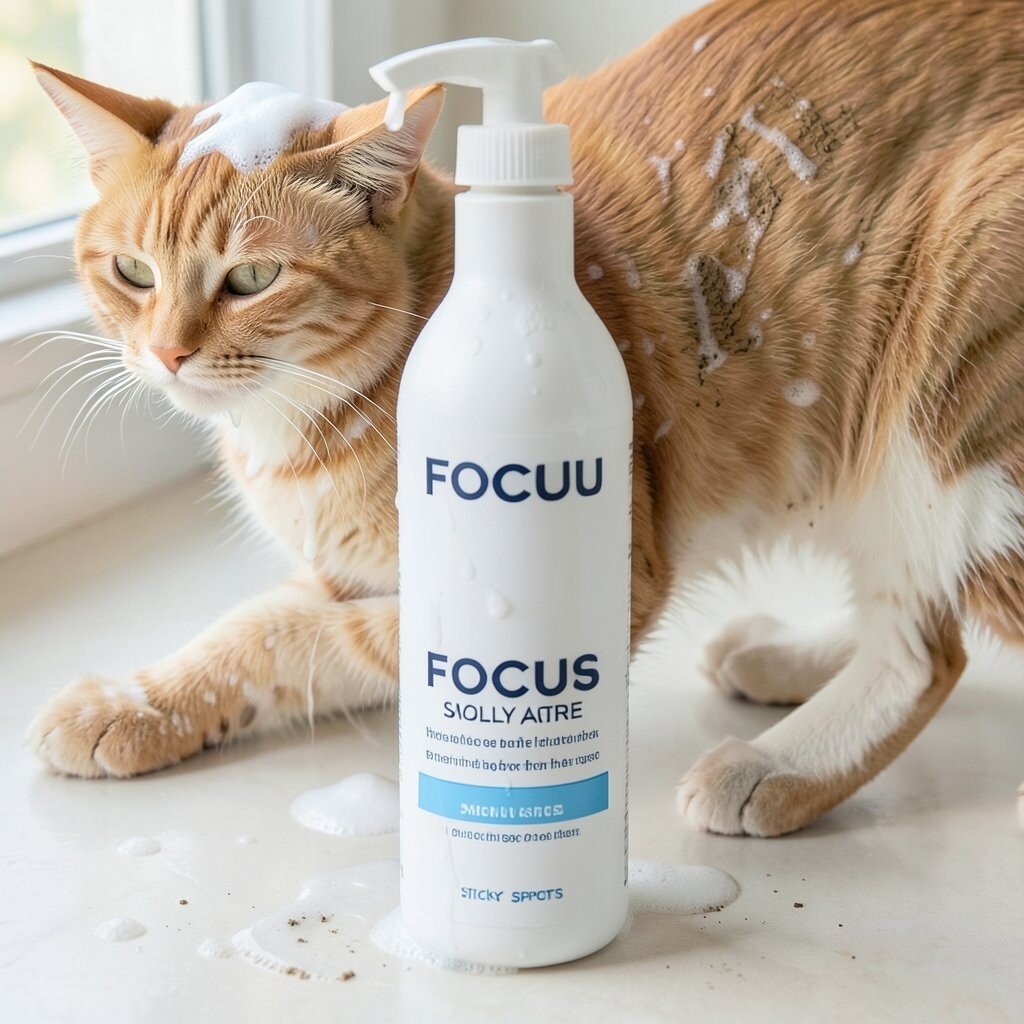
Most pets get dirty in a few key places. Often it is the neck, armpits, belly, paws, and around the tail. If your pet likes to roll, check the spots where the fur touches the ground.
Use gentle pressure on those areas and let the shampoo do the work. You do not need hard scrubbing. If you see mud or grime, rinse first, then shampoo again for that patch.
6. Keep Water Out of the Eyes and Ears
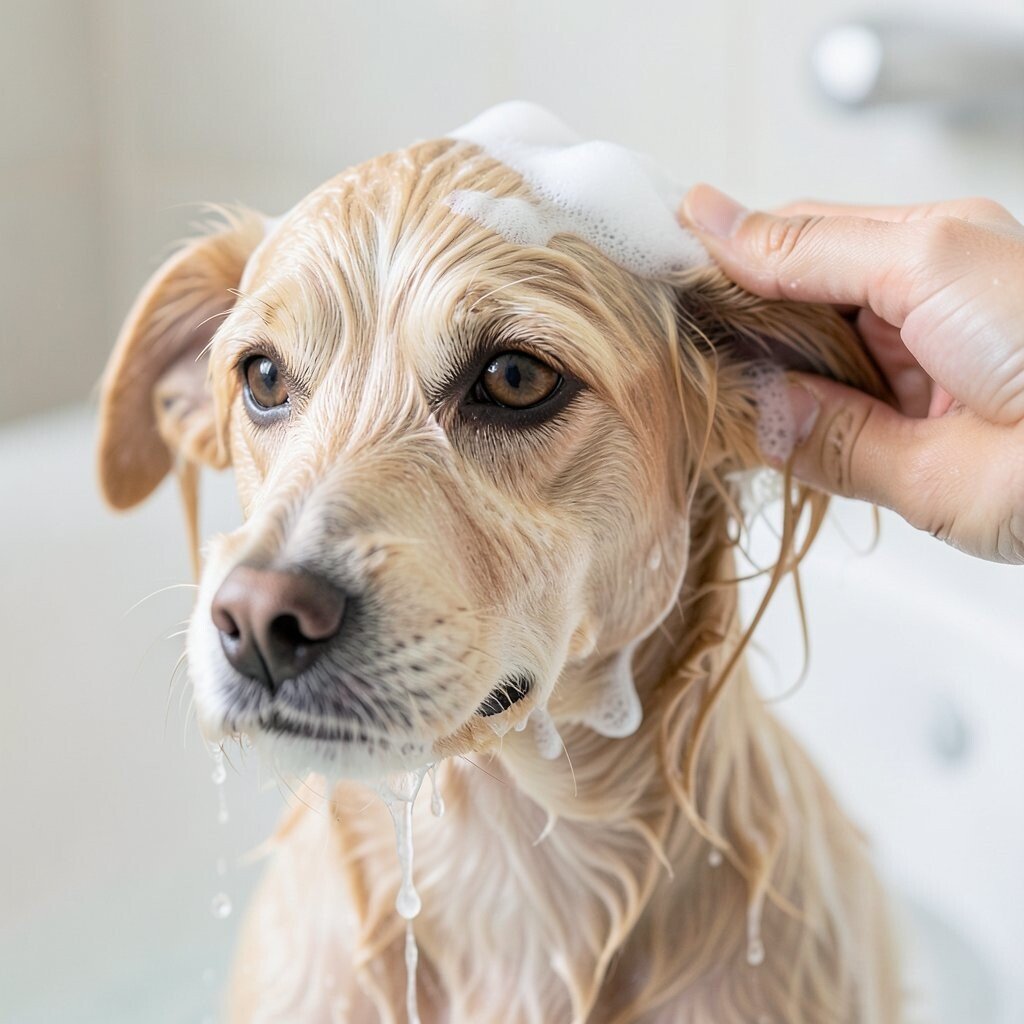
Try to keep shampoo and water out of your pet’s face. Use a damp cloth for the face instead of pouring. For ears, you can use a careful hand rinse and avoid direct spray.
If your pet has long ear hair, be extra careful. You can hold the ear flap gently while you rinse the area. This can help prevent irritation and make bath time feel safer.
7. Rinse Well So the Coat Feels Soft
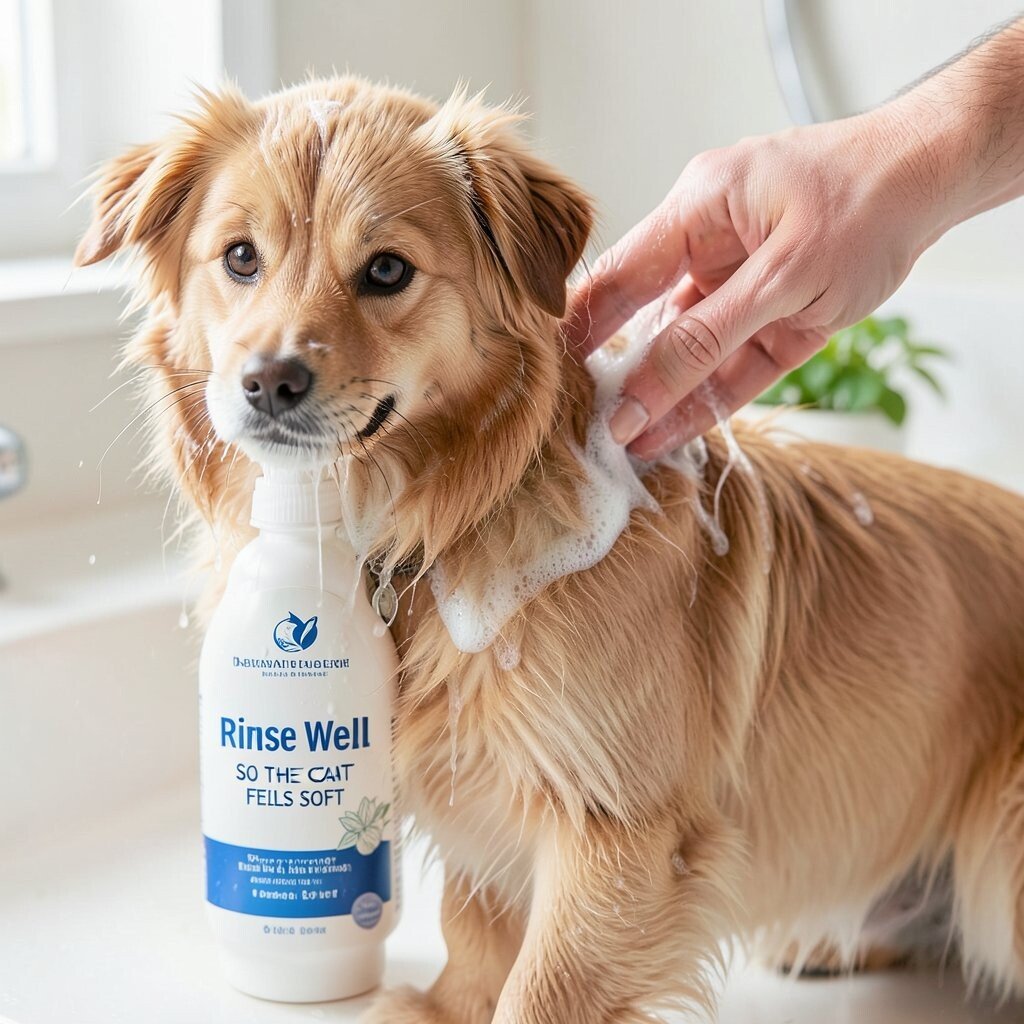
Rinsing is a big part of getting that fresh clean feel. If shampoo stays in the fur, your pet may feel itchy. Keep rinsing until the water runs clear and the fur looks smooth.
Long fur and thick coats can hide shampoo, so do not rush. After rinsing, run your fingers through the coat to check for any slippery or soapy feel. A good rinse helps the coat look clean and feel soft.
8. Dry Your Pet the Right Way
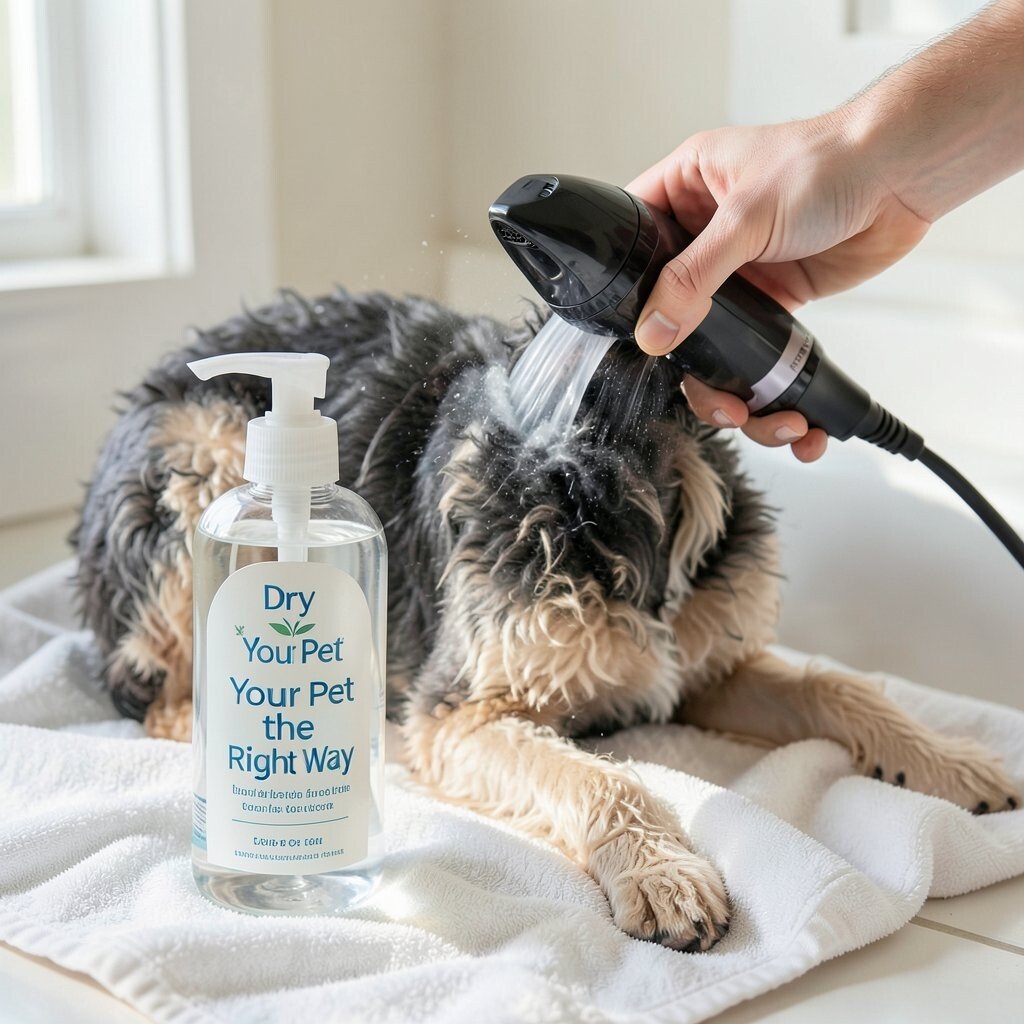
Drying helps prevent skin issues and keeps your pet comfy. Use a towel first and pat instead of rough rubbing. Patting helps reduce tangles and keeps the coat from getting frizzy.
If you use a blow dryer, use a low heat setting and keep some distance. Watch your pet’s comfort level and stop if they seem stressed. Drying fully is also important for pets that have thick or curly fur.
9. Add a Small Amount of Conditioner for Extra Softness
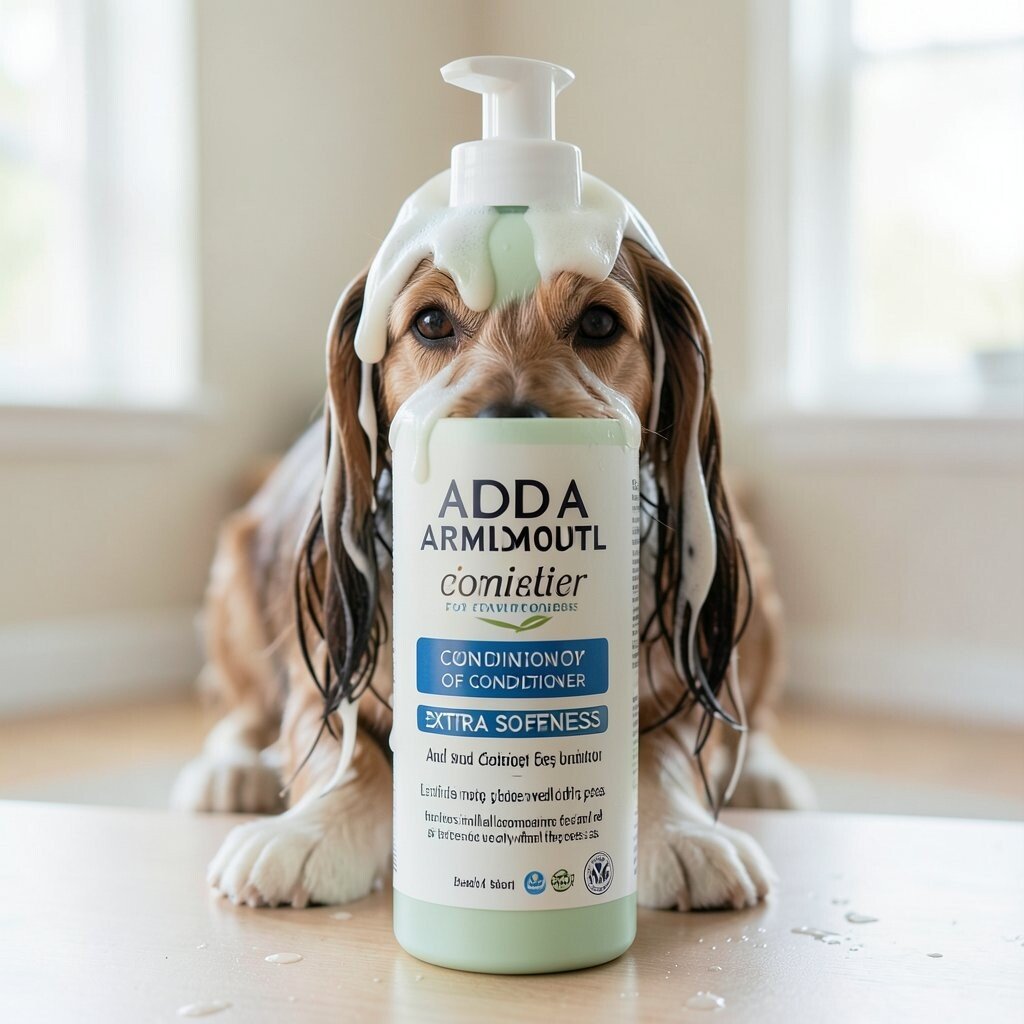
Some coats feel better with a pet conditioner after shampoo. A little can help reduce tangles, especially in long hair. Look for a conditioner made for pets and use only what the label says.
Apply conditioner from mid-length to the ends, not right on the skin. Let it sit for the short time on the bottle, then rinse well. This can give your pet a smoother coat and a clean look that lasts longer.
10. Make Bath Time Easier With a Routine and Treats
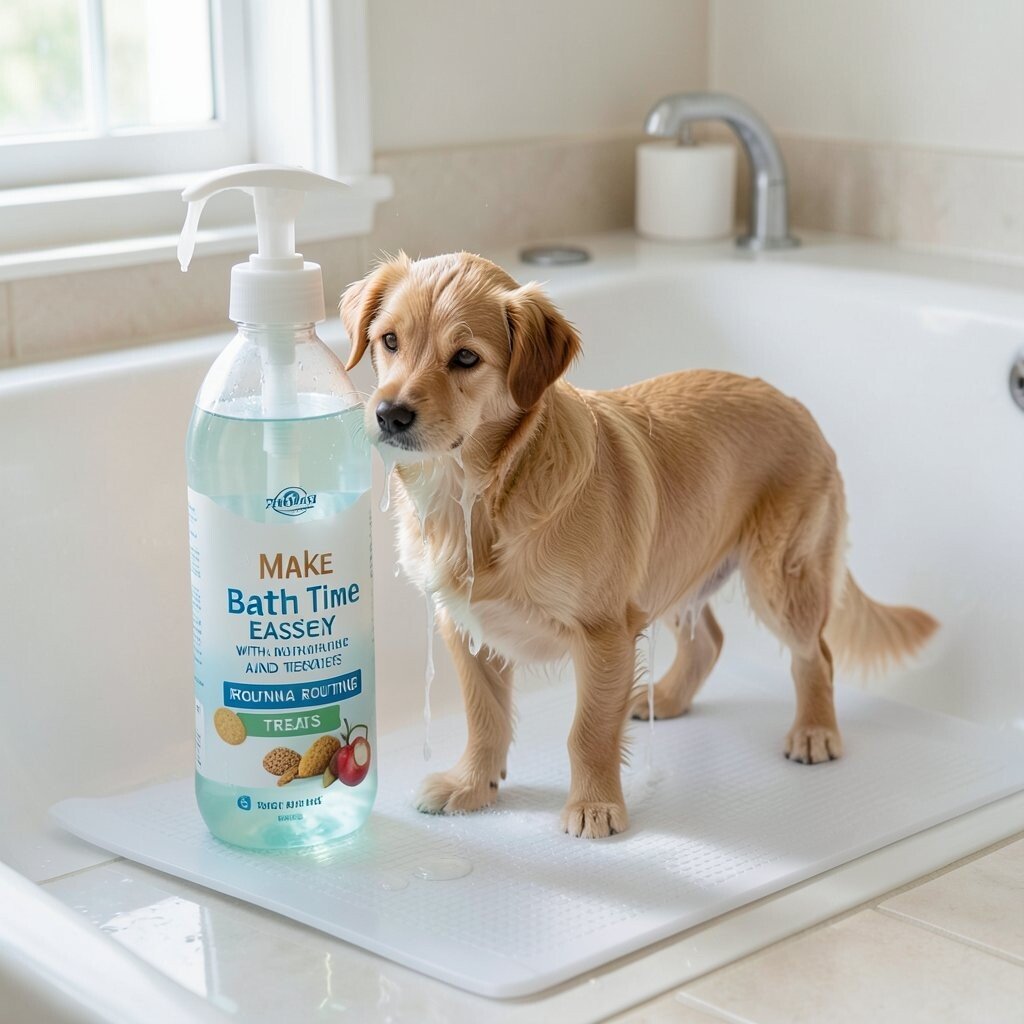
A routine helps your pet learn what to expect. Keep the bath plan the same each time, like wetting first, shampoo second, and rinsing last. You can also use treats to reward calm behavior.
Try to keep talk and movement calm and simple. Use a non-slip mat if your pet slips on the tub or floor. A low-stress bath can help you do the job well and make your pet feel safe.
11. Watch Costs and Follow Bath Time Trends That Fit Your Budget
Costs can add up, so it helps to plan ahead. You can buy the right size bottle and store it in a cool spot. If you have more than one pet, compare prices per use and pick what fits your budget.
Some recent trends include waterless sprays, wipes, and bath grooming gloves. These can help between full baths when your pet rolls in small messes. You can try them on days with light dirt, but still use a full shampoo bath when needed. A smart mix can keep your pet fresh and help you spend less.