Potty training can feel like a big change, but it can go well with steady practice. This list gives simple tips you can use at home and adjust to fit your child.
1. Pick a calm start day
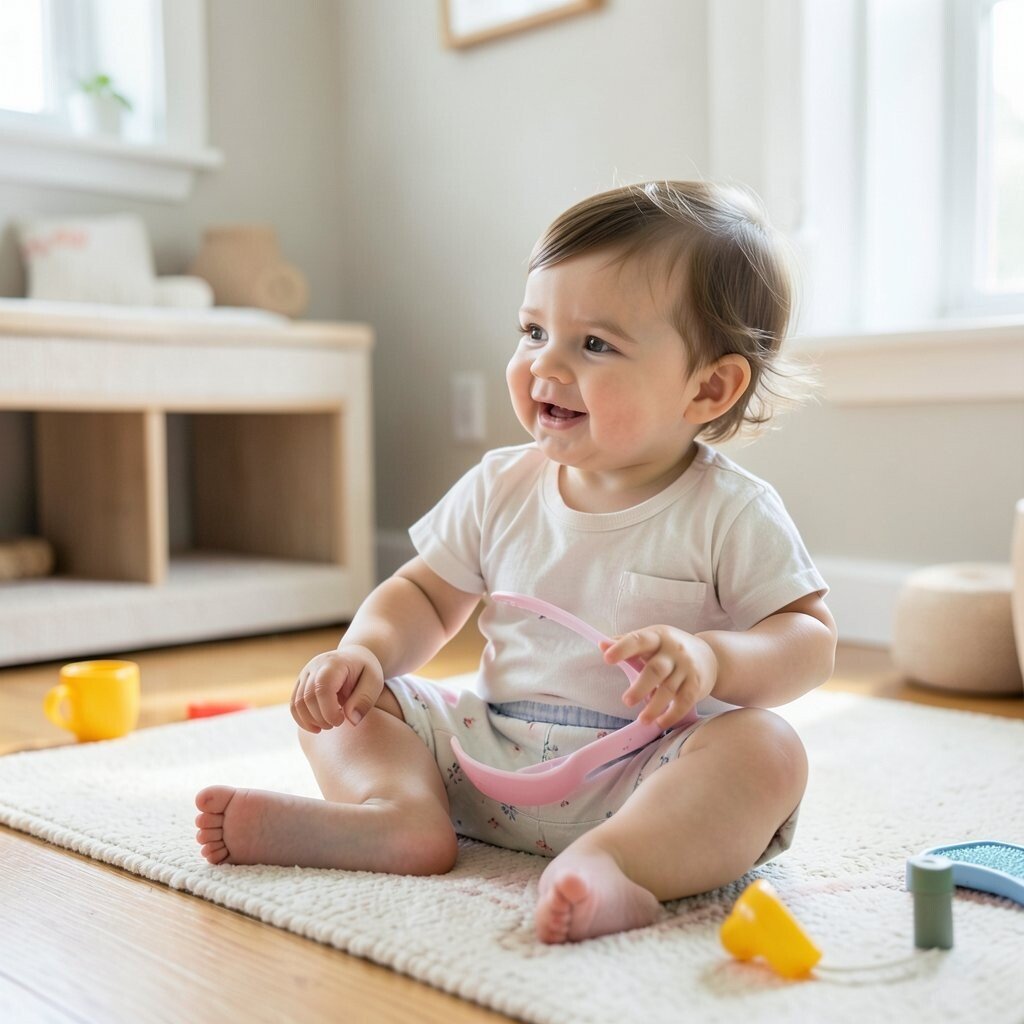
Choose a day when your schedule is not too busy. Try to spend more time at home so your child can try often. A quiet start helps you notice small signs sooner.
Look for simple routine changes, like eating at the usual times and keeping play close by. If you travel a lot, plan for short trips only. This helps you keep the same rules and build trust.
2. Learn your child’s cues
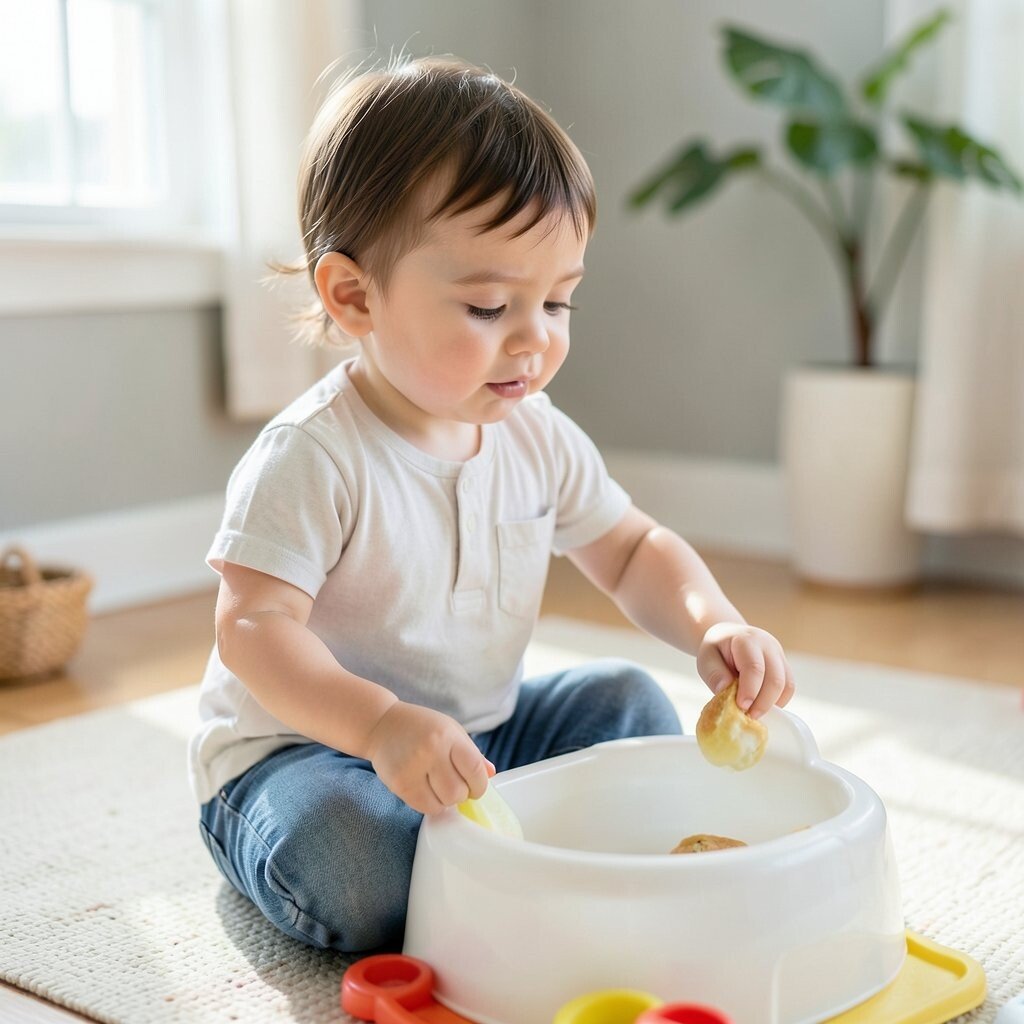
Watch your child during normal play and after meals. Many kids show signs like pulling at clothes, pausing, or changing their face. When you see it, guide them to the potty right away.
Keep notes for a few days if that helps you remember. You can jot down times like after breakfast or after naps. Over time, you will start to predict when the next try may work.
3. Use a potty setup that feels safe
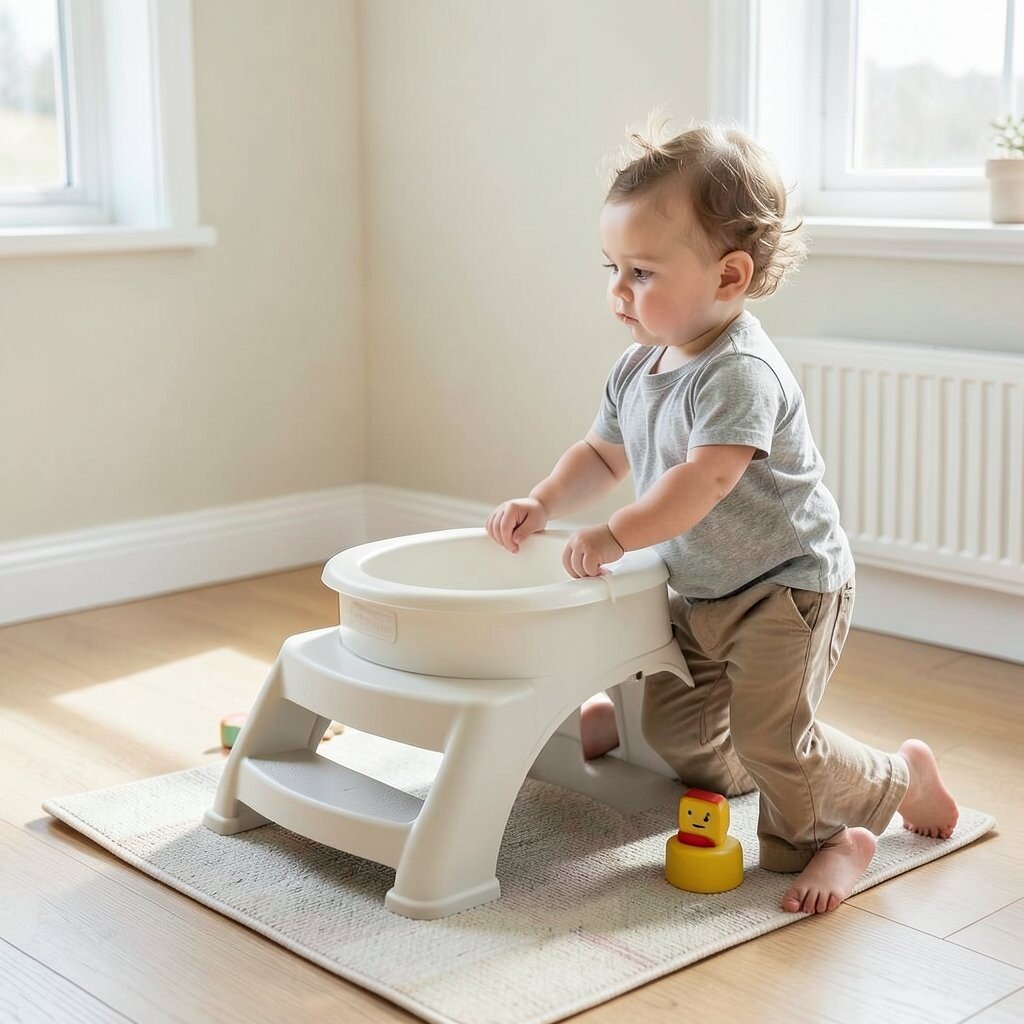
Use a potty chair or a small seat that sits well and feels steady. Place it where your child can reach it without stress. You can add a step stool if your child needs help getting comfortable.
Make the spot look simple and neat. Some kids like a small mat under the potty and a small toy nearby. A clear and calm space can lower worry and make trying easier.
4. Dress for easy on and off
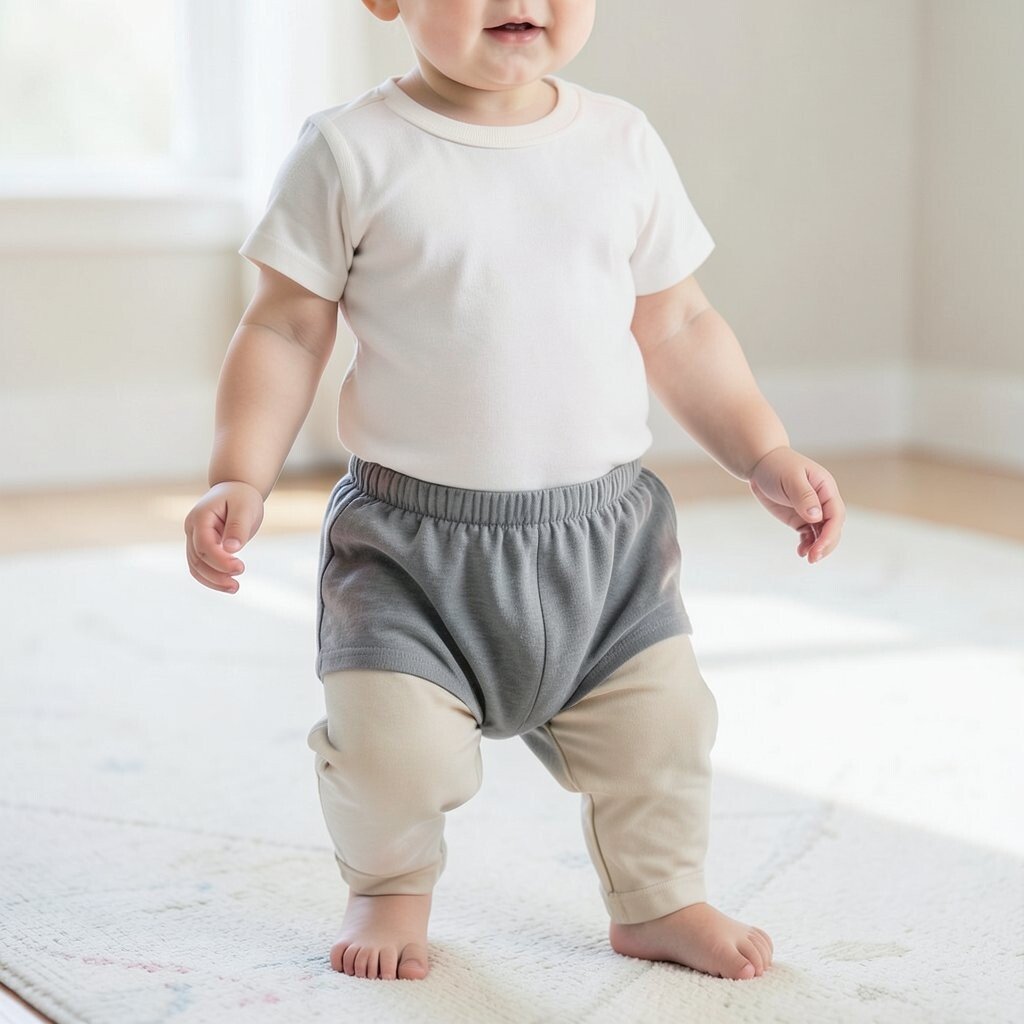
Choose pants with elastic waist and tops that are easy to pull down. Skip layers that take time to remove. Quick clothes help your child make it in time.
Many parents find that simple training underwear works well for daytime. Use bigger sizes only if they do not fall down too fast. The goal is to keep the steps easy and smooth.
5. Set a simple schedule, then adjust
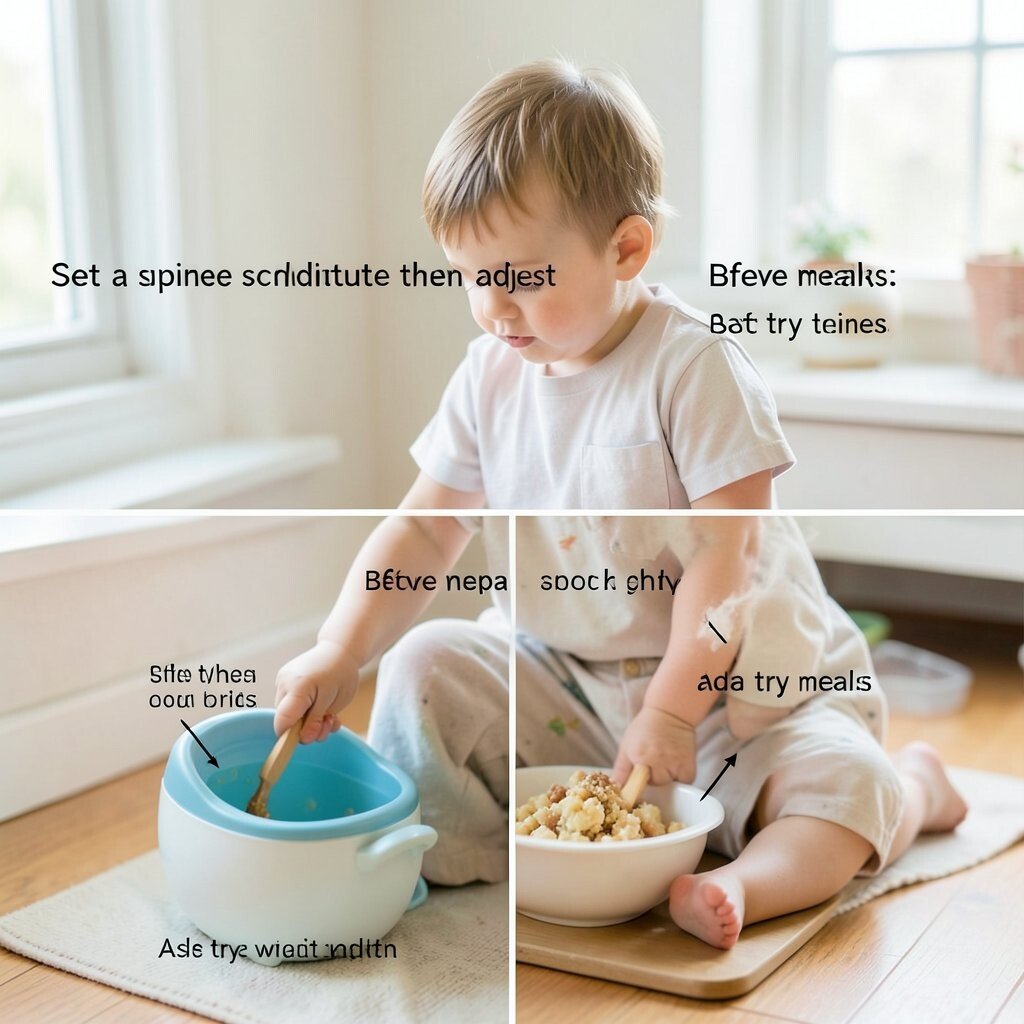
Start with potty tries at common times like after breakfast, before a nap, and after meals. A schedule gives structure and helps your child learn what comes next. Try to keep the wait times short at the start.
As days pass, use what you learn about your child. If your child often goes right after a certain snack, add a try then. Personalizing the timing can cut down stress.
6. Keep encouragement short and kind
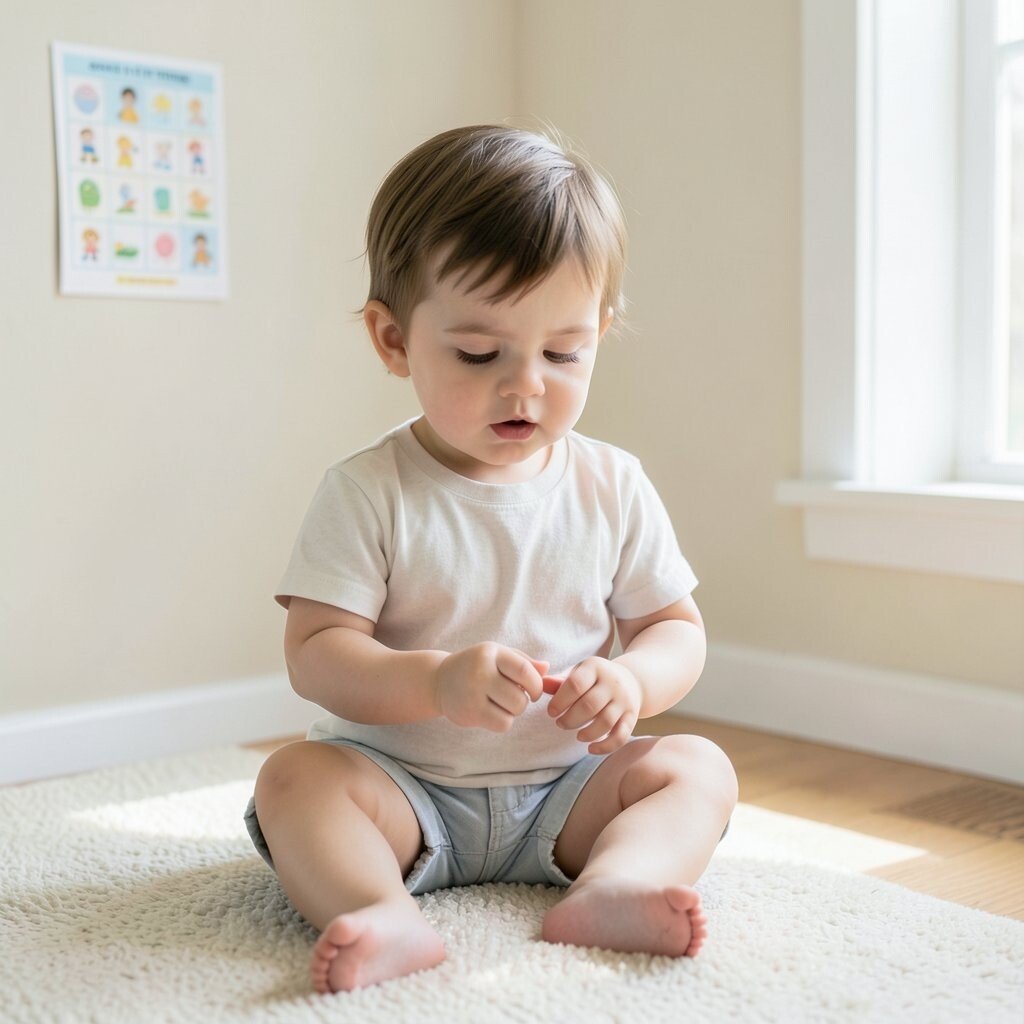
When your child sits, use calm words like “good job for trying” or “you did it.” If nothing happens, stay patient and try again later. Long talks can make kids tense.
Use the same praise each time so it becomes familiar. Visual cues can help too, like a small sticker chart on the wall. Rewards can be small and simple, like a sticker, a high five, or extra story time.
7. Focus on the process, not just the outcome
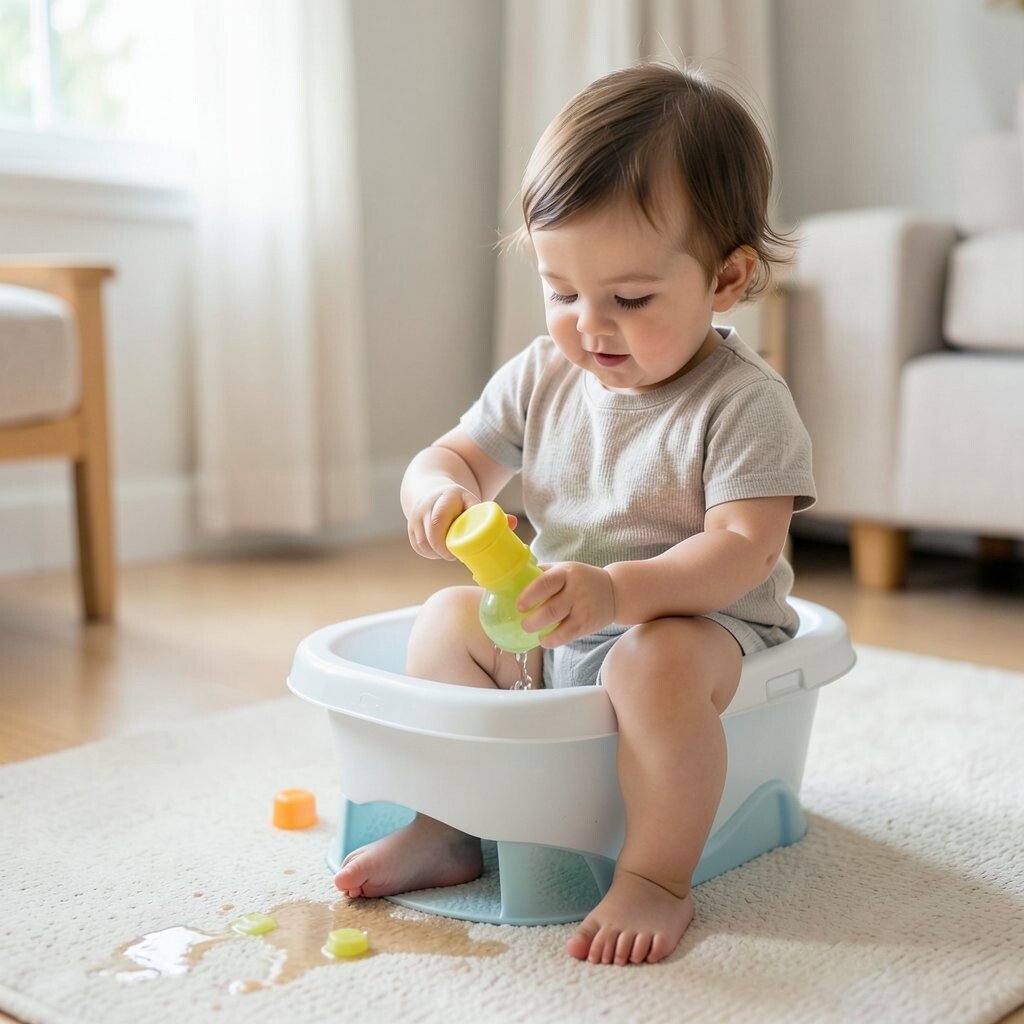
Training is not only about success each time. It is also about learning body signals and building habits. If accidents happen, treat them as normal and help your child reset.
You can set a goal like “try sitting on the potty” instead of “must pee every time.” This makes progress easier to see. It also helps your child feel safe to keep learning.
8. Make the routine consistent every time
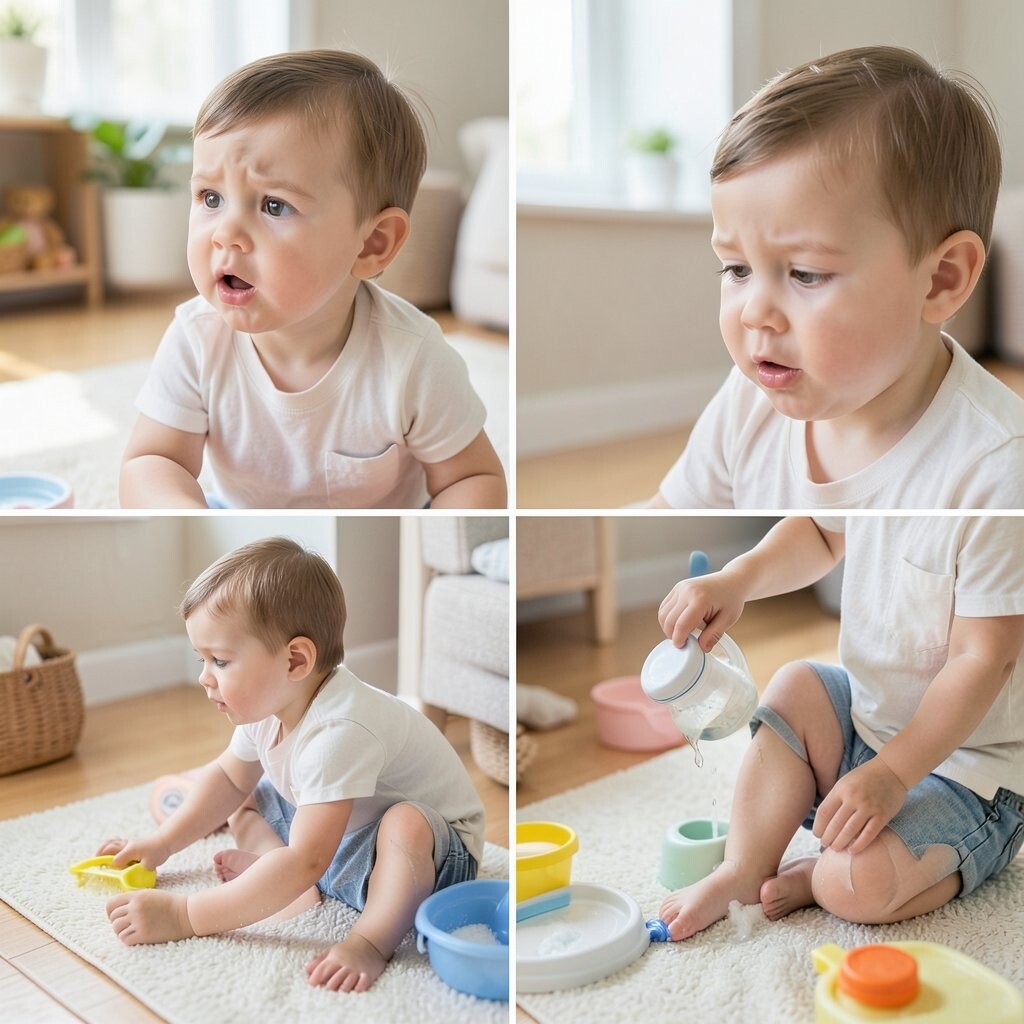
Use the same steps from start to finish. For example, sit, take a few slow breaths, then try for a short time. When the timer ends, get up and go back to play.
Routines help kids know what to expect. You can add the same hand wash step each time after. Keeping it steady can lower fear and help your child learn faster.
9. Teach “when it’s time” using simple words
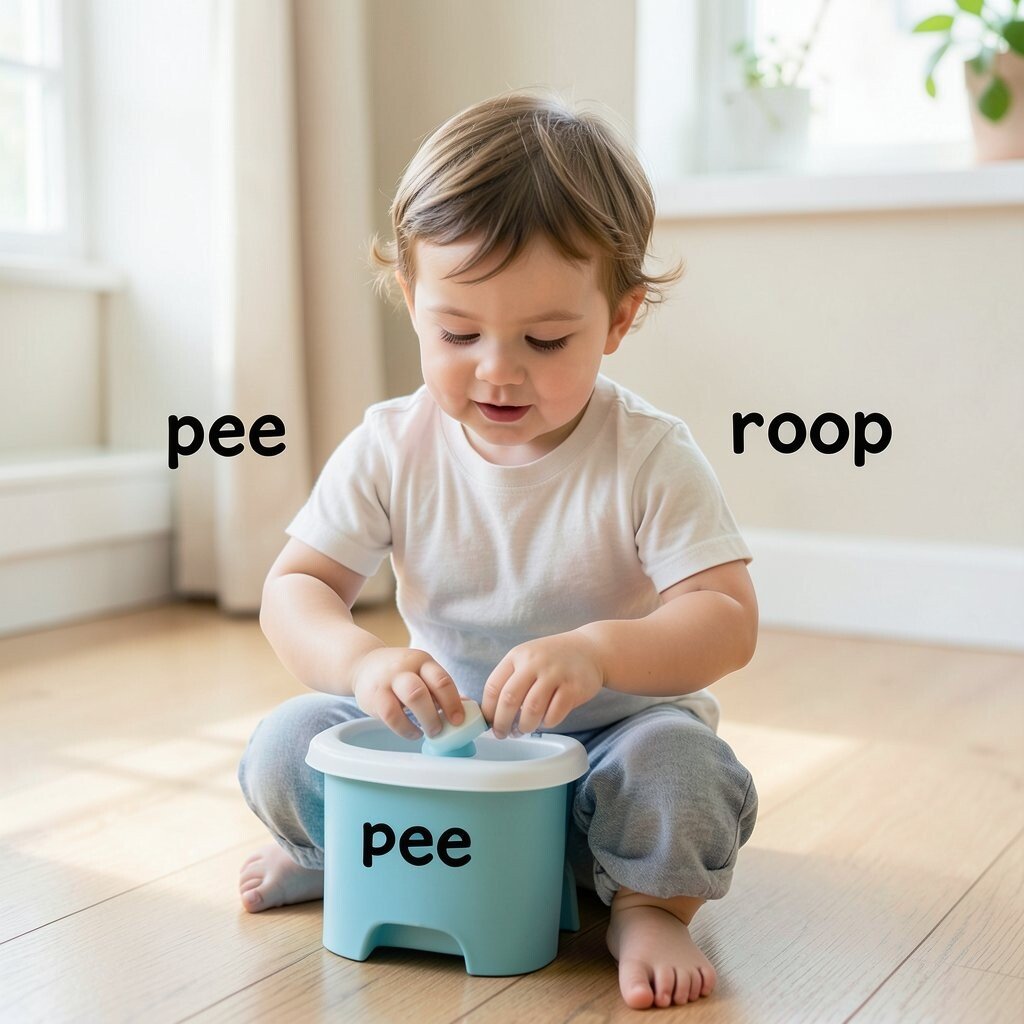
Pick a few easy words for going potty, like “pee” and “poop.” Use the words the same way each time so your child links them to the act. Avoid lots of different phrases.
Try to say the words when your child starts to show cues. For example, if you notice a pause and then guide to the potty, you can say “pee time.” This helps the lesson stick.
10. Manage accidents without blame
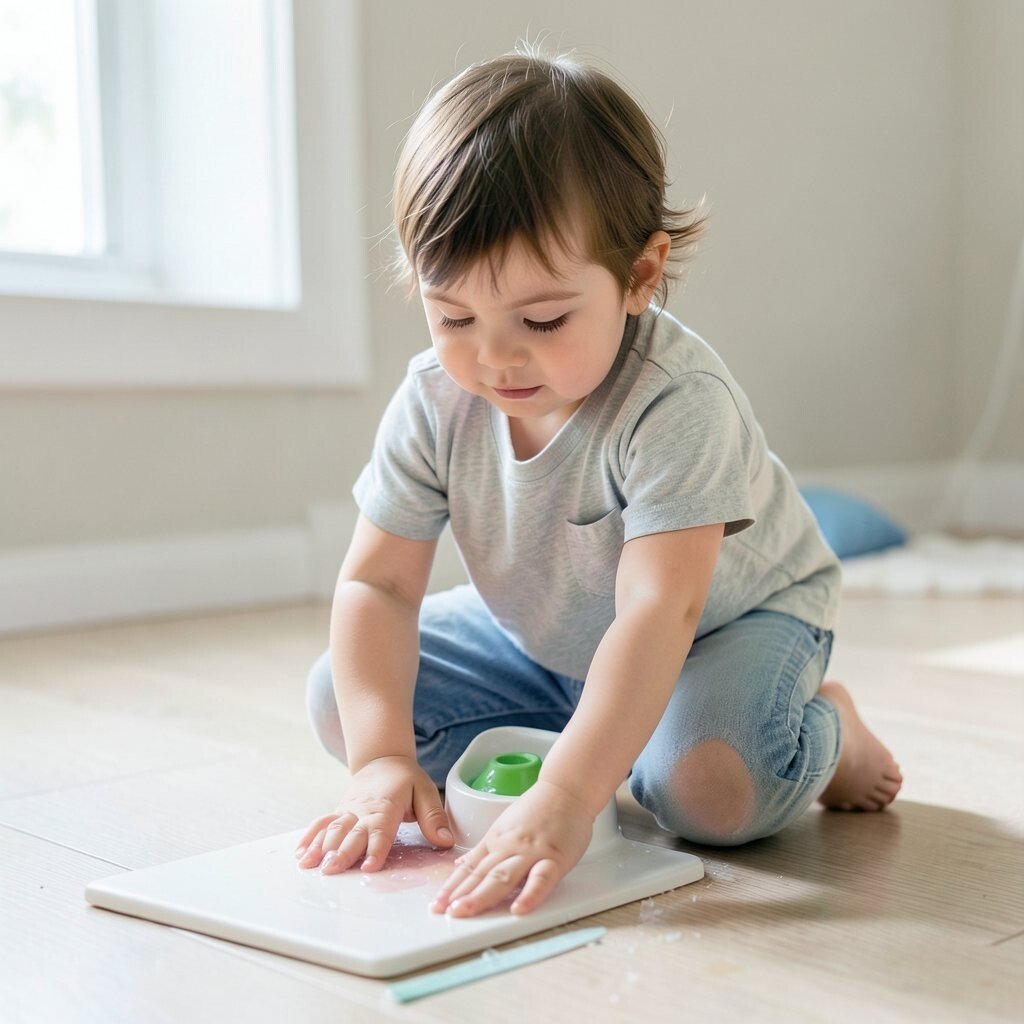
Accidents will happen, even with good planning. When they do, stay calm and guide your child to clean up. Use simple steps like getting new clothes and wiping up safely.
A clean routine after accidents can help your child feel supported. You can say, “It’s okay, we’ll try again.” This keeps the mood steady and keeps your child willing to try next time.
11. Use rewards that match your child
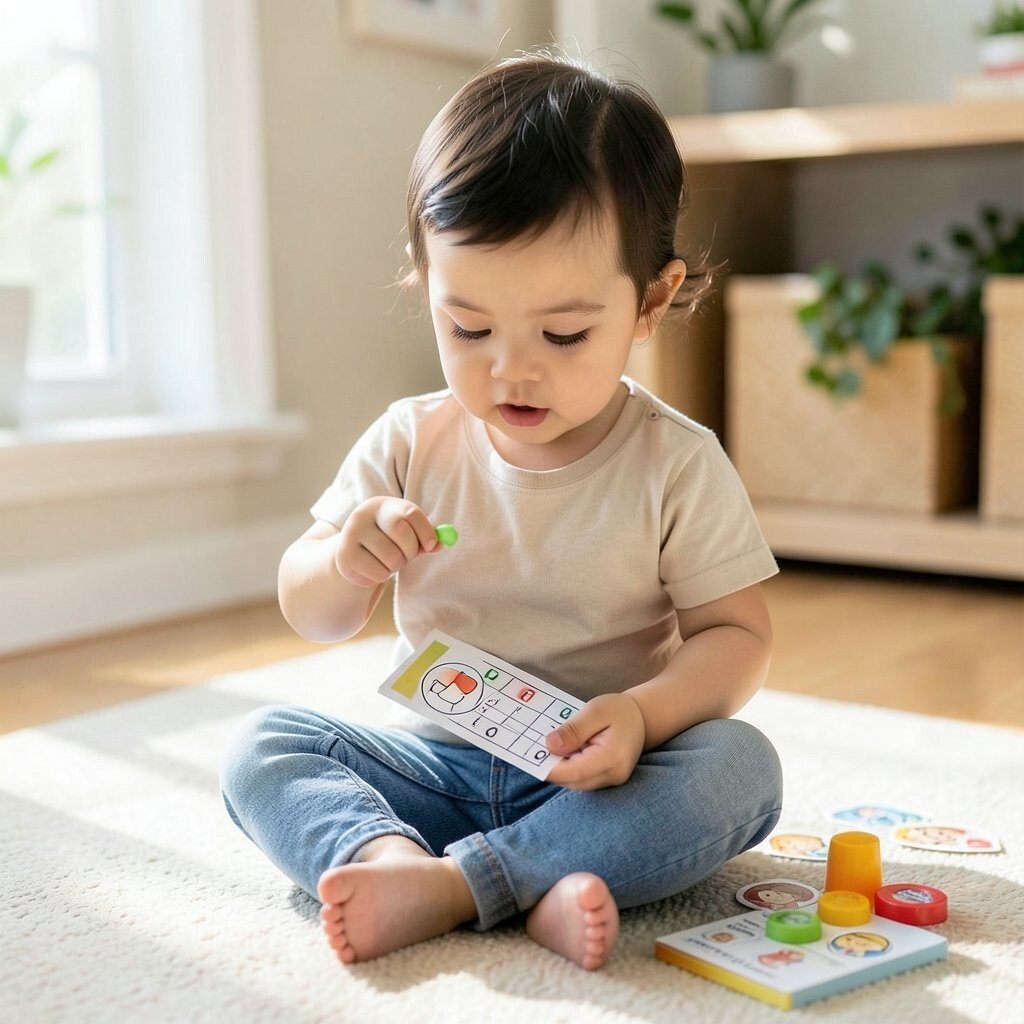
Some kids like stickers, while others like small play items. Pick rewards that fit your child’s likes and do not cost much. A simple chart can help you track effort, not only results.
Try to reward after the child tries, sits, or tells you in time. That way, your child learns that the habit matters. Personalizing rewards can also help if your child gets bored with the same thing.
12. Add comfort items to reduce fear
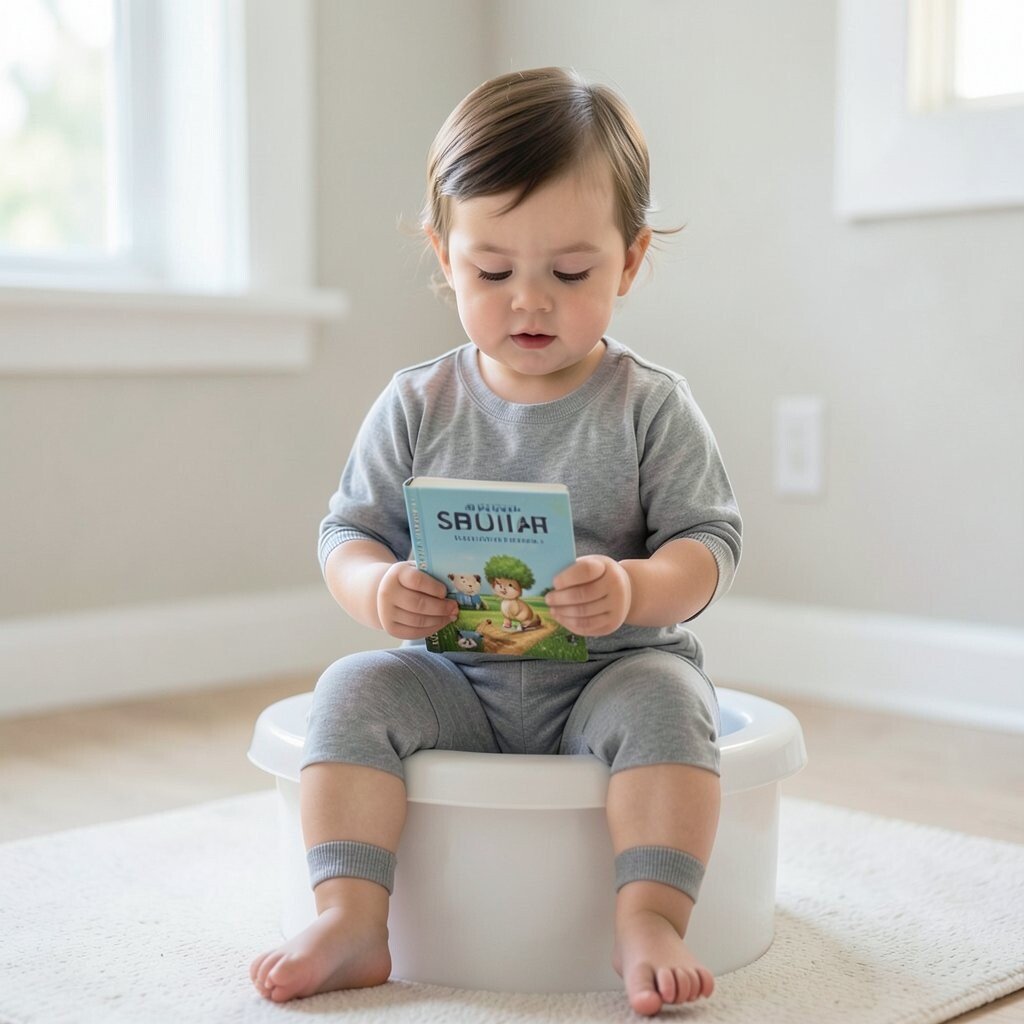
If your child seems nervous, add a small comfort item like a favorite book. You can let them hold it while sitting on the potty. A calm comfort item can make the moment feel less scary.
Some kids like gentle music or a soft light nearby. Keep it simple and not too loud. The goal is comfort, not a big distraction that stops learning.
13. Choose the right supplies and keep costs low
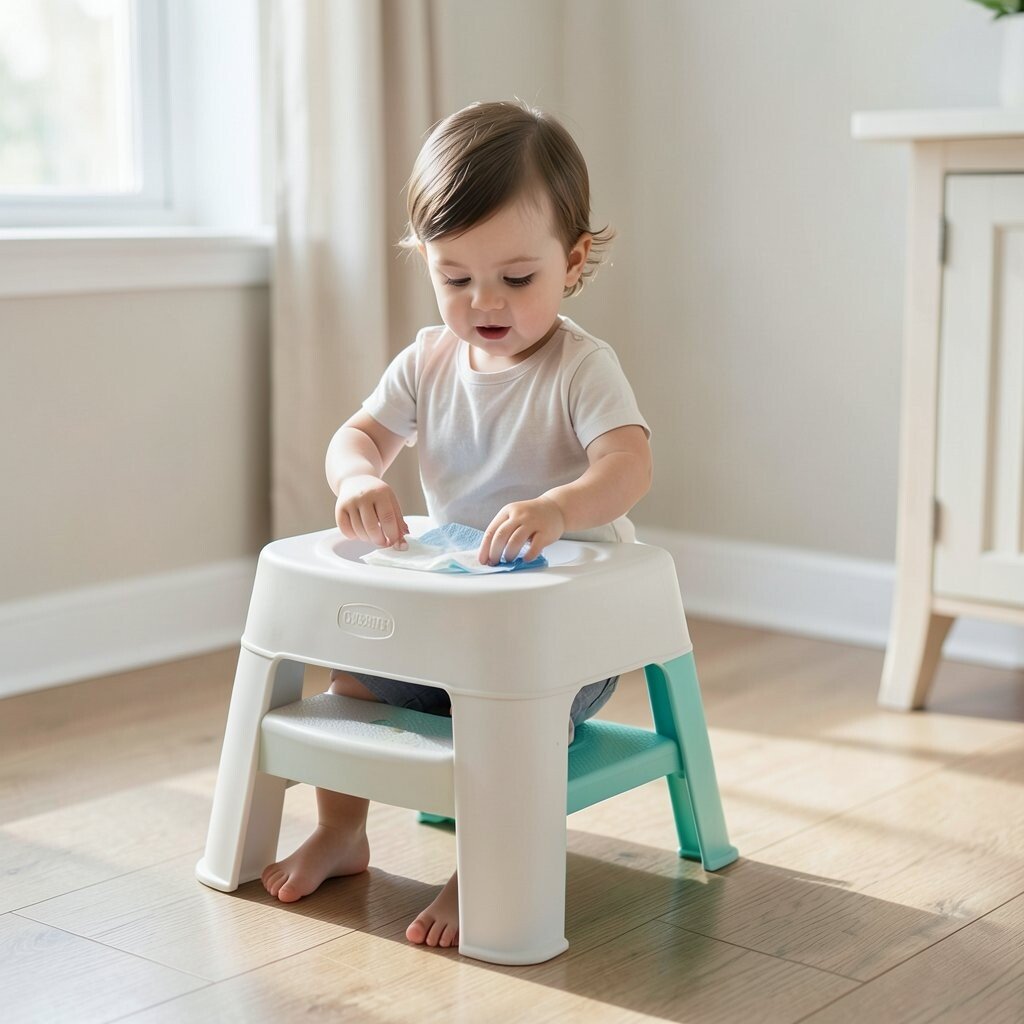
You do not need many expensive items to start. A steady potty chair, easy clothes, and training wipes are often enough. Many families already have these at home.
If you add extras, choose ones you will use often. For example, a small step stool can help with hand washing, and it saves you from buying more later. Watching what you use can keep costs down.
14. Plan for naps and nighttime slowly
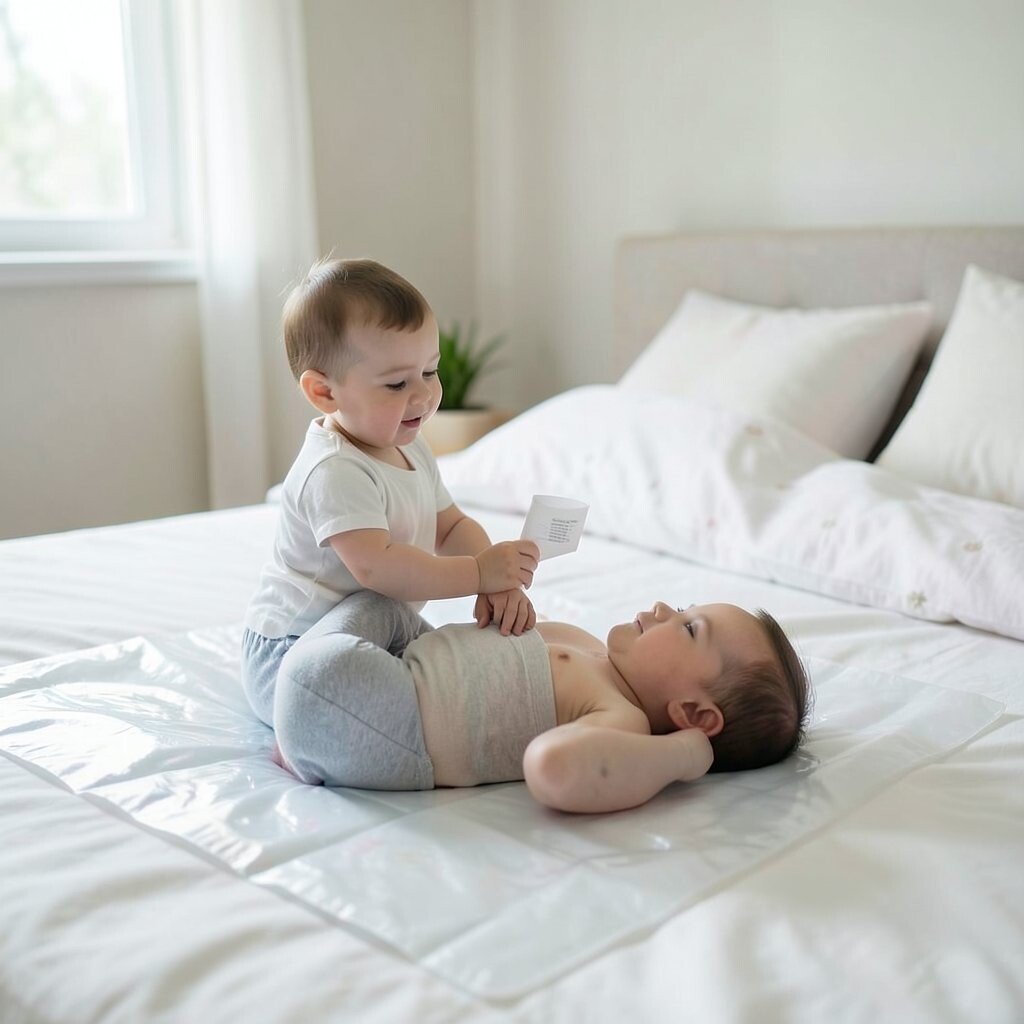
Daytime training can go faster than night training. Nights often take more time because the body needs more control. If you use training pants at night, keep it consistent and do not rush.
You can use a waterproof pad on the bed to make clean up easier. On some days, your child may wake up dry and other days they may not. Keeping a calm plan helps you handle changes without worry.
15. Follow current trends, but keep it personal
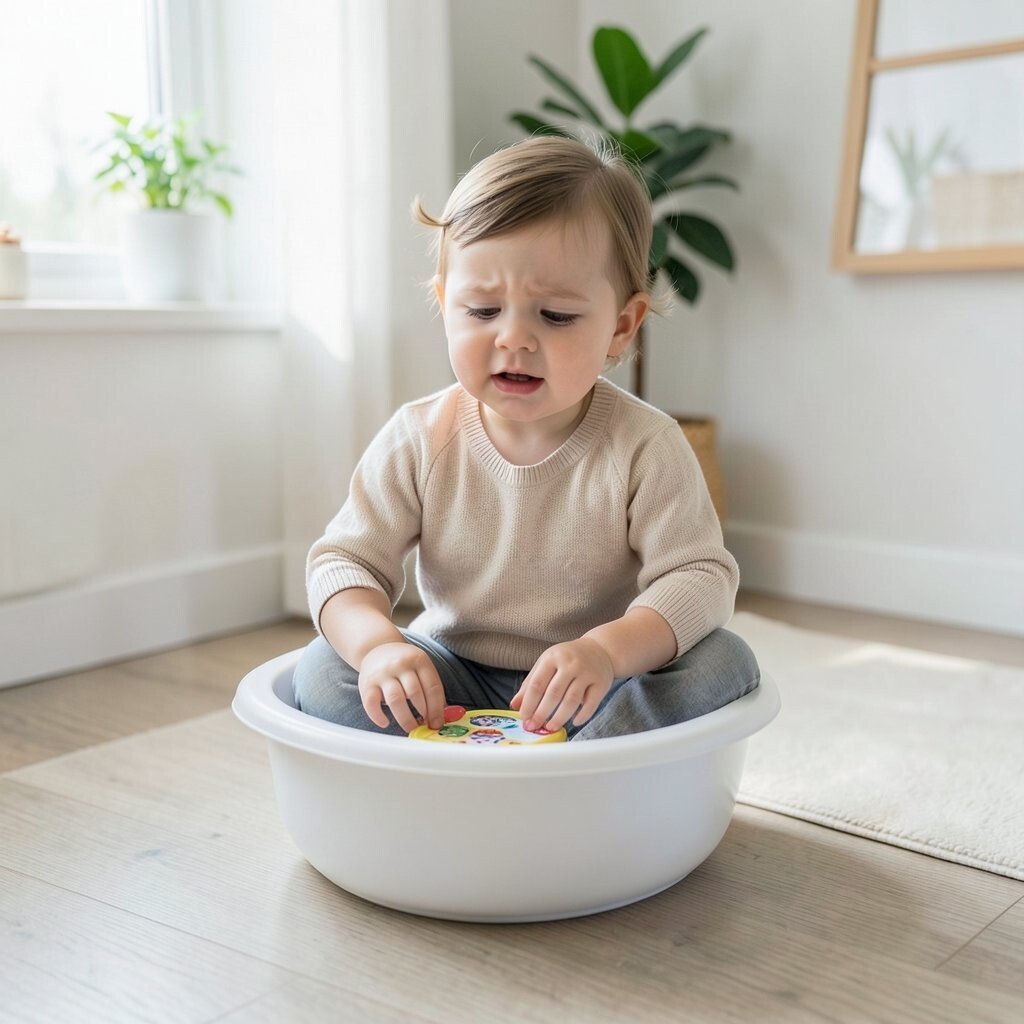
Many parents share tips online like quick potty tries and visual charts. Some families use apps for reminders, and others use sticker rewards. These ideas can help, but the best plan is the one that fits your home.
Try a new method for a week and watch how your child reacts. If your child gets upset, switch back to what feels calmer. Personalizing the plan is how most families keep progress moving in a good way.