Praise helps kids learn what good behavior looks like. It also helps them feel safe, seen, and ready to try again.
1. Praise the exact behavior you want
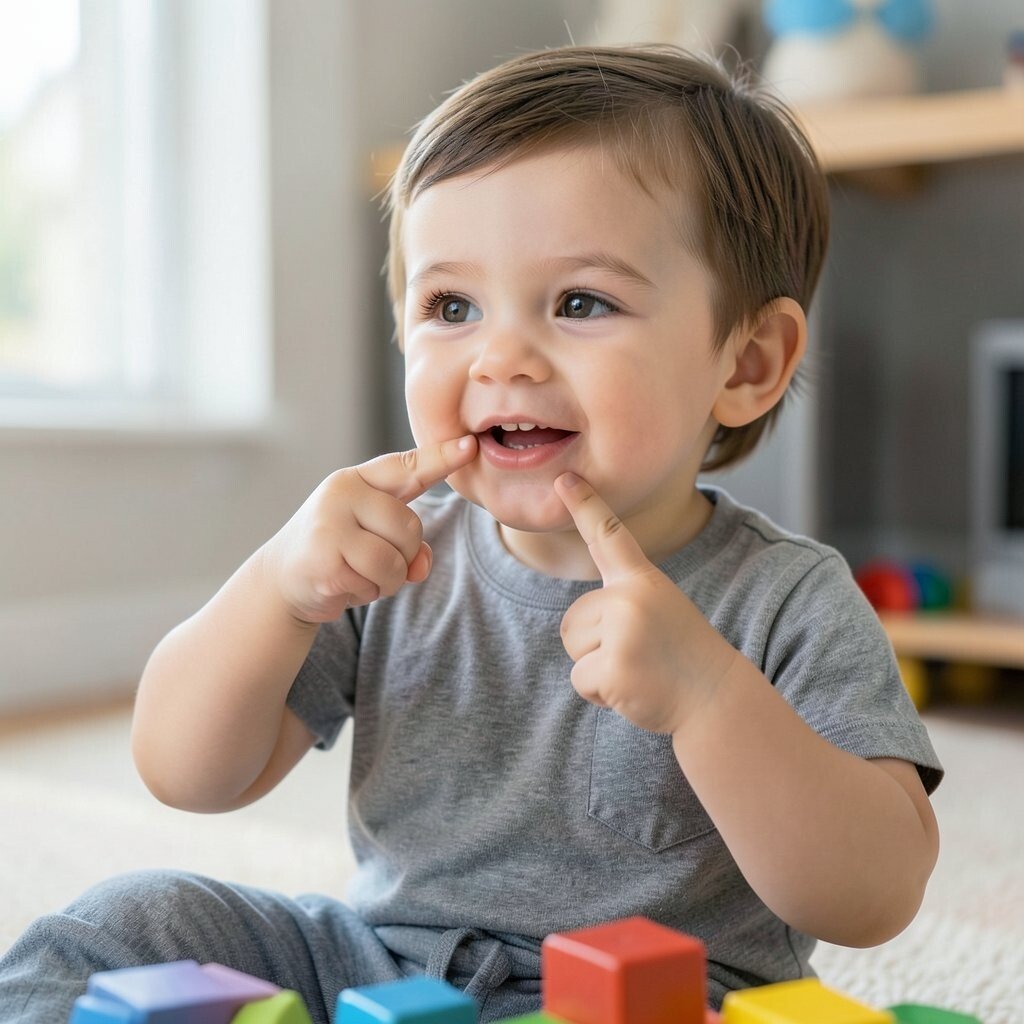
Instead of saying “good job,” point to what you saw. For example, say “Nice sharing with your sister” or “You picked up the blocks right away.” This makes the praise clear and easy to copy.
When the child knows what worked, they can repeat it. The benefit is faster learning and fewer mix ups. You also show fairness, since you praise real actions, not just general “being good.”
2. Keep praise close to the moment
Try to praise within a few seconds of the good action. If the child waited on the line, praise them right after they wait. If they used kind words, praise them as soon as they speak.
This timing helps the child link the praise to the behavior. The visual picture in their mind stays fresh. It also helps you build a steady routine without extra work.
3. Use specific words that match the age
Pick words your child can understand. For a younger child, say “You used gentle hands” or “You listened to me.” For an older child, say “You stayed calm when it was hard” or “You took your turn without arguing.”
When the words fit, praise feels real. That is part of the personal feel that many families like. You can also match the tone to the setting, like quiet praise at home or clear praise at school.
4. Praise effort, not only results
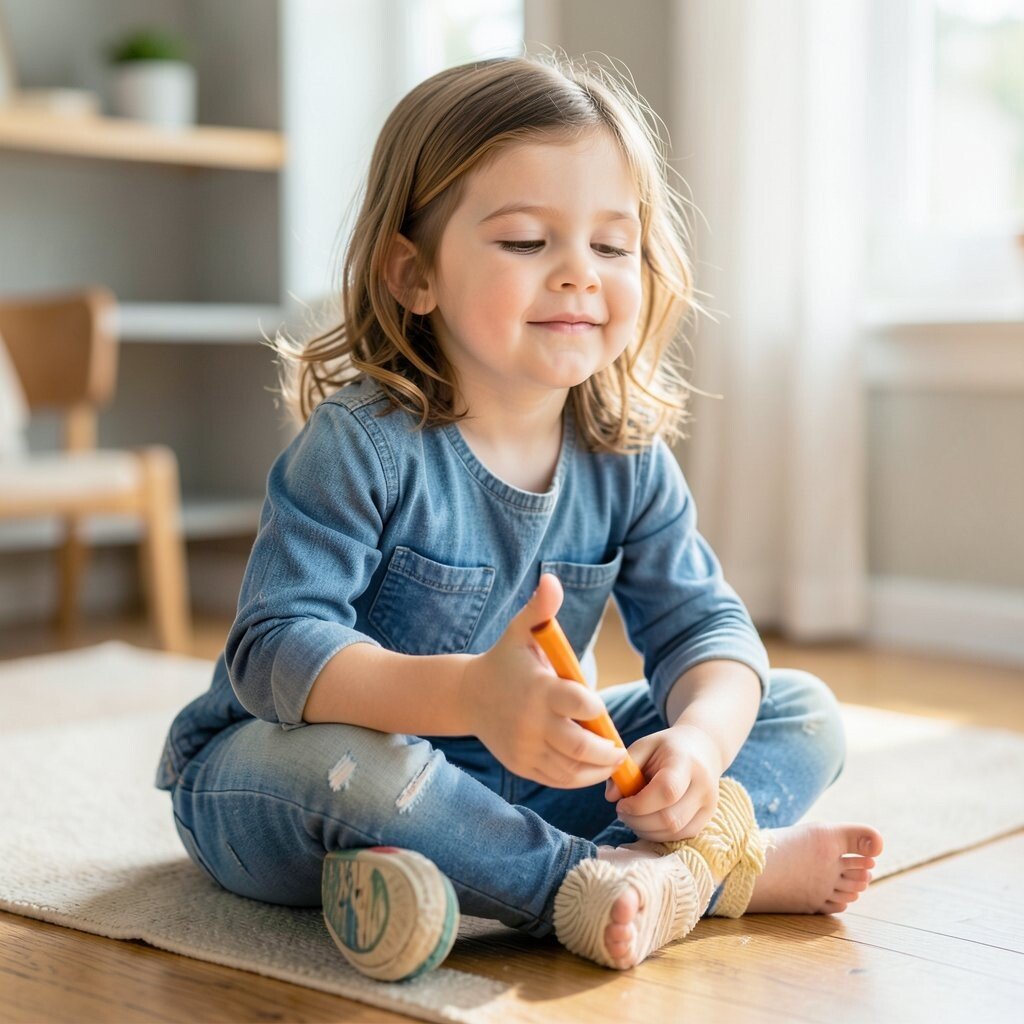
Some kids can be slow at first. Praise the try: “You kept going even when it was tricky.” If a child did not get the right answer yet, you can still say “Good work sticking with it.”
This helps kids learn that practice matters. It can reduce fear of failing and help them stay in the task. Many parents find this a key trend because it supports long-term habits.
5. Use a calm voice and steady body language
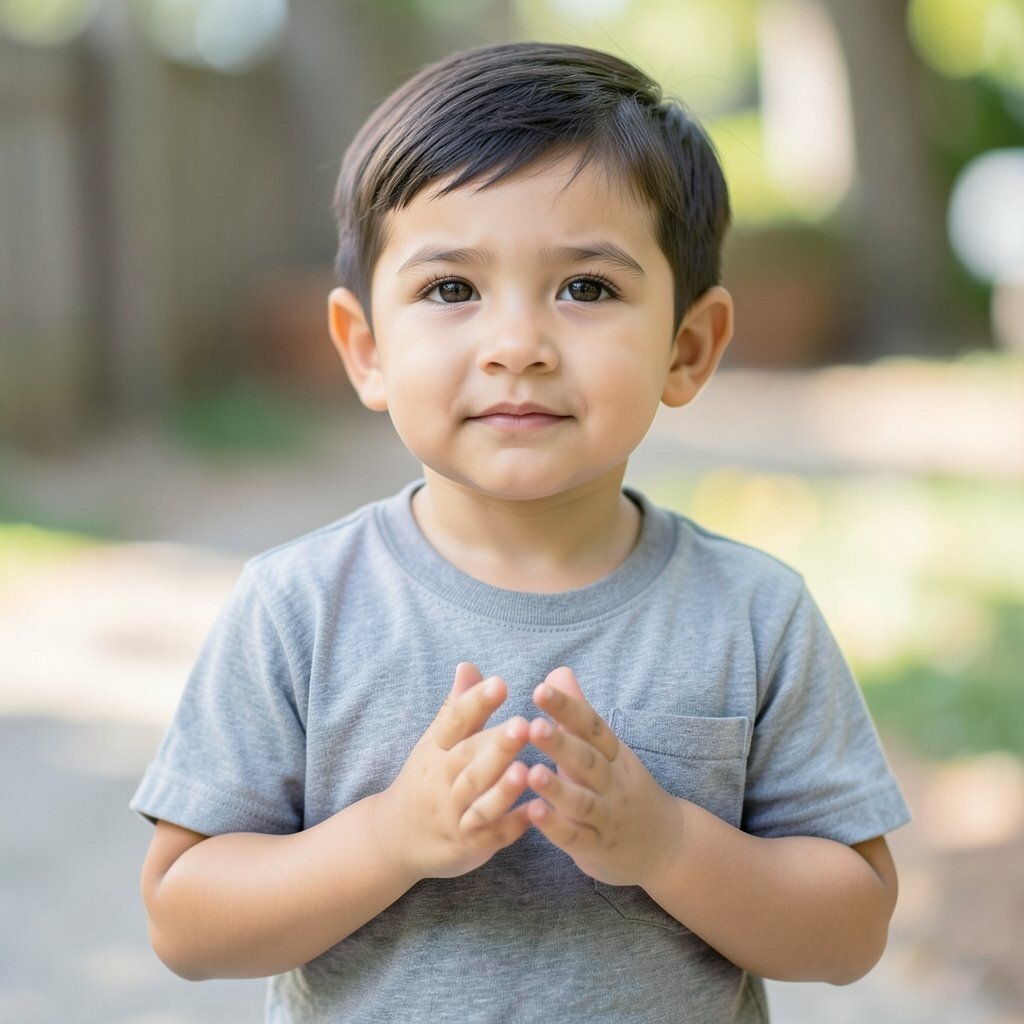
Your voice and face matter with praise. If you shout while saying “good,” the child may feel confused or tense. Try a calm tone and relaxed hands, with eye contact when it fits.
A clear, calm look makes praise feel safe. Kids often copy your pace, especially when emotions run high. This can lower power struggles and make good behavior more common.
6. Catch good behavior during routine moments
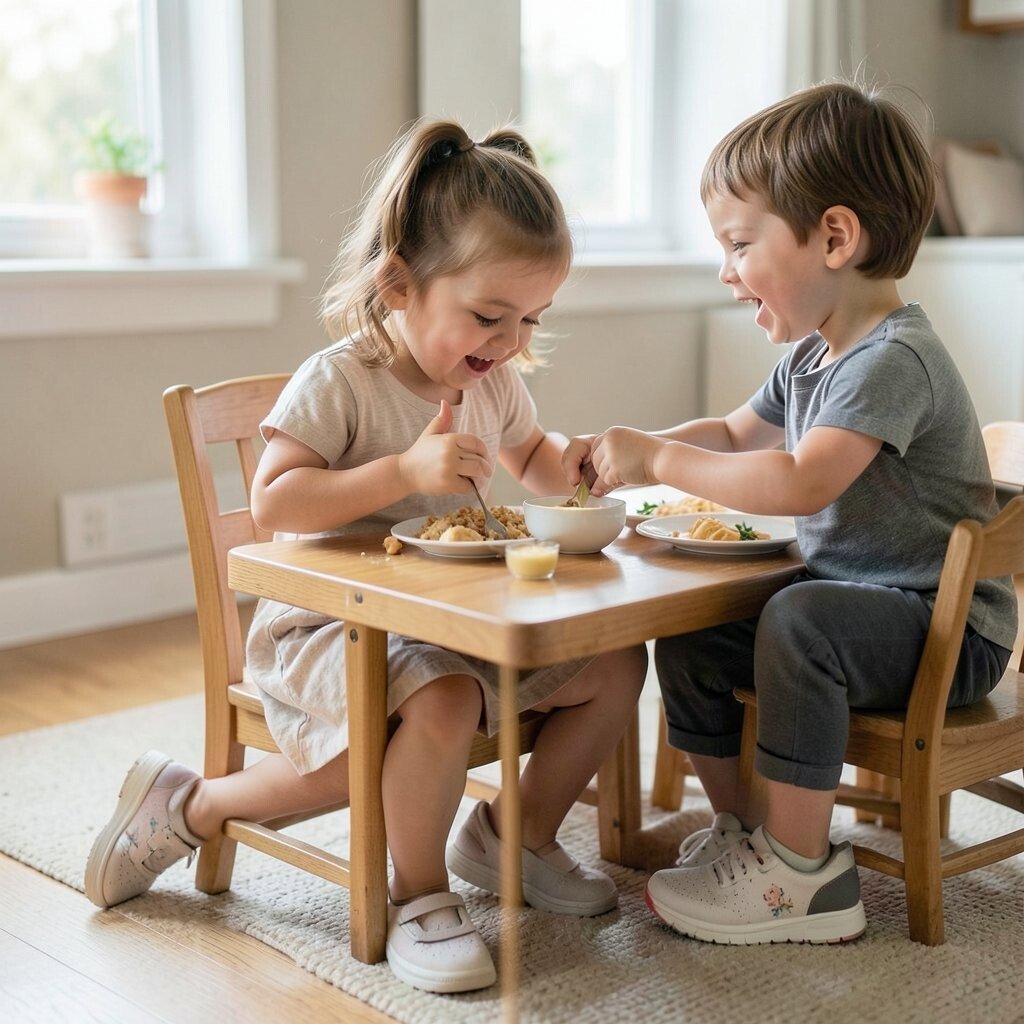
Many parents only notice bad moments. Try watching for small wins during daily tasks. Praise when a child starts dressing on time, sits for a meal, or puts away shoes.
These routine moments are easy to catch and easy to repeat. The benefit is that good days grow from the basics. You also get more variety in what you notice, which feels unique to your family.
7. Use praise as a bridge to the next step
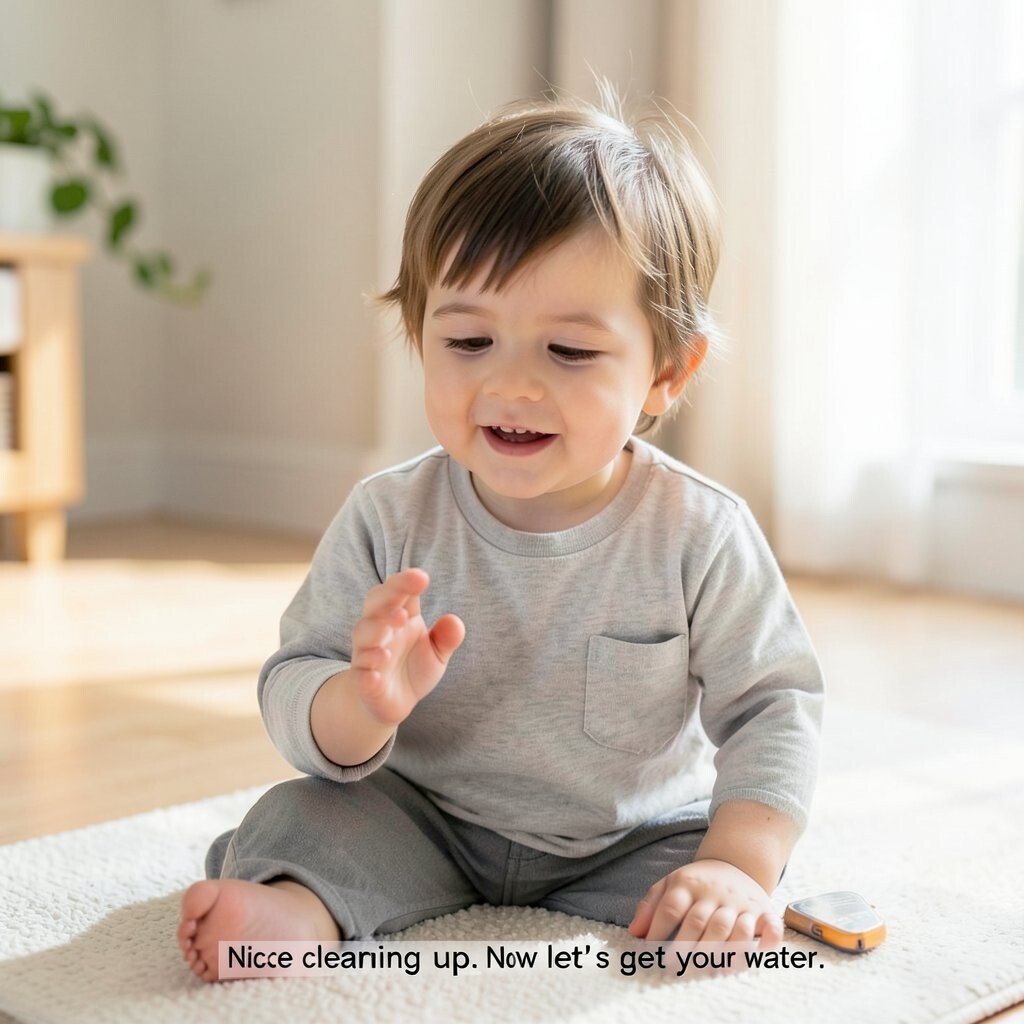
After you praise, add a simple next step. For example, say “Nice cleaning up. Now let’s get your water.” Or “Great waiting. Then you can pick a book.”
This helps the child move forward without a big fight. It turns praise into a tool, not just a pat on the back. It can also save time in busy parts of the day.
8. Try “when you… I see…” phrases
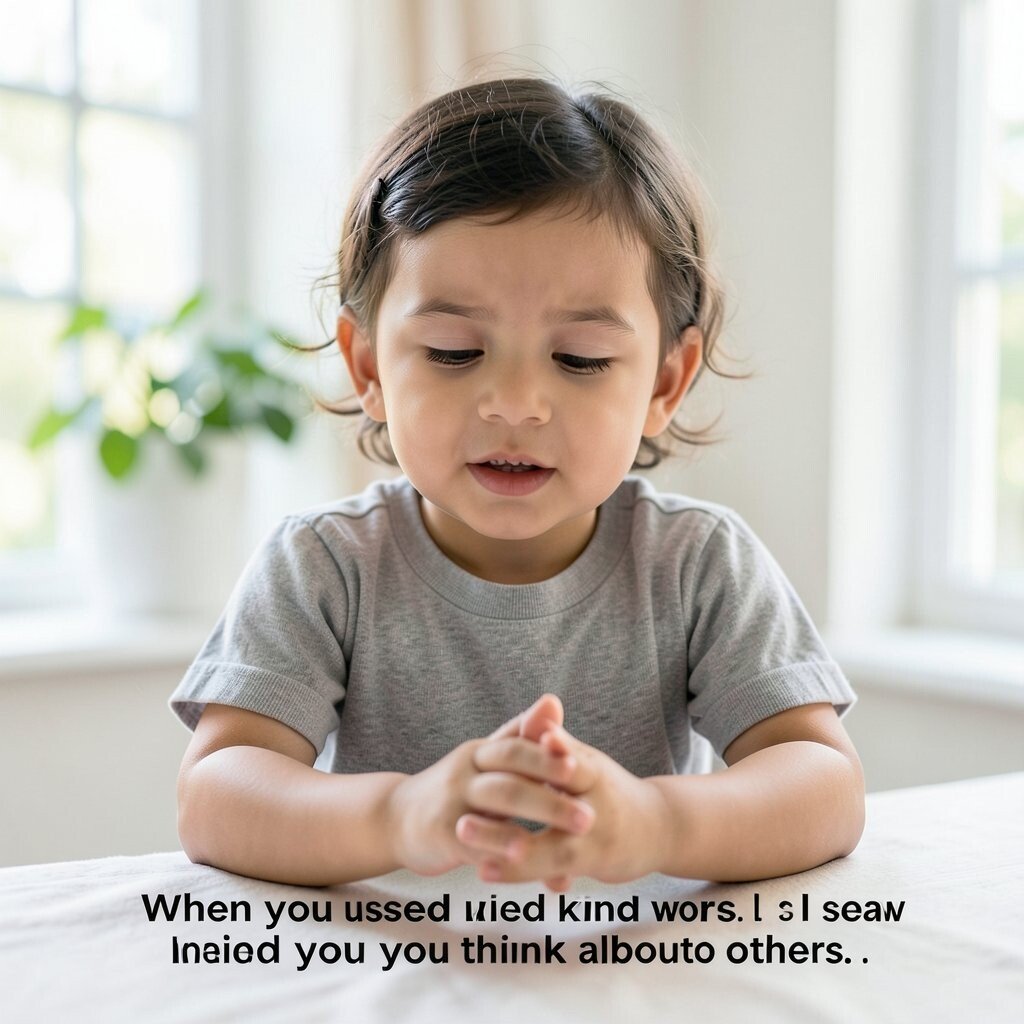
Use a phrase that shows you saw it. Say “When you used kind words, I saw you think about others.” Or say “When you shared, I noticed you were fair.”
This style feels personal and honest. It also helps kids connect their choices to real impact. Many families like this approach because it sounds like everyday talk.
9. Praise in small, daily “bursts”
You do not need big speeches. Give short praise often, like “Nice job,” “Good listening,” or “Thank you for helping.” You can also praise quietly while you do chores.
Short bursts keep the child engaged without pressure. It can feel like encouragement that never stops. The cost is zero, and it fits any home schedule.
10. Match praise to the child’s personality

Some kids like hugs and smiles. Others like quiet praise or a high-five. Notice what your child responds to and use that style more often.
Personalization here makes a big difference. If your child dislikes loud praise, use softer words and calm eye contact. This can reduce embarrassment and help them accept praise more easily.
11. Use praise with clear rules and limits

Praise works best when rules are clear. Pair encouragement with a simple limit like “You can run outside, but you walk inside.” When the child follows the rule, praise right away.
This gives the child both freedom and structure. It reduces confusion because the praise is tied to the rule. Many parents find it helps during busy transitions, like leaving the park or starting homework.
12. Praise problem-solving, not just “being quiet”
Some good behavior is not “perfect silence.” Praise when a child asks for help, uses words, or waits instead of yelling. Say “Good choice to take a break and use your calm voice.”
This teaches healthy skills, not only surface behavior. The benefit is better self-control over time. It also helps your child feel proud of how they handle stress.
13. Keep praise balanced and fair

Try not to praise only one child or only the easiest moments. Look for good choices from each child, even small ones. Spread praise in a way that feels fair.
Fair praise cuts down jealousy and gives a clearer message. Kids often act out when they think praise is one-sided. This is a practical way to keep peace at home.
14. Use praise with visuals like a chart or notes
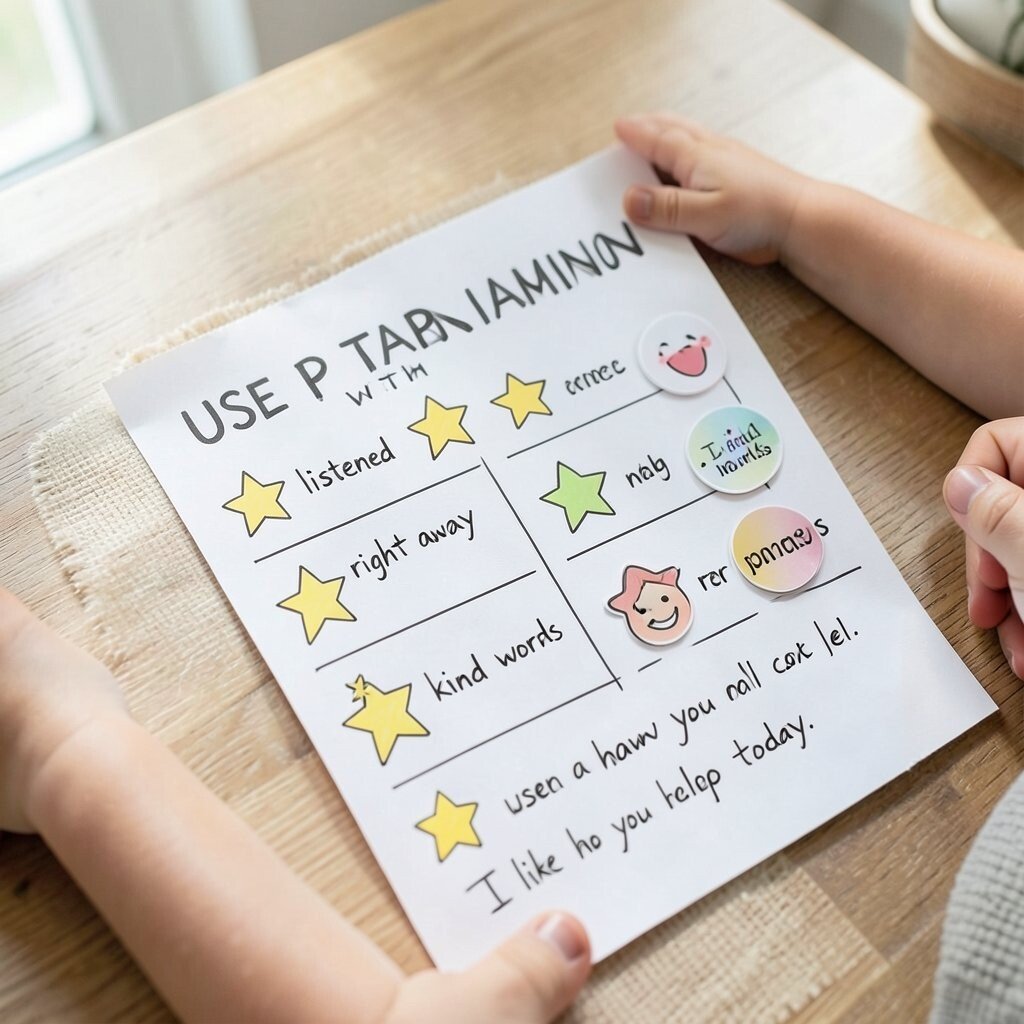
Some families use a simple chart to track good behavior. You can draw stars for “listened right away” or stickers for “used kind words.” Keep it small and easy so it does not feel like homework.
Visual praise can make progress feel real. You can also leave a short note, like “I like how you helped today.” The cost is low if you use paper and markers, and it can fit current trends for home routines.
15. Make praise fit school and other places
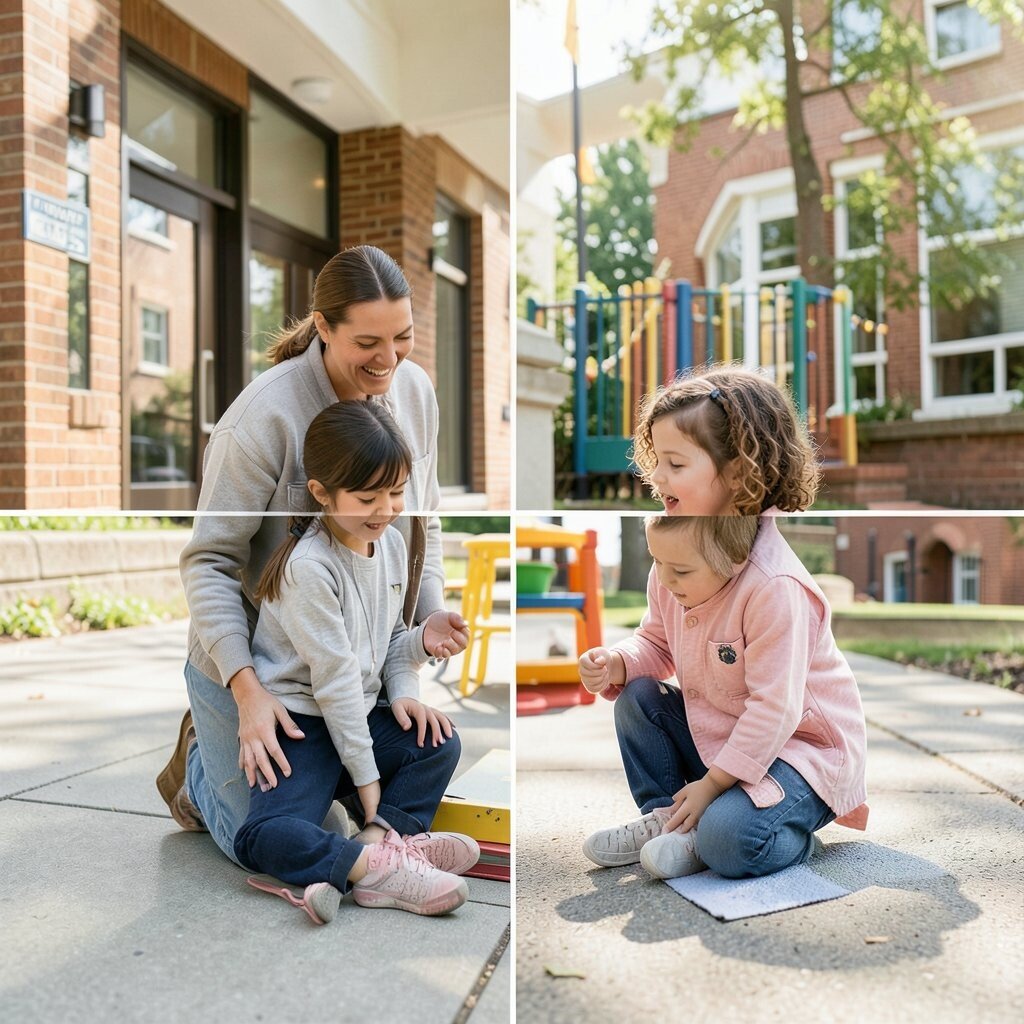
Good praise should not stop at the front door. Talk with teachers and caregivers about what you use at home. Ask what they notice and share the words that work for your child.
This helps your child get one clear message across places. It also reduces stress when rules shift from home to school. You can personalize by choosing the same praise style, like “I noticed you…” in both settings.
16. Avoid overpraising; use it when it matters
Praise is strongest when it feels real. If you say “good job” for everything, the words may lose meaning. Watch for the moments that truly show effort, kindness, or self-control.
The benefit is that praise stays powerful. It also keeps praise from feeling like pressure. Try a simple rule: praise the action you want to see again, then move on to the next step.