
Feeding time can take a lot of your pet’s energy each day. With the right puzzle feeder ideas, you can keep your pet busy in a simple and steady way.
1. Cardboard Box Maze Feeder
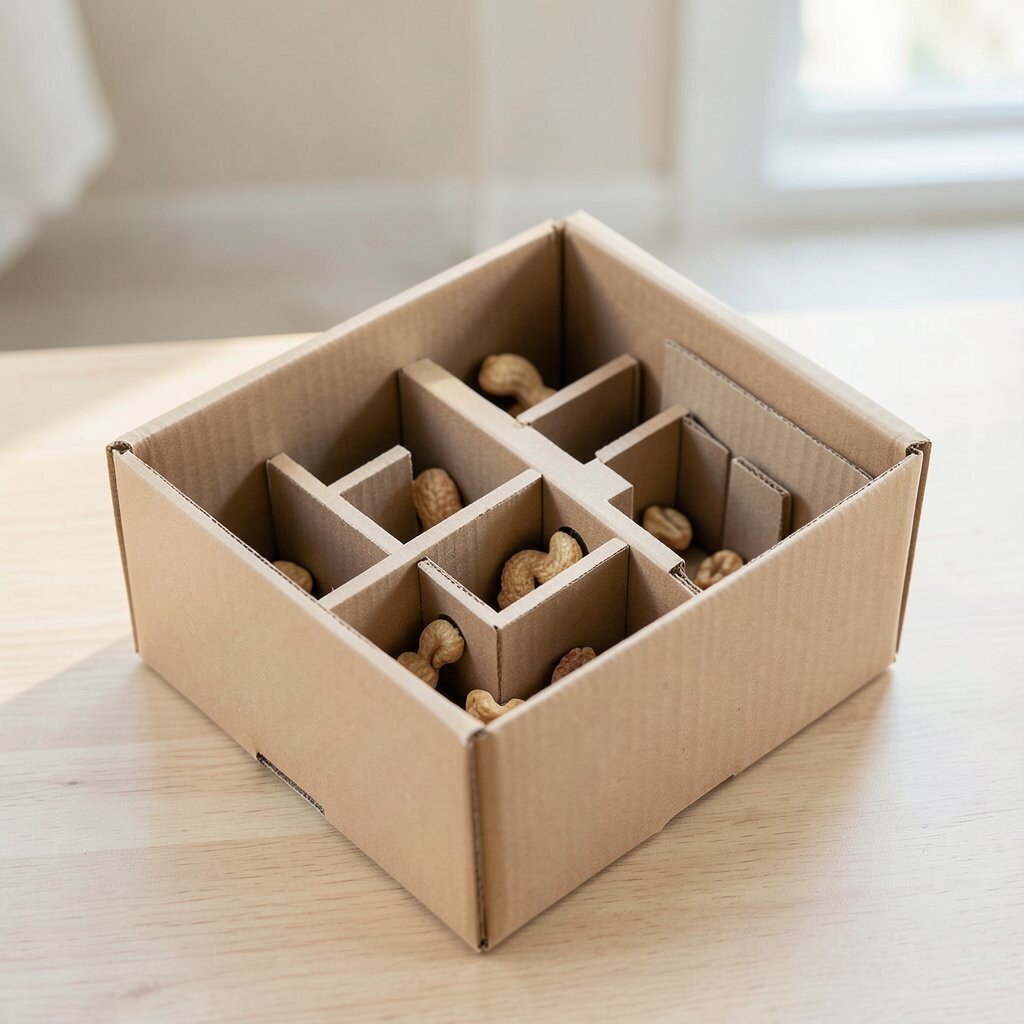
Use a small cardboard box and cut a few narrow paths inside. Add a few pieces of dry food so your pet has to sniff and push to reach them. You can picture a box with zigzag tunnels and open spots where food drops out.
This can help slow down fast eaters and give your pet a new task to work on. It also lets you use free or cheap materials. To make it last longer, tape the box edges and keep it away from wet areas.
For tips, change the path each week so your pet does not get too used to one pattern. You can personalize it by adding larger tunnels for older pets or smaller ones for pets that learn fast. A trend right now is using simple home items for enrichment, and cardboard fits that idea well.
2. Muffin Tin Sniff and Seek

Grab a muffin tin and place food in some cups. Put crumpled paper balls or cut strips of cardboard over a few cups so the food is not easy to spot. Think of a muffin tin on the floor, with some cups plain and some cups hidden under soft covers.
This gives your pet a good smell task and can help reduce boredom. It is easy to set up and it does not cost much. For safety, use only dry food and check that nothing sharp can poke your pet’s nose.
Try a mix of kibble sizes so your pet has to work in a different way. You can personalize by using fewer cups for shy pets and more cups for confident pets. If you want to keep it fresh, rotate which cups are covered each time.
3. Towel Roll Food Puzzle
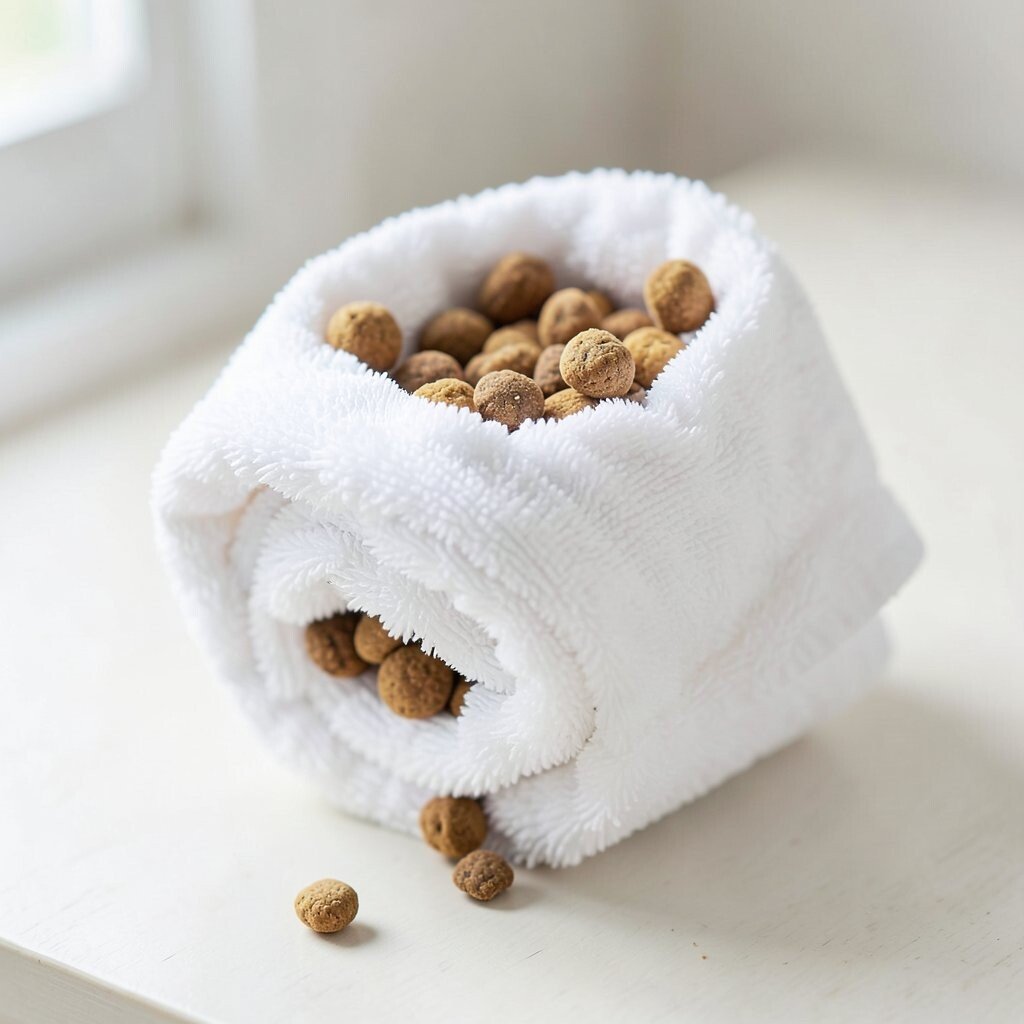
Take a clean towel and roll it up with treats inside. Fold the towel so the treats stay inside, then tuck the ends under. You will see a soft roll that looks like a small bundle, with food hidden along the inside.
This can be great for dogs that like to search and chew. It also adds a gentle challenge that is not too hard. You can use dry treats or small bits of kibble, and keep the roll easy to pull apart.
For tips, make a few lines of food so your pet has to move the towel to reach it. Personalize by making the roll tight for strong chewers or looser for smaller pets. A cost-friendly idea like this is always popular in home pet care circles.
4. Wooden Spoon and Cup Spoon Feeder
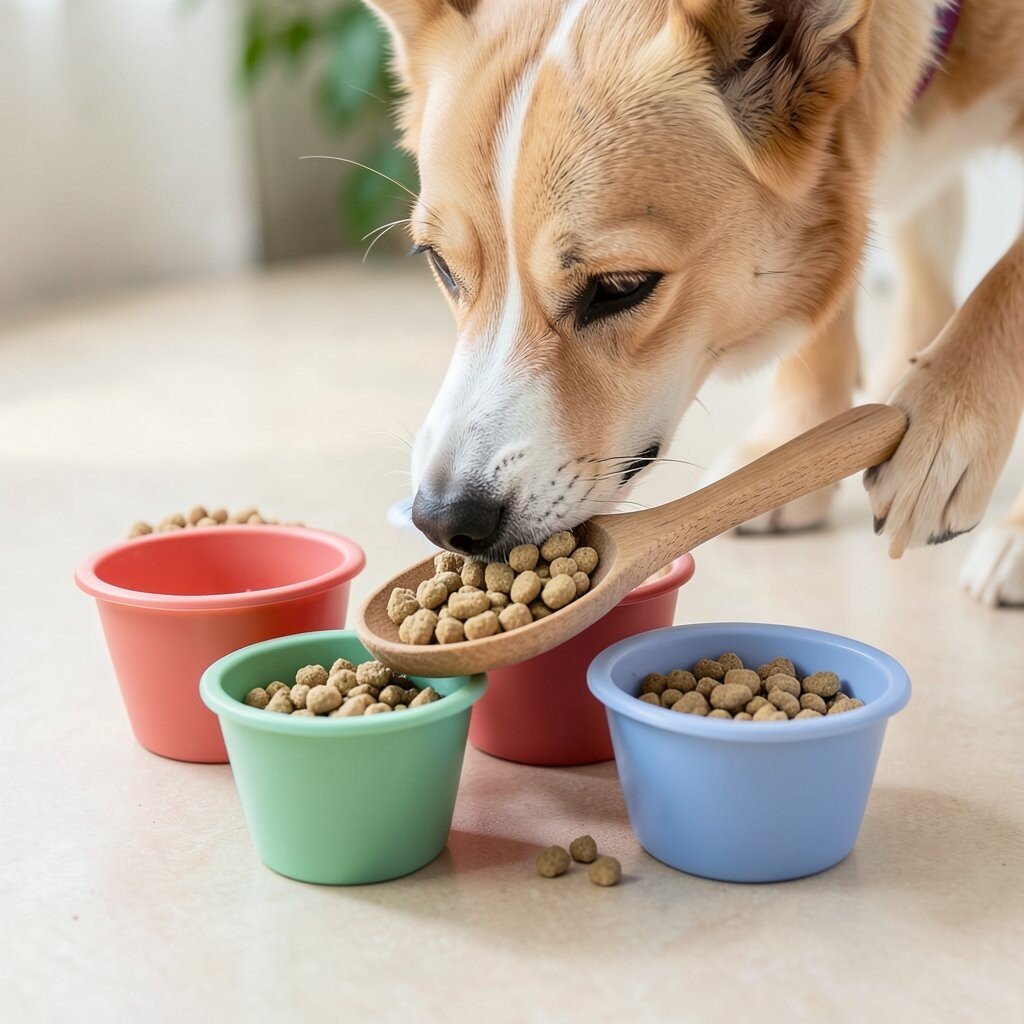
Use a wooden spoon and a few plastic cups or small bowls. Put kibble in the cups, then place the spoon so your pet has to move it to reach the food. Picture a spoon set across cups like a small bridge, with food under or beside it.
This can help your pet use both nose and paws. It can also slow down eating without making meals feel like a chore. If your pet mouths things a lot, choose sturdy cups that will not break easily.
Try small changes, like moving the spoon to a new angle each day. Personalize by using shallow cups for easy access or deeper cups for more work. For cost, you can use items you already have, like a kitchen spoon and safe cups.
5. Treat Dispenser With DIY Lids
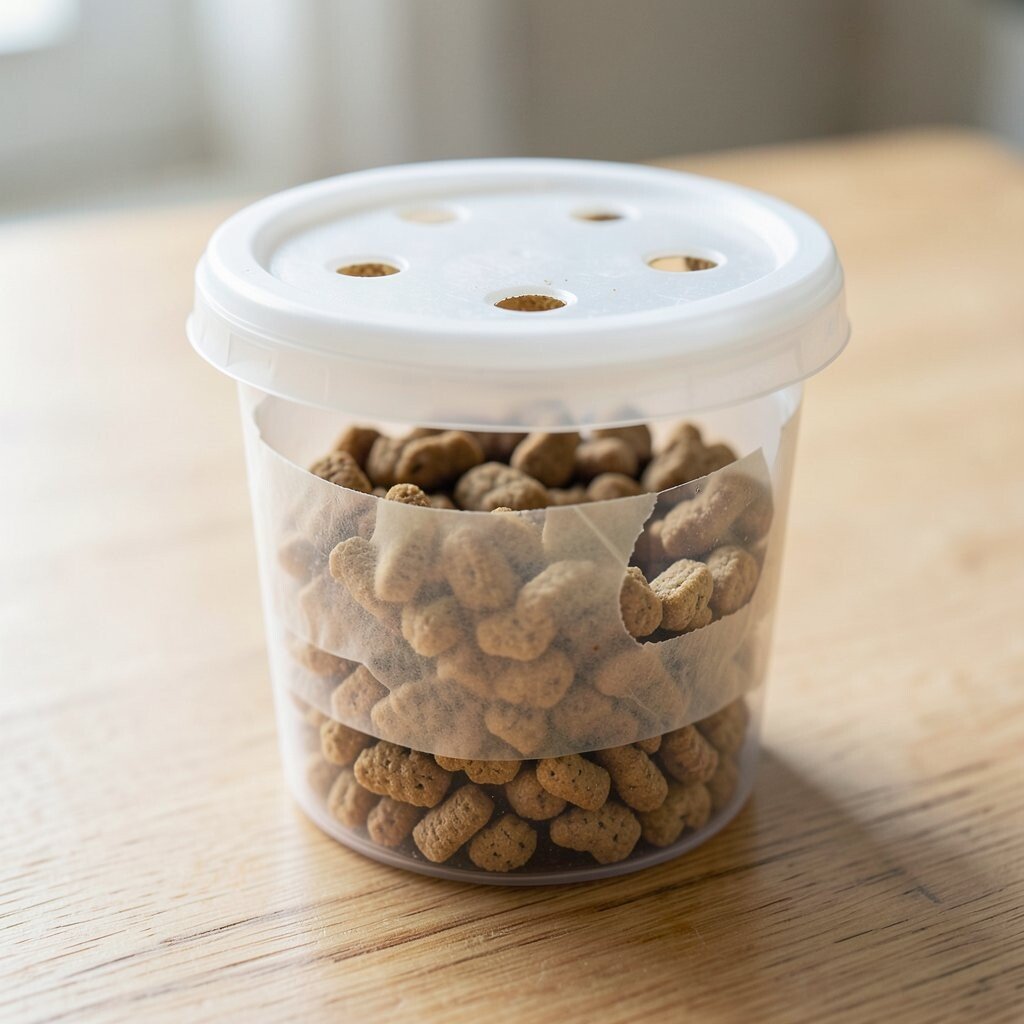
Use a small plastic container with holes in the lid and add kibble inside. Cover the holes with removable tape pieces and then remove tape little by little. You can picture a container that looks normal at first, but food slowly drops out as your pet moves it.
This can keep your pet busy while still using a simple feed amount. It is useful for pets that like to nudge toys. A key benefit is that you can control how fast the food comes out.
For tips, start with larger openings, then reduce them as your pet learns. Personalize by changing hole size for different skill levels. This idea also matches a trend toward DIY enrichment that uses safe, household parts.
6. Ice Cube Tray Frozen Bites
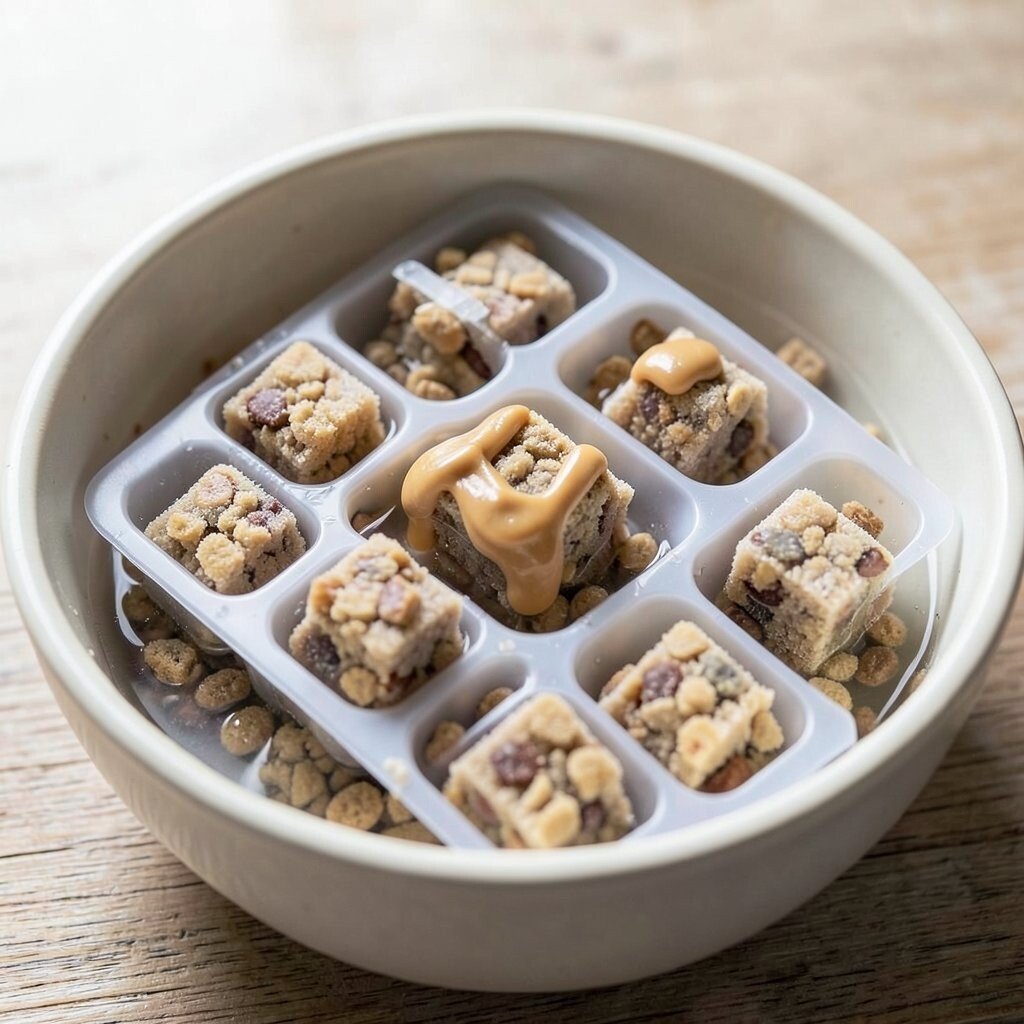
Fill an ice cube tray with wet food or water plus kibble, then freeze it. Place the cubes in a bowl so your pet works through each piece. Visualize a tray of frozen cubes, like small blocks, with food inside each one.
This can help with busy time and can feel fun on warm days. It also gives your pet something to lick and chew. To keep it safe, use pet-friendly mix and watch your pet so it does not get too frustrated.
Try adding a little plain peanut butter on the outside of the cubes for scent. Personalize by using smaller cubes for small mouths and larger ones for bigger pets. Cost stays low since many people already own a tray and use freezer space.
7. Paper Bag Foraging Piles
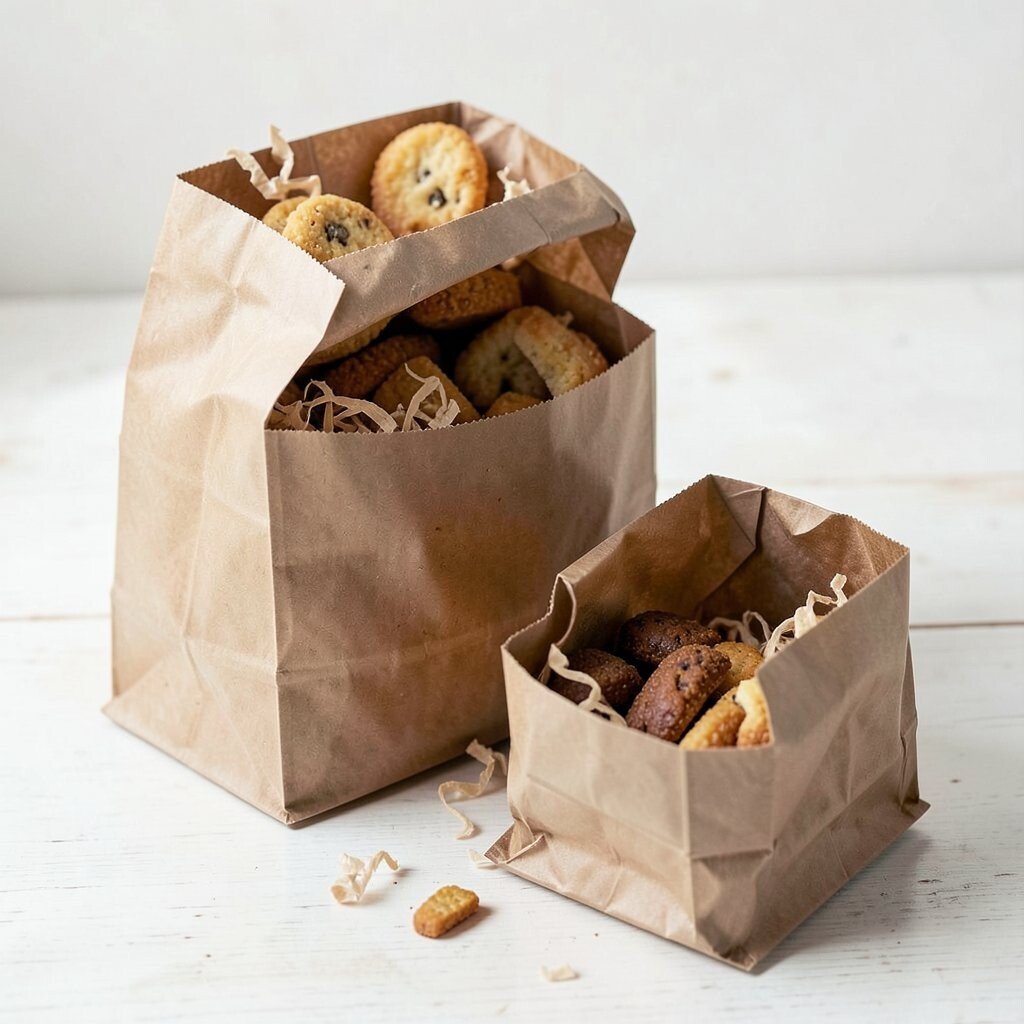
Use a paper bag and add food at different spots inside and under folded paper. Shake the bag gently so the food spreads out a bit. You can picture a brown paper bag with crumpled paper inside, like hiding spots for treats.
This can help your pet use scent work in a calm way. It also gives your pet a safe, chew-friendly surface if you choose a sturdy paper bag. The main benefit is that you can change the layout fast.
For tips, add some shredded paper so your pet has to dig. Personalize by making one bag for one pet and a second bag with a harder layout for a more playful pet. This is a popular trend because it is simple and easy to set up.
8. DIY Feeder With Rolling Bottle
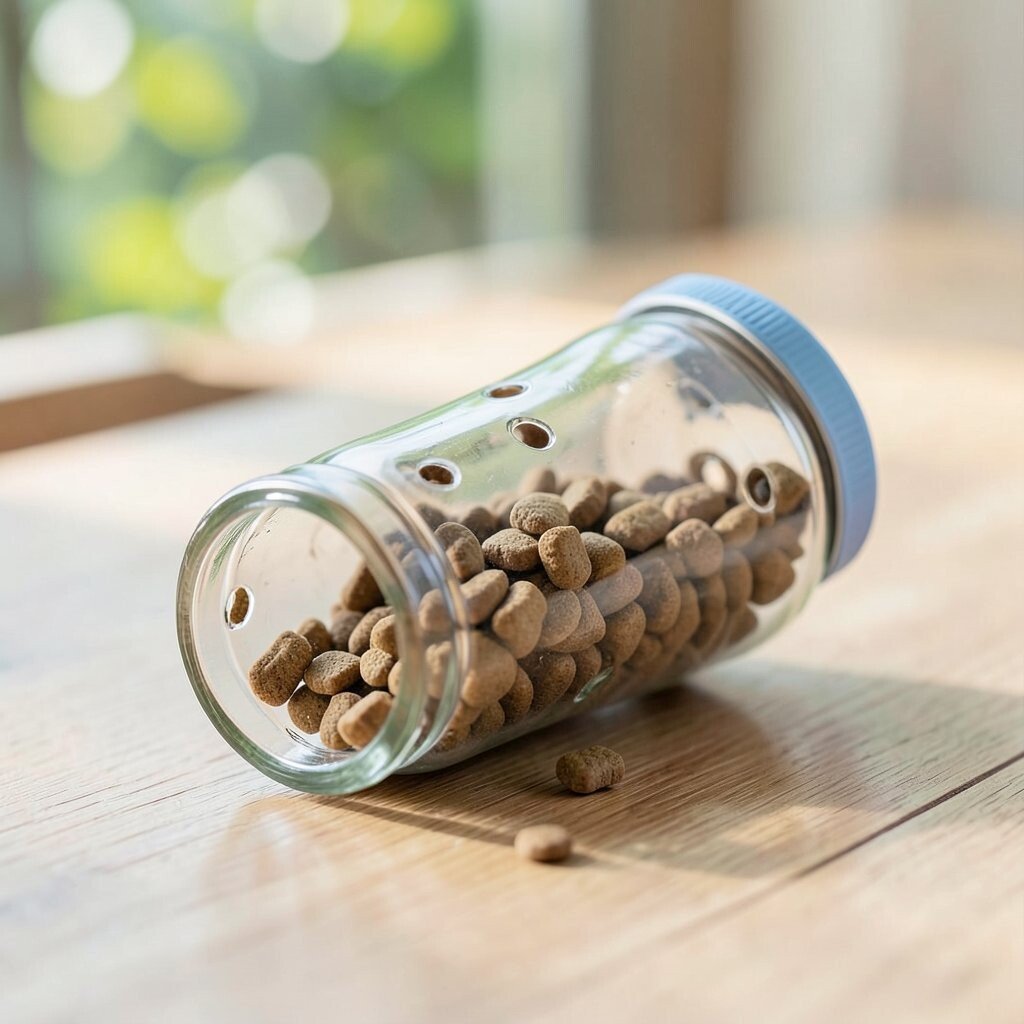
Use a clean bottle with a few holes in it and place kibble inside. Make sure the bottle can roll, and keep the holes sized so food comes out slowly. Picture a bottle with a lid on top and holes near the sides, rolling as your pet nudges it.
This can encourage movement and help pets stay focused. It also makes mealtime feel like a game. For tips, supervise at first and test how fast kibble drops out.
Personalize by adjusting hole size and bottle size for your pet’s strength. Cost is low since you may already have safe bottles to reuse. A trend in feeder toys is the use of simple rolling designs that mimic movement in nature.
9. Sock or Rope Tug Puzzle Bowl
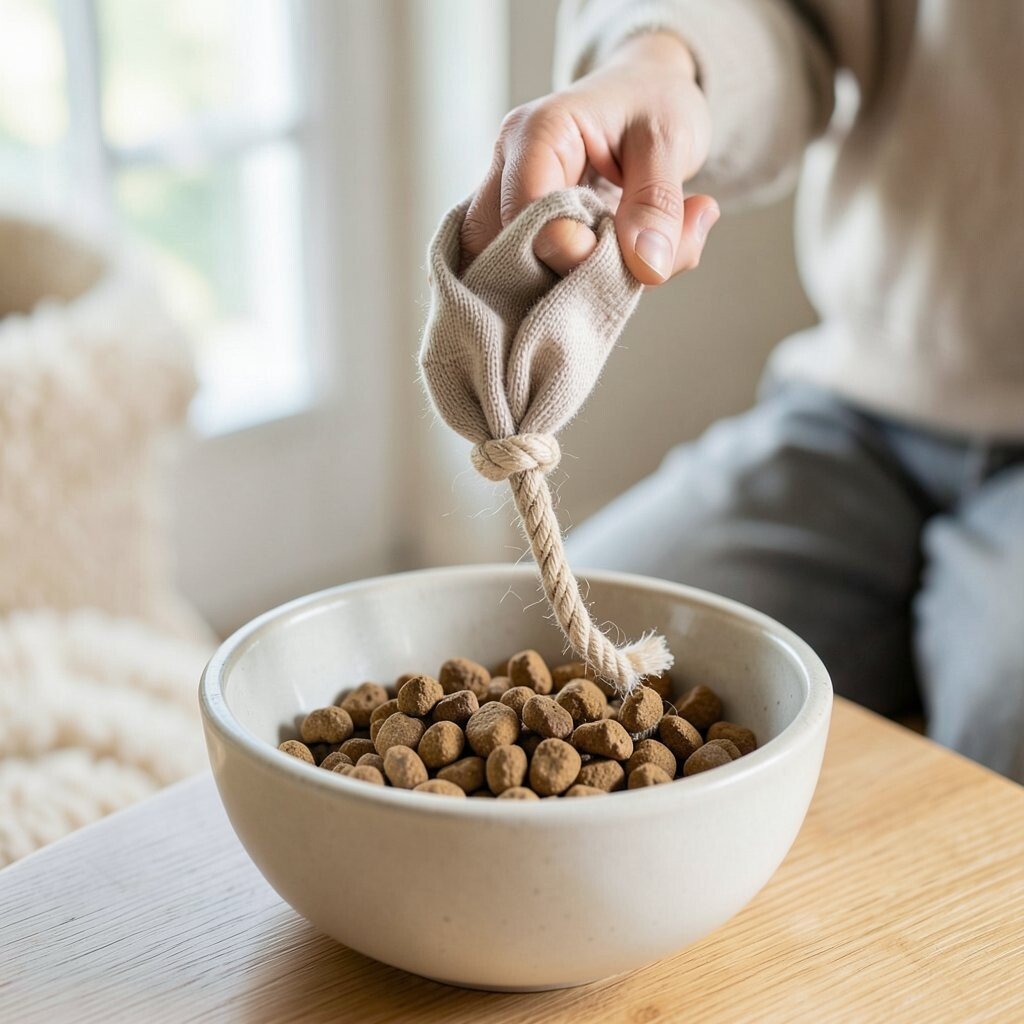
Use a clean sock or a small rope to hold kibble in place. Tie a knot near the middle, tuck kibble into loops, and let the ends hang. You will see a knotty bundle above a bowl, with food hidden inside the fabric or rope folds.
This can help your pet work with both mouth and paws. It can also keep them busy while you sit nearby. The benefit is that it uses low-cost home items and gives a clear task.
For tips, keep it simple at first with fewer pieces and easier access. Personalize by using a softer sock for gentle pets and a thicker rope for stronger pets. Always clean and replace items when they get stretched or dirty.
10. Kibble Under Plastic Clamshell Plates
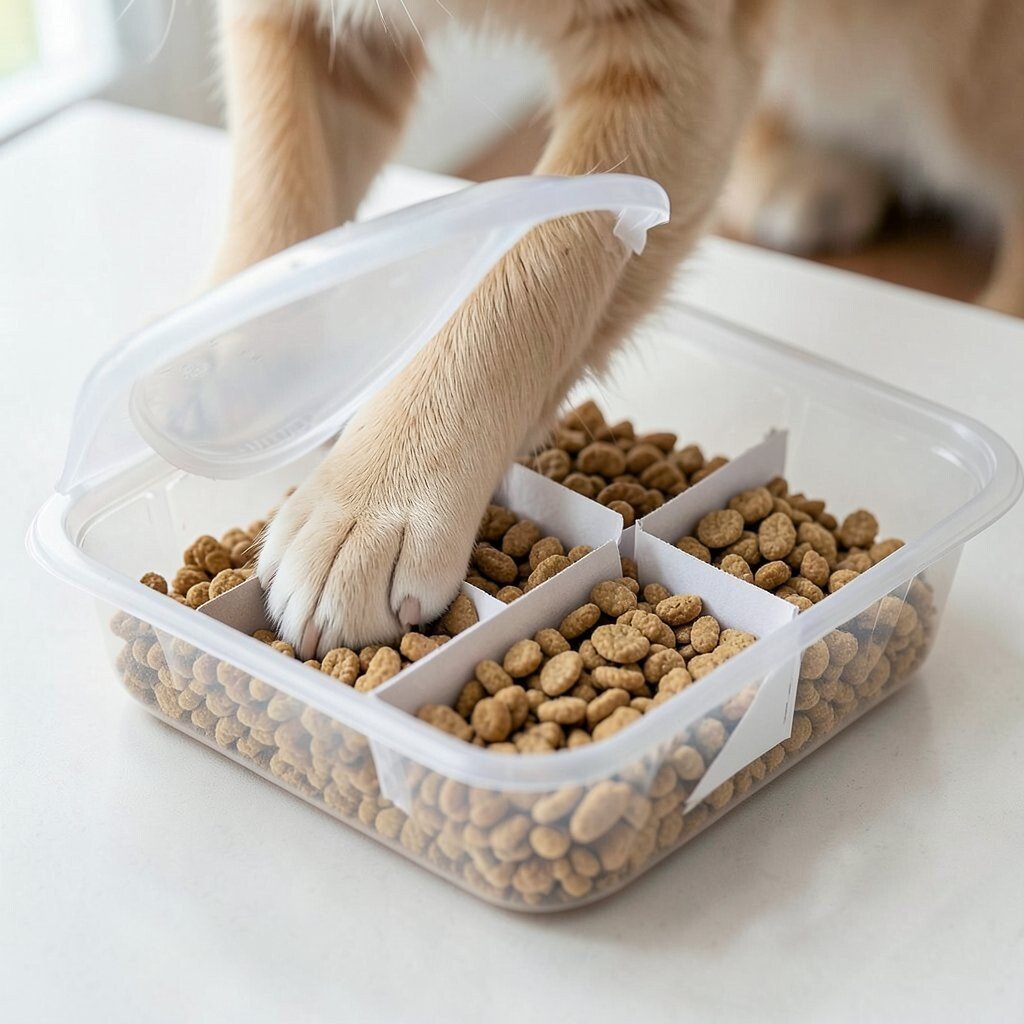
Use a safe plastic clamshell container from the store and place kibble under a few hinged sections. Add small pieces of paper or thin cardboard as extra barriers. Picture a clamshell with open areas and hinged lids that your pet has to lift with a paw or nose.
This can help build problem skills because your pet must move parts to reach food. It also works well for pets that like to tap or push toys. A clear benefit is that it is easy to reset for the next round.
Try to vary which sections are open and which are blocked. Personalize by making barriers higher for pets that learn fast. Cost can be low if you save containers and clean them well.
11. Slow Feeder With Crisscross Stick Pattern
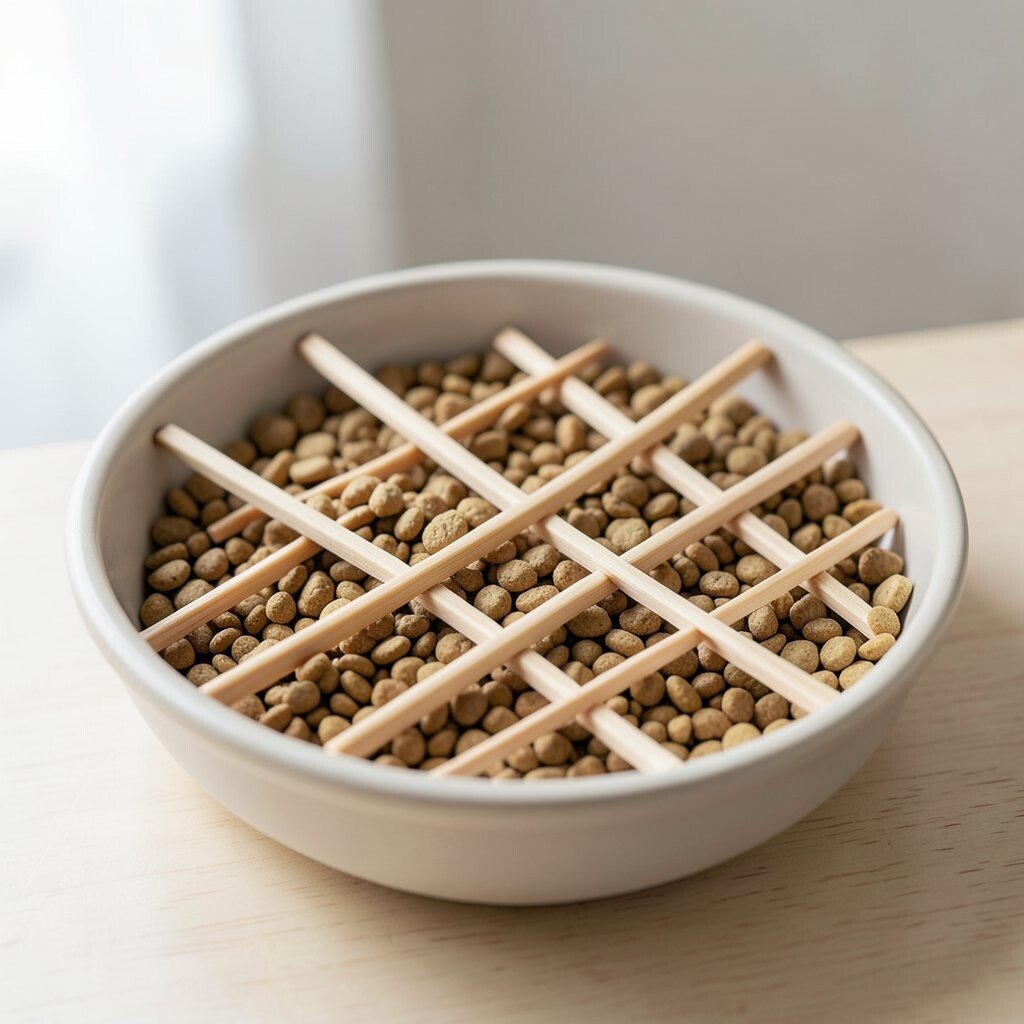
Use a shallow dish and set safe, food-grade sticks in a crisscross pattern. Pour kibble around the sticks so your pet has to push pieces through. Imagine a dish with a grid pattern that blocks easy scooping.
This can help slow down fast eaters and reduce quick gulping. It can also make meal time last longer in a helpful way. For tips, make sure pieces are stable so they do not fall into food in unsafe ways.
Personalize by changing stick spacing for your pet’s size. Cost is low if you use food-safe tools and avoid buying special gear. This idea fits a trend of using grid or maze layouts that feel like small challenges.
12. Cardboard Tube Treat Drops
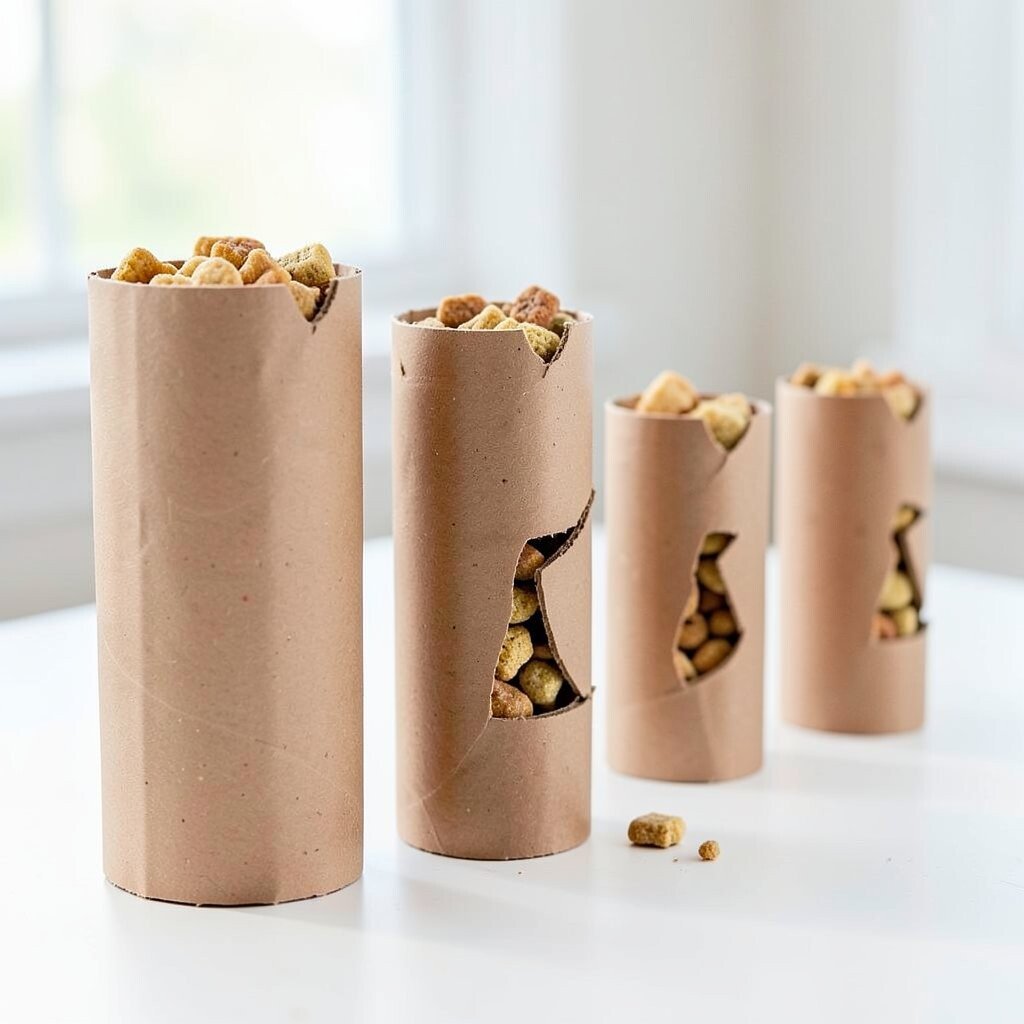
Use toilet paper rolls or paper towel tubes and cut small notches along them. Place kibble in the tube and set it upright so your pet can tap it to drop pieces. You can picture a line of tubes standing like little towers, with food inside that slowly falls out.
This gives your pet a steady challenge over time. It can also help with tapping, pawing, and sniffing. A key benefit is that the tube can be reused many times if it stays dry.
For tips, start with more open notches so food drops faster, then tighten the notches later. Personalize by using wider tubes for bigger pets and narrower tubes for smaller pets. Keep a close eye at first so your pet does not chew through too fast.
13. Layered Bowl With Paper Shreds
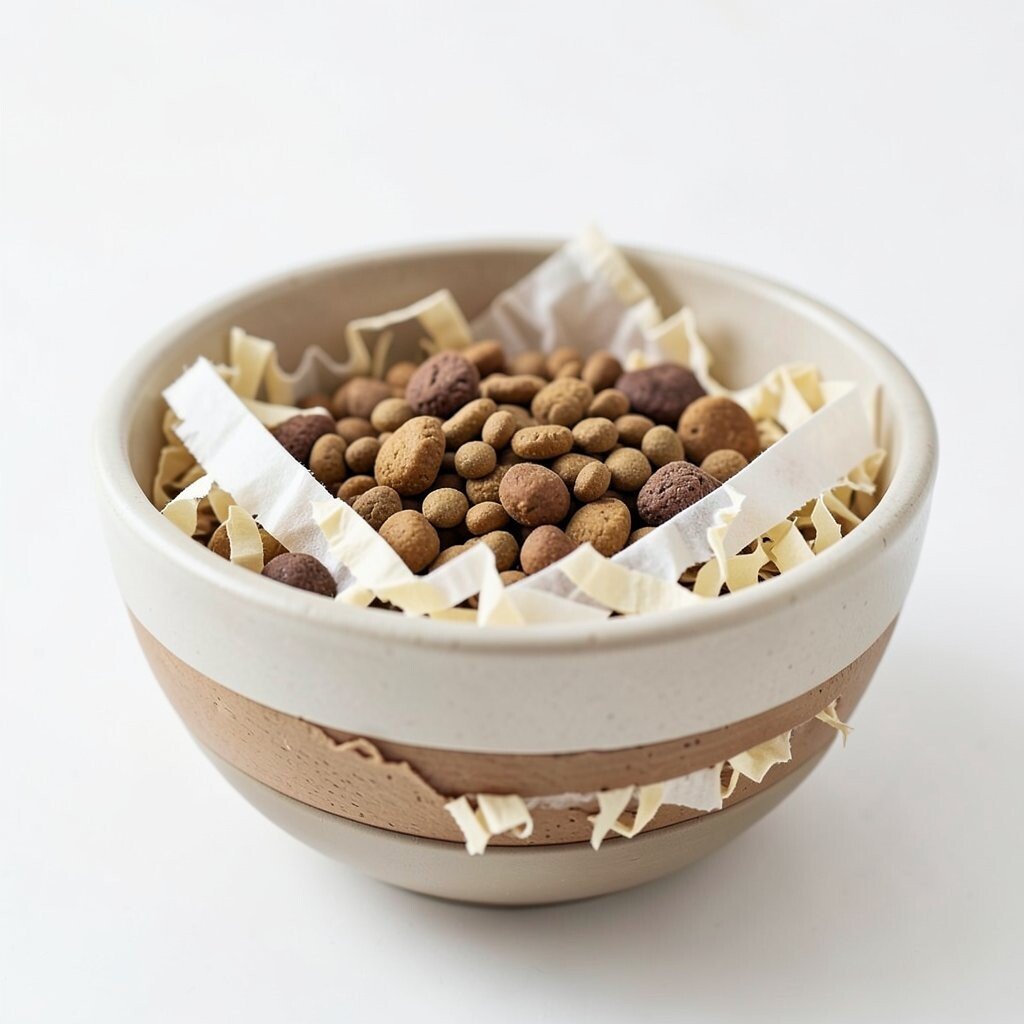
Use a bowl and add a layer of paper shreds on the bottom. Mix kibble on top and also tuck a few pieces under the shreds. Picture a bowl filled with light paper that hides small food pieces like a nest.
This can help your pet search and dig, which many pets enjoy. It is also simple to change, since you can stir and reset the bowl. The benefit is that it encourages calm foraging instead of fast eating.
Try adding a few larger treats that your pet only finds after moving the shreds. Personalize by using softer paper for pets with sensitive mouths. Cost is low because shredded paper is often easy to make at home.
14. DIY Tongue-Lick Treat Mat With Freezer Mix
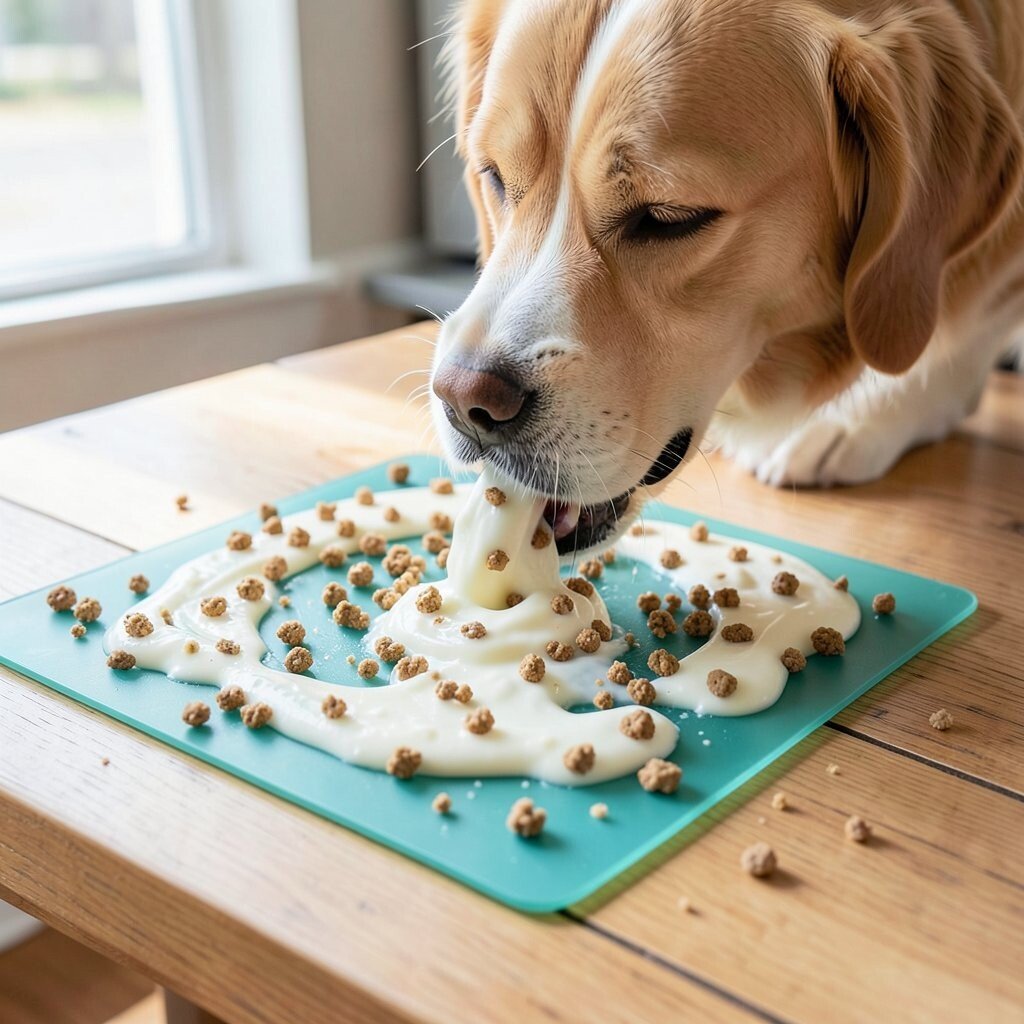
Spread a pet-safe lick mix on a silicone mat or a safe flat surface, then freeze it. Add small kibble bits so your pet gets little bites while licking. You will see a frozen slick layer that slowly breaks as your pet licks and works.
This can be great for keeping pets busy during calm times or after a walk. It can also help dogs stay relaxed while they focus on licking. A big benefit is that it can last longer than dry food alone.
For tips, start with a thin layer so it is not too hard for your pet. Personalize by using different safe mixes each week, like plain yogurt or soaked kibble if your pet can eat it. This matches a trend in lick mats and frozen enrichment at home.
15. Three-Stage Foraging Circuit

Create a simple circuit with three feeding spots that each need a different action. For example, one spot can be a muffin tin, one spot can be a paper bag, and one spot can be a towel roll. You can picture a small loop in your home where your pet moves from one challenge to the next.
This can keep your pet busy longer because they switch tasks and do not get bored. It also helps you pace the day and gives a clear structure to feeding time. The benefit is that you can learn what your pet likes most by watching each stage.
For tips, make the last stage the easiest so your pet ends with a win. Personalize by adjusting each stage based on energy and skill, and you can swap items as trends and ideas change. Cost stays reasonable because you can use basic home tools and rotate them.