
Rubber balls are fun to use in many ways, at home or outside. You can play with them in simple games that help you move, think, and laugh.
1. Wall Bounce Practice
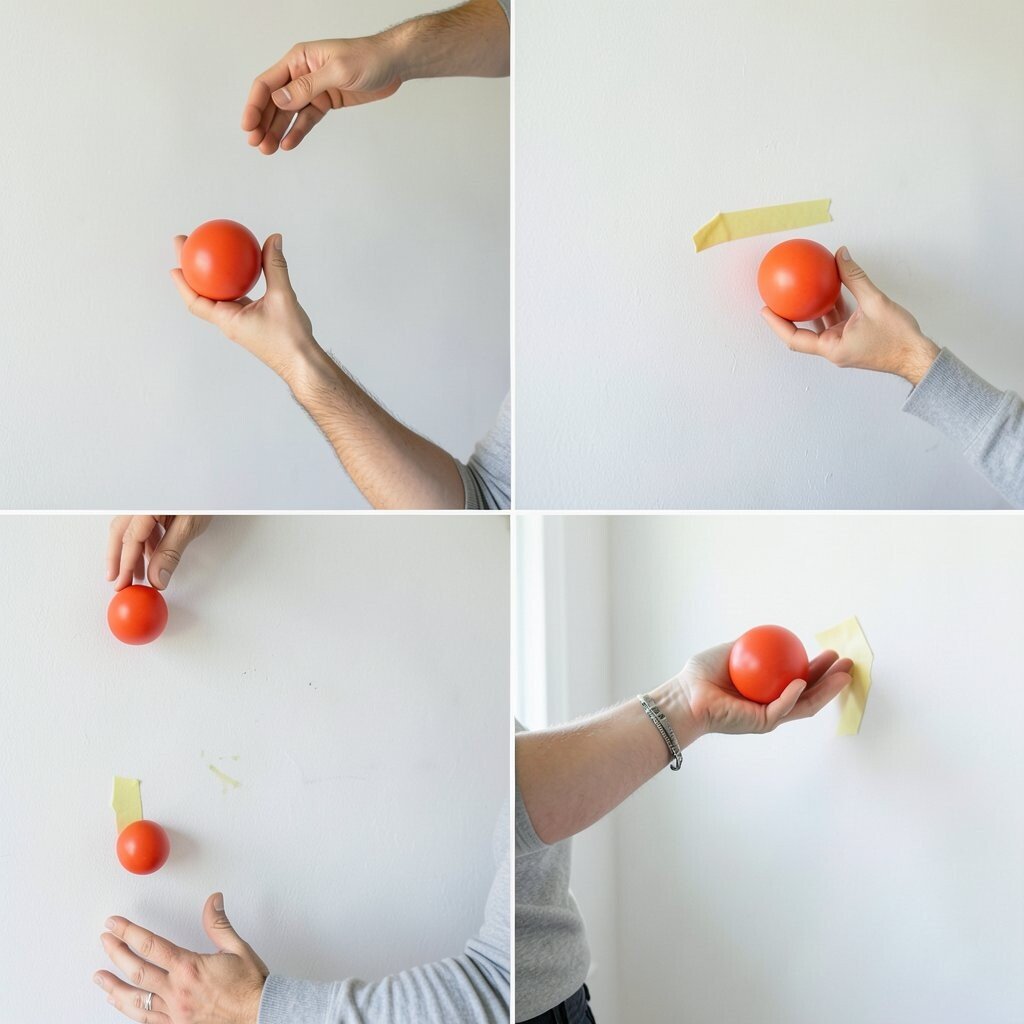
Pick a clear wall space and stand a few steps away. Bounce the rubber ball with your right hand, then try with your left hand. Count your bounces in your head to stay steady.
This helps your hand-eye skill and your arm control. The ball also gives you a gentle hit each time, so it is easy to practice. Try different heights, like below your waist and at chest level.
If you want it to feel new, mark spots on the wall with tape. Bounce the ball to each spot in order. This adds a small goal and helps you stay focused.
2. Target Toss With Cups
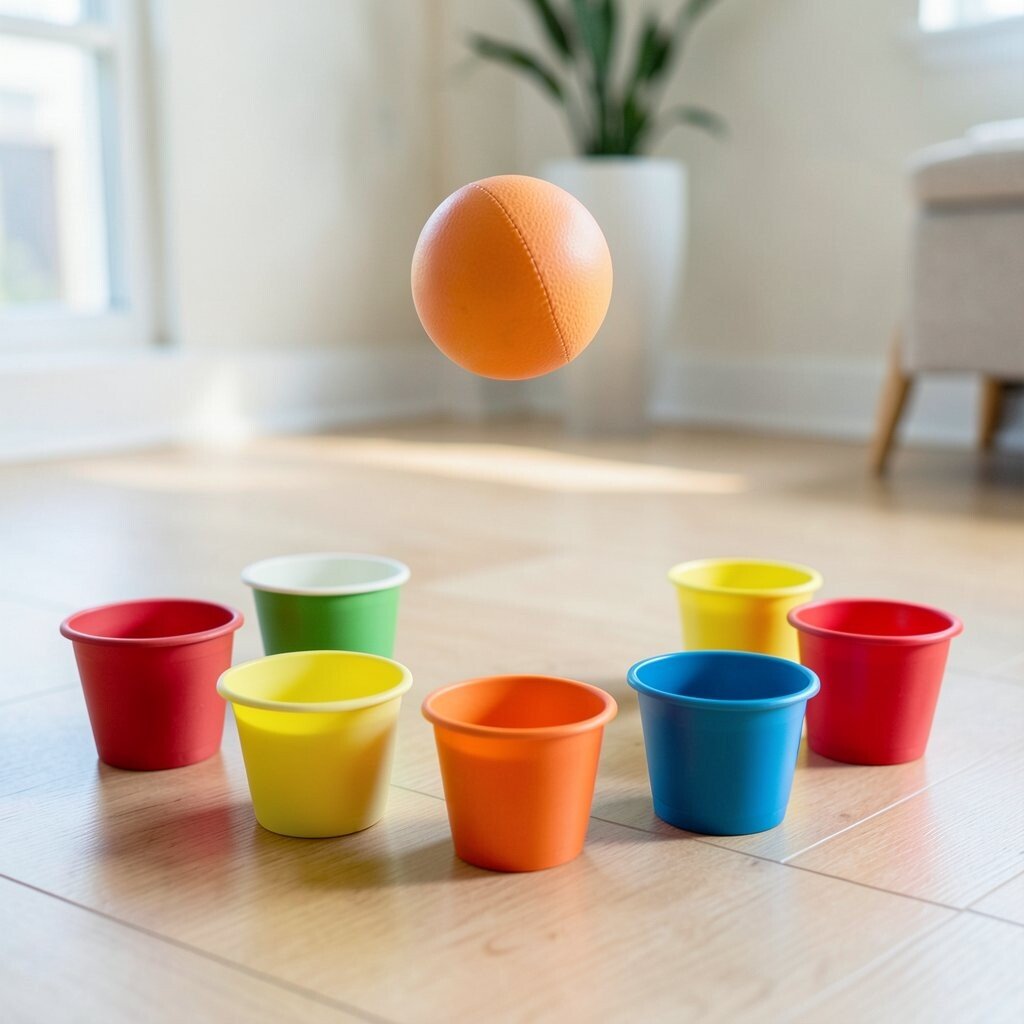
Set several cups on the ground in a line or a circle. Step back and toss the rubber ball toward one cup at a time. Use an easy underhand throw so you can aim well.
Target play improves your aim and your throwing form. It also helps kids learn distance control without needing big gear. If you miss, just go again and adjust your angle.
For personalization, use cups of different sizes and label them with colors. You can also use a sock filled ball as a softer practice option. This makes the game fit your space and your comfort.
3. Ball Tag Game
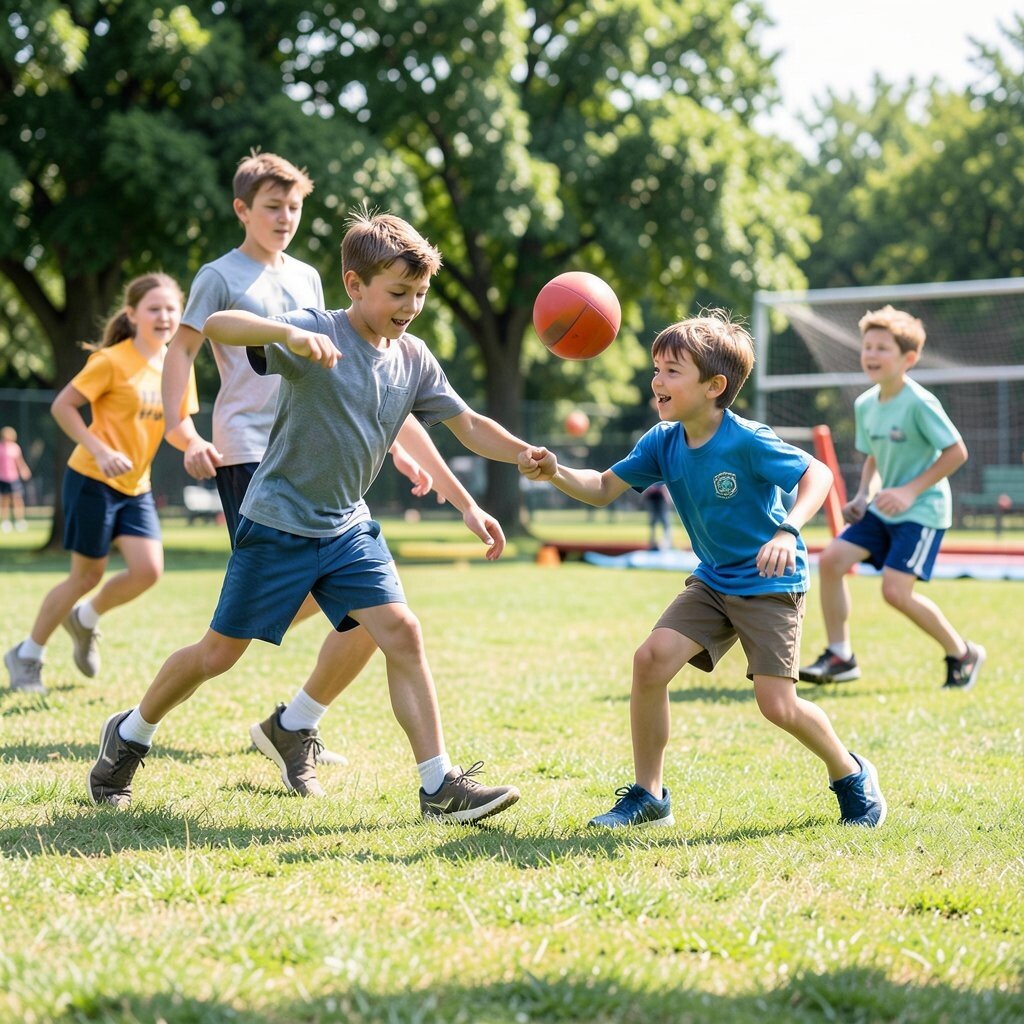
Pick one or two players to be “it.” Everyone else moves around while trying not to get hit by the bouncing ball. The player who is “it” can toss the ball gently at people.
This game is great for active play and quick reactions. It also teaches safe spacing and fair rules. Keep tosses low and slow at first, then speed up only when it feels safe.
To make it unique, set rules like “no running” or “only bounce once before you toss.” You can also play in teams so everyone gets a turn. Add a timer if you want a steady rhythm.
4. Dribble Around Chairs
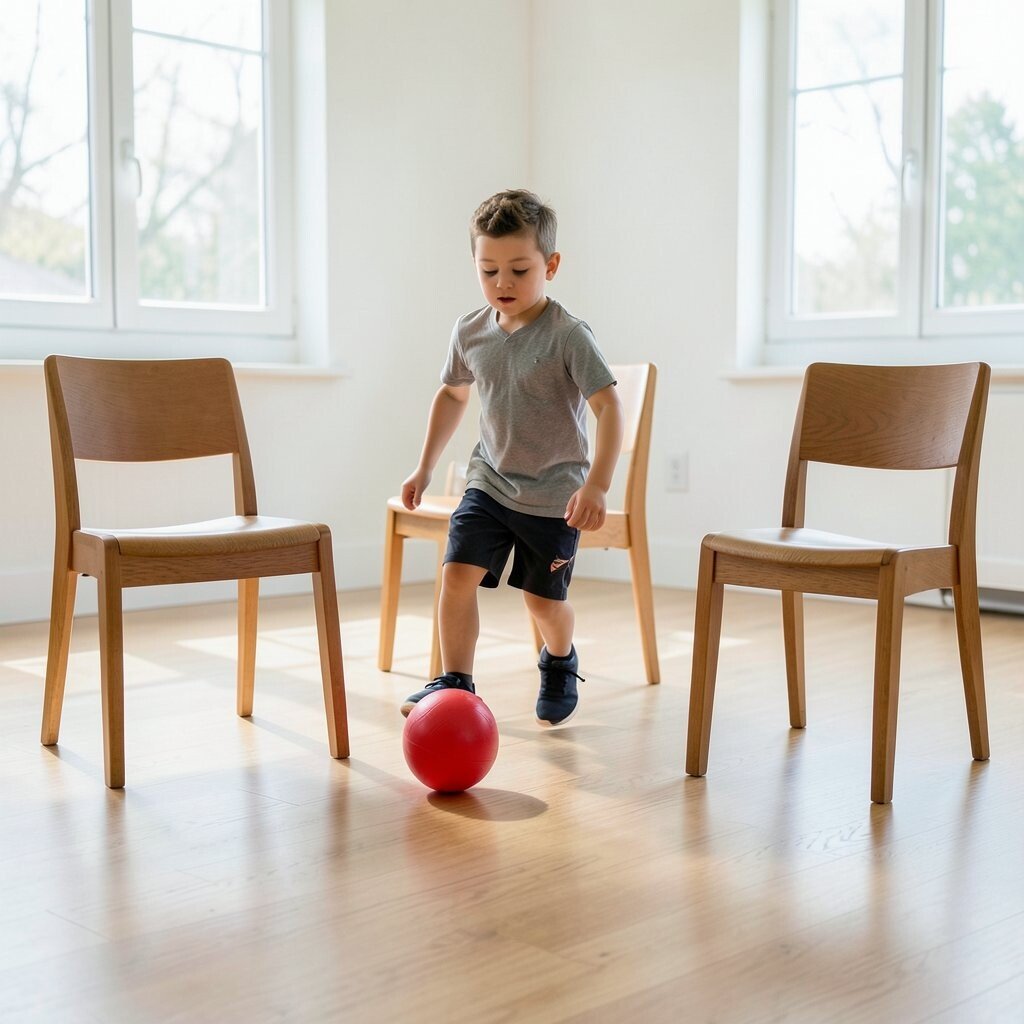
Place a few chairs in a line with space between them. Start dribbling the rubber ball around each chair, like you are making turns. Keep your head up and use small pushes.
Dribbling helps coordination and builds strong hand control. It also helps your legs and core, because you keep moving. This is a good choice if you want to practice indoors.
For trends, use a “challenge card” system like you see in some online sports videos. Write simple tasks on paper, such as “turn left twice” or “go slow then fast.” Change one card each round so it stays fresh.
5. Counting Bounces Challenge
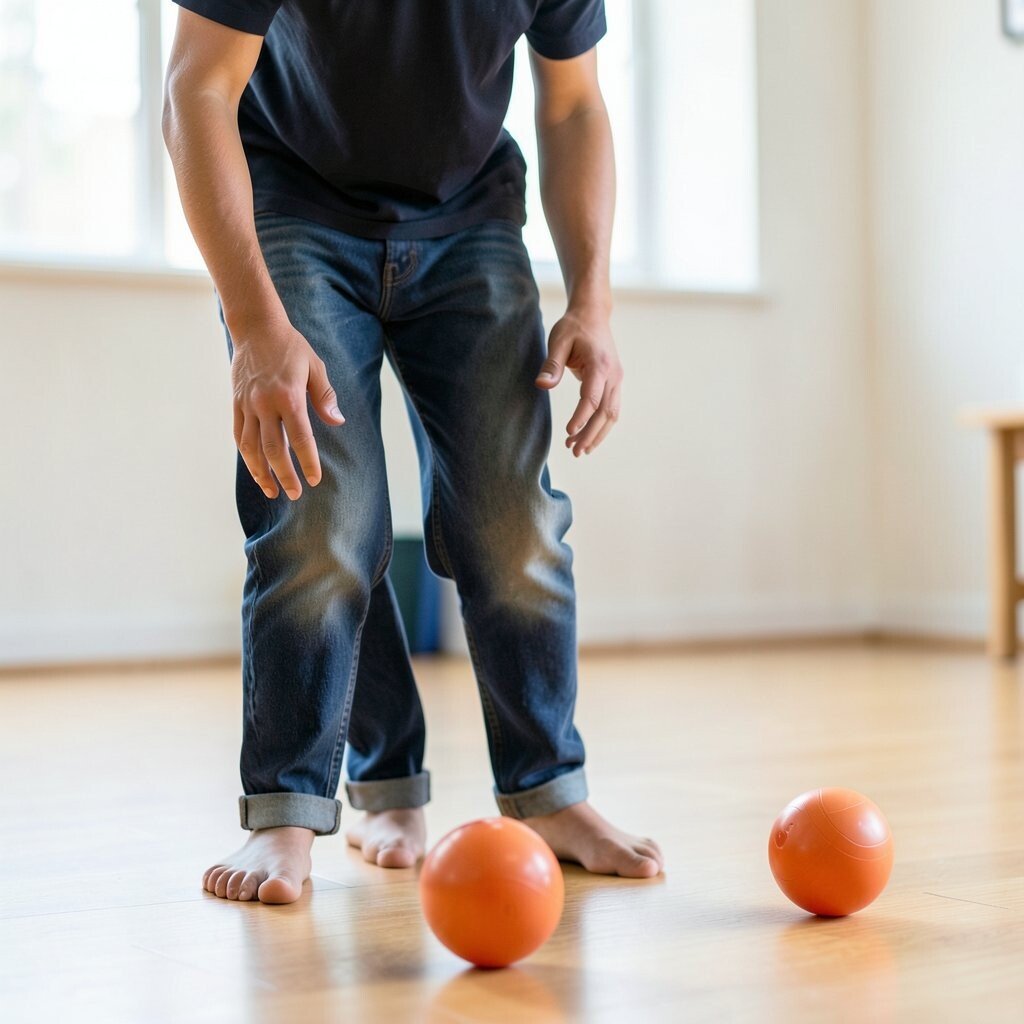
Sit or stand and bounce the rubber ball on the floor. Try to get a set number of bounces without stopping. Focus on rhythm, not speed.
This builds focus and patience, which helps in school too. It is also a calm game for days when you want less chaos. Use both hands and switch every few bounces.
Personalize it by changing the rule each round. For example, you can bounce once, then catch, then bounce again. You can also bounce with one hand while the other hand claps.
6. Catch and Toss Partner Rally
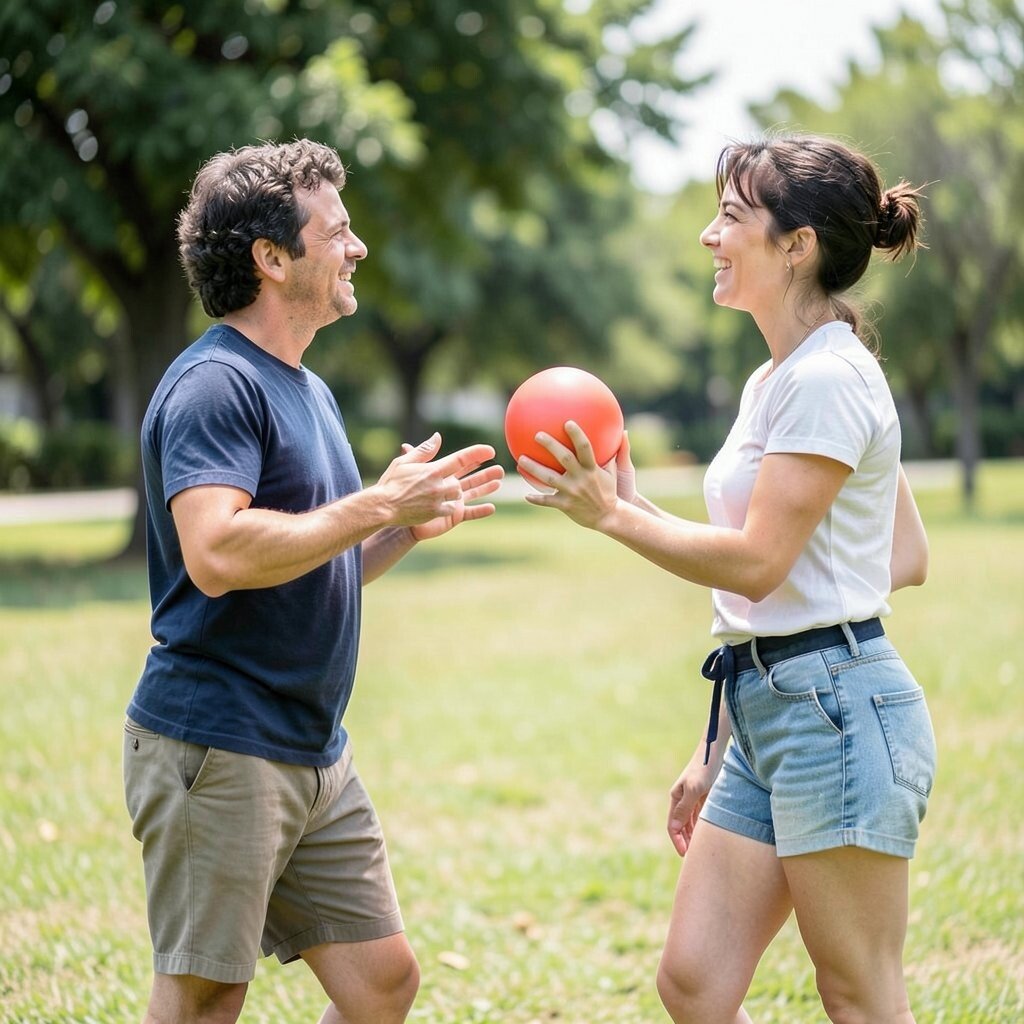
Stand facing a partner with some space between you. Toss the rubber ball gently back and forth, trying to keep the rally going. Use chest-height throws at first so catches are easier.
This helps with timing and better catching form. It also builds teamwork, because you both control the pace. If the ball drops, simply restart and try again.
Add a twist to make it special for you. Try “two bounces then catch,” or “catch with your left hand only.” You can also set a goal like “make it through the whole song.”
7. Floor Maze Roll
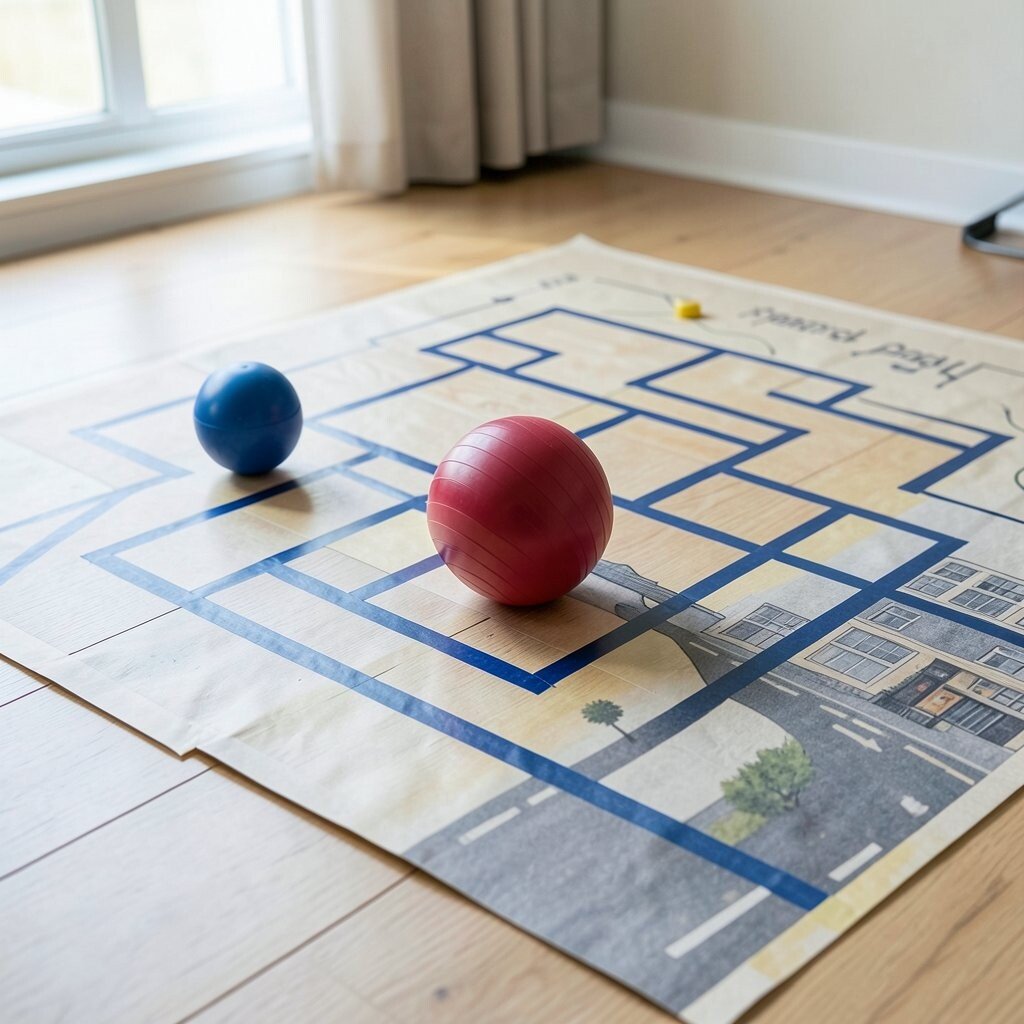
Use tape to make a maze on the floor, with lines and turns. Roll the rubber ball through the maze without crossing the tape. Move slowly and use light pressure.
This game helps with planning and fine motor skills. It also helps you learn how the ball moves after each push. A rubber ball works well because it can bounce a bit if it hits a wall.
Make it yours by adding themes like a “space path” or a “city street.” You can also change the maze size based on your room. Try different balls too, but keep the rules the same.
8. Rainbow Bounce Relay
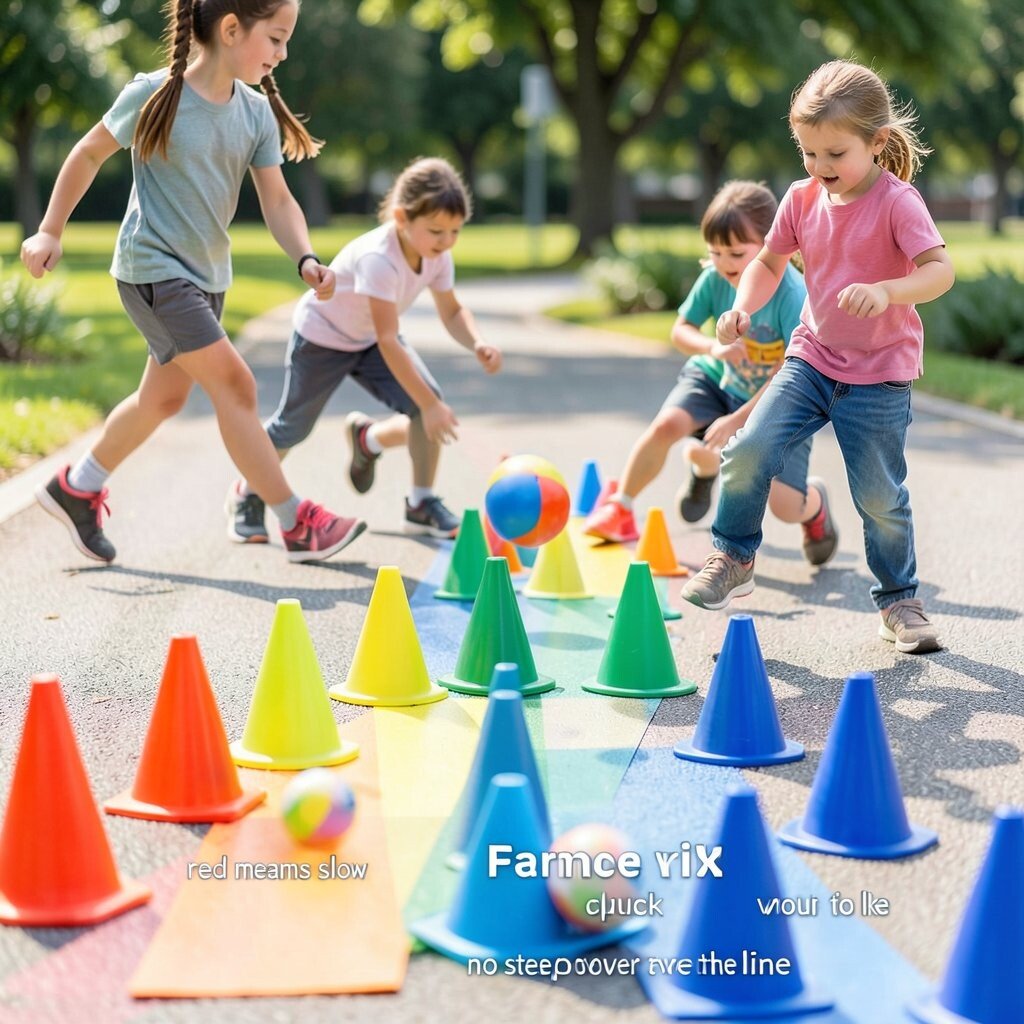
Lay out colored cones or paper markers in a path. Bounce the ball from color to color, starting at one end and ending at the other. Each player goes one at a time and tags the next person.
This is fun because it feels like a race but still focuses on control. It also helps kids move and think at the same time. Use gentle bounces so the ball stays near the path.
For personalization, pick colors you like and add short rules for each color. For example, “red means slow,” and “blue means quick.” You can also add a “no step over the line” rule for extra focus.
9. Rubber Ball Golf at Home
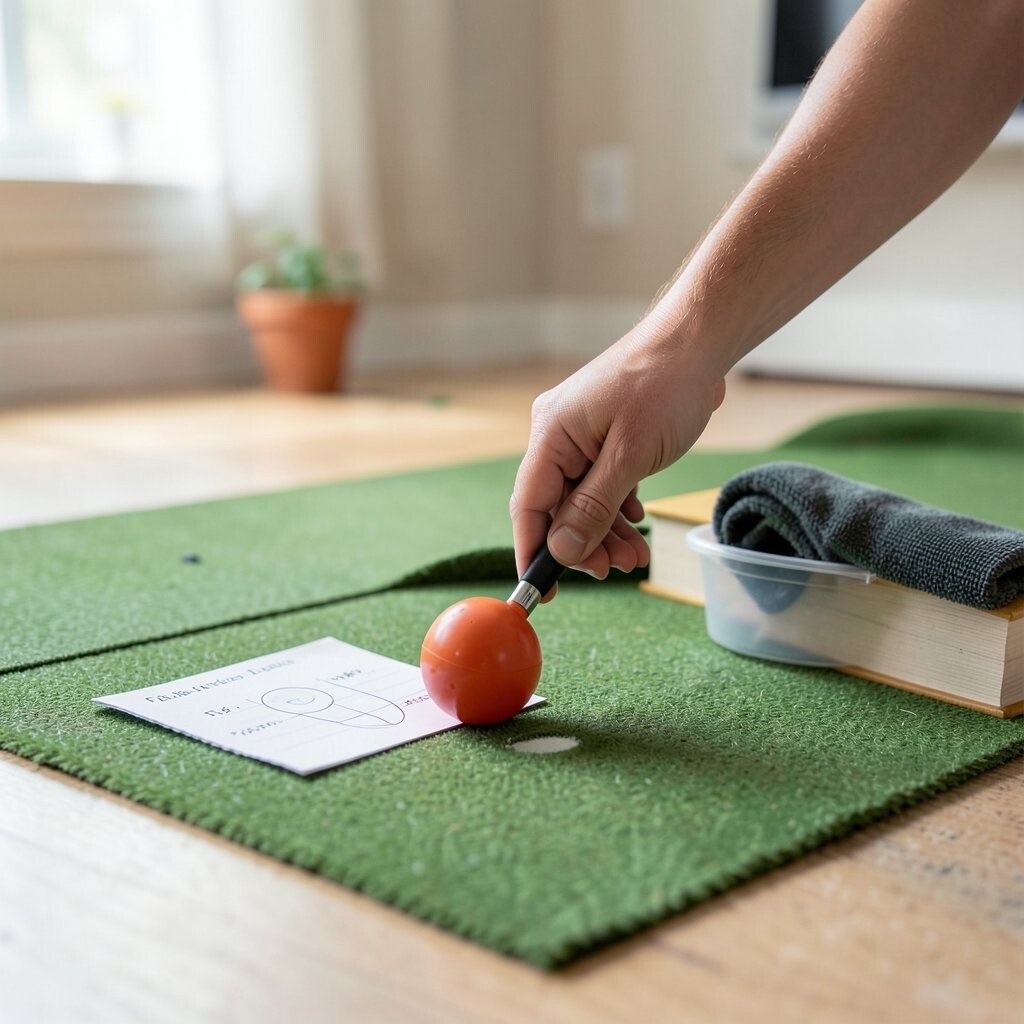
Set a small target, like a cup or a plastic bowl, on the floor. Roll or tap the rubber ball toward the target using your hand like a golf swing. Keep the moves small and neat.
This helps your aim and teaches you how to control force. It also gives you a simple way to play when the weather is bad. You can make it harder by moving the target farther away.
To match what is popular right now, try making a mini course with a few “holes.” Add obstacles like a rolled towel bridge or a book “hill.” Track your tries on paper so you can see progress.
10. Partner Knee-Bounce Transfer
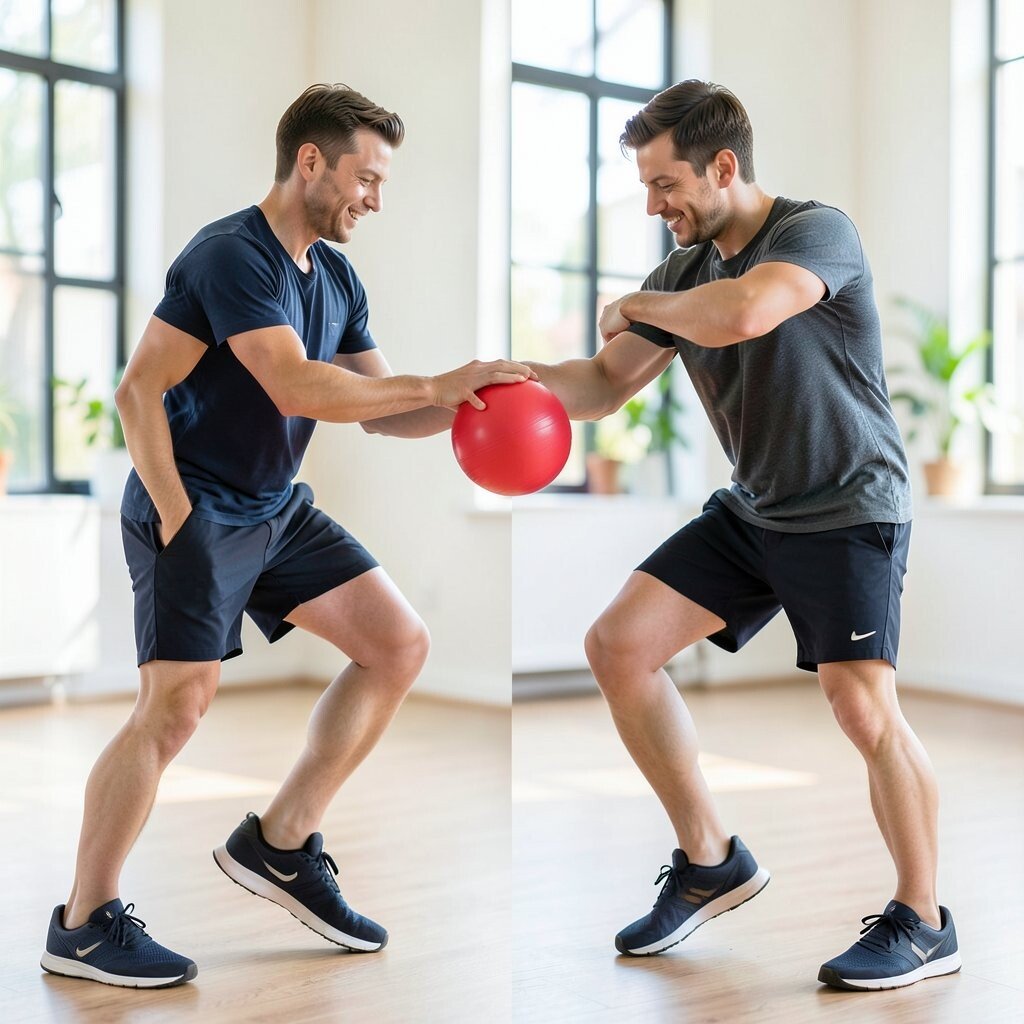
Stand a few steps apart with a partner and hold the rubber ball. Bounce the ball off your knee, then catch it and pass it back. Switch knees after a few passes.
This helps with balance and coordination. It also makes passing feel more active than normal tossing. Use a soft catch so the ball does not fly too fast.
Personalize the game by adding a rule about speed. For example, “slow knee bounce” or “quick knee bounce.” You can also add a third player who waits to take a turn.
11. Ball Poems With Sound Words
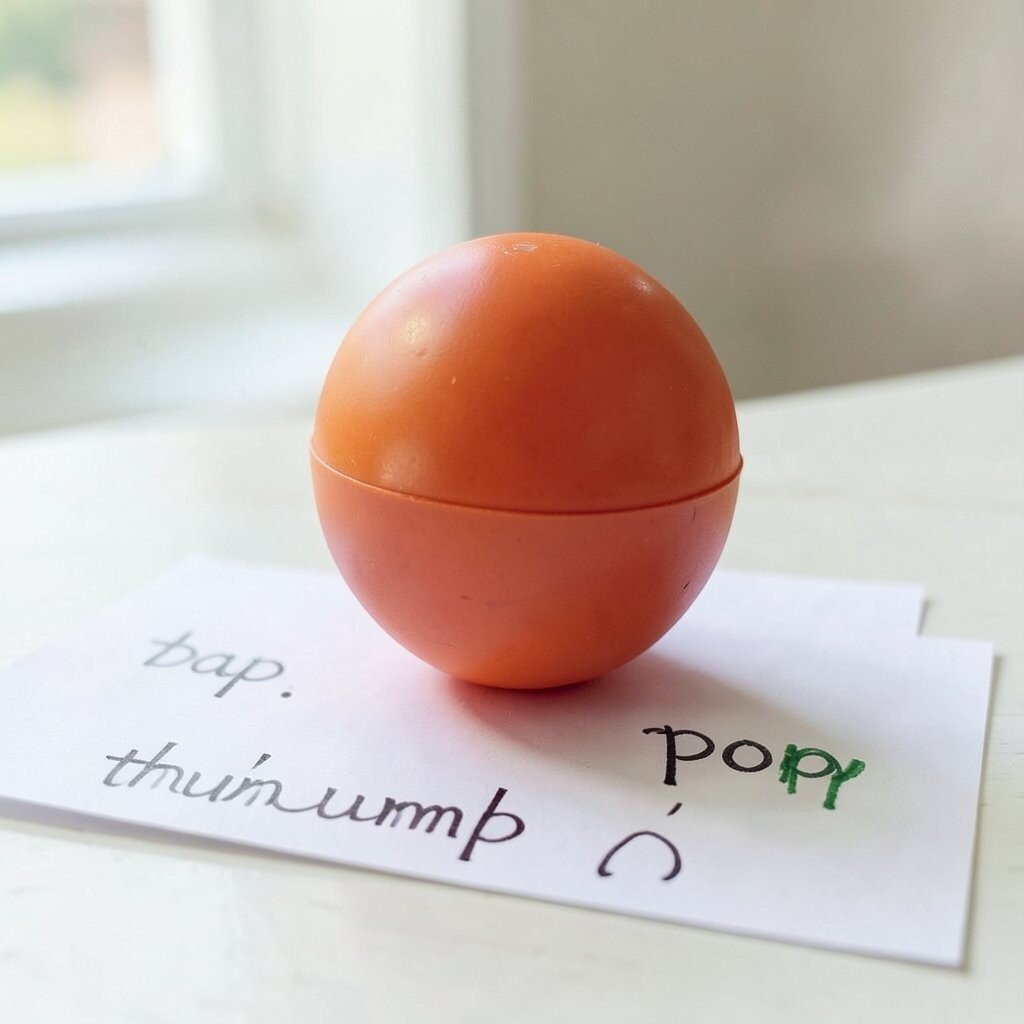
Write simple sound words on paper, like “tap,” “thump,” or “pop.” Bounce the rubber ball and say the sound word that matches your bounce style. Try to make each sound on purpose.
This helps kids listen and control how hard they bounce. It also builds speech practice in a playful way. If you are tired, keep it quiet and do slow bounces.
For uniqueness, pair the sound words with actions. For example, “pop” means jump once after you bounce. You can also add a color rule, like “use green for soft bounces.”
12. Backyard Ball Line and Step
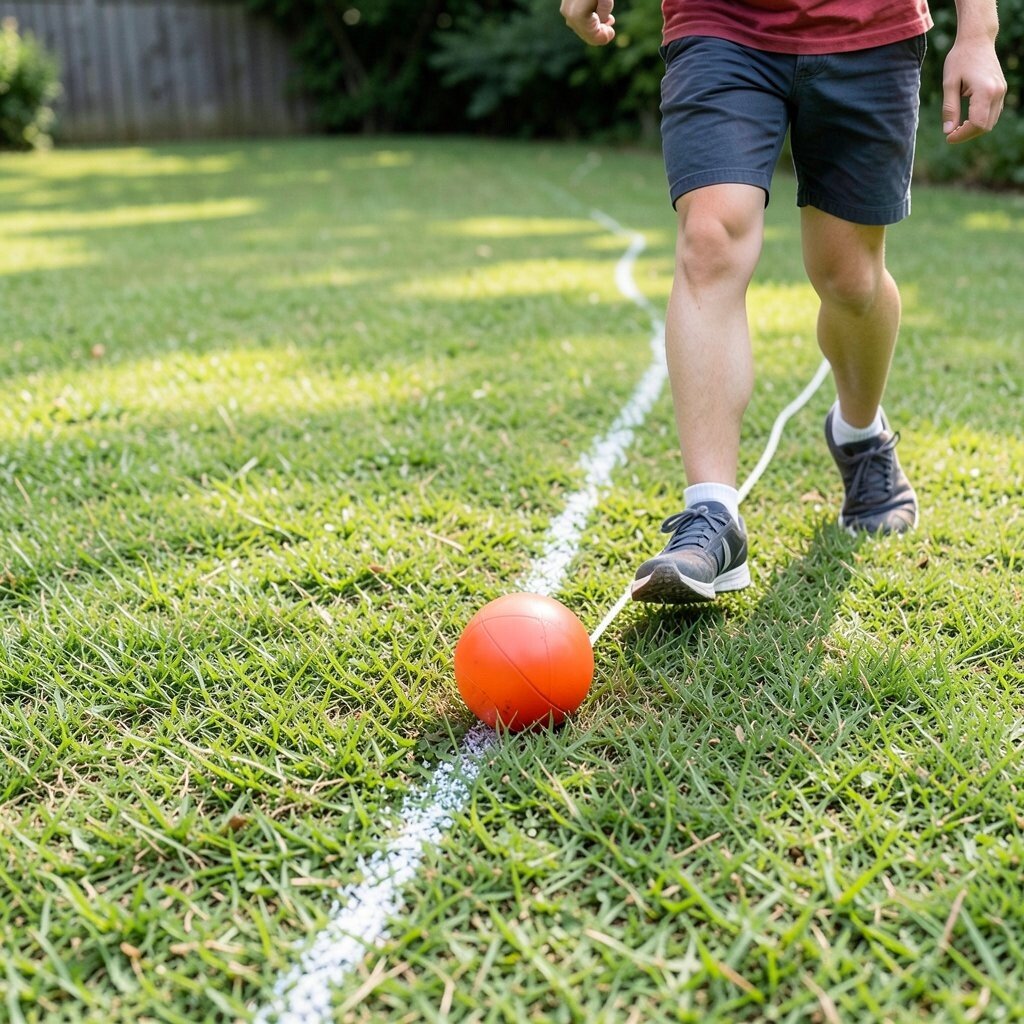
Mark a straight line on grass with chalk or string. Roll the rubber ball along the line and step over it when it comes close. Each player takes a turn, then counts how many times they step in time.
This builds timing and body control. It also helps with balance because you must move at the right moment. If you miss, just go again and try a new timing.
Personalize it by changing how you roll the ball. Try slow rolls, then faster rolls, or roll it with a curve. You can also make the line longer or shorter depending on age and space.
13. Story Time Ball Toss
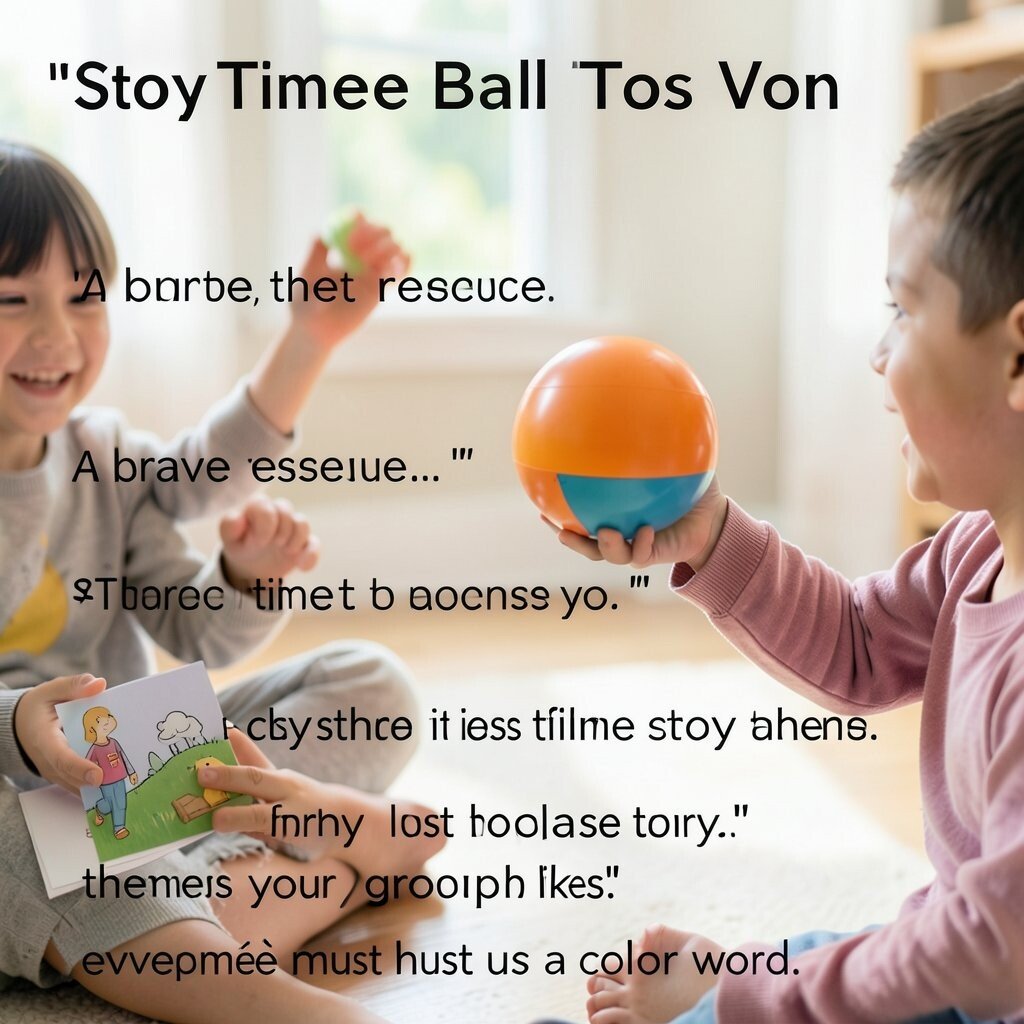
Pick a simple story prompt, like a lost pet or a brave rescue. Toss the rubber ball to a person when it is their turn to add one sentence. Keep the story going step by step.
This game helps speaking skills and listening skills. It also turns quiet time into active play. Choose gentle tosses so the game stays safe indoors.
For cost, you can use index cards or plain paper for prompts. Personalize by choosing story themes your group likes. You can also add a rule like “everyone must use a color word.”
14. Seasonal Ball Decorating and Sticker Play
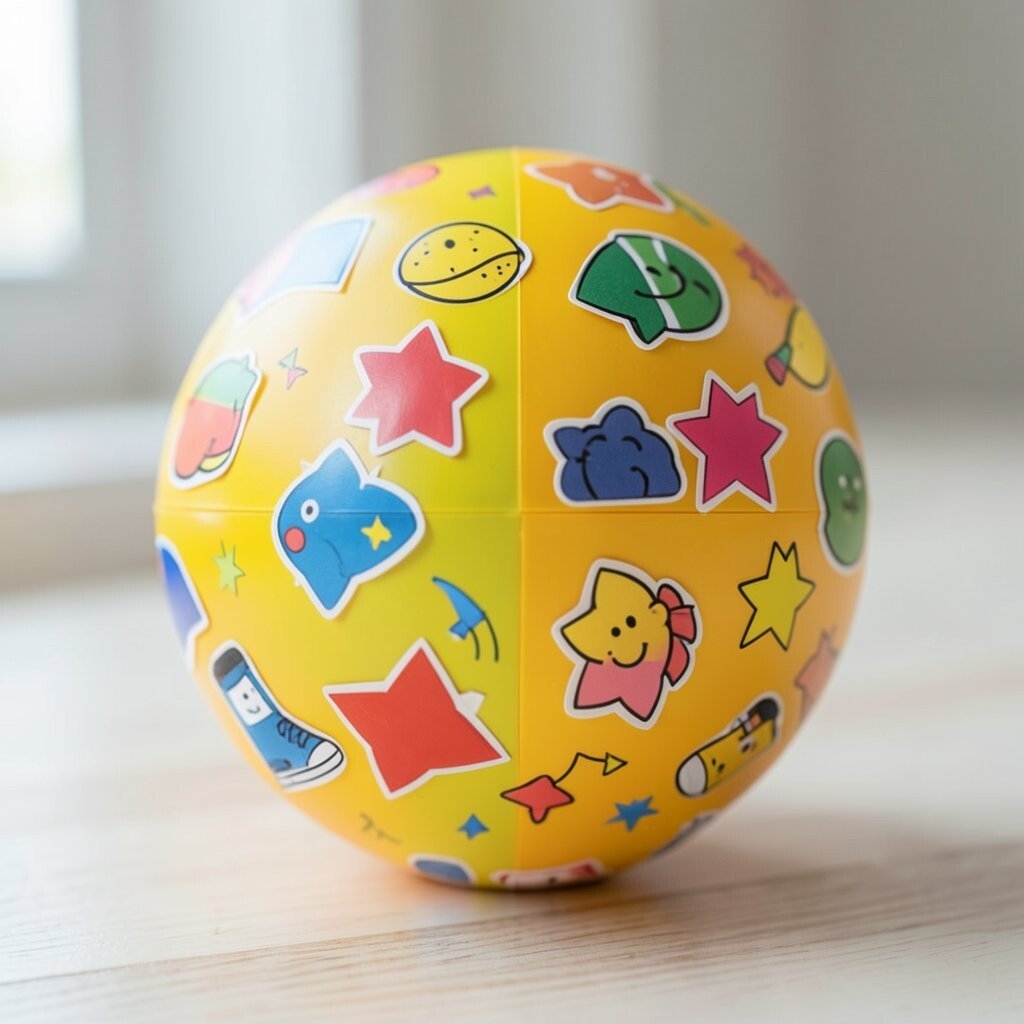
Clean the rubber ball and let it dry well. Add safe stickers or tape shapes on the ball to make a pattern you like. You can also draw simple marks with a thick marker.
This makes the ball feel special, so people want to pick it up and use it. It also supports creativity and gives you an easy way to personalize play. Use only items that stick well and do not peel off easily.
For trends, use seasonal themes like summer shapes or school-year stars. After decorating, play a new game with the same ball, like target toss or partner rally. Keep a small “design rule,” like one side is for color games and one side is for counting bounces.