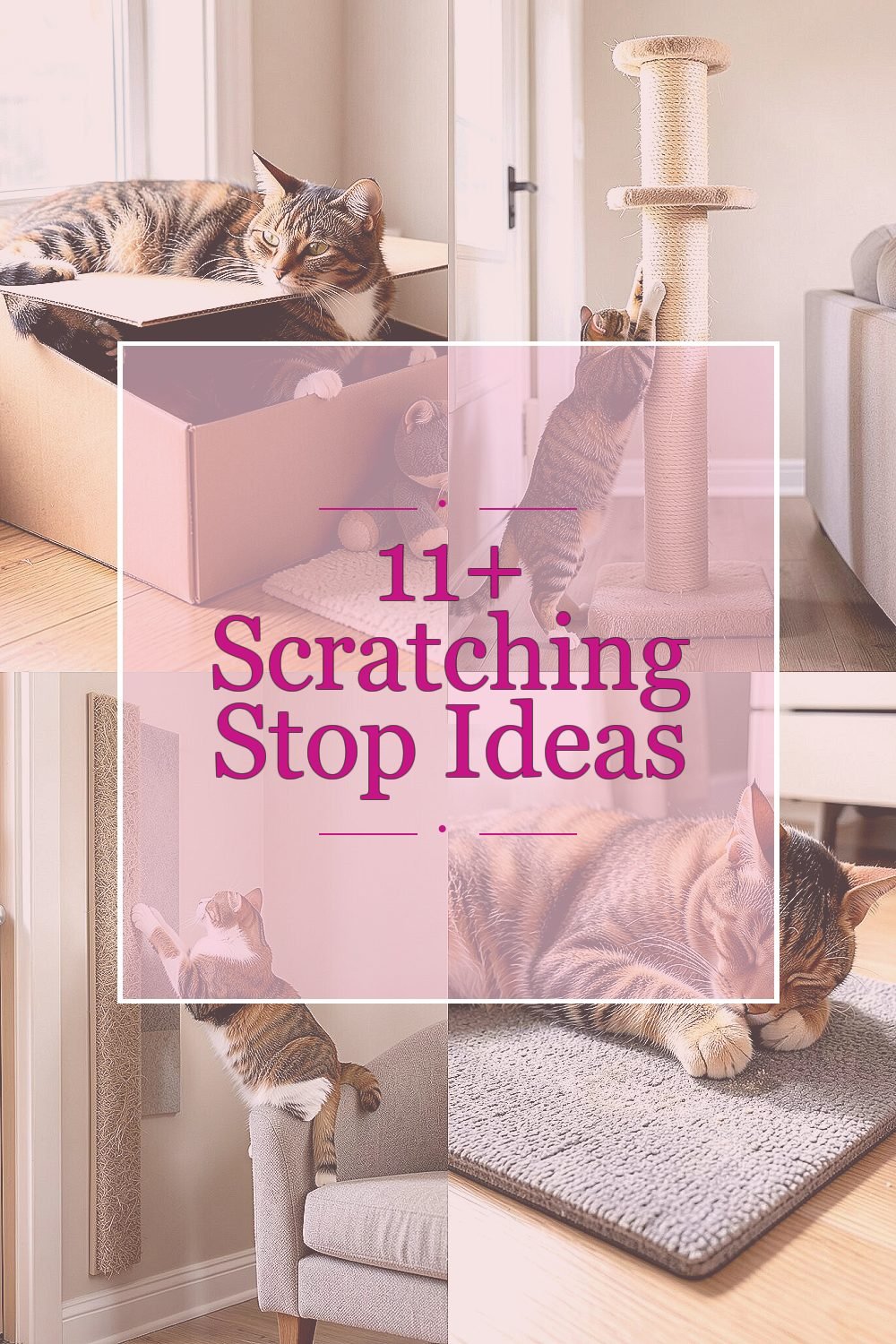
A cat may scratch when it wants to stretch, play, or feel safe. You can make a calm space by giving the right scratch options in the right spots.
1. Cardboard Scratch Box With a Flat Top

A cardboard scratch box looks like a low wall with a wide top. Some boxes have a soft flap or an extra piece for claws. Put it near where your cat already sleeps or looks out a window. The flat top lets your cat stretch in a relaxed way.
Using cardboard can help save your furniture because it gives a clear place to scratch. It also feels good on many cats’ paws since it has a rough, dry texture. You can try a small box first if you are unsure. If your cat avoids it, turn it so the opening faces your cat’s usual path.
To personalize it, choose box sizes that fit your cat’s body. You can also add a cat toy at the side to bring them closer. Cost is often low, since cardboard boxes usually cost less than heavy wood posts. A trend right now is using simple cardboard sets that look neat in living rooms.
2. Tall Sisal Rope Scratching Post
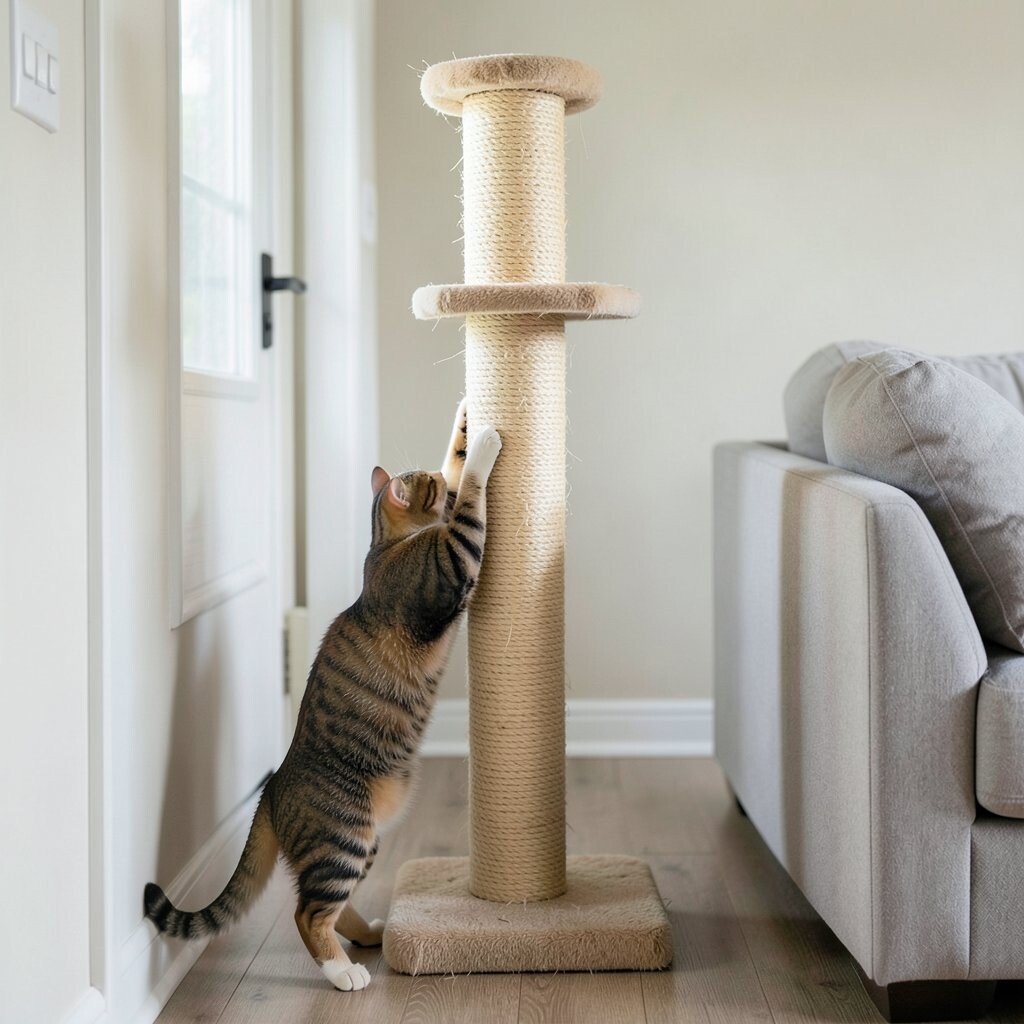
A tall sisal rope post stands up and looks thick from the base to the top. Many posts have a wider base, so they feel stable. Place it where your cat stands often, like by a hallway or next to a sofa. The height helps when your cat wants to reach up and stretch.
Sisal rope can be a great choice because it is rough in a steady way. This can guide your cat to scratch the rope instead of the couch. Try a post that does not wobble, since cats dislike shaking things. You can test this by gently pushing it and watching if it stays firm.
For tips, keep the post in a spot your cat already uses. If needed, add catnip to the base or rub a small amount of cat-friendly scent on the rope. Prices vary, but many solid rope posts are mid-range. A popular style today is a rope post in natural color that matches home decor.
3. Wall-Mounted Scratcher With a Vertical Panel
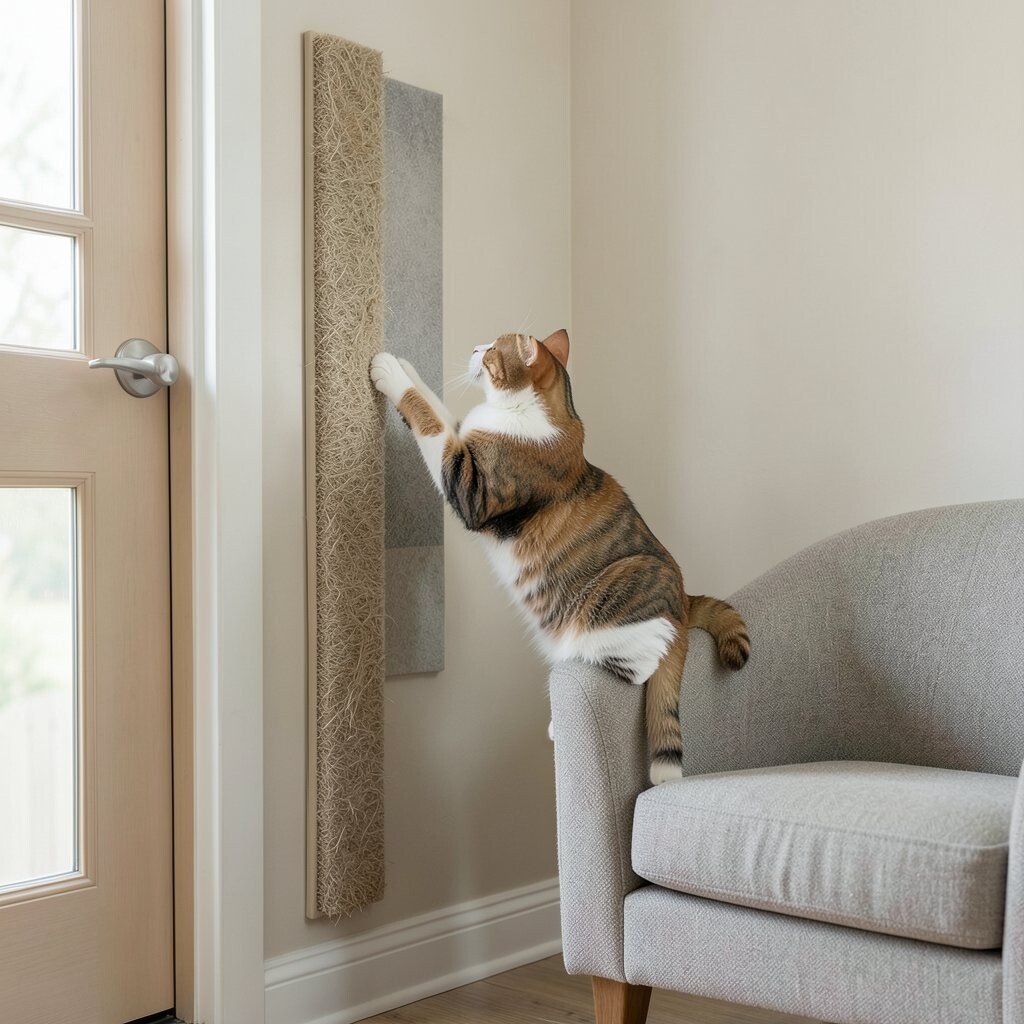
A wall-mounted scratcher looks like a slim board or panel fixed to a wall. It can be a vertical strip with rough fiber, or a flat panel with a pattern. Place it near a door or next to a favorite chair where your cat climbs or jumps. When your cat scratches upward, this option fits the motion.
Wall scratchers can be useful if you live in a small space and want fewer items on the floor. They also help keep the scratching area away from corners that your cat may use for climbing. For best results, mount it at your cat’s shoulder height or slightly above. This gives your cat a fair choice that feels natural.
Personalize the look by picking colors that match your wall. Some panels come in neutral shades like beige, gray, or tan. The cost can be low if you choose a simple panel, and higher if it has extra parts. A trend is using wall scratchers as a clean “decor” piece instead of a bulky toy.
4. Horizontal Scratch Pad on the Floor
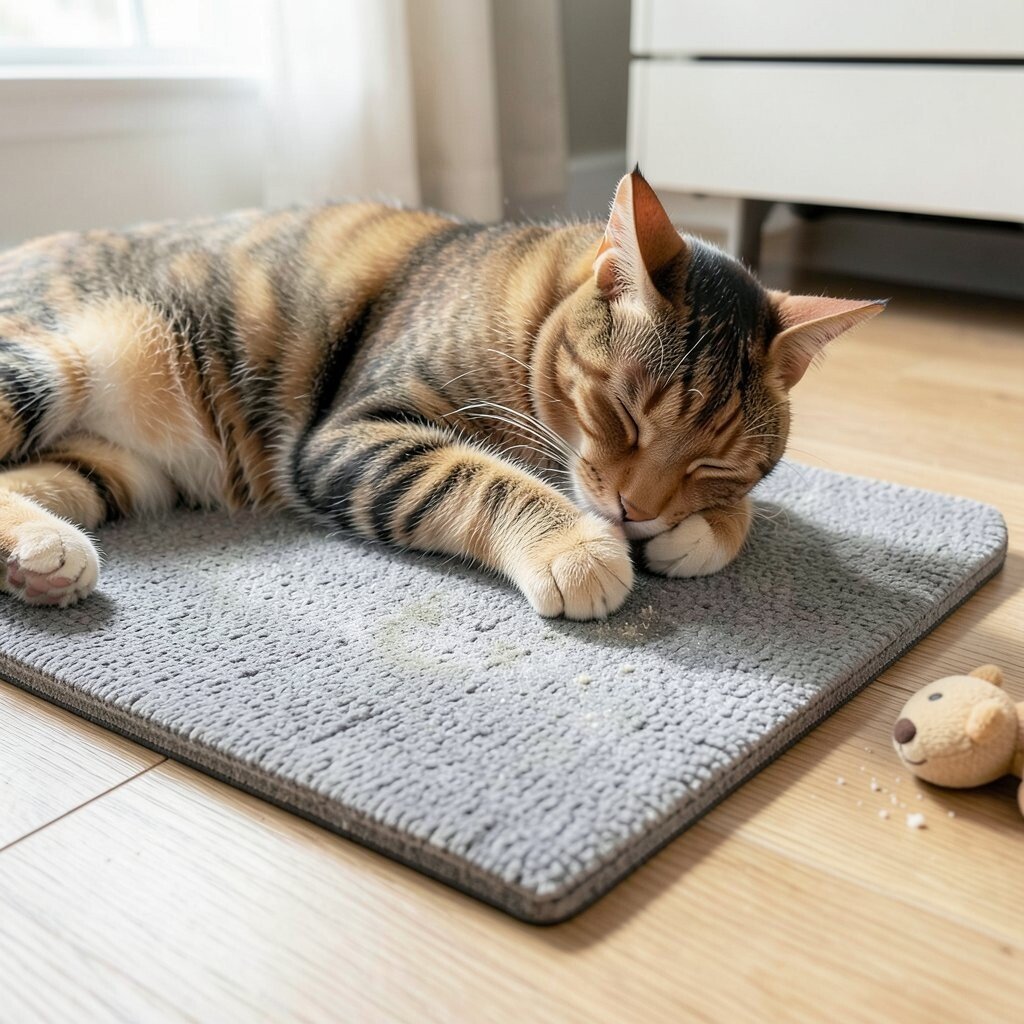
A horizontal scratch pad lays flat on the ground and looks like a thick mat. It often has a rough cover and a sturdy back. Put it near your cat’s resting spot, especially if they like to stretch on the floor. This helps with scratching when your cat wants to lie down and use their claws.
Horizontal pads can be a good match for cats that do not like tall posts. They can also work well for older cats who have less interest in climbing. If your cat scratches carpet or rugs, a pad can steer that behavior in the right direction. Try placing it right next to the spot your cat already scratches.
To make it feel like “their” space, add a small toy near the pad. You can also sprinkle a little cat-safe scent if your cat likes that. Costs can range from budget pads to nicer ones with thick backing. A current trend is using flat scratch pads in modern shapes so they look tidy.
5. Double-Sided Scratcher by a Favorite Route
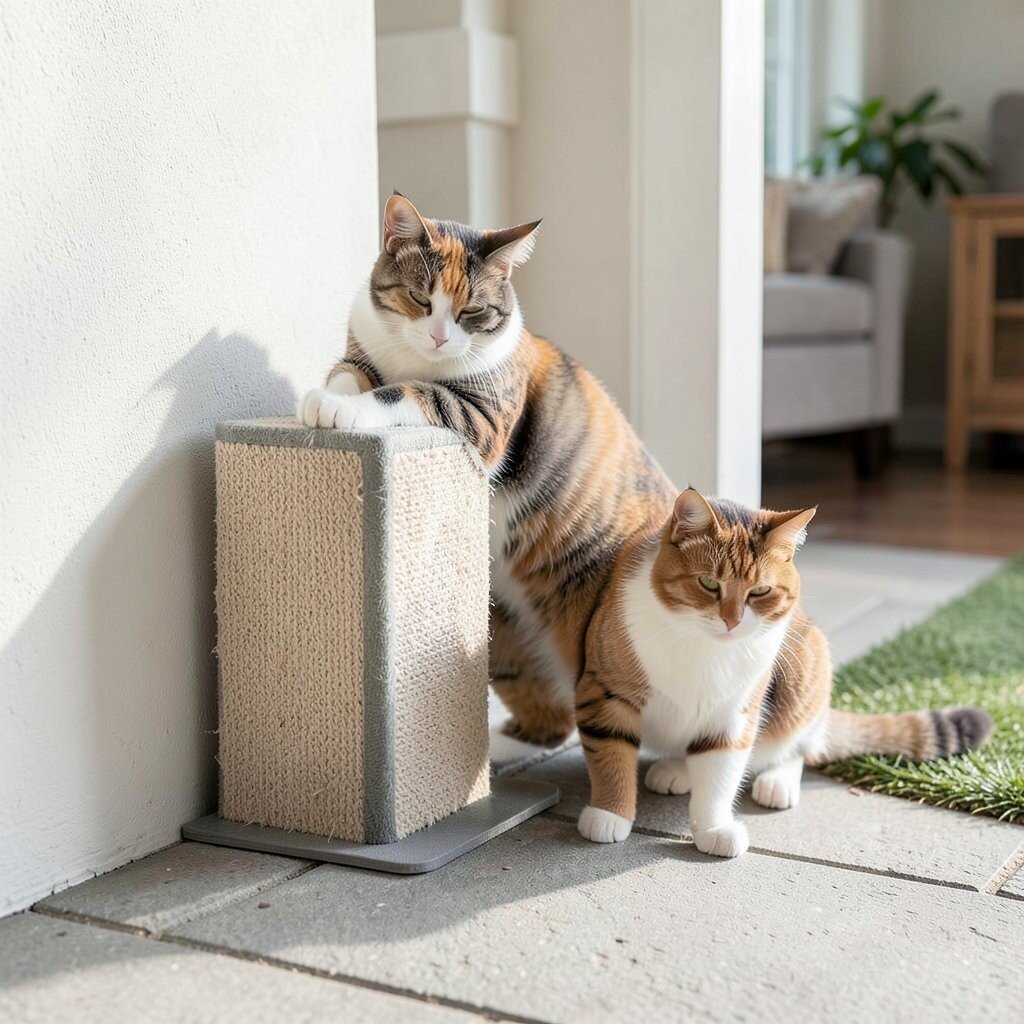
A double-sided scratcher is like a small tower or board with rough sides on two faces. It can fit in a corner or sit beside a walk path. Place it where your cat walks daily, like between the feeding area and the main room. This gives your cat a chance to scratch during normal movement.
This type can be helpful because your cat gets two choices in one spot. Some cats prefer one side for comfort and another side for play. It can also cut down on the need for many items around your home. Make sure it feels safe and does not tip when your cat jumps on it.
Personalize by choosing the size that fits your space and your cat’s habits. If your cat likes to press their body into things, pick a thicker model. The cost depends on how sturdy it is, but many options are mid-range. A trend is using corner-friendly scratchers that look neat while still being functional.
6. Scratch Lounge With Soft Resting Area
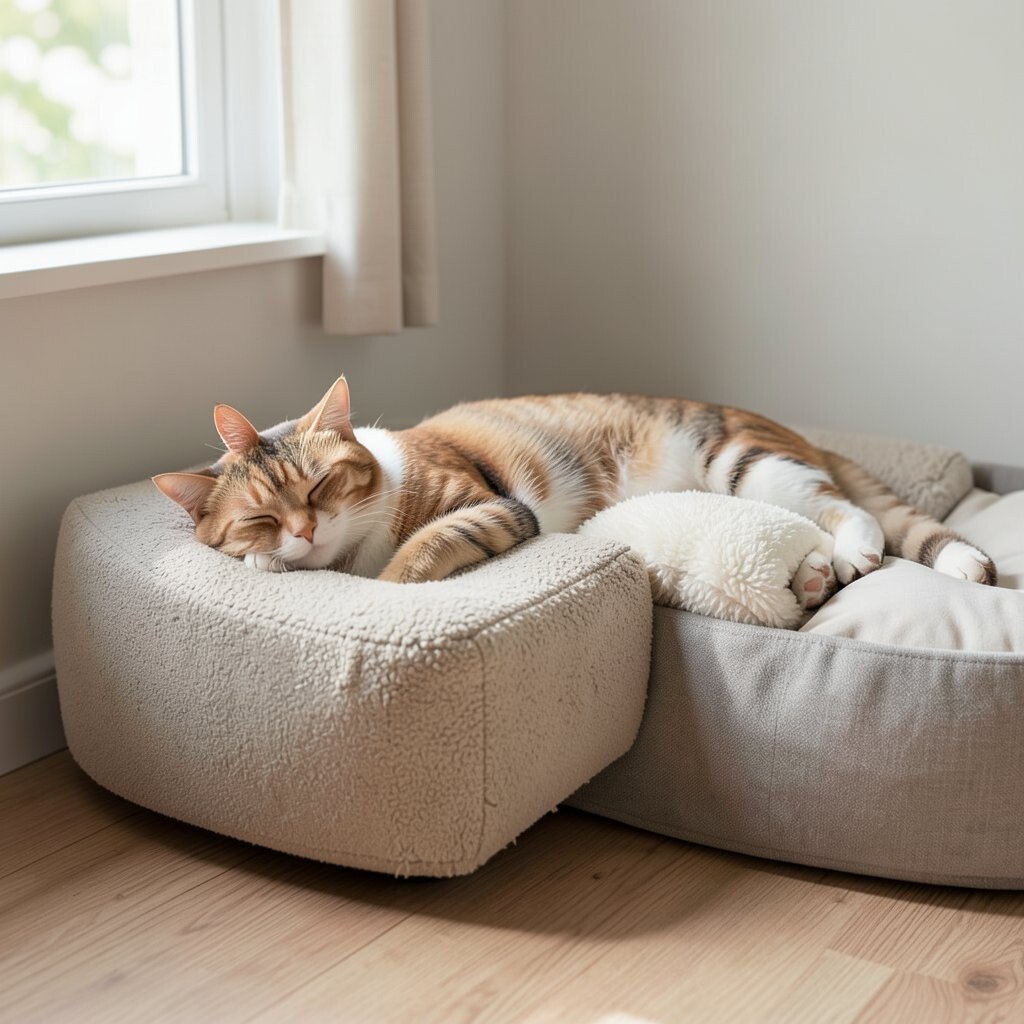
A scratch lounge combines a scratch surface with a soft area to rest. You may see a rough top or side panel and a comfy bed section. Put it in a calm, quiet corner where your cat likes to nap. This helps your cat feel safe since scratching and resting happen in the same place.
These lounges can reduce stress because your cat can switch from scratch time to rest time. It also supports cats that get tired and want a break right away. If your cat scratches and then lies down nearby, this can fit that routine. Try to keep the lounge away from loud sounds or busy foot traffic.
For personalization, choose a color or fabric that matches your home. Some lounges use simple neutral tones, while others use bright colors. Cost can be higher than a basic post, but you may get two functions in one item. A trend is the “rest and scratch” layout that looks more like a furniture piece.
7. Outdoor-Style Scratching Board for Patched Windows

An outdoor-style scratching board can look like a weather-safe panel with rough texture. It may sit on a ledge or near a window where your cat enjoys sun. Place it by a screen window, a balcony door, or a calm spot near light. Many cats scratch more when they see birds or feel warm air.
This can help because you give your cat a place to use claws without going after window screens. It also keeps the scratching action in one area. If your cat tries to scratch walls near the window, a board can pull that habit away. Use a sturdy board that can handle regular claw taps.
Personalize by choosing a size that matches your window ledge area. You can keep it simple, with a clean design and easy cleaning. Cost varies, but many boards are not too expensive. A trend is adding “natural-looking” scratch spots near windows for a calm sunbathing area.
8. DIY Scratch Post With a Wrapped Base
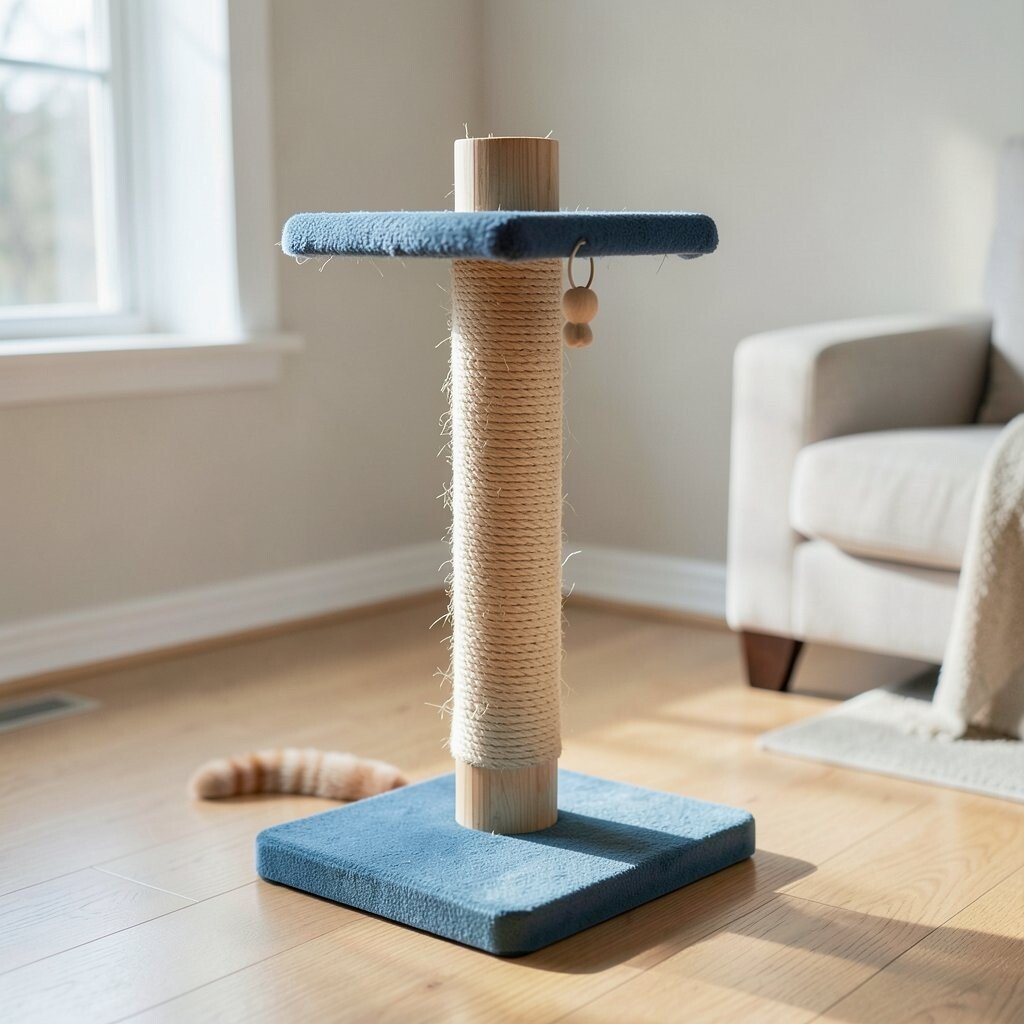
A DIY scratch post can be made with a simple wood post and rope or carpet wrapped around it. It may look like a basic stand with clean wrapping. Use a sturdy base so it does not wobble when your cat jumps. Place it in a main room spot, not in a hidden corner.
This can be a budget way to solve a scratching issue. It also lets you match your home style and choose the rough texture your cat likes. If you use sisal rope, wrap tightly and keep the edges smooth. If your cat likes carpet scratching, use indoor carpet scraps made for pet use.
For personalization, paint the base or pick rope colors that match your decor. You can also add a small toy hook near the top. Cost depends on what you already have, but DIY can save money. A trend in pet care is using simple DIY builds that look neat and feel custom.
9. Cat-Friendly Puzzle Mat With Scoring Scrape Spots
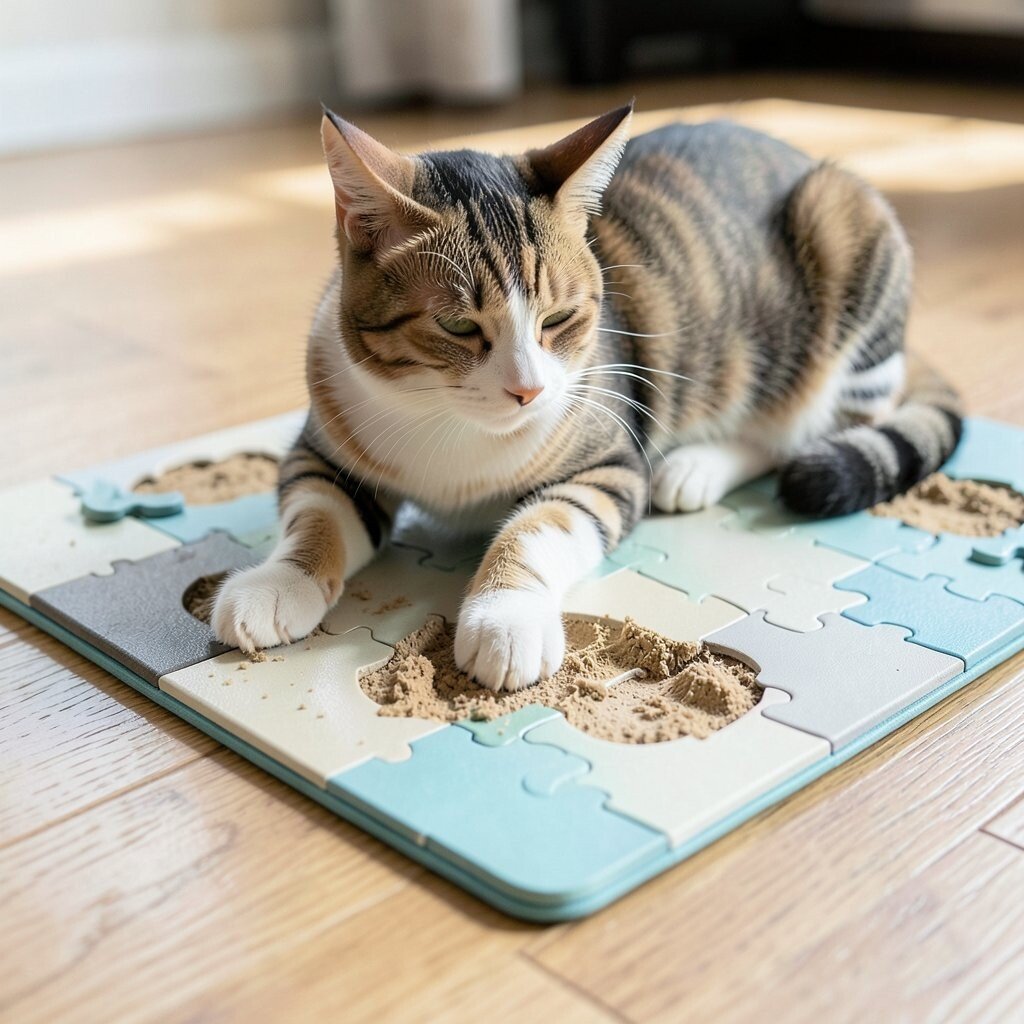
A puzzle mat is a flat mat with paths and small parts for play, and some have scrape zones. These often look like a game mat with rough patches in safe spots. Put it where your cat has short play sessions, like before meals or after naps. Scrape patches give the claws something to do while the rest stays calm.
This idea can support both play and scratching goals. It helps if your cat scratches from boredom or wants attention. It can also guide your cat to scratch only on the mat and not on nearby furniture. Use it in a small time window so it stays fun and not stressful.
Personalize by choosing a mat with removable pieces you can wash. Keep the surface clean, since smell and hair can build up. Cost can be mid-range because puzzle mats are more than basic scratch pads. A trend is combining enrichment and scratching in one play item.
10. Fabric Covered Scratching Corner for Couch Avoidance
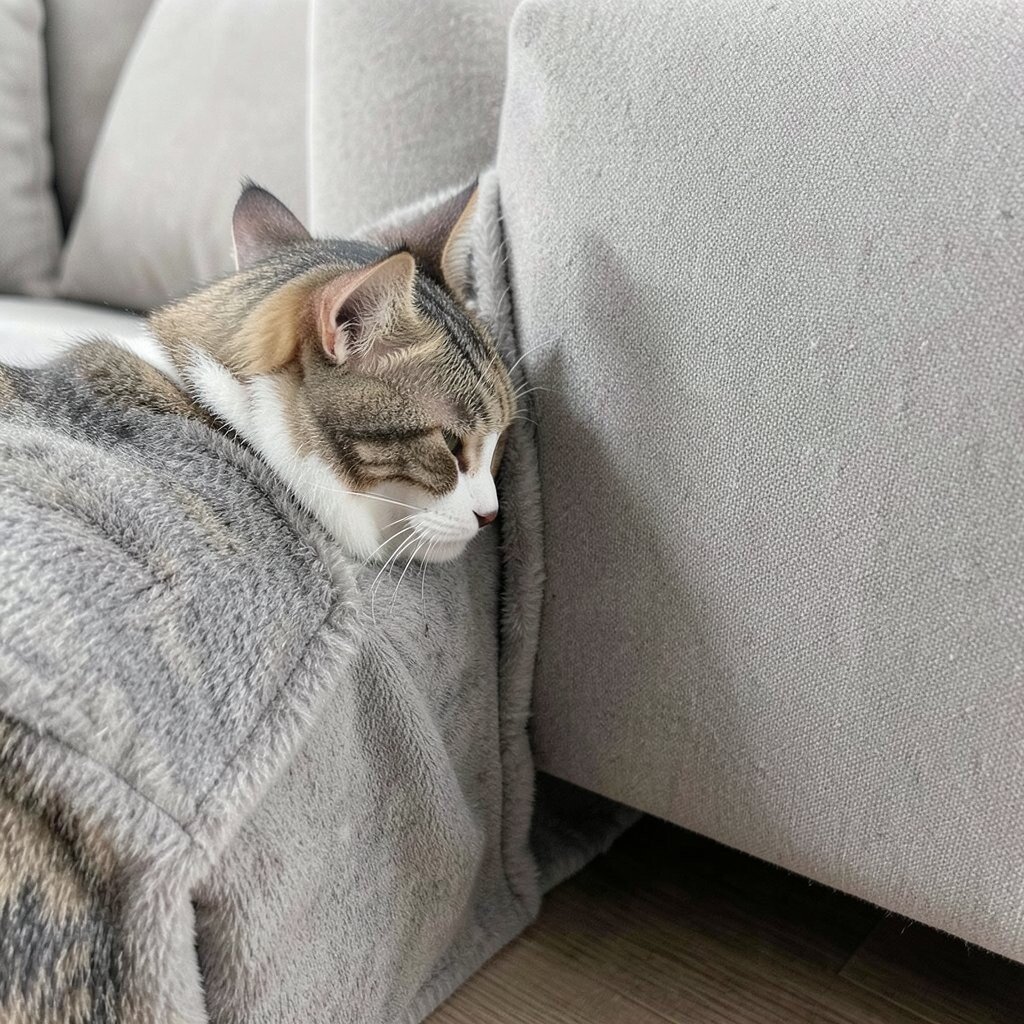
A fabric covered scratching corner looks like a small angled shape made to fit where a couch meets a wall. It can have rough sides and a padded feel on the outer edge. Place it where your cat usually scratches the couch side. The goal is to give a nearby option that looks close to the “real thing.”
This can work well because it is close to the target area your cat wants. If your cat scratches the edge of a couch, a corner scrubber can redirect that habit. Many have a simple frame that helps them stay in place. Pick a cover that does not snag easily and feels solid when your cat leans into it.
For personalization, choose sizes that match your couch edge space. You can also adjust placement so it sits at the exact height your cat uses. Costs vary, but corner items are usually affordable. A trend is using corner scratchers that look like modern furniture add-ons.
11. Multi-Level Scratcher Near a Window and Warm Spot
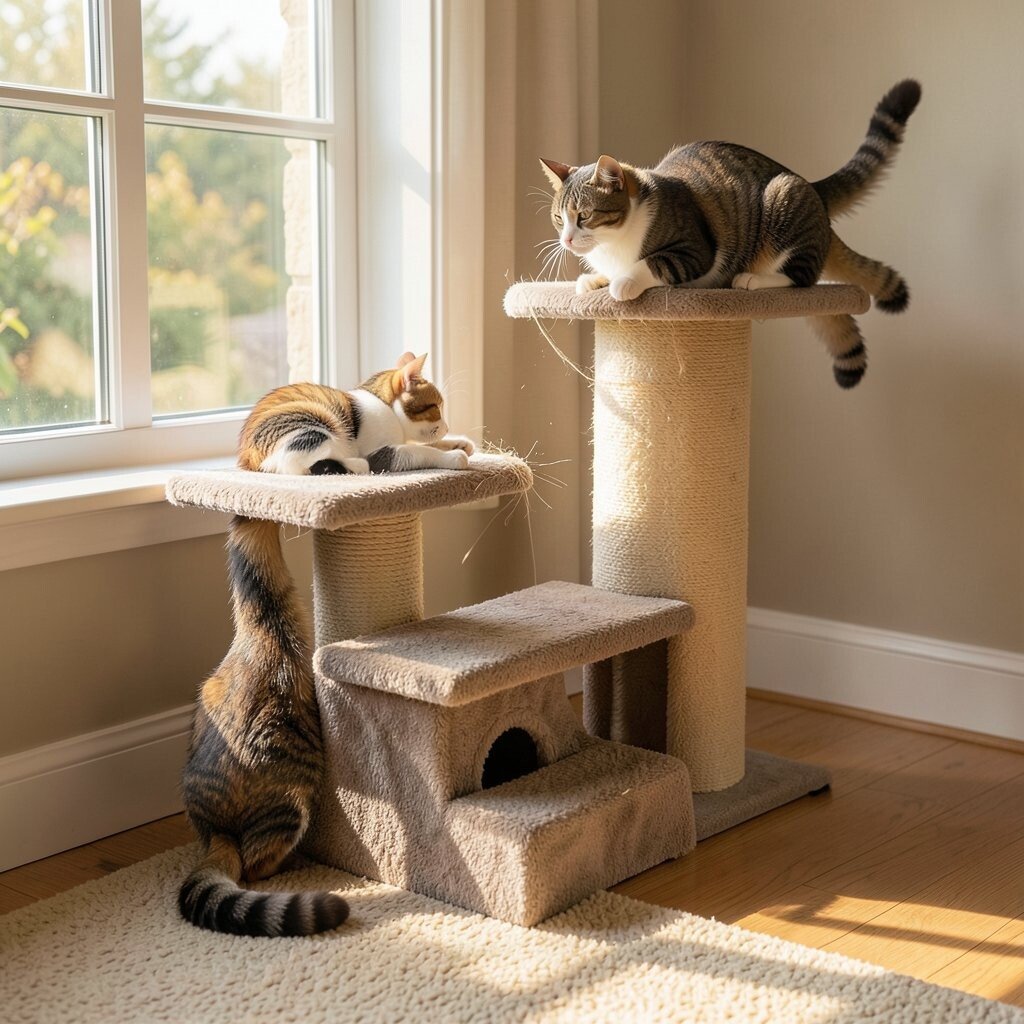
A multi-level scratcher looks like a small set of platforms with rough surfaces on steps. It may have steps for jumping and resting spots on top. Place it near a window and a warm rug so your cat wants to use it often. Cats often scratch more when they plan to stay in one place for a while.
This can be a strong option for cats that love to climb and survey the room. It helps them use claws while also giving them a safe “view” point. If your cat scratches furniture and then goes to sit near the same area, a multi-level item can match that pattern. Choose a stable base so the whole set feels secure.
Personalize by picking a layout that fits your room flow. Some designs are tall, while others are low and wide. Costs can be higher because they have more parts, but the extra levels can replace several items. A trend right now is compact cat towers that keep plants and living room space in mind.
12. Comfort Scent and Texture Matching for Your Cat’s Preferences
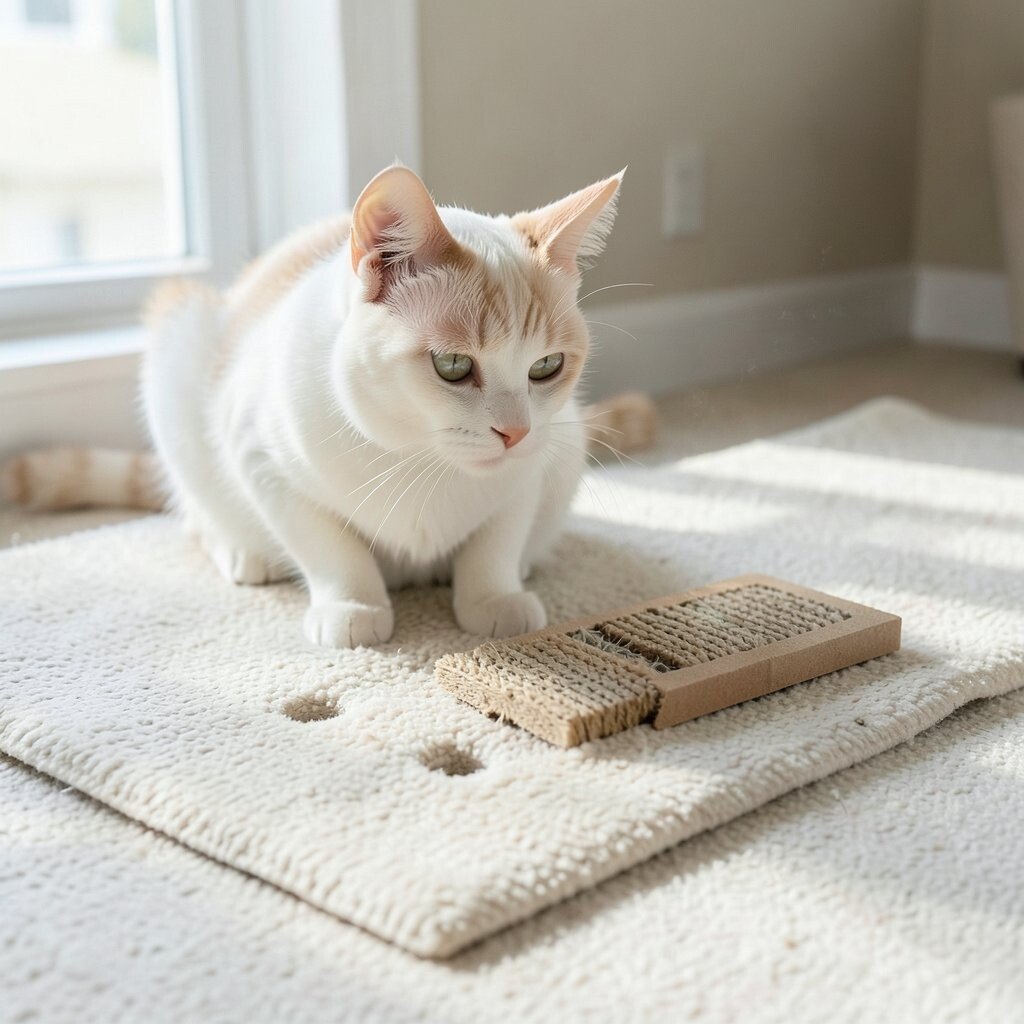
Comfort scent and texture matching means you choose scratch items based on what your cat likes, not what you think looks best. Look at the texture your cat already uses, like carpet, cardboard, rope, or wood. Then match that texture in a calm scratch spot. For scent, use plain cat-safe scent products only if your cat reacts well.
This can lower stress because your cat gets a clear “this is for me” signal. It can also help you avoid wasted buys if you pick the right feel the first time. Try one item, watch what your cat chooses, and then add another only if needed. If your cat ignores a new scratch surface, switch to a different texture instead of forcing it.
Personalize by keeping one main scratch area and adding smaller backup options nearby. Cost can be low if you test simple items like cardboard and pads first. A trend is using behavioral notes from simple home tracking to choose the right scratch texture. Keep the space calm by placing scratch items away from loud areas and busy doorways.