
Sniffing games help kids and adults pay closer attention to smells. You can use common items at home or school and turn it into calm practice for listening and thinking.
1. Pantry Smell Sorting

Pick a few spice jars, tea boxes, or cooking scents from your pantry. Put them on a table with small cups, and ask your player to smell one cup at a time. They should sort the cups into groups like sweet, salty, or warm.
This helps build word skills and memory, because the player must name what they notice. It also helps focus, since they have to slow down and pay attention. For tips, start with clear smells like cinnamon or lemon and keep the set small.
To make it unique, let each person choose their own groups. You can also make it a time game where they try to beat their own score on a later day. The cost is low because most items are already in the kitchen.
2. Mystery Box Smell Guess
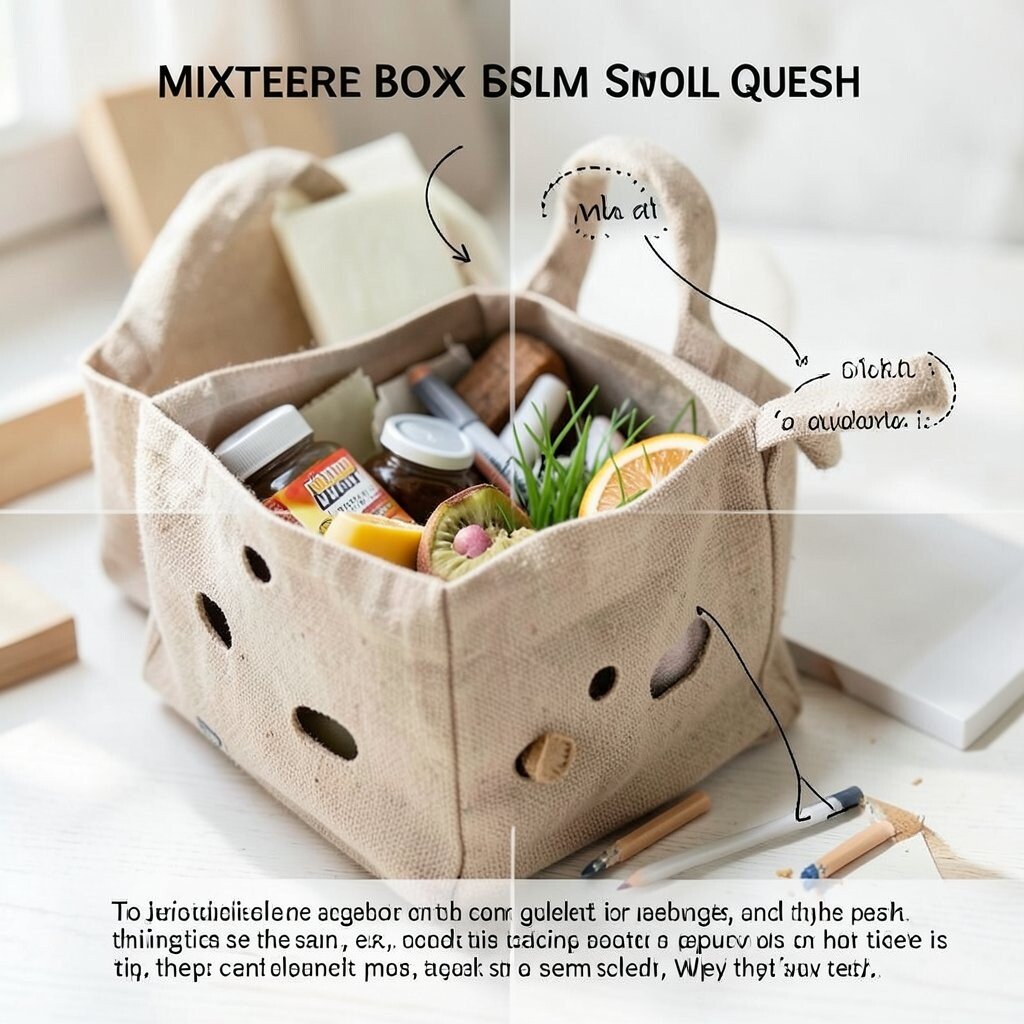
Use a box with holes or a bag with thick fabric so the player can smell but not see. Put in items like coffee, soap, grass, or a slice of fruit. Have the player guess what each item is, then check the box and talk about why they guessed.
This game builds careful thinking and helps with speaking, since the player must explain their idea. It can also help with patience because guesses may take a few tries. A simple tip is to keep one item per round so the smell stays clear.
To personalize, use smells tied to the player’s life, like a favorite snack or a hobby scent like paint or wood. You can also make it match a theme such as “back to school” with pencil shavings and clean markers. It is cheap, and you can reuse the same box many times.
3. Snack Smell Match
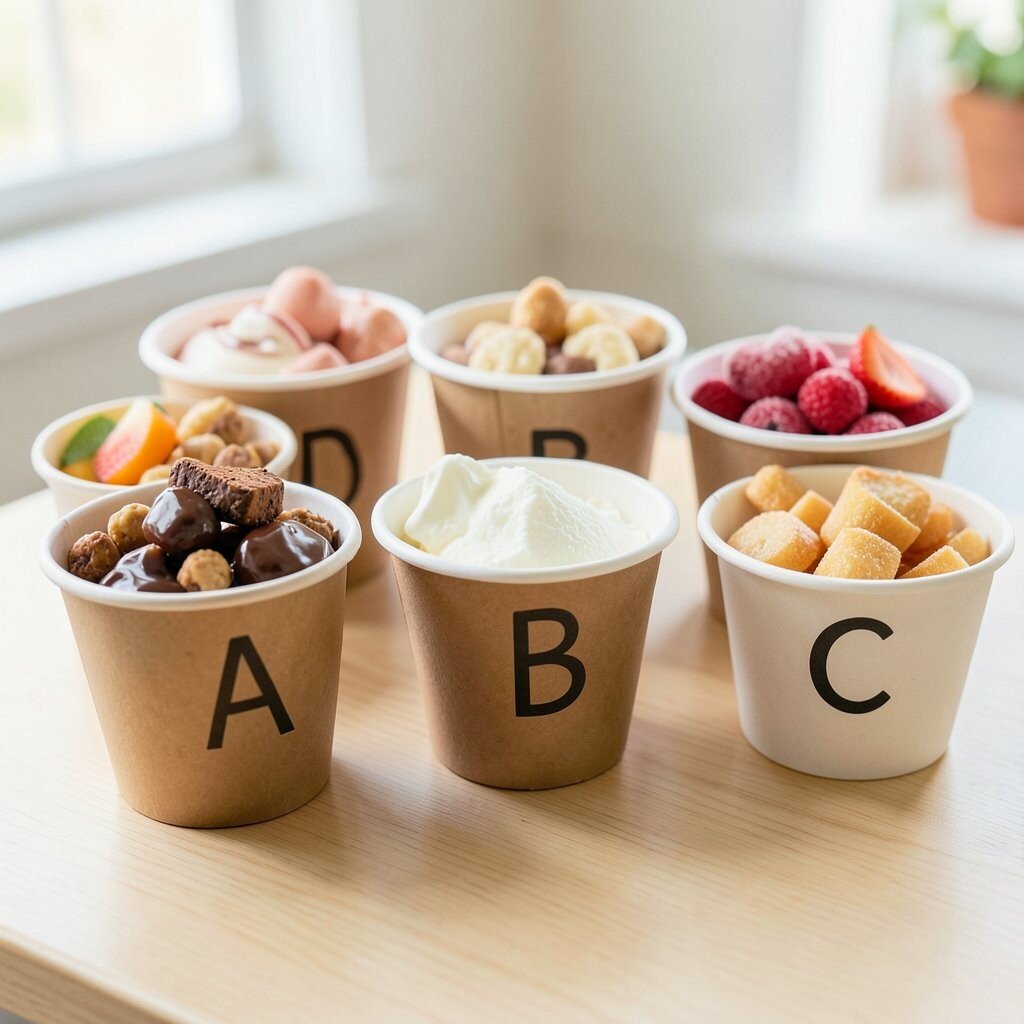
Place different snacks or drinks in plain paper cups, then label them with random letters like A, B, and C. The player smells each cup and tries to match it to what it is. You can use things like chocolate syrup, vanilla, peppermint, or fruit juice powder.
This supports learning because the player links smell with taste in a real way. It also helps with fine focus since they must notice small differences. Tip: keep the snacks safe and age right, and do not use strong items that can bother the nose.
For cost, start with small store brands or use sample sizes. A trend you can try is making “snack boards” on a phone or paper where kids share their favorite smell pairs. Personalize by adding flavors from different places your family likes.
4. “Good Smell or Not” Sort
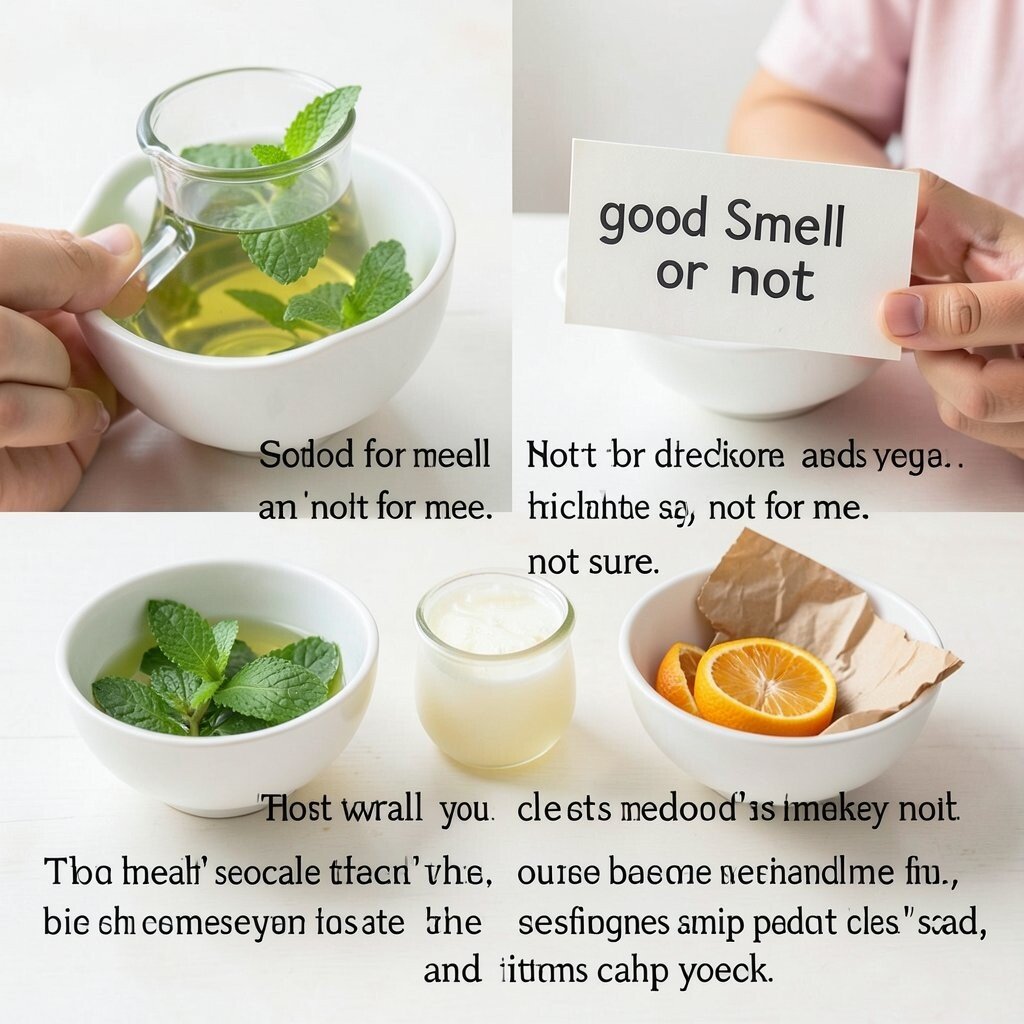
Set up two bowls or signs that say “good smell” and “not for me.” Offer safe items like mint tea, clean laundry soap, orange peel, and old paper. The player smells each item and chooses a side, then gives one reason.
This helps with social talk and self control because kids must be kind when they say “not for me.” It also helps them practice describing feelings in simple words. Tip: make it clear that “not for me” does not mean “bad,” and teach respect.
To make it unique, add a third choice like “not sure.” That way, the player learns that some smells feel mixed. This activity is cheap because you can use safe home smells and swap items each week.
5. Nature Smell Walk

Take a short walk outside and bring a small list of smells to check. Look for things like fresh grass, a dry leaf, tree bark, flowers, or wet soil. At each spot, pause and ask what the smell reminds them of.
This supports learning by linking nature with language and memory. It also helps the body calm down because slow breathing works well with sniffing. Tip: use a gentle pace, and keep hands clean if you touch things.
For personalization, let each player pick their own “top three” smells from the walk. You can also match it to a school unit, like plants or weather. Cost is low, and it can become a family habit.
6. Scent Timeline from Day to Night
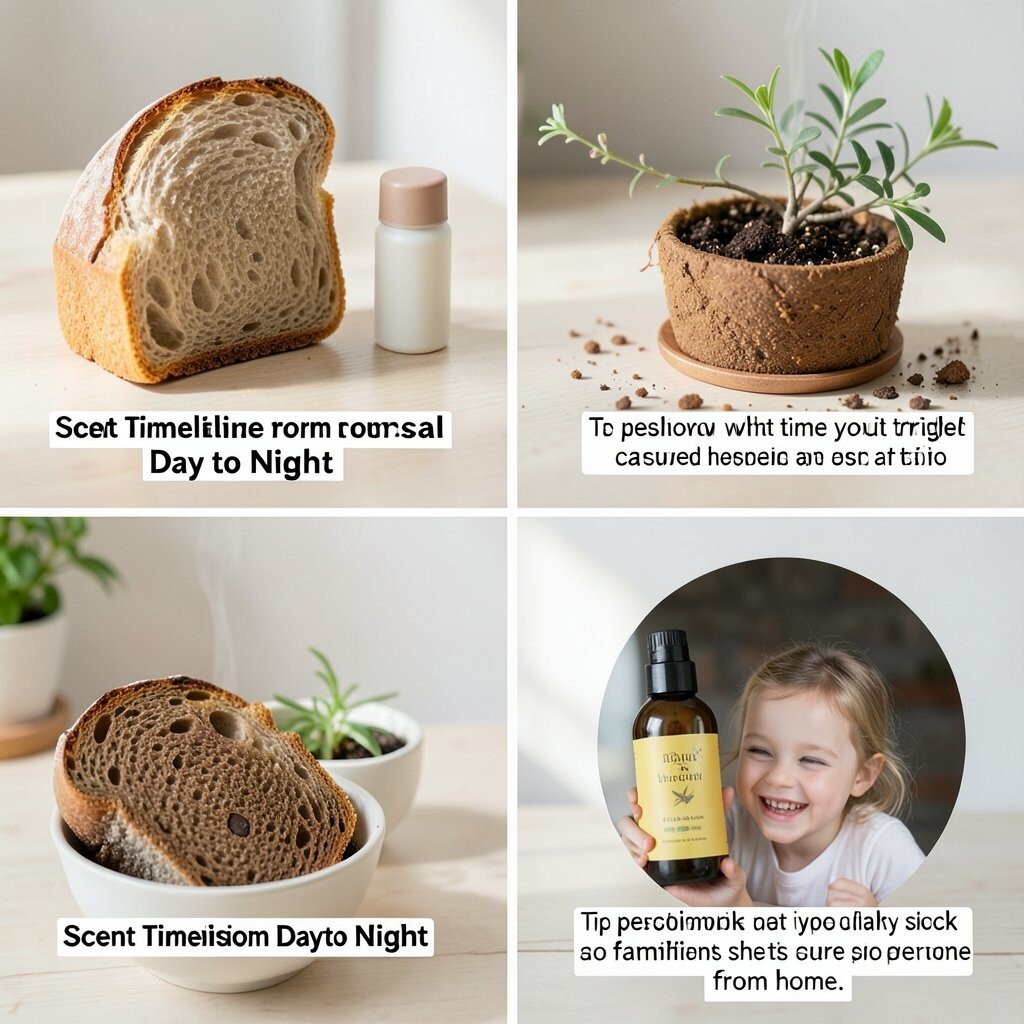
Choose a few smells and set them out in the same spot at different times. For example, use fresh bread in the morning, then use the same bread scent in the afternoon when it changes a bit. Or use a plant that has a morning smell and another that smells stronger at night.
This game teaches change over time, which helps with science thinking. It also helps kids practice careful noticing without rushing. Tip: write down what time you tried each smell so the results feel clear.
To personalize, pick smells tied to daily life, like morning coffee or nighttime lotion. For trends, you can add a simple photo each time so families can share progress. The cost depends on what you pick, but many items come from home.
7. Blindfold Scent Relay

Set up a relay line with a few stations and a small bin at each station. The player uses a blindfold or keeps eyes closed and smells one item at a time. After each smell, they run to the next station and try again.
This adds fun movement, so it can help kids who need extra energy. It also builds quick memory, since they must hold the guess in their mind. Tip: keep stations close and use a safe space so nobody bumps into others.
For uniqueness, add “roles” like a detective who records answers or a helper who checks the smell name. You can personalize by using sports scents like new shoes polish or music-themed scents like popcorn. Cost is usually low because you can reuse many small items.
8. Texture and Smell Pairing

Pick items that have different textures, like cotton, a piece of cardboard, a smooth plastic lid, and a soft scarf. Ask the player to touch each item, then smell it after. They try to match the smell with the texture they felt.
This builds multi-sense learning because it links touch and smell in one task. It also helps with description skills, since players talk about how things feel and how they smell. Tip: use clean items and avoid anything with strong chemicals.
To make it unique, add a rule like “if it feels rough, it may smell earthy.” Personalize by using items from hobbies such as art supplies or gardening tools. The cost can be very low since many textures are already around the home.
9. Office or Classroom Smell Labels

Choose safe smells you can find in a room, like hand lotion, paper, eraser dust, marker ink, or a plant. Put each smell in a small bag and label it with a number hidden under a card. The player smells and writes what they think the bag is.
This helps kids practice writing and spelling, because they must turn smell ideas into words. It also supports calm work habits, since it is quiet and focused. Tip: use simple labels and only a few items so the task stays doable.
For uniqueness, let the player make their own smell labels before you reveal the real ones. Personalize by using smells linked to school, like a reading corner with warm tea scent from an infuser. Cost is low because you may already have safe room items.
10. Spices Story Time

Pick three spice scents, like cumin, cinnamon, and ginger, and set them in small cups. Ask the player to smell each one and then make a short story using the words “maybe” and “because.” They can say, “I think this is cinnamon because it feels warm.”
This supports creative thinking while still using real observation. It also helps language practice because the player must explain their idea in a clear way. Tip: you can write the story together and help with simple sentence starts.
To personalize, connect the story to a place the player knows, like “a cozy kitchen in winter” or “a street market in summer.” For trends, you can save each story as a family “smell journal” online or on paper. The cost is usually small since spices last a long time.
11. Perfume and Lotion Memory Game
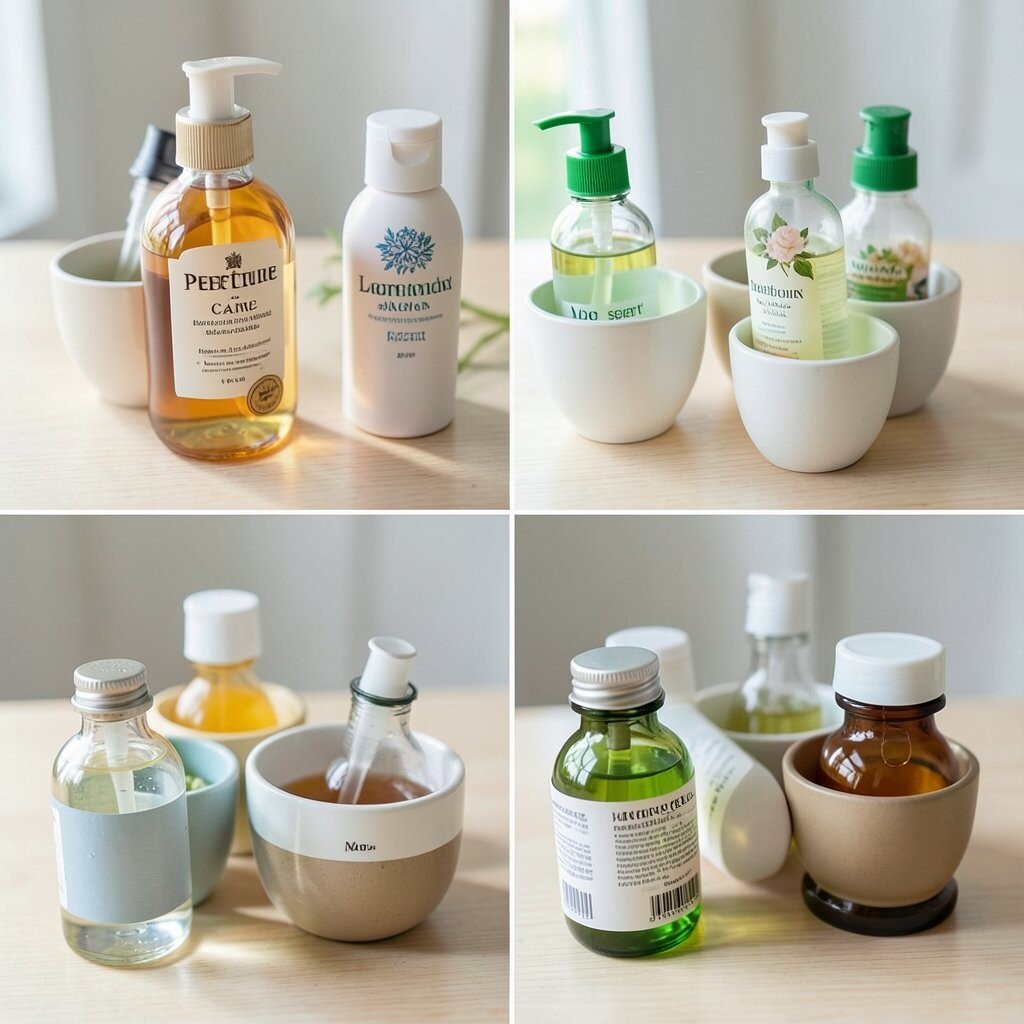
Collect a few safe lotions or scented body items and place them in cups or small bottles with lids. Use two sets if you want a match game, and mix up the order. The player smells and tries to find the pairs based on memory.
This builds recall and attention, since the player compares scent clues step by step. It can also help with self care talk, like how different scents feel on the skin. Tip: choose mild scents and avoid anything that causes sneezing or irritation.
To make it unique, include a “no scent” option using a plain unscented item. Personalize by using scents for different seasons, like peppermint for winter and citrus for spring. The cost can vary, but a small set goes far.
12. Aroma Art with Paper Strips

Cut small paper strips and dip each one in a tiny bit of scent, like vanilla, coffee, citrus peel oil, or herbal tea. Let the strips dry for a few minutes, then place them on a board. The player smells each strip and draws a quick picture of what it reminds them of.
This combines art and smell, so it helps kids stay engaged while learning. It also builds visual memory, since the drawing becomes a clue later. Tip: use gloves or wash hands after scented liquids, and keep strips away from eyes.
For uniqueness, ask the player to make a “smell map” with lines and labels. Personalize by letting them pick a color for each scent they like. Cost is very low because paper and small scent amounts are easy to get.
13. Heat and Smell Change Experiment

Choose a safe food smell like butter popcorn, cinnamon in a warm pan, or tea in hot water. Smell it once when it is cool, then smell it again when it is warm, with adult help if needed. Ask the player what changed and how it feels in words.
This supports basic science thinking by showing that heat can change how smells move. It also builds patience because the player must wait for the right moment. Tip: keep the room safe and do not let kids handle hot pans without help.
To personalize, use flavors from the family, like soup herbs or fruit tea. For trends, you can keep a simple chart that shows which smell “wakes up” when warm. Cost depends on the food you choose, but many options are in a kitchen already.
14. Smell Bingo for Daily Life
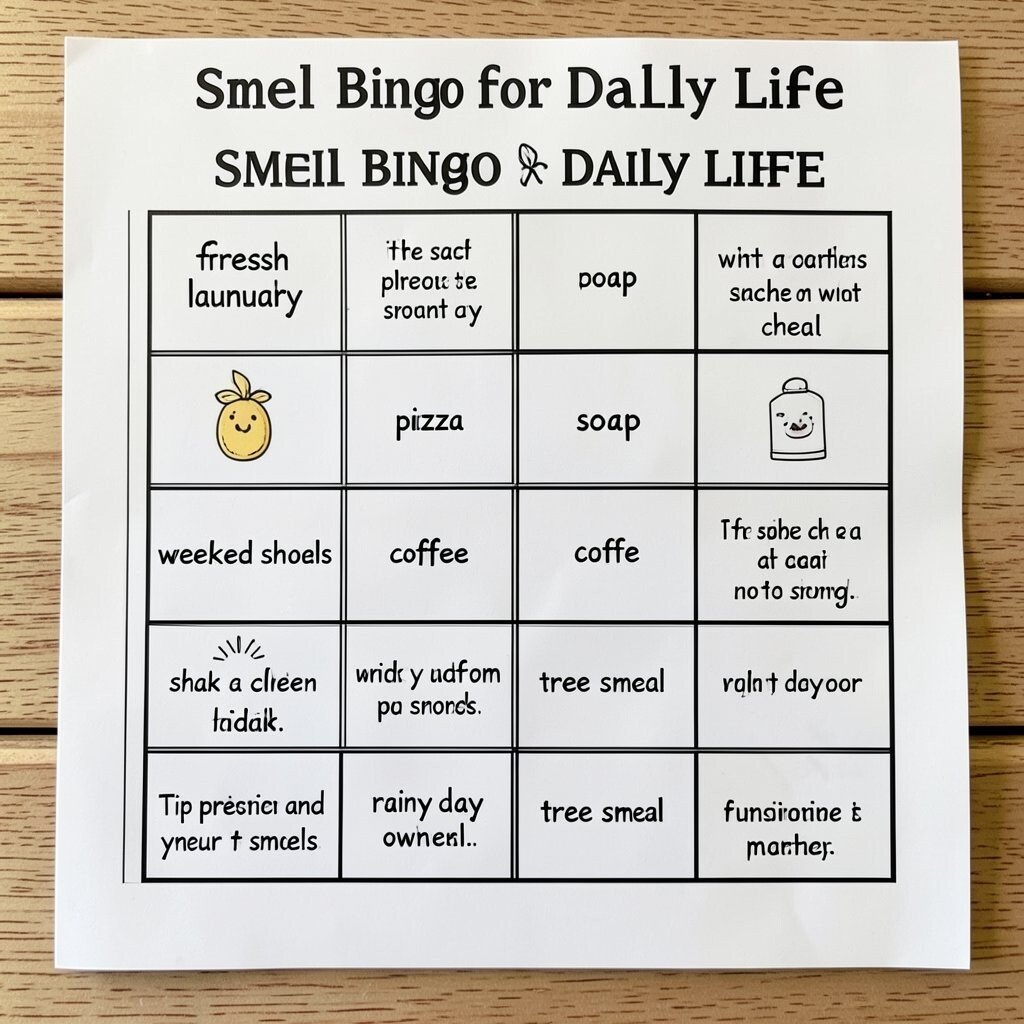
Make a bingo card with smell squares such as “fresh laundry,” “pizza,” “soap,” “coffee,” and “tree smell.” For each round, read a clue, and the player checks the square that matches what they smell. You can do this at home by using common items or at school with safe classroom smells.
This helps learning by turning everyday life into practice with attention and naming. It also builds math habits if you score a win, since players track what they check. Tip: keep it simple and only include smells that are safe and not too strong.
To personalize, let players add one smell from their own day, like a favorite snack or a clean hoodie. For uniqueness, use a theme like “weekend smells” or “rainy day smells.” Cost is mostly paper and markers, so it stays budget friendly.
15. Phone or Photo Scent Clues
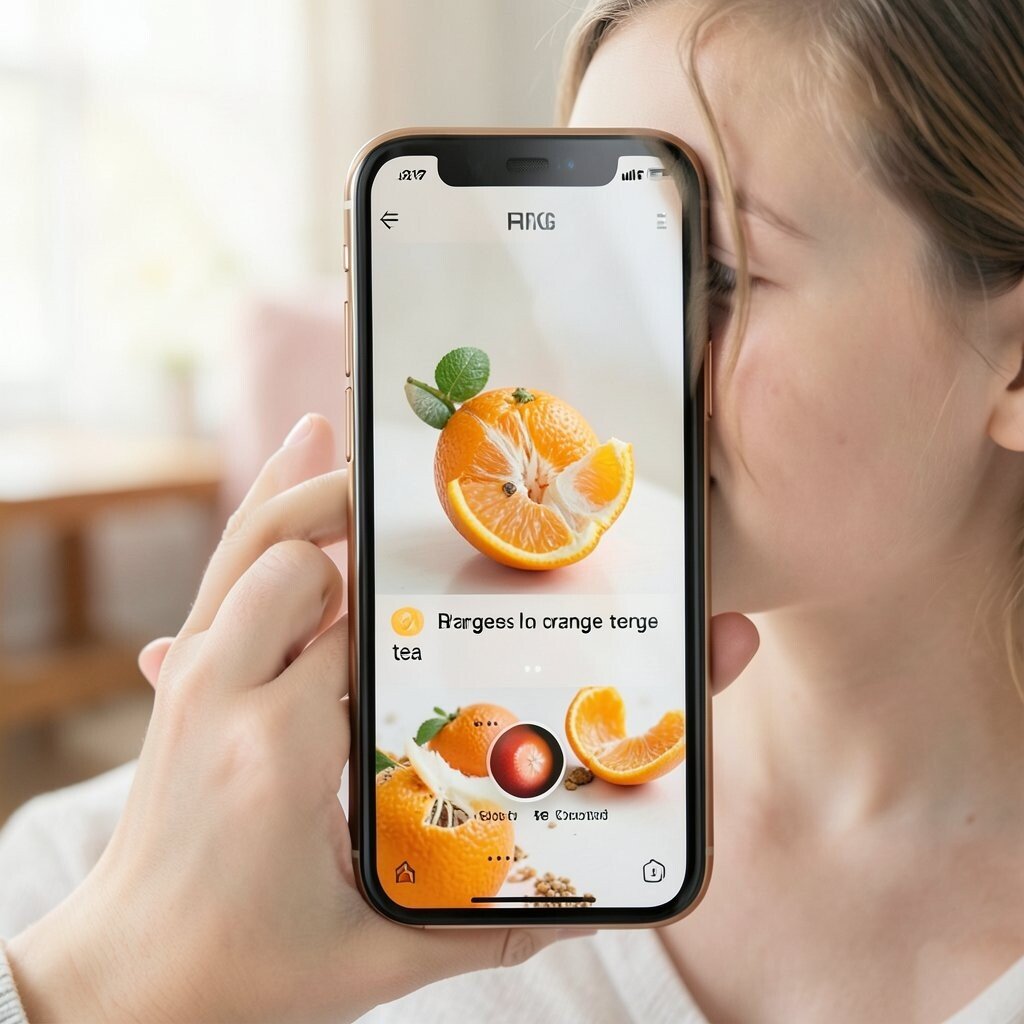
Use a simple photo or short list to give clues before smelling real items. For example, show a picture of an orange, then let the player smell orange peel or orange tea. They say what they think and then choose the matching smell item.
This supports visual-to-smell linking, which is useful for learning and memory. It also makes the game feel modern, since phones and pictures are familiar to many kids. Tip: keep the photo clear and avoid too many choices, especially at the start.
For personalization, use photos from the player’s life such as their pet bed, a beach trip, or their favorite craft. The cost can be free if you use your own phone and items from home. It is also easy to update, so the game feels fresh over time.