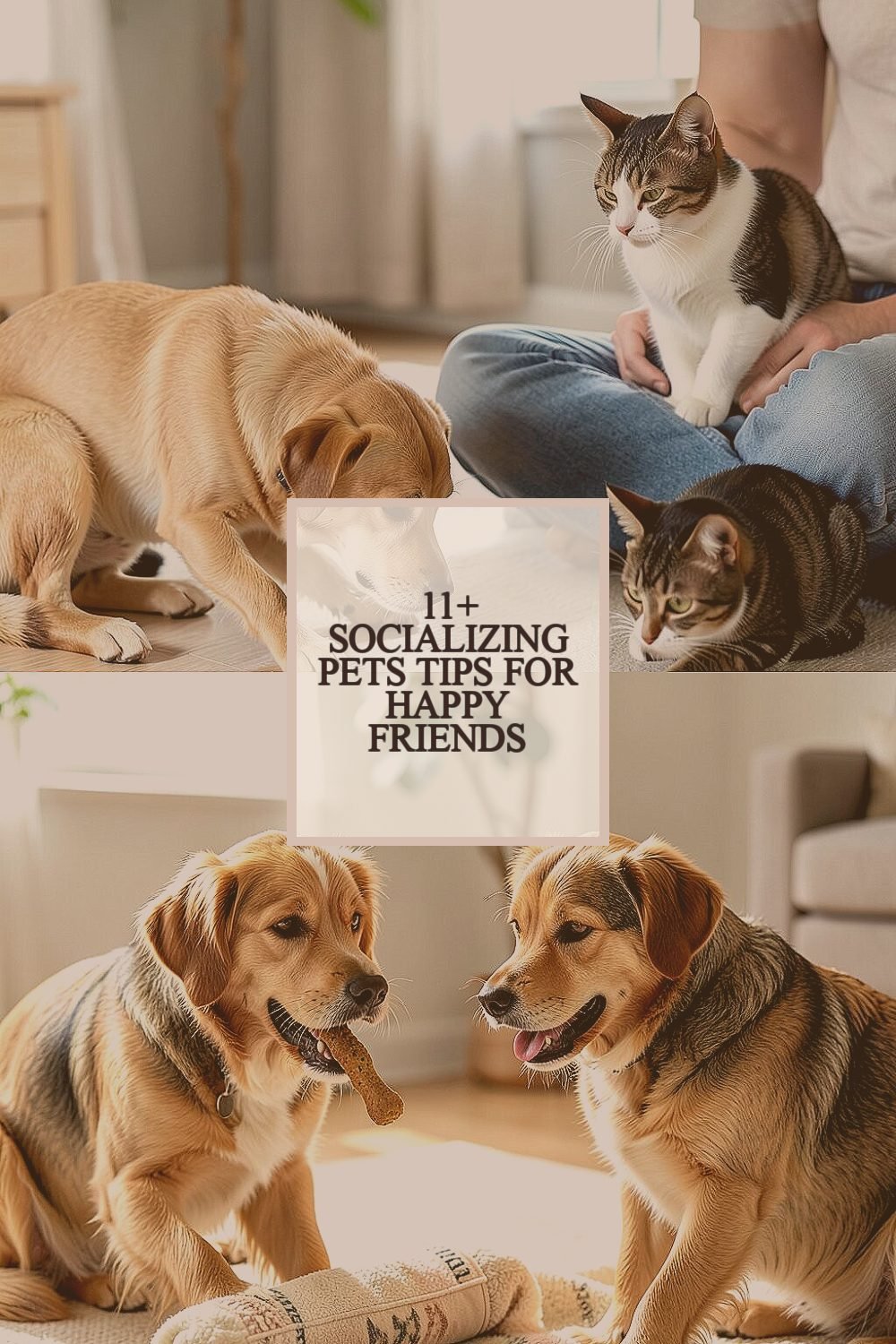
Socializing pets helps them feel calm and act better around people and other animals. It also helps you learn what your pet likes, needs, and can handle.
1. Start With Small Meets

Begin with short meetings that do not feel too busy. For example, let your dog sniff in a quiet place for a few minutes, then end the visit calmly. Your cat may prefer to watch from a safe spot while you sit nearby.
These small steps help your pet learn that new things are not scary. You can notice body signs like soft ears, relaxed tail, and easy breathing. When your pet seems okay, you can slowly add more time later.
Keep a simple goal: fewer worries and more good moments. This is a good way to build trust and keep your pet safe. It can also save money since you avoid stressful trips and repeated training problems.
2. Use Treats and Comfort Items

Treats can turn a new place into a good place. Choose small, easy bites so your pet can eat without getting too full. Use the same treats again and again so your pet knows what to expect.
Comfort items like a familiar blanket can also help. If your dog has a favorite chew or your cat has a favorite perch, bring it along when you practice. Visual comfort matters, since pets often feel steadier when they see something known.
Personalize the rewards based on your pet’s taste. Some pets like crunchy treats, while others like soft treats. This kind of setup usually costs less than buying lots of new gear, and it fits your pet’s needs better.
3. Set a Safe Routine
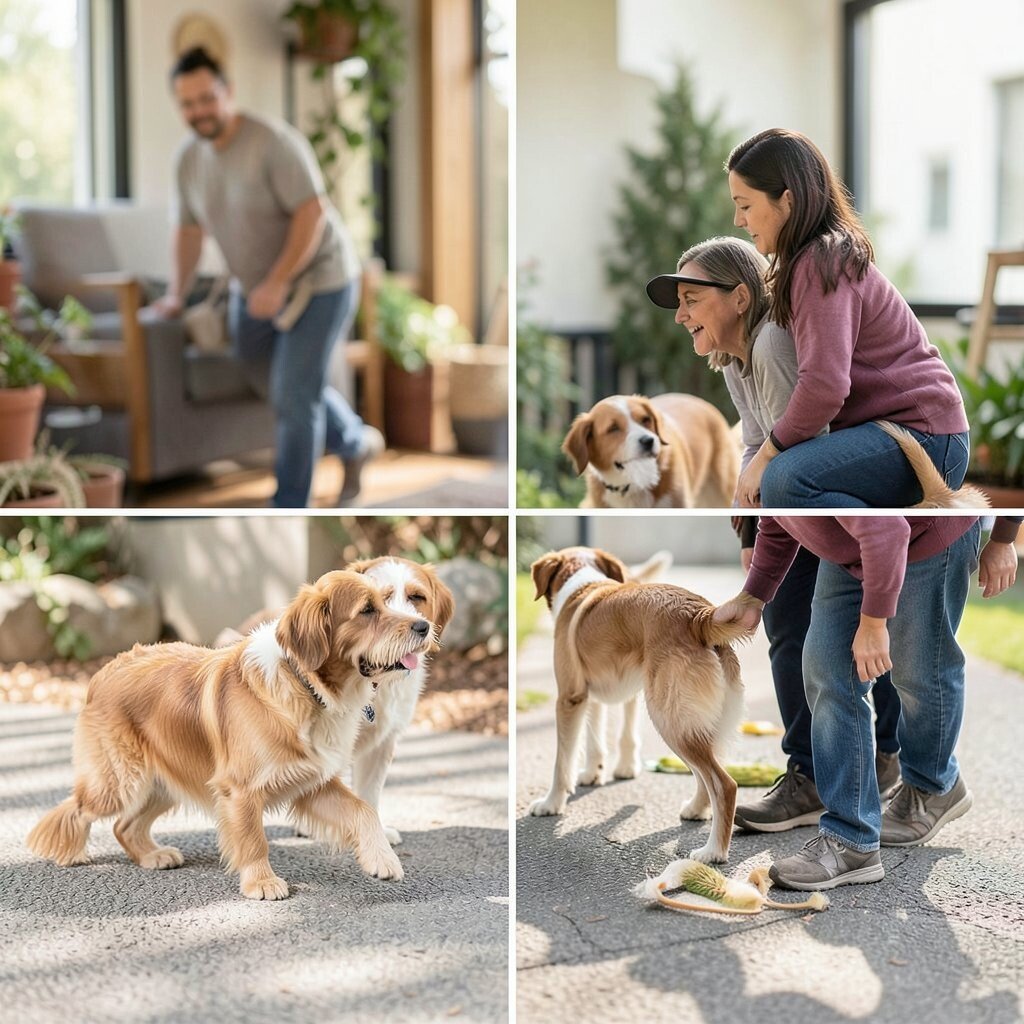
Pets like clear routines. Try to keep meals, walks, and play times close to the same schedule each day. When the day feels steady, your pet handles social time with less stress.
In new places, keep the same order each time. Walk, then pause to sniff, then meet one calm person or pet, then leave. This helps your pet learn the “rules” even when the setting changes.
Routines help your pet make better choices, like staying near you instead of rushing. You can also track what works and what does not. This is a simple trend in modern training plans: short, calm reps over long chaos.
4. Choose the Right Social Mix

Pick friends who match your pet’s pace. If your pet is shy, plan visits with calm adults or gentle animals. If your pet is bold, you can start with friendly pets that are well trained.
Think about size, noise, and energy. A loud group can overwhelm a small dog, even if everyone means well. A fast, jumping dog may scare a senior cat, so you should plan calmer meetings first.
This choice also helps you manage cost. Private one-on-one time may cost more than a group, but it can prevent failed tries. A smart mix means more wins with fewer repeats.
5. Read Body Signs Early
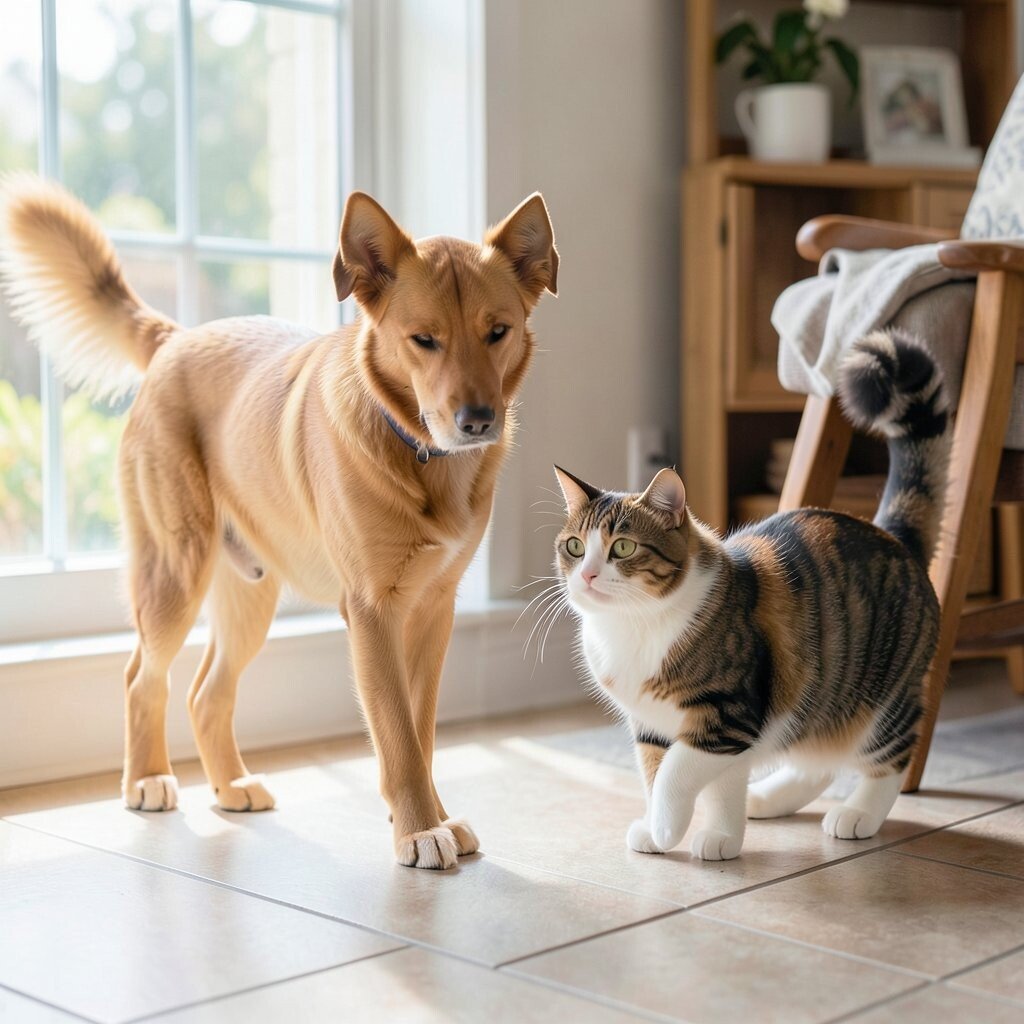
Learn your pet’s body signs so you can help fast. For dogs, watch tail position, body posture, and ear shape. For cats, look at tail flicks, wide eyes, and how they hold their body.
Also watch what your pet avoids. Hiding behind a chair, freezing in place, or backing away are signs your pet is not ready. If your pet growls or hisses, do not push through it.
Benefits come from timing. When you step back at the right moment, your pet learns that you guide them. That trust can lead to calmer meetups over time, which supports better behavior at home too.
6. Train “Look” and “Come” Before Meetings
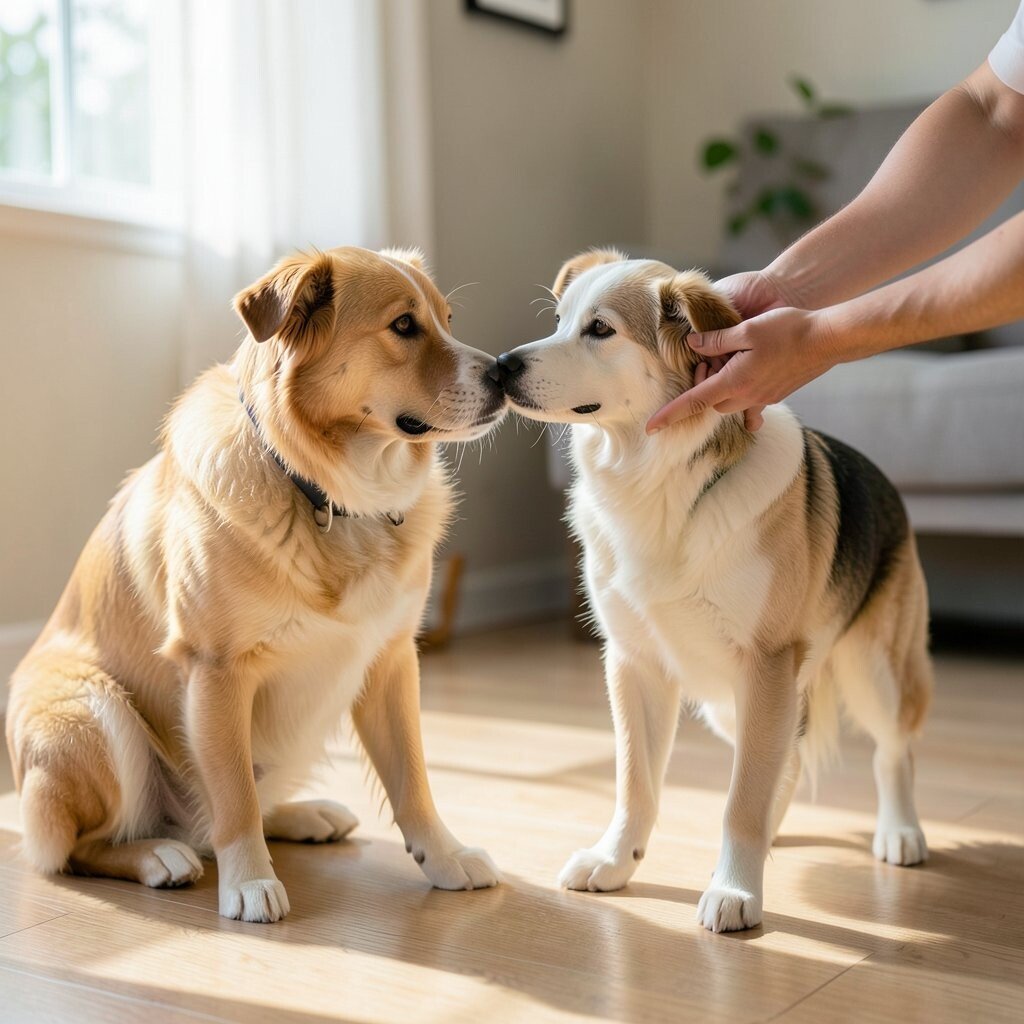
Before you go to social events, practice key cues at home. Try a “look” cue where your pet checks your face, and a “come” cue for safe closeness. Keep sessions short and end on a good note.
This helps you guide your pet in busy places. A gentle hand signal and a soft voice can pull your pet back to you. Visual cues help many pets, like a clear hand motion you repeat every time.
You can personalize the training with your pet’s learning style. Some pets respond fast to treats, while others do better with a favorite toy. This kind of practice can lower the cost of repairs and bad experiences later.
7. Keep Play Calm and Fair
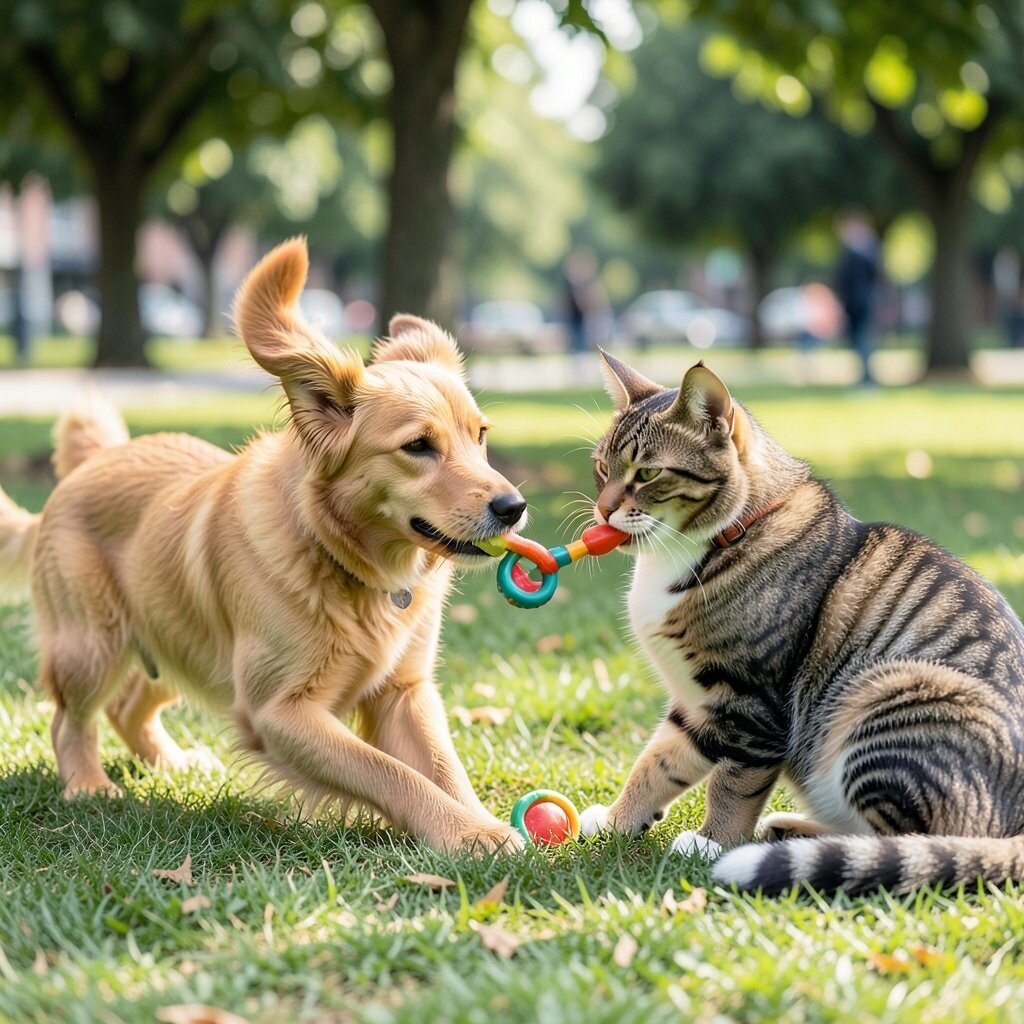
Not all play is safe play. If your dog plays too rough, pause and reset. If your cat swats hard, offer a toy for a short chase instead of letting it turn into conflict.
Fair play can look like taking turns and quick breaks. If one pet cannot calm down, separate them for a short time. Then try again later when both seem relaxed.
This approach helps prevent fear and over excitement. It also helps pets feel respected, which can improve how they act next time. Many owners find that calm play leads to better manners in public too.
8. Teach Safe Handling for Kids and Adults
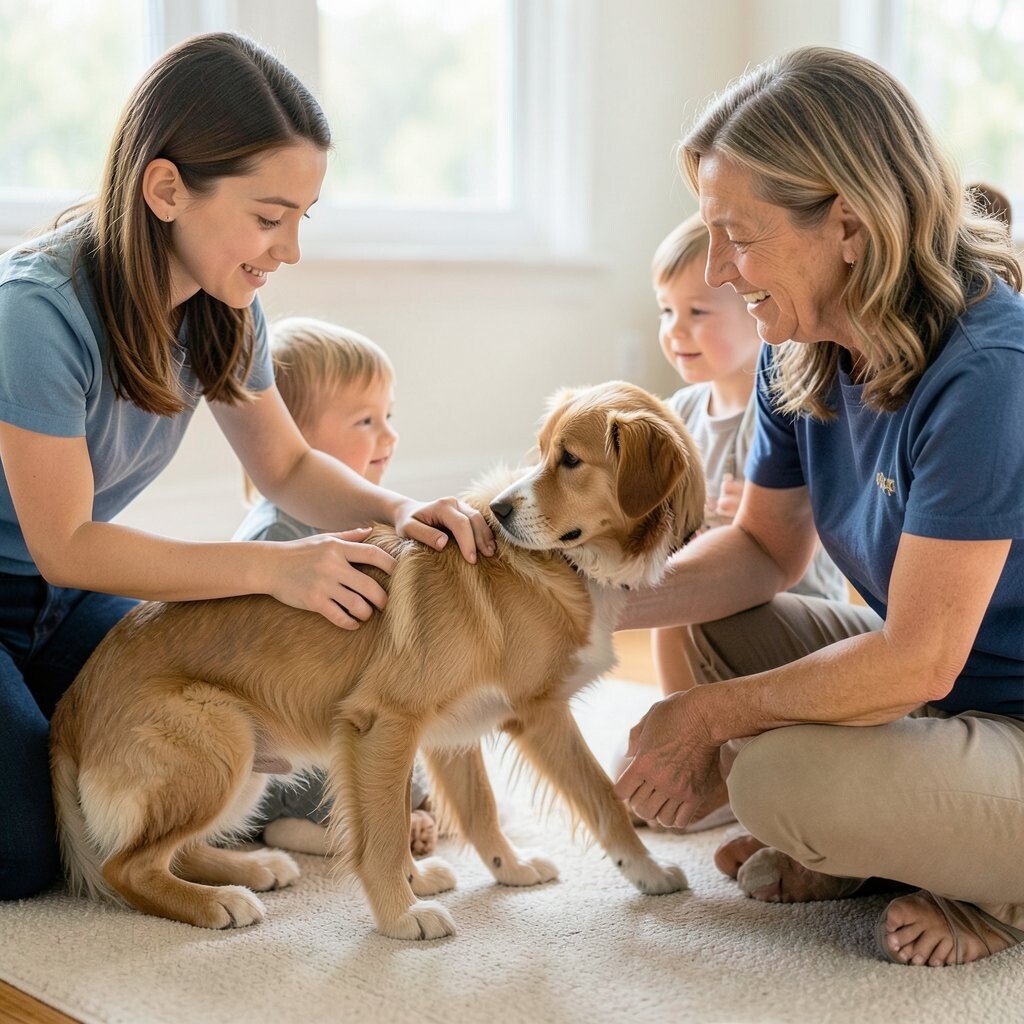
Socializing includes how people touch your pet. Teach kids to pet gently, use slow hands, and avoid face pokes. Practice with adults first so your pet gets used to calm voices and steady movement.
Set clear rules for you and the people around you. Keep petting to safe spots like the chest or side for many dogs and cats. If your pet turns away, that is a stop sign, not a “push a bit more” moment.
When pets get safe handling practice, they often show less fear later. It also helps your pet stay comfortable during visits and vet trips. This can reduce future costs linked to stress and hard handling.
9. Try New Sounds in Small Ways
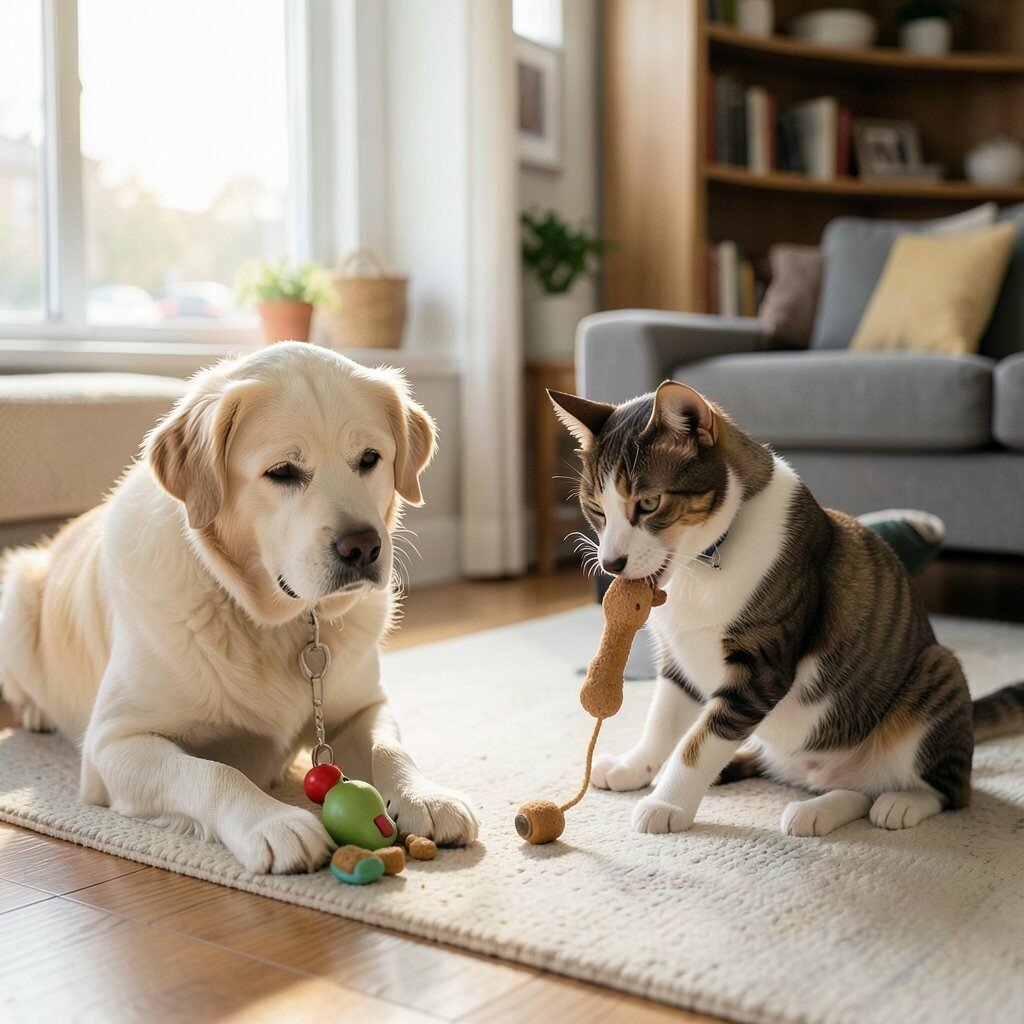
Socializing is not only about meeting people. Pets also need time with sounds like door chimes, phone rings, and soft street noise. Start at a low level and keep the sound short.
For dogs, you can play a recording of traffic at a low volume while they eat treats. For cats, try calm play near the source of the sound but keep distance safe. The goal is to make new sounds feel normal.
These steps can help a pet act steady in real life. Visual cues help too, like you showing a chew or toy right as the sound plays. This method fits a simple trend: practice at home, then move to real places when ready.
10. Use the Same Leash and Travel Tools
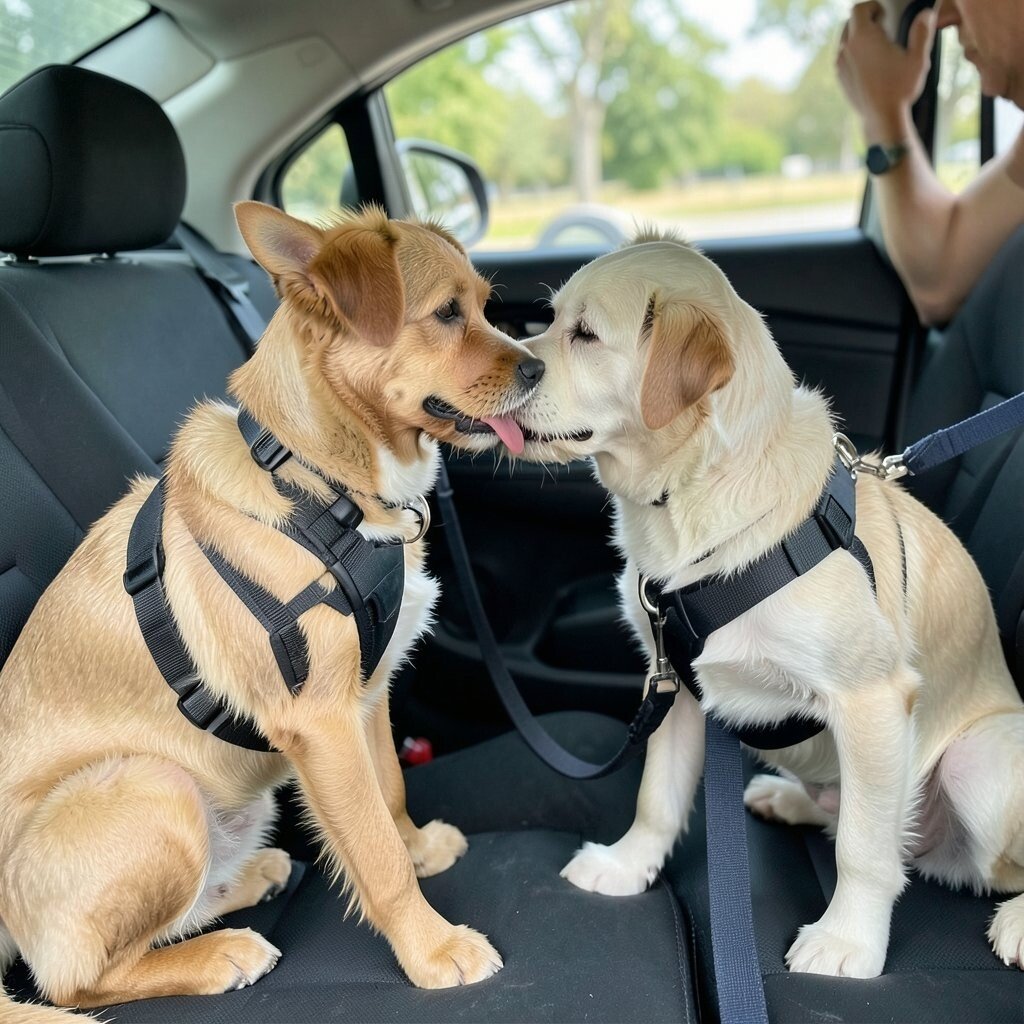
Use a leash, harness, or carrier that your pet already knows. If you change tools right before a meetup, your pet may focus on fear instead of people. Keep the tools clean and check for fit and comfort.
Travel should feel predictable. Let your pet see the carrier or sit in the car in short sessions before a social stop. If your pet gets tense in the car, keep the first sessions very short and reward calm behavior.
Cost can be part of this, since you may need one good tool that fits well. A good fit can reduce pulling and stress. When your pet feels secure in travel, it often behaves better when you arrive.
11. Adjust for Age, Health, and Energy
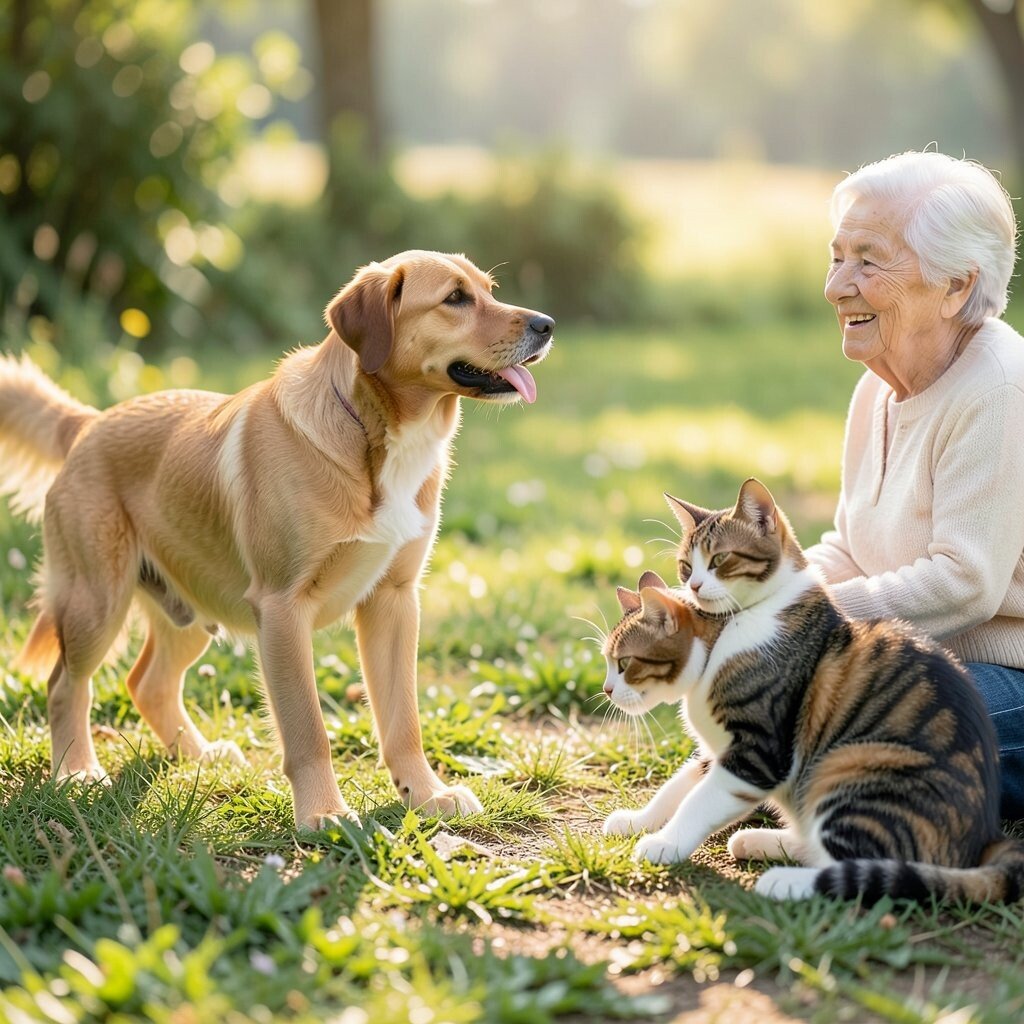
Your pet’s needs change with age and health. A young dog may handle more busy time than a senior dog. A cat with pain may not want loud meeting spaces or rough play.
Check with a vet if you see limping, breathing trouble, or sudden fear. Health issues can make socializing harder, even when the plan is good. A small health check can save time and money by finding the real cause early.
Personalize the plan based on your pet’s daily energy. Some pets do best with short sniff walks, while others like slow sit time with friends. This makes social time more fair and more fun for everyone.
12. Record What Works and Keep It Going
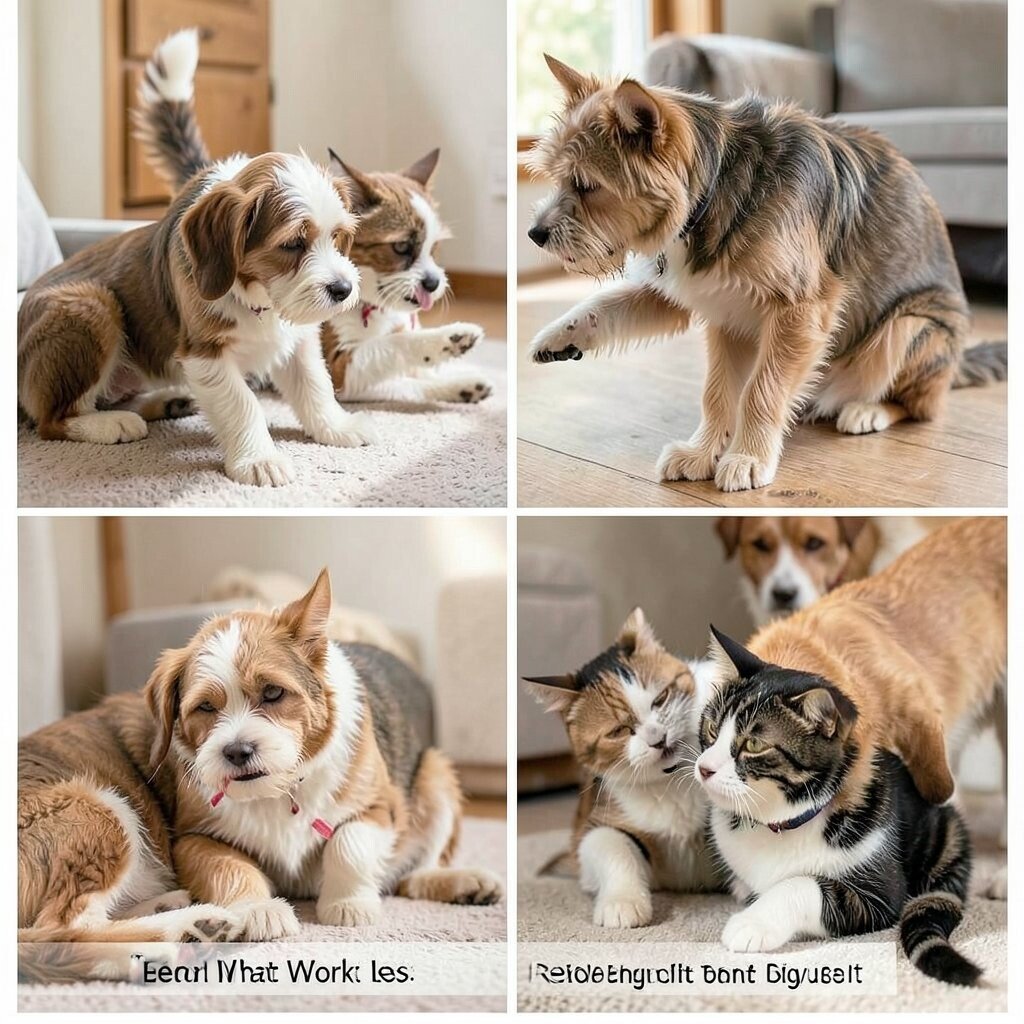
Keep simple notes after each social try. Write what happened, how long it lasted, and what signs your pet showed. You can also note the cost, like treats used, travel time, and any gear changes.
Over time, you will see patterns. Maybe your dog likes one friend type, or your cat does better with quiet rooms. Use that info to plan the next meetup in a smarter way.
This makes socializing feel less like guesswork. It also helps you build a long-term habit that fits your life. Many pet owners say steady practice leads to happier daily behavior at home too.