
When you spend time outside in summer, ticks can be a real problem. Good habits and simple sprays can help you stay safer.
1. Permethrin For Clothes Only
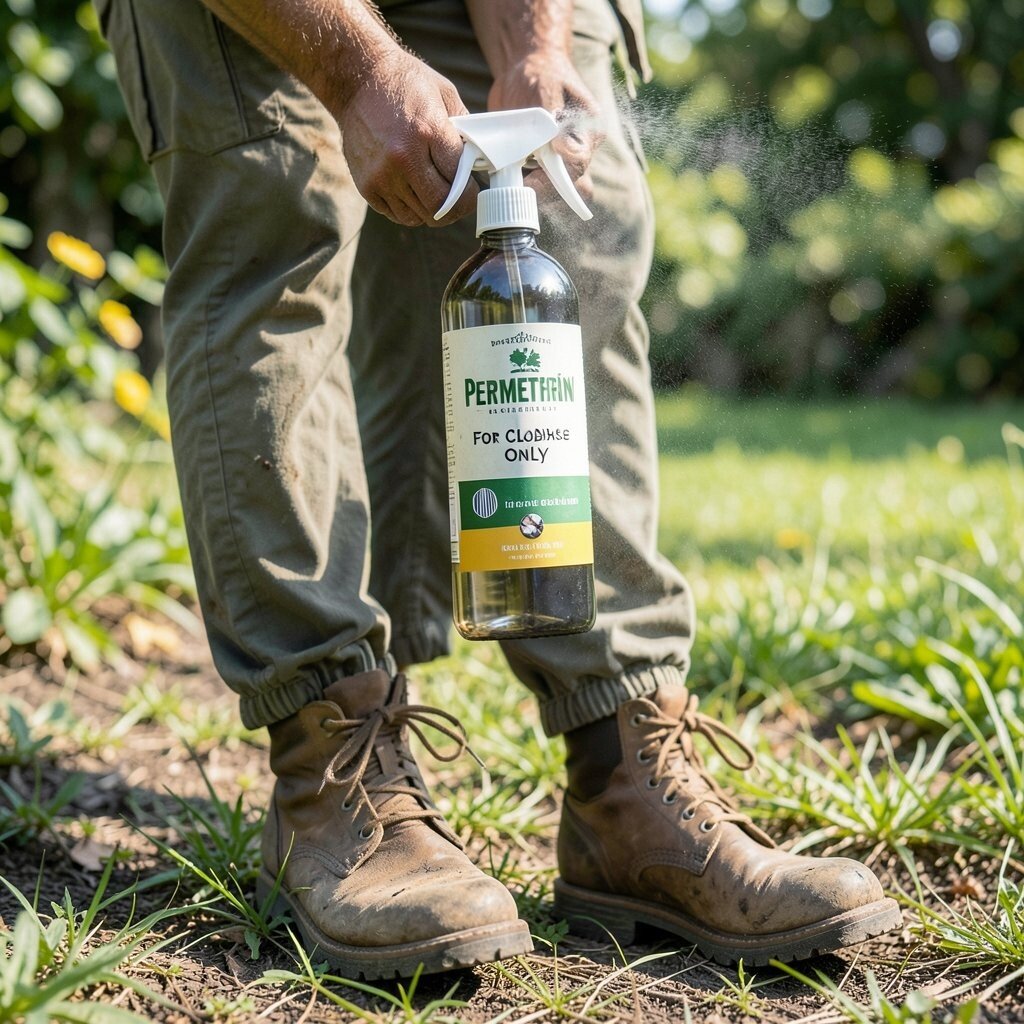
Permethrin is a spray that works well on clothes and gear. You spray it on long pants, socks, and boots, then let it dry. It helps stop ticks from clinging to you before they can bite.
You will see the fabric look normal after it dries. This option is unique because it does not need to go on your skin. Use it in a well kept area, and follow the label so you use the right amount.
For tips, treat clothing before a trip or even before a busy weekend. Many people like this because it can last through a few washes if the product says so. Cost is often moderate, since one bottle can cover a lot of items.
2. Picaridin On Exposed Skin
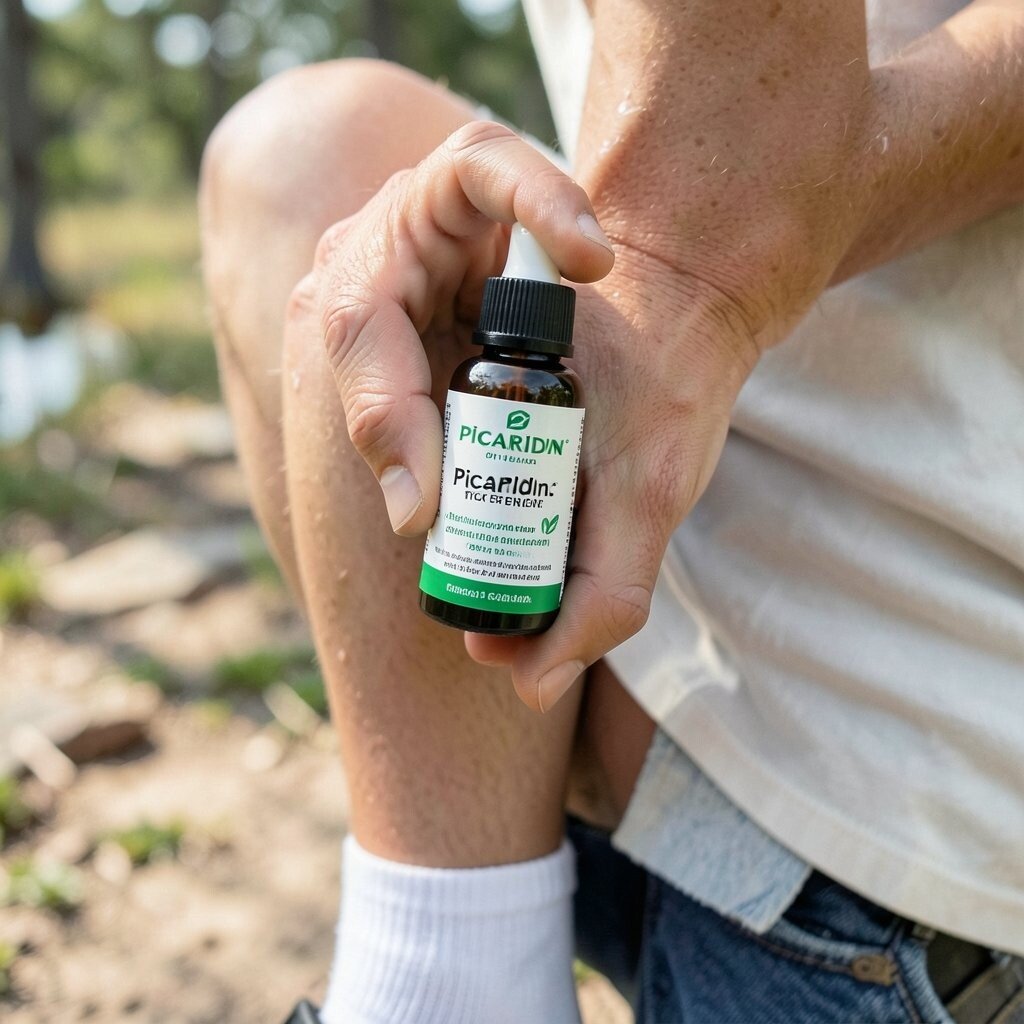
Picaridin is a common tick repellent you can use on skin. It is easy to apply because it does not feel too greasy. You can put it on arms, legs, and ankles, then cover with light clothing.
Visually, it looks like a thin layer on the skin, and it should dry down. This is a good pick for people who want something that feels simple to use. Many outdoor guides suggest it as a solid option for warm weather.
To personalize, you can use it only where ticks might reach, like around socks tops and waist lines. Check the label for how often you need to reapply. Price is usually in the mid range compared with other repellents.
3. DEET For Long Walk Days
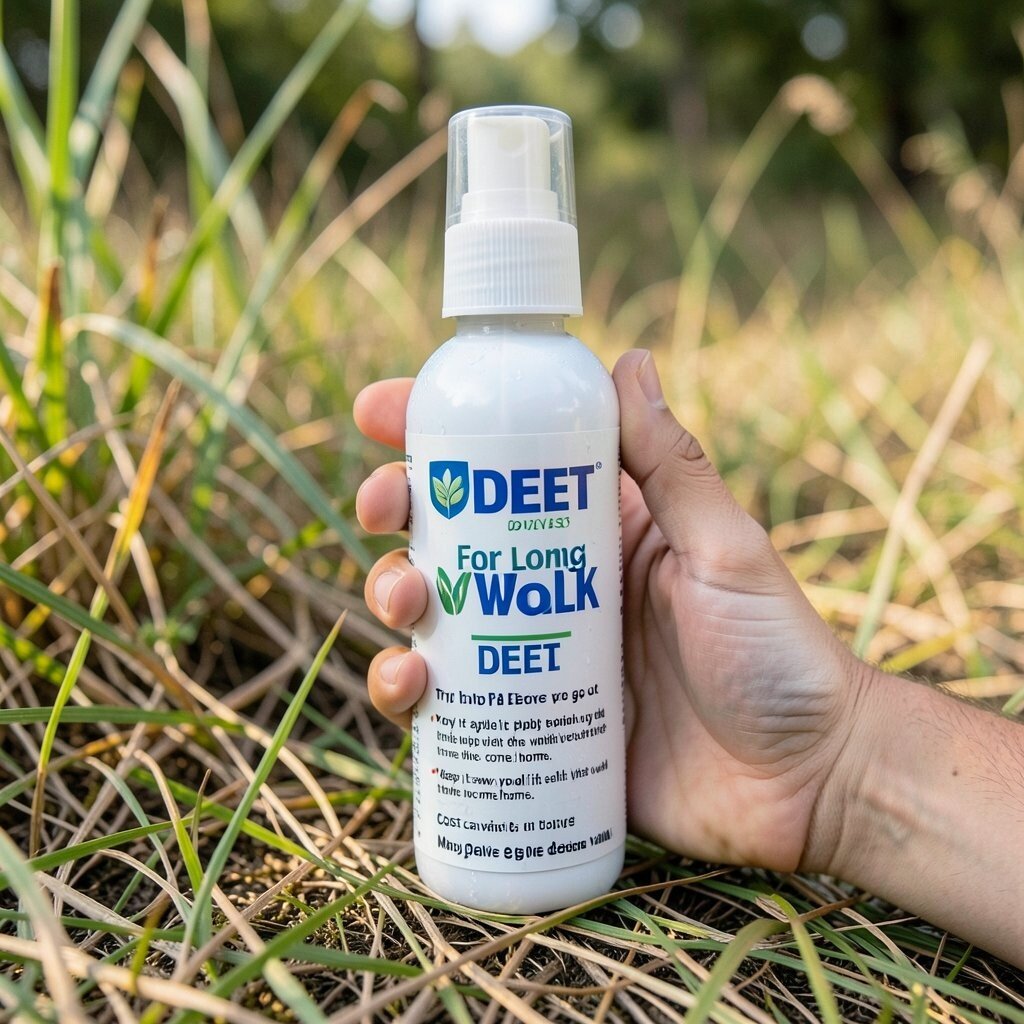
DEET is one of the older repellents, and it still gets used a lot. It can help when you are in tall grass, brush, or wooded spots. If you plan to be outside for hours, it can give longer protection than some lighter products.
You will not see much with this one, since it goes on like lotion and then dries. The benefit is steady coverage in many settings. People also like it because it is easy to find in many stores.
Try it with a plan: apply it before you go out, then wash up well when you come home. Keep it away from cuts and eyes, and do not apply to hands if kids will touch their face. Cost can vary, but many sizes give decent value.
4. Oil Of Lemon Eucalyptus Spray
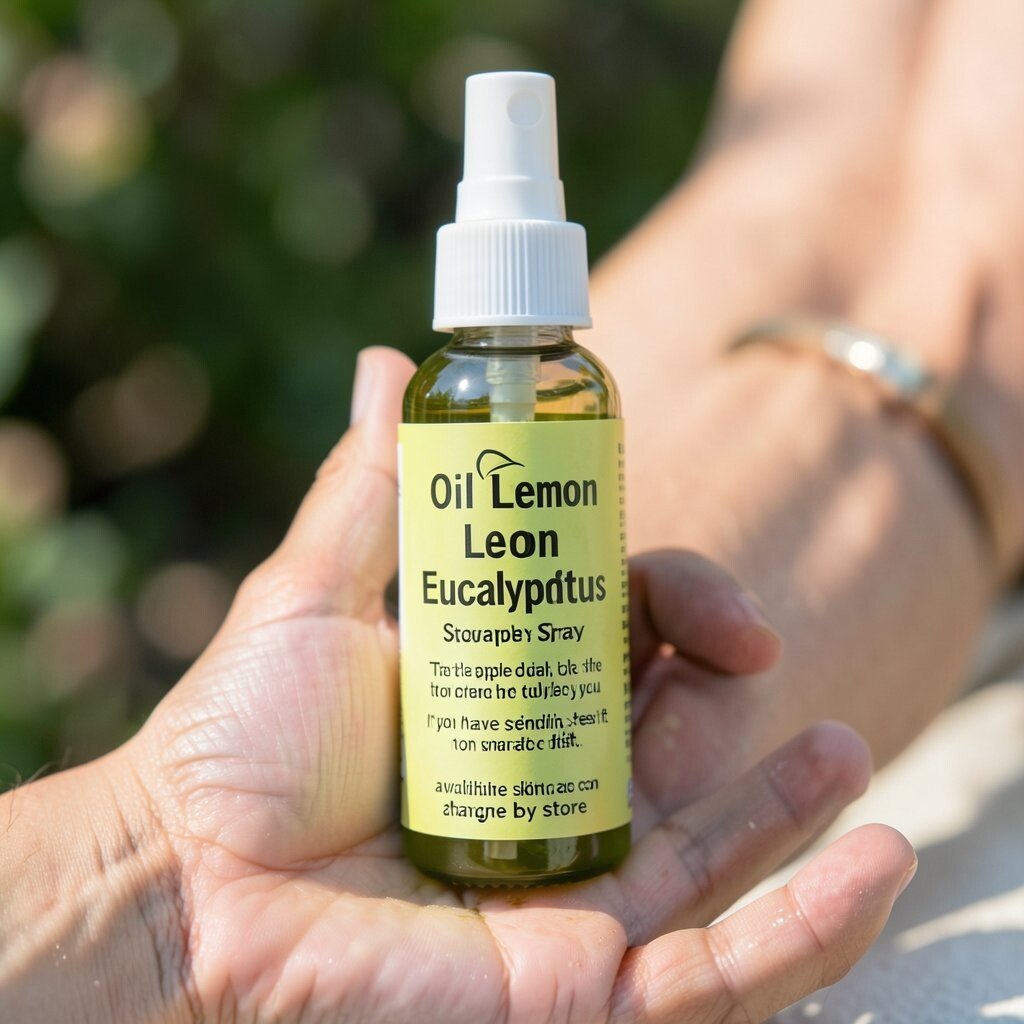
Oil of lemon eucalyptus is a plant based repellent that some people like for summer. It can work well on skin for tick risk in many areas. It feels more natural to some users, and it can have a light scent.
When you apply it, you may notice a smell that comes from the plant. The visual look is like a typical spray or lotion that soaks in. This idea is unique because it aims for plant based ingredients rather than lab made chemicals.
For tips, apply it to exposed skin and then reapply as the label tells you. If you have sensitive skin, test it on a small area first. Cost can be similar to other repellents, but availability can change by store.
5. A Family Friendly Patch Test Routine
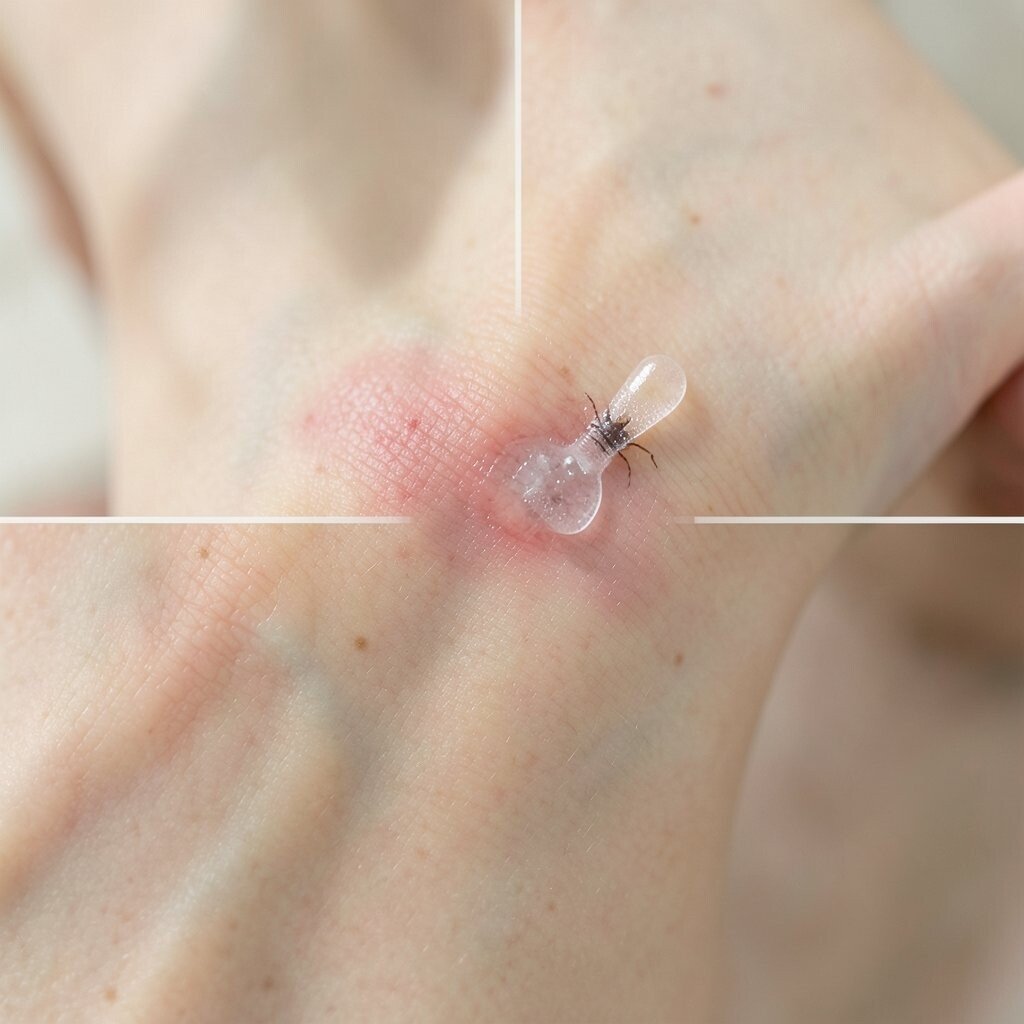
Some tick sprays can bother skin, so a safe routine helps. Pick the repellent you want to try, then test it on a small patch of skin. Wait and watch for redness or itchiness before you use it fully.
This approach is unique because it focuses on safety and comfort, not only the repellent. You can also do this at home when the weather is calm. Visual signs are simple: check if the skin looks normal after a few hours.
For personalization, do the test for each person using the spray. If you use kids sizes, test for them too. Cost is low because you only test a small amount at first.
6. Sunscreen With Repellent In One Step
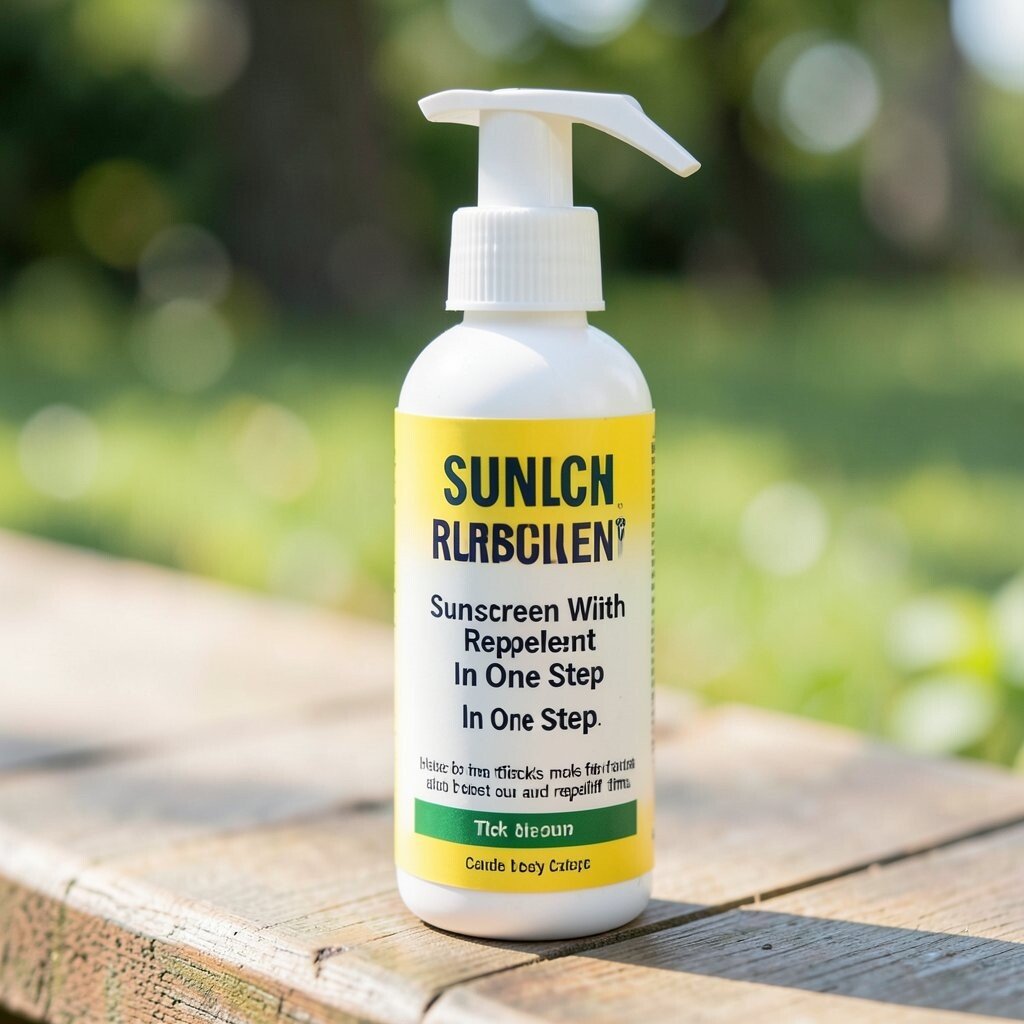
Many summers start with sunscreen, and then tick spray later can be a hassle. Some products are made to combine sun protection and repellent in one bottle. This can save time when you are getting ready for a walk or yard time.
It may look like regular sunscreen at first, like a lotion that spreads. The benefit is that you can cut down steps. This is also helpful when you are dressing kids fast before you head out.
For tips, check that the product is made for ticks and follow the label for both sun and repellent time. If you use both separate products, keep track of reapply times so you do not miss one. Cost depends on brand, but convenience can be worth it for busy days.
7. Repellent For Dog Beds And Pet Bedding
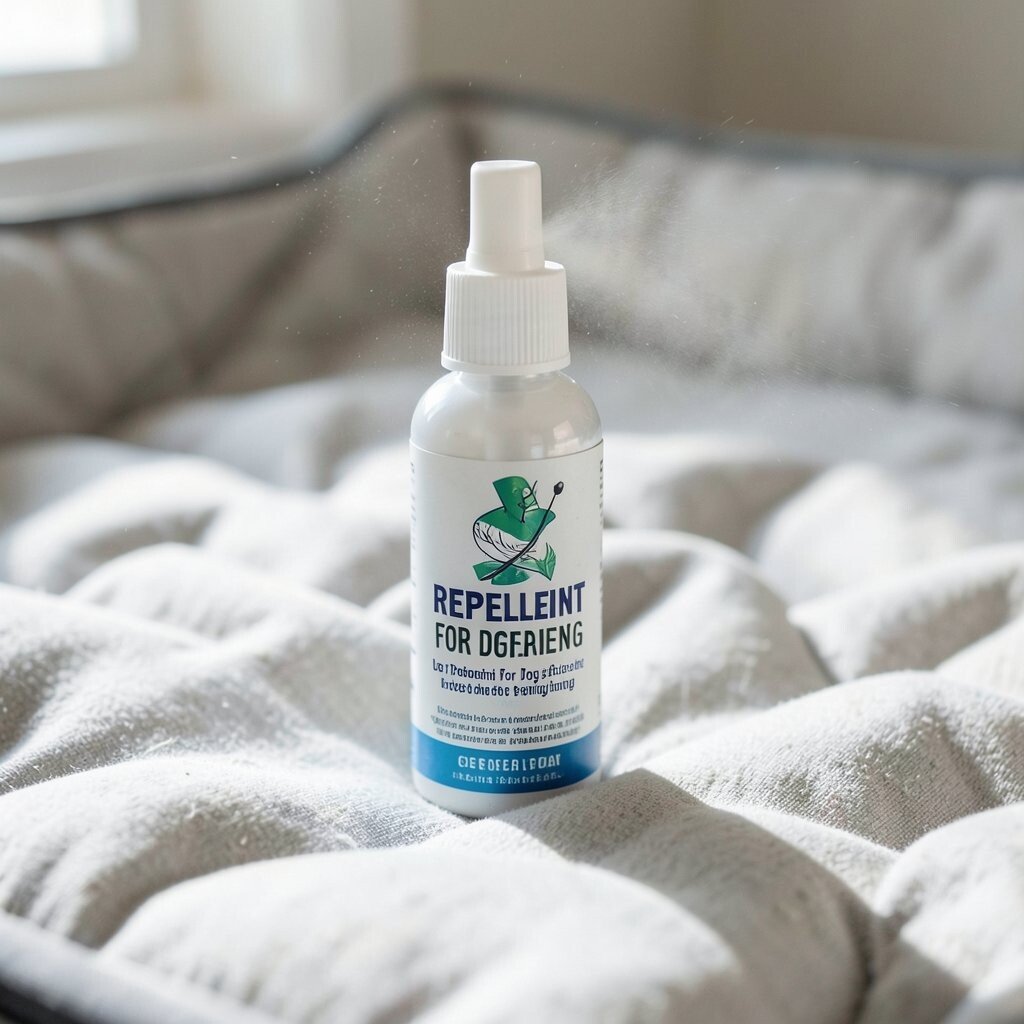
Ticks can hitch rides into your home on pets, so your pet area matters. Some sprays are made for pet bedding and outdoor mats, not for use on your pet’s skin. Use products made for pets and follow the label closely.
You will see a light mist or treated look on fabric after it dries. The benefit is that it can lower the chance of ticks staying in your home. This idea is unique because it focuses on the space around your pet, not just you.
For tips, clean bedding first, then spray the right surfaces and let them dry. Keep pets away until the product dries and is safe per the label. Cost can be moderate since you might use it when you wash bedding.
8. Yard Spray For Perimeter Areas
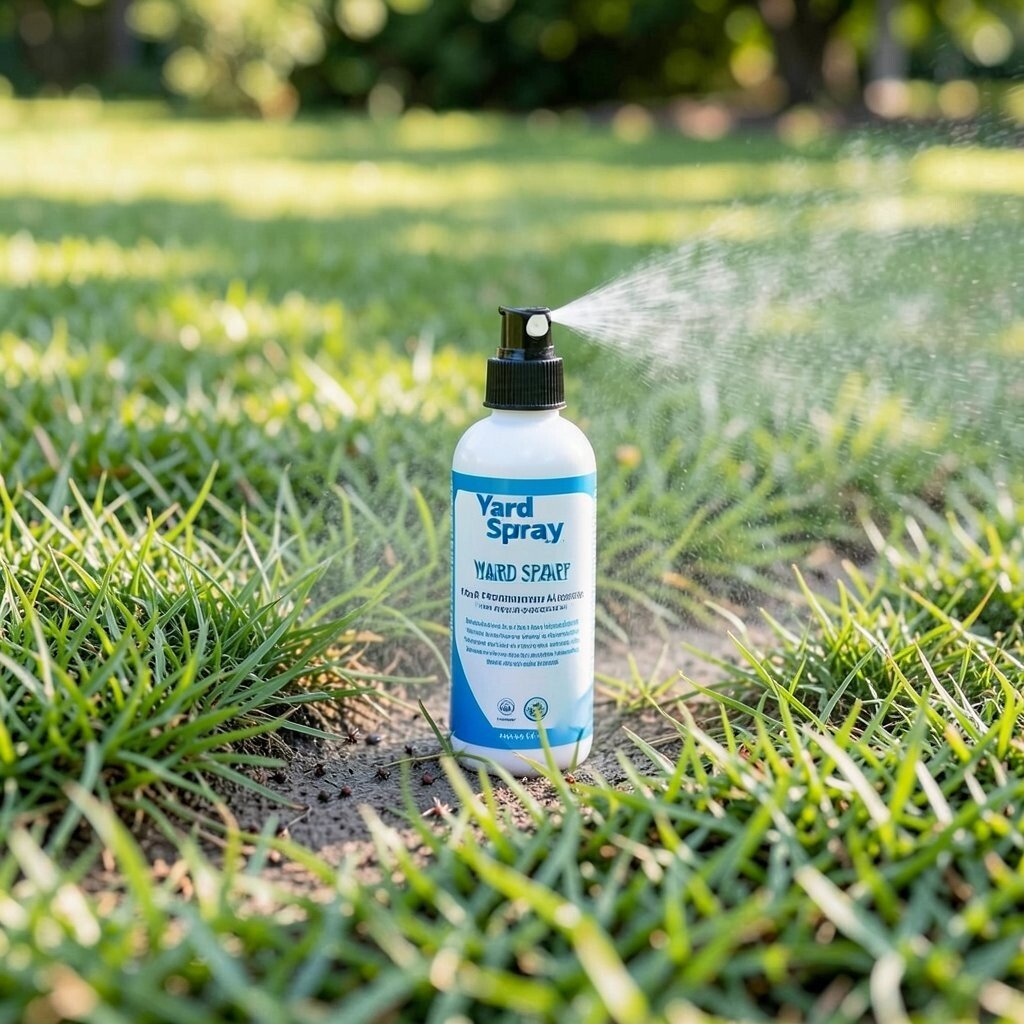
If your yard has thick grass edges, a perimeter spray can help reduce ticks. Some people use products that target ticks around paths, fences, and yard borders. This can make outdoor time feel easier when you mow or play outside.
Visually, you might apply it as a controlled mist on the ground line. The benefit is that it can lower tick numbers where people walk. This is a unique step because it targets the outdoor area, not your body.
For tips, check local rules and choose products made for your area. Avoid spraying near water sources, and keep kids and pets away until it dries. Cost can be higher because yard sprays may need more coverage, but it can help for repeat use.
9. Spray For Camps And Outdoor Gear
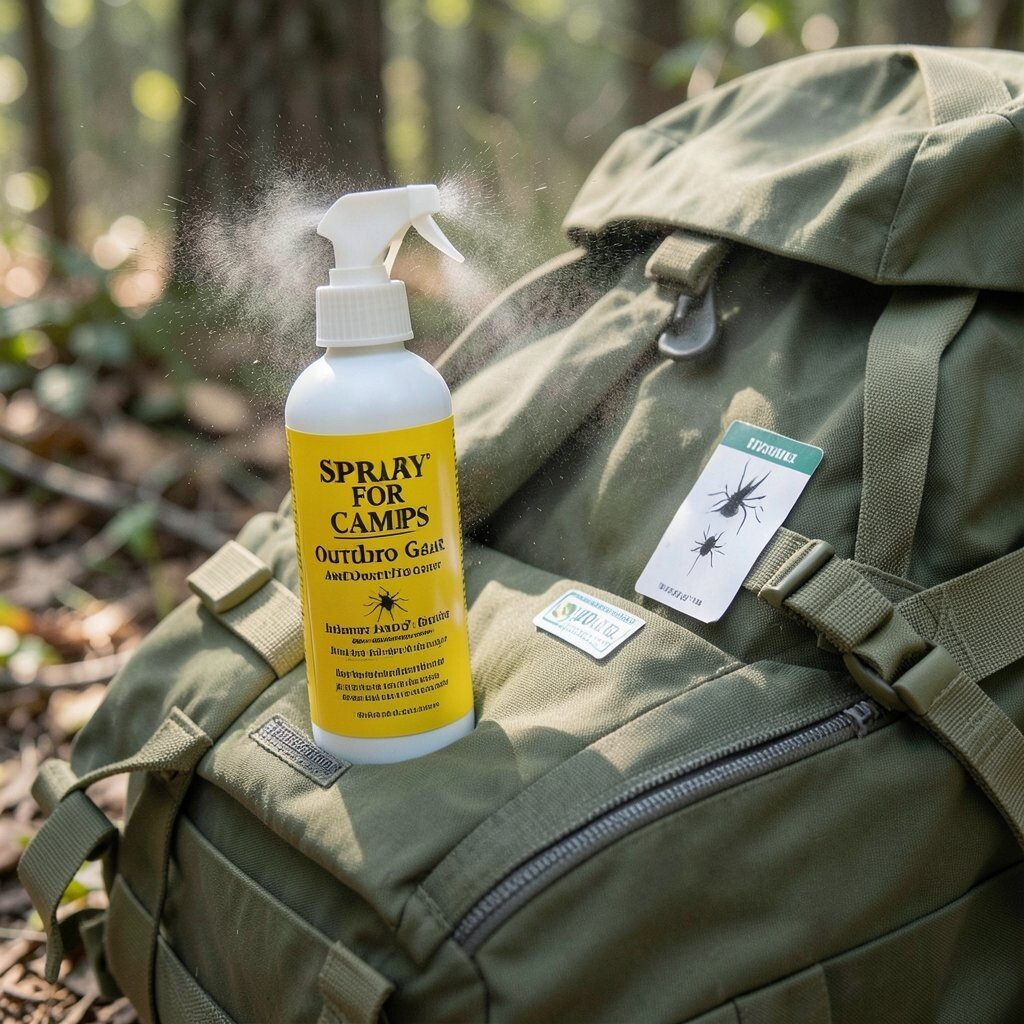
Tick spray on gear can help during camping and long outdoor trips. You can treat items like tents, sleeping bags covers, and backpack straps if the label allows it. This can add another layer of protection when you set up in brushy places.
You might see a fresh, light smell on gear right after spraying. After it dries, fabric usually looks the same. The benefit is that ticks have less chance to ride along with you.
For tips, treat gear before you travel, then store it away from dust. Plan to keep treated items labeled so you use them again next trip. Cost can be moderate since you may only spray once for a season, depending on how it wears off.
10. Treat Socks And Gaiters For Ankle Defense
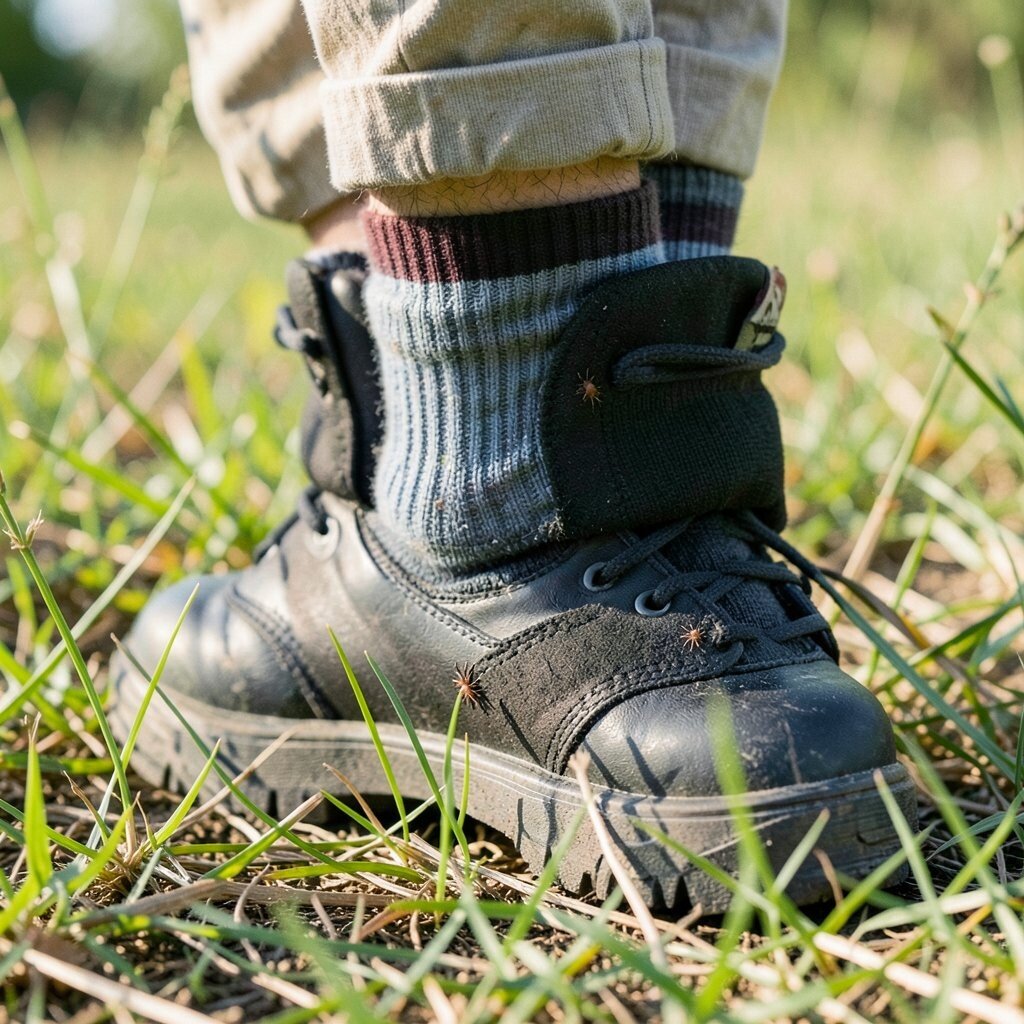
Ticks often aim for areas near the ground, like ankles and lower legs. That is why socks and gaiters can be a smart place for repellent. You can apply spray where ticks might reach when you step through grass.
You will see a focused layer near the top of socks, where the fabric meets your skin. This is unique because it targets a high risk zone instead of covering everything. It also helps you keep the spray off parts of your body that do not need it.
For tips, tuck pants into socks when you can, then reapply if the day is long. Choose gaiters if you walk in tall grass often, since they add a barrier. Cost is lower because you use less product when you focus on one area.
11. Clothing Prep With Water Based Pre-Treatment
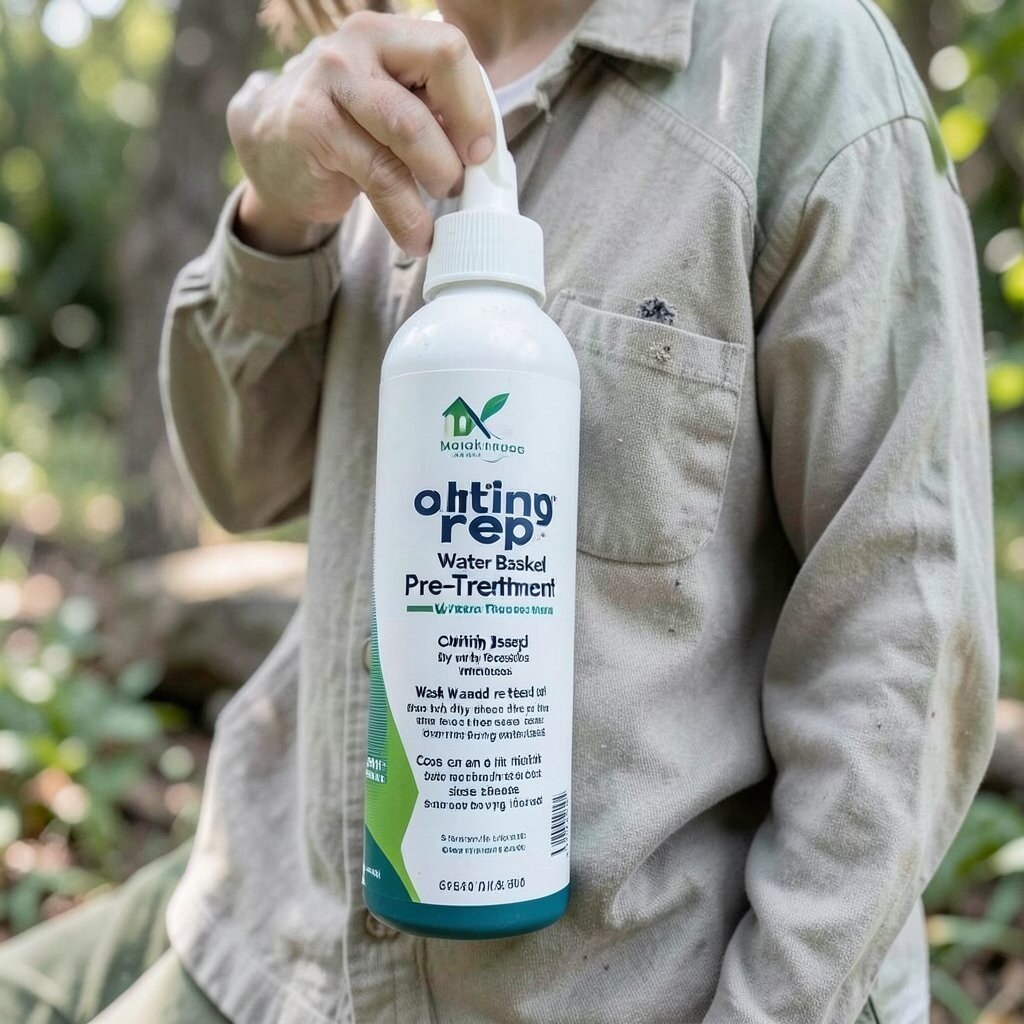
Some sprays are made for cloth and work with sweat and outdoor use. You can pre treat shirts, pants, and even hats that you wear outside. This helps because ticks may struggle to attach to treated fabric.
Visually, the fabric may feel slightly different at first, but it should not feel soaked. The benefit is that you can protect your whole outfit with one prep step. This idea is unique because it can fit into your normal clothing routine.
For tips, let treated clothes dry fully before packing them. Wash and re treat when the label says, since heat and dirt can change how long it lasts. Cost can be a bit higher at first, but one bottle may cover many items.
12. Timed Reapply Schedule For Hot, Sweaty Days
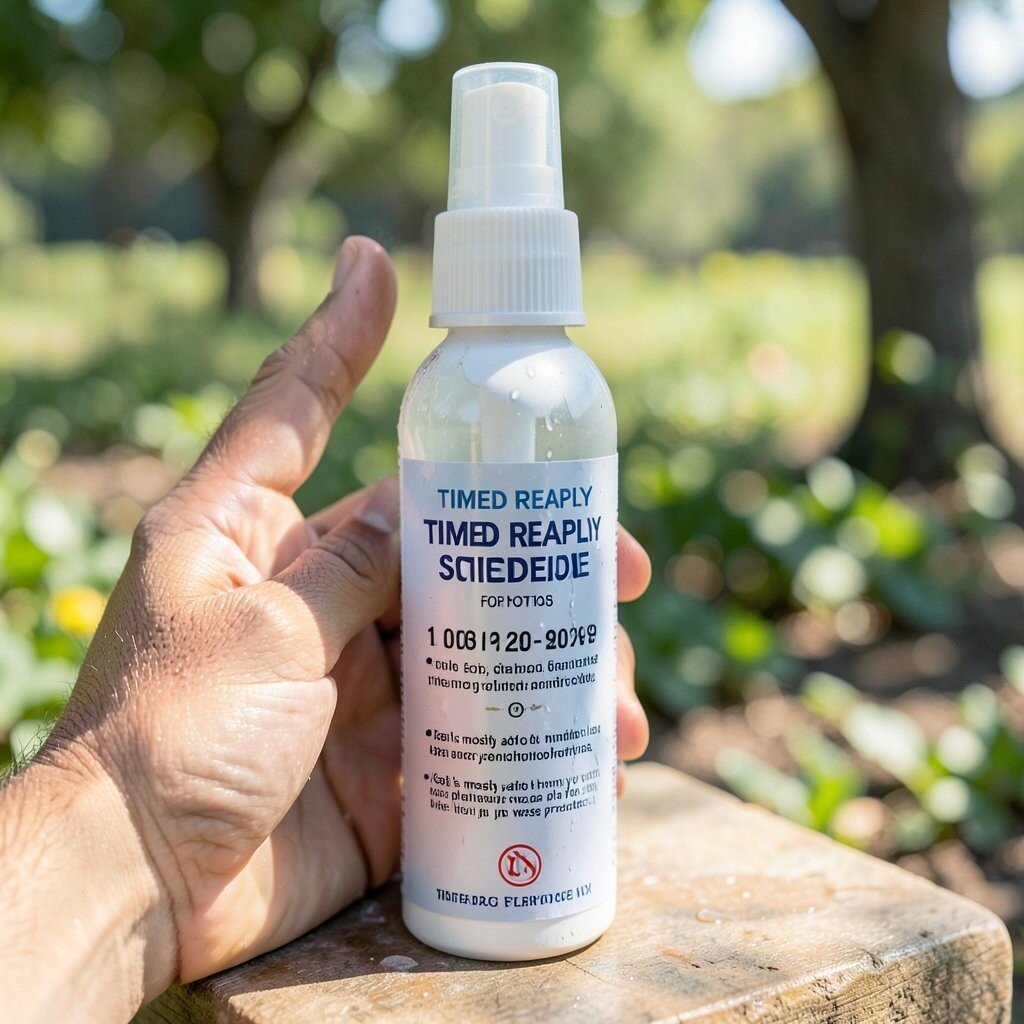
Tick spray works best when you reapply on time. In summer, sweat and heat can make you need more frequent use. A timed plan can help you avoid gaps when you think you are protected.
You can track reapply times with a simple phone timer. The visual difference is you might see your skin or fabric look dry again, which can be a sign to check the label. This is unique because it turns a scary problem into a simple routine.
For personalization, match your schedule to your day plan, like yard work in the morning and a hike later. Keep extra spray in a small bag when you can. Cost is mostly about how much you use, so planning can help you not waste product.
13. After-Outdoor Rinse And Spray Reset
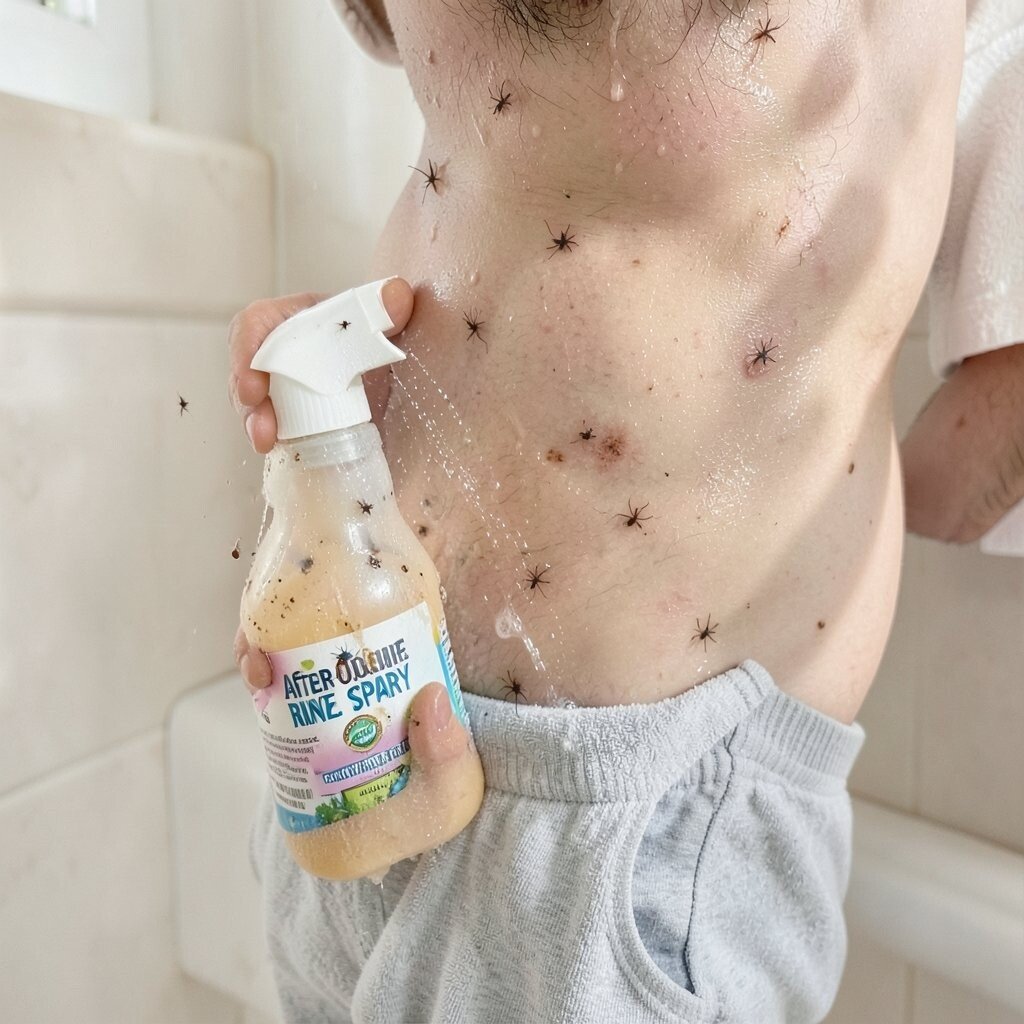
After you come inside, ticks can still be on your skin or clothes. A rinse in the shower and a quick clothing check can help a lot. You can also spray a safe repellent reset on your body if you go back out later.
Visually, you will see hair, sweat, and dirt wash away, and clothes look fresh. The benefit is that you reduce the chance of ticks staying on you. This idea is unique because it pairs repellent use with a cleanup habit.
For tips, check behind knees, around waistbands, and inside sock tops. Wash clothes soon after you return, if possible. Cost is low since you use regular home items like soap and a towel.
14. Tick Checks With A Sticky Lint Roller
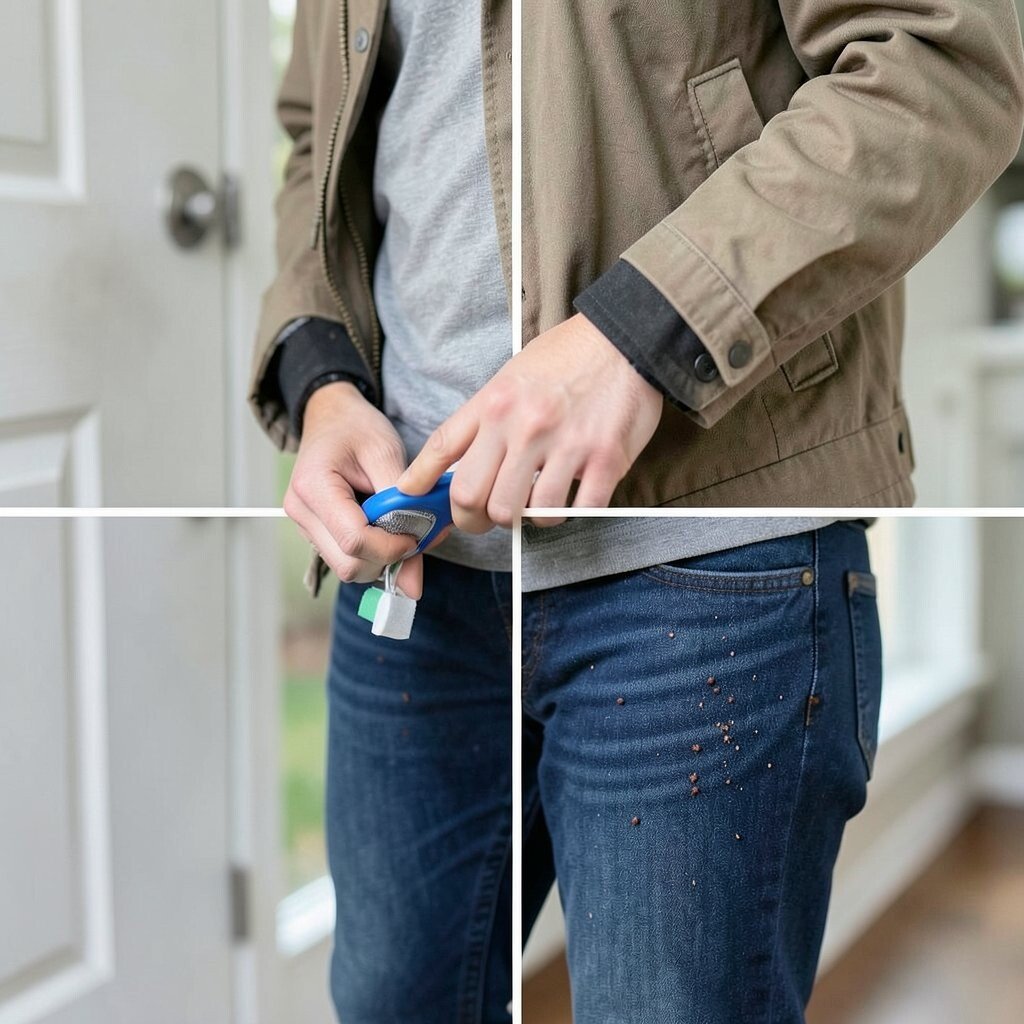
A sticky lint roller can help you check clothing for small hitchhikers. This is not a spray, but it can be a helpful step with tick control. Roll gently on pants, jacket sleeves, and bag straps to spot tiny specks.
Visually, the roller collects small bits, and you can see what it catches. The benefit is that you get a quick look without close guessing. This idea is unique because it adds a tool that helps you find ticks early.
For tips, use it right after coming inside, before you sit on beds or couches. Personalize for your family by keeping one roller in a landing spot by the door. Cost is usually low to moderate, and the refills can last for a while.
15. Seasonal Spray Planning Based On Local Weather
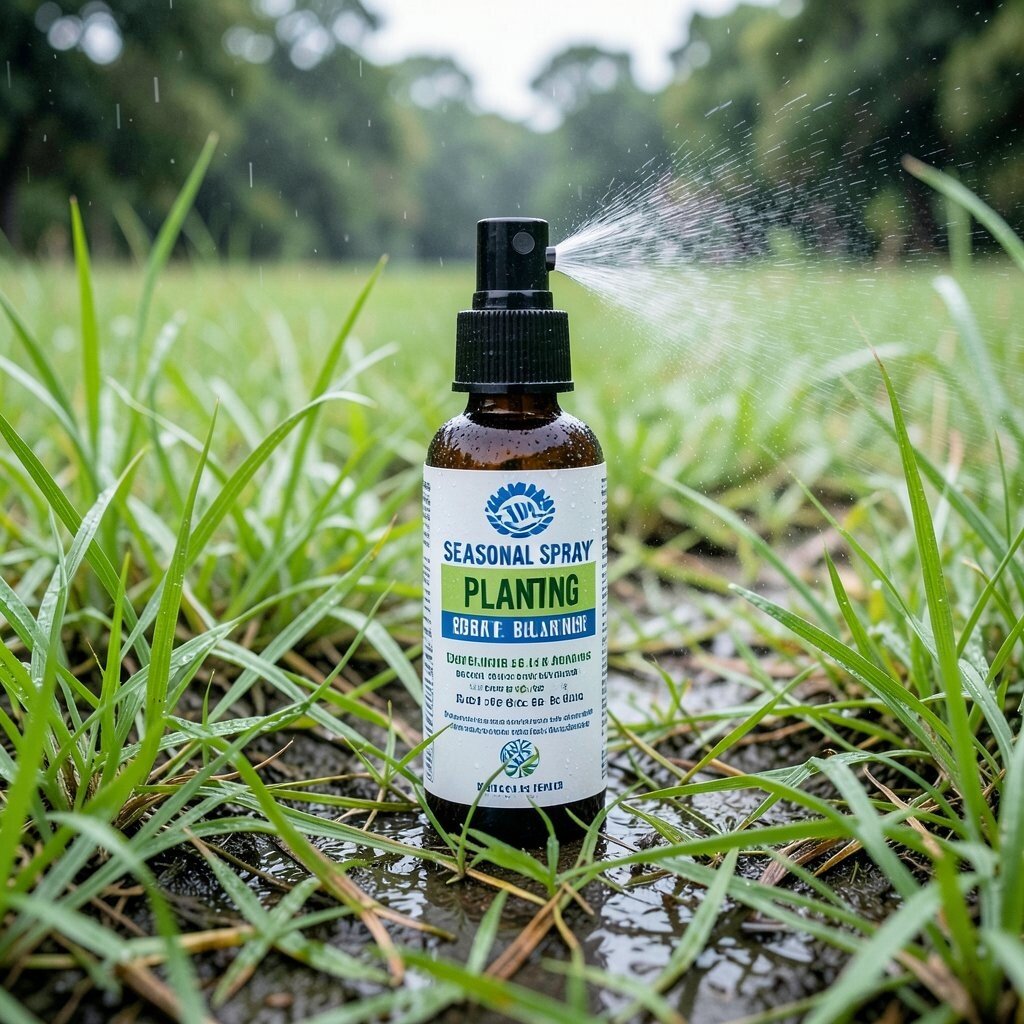
Tick risk can change with rain, heat, and long wet weeks. Plan your spray use based on what the weather has been like where you live. If the ground stays damp, you may need stronger habits when you go out.
Visually, you can notice tall grass staying green and damp, or leaf piles that do not dry fast. The benefit is that you can prepare in a smarter way instead of using the same steps every day. This idea is unique because it uses simple weather clues.
For tips, look up local warnings from health or park sites before weekends. Then personalize by choosing the right level of protection for each outing, like a quick yard visit versus a trail walk. Cost can stay steady because you use more when risk is higher and less when risk is lower.