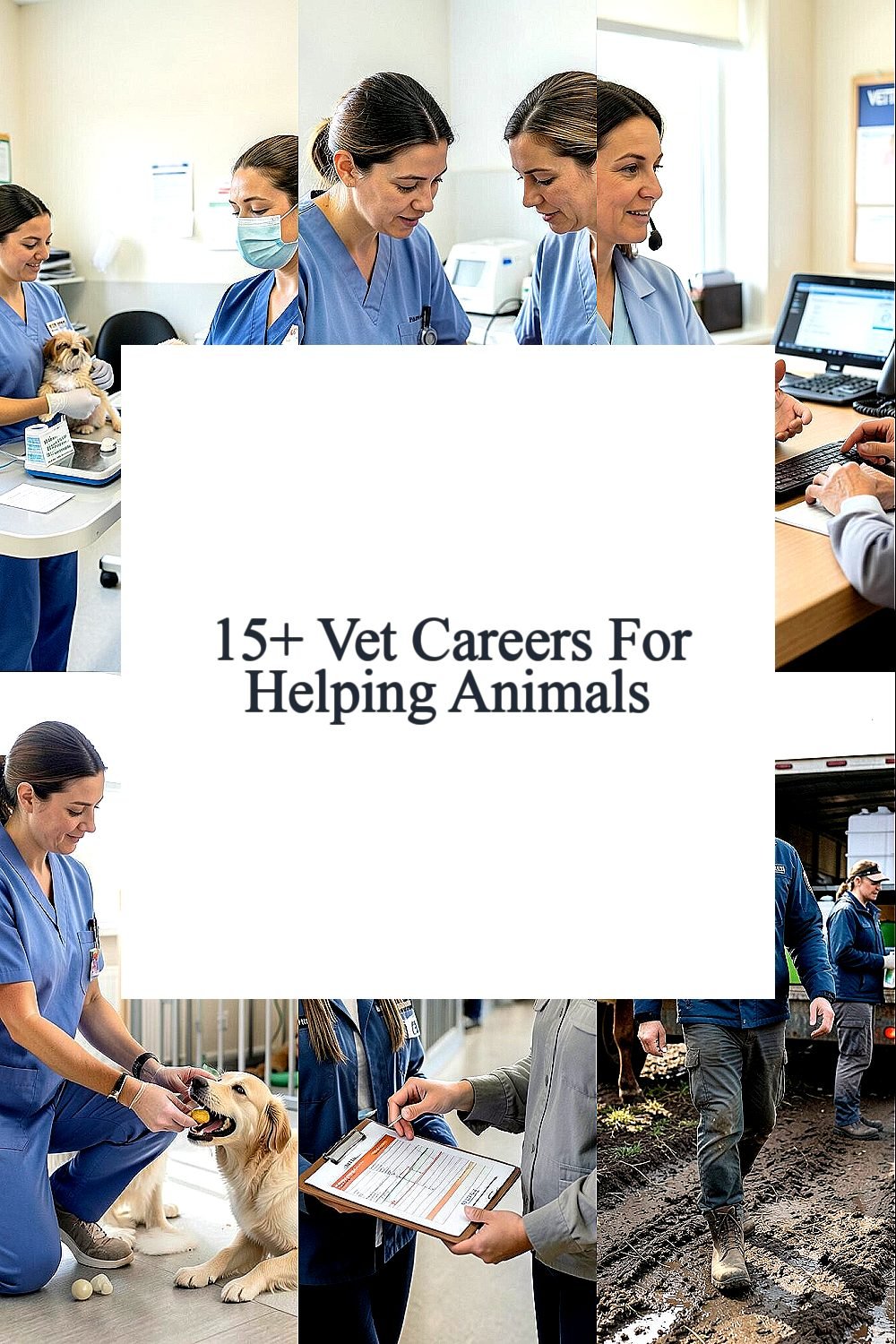
Many people want to work with animals in a caring way. A vet career can fit many styles of work, from hands on care to support jobs that help pets and their families.
1. Vet Assistant in a Small Animal Clinic
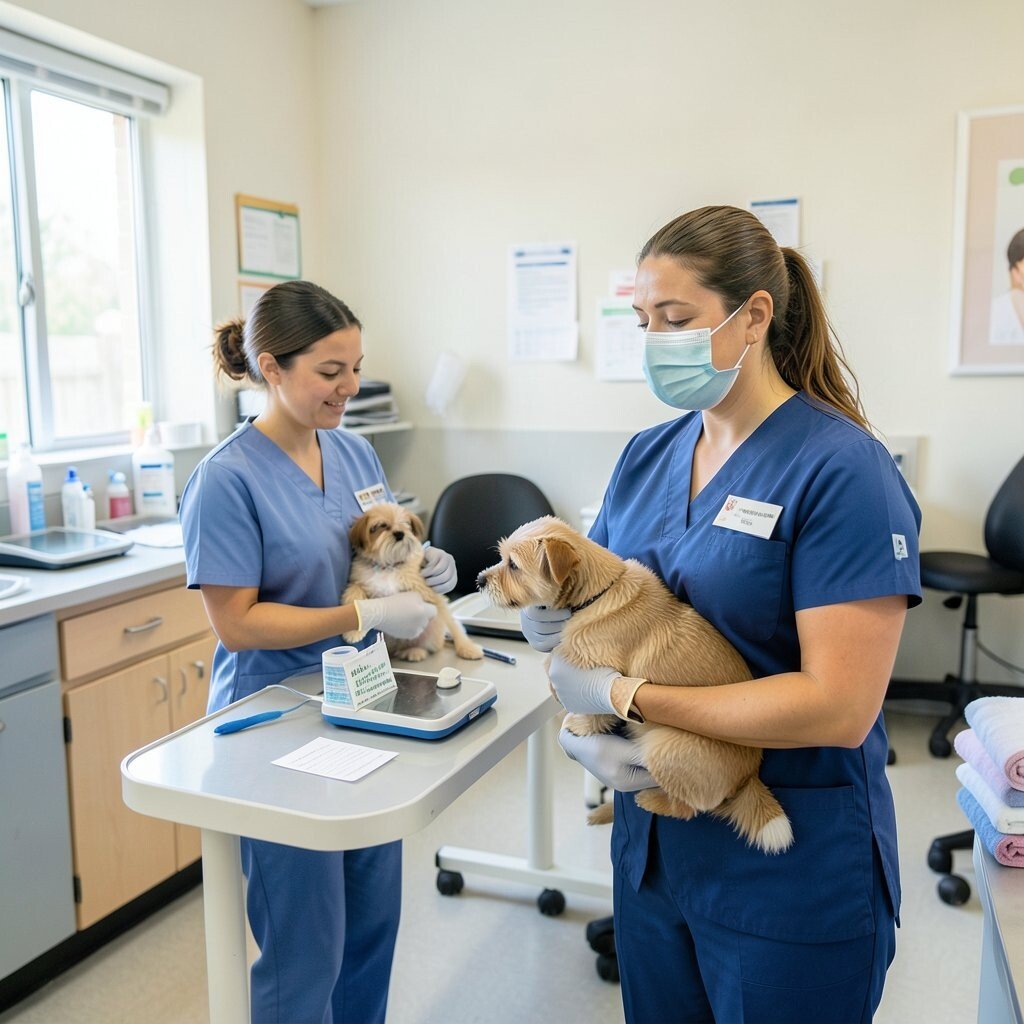
You help the vet and the vet team during daily visits. You may hold a pet gently, get supplies ready, and help with basic cleaning. Many clinics post clear job tasks, so you can see what you would do each day.
Visuals help here. Picture bright exam rooms, a scale near the front desk, and a quiet corner with folded towels. You will likely wear a mask, gloves, and a name tag, and you will learn safe handling for dogs and cats.
This path can help you build strong skills fast. The benefit is close practice and close learning from staff. For cost, it can be low to start, since you may only need a short training and basic safety steps. Try adding your own note cards for the clinic rules, so your work feels more personal and steady.
2. Vet Tech for Dogs and Cats
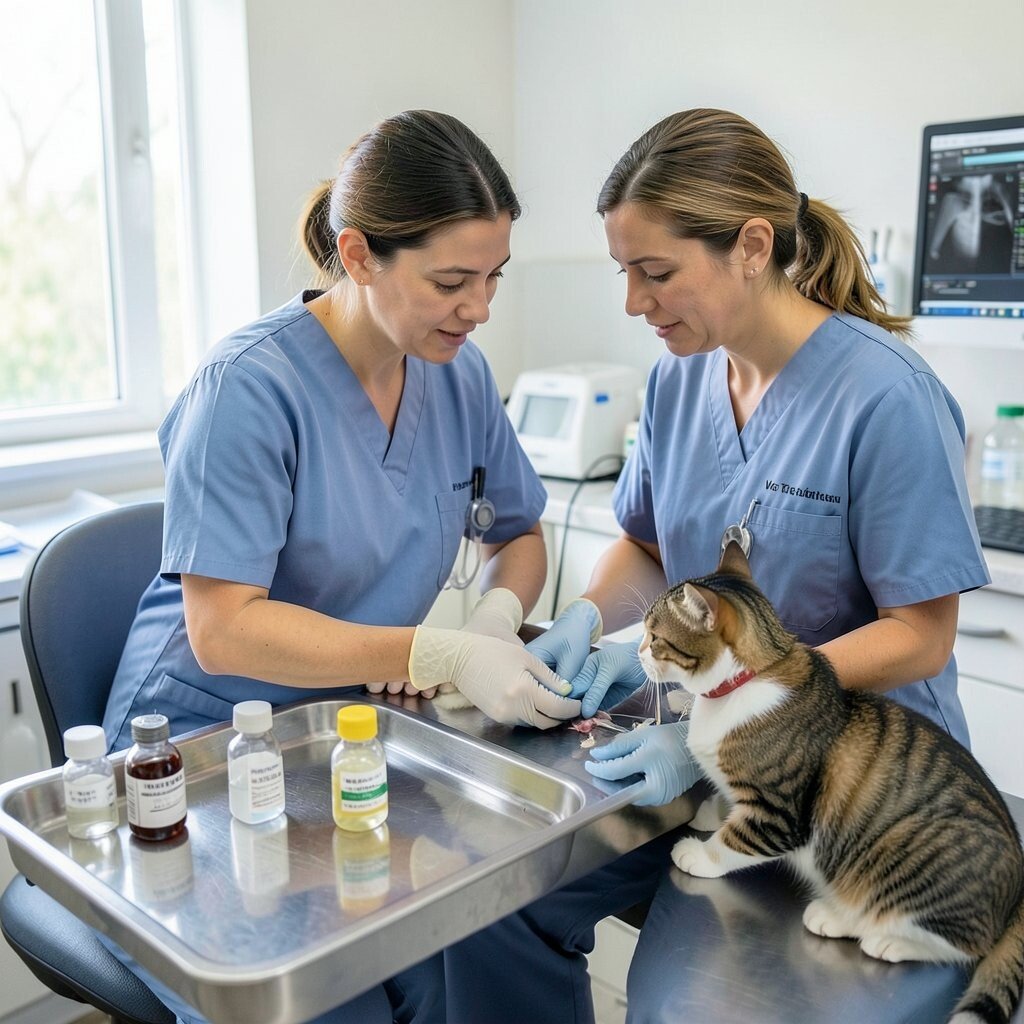
A vet tech does more medical support than a vet assistant. You may help with blood work, take X ray images, and assist during procedures. Your day often moves between prep work and lab tasks.
Think of a busy treatment area with a stainless tray, clean gloves, and clear labels on vials. You may wear a scrub top and guide animals into a calm space. Patients can feel stressed, so your gentle voice and calm body matter.
This job can be unique because you get hands on with many care steps. It helps animals directly, and it also helps the vet by improving speed and accuracy. For trends, more clinics use digital records and more safety tools, so learning software can help. Personalize your study plan by focusing on the tasks your clinic uses most.
3. Veterinary Receptionist and Client Care Specialist

You are often the first person a pet owner talks to. You schedule visits, answer questions, and help clients feel calm. This role can be a strong fit if you like helping people and staying organized.
Visualize a busy front desk with a phone headset, appointment boards, and a small stack of new patient forms. You may also offer directions to exam rooms and help with payment steps. Calm speaking helps clients trust your team.
The benefit is that you support the whole clinic flow. When calls and reminders are done well, appointments run smoother and pets get seen sooner. Cost is usually low because many places train you on site. For personalization, make a list of common questions you hear, like “How do I prepare my pet?”
4. Animal Behavior Support Assistant
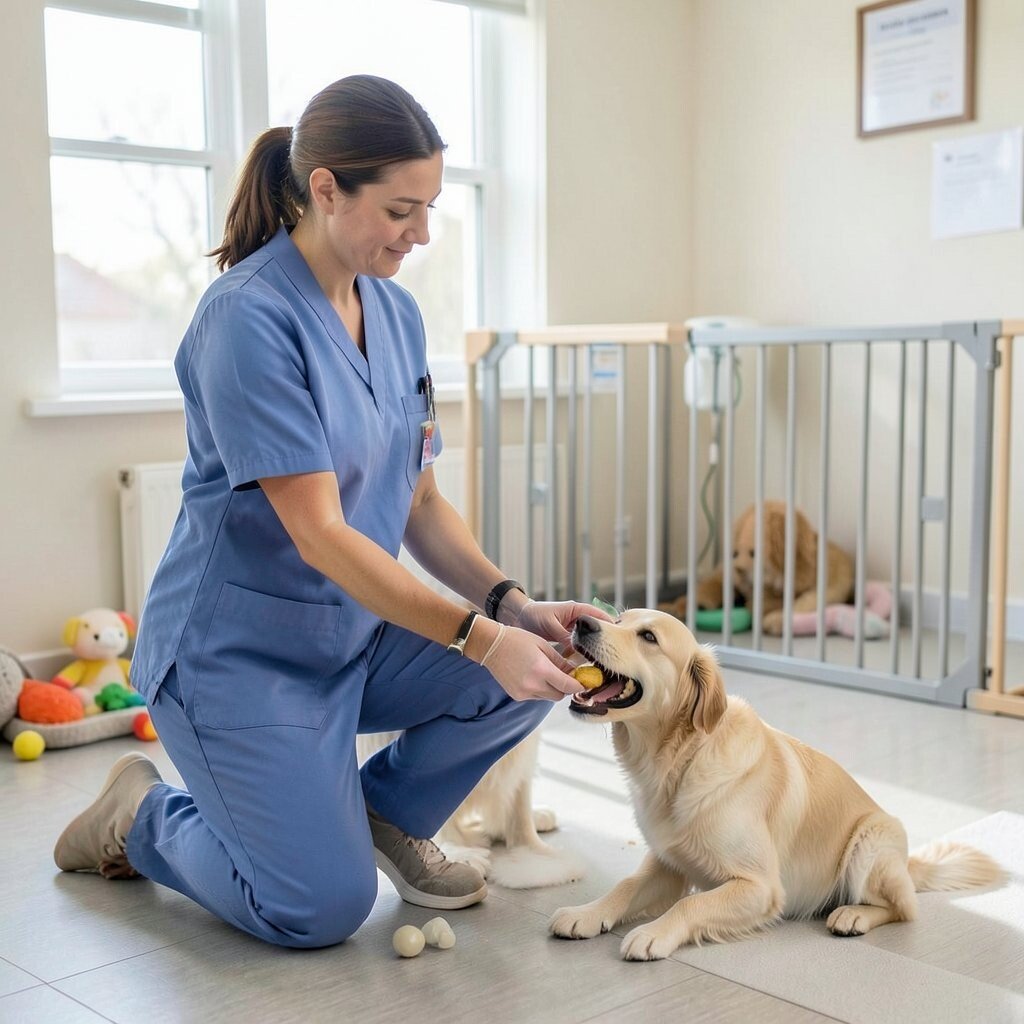
Some vet careers focus on behavior, not just body care. You may help with calming plans for pets that bark, bite, or fear visits. You work with a behavior professional or a clinic team.
Picture a quiet room with soft lights, toys, and a baby gate. You may use slow steps and treats to help a dog stay relaxed. Over time, you track small wins, like a pet sitting calmly during handling.
This can be unique because you help with stress and fear, which can affect health. The benefit is better comfort during visits, and fewer unsafe moments. Tips include learning body language basics and practicing safe distances. For trends, more clinics use training plans and behavior notes in the chart, so digital notes can matter.
5. Shelter Vet Care Coordinator
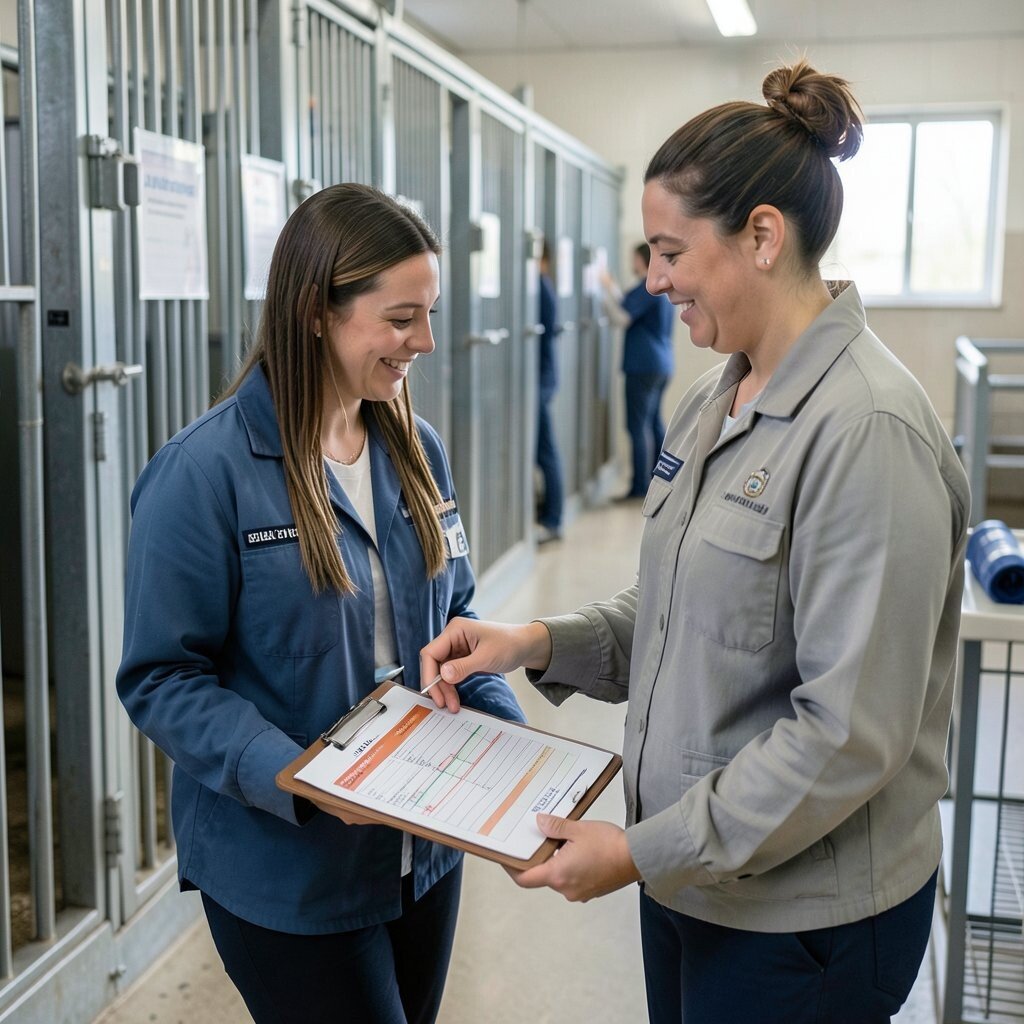
You help manage care in an animal shelter or rescue group. Your work can include scheduling basic checkups, helping staff coordinate vaccines, and tracking pet health records. You may also help with transport to other clinics.
Visualize kennel rows with labeled doors and care sheets taped to clipboards. You might see feeding logs, vaccination tags, and simple treatment plans. A good coordinator keeps everything clear and easy to find.
This path can be meaningful because you support many animals at once. The benefit is that care stays on track even when staffing is tight. Cost can vary, but many roles start with experience in care or office work. Personalize your plan by building a simple weekly checklist for tasks and restocking needs.
6. Large Animal Vet Assistant
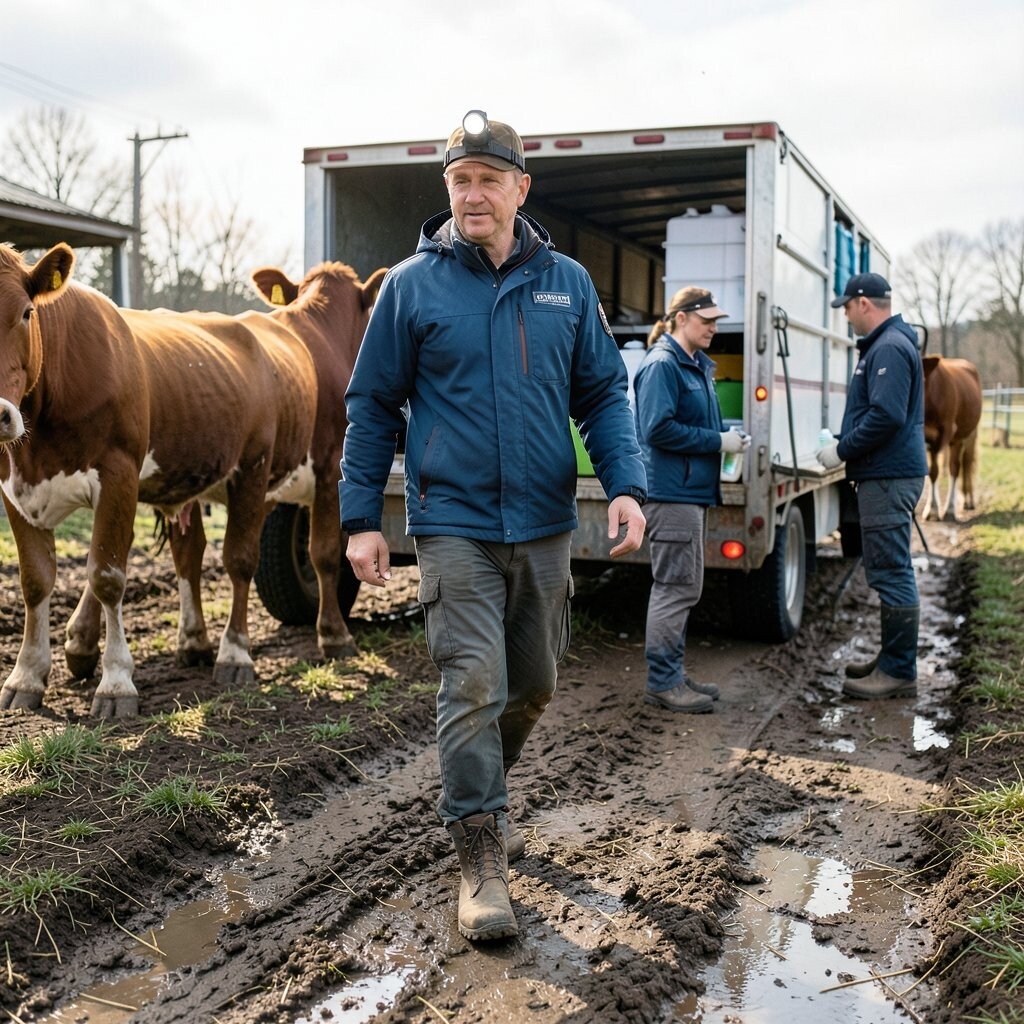
Large animal care is different from small pet care. You may help with farm visits, barn prep, and safe restraint steps. You may support vets who work with horses, cows, or other animals.
Picture muddy paths, a trailer with clean supplies, and a headlamp for early mornings. You might wear sturdy boots and a weather layer to stay safe. You often move with care and follow strong safety rules.
The benefit is learning strong safety habits and practical skills in real work settings. It can also be unique because each farm has its own rules and tools. For cost, you may need proper boots and basic protective gear. Try personalizing your routine by packing a small “day kit” with gloves, wipes, and written contact info.
7. Vet Tech for Equine and Performance Horses
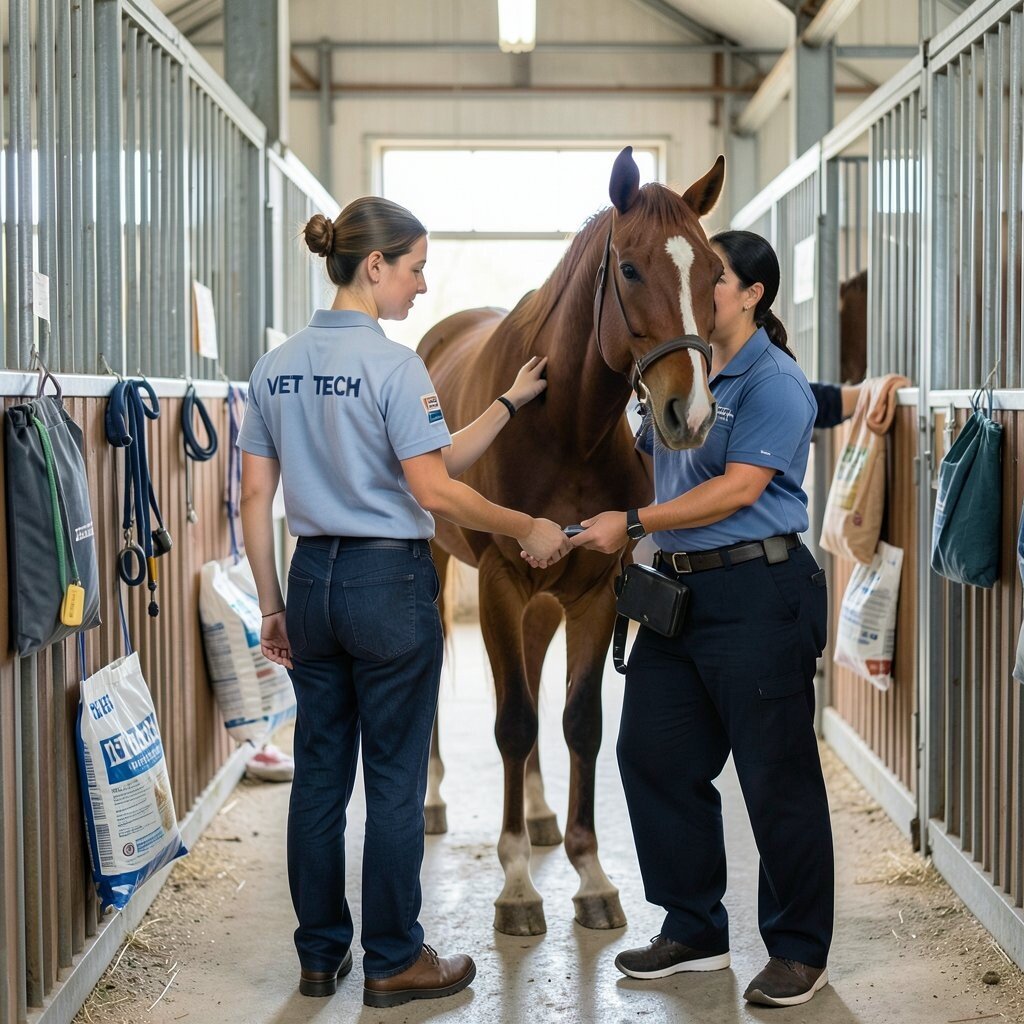
If you like horses, this role can fit well. You may help with routine care, prep for exams, and assist with tests. Some techs also support care for sports horses and training barns.
Visualize a quiet stable aisle, with clean wraps, labeled feed bags, and a calm handler. You may watch a horse’s stance and help with gentle restraint. Clear communication with barn staff helps a lot.
This can be unique because the work needs both animal care and careful teamwork. The benefit is better monitoring of health and faster help when issues start. Trends include more data tracking, like body condition scoring and log sheets on tablets. Personalize your approach by learning common barn terms and routines.
8. Veterinary Lab Assistant and Sample Runner
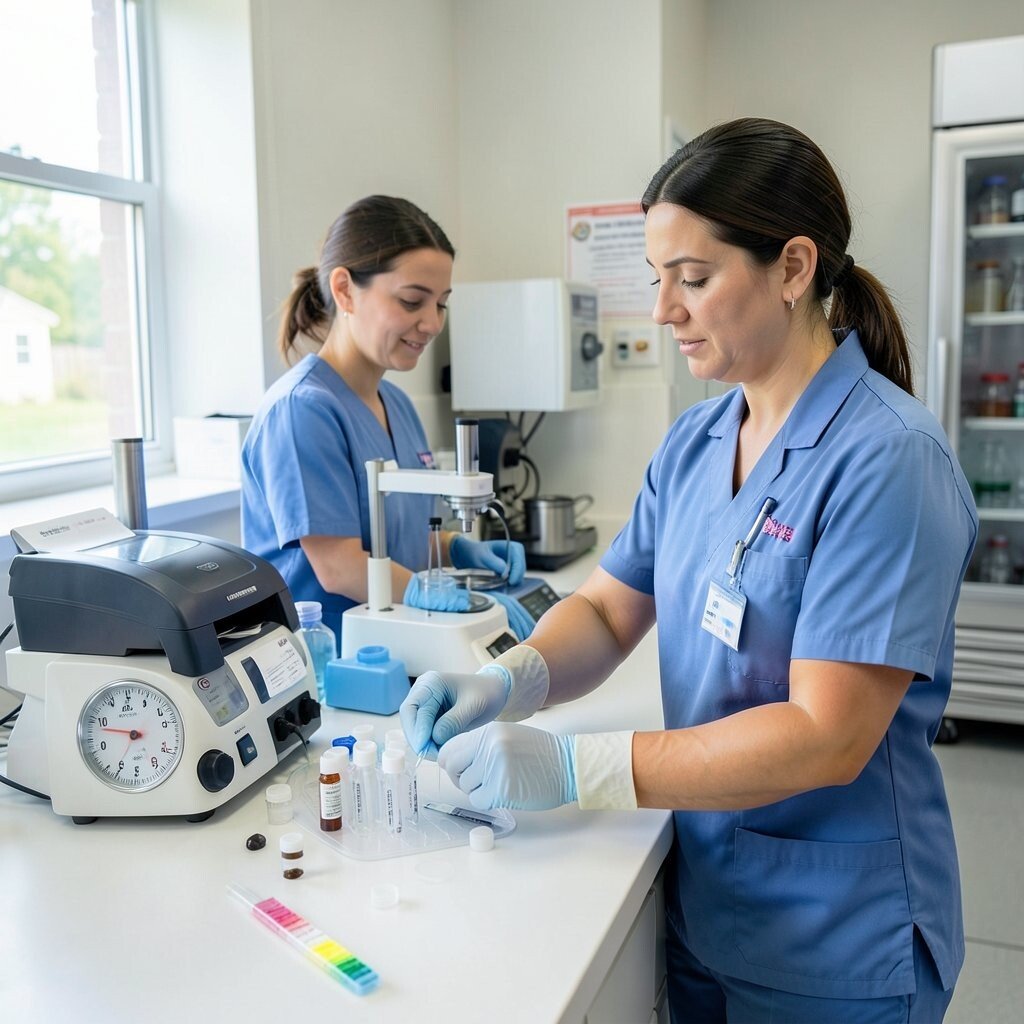
Some vet jobs focus on lab work behind the scenes. You may help collect samples, label tubes, and move items to the right place. This can be a good choice if you like careful steps and clear rules.
Picture a clean counter with gloves, a label printer, and a timer for sample handling. You might work with centrifuge machines and refrigerated storage. Clean habits keep samples safe and accurate.
This role has a unique value because labs help guide treatment. The benefit is that your work can affect test results and care plans. For cost, you may need basic lab safety training, and some employers provide it. Try personalizing your workflow with a color code for sample types.
9. Vet Pharmacy Assistant
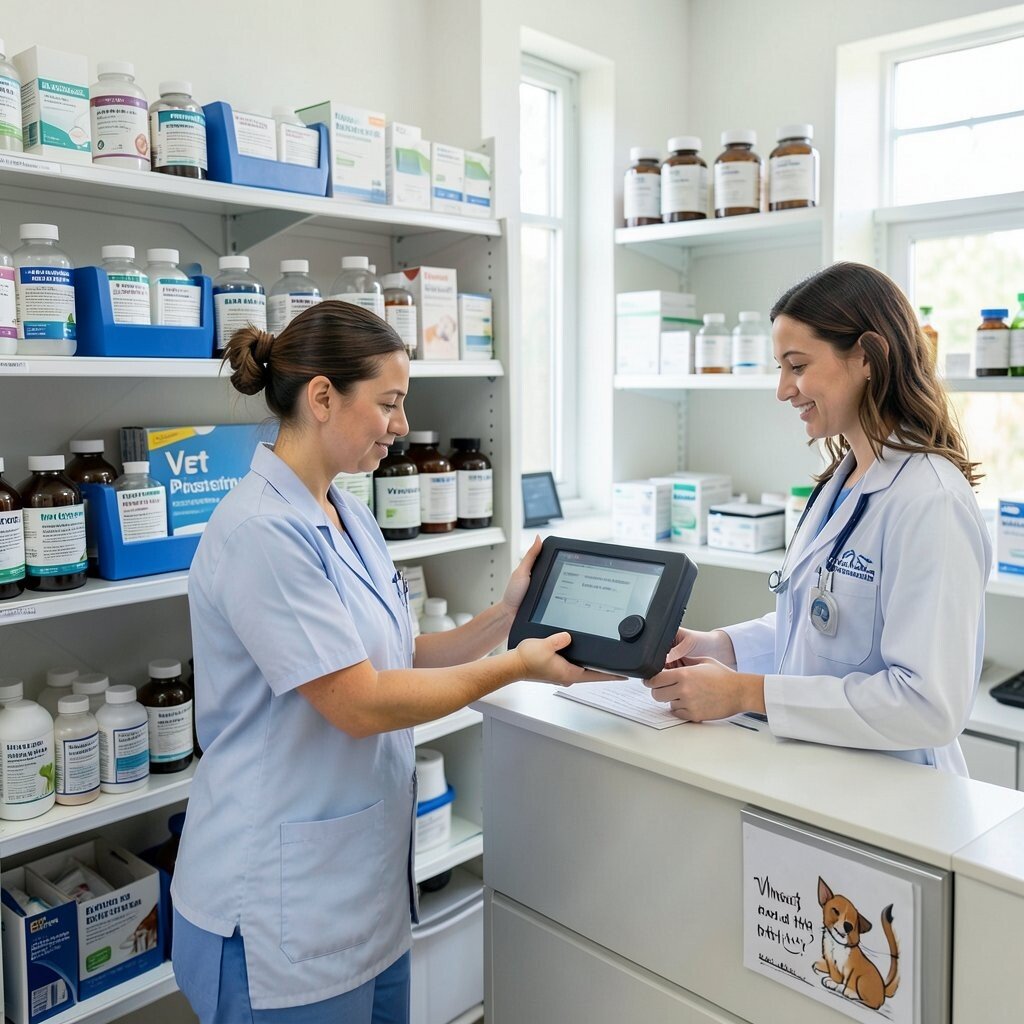
A vet pharmacy assistant helps manage meds and care products. You may stock items, check labels, and prepare orders for clients. You also help handle repeat refill steps.
Visualize shelves with neat bins, bottles with clear labels, and a safe locked area for controlled meds. You may use barcode tools and keep a log of lots and expiration dates. Good attention to detail is key.
The benefit is that animals get the right dose at the right time. This can be unique because it blends health support with customer service. Trends include more online refill requests, so basic computer skills help. Personalize by keeping a small script for client questions, like “When should I give this?”
10. Dental Vet Assistant for Pet Teeth Care

Pet dental care is a growing need in vet clinics. A dental vet assistant supports cleaning days and dental exams. You may help with prep work, monitoring, and tool care.
Think of a dental room with safe suction tools, a bright light, and clear sterile trays. You may also help position pets and keep the area calm. Dental work can feel intense, so your calm support matters.
This path can be unique because it focuses on oral health, which affects many body systems. The benefit is that good dental help can reduce pain and improve comfort. For trends, clinics are using more dental charts and home care plans. Personalize your role by learning common at home tooth care tips and keeping a simple handout.
11. Vet Assistant in Rescue Rehab and Recovery

Recovery work helps animals that are injured or sick. You may help during rehab days, check comfort needs, and follow care steps from a lead staff member. Some roles are tied to water recovery, wound care support, or post-surgery rest.
Visualize a quiet recovery room with clean bedding, warm heat packs, and clear care sheets. You may see bandage supplies and a timer for medication time. Calm routines help animals rest.
This can be unique because you help with healing time, not just quick visits. The benefit is that steady care can make a big difference in recovery. Cost can include basic supplies and training, depending on your role. Try personalizing your work by writing down comfort changes you notice each day.
12. Wildlife Rehabilitation Support Worker
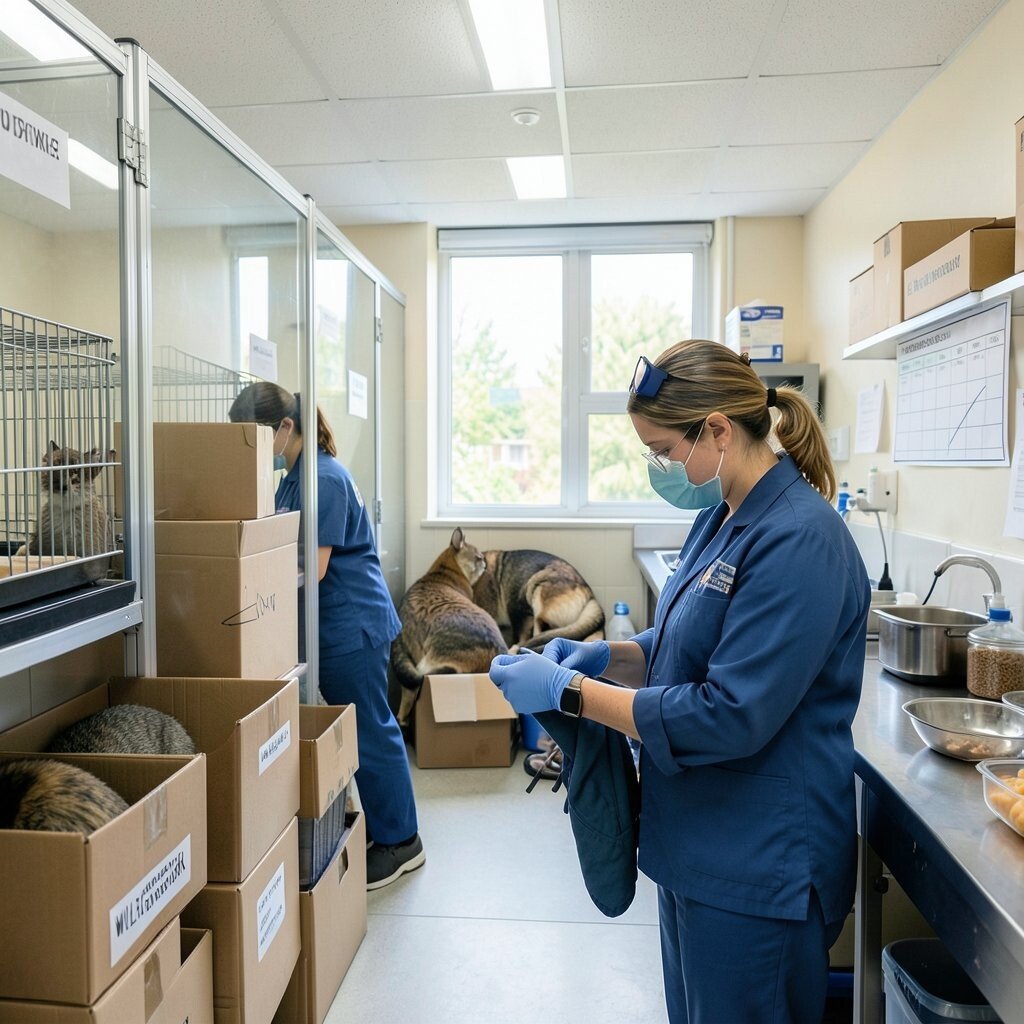
Wildlife support can be a good choice for people who want to help non pet animals. You may clean cages, prep food, and help with feeding schedules. Some work also includes transporting animals to the right care site.
Picture a care center with sealed rooms, labeled boxes, and a careful food station. You may work with gloves and face protection for safety. You will often follow strict rules for each species.
The benefit is that you support survival for animals that face injuries. This can be unique because each animal has a different care plan. Trends include more public reporting of wildlife issues and more use of tracking notes. Personalize by learning species basics and keeping a simple feeding schedule chart.
13. Veterinary Fundraising and Community Outreach Coordinator

Not all vet jobs need direct clinic work. A fundraising and outreach role helps bring money and supplies to care programs. You may help plan events and share updates with the public.
Visualize a community table with flyers, a simple sign up sheet, and a safe spot for donations. You may also plan social media posts that share photos and care stories. Clear writing helps people understand the goal.
This can be unique because it connects people to animal care. The benefit is steady support for clinics, shelters, and rescue efforts. Cost may be low at first, since you can use free design tools and shared event spaces. Personalize by choosing topics your local community cares about, like low cost vaccination drives.
14. Pet Insurance Claims and Benefits Support Specialist

Many pet owners want help with coverage. You can work in insurance by handling claims and checking policy details. You support people after vet visits by explaining next steps.
Picture a computer screen with claim forms, medical codes, and status notes. You may review receipts and ask for more info if needed. Your tone needs to be clear and patient.
This job can be unique because you help remove money stress for families. The benefit is faster claim help, so pets get care without long delays. Trends include more mobile uploads and digital receipts. Personalize your work by making a small checklist for what you need each time.
15. Mobile Vet Support and In Home Visit Coordinator

Mobile vet work brings care to homes. You may help plan routes, gather supplies, and assist the vet team before and after visits. You also help clients prepare the home space.
Visualize a vehicle with a clean storage area, labeled bins, and a simple supply list. You may see crates, blankets, and calming items for safe handling. At home, you look for a quiet spot and simple setup.
This path can be unique because it focuses on comfort for pets and less stress for owners. The benefit is that some pets do better in familiar places. Cost can be moderate if you need a uniform or basic tools, but many employers provide items. Personalize by creating a home setup checklist for different pet types.
16. Veterinary Content Writer for Pet Health Education

If you like writing, you can help animals by sharing clear pet health info. A vet content writer creates simple pages about care, vaccines, and wellness checks. You may work with a vet editor to keep facts correct.
Visualize a calm desk with a laptop, a folder of sources, and a simple outline. You may write guides that talk about symptoms and when to call a clinic. Plain, kind words help pet owners act early.
This can be unique because it reaches many people who do not talk to a vet often. The benefit is more safe choices and better timing for visits. Trends include more video scripts and short social posts, so learning new formats can help. Personalize by writing for your own audience, like people with new puppies or older pets.