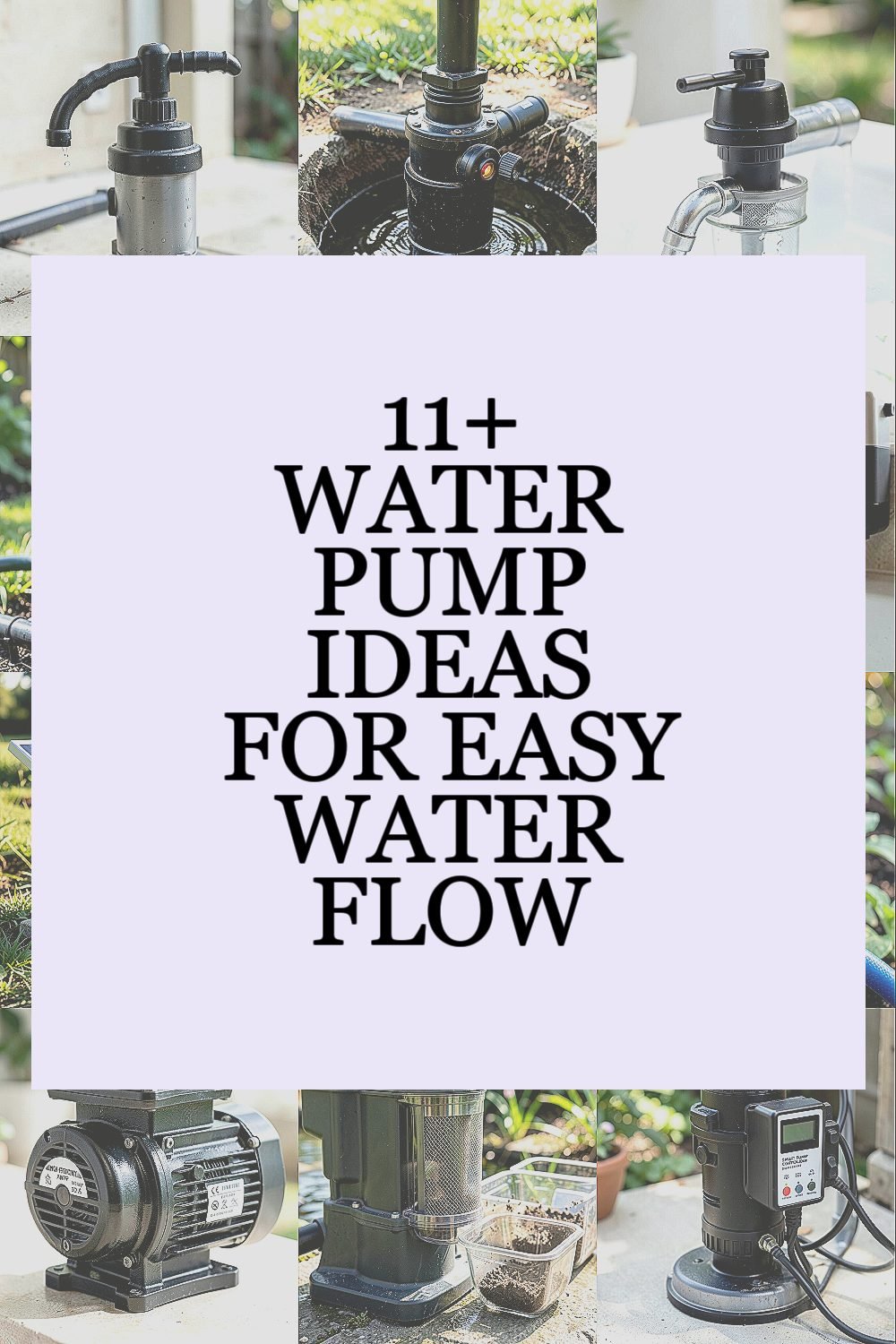
Water flow matters in many homes and small projects. With the right water pump, you can move water more easily and keep things working well.
1. Small Utility Pump for Quick Tasks
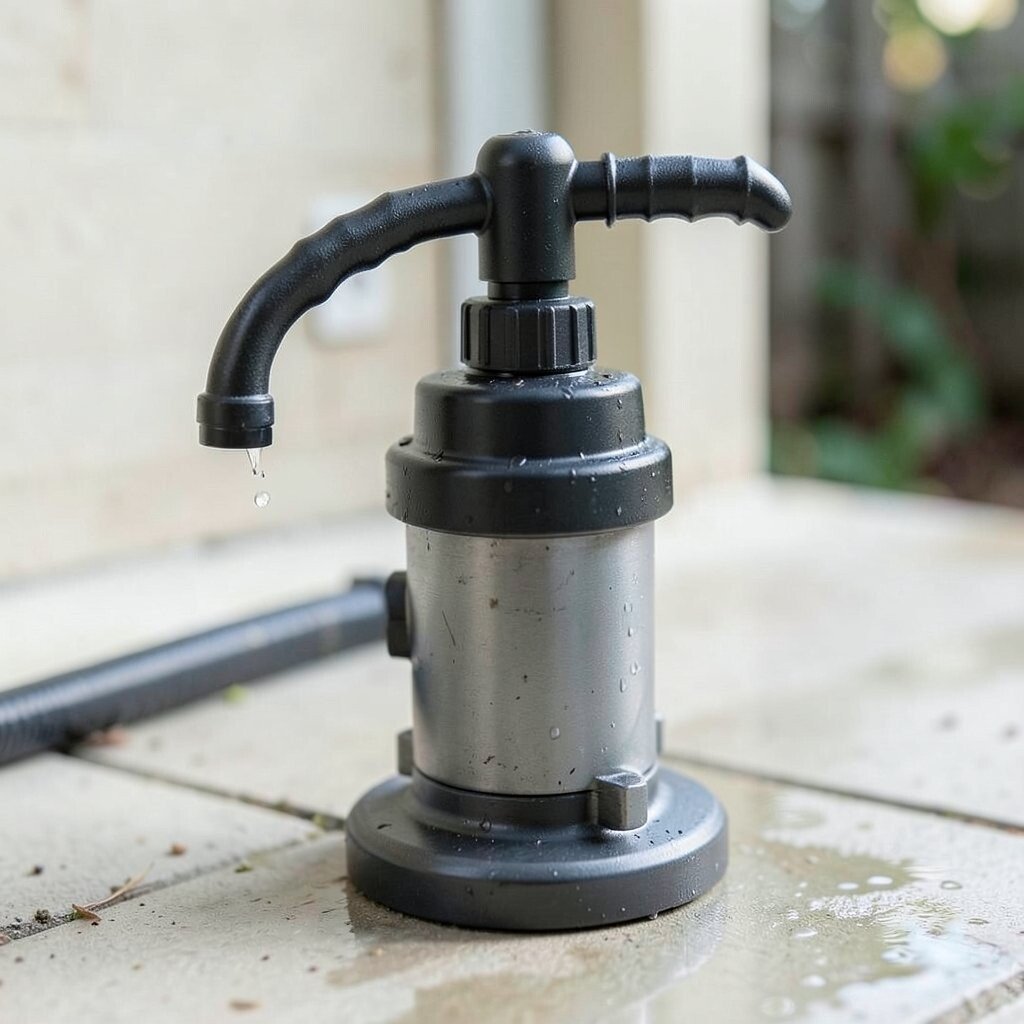
A small utility pump is a simple way to move water for short jobs. You may use it for draining a flooded sink cabinet, moving water off a patio, or helping during clean up after rain. It is easy to carry, set down, and start.
Look for a model that fits your hose and your water source. A good visual clue is a sturdy handle, clear intake area, and a firm base that does not wobble. For safe use, keep it off the ground if the bottom can trap mud or leaves. This can help it last longer.
For cost, small pumps are usually cheaper than large systems. A tip is to measure the hose length you need before you buy. You can also personalize the setup by adding a quick connector so you can switch hoses faster.
2. Submersible Pump for Basements and Sumps
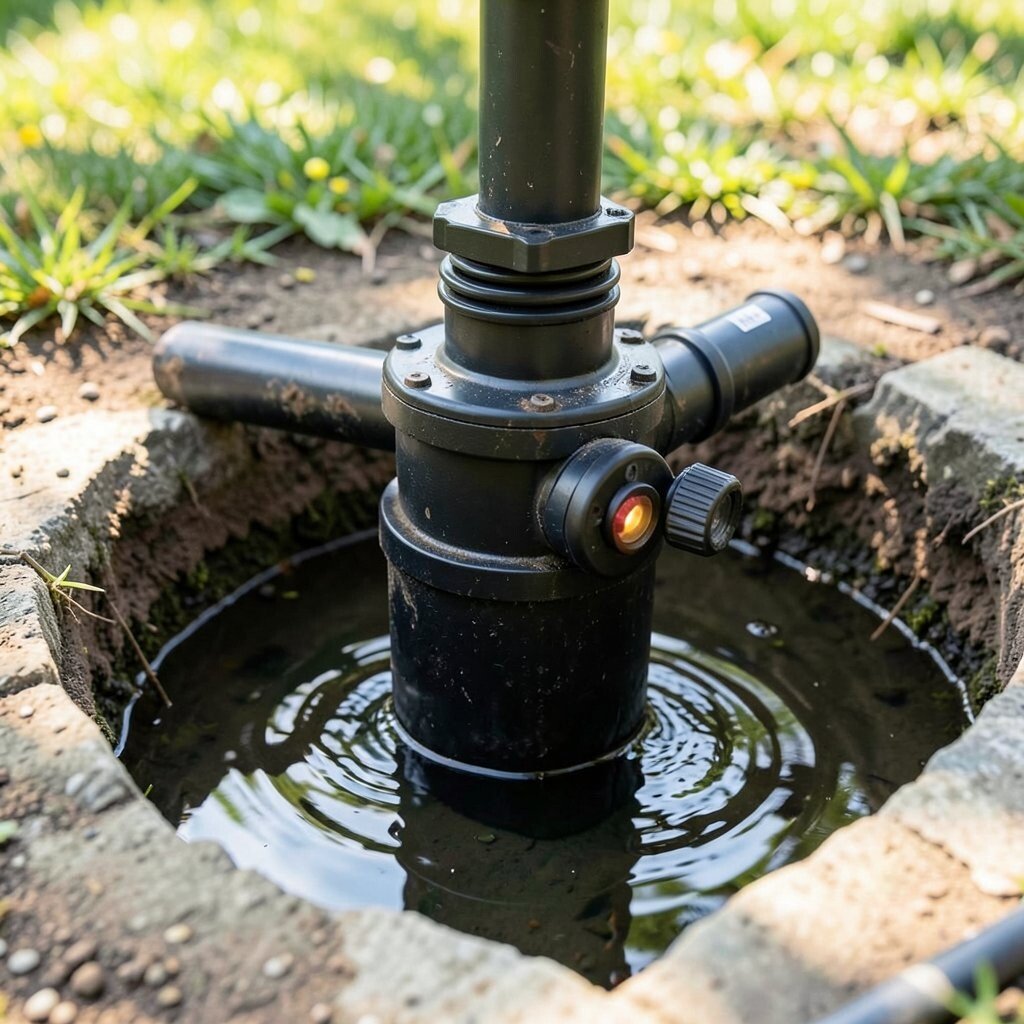
A submersible pump sits under water and pushes it up through a pipe. This is useful for sump pits, low spots in a yard, and places where water collects. You can often see it in action by watching the water level drop in the pit.
Many people like this option because it needs less hand work once it is installed. It can help stop standing water and lower the risk of musty smells. To get good results, place the pump on a level base and use a check valve to reduce backflow.
Trends now often include models with smarter controls and float switches. These features can help the pump start at the right water level. For personalization, add an alarm or a simple light so you know when it runs often.
3. Diaphragm Pump for Clean and Light Water
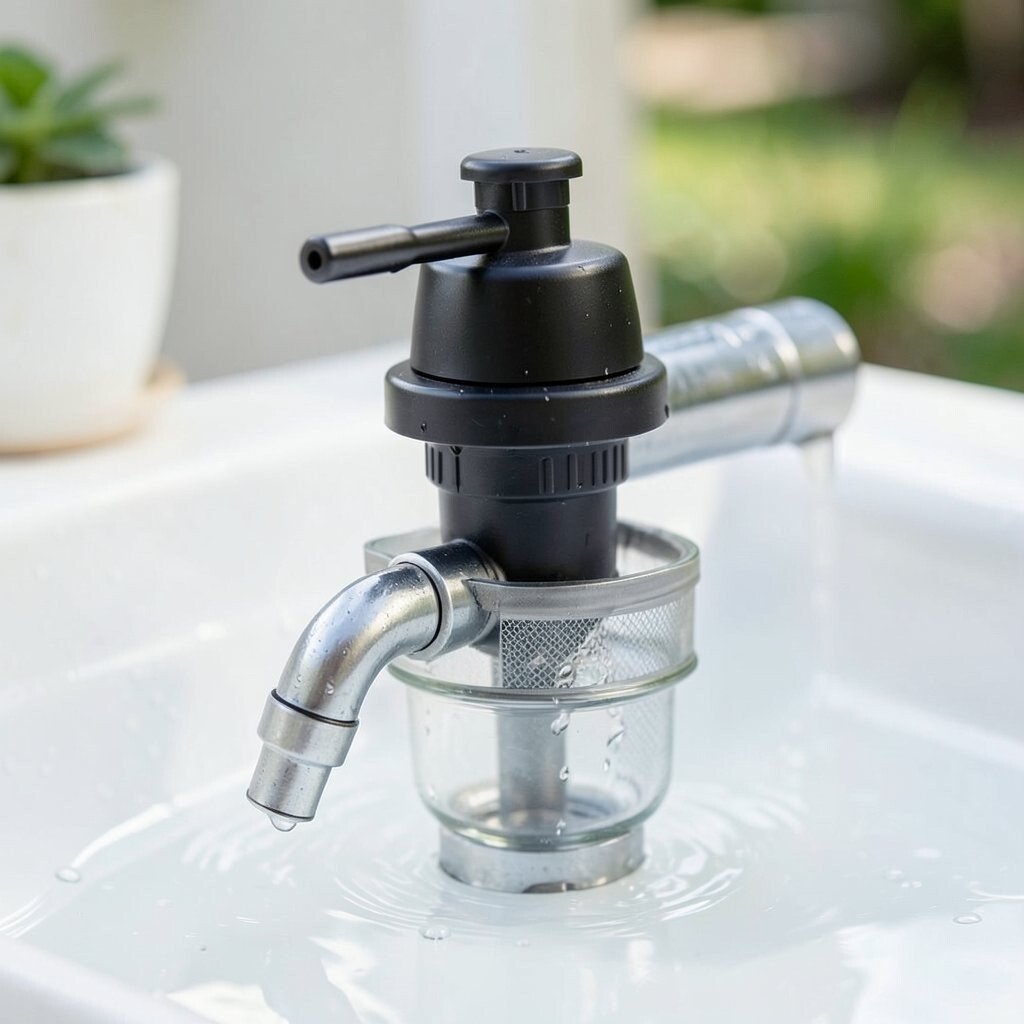
A diaphragm pump uses a moving rubber or plastic membrane to push water. This style works well for smaller lines, clear water, and steady flow needs. You may notice a compact body and a clicking or smooth rhythmic motion when it runs.
The main benefit is that it can handle small changes in pressure without much trouble. It can also be a good choice when you need a gentle flow for tasks like filling a small tank. For best results, keep the water fairly clean and avoid heavy debris.
In terms of cost, diaphragm pumps can be mid range. A tip is to match the power and flow rate to the hose size you plan to use. You can personalize it by using it with a filter screen or a simple inline strainer.
4. Centrifugal Pump for Garden Watering
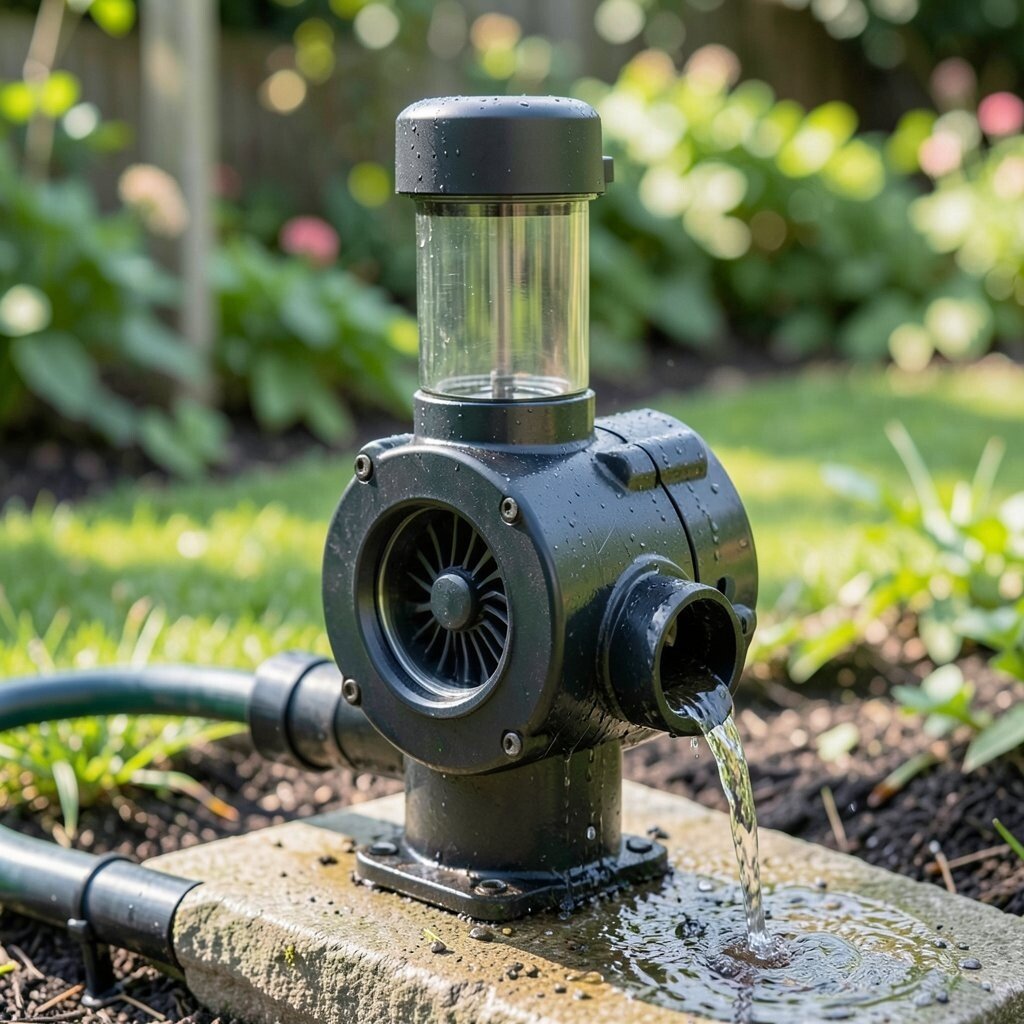
A centrifugal pump moves water using a spinning impeller. This is common in garden setups and for pushing water through hoses. Visually, you will see a motor with a round pump housing and a clear inlet and outlet.
This pump can help with steady watering across a yard. It is often a good match for sprinklers and drip lines if the pressure stays in range. To get better performance, keep the inlet hose short and avoid tight bends that can slow the flow.
Many people pick centrifugal pumps because the parts are easy to find. You can plan for cost by choosing the right size for your watering area. A trend is using timer plugs and smart outlets so the pump runs at set times without you watching it.
5. Jet Pump for Shallow Wells and Easy Lift
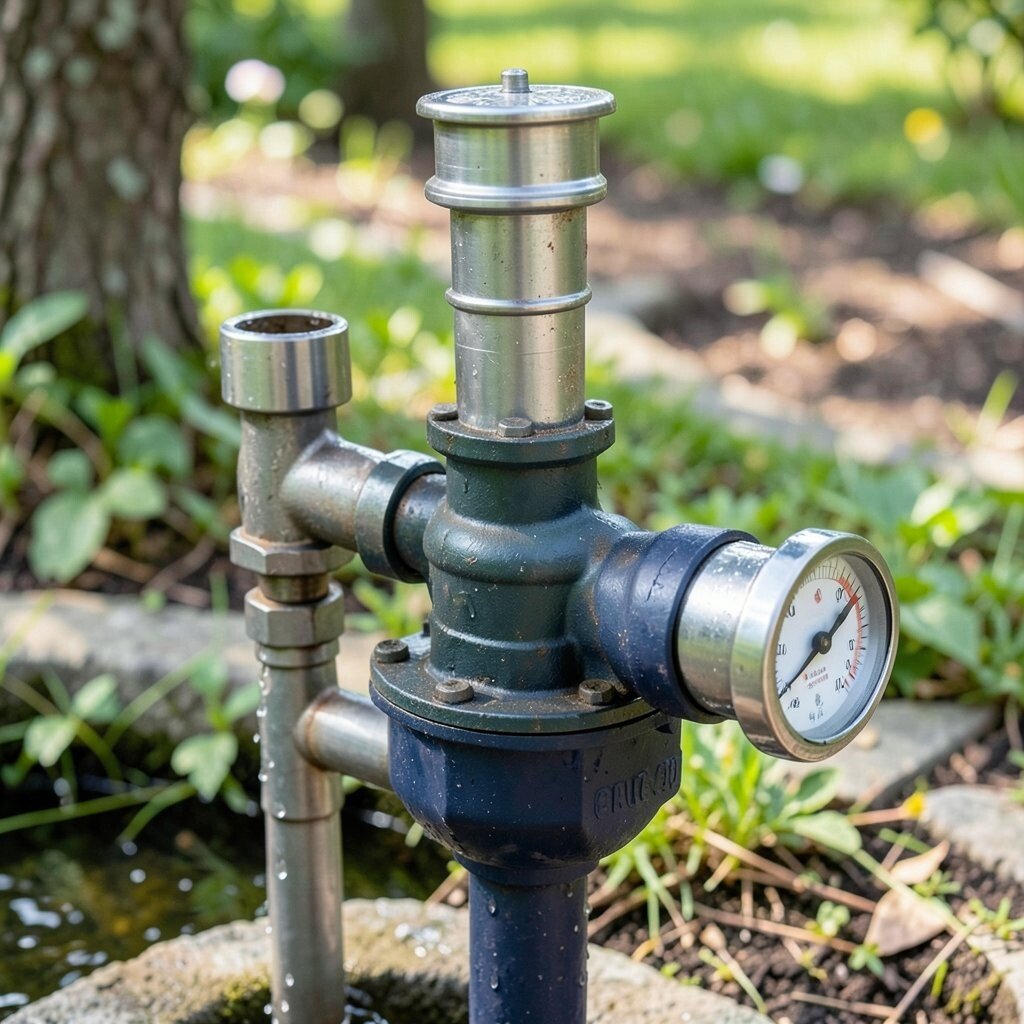
A jet pump pulls water up with a special nozzle and venturi effect. It is used often for shallow wells and for homes that need water from a well line. You may see a separate ejector or nozzle setup that helps create suction.
One benefit is that it can provide good lift for its size. It also fits many common water setups when the well depth matches the pump rating. For tips, check the water level often, since a low well can cause the pump to run dry.
Costs can be lower than more complex systems, depending on the install. You can personalize your setup by adding a pressure gauge and a simple pressure switch. That helps you see if the pump is working within the normal range.
6. Booster Pump for Strong Pressure at the Tap
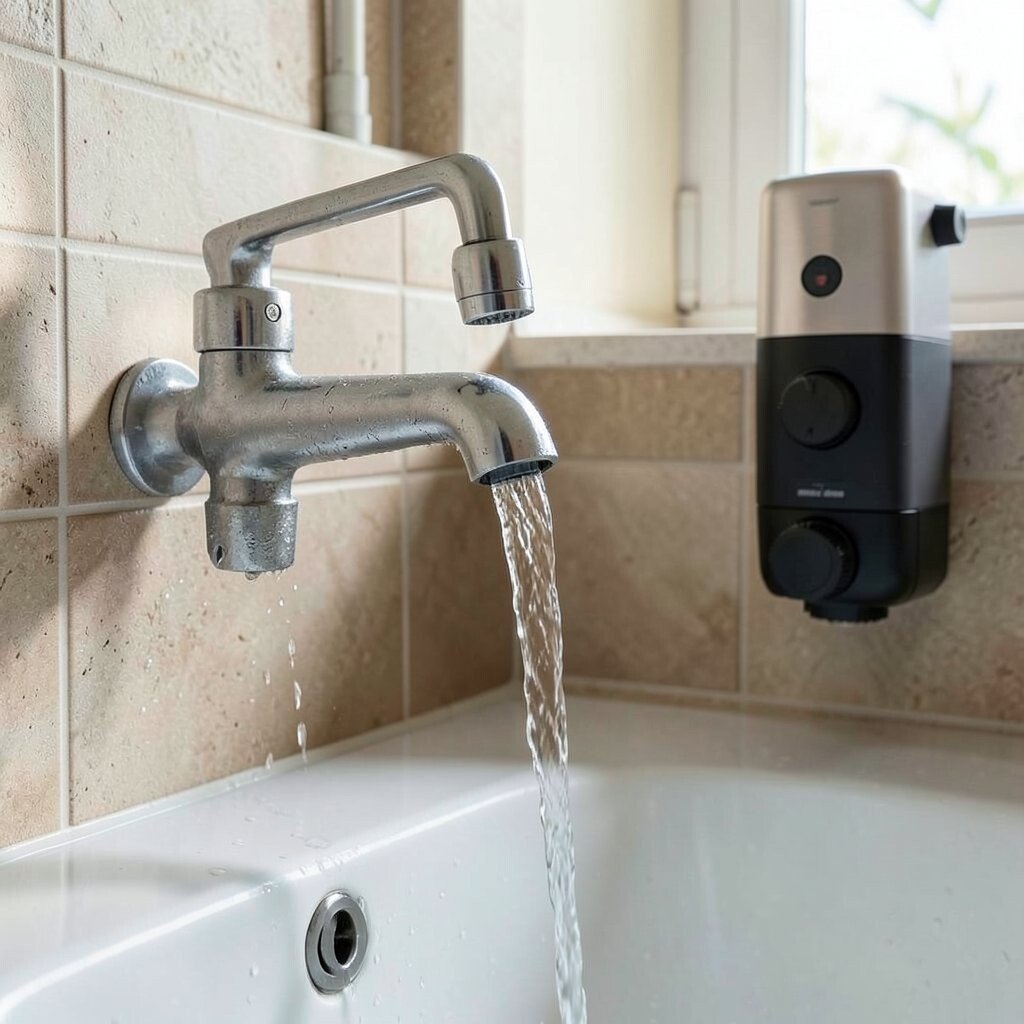
A booster pump helps when your water pressure feels weak at the sink or shower. It can increase pressure in a small home line or a long run to a shed. You might notice it is installed in line, usually near where the water enters your building.
This idea can make daily tasks easier, like filling tubs or running a strong shower stream. The visual sign of good fit is smooth flow with no sudden surges. To avoid damage, use a pressure sensor or a pressure switch and do not run it when the line has no water.
Booster pumps vary a lot in cost, so it helps to compare brands and power needs. A trend is quiet models that work with fewer vibration sounds. Personalize it by setting pressure limits so you keep the flow strong but not too high for your pipes.
7. Solar-Powered Pump for Off-Grid Water Flow
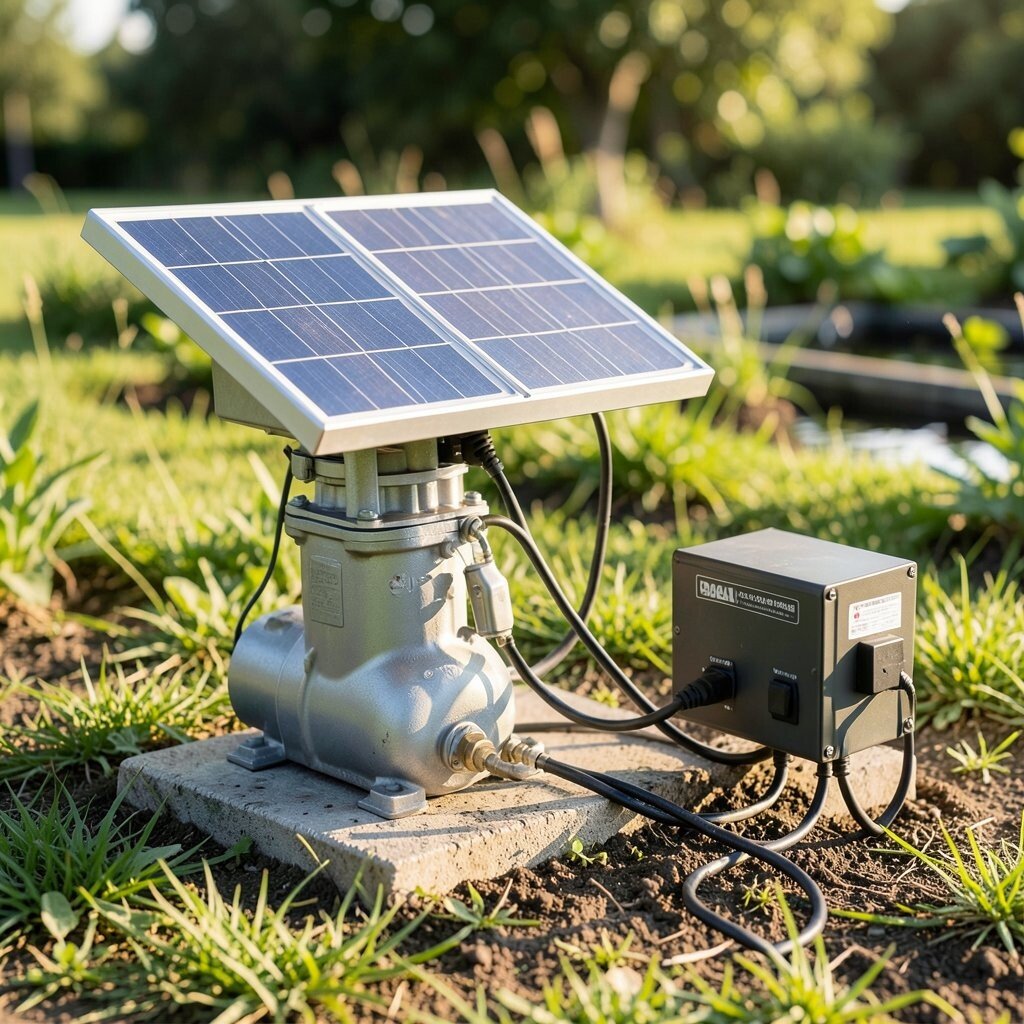
A solar-powered pump uses sun energy to move water. This can be useful for garden plots, ponds, and areas without easy power access. You will see a small panel setup with wires to the pump unit and a controller box.
The main benefit is using free energy once it is set up. It can help you keep water moving for plants or gentle pond circulation. A key tip is to size the pump based on sun hours in your area, since cloudy days can change output.
Cost can be higher at first due to the panels, but some people like the long run savings. A trend is better efficiency panels and small controllers that protect the pump. Personalize it by adding a battery option if you need water flow after sunset.
8. Hand Pump Option for Emergency Backup
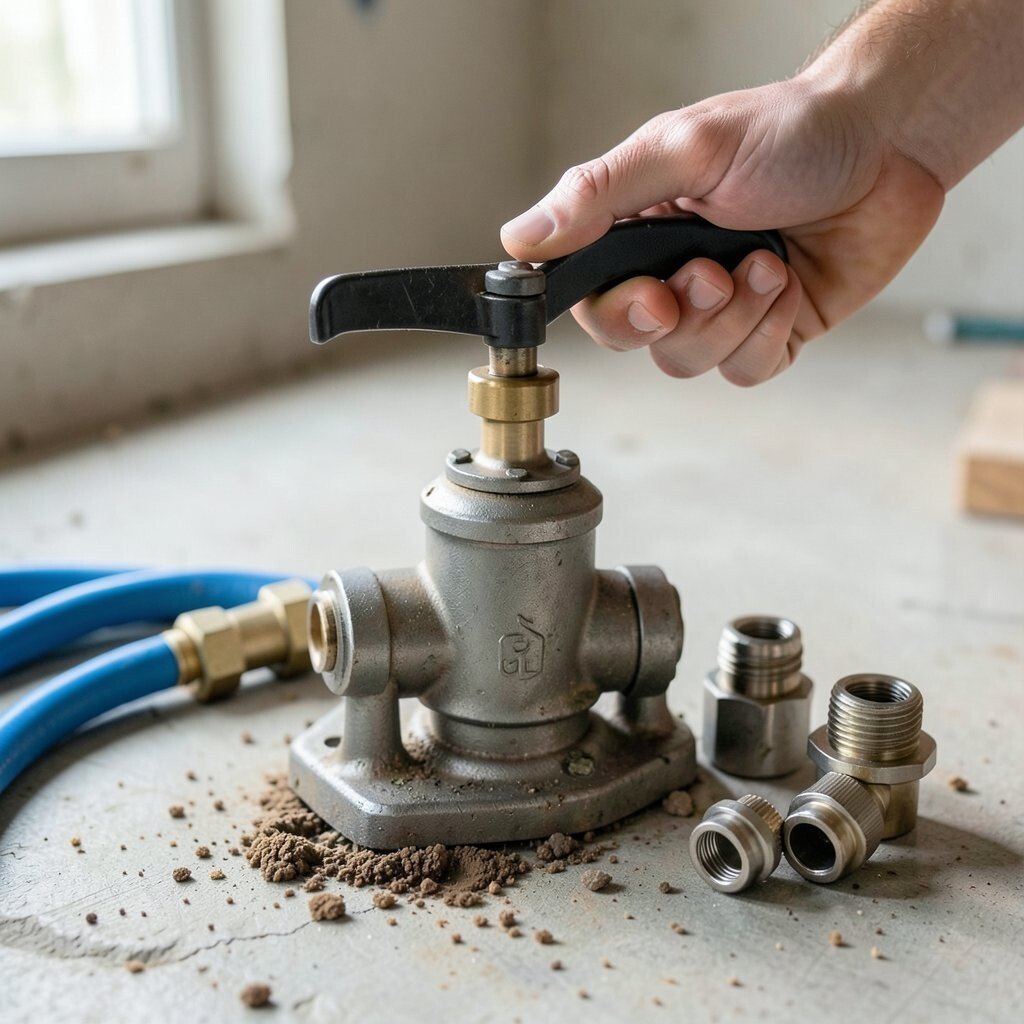
A hand pump does not need electricity, so it can help in emergencies. You can use it for simple water needs when power goes out. It often looks like a strong lever or handle attached to a small pump body.
This can give you peace of mind when storms or outages happen. It can also be a good backup for a basement or a tool shed line. Keep the pump clean and store it in a dry place so it stays ready.
Hand pumps are usually a low cost choice compared to motor pumps. A tip is to practice once, so you know how it feels and how long it takes. You can personalize it by keeping extra hoses and fittings nearby.
9. Hose End Pump for Portable Water Transfer
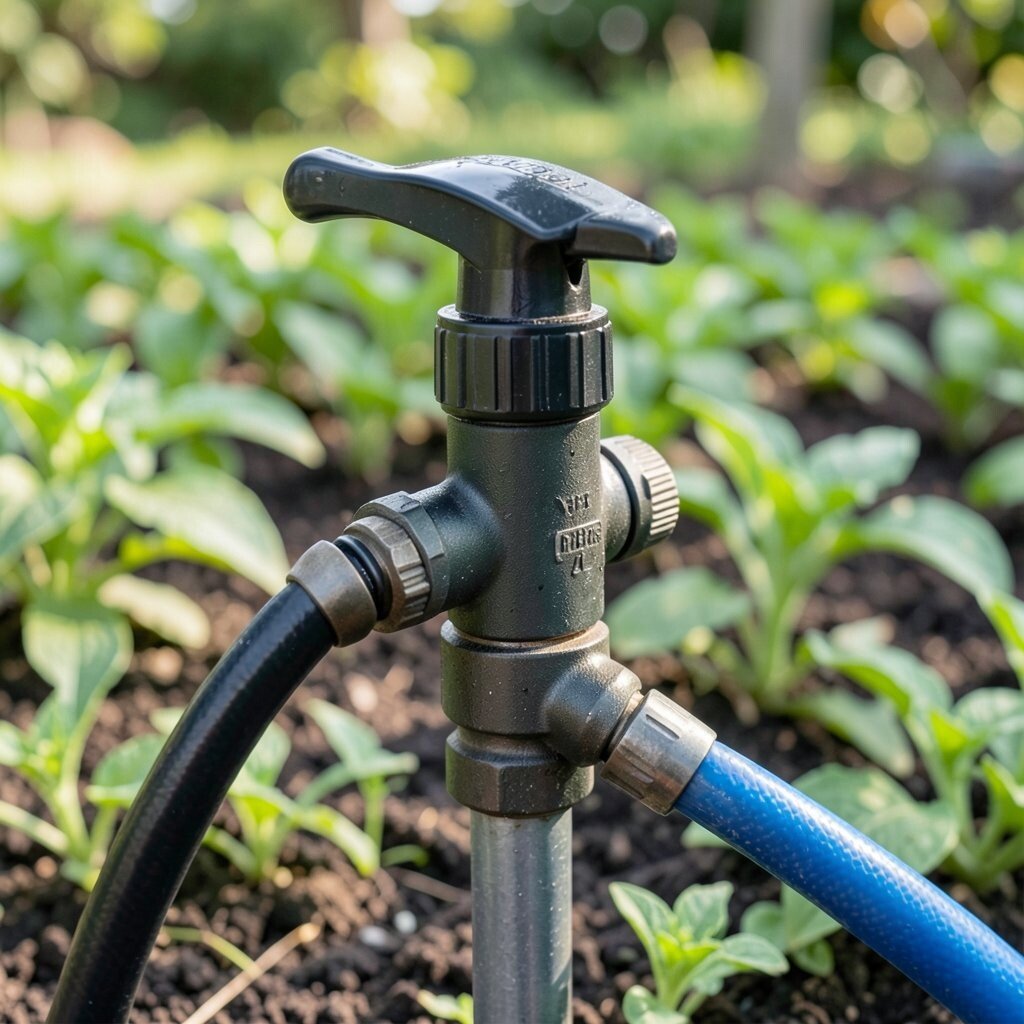
A hose end pump is made to connect to a standard hose and move water without much setup. This can help with quick transfer, like moving water from a bucket to a plant area. Many models are small and fit right on the end of the hose.
The benefit is easy use and less carrying of heavy units. It can help when you just need a short move of water rather than a full system. For tips, make sure the hose connections are tight and do not leave leaks near the pump.
Cost is often affordable, since the parts are simple. A trend is small pumps made for light chores, with improved sealing and better flow. Personalize by using the right nozzle, like a spray head or a gentle watering tip.
10. High-Efficiency Pump for Lower Power Use
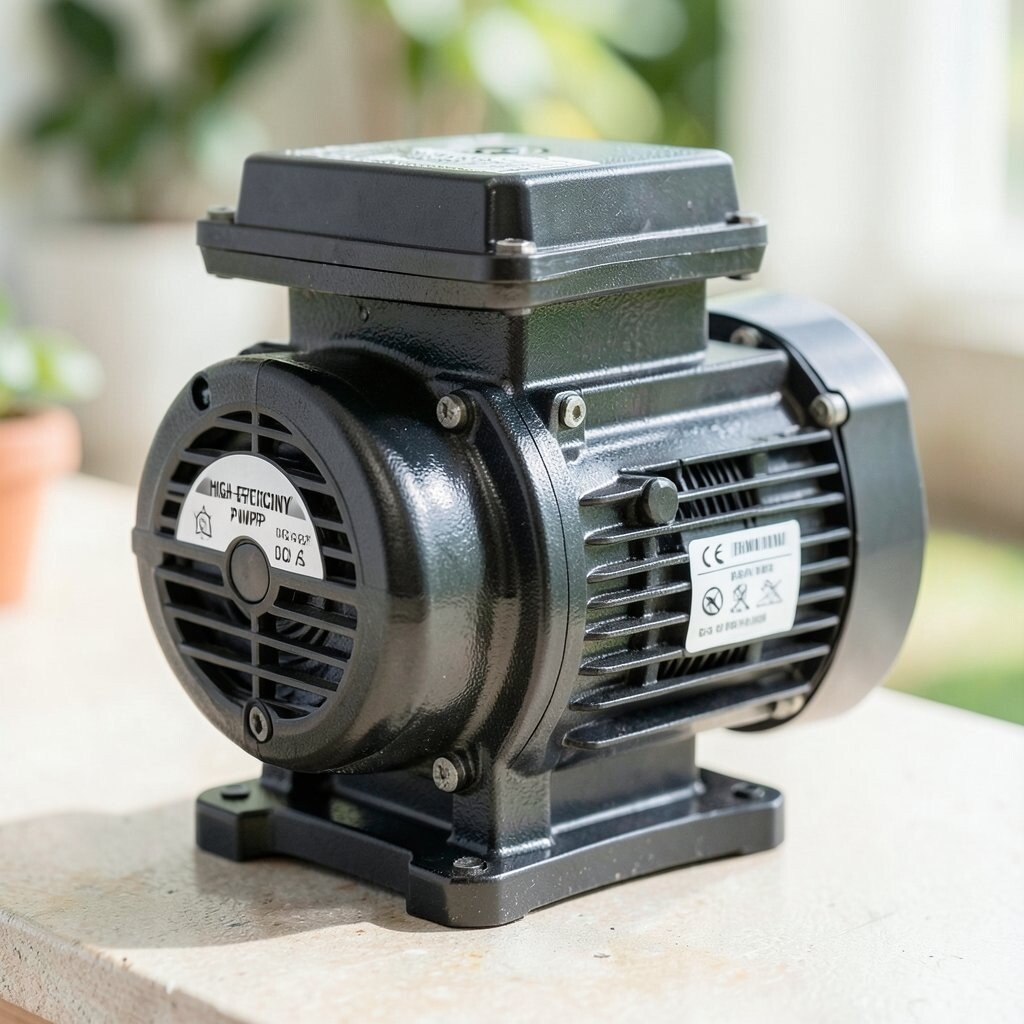
A high-efficiency pump focuses on moving the same water with less energy. This can help when you want steady flow but also want to keep power costs down. Visually, it may have clear labels for energy use and a well-made motor housing.
The benefit is that it can reduce your monthly power bills over time. It can also help you run the pump longer without pushing the system too hard. A tip is to match pump flow and pressure to your real needs, not the biggest number on the box.
Cost is often higher at purchase, but many people think it can pay back. A trend is pumps with variable speed or smart control that adjust output as demand changes. Personalize it by setting schedules so it runs only when you need it.
11. Filtered Pump Setup for Cleaner Intake
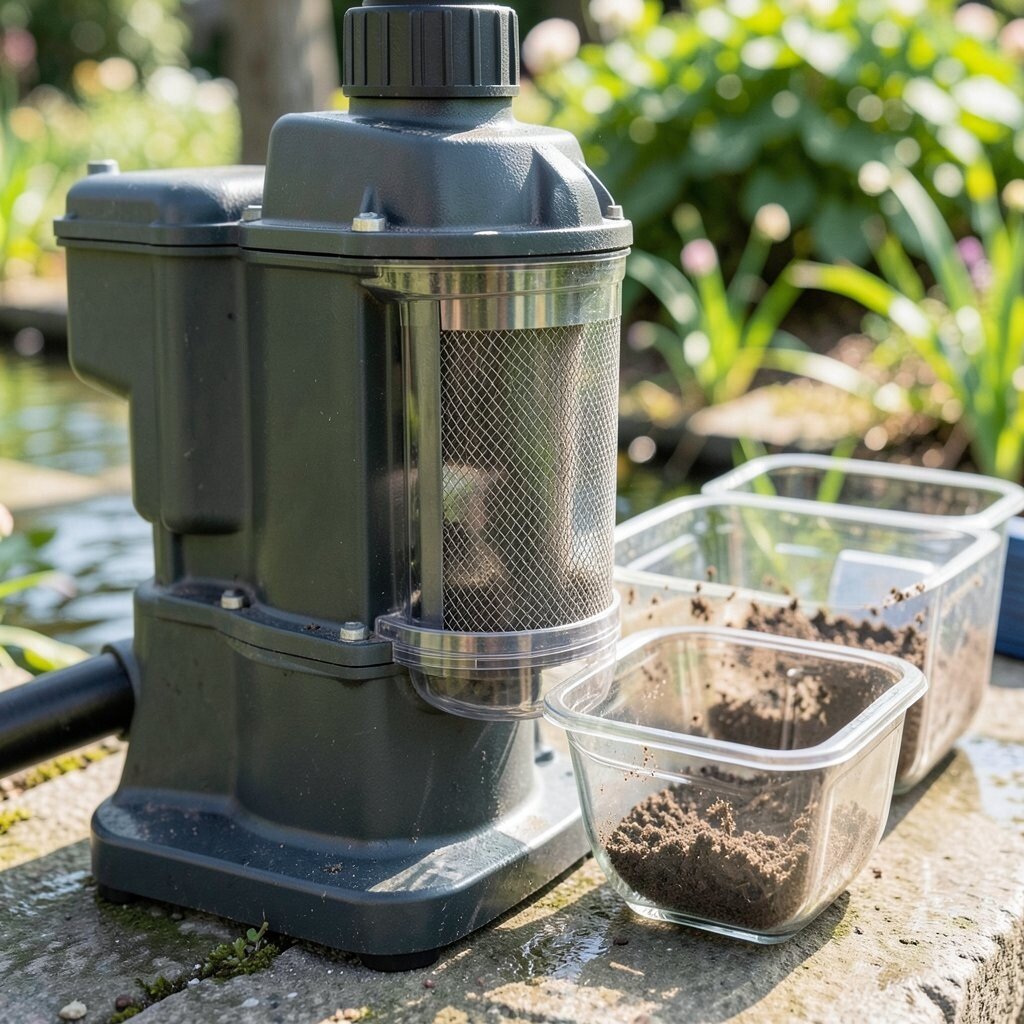
A filtered pump setup adds a strainer or filter before the intake. This helps keep grit, small sticks, and leaves from clogging the pump. You can picture a mesh screen near the inlet, often with a clear case for easy checking.
The benefit is fewer clogs and smoother flow. It can also help the pump last longer because it is not working against heavy debris. For tips, clean the filter often and choose a filter size that matches your intake opening.
Cost can be low if you add a simple inline strainer. A trend is clear filter bowls that show dirt buildup, so you can see when to clean. Personalize it by picking a filter that matches your water source, like pond water or garden runoff.
12. Smart Pump Controller for Automatic Start and Stop
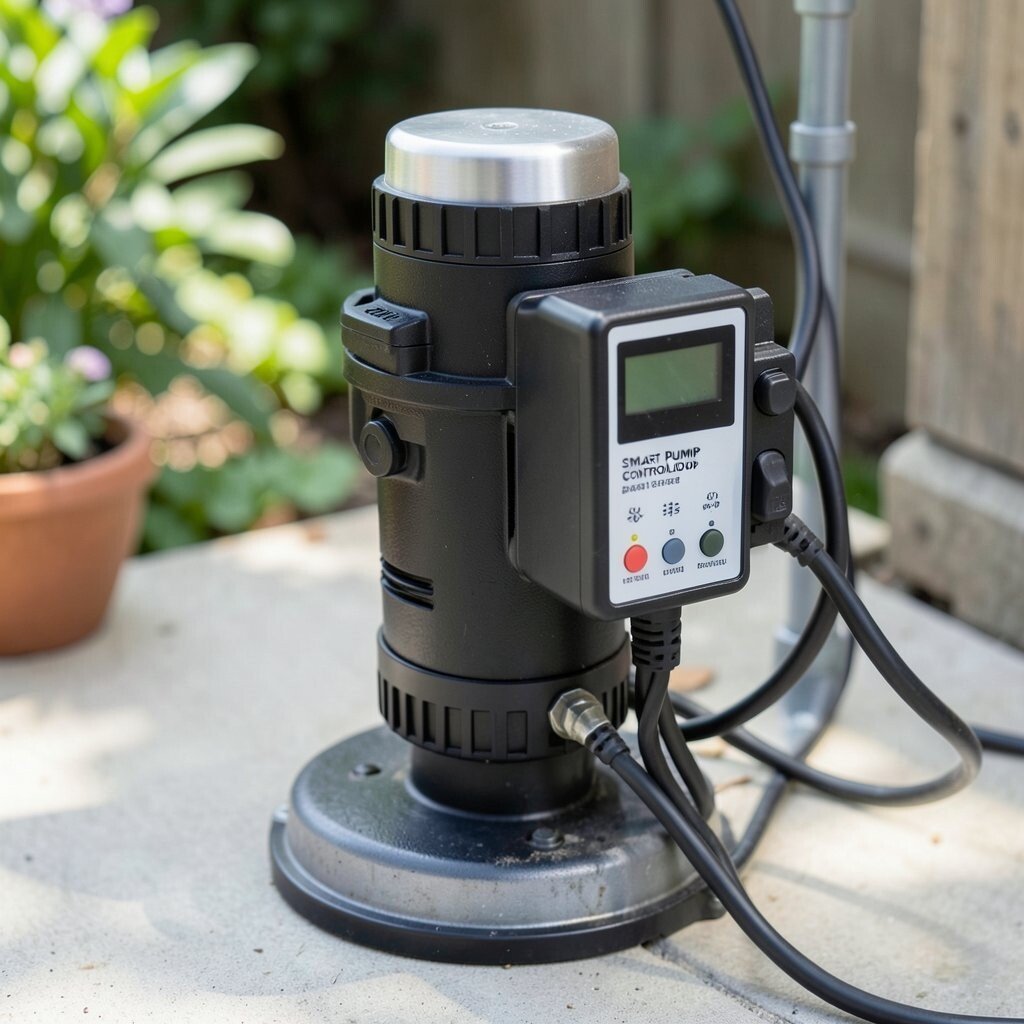
A smart pump controller can help your pump run only when needed. It connects to the pump and uses sensors to start, stop, or adjust flow. Visually, it often has a small screen, buttons, and wiring to the pump and power line.
This idea can help keep water flow steady and prevent dry running. It can also reduce wear because the pump does not run all the time. A key tip is to set the rules for when the pump turns on, based on the water level or pressure you need.
Cost can be mid range, depending on the features and the app support. A trend is remote alerts, like a text message when something changes. Personalize it by setting different schedules for garden watering or sump pump run time.