
Weight control can feel hard, but small daily steps can help you move in the right direction. If you start with simple habits you can keep, you will likely see steady change.
1. Set a simple goal for the week
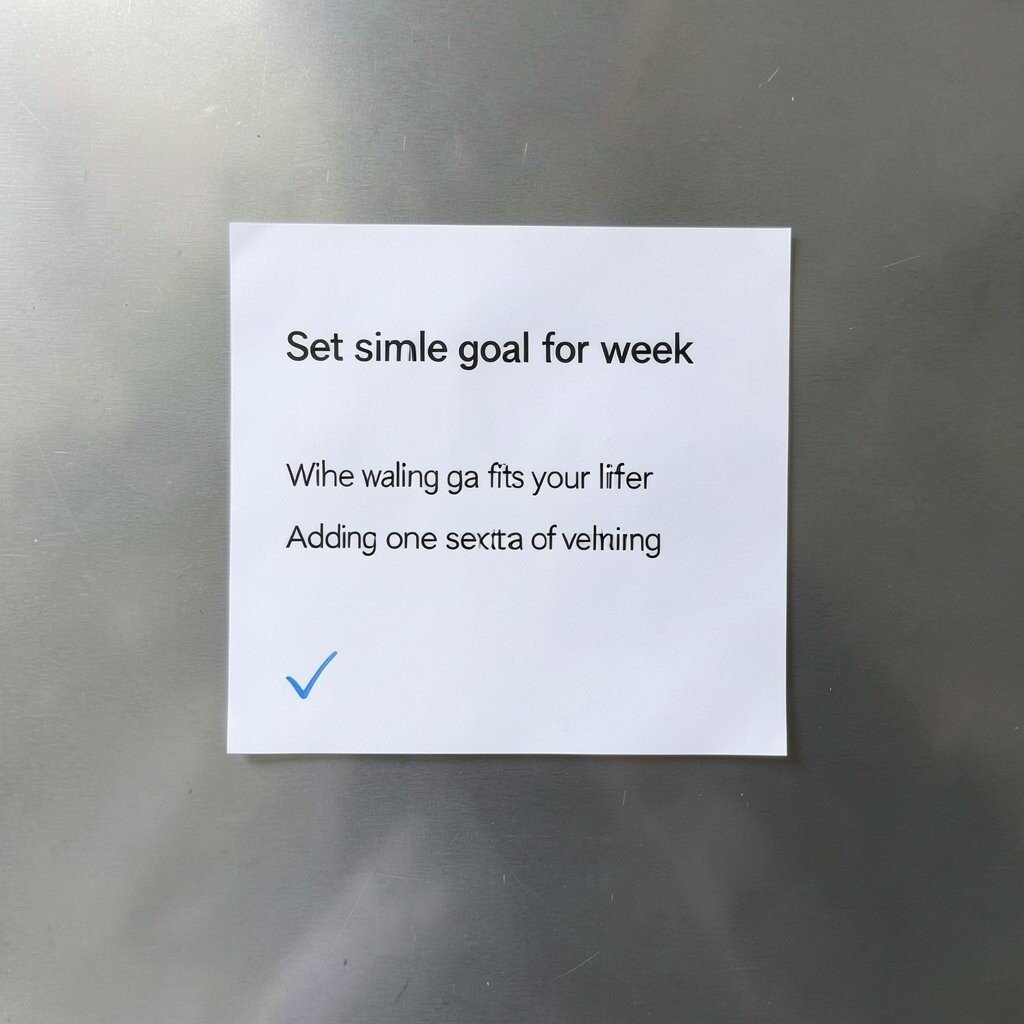
Pick one easy goal, like walking after dinner or adding one extra serving of vegetables. Keep it small enough that you can do it even on busy days. This helps you stay calm and focused.
Write the goal where you can see it, such as on your fridge or phone note. Visual cues help you remember. You can also track it in a basic way, like a check mark each day.
When your goal fits your life, you are more likely to keep it. That steady effort can lower stress and support healthier food choices.
2. Drink more water during the day

Carry a bottle and take small sips through the day. Water can help you feel less hungry when you get mixed signals from thirst. It also helps your body work well.
Try a simple routine, like one glass in the morning and one before each meal. You can add lemon slices or use a straw to make it more fun. The change does not have to be big.
Many people notice their cravings feel calmer when they drink more water. This habit is usually low cost and easy to fit in.
3. Build each meal with a balanced plate
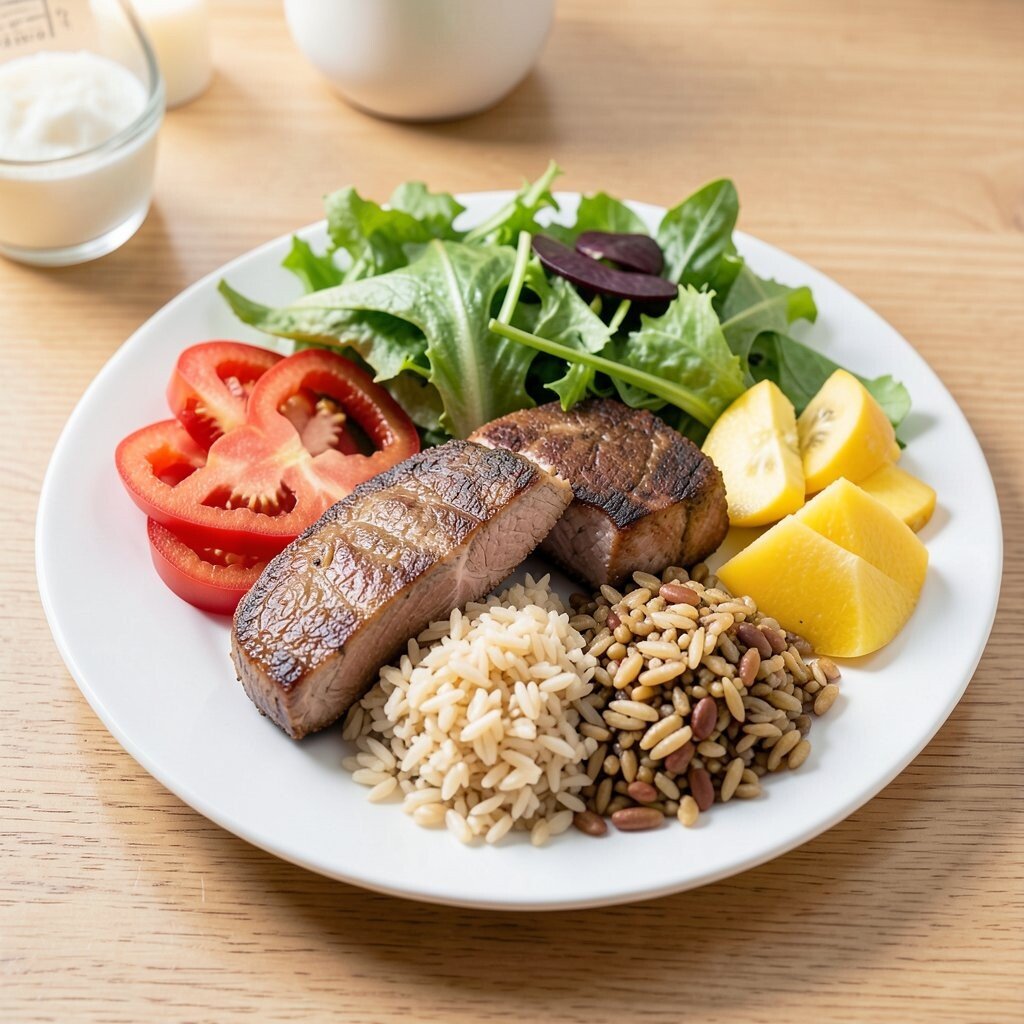
Use a plate idea that is easy to picture. Add half vegetables, a quarter protein, and a quarter whole grains or starchy foods. This shape can guide you without strict rules.
For a visual cue, think of bright colors on your plate, like red peppers, green salad, and yellow fruit. Color often means more fiber and key nutrients. You can keep it simple with frozen or canned items too.
Balanced plates can help you feel full with fewer empty calories. This also supports steady energy for work, school, or workouts.
4. Choose protein at each meal

Protein helps you stay full longer, so it can be a helpful part of weight control. Add it to breakfast, lunch, and dinner instead of only at one meal. Options include eggs, yogurt, beans, fish, chicken, or tofu.
Look at what is easy for you and make it a routine. If you like quick foods, try Greek yogurt or cottage cheese. If you prefer plant foods, use lentils or chickpeas.
When you pair protein with fiber and water, meals feel more satisfying. This can reduce mindless snacking later.
5. Add fiber with fruit, beans, and veggies

Fiber helps with fullness and digestion. Add fruit like berries or apples, plus vegetables like broccoli or carrots. Beans also work well and can be cheap.
Try a simple rule: add one high-fiber food to each meal. You can start with a side salad, a cup of beans, or a piece of fruit. Small adds can make meals feel bigger.
Many people feel less cravings when fiber is higher. It can also help you stay regular, which supports how you feel day to day.
6. Plan two quick meals you enjoy

Pick two meals you can make without stress, and keep the ingredients on hand. This is a low-cost way to help you choose food fast. It also helps you avoid last-minute takeout.
For example, try a stir-fry with frozen veggies and pre-cooked chicken, or a bean and rice bowl with salsa and spinach. Use what you already like. Personal taste matters because you will stick with it longer.
When you plan, you spend less time thinking and more time eating. This saves money and can help your weight goals stay on track.
7. Use portion cues instead of strict counting
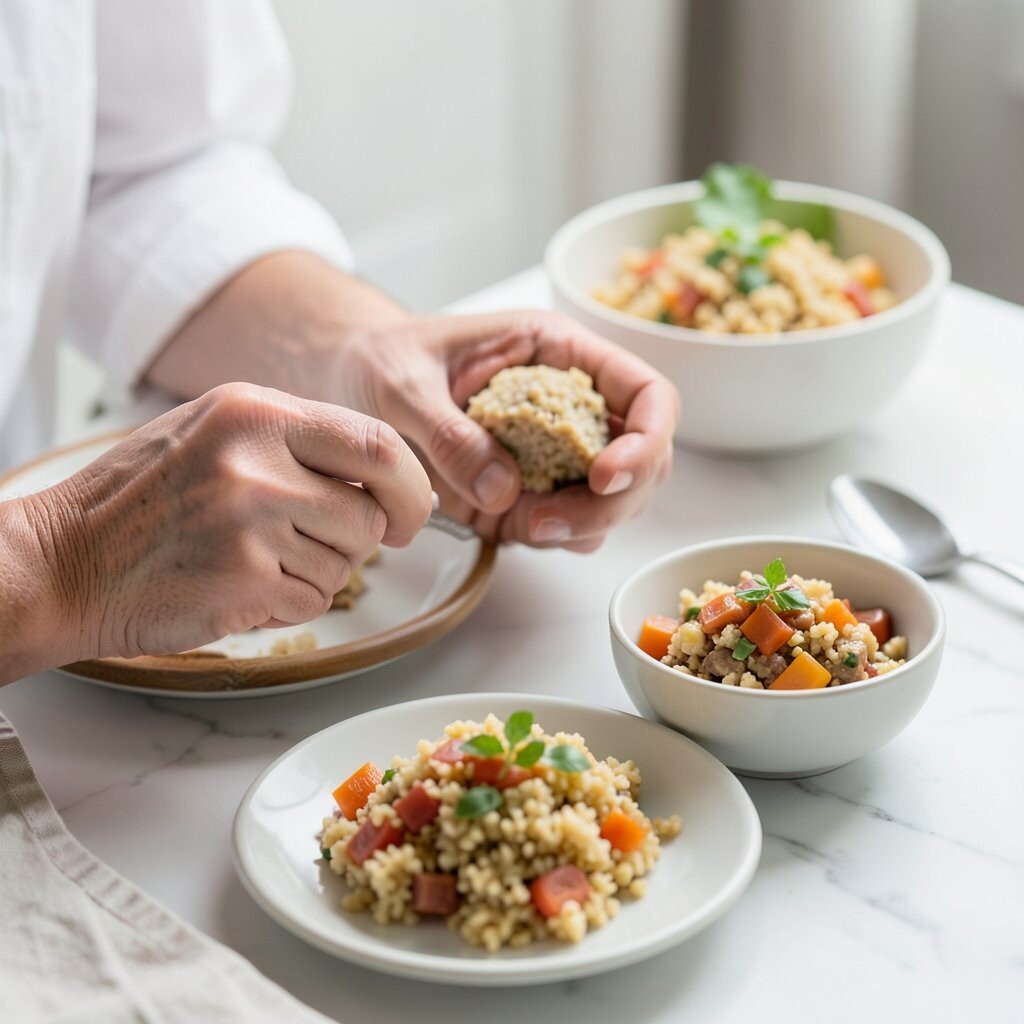
You do not need to count calories to manage weight. Use simple portion cues like a palm size for protein or a fist size for carbs. These cues are easy to remember.
You can also use smaller bowls and plates. When food looks smaller in a big bowl, it can help you slow down. This visual change can make a big difference over time.
Portion cues support personalization, since you can adjust based on your needs. You can also keep meals flexible instead of feeling trapped.
8. Eat slower and pause between bites

Slow eating can help your body notice fullness. Try to put your fork down between bites and take a short breath. This small habit helps you focus on taste and texture.
Visualize your meal as a few steps, like first a few bites, then a pause, then the next part. You can also drink a small sip of water during pauses. These breaks help you avoid fast overeating.
People often feel more satisfied when they slow down. This can lower the urge to go back for more right away.
9. Watch sugary drinks and swap one at a time

Sweet drinks can add lots of sugar without making you feel full. Soda, sweet tea, and some juices are common examples. Swapping just one drink can help you cut extra sugar.
Try water with bubbles, unsweetened tea, or flavored water with a slice of fruit. Keep it easy so you do not feel like you are missing out. You can also use smaller servings at first.
Less sugar can help your energy feel steadier during the day. It can also make hunger feel easier to manage at meals.
10. Make snacks part of your plan
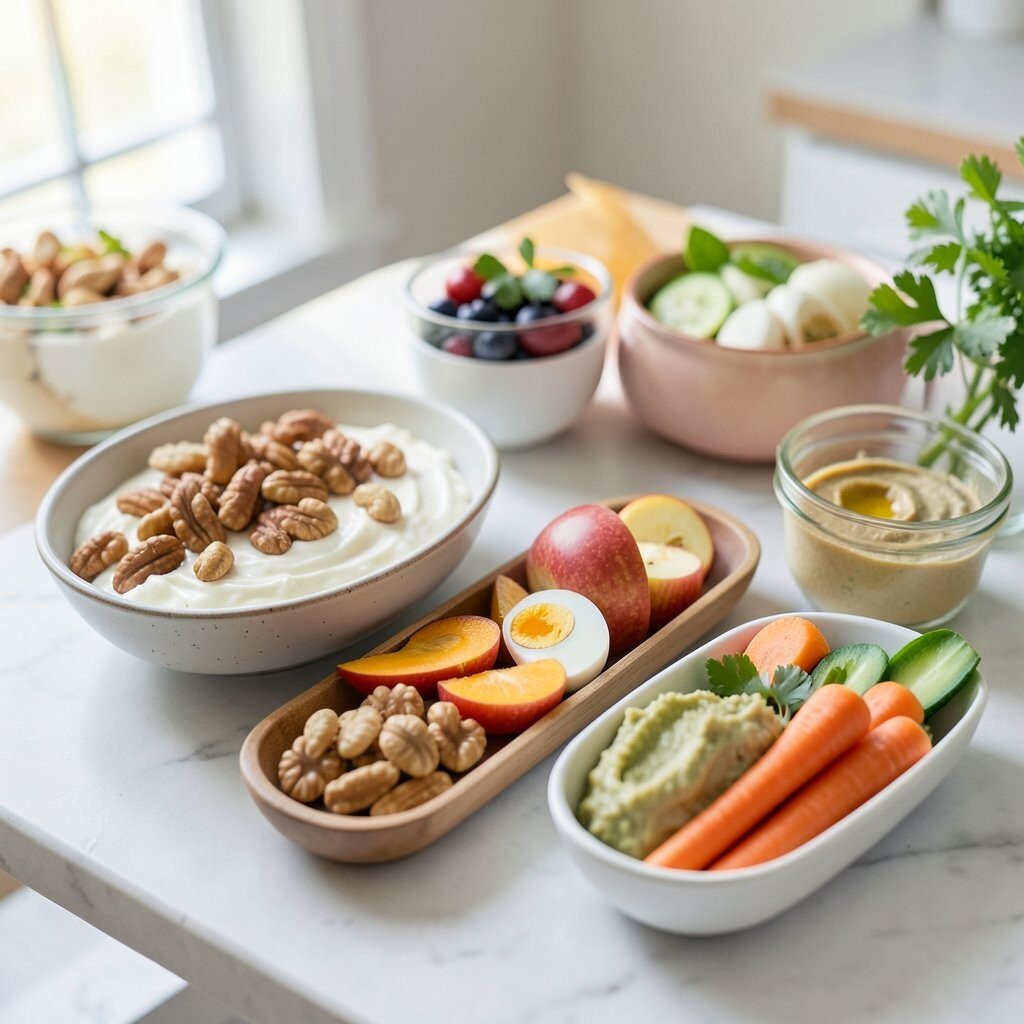
If you get hungry between meals, pick snacks on purpose instead of grabbing what is nearby. Good snack ideas include nuts, yogurt, fruit, hummus with veggies, or a boiled egg. This helps you avoid random choices.
Try to combine protein and fiber for better fullness. For example, apples with peanut butter or carrots with hummus can help. This also supports your weight goals in a steady way.
Planning snacks can save money since you buy what you need. It also fits busy schedules because you can pack snacks ahead.
11. Use a simple food log for a short time

A short log can help you see patterns without feeling judged. Write down what you eat and when for one week, then review it. You may notice late-night snacks or skipped meals that lead to cravings.
Keep it simple, like “breakfast, lunch, snack, dinner” and a few notes. If you like apps, use them. If not, a notebook works well too.
When you spot patterns, you can change one thing at a time. This method supports personalization and helps you use your own data.
12. Get moving with short walks you can repeat

Movement helps burn energy and supports better mood. A short walk after meals can be a simple start. It is also easy to fit into a workday.
Try a plan you can repeat, like ten or fifteen minutes after lunch and dinner. Use good shoes and choose safe routes. If weather is bad, walk indoors while music plays.
Regular walking can help with digestion and reduce sitting time. Many people also sleep better when they move during the day.
13. Add strength work two times per week

Strength training helps build and keep muscle. Muscle can support how your body uses energy, even when you rest. You do not need heavy gear to start.
Try simple moves like squats to a chair, wall push-ups, step-ups, and rows with a band. Keep good form and start with light effort. If you feel unsure, check a trusted beginner guide.
Doing strength work can make your body feel stronger in everyday tasks. It also helps with posture and joint support for many people.
14. Sleep enough and keep a steady bedtime

Sleep affects hunger and cravings. When you do not sleep well, you may want more sweet and salty foods. A steady bedtime helps your body get into a better rhythm.
Try a calm wind-down, like dim lights, less phone time, and a short stretch. Keep the routine simple so you can keep it. Your sleep routine can match your own style.
Better sleep can help you feel more in control with food choices. It also supports energy for daily movement.
15. Reduce stress with small daily resets

Stress can lead to emotional eating, even when you know better. Use small resets like slow breathing, a short walk, or a few minutes of quiet music. These can lower the push to snack right away.
Try a “pause before you eat” moment when you feel upset. Ask yourself if you are hungry or just tired or stressed. This check can help you make a more useful choice.
When stress is lower, your food choices often get easier. It also helps you stay consistent with other habits like water and walking.
16. Try the latest simple trend in a safe way
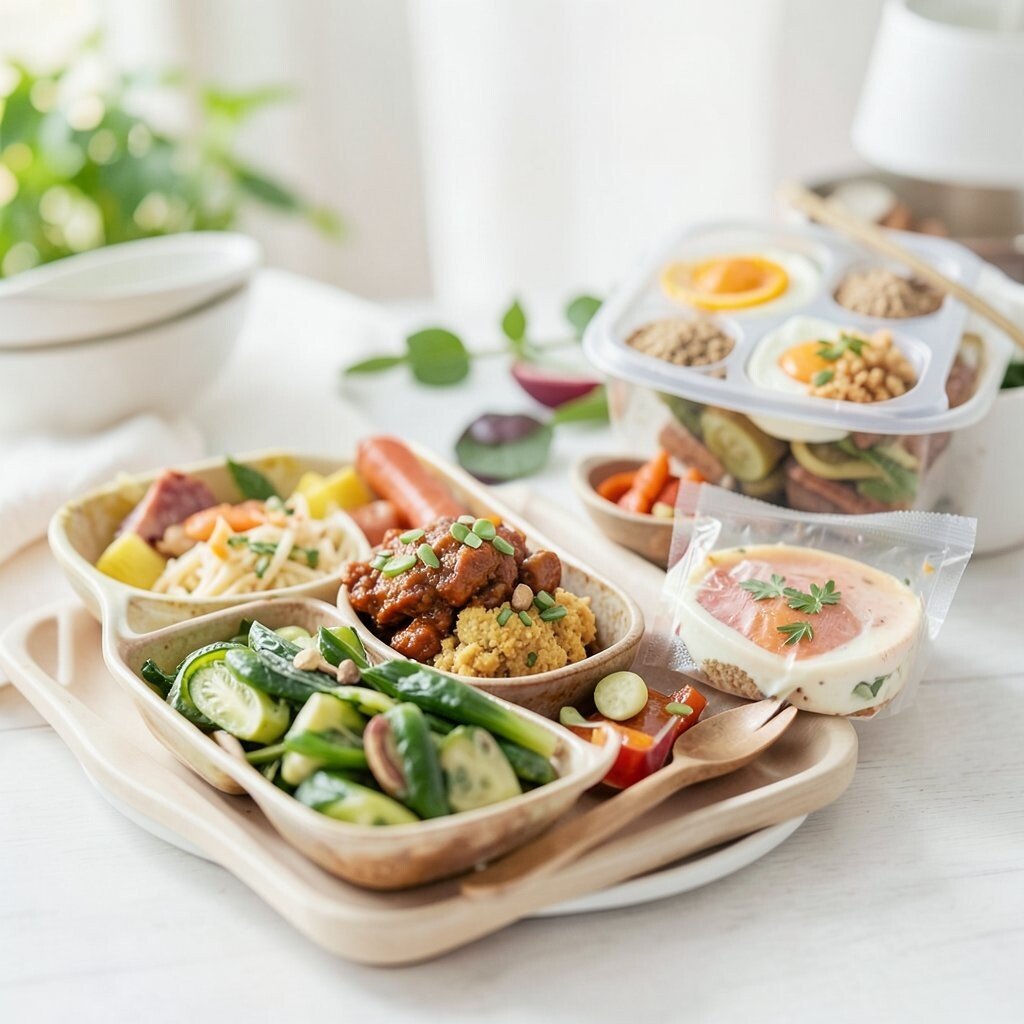
Some new trends can help, like high-protein breakfasts, meal kits, or mindful eating apps. Pick one trend that fits your life and budget. Then test it for a short time.
For cost control, look for sales, use store brands, and buy frozen vegetables. If you try meal kits, check how many servings you get and whether they reduce food waste. You can also copy the idea by using a grocery list.
Trends can add variety and keep motivation up. When you choose what feels realistic, you are more likely to keep it long term.