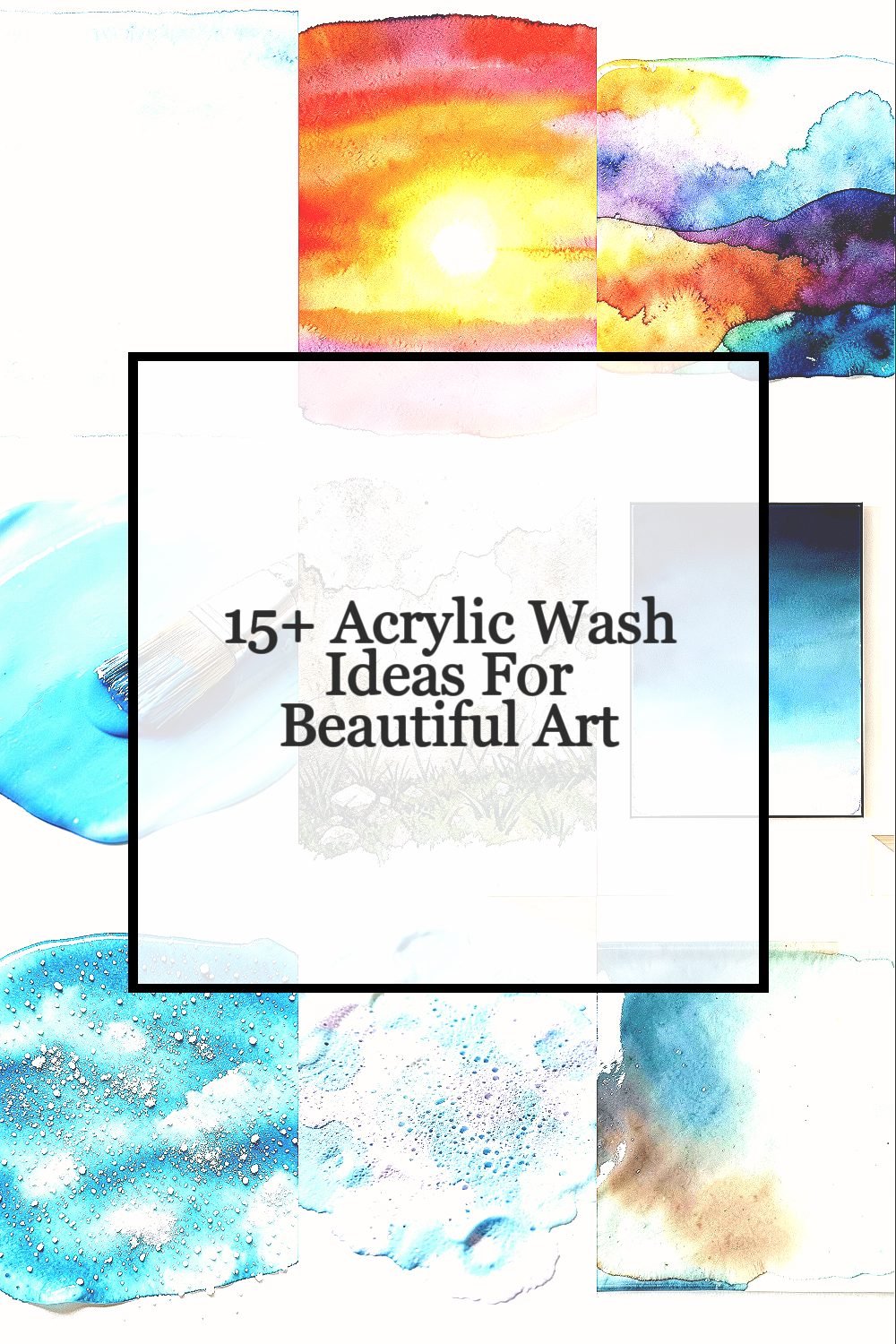
Acrylic wash can make art look soft, light, and easy to read. It also gives you many ways to use color, water, and simple marks in your work.
1. Soft Sky Wash
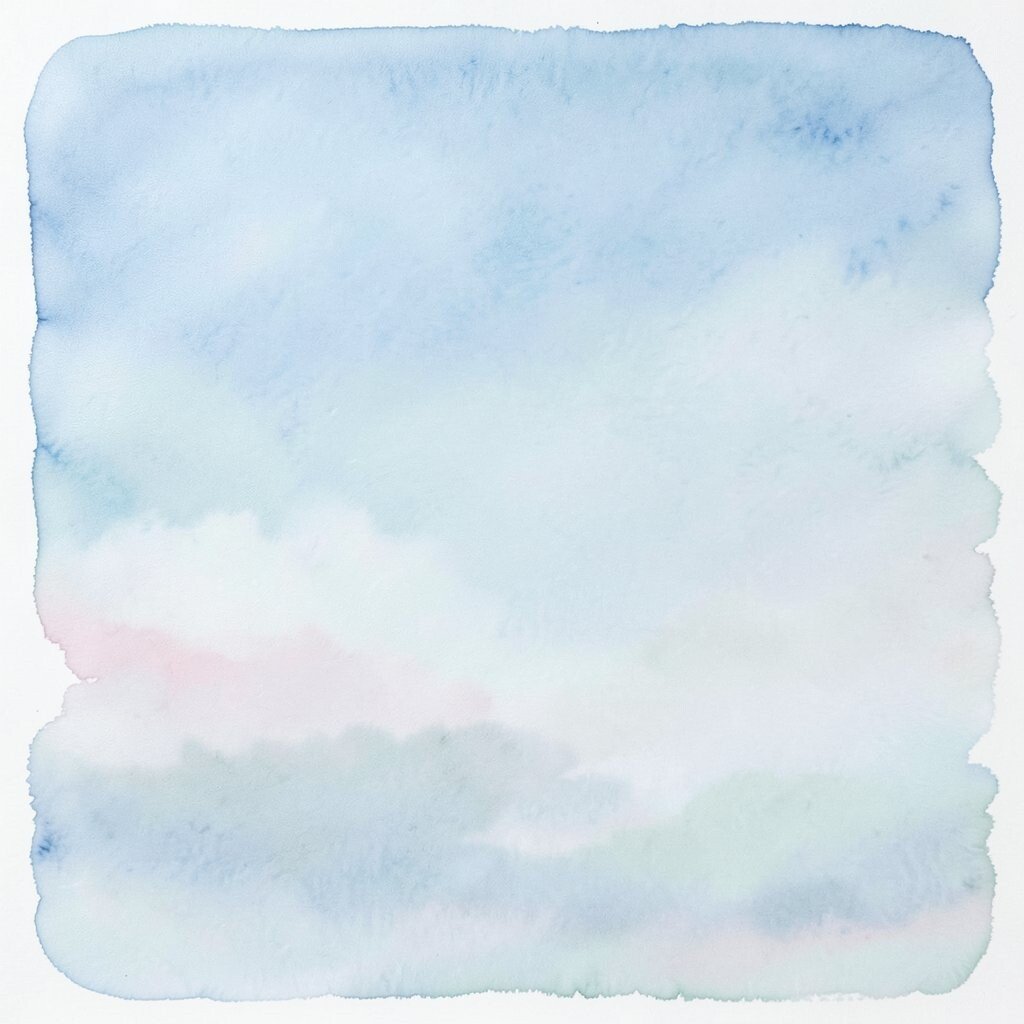
A soft sky wash uses thin paint and lots of water to make a smooth, light blue field. It works well for clouds, open space, and calm scenes.
This style is easy to start with and does not need many tools. You can use a wide brush and a low-cost paint set, which makes it a good choice for beginners.
Try changing the blue with a little gray, pink, or pale green to fit your own scene. Many artists like this look because it feels clean and simple without much effort.
2. Warm Sunset Wash
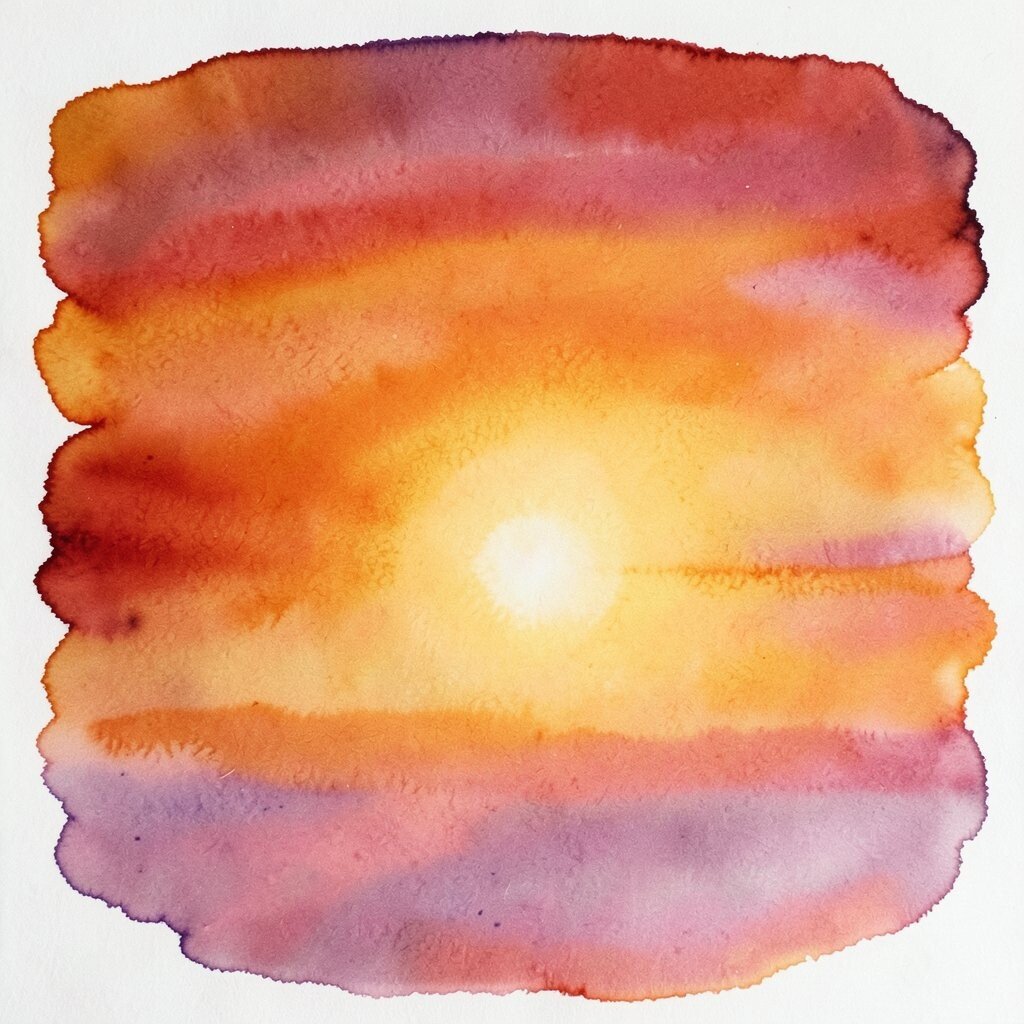
A warm sunset wash uses colors like orange, red, gold, and soft purple. The paint is spread in thin layers so the colors can blend in a smooth way.
This idea is nice for landscapes, city views, or abstract art. It can help your work feel warm and calm, and it often costs very little since you can use a few basic colors.
You can make it more personal by adding darker edges or a bright center. This style is also popular now because many people like soft color blends in home art.
3. Layered Color Wash
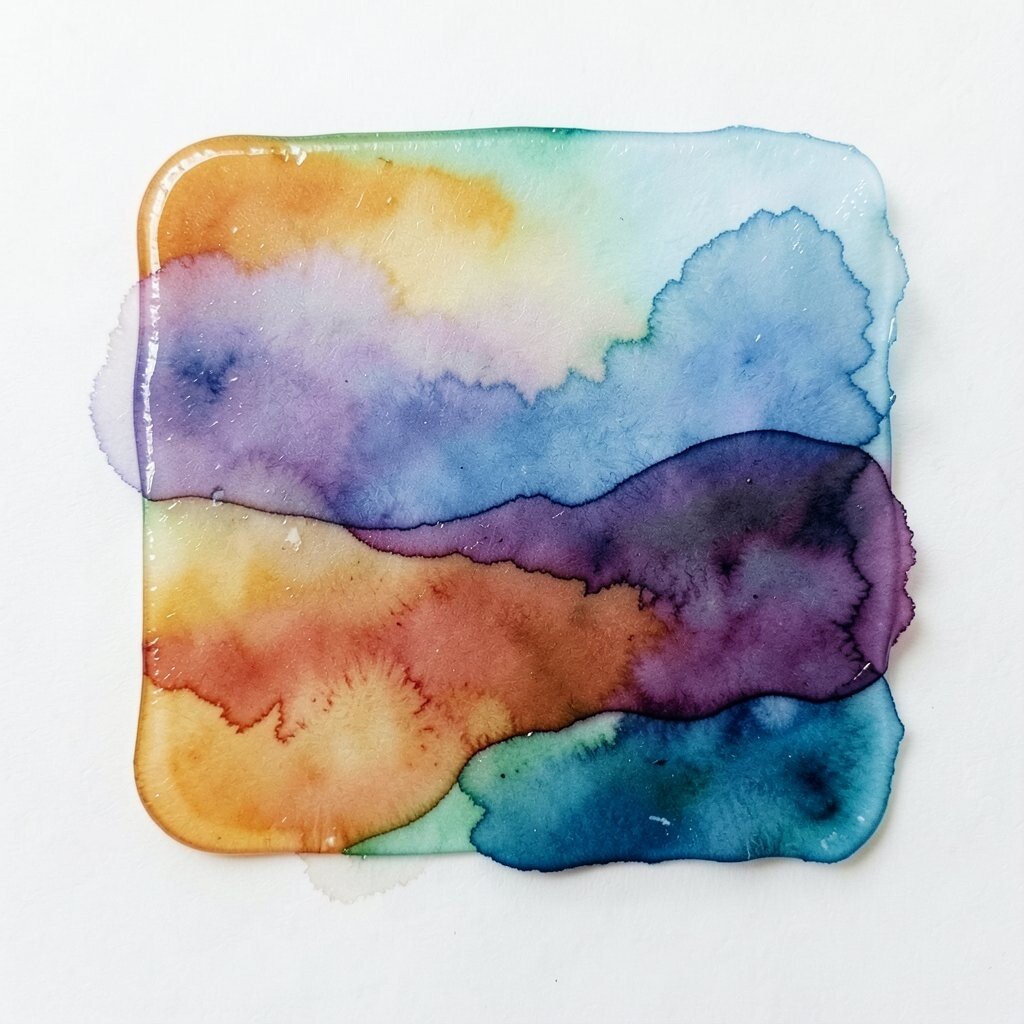
A layered color wash puts one thin color over another after the first layer dries. The result can look deep and rich, even if each layer is very light.
This method gives you more control than one heavy coat of paint. It can help you fix small color changes and build a look that feels fuller without using much paint.
Try warm colors under cool colors, or the other way around, to see how they mix by sight. This is a low-cost way to make art look more finished and more like your own style.
4. Wet Edge Wash
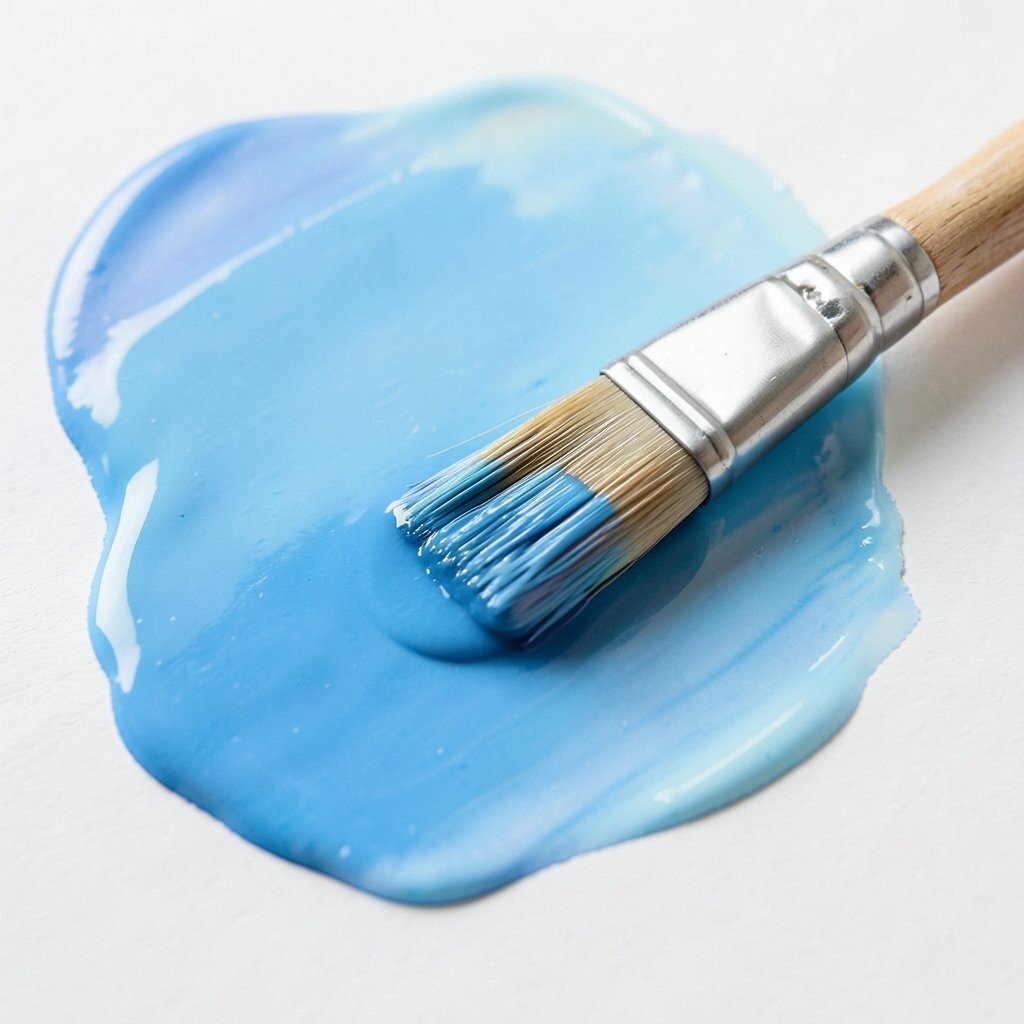
A wet edge wash keeps part of the paint wet while you add more paint next to it. This helps the colors flow together with soft edges and no hard lines.
It is useful when you want a smooth look in skies, water, or soft backgrounds. You only need water, paint, and a brush, so it does not take much money to try.
The best tip is to work fast and keep the brush loaded with thin paint. Many artists enjoy this method because it gives a natural look that feels easy and loose.
5. Dry Brush Wash
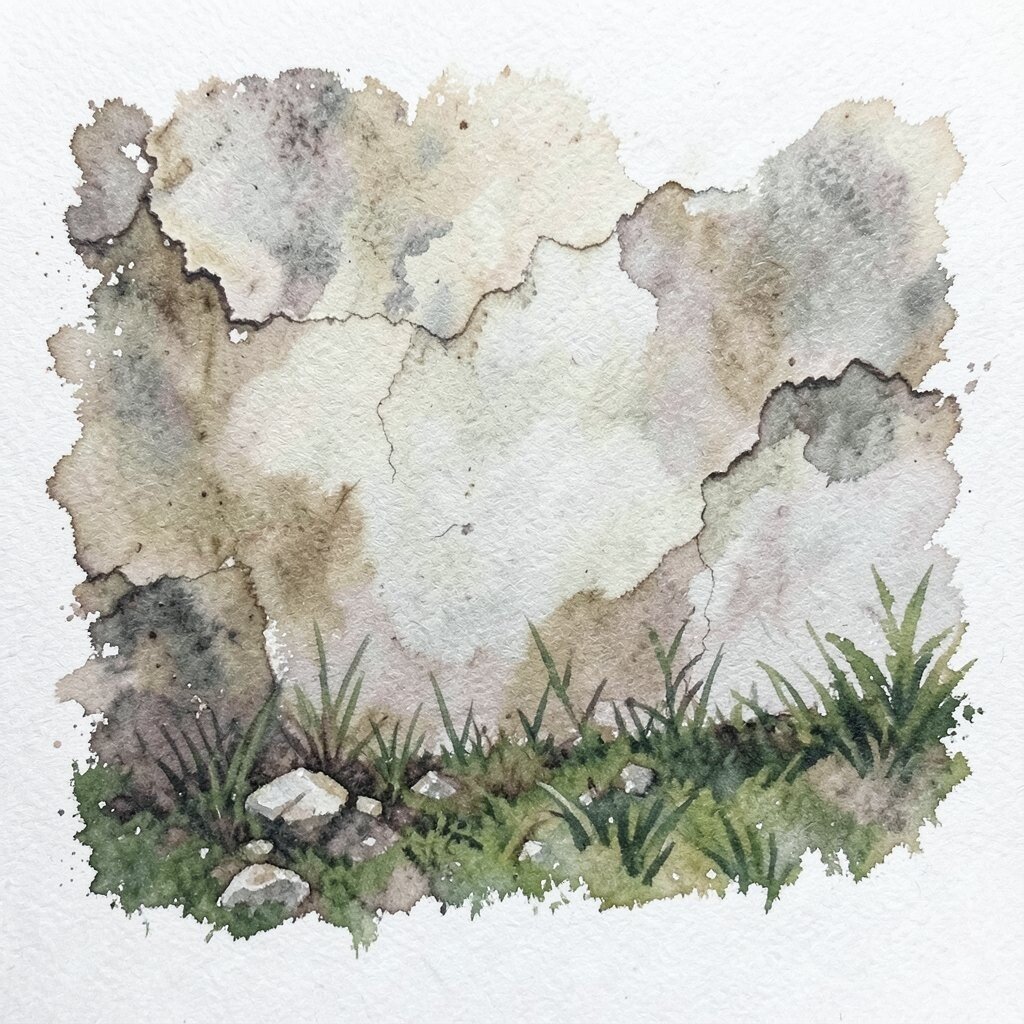
A dry brush wash uses very little water and a brush with only a small amount of paint. It leaves broken color marks that show the paper or canvas under it.
This style is good for texture, old walls, grass, and rough rock shapes. It can help your art look more real, and it uses less paint than a full wash.
You can make the look softer or rougher by changing how dry the brush is. It is a simple way to add your own touch without buying special tools.
6. Gradient Wash
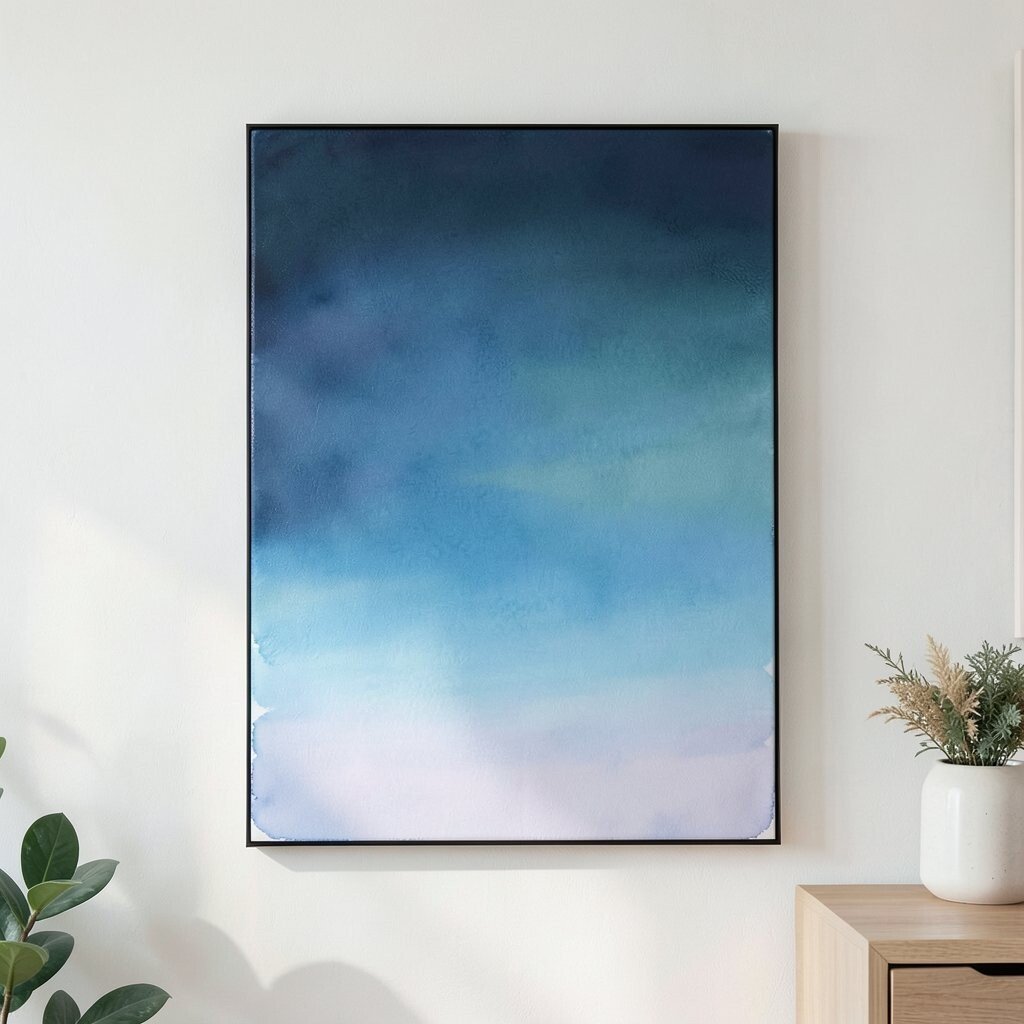
A gradient wash moves from one color or value into another in a smooth way. The change can be light to dark, warm to cool, or bright to soft.
This kind of wash is useful for backdrops, posters, and modern wall art. It is also a common trend because clean color shifts look good in many rooms.
To make it work well, keep your brush strokes even and add water in small amounts. You can make the look more personal by choosing colors that match your room or mood.
7. Textured Salt Wash
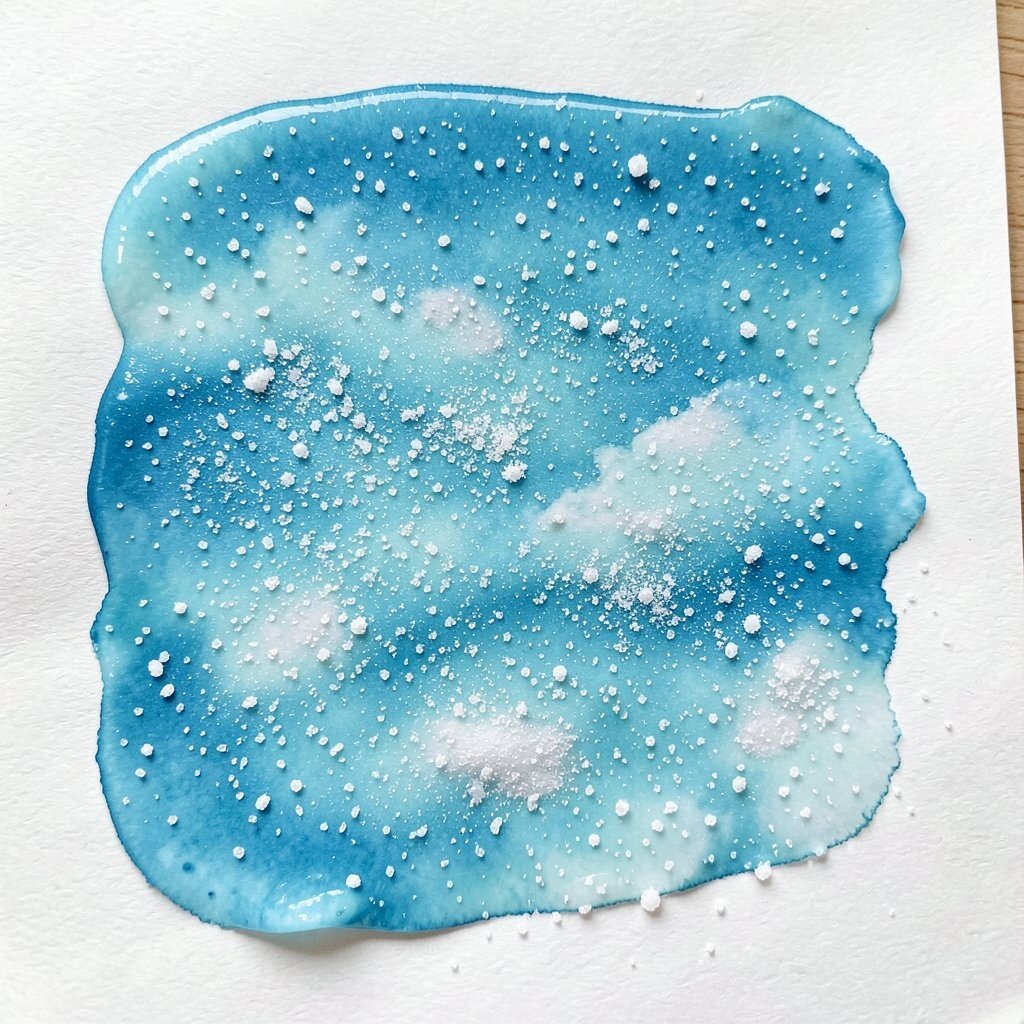
A textured salt wash uses salt on wet acrylic wash to make small, grainy spots. As the paint dries, the salt can leave a speckled look that feels lively and fresh.
This idea is fun for skies, stone, water, and fantasy scenes. It is low cost because you only need basic paint and a bit of table salt.
Try it on practice paper first so you can see how much salt to use. Artists like this method because it makes each piece look a little different and hard to copy.
8. Sponged Wash
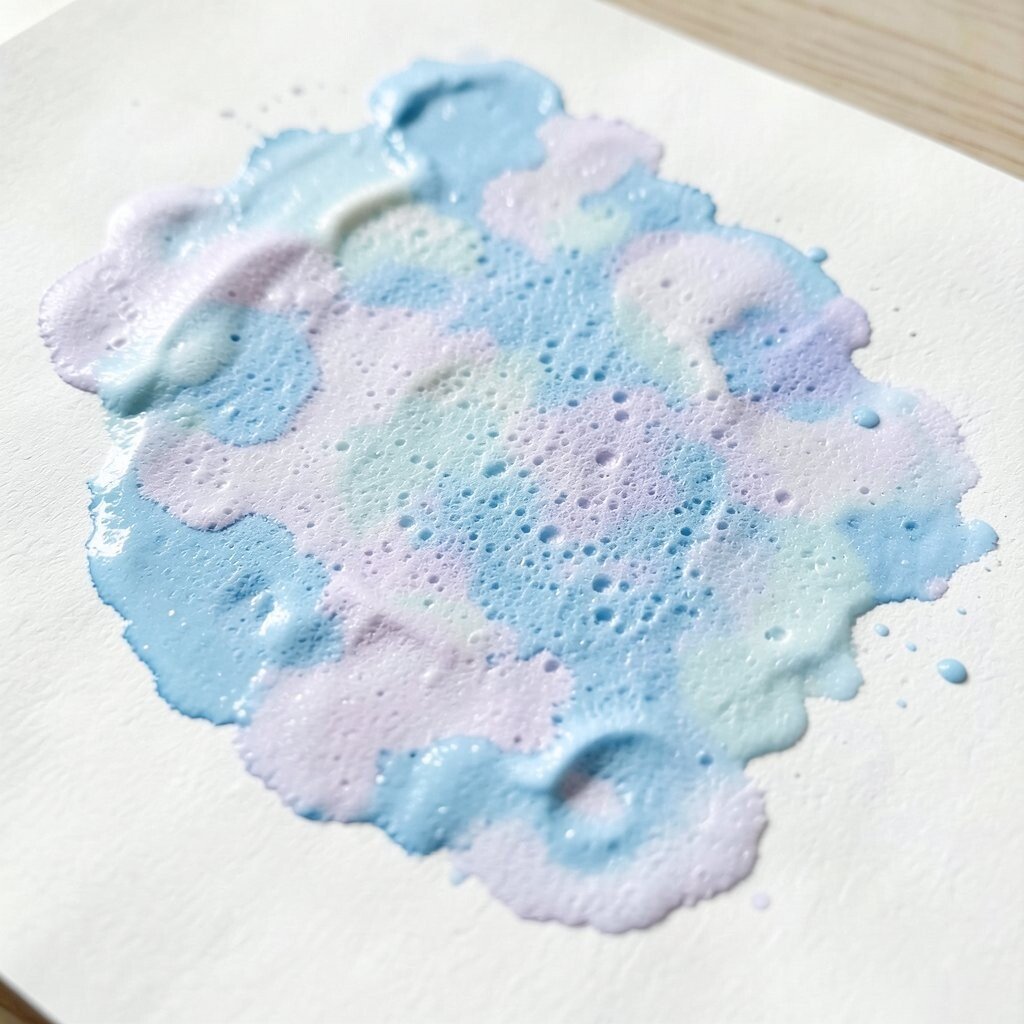
A sponged wash uses a sponge to dab thin paint onto the surface. It can make soft clouds, leaves, stones, or a light broken texture.
This is a good way to add interest without drawing every small detail. It also helps you save paint, since a sponge can spread color in a thin and even way.
You can use one color or mix a few shades for a more personal look. Many people like this style because it is easy to control and works well for both kids and adults.
9. Glazed Wash
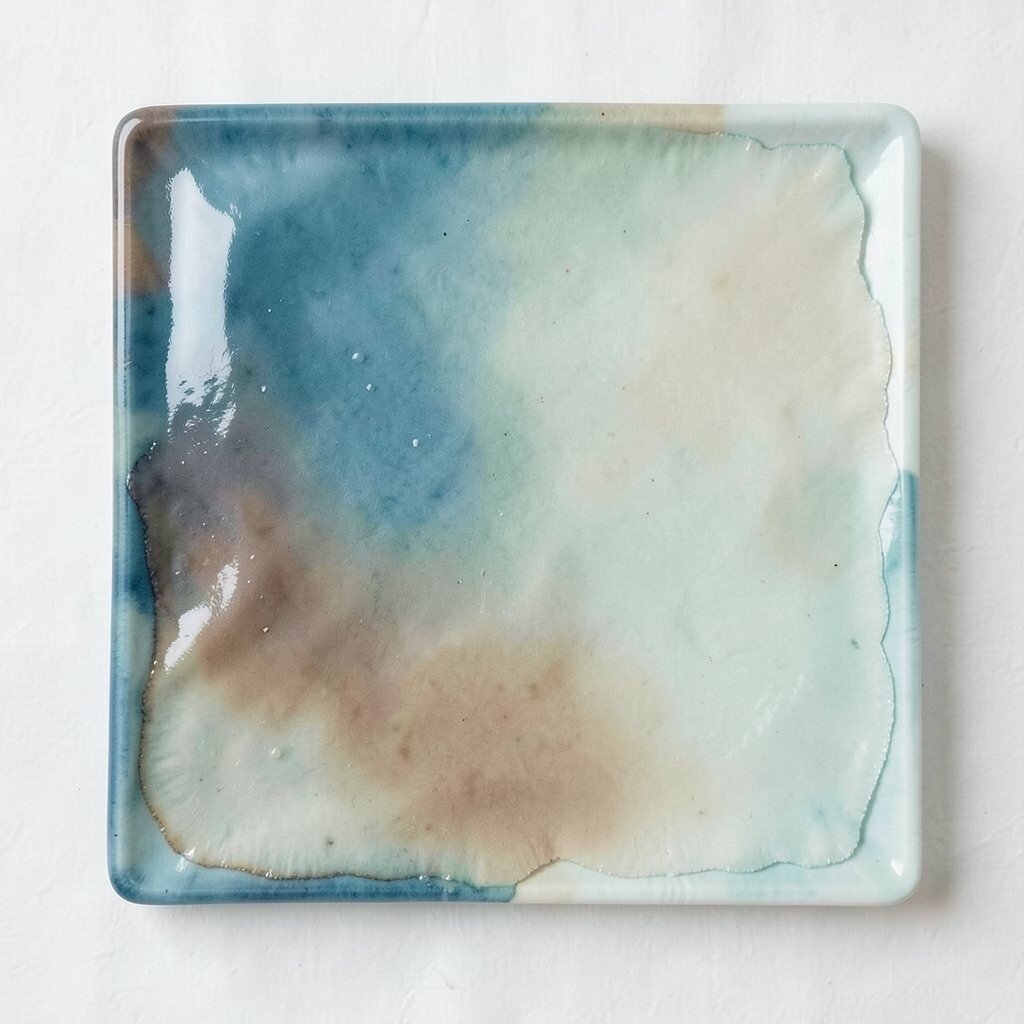
A glazed wash uses clear or very thin paint over a dry layer of color. It adds a soft tint and can make the art feel deeper without hiding what is below.
This method is useful when you want to change the mood of a piece after it is already painted. It can help you make colors warmer, cooler, or more calm with very little paint.
It is a smart choice if you want to keep costs down, since a small amount of paint goes a long way. You can also make the art feel more like your own by choosing a glaze color that fits your theme.
10. Neutral Wash Background
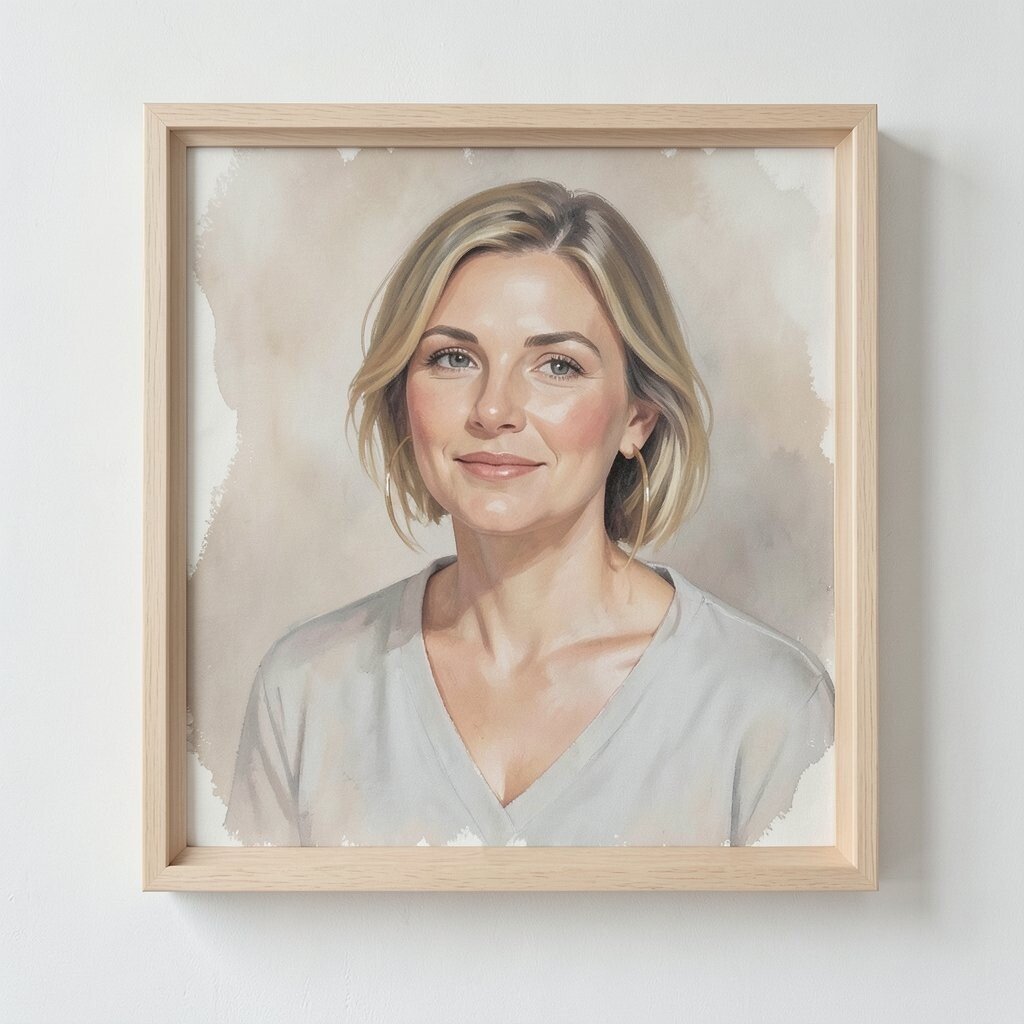
A neutral wash background uses soft colors like beige, gray, tan, or off-white. These shades make a calm base and let the main art stand out more.
This style is useful for portraits, lettering, and simple home decor pieces. It is also a safe choice if you want art that can fit many rooms and match many color plans.
Use thin paint and a large brush to keep the surface smooth. Many artists enjoy neutral washes because they look clean, modern, and easy to place in a frame.
11. High-Contrast Wash
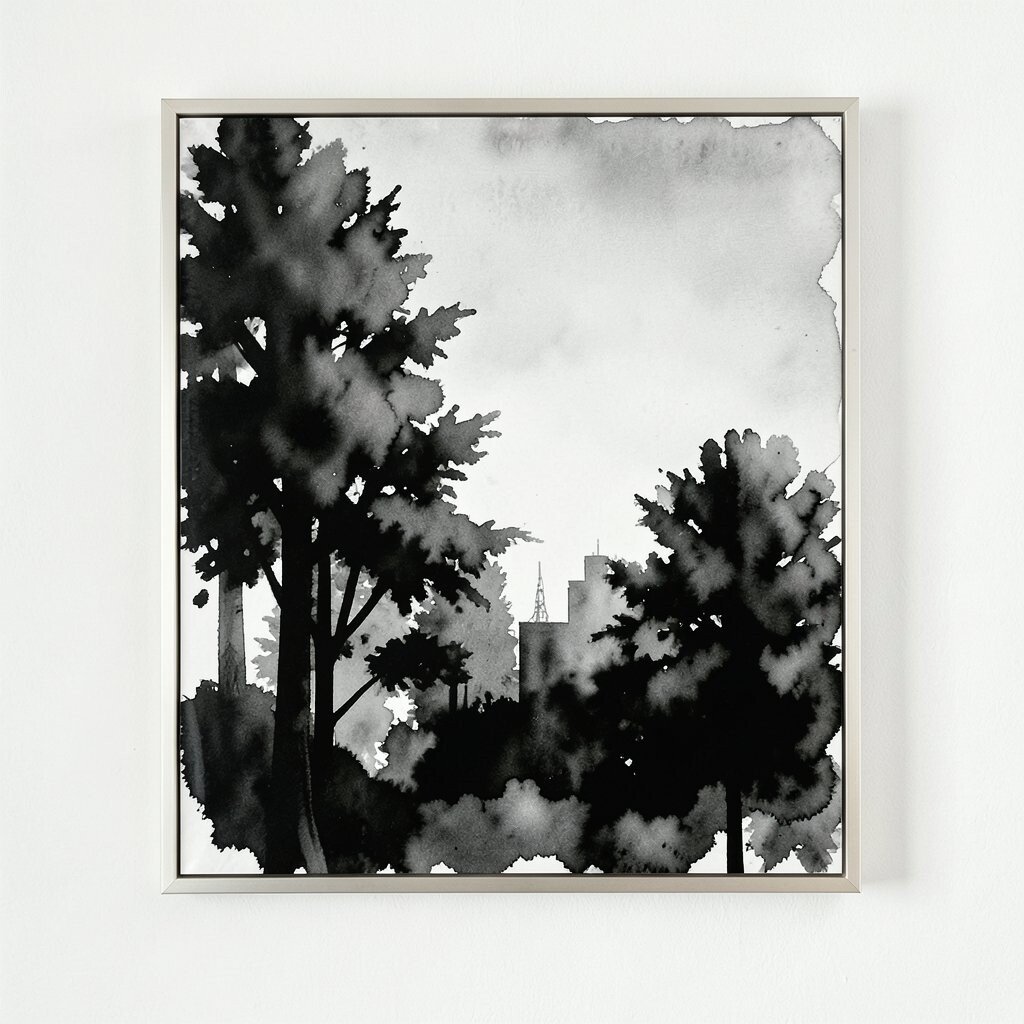
A high-contrast wash uses very light and very dark areas close to each other. The strong change in value makes the art easy to see and gives it a bold feel.
This kind of wash works well for trees, faces, city shapes, and abstract work. It can help your art stand out on a wall without needing a lot of detail.
Try using black, white, and one color to keep the look simple and sharp. It is a good way to make a piece feel current, since bold contrast is still a common trend.
12. Loose Floral Wash
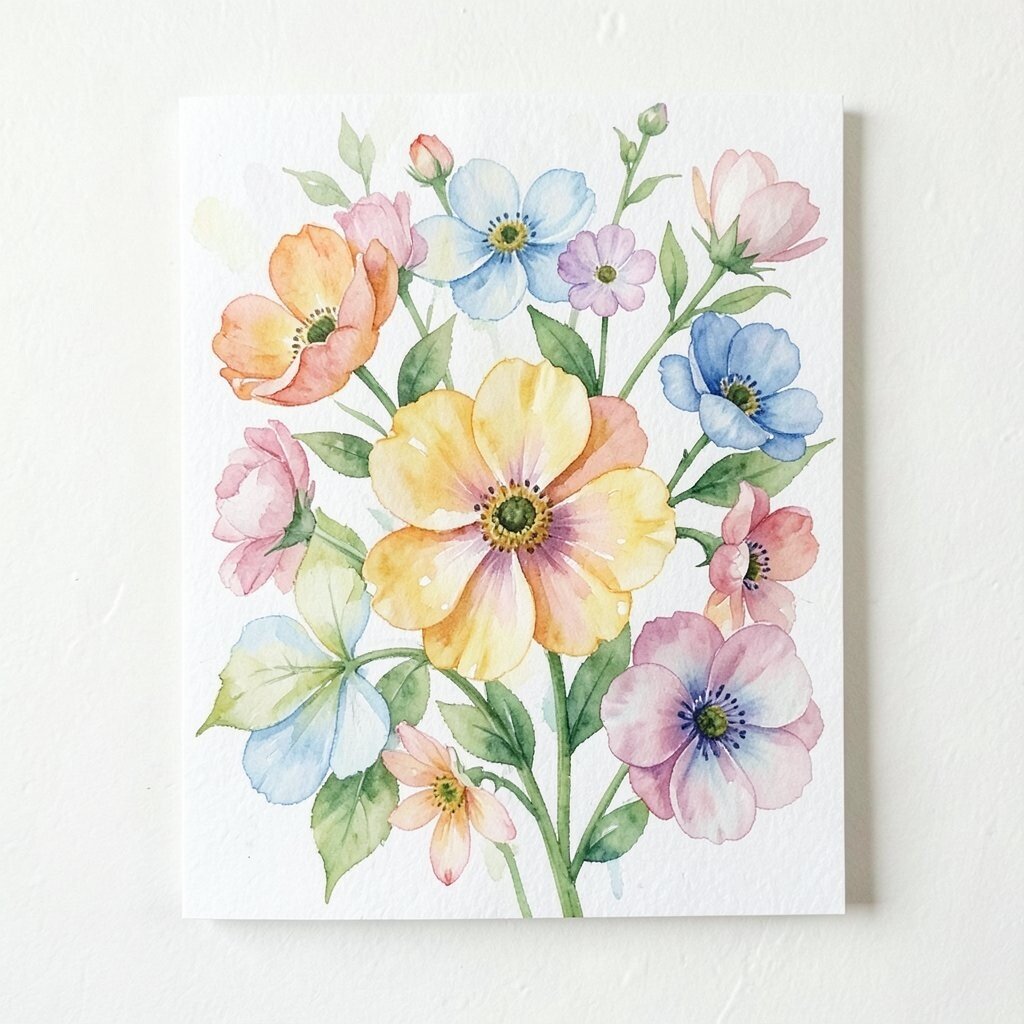
A loose floral wash uses thin paint to make soft flower shapes without tight lines. The petals and leaves can look open and light, which gives the art a fresh feel.
This style is nice for cards, prints, and wall art for bedrooms or kitchens. It does not take many supplies, and you can use cheap brushes and a few basic colors.
Make each flower a little different so the piece feels more natural. You can also add your own color mix to match a season or a room in your home.
13. Ocean Wash
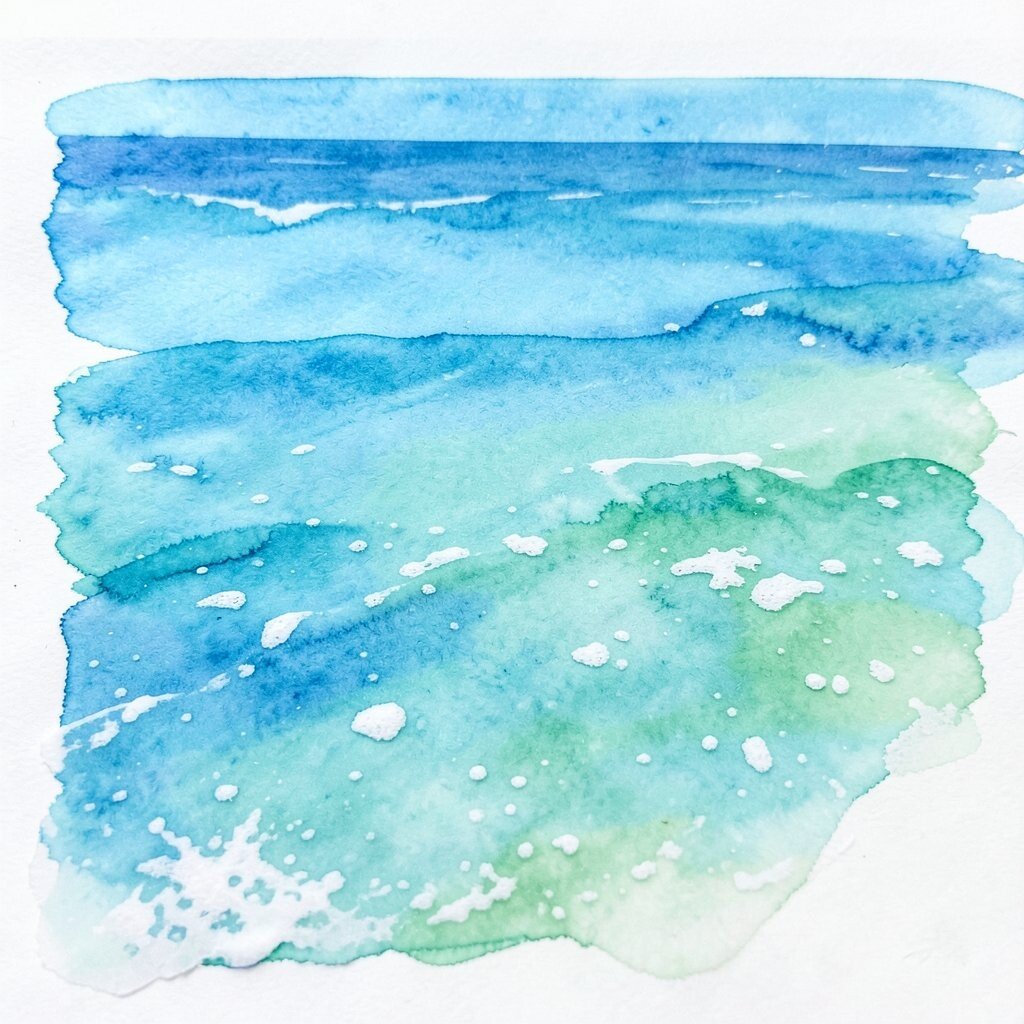
An ocean wash uses blue, green, and white paint in thin layers to show water and movement. The colors can shift in a soft way, which helps the scene feel open and calm.
This idea works well for beach art, travel themes, and abstract pieces with a water feel. It can be made with simple supplies, so it is a good low-cost project.
Try adding small white marks for foam or light on the water. Many artists enjoy this wash because it can be loose, easy, and still look rich.
14. Earth Tone Wash
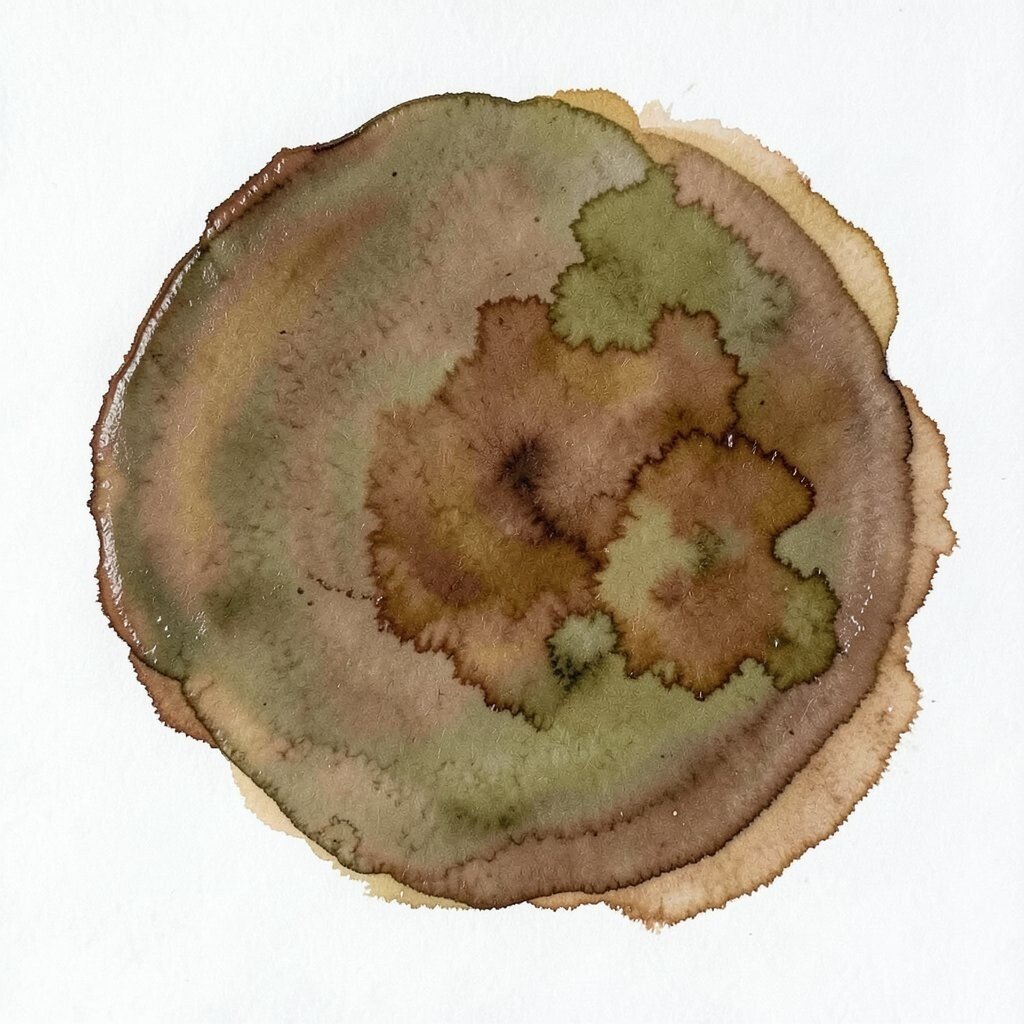
An earth tone wash uses brown, olive, rust, sand, and clay colors. These shades give art a warm, grounded look that feels calm and natural.
This style is useful for nature scenes, rustic decor, and handmade gifts. It is easy to make with a small set of paint colors, which helps keep costs down.
You can make the wash more personal by adding one bright color as a small accent. Earth tones are still a strong trend because they fit many simple home styles.
15. Splatter Wash
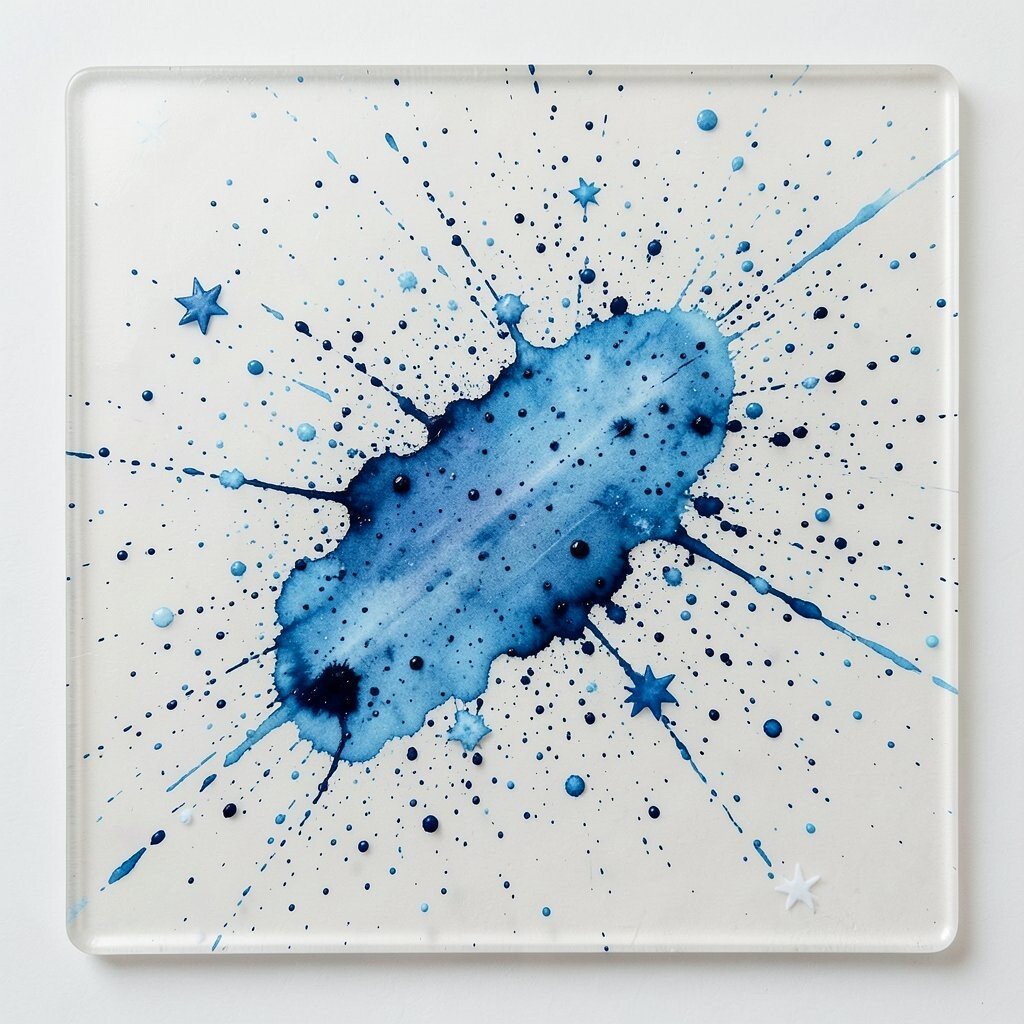
A splatter wash adds small drops or sprays of thin paint over a wash base. The tiny marks can make the art feel active and full of motion.
This method is great for abstract art, stars, rain, and playful backgrounds. It uses little paint and can be done with tools you already have at home.
Try covering nearby areas if you want the splatter to stay in one spot. You can change the size and spread of the drops to make the piece match your own taste.
16. Mixed Media Wash
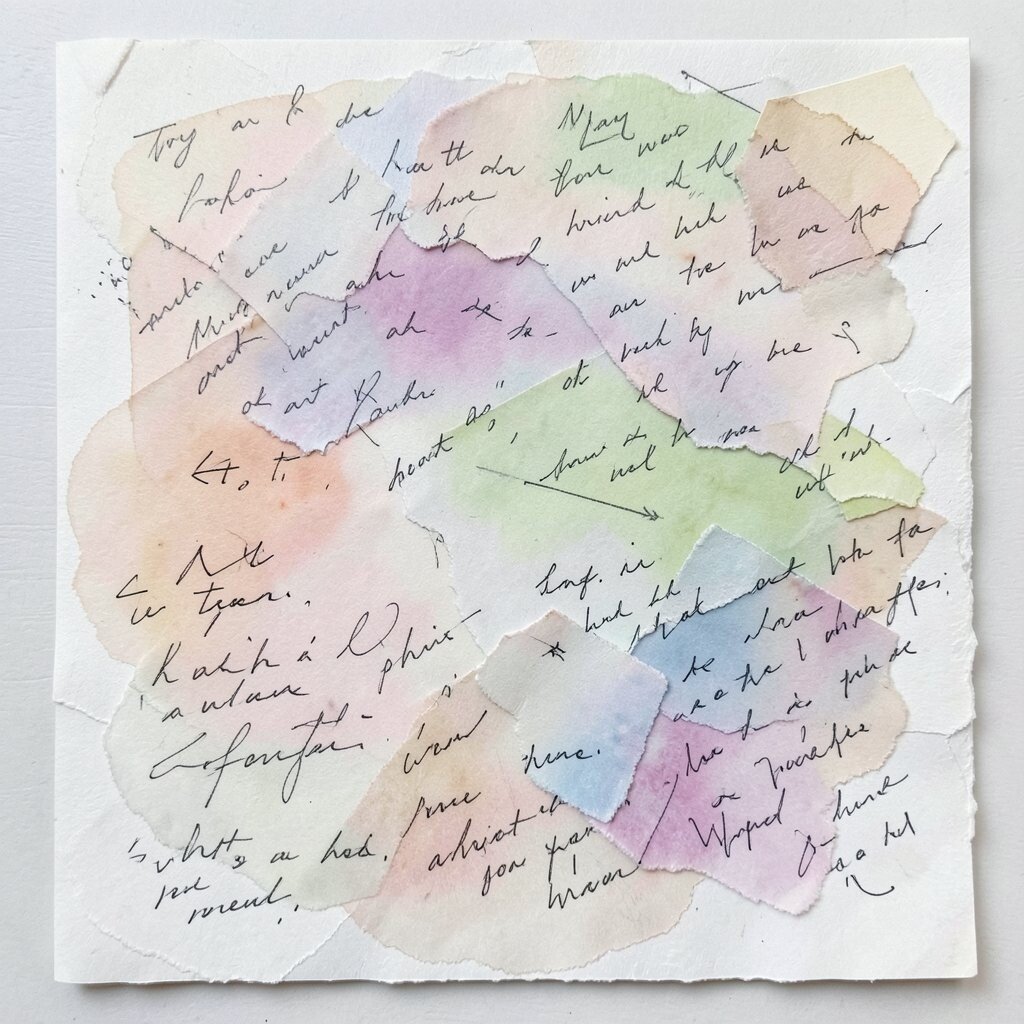
A mixed media wash combines acrylic wash with pencil, ink, pastel, or collage paper. The wash gives a soft base, and the other materials add lines, texture, or detail.
This is one of the most flexible ideas because you can make it simple or busy. It also helps you use what you already have, which can keep the cost low and the process easy.
Try adding handwritten notes, simple sketches, or torn paper pieces on top of the wash. Many artists like this style because it feels personal and works well with current art trends.