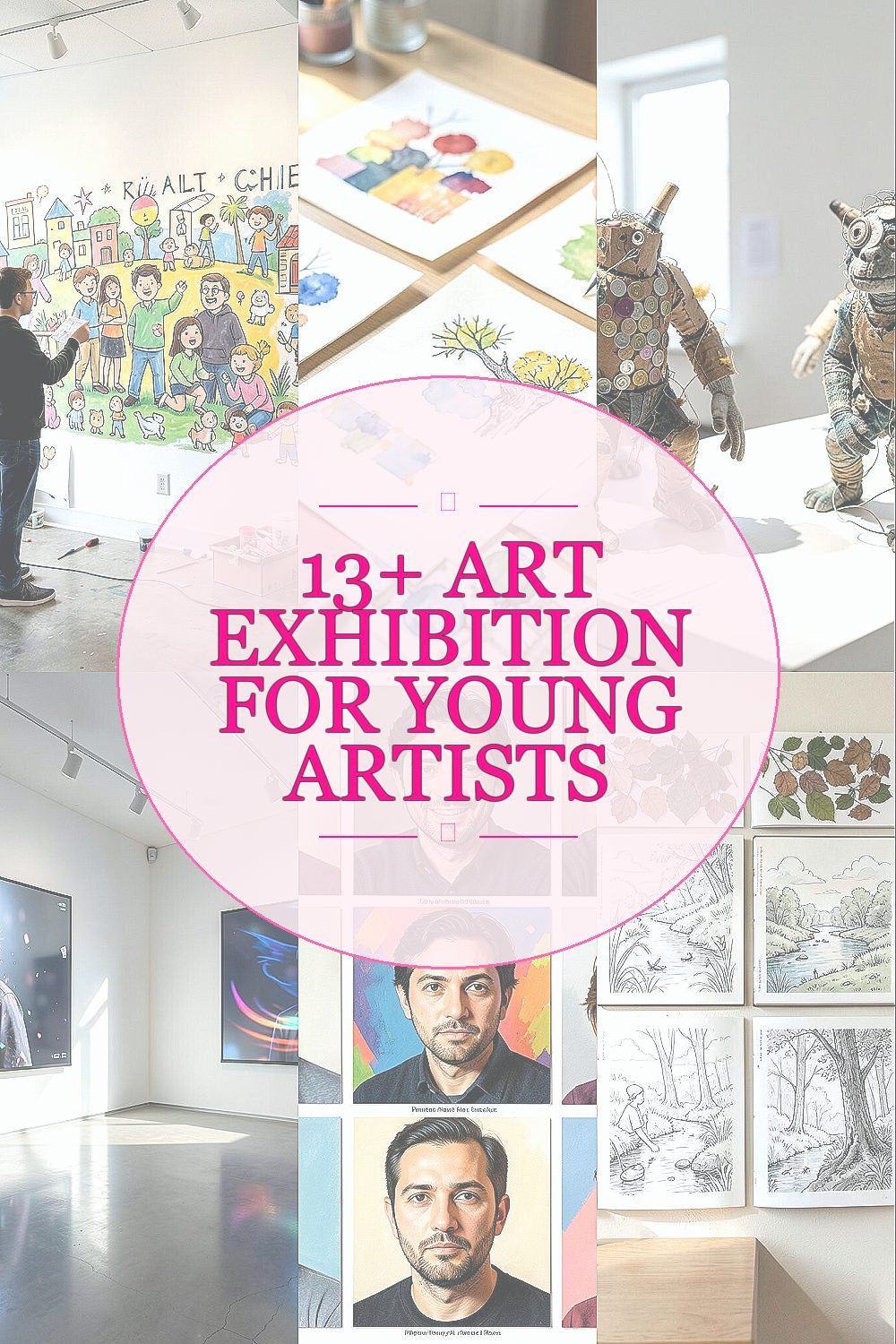
The right gallery moment can ignite your imagination like a spark in the dark. When you see art made by people your age, your own ideas start to feel possible.
1. Community Mural Night

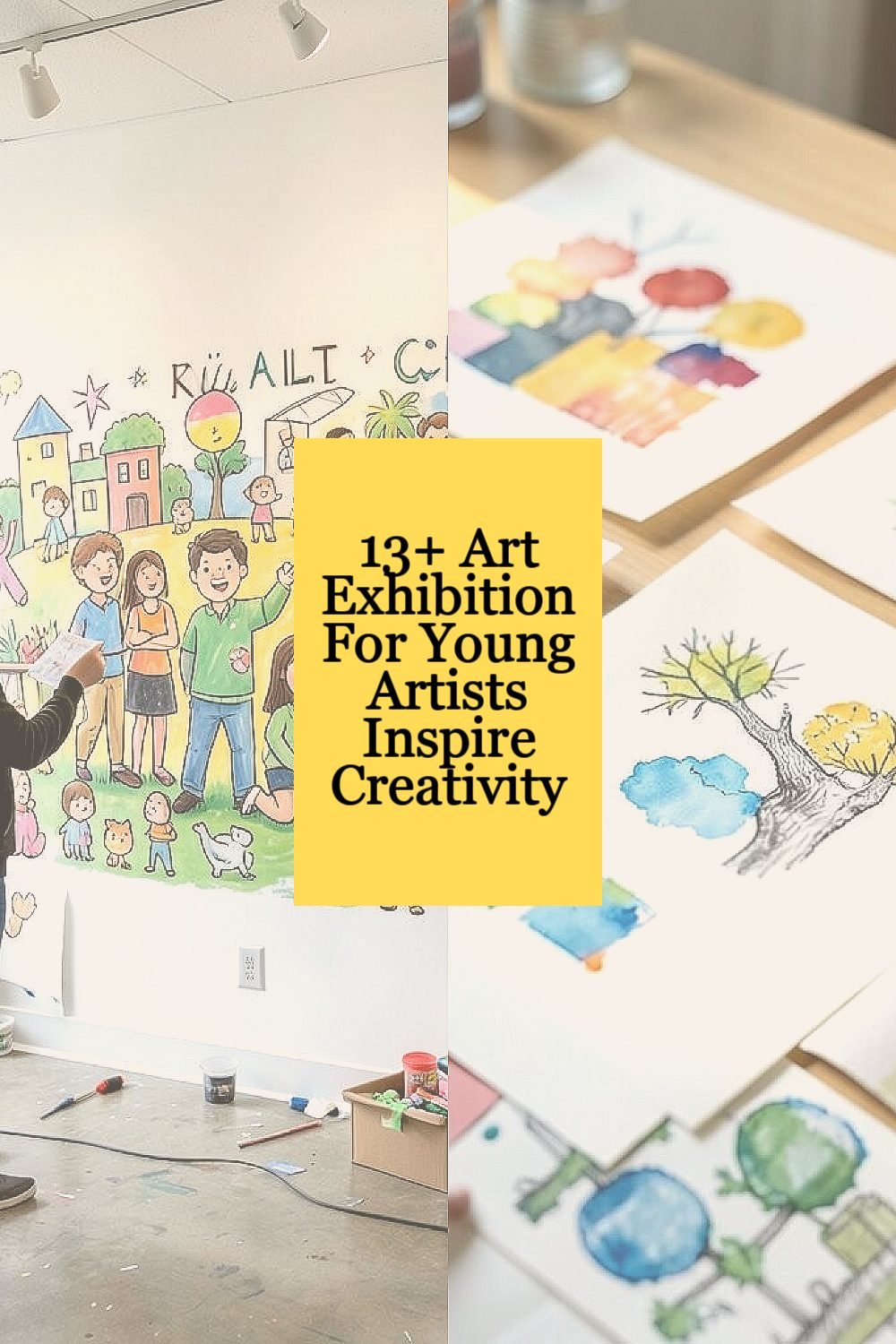
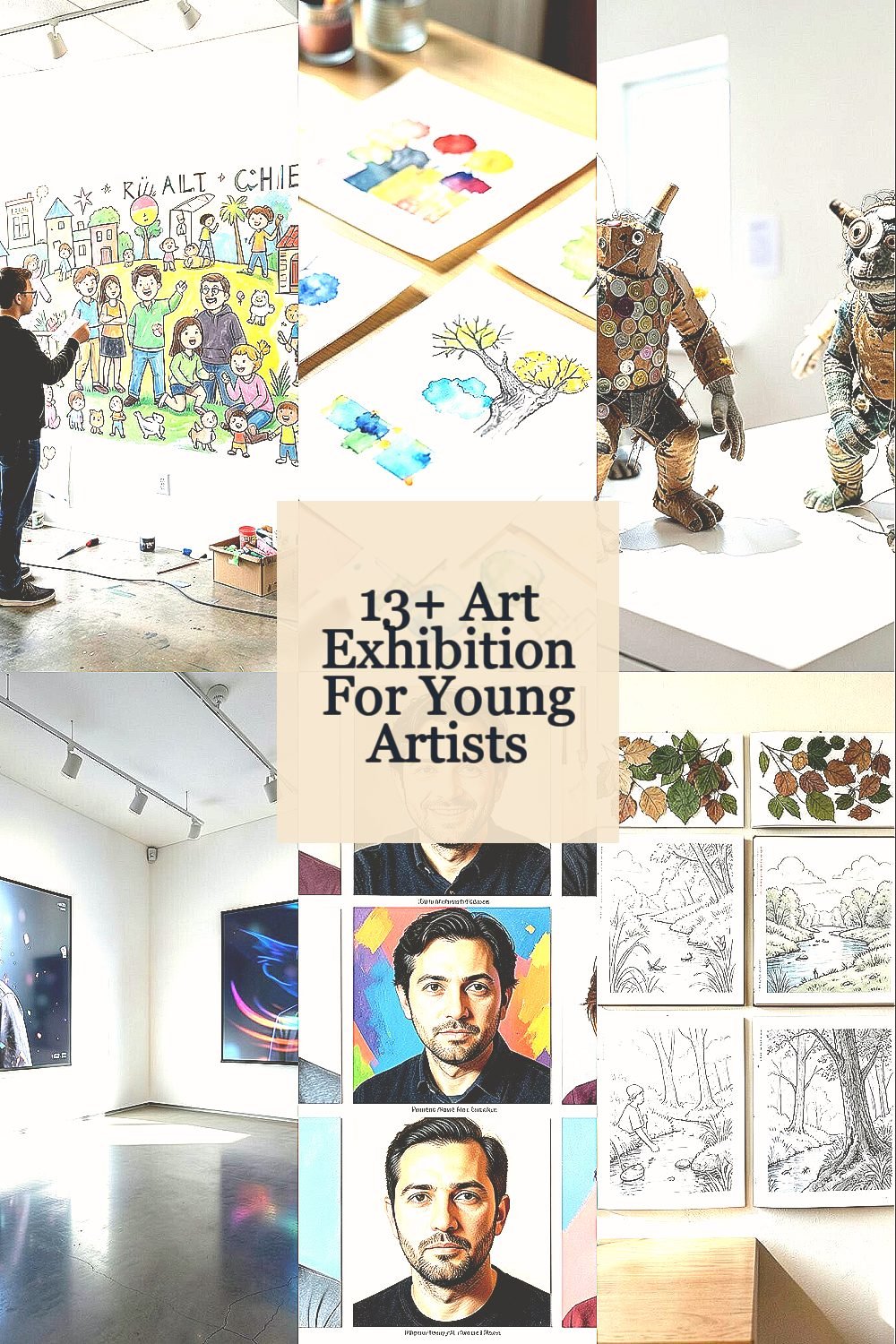
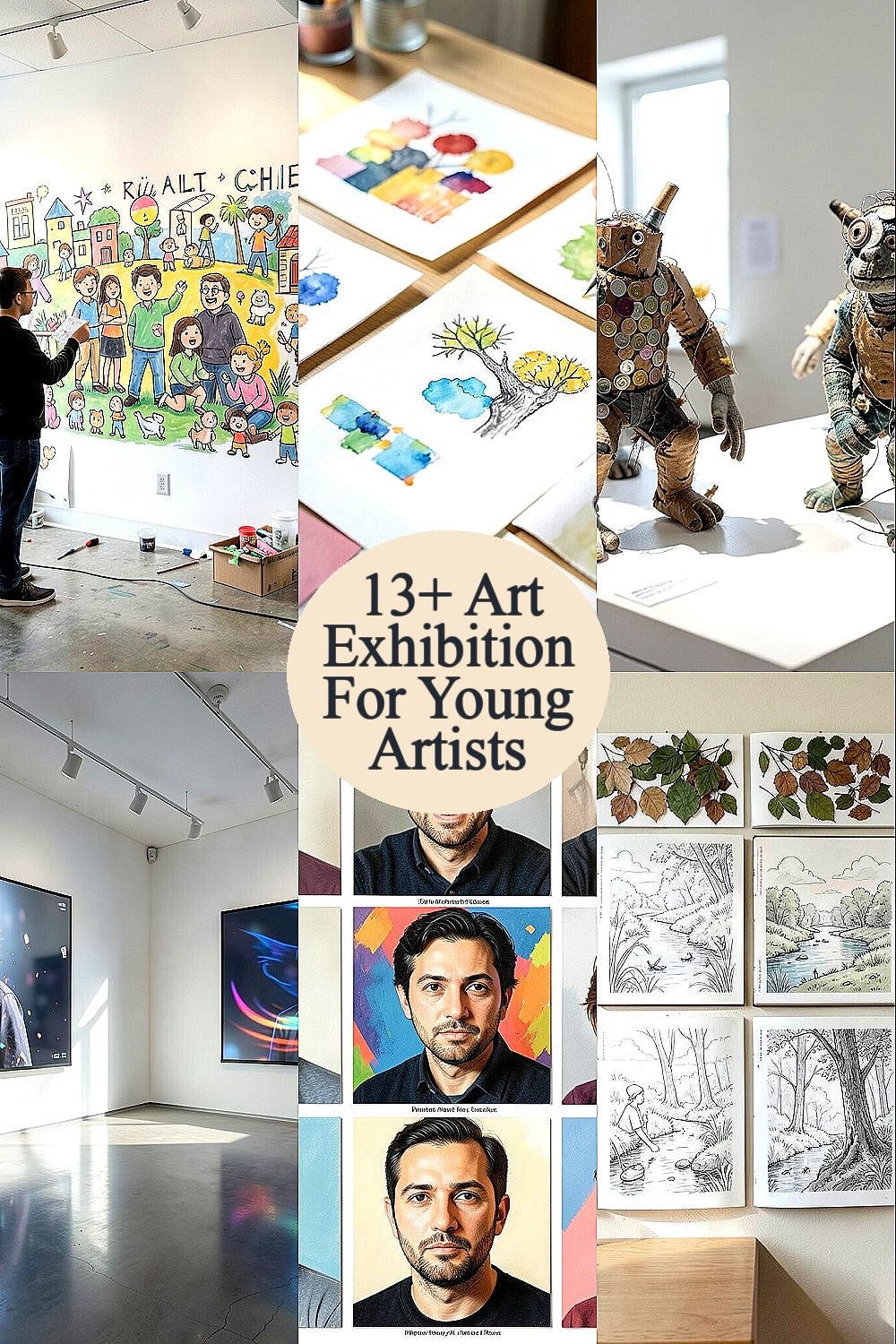
Watch a blank wall turn into a shared story, color by color, with fresh faces guiding the room. You’ll see bold outlines, playful symbols, and real neighborhood memories drawn into the paint.
It helps young artists practice teamwork while still keeping their personal style visible. Plan to arrive early, bring two color options you love, and agree on one simple theme so everyone can contribute without stress.
2. Student Printmaking Showcase
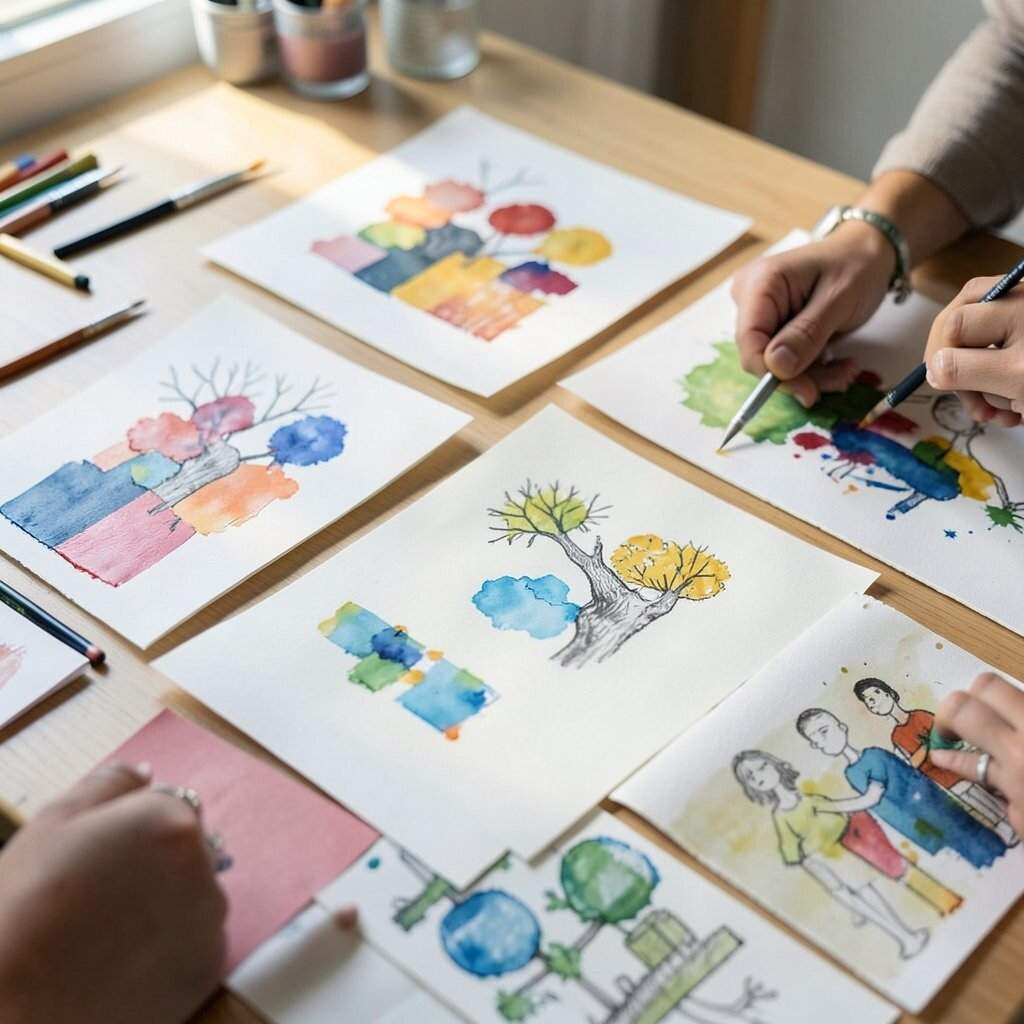
Step close to the prints and you’ll notice tiny differences in ink, like fingerprints made of color. Some pieces look crisp and graphic, while others show soft textures from handmade processes.
Printmaking builds patience, because each layer matters and mistakes can become part of the look. Choose one tool you want to master, sketch a small test version first, and talk with the artist about what paper and ink they used.
Many students enjoy this format because it’s repeatable and still unique. If cost is a concern, start with a small set of supplies and use recycled paper for practice at home.
3. Sculpture in Everyday Materials

You’ll find sculptures made from cardboard, bottle caps, fabric scraps, and wire, arranged like creatures waiting to wake up. Lighting matters here too, since shadows can make rough textures feel dramatic and alive.
This exhibition teaches young artists to solve problems with what they can get, which is a powerful creativity skill. Bring gloves if the materials are sharp, photograph your early prototypes, and label your pieces with short notes about how you built them.
Its uniqueness comes from the way ordinary things become extraordinary when handled with care. If you want personalization, include one childhood object or a meaningful pattern, then scale it up so it becomes a focal point.
4. Digital Art in Motion

Here the gallery feels like it’s breathing, because screens and animations bring characters and shapes to life. You might watch looping videos, animated portraits, or color-swirl effects that look smooth and modern.
This kind of showing helps young artists learn that creativity can move, not just sit on paper. Pick a short loop you can finish, keep file sizes reasonable, and test your work on a screen similar to the display.
5. Portraits With Personal Rules

Every portrait carries a different mood, from warm smiles to serious eyes, and you can almost feel the conversations behind the art. Some portraits are realistic, while others use bold shapes that still capture a person’s personality.
It benefits artists because it strengthens observation and helps you practice expressing personality, not just facial features. Start by choosing one rule for your drawing, like only using circles or limiting your palette to two colors.
That limitation makes the work feel special, because no one else follows your exact set of choices. If you’re budgeting, use inexpensive pencils and sketch on paper you already have, then refine only the final section.
6. Nature Sketch Trail Gallery

This exhibit brings the outdoors indoors, with pages covered in leaves, clouds, insects, and river edges. You’ll see quick line sketches beside detailed studies, showing both speed and careful noticing.
It’s great for training your eye, and it also helps you feel calm because drawing slows your thoughts down. Wear comfortable shoes if you’re attending events in a park, bring a small sketchbook, and keep a few spare pages ready for surprises.
Many young artists enjoy this because nature themes are easy to relate to, yet each person’s angle is still unique. Personalize by adding tiny stories in the margins, like the color of the sky at the moment you saw it.
Current trends often highlight sustainable art habits too, so consider using refillable pens or recycled sketchbooks when you can.
7. Street-Inspired Graphic Posters

From across the room, bold typography and high-contrast colors grab your attention like a loud song. Some posters mix hand-drawn letters with photo textures, making them feel energetic and modern.
This exhibition supports young artists who like clear messages, because poster art connects visuals to ideas. Sketch your headline first, then build around it with symbols that match your mood.
It’s unique because street-style design often mixes rules and surprises, like neat grids with messy paint splatters. If cost matters, start with a limited color set and use printed textures instead of expensive photo transfers.
To personalize, choose a cause or favorite hobby and design the poster as if it’s promoting your own art class.
8. Abstract Feelings Wall

You’ll stand in front of paintings where colors do not try to look like real objects, yet they still feel like real emotions. Some pieces swirl like music, while others use thick strokes that look like they were made with courage.
This kind of exhibition is a confidence builder because it shows that art can communicate without perfect drawing. Try using a timed warm-up, like one emotion per sketch, and keep your brush or pen moving even when you feel uncertain.
Abstract work is especially unique for young artists because it makes room for your own rules and personal symbolism. If you’re thinking about budget, acrylics can be costly, so consider watercolors or even crayons on quality paper for bright results.
Many current trends favor mixed media too, so you can add collage bits from magazines to make your textures stand out.
9. Fabric and Thread Mini Worlds

In this exhibit, you might see small stitched scenes that feel like tiny universes under glass. Patterns repeat like rhythms, and the threads catch light in a way that makes even simple shapes look special.
It benefits young artists by building steady hands and teaching how small details add up. Start with a simple layout, practice a few basic stitches, and decide how big you want your piece before you buy anything.
The uniqueness comes from texture, because thread creates depth in a way paint cannot. Personalize by sewing in a symbol from your life, like a star that matches your favorite team colors or a ribbon pattern you remember.
If cost is a concern, use leftover fabric scraps and borrow tools, then save the best thread for the final accents.
10. Mixed Media Collage Lab
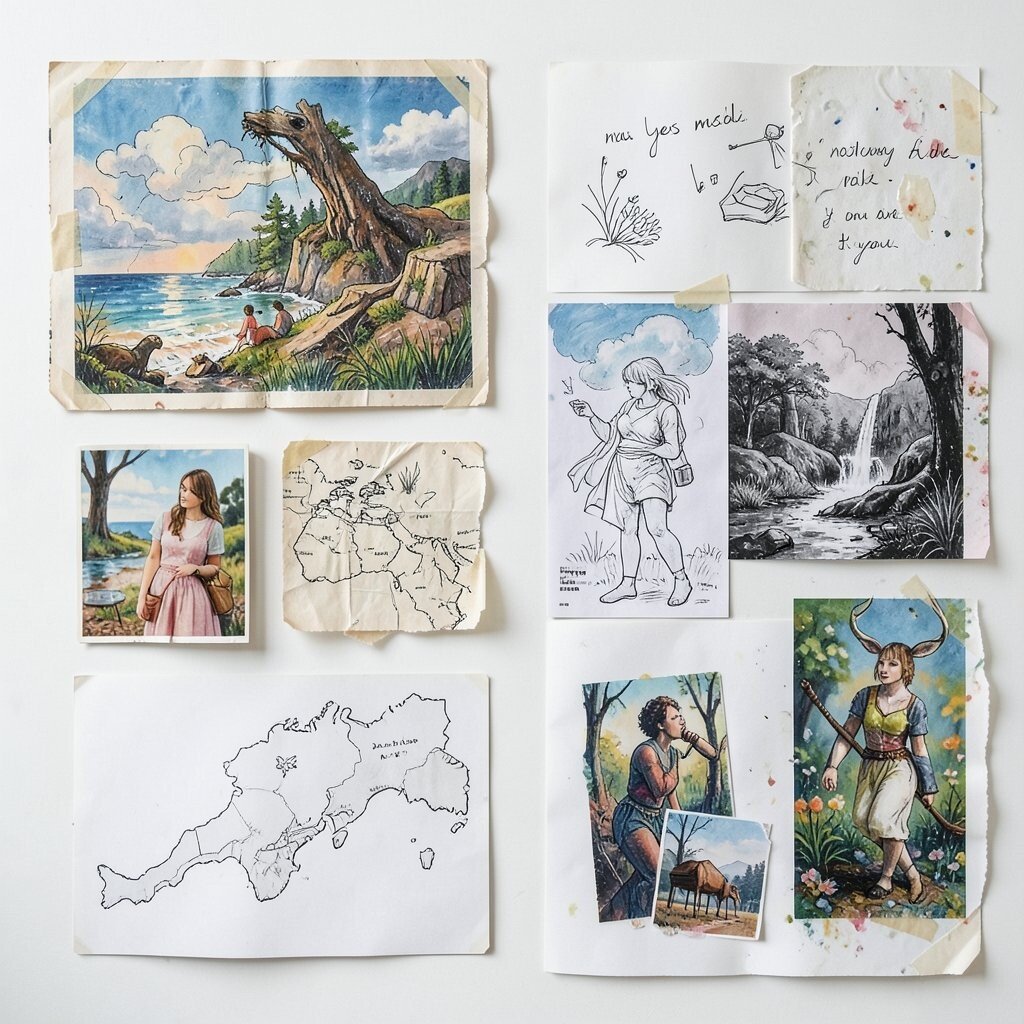
You’ll see layers of paper, tape, paint, and scanned images arranged into surprising scenes. Some collages look like dream maps, while others feel like clean design with rough edges placed on purpose.
Collage helps young artists practice composition, because every piece must make sense in the space. Collect materials ahead of time, keep a small “yes pile” of shapes you like, and test your layout on scrap paper first.
This exhibition is unique because the same magazine page can become completely different art depending on how you cut and combine. For personalization, use clippings from your own drawings or photos, then add handwriting that sounds like you.
Current trends often include upcycling and visible glue textures, so don’t hide the process; let it show.
11. Architecture of Imagination

Models and drawings here often look like buildings made for giants, robots, or brave travelers. You’ll notice careful windows, clever bridges, and details that hint at a whole story inside each structure.
This exhibition supports creative thinking because it connects art to engineering ideas without needing to be technical. Choose a simple base shape, then add one feature that makes it feel alive, like a spiral staircase or a garden balcony.
Its uniqueness is clear when you see each person’s world-building style, from futuristic towers to cozy tree houses. If you’re cost-conscious, use cardboard, foam trays, and recycled packaging, and spend money only on small extras like paint and a cutting mat if you need one.
12. Comic Story Panels for New Voices

Comic panels line up like a mini movie, showing moments of humor, adventure, or quiet feelings. Even when the drawings are simple, the timing of speech bubbles and actions makes the story click.
This format helps young artists plan ideas clearly, because each panel has a job. Draft your story in a few thumbnails, decide your character’s goal, and leave room for action lines that show movement.
Comics are unique because your style can be expressive in motion, not only on a page. Personalize by using your real interests, like school clubs or gaming themes, and write dialogue that sounds like how you actually talk.
For practical cost control, use black markers you already have and print your final pages at a local shop only if needed.
13. Photography With One Strict Theme

You’ll see images that share a theme, like shadows, hands, rain, or favorite corners, yet each photograph feels different. The best photos grab you with framing choices, lighting moods, and close-up details that you might have missed before.
This exhibition trains focus, because working under one theme sharpens your creativity and your attention. Pick your theme early, practice taking shots in the same place from different angles, and keep a short list of what you’re trying to capture.
It’s unique because photography can be personal without being literal, especially when you use composition to tell your story. If cost is a concern, a smartphone camera can do a lot, and free editing apps can help adjust brightness and color.
Current trends also value authenticity, so consider including a small behind-the-shot note in your own words when it’s allowed.
14. Interactive Drawing Tables and Live Booths

Instead of only standing back, you get to draw with prompts and join in real time at stations. Artists might trade sketch ideas, make blind-contour challenges, or add stickers to a shared canvas.
This exhibition benefits young artists by turning creativity into an active habit, not a one-time event. Bring a small set of tools, like a pencil, a fineliner, and a spare eraser, and keep your work moving so you don’t get stuck.
The uniqueness is in the energy, because live booths create fresh results every minute. Personalize by making a small signature element, like a repeated doodle, that you hide somewhere in your piece each time.
If budget is tight, borrow supplies from a friend, use scrap paper for practice rounds, and save your best materials for the final station.