Your next outdoor activity can be playful, cheap, and surprisingly challenging. These tennis-ball ideas turn simple throws into full-on fun.
1. Wall Bounce Challenge
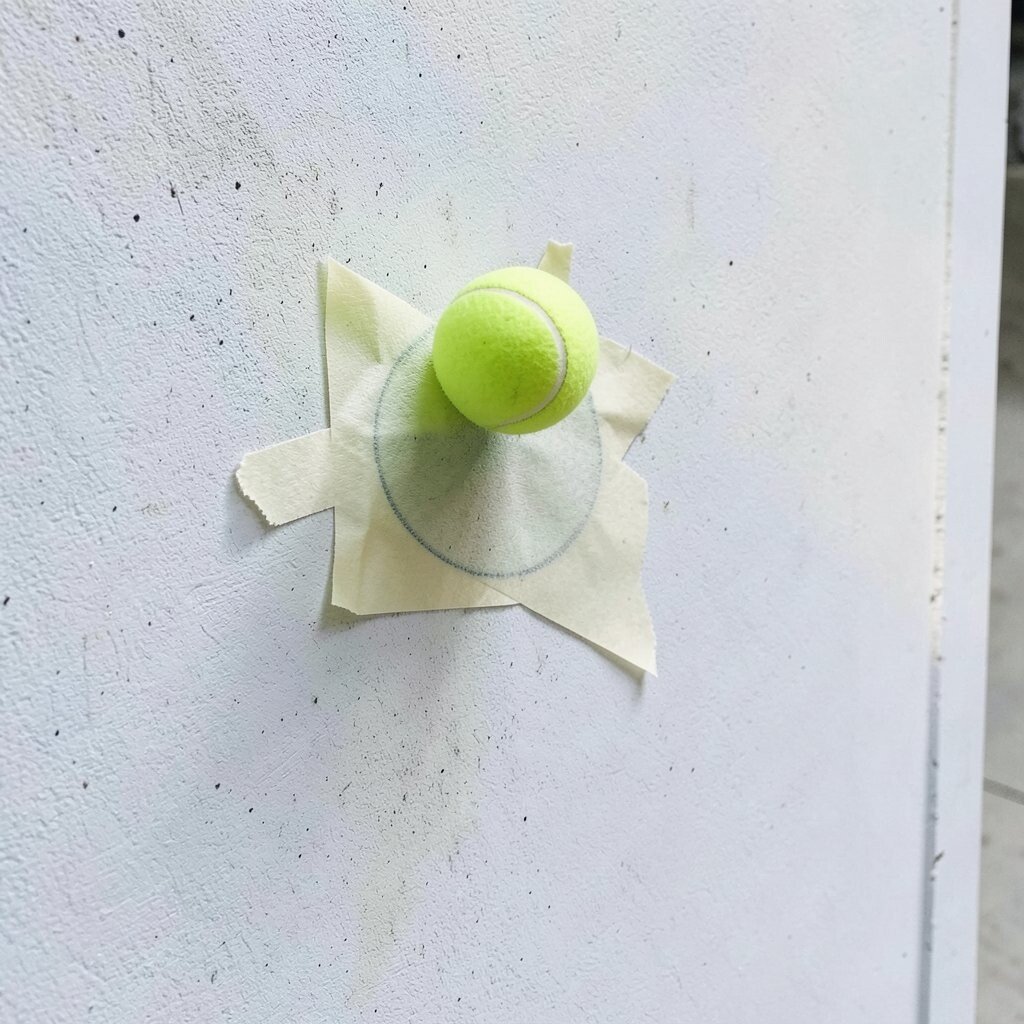
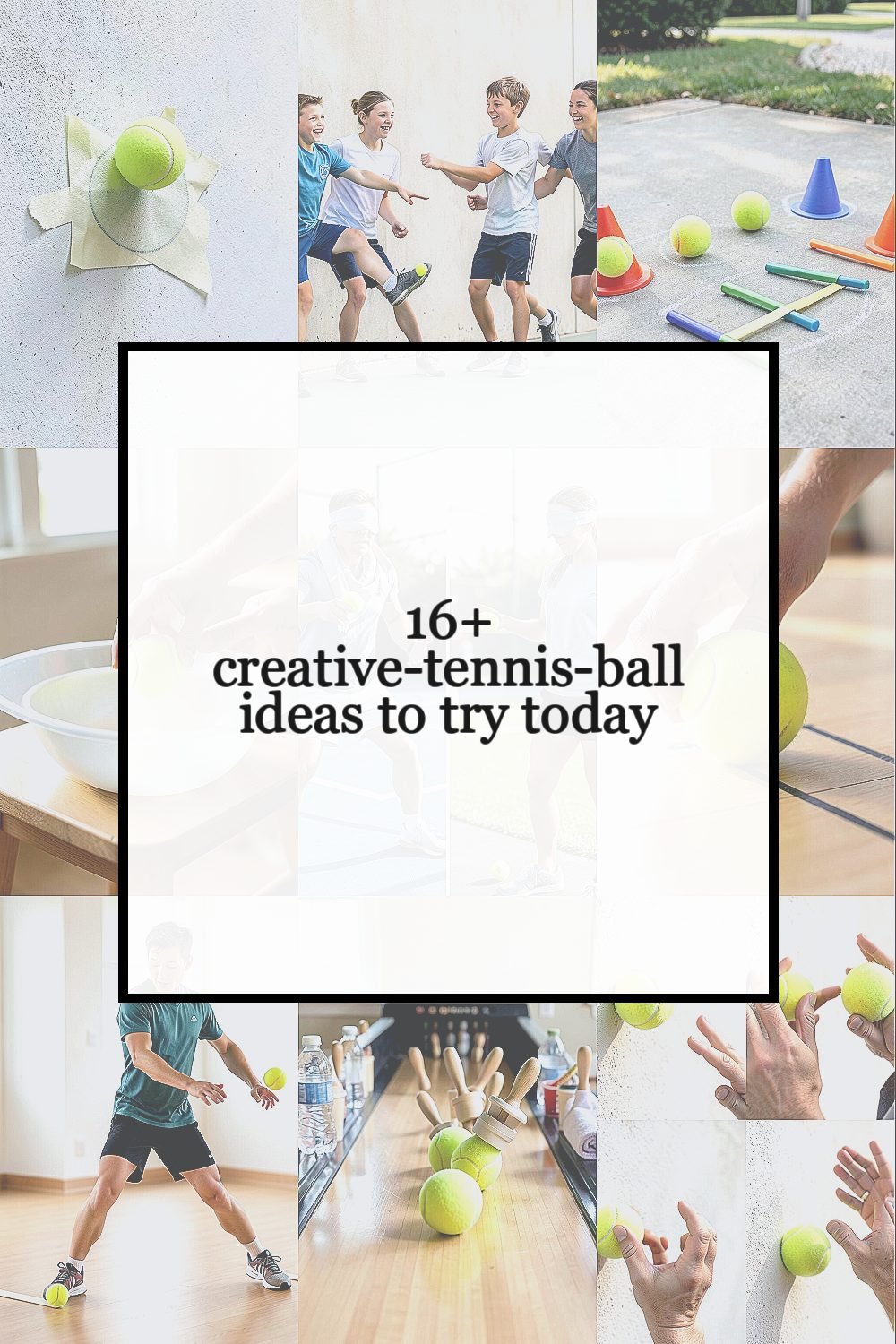
Pick a sturdy wall and mark a target spot with painter’s tape. Toss the ball underhand, then catch it after it rebounds at a similar height.
Start slowly so you can watch the ball’s angle and timing. As you get better, change where you aim and try to hit the tape without touching it. A useful trick is to stand a few steps farther back each day, so the same shot feels new.
2. Under-the-Leg Throw Relay
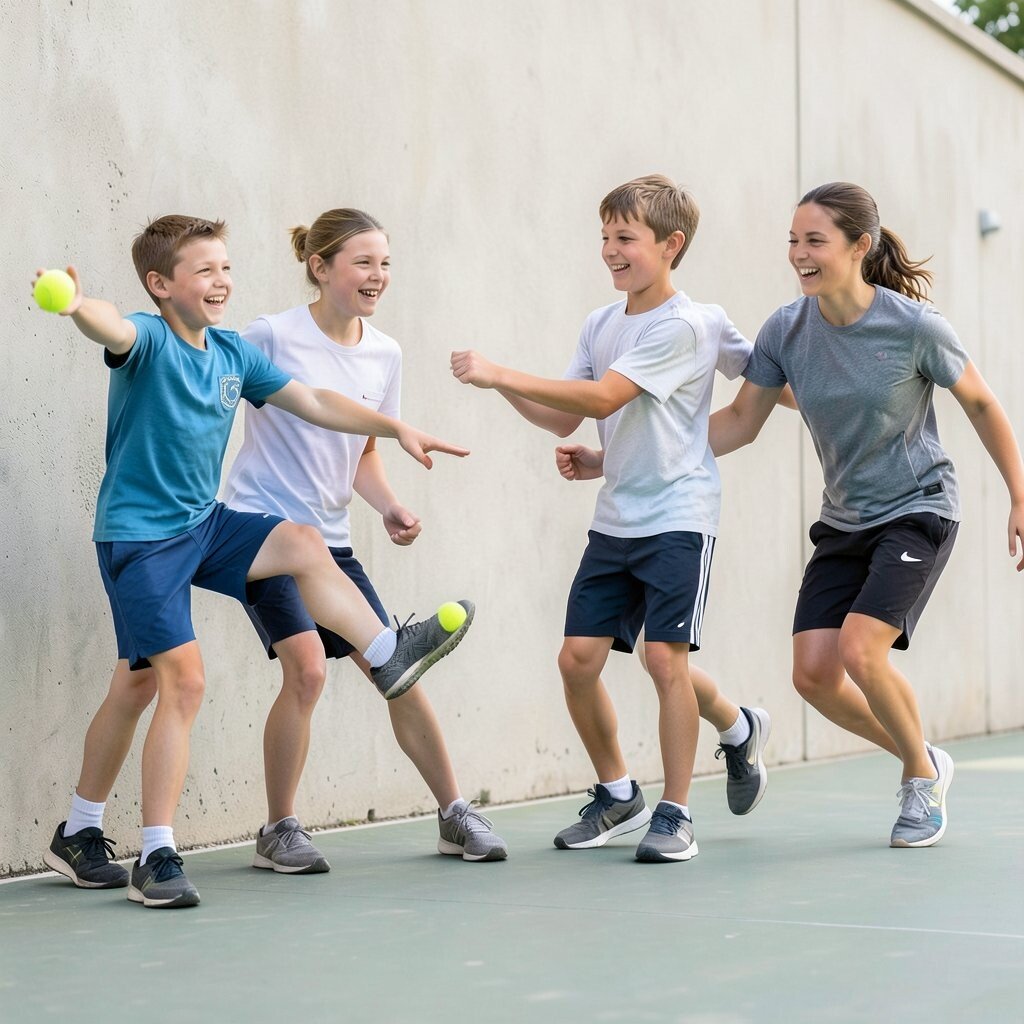
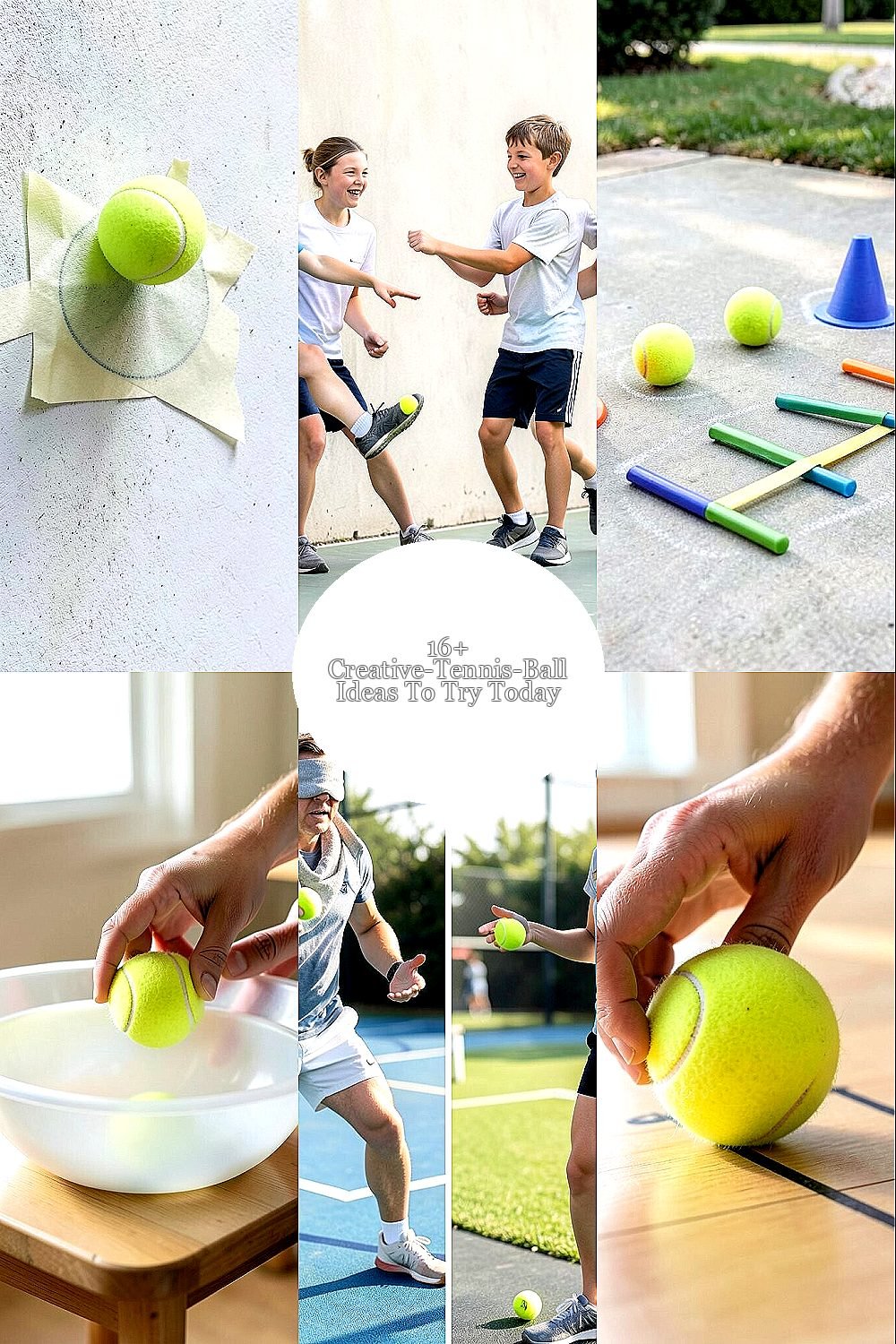
Stand in a line with a partner or family member and create a simple relay. When it’s your turn, throw the tennis ball under your leg, then immediately sprint to tag the next person.
The game feels goofy, which is perfect for keeping kids engaged. You’ll also sharpen coordination and quick footwork while staying light on equipment.
To personalize it, give each person a different rule, like a softer underhand throw or a higher leg tuck. If you practice solo, do it against a wall by throwing under your leg and catching the rebound. Keep sessions short and rotate turns so everyone stays excited.
3. Target Ladder on the Ground
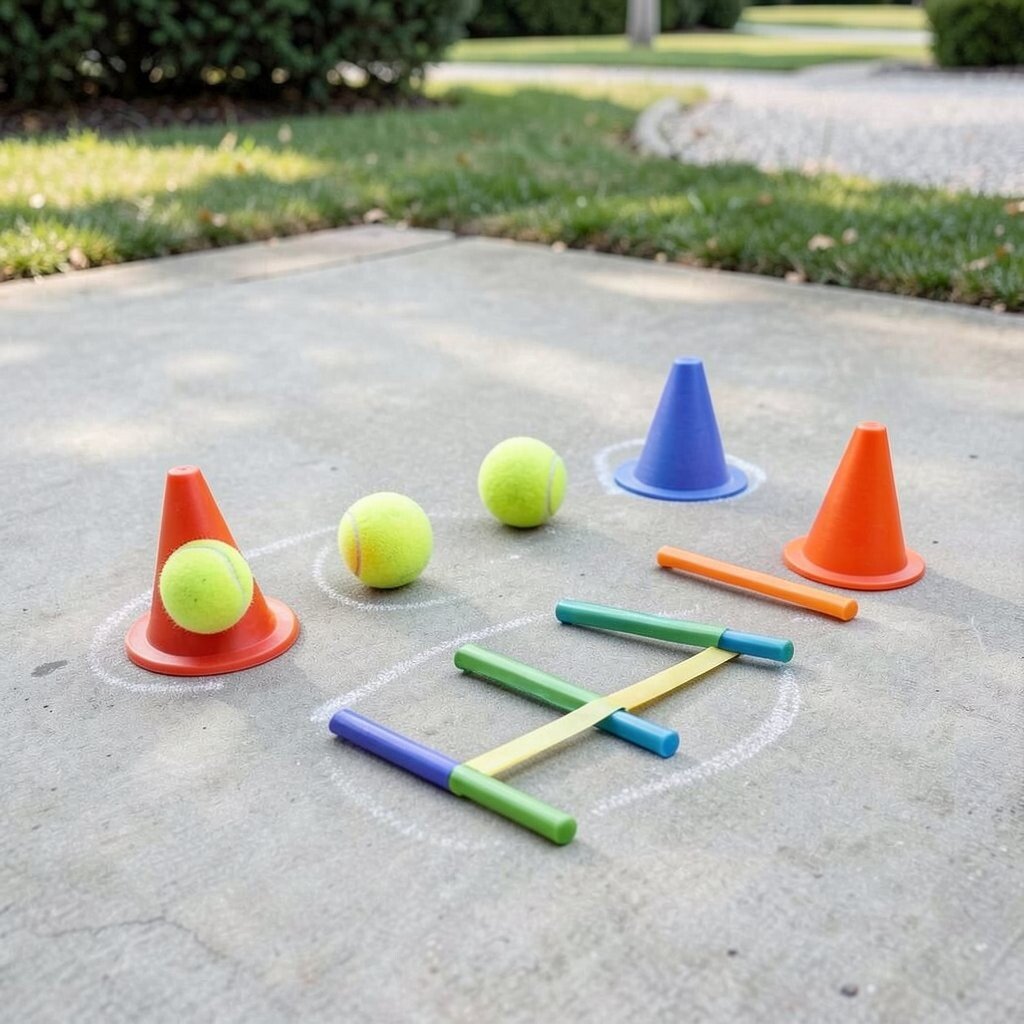
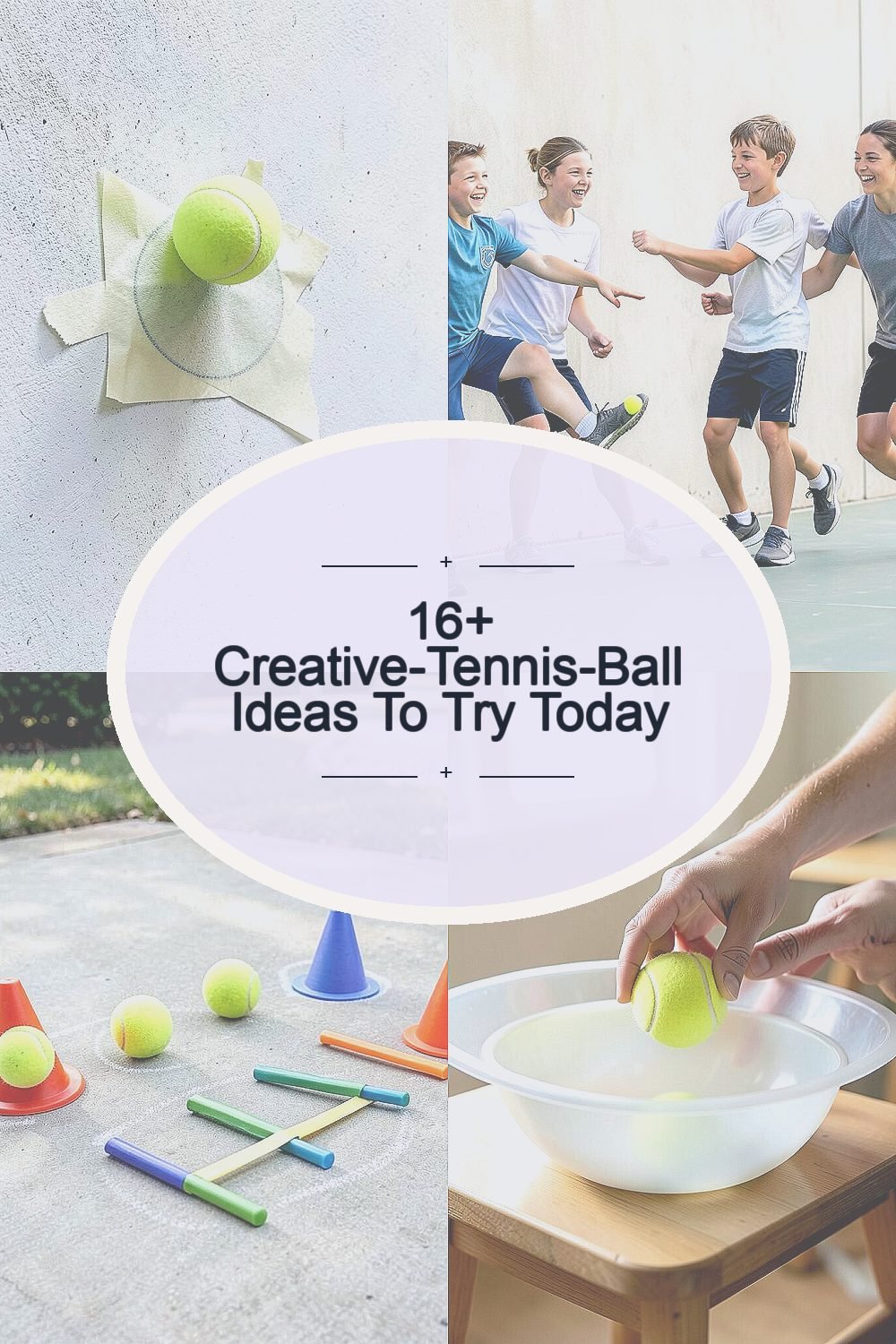
Lay down four or five tennis-ball-sized targets using chalk dots or cones. Roll the ball from a set spot so it lands in each dot in order.
This works great indoors on a smooth floor or outside on a driveway. It also helps you learn control because the ball either settles neatly or skitters away. If you want a challenge, add a “wild card” target that only counts when you land it with the gentlest roll.
For personalization, adjust spacing based on skill and body comfort. You can even use different colors of tape for easy scoring. Since tennis balls are inexpensive, you can afford to use several so you never worry about running out mid-game.
4. Scoop-and-Serve with a Bowl
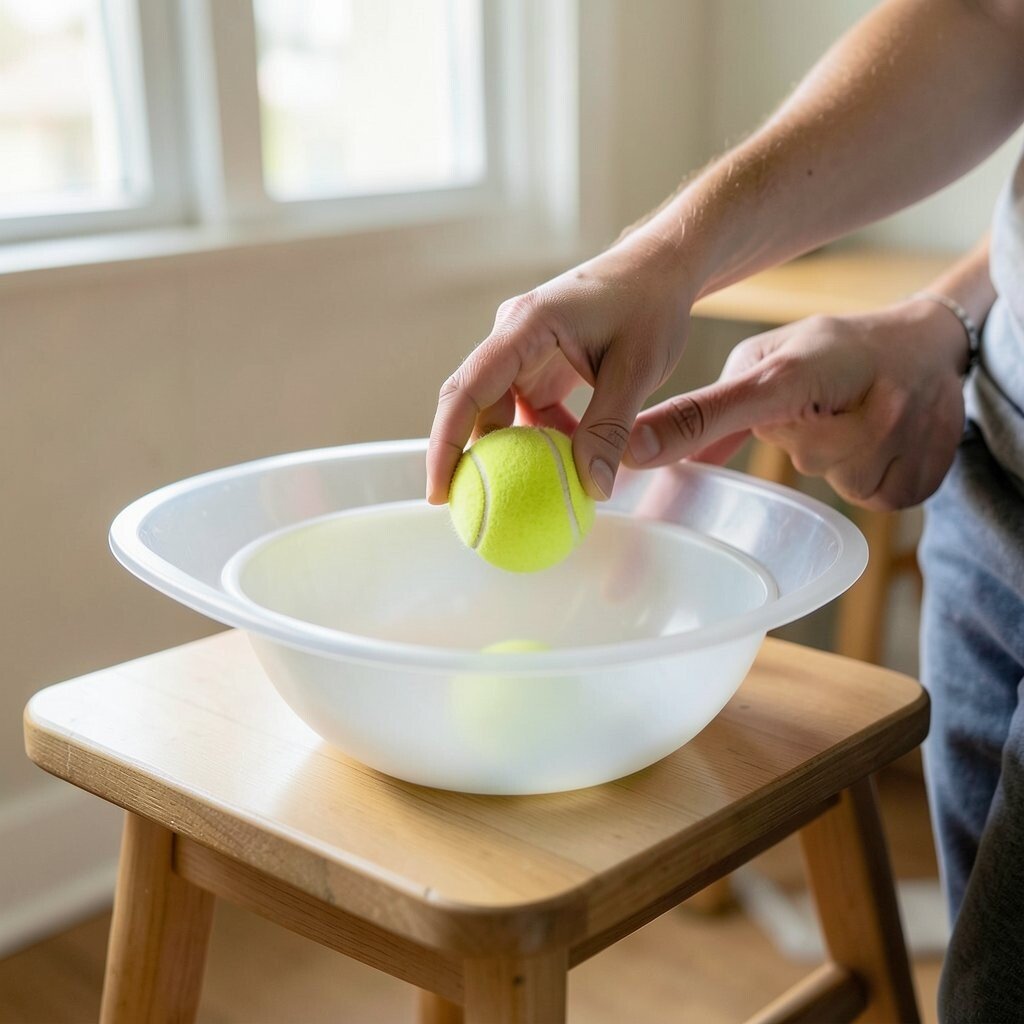
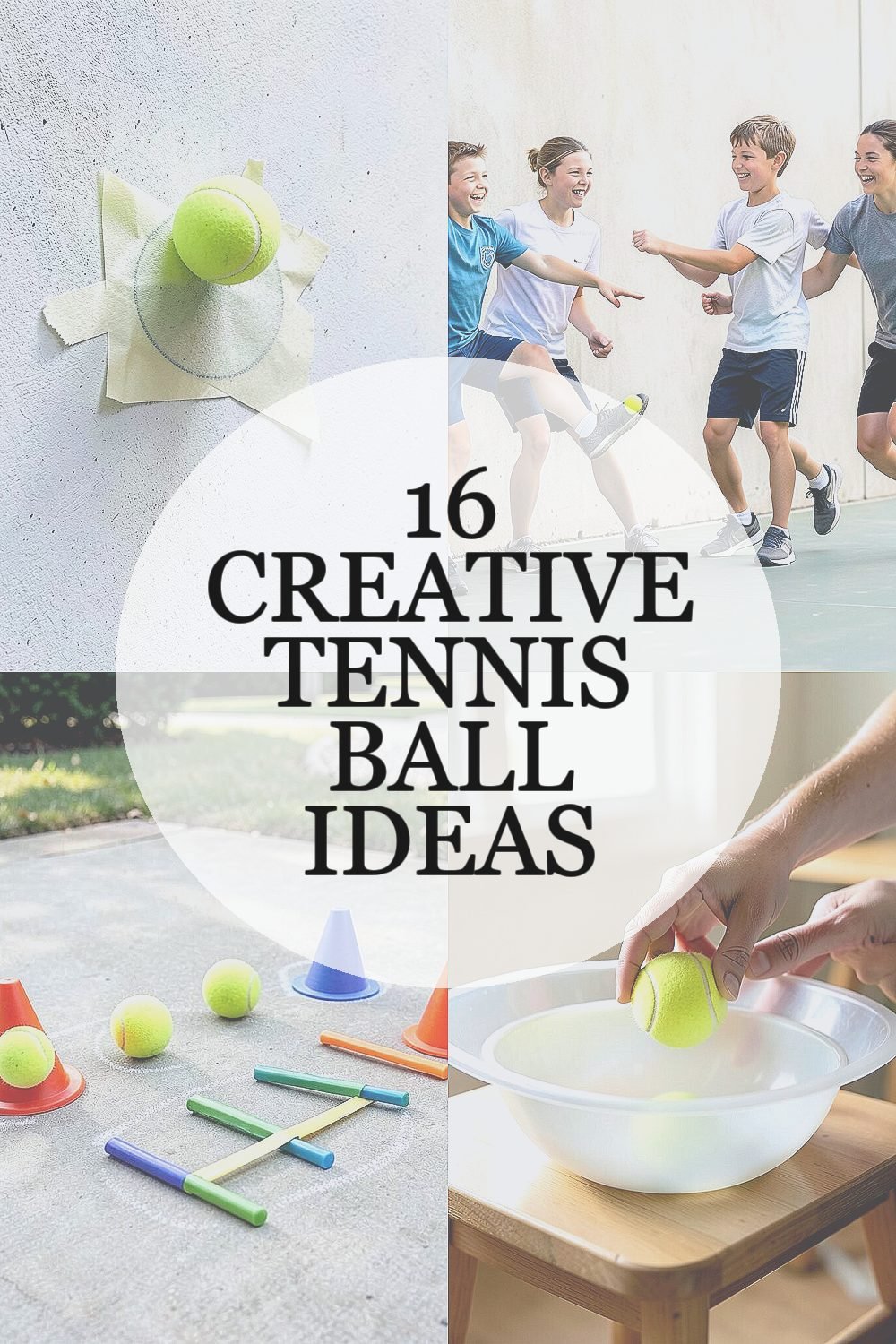
Grab a shallow bowl or plastic tub and place it on a chair or low table. Use your hand to scoop a tennis ball, then “serve” it into the bowl from a few steps away.
This feels like a tiny version of a sports match, with a satisfying clack when it lands. It builds hand-eye timing, and it’s gentle on the arms compared to hard throws. Try different throwing styles, like gentle sidearm or a soft underhand arc, so your body learns variety.
5. Blindfold Hit and Catch
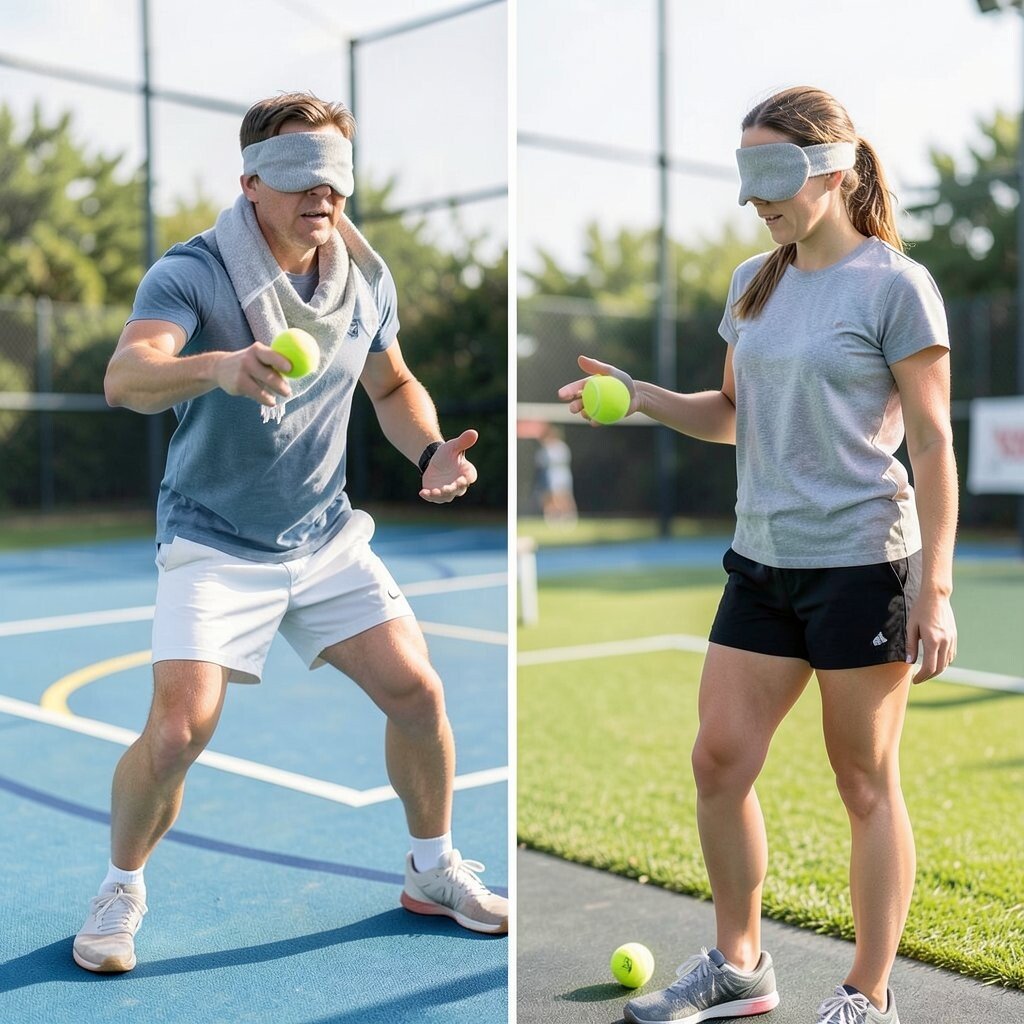
Cover your eyes with a soft scarf, but keep the practice safe and close. Have a partner stand near you and call out where the ball should go, or place the ball at your feet and start from there.
Once you’re comfortable, toss the ball and listen for its bounce before catching. The sound of rubber against the floor becomes your guide, and it turns practice into a fun sensory game.
Personalize the challenge by changing the surface, such as carpet, gym mats, or grass. Use softer tosses at first, because balance changes quickly when your eyes are off. Tennis balls are perfect here since they’re bouncy enough for sound cues but light enough to keep control.
6. Spin-Doctor Finger Flicks
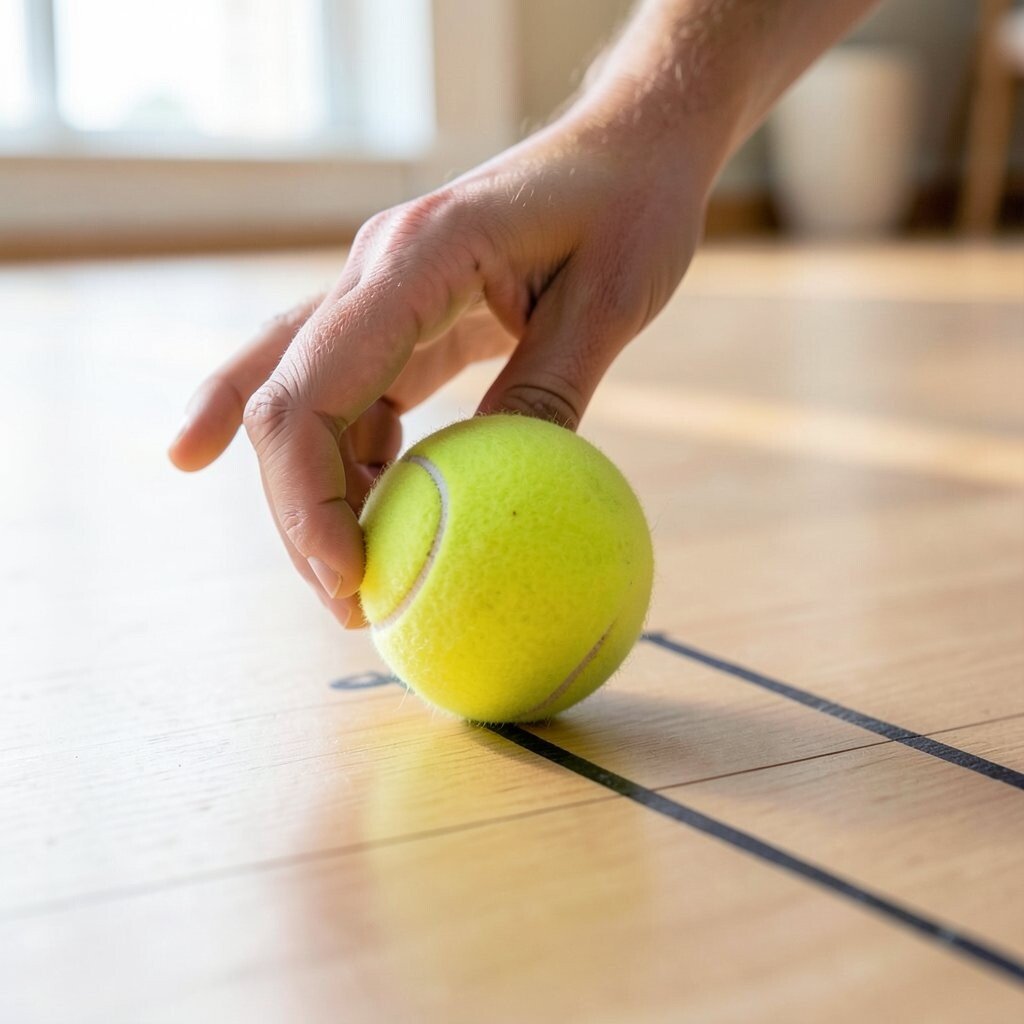
Hold the tennis ball like a mini bowling ball and practice finger flicks to create spin. Aim at a line on the floor, then watch how the spin curves the rolling path.
This is a surprisingly visual workout because you can see the ball’s behavior change with each flick. It strengthens fine motor skills and builds patience without needing a big space. Try slow “topspin” rolls first, then experiment with side spin to see which direction pulls the ball the most.
7. Basketball-Style Dribble without a Basketball
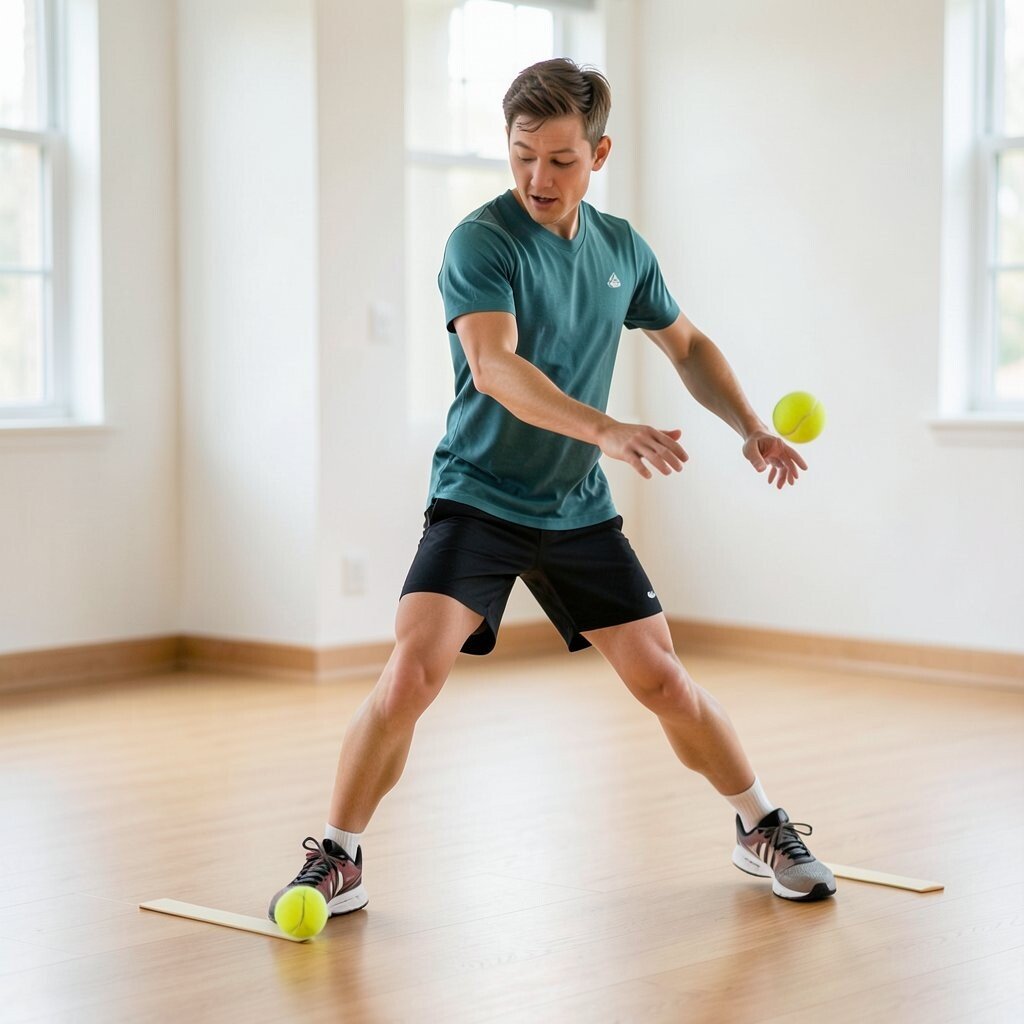
Use a tennis ball to dribble in short bursts between two markers. If you can, stand slightly sideways and keep your eyes on the rebound height.
The ball’s light weight makes it bounce quickly, so your hands learn fast timing. It’s also an easy way to get movement indoors when you can’t use heavier equipment.
For personalization, switch between right-hand and left-hand dribbles, and try to keep the bounce within a hand-width. If you feel unsteady, start closer to the floor and use gentle taps. This kind of small-space training is popular in many “home skill” routines because it’s low cost and always available.
8. Tennis-Ball Bowling with Household Pins
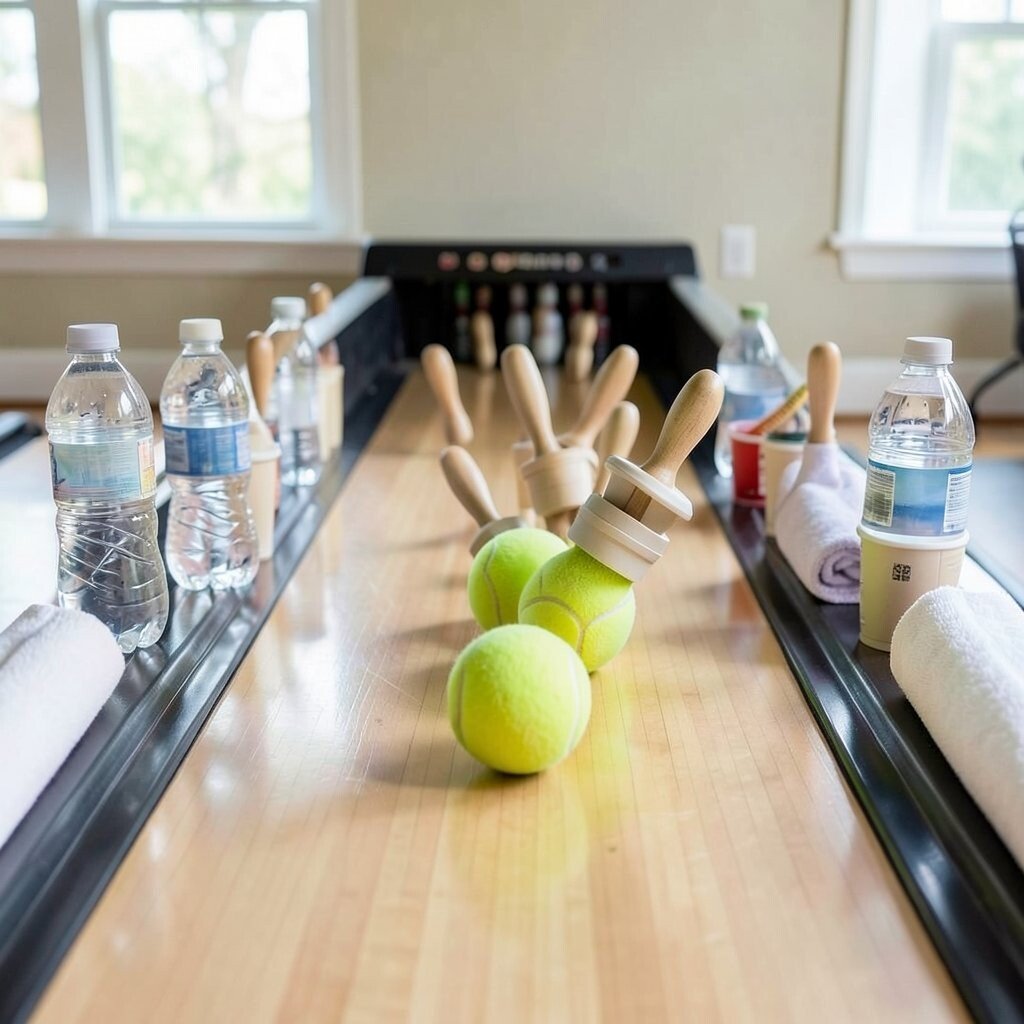
Set up a “pin lane” using water bottles, paper cups, or rolled towels. Roll the tennis ball down the lane and aim to knock down as many as possible in one turn.
The visual fun is immediate because the pins wobble, then topple in a satisfying chain. You’ll improve accuracy and grip, and you’ll get a light workout as you reset and roll again. Use a shorter lane for beginners and a longer lane for a tougher challenge.
9. Racketless “Wall Pickups”
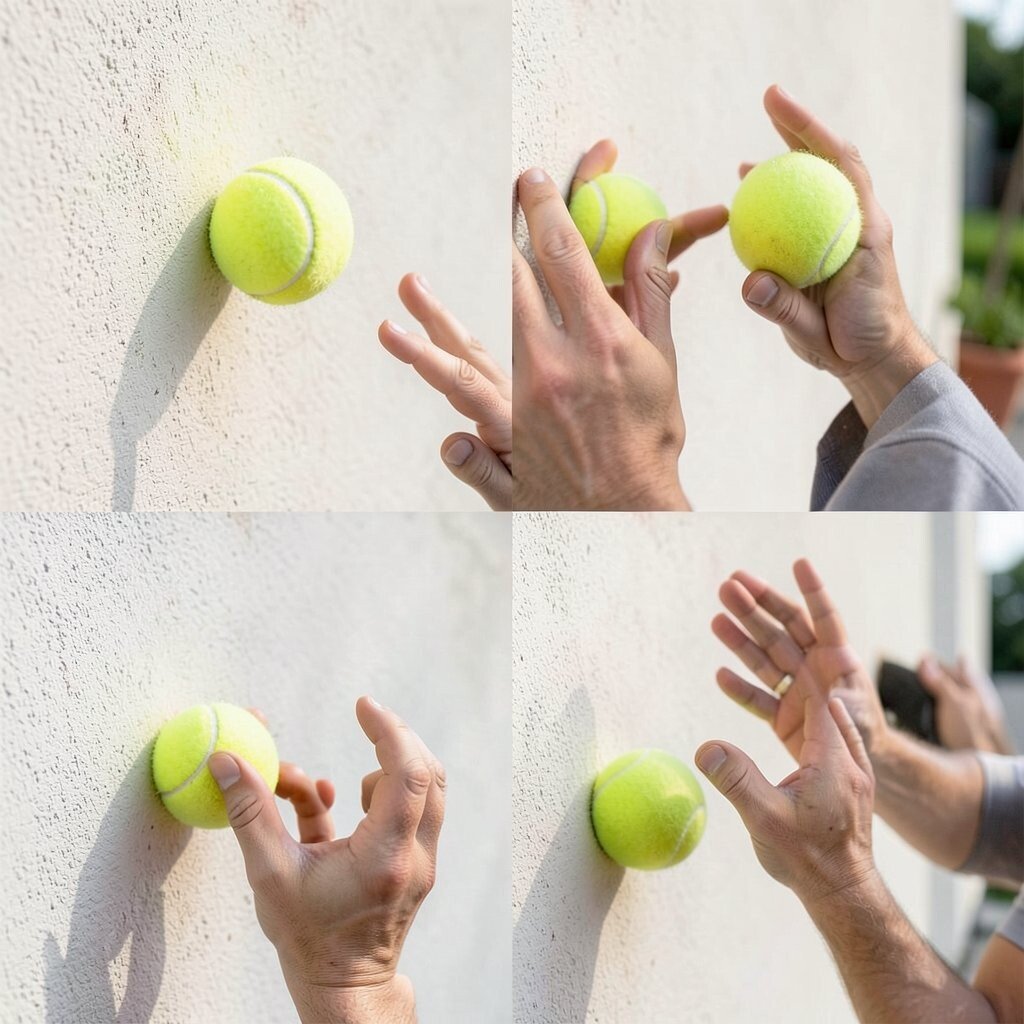
Stand facing a wall and practice quick pickups using only your hands and the ball. Toss the tennis ball against the wall so it comes back to a spot near your palms, then catch it cleanly.
This builds reflexes because you must decide the catch the moment the ball returns. It also trains your reaction time without needing any special gear.
To personalize it, change the distance and practice different catch heights, like knee level and chest level. For added fun, try a silent version where you clap only after a successful catch. Since tennis balls are easy to replace, you can set up a few so you can practice longer without stress.
10. Garden Drop-and-Plant Drill
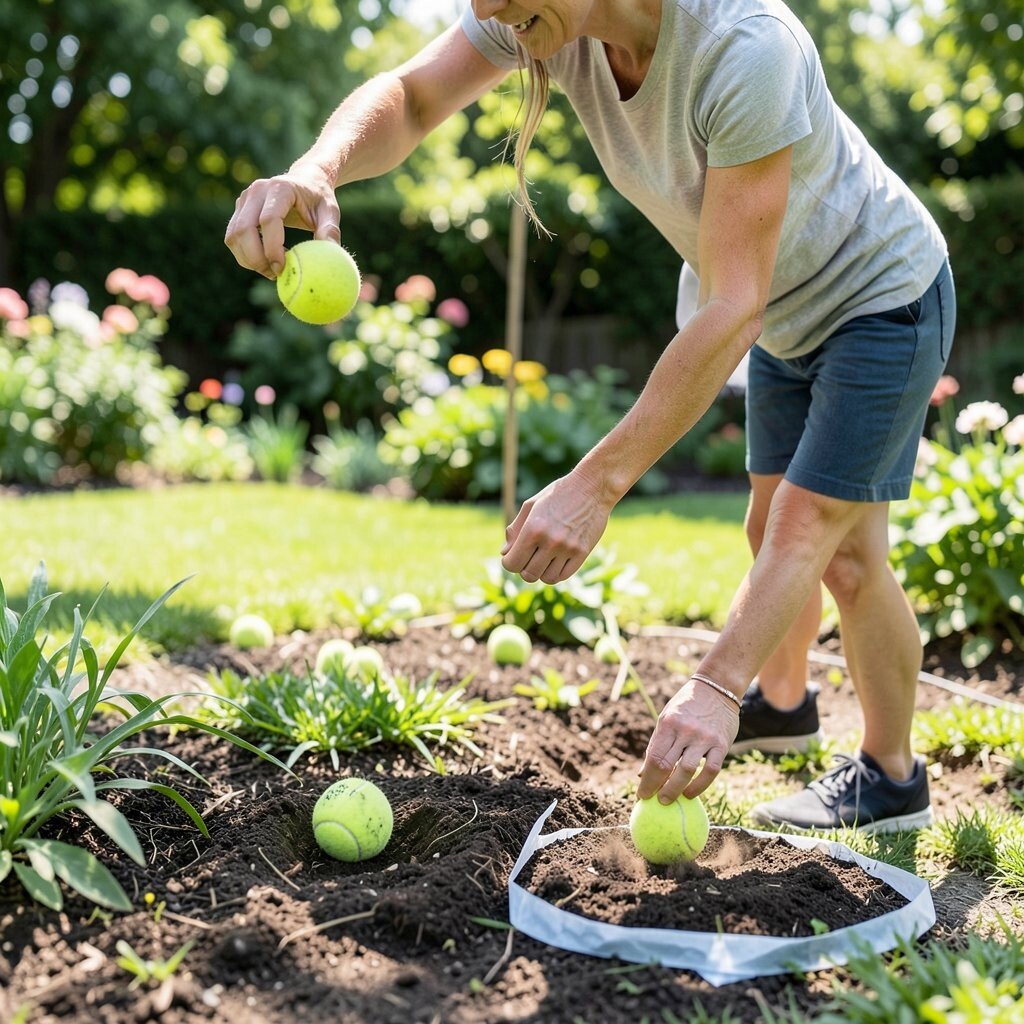
Take tennis balls outside and pretend each one is a “seed.” Drop the ball into different planting spots in your yard, then retrieve it and keep going.
This sounds simple, but it trains target focus while you move around in fresh air. You’ll also get practice bending and walking, which can be a nice change from screen time. If you don’t want to use your actual garden, use a driveway patch or a taped circle.
Personalize the rules by scoring distance, accuracy, or time. In a modern twist, you can pair it with a timer from your phone and track personal bests without making it stressful. Tennis balls are cheap enough for casual sessions, yet durable enough for outdoor games with a bit of dust.
11. Carpet “Golf” with a Rolling Line
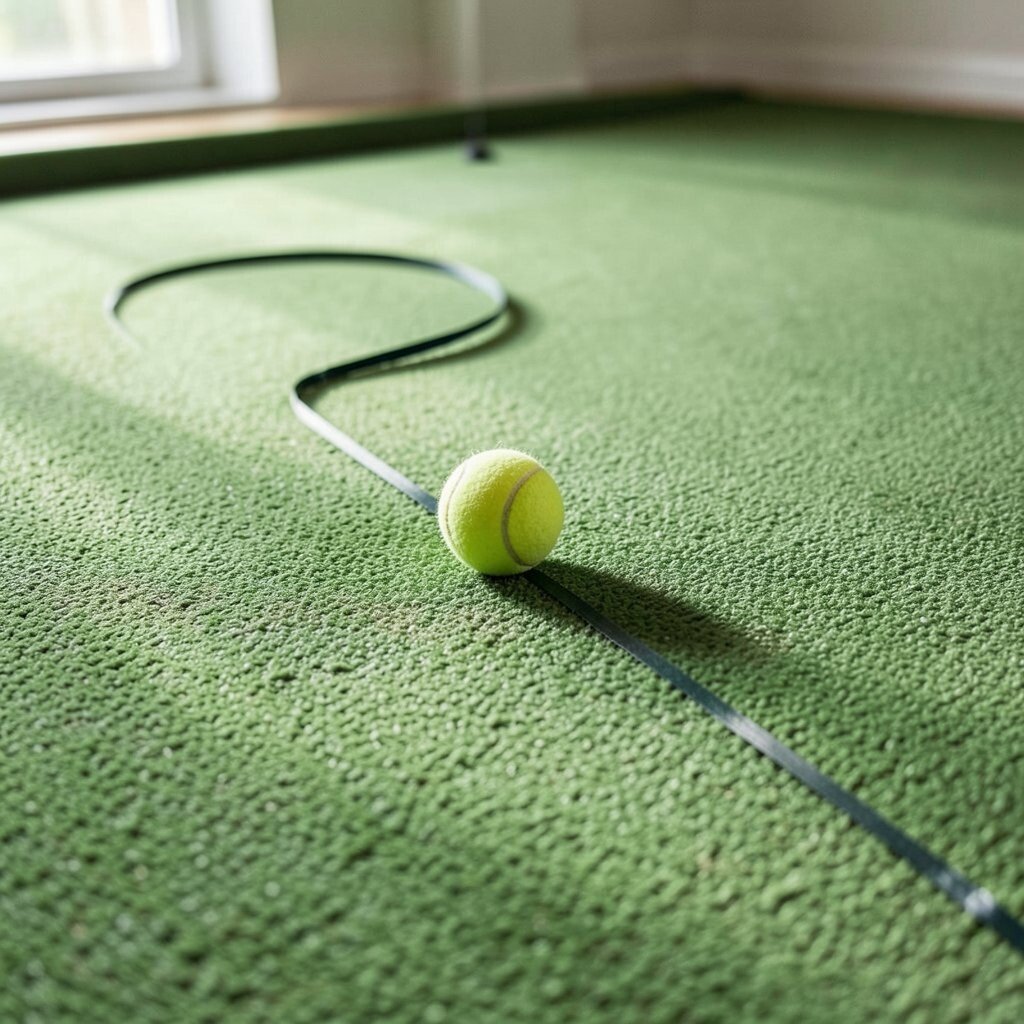
Create a mini putting path by taping a straight line or using a hallway strip. Roll the tennis ball toward a target point, then adjust your angle for smoother curves.
The tactile feedback is great because you can feel how the ball slows and turns on carpet. It helps your planning brain, and it makes slow practice feel like a real game. Try aiming slightly to the side, since the ball will follow the rolling grain and friction.
12. Color-Match Ball Sort
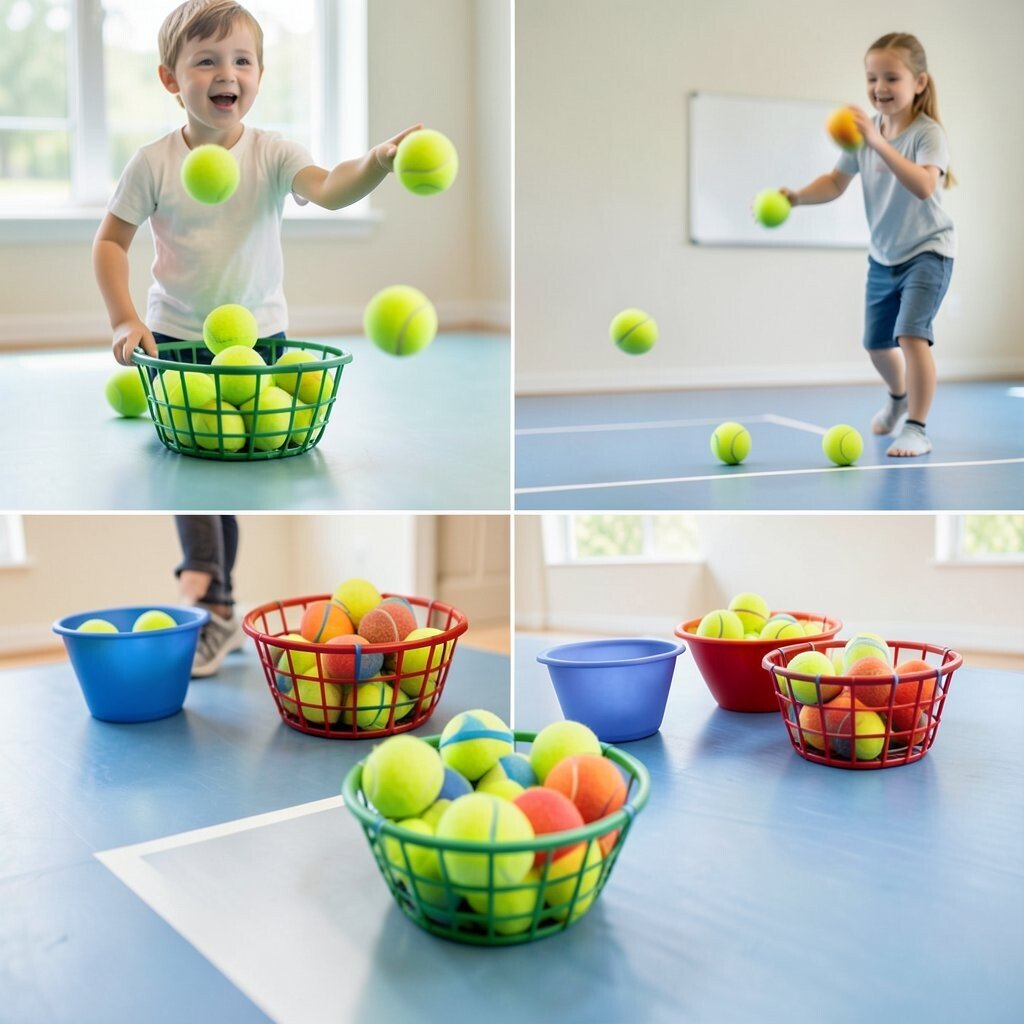
Use tennis balls in different colors, or wrap them with colored tape so you can tell them apart quickly. Place cups or baskets at different spots, then toss each ball into the matching basket.
Kids and adults both enjoy the bright visuals, especially when the balls bounce and spin in midair. This game improves quick recognition and throwing accuracy. Keep the baskets close at first so you build confidence, then spread them out as you level up.
To personalize, add a memory twist by calling out the order, like green then red, before you throw. You can also play with “soft toss only” rules to protect hands. Tennis balls are easy to find, and customizing color with tape is one of the lowest-cost ways to make practice feel brand new.
13. Ceiling-to-Floor Bounce Calibration
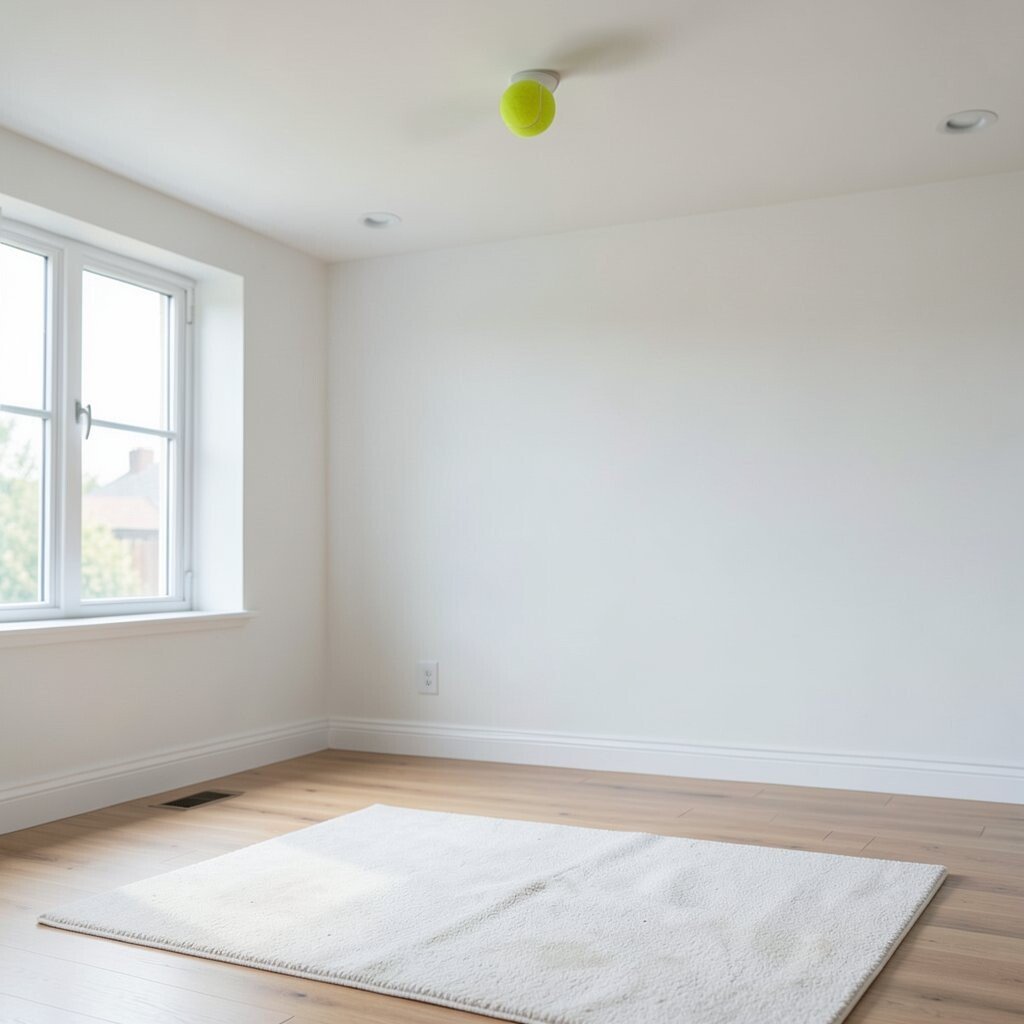
In a safe room with good clearance, toss a tennis ball upward and catch it at the same spot on the way down. Keep your catches consistent so you learn predictable bounce height.
This is a great visual skill builder because you can watch the arc and adjust your throw. It strengthens timing and grip strength without requiring big movements. Start with a gentle toss, then gradually increase height once you can catch calmly.
Personalize the challenge by adding a clap before the catch, or by catching with one hand only. If you’re working with kids, use a soft landing plan by placing a rug under the catch zone. The trend of “micro-skill training” has grown lately, and this is a simple example that fits many home routines.
14. Chair-Obstacle “Swerve and Slip” Course
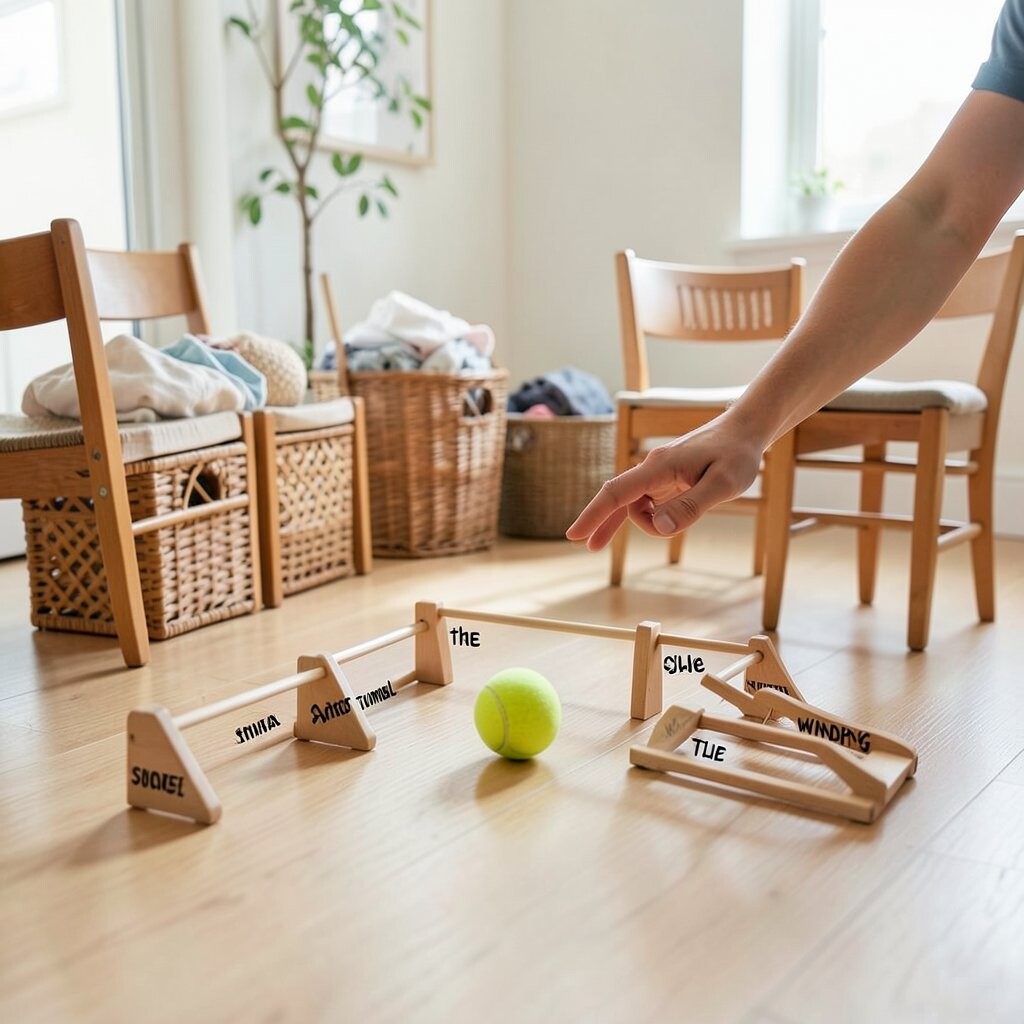
Arrange chairs, folded laundry baskets, or cushions into a mini obstacle lane. Roll the tennis ball along the floor while steering around the “gates.”
The course feels like a tiny action movie, with the ball weaving through obstacles at floor level. You’ll improve control and spatial thinking as you adjust direction before the ball reaches the next turn. Keep it fun by naming each obstacle, like “the narrow tunnel” or “the windy corner.”
For personalization, try different speeds and angles, and switch between rolling with your hand and rolling by pushing gently with your fingertips. If the ball keeps escaping, reduce the obstacle spread and focus on clean passes. Using things you already own keeps cost low and makes setup quick.
15. Team “Bounces Only” Pass Game
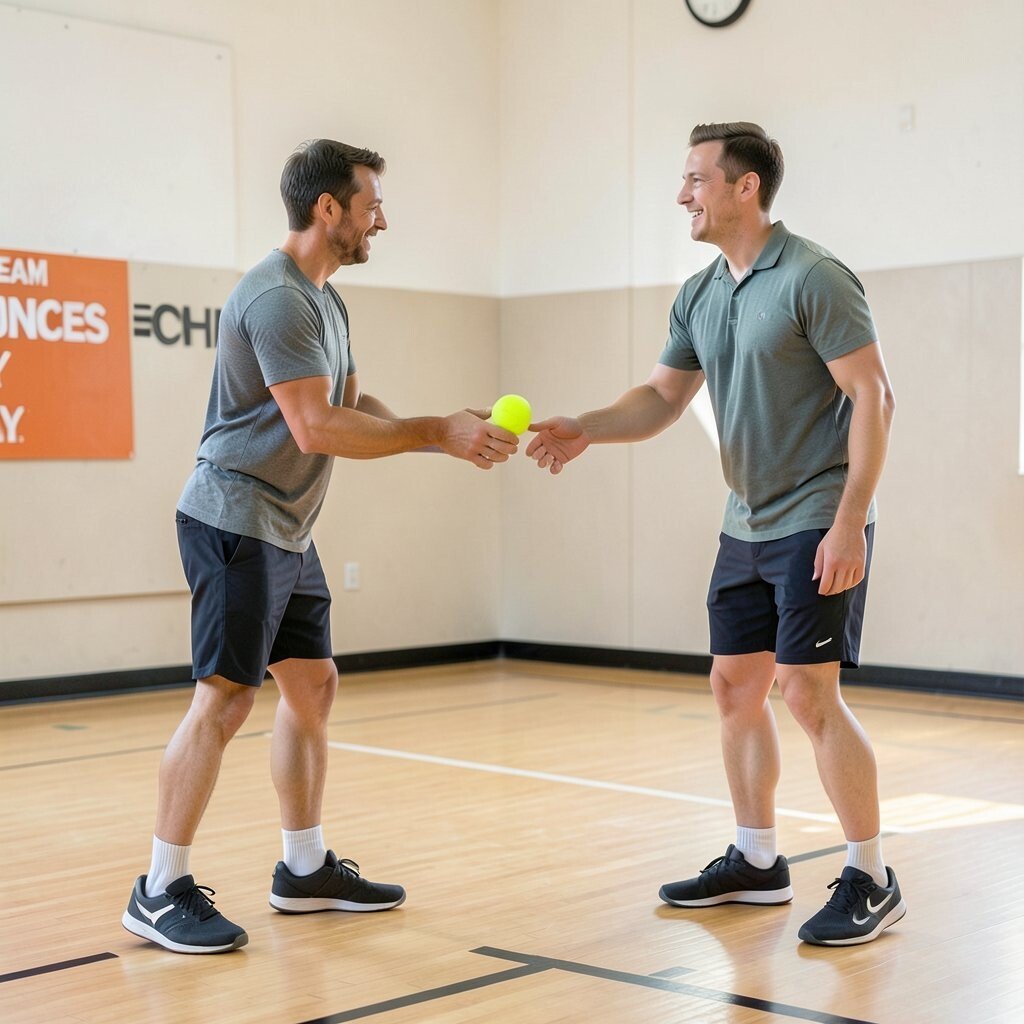
Pick a distance where you can pass safely, then create a rule that the ball must bounce once before being caught. Stand facing each other and pass with smooth underhand motion.
This teaches timing because you must match the bounce to the catch. It also builds teamwork skills since both people adjust together, not against each other. For extra energy, make a rhythm where you pass on the count of three, then repeat.
Personalize it by adding a “one-step catch” rule so your feet move just after the bounce. If you practice alone, throw the ball to a wall at a consistent height so you can catch it after the bounce and return it repeatedly. This kind of simple pass game is common in gym class because it works for many ages and requires almost no setup.
16. Tennis-Ball “Gravity Maze” Using Tape Walls
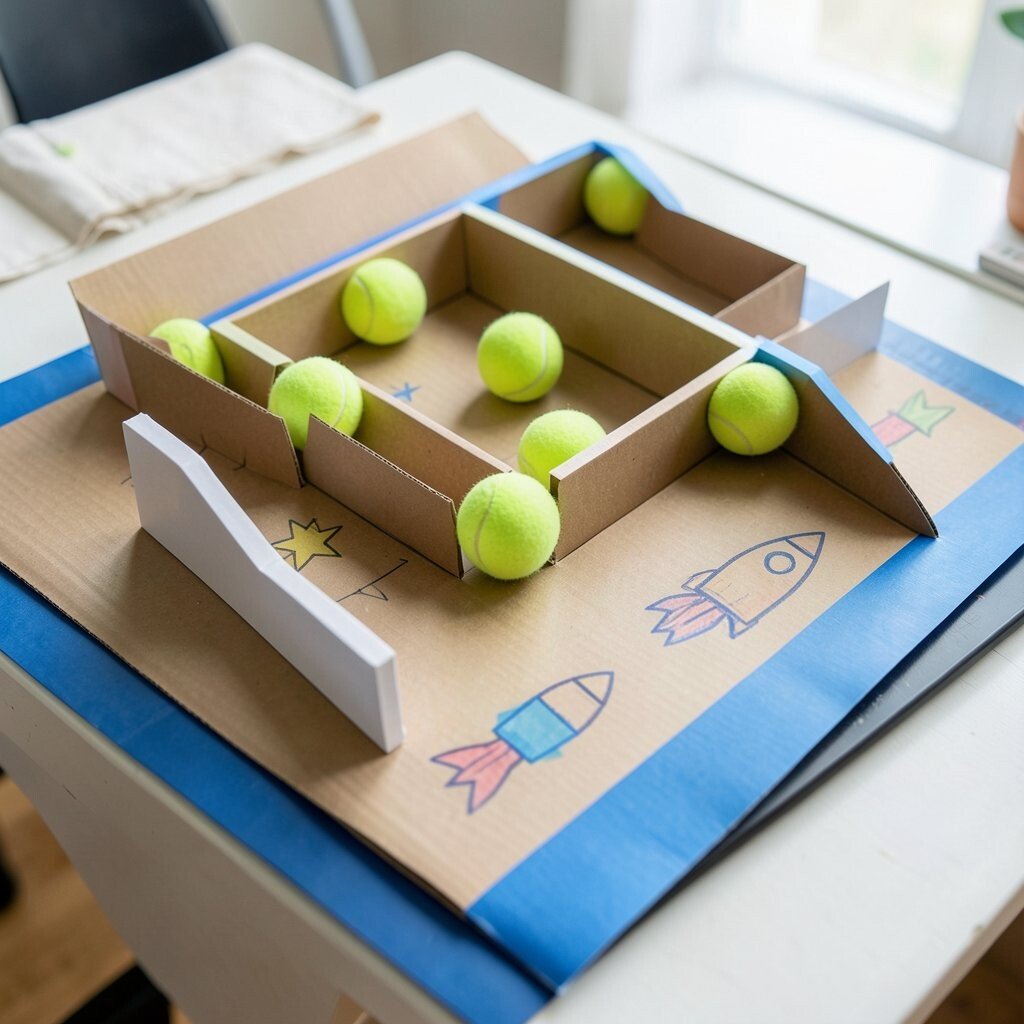
Use painter’s tape to build a small maze on a table or cardboard sheet. Create ramps and angled tape walls so the ball rolls in different paths before reaching the end.
The best part is the visual excitement when the ball chooses a route you didn’t expect. You’ll learn how small changes in angle affect speed and direction, which makes practice feel like physics fun. Start with a basic straight run, then add one tape wall at a time to test how the ball behaves.
Personalize the maze by drawing symbols or using themed colors, like stars for start and a rocket for finish. If you want to reduce mess, use a smooth cutting mat or tray surface. Tennis balls are sturdy enough for repeated testing, and using tape keeps the cost extremely low.
17. Family “Ball Weather Report” Stretches
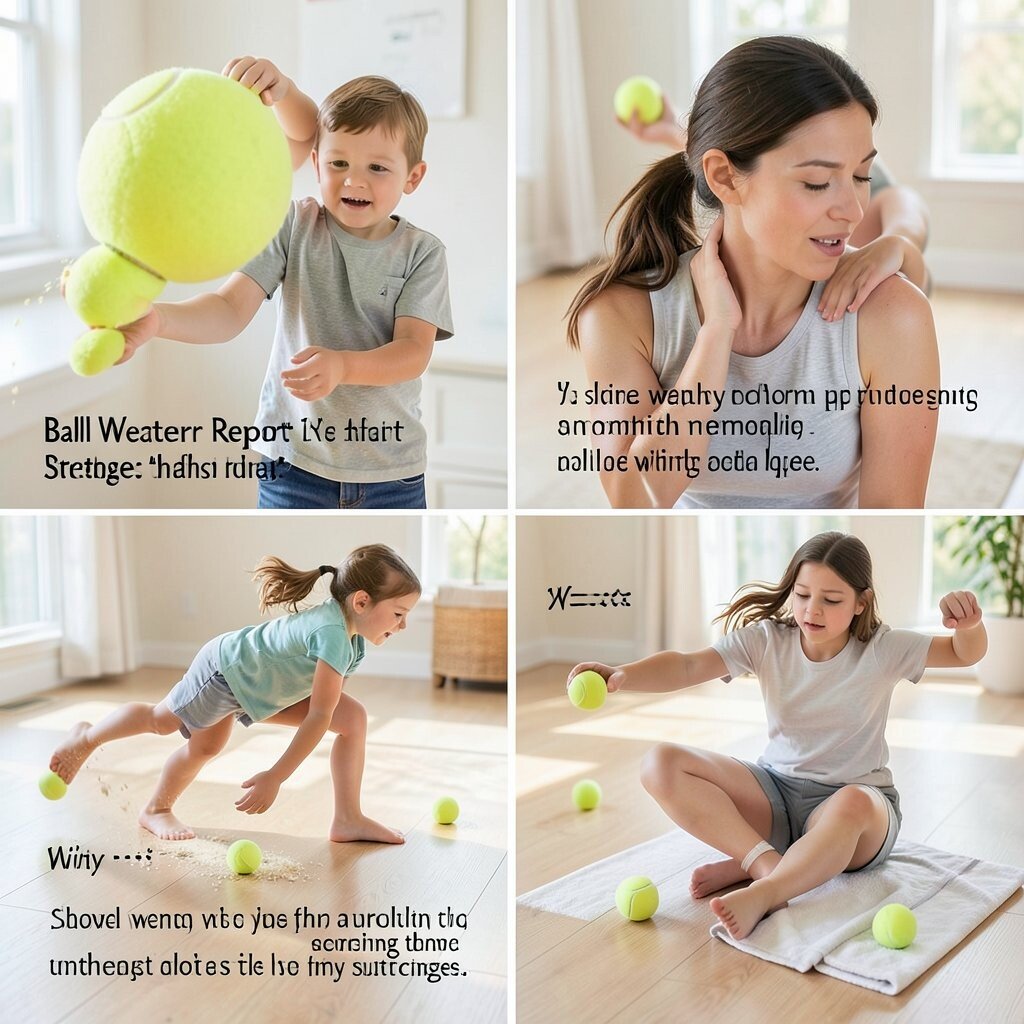
Make a calming routine by pairing tennis-ball movement with “weather” storytelling. For example, act out sunny warmups by bouncing the ball gently, then act out windy moves by rolling it in long sideways sweeps.
This keeps the session playful and helps your body loosen up after active play. You can also add breathing cues, like slow inhale while holding the ball, then exhale while rolling it down. It’s a simple way to turn movement into something memorable, not just exercise.
Personalize it for your family by letting each person choose a weather theme and create one movement rule. Use tennis balls that are clean and dry so rolling feels smooth, and keep a towel nearby for quick wipe-downs. Many people are leaning toward fun movement routines at home lately, and storytelling helps make it easy to stick with.