Small crafts can turn into big joy. Grab your supplies and start making characters that feel alive.
If you love cozy creativity, puppet making is perfect for your table, your couch, or even a rainy afternoon. Each project can be simple, personal, and surprisingly fun to show off.
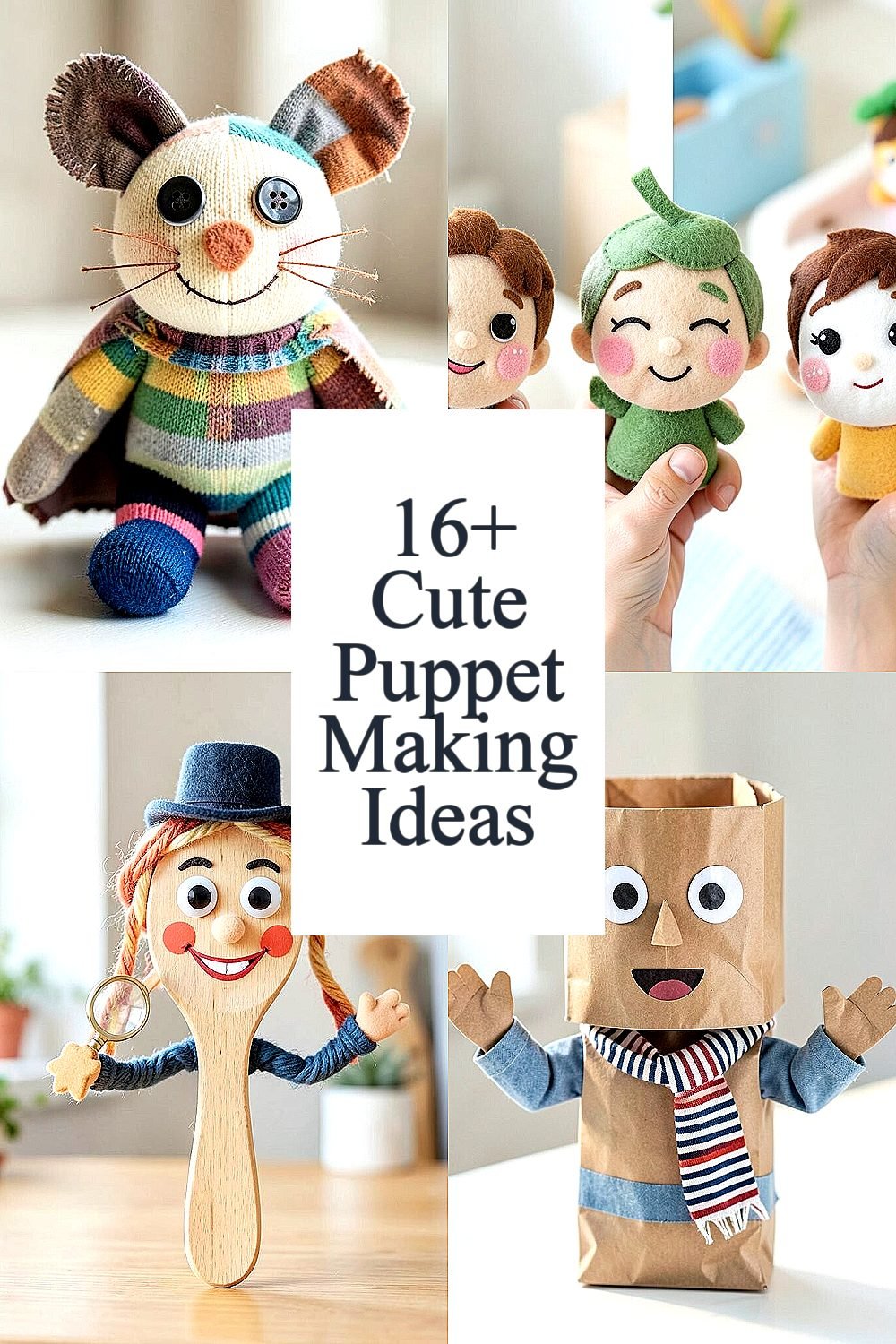
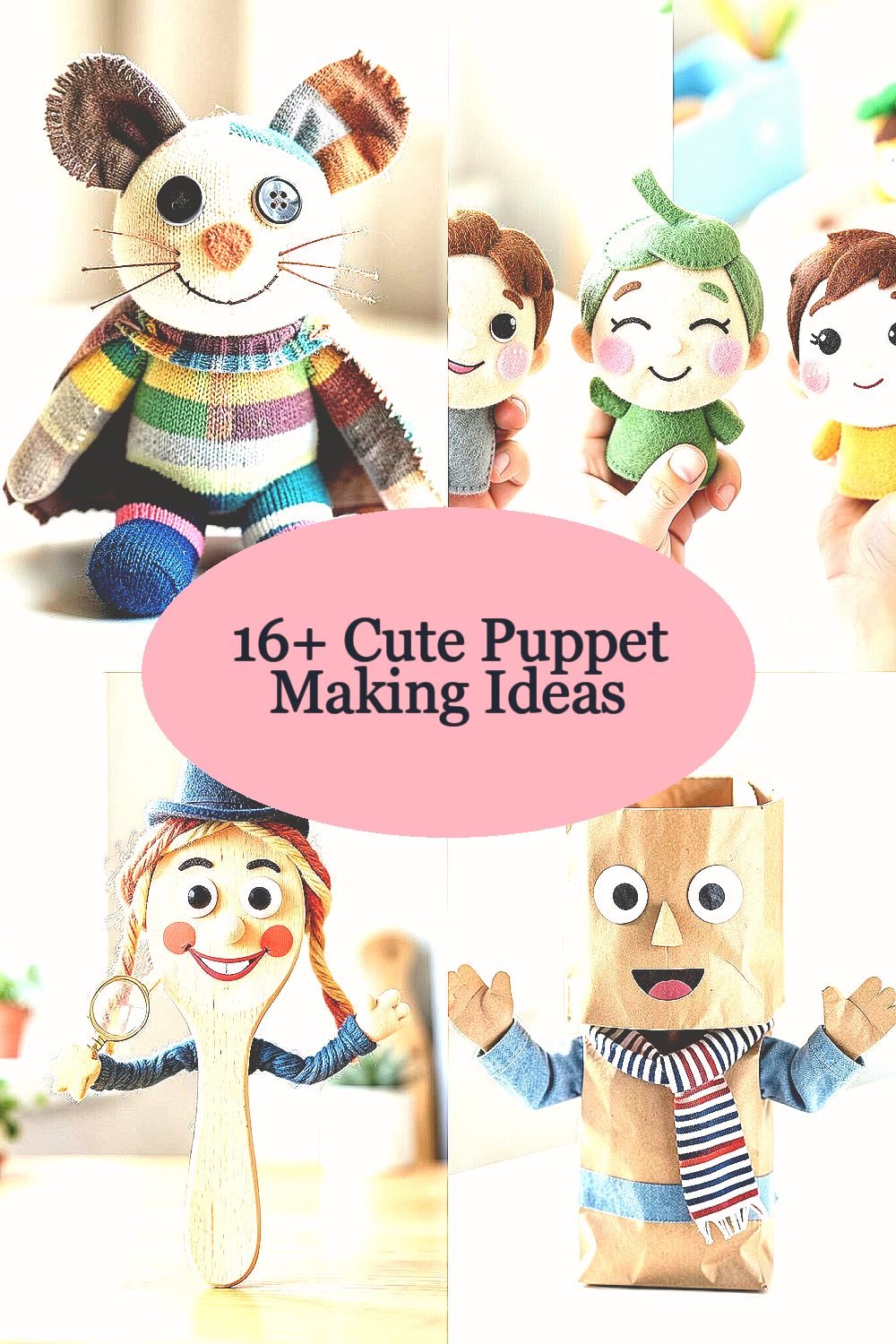
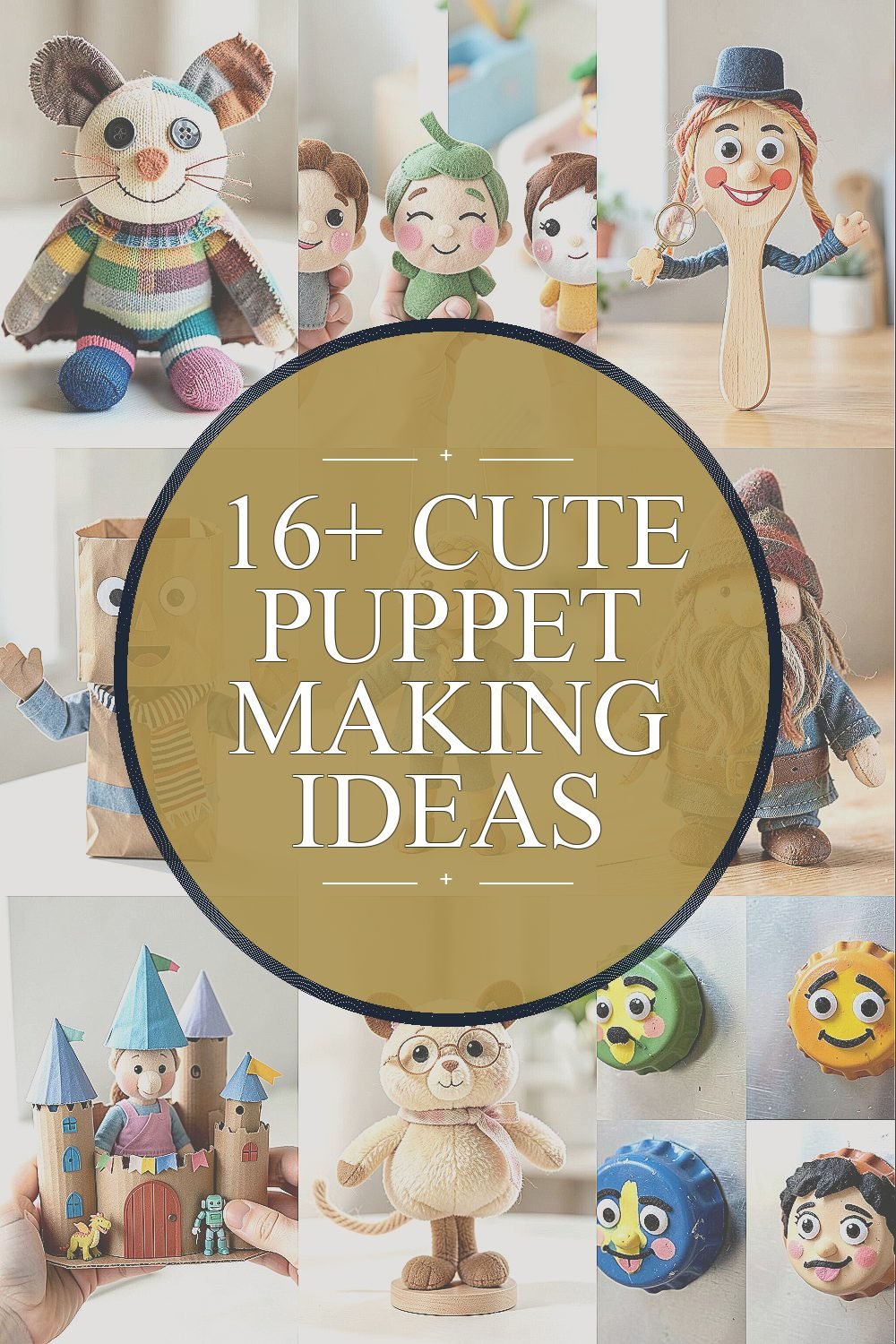
1. Sock-Scrap Character Puppets

Choose mismatched socks with different colors and textures so your puppet looks full of personality right away. Add a little stitched smile and two button eyes to create a friendly face that pops in photos.
Use fabric scraps for ears, a felt tongue, and thread for whiskers so each puppet has its own style. This is budget-friendly because you’re using things you already have, and it’s easy to swap parts without wasting materials. Try adding a mini cape cut from old cloth to make your character feel extra special for dress-up play.
2. Felt Finger Puppets With Tiny Expressions

Cut soft felt shapes that fit your fingers comfortably and layer them for cheeks, eyebrows, and hair. Add safety-friendly details like stitched eyes and simple mouth lines so the puppet looks sweet and safe for younger hands.
Make three expressions for each character, such as happy, sleepy, and curious, so you can act out mini scenes. For practical comfort, keep seams neat and trim bulk so your puppet feels light during play. To personalize, choose a theme like garden friends or ocean helpers and match colors to your favorite mood.
For cost, felt is usually easy to find in craft stores and you can reuse scraps from other projects. A current trend is mini character sets that people post as “mood families,” so you can build a small set that’s ready for sharing.
3. Spoon Puppet Friends From Kitchen Castoffs

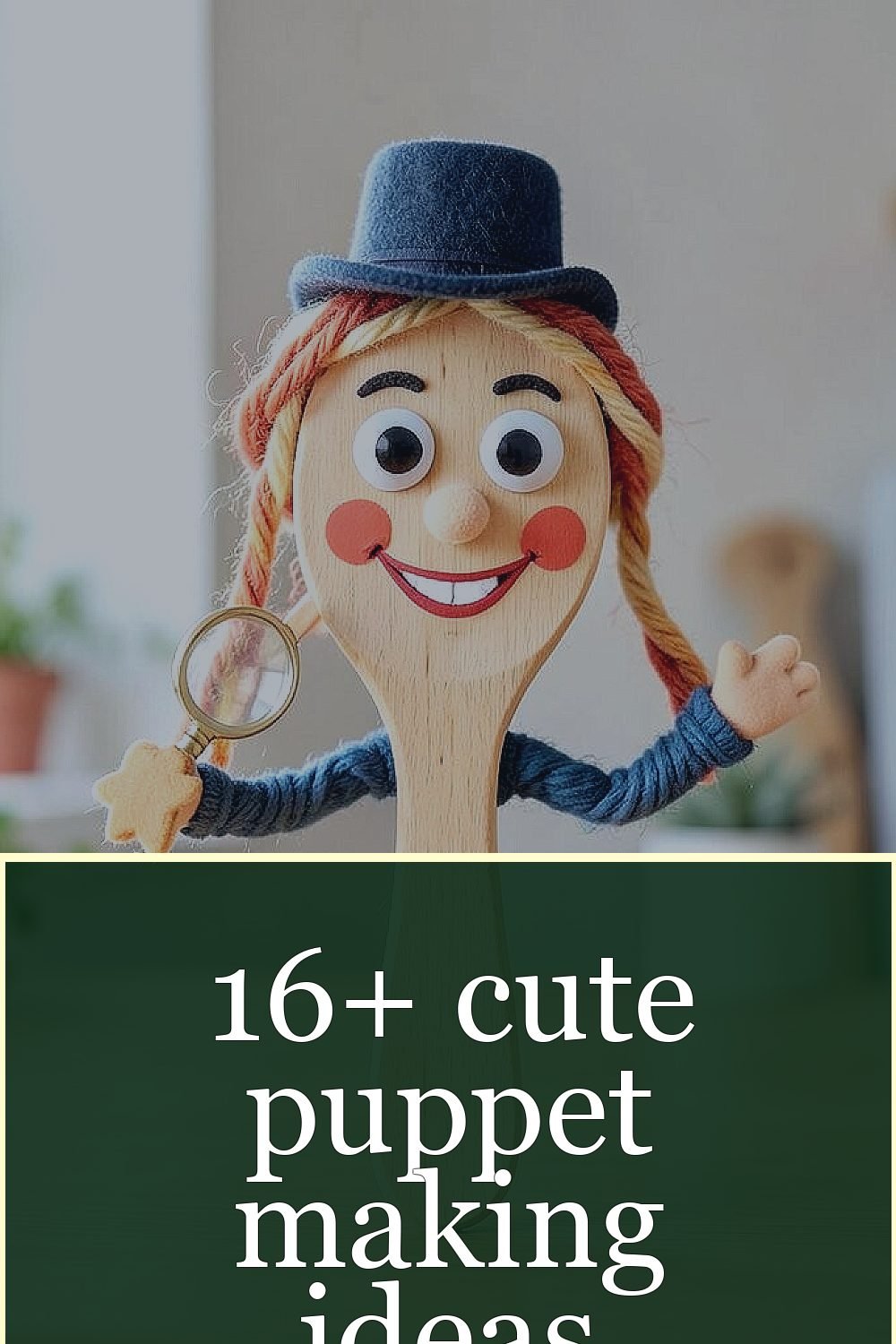
Pick a wooden spoon or a plastic spoon and paint it into a face that suits your imagination. You can wrap yarn for hair, glue on googly eyes, and add a tiny felt hat for a look that feels playful and bold.
Because the spoon already has a natural shape, puppets stand up and hold gestures easily. Sanding lightly helps paint stick better, and a coat of sealant keeps the puppet looking bright after many play sessions. Personalize with theme accessories like a detective magnifying glass or a star-shaped badge.
This idea is low-cost since spoons are common and your extras can be minimal. If you enjoy today’s maker style, try using limited color palettes for a clean, modern look on your shelf.
4. Paper Bag Puppets With Folded Costume Heads

Use a paper bag and fold the bottom into a simple chin so your character has a clear shape. Then glue cut-out eyes and a mouth, and add a costume made from paper or fabric scraps for instant charm.
These puppets are great for storytelling because the bag body gives you room for big gestures while you act. Use tape or glue wisely so the folds stay strong, and reinforce the sides if kids will handle them often. To personalize, match your puppet’s outfit to a real favorite from your closet, like a striped scarf or a tiny bow.
5. Clay and Felt Mini Marionettes

Shape a small clay head with smooth features and add a soft felt costume for a sweet, doll-like look. Then thread thin strings to arms and legs, keeping the setup simple so the puppet can move during pretend play.
With marionettes, tiny details feel magical, like painted freckles or a yarn braid. Let the clay dry fully before adding felt, and test the string length so the puppet hangs at a comfortable height. Personalize by giving your puppet a job, like “night sky stargazer,” and make a tiny felt accessory to match.
Clay can be affordable, especially if you already have air-dry clay at home. A trend you’ll see in many crafts is slow, careful handmade charm, so take your time and enjoy the process.
6. Weathered Gnome Puppets From Scrap Wood

Find a small piece of scrap wood, shape it lightly, and paint it into a cute gnome body with a long beard. Add yarn hair, a felt hat, and a stitched belt to make the whole figure feel like a character you’ve known for years.
This craft looks especially charming with “weathered” textures, because your puppet feels cozy and lived-in. Use a base coat and let it dry, then add speckles with a dry brush so it looks artisan-made. Personalize with color choices inspired by your favorite season, like warm autumn tones or cool winter blues.
7. Cardboard Castle Puppets With Handheld Scenes

Cut simple shapes from cardboard to build tiny castle scenes that your hand puppet can fit into. Paint the towers and glue doors, windows, and banners so each play scene feels like a mini world.
Use a finger or hand puppet inside the castle so your storytelling stays clear and fun. For practical tips, keep walls sturdy and cut rounded edges so handling stays easy and safe. Personalize by adding a dragon, a princess, or even a friendly robot guard made from spare craft pieces.
Cardboard is usually free or very cheap, which makes this idea ideal for families who want lots of creations. If you like modern decor trends, keep your palette simple and clean so your castle looks great on a shelf after play.
8. Pom-Pom Critter Puppets With Wobbly Heads

Make pom-pom bodies in different sizes and attach them to a simple base for a puppet that looks bouncy and cute. Add felt ears, stitched eyes, and a yarn tail so your critter feels full of movement even when it’s still.
Pom-pom puppets are great for tactile play because they’re soft and comfortable to hold. Use a thick glue and reinforce attachment points so heads don’t loosen during active play. Personalize by naming each critter and giving them a matching accessory like tiny glasses or a ribbon scarf.
9. Recycled Bottle Cap Puppets With Magnet Faces

Paint bottle caps into character faces and glue on small felt mouths and eyebrows for big expression. Then attach a magnet to the back so you can stick puppet faces to a metal surface and swap them for quick scenes.
This approach is unique because you can change emotions without rebuilding the puppet every time. For practical tips, rough up the cap lightly before painting and seal it if you want extra durability. Personalize by making a set of characters that all share the same body style but have different faces and hairstyles.
Cost is very low since bottle caps are easy to collect, and magnets are small and convenient. A current trend is face-swapping and remix crafts, so your puppet “mood board” can become a fun activity people love to photograph.
10. Crochet or Knit Character Puppets With Scrap Yarn Bodies

Use scrap yarn to crochet or knit a small body, then add felt pieces for eyes and tiny fabric accents. Even if you’re new, you can start with a basic shape and turn it into a character with a hat and a scarf.
Yarn puppets feel extra cozy because the texture is soft and warm. Keep stitches even so your stuffing doesn’t peek out, and weave ends in tightly for durability. Personalize with a color story, like “sunrise,” and add a tiny pocket to hold a mini note or charm.
Using scrap yarn saves money and reduces waste, which many crafters really enjoy right now. If you follow current trends, simple “handmade comfort” characters are popular, and your puppet will fit right in with that vibe.
11. Origami Puppet Heads With Paper-Fold Faces

Fold origami shapes to make a puppet head, then attach a small mouth flap for expressive movement. Add paper hair, drawn cheeks, and a tiny nose using light pencil lines first so you can adjust easily.
This idea is unique because the folds create structure that feels clever and neat. Use craft glue sparingly so paper edges stay crisp, and test the mouth flap so it opens without tearing. Personalize by picking patterns like polka dots or subtle stripes, which make your puppet look lively without extra cost.
12. Wood Bead and Thread Puppets With Simple Lacing

String wooden beads onto strong thread to form a puppet body, then add felt arms and a tiny fabric head. You can tie knots between beads so the body stays sturdy and your puppet can “stand” while you play.
This craft works well for fine motor practice, and it gives you a puppet with a gentle, swaying motion. Keep knots tight and use a needle or threading tool so it’s easier to handle. Personalize by painting beads in a character palette and adding a small emblem, like a leaf or star, on the chest.
Wood beads can range in price, but you can build a lot from a small bag, especially if you keep sizes simple. A trend in crafts right now is earthy, natural materials, so your puppet will feel calm and stylish.
13. Mask Puppets With Elastic Straps and Swap Faces

Create a simple mask puppet using felt or fabric, then add elastic straps so it fits comfortably on your hand. Make the face bold with stitched eyes and a big smile, so your puppet is easy to recognize during play.
Swap faces by making different fabric expressions that clip or tie onto the mask base. For practical tips, keep attachment points small and secure, and choose materials that don’t fray quickly. Personalize with character themes like “space ranger” or “fairy baker,” and match your colors to your favorite storybook vibe.
14. Transparent Window Puppet Cards With Floating Motion

Build puppet characters on clear plastic sleeves or acetate sheets and add moving parts like paper flaps. Place your puppet on a card base and slide it so parts flutter, giving the feeling of floating without complicated mechanisms.
This is a fun visual trick because light makes the colors look shiny and magical. Use strong tape on edges to prevent lifting and keep the puppet sturdy, especially if kids will handle it. Personalize by adding small “sparkle” shapes and using themed colors like ocean blues or candy pinks.
Materials can be slightly pricier than fabric, but you can save money by using packaging you already have. Many people enjoy recent craft trends that focus on interactive paper movement, and this fits that playful style nicely.
15. Halloween-Style Witch or Ghost Puppets From Paper Mache

Make quick paper mache bodies over a balloon or bowl, then paint faces that look sweet instead of scary. Add yarn hair, tiny felt hats, and stitched details so your ghost or witch feels friendly and lovable.
Paper mache puppets hold up well for repeated play once they dry fully and get a protective coat. Use newspaper strips and thin layers for stronger structure, and let everything dry until it feels hard. Personalize with a signature accessory like a tiny broom, a star charm, or a pocket for secrets.
Cost is low because newspaper and basic paste are usually easy to find, and paint can be minimal if you use a few main colors. Seasonal crafts stay popular, and your character can become a yearly tradition for photos and family play.
16. Hand-Painted Character Puppets With Yarn “Moustache” Details

Paint a base puppet head from wood, foam, or even sturdy fabric, then add yarn moustaches and eyebrows for instant personality. A few careful stitches turn a simple face into something expressive and charming.
This idea stands out because yarn facial hair adds texture that looks playful up close. Use fabric-friendly glue for attaching yarn and trim lengths so the moustache doesn’t drag while you perform. Personalize by matching the moustache style to a character type, like curly magician, serious professor, or silly comedian.
Costs stay reasonable since yarn is affordable and paint can be reused across projects. Current trends often lean toward bold handmade faces, so your puppet can look like a small artwork on display.
17. Mini Book Buddy Puppets Made for Reading Together

Turn each puppet into a book buddy by creating characters that match stories you already love. Make a small body that fits your hand and decorate it with fabric pieces that mirror the book’s main outfit or colors.
These puppets are extra beneficial because they make reading feel interactive and cozy for kids and adults alike. Keep a few puppet props nearby, and switch characters as you read to encourage listening and imagination. Personalize by writing tiny stitched names on the puppet’s clothing so each character feels like part of your home.
Cost can be very low if you reuse scraps from previous crafts, and it’s easy to scale up into a whole “reading set.” Many classrooms and families are using storytelling tools like hands-on characters right now, so your puppet will feel current and meaningful.