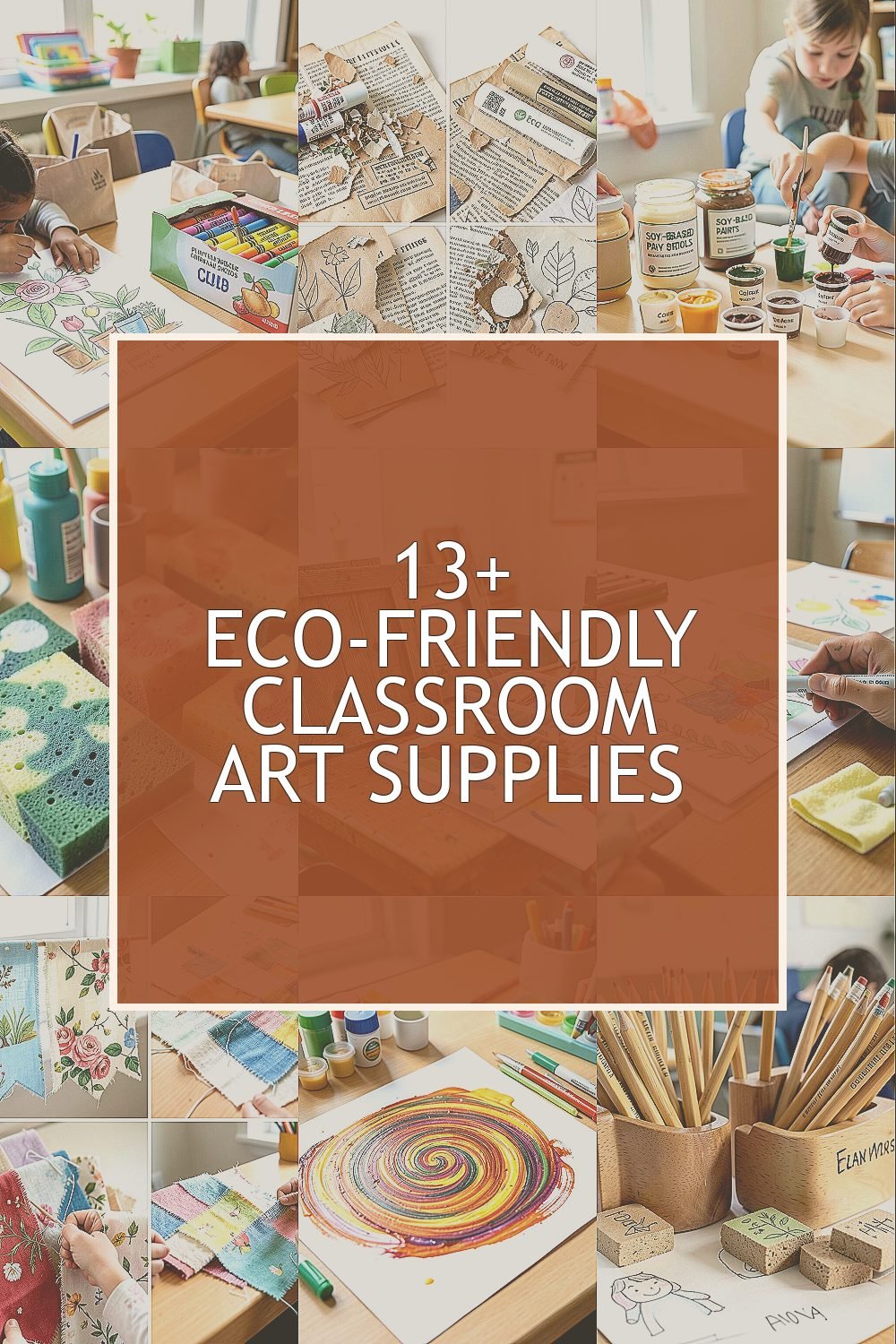
Art time can feel magical, and it can also be gentle on the planet. Small supply swaps help classrooms run smarter every day.
When you choose Earth-friendly materials, students get better experiences too. The best part is that many options are easy to use, easy to find, and easy to personalize.
1. Plant-Based Crayon Alternatives

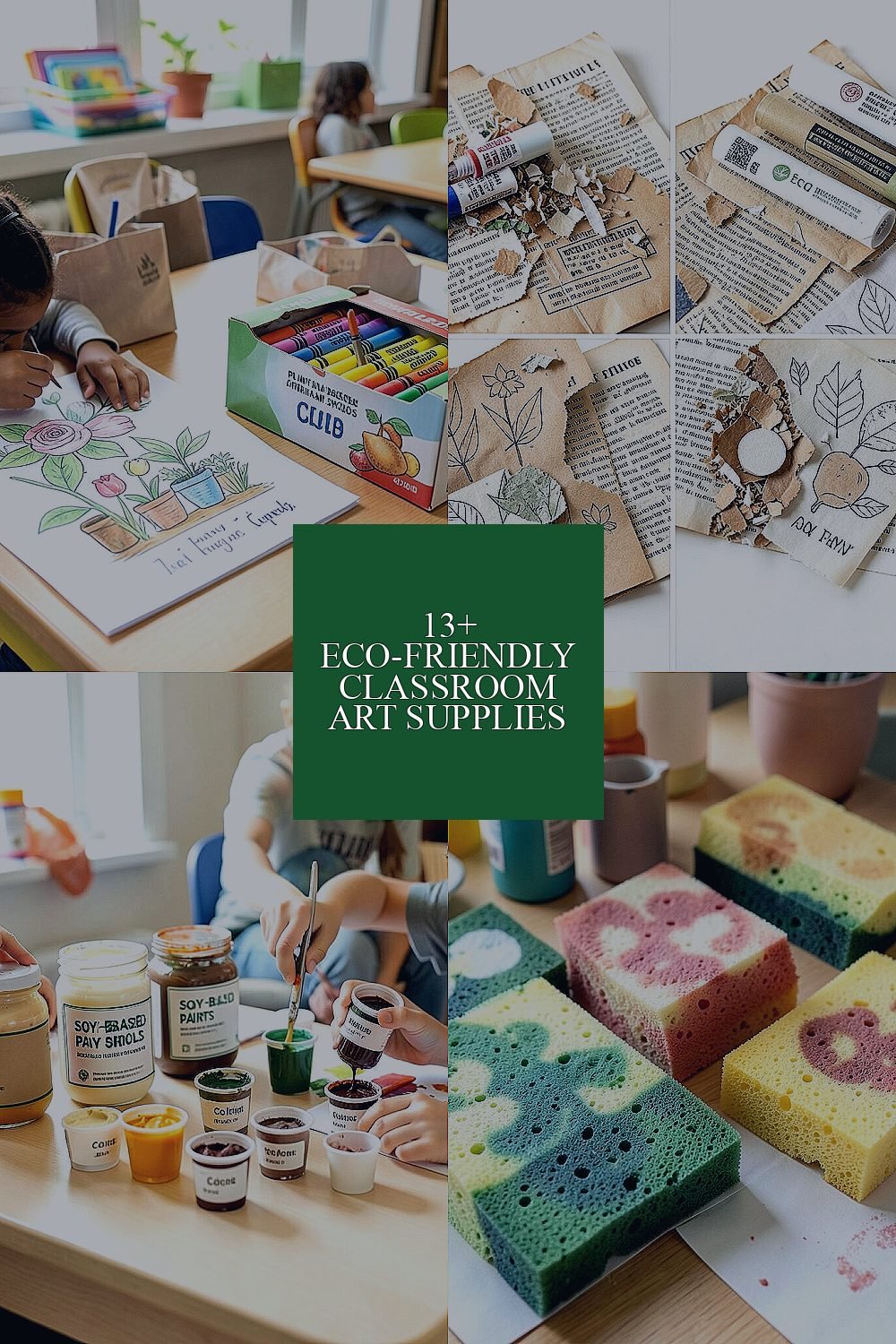
Plant-based crayons use ingredients like beeswax, soy, or other natural oils instead of heavily processed petroleum waxes. In class, they look bright on paper and glide smoothly, so kids feel confident right away.
Choose crayons that come in recyclable packaging so the whole set feels cleaner from start to finish. For practical results, store them in a cool tote rather than direct sun, and have students recap the box carefully to prevent breakage. A simple personalization idea is to color-code drawers by color family, which helps students grab what they need without extra sorting waste.
2. Recycled Paper Collage Kits

Recycled paper collage kits can include old book pages, shredded cardstock, and mixed textures that look rich and layered. You might notice the edges are slightly imperfect, and that gives student work a handmade, creative feel.
Use them for low-mess collage stations with glue sticks or paper-safe tape, which keeps cleanup manageable. For cost considerations, buy kits during back-to-school sales or gather your own classroom bundle from saved paper scraps to reduce repeat purchases. Students can personalize by adding stamp marks, leaf outlines, or simple drawn lines around recycled textures.
If your school is tracking sustainability, recycling-paper art also creates a tidy paper trail because many materials already have a second life. For practical tips, pre-cut a few shapes in advance so shy students can start quickly and build momentum.
3. Soy-Based Paints in Refillable Jars

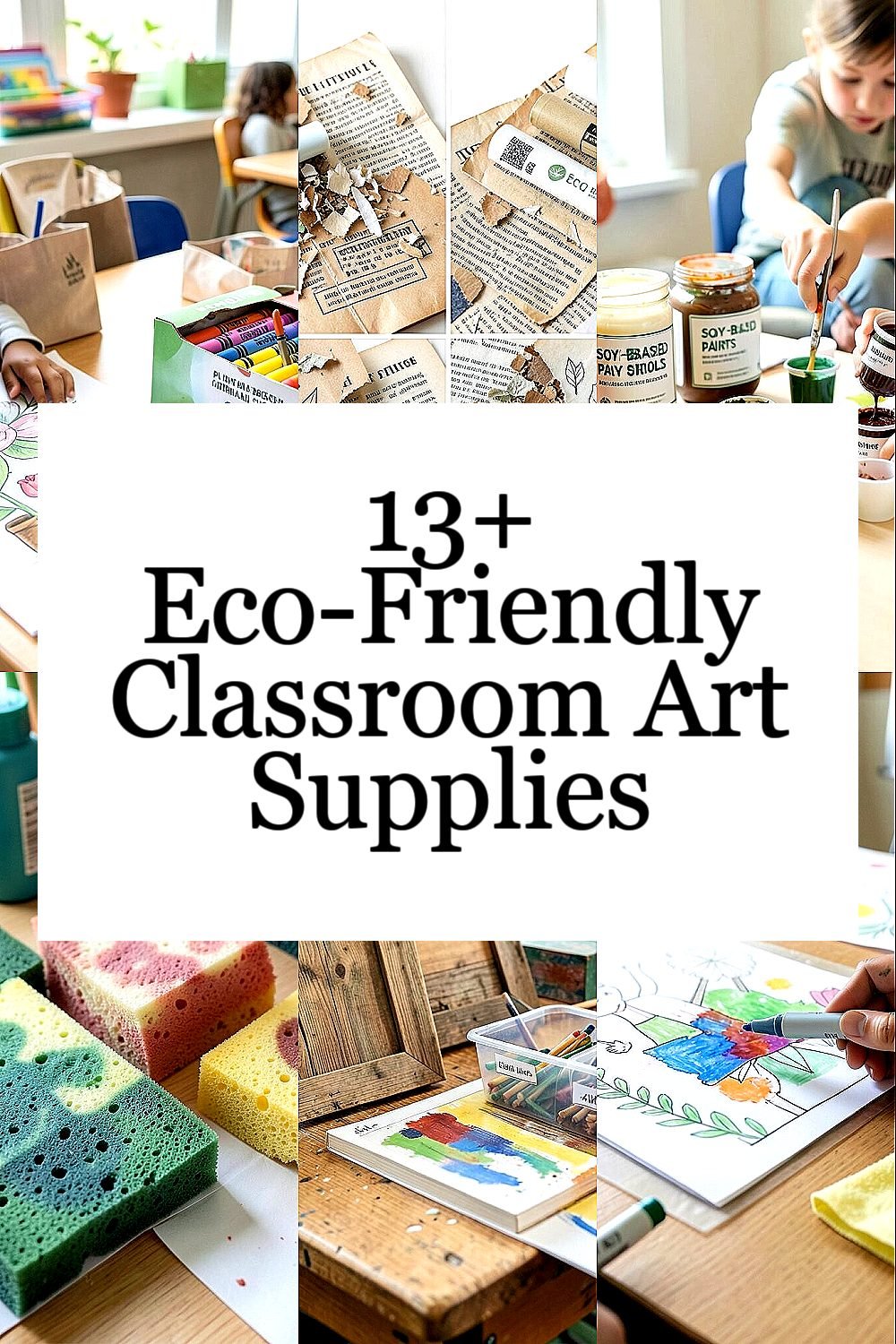
Soy-based paints often have a creamy look and spread evenly, which helps beginners paint without frustration. Refillable jars also reduce the number of single-use containers rolling into the trash.
When you set up a “paint refill day,” students can help pour measured amounts into small cups for their work. This feels communal, and it teaches care for shared materials.
For personalization, add natural dyes using safe ingredients like turmeric for warm tones or tiny amounts of cocoa for muted browns, depending on what your school allows. Keep lids sealed tightly and label jars with color names so nothing gets mixed by accident. Many schools are seeing a trend toward refill-friendly stations because it saves money over time and keeps the classroom looking organized.
4. Natural Sponge Painting Tools

Natural sponges made from plant fibers can create soft, dappled patterns that look like clouds or sea foam. Students often enjoy the tactile feel, and the results look impressive even with simple dab motions.
Choose sponges that don’t shed lots of pieces into paint, and rinse them right after use so they stay usable for longer. It’s a smart cost move because fewer sponges need to be thrown away when you treat them well.
5. Reclaimed Wood for Sculpture and Frames

Reclaimed wood pieces can turn a plain desk into a sturdy art-building space. You might see different grain patterns and tiny marks from earlier uses, and those imperfections make projects look unique.
In a classroom, reclaimed wood works well for frame building, simple relief sculptures, and block-style art towers. To keep things practical, sand any rough edges ahead of time and store pieces in labeled bins by size.
Personalization is easy when students stamp their initials on a corner or add paint wash on just the grain lines. For cost considerations, check local salvage yards or community groups because leftover wood is sometimes cheaper than brand-new craft sticks.
6. Water-Based Markers With Low-Impact Ink

Low-impact, water-based markers can produce bold lines that still feel gentle for everyday art. When you hold a student page to the light, the ink often looks smooth and clean without harsh fumes.
Pick markers that are known for easy cleanup, and keep a damp cloth at each table to speed up mess control. For practical tips, use thicker paper so marker ink doesn’t bleed through too much, and teach students to let drawings dry before stacking.
To personalize, encourage students to mix marker colors by blending on scrap paper first. Many classrooms are leaning into marker-friendly curricula because they make art projects faster, which is helpful when class periods are short.
7. Reusable Fabric Scrap Banners and Weaving Strips

Fabric scrap banners can look bright, cozy, and full of texture, especially when you combine different prints. Students love pulling threads and arranging strips, and the finished pieces feel like mini stories.
Choose cotton or other natural fibers when possible, and keep a clear sorting rule for safe materials like clean scraps. For sustainability, store fabric in a “scrap library” so students learn to borrow and return rather than requesting new items every time.
Personalization can be built into the process with “theme colors” tied to seasons, school events, or class goals. As a cost consideration, using donated fabric or thrifted linens can be far cheaper than buying new craft yardage again and again.
8. Edible-Grade Coloring Tools for Special Projects

Edible-grade coloring tools open up fun, low-worry experiments for projects tied to food, celebrations, or sensory learning. You’ll often see rich swirls and warm tones that look great on safe mediums.
Use them with paper or surfaces your school approves, and keep rules simple so kids understand what is safe to touch. A practical tip is to keep a small “hand-wash corner” nearby so students can reset quickly and feel comfortable.
9. Bamboo Drawing Pencils and Plant-Fiber Erasers

Bamboo pencils are sturdy, lightweight, and easy to sharpen without huge waste. When students draw, the lines feel consistent, and the pencil body has a smooth, natural look.
Pair them with plant-fiber erasers that help fix mistakes cleanly, so kids stay confident while working. For cost considerations, buy in multi-packs when you can, and store pencils in a shared organizer to prevent constant replacement.
Students can personalize by carving tiny patterns into pencil grips using a simple safe method only if your classroom rules allow it. A current trend in eco classrooms is swapping “disposable extras” for long-lasting tools, and pencils are one of the easiest places to start.
10. Natural Clay With Reusable Toolkits

Natural clay has a satisfying weight and earthy color that makes student sculptures feel grounded. When it dries, the surface becomes smooth for painting, and that ready-to-decorate look helps art projects stay exciting.
Create a reusable clay toolkit with loop tools, simple sculpting sticks, and labeled storage bags. Practical tips matter here, so wrap unused clay in damp cloth or sealed bags to prevent cracking.
Personalization can shine when students add textures using safe materials like pressed leaves, fabric impressions, or carved patterns from clean plastic stamps. Cost-wise, clay can be reused in future classes when you manage moisture well, which is great for schools watching budgets.
11. Botanical Stencils From Leaves and Cardboard

Botanical stencils made from leaves and sturdy cardboard create crisp shapes with a natural look. Students can hold stencils up to paper and see how tiny veins and curves turn into art instantly.
To make it practical, collect leaves that dry well, then trace their shapes onto cardboard for repeat use. This keeps stencils reusable and prevents constant cutting of new materials every session.
Personalization ideas include arranging stencils into patterns, adding background dots, or layering multiple leaf shapes for a “botanical collage” look. Many classrooms are using stencil art right now because it feels creative but still gives students a clear method they can repeat.
12. Recyclable Paint Brushes in Multiple Sizes

Eco-friendly brushes made with sustainable handles or plant-based materials can help students paint comfortably for longer periods. You’ll see even strokes when brushes are cared for, and that smooth look helps kids take pride in their work.
Choose brushes designed to be cleaned easily, and build a routine where students rinse and gently shake water out. A practical tip is to keep water cups near each table so students don’t carry drips across the room.
For personalization, let students choose a brush size based on their plan, which encourages thoughtful decision-making. Cost considerations are real too, so rotating a shared brush set and drying them upright often extends their life and reduces replacements.
13. Citrus-Scented Natural Playdough or Refillable Dough Tubs

Natural playdough can smell fresh and feel soft, which makes it a favorite for modeling letters, shapes, and tiny sculptures. When dough is kneaded, students enjoy the squish sound and the satisfying hands-on learning.
Look for citrus-scented dough options or prepare school-approved batches, and store them in refillable tubs to cut down on packaging waste. Practical tips include labeling tubs by class period or project so everything stays organized.
Personalization is simple because students can imprint textures with safe tools, roll patterns, or shape names and symbols. A current trend in many schools is choosing sensory art materials that support calm focus, and natural dough fits that routine well without adding lots of disposable clutter.
14. Digital-to-Print Art Supplies With Paper-Use Plans

Digital-to-print art setups can help schools cut paper waste while still keeping art joyful. Students can design on screens or tablets and then print only the final version, which often reduces leftover drafts.
Pair this with eco paper choices and “print planning” so students save ink and avoid printing too many versions. For cost considerations, digital workflows can lower repeat printing expenses over the school year, especially in classes that redo art often.
Personalization can be built in through custom brushes, color palettes, and student-designed templates that match their interests. For practical tips, set up a class folder system so finished files are easy to find later for portfolios and parent sharing.
When you combine these tools with shared printer settings like draft mode for tests and thicker paper for finals, you keep the process smooth and still sustainable.