Small daily choices can help cut waste and save energy. Simple habits at home, at work, and on the go can make a real difference for the planet.
1. Use Reusable Shopping Bags
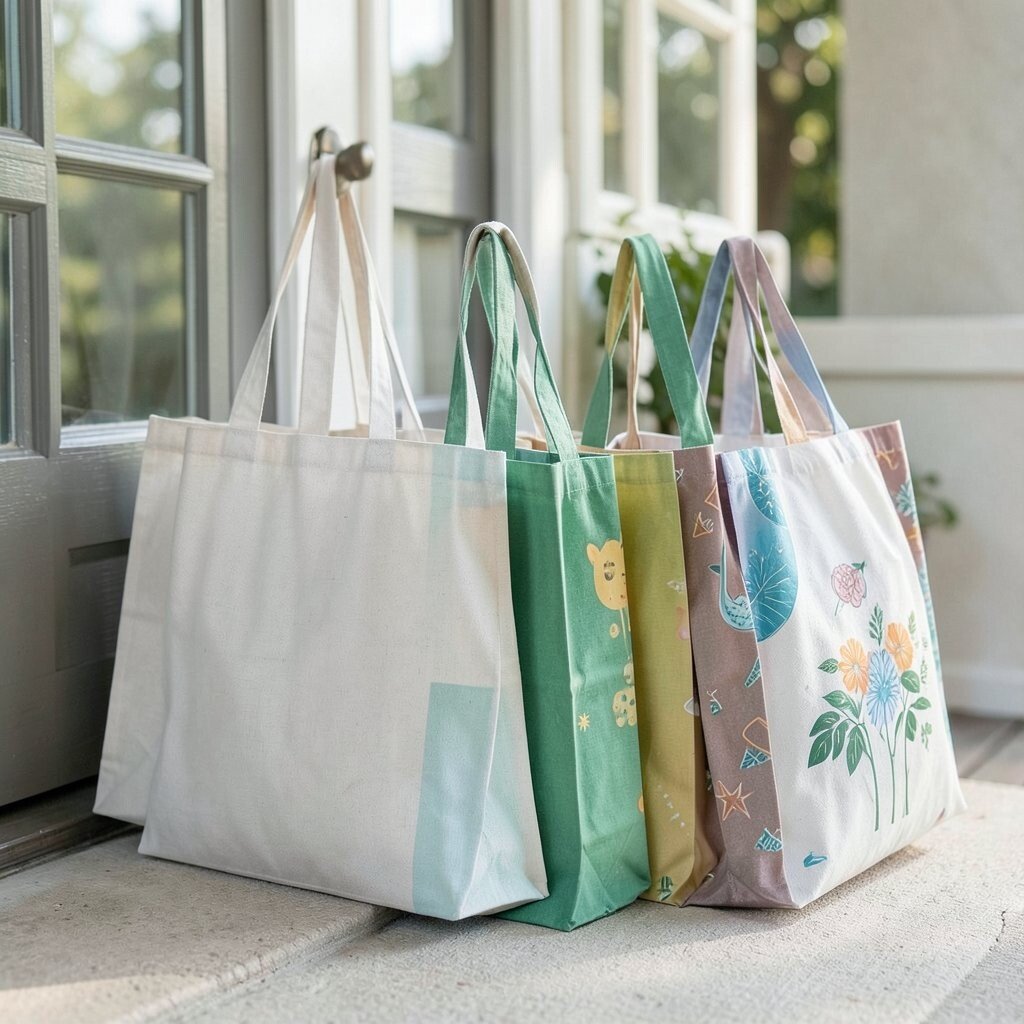
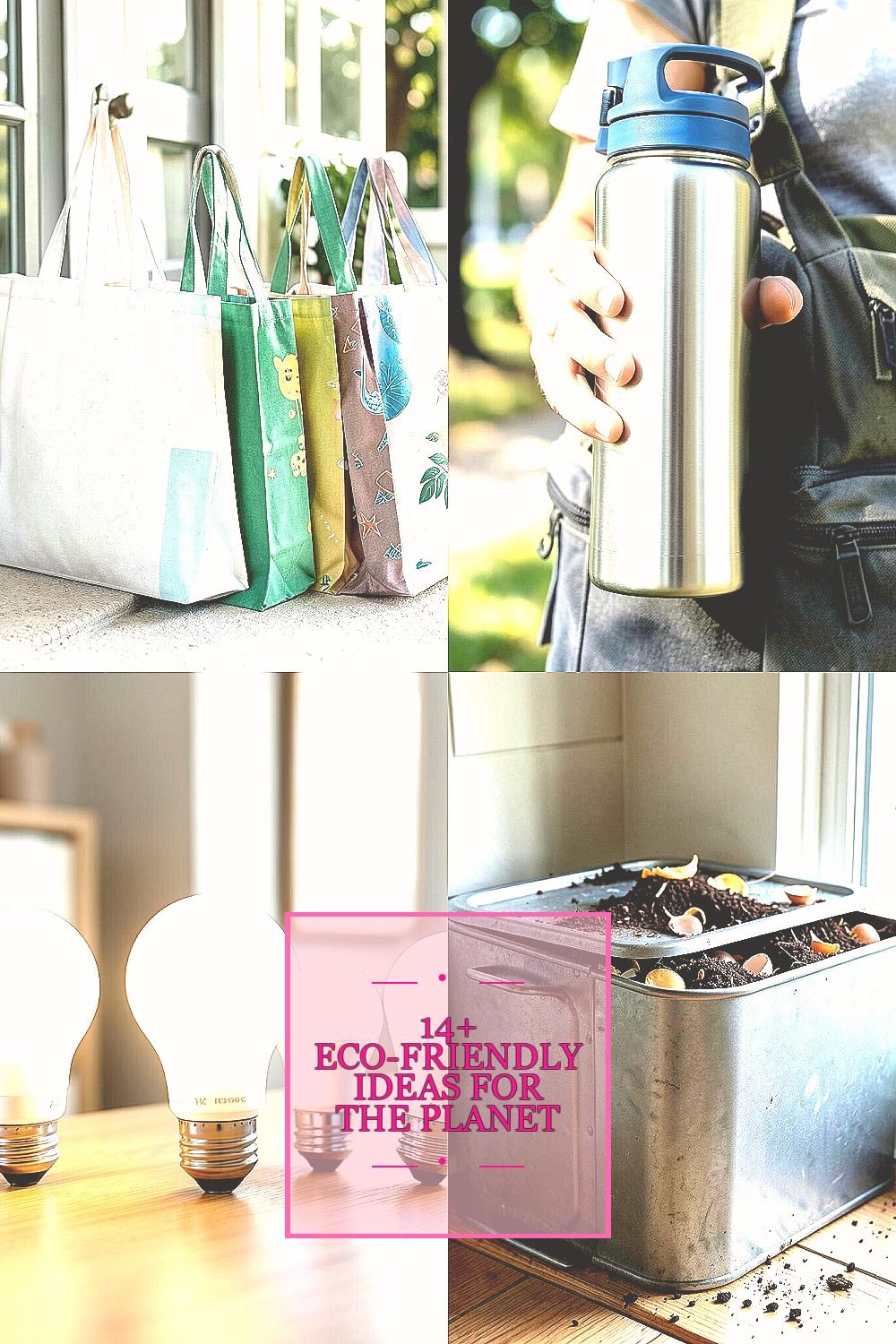
Reusable shopping bags are one of the easiest eco friendly swaps to make. They often look simple and plain, but they can hold a lot and last for years.
Many stores sell cloth bags in calm colors, bold prints, or fold-up styles that fit in a pocket. They cost a little more at first, but they save money over time because you do not keep buying new plastic bags.
Try keeping bags near your front door, in your car, or in your backpack so you do not forget them. If you want a personal touch, pick bags with a color or design that you enjoy using.
2. Carry a Reusable Water Bottle
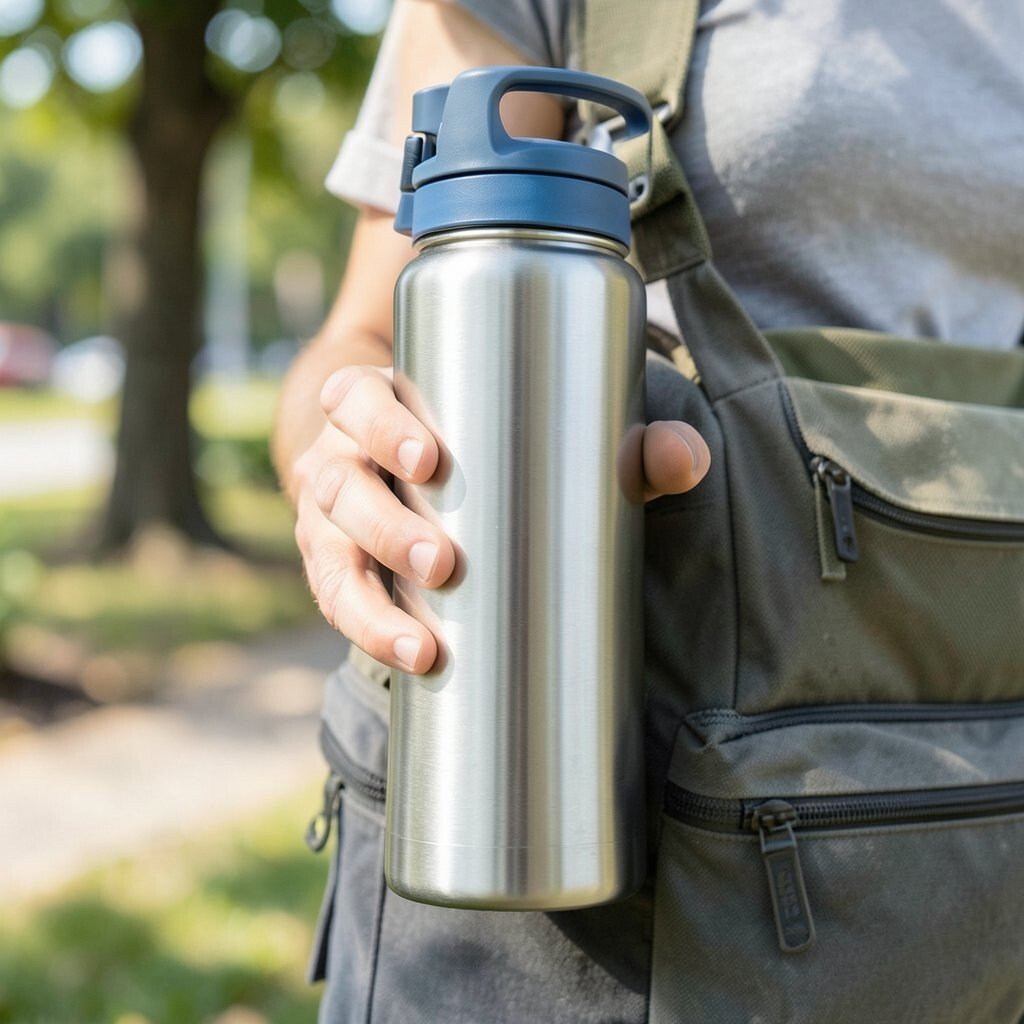
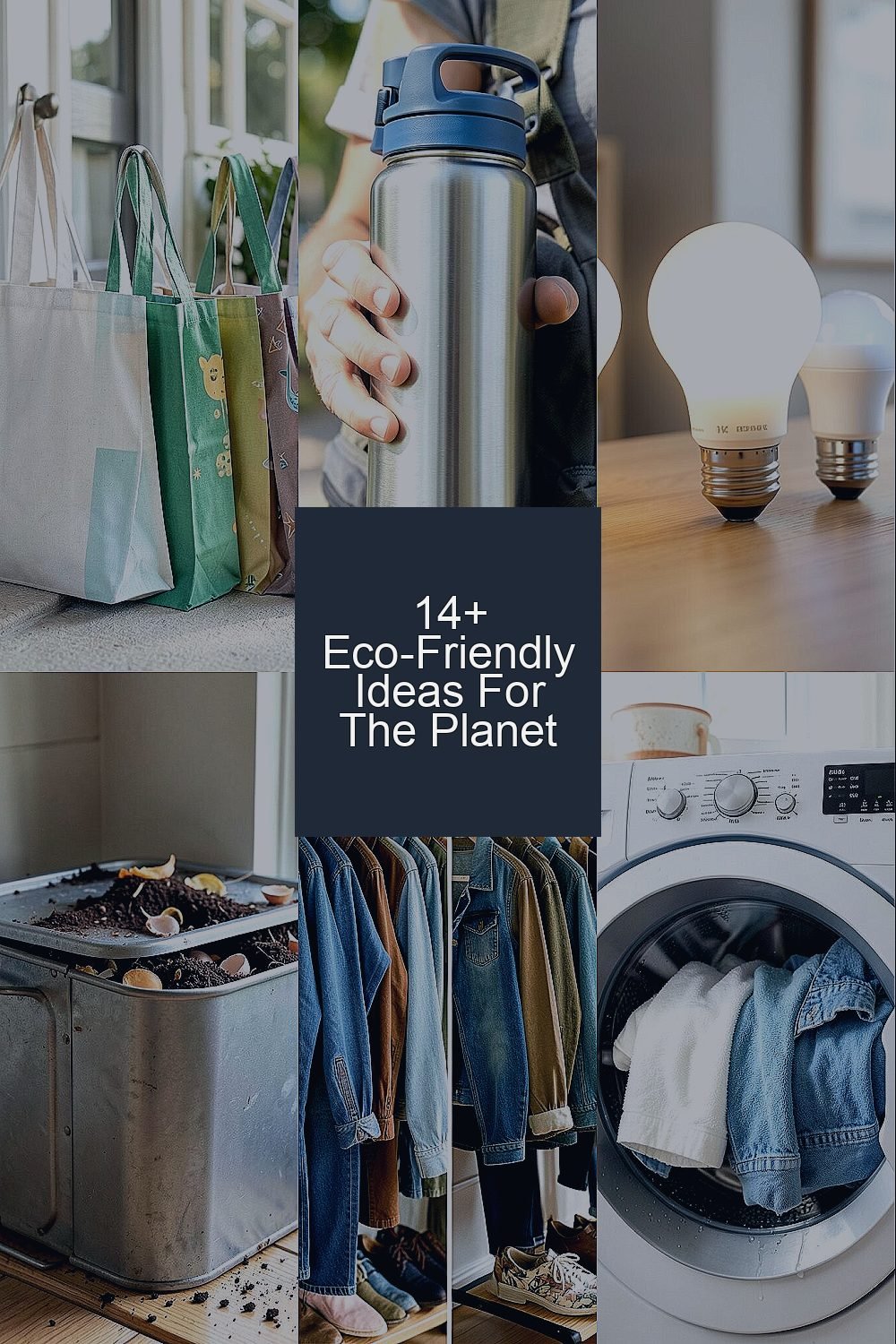
A reusable water bottle can help cut down on single-use plastic and keep you drinking water all day. Stainless steel, glass, and strong plastic bottles all come in many shapes and sizes.
Some bottles have a clean, shiny look, while others have a soft matte finish or bright colors. Many newer styles also have wide mouths for easy cleaning and lids that do not leak.
This choice is useful because it saves money and reduces trash from store-bought drinks. Pick a bottle that feels good in your hand and fits in your bag, so it becomes part of your daily routine.
3. Save Energy With LED Bulbs
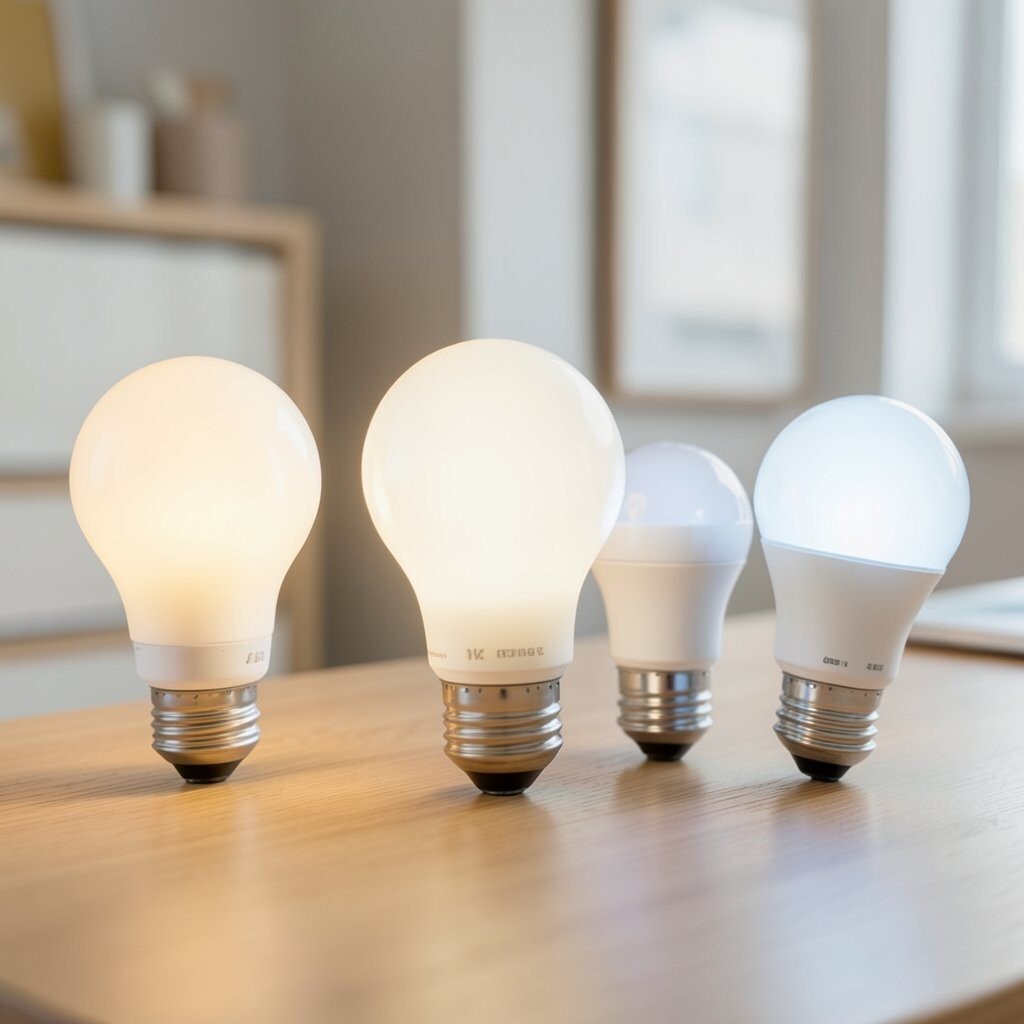
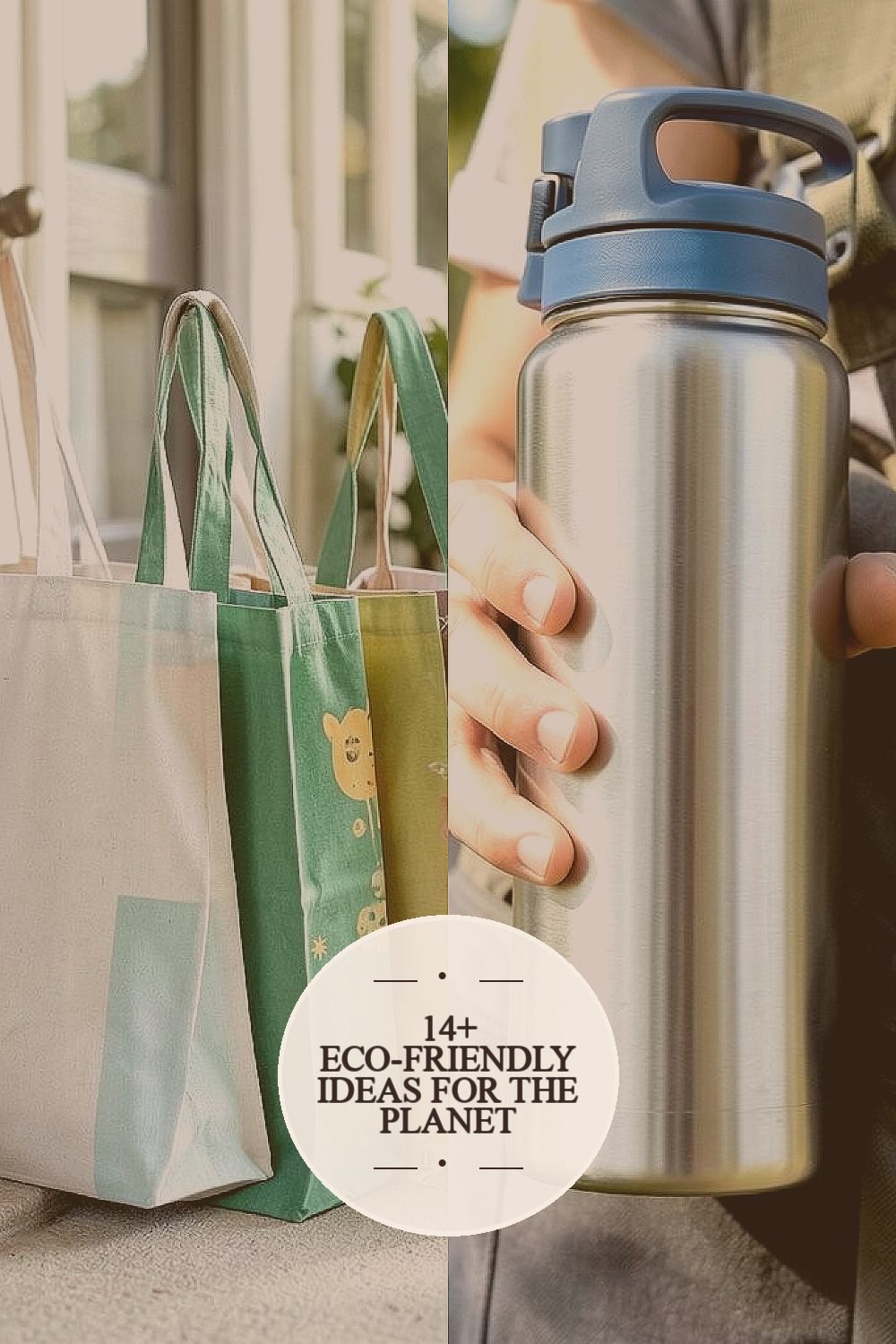
LED bulbs use less power than old-style bulbs and can last a long time. They give off a steady light that works well in bedrooms, kitchens, and work areas.
These bulbs come in warm white, cool white, and daylight tones, so you can choose the feel you want in each room. Some people like a soft, cozy light at night, while others want a brighter look for reading or cooking.
They may cost more at the store, but they often pay for themselves through lower power bills. A simple tip is to change the bulbs in the rooms you use most first, since that gives you the biggest benefit.
4. Start a Small Compost Bin
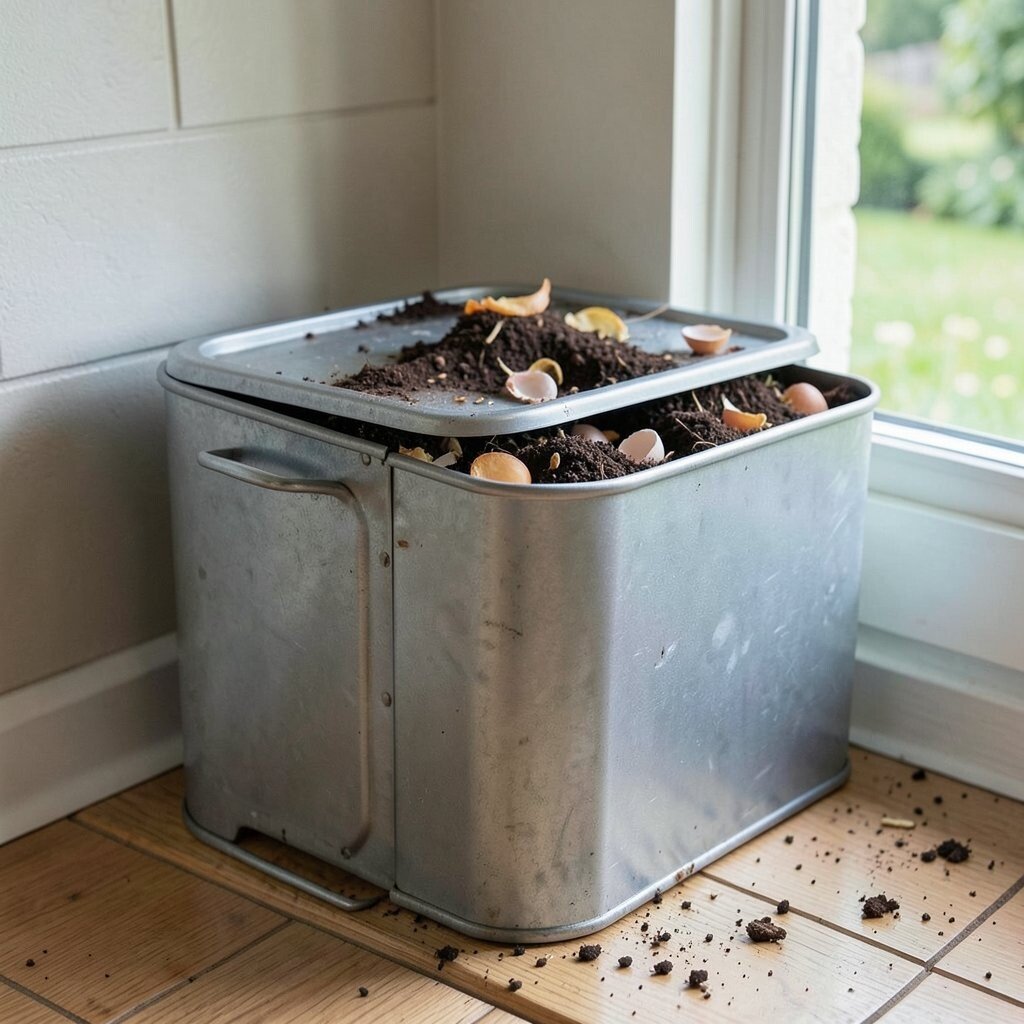
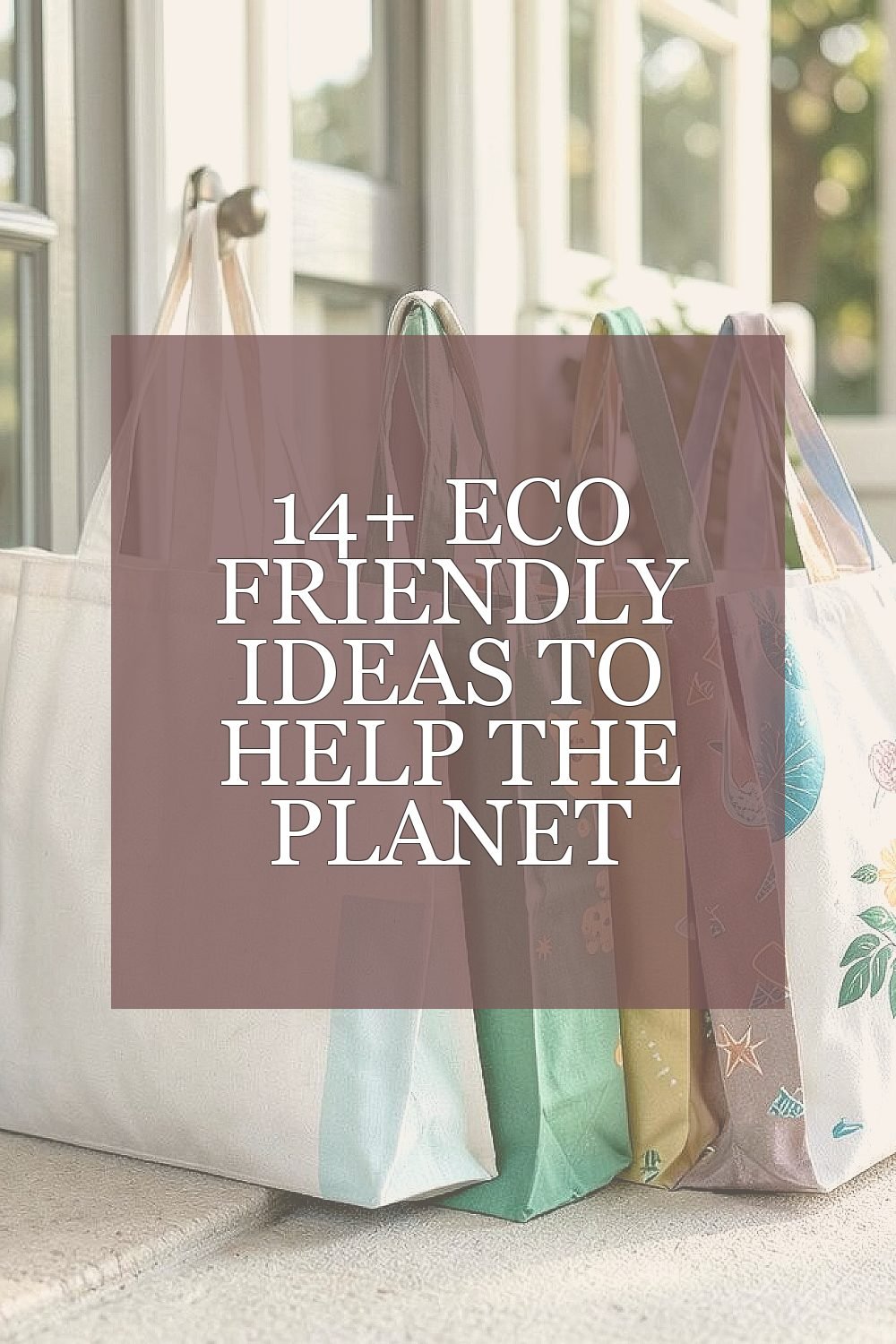
A compost bin turns food scraps and yard waste into rich soil. It can sit in a kitchen corner, on a balcony, or in a backyard, so it works for many homes.
The bin may look like a plain box, a metal pail, or a neat outdoor container with a lid. Some people keep it hidden, while others choose a nice-looking bin that fits with their space.
Composting helps keep food out of landfills, which can lower harmful gas release. If you are new to it, begin with fruit peels, coffee grounds, and eggshells, then add more as you learn what works best.
5. Choose Secondhand Clothes
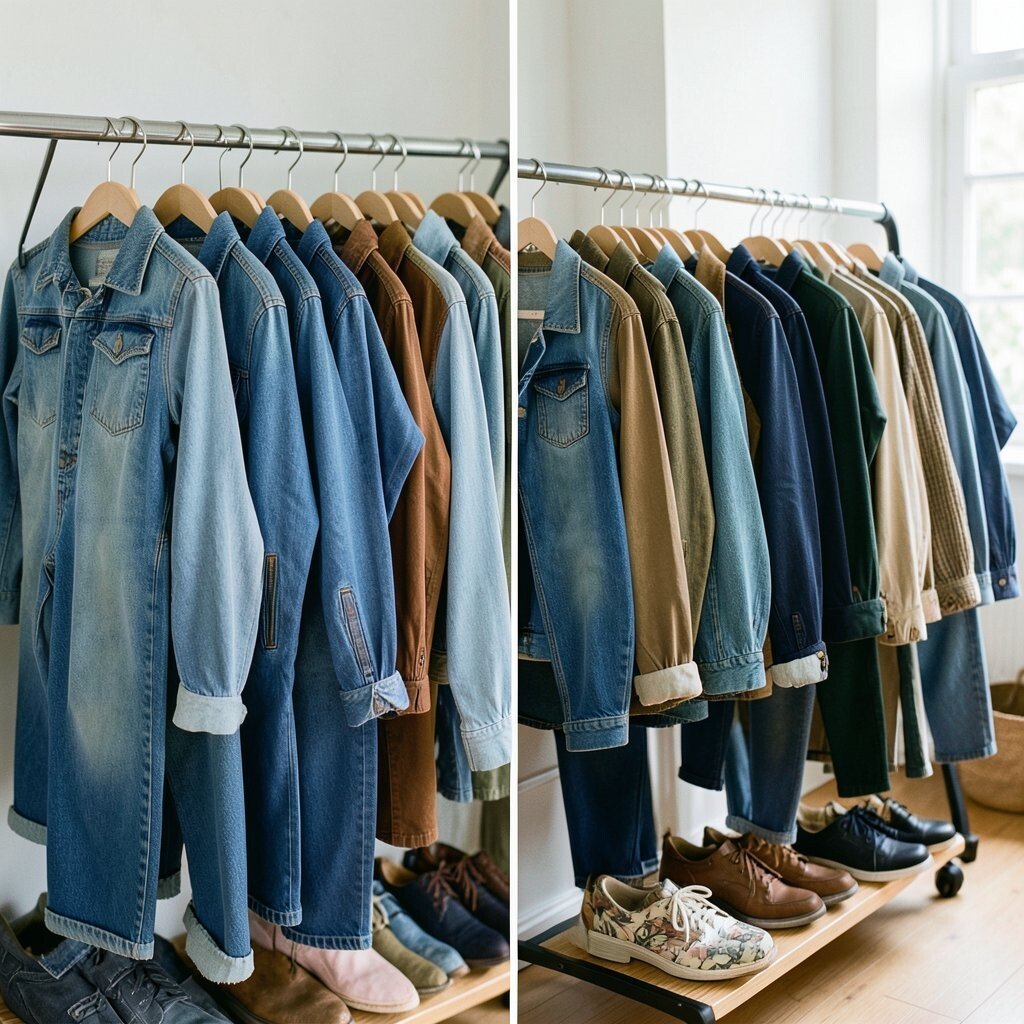
Buying used clothes is a smart way to save money and cut waste. Thrift shops, swap events, and online resale sites all make it easy to find good items.
Secondhand racks often hold unique pieces you may not see in regular stores. You can find jeans, jackets, shoes, and bags that still have lots of life left in them.
This trend is popular because it feels personal and often costs much less than new clothes. Check fabric, seams, and zippers before buying, and pick items that match your style so you will wear them often.
6. Wash Clothes in Cold Water
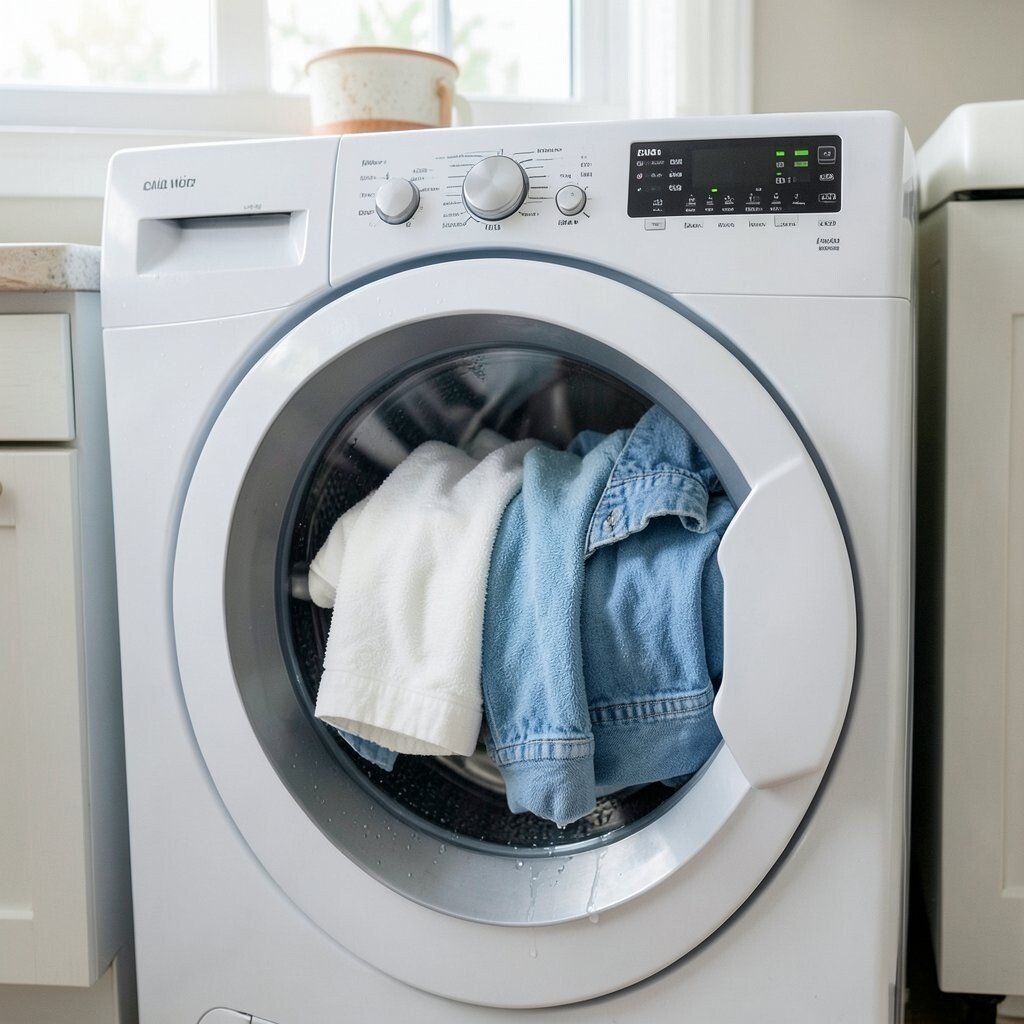
Cold water washing uses less energy and is gentle on many fabrics. It can help shirts, jeans, and everyday clothes keep their shape for longer.
Most modern detergents work well in cold water, so this switch is easy for many homes. Your laundry room may not look different, but the change can still help lower your power use.
This habit costs nothing extra and can be started right away. If you want to make it part of your routine, move the cold setting to the front of your mind before each wash.
7. Grow Herbs at Home
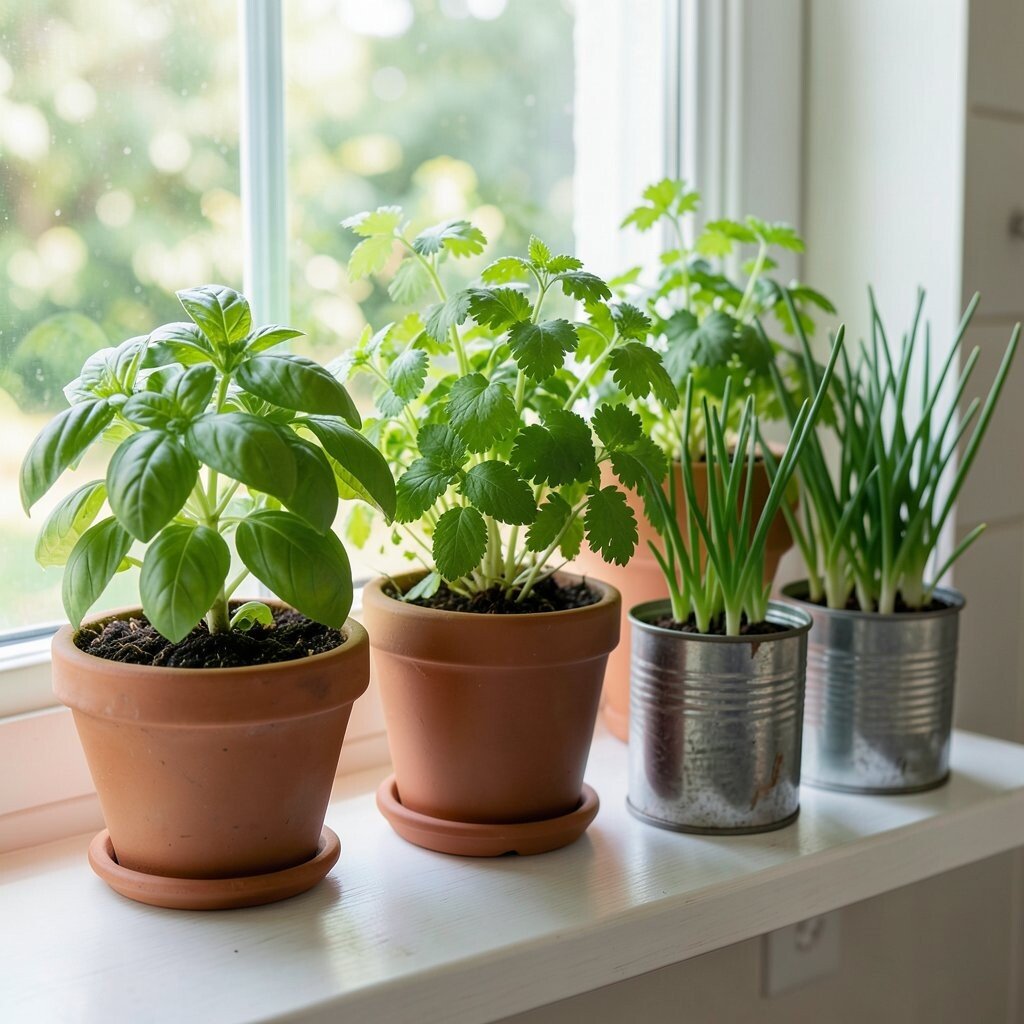
Growing herbs at home is a small project that can bring fresh flavor to meals. Basil, mint, parsley, and chives can grow in pots on a windowsill, porch, or kitchen shelf.
The plants add a green, lively look to a room and can make a plain space feel more warm and active. Some people use small clay pots, while others like recycled cans or old jars for a more personal touch.
Herbs can save money because you do not need to buy full bunches that go bad fast. Start with one or two easy plants, water them as needed, and place them where they get enough light.
8. Use a Bike for Short Trips
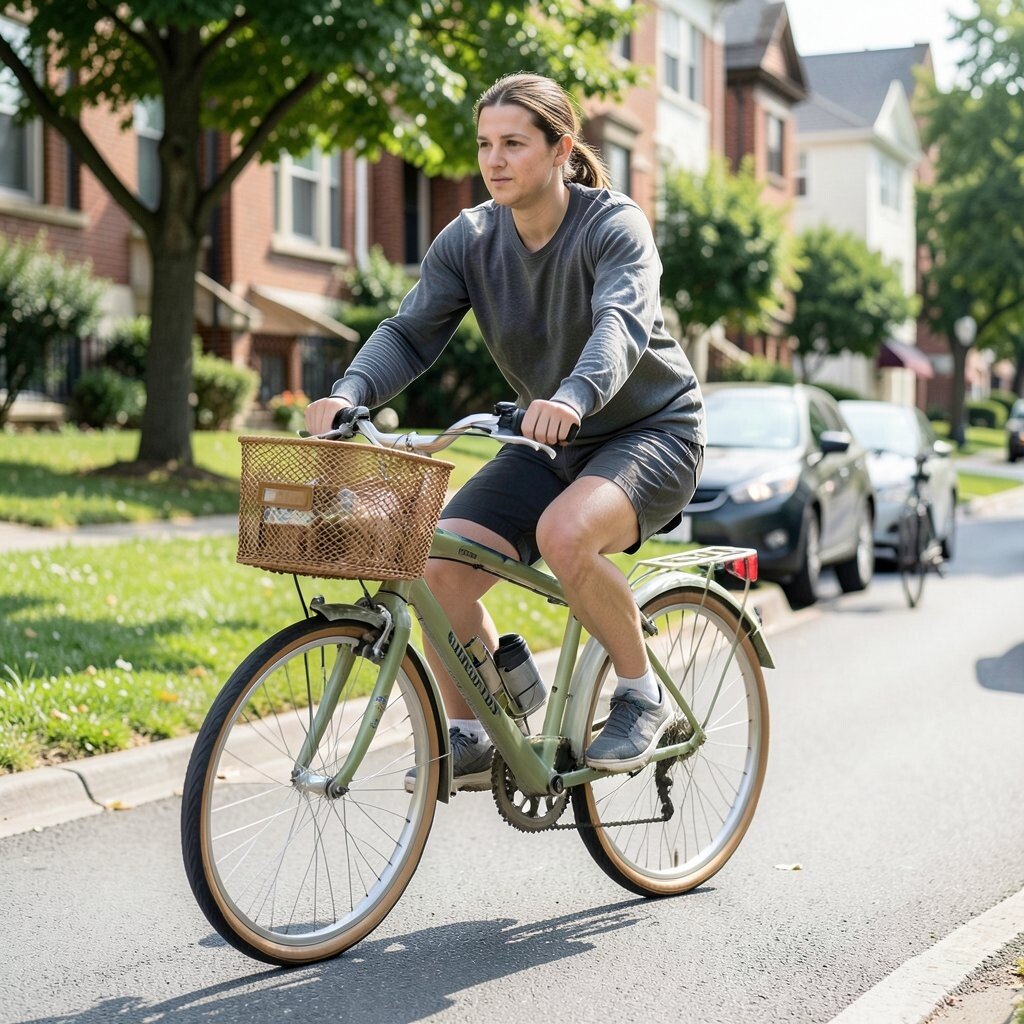
Riding a bike for short trips can cut car use and help keep the air cleaner. It is also a good way to move your body and enjoy your neighborhood at a slower pace.
Bikes come in many styles, from simple city bikes to folding bikes that store in small spaces. Some people add baskets, lights, or bright fenders to make the bike fit their needs and look more useful.
This choice can save gas money and parking stress, which is helpful in busy areas. If you are new to biking, begin with flat routes and short rides, then build up as you feel more sure.
9. Fix Things Before Replacing Them
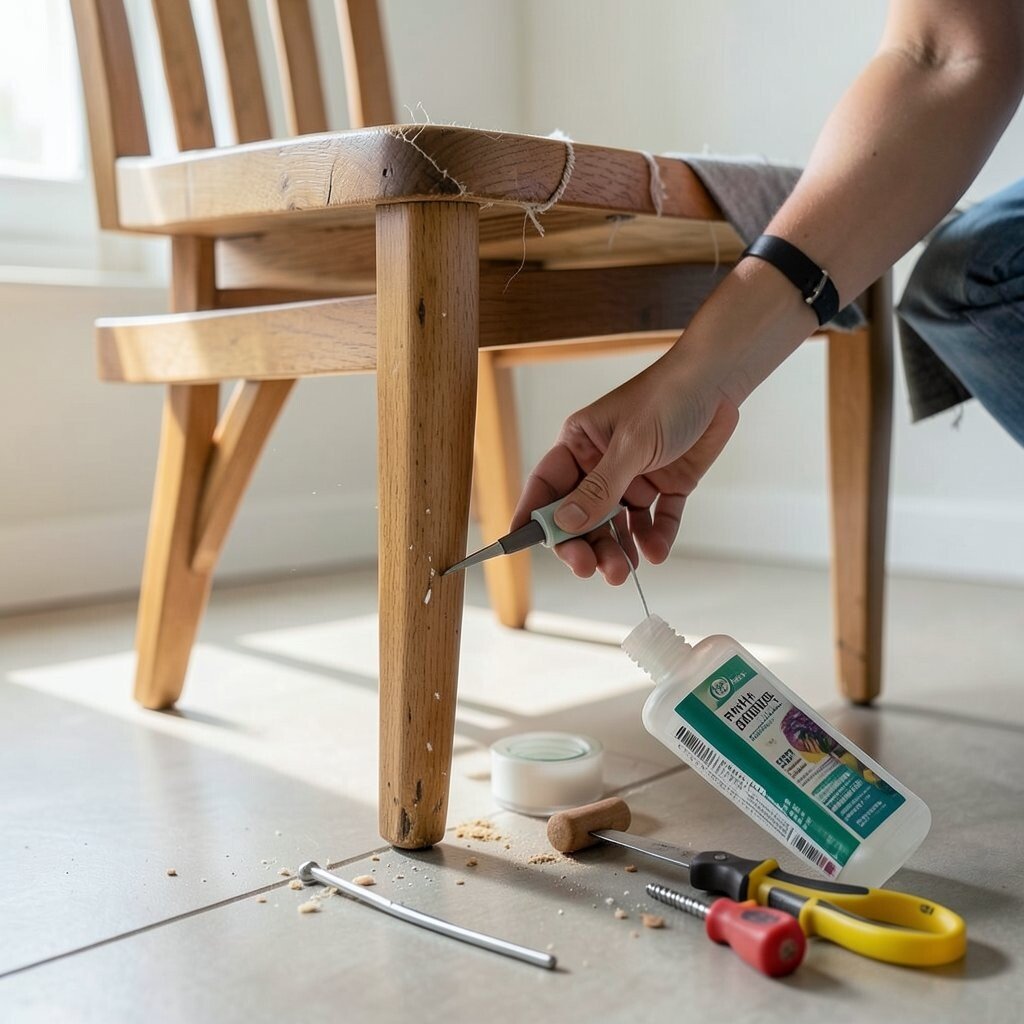
Repairing broken items can keep useful things out of the trash. A loose chair leg, a torn shirt, or a small appliance problem may often be fixed with basic tools.
There is a simple, honest look to repaired items, and many people now enjoy the skill of making things last. Sewing kits, glue, tape, and screwdriver sets are low-cost tools that can help a lot.
Fixing things saves money and can also make you feel more connected to what you own. If you are not sure how to start, watch a simple guide, ask a friend, or take the item to a repair shop.
10. Cut Down on Food Waste
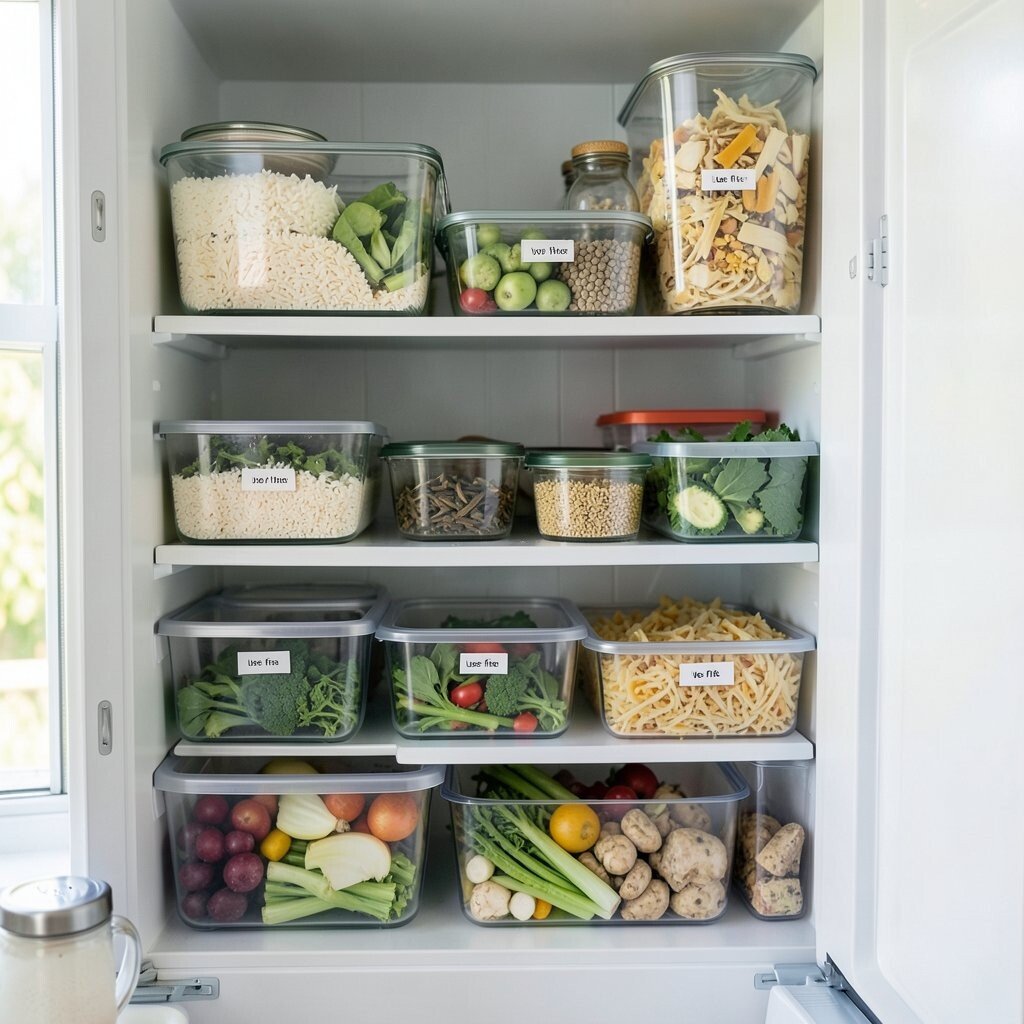
Food waste is a big problem, but small changes can help. Planning meals, storing food well, and using leftovers can make a real difference in your kitchen.
Clear glass containers, labeled bins, and neat shelves can help you see what food you have before it goes bad. Many people now keep a “use first” shelf in the fridge for food that needs to be eaten soon.
This habit saves money because you throw away less food and buy less extra food you do not need. Try cooking with leftover rice, vegetables, or bread, and make meals that fit what is already in your house.
11. Pick Refill Products
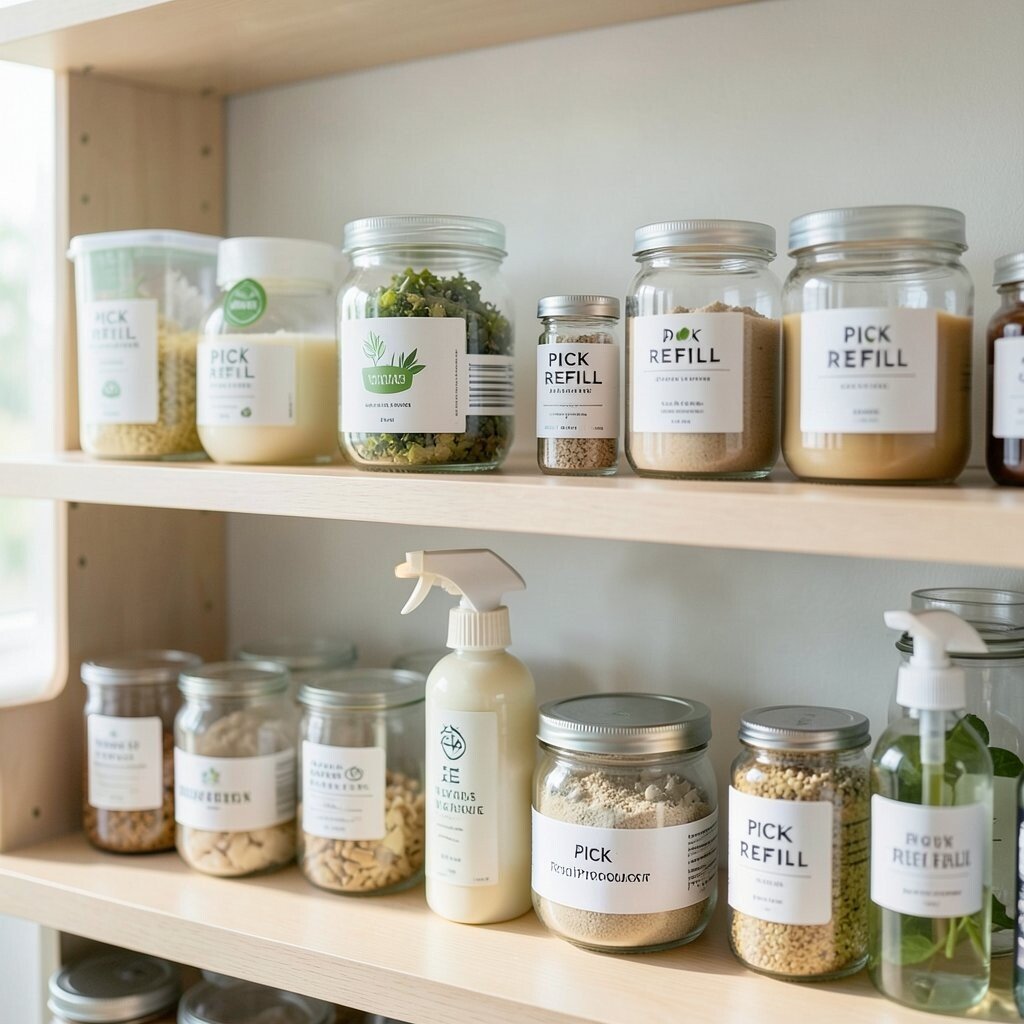
Refill products help reduce waste from bottles, jars, and small packages. Soap, shampoo, cleaning sprays, and pantry items now often come in refill forms at stores or through delivery services.
Refill stations can look clean and modern, with clear containers and simple labels. Some people enjoy the neat look of matching jars on a shelf, while others just like how easy it is to top things up.
These items can cost less over time because you keep the same container and buy only the refill. To make it work well, choose products you use often and keep the containers clean so refilling stays simple.
12. Turn Off Unused Lights and Devices

Turning off lights and devices when you do not need them is a very easy way to save energy. It works in bedrooms, living rooms, offices, and anywhere else with plugs and switches.
Smart power strips, small timers, and simple reminder notes can help you keep track of what is on. Many homes now use these tools because they are easy to use and do not cost much.
This habit helps lower power use and may reduce your bill a little each month. If you want to make it part of daily life, check rooms before leaving and unplug chargers when they are not in use.
13. Use Public Transit More Often
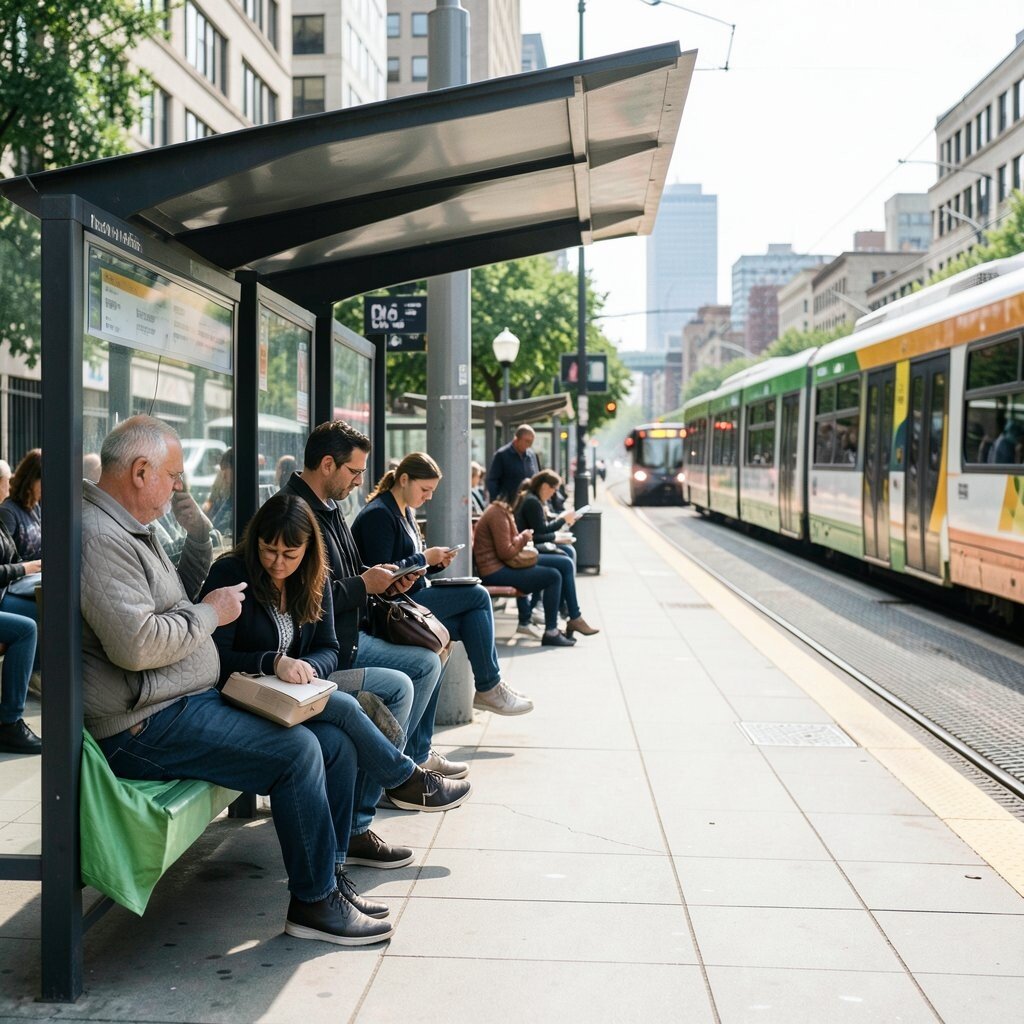
Public transit can help lower the number of cars on the road. Buses, trains, and subways move many people at once, which can help cut traffic and pollution.
Transit stops often have a busy, lived-in feel, with people reading, listening to music, or watching the world go by. Some cities now have cleaner buses, better routes, and easy phone apps that make travel smoother.
It can save money on gas, parking, and car wear, which makes it a practical choice for many people. If you are new to it, try one trip first and learn the schedule so the ride feels less stressful.
14. Choose Local Food When You Can
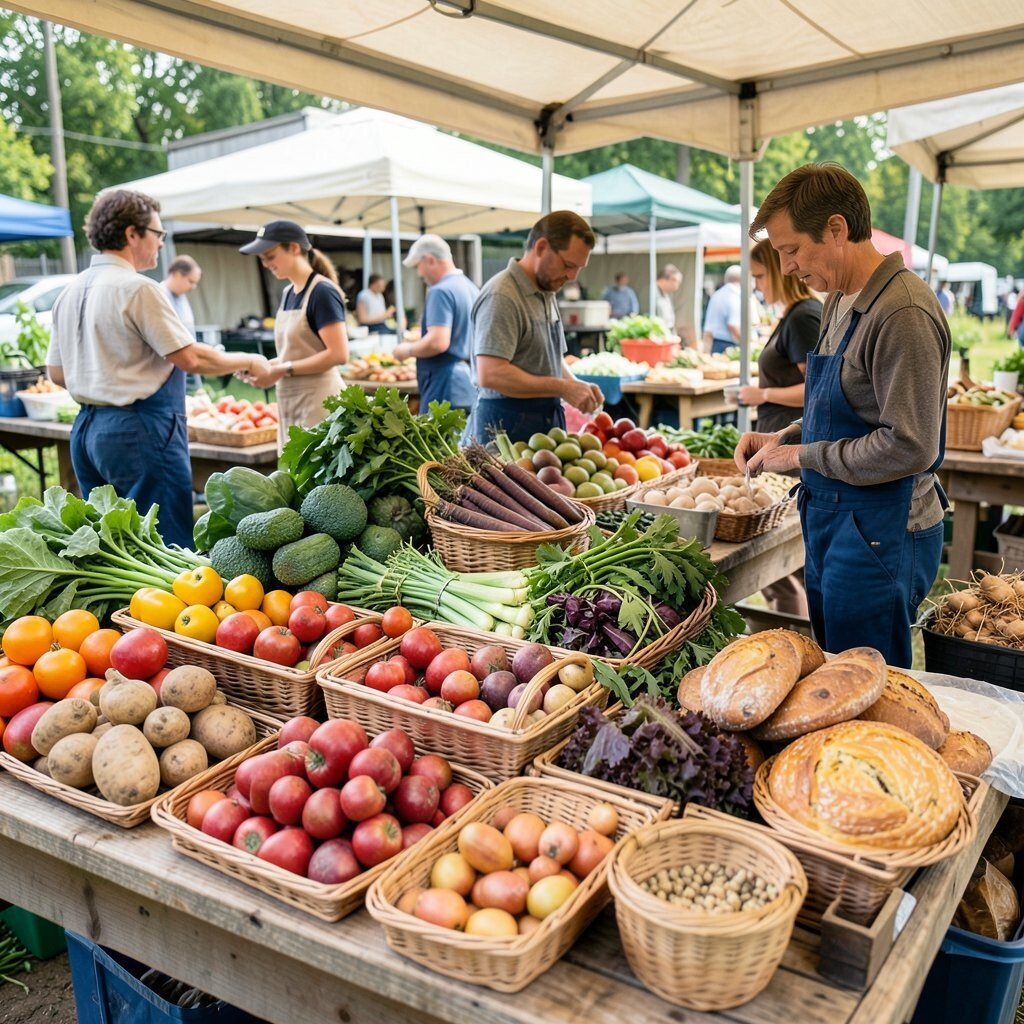
Local food often travels a shorter distance, which can help lower fuel use. Farmers markets, small stores, and farm stands are good places to find fresh produce, eggs, and baked goods.
The food may look bright and fresh, and the market setting can feel simple and friendly. Many people like that they can ask questions about how the food was grown and support nearby workers at the same time.
Local food can sometimes cost a bit more, but it may taste better and last longer because it is fresher. If you want to make it part of your routine, buy one local item each week and build from there.
15. Make a Home Recycling Station
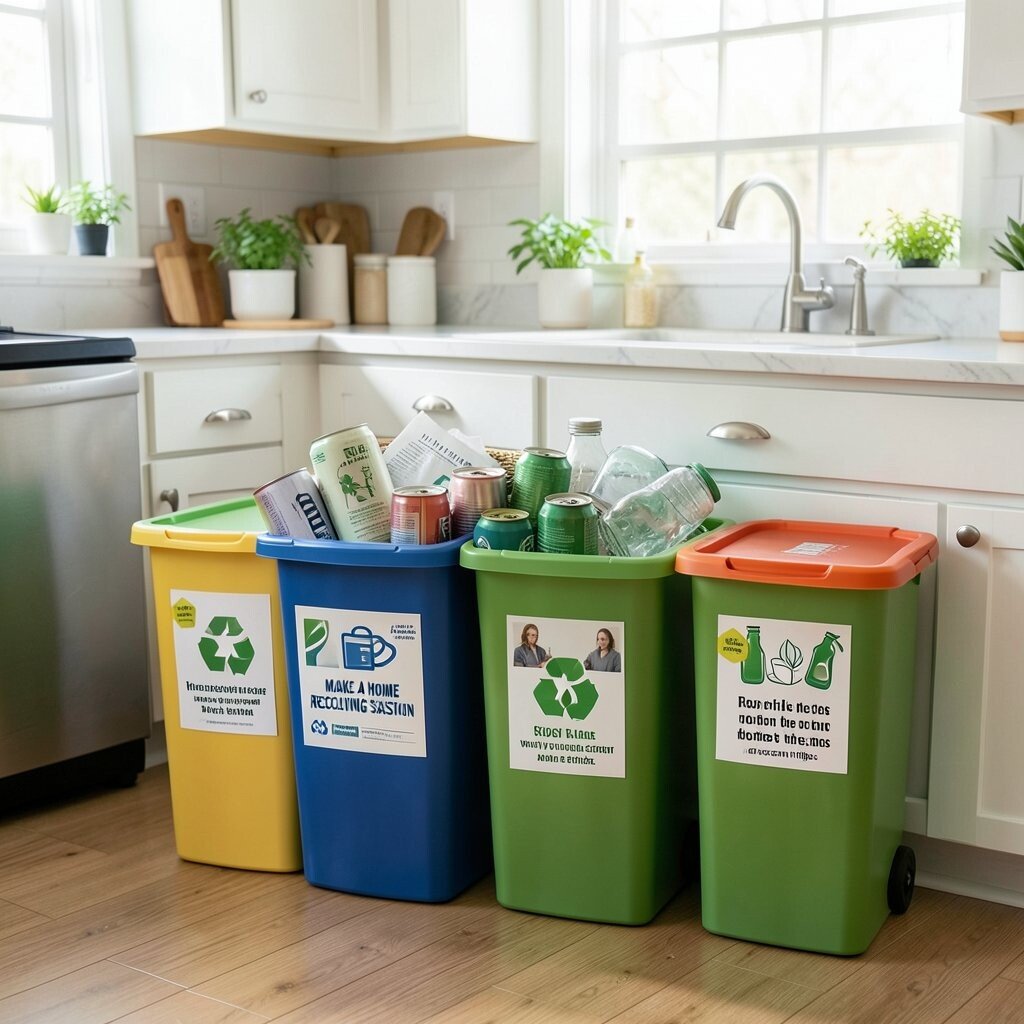
A home recycling station can help keep paper, cans, glass, and plastic in the right place. A few labeled bins in the kitchen, garage, or laundry room can make sorting much easier.
The station can look neat and simple with clear signs, matching bins, or color-coded lids. Some families use a small setup, while others make a larger station that fits their space and needs.
This idea helps make recycling a normal part of daily life and can reduce the chance of putting the wrong items in the trash. Keep a short list of what your local center accepts, and check it now and then since rules can change.