The smallest routines can become your family’s favorite memories. A few simple changes can turn ordinary time into something warm and lasting.
When you try new little moments together, everyone feels seen. And you get the kind of closeness that shows up on regular days, not only holidays.
1. Morning Window Greetings
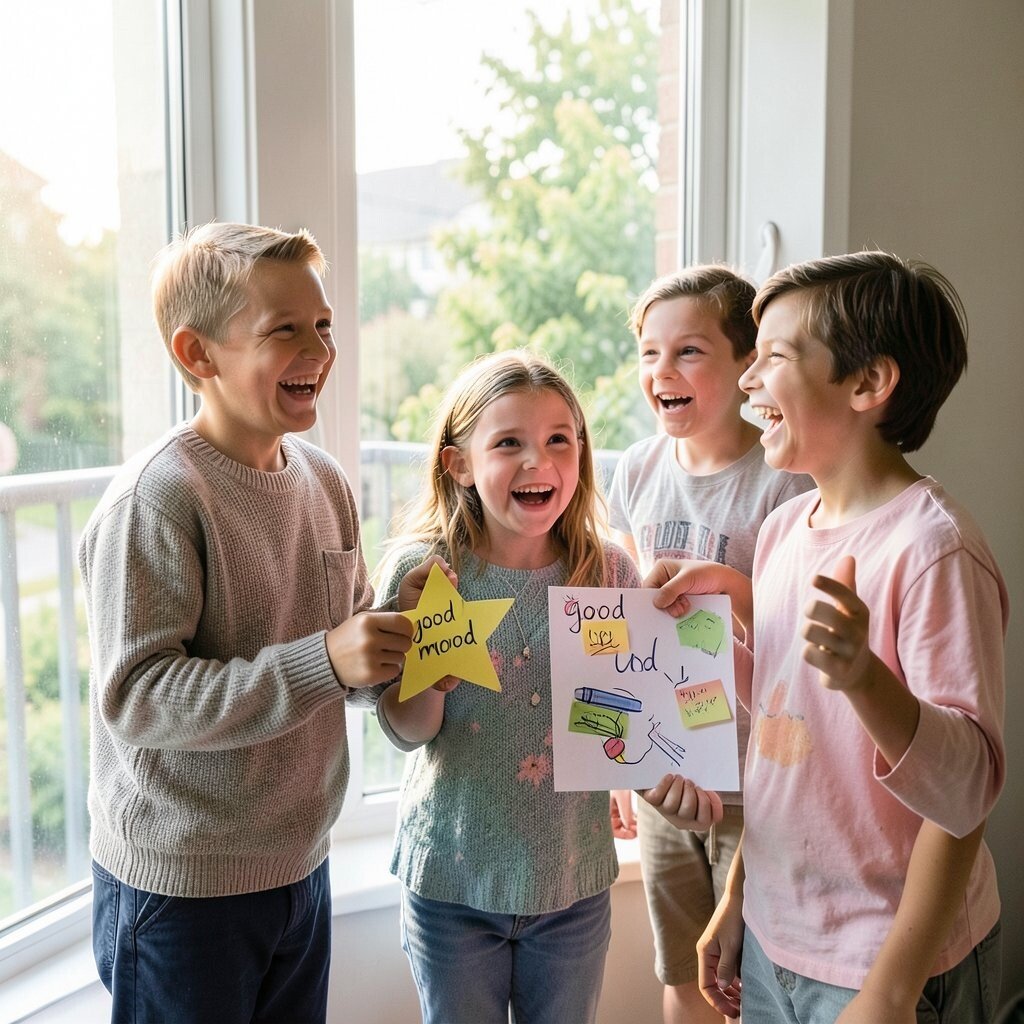
Pick a window or balcony spot where each person can be seen. Stand there for a few minutes and greet one another with cheerful words and silly faces.
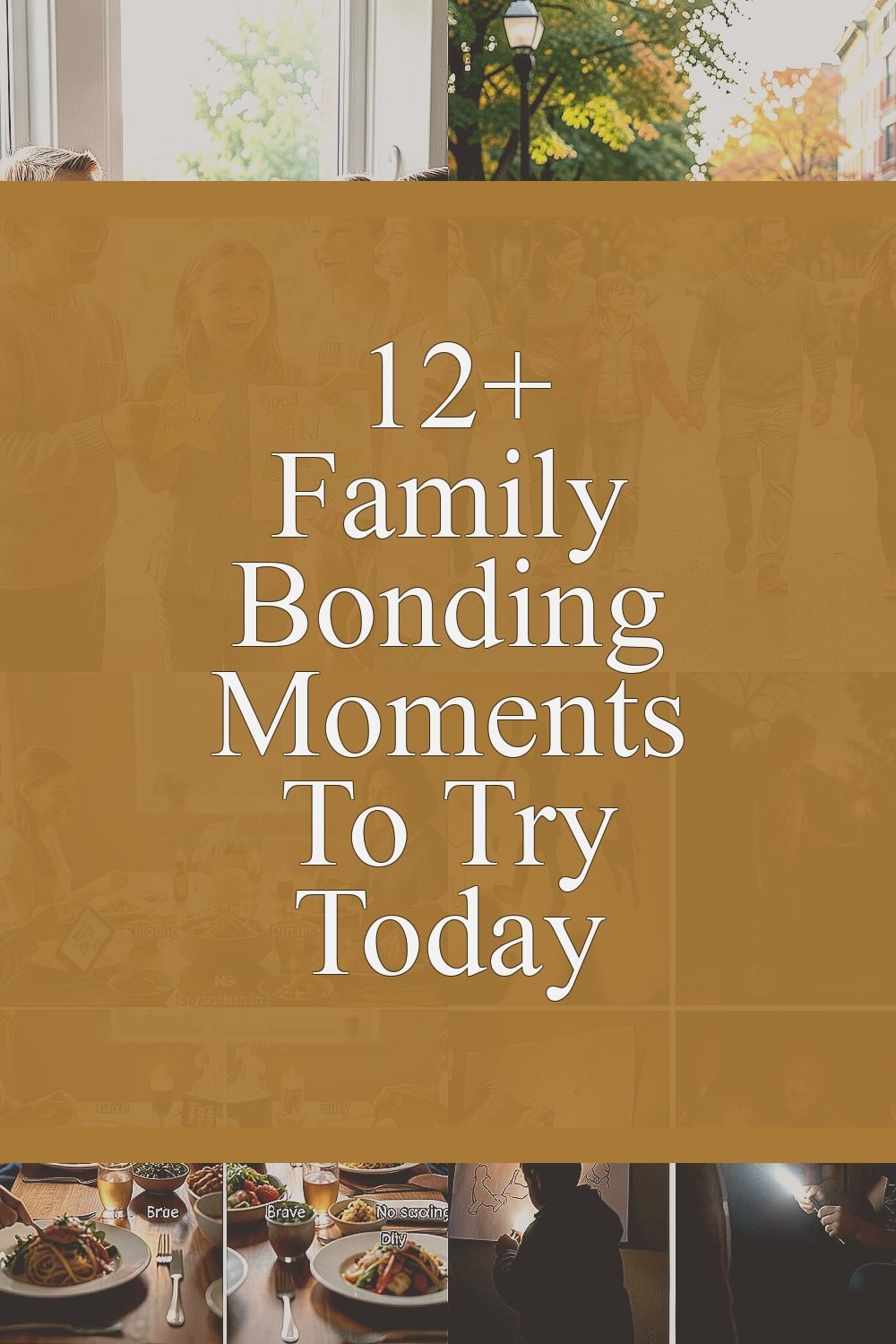
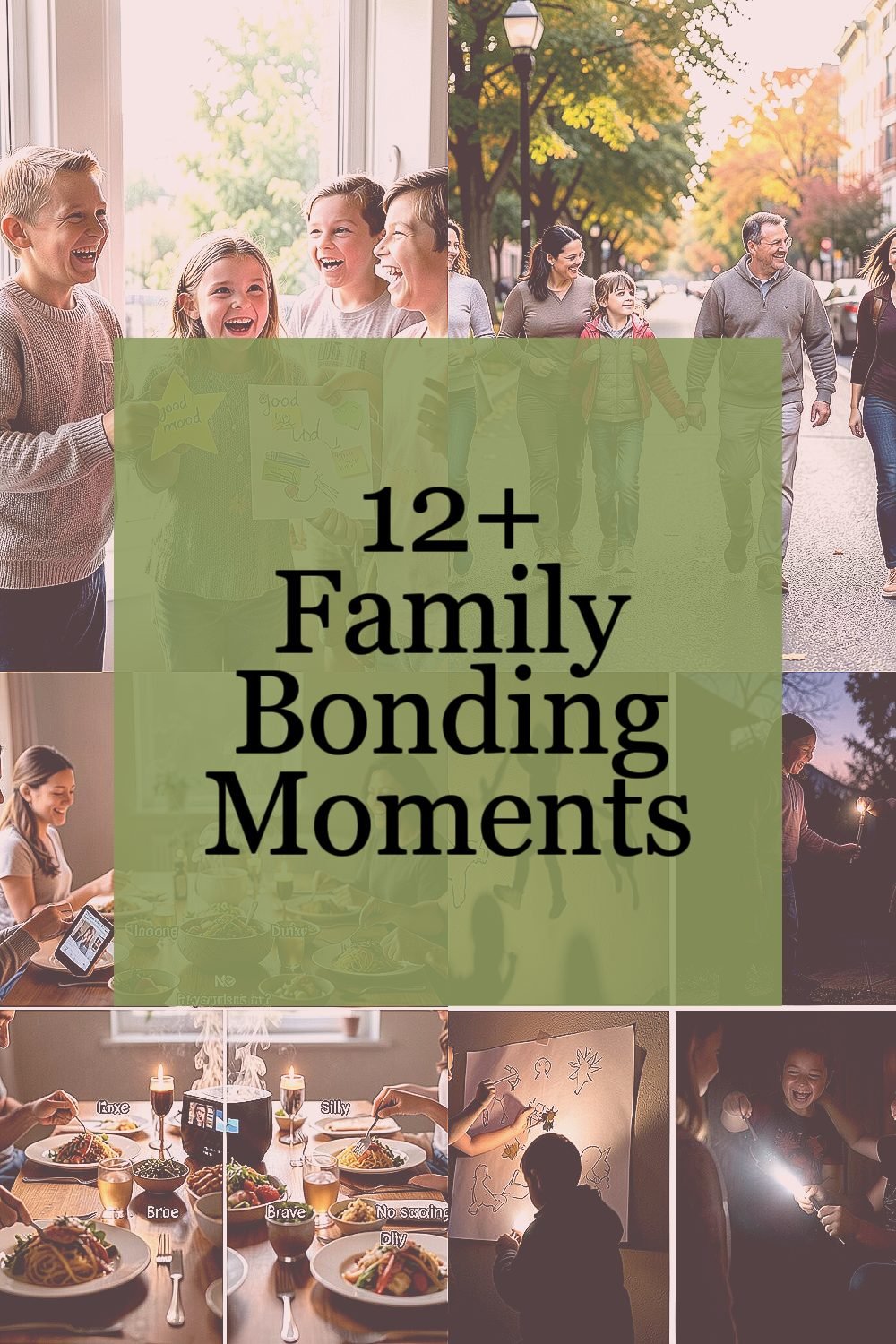
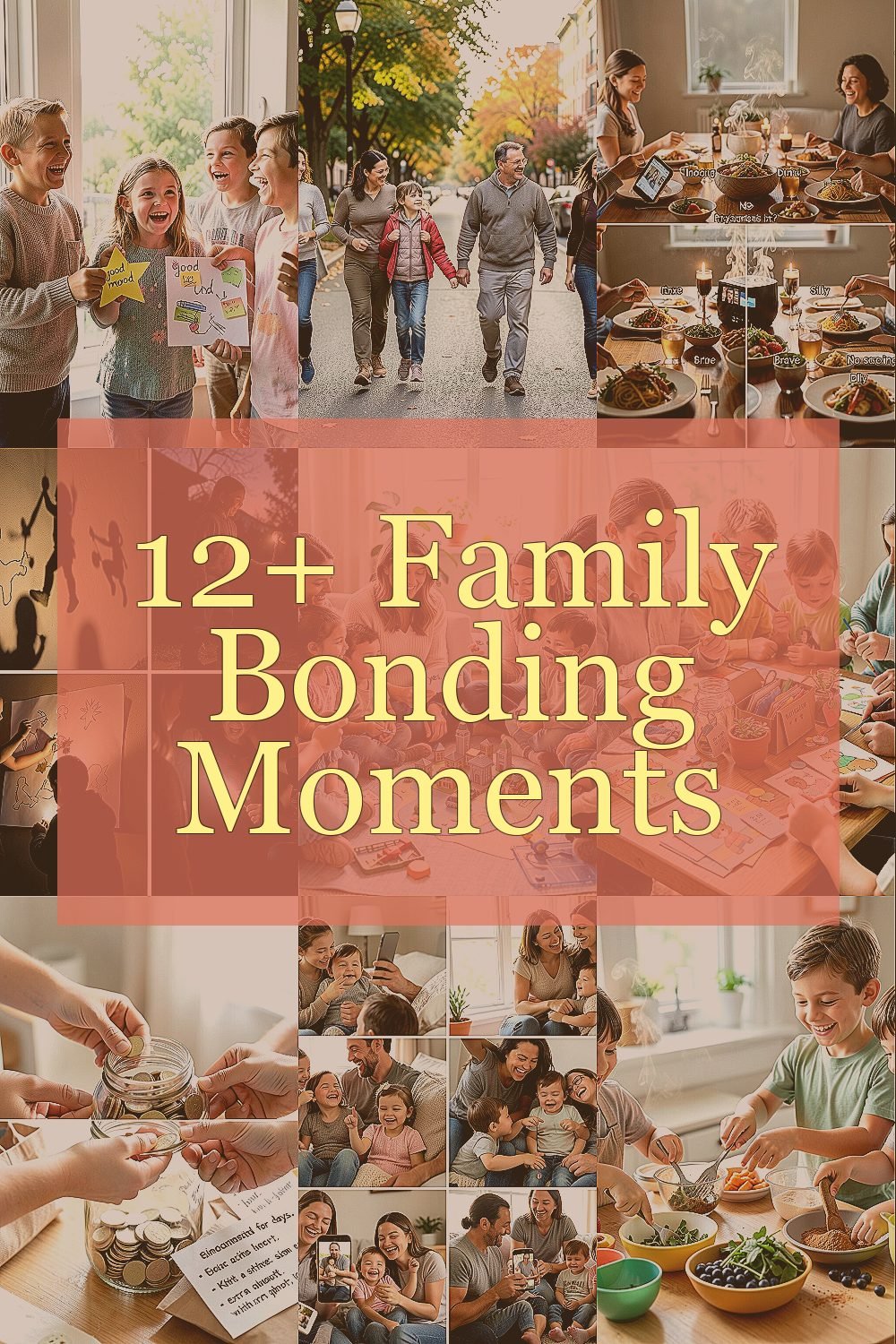
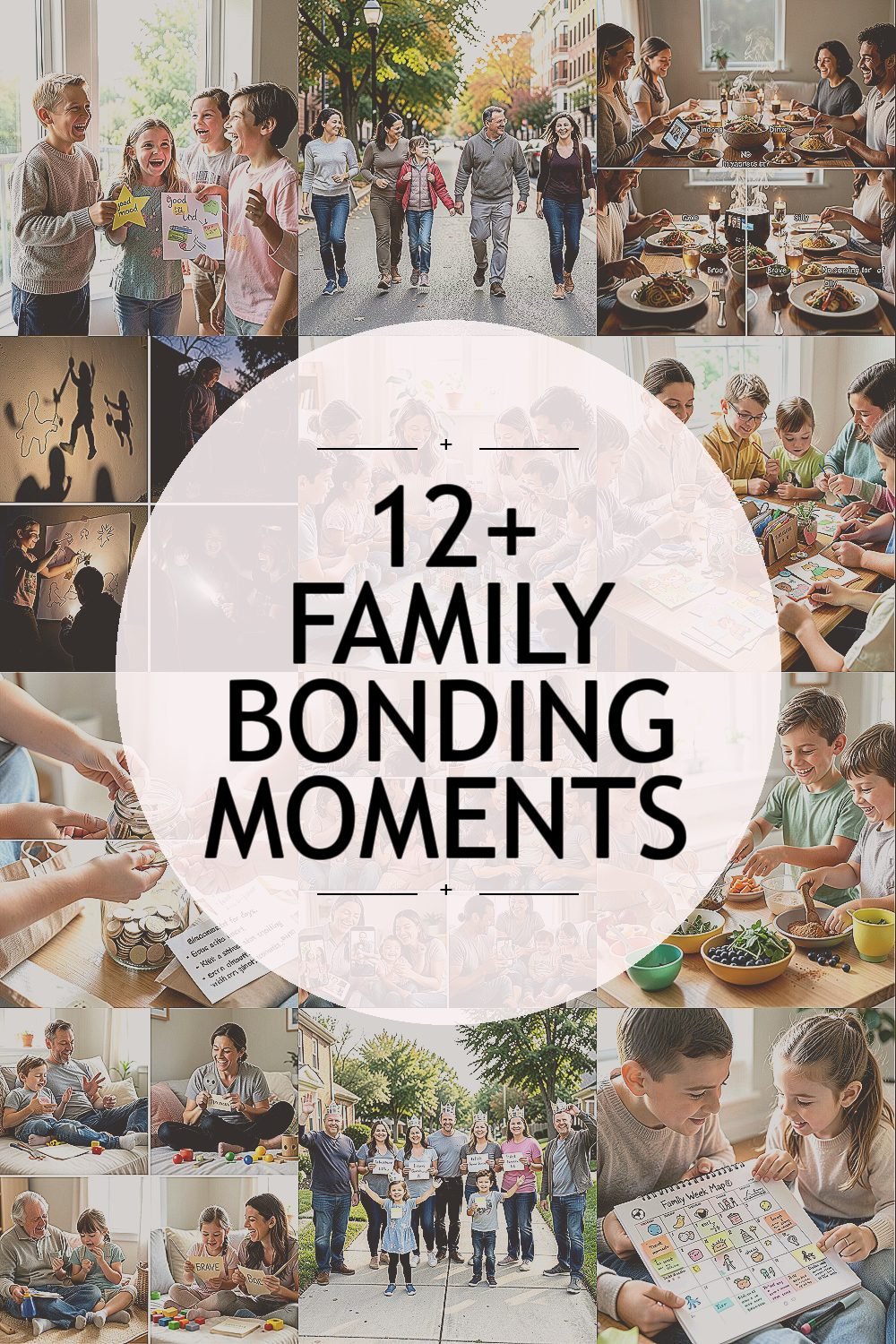
You’ll notice more smiles right away, especially on mornings that usually feel rushed. This moment works because it is visual and short, so it doesn’t take energy to set up. Personalize it by using a “good mood” sign, like a paper star or a sticky note that changes each day. If you want to keep costs low, use crayons from an old craft drawer and rotate designs so it never feels boring.
2. Weekend Walk With a “Sound Map”

Take a walk around the block or a nearby park and listen closely. Instead of counting steps, try naming the sounds you hear, like wind, bikes, birds, or footsteps.
Many families find this helps kids settle and adults feel calmer. The uniqueness is that it turns the world into a shared puzzle, and everyone becomes a “recorder” in their own way. Let each person choose one sound to “own” for the whole walk and repeat it in a friendly way at the end.
Keep it practical by setting a time limit, then stopping before anyone gets tired. If you want to add a modern touch, try snapping a photo of what made the sound, using whatever device you already have. The cost stays near zero because you only need comfortable shoes and your attention. You can also tailor it to seasons by looking for leaf crunch in fall or water ripples near a fountain in summer.
3. Dinner Playlist Swap
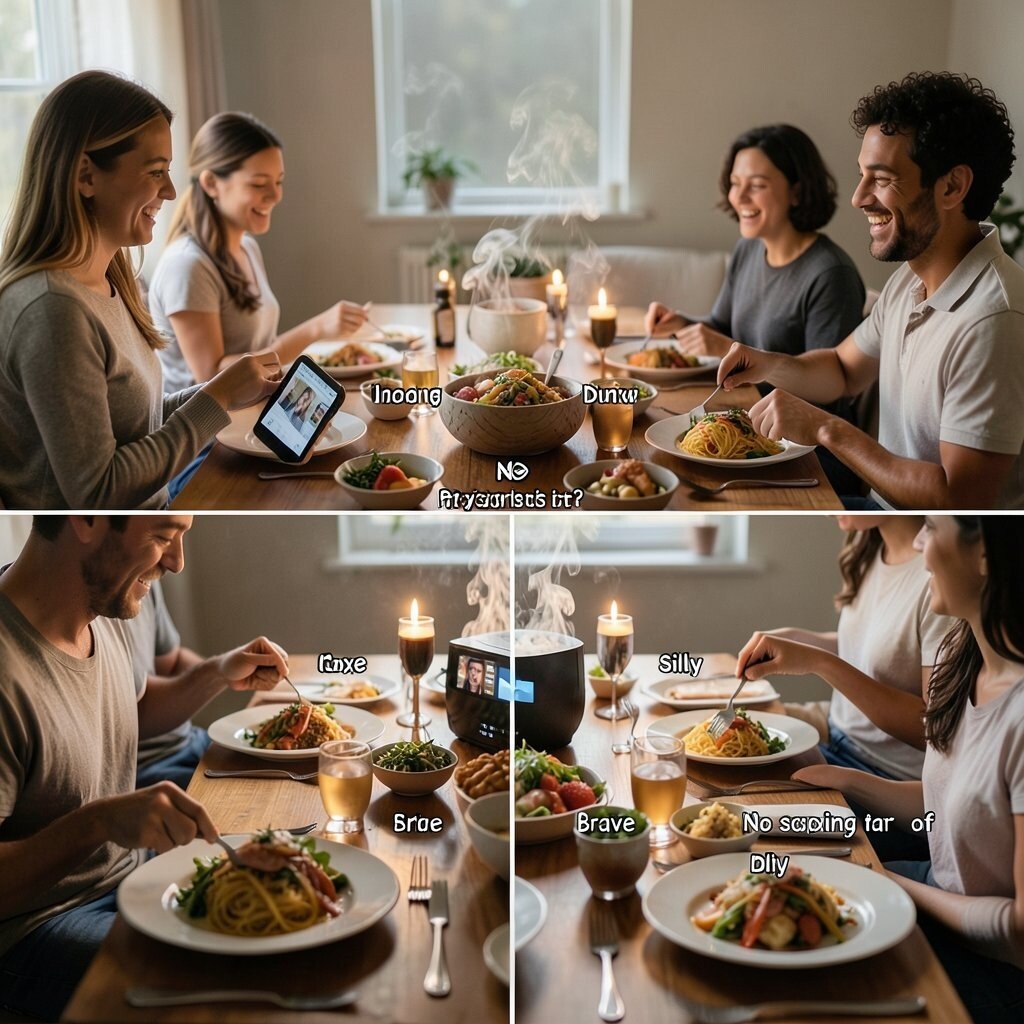
Before dinner, each person suggests one song that matches how they feel today. Put the list on a single playlist and press play while everyone gets plates ready.
Music brings people into the same rhythm, and it’s a gentle way to start conversations. The visual part is simple: lights dim a bit, steam rises, and the room feels alive as familiar tunes roll in. Make it personal by letting a quieter person pick a calm song and a more energetic person pick a beat that matches their excitement.
You don’t have to buy anything because most families already have streaming apps. A helpful practical step is to set a “no skipping” rule for one round so the group feels united. If you’re following a current trend, many families now do “mood playlists,” so you can label the songs with feelings like cozy, brave, or silly using a few short words.
This moment becomes even stronger when you pause after the meal for one fun question: what was the best part of the day, and did the song match it.
4. Backyard Shadow Art
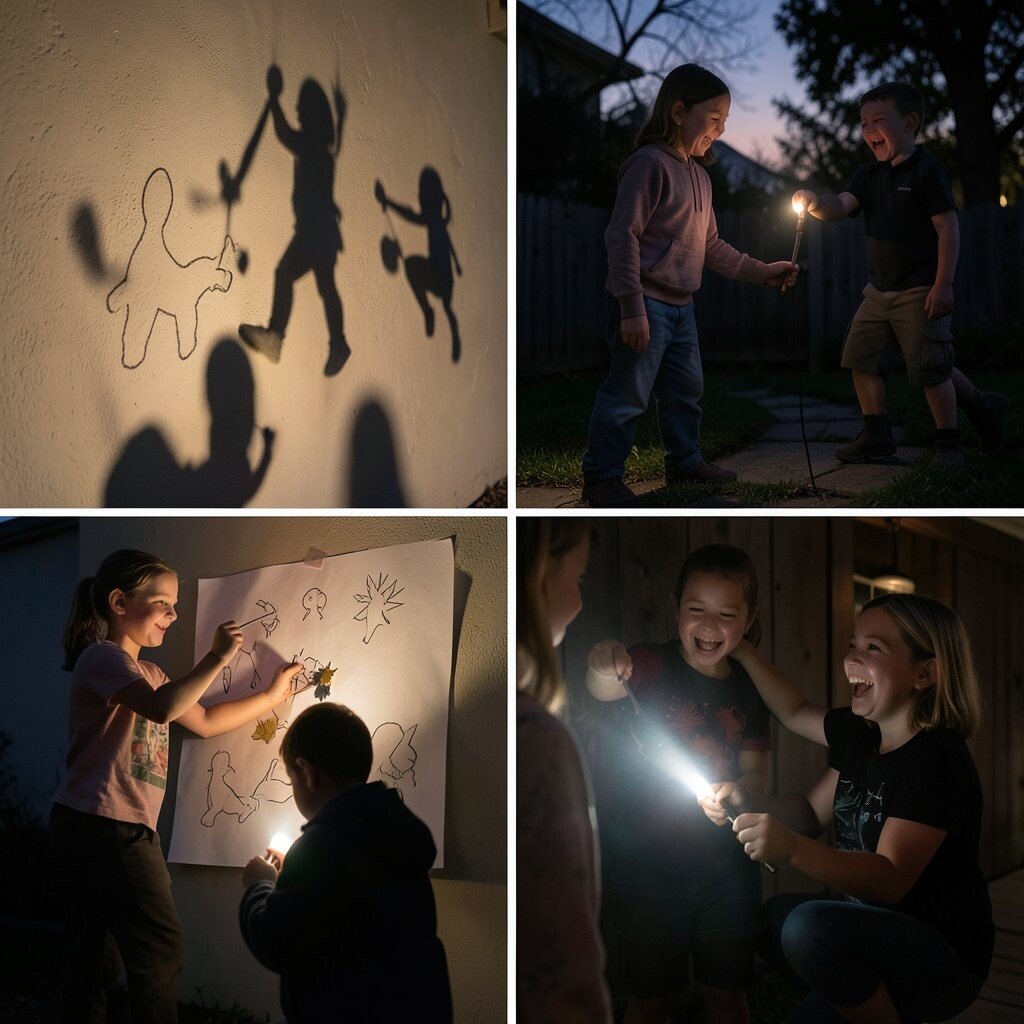
After sunset, take flashlights or step outside with a lamp and watch shadows move on a wall. Have everyone trace the shapes they see, then switch roles so each person creates something new.
This is a great bonding choice because it feels playful and hands-on, not like a performance. You’ll see glowing silhouettes, wiggly outlines, and laughing when shadows stretch longer than expected. Make it unique by using household objects like spoons, hangers, or leaves to cast different shapes. Practical tip is to tape paper to a flat surface so it stays steady while tracing.
5. Family “Yes, And” Story Circle
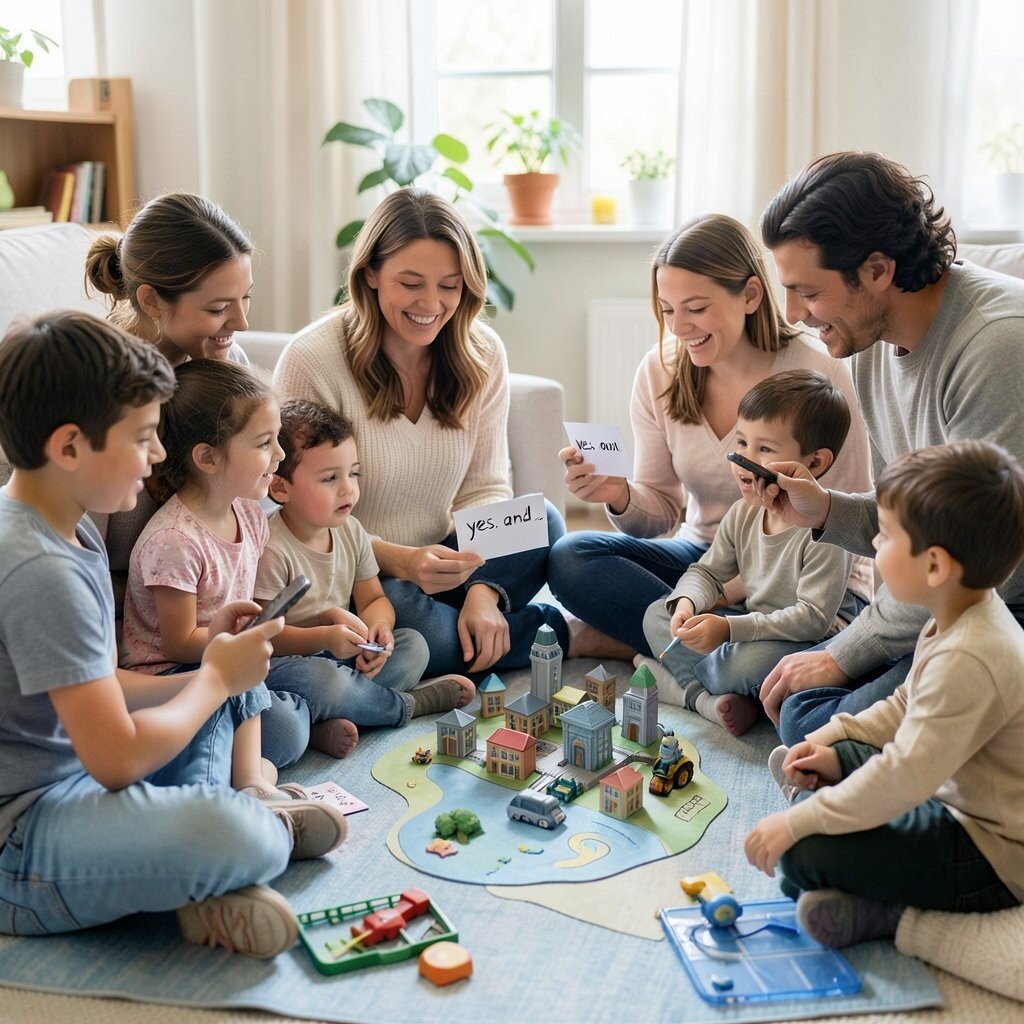
Sit together and start a story with one simple sentence. The next person repeats your sentence and adds one new detail using a friendly “yes, and” approach.
It turns listening into something fun, and it helps kids practice speaking with confidence. The visuals grow as the story builds, like a make-believe city appearing in everyone’s imagination. Try personalization by matching the story theme to what’s happening this week, such as a school project, a trip plan, or a pretend space mission.
You can keep it cost-free by using nothing but your voices. If you want a modern twist, use a shared phone note where everyone types one word to steer the story between turns. Current trends in family activities often highlight role-based creativity, and this circle naturally gives each person a turn to “be in charge” for one detail. For practical structure, set a soft time limit and end when the story reaches a funny surprise.
6. Craft Corner With “One Useful Thing”
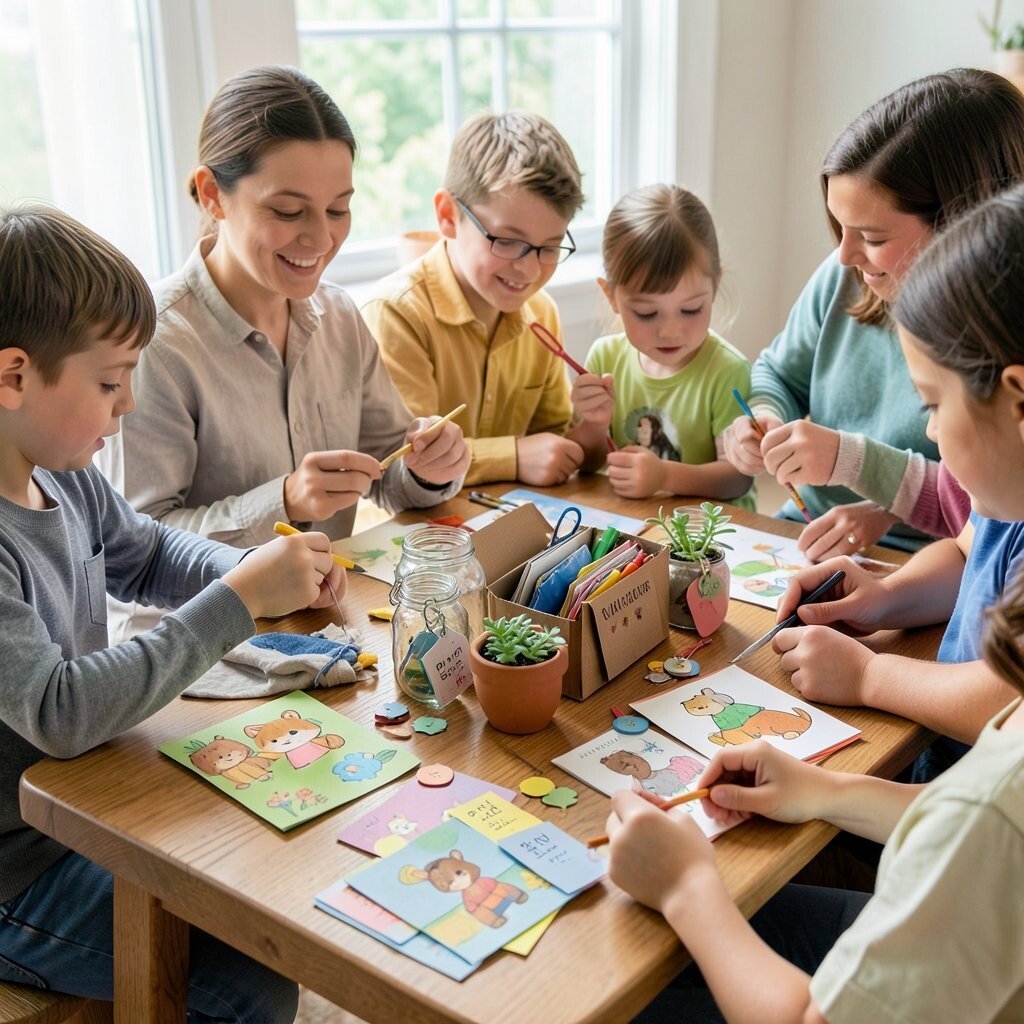
Choose a small craft that creates something you can actually use, like bookmark holders, key tags, or mini planters. Give everyone the same theme, then let each person pick colors and materials.
This moment builds pride because the end result sits in daily life. You’ll see bright scraps on the table, hands moving carefully, and family members sharing tools without rushing. Personalize it by designing items around names, favorite animals, or hobbies so each creation feels like it belongs to one person.
To keep costs in check, use recycled materials such as cardboard, old jars, and spare fabric. A practical tip is to set up a “grab bag” of supplies in one box so you’re not constantly searching. Many families are leaning into low-waste crafts lately, and this choice fits that trend without needing fancy stores. You can also switch the skill level by offering pre-cut shapes for younger kids and more detailed tasks for older ones.
7. Kindness Coin Challenge
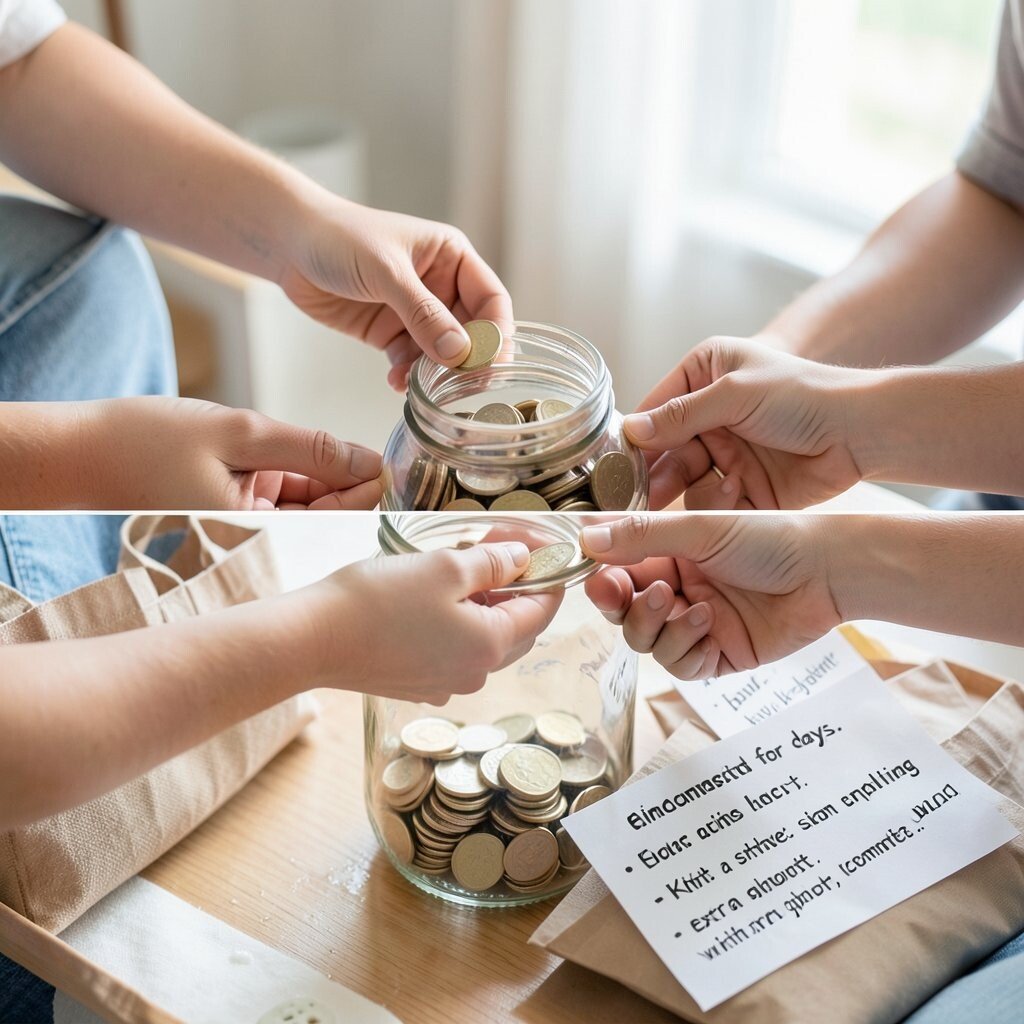
Hand each person a few small coins or tokens, then decide to trade them for random acts of kindness. Use them to “buy” things like helping with chores, making a snack, or writing a short compliment note.
The benefits are real because it shifts the focus from what people want to what they can give. The visual is sweet and clear, like coins placed in a jar and notes tucked into lunch bags. Make the moment unique by allowing the receiver to pick the kindness style, such as funny, quiet, or extra supportive.
For practical tips, agree on a simple list of kindness actions so no one feels stuck. Keep cost considerations low by using whatever tokens you already have, or swapping to paper tokens. If you like trends, this resembles the kind of “gratitude economy” ideas people share online, where small gestures build bigger feelings. Personalize it by setting a theme for the week, like “encouragement for days,” so the compliments match the theme.
8. Family Photo Reel Night
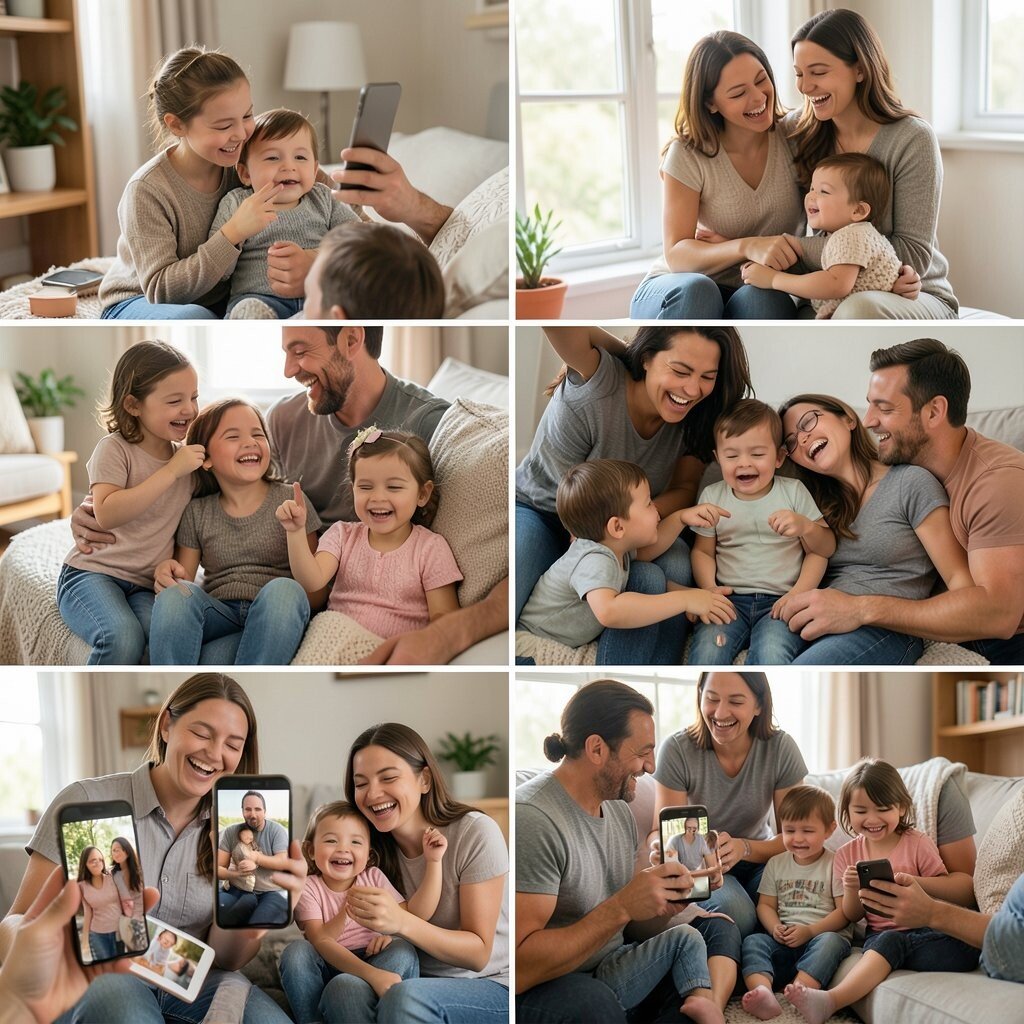
Pick a cozy spot and look through family photos on a phone or computer. Each person shares one favorite memory and tells what they remember most clearly.
This creates connection because it turns pictures into stories, not just storage. You’ll notice faces light up, people pointing at details, and laughter when you spot something silly. Personalization is easy since kids can choose a “favorite year” and adults can share what they were feeling at that time.
Costs are usually minimal since you already have the photos. A practical tip is to set a timer so the session stays short and ends before anyone gets restless. If you want a current trend, try pairing photos with quick prompts like “smell, sound, or moment” to bring the memory back to life. You can also make it interactive by asking everyone to vote on which memory should become this month’s phone wallpaper.
9. “Recipe Time” Without Cooking Stress
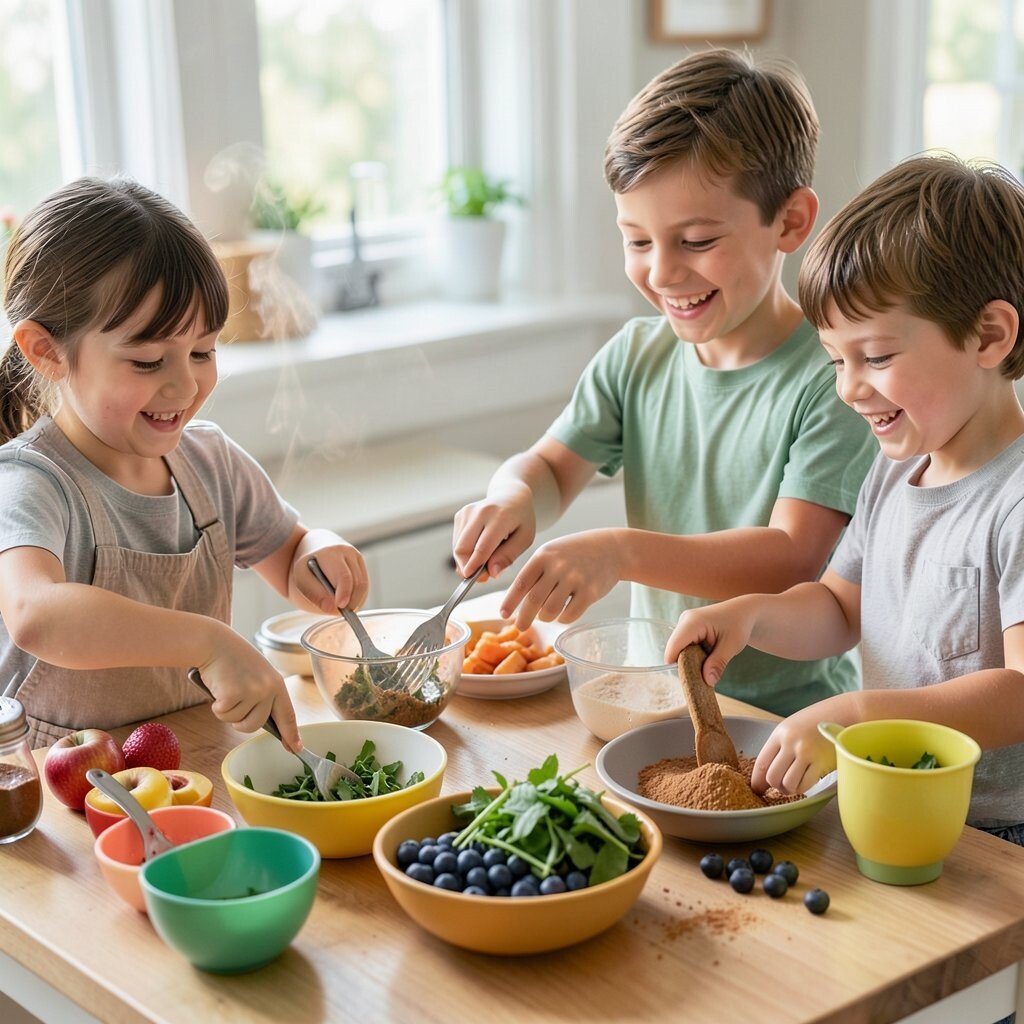
Choose a simple recipe and focus on prep tasks instead of perfect results. Let everyone handle one step, like washing ingredients, mixing, tearing greens, or measuring with a cup.
The bonding comes from teamwork, and kids get a real sense of competence. You’ll see colorful bowls, sticky fingers, and proud smiles when the family tastes what they helped make. Make it unique by letting each person add one special ingredient, like a sprinkle of cinnamon or a handful of blueberries.
To keep costs low, start with pantry items and seasonal fruit you can find cheaply. A practical tip is to write the steps on a sticky note so younger kids can follow along without pressure. Many families enjoy “no-stress cooking” routines lately, and this approach fits because it makes the process the goal. Personalization ideas include choosing a “home signature” by mixing one consistent flavor that becomes your family’s favorite.
Even if the recipe isn’t fancy, the shared smell of food warming up the room feels like love you can taste.
10. Tech-Free “TV Show” From Everyday Objects
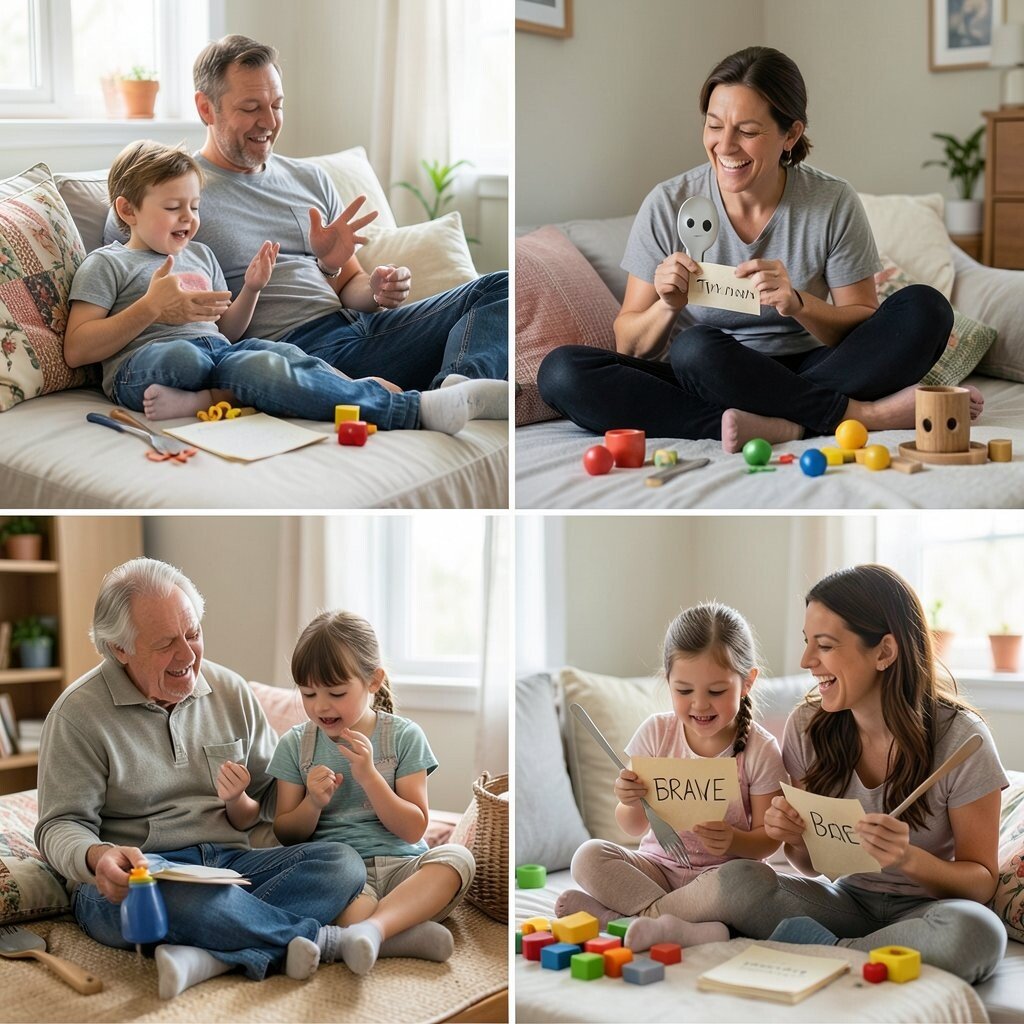
Set up a fake show using cushions, paper, toys, or kitchen tools as characters. Pretend you’re filming a story, then let each person “act” for a short scene.
This moment is surprisingly powerful because it replaces screens with imagination. You’ll see dramatic gestures, silly sound effects, and the kind of teamwork that happens when everyone has a role. Keep it practical by limiting the show to a simple beginning, middle, and ending so it doesn’t drag.
Make it unique by giving each character a trait, like “the gentle giant” or “the brave spoon,” then writing their trait on a scrap of paper. Cost considerations are minimal since you can use stuff you already own. If you want a current trend, many families are sharing creative “prop theater” ideas online, and it’s basically the same concept, just done at home. Personalize it by letting kids choose the genre, like mystery, superhero, or bedtime story, then adapting the script to what your family likes.
11. Drive-By Compliment Parade
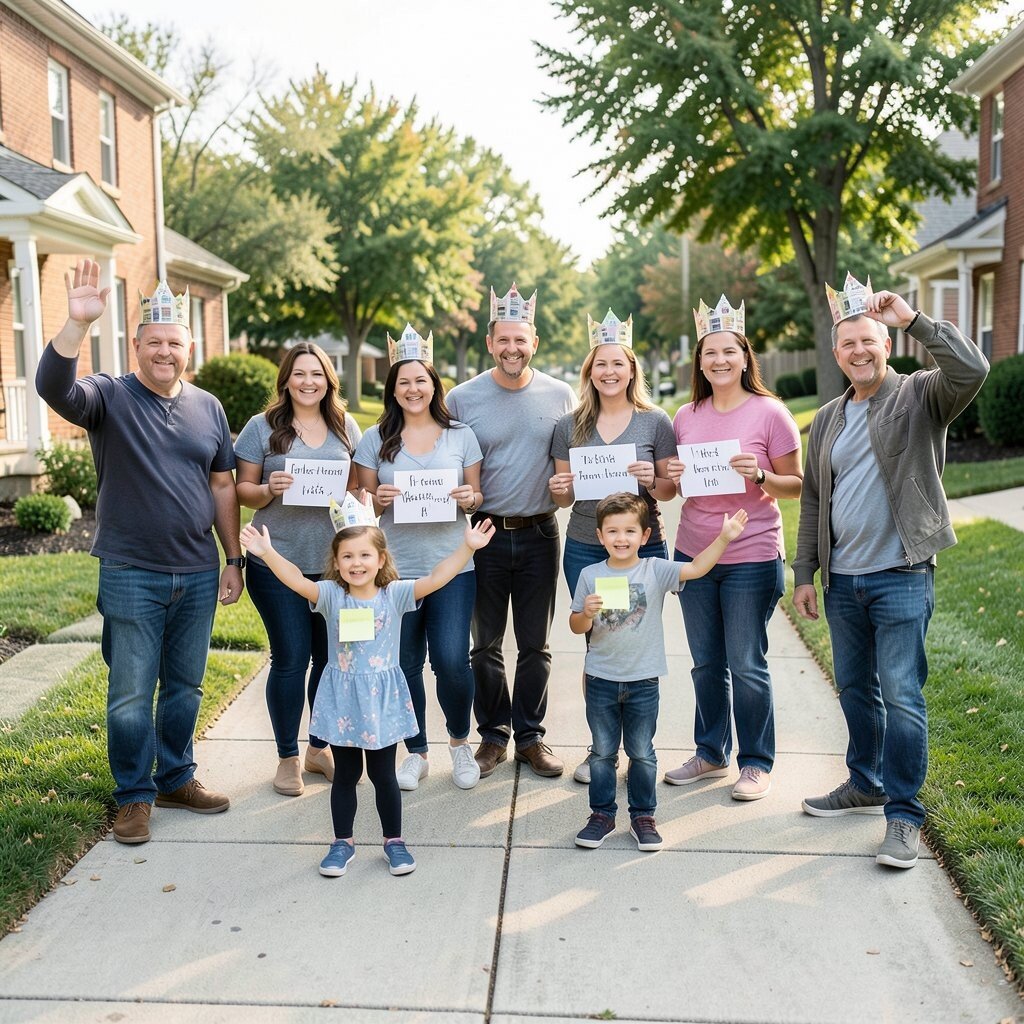
At home or in the neighborhood, plan a mini parade of compliments. Stand where everyone can see each other and share one genuine compliment per person, then do a playful bow or wave.
The benefits include confidence and emotional safety because people hear specific praise. You’ll feel the energy shift when each person is thanked for something real, like kindness, effort, or creativity. Make it unique by choosing a “theme day,” such as compliments about courage, patience, or helpfulness.
Keep it practical by setting boundaries that work for your space, like staying on your sidewalk or using a porch. Cost considerations are basically none, but you can make it extra special with paper crowns made from old flyers. If you’re following a modern trend, many families are emphasizing affirmations and positive language, and this parade turns that idea into action. Personalize it by letting kids write the compliments on a sticky note and adults read them aloud, matching each person’s style.
12. Calendar Time: Build a “Family Week Map”
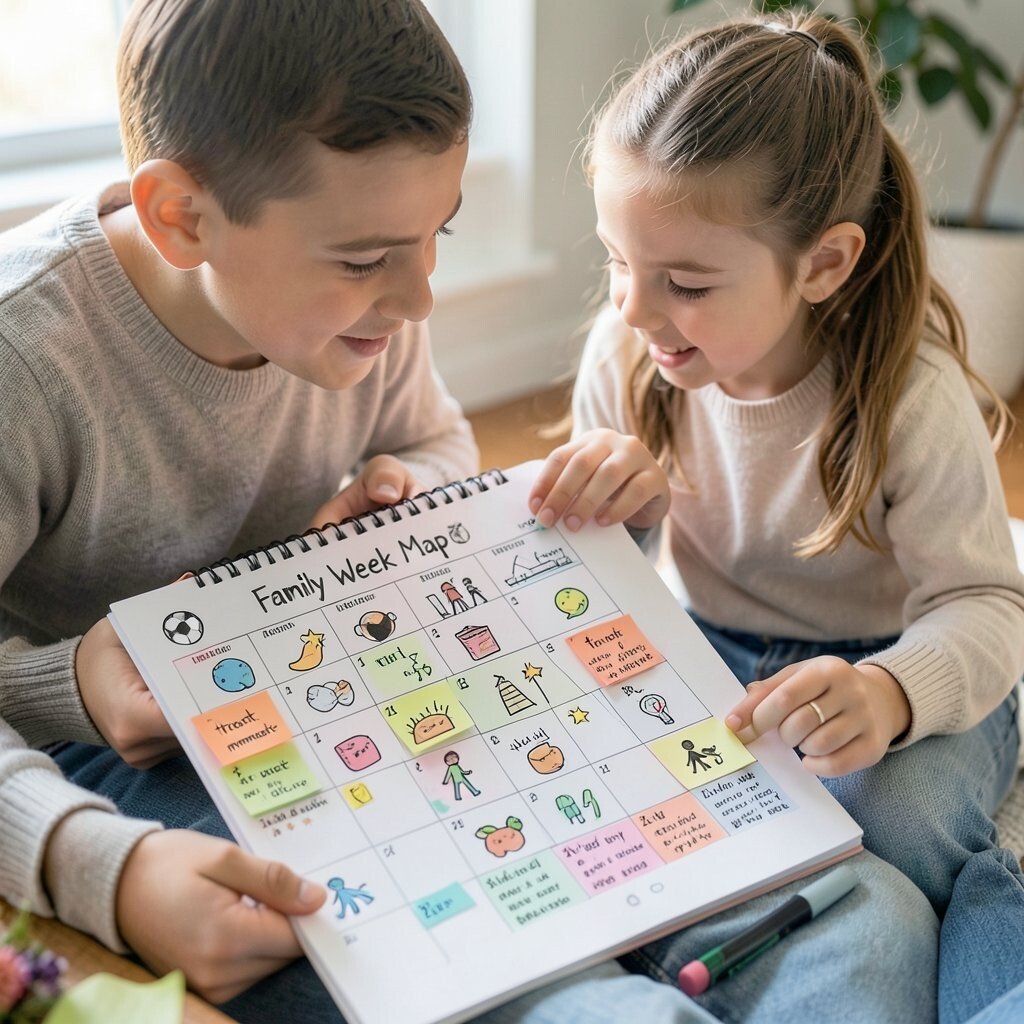
Gather for a short moment and look at the upcoming days together. Create a simple family week map using a calendar page, then mark events with drawings and small symbols.
This helps reduce stress because everyone knows what’s coming and why. You’ll see different icons on the page, like a soccer ball for practice or a star for a friend’s birthday. The uniqueness comes from making it visual and personal, so your calendar feels like your family’s story rather than a list of tasks.
Keep costs in mind by using sticky notes, markers, or colored paper from supplies you already have. A practical tip is to include one “treat moment” symbol each day, like a walk after dinner or a favorite snack, so planning feels hopeful. Current trends show families are moving toward “ritual scheduling,” where small routines happen consistently, and this map supports that mindset. Personalization ideas include giving each person a symbol color and letting them place their own icons with a quick explanation.
13. The Last-Minute “Pick My Plan” Night
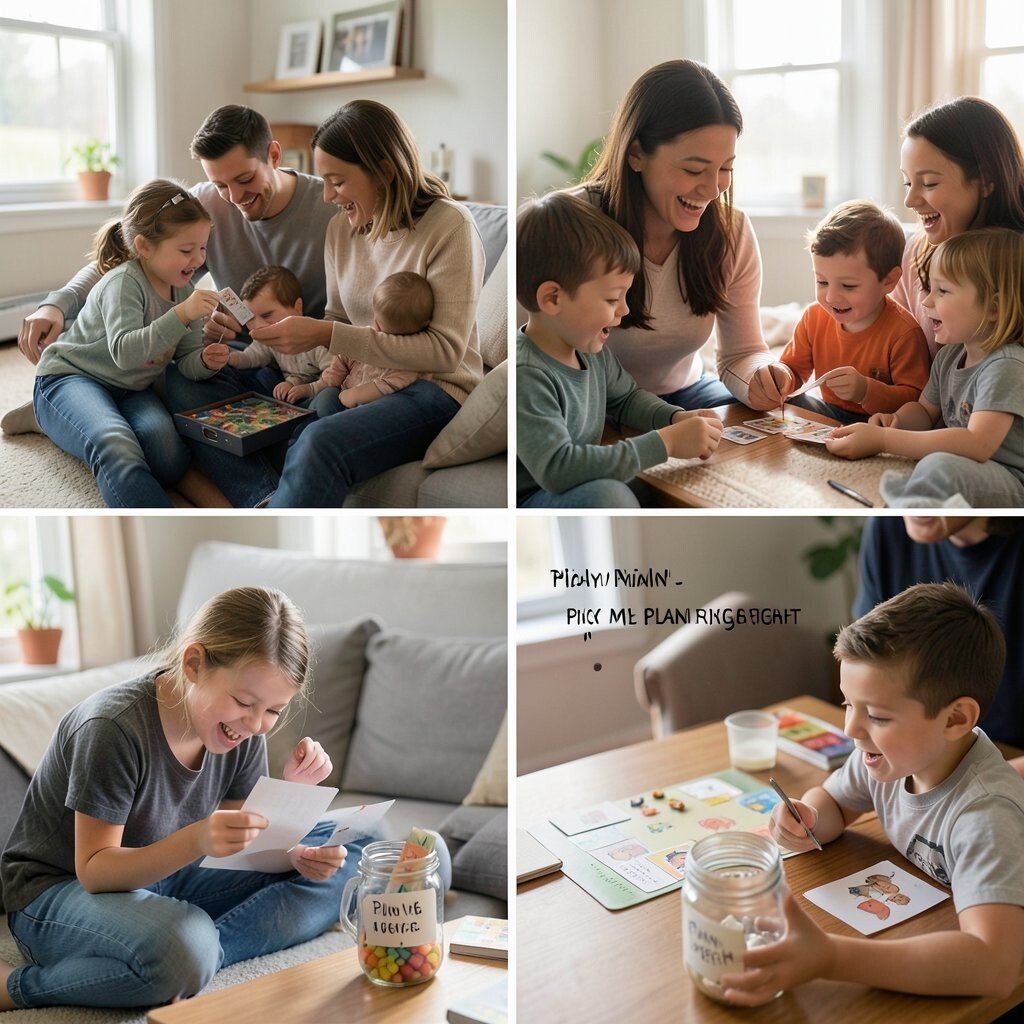
Choose one evening where each person picks a small family plan for a set time window. The plans can be simple, like a board game round, a card trick practice, or a short craft session.
This moment feels special because it gives everyone a voice, even in ordinary life. You’ll see different styles of play, different energy levels, and lots of cheerful reactions as each person’s pick unfolds. Make it unique by requiring the picker to describe what they want everyone to feel, like calm, excited, or giggly.
For practical tips, keep the time window short and set up materials before the night so it runs smoothly. Cost considerations are easy since most picks can use things you already have, like games, paper, and imagination. If you want a current trend, this aligns with the idea of “family agency,” where kids and adults collaborate instead of following only adult-led plans. Personalize it by storing a “plan jar” of ideas on paper slips, then picking one at random when it’s time to choose.
Even if the plan isn’t perfect, the feeling of shared choice becomes a memory you’ll want to repeat.