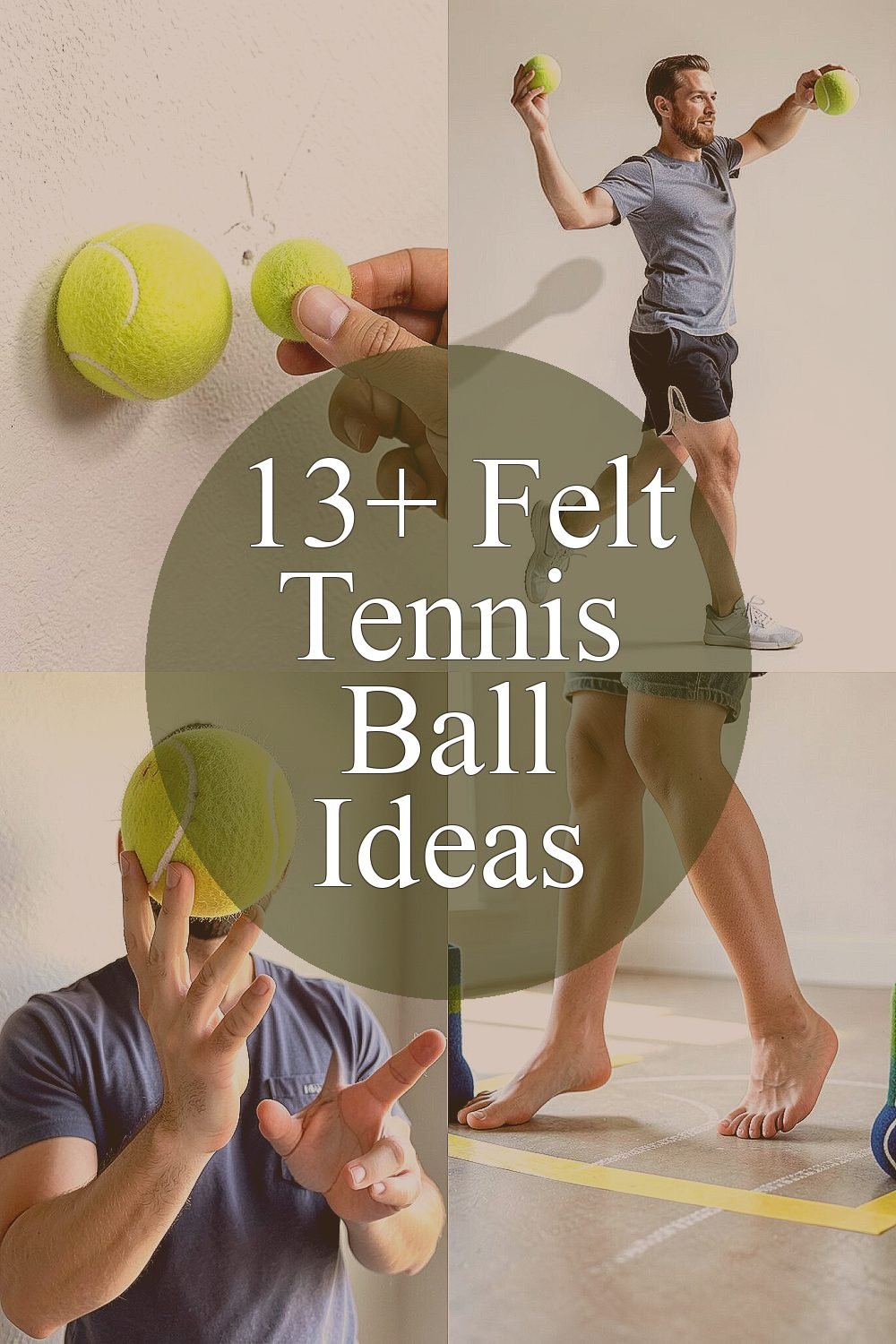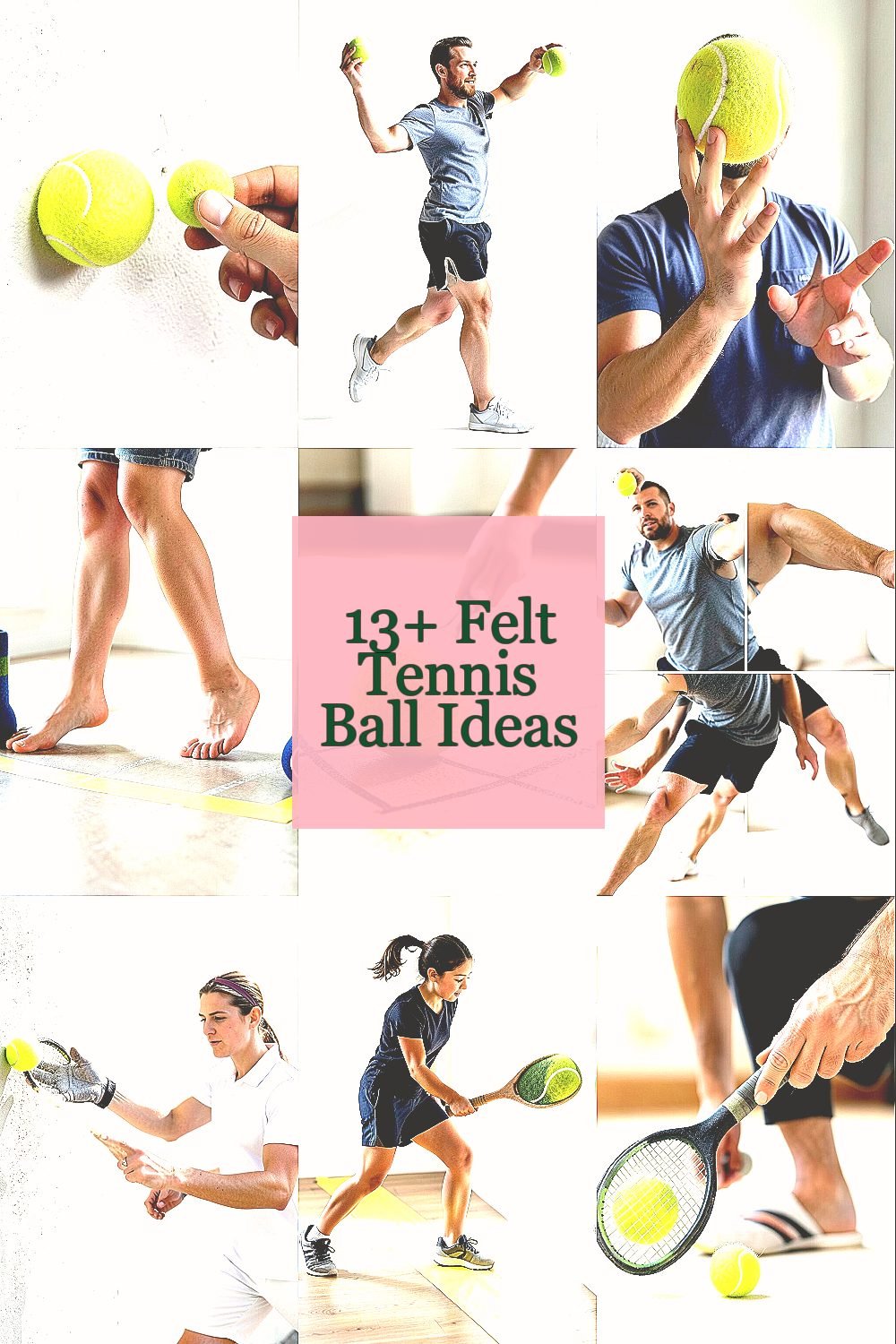
Your next upgrade might already be hanging in a drawer. Small felt balls can change how you move, see, and swing.
Try these ideas one by one, and pick what fits your space and schedule.
1. Ball Wall Pepper With a Small Target
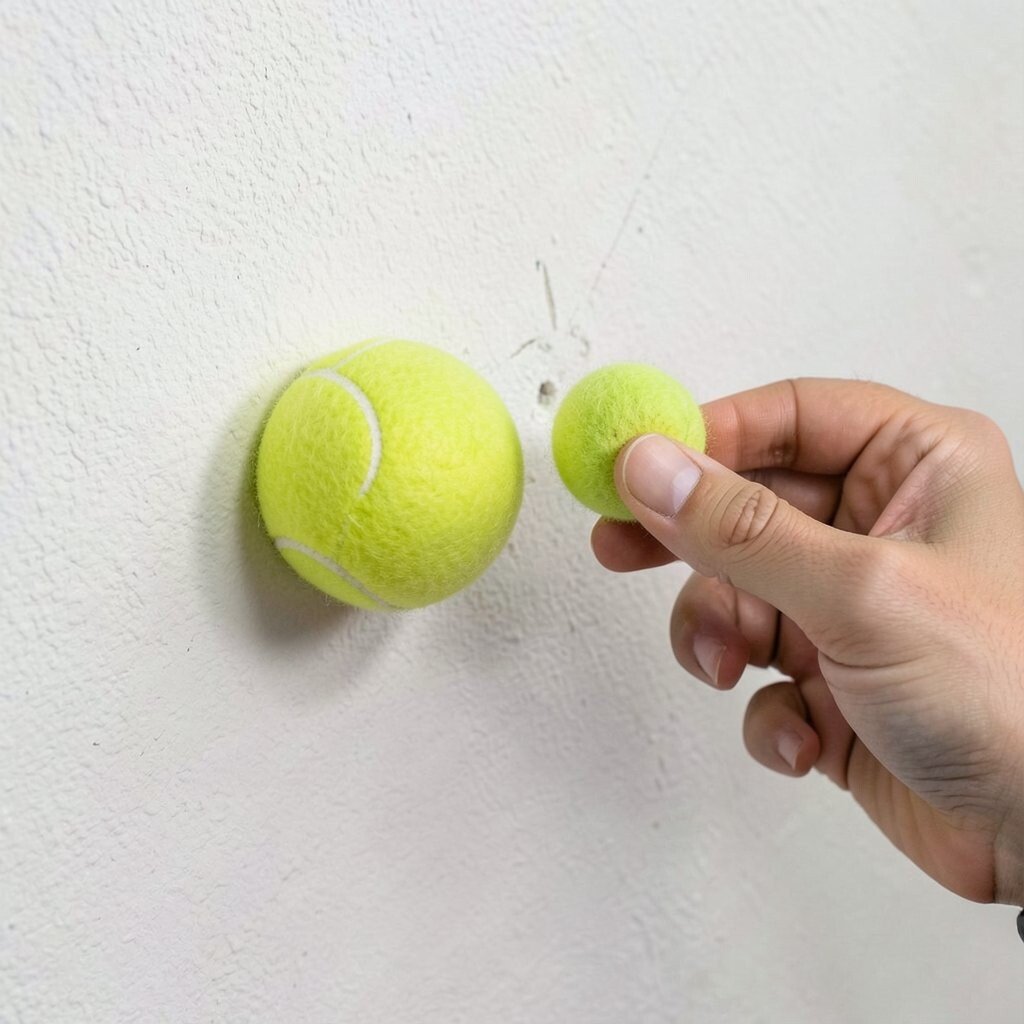
Stand a few steps from a wall and gently tap a felt tennis ball back and forth. Aim for a tiny spot like a scuff mark so your brain learns accuracy.
Keep the taps light and steady, then gradually move the target higher or lower. This builds control, timing, and soft-touch feel without needing a full court. If you track your best streak, you’ll notice your reaction time improving fast.
2. Shadow Swing While the Ball Signals Tempo

Hold the felt ball in your hand and practice your swing motion without hitting anything at first. Drop the ball softly at the start of each swing so your body learns a clear beat.
Use the same count every time, like a quick step and then a smooth follow-through. This works your foot timing and rhythm, which is huge for consistency.
When you’re ready, toss the ball up gently and swing through the moment it lands. You can personalize this by using different toss heights to mimic low or high balls. Since felt balls are cheap and durable, you can repeat the drill many sessions in a row.
3. Drop-and-Catch Practice for Reaction
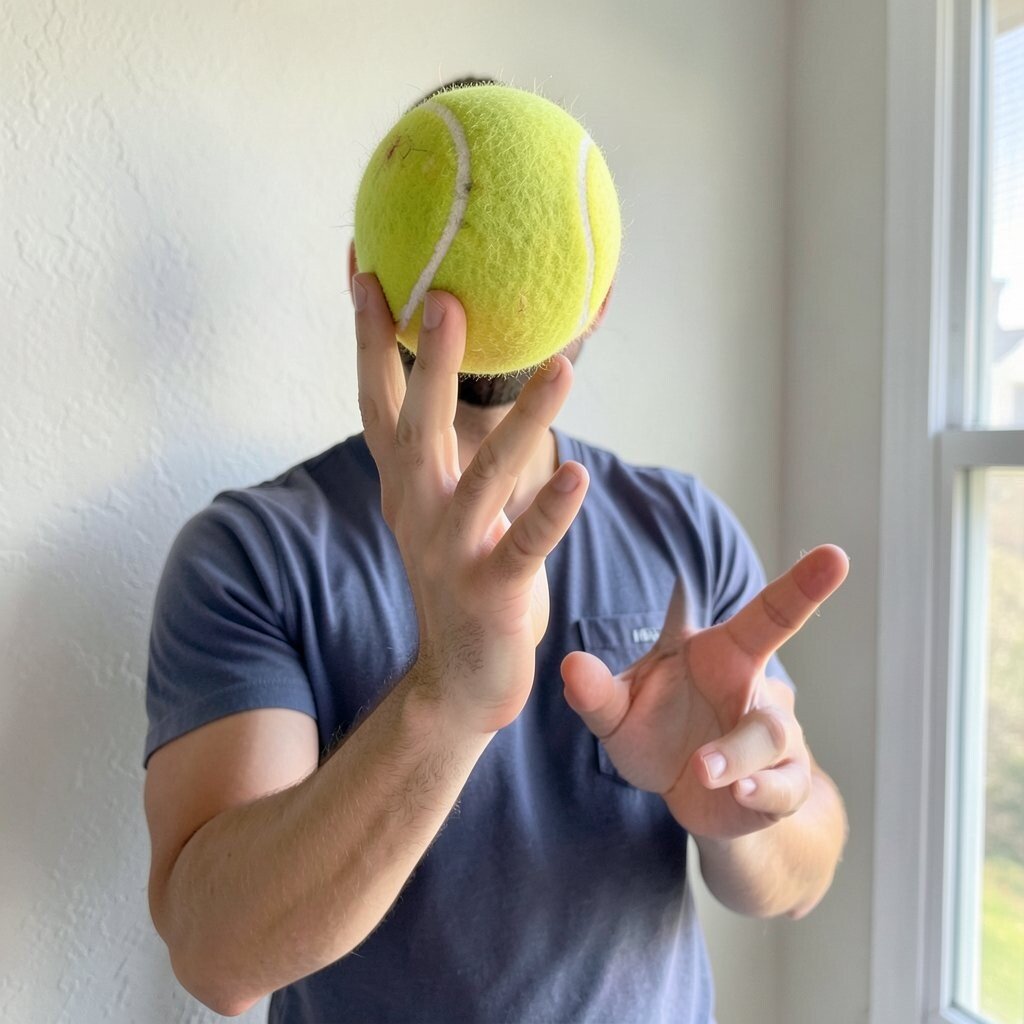
Stand close to a wall and hold the felt ball at about chest height. Drop it so it bounces slightly, then catch it cleanly after the bounce.
Start with easy catches and slowly increase the difficulty by dropping a bit farther from your hands. This sharpens your reflexes and teaches you to track the ball’s path instead of guessing.
For a fun trend, record a short video and watch how your eyes move. Many players now train feedback by using their phone camera because it shows what your body actually does. Keep it personal by adjusting the drop height until it feels challenging but safe.
4. Footwork Gates Made From Everyday Items
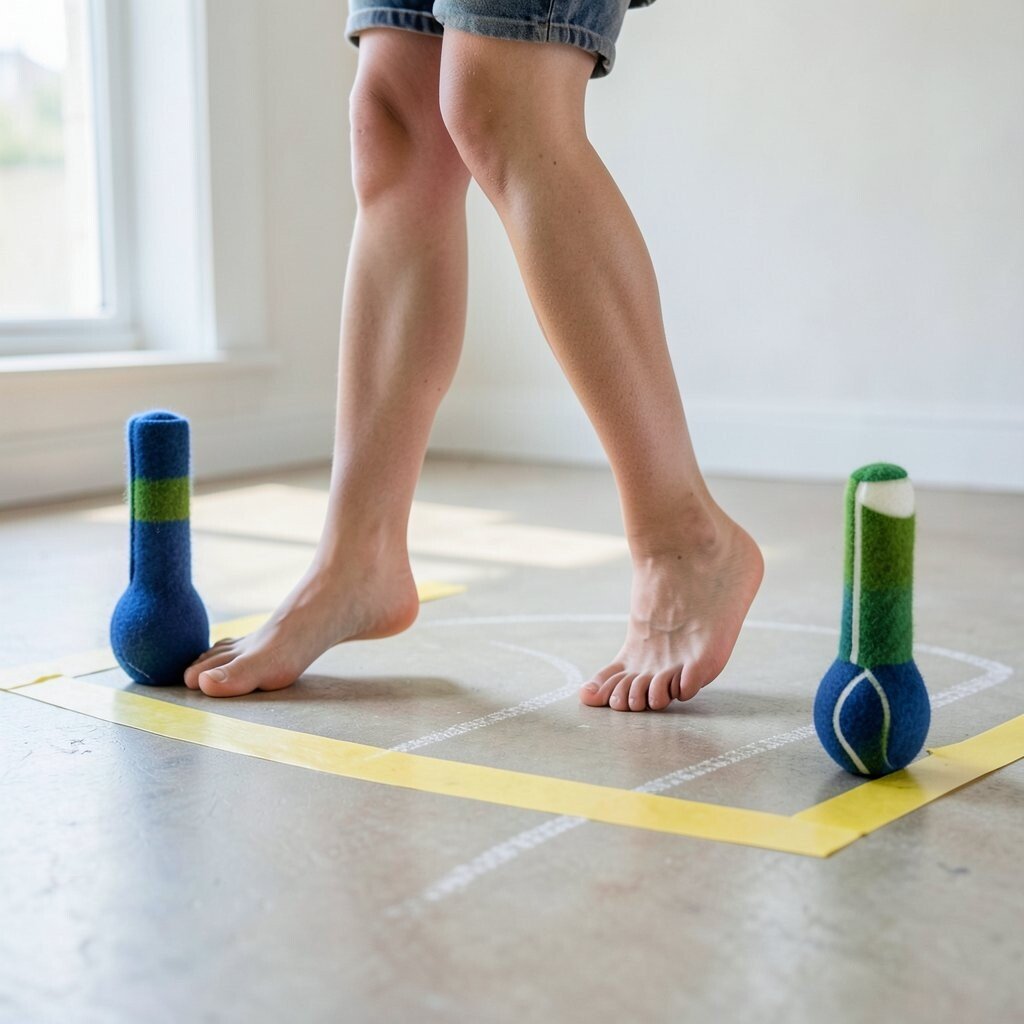
Lay two lines on the floor with tape or chalk to act like gates for your feet. Toss a felt ball from side to side and shuffle through the gates each time it crosses your path.
Stay light on your toes and keep your knees ready to bend. This builds quick steps, balance, and better positioning so you meet the ball in time.
5. Spin Feel by Rolling the Ball Like a Mini Bowling Ball
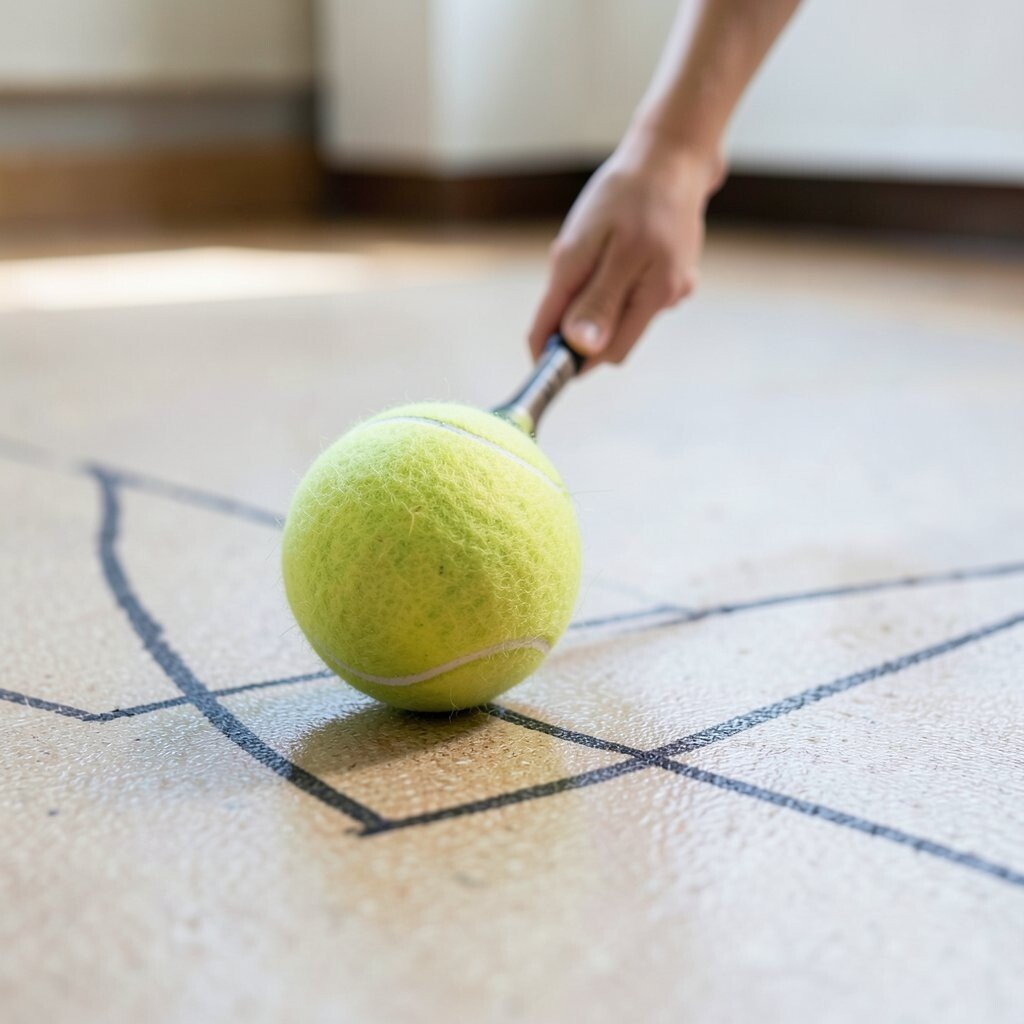
Instead of hitting, roll the felt ball along the ground and practice how it curves. Use your racket face to push it slightly, then observe how the spin changes its path.
Try nudging with the inside and outside edges so the ball bends differently. This creates a strong connection between racket angle and ball behavior.
It’s a low-cost way to learn spin without needing a partner. You can personalize the drill by aiming for a set of lines drawn on the floor and trying to land the ball inside them.
6. Serve Form Check With a Gentle Toss Trigger
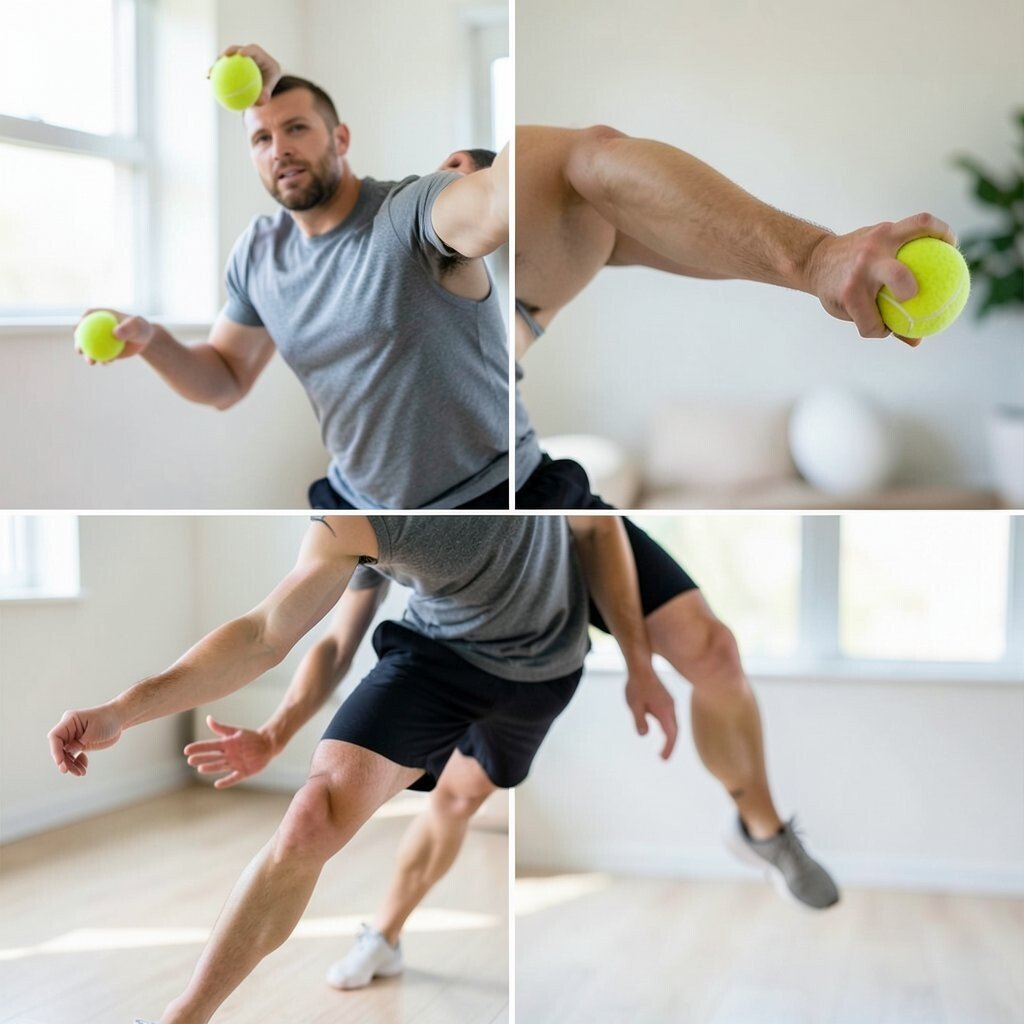
Grab one felt ball and use it as a toss trigger for your serve routine. Make your normal motion in slow steps, using the ball for timing and hand position.
Then toss the felt ball slightly and swing through without forcing power. You’ll feel the difference in your spacing and rhythm while keeping stress off your arm.
Modern training often favors form before speed, because small changes in toss and timing lead to big results. If you want personalization, practice different toss angles until you find one that lines up your shoulder and eyes. Since a felt ball is soft, it’s great for indoor sessions when a regular ball would be too risky.
7. One-Bounce Forehand Rally Against the Wall

Hit a felt tennis ball so it bounces once and then returns from the wall. Focus on a clean contact point rather than chasing power.
After each hit, reset your stance and be ready before the ball comes back. This builds a repeatable routine, which helps your brain relax under pressure.
Keep the wall close enough to control the bounce, then slowly increase distance as you improve. The practical tip is to keep your follow-through consistent even when the bounce changes. Felt balls are unique here because their softer bounce makes errors less harsh, so you can train more reps safely.
8. Side Shuffle Accuracy With a Target Strip
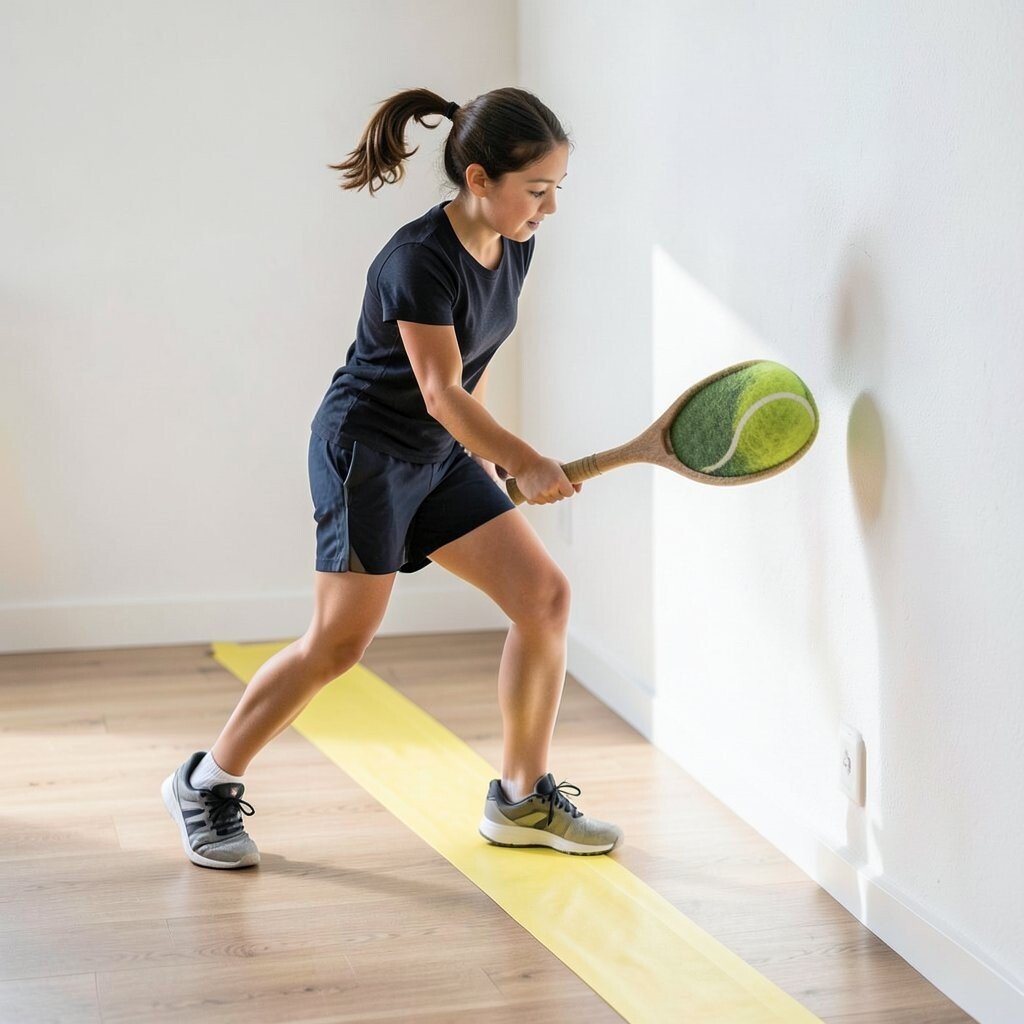
Mark a strip on the floor using tape, then place the wall off to the side. Hit the felt ball toward the wall so it returns and you have to adjust your position to land it on the strip.
Each time you step into position, let your racket swing finish fully. You’ll gain better side-to-side control, which is a common weakness for many players.
9. Underhand Pickup to Build Soft Hands
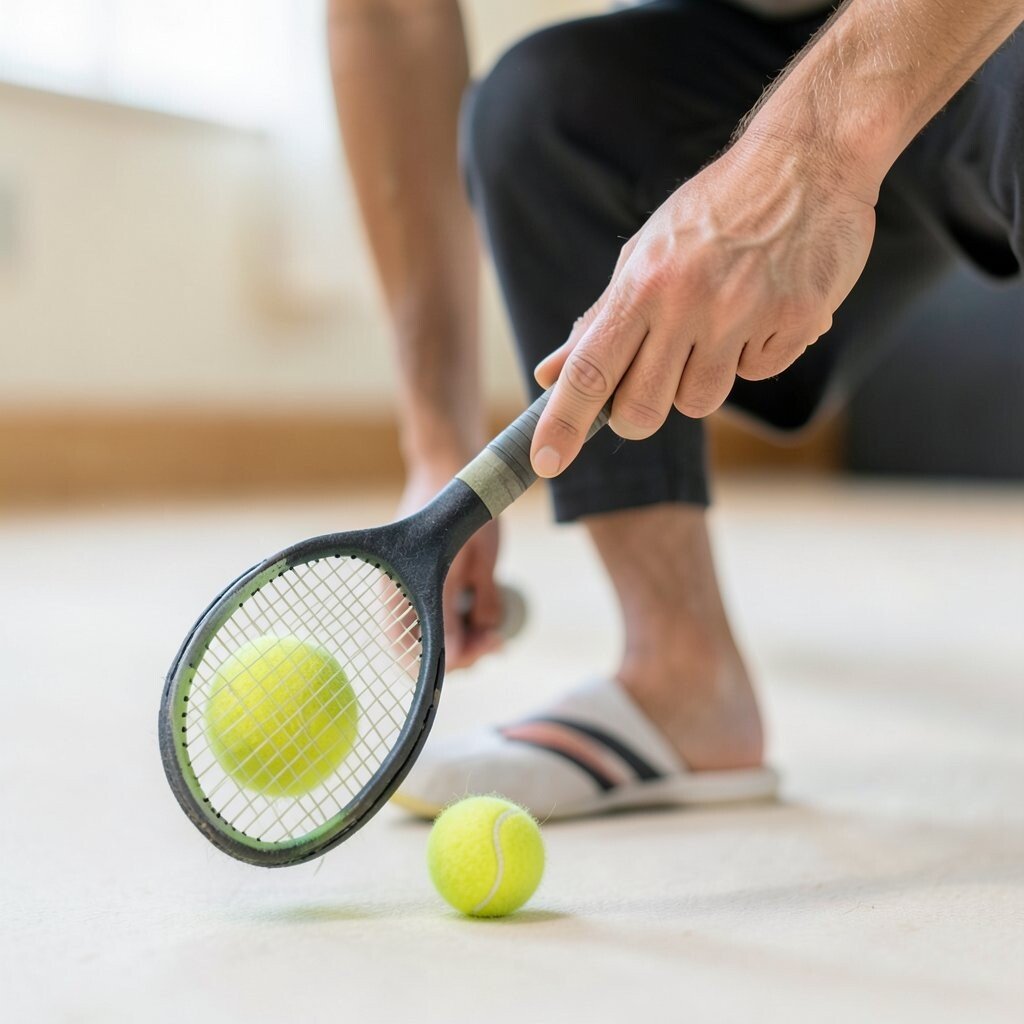
Stand with the ball near your feet and use the racket to scoop it with a gentle underhand motion. Aim for calm, short contacts that feel like a controlled roll.
Practicing pickups helps you handle awkward low balls without panic. The benefit is stronger confidence, because you’ll know you can rescue tough shots with patience.
Personalize the drill by using different racket grips or stance widths, then note what feels most stable. If you train with a friend, you can add a fun challenge by switching roles and calling out when to speed up. Felt balls are cost-effective because they won’t tear up your racket face as quickly as harder balls might.
10. Blind-Count Rally to Train Focus
Start a wall rally but count quietly in your head instead of watching the ball the whole time. Try to hit each return on a specific count so your focus stays steady.
When you miss, repeat the count from the beginning rather than rushing to fix it. This kind of mental rhythm is popular in training because it reduces random mistakes during games.
Keep it practical by choosing a small number of swings, then stopping before you get tired. You can personalize this by using your own favorite song beat, since rhythm can anchor attention. The felt ball’s slower pace makes it easier to practice focus without fast panic.
11. Racket Face Mirror Drills for Contact Consistency

Place a mirror at the side and stand so you can check the racket face angle during contact. Tap a felt ball lightly against the wall while watching whether the face stays stable.
If your face opens or closes, the returned path changes, and you’ll see it right away. That immediate visual feedback improves your feel, and it’s a big benefit for players who rely on guesswork.
12. Serve Return Positioning With Toss-and-Set
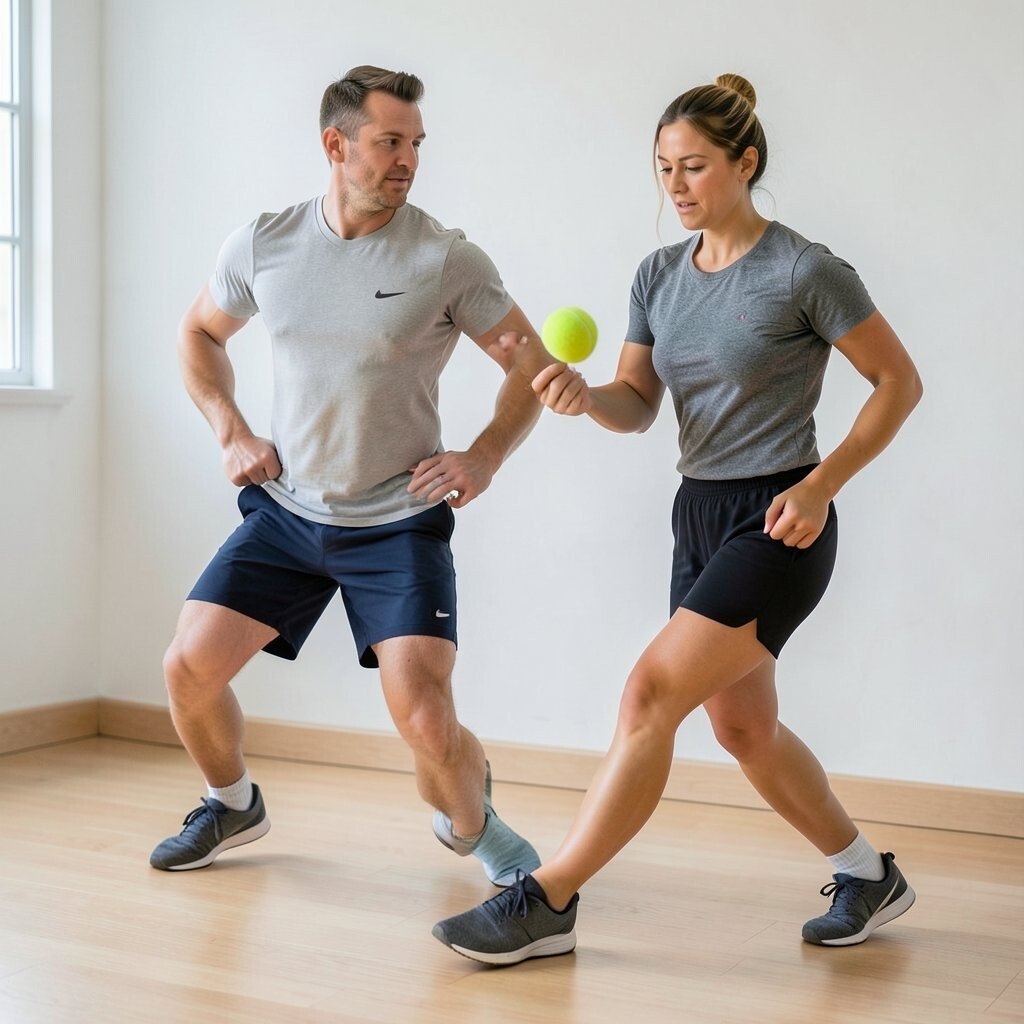
Have a partner or use a wall by tossing the felt ball to your expected return spot. As it comes in, set your feet quickly and prepare your swing without waiting too long.
This drill trains the habit of arriving early, which helps even when the ball is hard. The soft felt ball is great here because it lets you focus on positioning and form instead of reacting to speed.
To personalize, adjust your return stance width and note which one keeps you balanced. For cost considerations, you can do this with one ball for many practice sessions since it won’t wear out fast. A current trend in coaching is building return-first habits, because strong returns often lead to easier points.
13. Color-Spot Targeting for Better Shot Selection
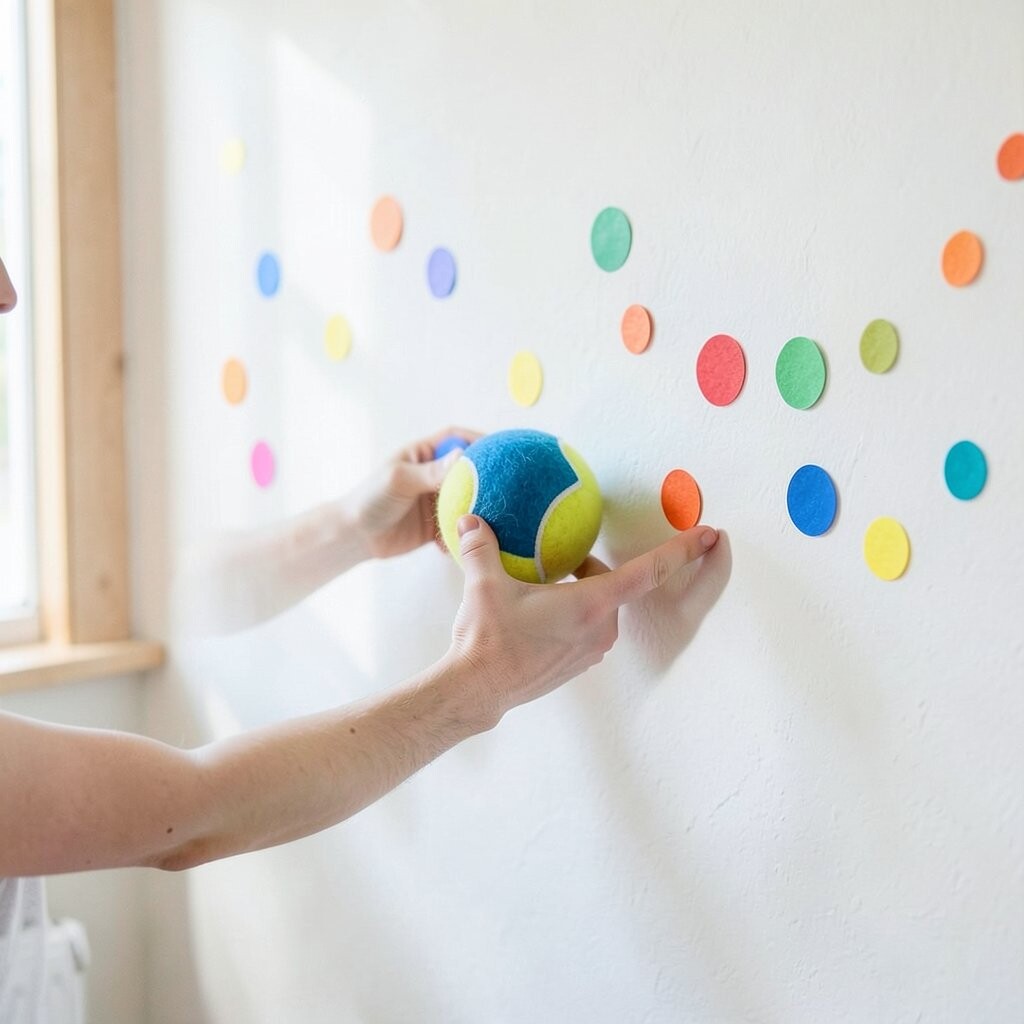
Use colorful tape dots on the wall at different heights and aim for them with your felt ball. Choose a dot before each hit so you make a decision instead of just swinging.
As you improve, give yourself a rule like high dot for your safer shots and low dot for practice control. This builds smarter shot selection, which helps you in real matches.
Personalize the setup by picking targets that match your game plan, such as aiming cross-court or toward a side gap. The felt ball adds uniqueness because you can train with gentle force, so you can aim repeatedly without exhausting your arm. Keeping targets simple also keeps costs low and makes the drill easy to set up anywhere.
14. Felt-Ball Fitness Circuit for Endurance and Control
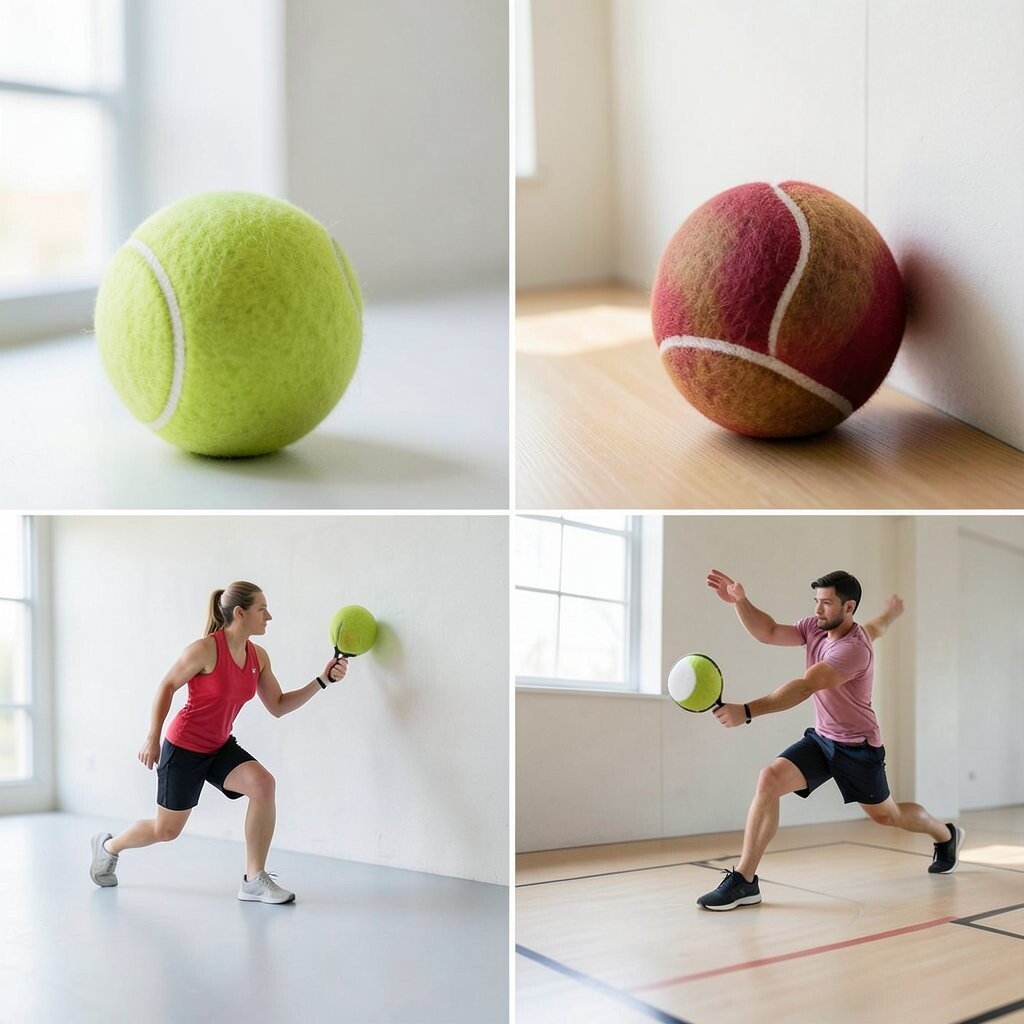
Create a quick mini circuit using your felt ball, like three taps, two shuffles, and one controlled hit to the wall. Keep your movements smooth and stop while form is still perfect.
This builds endurance while keeping your technique intact, because you’re not just running, you’re practicing skills. The benefit is that you’ll feel more steady late in matches when other players start getting sloppy.
Personalize the circuit length and intensity based on your energy level, and swap stations like forehand taps or backhand placement. You can also add a playful trend by timing your best round on your phone, since many players track workouts casually now. With felt balls, the cost stays low and the routine stays gentle enough for frequent practice.