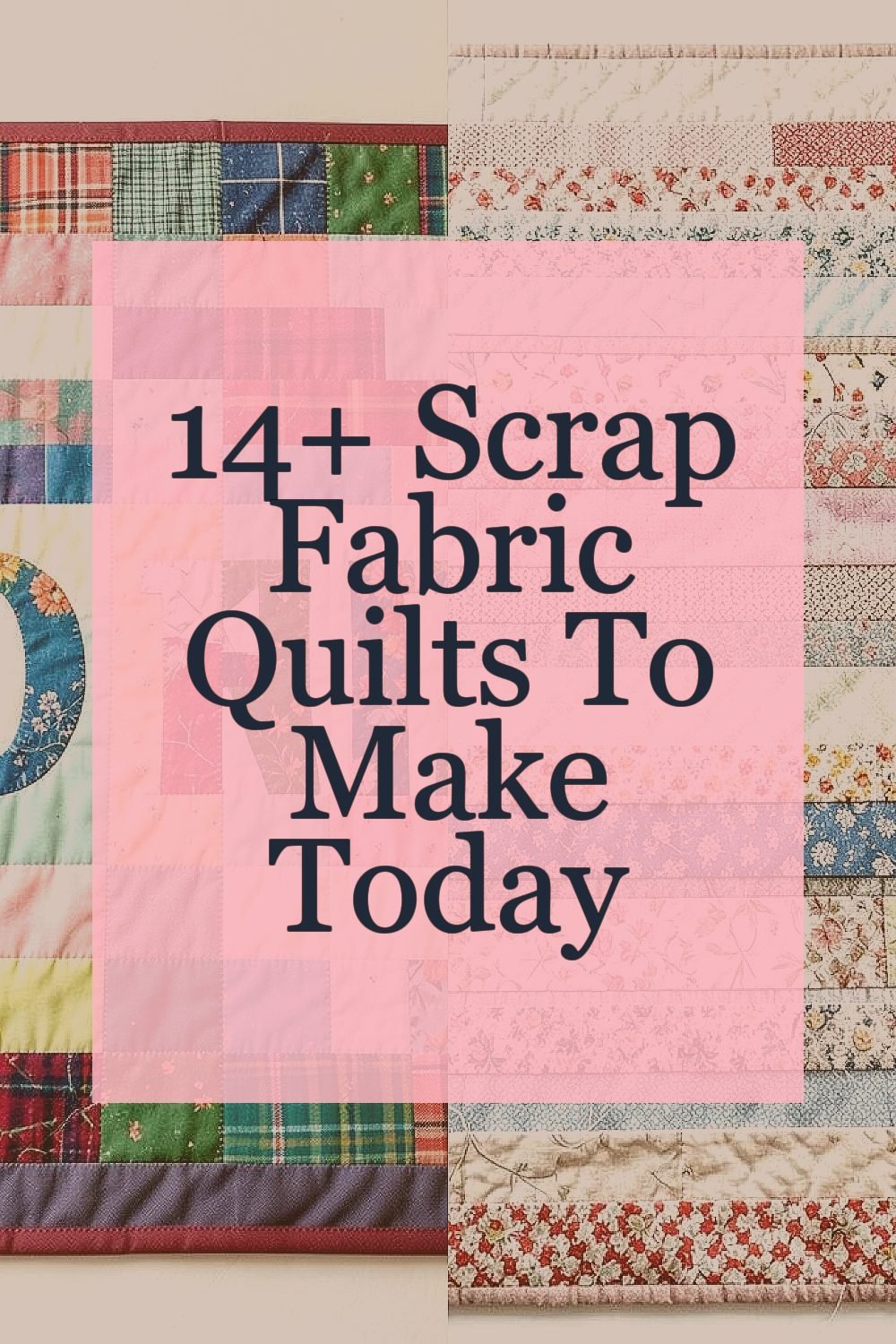
A quilt can look like art and still start with leftovers. When you stitch scraps together, you make something that feels like it was always meant to be yours.
Even small pieces can turn into big comfort. The best part is that every quilt ends up showing your style in thread and color.
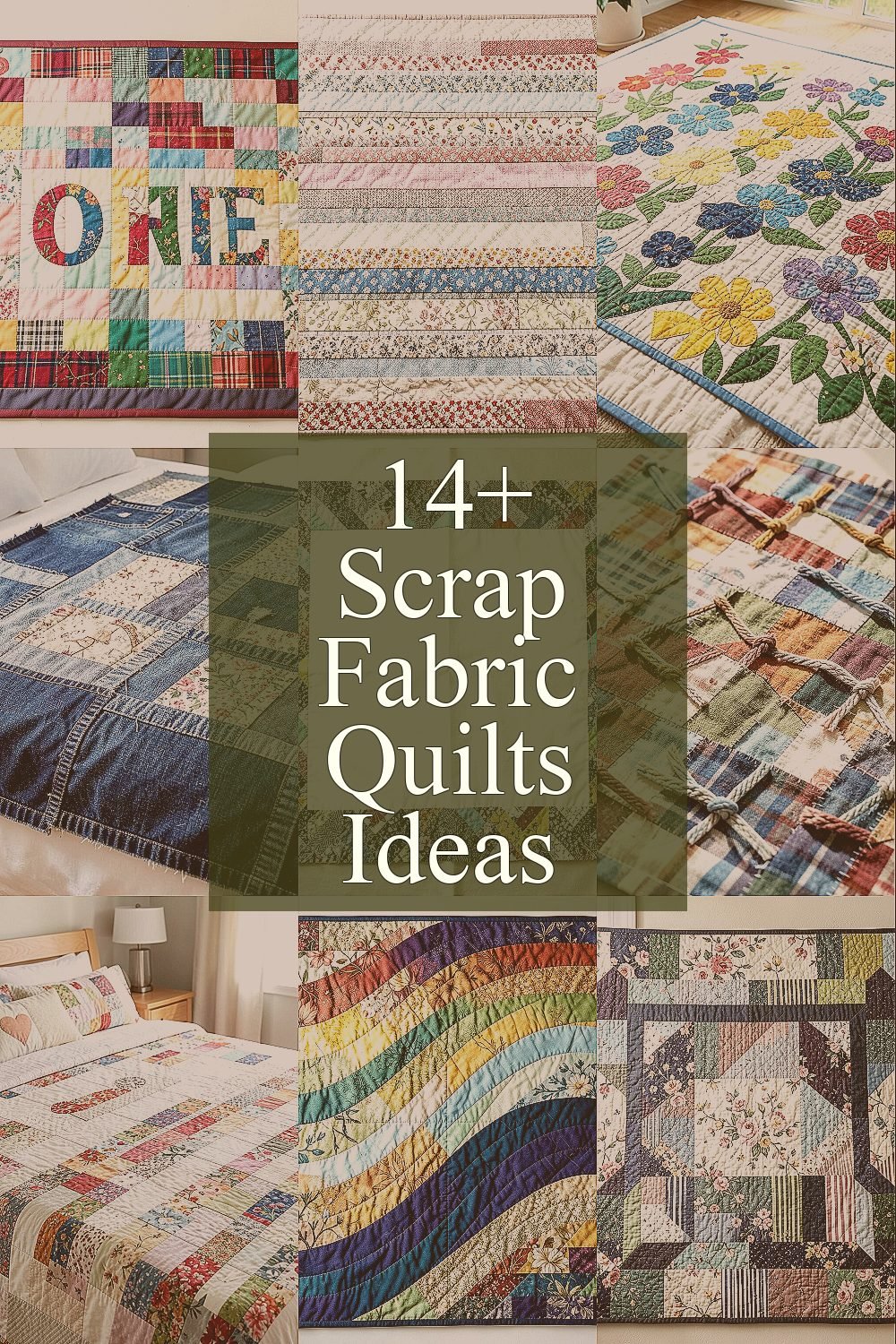
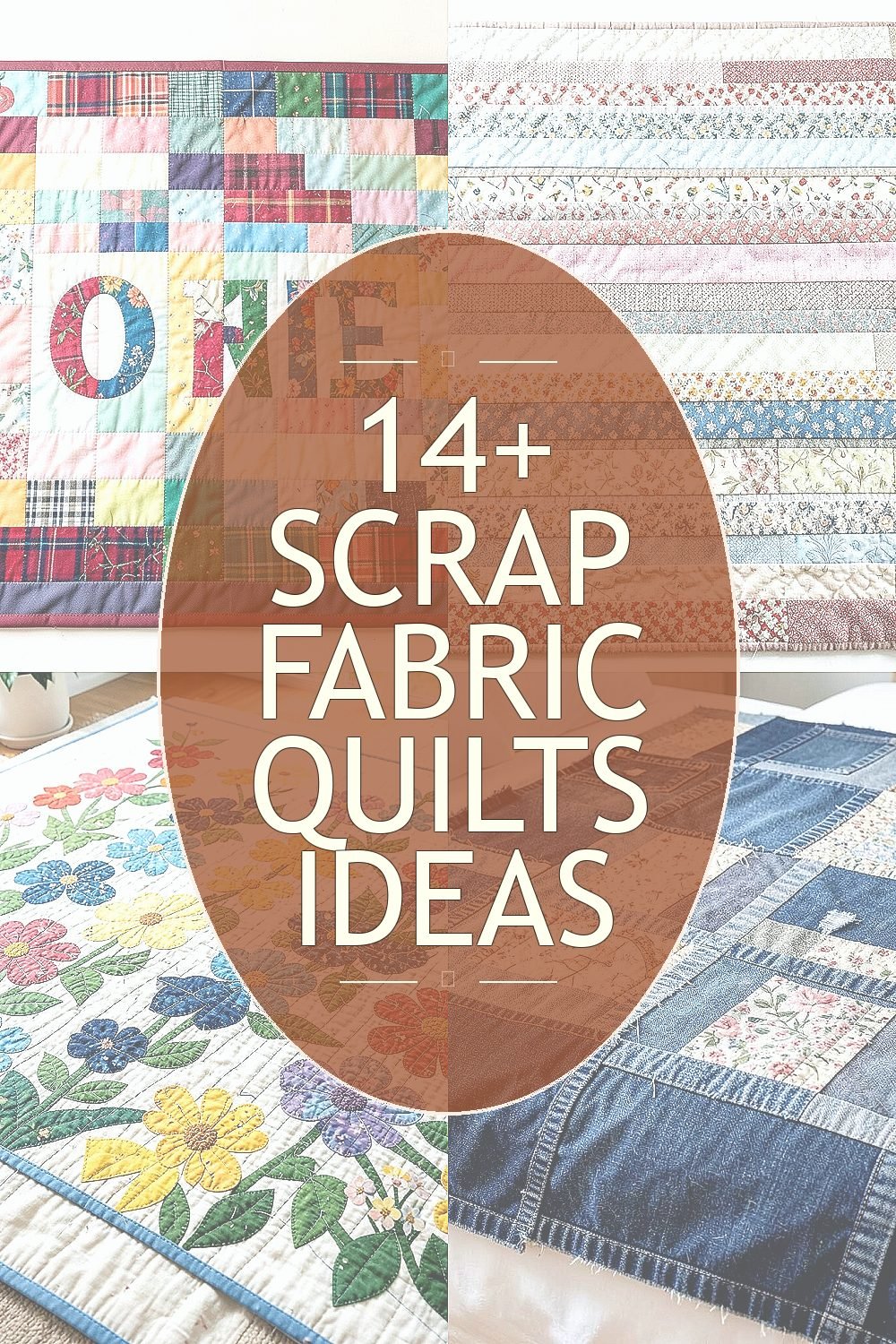
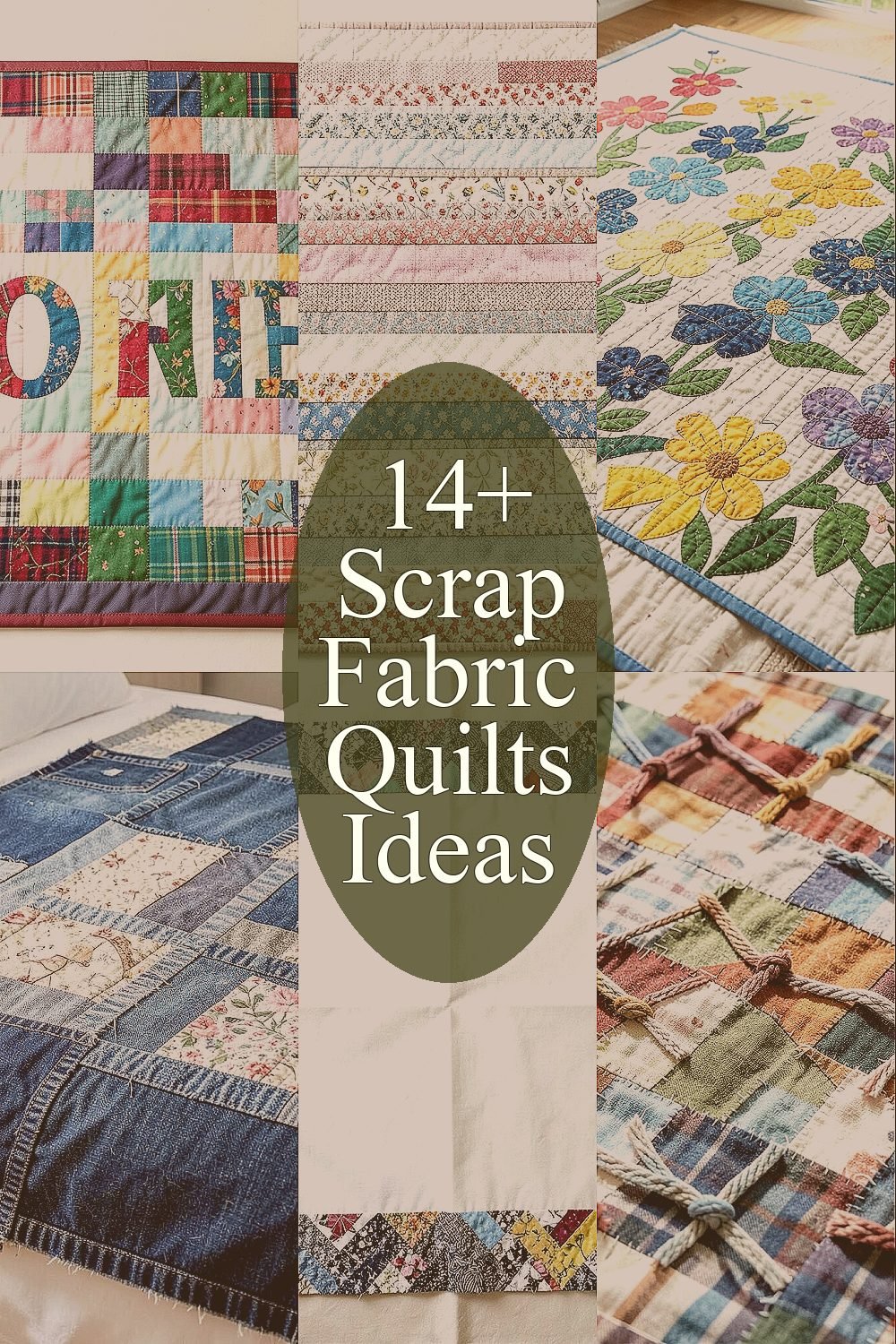
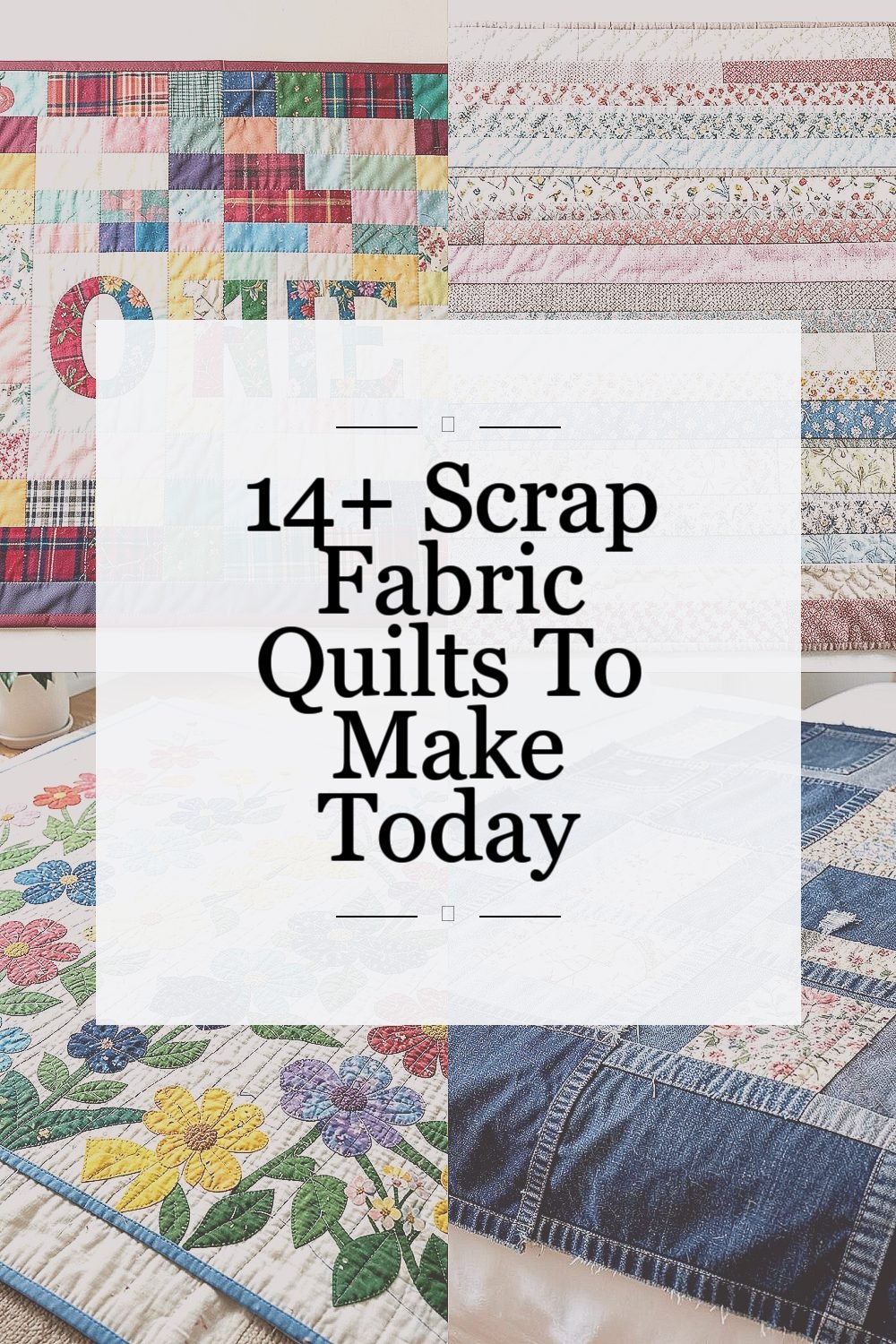
1. Jelly Roll Letters Memory Quilt
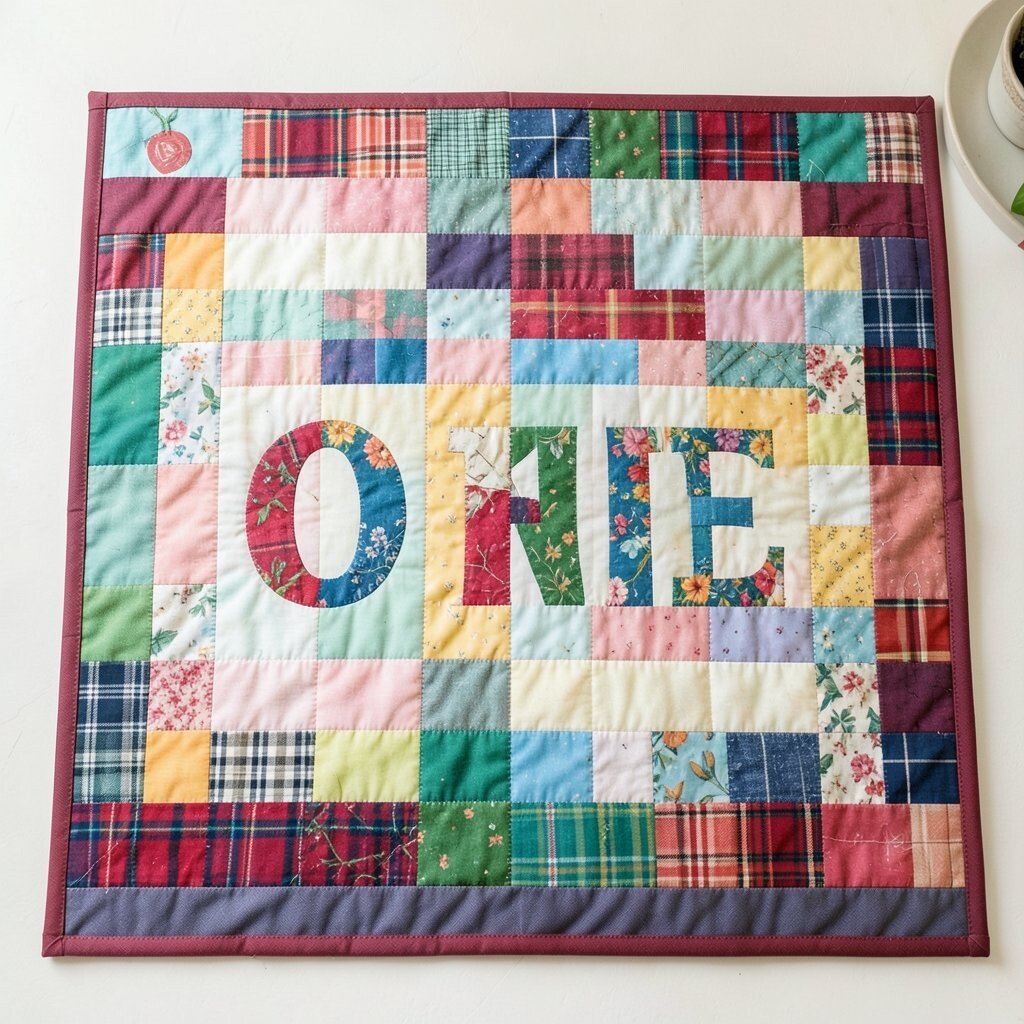
Picture a quilt that spells little moments using ribbon-like strips from old fabric. The colors look playful from a distance, then you notice each strip came from a shirt, a curtain, or a favorite dress.
This design helps you use long scraps without forcing tiny triangles too early. It also gives you a clear way to personalize with names, dates, or funny words that match your family stories.
To keep it tidy, sort strips by width first and press them smooth. Then lay them out like a simple word trail, stitch with consistent seam allowance, and square up as you go. If you want a cozy look, choose flannels for the background and brighter cottons for the message strips.
2. Scrappy Rail Fence Lap Quilt
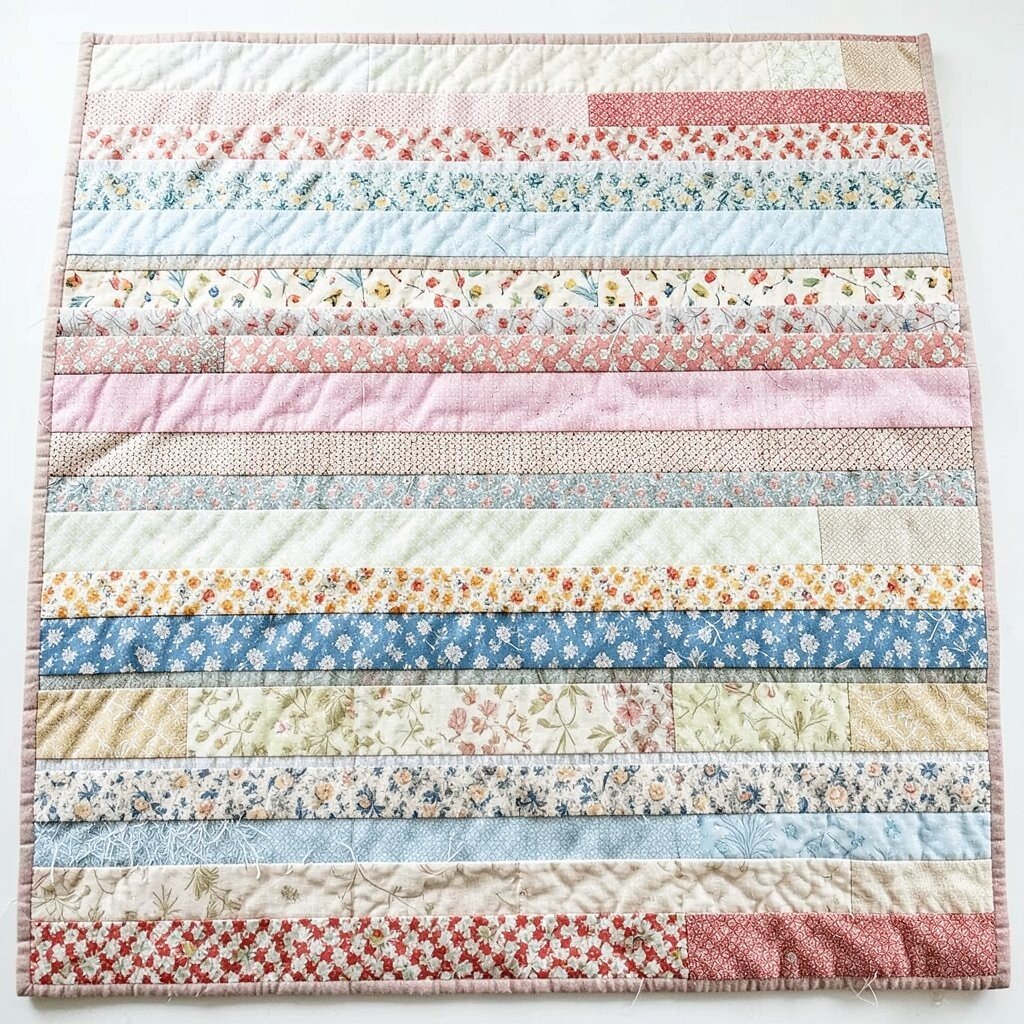
Imagine rows that look like gentle waves, stacked in neat rails. Bright scraps peek between calmer fabrics, creating a rhythmic pattern that feels both modern and homey.
This quilt is great when you have lots of medium-size pieces like squares from previous projects. You get a strong layout even if your scraps vary, and it stays beginner friendly because the blocks follow a simple rule.
Cut scraps into uniform strips, then alternate them like a staircase. Try using two or three color “families” so the quilt looks planned, not random. For cost control, choose one background fabric you already own and spend your energy on using up the rest.
3. Patchwork Flower Garden Quilt
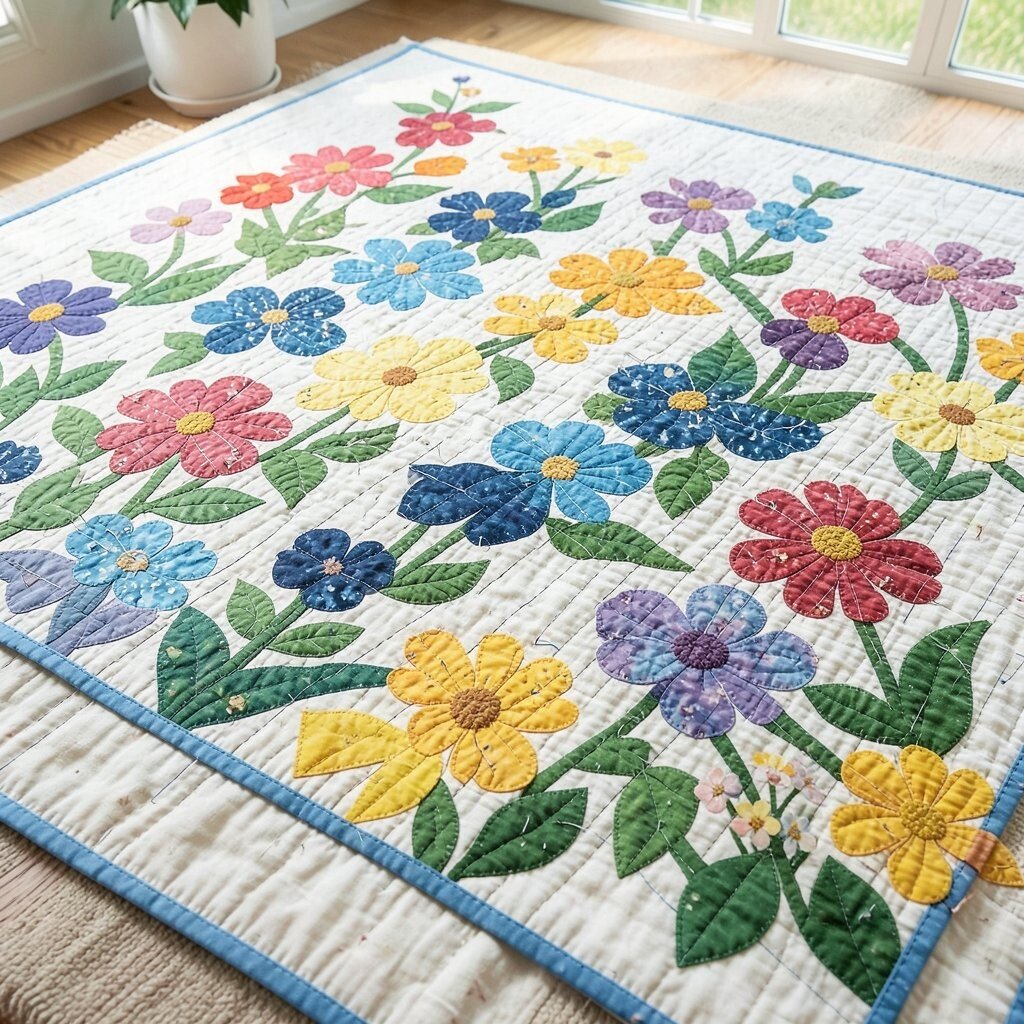
See small fabric blooms opening across the quilt like a sunny yard. Each flower shape brings a sweet splash of color, even if your scraps are only a handful of shades.
This style is unique because it turns leftover scraps into a clear theme you can keep adding to. It also gives you an easy personalization path by matching the fabric to your favorite garden colors or even your real yard plants.
Start with one flower pattern template you like, then cut petals from your brightest scraps and leaves from darker ones. Keep the seams pressed flat so the petals look crisp, and mix prints with solids to balance the busy areas. If you want it to feel current, try a limited palette with one bold print per flower instead of mixing everything at once.
When you quilt it, straight lines work great for a clean look, while tiny diagonal lines add a soft hand-made feel. This quilt is a smart choice if you want a “show piece” without buying new fabric.
4. Denim and Cotton Story Quilt
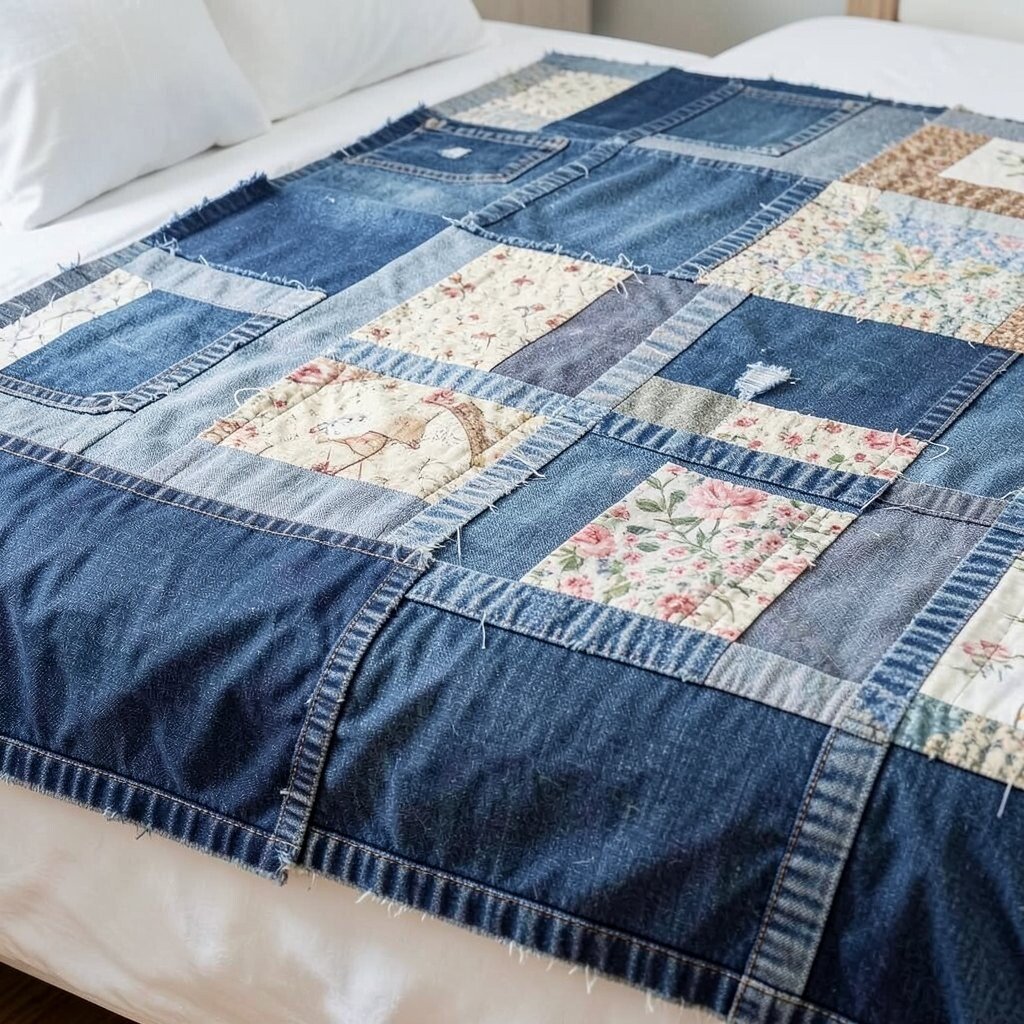
Picture a quilt where sturdy denim panels sit beside softer cotton prints. The texture feels tough and cozy at the same time, and you can almost hear the old jeans rustle in the seams.
This quilt benefits from using thicker scraps that might otherwise be hard to match. It also lasts a long time, which makes it a great option for beds with lots of activity.
Trim denim scraps into rectangles, then pair them with smaller cotton blocks to keep the overall size balanced. Use a stronger needle for sewing denim, and press seams carefully to avoid bulk. To personalize, include a “timeline” layout where older fabrics appear in one section and newer ones in another.
For cost considerations, denim is often free or low cost if you have worn jeans or thrift finds. In recent craft trends, texture-forward quilts are popular, and this one naturally fits that vibe.
5. Scrappy Herringbone Edge Quilt

Imagine a quilt border that looks like a tidy fishbone pattern, made from leftover strips. The center can stay simple, letting the edge details steal the show.
This design is unique because you use scraps where they matter most, without needing to perfect every block. The herringbone effect also helps hide small irregularities in your fabric pieces.
To get the clean look, cut matching strip widths and press them flat before sewing. Build the border first, then add a calm backing area that stitches smoothly. If you want a modern twist, choose a monochrome scrap pile and add one pop of color along the herringbone line.
Cost stays low because you can use the scraps as they come, as long as the strip width is consistent. It’s also a smart way to practice a technique without committing your entire quilt to a complex pattern.
6. Cozy Knotwork Scrap Quilt

Picture fabric pieces tied into textured knots across a soft background. The quilt looks playful and plush, like a wearable cuddle turned into a blanket.
This quilt benefits from using smaller scraps and even irregular shapes that you can’t easily square. It’s also quick to assemble because knots hold texture without needing perfect seams for every section.
Choose a base fabric like flannel, then cut scraps into small rectangles. Tie knots with a consistent spacing, and make sure each knot sits flat so the quilt lies nicely. For personalization, use scraps from different seasons in separate rows, like a “fall to spring” color arc.
From a cost angle, this is a great project because you need less cutting precision and less fabric overall. It also fits current trends toward tactile, cozy home decor that looks handmade.
7. Quilt of Many Sashes
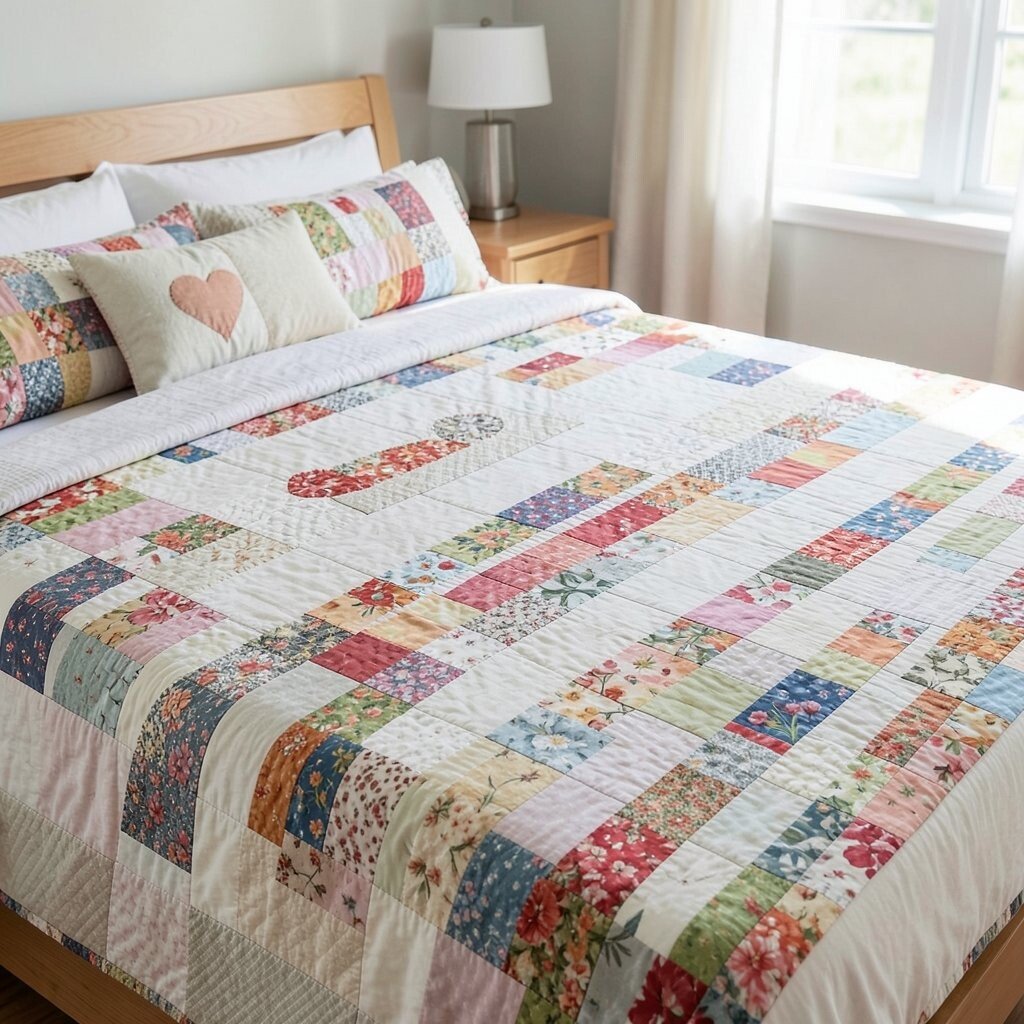
Imagine a quilt where strips and sashes create movement, like lanes of color stretching across the bed. Even if your scraps are tiny, the spacing helps them feel intentional.
This style is practical because it turns imperfect scraps into a balanced layout. The sashes act like breathing room, so busy prints don’t overwhelm each other.
Cut scraps into small squares or rectangles, then set them into rows separated by sashing strips. Use a light solid for the sashes if you want the colors to pop, or choose a neutral print if you want a softer look. To personalize, plan a “hidden message” by arranging a few key blocks to form a small symbol or heart.
For cost considerations, you can use low-cost solids for sashing and rely on scraps for the fun parts. This quilt looks great in living rooms right now because it feels both casual and crafted.
8. Rainbow Bargello Scrap Quilt
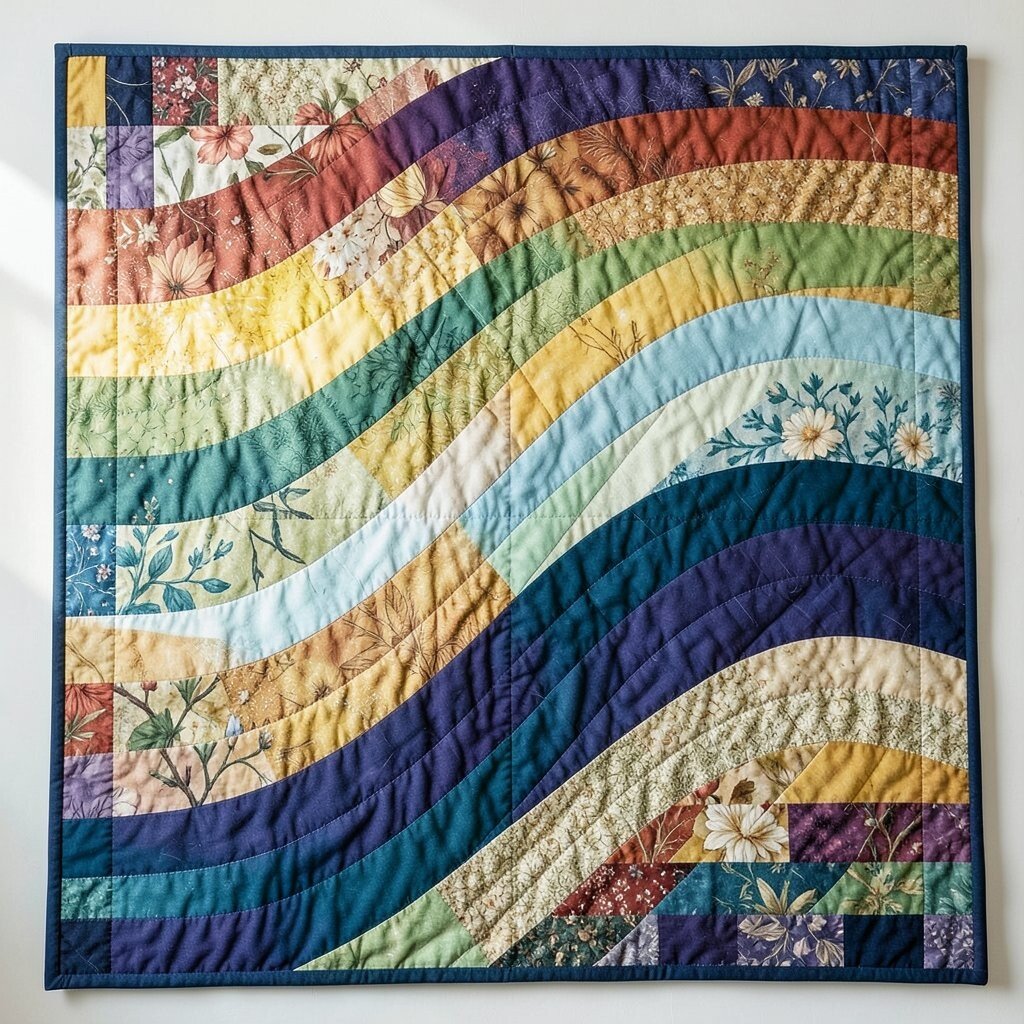
Picture sweeping curves that look like fabric ribbons in rainbow order. The pattern gives instant drama, and scraps blend together in a smooth, flowing way.
This quilt is unique because it focuses on color placement rather than matching tiny pieces perfectly. Bargello-style layouts also let you use long strips or repeated cuts from your scrap stash.
Start by cutting strips from scraps in consistent widths, then stack them so the colors create a gradient. Sew in steps to form angled rows, and press carefully between each row for crisp lines. Personalize by steering the rainbow into your home colors, like teal and gold instead of full spectrum.
If you want a current trend feel, consider using larger-scale prints for the “ribbon” look while keeping the background calmer. Cost stays manageable because you can build the quilt with mostly scraps and only buy a few extra lengths for the needed width.
9. Scrappy Log Cabin with Big Corners

Imagine classic log cabin blocks, but with a joyful twist of oversized corners. The quilt looks sturdy and welcoming, like a warm cabin blanket with a little personality.
This quilt helps you use scraps of different values, from light to dark, without losing the pattern. It’s also a strong choice for beginners because each block follows a repeatable sequence.
Cut squares or rectangles for the center and wrap strips around them, alternating directions as you build. Keep your light pieces near the center for a bright focal point, then surround them with darker strips for contrast. For personalization, add themed fabrics in certain blocks, like floral for the spring months or stripes for a sporty vibe.
Cost considerations are friendly since log cabin quilts can grow from whatever scrap sizes you already have. If you want to stay on trend, choose a modern color set with high contrast and simple backgrounds.
10. Scraps into Stitched Stars Throw
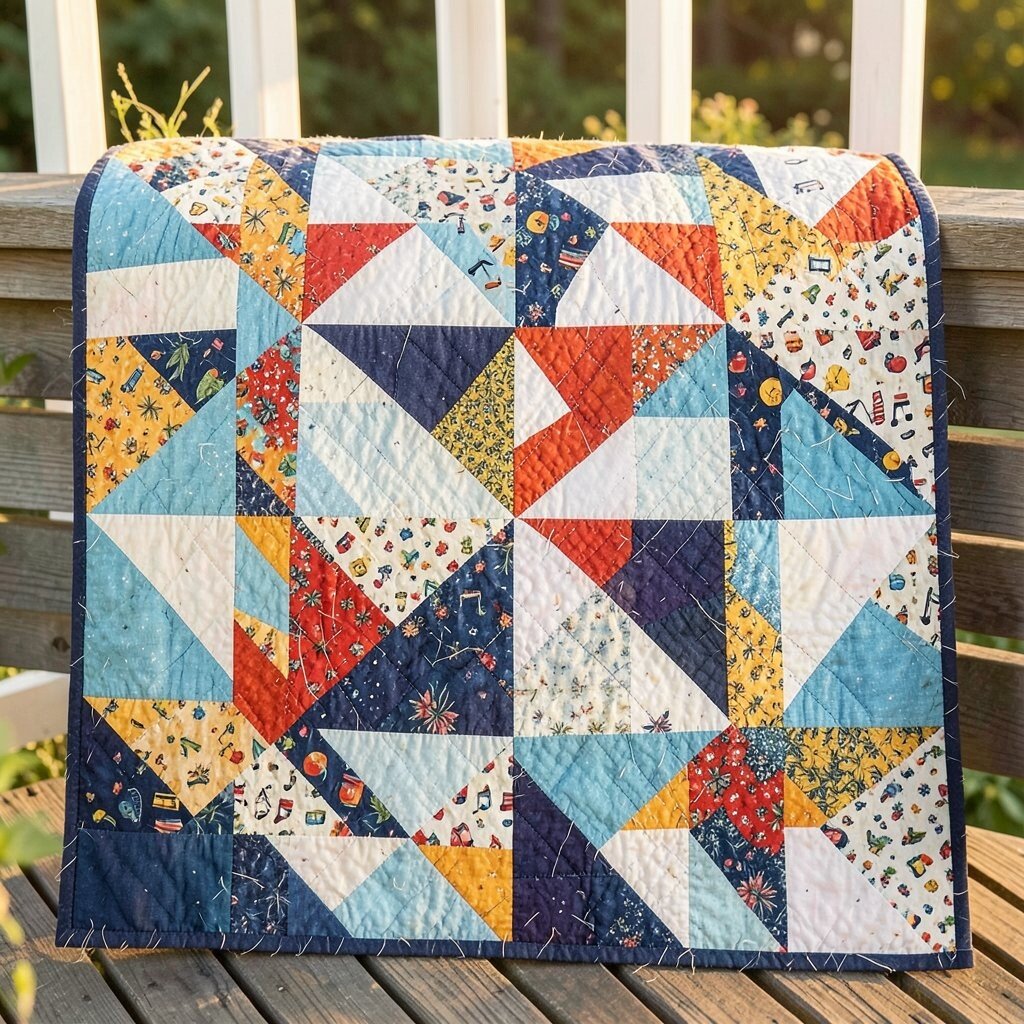
Picture star points made from leftover fabric that still carry their original prints. The stars feel bold and cheerful, like they belong on a sunny porch at golden hour.
This quilt benefits from cutting your scraps into triangles and using them where angles make sense. Even if some pieces are mismatched, the star shapes help them look coordinated.
Use a simple star pattern that builds from triangle units, then press seams toward the darker fabric. Lay out a few blocks first so you can adjust color balance before sewing everything. Personalize by mixing favorites like music-themed fabric with tiny solids to keep the quilt readable.
To keep cost low, use scraps for the star points and reserve any new fabric for the backing if you truly need it. Star quilts are a steady favorite in current quilting styles, especially when made with bold colors and clear contrast.
11. Farmhouse Plaid Scrap Blanket

Imagine a quilt that looks like layered plaid, built from scraps arranged in tidy rows. The surface feels calm and familiar, with gentle lines that hold your eye.
This design is practical because you can use strips in consistent sizes, even if the scraps come from different projects. It also creates a comfortable style that suits many rooms and seasons.
Sort scraps into color groups, then cut into strip lengths that match how thick you want your plaid lines. Sew vertical and horizontal rows, and square up each section to prevent wobble. Personalize by adding one “special plaid” block in the center made from a sentimental fabric like a baby onesie or old work shirt.
Cost considerations are simple: plaid looks good with a limited palette, so you don’t need a huge variety of scraps. In recent home decor trends, farmhouse textures and warm neutrals are popular, and this quilt naturally fits that trend.
12. Scrappy Mini Quilt Stack Wall Quilt

Picture a quilt made as a set of small panels, each one telling its own color story. When you hang it, the pieces look like a stack of gifts, and every panel sparks curiosity.
This quilt benefits from using tiny scraps that are too small for big blocks. It also gives you an easy personalization plan, since each panel can represent a theme like “travel,” “hobbies,” or “holiday favorites.”
Cut small squares or rectangles, then arrange them in panels with a consistent border. Stitch each panel separately and then join them into a larger layout, which helps you control mistakes. Use a consistent thread color for the topstitching look, or choose a neutral backing so the focus stays on the scraps.
For cost considerations, this is a low-buy project because you can make it with what you already have. It matches current trends toward patchwork wall art that looks cozy without needing a full bed quilt.
13. Woodland Scrap Forest Quilt

Imagine trees, leaves, and forest shadows made from fabric scraps. The quilt looks like a gentle nature scene, with textures that feel layered and real.
This quilt is unique because it turns everyday scraps into a clear story you can grow over time. You can personalize it for kids or your own home by picking fabrics that match forests you’ve visited or colors you love.
Use applique or simple block silhouettes to form tree shapes, then add layered leaves using smaller scraps. Keep edges tidy by using a stabilizer if your scraps are stretchy, and baste carefully before final stitching. For a fresh trend look, choose a limited earth palette and let one bright “bird” or “flower” fabric act as a focal point.
Cost stays reasonable since applique can use scraps for nearly everything, while only the backing may need extra fabric. The result looks impressive even when you use what you already have.
14. Scrappy Striped Binding Love Quilt
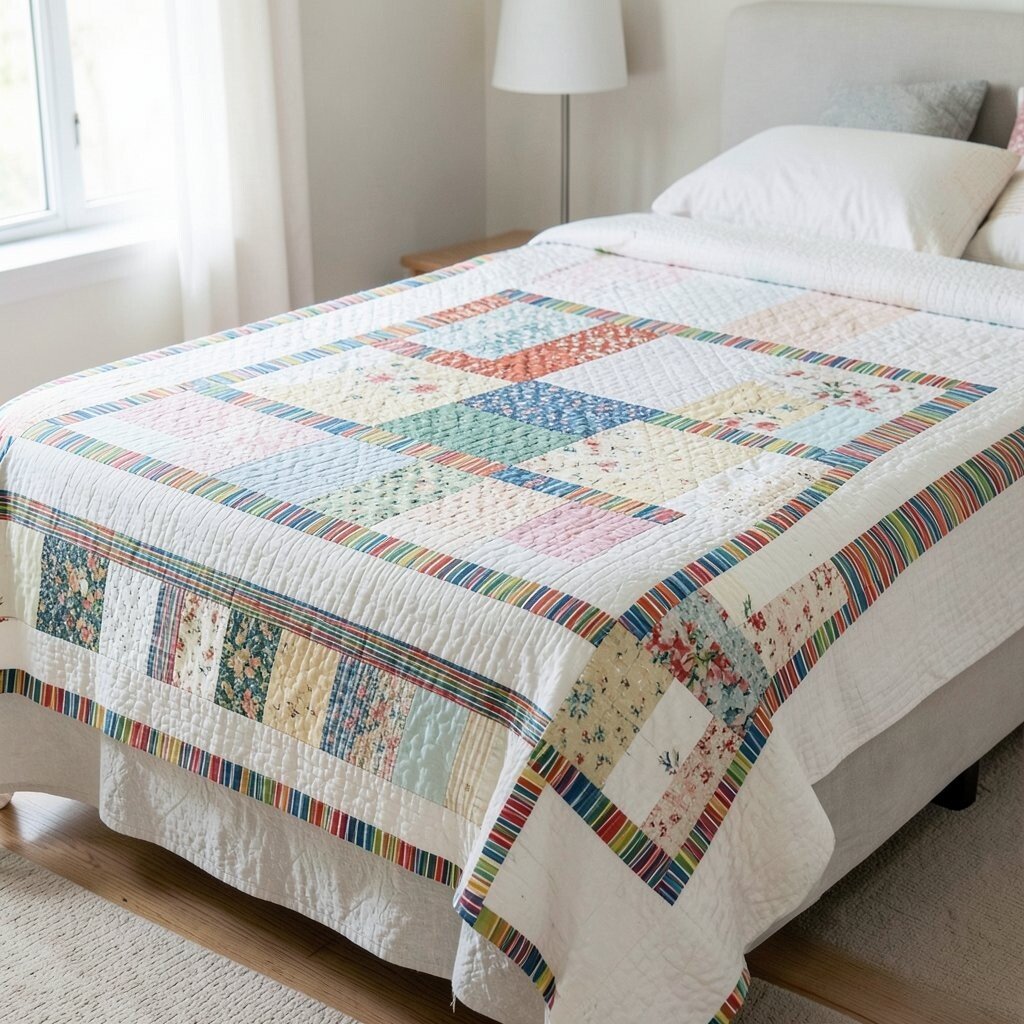
Picture a quilt where the main panels are simple, but the binding steals the spotlight. The edges look like a rainbow frame, and the whole quilt feels finished and polished.
This quilt benefits from using scraps in an easy, practical way because binding only needs straight edges. It also helps you use narrow strips that might be too small for blocks.
Collect strips and sew them into a long binding strip, then press the seam allowances to reduce bulk. Use a solid top with classic block shapes, and let the binding provide the personality and color rhythm. Personalize by matching the binding to your favorite accent colors in the room where the quilt will live.
For cost considerations, binding is a low-waste use of scraps, and you can often avoid buying extra fabrics beyond the backing. Binding-focused finishes are popular right now because they look intentional even when the top is calm.
15. Everyday Scrap Squares with Quilt-As-You-Go

Imagine a quilt you build while sitting comfortably, adding blocks that already look quilted as you go. The texture looks cozy and forgiving, like a blanket that’s ready for everyday life.
This quilt is unique because quilt-as-you-go style helps you manage scraps without worrying about perfectly finished seams later. It also keeps things practical for smaller batches, so progress feels constant and satisfying.
Choose a simple block, like squares in mixed sizes, and layer each block with batting and backing before stitching. Quilt each section, then attach new sections one by one to grow the quilt. Personalize by using your most meaningful fabrics as “hero blocks,” and balance them with calmer scraps so the message stays clear.
Cost considerations are strong here since you can use scraps for the top and choose inexpensive batting. If you want a trend-forward look, keep the quilting lines bold and visible, which is a common style in modern scrap quilting.
When you finish, the quilt already has texture and structure, so it feels warm right away and lasts through daily use.