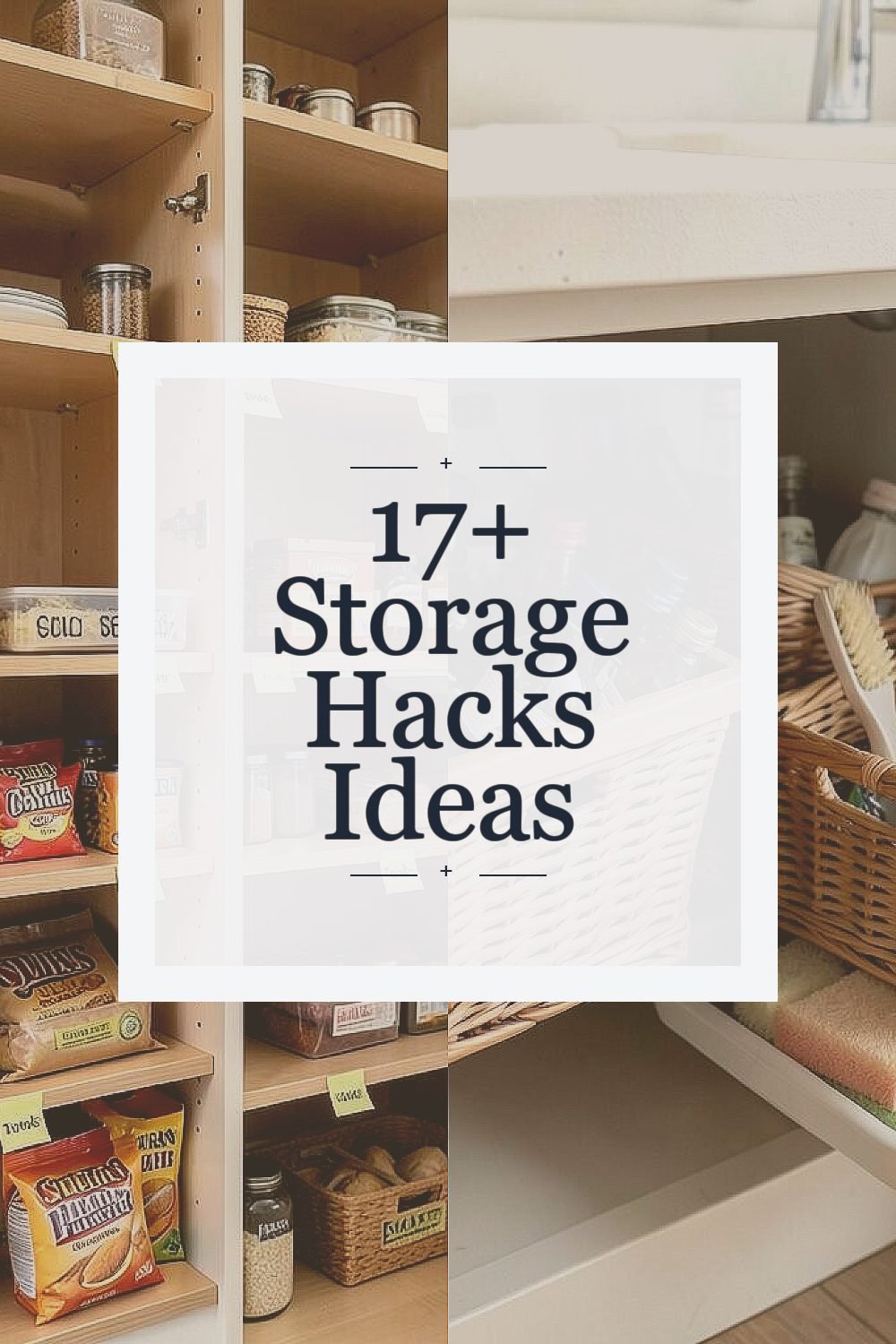
The mess in your home rarely needs more effort than smarter hiding spots. With a few small changes, everything can feel lighter and easier to manage.
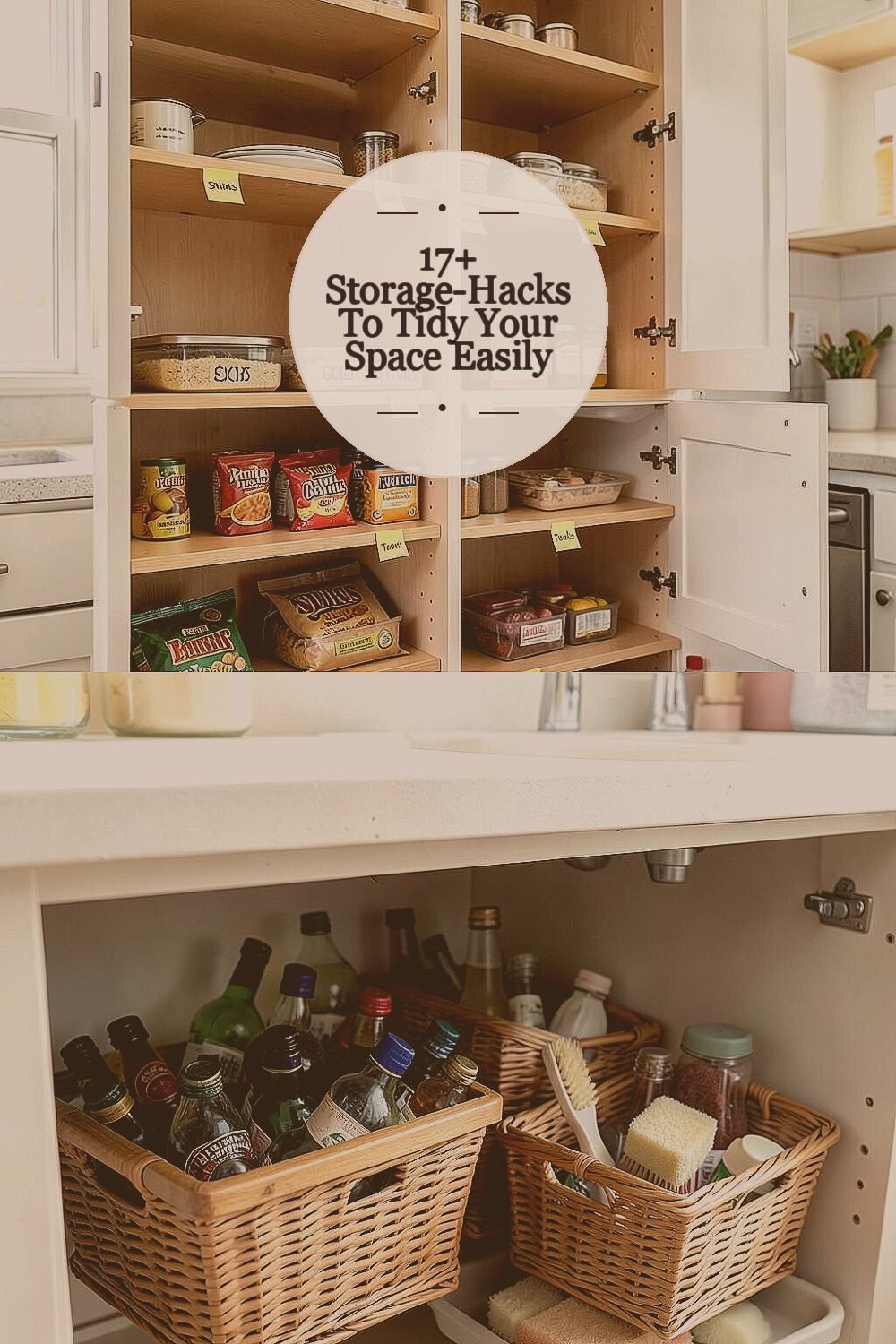
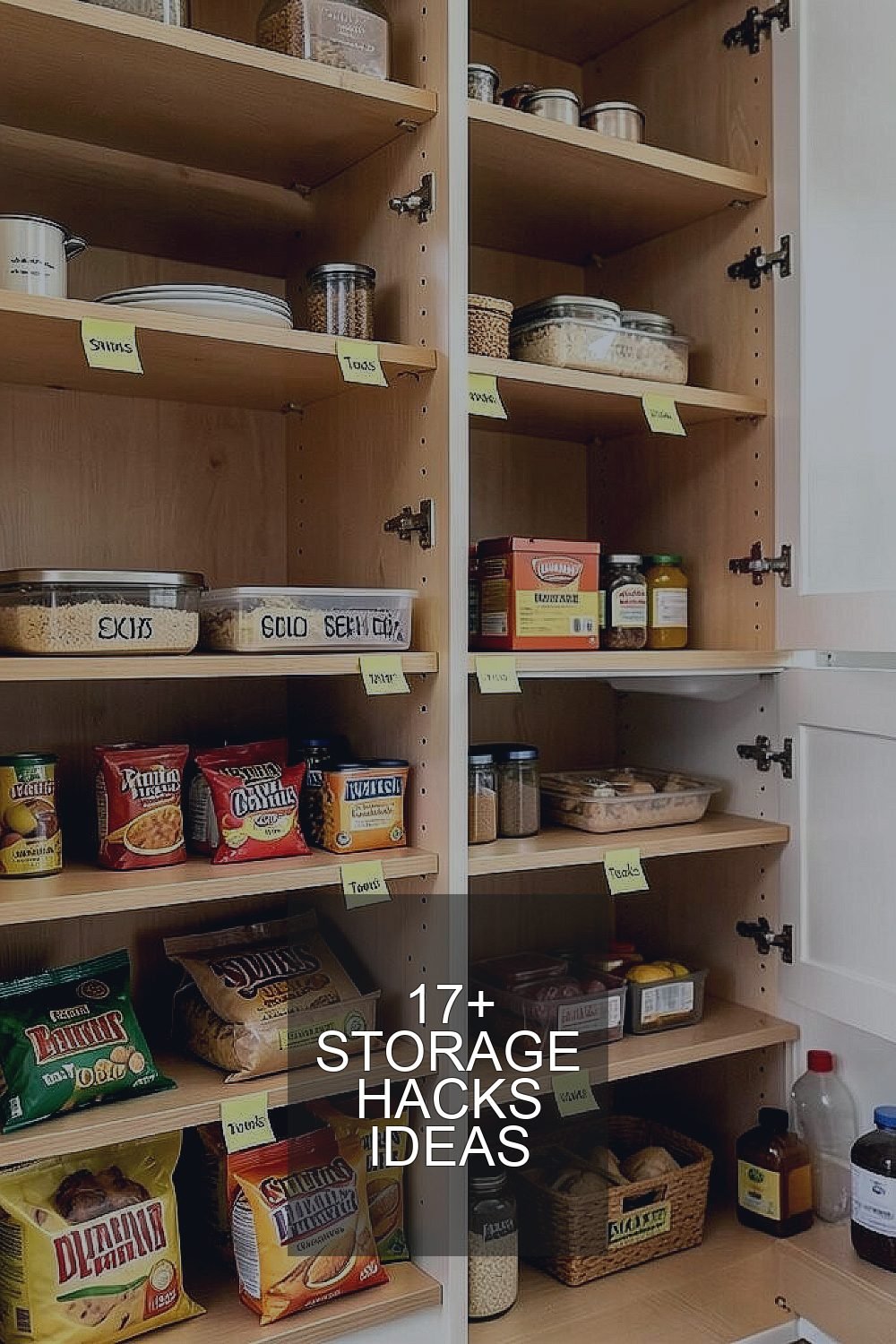
1. Label-Free Cabinet Zones With Sticky Notes
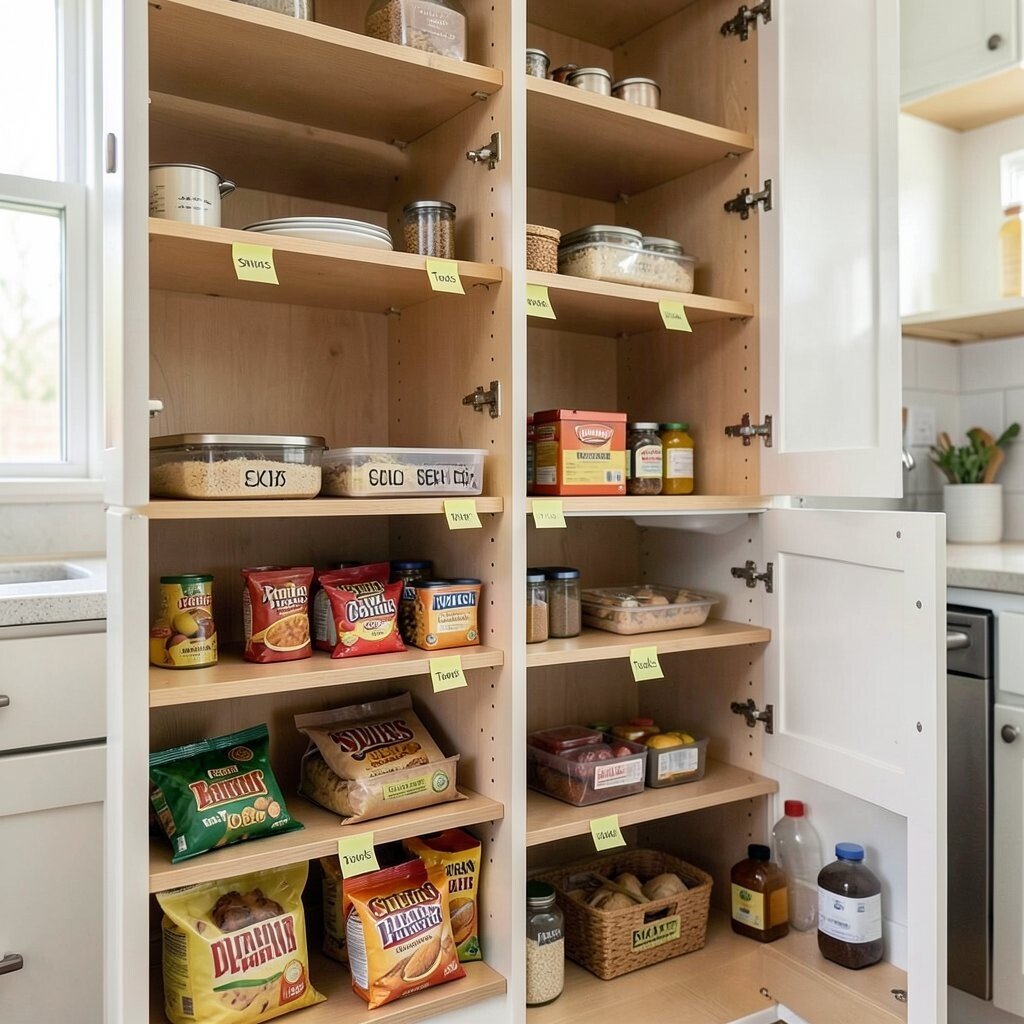
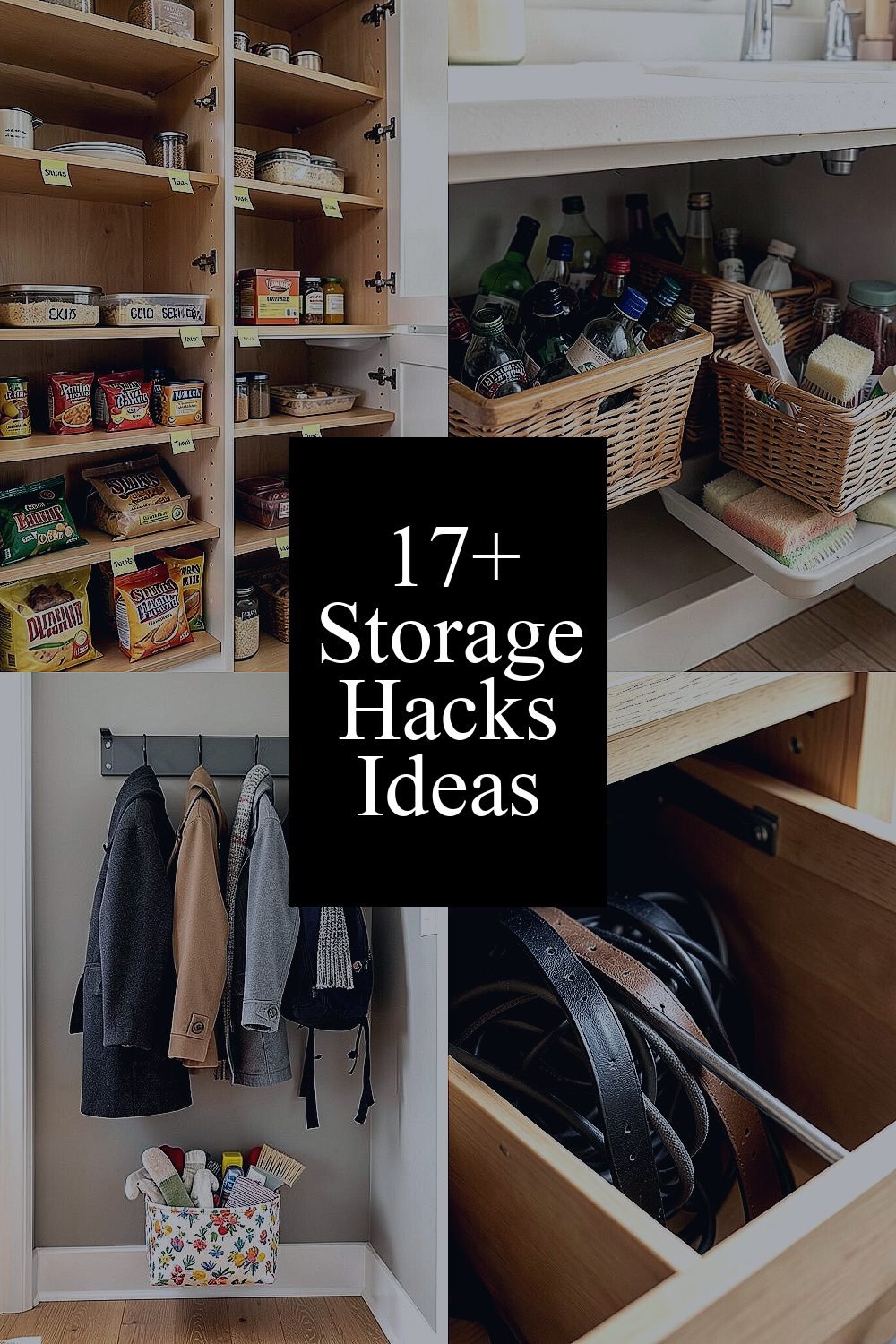
Walk into a room and imagine the cabinets split into clear zones, even if you do not see markings yet. Place a small sticky note on the inside edge of each shelf so you can remember where things belong.
You will love how fast you can put things away because your brain stops guessing. Keep categories simple, like “snacks,” “baking,” or “tools,” and write using big letters you can read from across the kitchen.
2. The Under-Sink Basket Swap That Instantly Reduces Chaos
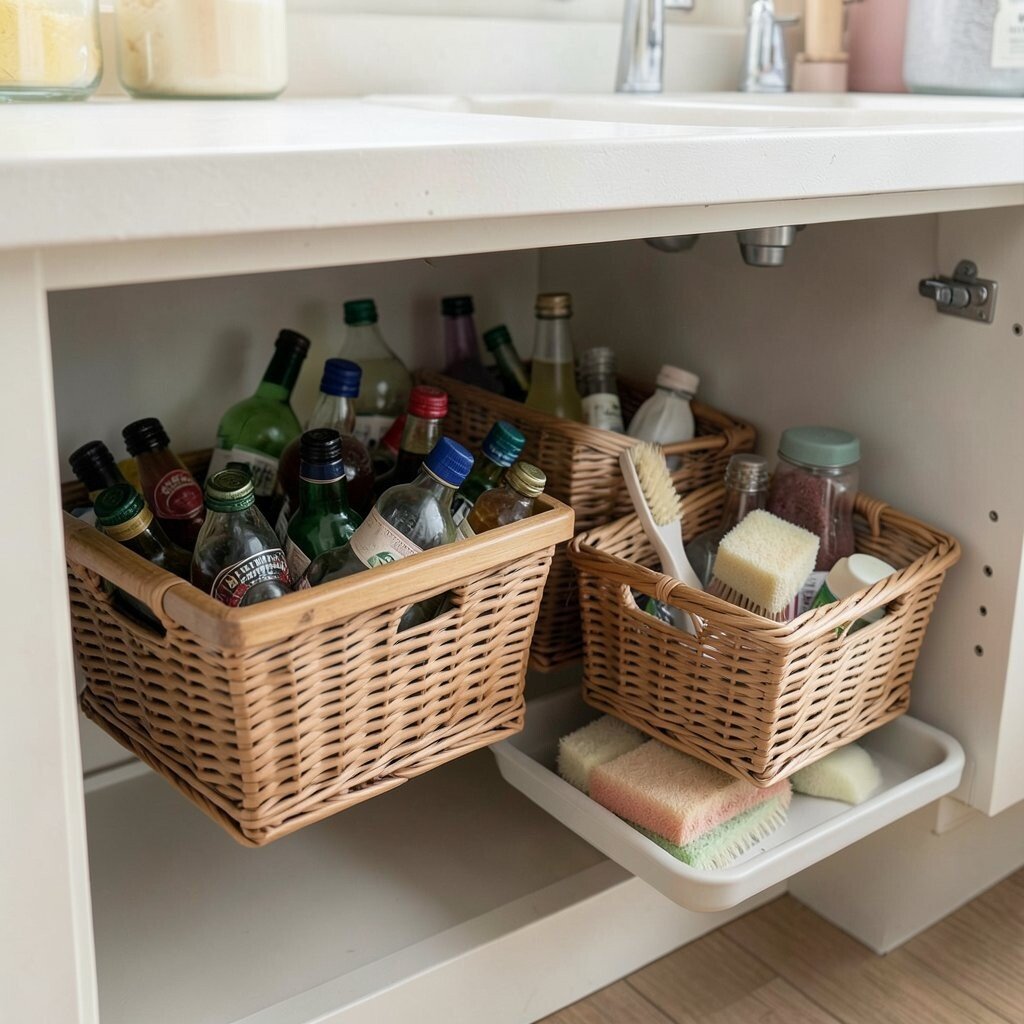
Look under your sink and notice how bottles roll into each other like they are sharing the same tiny parking spot. Replace loose bottles with two matching baskets so everything has its own lane.
Choose baskets with handles so you can pull them out while cleaning, instead of doing awkward juggling. You can also add a shallow tray for sponges and brushes so they do not turn into a damp pile.
This simple swap makes spills easier to catch and helps you see what is running low. People love this approach right now because it uses everyday storage that feels neat without expensive organizers.
3. Turn Hanging Rails Into a Vertical “Drop Zone”
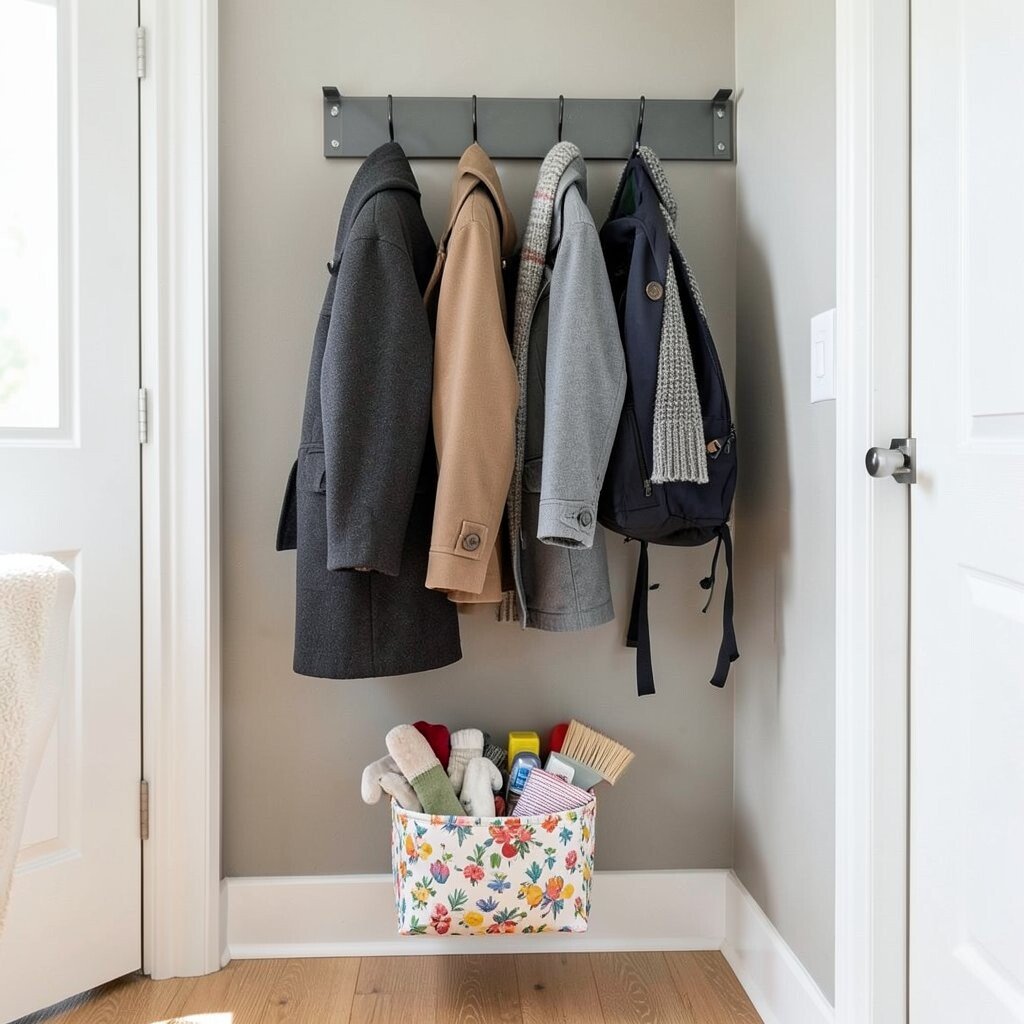
Take a spare hanging rail in the entryway or closet and give it one job that you keep consistent. Set up a hook row for bags and a bar area for everyday items you grab on busy days.
When coats, scarves, and backpacks hang in the same place, the floor stays clearer. Use a small fabric bin on the bottom rail for mittens or cleaning cloths so small items do not wander.
To personalize, match the bin color to your wall or pick a pattern that looks cheerful even when the bin is full. This costs far less than buying bulky furniture, and it gives you a tidy look right away.
4. Use a Tension Rod for “Belt and Cable Parking”
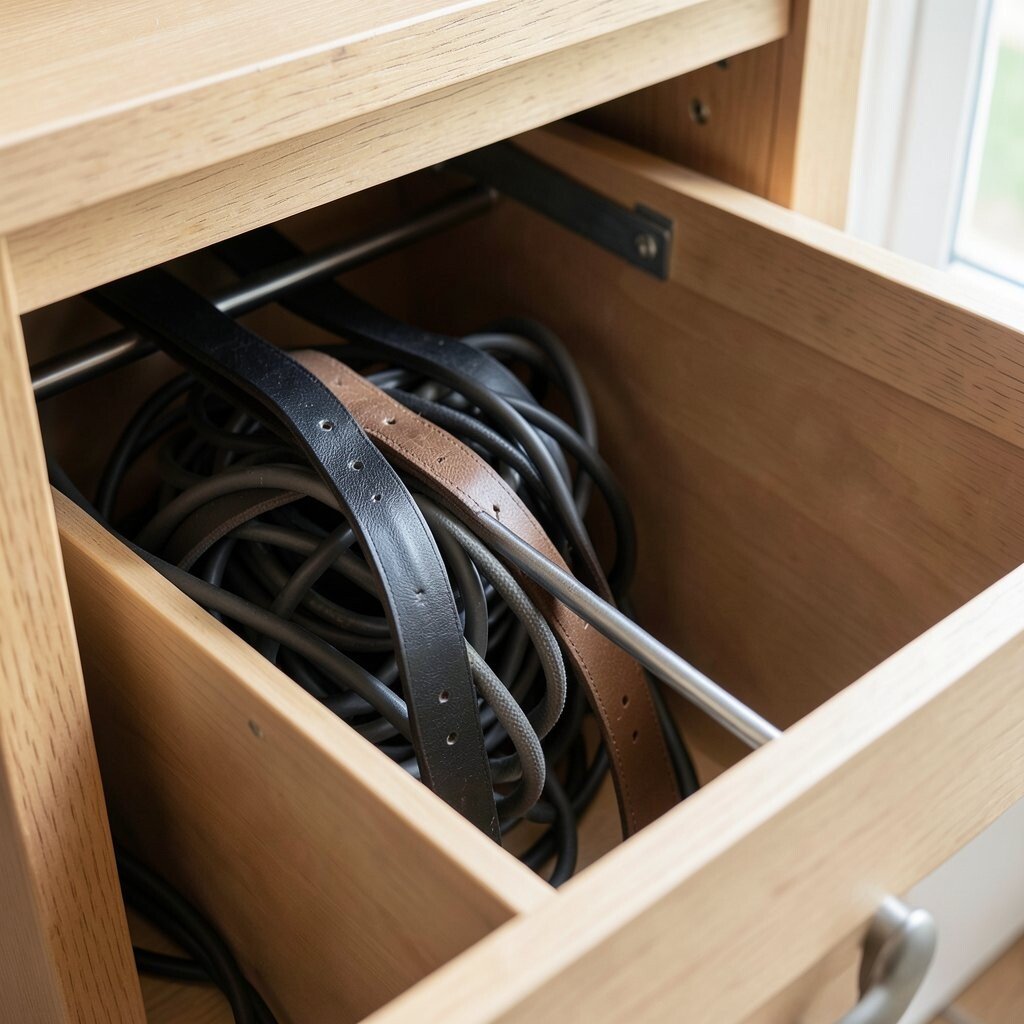
Put a tension rod inside a drawer or closet and suddenly your drawer stops turning into a tangled mess. Slide belts over it, and loop charging cables around it so they stay visible and calm.
Because the rod holds items in place, you spend less time untangling and more time finishing what you started. Choose a rod that is sturdy and sized for your space, then adjust it until it feels snug.
5. Clear Jars for Pantry Items, With One Simple Rule
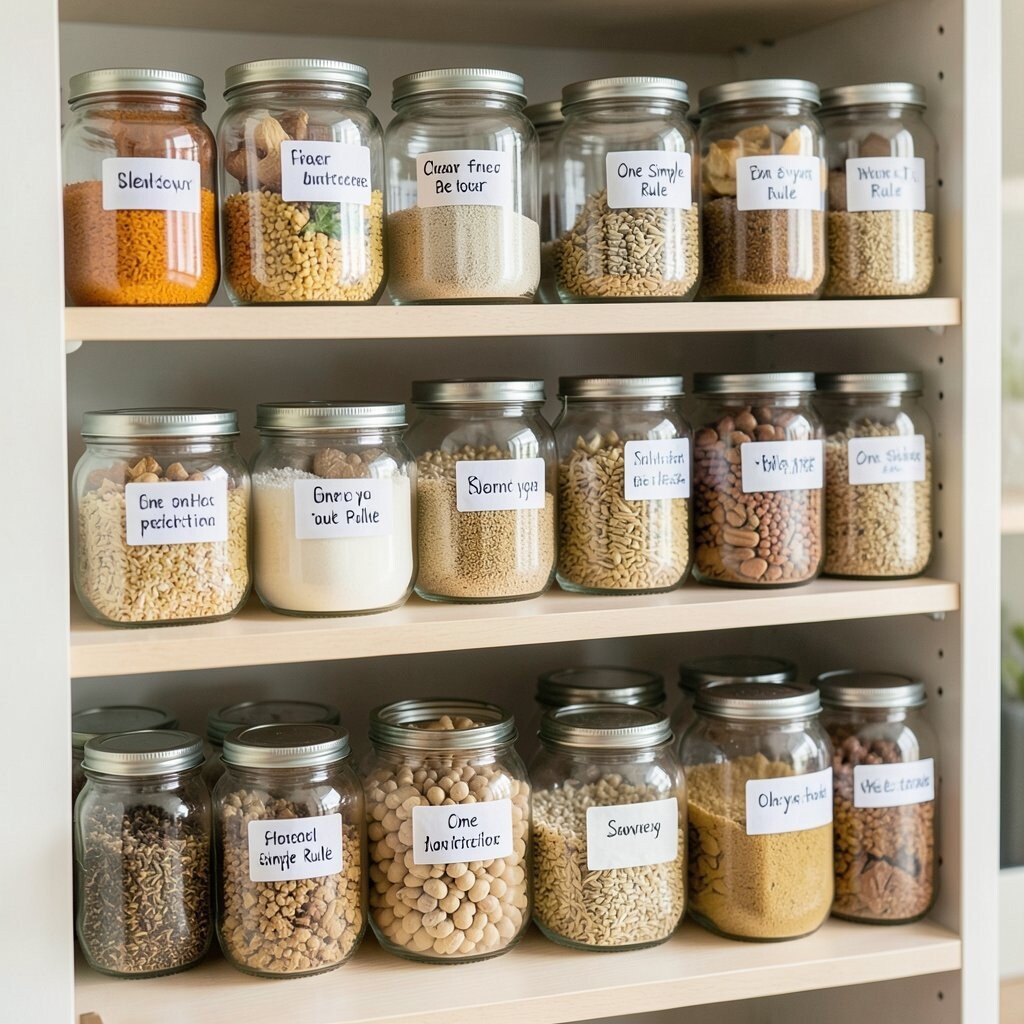
Stand in front of your pantry and picture how much easier it would be if jars showed you what you already have. Use clear jars or containers for dry items so you can spot duplicates and low stock fast.
Keep one simple rule, like storing only similar foods in one shelf lane, so the pantry becomes predictable. When you label, write directly on the lid or use a simple sticker that you can swap when you refill.
This storage feels current because more people are moving from messy bags to clean, transparent setups. It also saves money since you are less likely to buy the same item twice.
6. Drawer Dividers Made From Things You Already Own
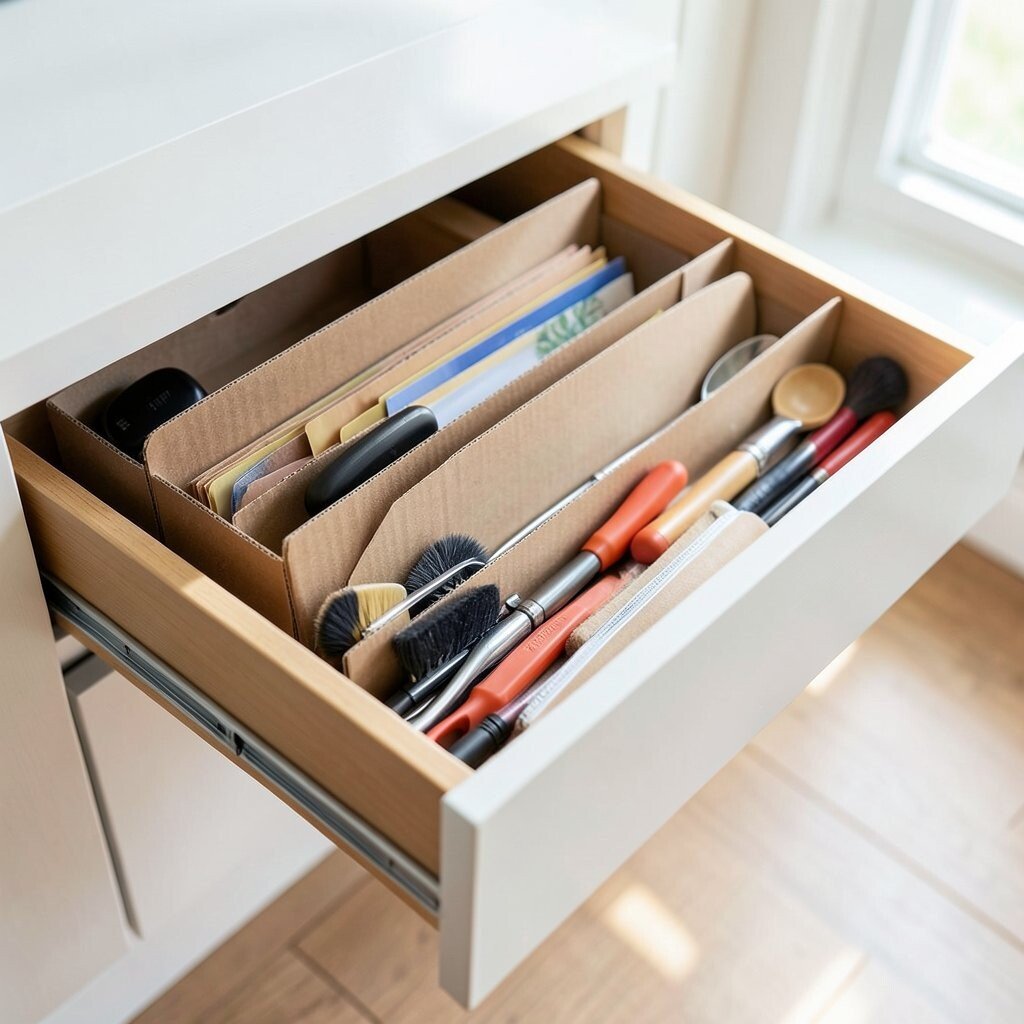
Before you buy new organizers, look around for flat items that can act like dividers. Cardboard from packaging, old file folders, and even small cutting boards can create neat sections inside drawers.
Cut or fold them to fit, then slide them in so utensils, makeup tools, or office supplies stop mixing together. The visual difference is huge, because you will see crisp lines instead of a pile that keeps spreading.
7. The “One Basket Per Person” Method for Shared Spaces
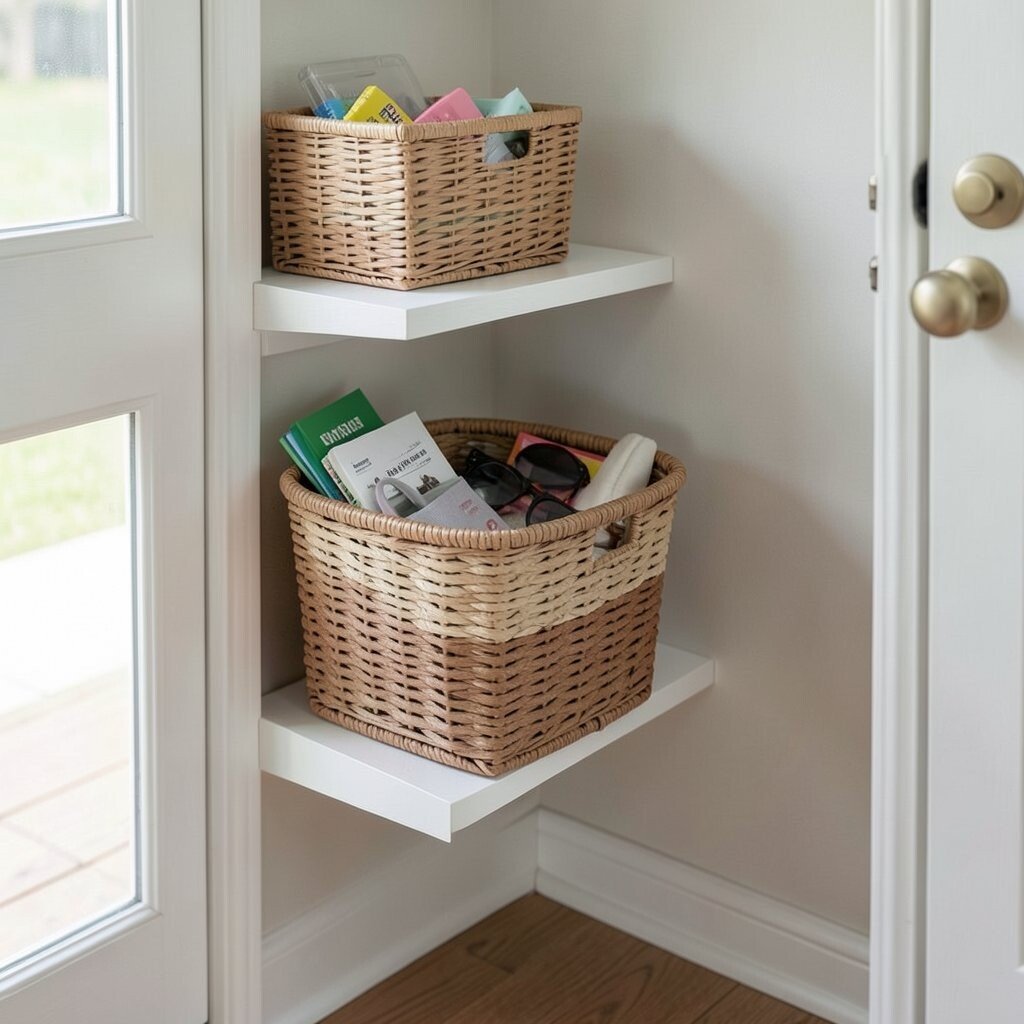
Shared spaces work best when each person has a small zone that is easy to maintain. Place one basket on a shelf or by the door for each household member.
Fill each basket with items that person uses most, like mail, sunglasses, or kids’ small school supplies. When something goes in the basket first, it feels like the home has a rule, and it becomes easier to stay tidy.
This is a popular trend because it supports real-life routines rather than perfect schedules. Personalize by choosing basket colors that match each person’s style.
It also helps with cost since baskets can be thrifted or replaced with sturdy bins you already have at home. Best of all, the mess does not spread into every corner.
8. Fold Clothes by “Landing Area,” Not by Perfection
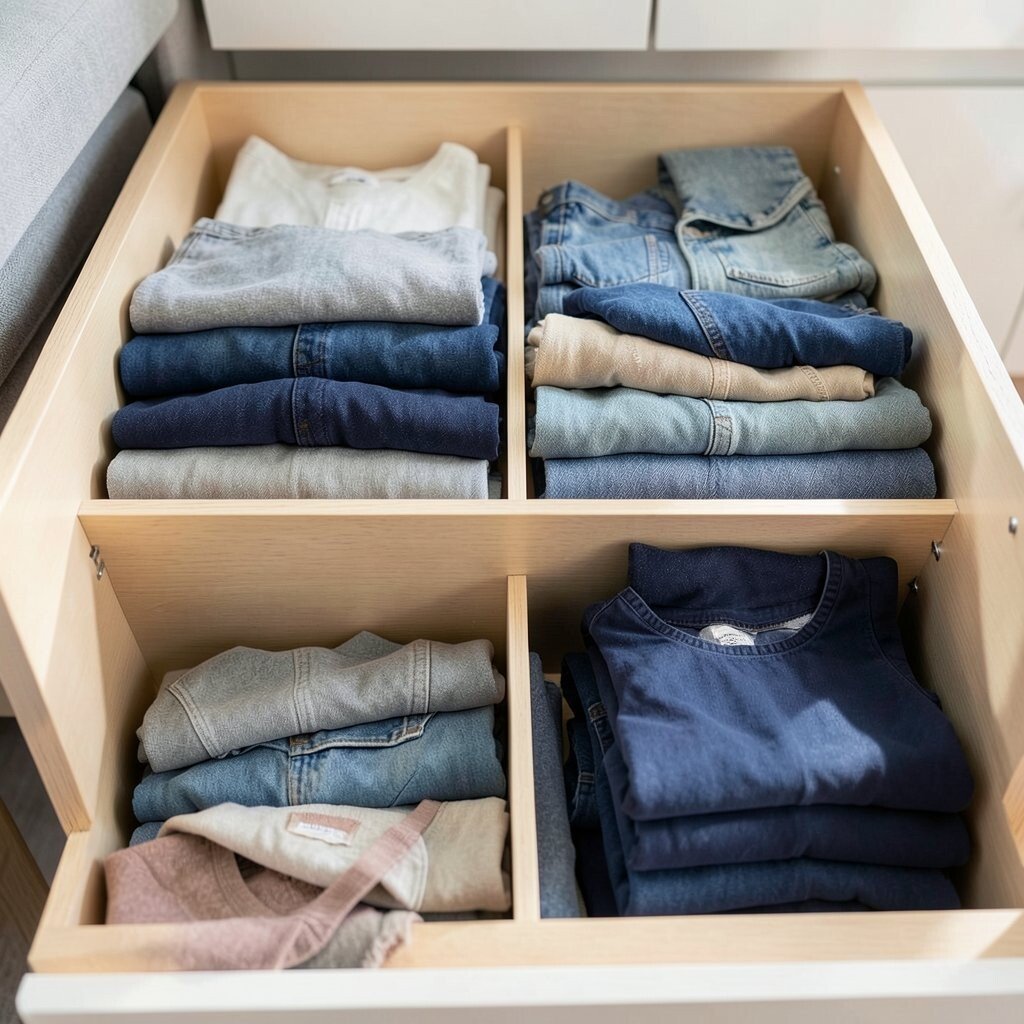
If your folded clothes feel like they collapse every time you open a drawer, it is time to change the folding goal. Instead of chasing perfect stacks, fold for quick landing when you put items away.
Use a drawer layout where each family member or each category has a home that fits how they actually grab clothes. You will notice fewer re-stacks because the clothes look like they belong where they land.
9. Spice Drawer Organizer Using an Ice Cube Tray
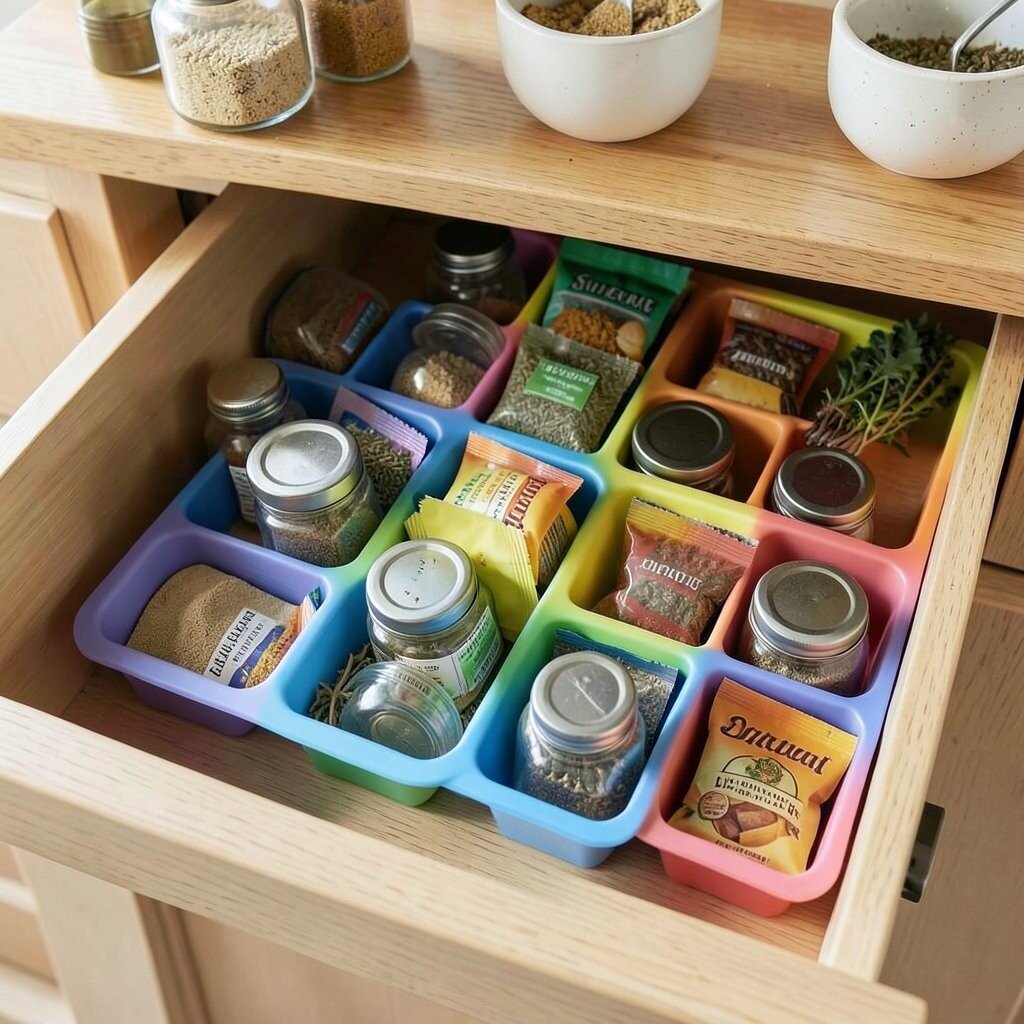
Grab an old ice cube tray and use it as a tiny organizer for spice packets, small seasoning jars, or herb sachets. The tray creates separate compartments that prevent items from sliding around.
Set it inside your spice drawer or on a shelf where you can reach it quickly while cooking. Visually, you get a tidy grid that makes it easier to pick the right flavor without rummaging.
For personalization, spray-paint the tray a color that makes you smile, but keep it food-safe if it will touch items directly. This hack is budget-friendly because most people already have a tray hiding in a closet.
10. Rope or Cord Hooks for “Small Stuff That Floats”
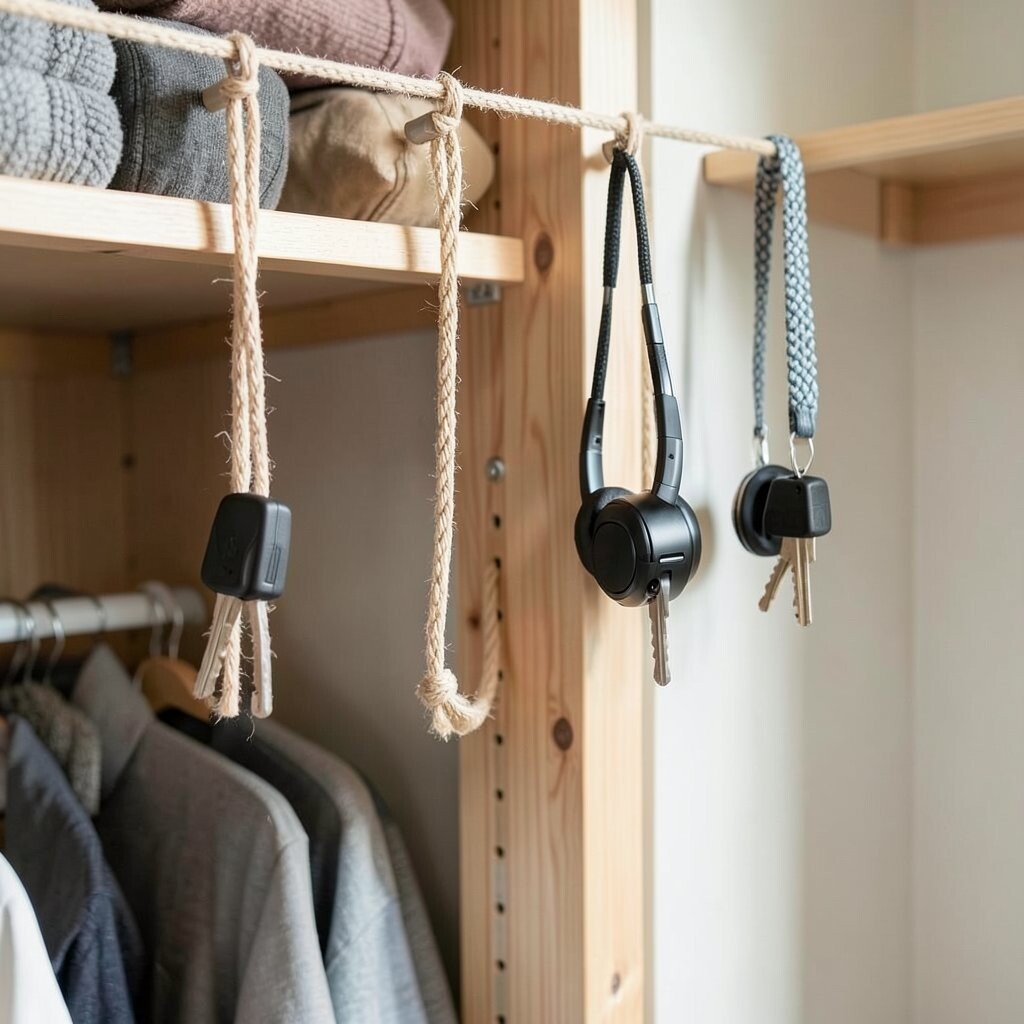
Think about the tiny items that always seem to float around, like headphones, keys, or lanyards. Install simple hooks, or tie a short rope line in a closet to create a quick parking spot for these pieces.
When you keep small items on display instead of in random pockets, your room feels clearer without needing more storage space. The hooks make grabbing and returning faster, and you will stop losing things under couches.
11. Create a “Wrap-Ready” System for Cables and Adapters
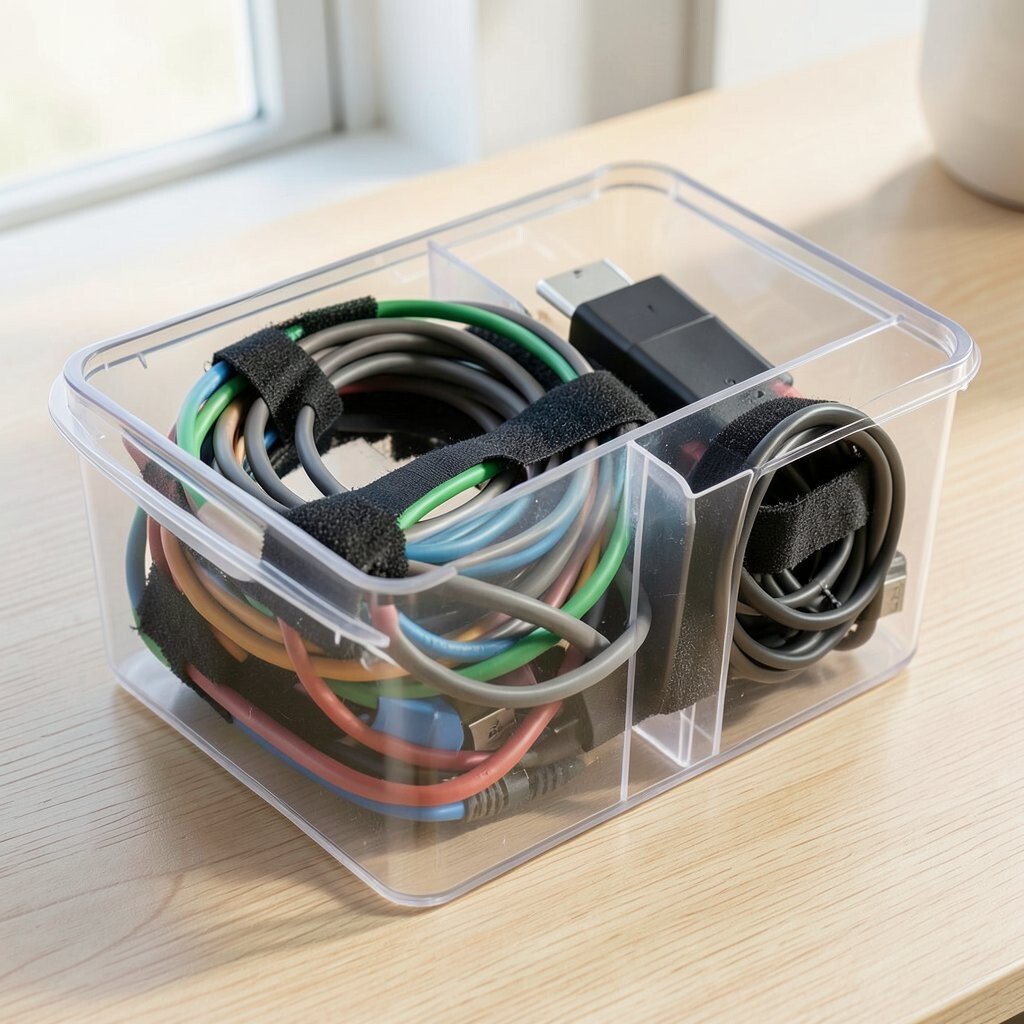
When cables tangle, they steal time and energy, and the storage area starts to look messy. Use Velcro straps or elastic bands to bundle cables, then store them in a single container with dividers.
A clear box makes it easy to see what is inside, and bundling keeps cords from turning into knots. You can even personalize by using different colors for different devices so your brain sorts faster.
This approach fits what many people are doing now, because cable organization is trending in home tech setups. It is also cost-smart since straps and small bins are usually cheaper than specialized cable drawers.
Keep a “travel bundle” ready for chargers you take on trips so you never start from scratch.
12. The Book-Like File for Paper That Stops Piles From Growing
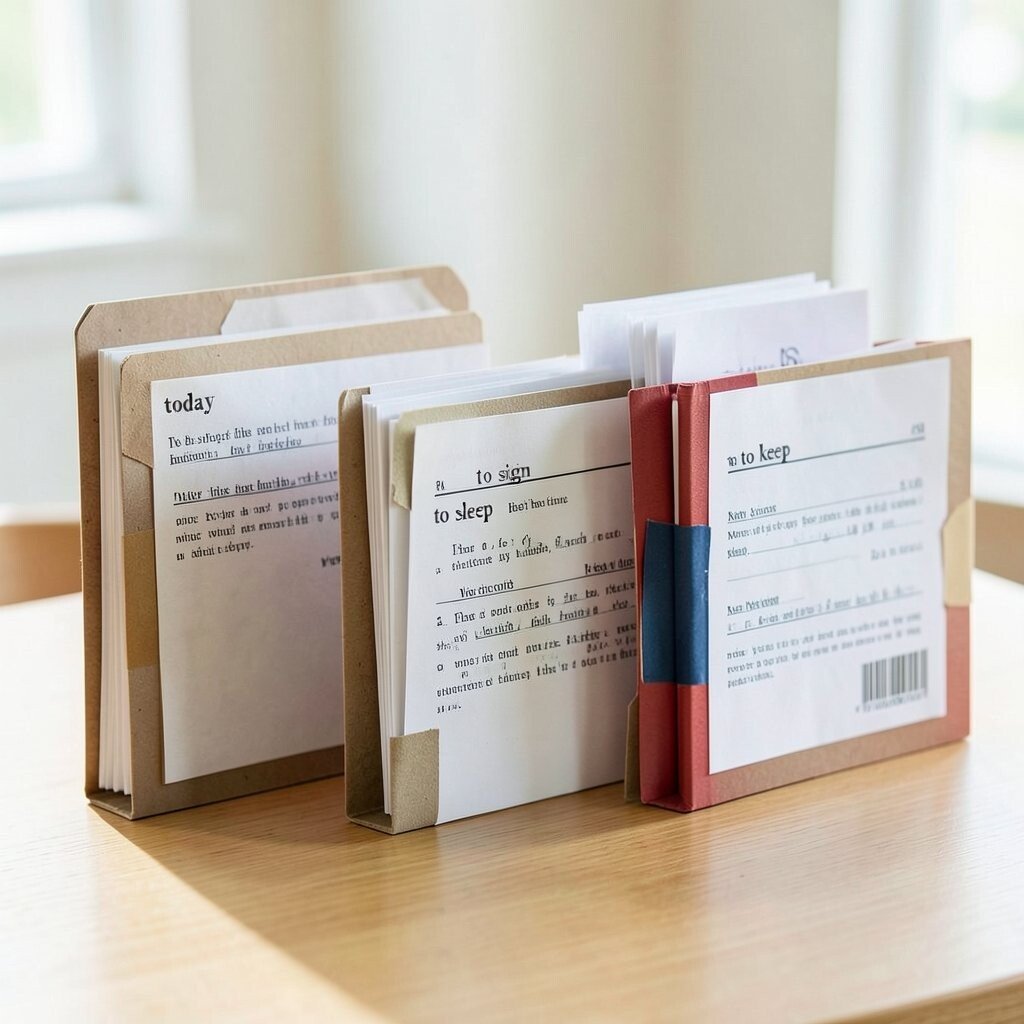
Papers tend to stack because they have no spine, meaning they fall into random piles. Use a file folder turned upright like a little book, and store mail or school papers upright so they stand tall.
Place one folder for “today,” one for “to sign,” and one for “to keep,” then keep them in the same spot each time. The benefit is clear, because you can see what needs action and what is already handled.
Personalize with washi tape on folder edges so each category looks distinct. This costs very little and uses materials you can find in most stores.
13. Use a Pegboard as a Portable Storage Wall
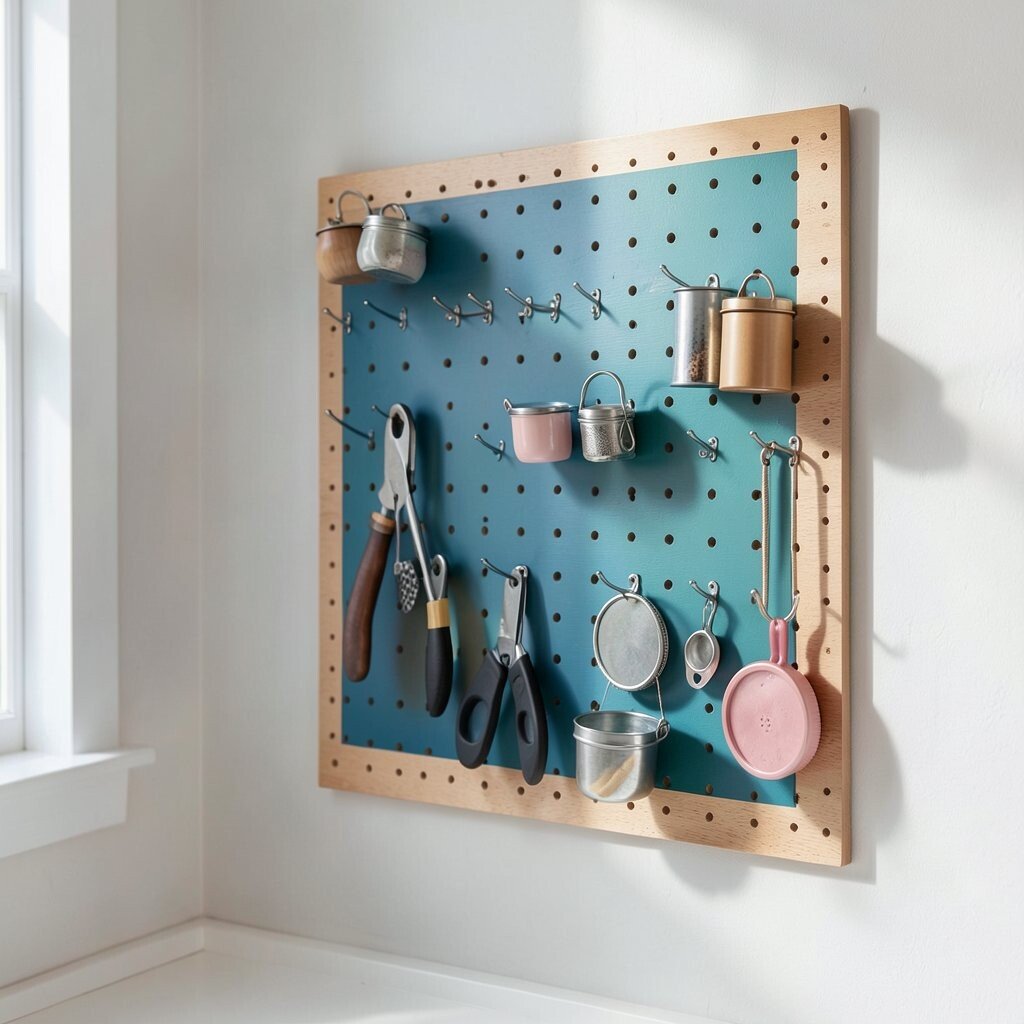
If you want a storage setup that feels both practical and fun, a pegboard is a strong choice. Hang it in a kitchen corner, laundry room, or workspace, then use hooks to hold tools and small containers.
With pegboard, you get a visual map of your supplies, and you can move hooks as your needs change. It looks great because metal and hooks create a neat pattern, and many people are choosing this style for modern homes.
To personalize, paint the board a bold color or keep it classic with a natural finish. Costs vary depending on size, so start small with a small board and expand later.
14. Shoe Storage That Holds More Than Shoes
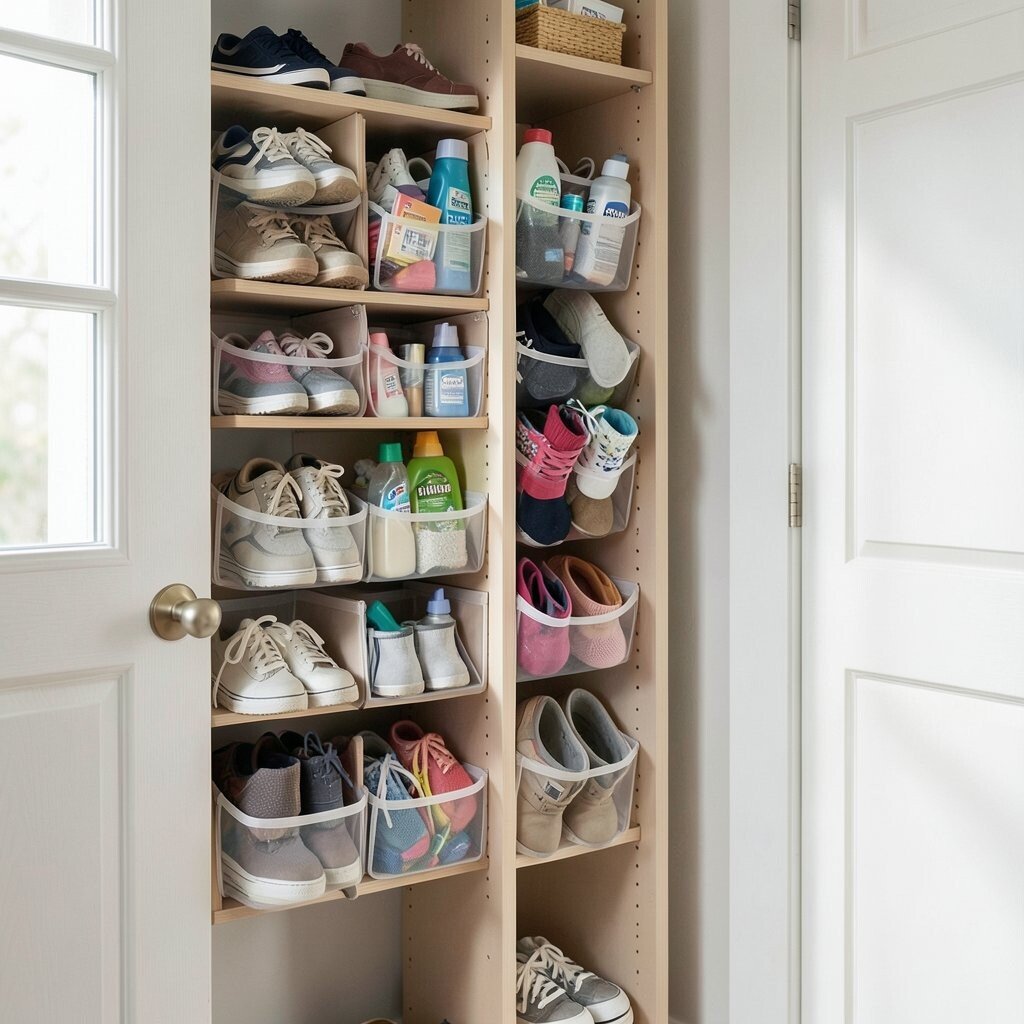
Shoe organizers are perfect for more than footwear when you think vertically. Hang one over the back of a door or in a closet and use the pockets for socks, cleaning supplies, or kids’ accessories.
You will enjoy how quickly you can find small items, since each pocket is like a tiny shelf. The visual result feels orderly, and it helps the closet breathe without extra clutter.
For personalization, pick a color that matches the room, or use clear pockets if you like seeing everything at once. This is often budget-friendly, and it is popular because it uses unused space without heavy furniture.
15. Stackable Pantry Lids With a “Front-Row” Rule
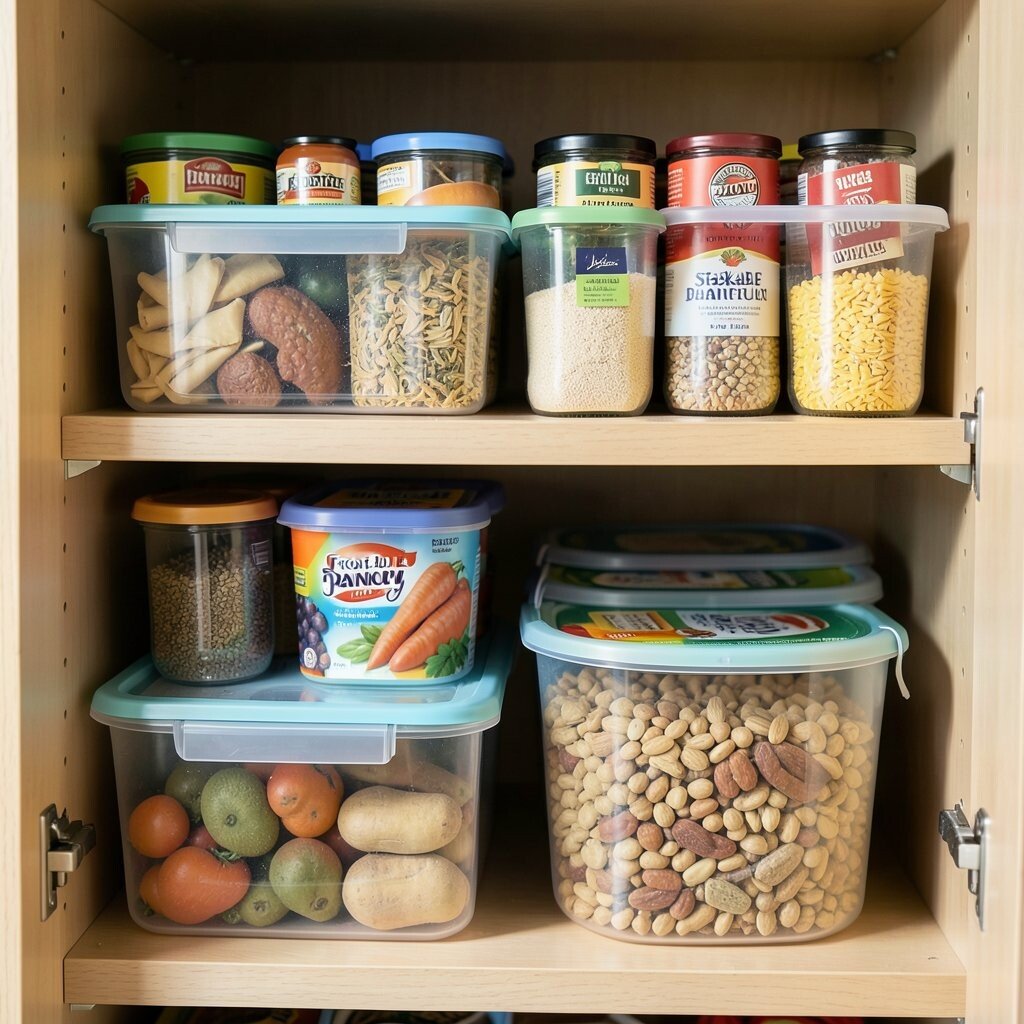
Set your favorite foods where you will grab them first, then keep the newest items behind them. This front-row rule stops your pantry from becoming a museum of forgotten containers.
Use stackable containers or bins, and keep similar items together on one shelf. The benefit is that you will do fewer hunts for ingredients because your most-used items stay in view.
16. Turn a Closet Rod Into a “Bag Sorter” With Clips
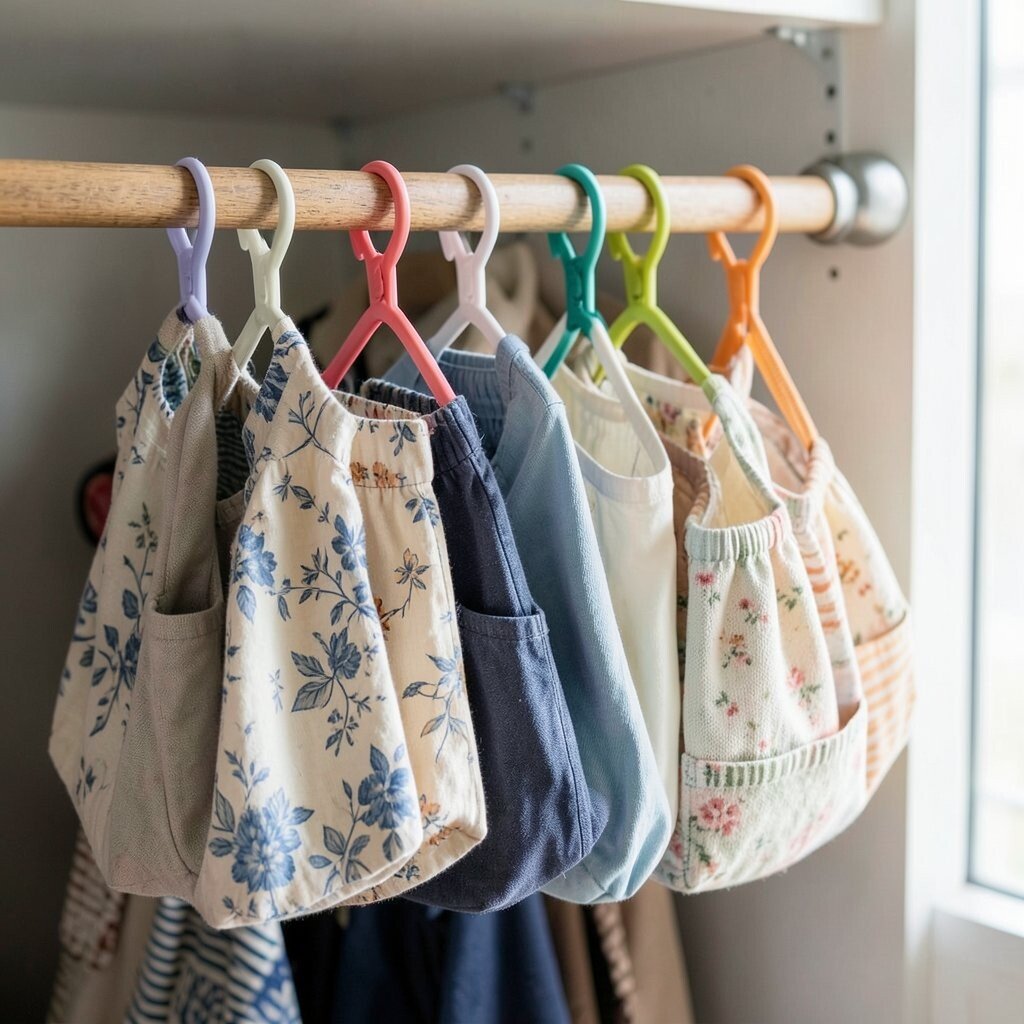
Lots of homes have too many bags, and they end up crumpled in drawers. Use clips or simple hangers to create a bag sorter on a closet rod, so each bag hangs neatly and stays easy to grab.
Fold bags in a consistent way so they fit, then attach them like a small collection. This creates a neat visual and makes it less likely that you will use up the last bag and forget to restock.
For personalization, choose clip colors that match your closet theme or switch clips seasonally for fun. It is low-cost, since clips are usually cheaper than dedicated bag racks, and it is easy to adjust.
17. A Lazy Susan for “Hard-to-Reach” Corners
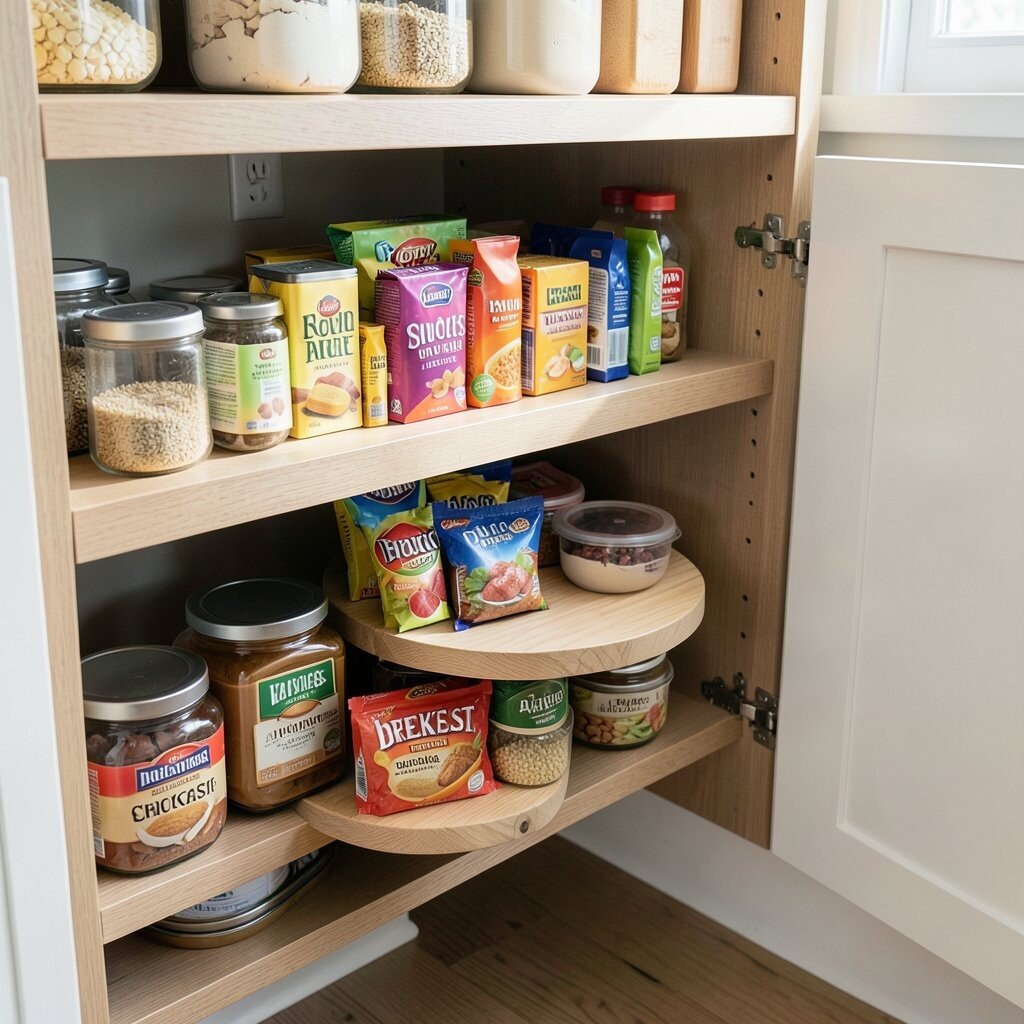
Look at your pantry shelf or cabinet corner and find the spot that you never want to reach into. A lazy Susan can bring that hidden area to the front with one twist.
When items rotate easily, you use what you already own instead of buying duplicates. It also feels modern because many kitchens and bathrooms now include rotating storage to make daily life smoother.
Personalize by organizing by color or by meal type, like “breakfast,” “snacks,” or “baking.” Cost depends on size, so pick a small one first and upgrade if you love it.
18. Build a “Before You Leave” Entry Shelf With One Clear Basket
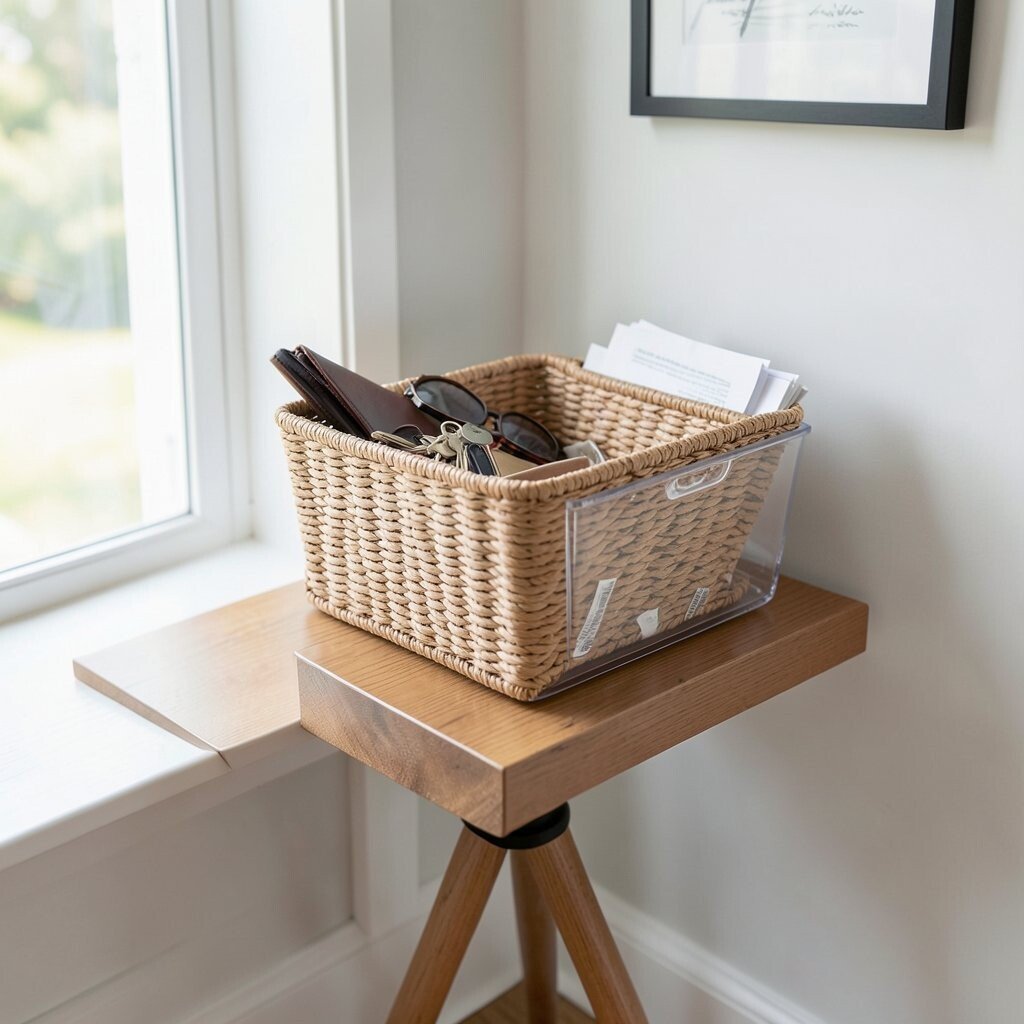
The entryway is where clutter loves to gather, especially when keys and mail do not have a home. Add a small shelf or console and place one basket for the items you handle before leaving.
Set it up so it holds keys, wallets, sunglasses, and a small stack of mail, then empty it each evening. You will notice a calmer hallway because items do not disappear into random drawers and it becomes easy to reset your space.
To personalize, choose a basket texture you like, like woven fabric, and use a small tray for tiny items like pens. This is a cost-friendly fix because it uses basic furniture and smart placement rather than lots of new gear.
Many people are leaning into this trend of “routine storage,” where the home supports your day instead of fighting it.