Summer camp can give kids a fun break from the usual day and help them stay active. It also gives them time to make friends, try new things, and enjoy the outdoors.
1. Nature Scavenger Hunt
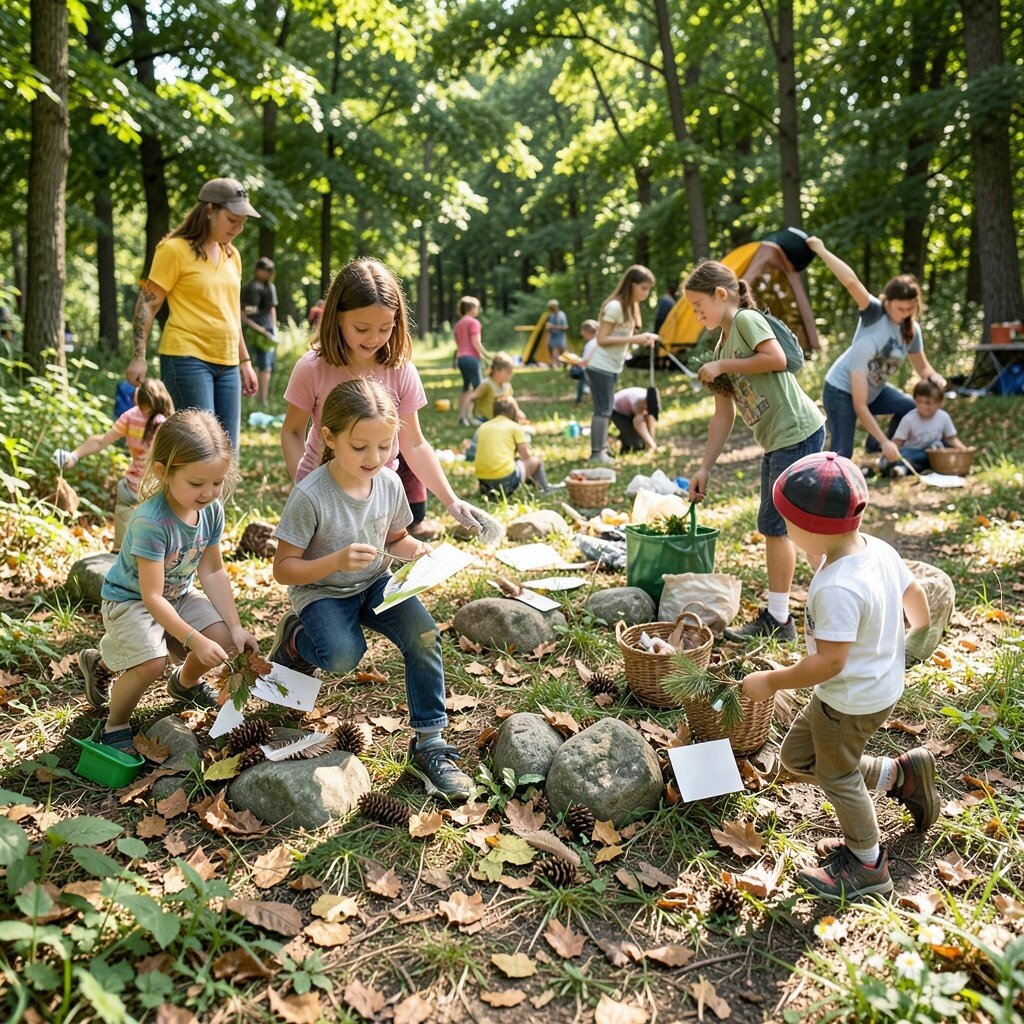
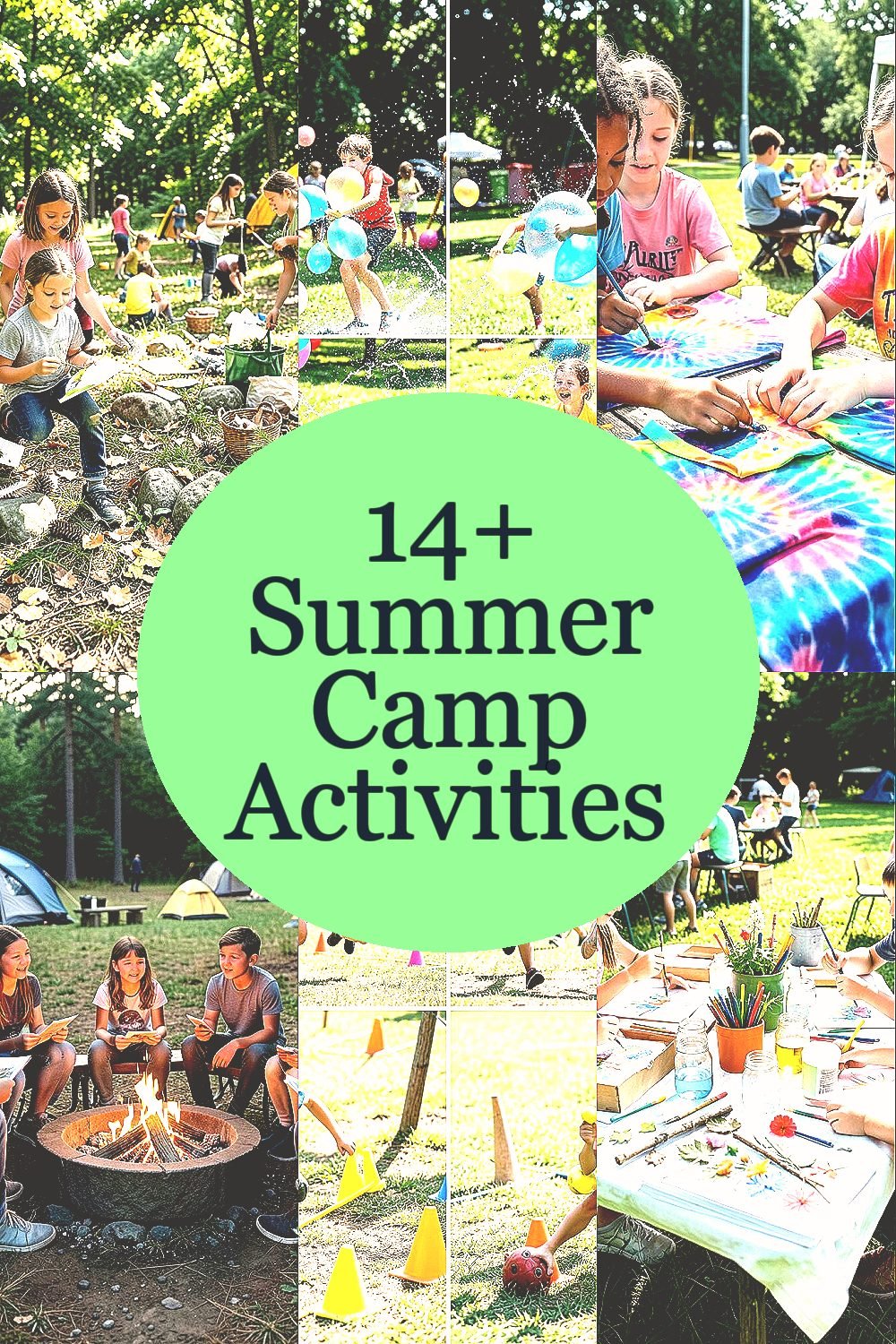
A nature scavenger hunt is a simple way to get campers moving and looking closely at the world around them. Kids can search for leaves, rocks, pinecones, feathers, or flowers, and the list can be made to fit the camp area.
This activity works well because it mixes play with learning. Campers can notice color, shape, and texture while they walk, and that helps them slow down and pay attention.
You can make it fit almost any budget, since it only needs a list and maybe a few bags or baskets. For a fresh twist, try using picture cards for younger kids or team lists for older ones.
2. Water Balloon Games

Water balloon games are a classic summer camp choice because they are fun, cool, and easy to set up. The bright colors and splashy action make the whole area feel lively right away.
These games help kids stay active and work together. They can toss balloons to a partner, play relay games, or use them for simple target practice.
They do not have to cost much, but it helps to plan ahead so you have enough balloons and cleanup help. Some camps now use reusable water play items to cut waste and save money over time.
3. Tie-Dye Shirt Day
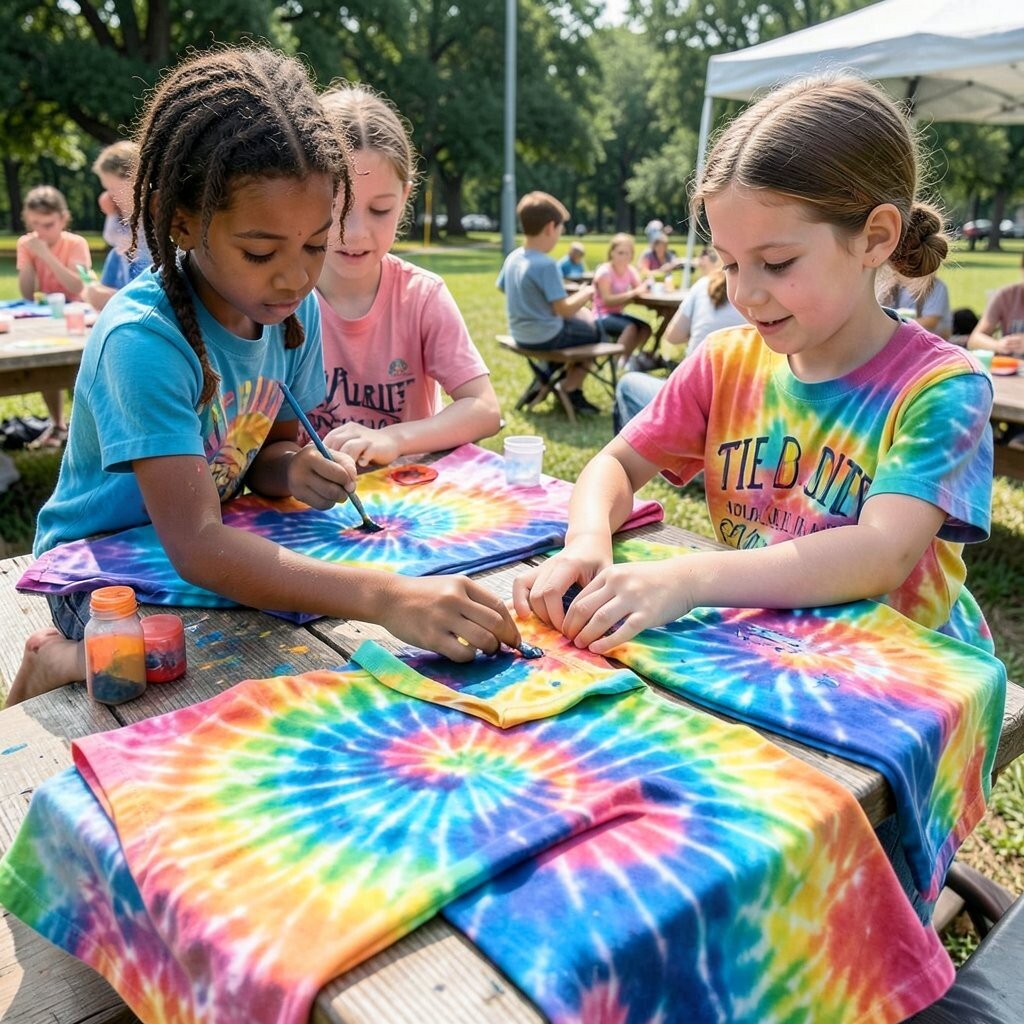
Tie-dye shirt day gives campers a chance to make something they can wear home. The bright swirls and mixed colors make each shirt look special and one of a kind.
This craft helps kids use their hands and follow steps in order. It also gives them a sense of pride when they see the final result after the shirts dry.
The cost can stay low if the camp buys plain shirts in bulk and shares dye bottles. You can let each camper pick a color set, which makes the shirts feel more personal and fun.
4. Campfire Story Circle
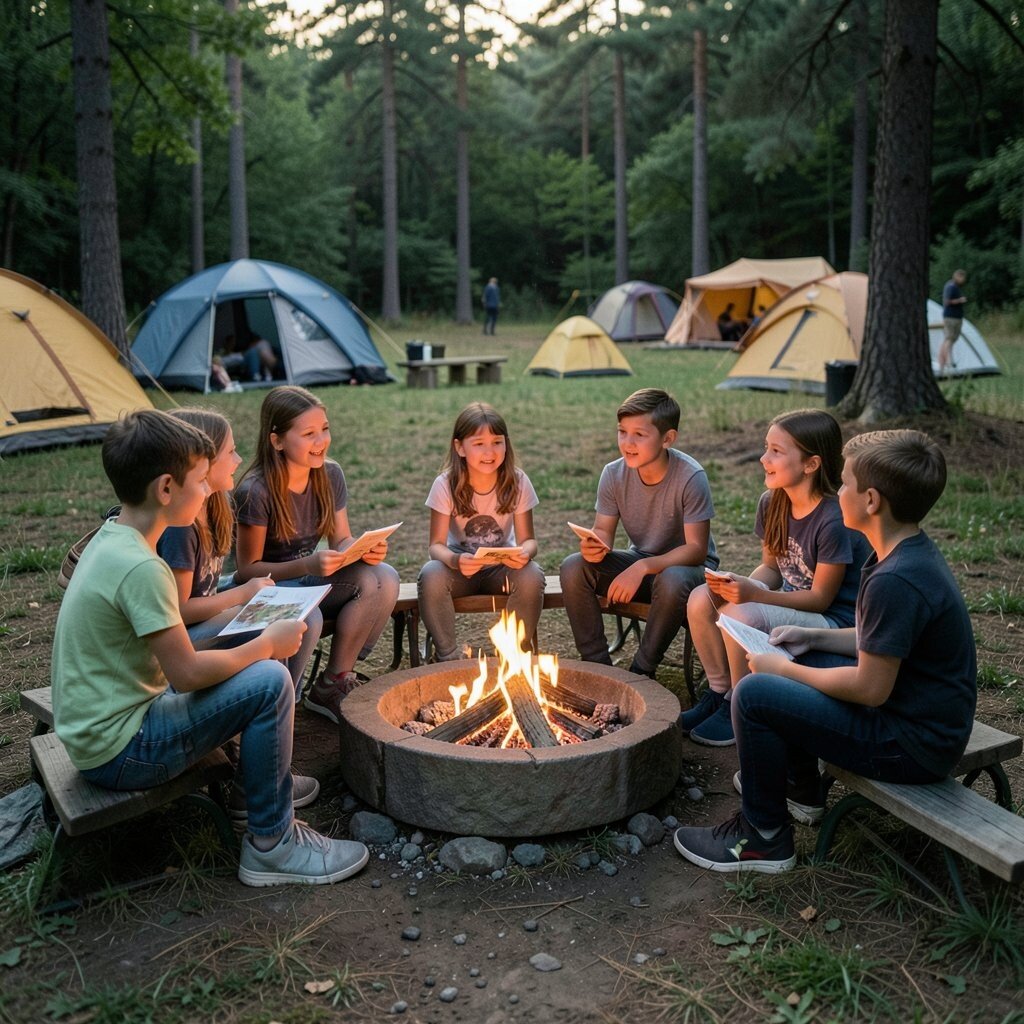
A campfire story circle can be calm and simple, even if the camp uses a safe fire pit or a fake campfire with lights. The soft glow, quiet seats, and close group setting help make it feel warm and friendly.
This activity helps kids listen, speak clearly, and share ideas. It can also help shy campers feel more at ease when they hear others tell short stories or funny moments.
It does not need much money, since the main things are a safe space and a few seats. You can ask campers to bring a favorite story, a joke, or a memory from home to make it feel more personal.
5. Team Relay Races

Team relay races are a good choice for camps that want fast action and lots of laughter. Cones, hoops, sticks, or simple markers can turn an open field into a game area in minutes.
These races help kids build speed, balance, and teamwork. They also teach campers how to cheer for others and wait for their turn.
The cost is usually low because you can use items you already have at camp. To keep it fresh, change the rules so one race uses hopping, another uses crab walking, and another uses a silly object to carry.
6. Outdoor Art Station

An outdoor art station gives kids a place to paint, draw, or make simple crafts in the fresh air. Tables covered with paper, jars of water, and bright supplies can make the area look busy and creative.
This kind of activity helps campers use their hands, make choices, and build focus. It also gives them a calm break from loud group games.
You can keep costs down by using scrap paper, old boxes, and shared supplies. Some camps now add nature art, where kids use leaves, sticks, and flowers to make pictures that feel more tied to the season.
7. Obstacle Course Challenge
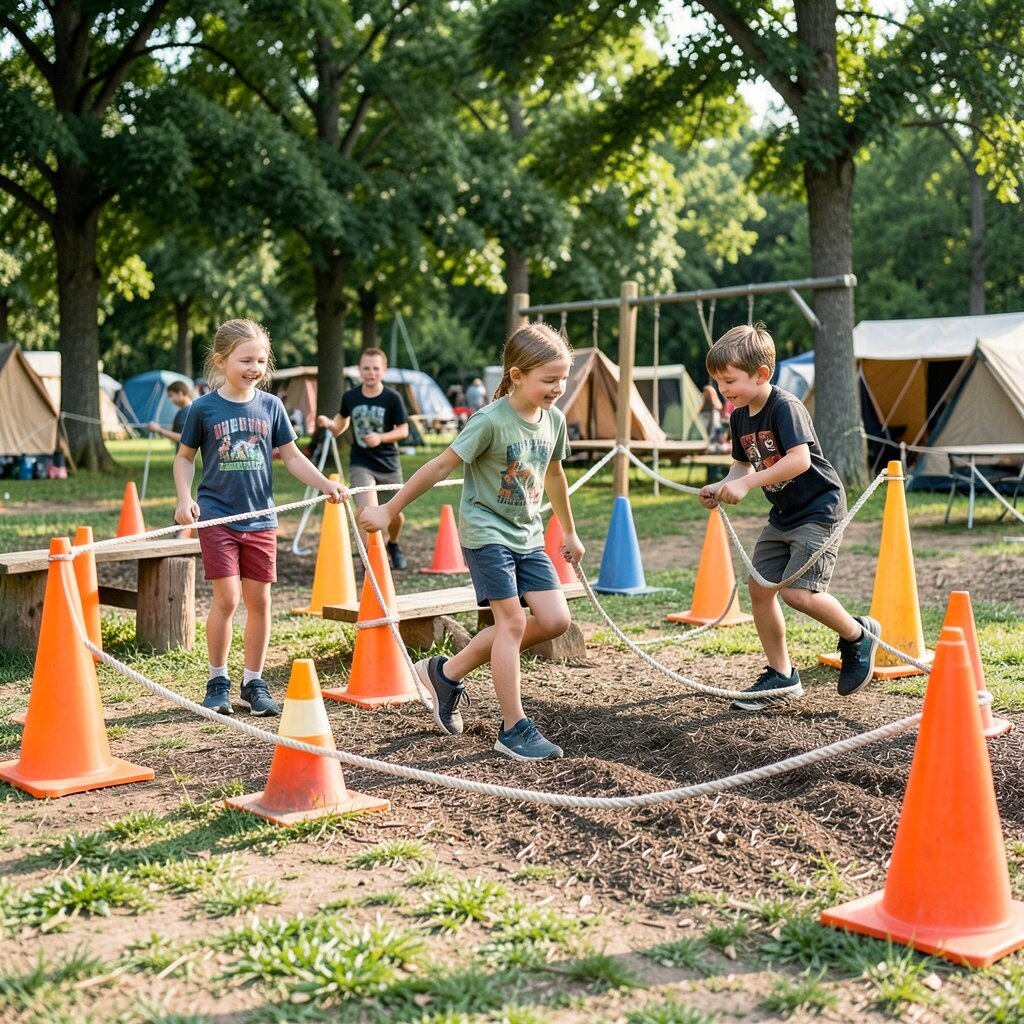
An obstacle course challenge can be made with cones, ropes, benches, and other safe items already at camp. The setup can look simple or tricky, depending on the age group and space.
This activity helps kids move their bodies, solve small problems, and build confidence. It also gives them a clear goal, which can help them keep going even when a task feels hard.
The cost can be very low if the camp uses what it already has. You can make it more personal by letting campers help design one part of the course or choose a theme like jungle, pirate, or space.
8. Capture the Flag
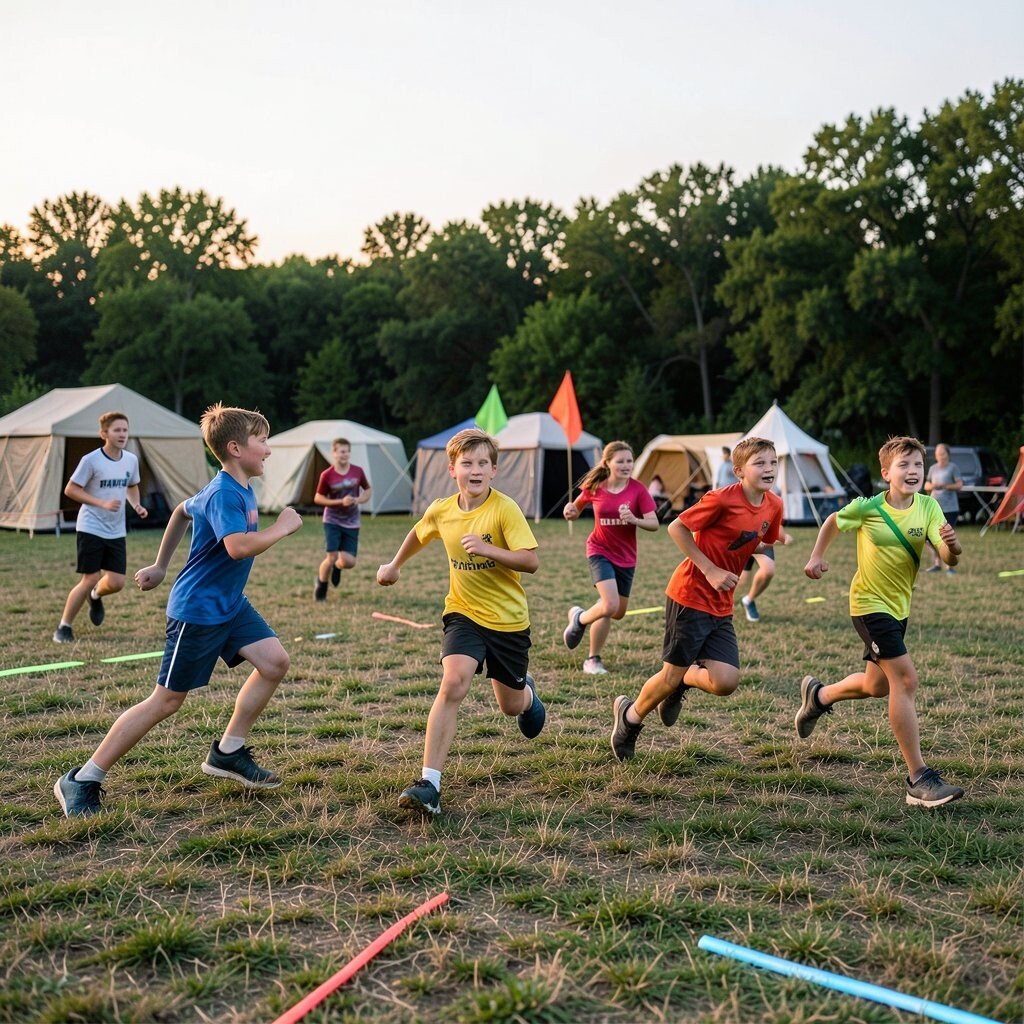
Capture the flag is a well-known camp game that still feels fresh when the teams and rules change a bit. The open field, team colors, and fast running make it easy for kids to get excited.
This game helps with planning, teamwork, and quick thinking. It also gives campers a good way to burn energy in a fun and safe setting.
The cost is small because you only need flags or cloth strips and a field to play on. A simple trend at some camps is using glow sticks or bright tape for evening play, which can make the game feel new without much extra work.
9. Nature Walk Journals
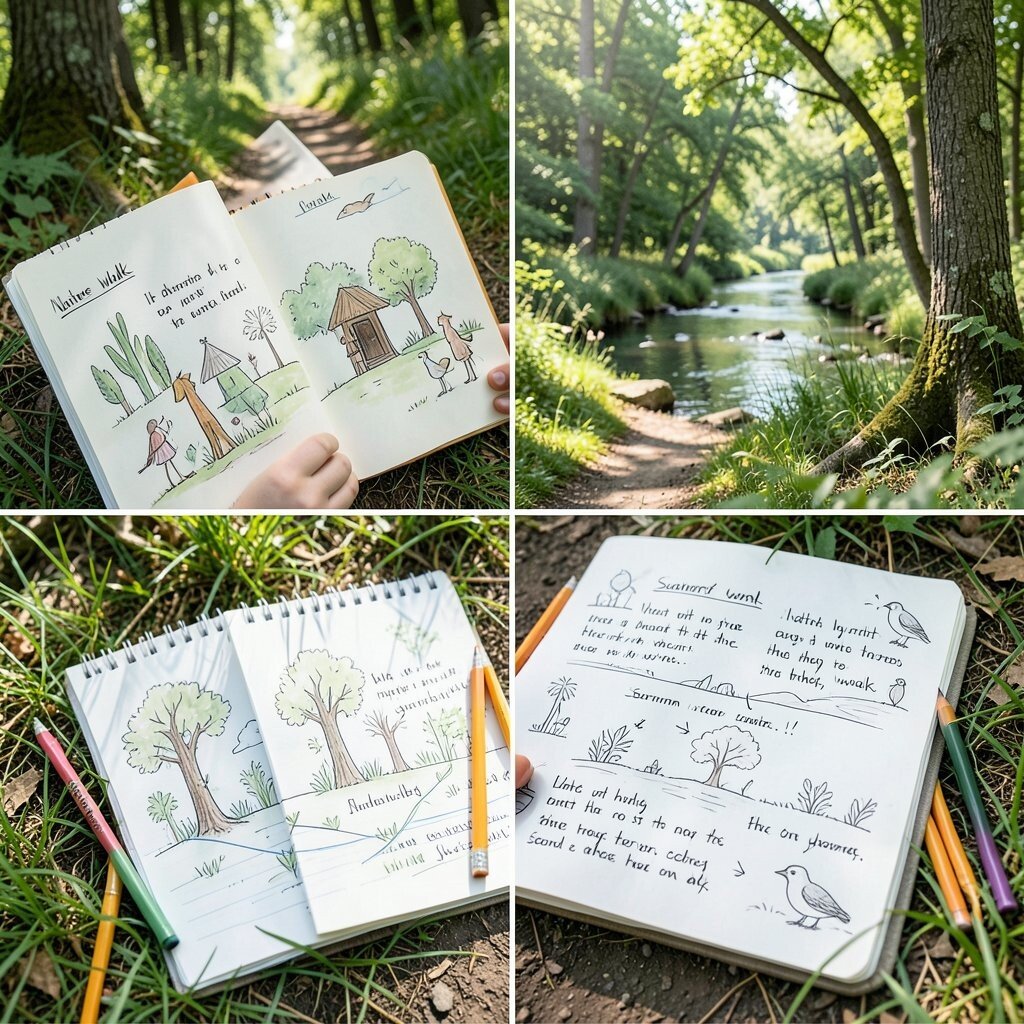
Nature walk journals give campers time to slow down and write or draw what they see. A path with trees, grass, birds, or water can give them many small details to notice.
This activity helps with calm thinking, reading, writing, and drawing. It also gives kids a quiet way to enjoy the outdoors without needing to run around.
The cost is low if the camp uses plain notebooks and pencils. You can make it more personal by asking each camper to write about one thing that made them smile or one sound they heard on the walk.
10. Cooking or Snack Prep Class
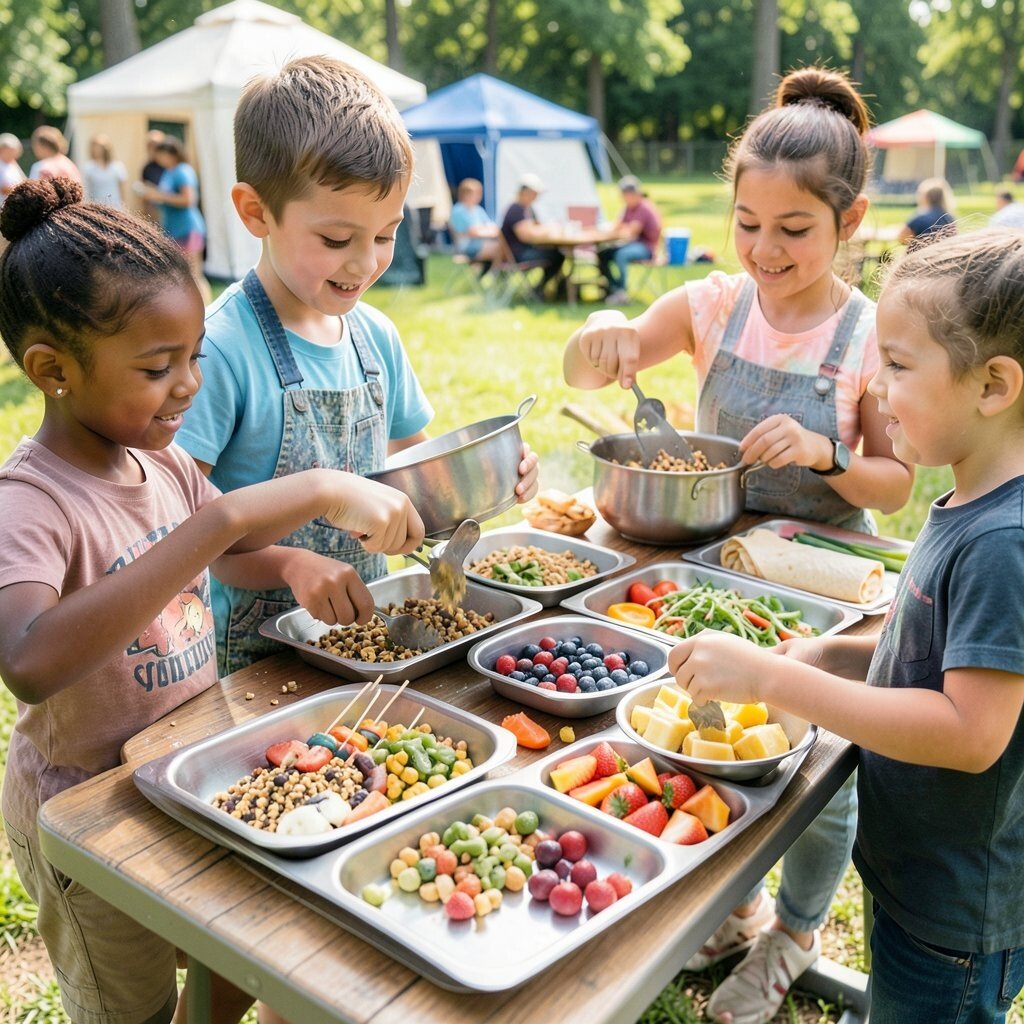
A cooking or snack prep class can be a fun way to teach simple food skills. Kids can make trail mix, fruit skewers, wraps, or other easy snacks with bright colors and different textures.
This activity helps campers learn safe steps, follow directions, and work together. It can also help them feel more sure of themselves when they make something on their own.
The cost depends on the food, but simple snacks can stay affordable if the camp plans well. A useful tip is to offer choices for toppings or mix-ins so campers can make a snack that fits their taste and diet needs.
11. Talent Show Night

A talent show night gives campers a stage to sing, dance, joke, juggle, or share another skill. The lights, chairs, and small stage area can make the space feel special without needing much setup.
This activity helps kids build confidence and learn to support others. It also lets quiet campers shine in their own way, which can be very good for group spirit.
The cost can stay low because the main needs are a space, a speaker, and maybe a microphone. Some camps now keep talent acts short so more campers can join, which makes the event feel more open and fair.
12. Bug and Insect Study
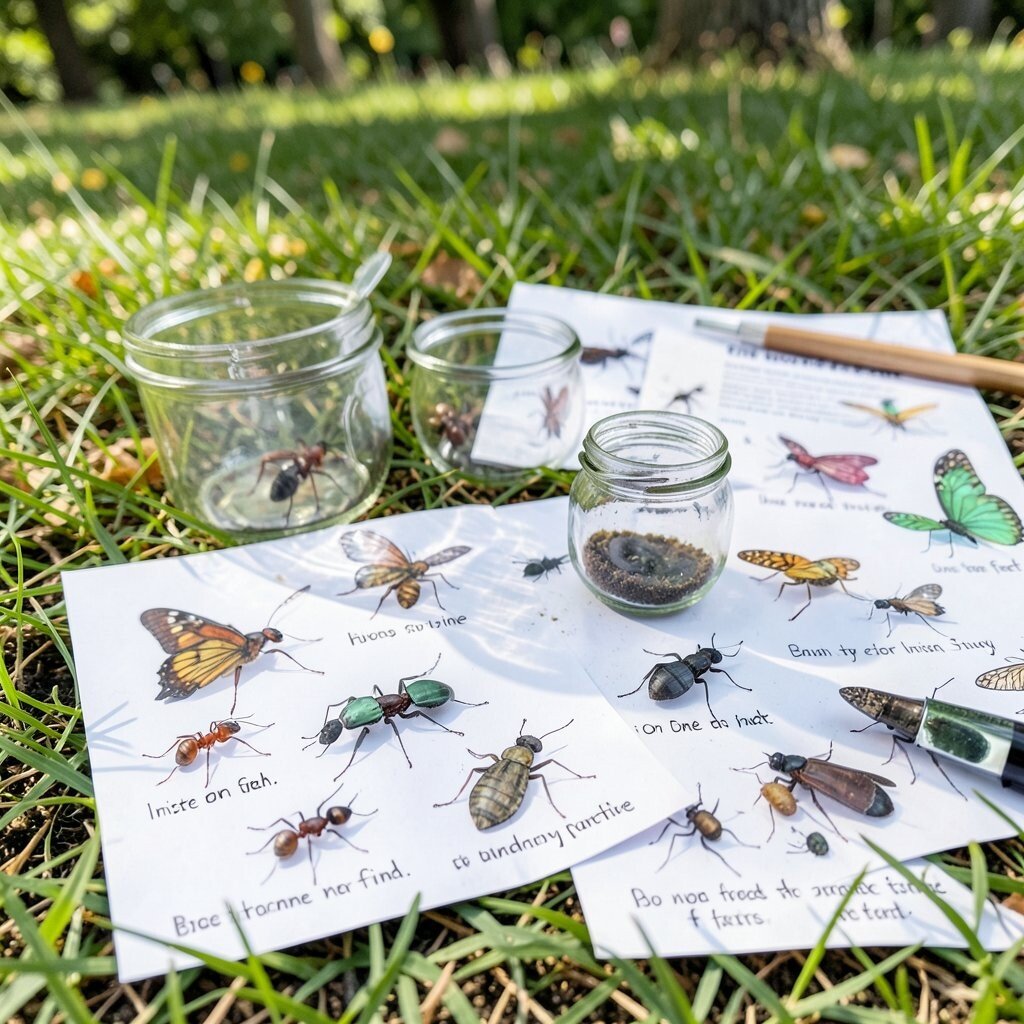
A bug and insect study can be a great fit for camps near grass, trees, or gardens. Kids can look at ants, beetles, butterflies, and other small creatures from a safe distance.
This activity helps campers learn about nature and build care for living things. It also gives them a reason to look closely and ask questions about what they see.
You do not need to spend much if you use simple jars, magnifiers, or printed guides. For a personal touch, let campers draw the bugs they find and write one fact next to each picture.
13. Friendship Bracelet Making

Friendship bracelet making is a quiet camp craft that many kids enjoy. The strings, beads, and color patterns can look neat and bright as the bracelets take shape.
This activity helps with hand control, patience, and focus. It also gives campers a small gift they can make for a friend, sibling, or counselor.
The cost is usually low, especially if the camp buys string in large packs. A current trend is using name beads or color codes, which can make each bracelet feel more tied to the person who made it.
14. Water Games With Sponges

Water games with sponges are a fun choice when you want cool play without using as many balloons. Kids can soak sponges, run relay races, or try to fill buckets as a team.
This activity helps with speed, teamwork, and balance. It also keeps campers cool on hot days, which can make the whole camp day feel easier.
The cost is low because sponges and buckets are simple items. You can make the game more personal by letting each group choose a team color or a fun name before the race starts.
15. Camp Skit Performance
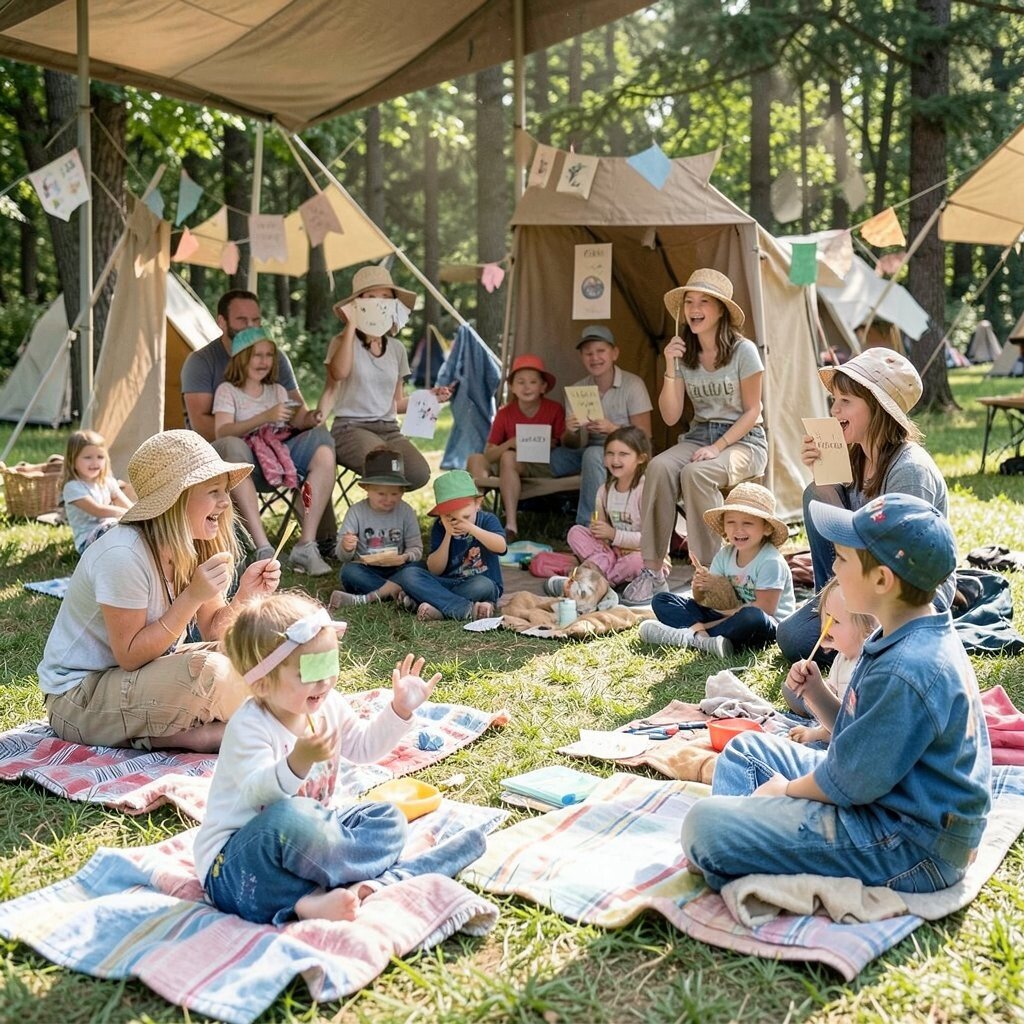
A camp skit performance gives campers a chance to act out short scenes with humor and simple props. Blankets, hats, paper signs, and handmade costumes can make the stage look fun without much effort.
This activity helps kids speak clearly, work as a group, and think on their feet. It can also help them laugh together and feel more at home in the camp group.
The cost is often very low because skits can use items from around camp. To make it fit different ages, you can let younger kids do short parts while older campers help write the scene or add sound effects.