Bright tennis balls can turn an ordinary day into a tiny adventure. Grab a couple and watch your neighborhood, yard, or living room feel more alive.
You can keep things simple, stay active, and still have laughs that last longer than the ball bounce.
1. Backyard Wall Bounce Picture Hunt

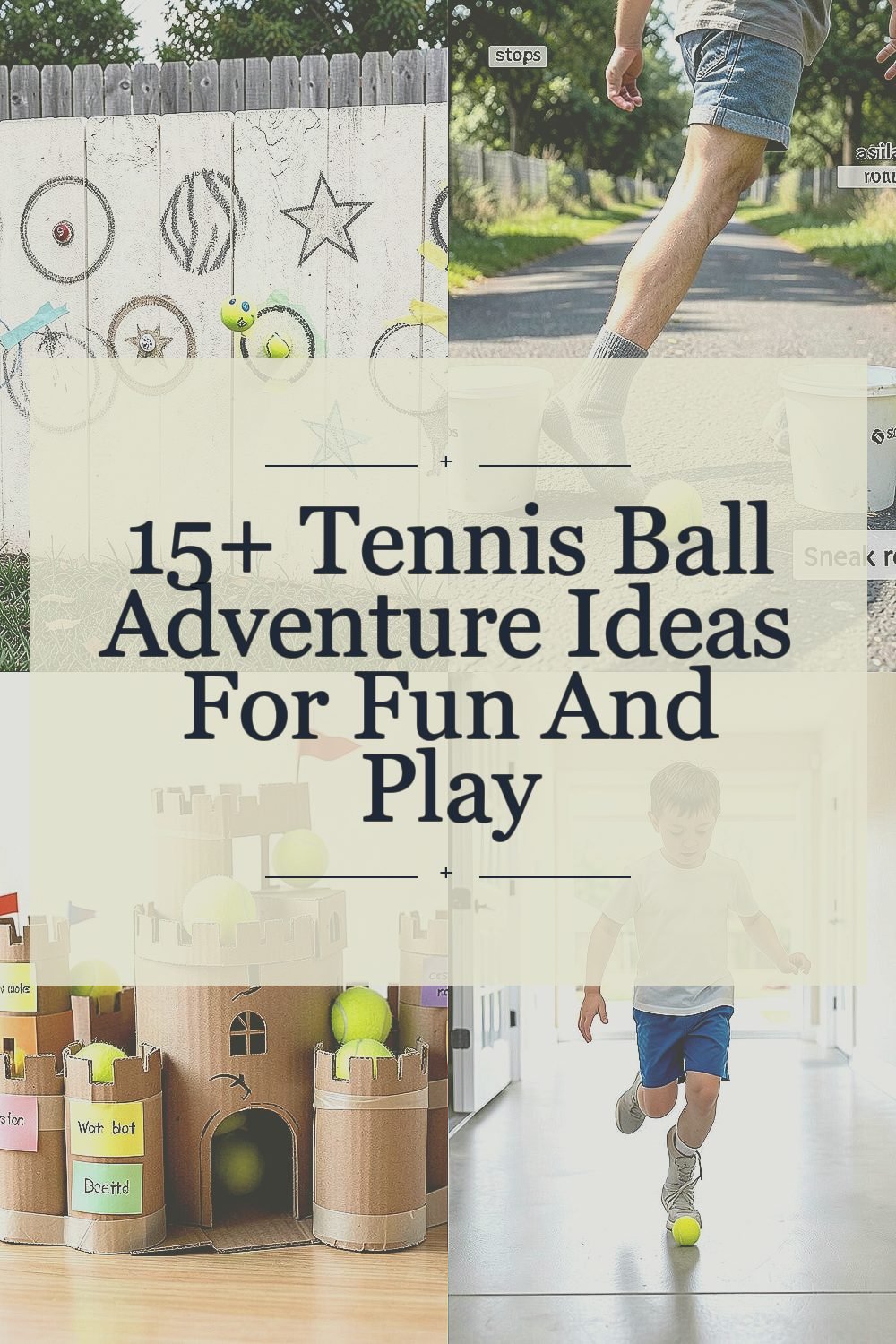
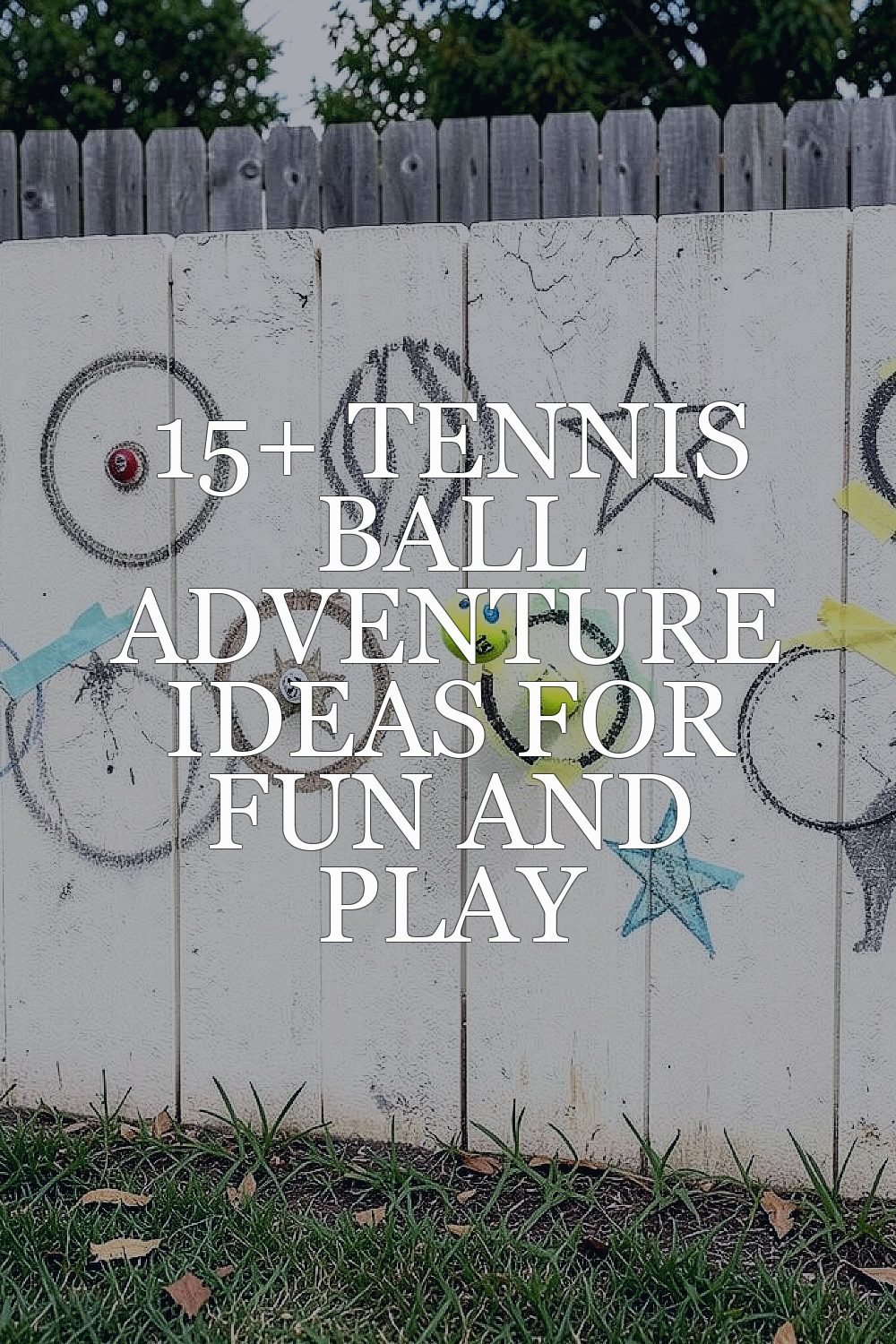
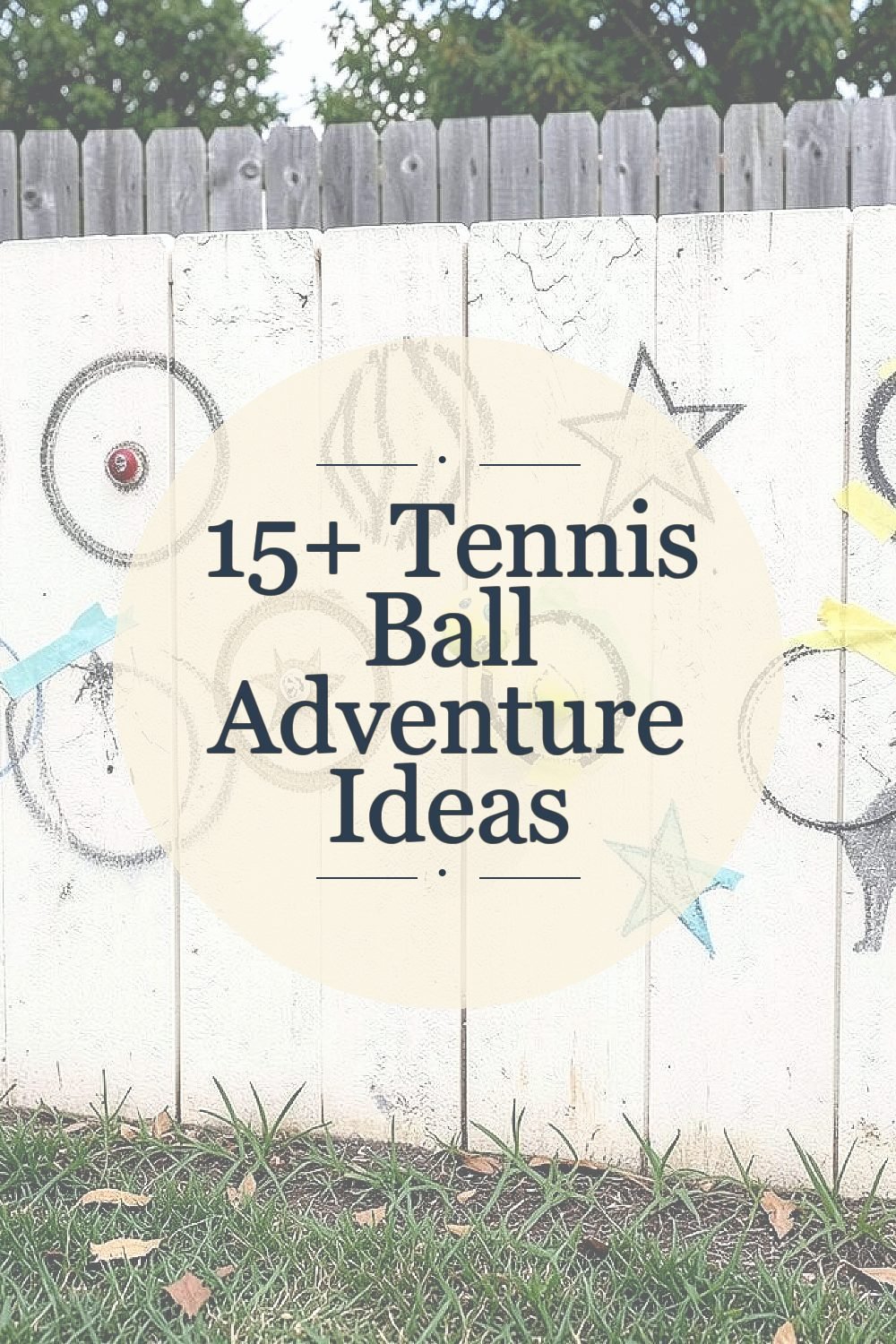
Pick a section of a fence or wall and stand at a safe distance. Bounce the tennis ball and try to “collect” shapes by imagining what the ball hits each time.
Look for circles, stripes, stars, and even animal silhouettes created by shadows and marks on the wall. For a practical twist, mark a few target spots with painter’s tape so every bounce has a goal. Add personalization by using different ball colors with stickers or homemade paint dots, and keep score only if it makes you smile.
2. Sock-Shoe Strike Ball Relay

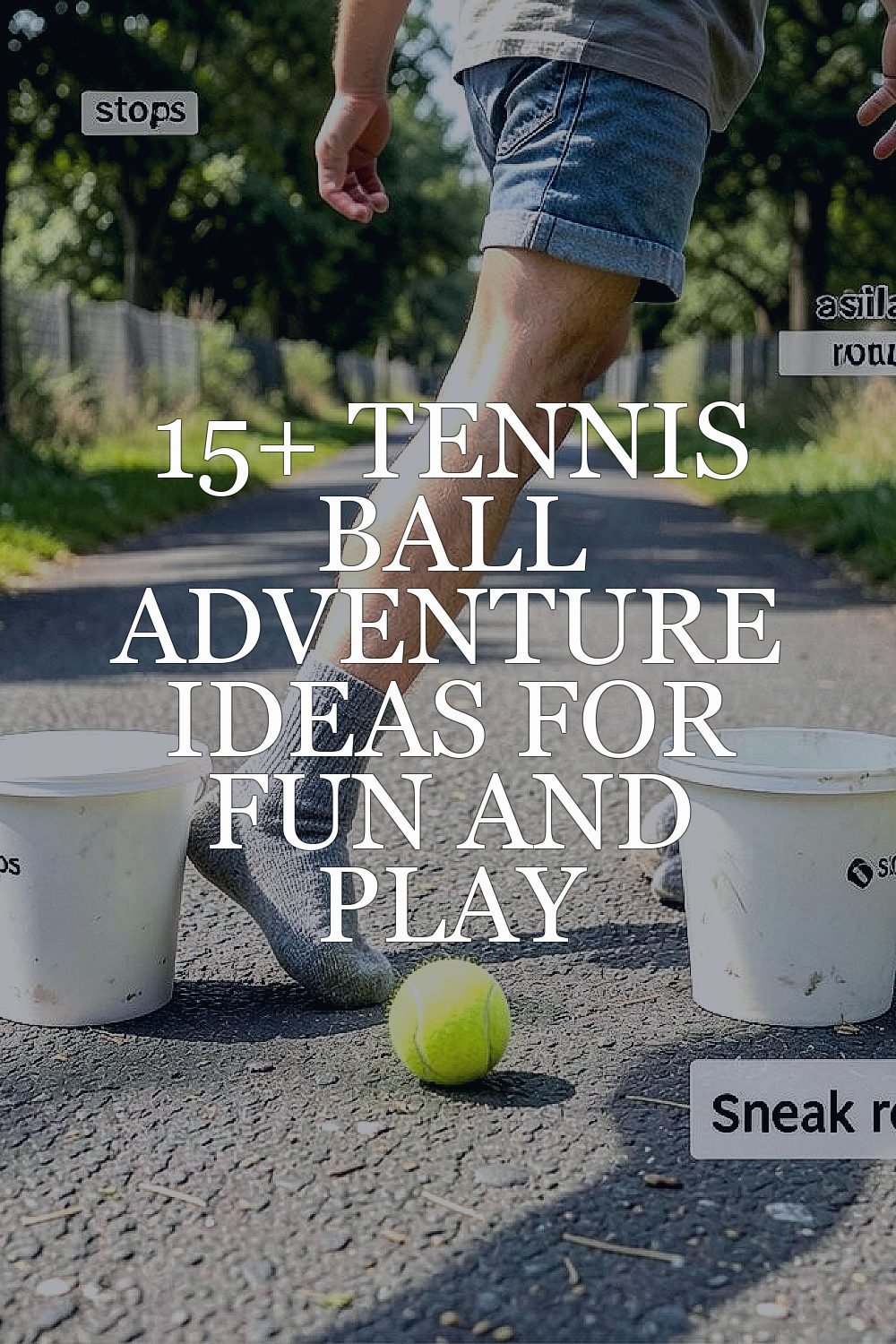
Set up a mini relay using two cups or buckets as start and finish. Slide a tennis ball forward by pushing it with a socked foot, not by kicking.
Visualize the path like a narrow road and aim for smooth moves rather than fast chaos. This builds coordination, balance, and gentle leg strength without needing big equipment.
To make it unique, add “stops” where you must pause and say a silly word before continuing. For cost considerations, you only need household socks and a couple of containers. If you want a current trend feel, time a “sneak round” where you complete the course quietly like a video game stealth mission.
3. Cardboard Castle Target Defense

Build a small castle from cardboard boxes and stack them into towers. Toss or roll tennis balls to knock down specific walls while you protect the keep by catching the ball before it hits.
Use colored paper to label which target is worth points so the game feels organized and fun. This helps focus and hand-eye skills, and it also encourages careful throwing instead of reckless flinging.
For a practical setup, reinforce tall towers with tape so they don’t collapse too easily. Personalize the castle theme by using cutout windows, flags, or even a “dragon gate” made from toilet paper rolls. Keep costs low by saving boxes and using scraps, then try a weekly variation like “castle day” whenever you have a few minutes.
4. Quiet Counting Dribble Challenge

Choose a hallway, driveway, or open room and practice slow dribbling with one tennis ball. Count your dribbles in your head while keeping your movements calm and steady.
You’ll feel your grip and rhythm get better as you aim for consistent bounces. This is a simple way to build control, reduce rushing, and practice focus without much noise.
5. Lawn Maze With Doorway Gates

Create a maze by placing cones, water bottles, or folded blankets in a pattern. Roll a tennis ball through the “doors” and follow the route like a friendly robot.
Visual description helps you play better, so imagine the ball slipping past each gate like it’s entering secret rooms. The benefit is big for kids and adults alike because it improves planning, timing, and smooth arm movement.
To personalize, draw tiny treasure icons on the ground and require the ball to reach them in any order you like. Keep it budget-friendly by using items you already have, and make it trend-friendly by turning each room into a “level” with a fun theme such as space, pirates, or a movie set.
6. Window Catcher With Soft-Landing Rules

Stand near an open window or a spot on the wall and practice catching after a gentle toss. The goal is to catch the ball smoothly and land it in your hands without panic.
Use visual cues like floor lines or tape marks so you always start from the same spot. This strengthens reaction time and improves safe throwing habits, especially if you use a partner for back-and-forth tosses.
Personalize the game by naming your “superpowers,” like Wind Nerves or Eagle Hands, and switch powers after every catch. For cost considerations, tennis balls are usually cheap and easy to replace, so you can play often without fear. If you like current trends, challenge yourself with a short “slow-mo round” where you imagine each toss like a sports highlight.
7. Household Bowling With Hidden Pins

Make bowling pins from plastic bottles or paper cups and arrange them in a simple triangle. Roll the tennis ball down the “lane” while you try to knock pins over, then reset them quickly.
To add a twist, place small cloth squares around some pins like they’re hiding under blankets. This helps keep the game surprising and adds strategy while still using everyday items.
For practical tips, keep the lane clear and use a gentle throw so the cups don’t scatter too far. Personalize the scoring by giving each pin a personality, like “Captain Cup” or “Ninja Bottle,” and let the personalities decide which pin is “mystery treasure.” Consider cost too by reusing containers and saving your tennis balls for repeated sessions.
8. Balance Beam Bounce Line

Lay a long strip of tape or a rope on the floor and walk along it while dribbling the tennis ball. Keep your steps small so the ball doesn’t roll away at every wobble.
The visual of a straight line plus bouncing beats makes it feel like a tiny circus act. You’ll gain balance, core control, and steady coordination, and it works great when you need indoor play.
9. Shadow Ball Chase at Sunset

Head outside near sunset and watch how your ball’s shadow moves across the ground. Bounce or roll the tennis ball and try to hit the shadow shape instead of the ball itself.
This looks magical because the light stretches the ball into a moving guide. The benefit is more than fun, since your eyes track motion and you practice timing with each chase.
To make it unique, choose a “shadow target” like a chalk circle and only count hits when your shadow lands there. Personalize by playing with different times of day and letting your own observation guide the difficulty. For cost considerations, chalk is inexpensive, and you can also use tape to mark spots if the ground isn’t chalk-friendly.
10. Paper-Bag Ball Delivery Service

Set up a series of delivery spots using paper bags or buckets. Carry a tennis ball by placing it in the bag and moving from one spot to the next without dropping it.
Choose a route that looks like a map and imagine you’re delivering mail to characters in your neighborhood. This builds grip, careful movement, and patience because you’ll want to move smoothly.
Personalize the “service” by giving each bag a theme such as “robot mail” or “dragon snacks.” For a practical upgrade, add a second bag so you can practice two-ball deliveries, or adjust distance depending on your space. Keep it budget-friendly by using paper bags you already have and reusing the same delivery spots for weeks.
11. Bookshelf Bounce Storytelling

Stand a safe distance from a wall and bounce the ball while telling a short story aloud. Each time the ball hits, add a word to the story, like it’s writing itself.
The visual rhythm of bounce, listen, and speak helps your brain stay engaged and relaxed. It builds confidence, improves sequencing, and makes practice feel like performance.
To personalize, choose a genre such as mystery, sports, or bedtime stories for your toys. For practical tips, use a soft target area like a couch wall space or a foam pad on the wall. Cost is minimal, since you only need the ball and maybe a notebook for your story ideas.
12. Tennis Ball Balloon Swap Relay

Pair up or work solo by placing a balloon and a tennis ball near your starting spot. Tap the tennis ball upward and try to time your touch so it lines up with the balloon’s height.
Even if you don’t hit the balloon exactly, the game still feels playful because the motions look goofy and lively. You improve quick hands, timing, and gentle coordination without needing any special gear.
13. Chalk Road With Rolling Challenges

Draw a road on the sidewalk or driveway using chalk, including turns, bridges, and a few “traps.” Roll the tennis ball along the road and stop it at each mini landmark.
The visual of bright chalk lines makes every round look like a street map for a tiny adventure. This boosts planning, control, and fine motor movement as you judge speed and direction.
Personalize by writing fun names on the road, such as “Sprinkle Avenue” or “Forest Loop.” For practical tips, use bigger chalk lines for beginners and smaller ones for advanced players so the challenge matches your skill. Cost stays low because chalk is affordable, and you can reuse the same road idea whenever the weather allows.
14. Coin-Safe Toss Into Shoebox Goals

Place a shoebox on the floor and line up a few small coins or bottle caps nearby like “treasure.” Toss the tennis ball underhand toward the box and try to knock the treasure items without sending them flying.
This game feels satisfying because you’re aiming for accuracy, not chaos. It strengthens throwing mechanics, hand-eye coordination, and careful strength control.
For personalization, use different colored coins as “rare gems” and adjust the scoring by which colors are hit. Keep cost in mind by using cheap household treasures and turning it into a re-targeting game when items get moved. If you enjoy current trends, try “precision rounds” like puzzle challenges where you attempt the same shot more consistently each try.
15. Porch Pirate Swing and Signal

On a porch or driveway, hang a light string or use a hanging plant hook as a “pirate swing target.” Toss a tennis ball gently so it passes near the string while you make a goofy pirate sound or wave your arm.
The scene is fun and visual because the hanging string sways like a pendulum treasure rope. The benefit is better timing and smooth underhand throwing, plus it adds silly play energy that gets everyone smiling.
Personalize the story by choosing a pirate name and creating a signal phrase, like “Aye, treasure incoming” each round. For practical tips, use a soft tossing distance and avoid hard collisions with the hanging setup. Cost is basically zero if you use household string, and the game feels fresh because you mix physical skill with pretend theater.
16. Secret Spot Guess-Where Game

Hide a tennis ball in plain sight near a common object like under a chair or beside a plant, then have someone search with a few allowed clues from you. Use your best facial cues, like pointing only a little, so the game stays fair and fun.
The visual twist is that the hiding spots can be tiny, like a “secret cave” behind a doorframe. This boosts observation skills, encourages teamwork, and keeps play engaging even when you’re not running around.
Personalize by changing the hiding theme each time, such as “space capsule” or “jungle nest.” For practical tips, set ground rules so nobody pulls furniture, and keep the area tidy so the search stays safe. Cost considerations are easy since you only need one tennis ball, and you can make it feel like a modern social challenge by using time limits and sharing the funniest hiding ideas afterward.