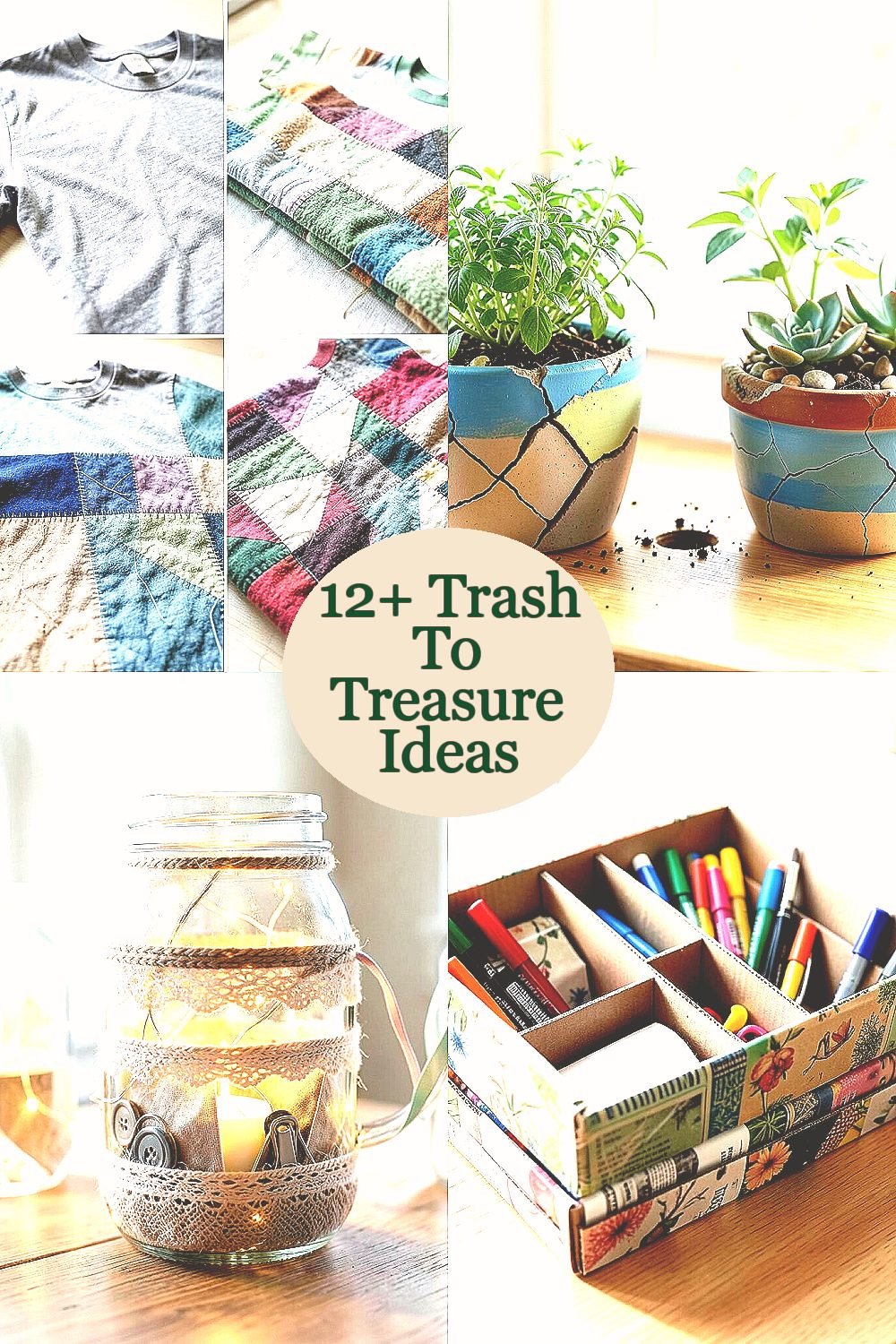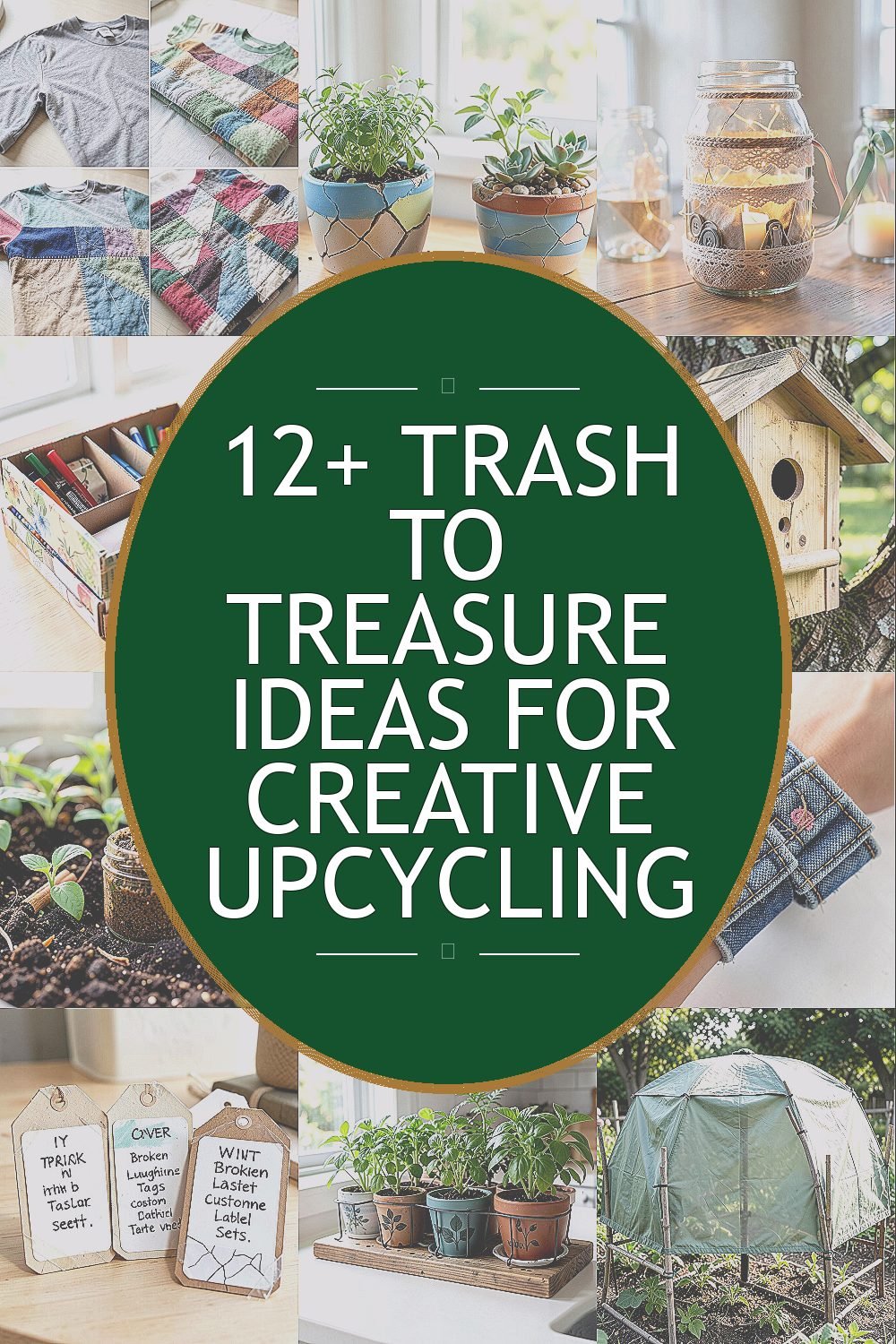
You’d be amazed how many everyday castoffs are just waiting for a new purpose. One small change can turn clutter into something you’re proud to show off.
1. Turn Old T-Shirts Into Cozy Quilt Squares
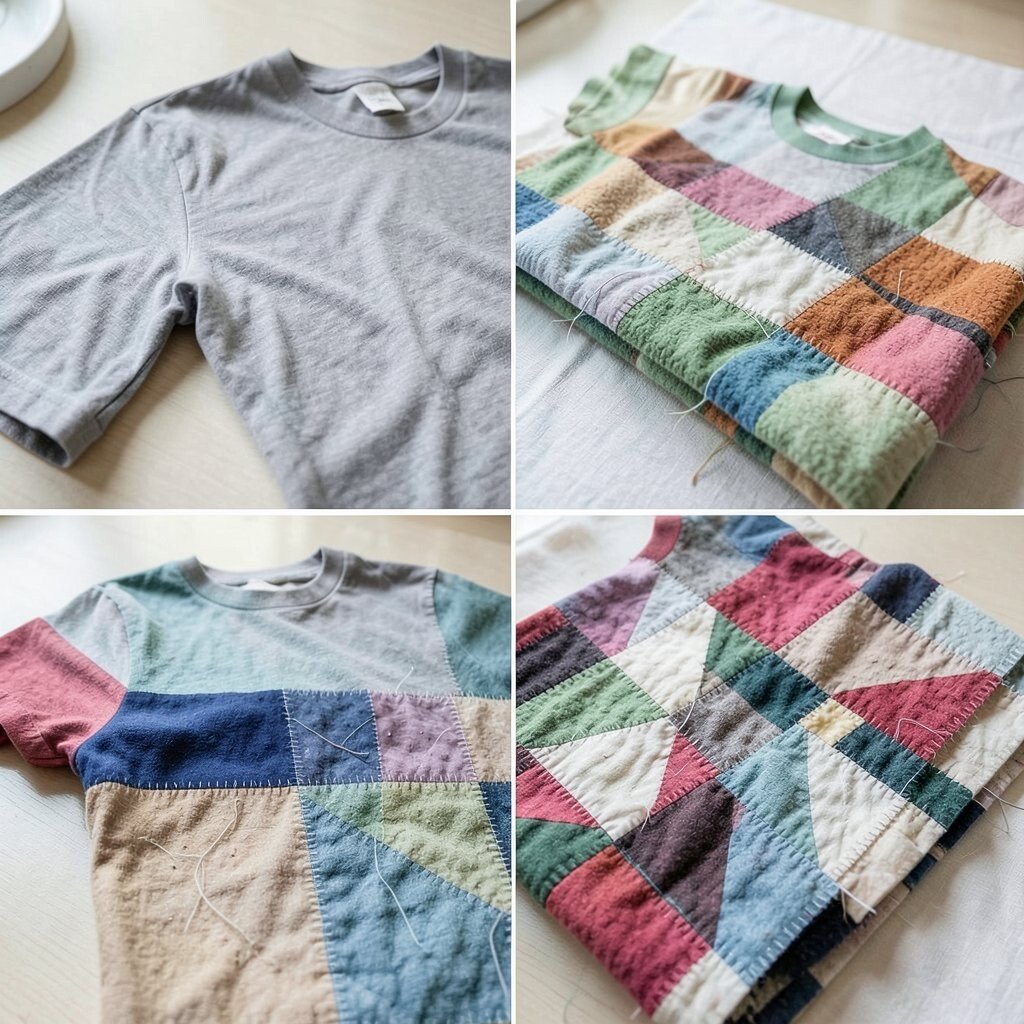
Old T-shirts hold memories, colors, and soft comfort that are hard to replace. When you cut them into neat squares, you can build a patchwork blanket that feels personal from the very first stitch.
Start by washing and ironing the shirts so the fabric lays flat and cuts cleanly. Use a simple rotary cutter and a cardboard template for consistent sizing, and save the scraps for smaller accents later. For extra durability, stitch the squares with sturdy thread and add backing fabric so it survives everyday use.
2. Make Planters From Cracked Pots and Broken Ceramics

Those cracked ceramic pots and mismatched pieces are perfect for small planters with character. Even a chipped rim creates a handmade look that stands out on shelves, desks, or windowsills.
Clean the pieces well, then use a waterproof sealant and strong adhesive to patch gaps before adding soil. Drill a drainage hole when possible, or layer in pebbles to help prevent water buildup. Plant low-maintenance favorites like herbs or hardy succulents so your new planters feel effortless to care for.
To personalize, paint the outside with weather-friendly craft paint and seal it for long life. This idea fits current home decor trends that lean into “imperfect” textures and visible handmade finishes. Cost stays low because you’re using what you already have, and the extra supplies are usually just sealant, paint, and soil.
3. Transform Glass Jars Into Light-Filled Storage Lanterns

Glass jars catch the light in a way that instantly makes storage feel magical. When you add string lights or a small LED candle inside, they turn ordinary organization into evening ambiance.
Choose clean jars with interesting shapes, then remove labels and scrub off residue so paint or glue sticks properly. If you want sparkle, wrap the jar with twine, lace, or fabric strips before setting the lights in place. Use a battery-powered light source for safety, and secure it so nothing shifts when you move the jar.
For practical use, keep buttons, craft clips, or tea bags inside so the “lantern” also solves a real problem. You can match seasonal colors by swapping ribbon shades, which is great for gifts. Since jars are often free from pantry refills, the main cost is the lighting kit, and those are widely available at craft stores.
4. Upcycle Cardboard Into Sturdy Art Supply Organizers

Cardboard may look plain, but it can become a strong organizer with a satisfying homemade feel. A custom tray for markers, brushes, or paper scraps helps your workspace look neat without spending much.
Cut panels to your preferred size, then stack and glue layers for extra thickness. Cover with patterned wrapping paper, fabric, or even old magazine pages sealed with clear tape for a glossy finish. If you add compartments, measure the items first so everything fits snugly and stays put.
5. Turn Bottle Caps Into Bright Keychains and Magnet Sets

Bottle caps are tiny, shiny, and ready to become something useful. With a little creativity, they can hold your keys, decorate your fridge, or even label your jars.
Use a strong adhesive and attach a split ring for keychains or a flat magnet for fridge pieces. For a clean look, paint the caps first and let them dry before sealing with a clear coat. Add a printed photo, a small sticker, or a scrap of patterned paper under a layer of glossy medium for a layered effect.
This is a fun way to personalize because you can build sets for friends, sports teams, or family hobbies. It’s also a budget-friendly craft since caps are easy to collect and many people already have glue and sealant. Current trends favor small “micro decor” pieces, and these fit perfectly on shelves and magnet boards.
6. Build Birdhouses From Wooden Offcuts and Pallet Bits

Wood scraps and offcuts can become charming birdhouses with a welcoming look. Even if you’re not a master carpenter, simple shapes can still work great and feel sturdy outdoors.
Pick pieces that are already dry and sand the edges so birds can land safely. Create a roof with slight overhang to protect the entrance, and leave small gaps for ventilation. Add a perch if you have spare dowels, and paint with non-toxic outdoor options so the finish lasts.
7. Upcycle Coffee Grounds Into a DIY Body Scrub and Garden Feed

Used coffee grounds aren’t trash when you treat them like a resource. Their natural texture makes a gritty scrub, and they can also help your garden soil.
For a simple scrub, mix grounds with a carrier like coconut oil or gentle soap, then store it in a small jar. Keep it in the fridge if your kitchen is warm, and use it a couple of times per week for a soft feel. For garden use, add cooled grounds to compost or mix lightly into soil around plants, avoiding direct piling on delicate seedlings.
Personalize scents by adding orange peel, cinnamon sticks, or a few drops of essential oil. This idea matches current interest in low-waste routines and natural self-care. Costs are usually near zero because you’re working with what you already brewed, and any extra supplies are easy to find.
8. Turn Old Magazines Into Rolled-Coil Wall Art

Magazine pages can become gorgeous rolled-coil artwork that looks surprisingly polished. When you shape tight curls and glue them into patterns, the final piece looks like a mini gallery frame.
Choose pages with bold color and clean print, then cut strips of even width for smoother coils. Roll the strips around a thin tool, then glue the end so each coil holds its shape. Arrange coils into flowers, waves, or geometric blocks on cardboard, then seal with a clear finish to protect the colors.
9. Make Waterproof Wristbands From Old Denim Belts

Denim scraps and old belts have strong seams and great texture, which makes them ideal for wristbands. They can hold keys, small tools, or even just add a cool style detail to your day.
Cut strips from denim and stitch or glue edges to prevent fraying, then add a closure using buttons, snaps, or Velcro. If you want waterproof function, seal with a fabric-safe coating and let it cure fully. For organization, attach tiny loops for earbuds or add a small pouch pocket for lip balm or a card.
To personalize, use fabric paint to add names, dates, or favorite symbols, and choose colors that match your bags or shoes. This kind of wearable upcycling fits current trends that celebrate practical fashion and repair culture. The cost is low because denim and hardware are often already in your closet, and you only need sealant plus basic fasteners.
10. Convert Broken Luggage Tags Into Custom Label Sets

Old luggage tags, name plates, or plastic travel holders don’t have to end up in a drawer. You can repurpose them into neat labels for jars, bins, drawers, or even classroom supplies.
Clean the surfaces and rough them slightly so adhesive sticks well, then insert a new design or write labels with waterproof markers. For a cleaner look, cut small pieces of durable paper or printable sticker sheets to fit the tag window. If tags are cracked, reinforce corners with clear tape or a thin layer of glue before sealing.
11. Create a Planter-Top Herb Rack From Scrap Wood and Wire

Herbs look great when they’re close to the kitchen, and scrap materials can help you build that setup. A simple herb rack made from wood offcuts and old wire creates an organized, homey display.
Use a flat board as the base, then attach hooks or wire loops where pots can sit. Drill small holes for drainage if you’re using tiny pots, or place washable trays under each container to catch water. Finish the wood with sealant or a protective coating so it handles humidity near windows or patios.
Personalize your herb rack by painting it to match your kitchen colors or stenciling plant names on the front. This approach matches a growing interest in growing food at home, even in small spaces. Costs are minimal because wood scraps and wire are usually free, and the biggest expense is potting soil if you’re starting fresh.
12. Upcycle Old Umbrellas Into Garden Shade and Rain Covers

When an umbrella tears or breaks, the fabric can still be useful. The shape and waterproof material make it ideal for covering small garden areas or protecting seedlings from heavy sun.
Cut the umbrella fabric carefully, then stretch it over a simple frame made from sticks, rebar pieces, or a salvaged stand. Secure edges with clamps or weather-resistant ties, and add a weighted border so wind can’t lift it easily. If you want a tidy look, hem the cut edges or fold and tape them so the fabric won’t fray.
13. Turn Scrap Aluminum Into Modern Towel or Jewelry Hooks
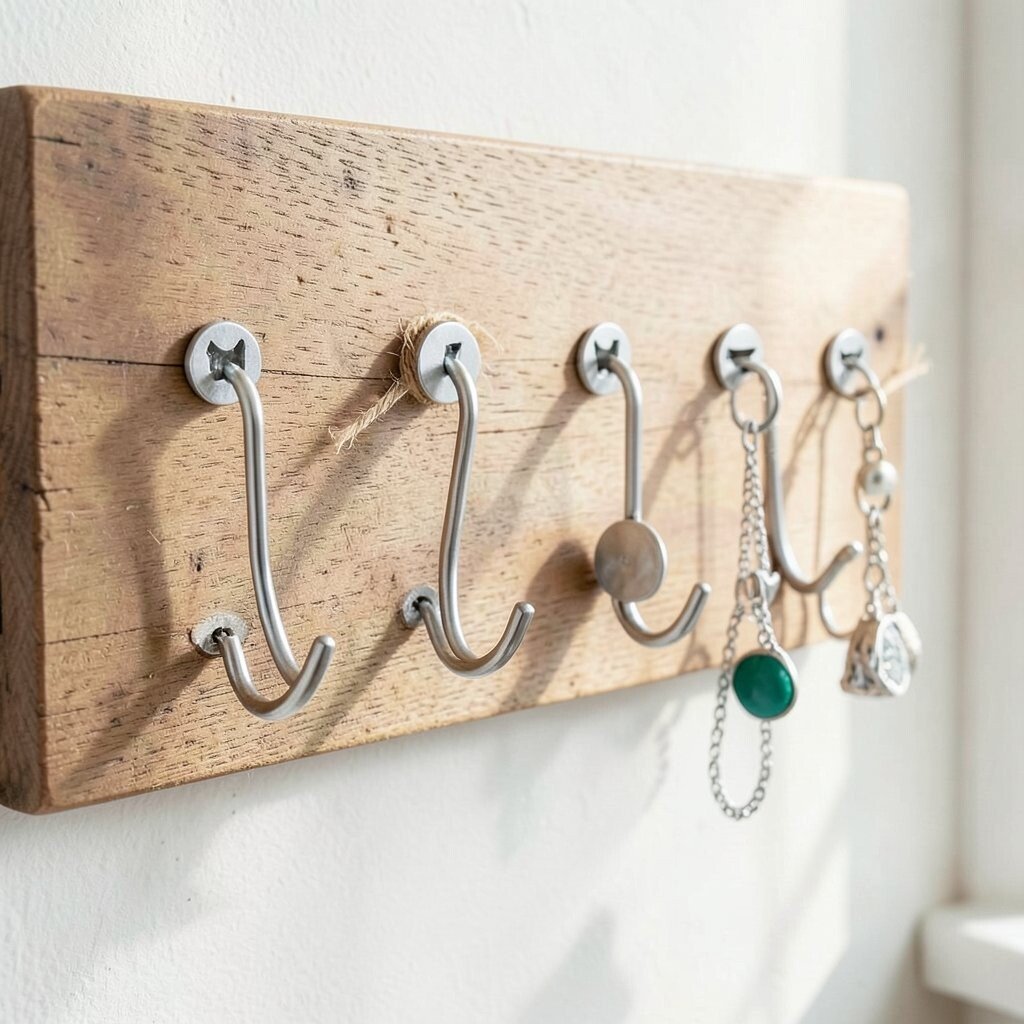
Thin aluminum pieces from cans, trays, or offcut sheets are lightweight and hold their shape. With a little bending and sealing, they become sleek hooks that look modern instead of trashy.
Clean the metal thoroughly, sand sharp edges, and use a safe paint or clear coating so it resists moisture. Use pliers to create small loops, then attach hooks to a board or directly to a wall with sturdy screws. For jewelry, space hooks closely for earrings or loosely for necklaces, and add small rounded covers if you’re worried about catching chains.
Personalize by stamping simple shapes, painting a favorite color, or adding a thin wrap of twine for a warm contrast. This idea feels current because many people want visible repair and stylish “useful art” in entryways and bathrooms. The cost is typically tiny since metal scraps are everywhere, and you can keep the project budget-friendly by using basic tools you already own.