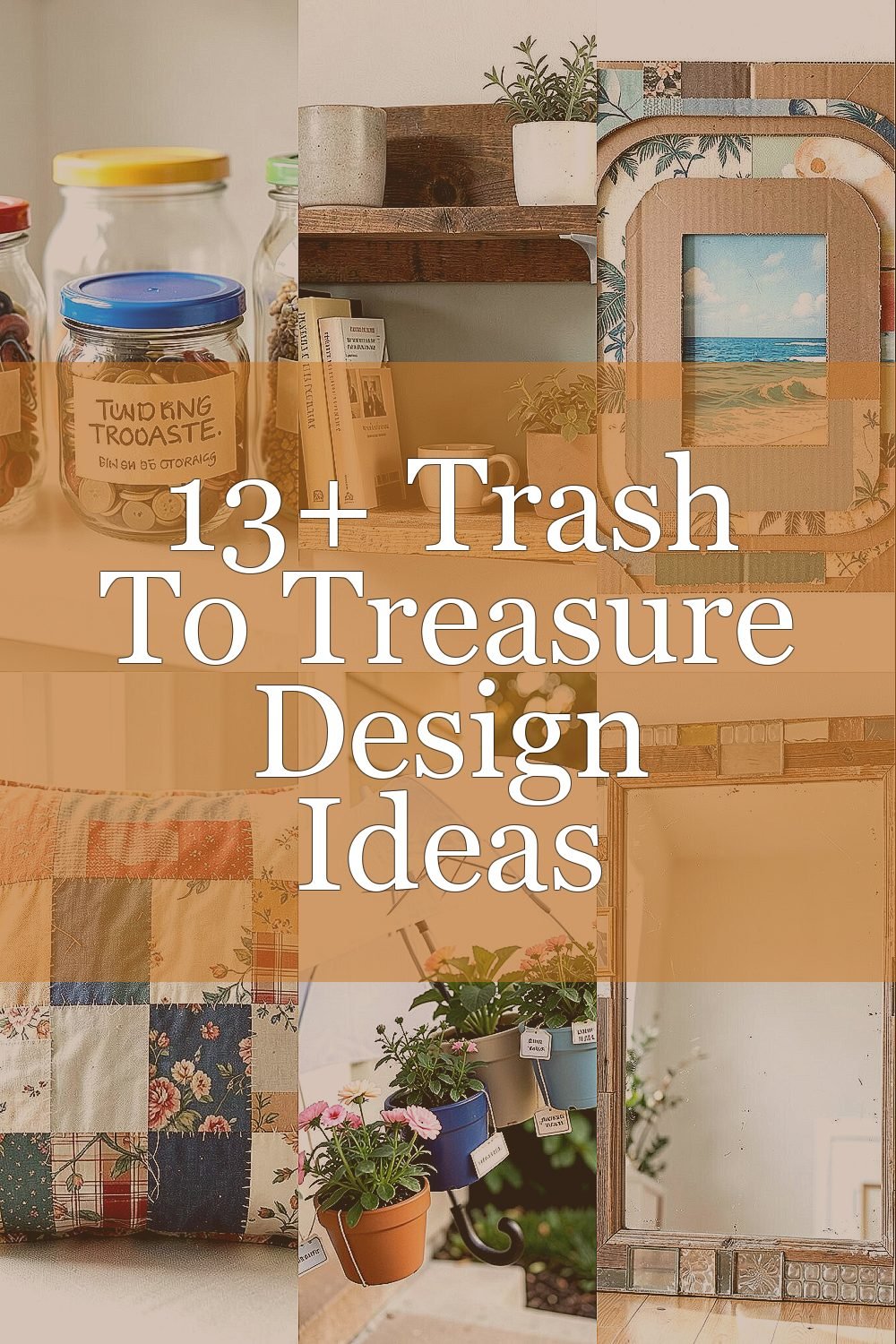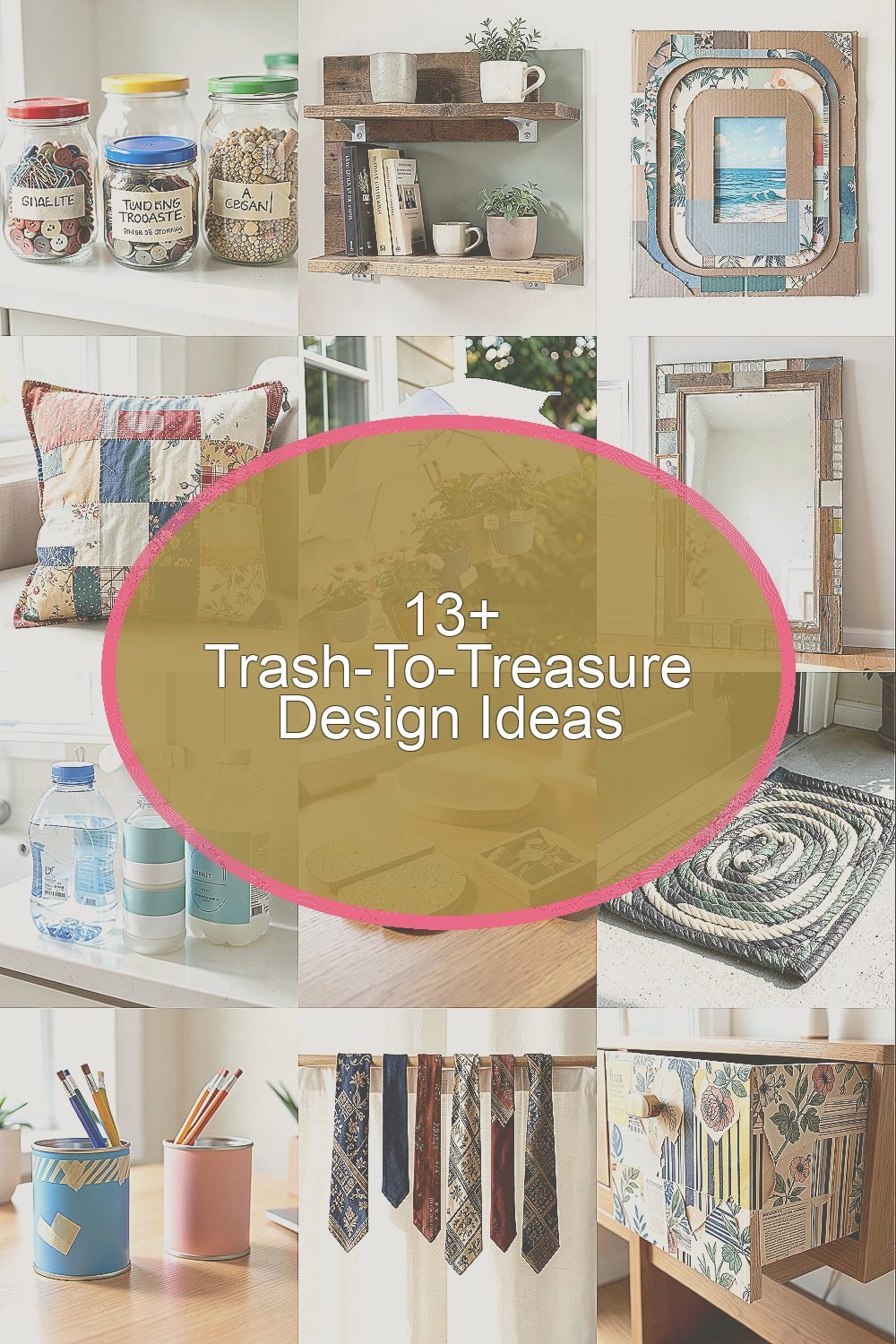
The right “junk” can become the cleanest, coziest part of your home. Small changes in how you see materials lead to big style wins.
Ready to make your space feel smarter, warmer, and a lot more you? These ideas show how simple scraps can look intentional, useful, and genuinely beautiful.
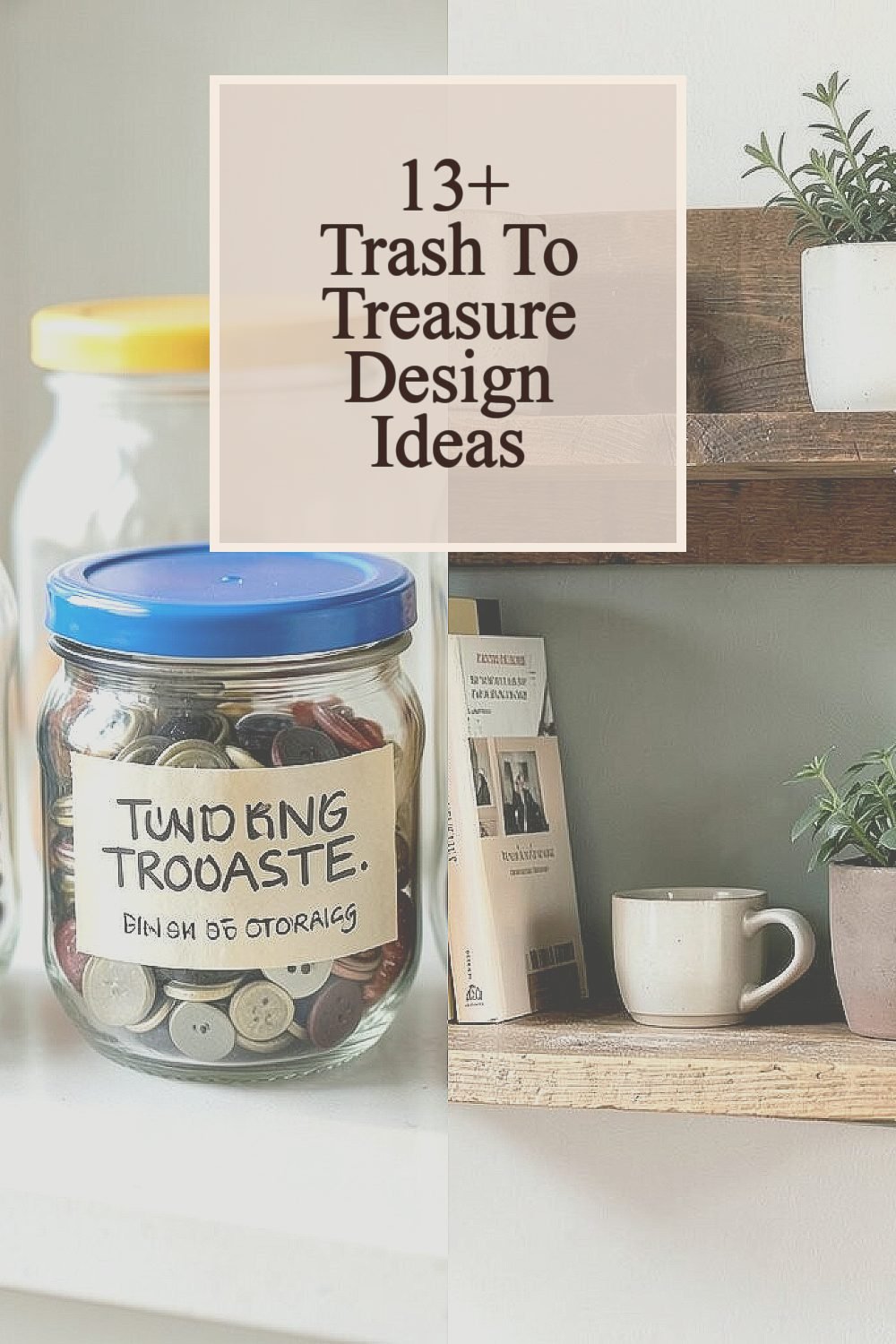
1. Turn Old Jars Into Matching Storage
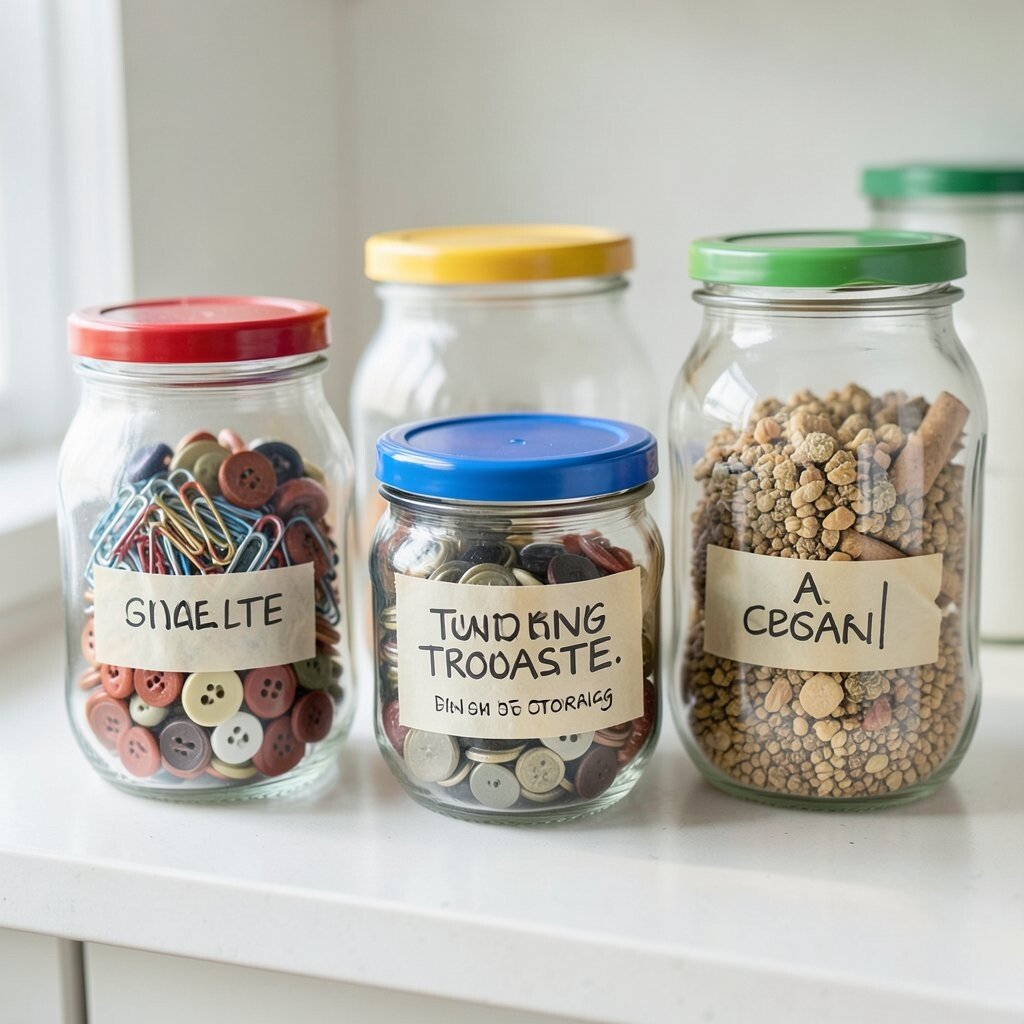
Clean out glass jars and remove labels so the surfaces look fresh and calm. Group them by size and place lids in the same color family for a neat visual rhythm.
Give each jar a clear purpose, like paper clips, buttons, or pantry spices. Add a strip of painter’s tape at the front, then write what goes inside using a bold marker. This keeps things tidy while making your shelf or countertop feel curated.
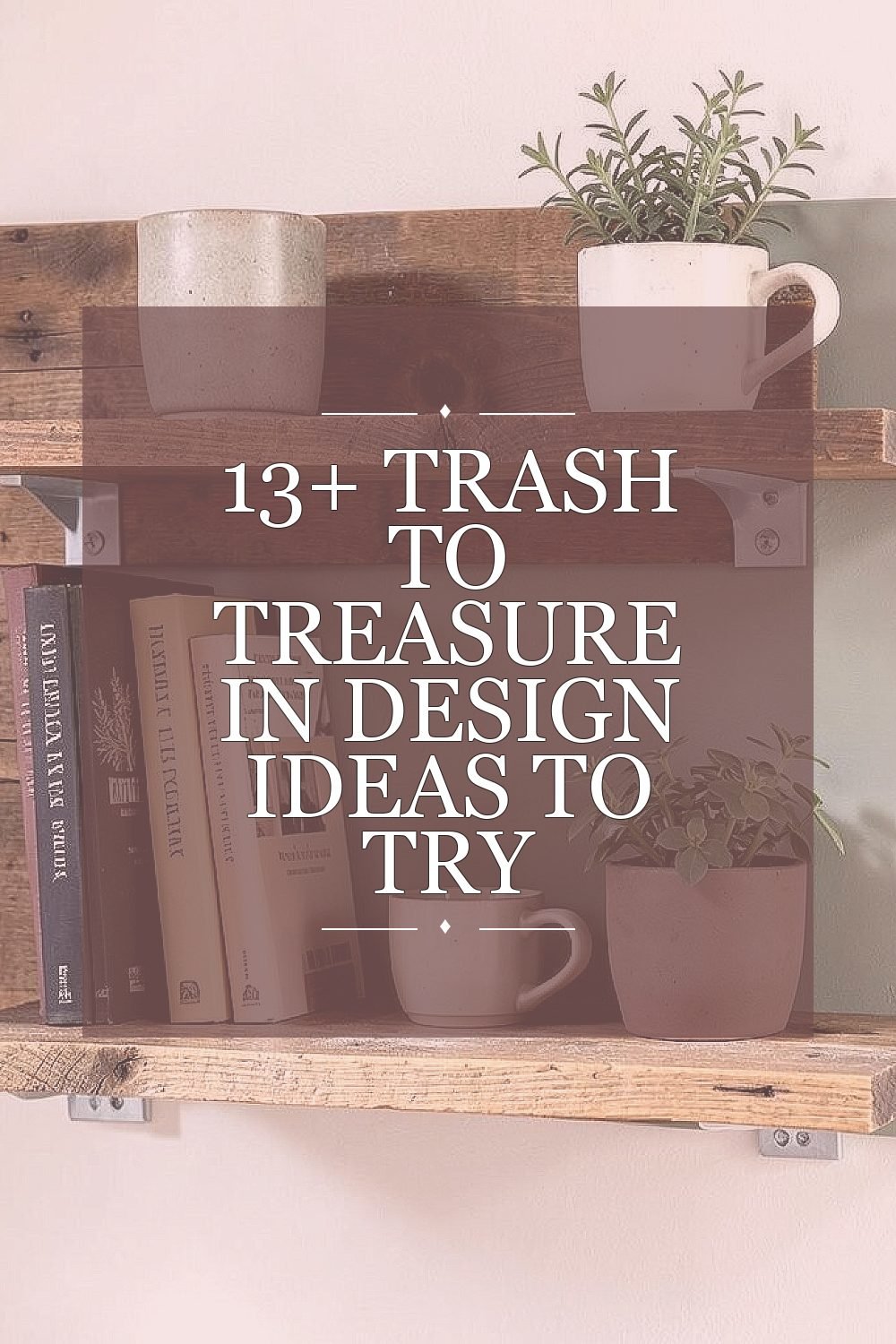
2. Make Pallet Wood Shelves From Discarded Boards

Use leftover pallet wood or reclaimed boards to build small shelves that look rustic and sturdy. Sand the pieces until they feel smooth, then wipe away dust so the grain stands out.
Attach shelves to the wall with secure brackets and use them for books, plants, or mugs. A shelf like this adds character fast, and the “lived-in” look fits current styles like warm minimalism and farmhouse mixes.
For personalization, stain one shelf darker than the others or paint the backing a soft color like sage or clay. If you want to control cost, look for free pallets locally and budget for sandpaper, stain, and wall hardware only.
3. Convert Cardboard Into Strong, Fashion-Forward Wall Art
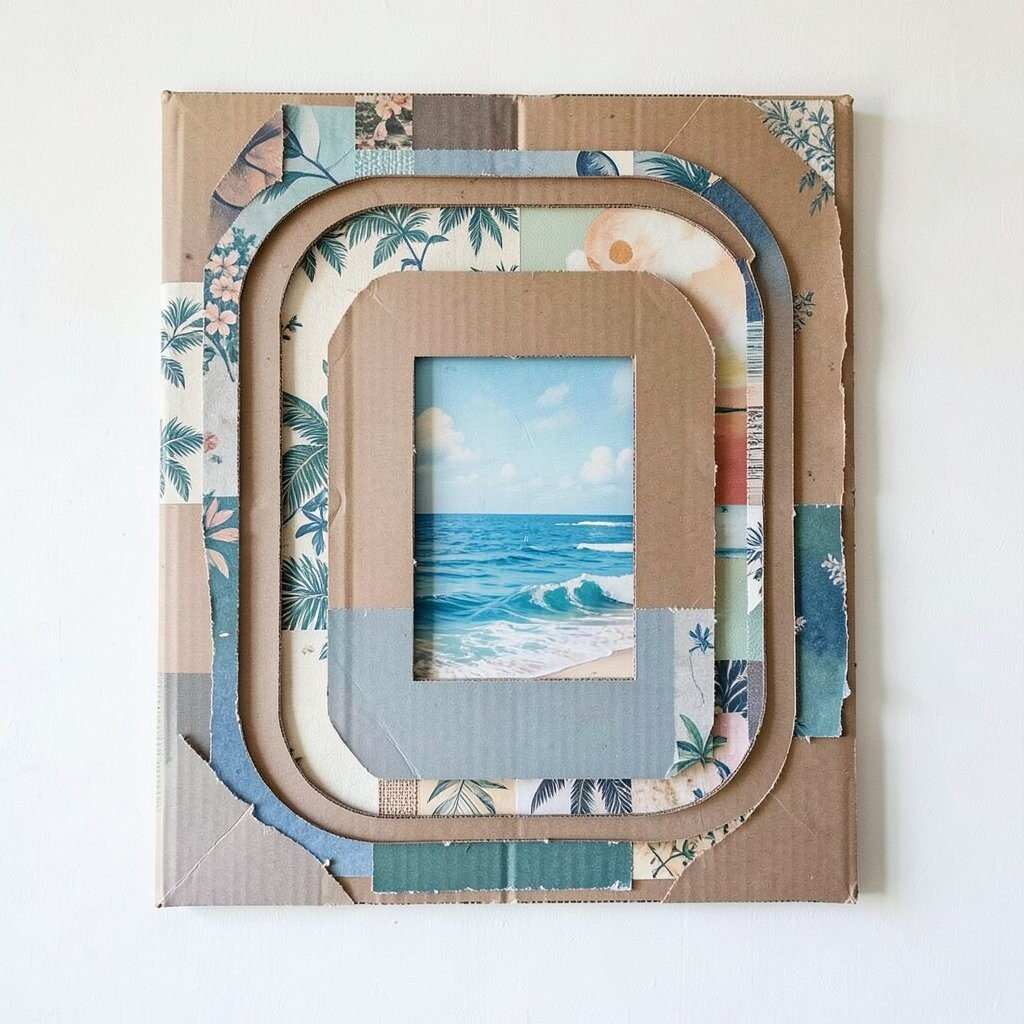
Flatten sturdy cardboard and cut it into curves, frames, or layered shapes. Use a craft knife carefully and keep edges clean so the design reads as intentional.
Stack layers to create depth, then cover with textured paper, fabric scraps, or even thin wallpaper. Paint a few highlights so the piece catches light and looks more “designed” than homemade.
This idea is unique because cardboard can mimic expensive materials when it’s layered well. Use your theme, like a coastal color palette or a retro pattern, and protect finished pieces with a clear matte sealant.
4. Build a Scrap Fabric Quilt Patch Pillow

Gather small fabric scraps, old T-shirts, or worn linens and cut them into matching-sized squares. Arrange the pieces until you like the balance, then stitch them into a simple cover.
Stuff it with a pillow insert and add a zipper or envelope closure for easy washing. The result feels cozy right away, and it’s a great way to use what you already own.
5. Turn Broken Umbrellas Into Garden Planter Accents
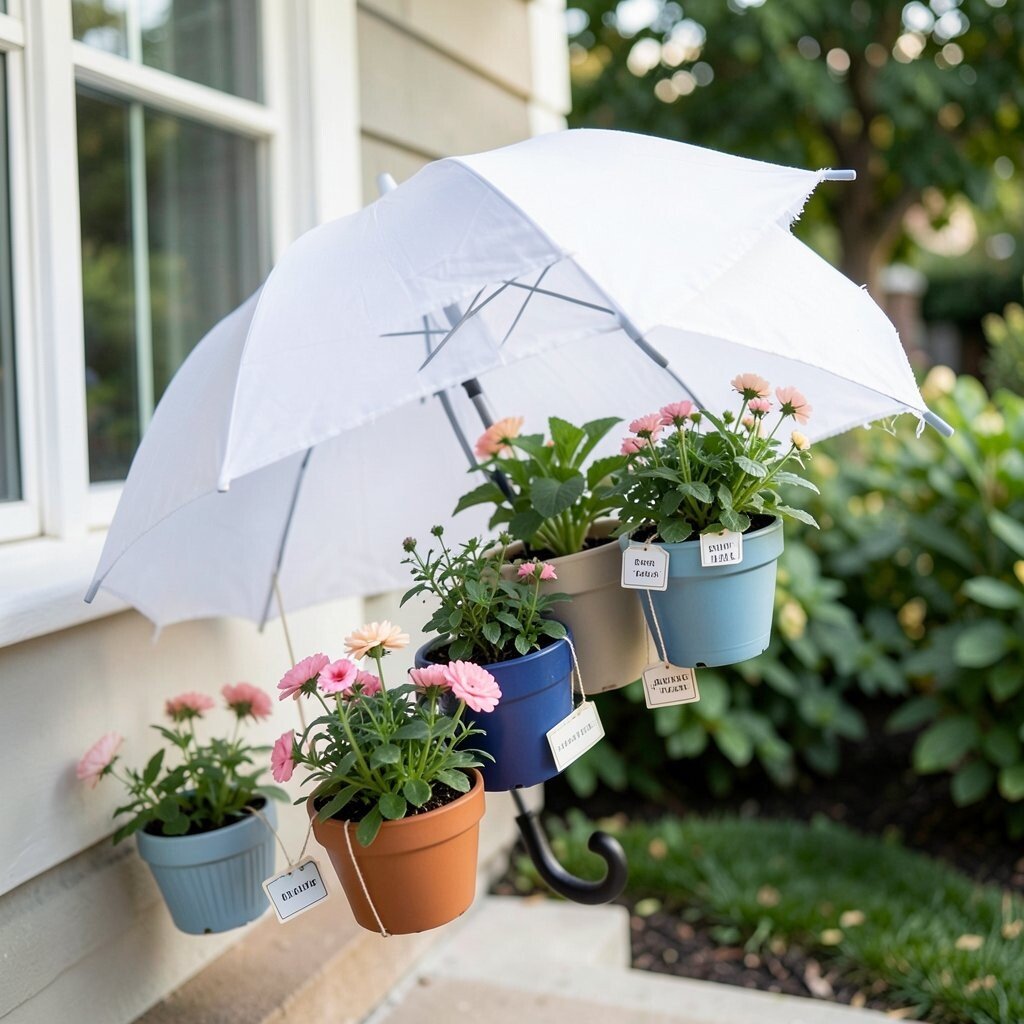
When an umbrella falls apart, the fabric still has style. Save the canopy frame and use it as a playful holder for small plants.
Stretch the fabric back onto the ribs, trim stray edges, and place pots so the arrangement looks like floating blooms. This creates a whimsical outdoor focal point without buying new planters.
To personalize, choose pot colors that match your porch decor and add mini tags for plant names. If you want to keep costs low, only replace what’s truly unusable and reuse the rest.
6. Create a Chic Floor Mirror With Framed Recycled Pieces

Look for an old mirror that’s scratched or use a thrifted frame you no longer love. Add reclaimed wood strips, broken picture frames, or bottle glass mosaics around the edges for a fresh look.
Use a strong adhesive and let everything cure fully before hanging. This trend of mixed textures keeps the look modern, and the mirror brightens a room without adding clutter.
7. Repurpose Laundry Bottles Into Bathroom Counter Organizers

Rinse out plastic detergent bottles and remove the caps, then cut them into smaller containers that fit your space. Smooth the cut edges so they feel safe and comfortable in daily use.
Attach small holders on a magnetic strip for clips or cotton pads, or stack bottles in a matching set. It’s a practical way to reduce mess, and the uniform shapes can look surprisingly neat.
Personalize by wrapping the outside with contact paper or washable fabric tape that matches your bathroom palette. Cost stays gentle because you’re mainly paying for glue and a few finishing materials.
8. Transform Wine Corks Into Coasters and a Tiny Trinket Tray
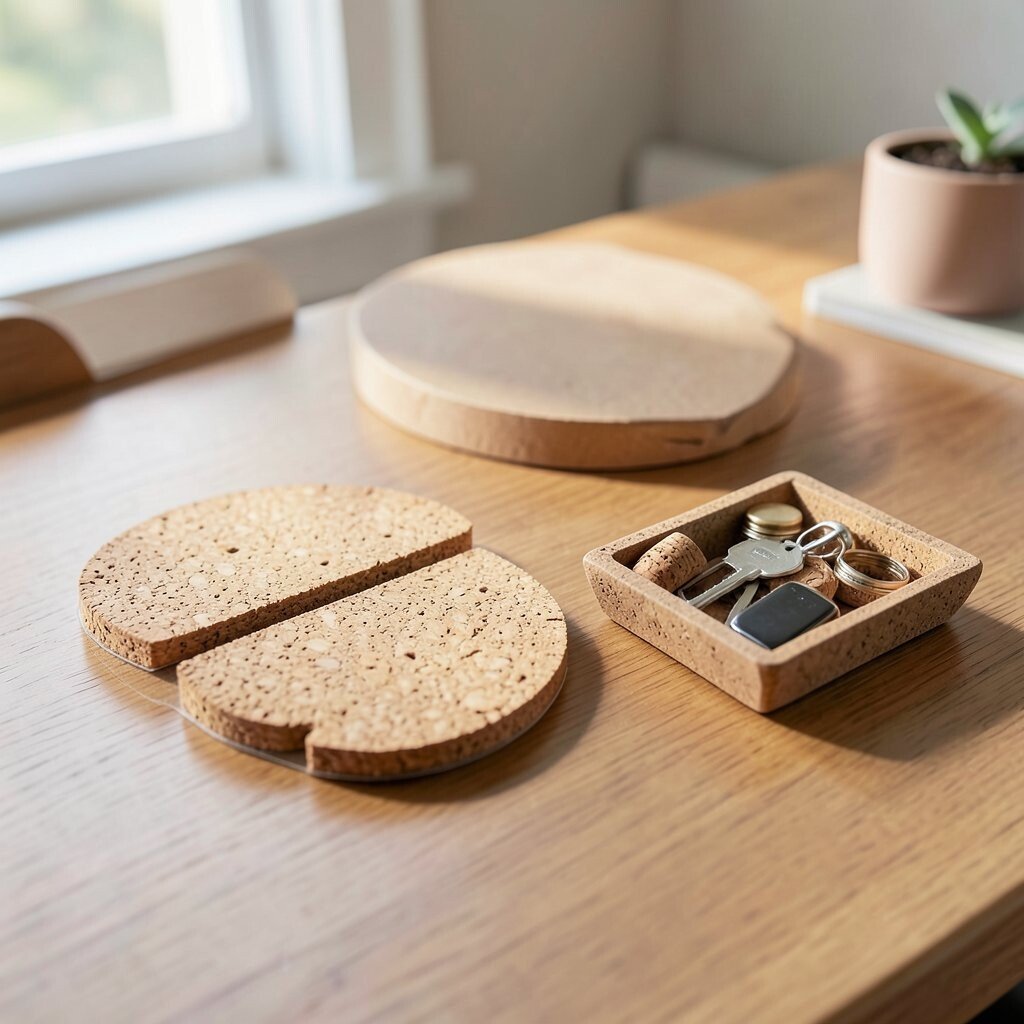
Cut corks in half lengthwise and glue them together into coaster shapes. Use a thin backing so the coasters sit flat on your table.
For a second layer of usefulness, glue cork pieces into a small tray for rings, keys, or perfume caps. This makes your desk or entryway feel organized while giving a warm, natural texture that fits today’s earthy design trends.
9. Make a Trash-Bag Rope Doormat That Actually Looks Cool
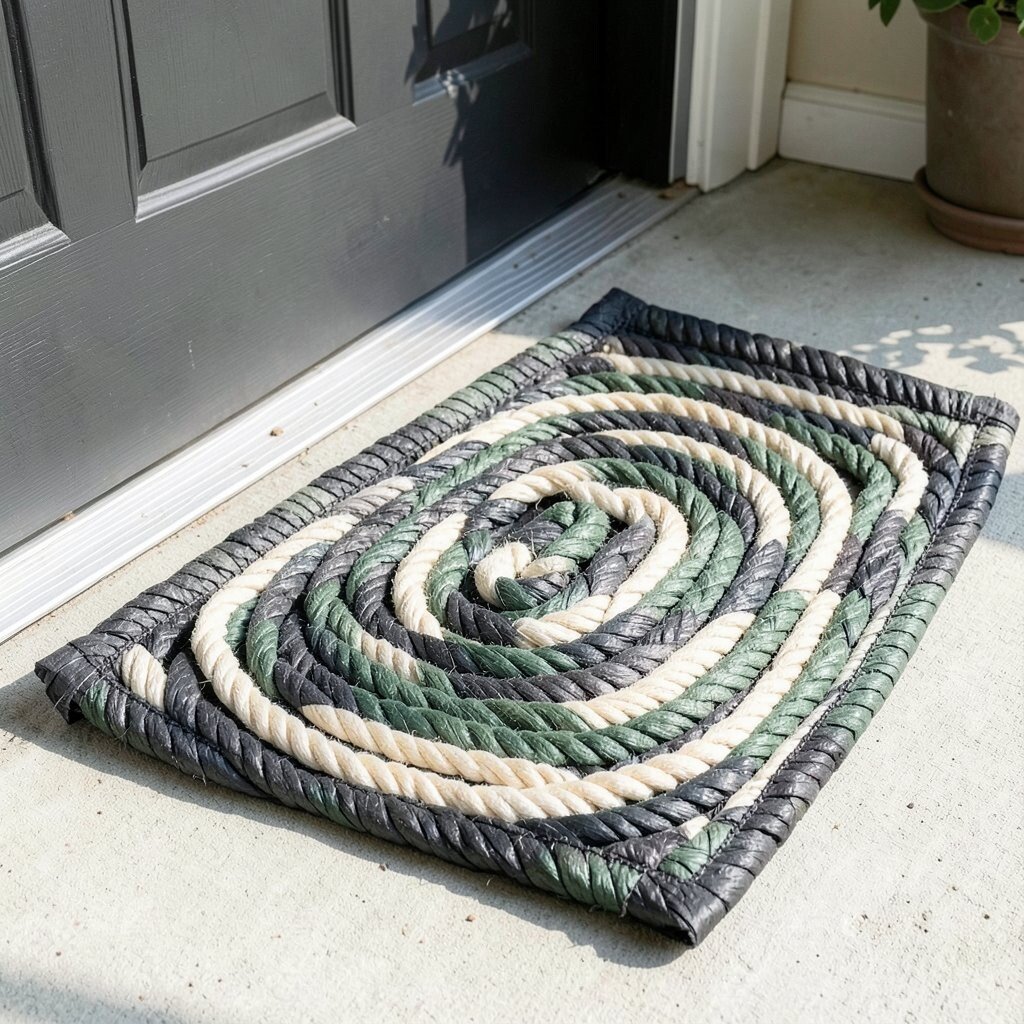
Cut sturdy trash bags into thin strips and twist them into rope-like strands. Braid or coil the strands into a mat pattern that lays flat on the floor.
Stitch or knot the edges so the mat holds its shape, then seal any loose ends carefully. A rope doormat is unique because it’s flexible, lightweight, and visually interesting with a woven look.
Choose colors you already have, like charcoal, cream, or muted green, to match your front entry. It’s also budget-friendly because most of the material comes from what you would normally throw away.
Put it where it gets used every day, then wipe it clean with a damp cloth and let it dry in the sun.
10. Turn Tin Cans Into Desk Pencil Holders With Spray Color

Wash empty tin cans and peel off any labels so the surface looks clean. Sand lightly if needed, then spray paint with a finish that matches your desk vibe.
Before everything dries, add a small band of tape patterns for stripes or simple geometric shapes. This makes your stationery feel styled, not scattered, and it works with current trends like playful color blocking.
11. Upcycle Old Ties Into Curtain Panels or Valance Details
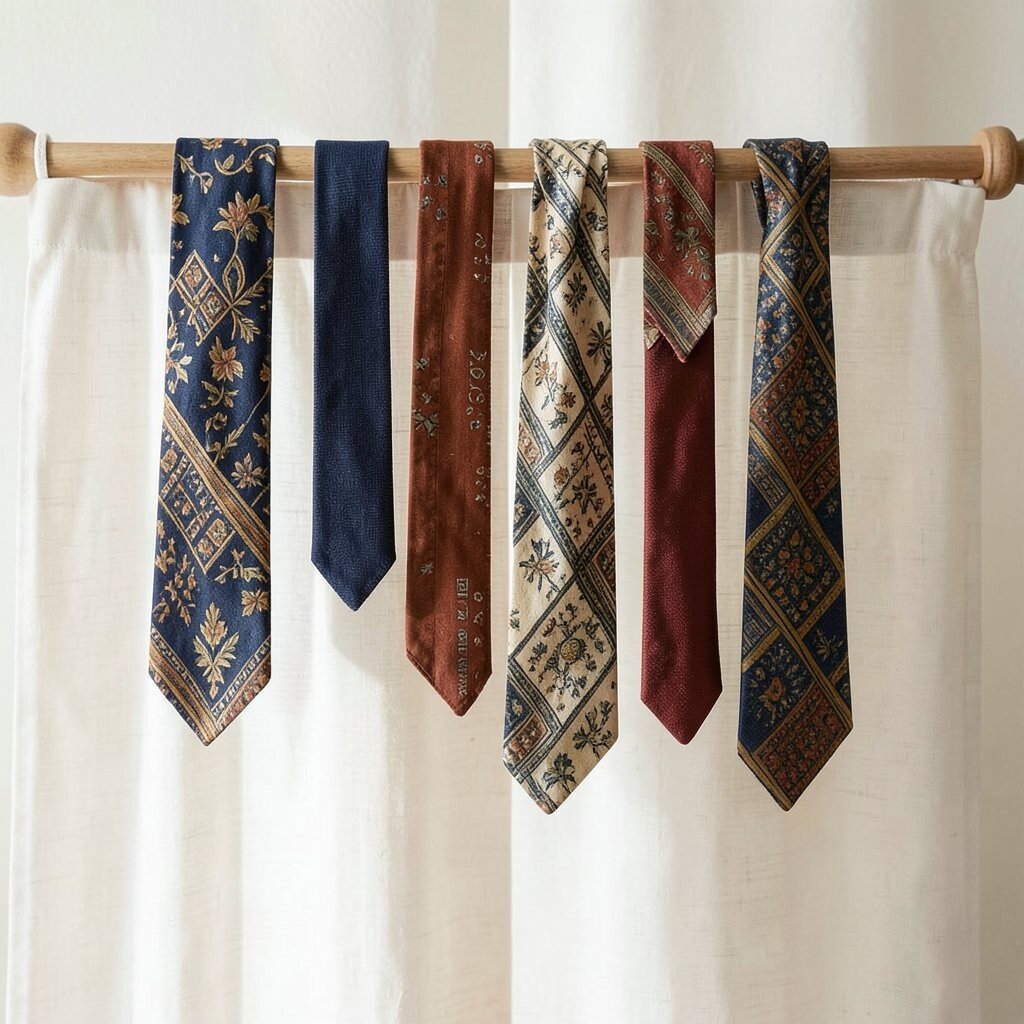
Collect used neckties and cut out sections that have neat patterns and strong fabric. Sew them together into small panels, or attach them to a simple rod pocket for a valance.
The look feels vintage and bold, with a uniqueness you won’t find in typical store aisles. For practical use, line the back with a light fabric so the curtain drapes smoothly and blocks a bit more light.
Personalize by choosing ties with a shared color story, like navy and cream or rust and gold. If you’re cost-conscious, thrift tie bundles and reuse parts you like most.
12. Use Scrap Wallpaper to Create a Statement Drawer Front
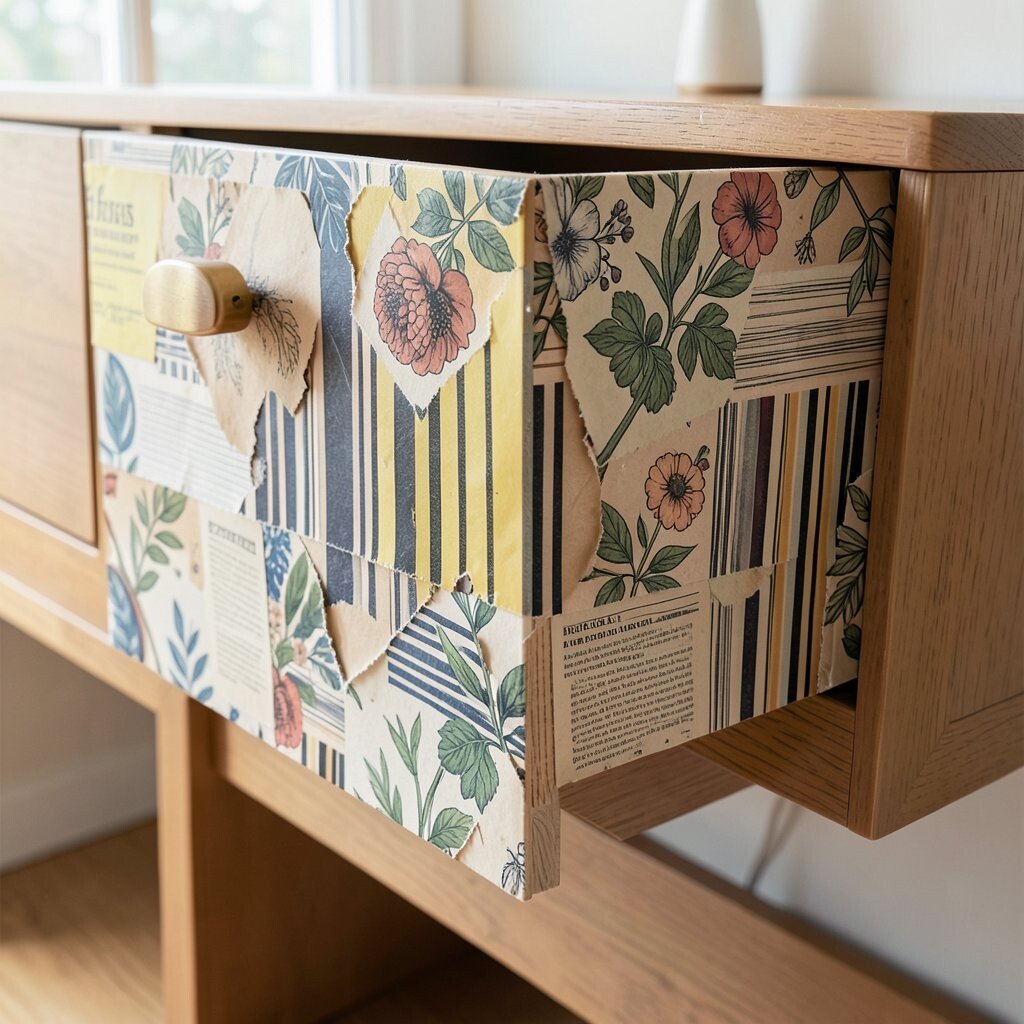
Remove a drawer front or a cabinet door and measure the surface carefully. Cut wallpaper pieces slightly larger, then smooth them down with a gentle tool so bubbles don’t show.
Trim the edges neatly and seal with a clear topcoat if the surface might be handled often. This is a smart way to add personality without buying new furniture, and it fits trends that celebrate bold accent patterns.
13. Make Old Books Into Floating Style-Ledgers and Display Blocks
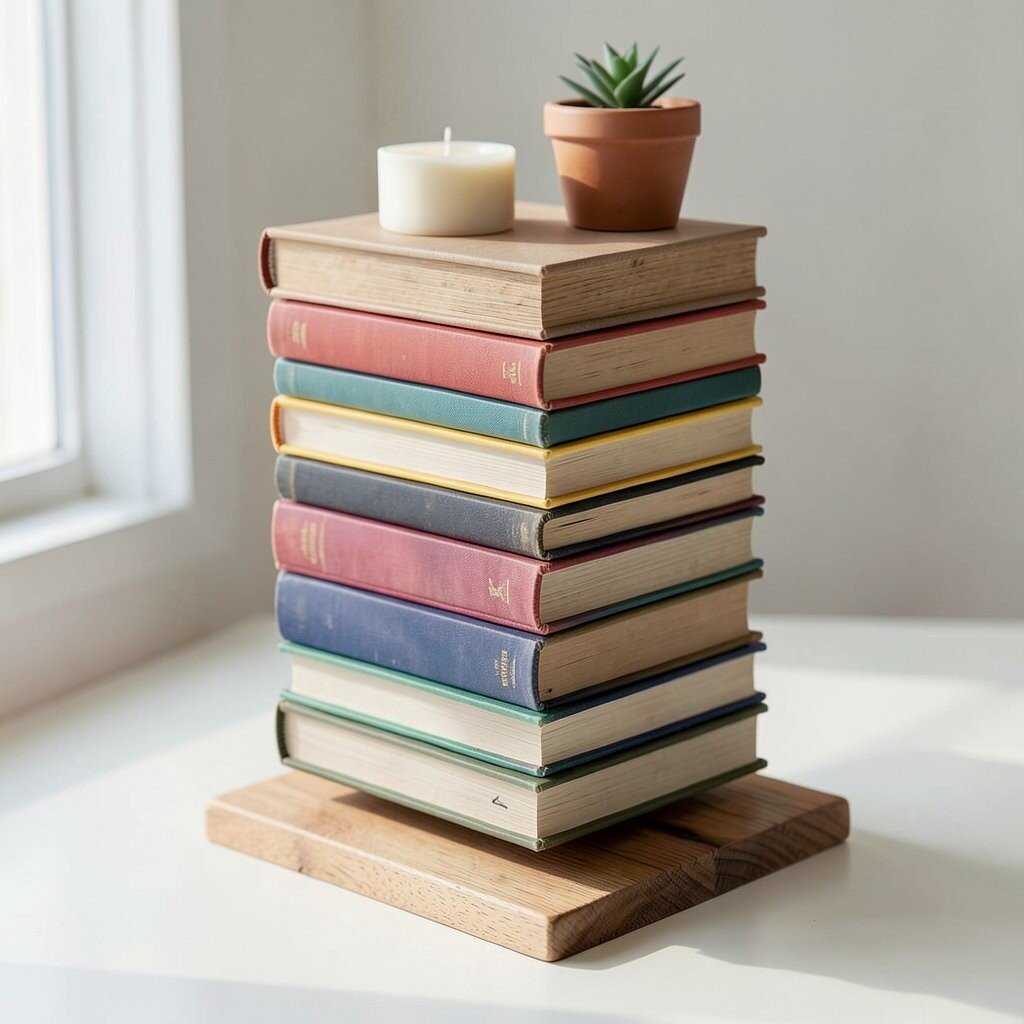
Stack books in a tidy column, then glue them lightly so the tower stays stable. Sand the top edge if you want a smoother finish, and add a base board cut from scrap wood.
Use the top surface to hold small objects, like candles or a plant pot, or carve shallow grooves into the side for mail. This gives your shelf a layered look, and it’s unique because it turns reading leftovers into a designed display.
Personalize by arranging covers by color, or by removing dust jackets to show uniform spines. If you want a cost-friendly approach, borrow or swap books until you find the right match.
14. Build a Stylish Lighting Shade From Paper Bags and Twine
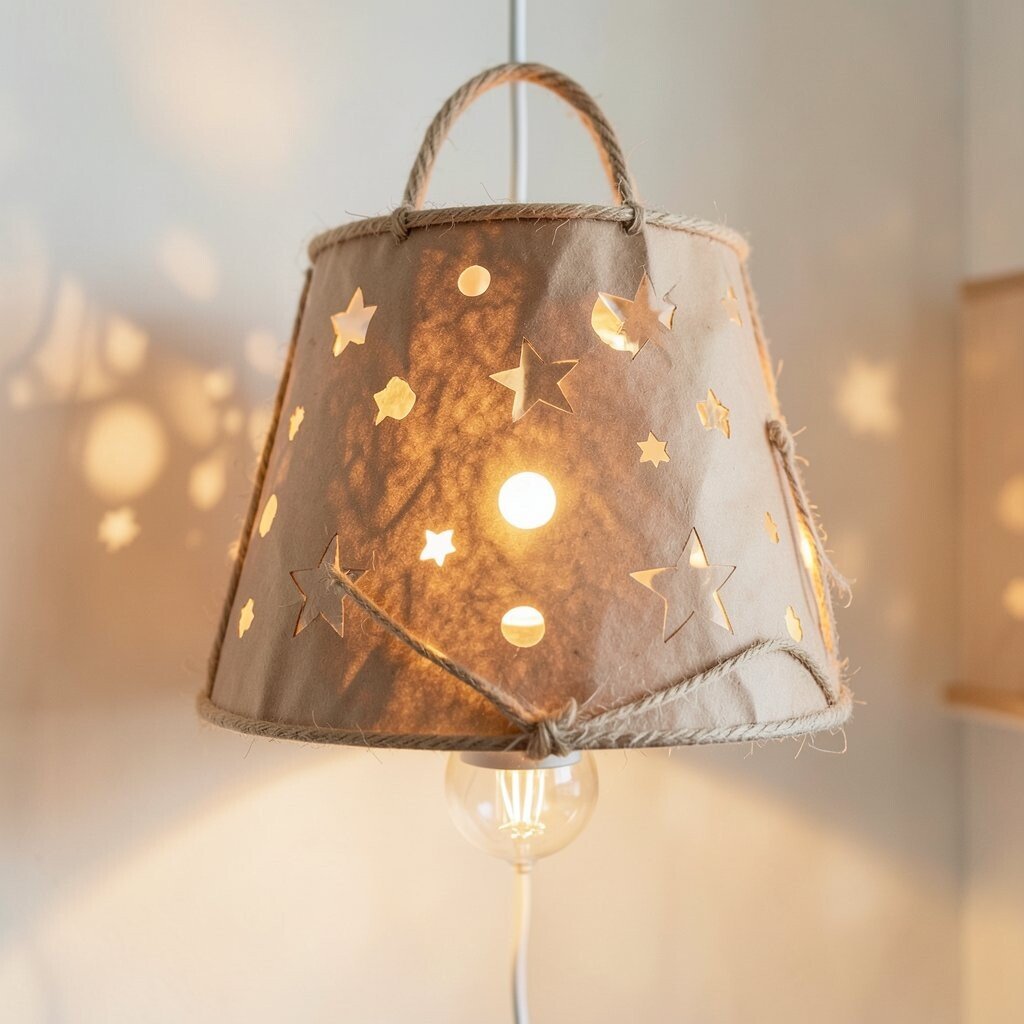
Choose paper bags with sturdy handles or thick craft paper and fold them into a lamp shade shape. Wrap twine around the structure for reinforcement, then secure the ends with careful knots.
Place the shade over a compatible bulb setup and test how light spreads before final adjustments. The warm glow feels inviting, and the woven look matches current trends that lean into handmade textures.
To personalize, add cut-out patterns like simple stars or small circles so the light forms soft shapes on the wall. Keep costs down by using what you can find at home and purchasing only the light fixture parts you’re missing.
Choose a color palette that matches your room so the shade looks intentional, not accidental.