The bright bounce of a yellow tennis ball is secretly powerful. Pick one idea and you’ll feel movement and laughs in no time.
Even a small space can turn into a game zone with simple practice. You’ll be surprised how many ways a single ball can keep you busy.
1. Sock-Target Bounce Challenge
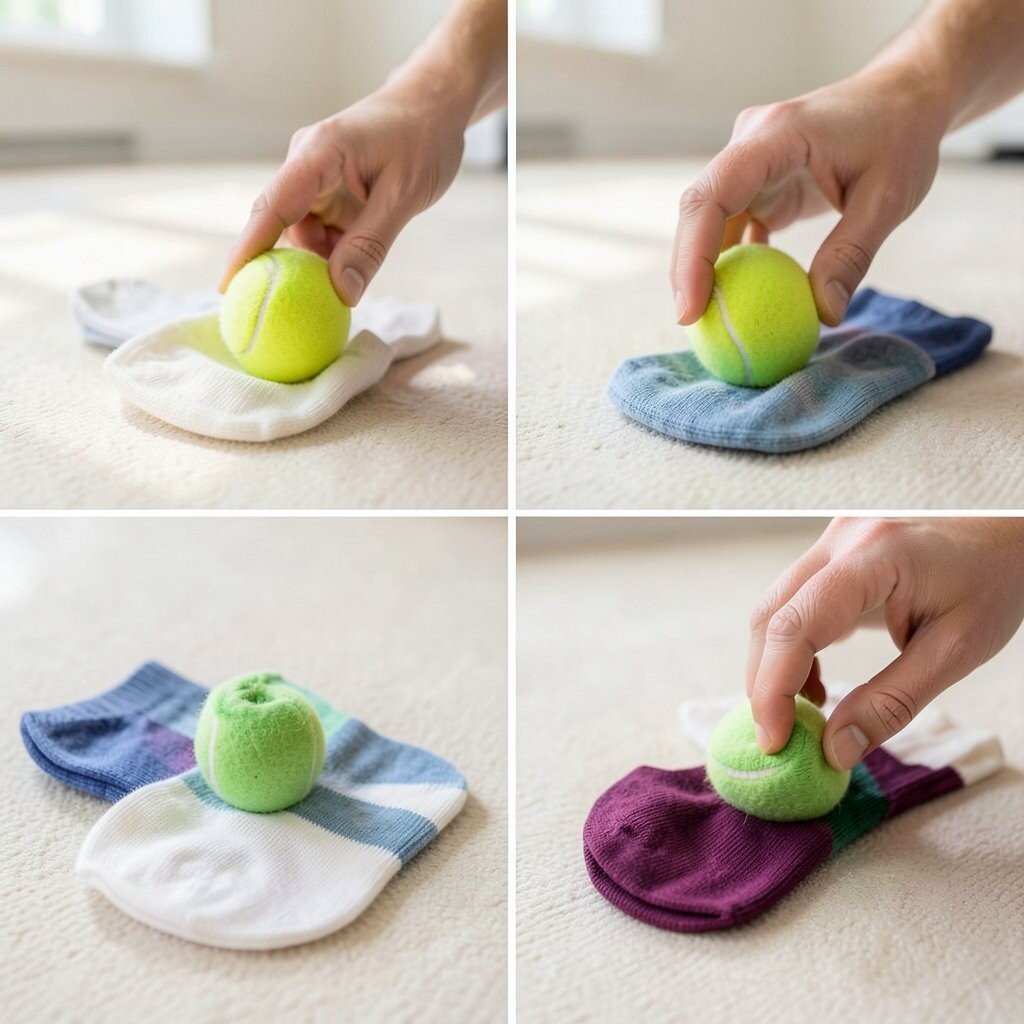
Put a few clean socks on the floor like soft targets, then bounce a tennis ball toward them. Aim for the sock opening and watch where the ball lands. Adjust your distance to match your skill level.
Try short rounds of steady throws, then add gentle spin by brushing the ball’s surface with your fingertips. This helps hand-eye coordination while keeping things playful. Personalize the targets with your favorite colors or shapes by rolling socks into different sizes.
2. Household Bowling With a Snack-Safe Lane
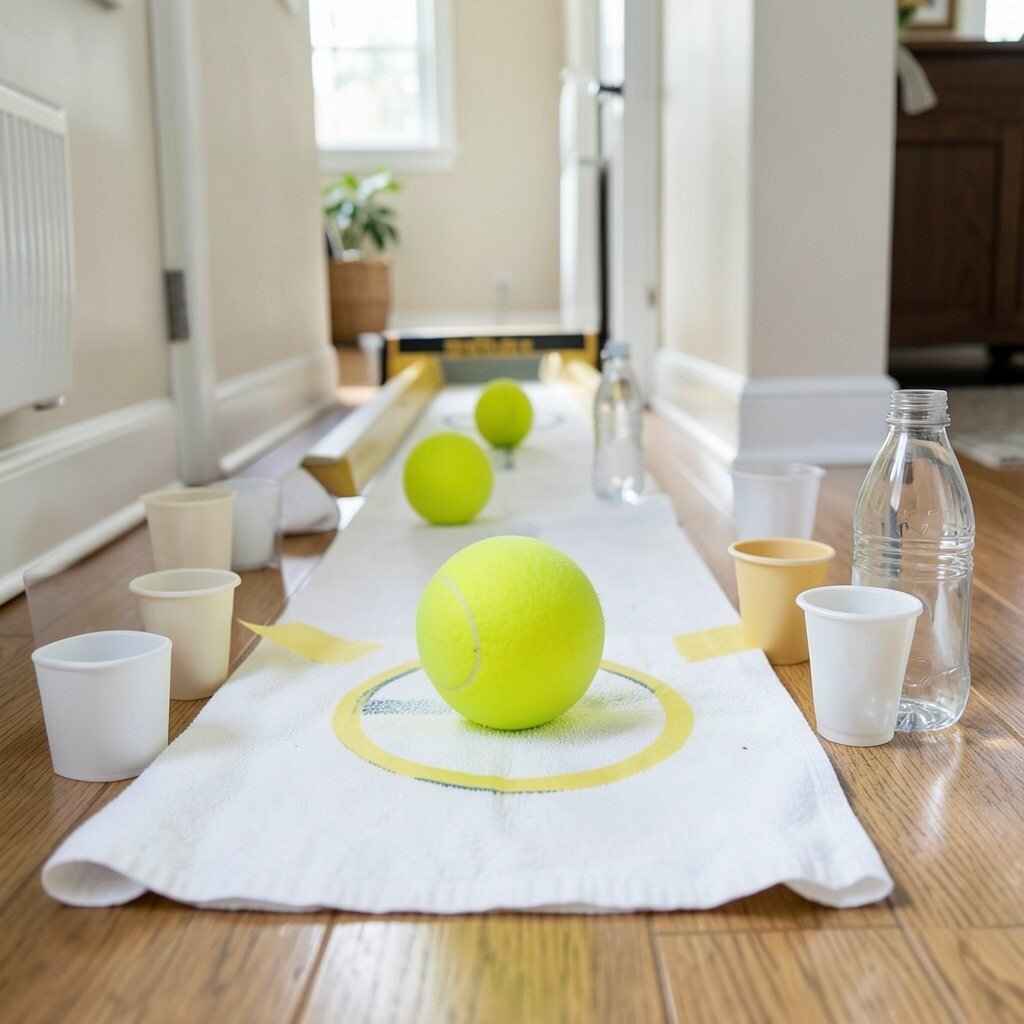
Set up empty water bottles or lightweight cups along a hallway or living room mat. Roll the ball from a consistent spot and try to knock them down one by one. Add a simple aiming mark with painter’s tape so you can repeat your best line.
Use a soft surface like a towel under the cups to reduce slipping and protect floors. The smooth roll builds control and improves your timing. For cost, you can use whatever containers you already have.
If you want a current feel, try “endless strike” rules by aiming for a full rack in under a set number of tries. Keep it safe by using only lightweight items and clearing breakable objects nearby.
3. Desk Toss Accuracy for Busy People

Sit comfortably and toss the ball into a laundry basket from a short distance. The basket rim should catch the ball without you needing to stand. Start small and gradually step back when your throws feel steady.
Use gentle underhand tosses to reduce stress on wrists and shoulders. This supports coordination and gives your brain a quick win during a break. For personalization, mark different zones on the floor with tape and assign points based on where the ball lands.
Keep the ball trackable by choosing a basket with a clear opening. If you work at home, you can pair this with simple stretching between throws so your body stays happy.
4. Backyard Cup-and-Count Relay
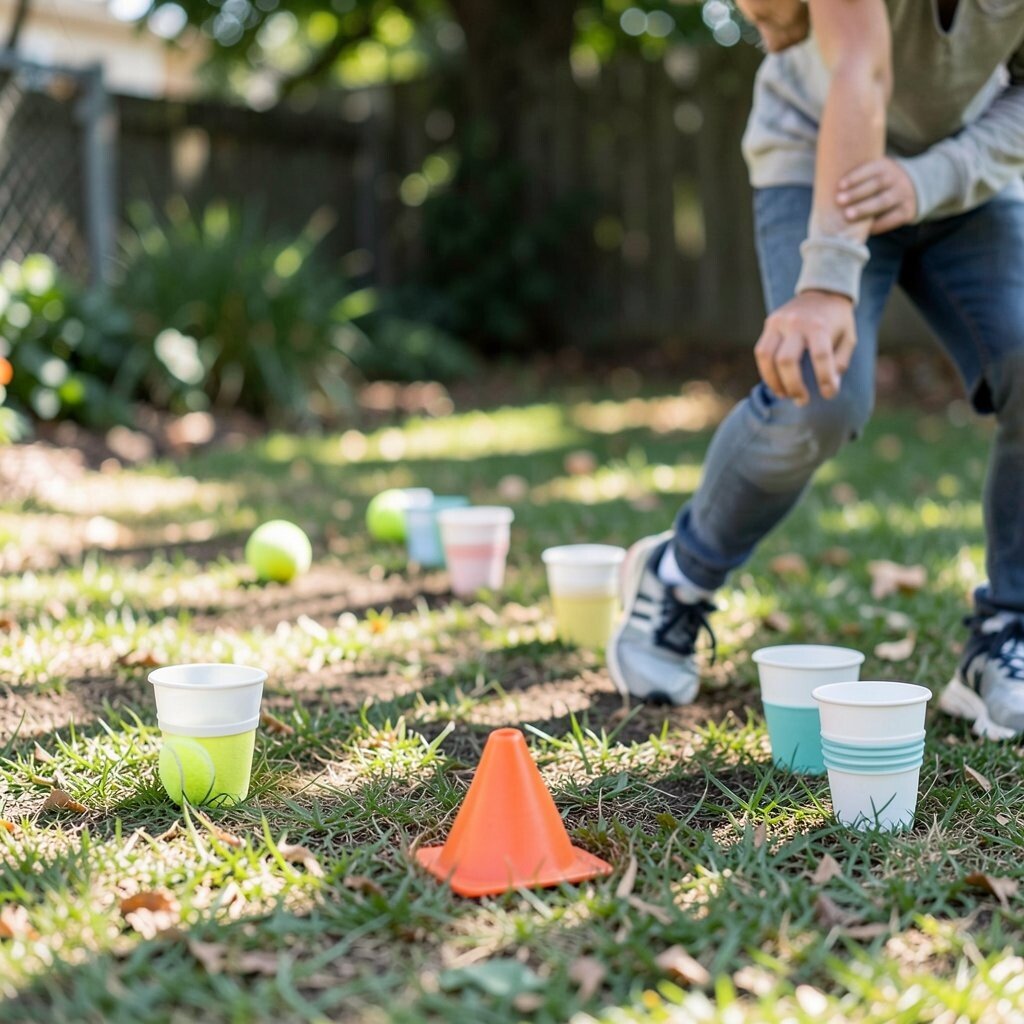
Create a relay using cups, a small cone, or even a shoe as your turning point. Start at one end, roll the ball to your turn marker, return, then tap the cup stack to finish. Moving back and forth makes the activity feel like a real mini competition.
Use lighter cups and set them a little wider apart so you can succeed more often. You’ll build speed and footwork while learning how the ball behaves on different surfaces. Personalize it by matching the route to your yard layout or your comfort level.
5. Wall-Slam Rhythm With a Music Beat

Stand close to a wall and gently bounce the tennis ball at a steady rhythm. Count the hits in your head, then change the pace when a song’s beat changes. You’ll feel your timing sharpen fast.
Use softer tosses first, then increase force only if the ball consistently returns to you. This builds reflexes and strengthens your ability to react. If you want a modern twist, try using a metronome app on your phone so your bounces line up with the tempo.
Personalize by choosing a playlist you already love so your practice feels like fun background energy. For cost, all you need is the ball and a safe wall space.
6. Balance Beam Walk Using a Single Line

Lay a strip of tape or use a chalk line as your “beam,” then walk heel-to-toe while holding the tennis ball. Move slowly and keep your posture tall as you balance. The visual of the ball in your hand helps you stay focused on your steps.
When you get comfortable, alternate hands or switch to a gentle bounce while walking. This improves balance and core stability without needing fancy gear. For personalization, make the beam longer or shorter based on the space you have.
7. Ping-Pong Without a Net With a Flat Surface

Use a frying pan, baking sheet, or a flat board as a paddle and hit the ball back and forth to a partner. If you’re alone, bounce it off the paddle and aim it toward a target on the floor. You’ll learn control by watching the ball’s arc after each tap.
This is a great way to practice reaction time because the ball moves quickly but stays light. It also supports shoulder coordination and improves precision. For cost, you can borrow kitchen tools or use scrap wood, then sand edges if needed for safety.
Try different surfaces because a harder paddle changes the bounce, which keeps the game feeling fresh and current. Personalize the rules by setting distance goals that match your comfort.
8. Floor Maze With Sticky Notes Landings

Create a maze by placing sticky notes on the floor to mark “safe zones” and “no-roll areas.” Then roll the tennis ball carefully so it lands on the sticky notes without crossing the blocked spots. You’ll love the visual challenge of a bright ball weaving through a tiny map.
Make the maze easy at first, then change it every day for variety. This practice builds focus and gentle aiming while keeping everything low cost. Personalize the maze theme with seasons, pets, or your favorite colors.
9. Tennis-Ball Bowling Pins on a Rolling Cart

Place a few small items upright on a rolling cart or a sturdy box, then roll the tennis ball toward them. Push the cart slightly forward between attempts so you’re controlling both angle and distance. The look of items toppling over a moving base makes the game feel lively and unpredictable.
Keep the cart stable and clear around it so you don’t bump into things while concentrating. You’ll gain better accuracy because the moving setup changes how the ball behaves. For cost, use any stable surface and lightweight objects that won’t break.
Personalize by choosing a “slalom” layout with items spaced like a path you can learn. This kind of setup fits trending indoor practice because it turns a simple ball into a dynamic challenge.
10. Yoga Meets Ball Control With Breath-Based Reps

Hold the ball during a short yoga-style flow, then press it gently against your palms during certain poses. For example, do a slow squat and squeeze the ball as you rise, then release as you settle. Notice how the ball’s resistance gives you feedback on your movement.
This combination improves body awareness and adds a fun strength element without heavy weights. It also helps you slow down and breathe, which many people find calming after busy days. Personalize your sequence using stretches you already enjoy and adjust the ball pressure to match your comfort.
11. Closet Catch Game With a Hanging Basket

Hang a small laundry basket or mesh bag from a doorknob or sturdy hook, then toss the tennis ball so it lands inside. The target feels close and forgiving, which builds confidence quickly. You’ll enjoy the visual of the ball popping into the basket like a mini trophy slot.
Use gentle throws and keep the basket secure so it doesn’t swing wildly. This practice strengthens throwing mechanics and improves accuracy in a small space. For personalization, decorate the basket with sticker stars so every successful catch feels extra rewarding.
If you’re worried about noise, place a towel beneath the basket so it softens the impact. This makes the game friendlier for shared spaces.
12. Letter-Path Spelling With Targets on the Floor

Write letters or simple shapes on paper, then tape them to the floor in a path. Toss or roll the tennis ball so it lands near the correct letter for your chosen goal. You’ll train both motor control and quick thinking at the same time.
Choose words that matter to you, like your name or a favorite hobby, and build a new path each day. This is useful for practice because it turns movement into a learning game without feeling like homework. Personalize it for kids or adults by using math signs, colors, or funny picture targets.
For cost, you can use regular paper and tape, and you can print or handwrite whatever you want. Keep distances short so you succeed often, then widen the path as you improve.
13. “No-Hands” Rolling Race With a Foot Ramp

Set a gentle ramp using a folded towel or small board, then roll the tennis ball up and push it forward with your foot. Time how long it takes to reach a target line without knocking the ball sideways. The visual of the ball gliding over your “ramp” makes it feel like a tiny obstacle course.
This builds coordination and foot control while keeping arm strain low. It’s also a fun alternative when you don’t want to throw high. Personalize by making different ramps with different towel thicknesses so the ball moves at different speeds.
14. Partner Mirror Toss With a Count-Up Rule
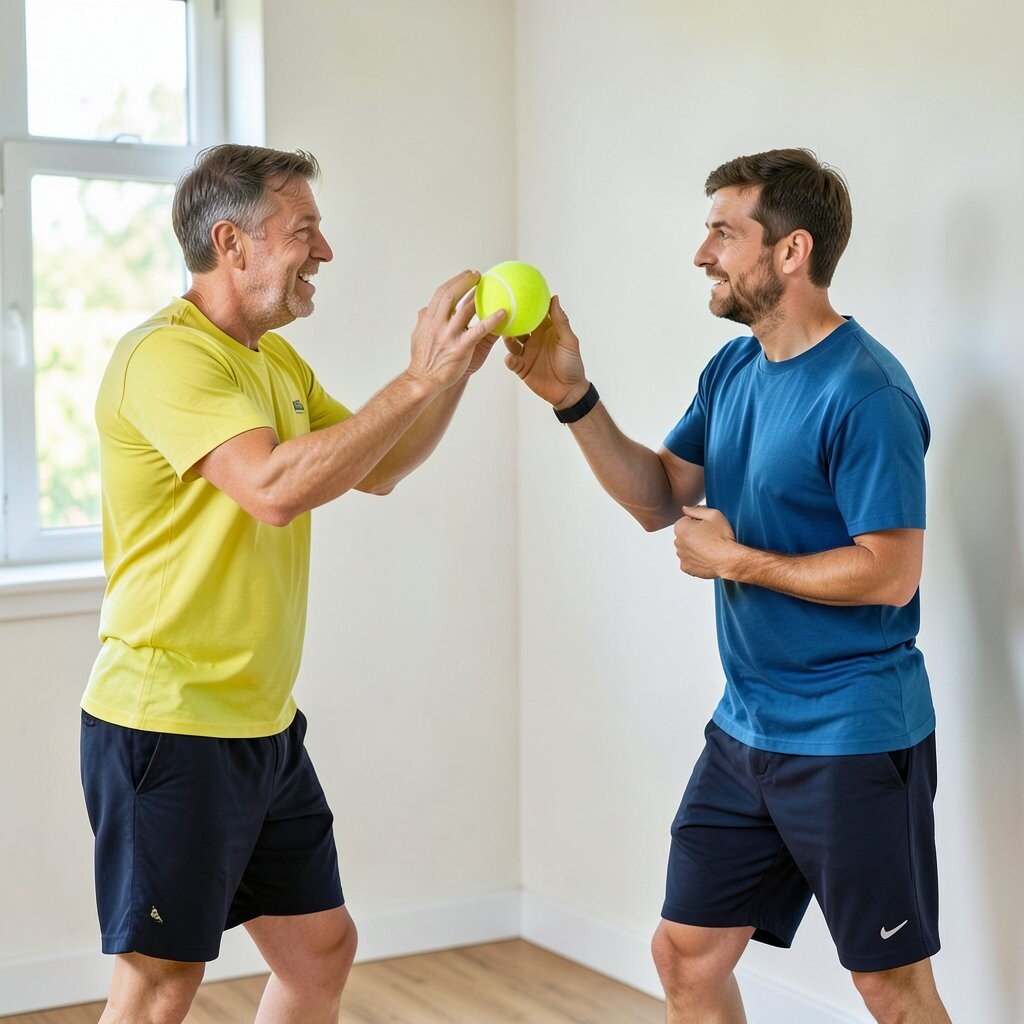
Stand facing a partner and toss the tennis ball lightly so you can both catch it. After each catch, count up together and try to keep the rhythm steady. The visual of synchronized movement feels like a friendly dance.
Keep throws under control and adjust distance to prevent hard throws. This improves timing, reaction, and communication because you’re coordinating in real time. For personalization, use “shuffle changes” by switching who tosses first every few rounds.
If you’re working alone, bounce the ball against the wall and try to match the time it takes for it to return. That way you still get the rhythm practice without needing another person.
15. Garden Wall Art With Rolling Imprints
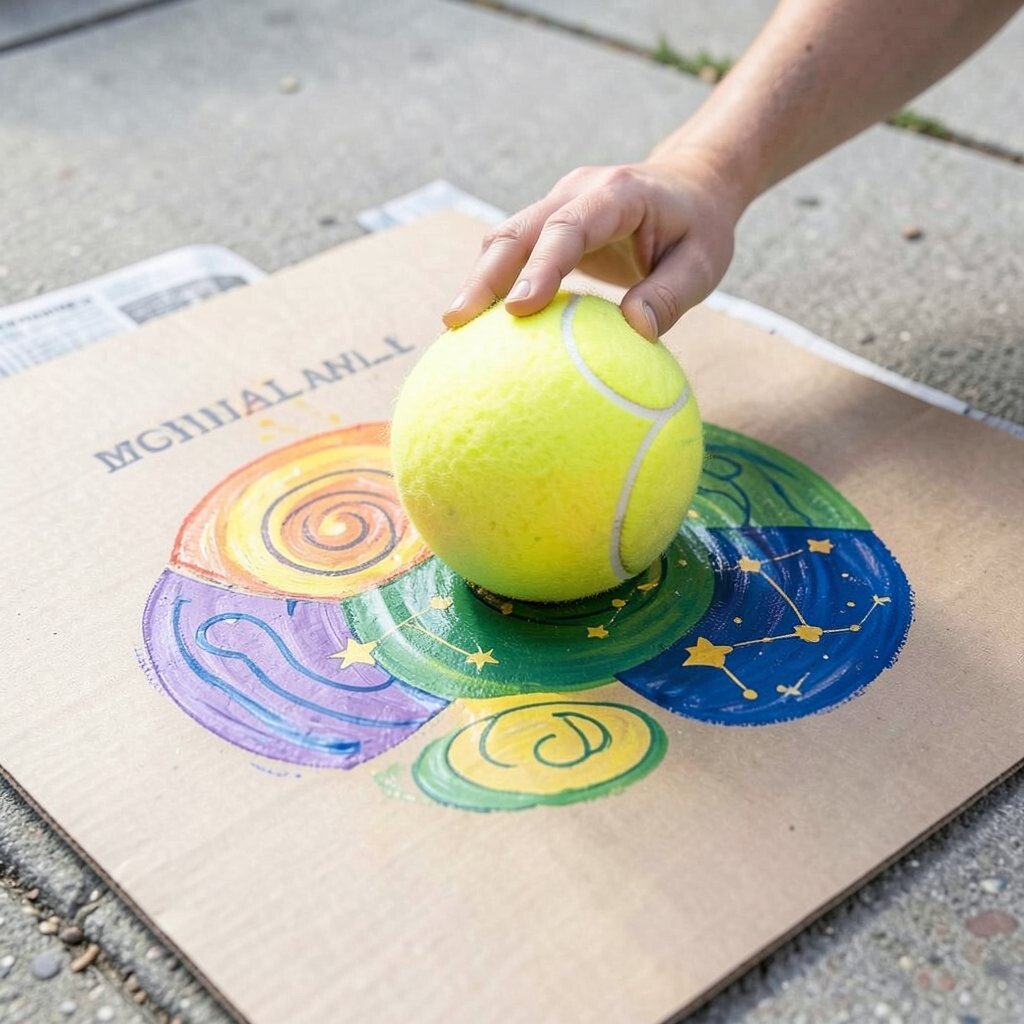
Before you start, choose a safe surface like a blank section of sidewalk or a large piece of cardboard on the ground. Dip the tennis ball lightly in washable paint, then roll it to create circles and trails like little planets. The bright yellow ball shape can become a playful print even if you paint it a different color.
This activity is creative and relaxing, and it turns the ball into a tool for art. It also helps your hands learn gentle pressure control so you don’t smear too much. Personalize your look with seasonal color palettes and simple patterns like spirals, waves, or constellations.
For cost considerations, use inexpensive craft paint and protect surfaces with newspaper. If you want a trend-friendly vibe, try “minimal mark” designs by using just a few rolls to create bold shapes.
16. Cold-Start Warmup With Hand Spins and Floor Bounces

Start with a simple warmup by rolling the ball between your palms, then spin it gently on your fingertips. Finish by bouncing it low to the floor and catching it as it rises. The feel of the ball changing speed helps your hands wake up quickly.
This kind of warmup improves grip, coordination, and confidence before any sport or practice. It’s also low effort, which makes it easy to fit into a busy day. Personalize by using a specific theme like “morning routines” where you always do the same steps for consistency.
For cost, you only need the ball, and you can do it indoors or outside. Keep it safe by using a clear area so the ball doesn’t roll into obstacles.